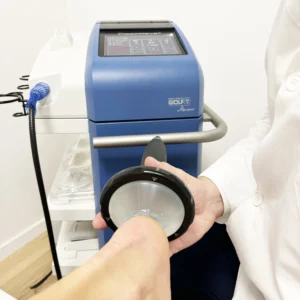
Pathologies of the heel: calcaneal spine
What causes heel spurs? The causes of heel spurs are not yet clear, but it is thought that they are generally associated with repeated microtrauma and stress on

What causes heel spurs? The causes of heel spurs are not yet clear, but it is thought that they are generally associated with repeated microtrauma and stress on
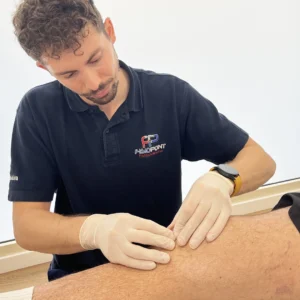
What are the symptoms of a meniscus tear? The symptoms of a meniscus tear vary depending on the severity and type of tear. Generally, you may experience: Knee pain,
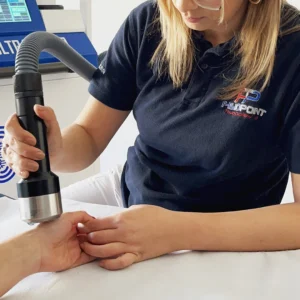
What are the most common conditions affecting the scaphoid? Due to its critical position within the carpus, the scaphoid is susceptible to: fractures, mainly resulting from falls whilst supporting oneself with the hand
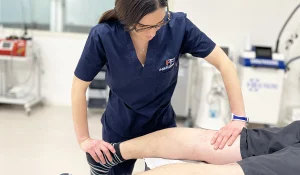
What causes cruciate and collateral ligament injuries? The causes of ligament injuries are mainly traumatic in nature, in particular: The anterior cruciate ligament is
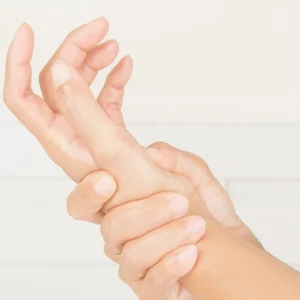
The causes of carpal tunnel syndrome According to many doctors, the onset of carpal tunnel syndrome can be triggered by various medical conditions, such as: The presence, from birth, of
The causes of back pain All the spinal conditions mentioned above can lead to what is known as “back pain”, which may affect the entire spine or individual
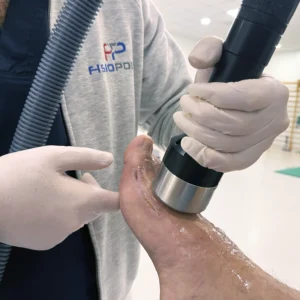
What causes hallux valgus? The main causes that can lead to the development of hallux valgus are: Genetic predisposition/congenital malformations; old foot injuries such as sprains, fractures or the after-effects of surgery that have not been treated properly
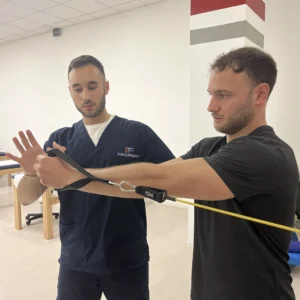
The reverse shoulder prosthesis takes its name from the reversal of the normal anatomy of this joint. Whilst the head of the humerus is normally convex and the glenoid cavity of the scapula is, on the other hand,
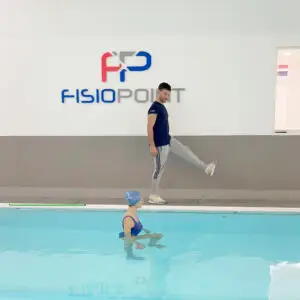
Avascular necrosis of the femur: what is it? Avascular necrosis of the femoral head (also known as osteonecrosis of the femoral head) causes ischaemia, that is, an interruption in the blood supply to
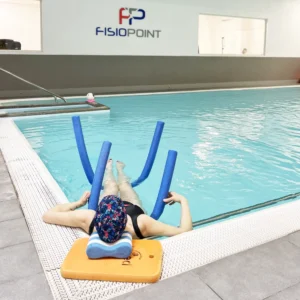
The hip is a synovial joint, that is, a joint that moves in all three planes of space and performs the following movements: flexion, extension, internal rotation, external rotation, abduction and adduction. As a result of
 English
 Italian