The reverse prosthesis of shoulder owes its name to the reversal of the normal anatomy of this joint. Whereas normally the head of the humerus is convex and the scapular glenoid is concave, the components of an inverted prosthesis have inverted shapes:
- a spherical surface is placed at the level of the glena
- a concave interface is placed at the level of the humerus.
This inversion of the anatomy has a particular reason: the factors that lead to the implantation of an inverted prosthesis are such that one chooses to sacrifice normal anatomical relationships in order to restore functionality to the limb.
In a shoulder healthy muscles of the rotator cuff are those muscles that assist the movement and strength of this joint and keep the head of the humerus centred within the glenoid cavity. An anatomical prosthesis also uses the cuff muscles to function correctly; however, a patient with a severe rupture of the tendons described above will not be able to rely on them to function. An inverted shoulder prosthesis, for this reason, performs its function no longer through the (severely compromised) rotator cuff but through the deltoid muscle.
When is reverse prosthesis surgery indicated?
The cases in which a reverse prosthesis is proposed are:
- Degenerative arthropathy of the rotator cuffThis is a severe glenohumeral arthrosis associated with rotator cuff injury, which causes the head of the humerus to rise
- Complex fractures of the proximal third of the humerus in patients over 70 associated with rupture of one or more cuff tendons
- In replacement of a previously implanted shoulder prosthesis (revision surgery)
- Following the failure of the conservative approach: treatments such as physiotherapy, seepage, drug therapies, change of dysfunctional postural attitudes, modifications (where possible) of work activity, have not brought any pain relief or functional improvement of the limb.
Diagnosis
The diagnostic route includes:
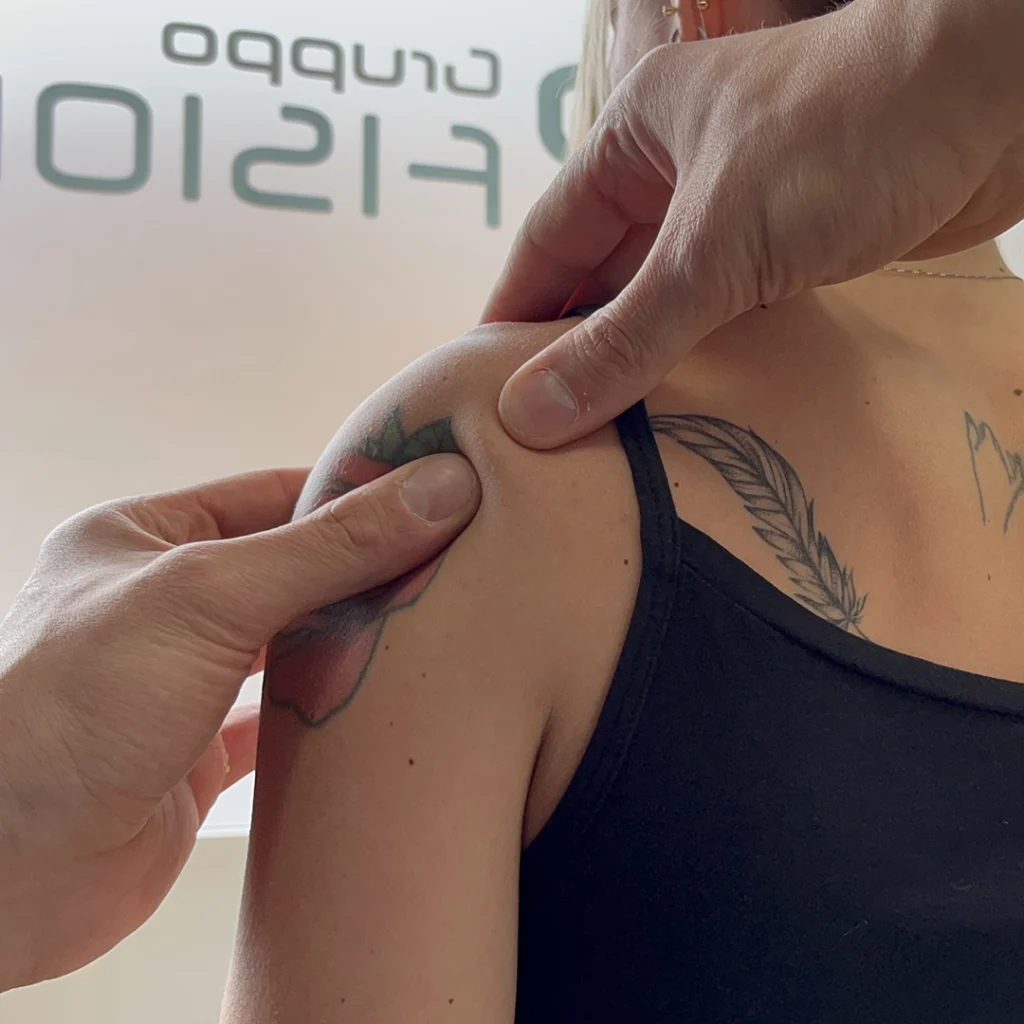
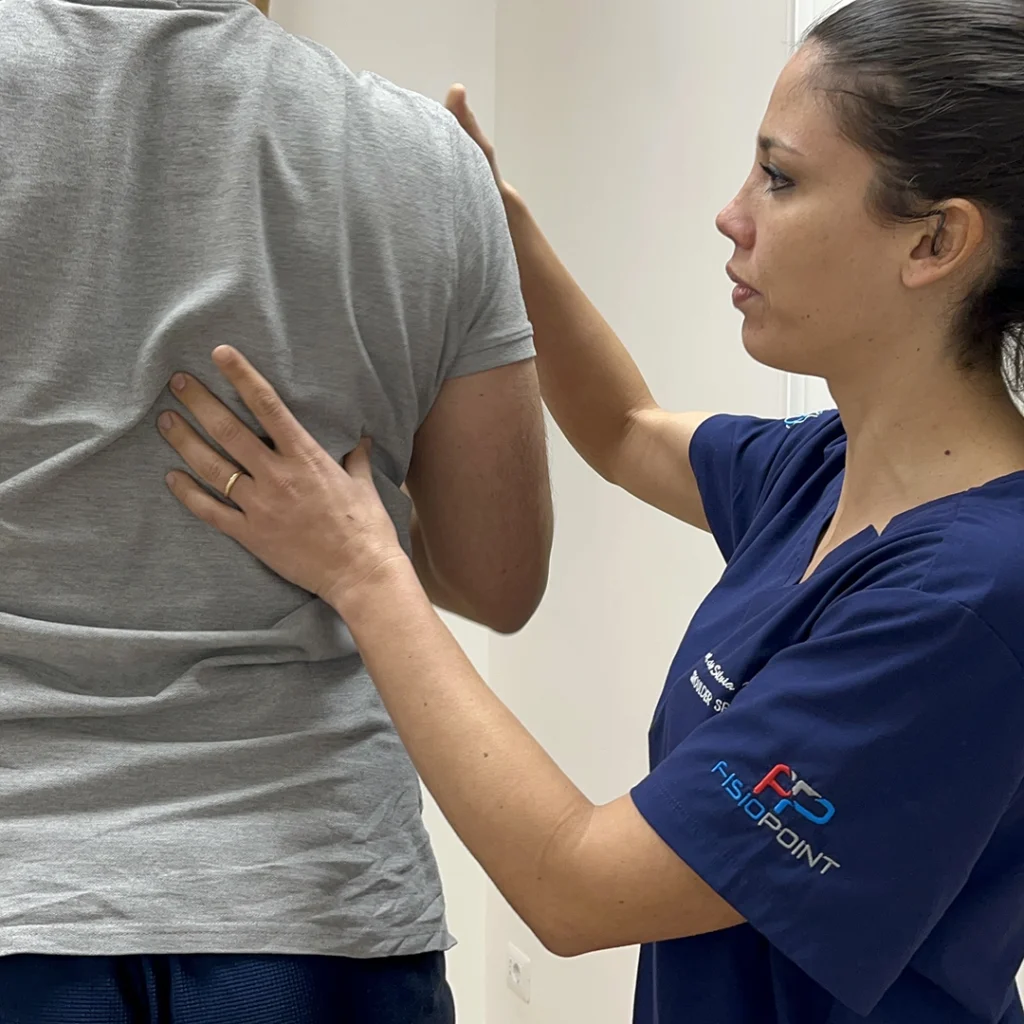
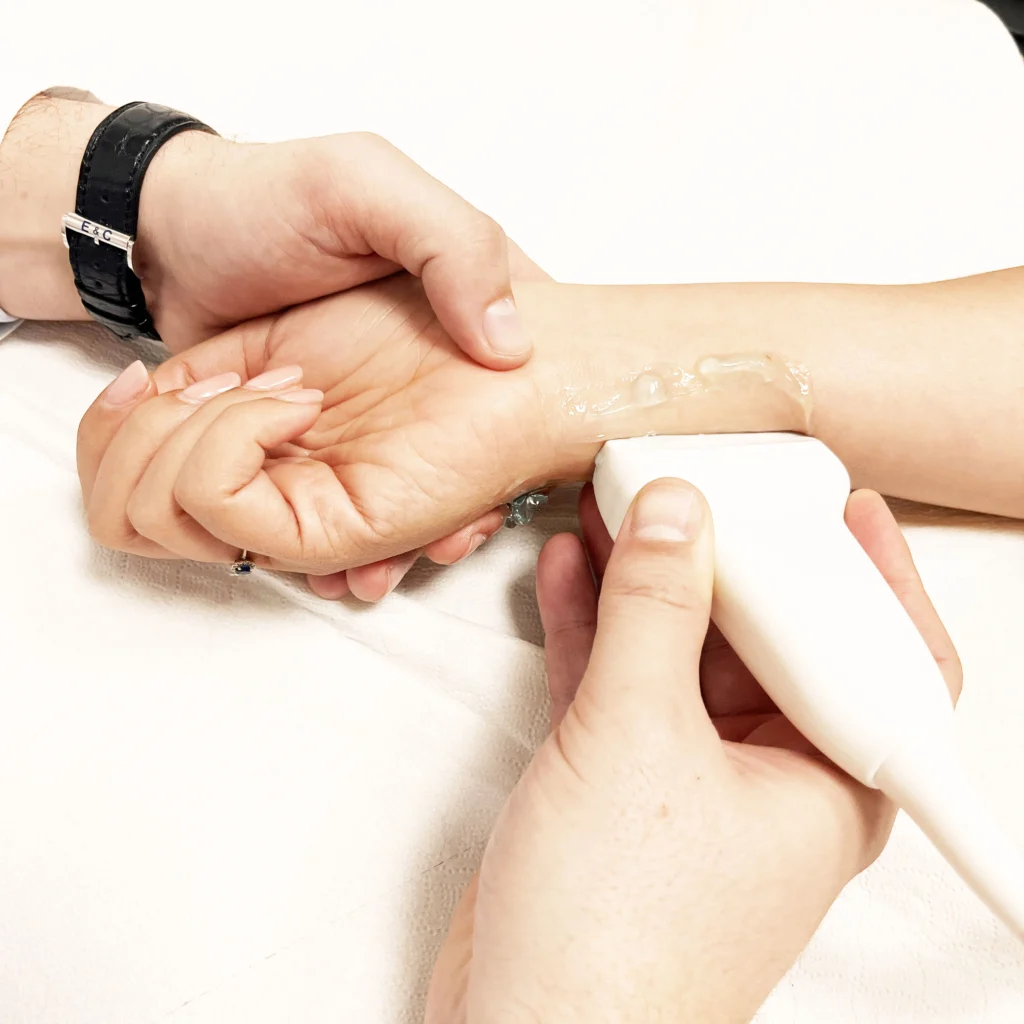
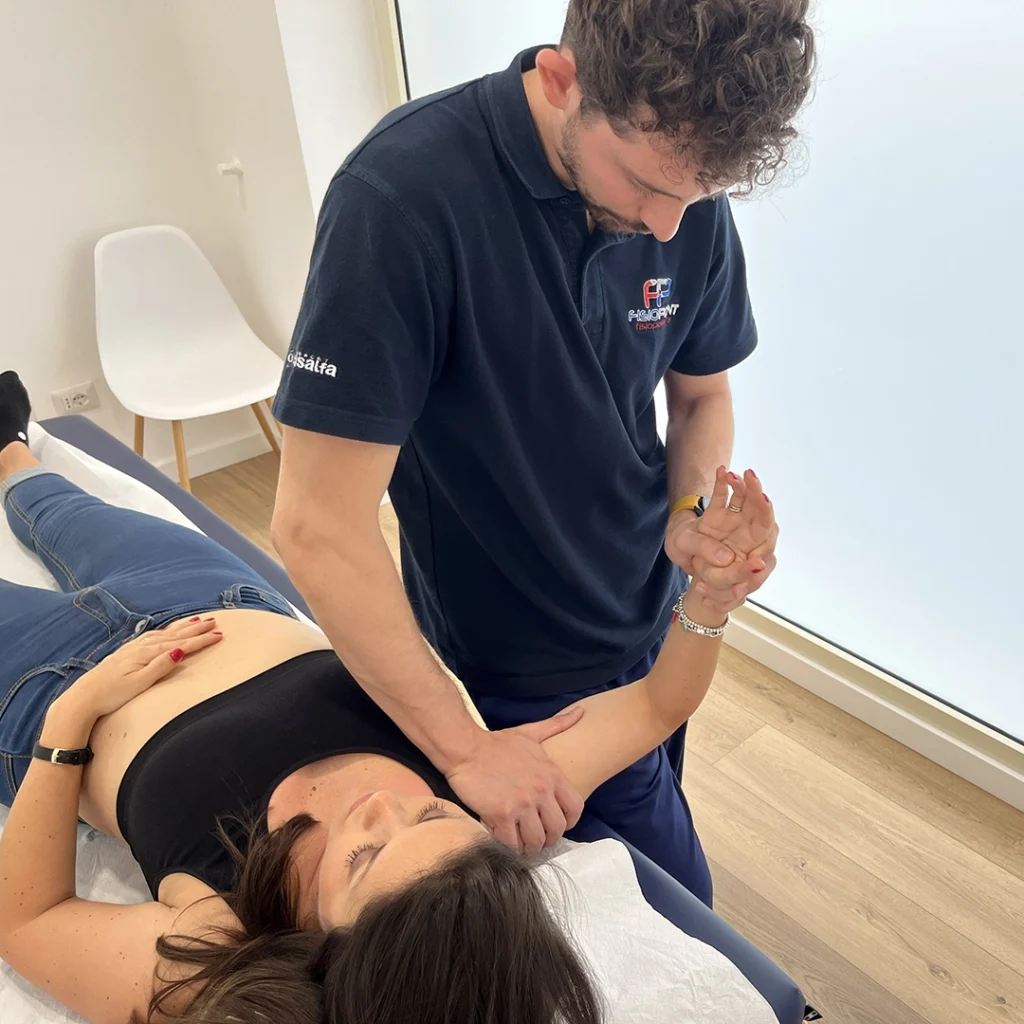
- Clinical examination, in which the specialist will assess the presence of pain and functional impotence through a thorough history and clinical tests
- Radiographic (X-ray) examination to assess bone structures, relationships, surfaces and joint spaces
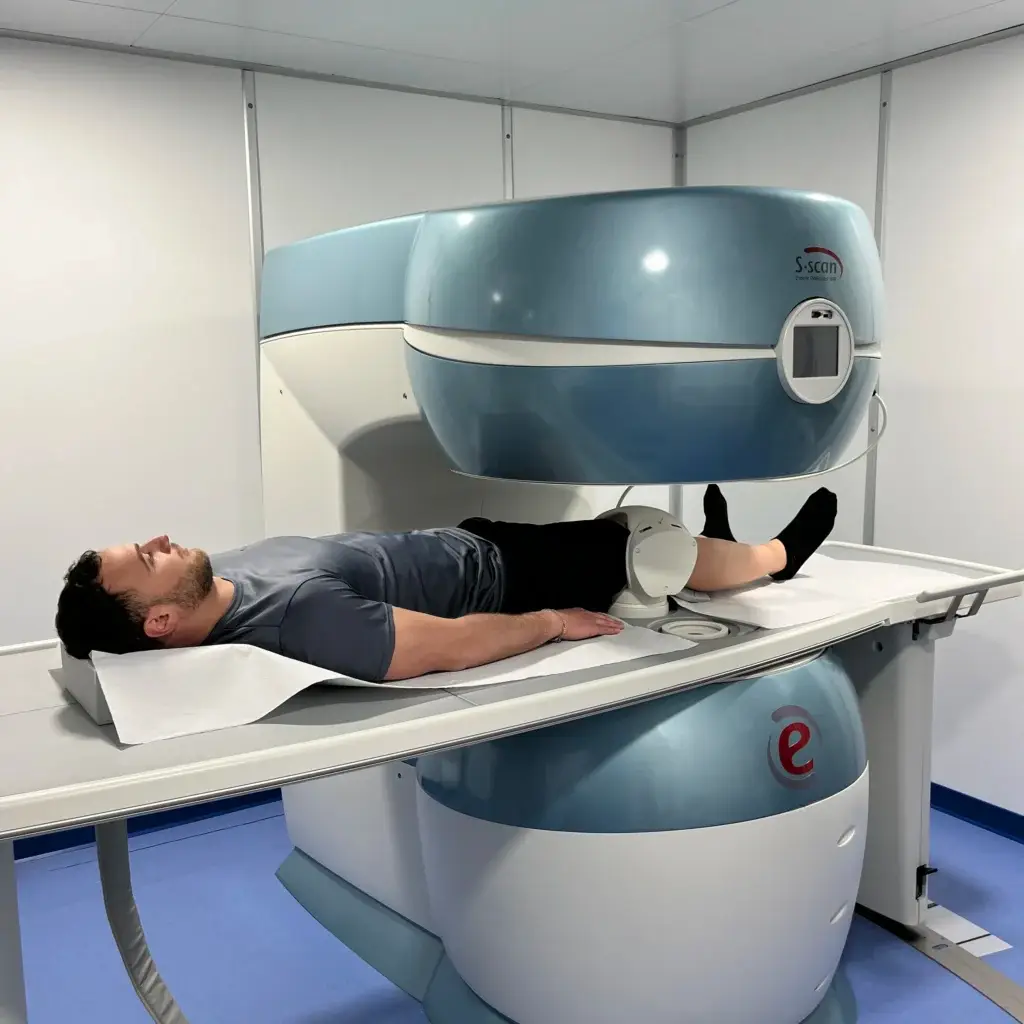
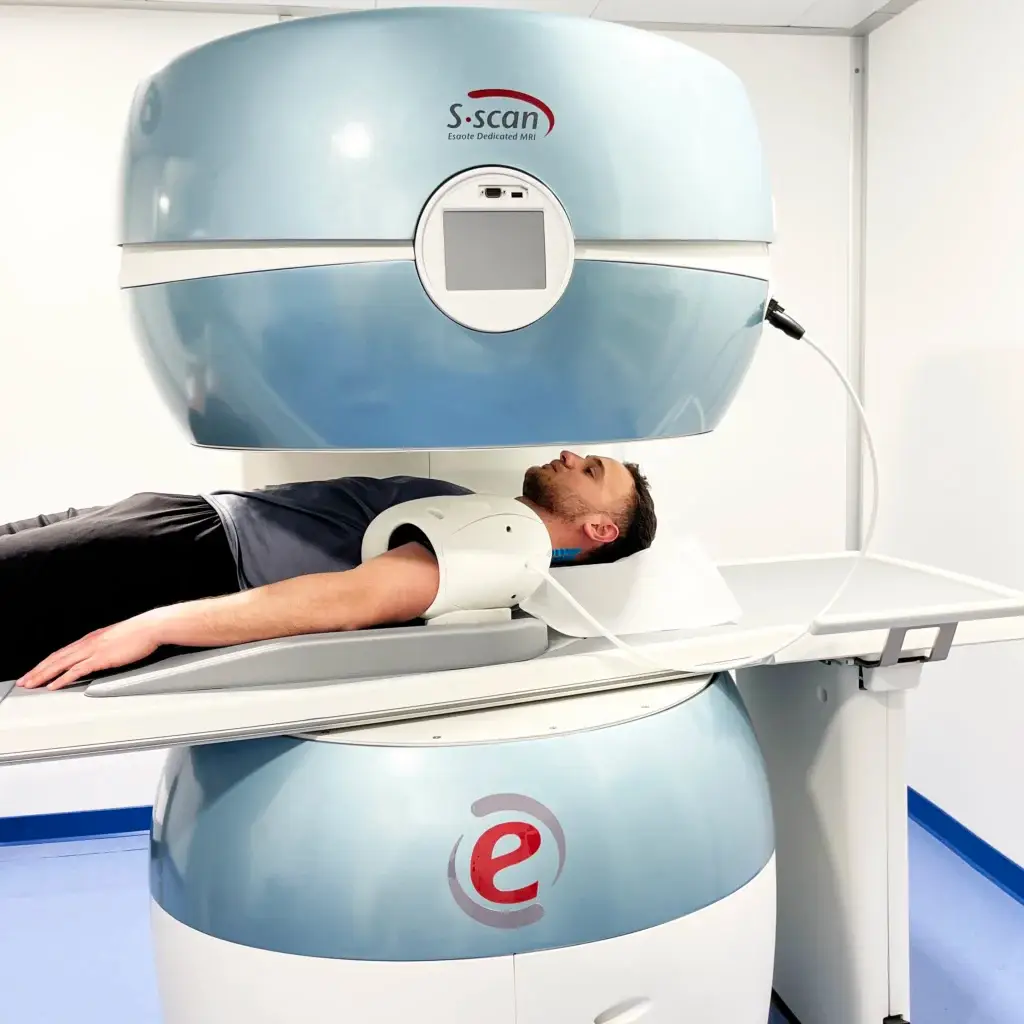
- Magnetic resonance imaging (MRI): to assess the state of the soft tissues, thus the residual component of the rotator cuff;
- CT scan (especially preoperative): to guide the surgeon in assessing the quality of the bone tissue on which the prosthesis will be implanted.
Surgical procedure
The surgeon proceeds with an anterior incision and passes through the deltoid-pectoral groove between these two muscles (deltoid and pectoralis major) to reach the joint plane and remove the humeral head, cruciate the glenoid cavity and thus insert the glenosphere, inserting the concave titanium component on the humeral side. The prosthesis is thus reduced and sutured in planes.
This model provides similar stability as an effective rotator cuff.
The surgeon makes use of the choice of two possible combinations, represented by latero-medial or medio-lateral prosthetic implants (pair of lateralised gleno-medial and medialised humerus in the first case, vice versa in the second) to ensure good soft tissue tension and thus greater efficiency of the deltoid in the abduction and elevation movements of the arm.
Surgical complications related to this type of surgery are common to other types of surgical procedures, such as infections and haemorrhages, while others are specific: periprosthetic or acromion fractures, dislocations, deltoid hyposthenia, scapular notching (a phenomenon of reworking of the neck of the scapula due to contact with the polyethylene insert).
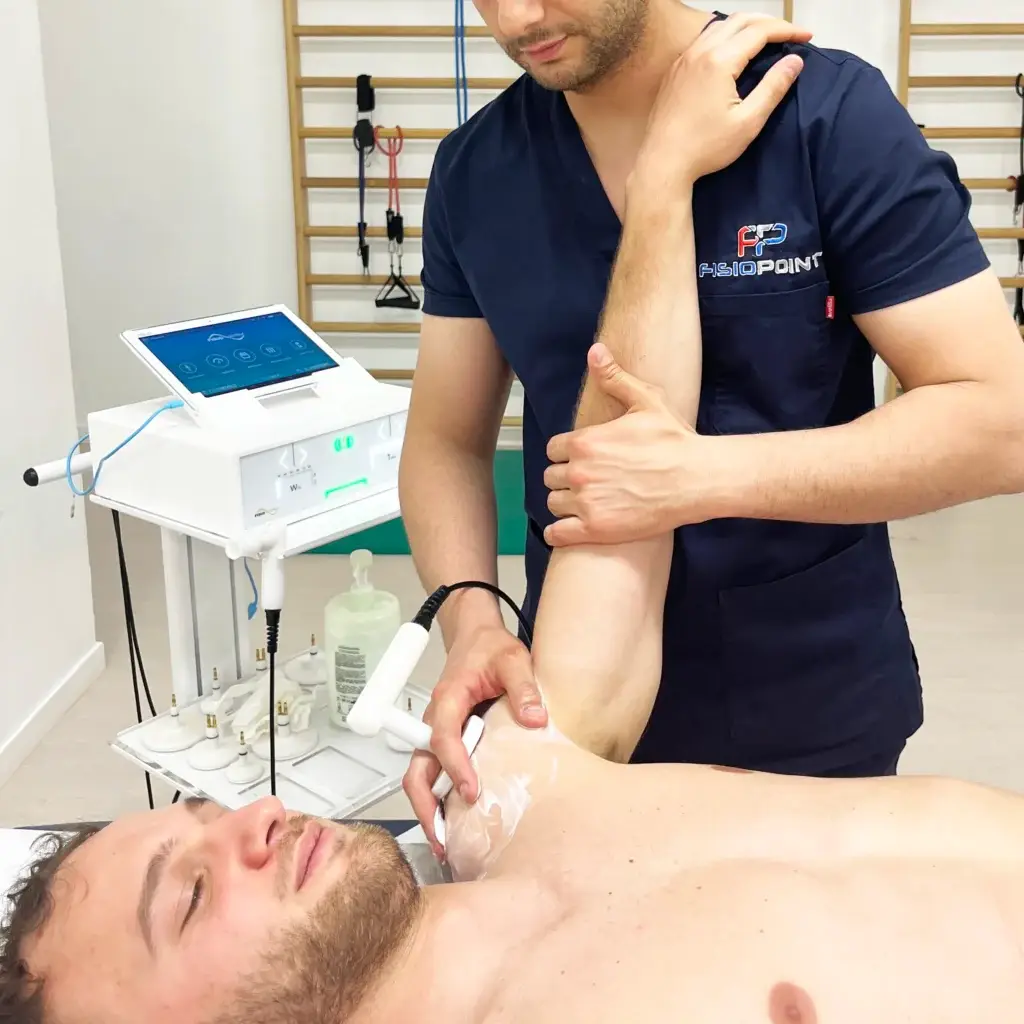
Rehabilitation of reverse prosthesis
During the first three to four weeks, the patient is instructed to use a brace that will support the arm in abduction (between 15° and 30°) and neutral rotation; after the first 48/72 hours, the brace can begin to be removed for light activities and personal hygiene, wearing it instead during the night (unless otherwise indicated) and in all activities where it is easy to lose control of the limb.
During these weeks, there is a risk of dislocation of the implant, linked to movements of internal rotation associated with adduction and extension; therefore, the patient will be instructed by the therapist to avoid movements such as getting up from the chair by placing the hand on the armrest and pushing with the operated limb, or touching the lower back or putting clothes on by bringing the arm over the back.
Rehabilitation of the reverse prosthesis post-surgical period
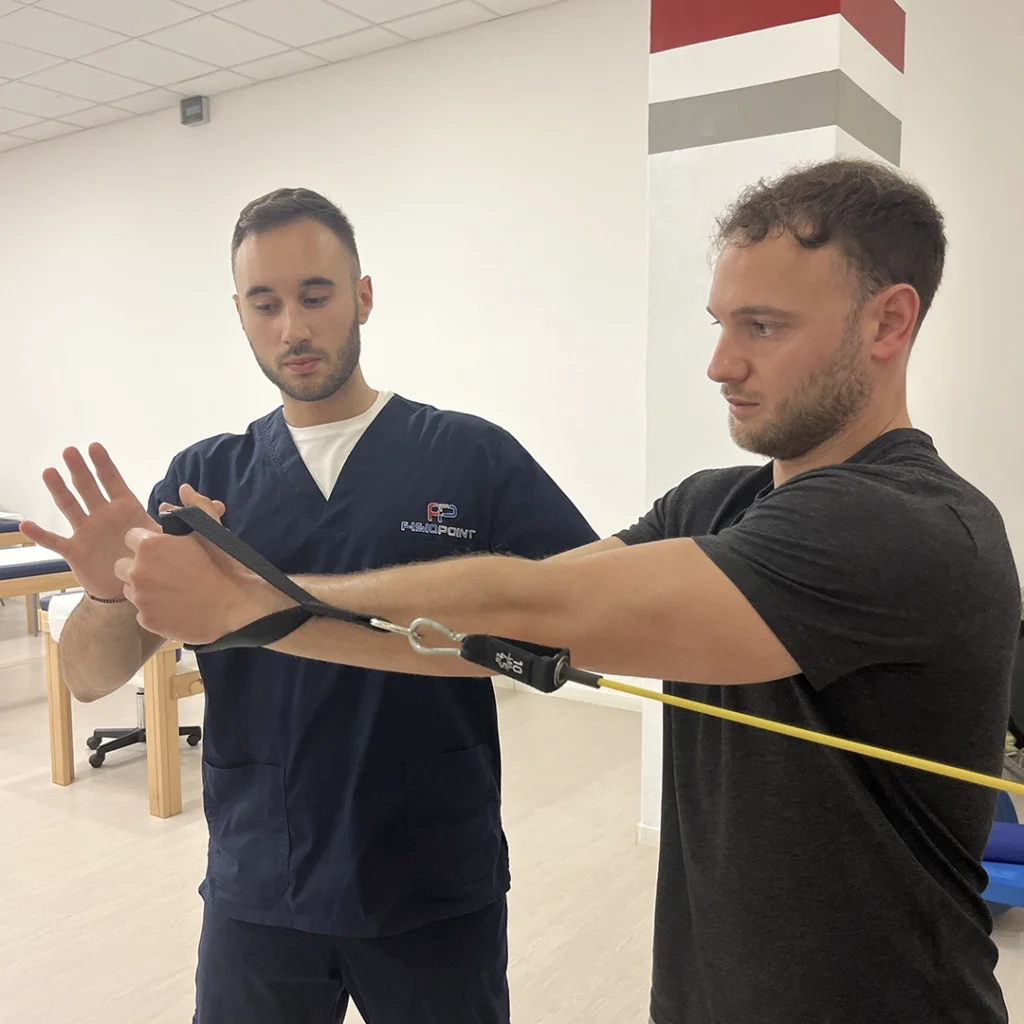
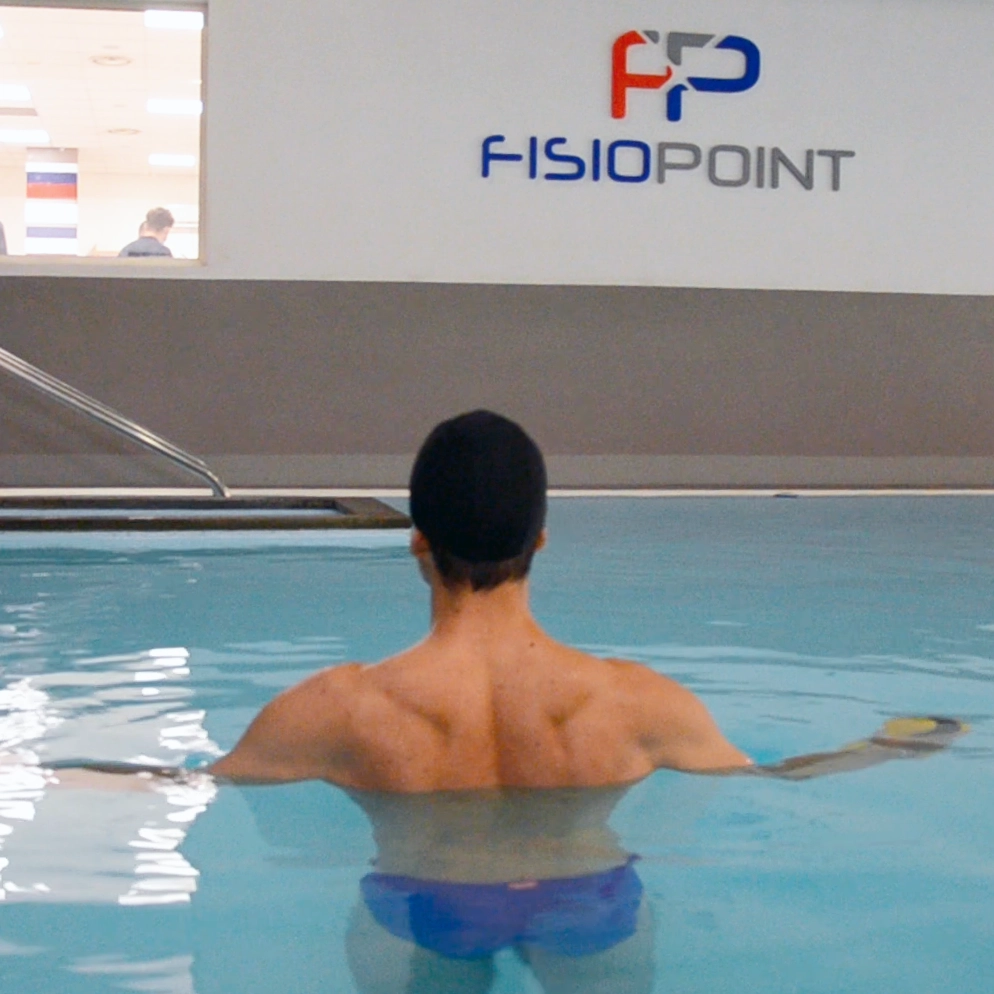
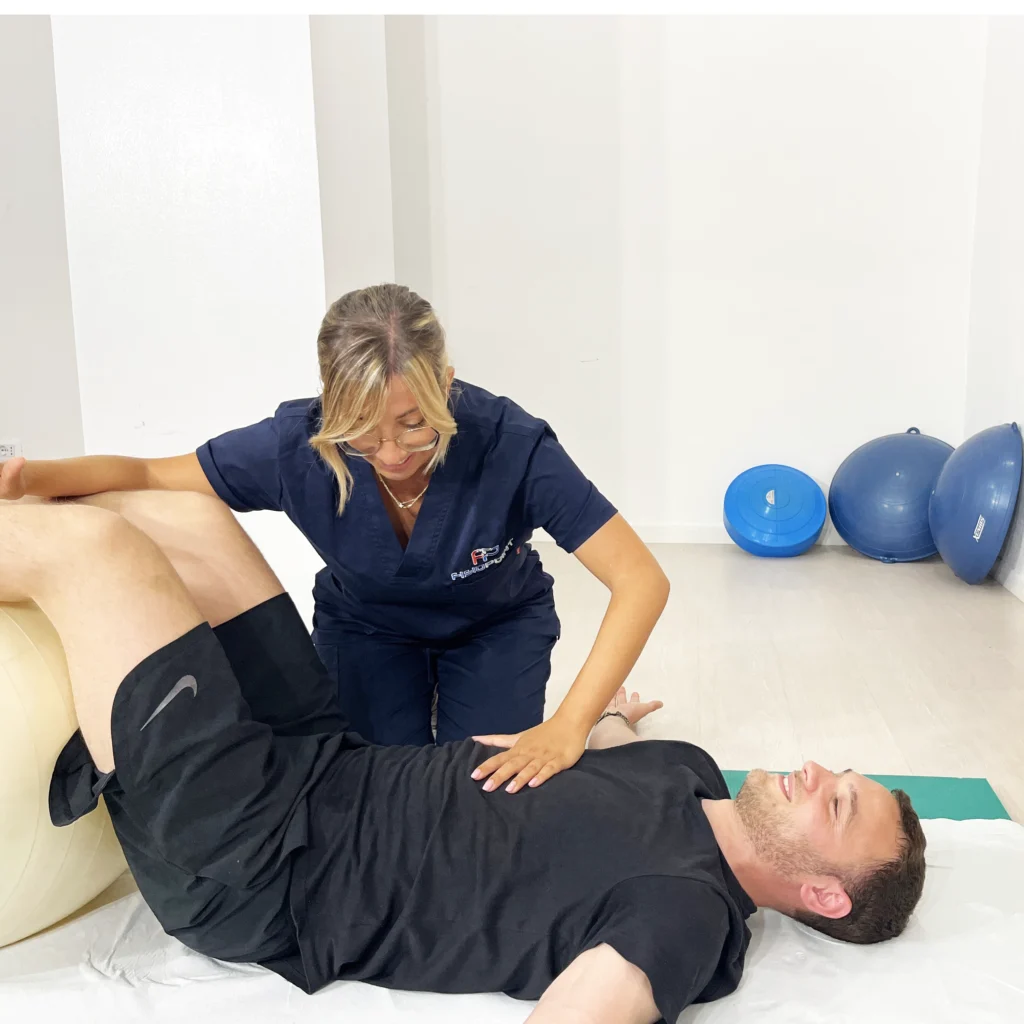
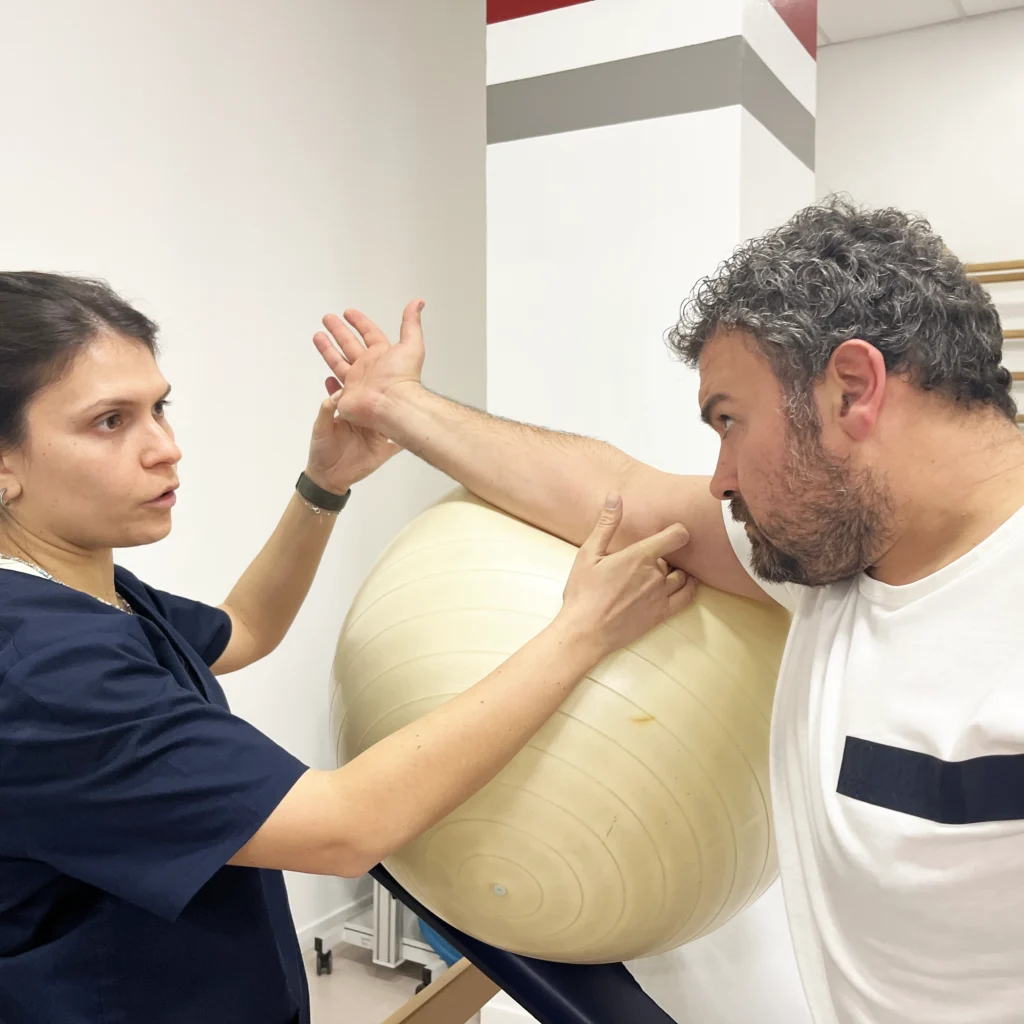
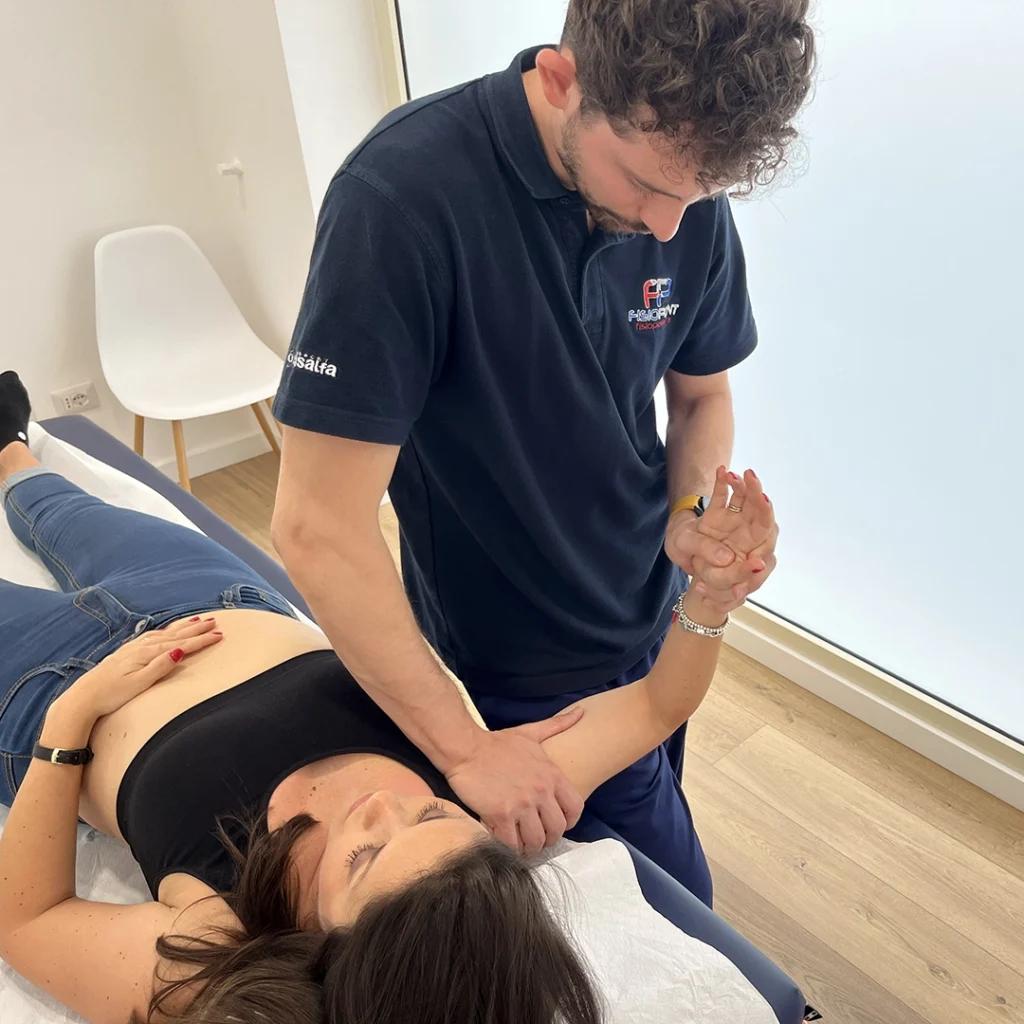
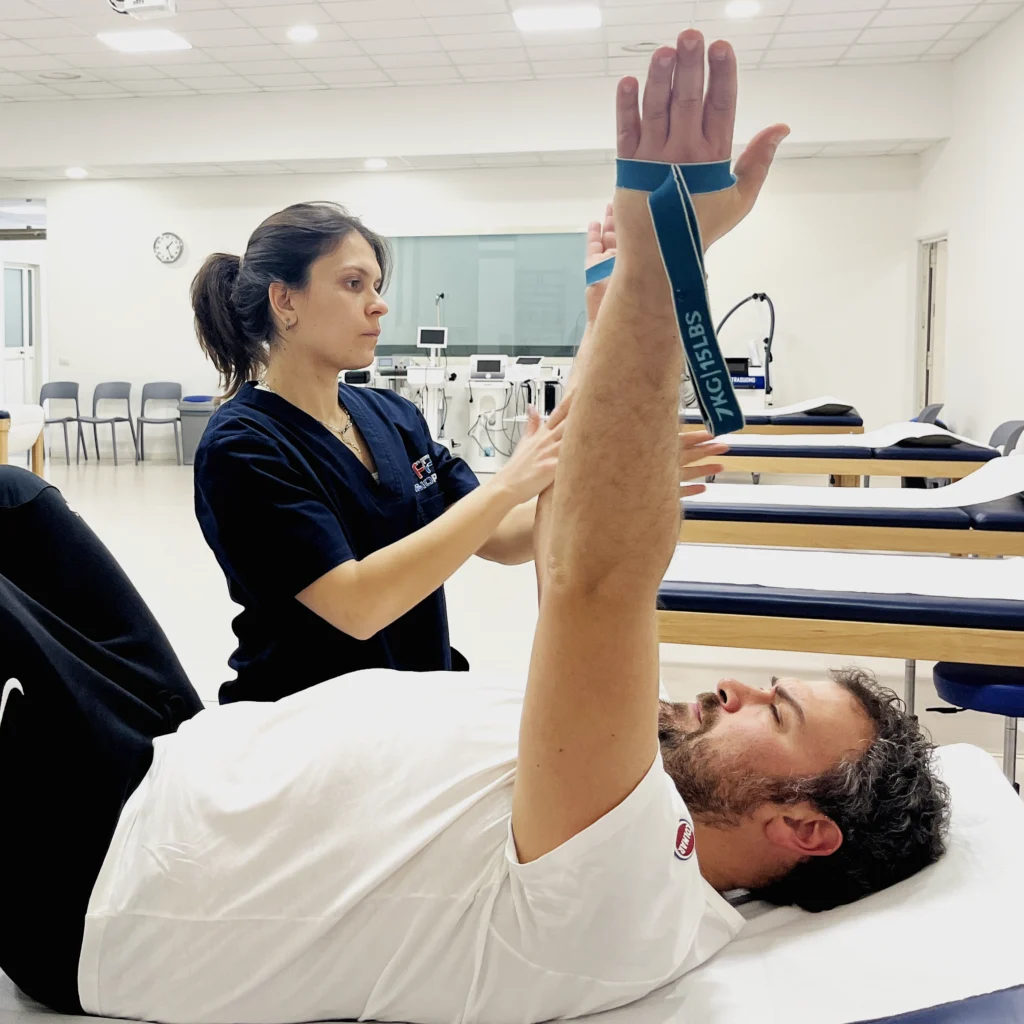
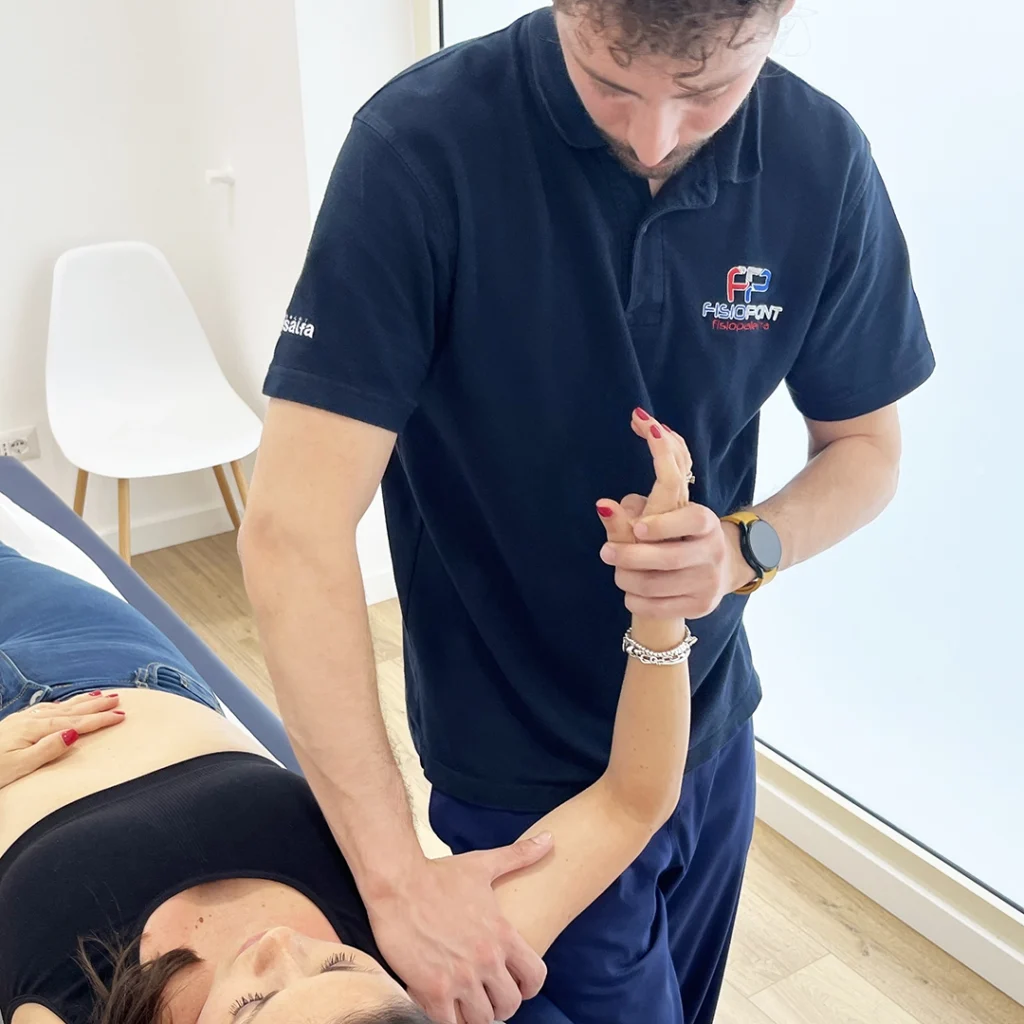
It is of fundamental importance, from the very first post-surgical period, to begin a rehabilitation course aimed at activating the scapulothoracic and deltoid muscles, since the stability and mobility of a reverse prosthesis depend on these muscle groups.
The deltoid becomes the main motor of the elevation and abduction of the operated limb, as well as an external rotator when the arm is abducted; moreover, the reduced mobility of the glenohumeral will have to be compensated by an increase in that of the scapular, and it is therefore fundamental to set up a work of gradual strengthening of these muscle groups, respecting the pain and the biological healing times of the tissues.
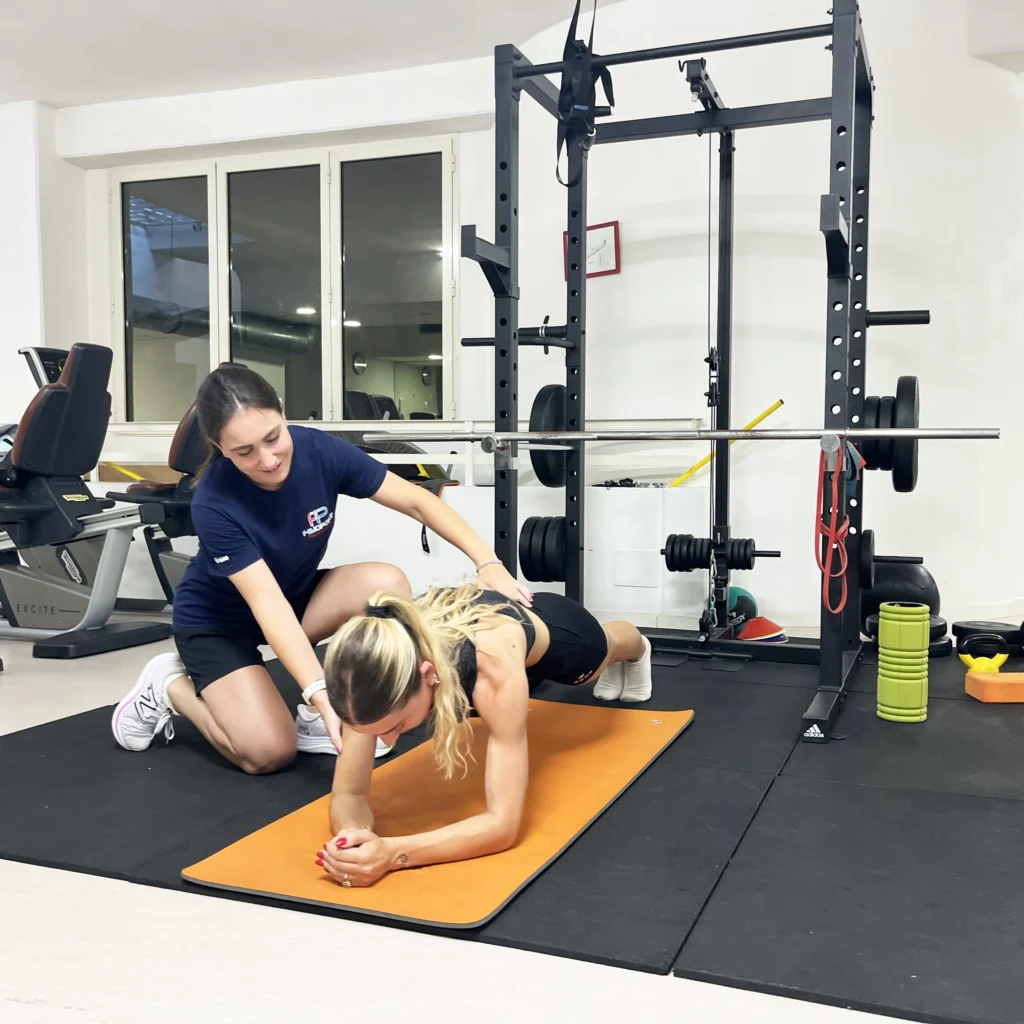
The goal of rehabilitation must always be defined on the basis of the patient's specific characteristics and functional requirements, as well as the type of surgical implant and the pre-operative state of the tissues. In this perspective, a return to sport for patients with a good initial state of fitness can also be considered a feasible goal, depending on the type of sport practised and under close observation by the medical team.
Text by Rosita La Terza







 English
 Italian