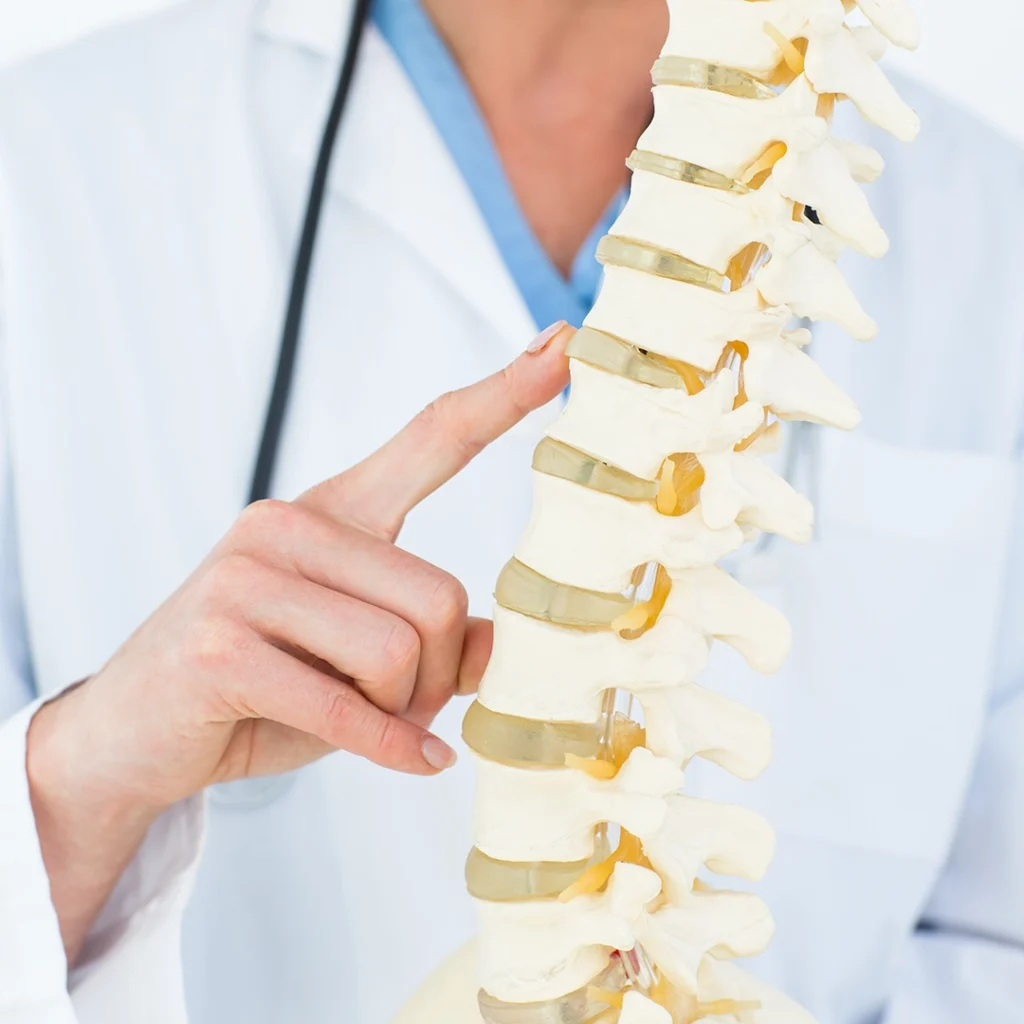
L'hip can be defined as the joint that connects the trunk with the lower limb. It is formed by the pelvis -composed of the ilium, ischium, pubis, sacrum and coccyx- which articulates with the femoral head forming the so-called coxofemoral joint.
Ileus, ischium and pubis delimit a large cavity called acetabulum, covered by a cartilaginous structure, which houses the upper part of the femur (head) and which enables its movement.
The stability of the joint is ensured by a ligamentous component and the joint capsule, which from the edge of the acetabulum attaches itself to what is called the neck of the femur.
In order to ensure the correct mobility and stability of the hip, as is the case with every joint, there is the synergic and coordinated intervention of the muscular apparatus, represented mainly by the gluteal muscles, the quadriceps and the ischiocral muscles.
Given its conformation, the hip joint has a great capacity for movement, allowing flexion, extension, adduction and abduction (opening, closing of the leg), intra and extrarotation of the femur, and thus as a combination of these, the encircling.
Al pari di tutte le articolazioni particolarmente mobili, è frequente l’instaurarsi di condizioni patologiche e di pain a causa dell’eccessiva usura articolare, di meccaniche di movimento scorrette (biomeccanica alterata) o di traumi diretti.

Do you want to understand the origin of your problem and structure the best physiotherapy path to solve it definitively?
If you have them, bring us medical prescriptions, MRIs and X-rays. This way we can assess the situation together and determine the best course of action to deal with your problem and resolve it quickly. If you do not have them and they are necessary, we can do them quickly ourselves.
La coxarthrosis è la più frequente forma di degenerazione a carico dell’anca. Si rovinano le cartilagini che rivestono le superfici articolari e a lungo andare può portare a una vera e propria impotenza funzionale. Ci sono due forme di artrosi dell’anca, una primitiva, relativa al normale processo di invecchiamento dei tessuti, e una secondaria che può insorgere in relazione a patologie traumatiche, impingement, displasia dell’anca, necrosi della testa del femore, etc.
Il sintomo maggiormente avvertito è il dolore, che normalmente si attenua quando si è in movimento. Successivamente, col progredire della patologia, si riduce la mobilità articolare e scende il tono muscolare. Una radiografia è il mezzo migliore per accertare effettivamente l’entità del danno. Spesso nei casi di maggior degenerazione, la risoluzione prevede l’intervento chirurgico. Il primo approccio, ammesso che la degenerazione non sia in una fase troppo avanzata, è l’artroscopia; successivamente ci sono gli interventi di protesi d’anca in cui si sostituiscono i capi articolari con acetabolo e testa del femore fatti solitamente in metallo nobile.
Il cercine acetabolare è una struttura fibrocartilaginea che ricopre il ciglio acetabolare. La sua principale funzione è quella di aumentare la superficie articolare dell’articolazione coxo-femorale e di stabilizzarla. Sono note cinque cause di lesione del cercine: traumi, impingement, displasia dell’anca, coxartrosi e lassità della capsula articolare. I sintomi sono principalmente il dolore localizzato, e nei casi più gravi la limitata capacità funzionale dell’anca.
La sindrome da conflitto femoro-acetabolare (anche detta impingement acetabolare) consiste nel vero e proprio conflitto che si instaura tra acetabolo ed epifisi prossimale del femore.
Two forms of conflict are distinguished:
A well-done X-ray to ascertain the lesion is always important.
The snap hip is divided into two categories
Pain is not always a symptom, but is often present in such pathologies. When making a diagnosis, it is useful to take both an X-ray and an MRI to check the state of the bone and cartilage compartment.
Che si abbia un principio di coxarthrosis, una lesione post traumatica o si abbia subito un intervento di protesi d’anca, è comunque necessario fare una appropriata fisioterapia in un centro che offra tutte le terapie strumentali di ultima generazione, l’idrokinesiterapia e che abbia fisioterapisti preparati e aggiornati sulle ultime tecniche riabilitative.
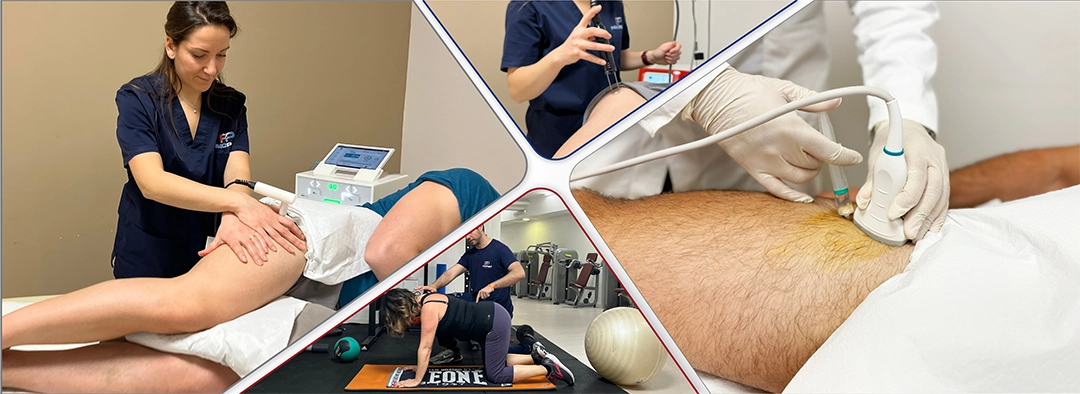
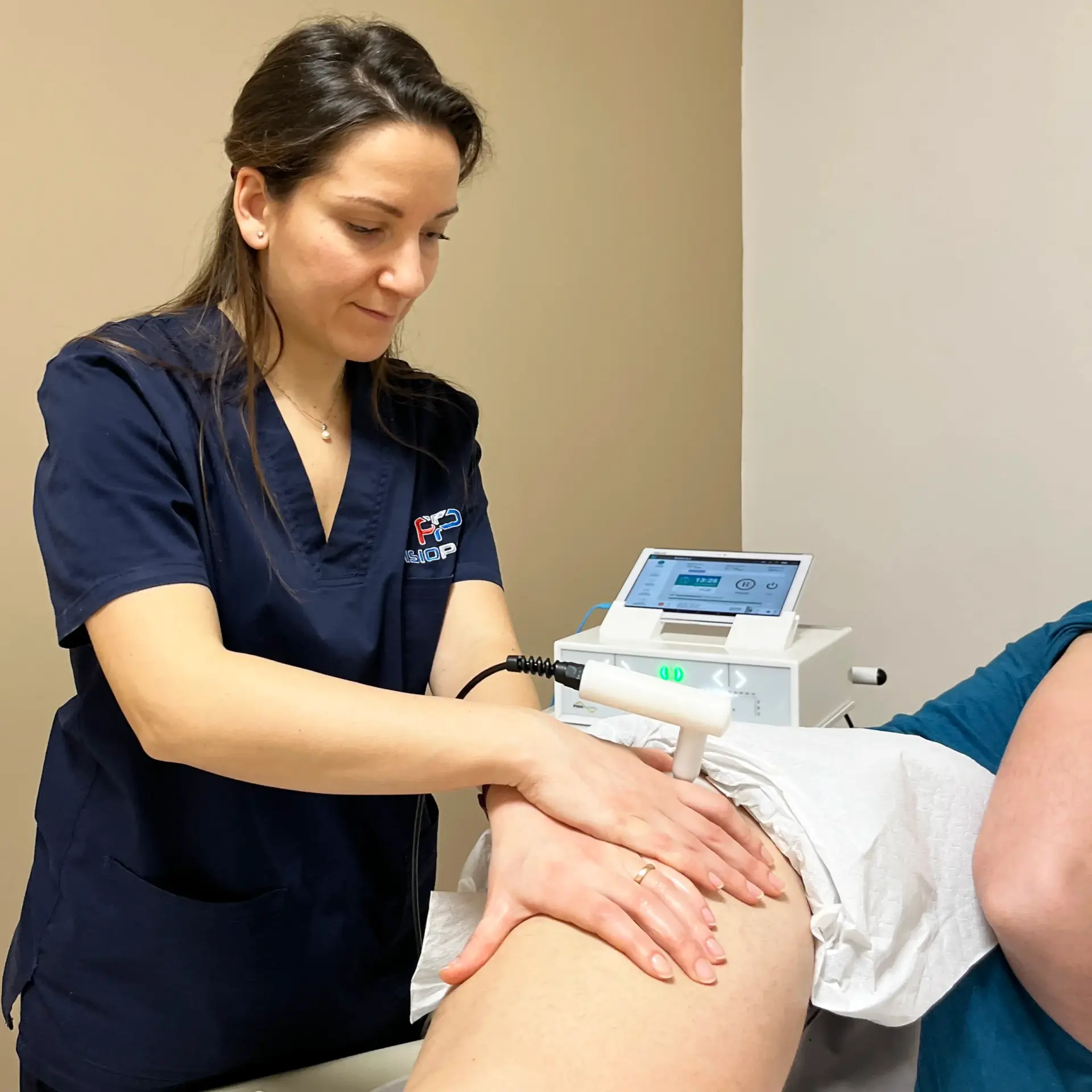
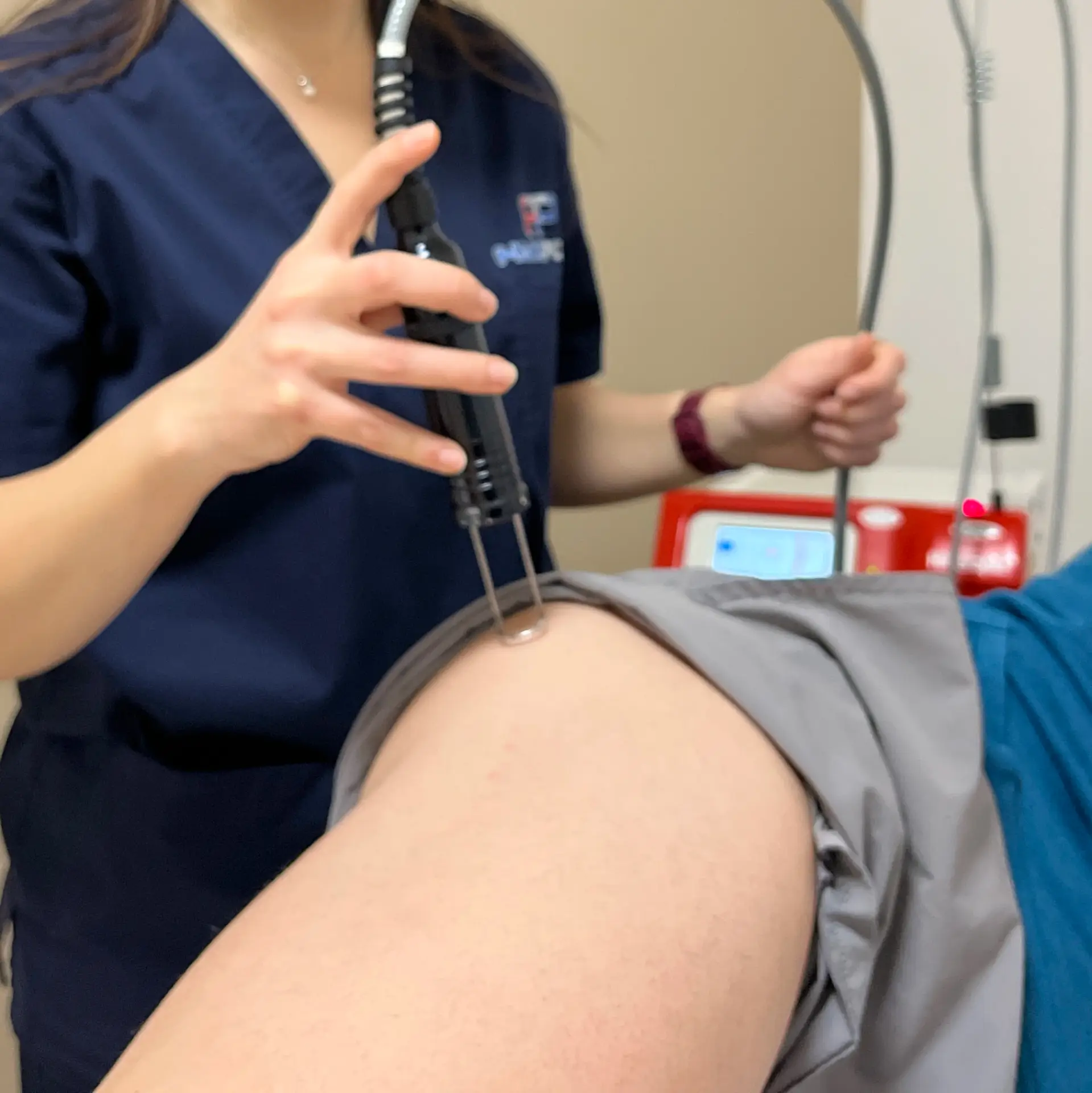
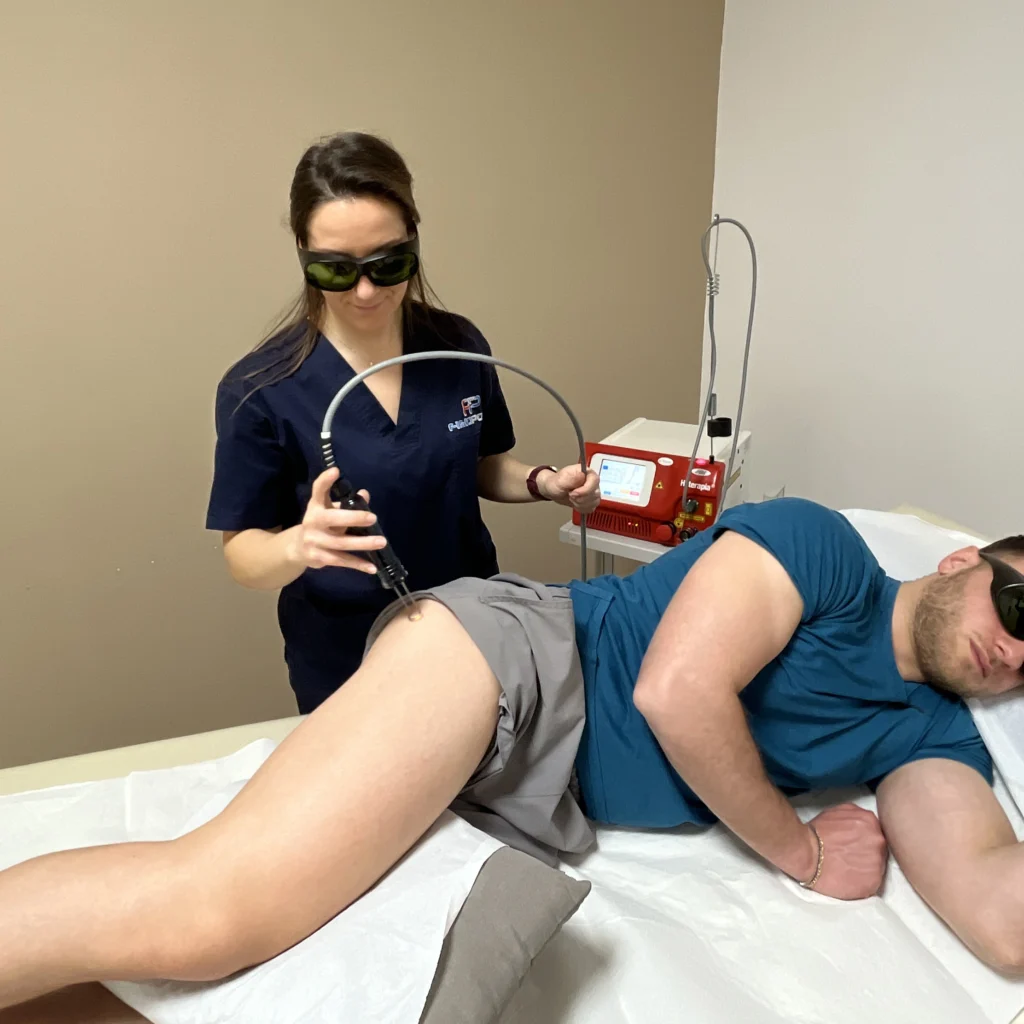
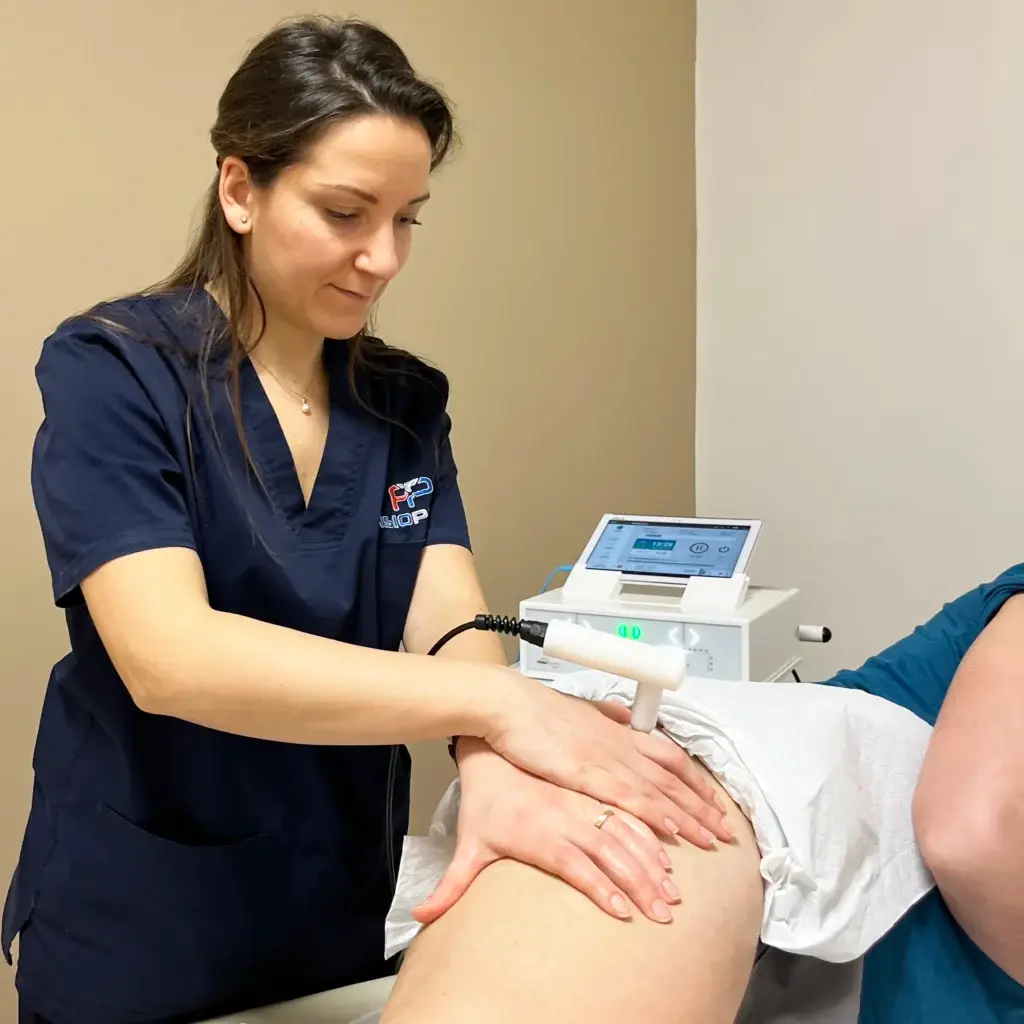
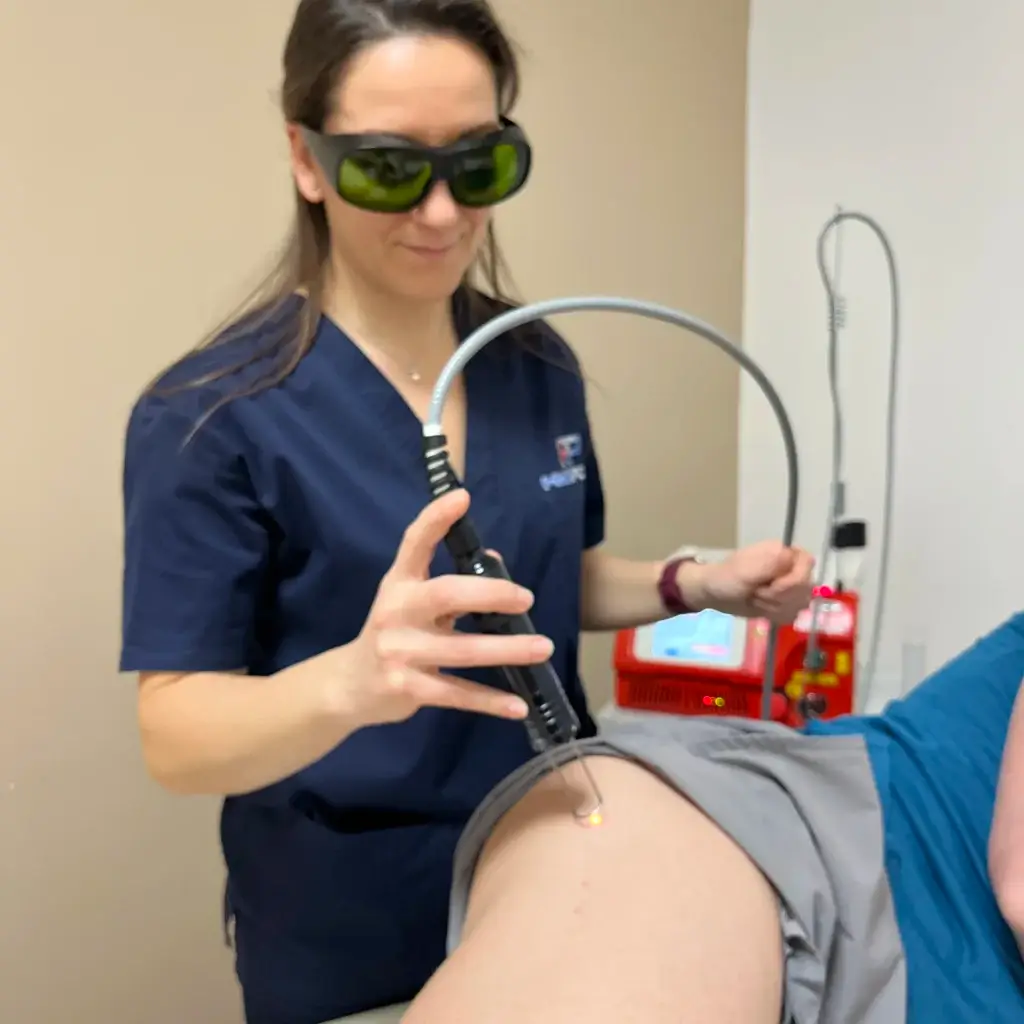
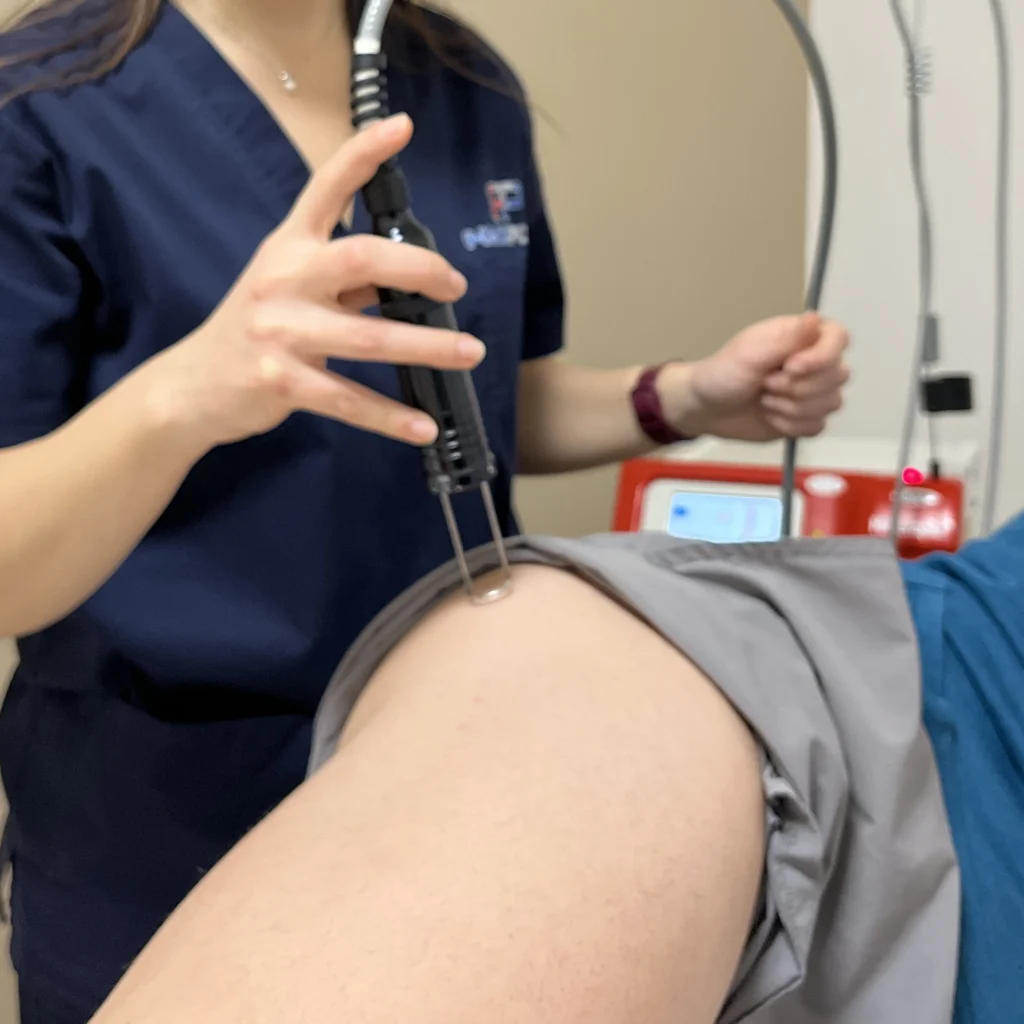
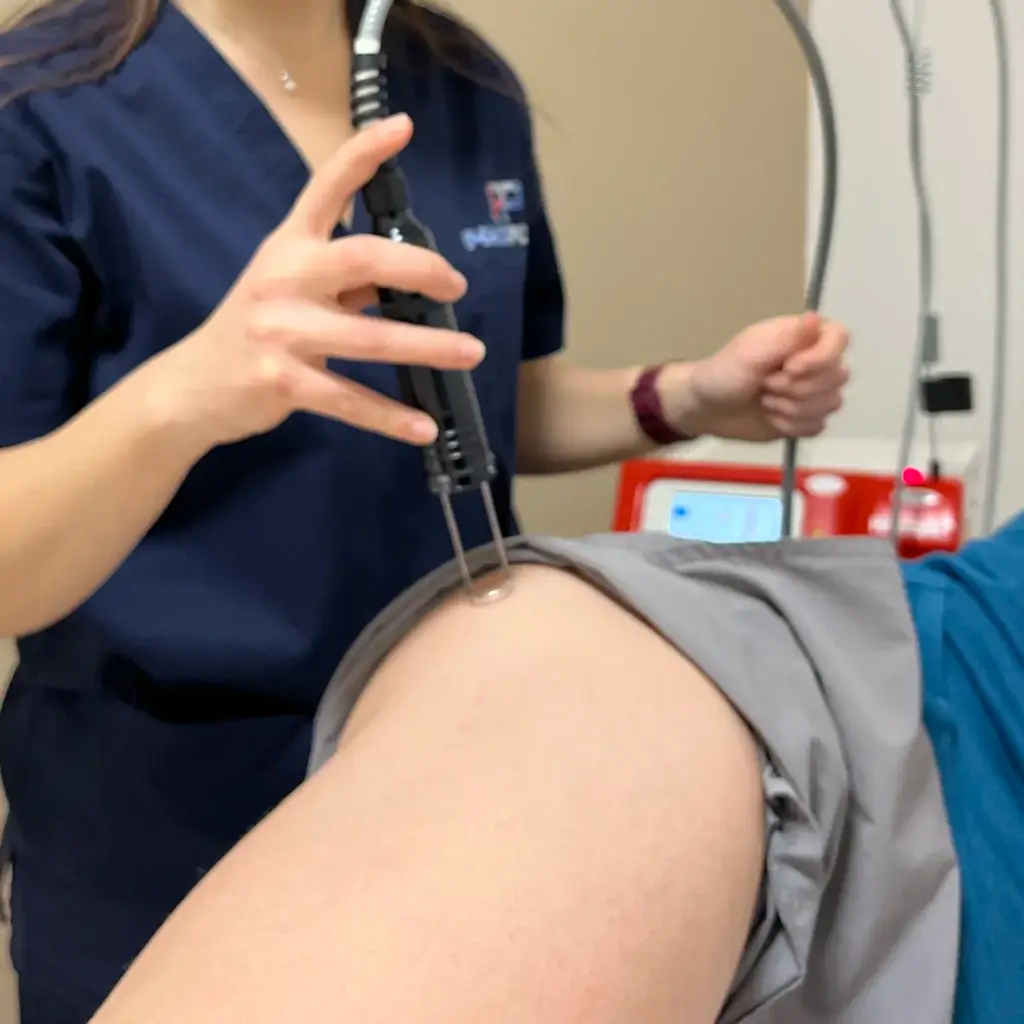
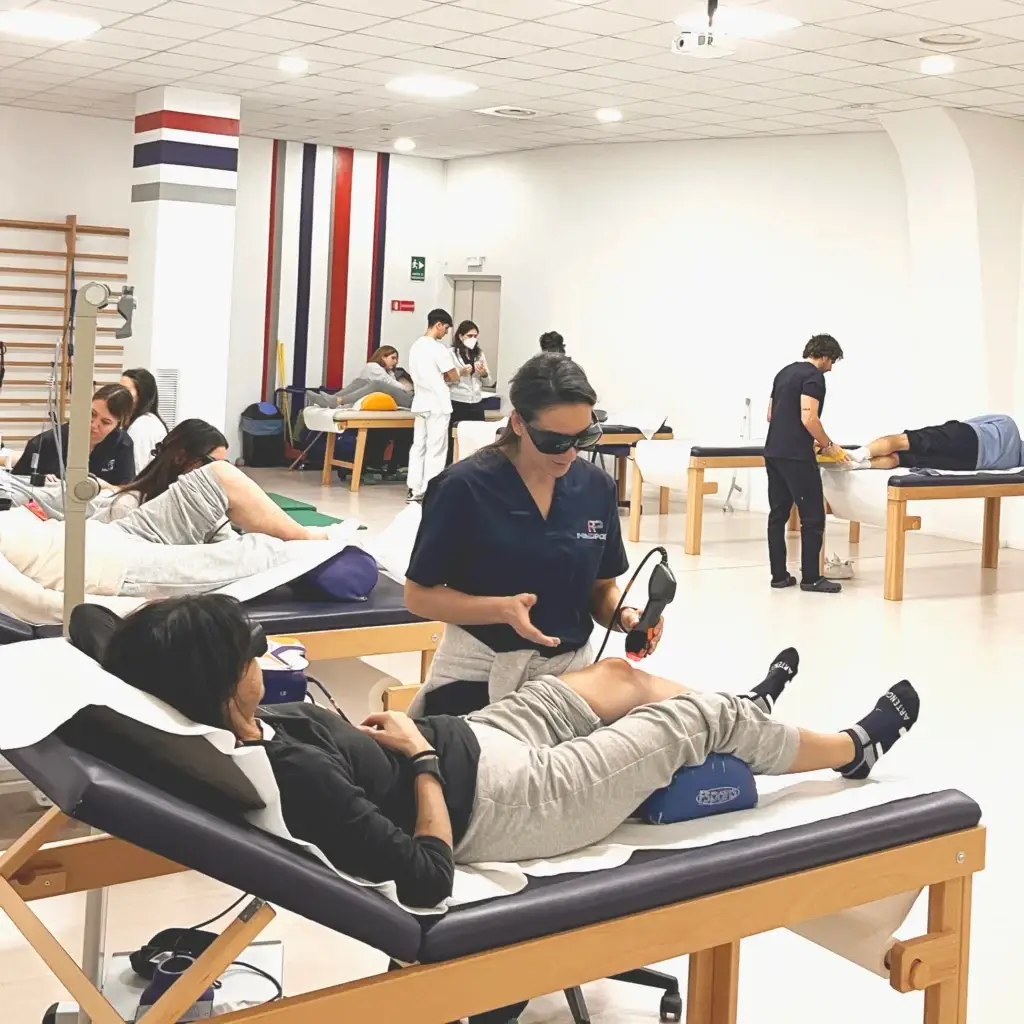
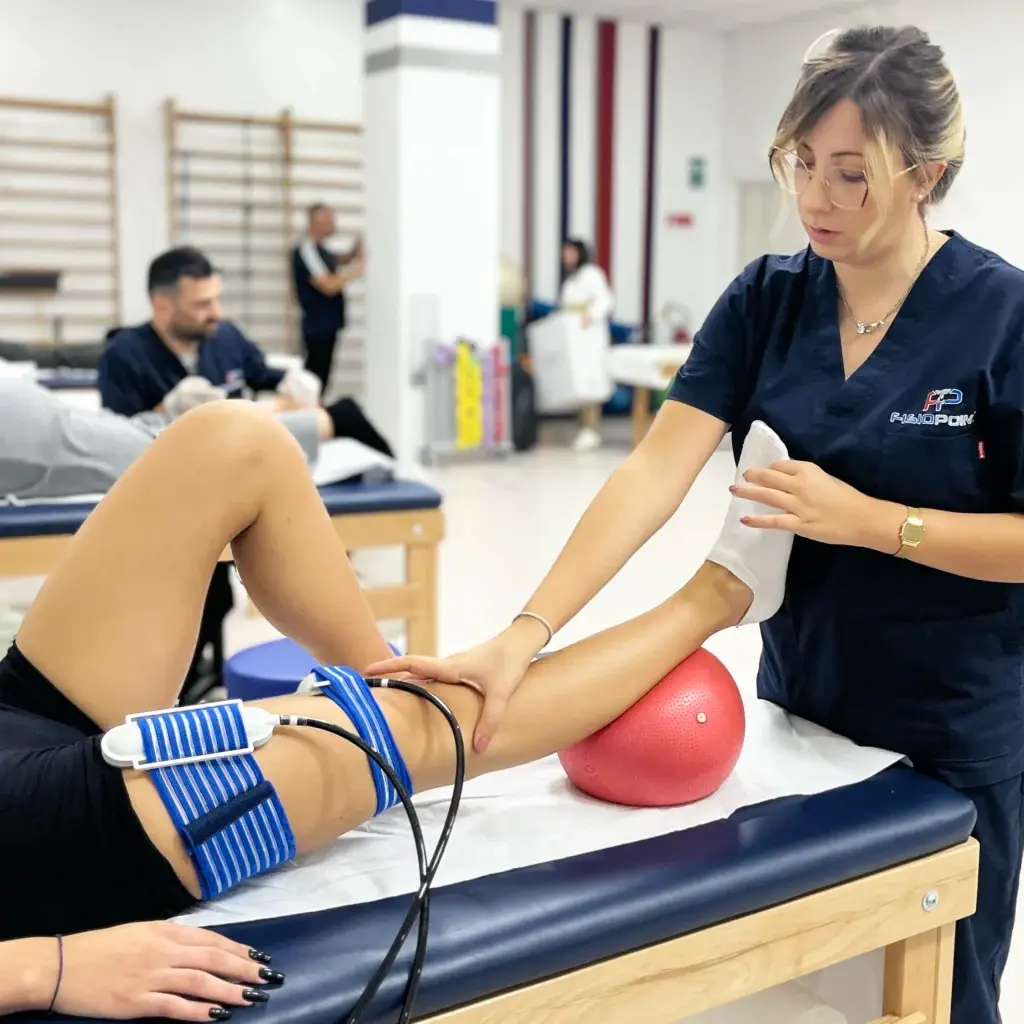
The first objective is to rapidly eliminate pain and inflammation in the hip, with latest-generation instrumental therapies such as Tecar therapy, which increases blood flow by activating cell turnover and warming the muscle in depth; such as the high-power Yag laser, which is able to penetrate deeply, reducing inflammation and pain; or such as SIT therapy, which overcomes the protections of our tissues and conveys drugs or natural phytocompounds with anti-inflammatory and pain-relieving action.
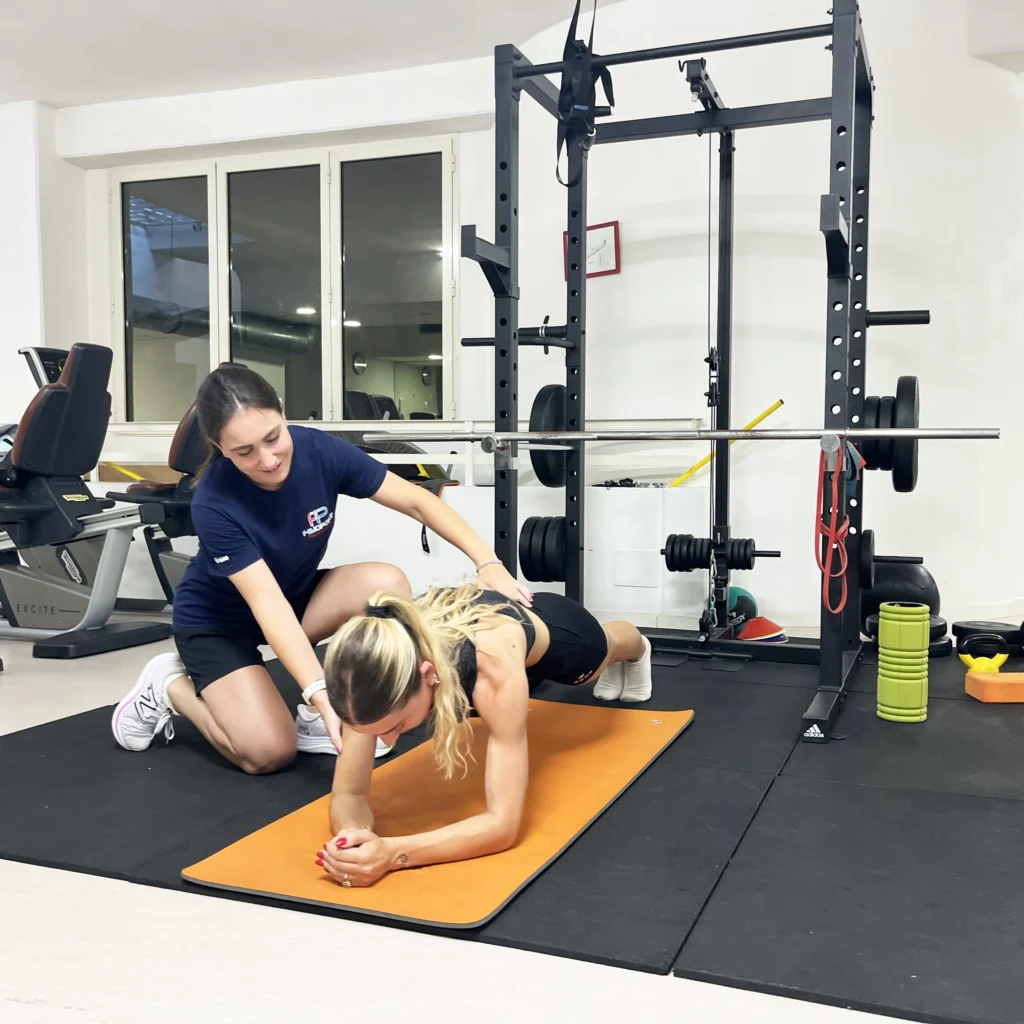
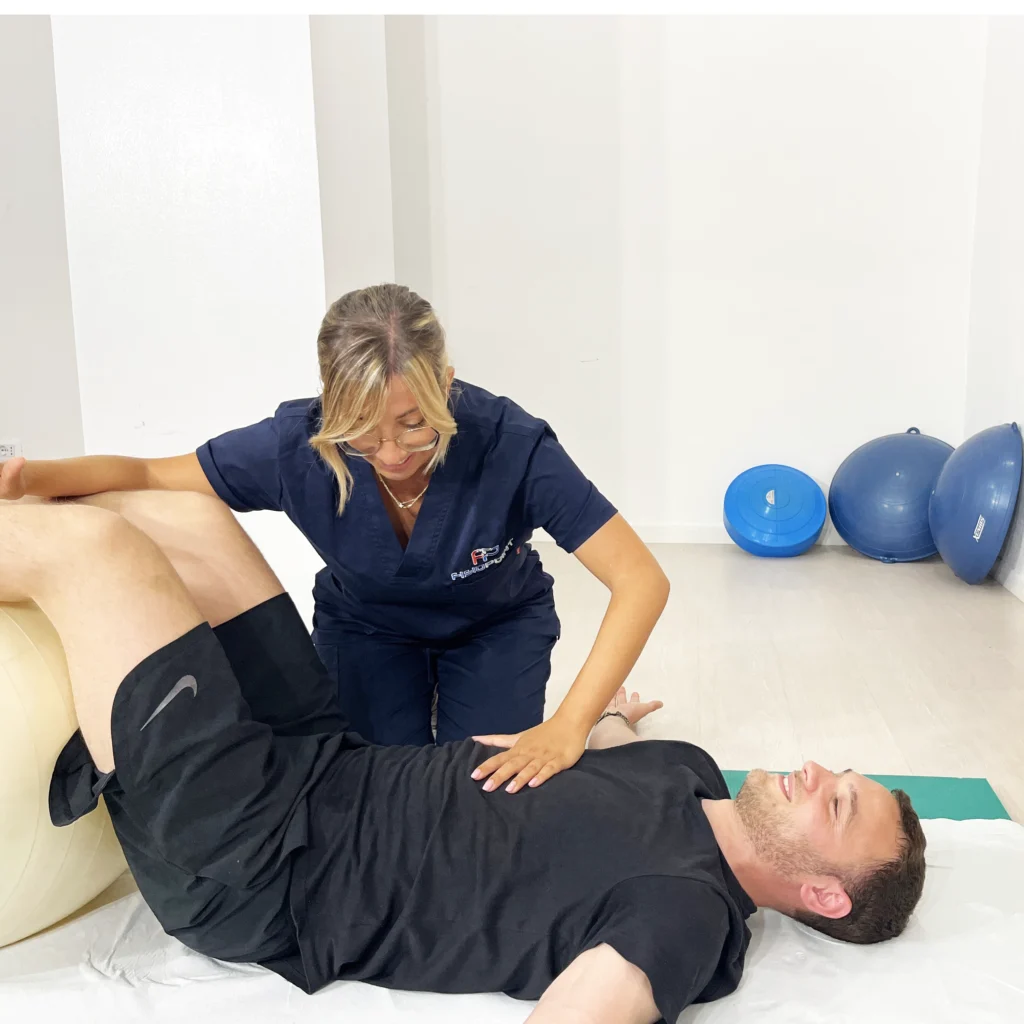
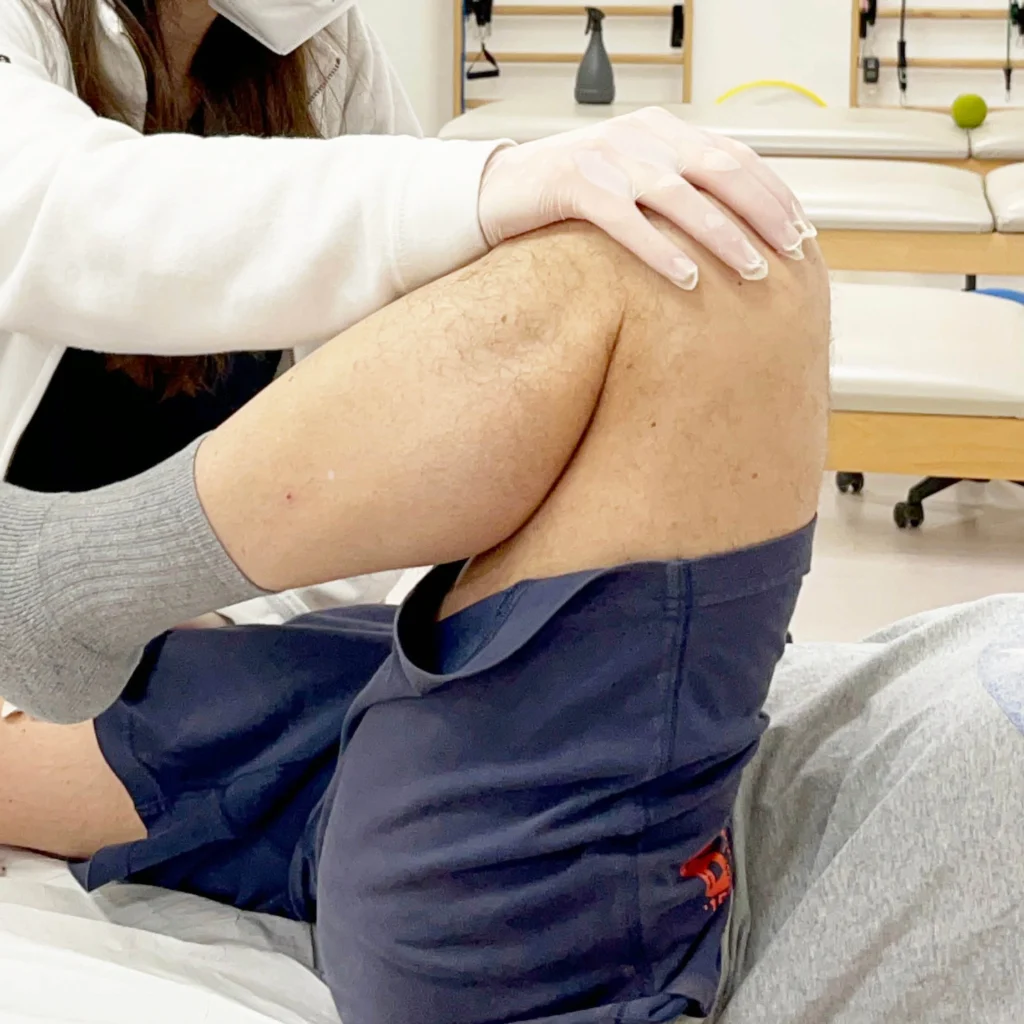
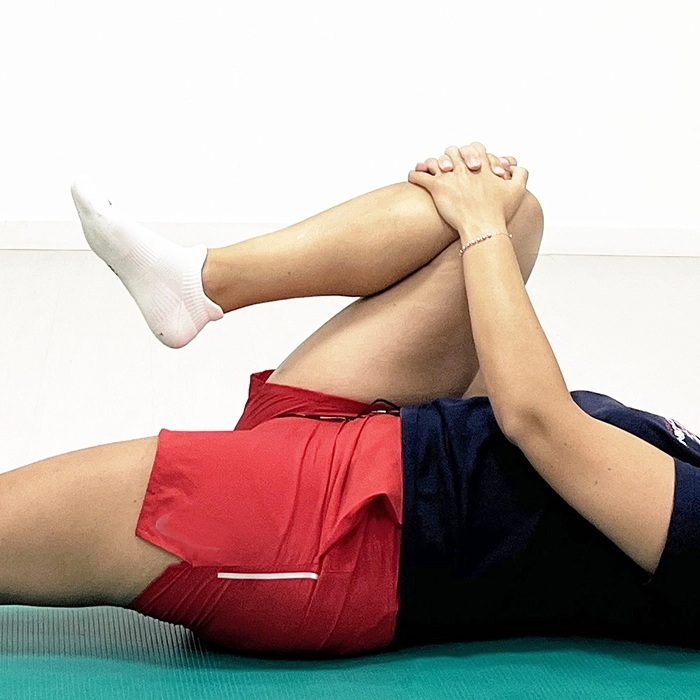
These, and other excellent therapies, remove pain and inflammation, and allow our experienced physiotherapists to gradually and correctly restore full hip mobility by removing compensations and actively strengthening the muscles that stabilise the joint. We are also able to accurately assess, with highly sophisticated computerised machines such as the Pro-kin, limitations and pain in order to set up the best hip rehabilitation, quantifying improvements over time and paying particular attention to proprioception, which is fundamental today in the recovery of an operated, injured or simply inflamed hip.
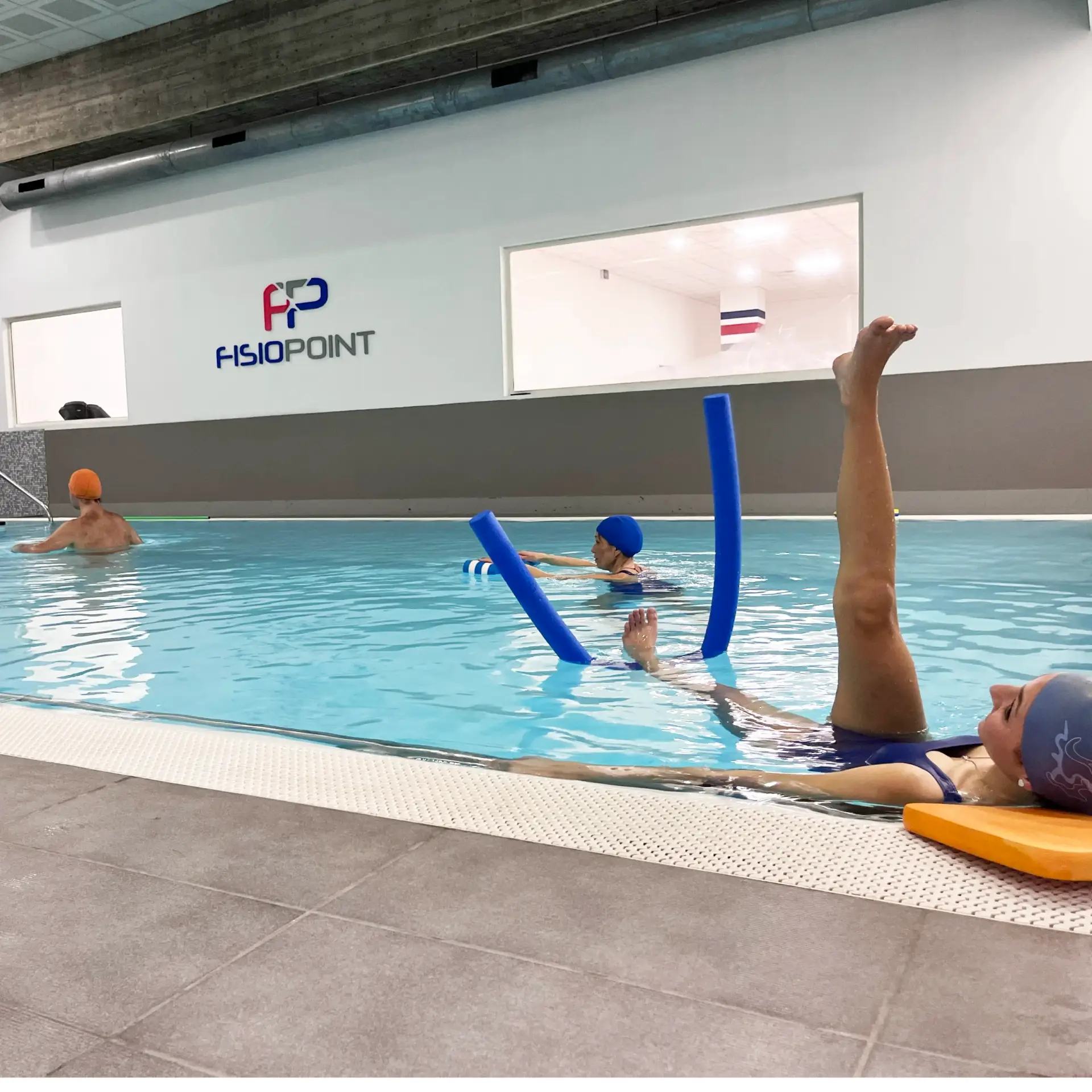
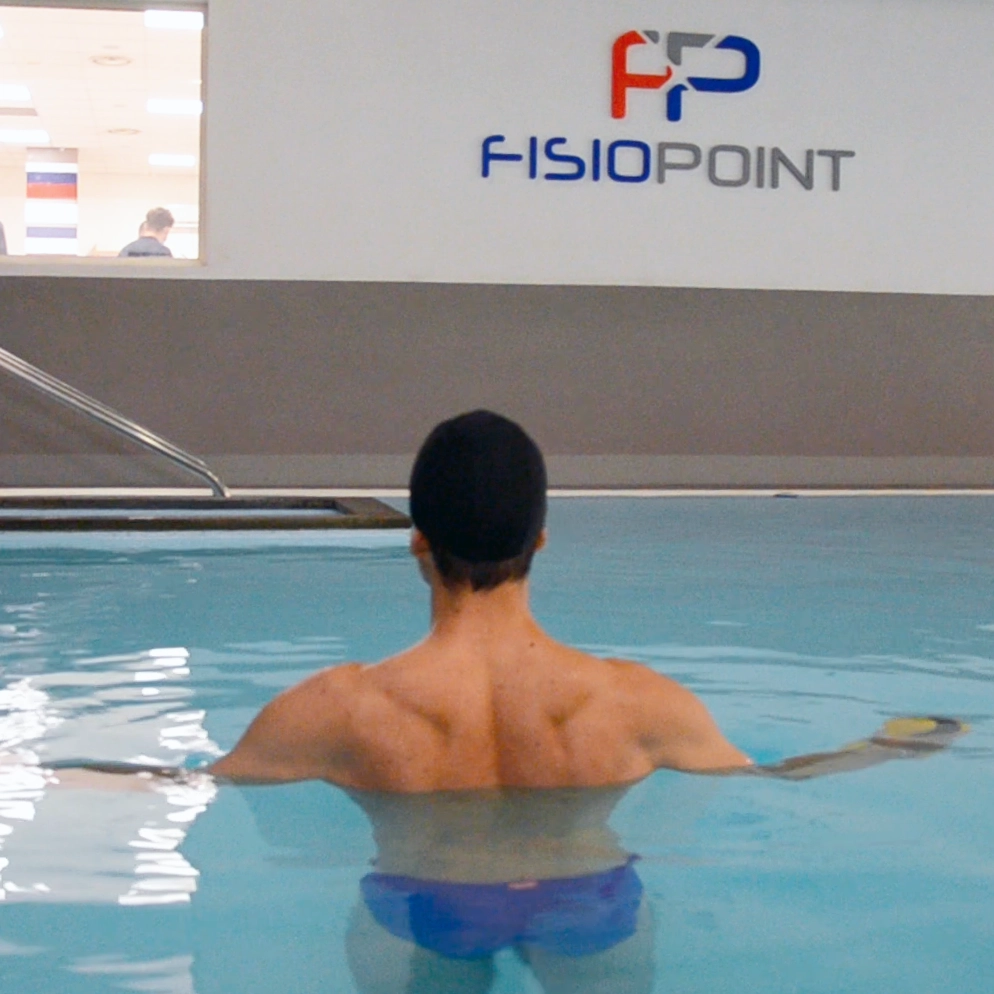
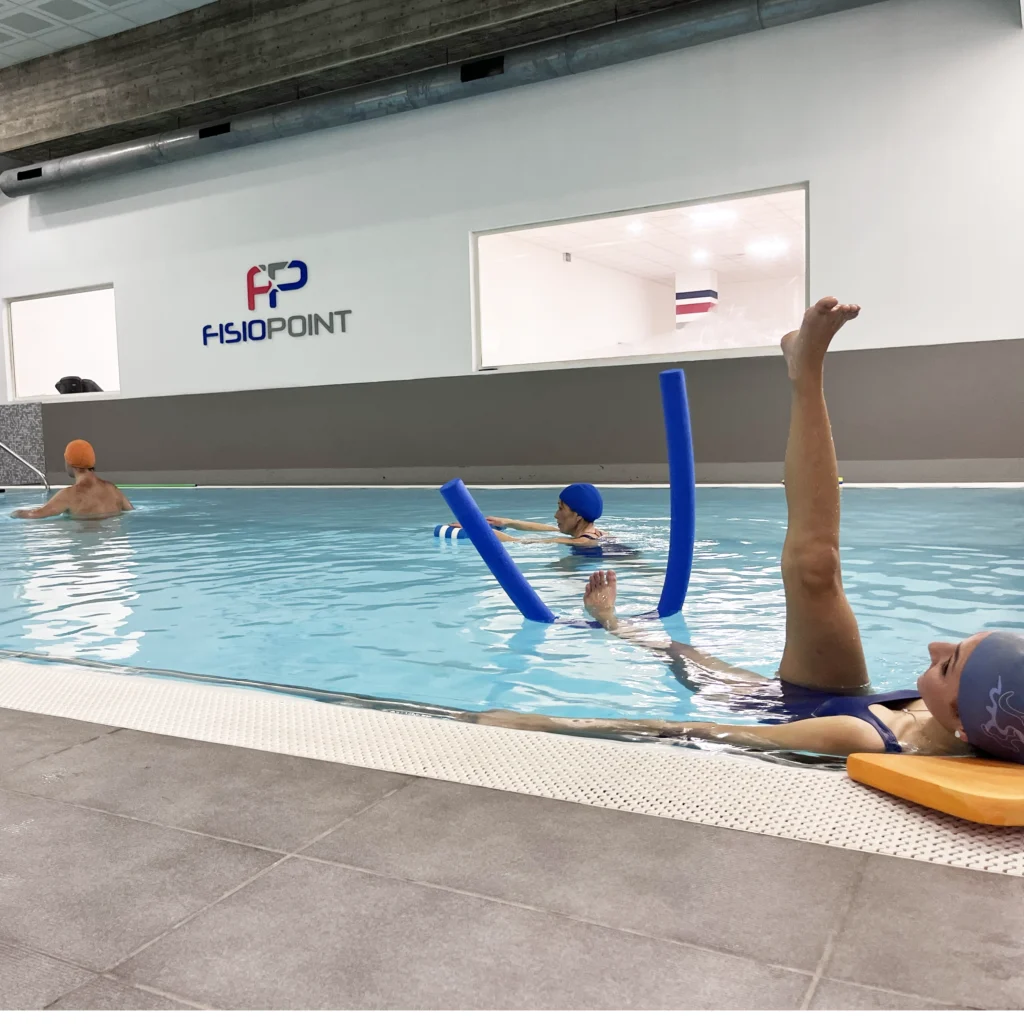
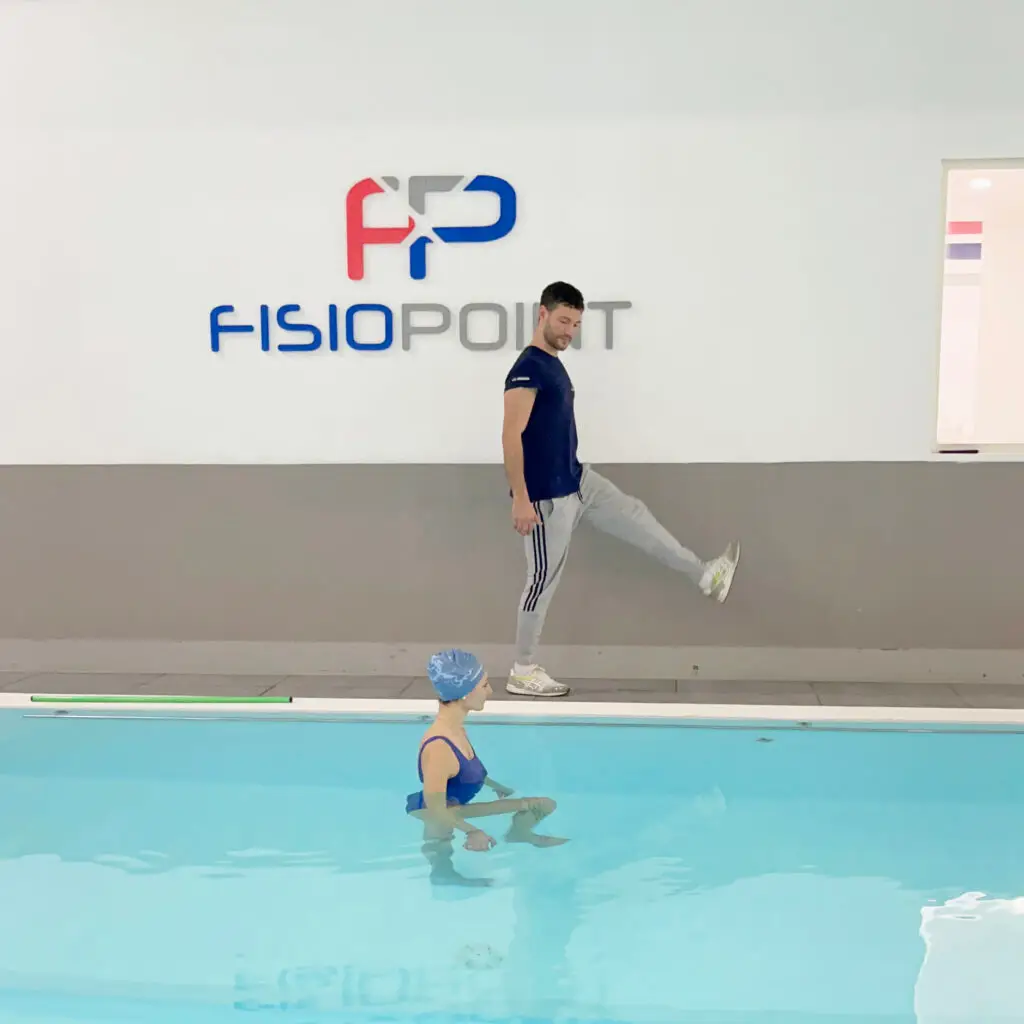
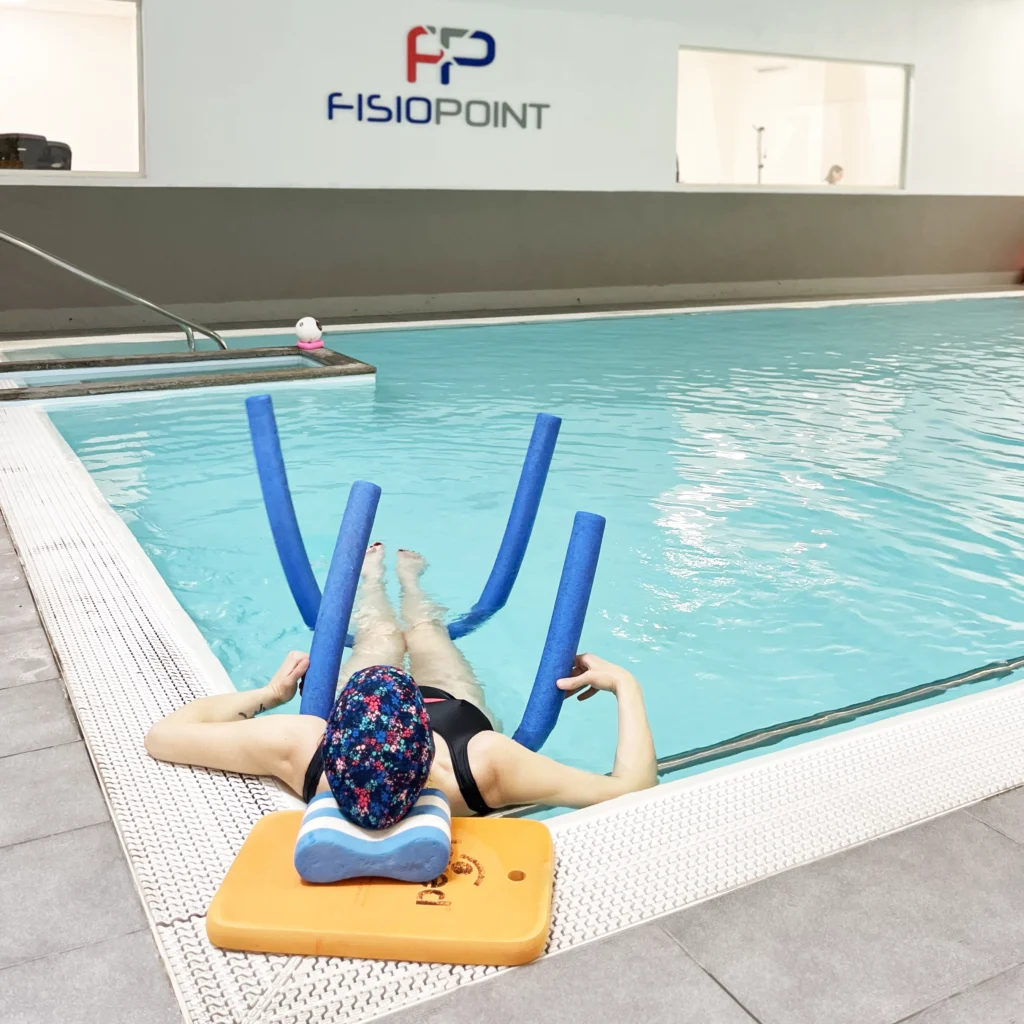
For faster and better results, we combine hydrokinesitherapy in the same session. In fact, rehabilitation in water allows us to move the hip more easily and safely. It is carried out in a special pool with warm water, specific equipment, whirlpools and cervical cascades.
Failure to treat even a trivial hip inflammation immediately and well can trigger compensations that change our posture or major degenerative processes that can lead to severe inflammation, major increase in pain and in some cases to degeneration of the femoral head and acetabulum.
At Fisio Point Physiotherapy Centres, we offer a complete and effective rehabilitation approach with the aim of resolving all orthopaedic pathologies quickly and effectively. Fisio Point is the point of reference for Physiotherapy in Rome, dedicated to those seeking effective and lasting results. In our centres of excellence, you will find an integrated approach that combines cutting-edge technology, highly qualified staff, and comprehensive diagnostics to solve your problems quickly and effectively.
Our team of experienced professionals is constantly updated on the latest therapeutic techniques, guaranteeing superior physiotherapy.
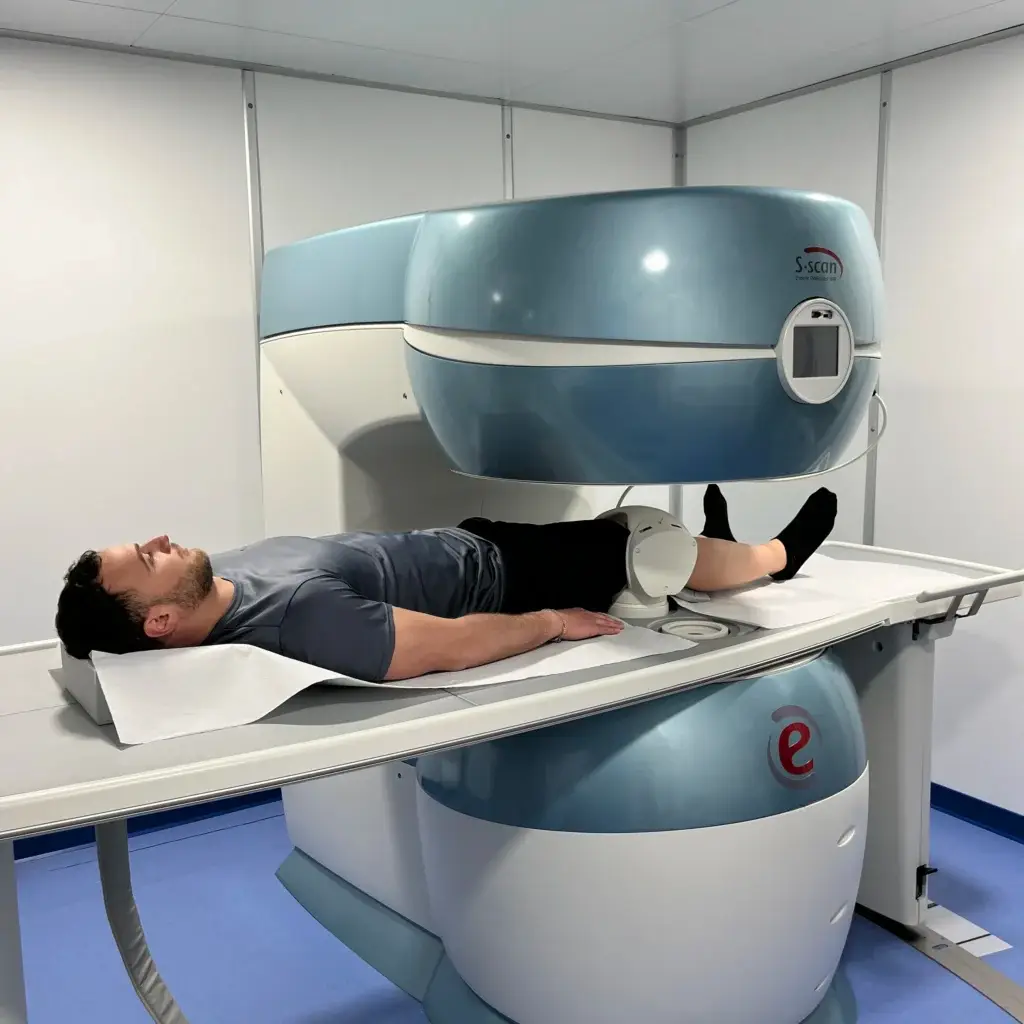
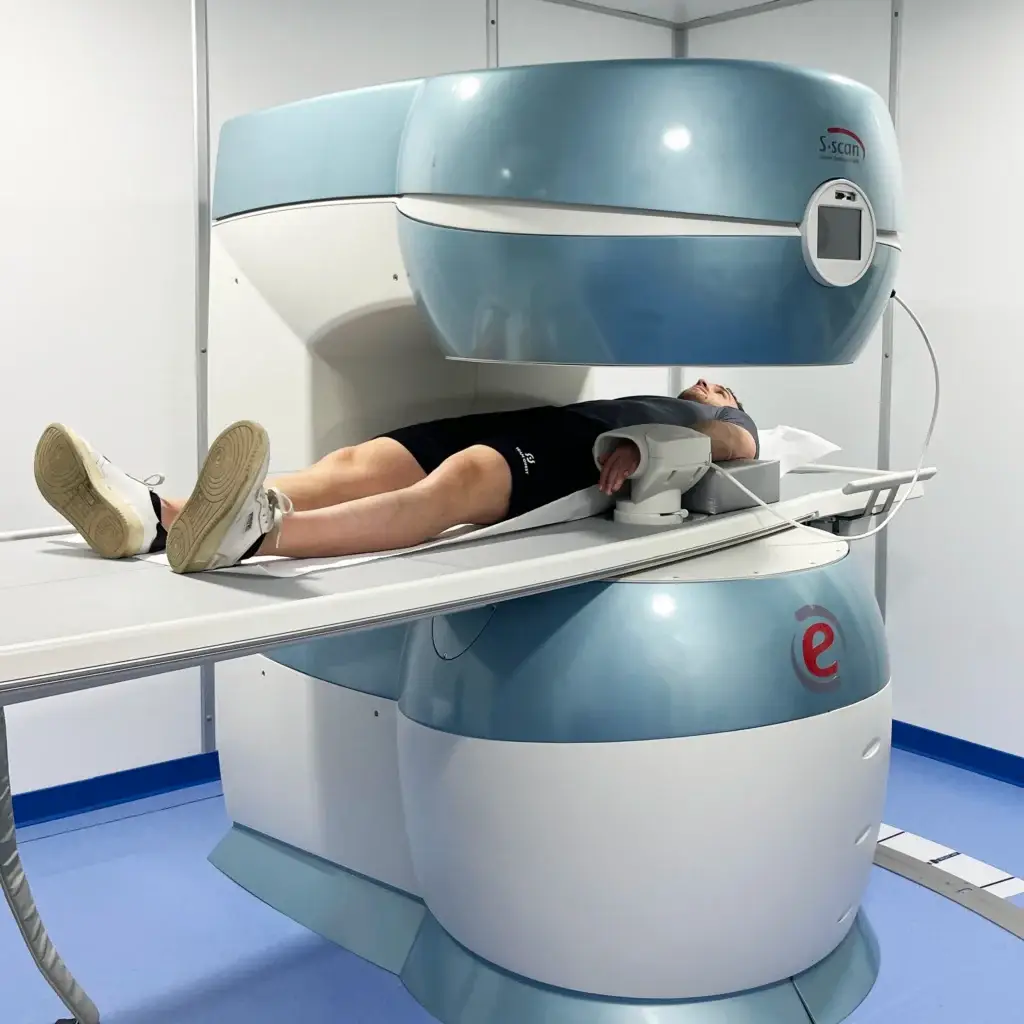
With open magnetic resonance imaging, state-of-the-art ultrasound scanners and Tower for total body screening, Fisio Point provides precise and targeted diagnoses to support.
We offer treatments such as shock waves, Tecar therapy, High-power laser e Crioultrasuonifor optimal recovery.
Fisio Point specialises in the treatment of all orthopaedic conditions
Each rehabilitation pathway is customised to the specific needs of each patient, ensuring targeted and effective therapies.
Fisio Point is not just a physiotherapy centre. It is an outpatient clinic with the best specialists and solutions for your problems:
- Fisio Point is also a university training centre
- Health Conventions: We collaborate with major insurance companies to offer affordable services.
- Multidisciplinary team: Physiotherapists, Doctors Physiatrists, Orthopaedists and other specialists work in synergy for your well-being.
Choosing a Fisio Point Physiotherapy Centre means opting for a complete and personalised rehabilitation programme, where your health is our priority. Come to one of our centres in Rome for a Free First Visit and begin your journey towards recovery. Call Fisio Point now to book!
At Fisio Point centres, the physiotherapy recovery process is divided into clearly defined phases
We offer a Free First Visit to understand the problem and determine the best medical and physiotherapeutic course.
We start by reducing pain and inflammation with the best and most advanced instrumental therapies.
Aimed at restoring joint mobility.
We assess and correct postural alterations that have led to pain and functional overload.
We restore full strength and functionality, with a 'Return to Play' phase for sports patients.
We use cookies to improve your browsing experience. Technical cookies are essential for the website to function.
Required for the website to function properly
Used for analysis and personalised advertising