Risk factors associated with cycling
The most common risk factors for cycling-related injuries are inexperience and lack of control before riding.
Other predisposing factors are:
- The male sex
- Failure to wear a helmet
- Ages between 9 and 14 years old
- Reckless driving
- Competitive Activities
Classifying cycling injuries
The most frequent injuries in cycling can be divided into two groups: overuse injuries and/or trauma injuries.
Overload injuries:
The most common risk factors associated with cycling due to overuse are the absence of conditioning, i.e. basic physical preparation, which exposes the cyclist to a number of injuries.
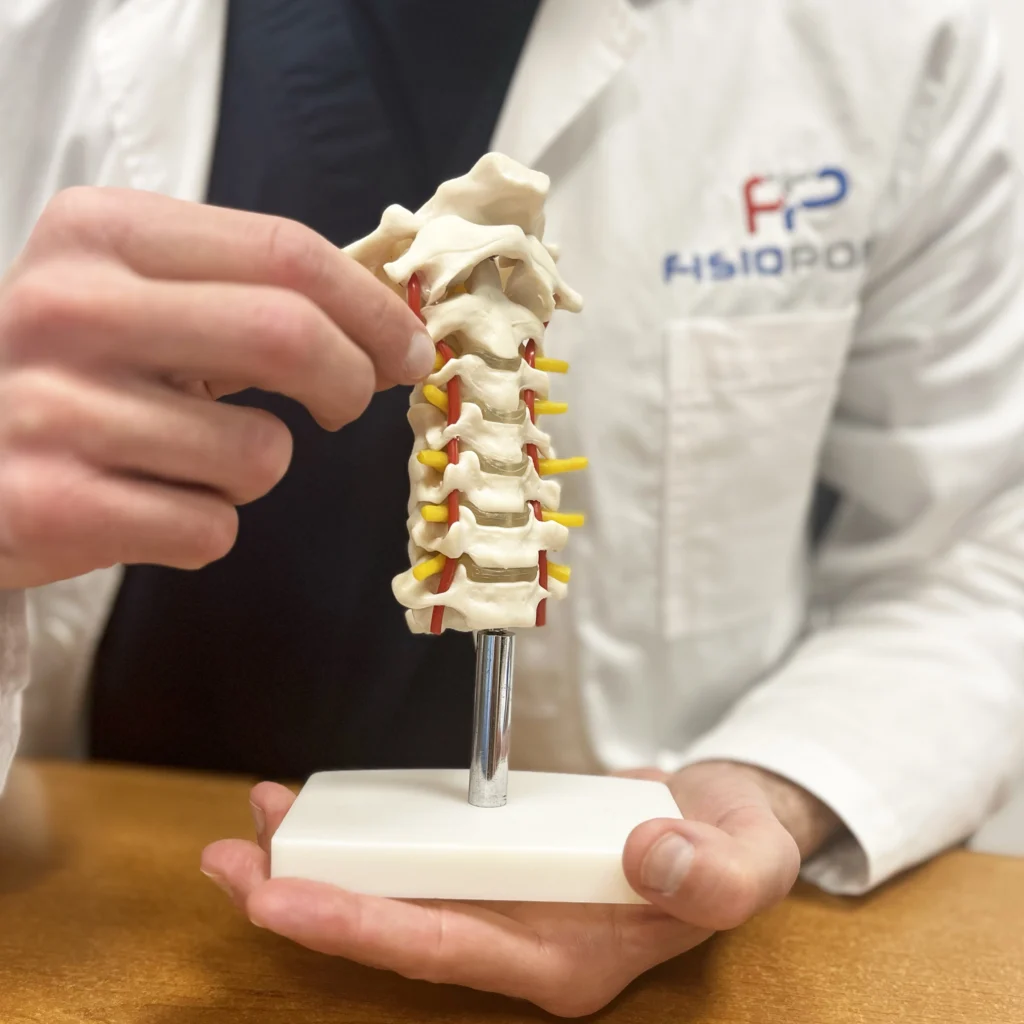
The causes often lie in a muscular imbalance that can affect the entire kinetic chain. Less activation of the gluteus and adductors is frequently found. Muscle imbalances can cause distortions of ankle, pain anterior knee and more.
Neck pain and back pain are extremely common in cyclists, with a frequency found in 60% of patients.
Ulnar neuropathycharacterised by tingling, numbness and weakness of the hands is common in cyclists after several days of riding.
To prevent saddle-related injuries or irritation, it can be helpful to adjust the seat height, angle, front position and steering height in addition to adjusting the saddle itself. The padding of the saddle and shorts plays an important role. Saddle-related problems include chafing, perineal folliculitis and furuncles, subcutaneous perineal nodules, pudendal neuropathy, male impotence, traumatic urethritis and a variety of trauma to the vulva.
Improper bicycle fitting can also lead to problems such as trochanteric bursitis, tendonitis, and patellofemoral pain syndrome also known as 'biker's knee'.
Foot paresthesia, metatarsalgia, occasionally tendinopathy of the Achilles tendon e plantar fasciitis.
Summarising overuse injuries, we find:
- Sickness of back
- Ulnar and median nerve neuropathies for steering grip
- Trochanterial bursitis of thehip
- Tendinopathies of the iliopsoas
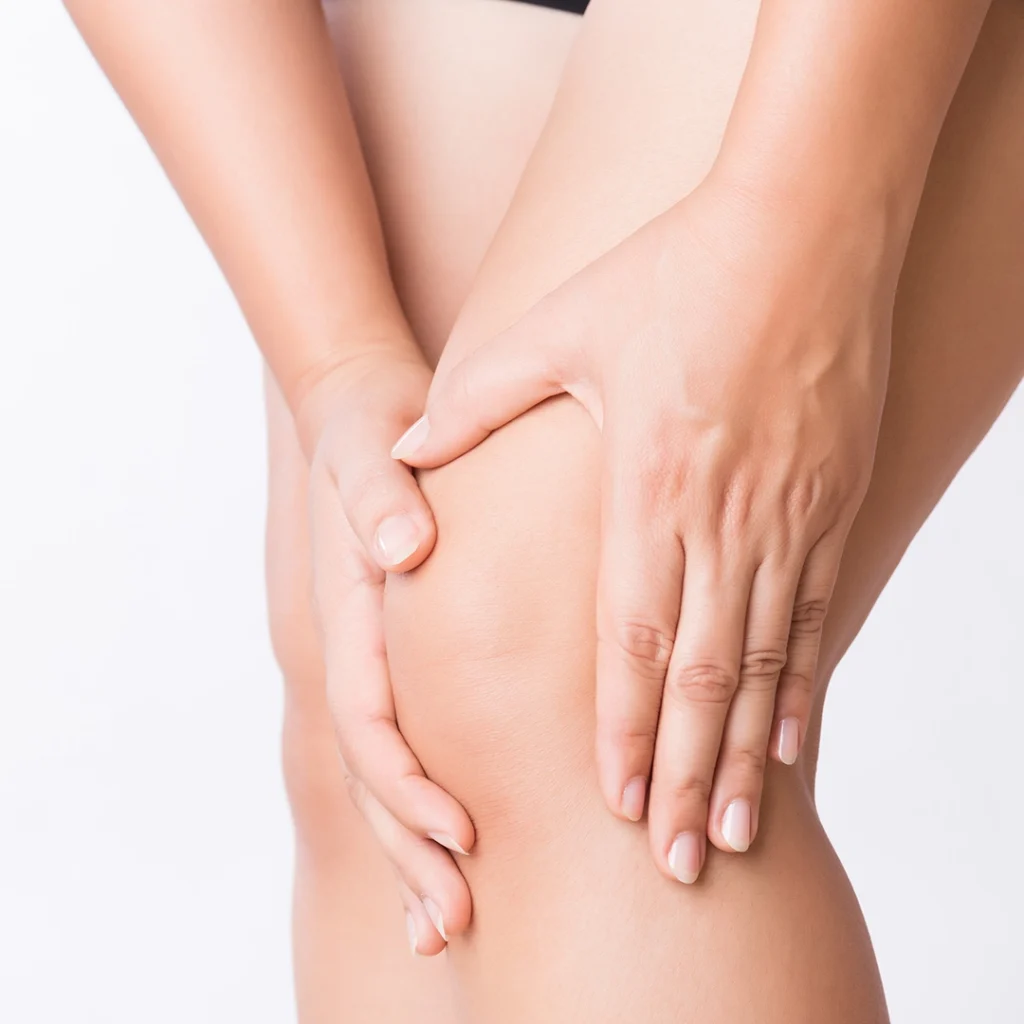
- Pain anterior knee
- Metatarsalgia of the foot,
- Plantar fasciitis
- Achilles tendon tendinopathy
Traumatic injuries
As far as injuries are concerned, those we can see in cyclists result from various factors such as road conditions, operator error and accidents with other vehicles.
Most traumatic injuries involve soft tissue and skin, followed by fractures and concussions. Traumatic injuries in cycling tend to affect mainly the upper limb and head but do not spare the lower limbs.
Traumatic injuries include:
- Fractures of the skull
- Concussions
- Cranial contusion
- Fractures lower and upper limb
- Lower and upper limb dislocations
- Muscle strains
- Skin abrasions, contusions, lacerations and excoriations.
An important psychological component often arises: the fear of returning to cycling after a physically but also emotionally traumatic cycling injury, a condition frequently encountered in our clinical practice.
This is why it is important to rely on professionals who take care of the patient in all his complexity.
Advances in sports medicine have allowed many athletes, and lesser athletes, to return to cycling in a more or less short time.
What does rehabilitation of the cyclist consist of?
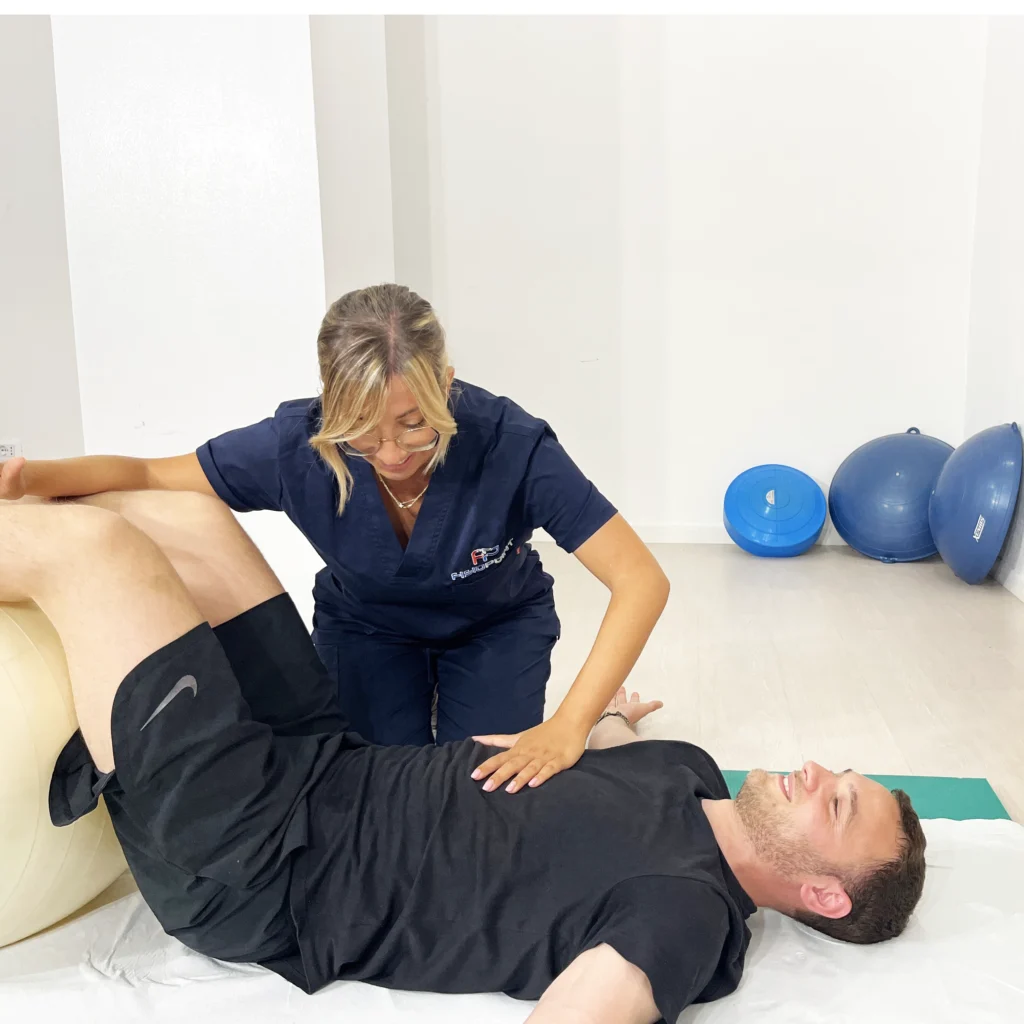
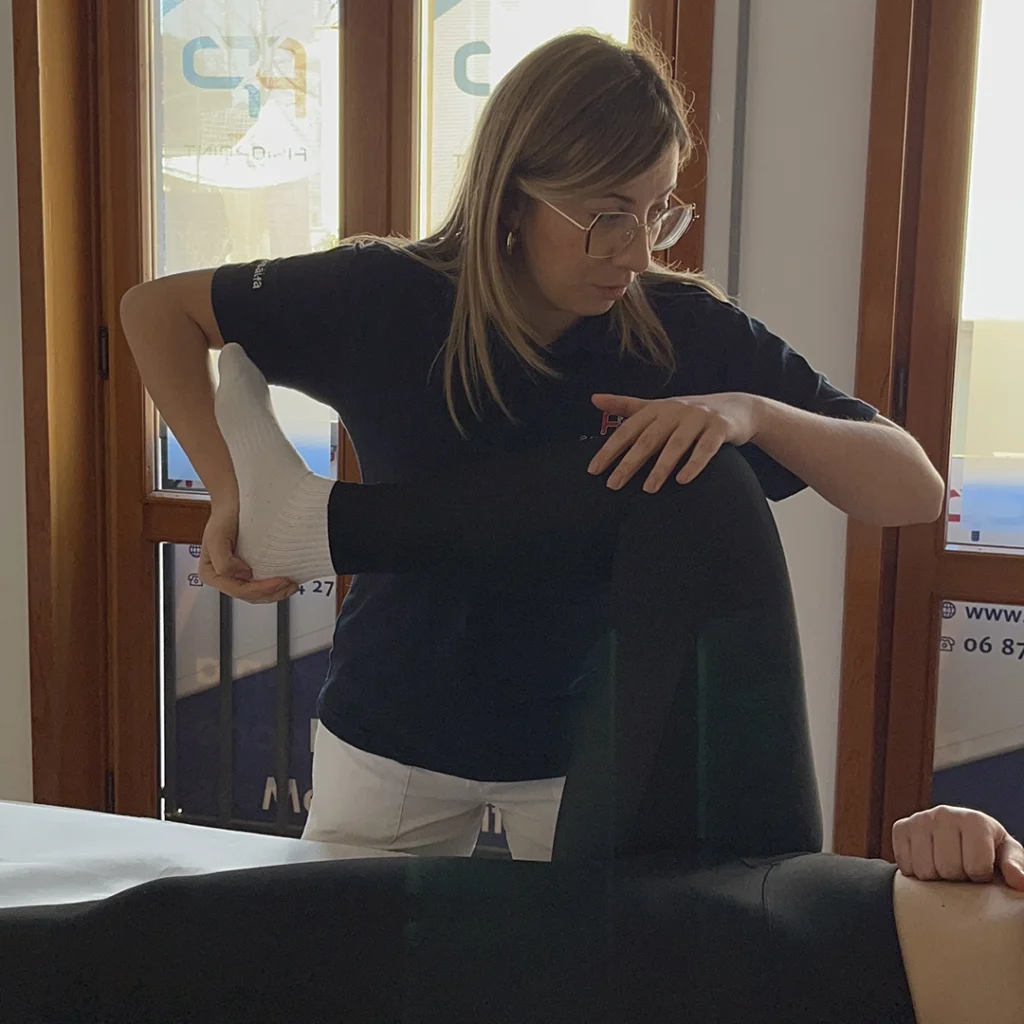
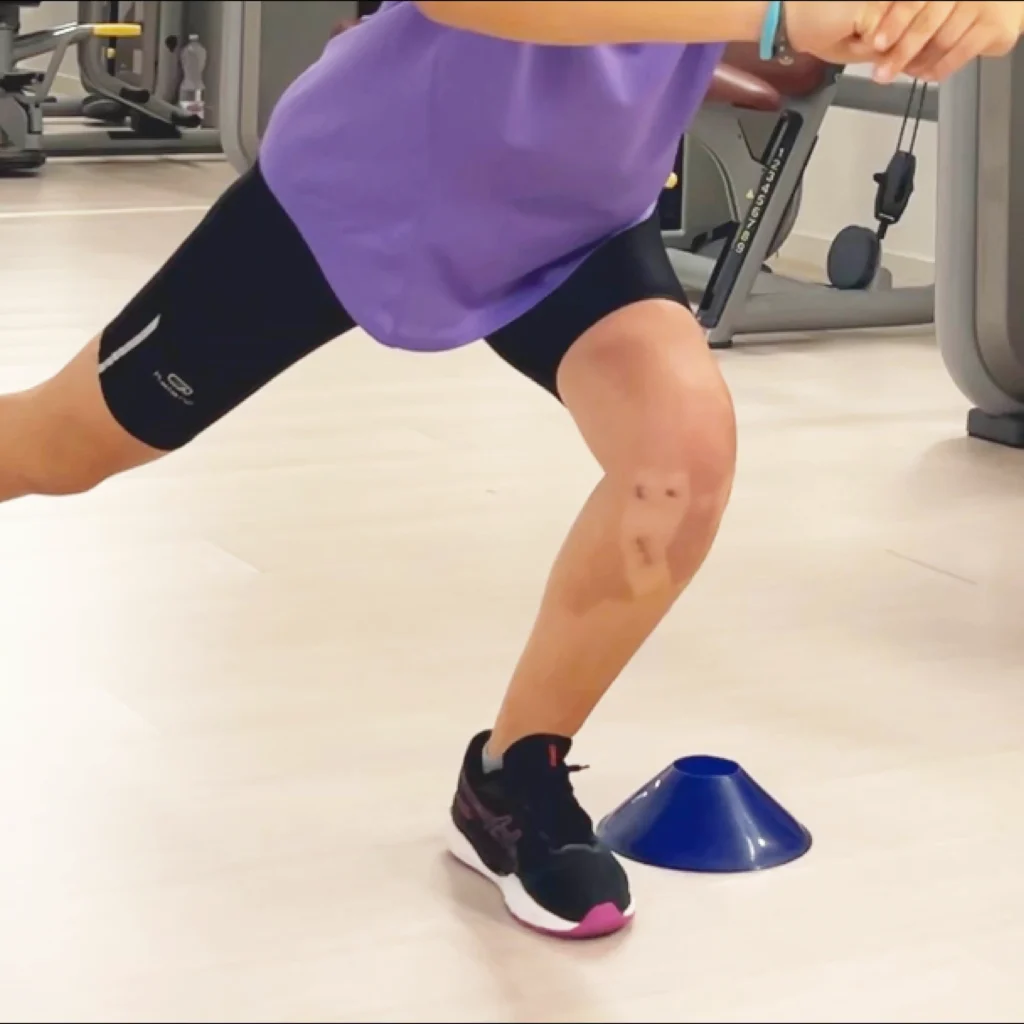
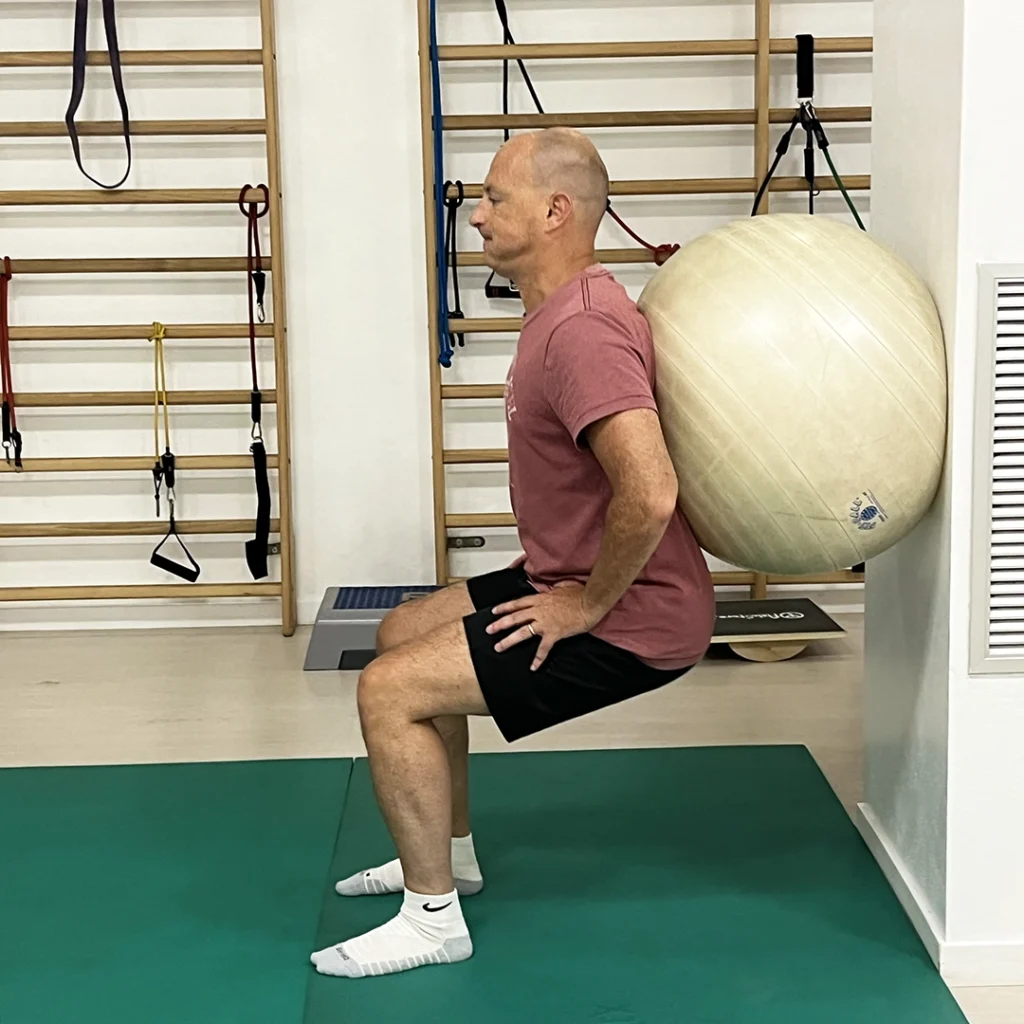
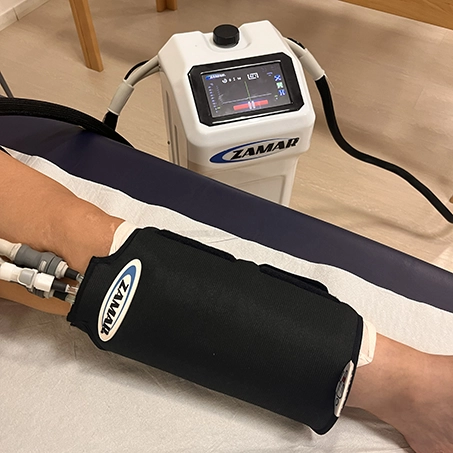
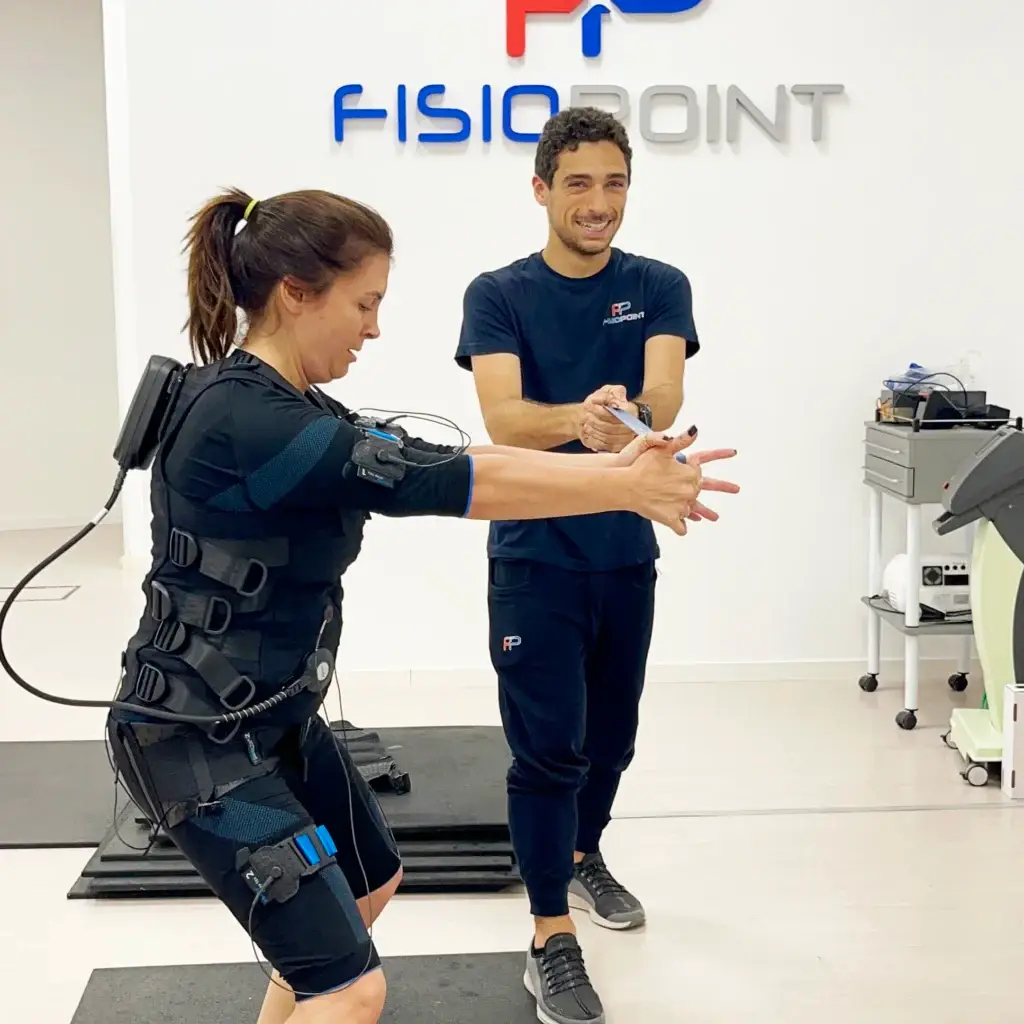
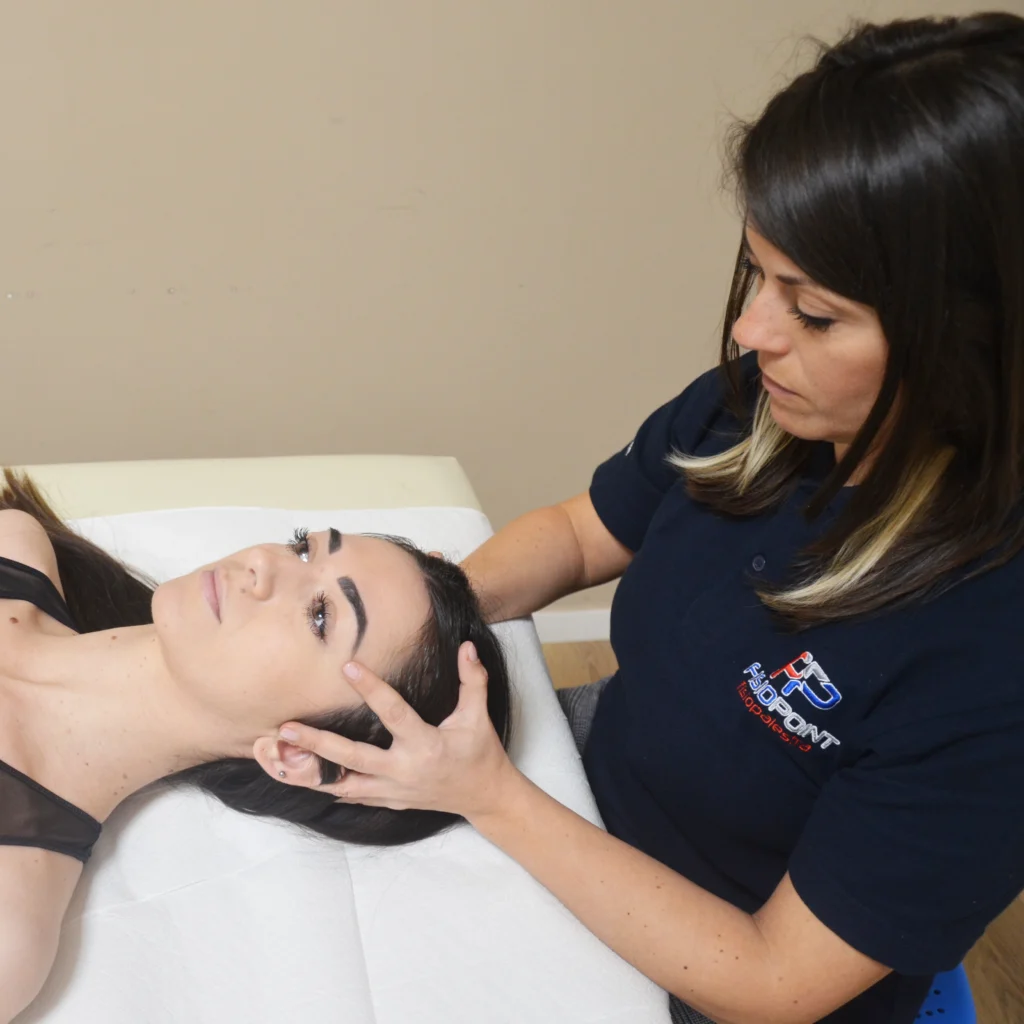
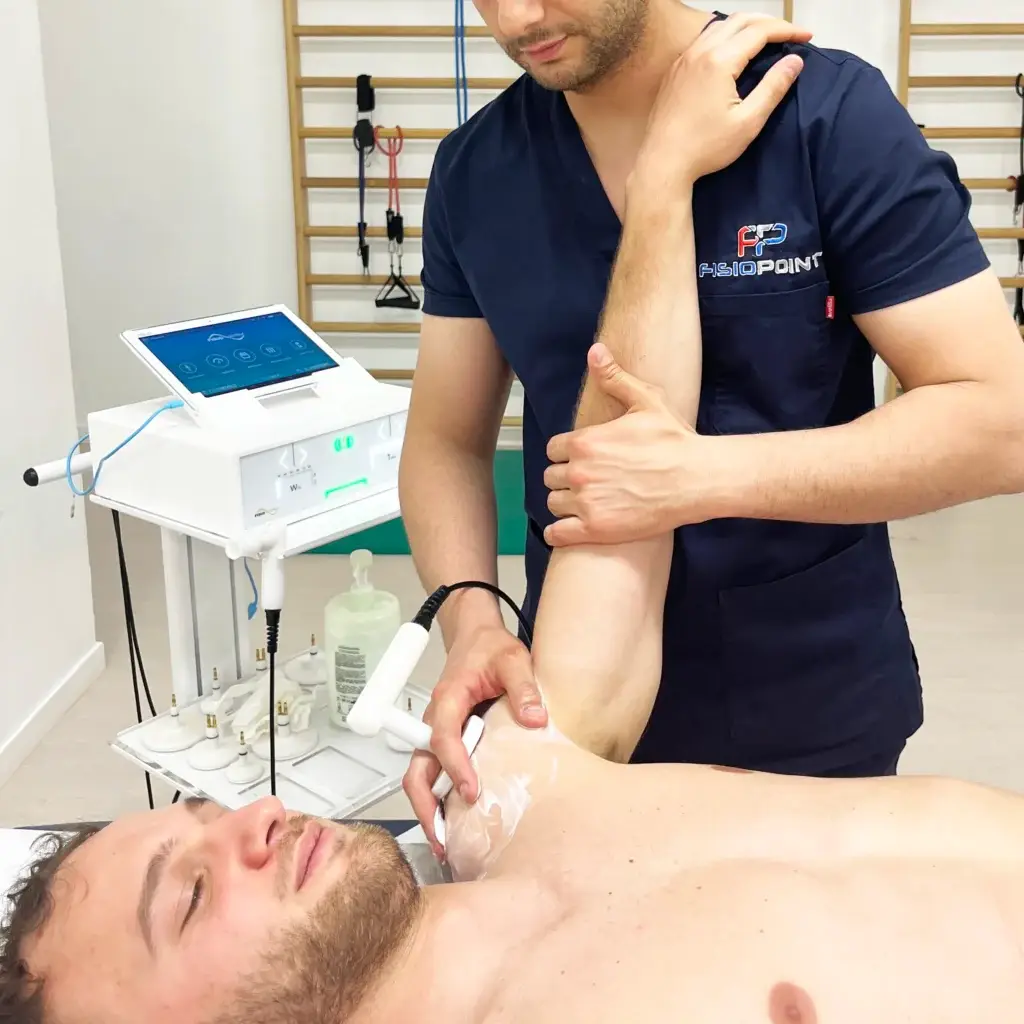
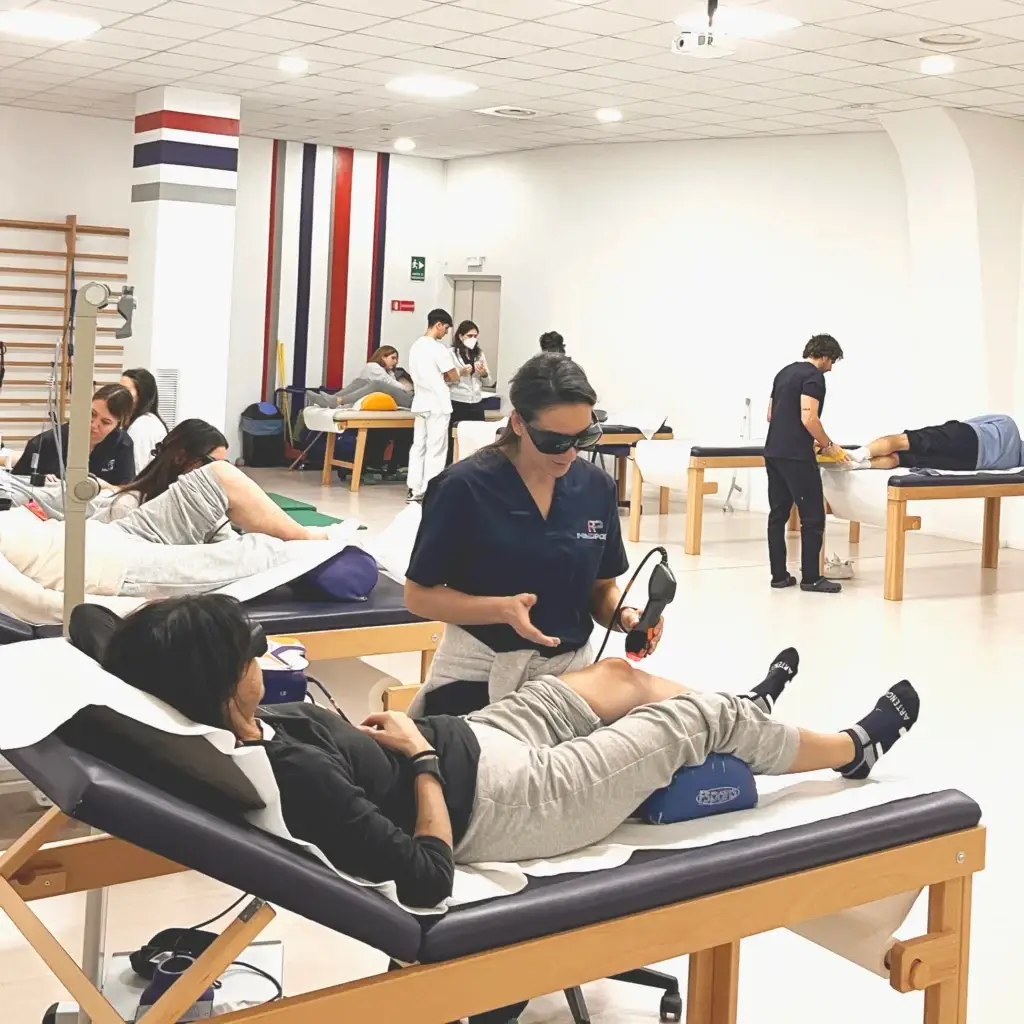
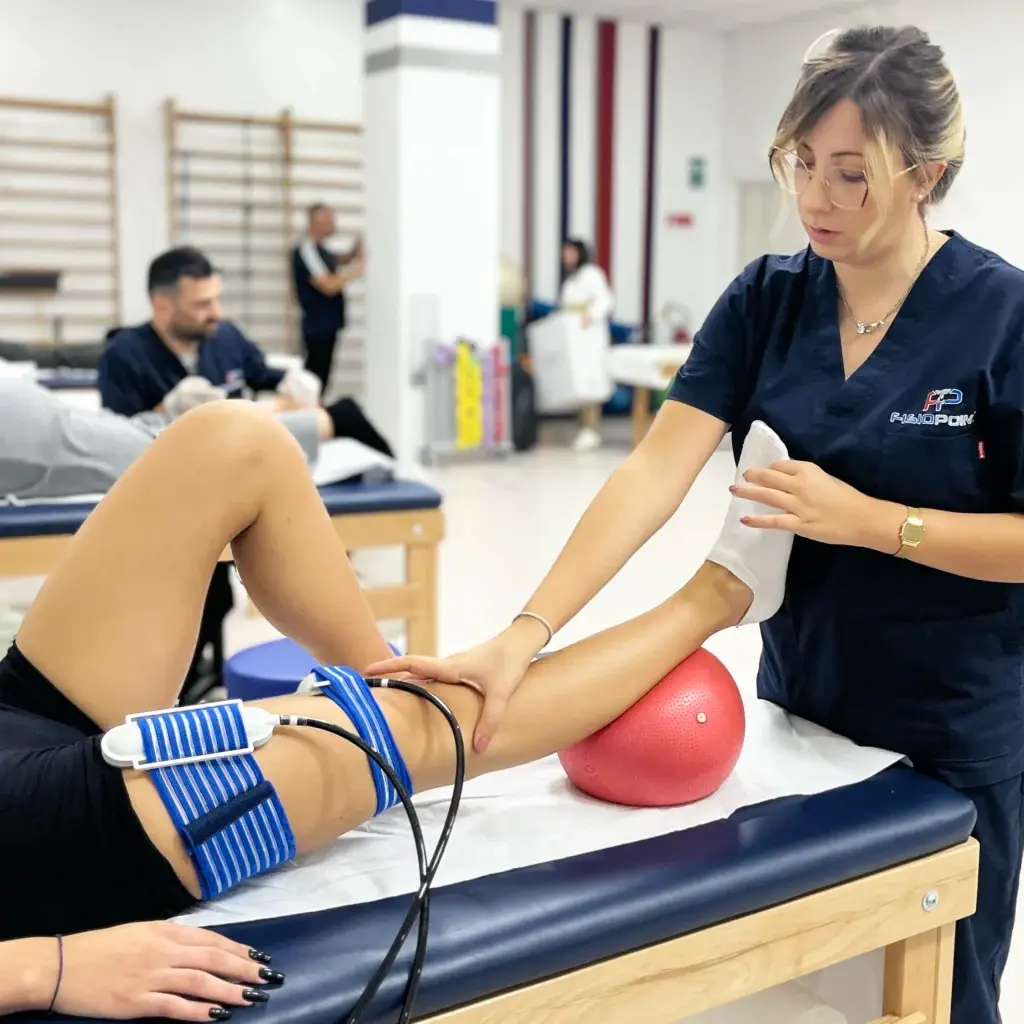
Whether from overload or trauma injuries, cyclist rehabilitation involves the identification and correction of biomechanical factors of both the cyclist and the bicycle.
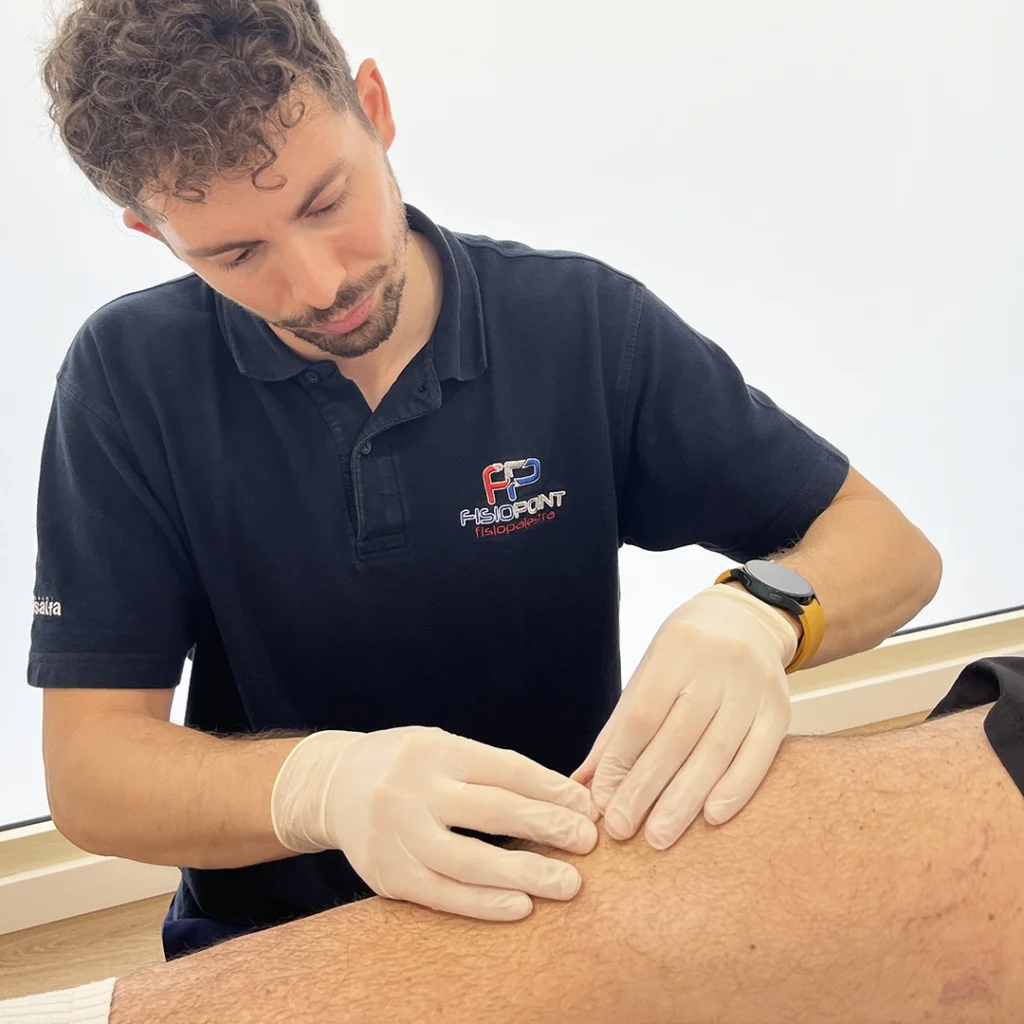
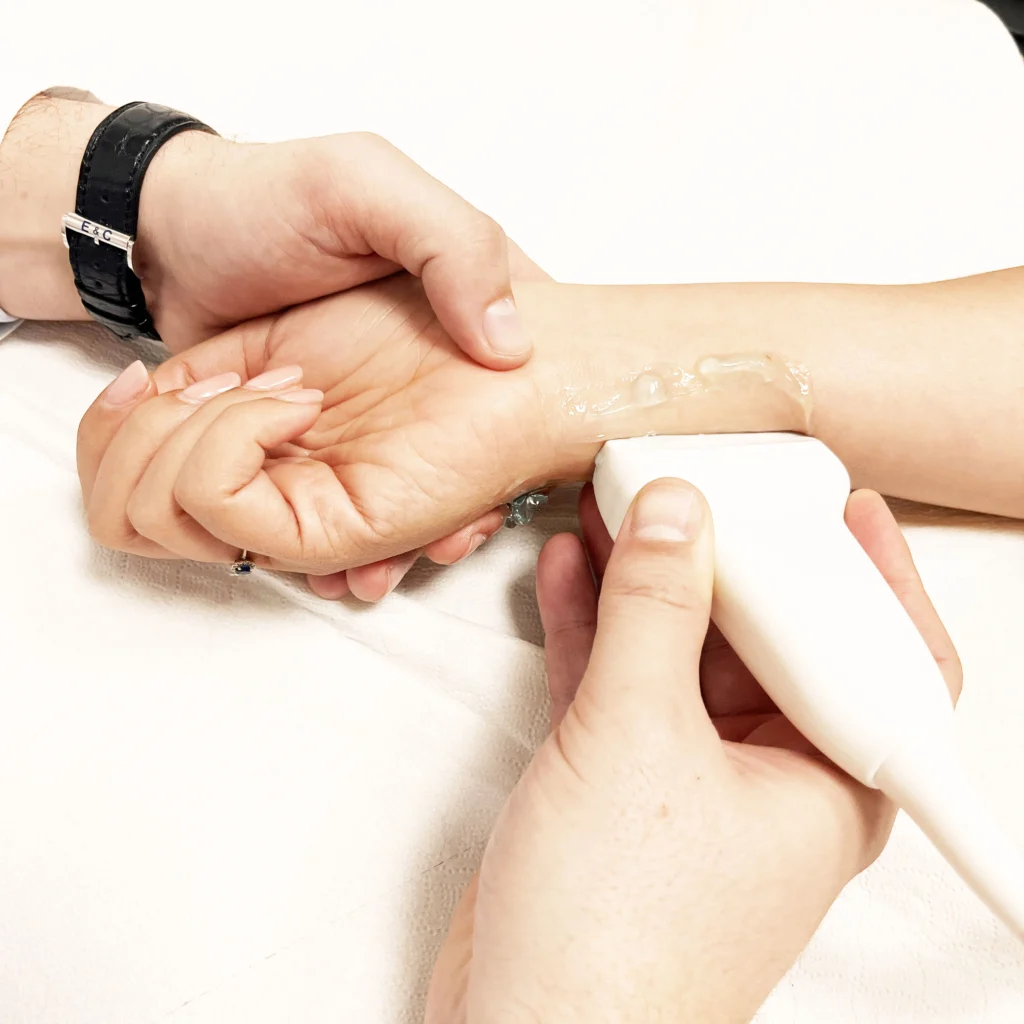
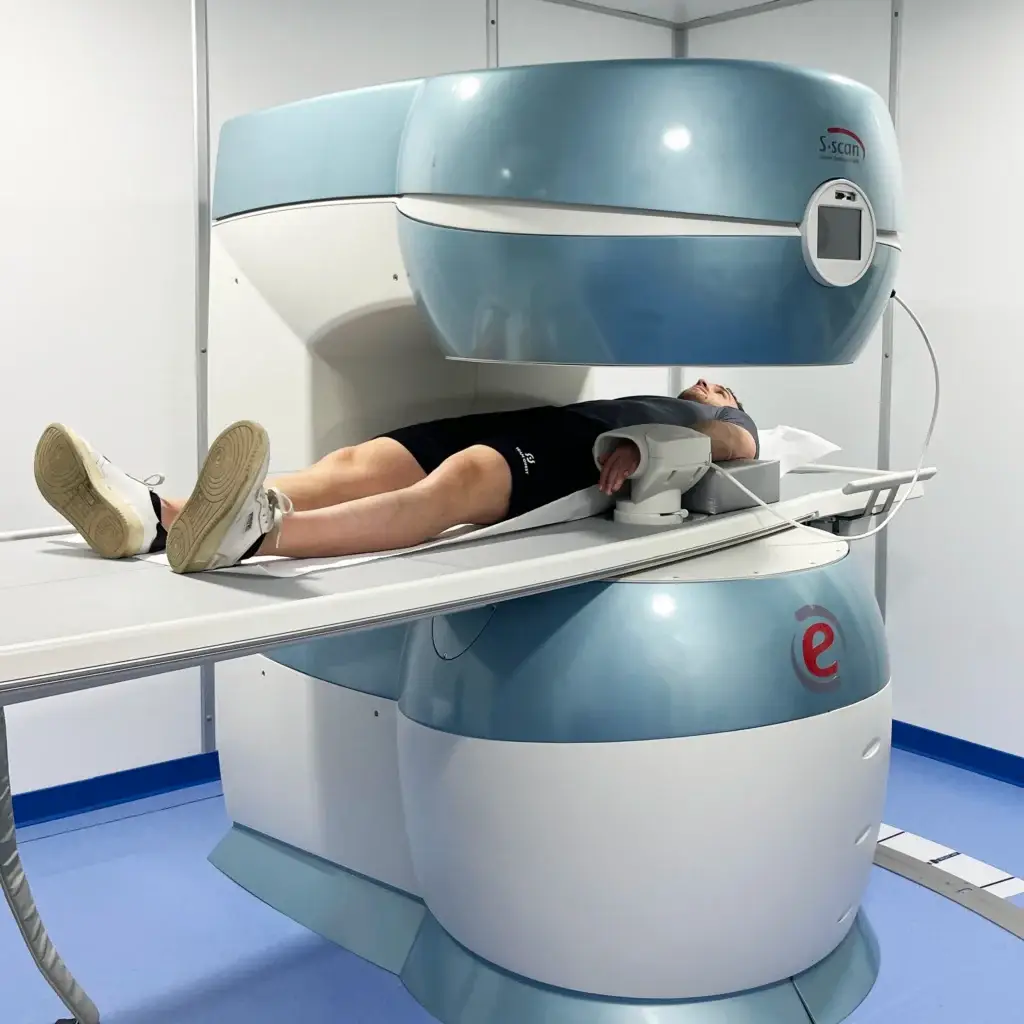
In our centre, the assessment of the cyclist begins with a detailed history of the injury or discomfort, the evaluation of symptoms both while cycling and when not cycling.
For us, it is important to investigate cycling-related activities, i.e. the series of activities that frame cycling, such as climbing, sprinting, long-distance riding, and/or specific movements that can cause symptoms.
Certain degenerative joint diseases can affect the mechanics of cycling, which is why it will be necessary to consider accommodating the bicycle.
A cycling patient history includes an assessment of the type of cycling discipline practised, the type of training, and previous injuries.
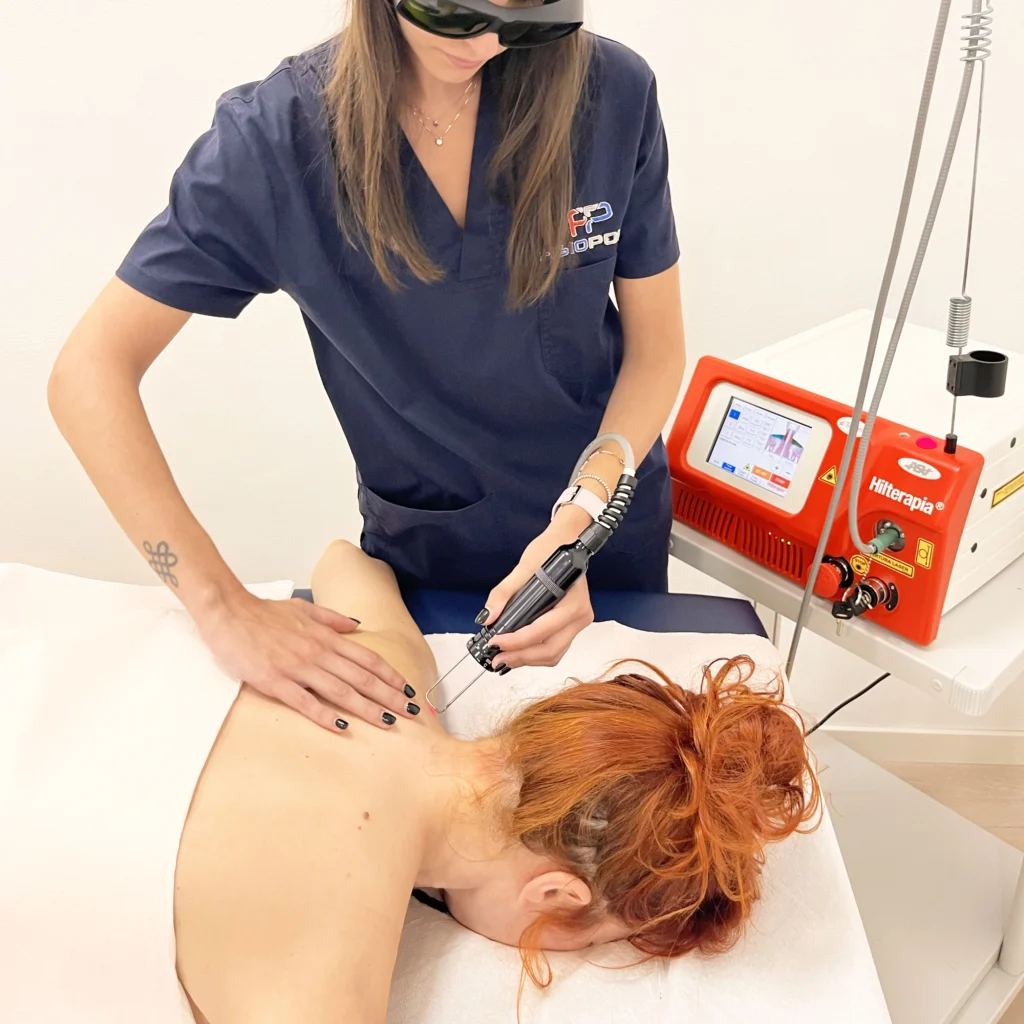
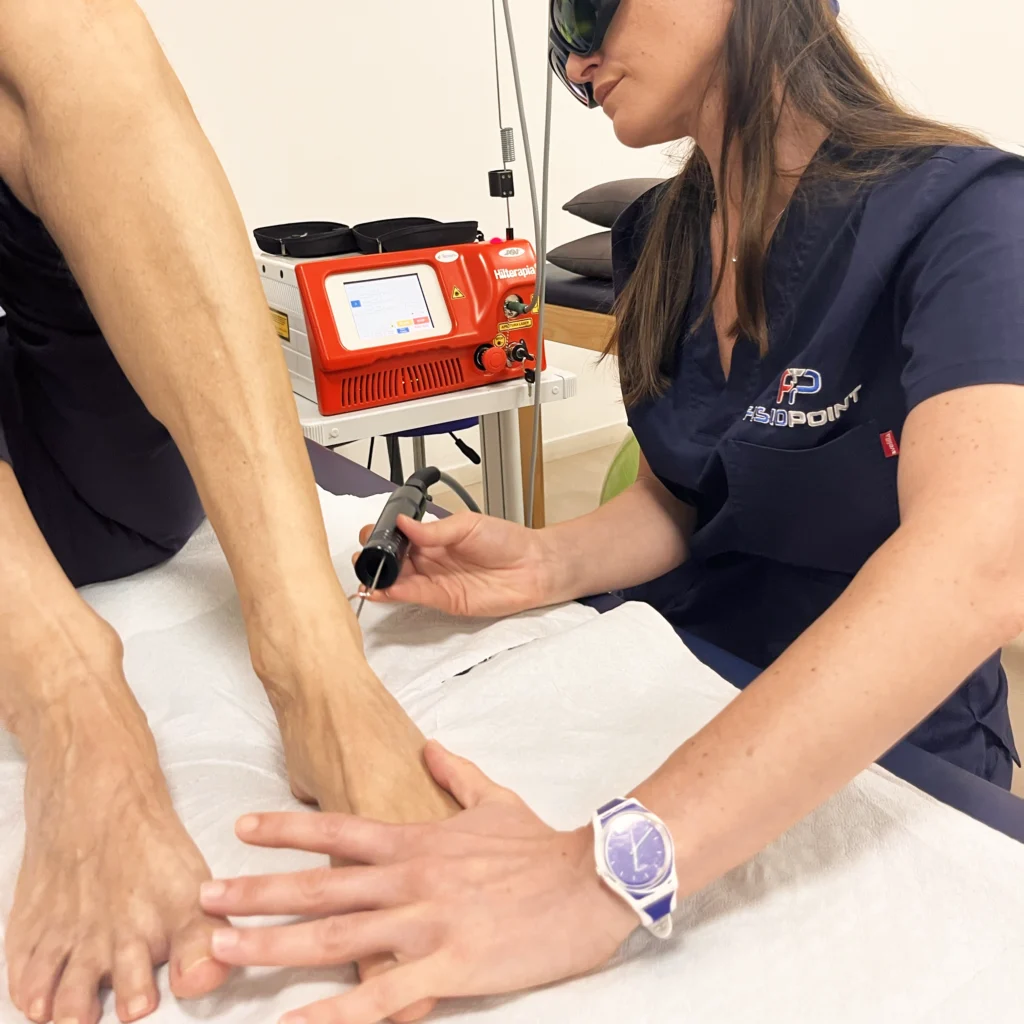
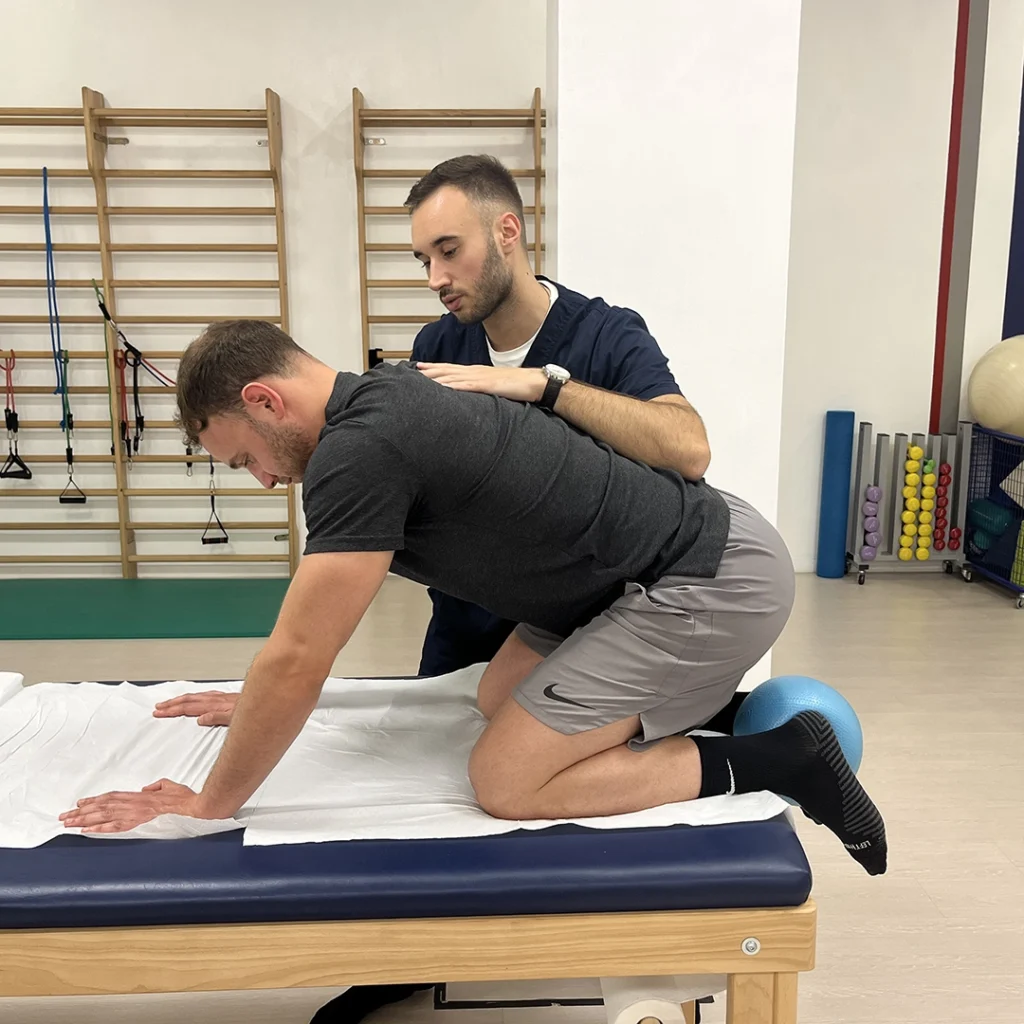
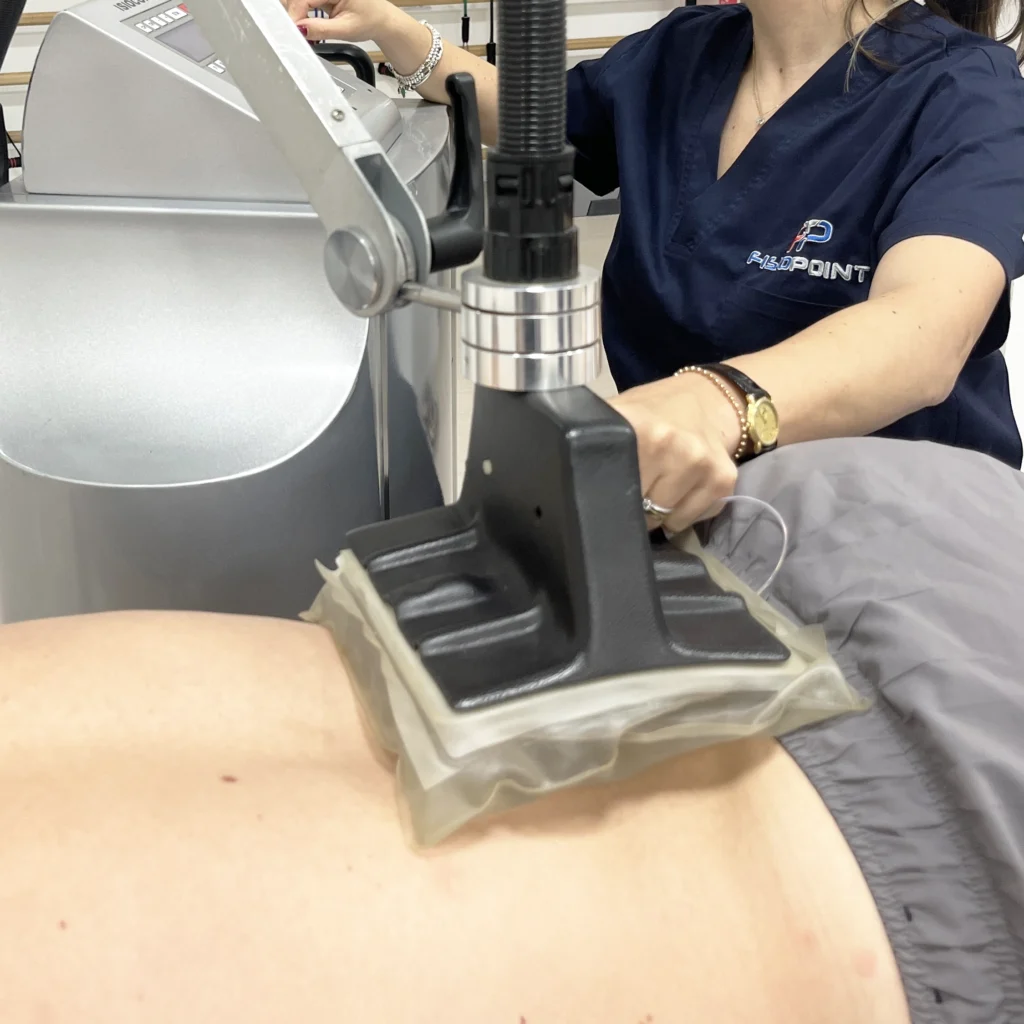
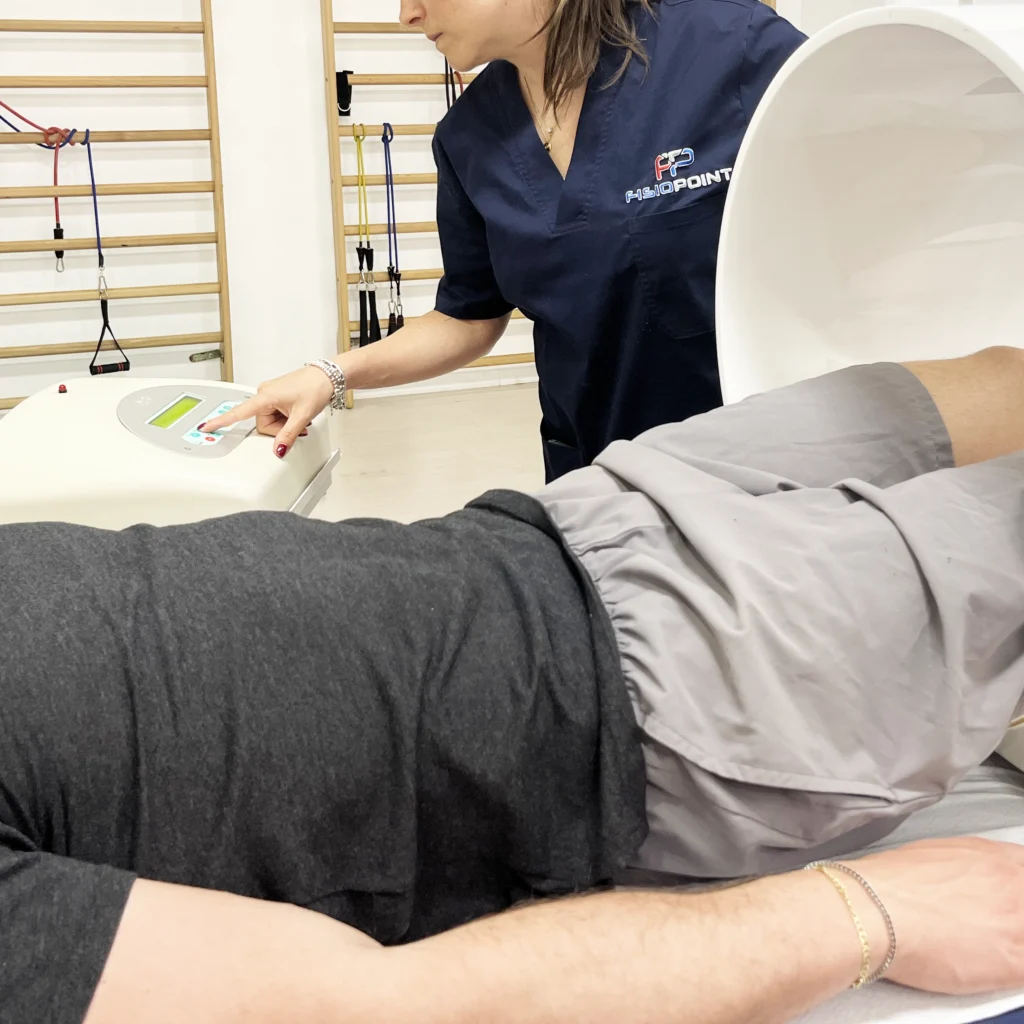
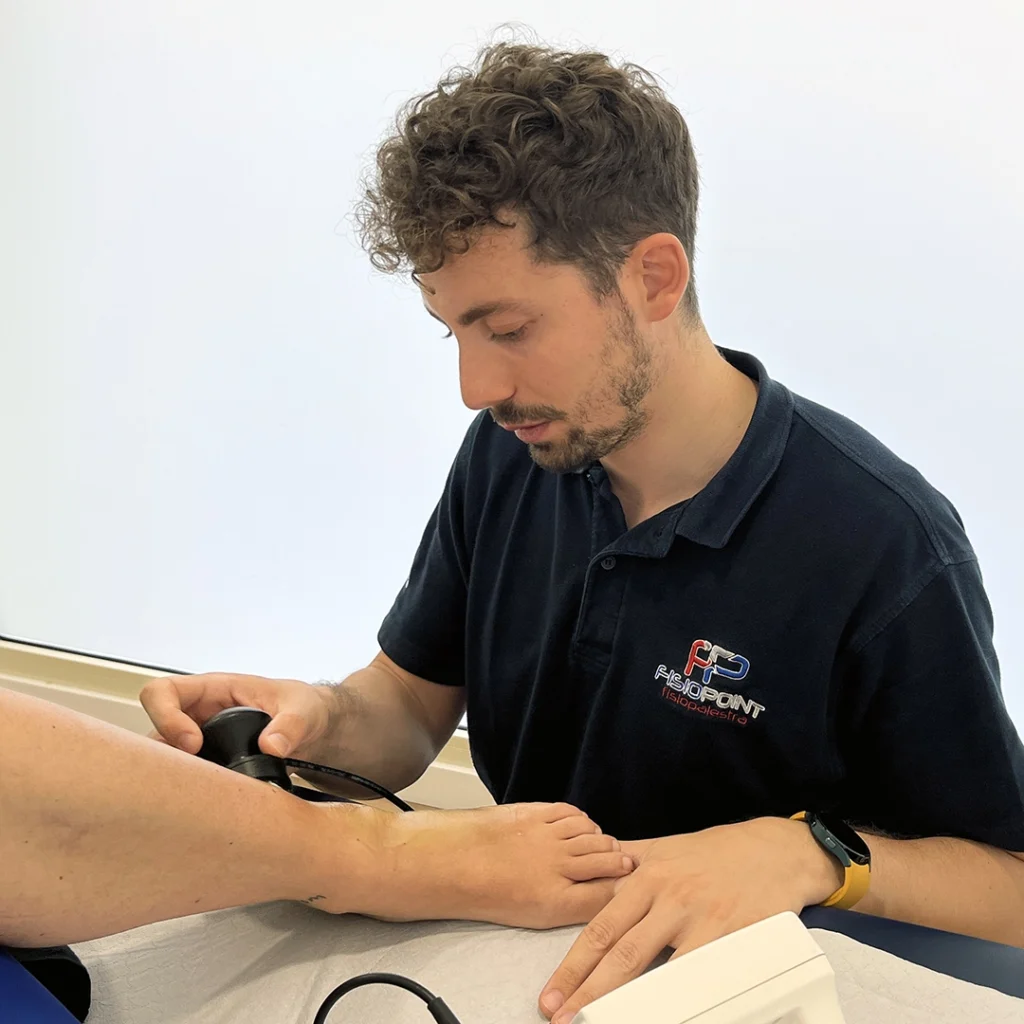
The clinical assessment is based on the symptoms that the patient complains of. With respect to the diagnosis, the rehabilitation project has the task of decreasing pain, correcting muscular imbalances and also working on fitness.
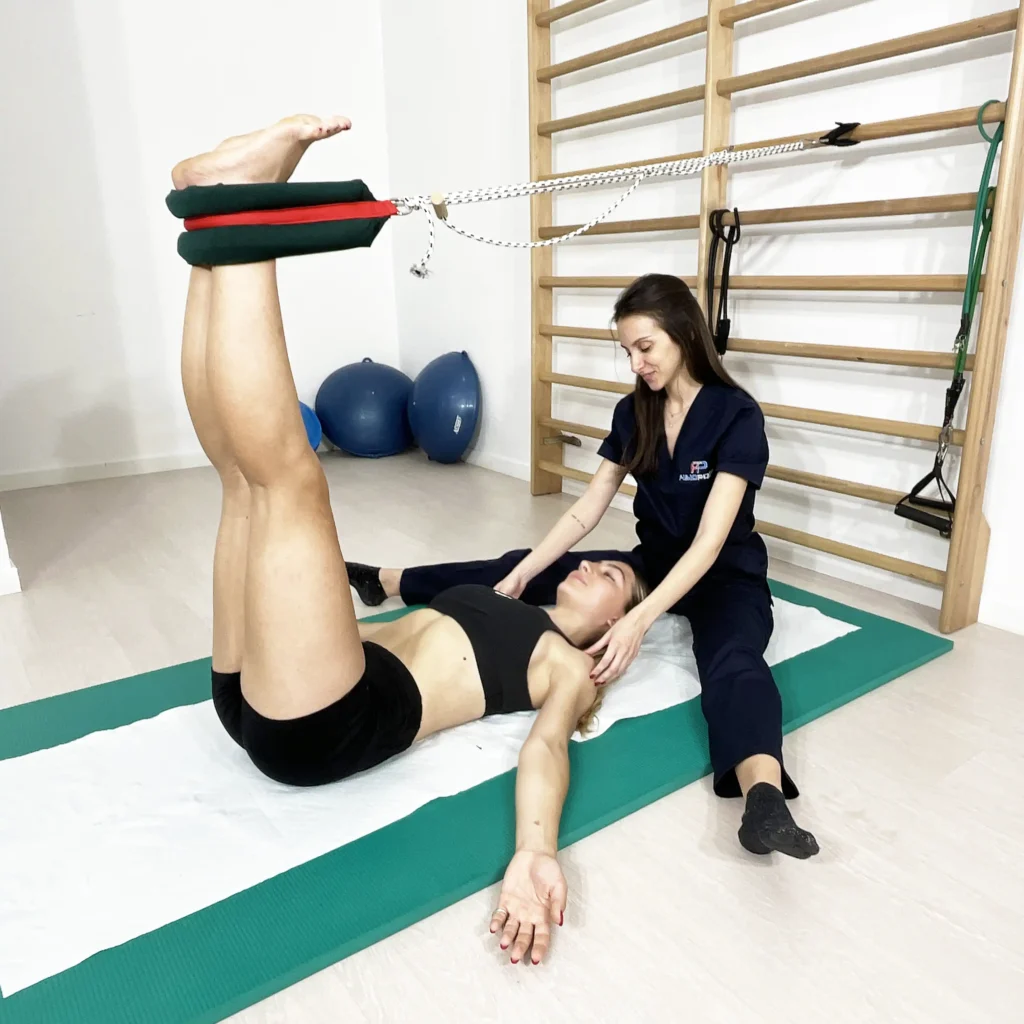
Prevention is an important aspect of rehabilitation; when the symptoms have disappeared and the functional limitation has been overcome, a discipline-specific and purpose-built training programme for the patient/cyclist is indispensable to avoid any future injuries, especially those associated with overloading.
Learn more by watching the videos on our channel YouTube












 English
 Italian