Anatomy and function of the meniscus
The knee is composed of four bones:
Along with the bones are the muscles that, with their tendons, allow the knee to move. It is important to emphasise that most of the muscles, related to the knee, are also related to the ankle and hip. This means that many ankle or hip problems affect the knee and vice versa. Among the most important muscles of the knee are:
- quadriceps femoris
- semimembranosus
- semitendinosus
- biceps femoris
- gastrocnemius
In itself, the knee joint tends to be unstable, this is because the end of the femur and the beginning of the tibia and fibula have little contact with each other. The stability of the knee is given by:
- menisci (internal and external)
- knee joint capsule
- ligaments
- tendons
- muscles
All these muscles together perform an important stabilising function of the joint. More specifically, the menisci play the role of both 'shock absorber' and 'seal' of the knee.
- Shock-absorbing, because they reduce the weight and impact on the joint, thus reducing possible damage to the joint cartilage
- Seal, because they increase the small contact surface between the end of the femur and the beginning of the tibia and fibula
The menisci also protect the knee from lateral swings.
If it is a 'chronic' event (i.e. one that has been established over time as a result of various traumas), the following symptoms may occur:
- sporadic episodes of knee lock together with jerking sensations
- recurrent knee swelling
- feeling of instability in the knee, as if it did not 'hold'.
The acute event occurs following an injury, the chronic event, on the other hand, occurs with repeated knee injuries or sprains over time.
Come si diagnostica lesione al menisco
The diagnosis of the meniscus lesion is made by the orthopaedic specialist through an anamnesis, clinical examination and instrumental tests.
The main instrumental examinations are:
- X-ray, to exclude the presence of pathologies related to bone degeneration
- CT scan, which allows the integrity of the menisci to be assessed
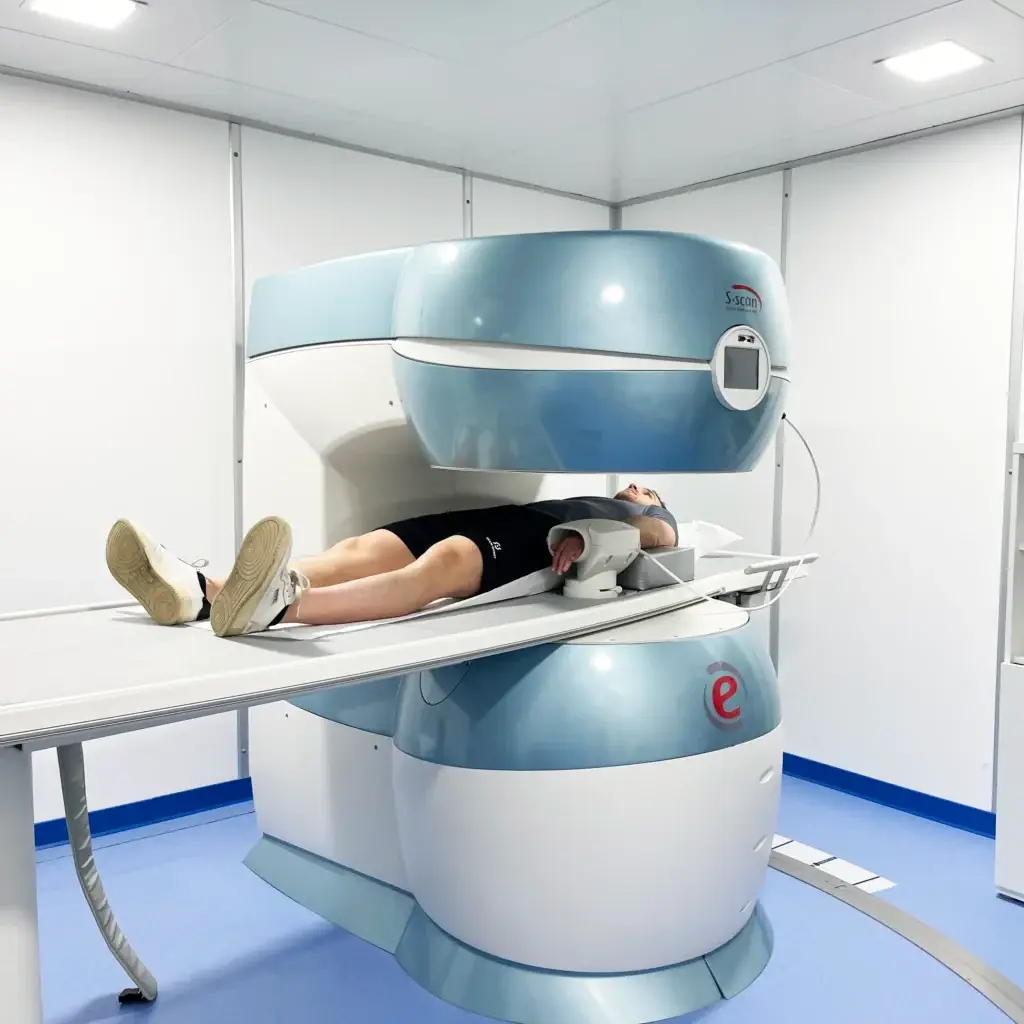
- MRI, uses a magnetic field instead of ionising radiation and evaluates joint and capsular ligament structures with greater accuracy
- arthroscopy, which is used if the information obtained from these examinations is insufficient
On the basis of a precise picture, the orthopaedist then decides how to act and recommends the most suitable therapy according to the condition.
Treatment of meniscus injury
Possible therapeutic approaches to treat a meniscus injury are:
- surgical treatment
- conservative treatment
Regarding the first treatment, nowadays, there are different surgical techniques depending on the type of lesion (bucket-handle lesion, longitudinal lesion, etc.). Predominantly, the orthopaedist tends to operate by arthroscopy, which allows a lower degree of invasiveness and an earlier recovery. All of this, of course, always depends on the type of injury and operation.
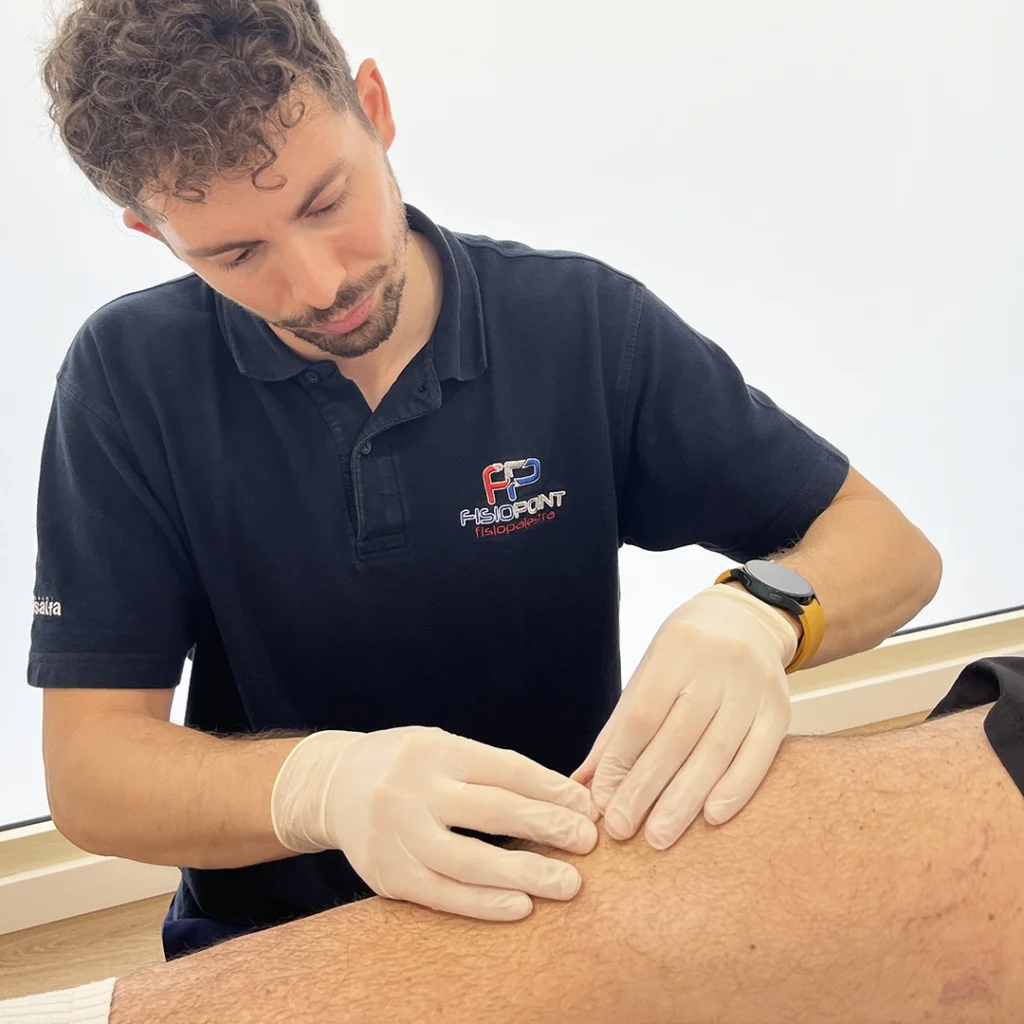
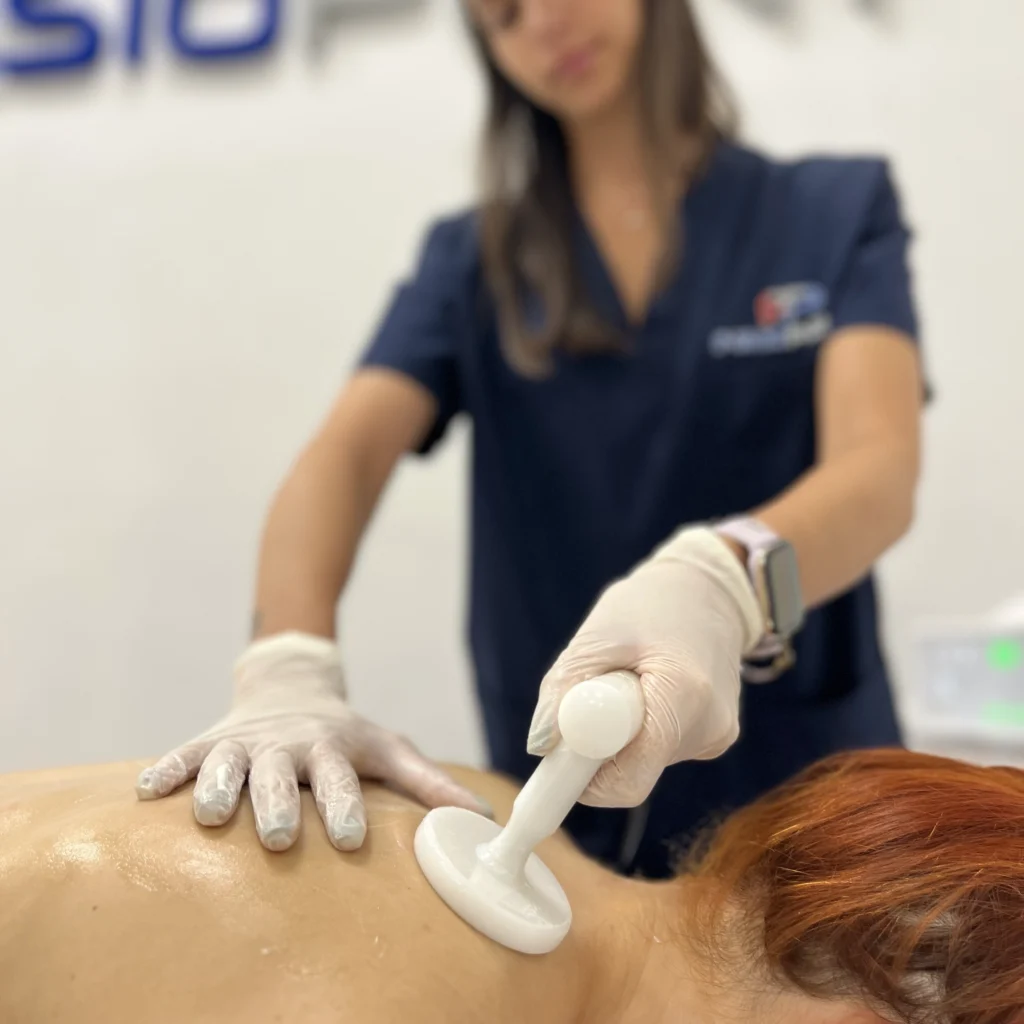
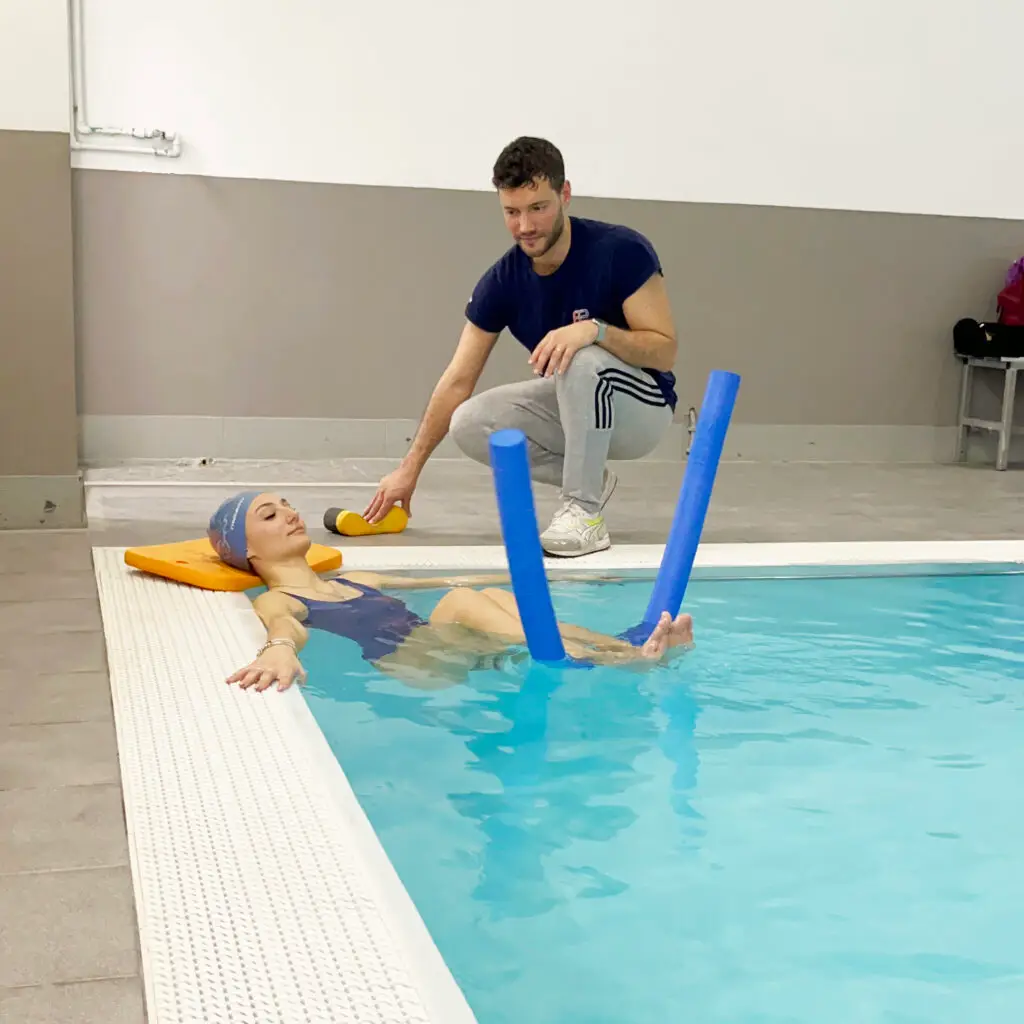
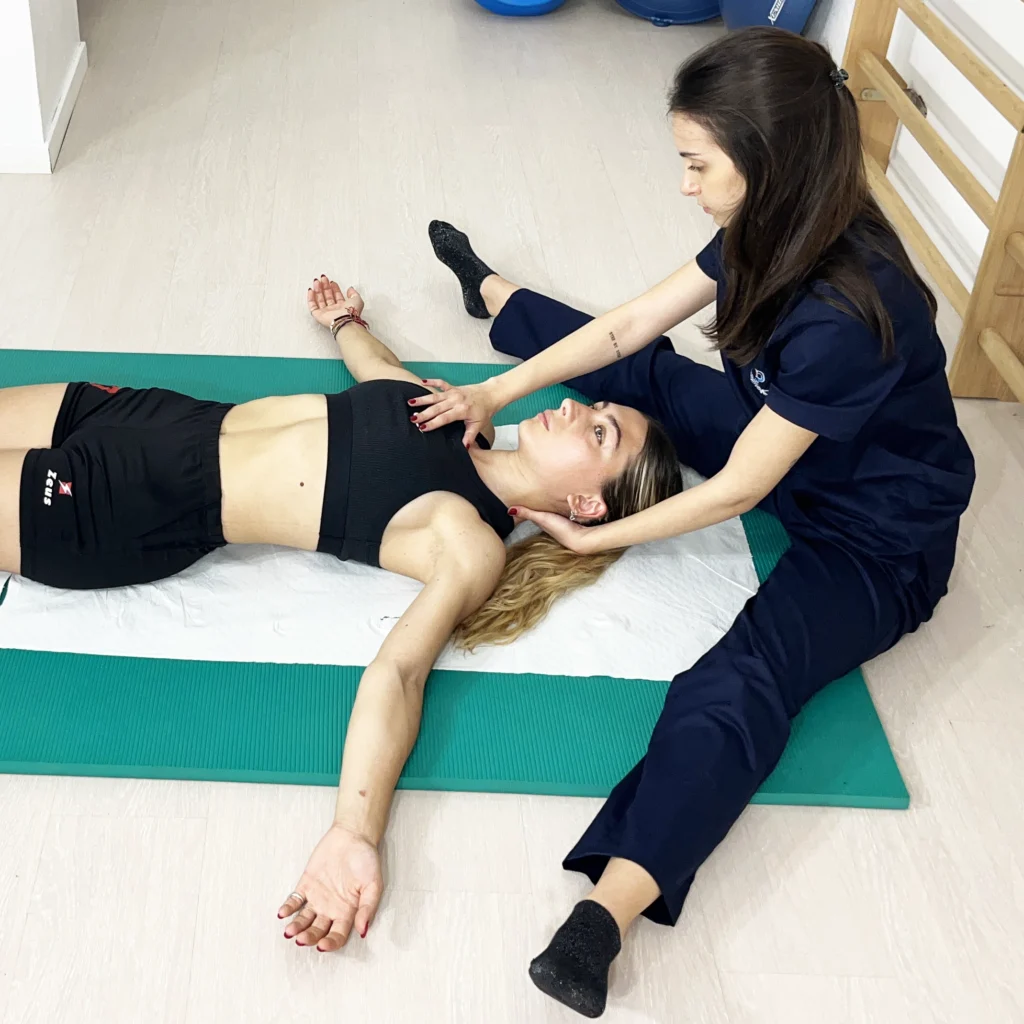
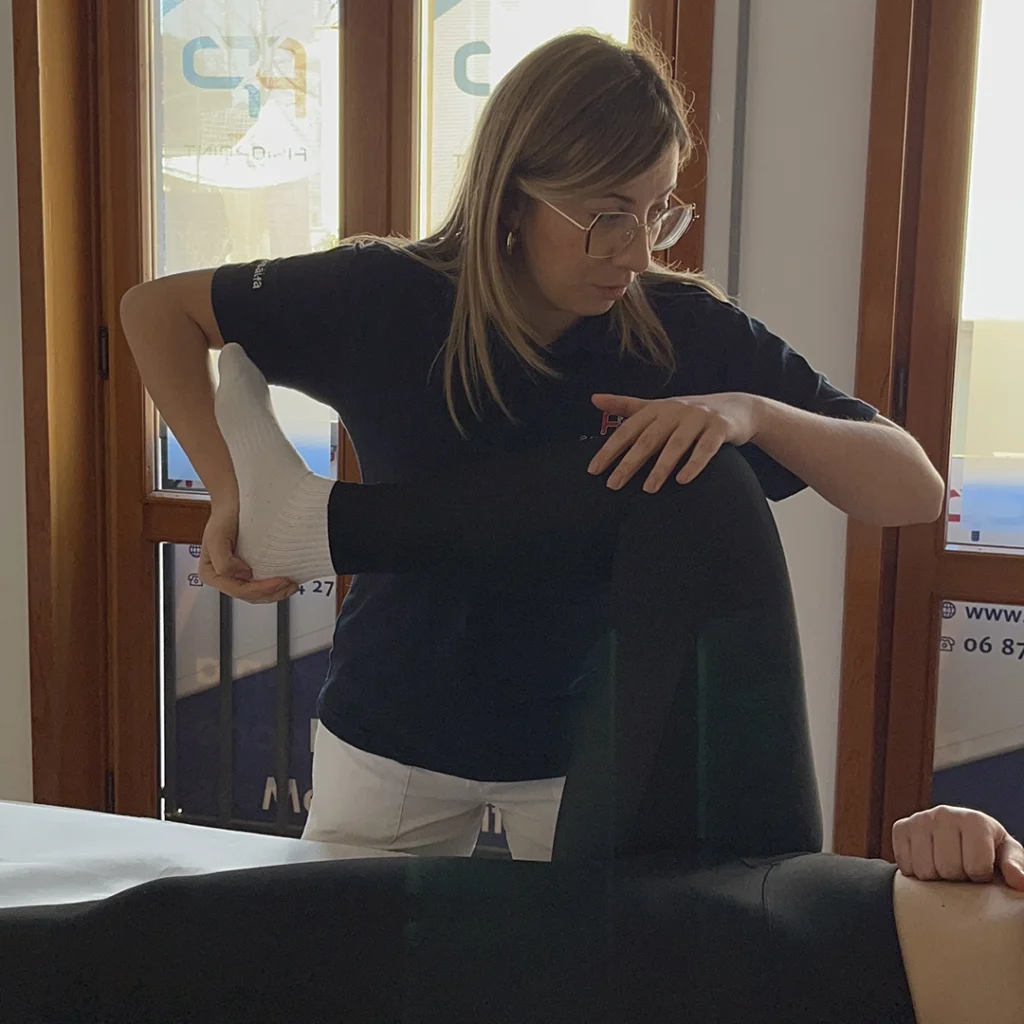
Following an operation, it is essential to start a physiotherapeutic rehabilitation programme as soon as possible. Rehabilitation treatment is aimed at achieving, in a short time, complete joint mobility, good muscle activation and joint stability. To achieve this goal, a specific programme is physical therapy (Laser, Tecaretc.), the application of ice, combined with an activation and stabilisation programme for the hamstrings. Pain management is also important and should never be underestimated.
In the event that theorthopaedist considers that knee surgery is not necessary, conservative physiotherapeutic treatment will be proposed.
Knee pain management, the use of ice and physical therapy is also important here. Especially in this case, excellent activation and stabilisation of the hamstrings will be essential. This is because the hamstrings will have to protect the suffering meniscus in all those movements that could be damaging.
If we are faced with a meniscus injury, it is very important to first receive a correct diagnosis. Subsequently, whether an operation is proposed or not, it is necessary to rely on a specialised physiotherapist to correctly complete the course of treatment.
Text by Alessio Fioretti
Watch knee rehabilitation videos on our channel YouTube


 English
 Italian