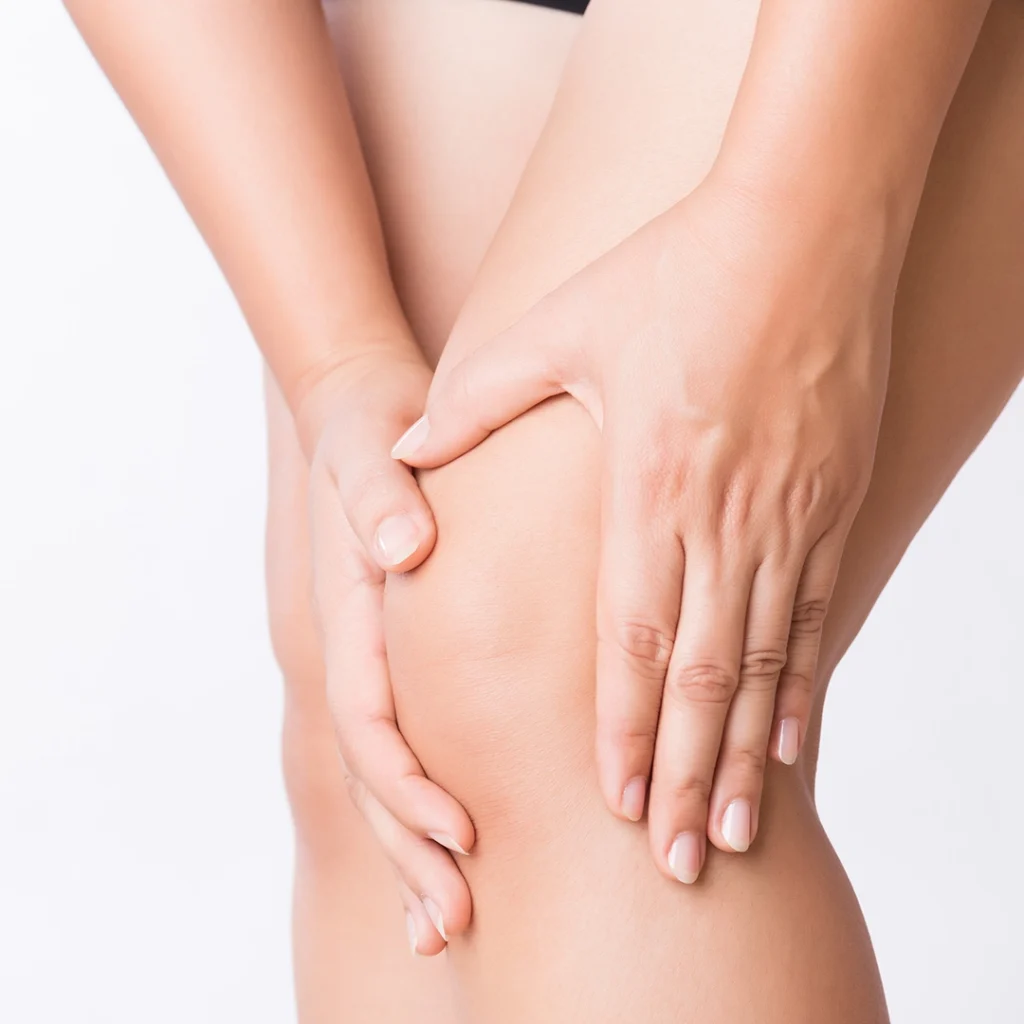
The patella (or patella), together with the femur and tibia, forms the joint of the knee and is positioned just in front of these two bones. Its sliding movement occurs within a track 'hollowed out' in the trochlea of the femur when the knee makes flexion and extension movements. In the patella we can distinguish:
- The base: insertion point of the rectus femoris muscle
- The apex: insertion point of the patellar tendon
- Inner margin where the vastus internalis muscle inserts
- Outer rim where the vastus externalis muscle inserts
- The front surface
- The posterior surface lined with cartilage and running in the femoral trochlea
What functions does the kneecap perform?
- Protection of the anterior portion of the knee
- Connection point between the femoral muscles and the tibia
- Allows knee extension by acting as a lever
What are the pathologies that can affect the kneecap?
Patella fracture is the most serious pathology that can involve this bone. It is a rather common condition, especially among men probably due to the practice of more impactful sports.
What diagnostic tests are performed to diagnose a patella fracture?
- X-ray (or X-ray examination) is performed immediately after the trauma and then at a later date, to assess the progress of the bone consolidation process
- CT scan, for detailed information regarding the type of fracture (in the case of more complex fractures)
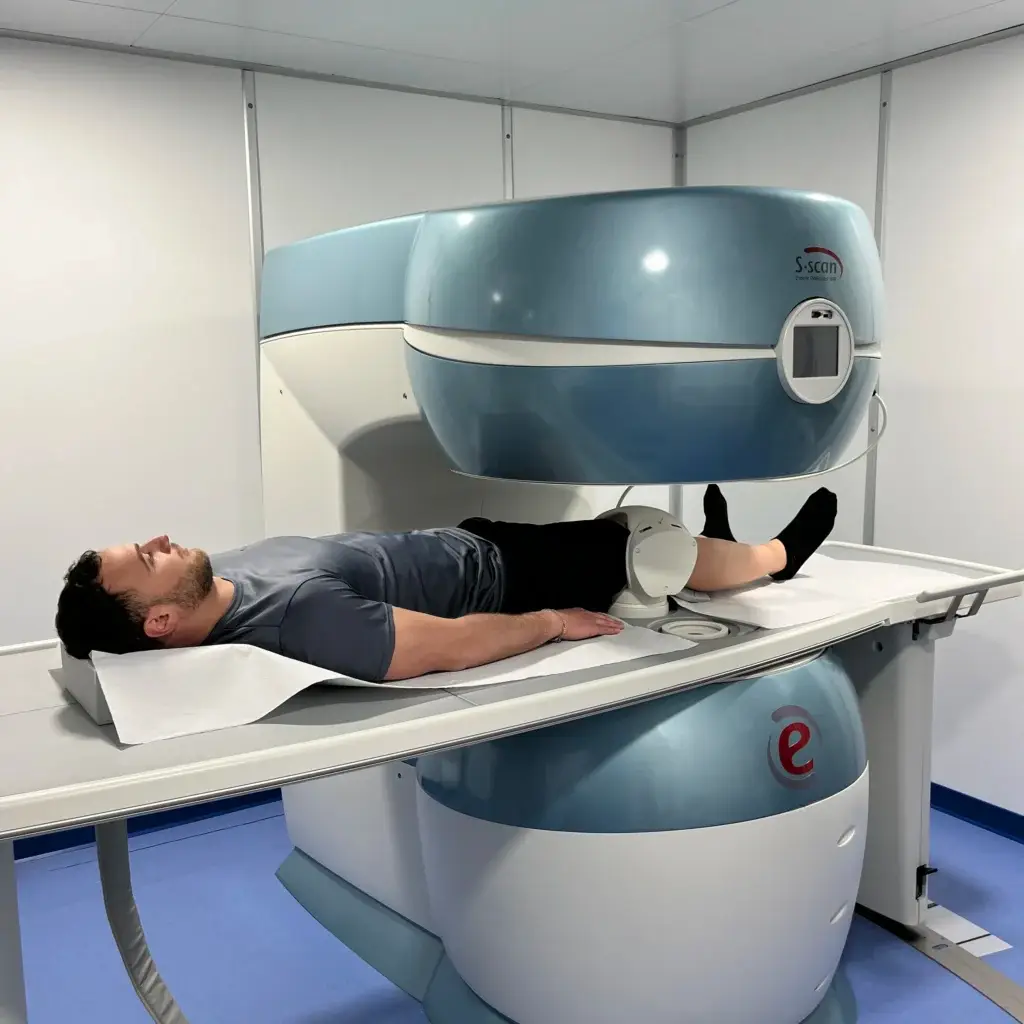
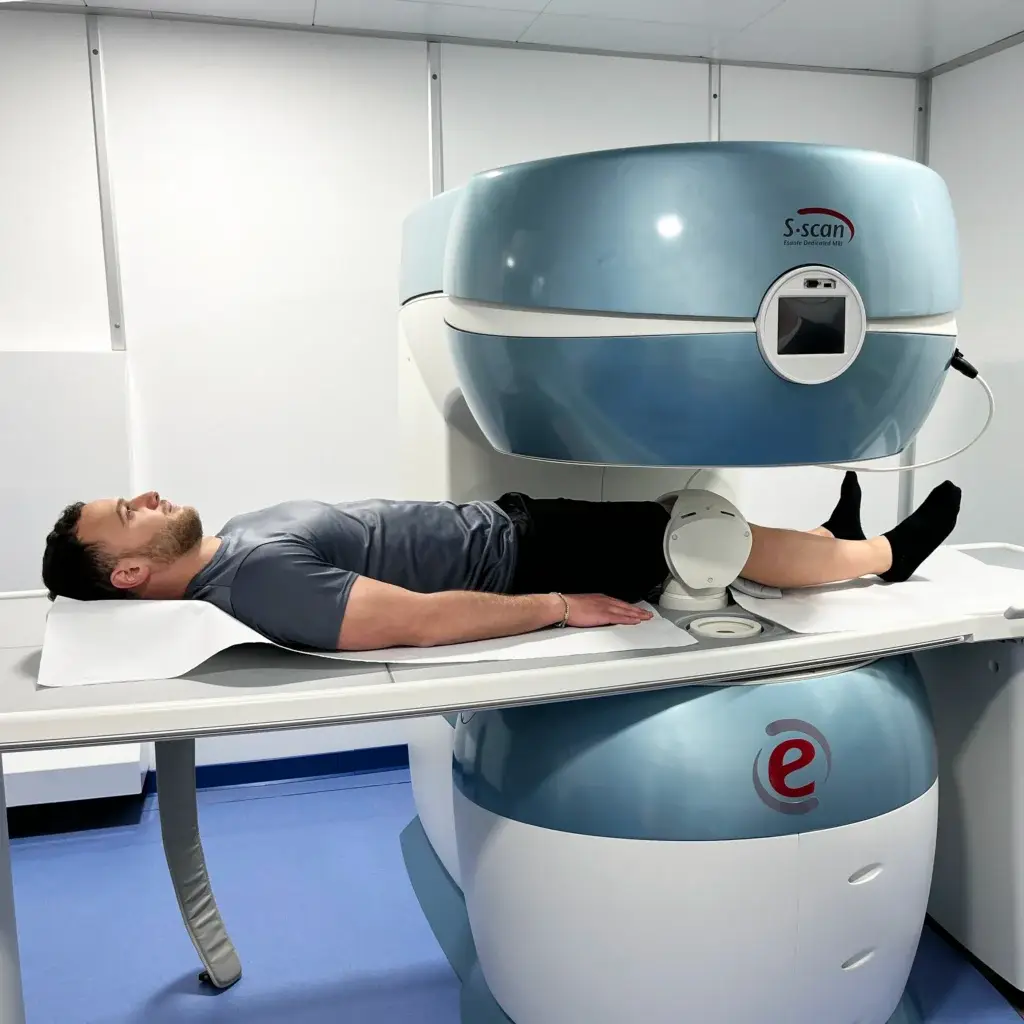
- Magnetic resonance imagingto obtain information also on the state of the soft tissues (muscles, tendons, ligaments) directly involved in the trauma
What are the different types of patella fractures?
- Compound (fracture rhyme with bone fragments in place)
- Transverse (fracture rhyme central to the patella with horizontal direction, with slightly detached fragments)
- Vertical (fracture rhyme crossing the patella from top to bottom)
- Fracture with apex detachment
- Compound multifracture (multiple bone fragments in place)
- Decomposed multi-fragmentation (several bone fragments moving from their anatomical location)
Conservative treatment is chosen, if there is no detachment of fragments, and includes:
- Application of plaster or brace (4 to 8 weeks)
- Absence of load
- Walking with Canadians with support on the healthy limb
After the period of immobilisation and once consolidation has taken place, the physiotherapy course is followed:
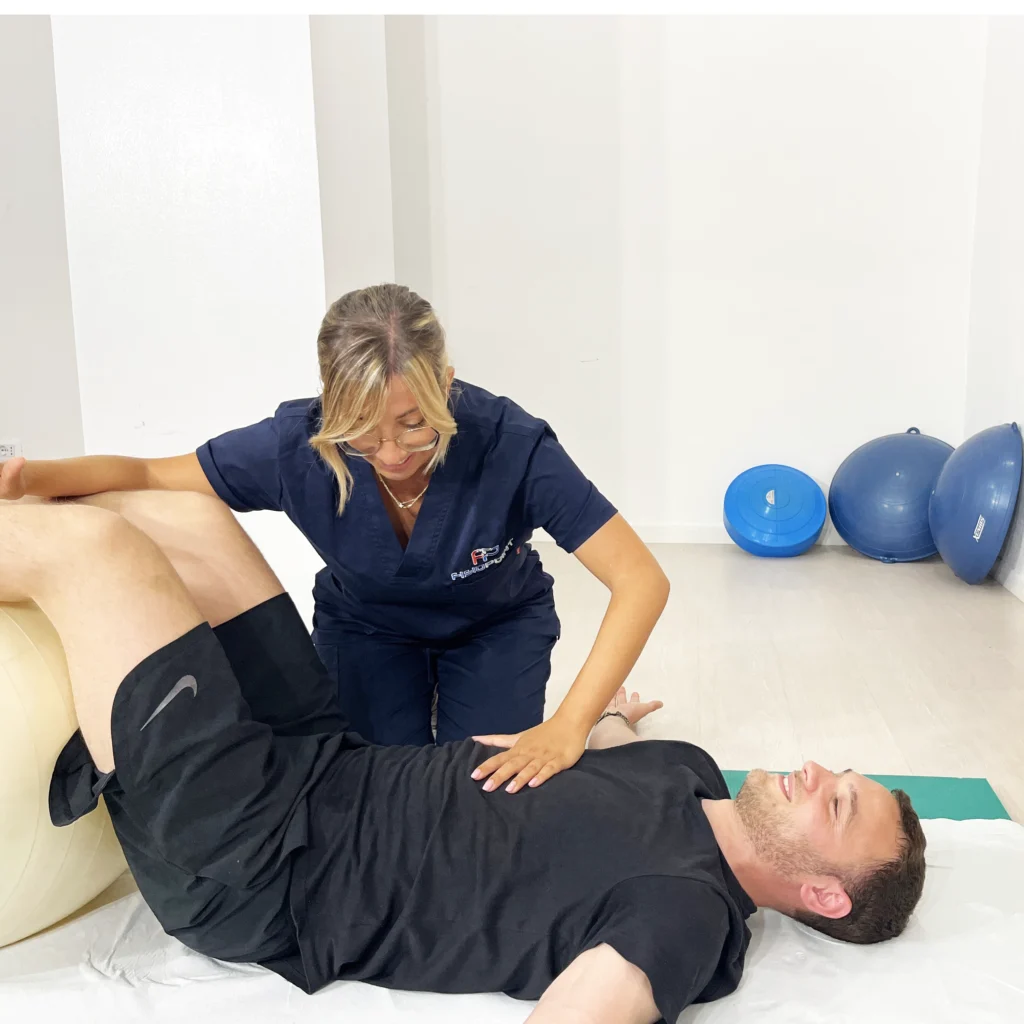
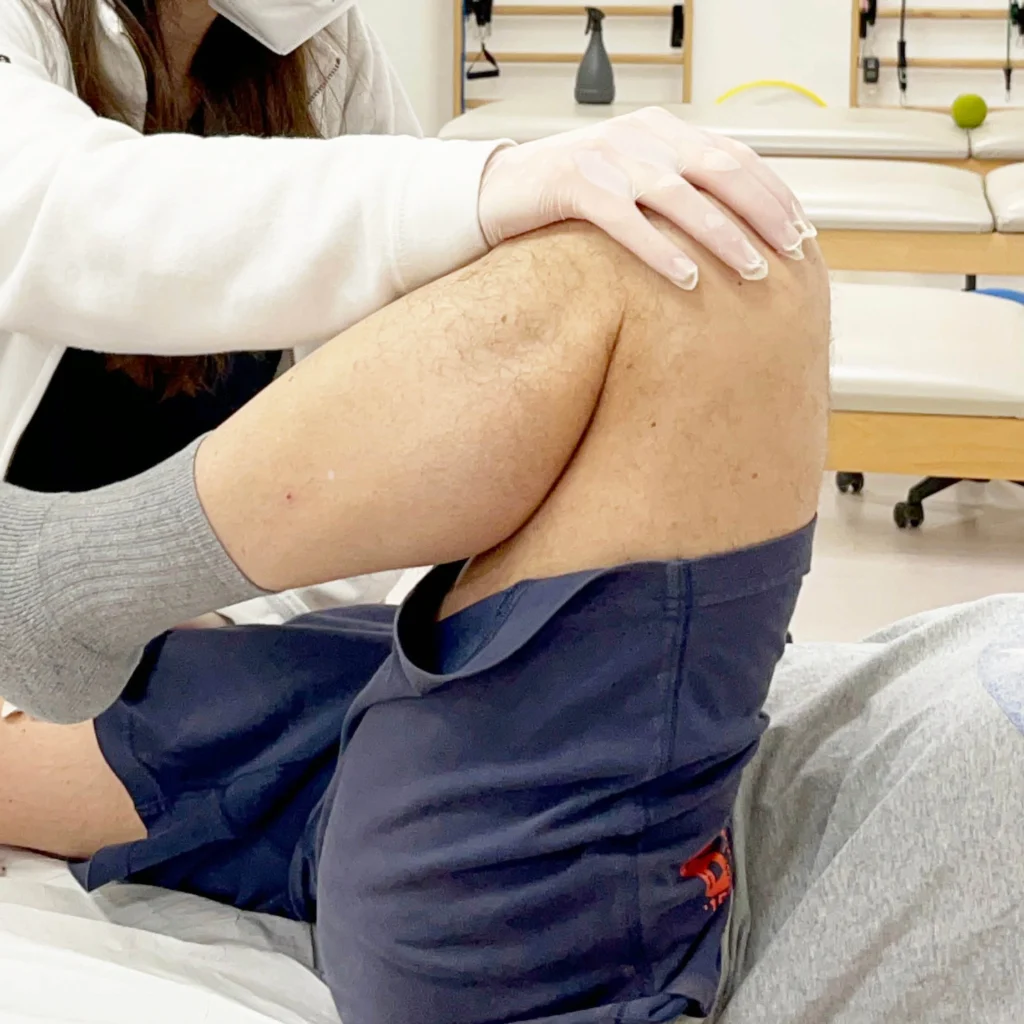
- Passive/active mobilisations
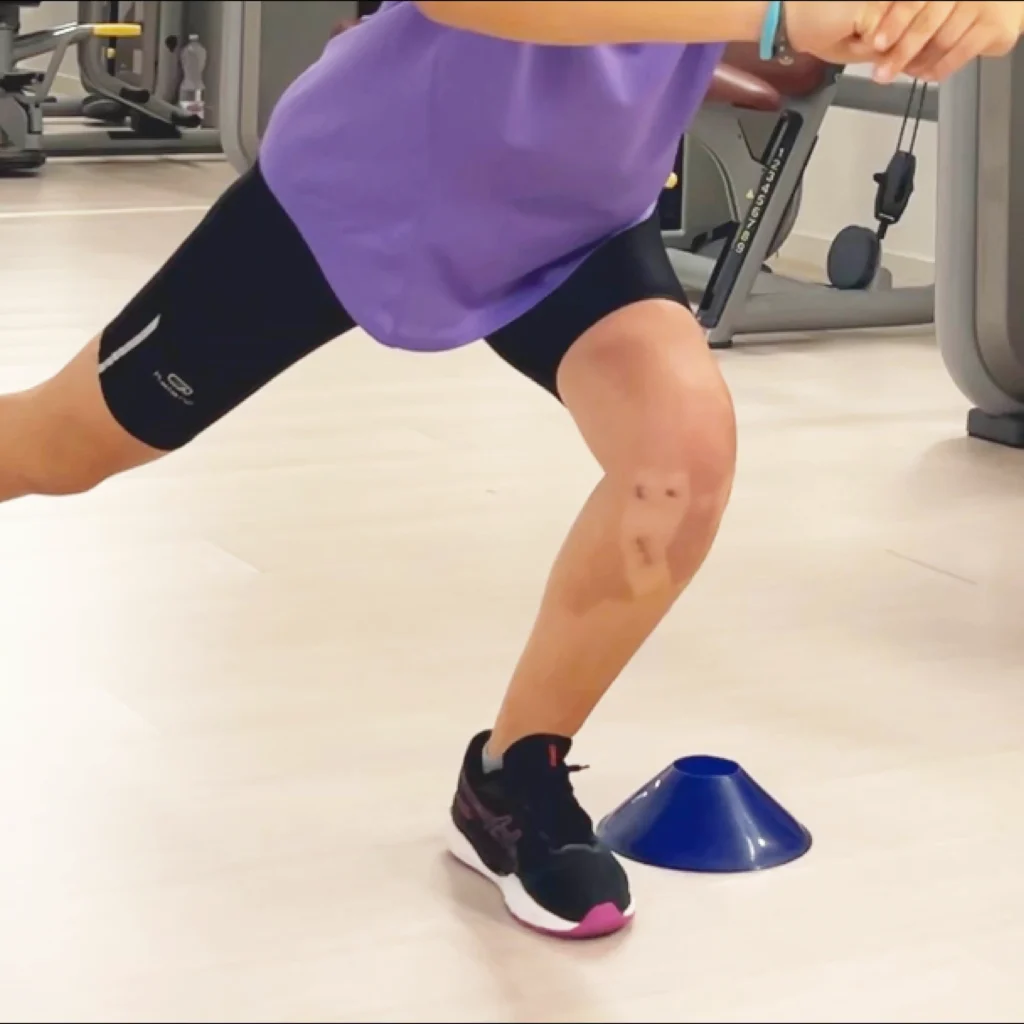
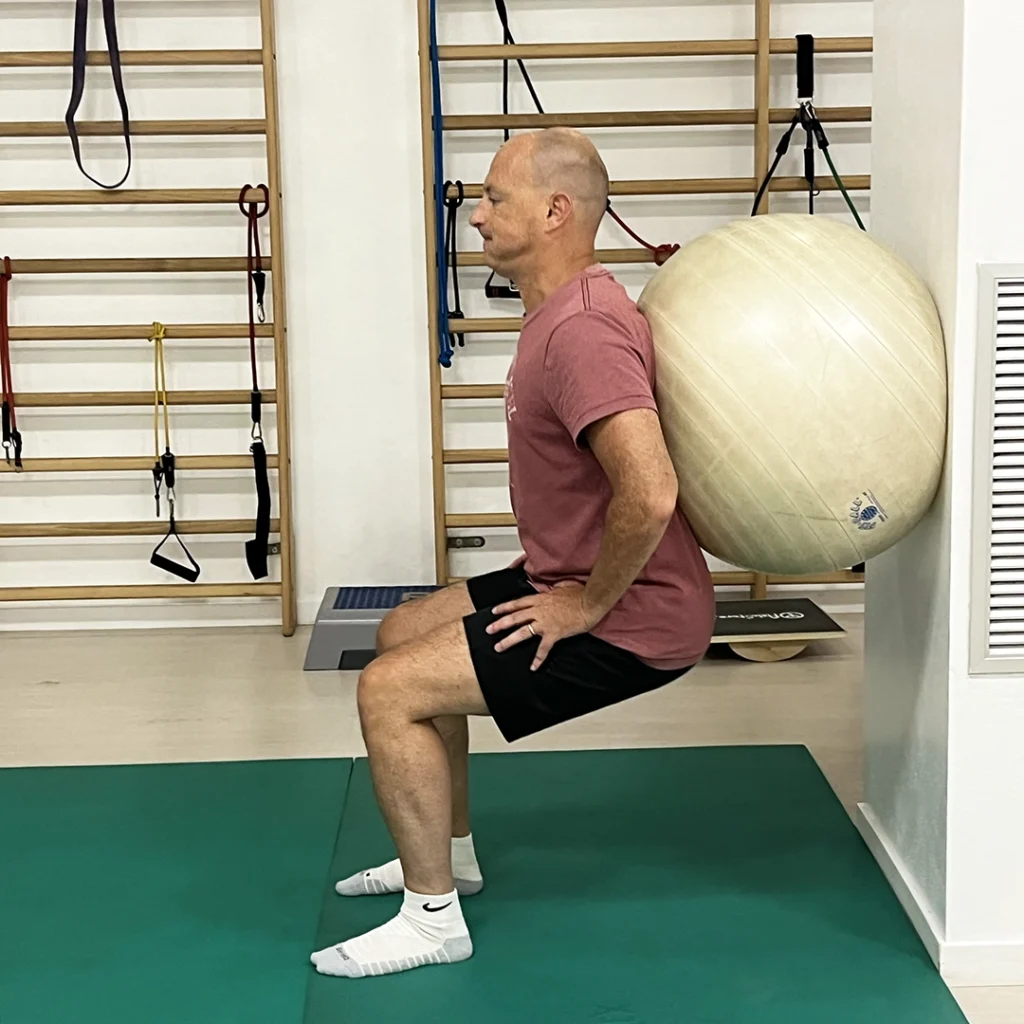
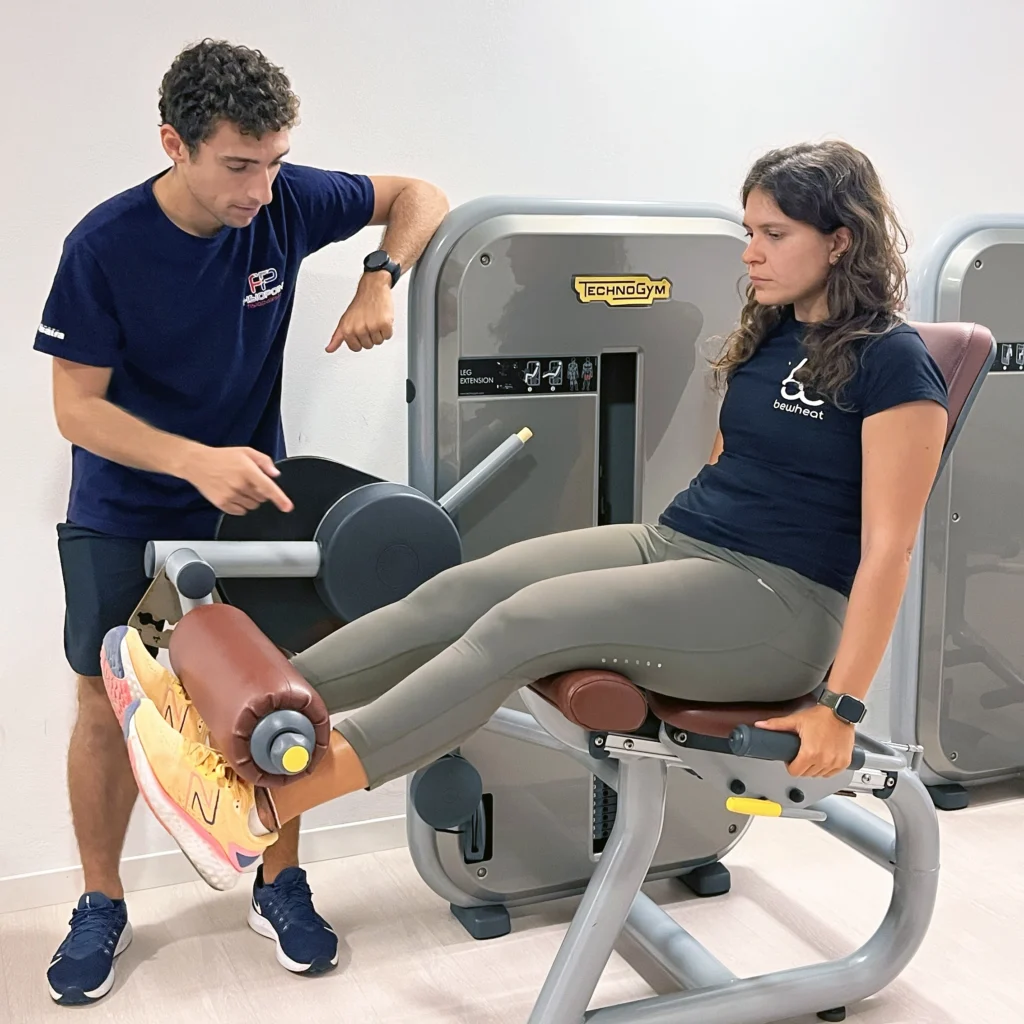
- Specific exercises for the knee muscles involved
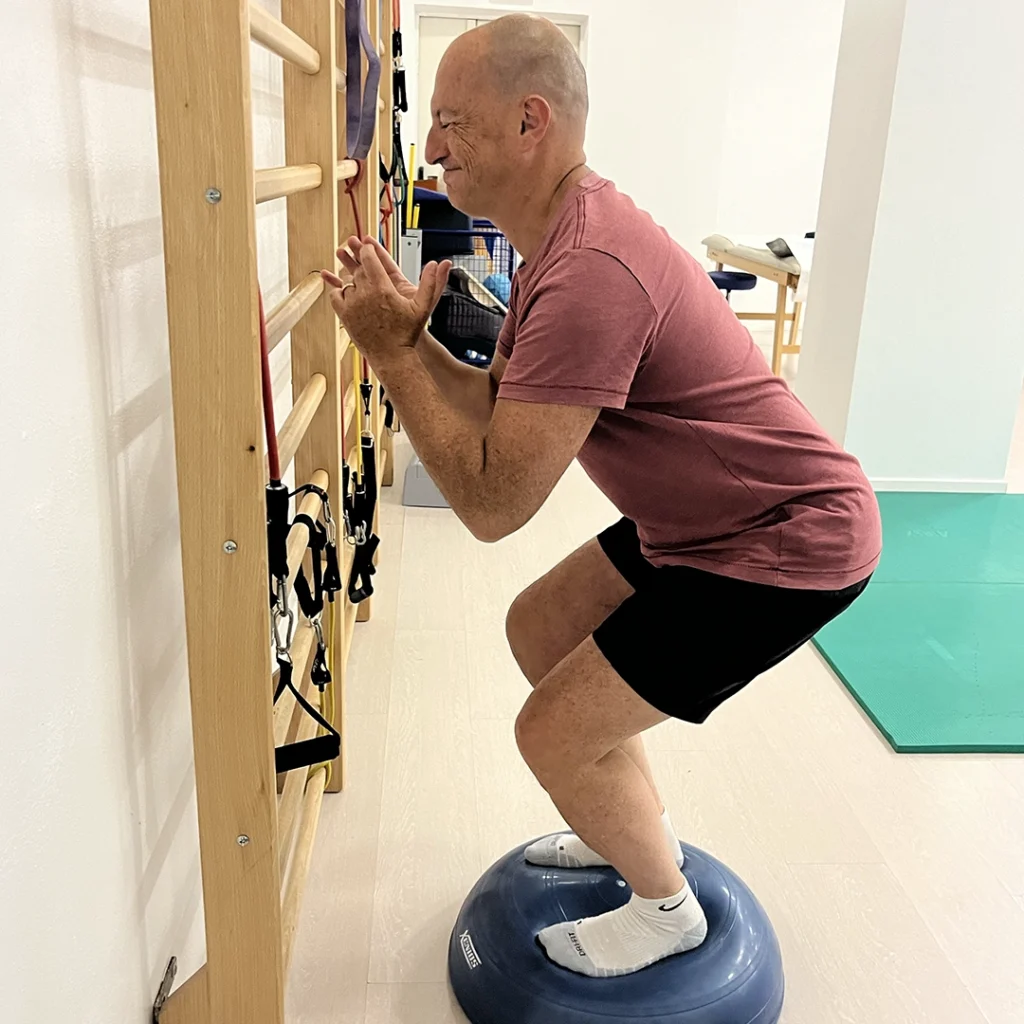
- Exercises of proprioception for the lower limb involved
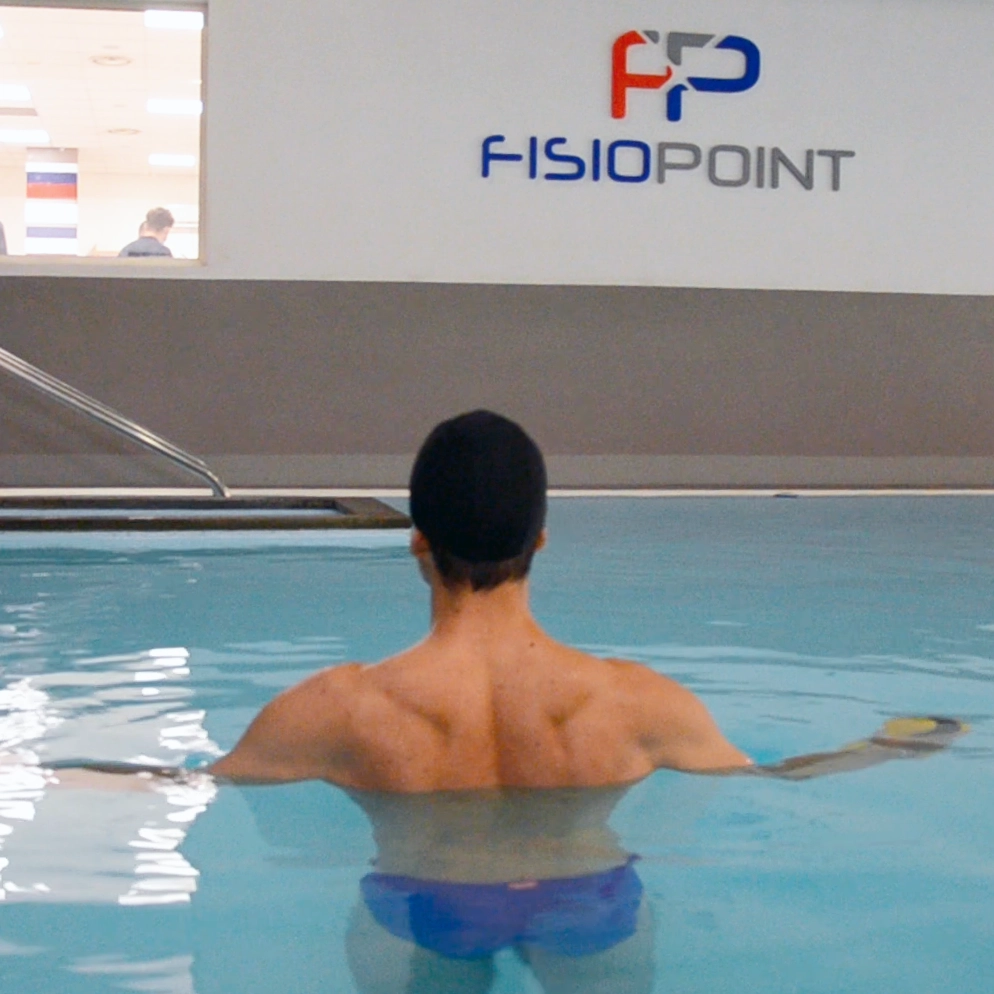
- Hydrokinesiotherapy
- Load distribution exercises on the limb involved in the trauma
Physiotherapy is aimed at recovery:
- Knee flexion-extension
- The muscle tone of the hamstrings
- The strength and stability of the whole limb
- Correct walking
Surgical treatment
If the bone fragments have drifted apart, changing the anatomy of the kneecap, surgical treatment is opted for and the specialist's choice may be between:
- Circling
- Osteosynthesis with plate and screws
- Patellectomy (partial or total) in the most severe cases
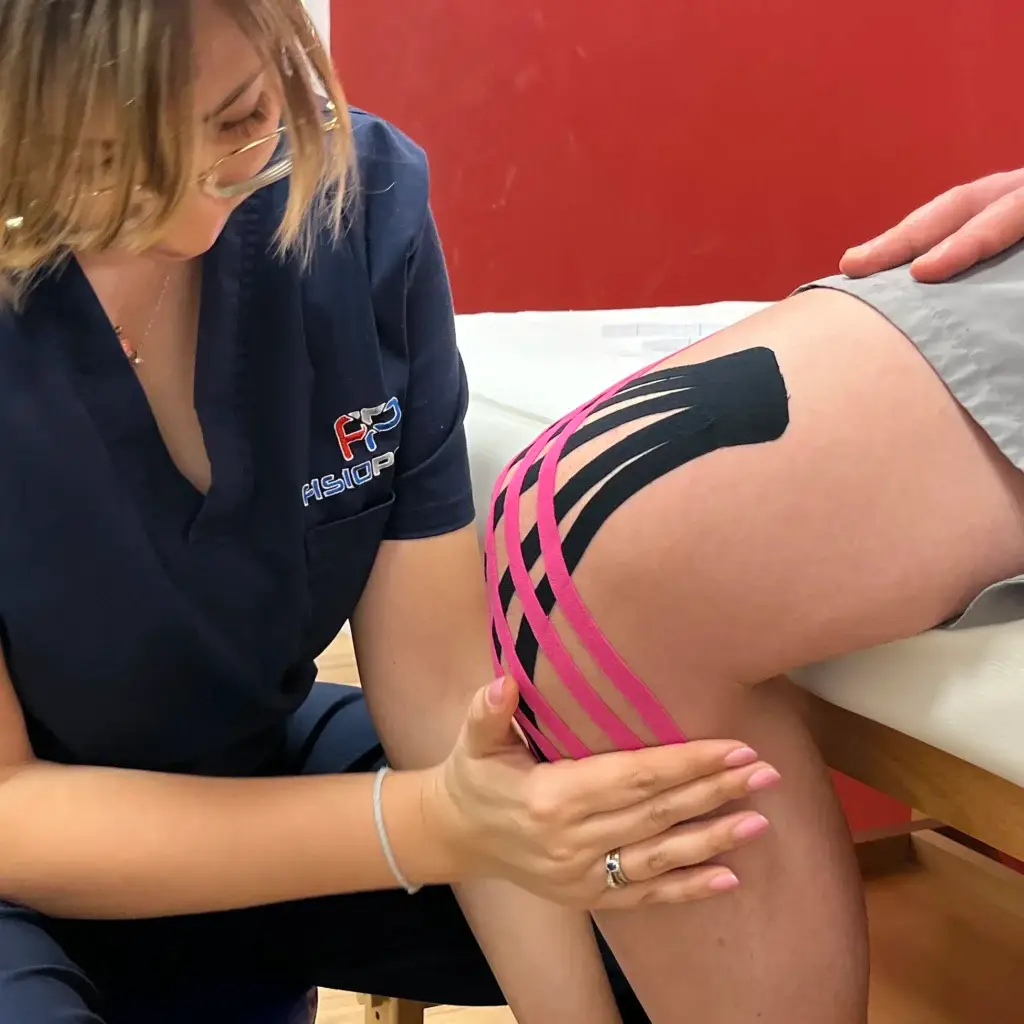
The time required for recovery and return to daily life activities is determined by the specialist depending on the type of surgical choice and the patient's general condition in the post-operative period. Certainly, it will be essential to start physiotherapy within the time frame set by the surgeon, which includes:
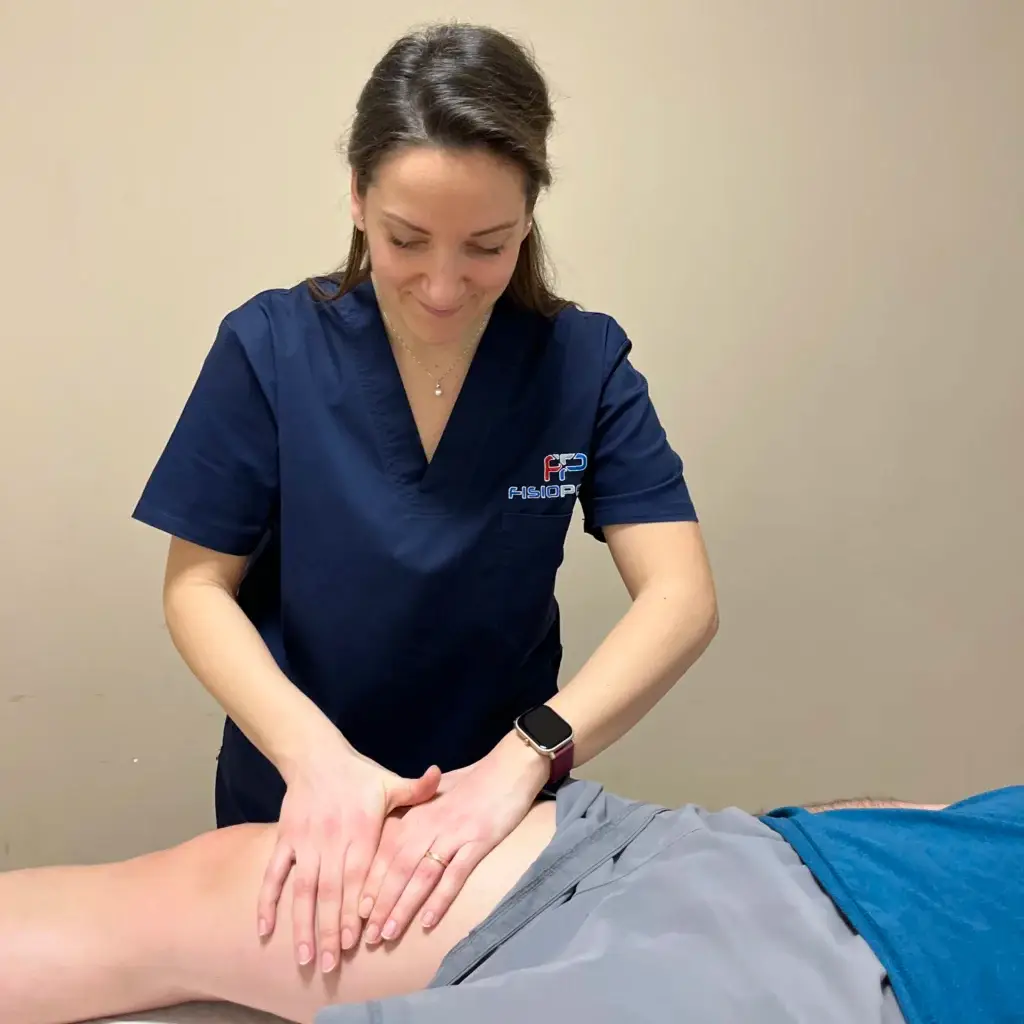
- Manual treatment of the surgical wound
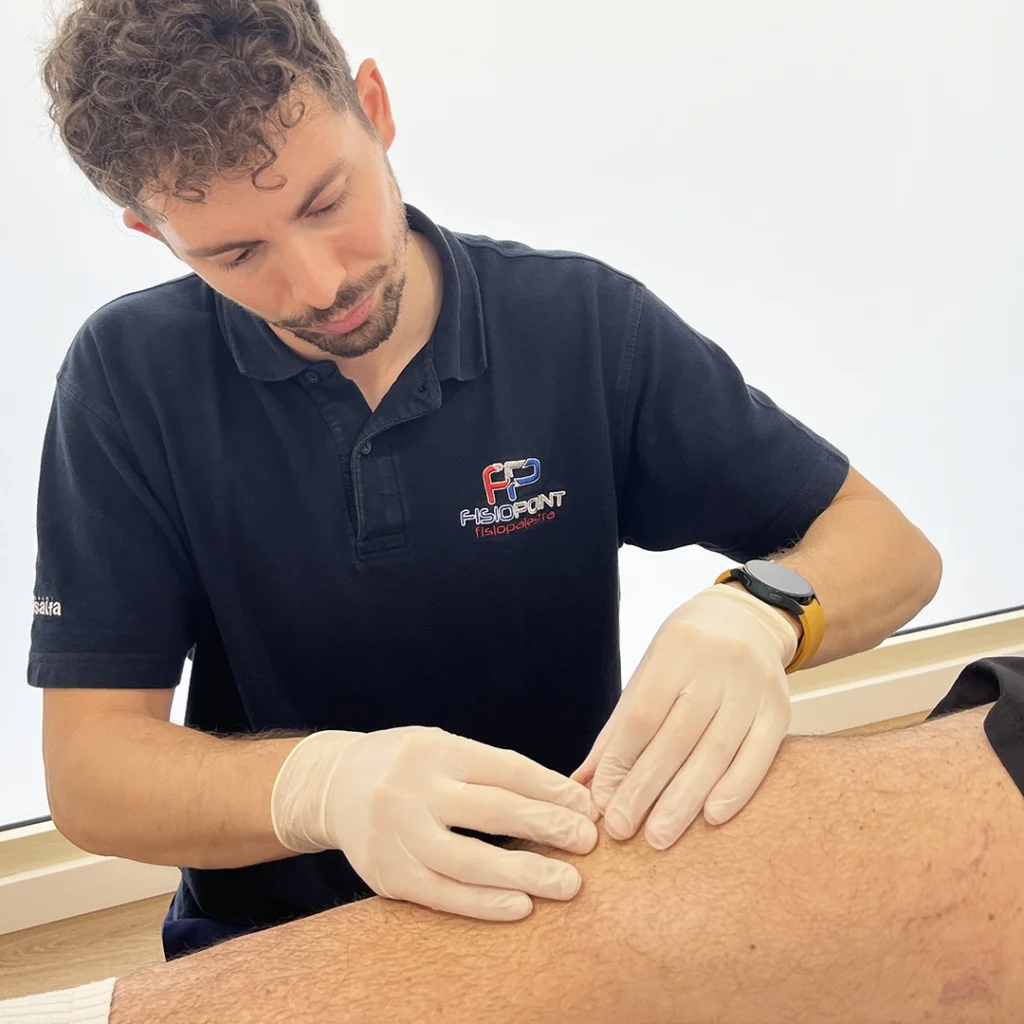
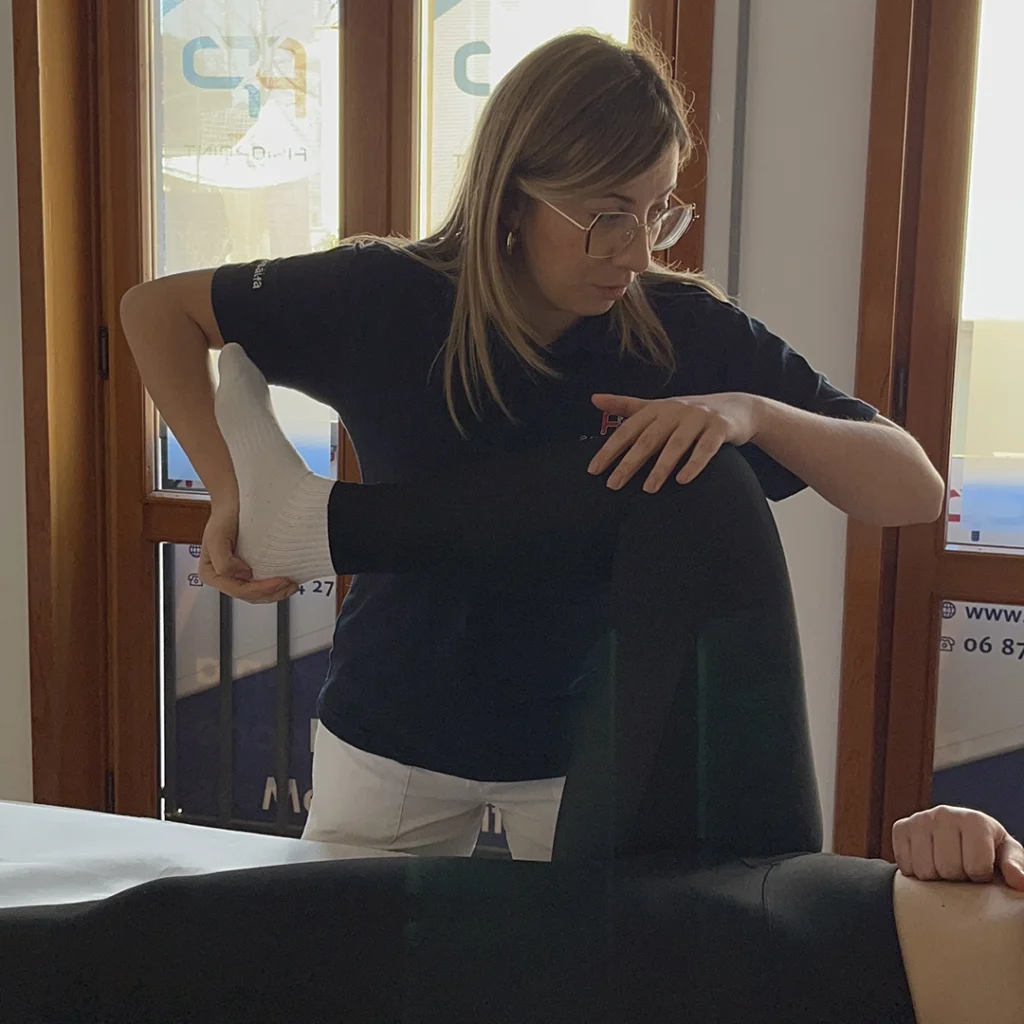
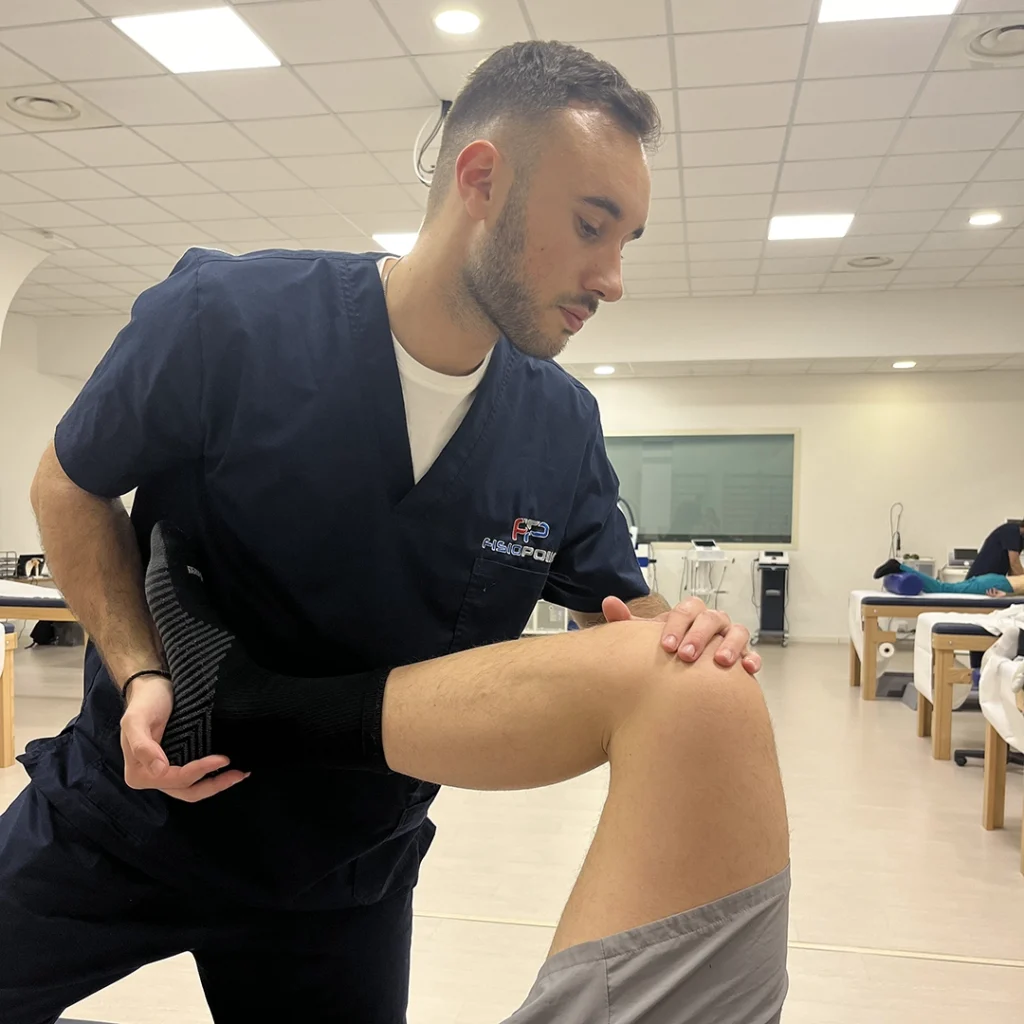
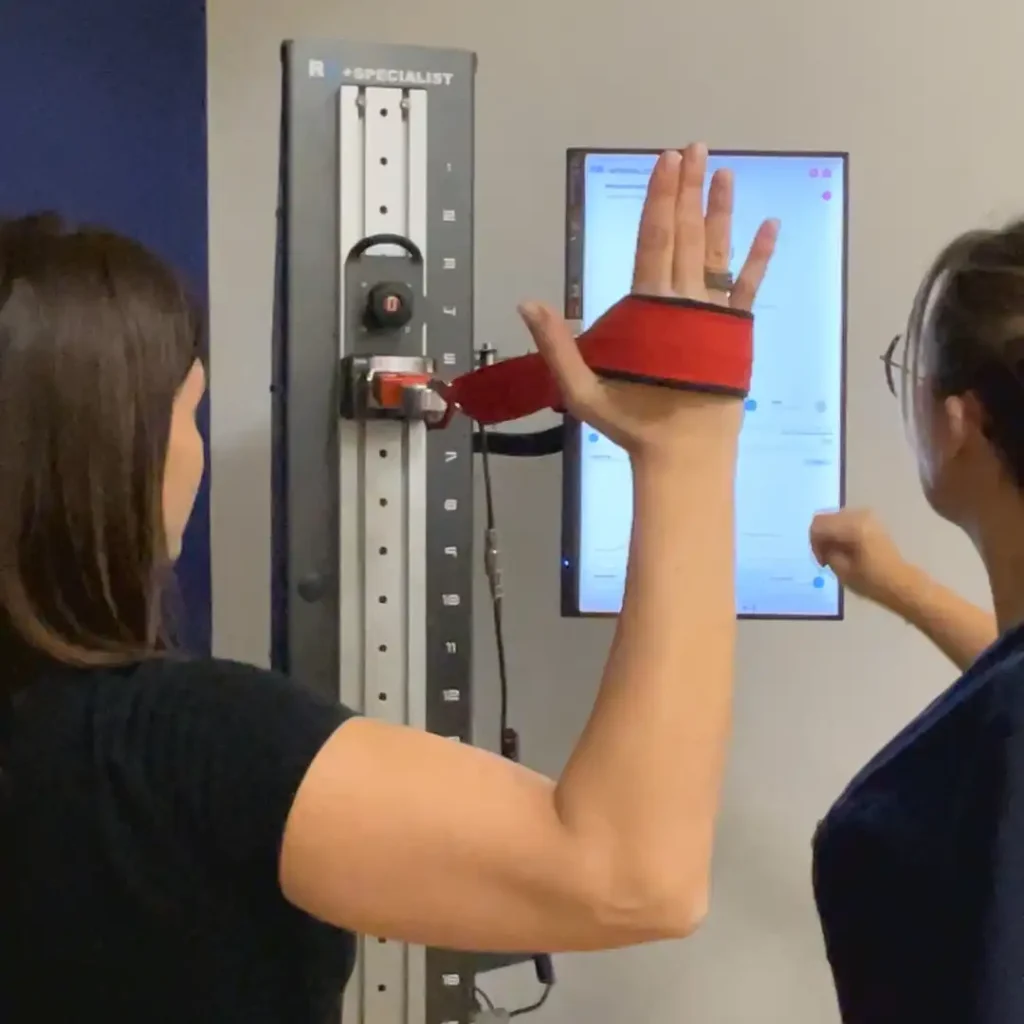
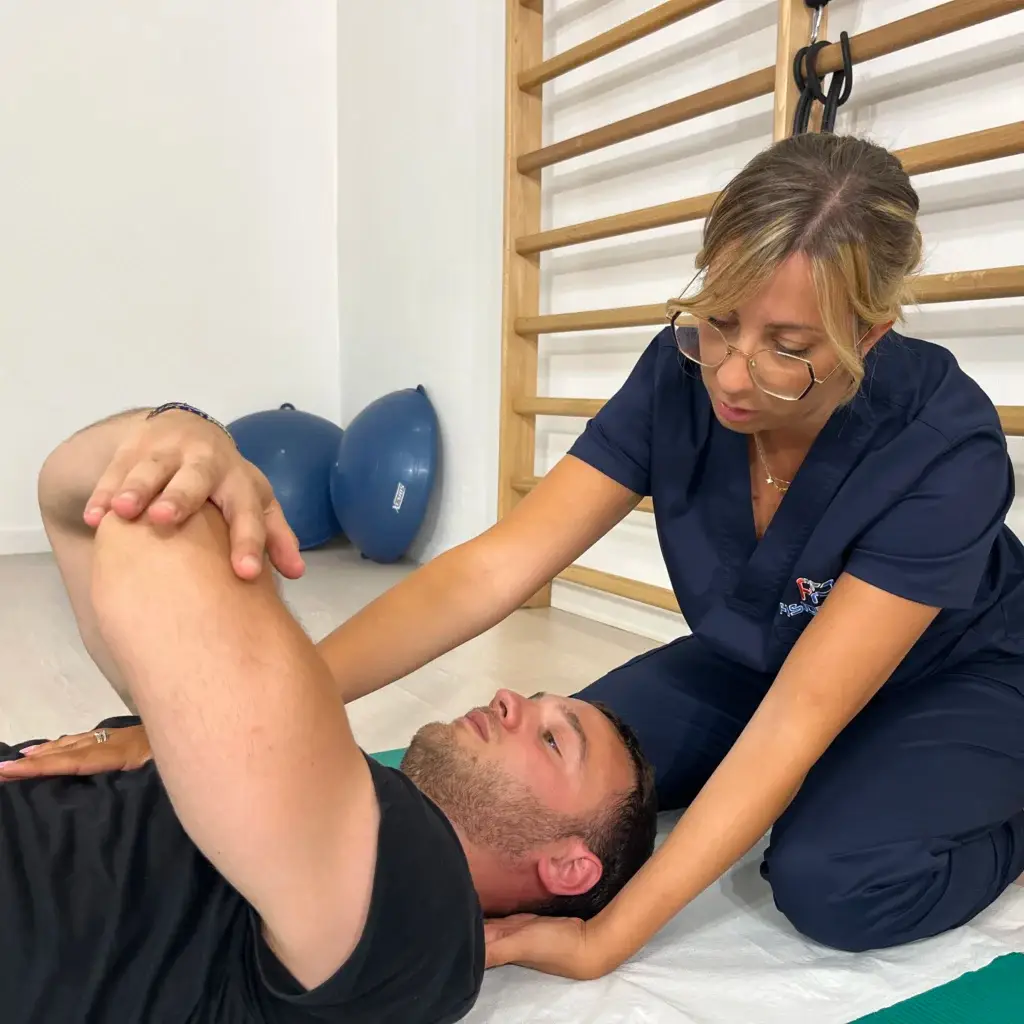
- Passive mobilisations of the knee joint (movements performed by the physiotherapist on the patient's limb)
- Active mobilisations of the knee (movements performed by the patient under the guidance of the physiotherapist)
- Strength recovery exercises for the knee muscles (to stabilise the kneecap)
- Gradual and progressive loading exercises on the operated limb
- Gait pattern exercises to regain correct gait
For optimal recovery, the combination of classical physiotherapy with hydrokinesiotherapy can make a difference on both the timing and the quality of the final result, to significantly speed up recovery time and work pain-free.
How is the rehabilitation process concluded in the case of conservative or post-operative treatment?
In both cases, the patient, subjected to a period of immobilisation, tends to develop a muscular imbalance that results in altered postural attitudes.
How to recover correct posture?
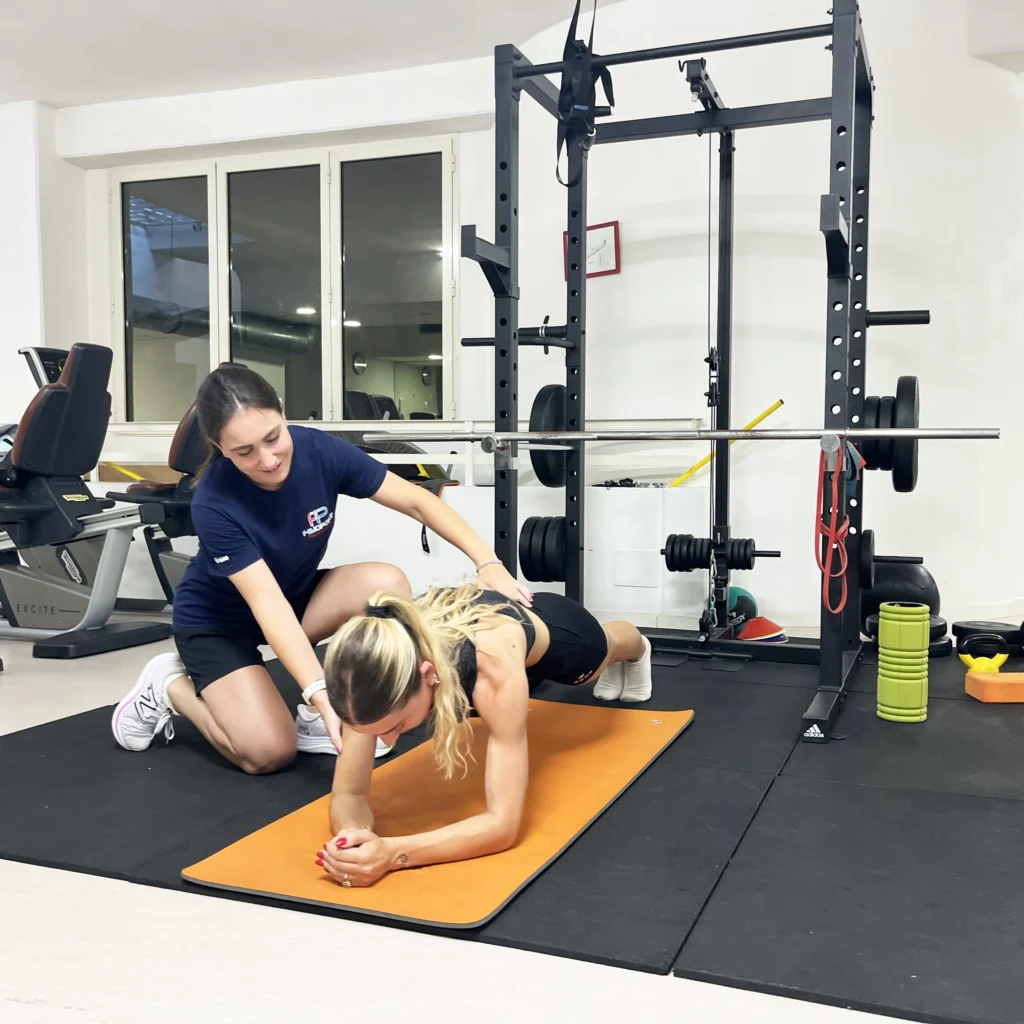
A path of postural re-education individual is aimed at concluding the rehabilitation course and restoring a correct postural pattern. It is best combined with individual sessions with a personal trainer to set up specific muscle strengthening work.
Text by Mariacivita Sepe
Learn more by watching the videos on our channel YouTube







 English
 Italian