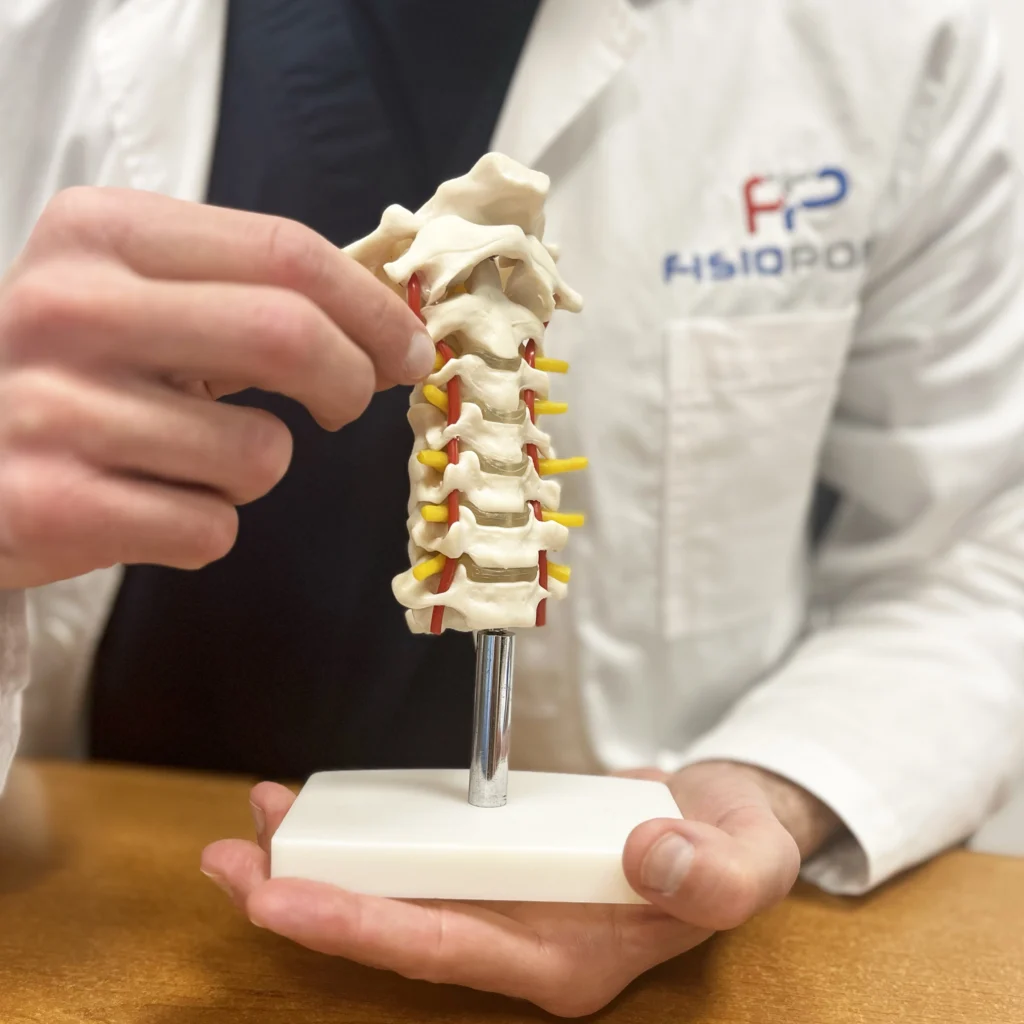
In order to better understand epicondylitis, we can look in more detail at the anatomy of the elbow. The elbow is the middle joint of the arm and connects 3 bones:
The possible movements at the elbow are:
- Flexion
- Extension
- Readiness
- Supination
To keep the joint secure, numerous ligaments are present:
- Medial collateral
- Lateral collateral
- Square
- Radium ring
Specifically, there are two bony prominences on the humeral surface:
- Epicondyle (lateral)
- Epitrochlea (medial)
These two, are important ligament and tendon insertion points. It is not uncommon for them to become inflamed resulting in pain and stiffness, as in the case of epicondylitis.
What is epicondylitis due to?
Epicondylitis is an inflammation of the muscles and tendons that insert in the epicondyle area and perform extension movements of the wrist and fingers. Therefore, the reasons for the onset are movements that create functional overuse or overload. The most common causes are:
- Sport causing elbow stress
- Work activities with repetitive wrist movements and elbow
- Microtrauma
- Direct epicondyle damage
What examinations should be carried out in the case of epicondylitis?
In the presence of symptoms attributable to epicondylitis, an objective examination is usually carried out with certain tests that assess the state of the extensor muscles and the pain response to certain movements. They are:
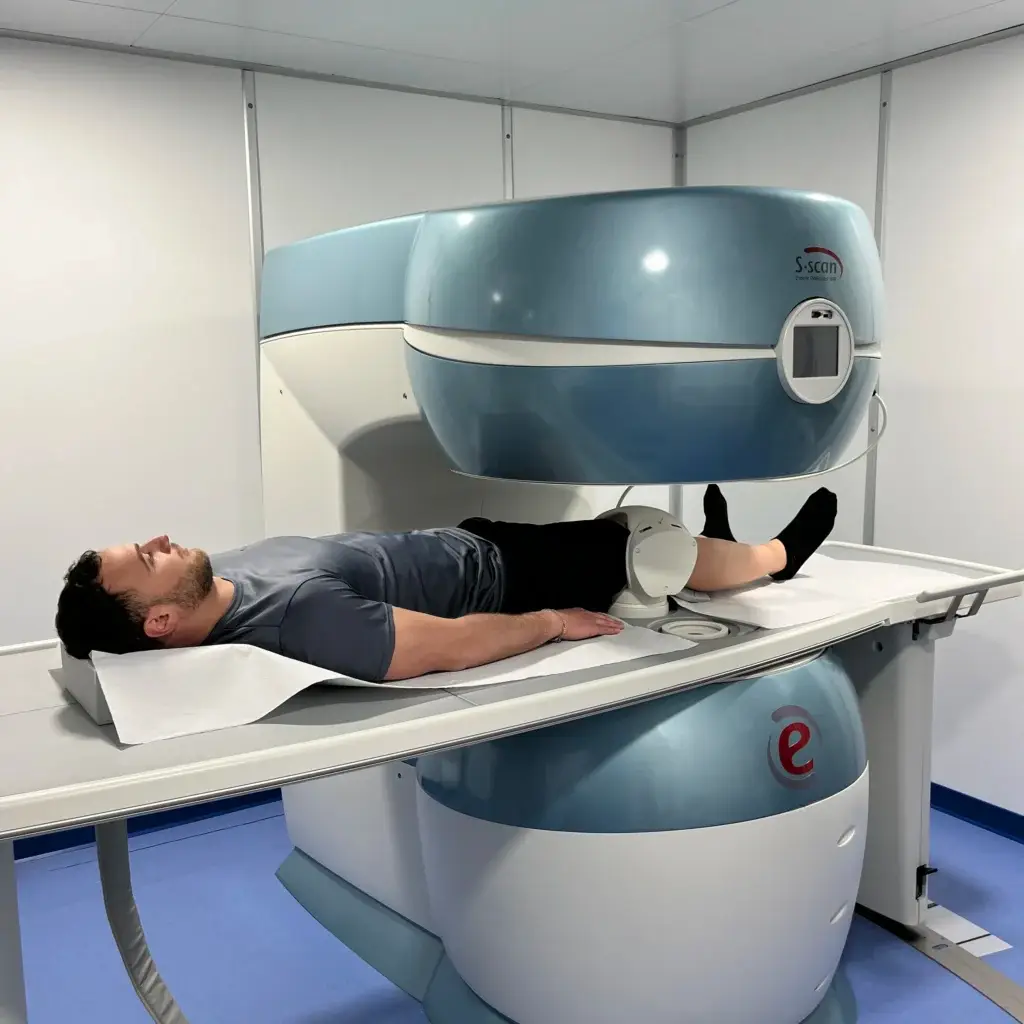
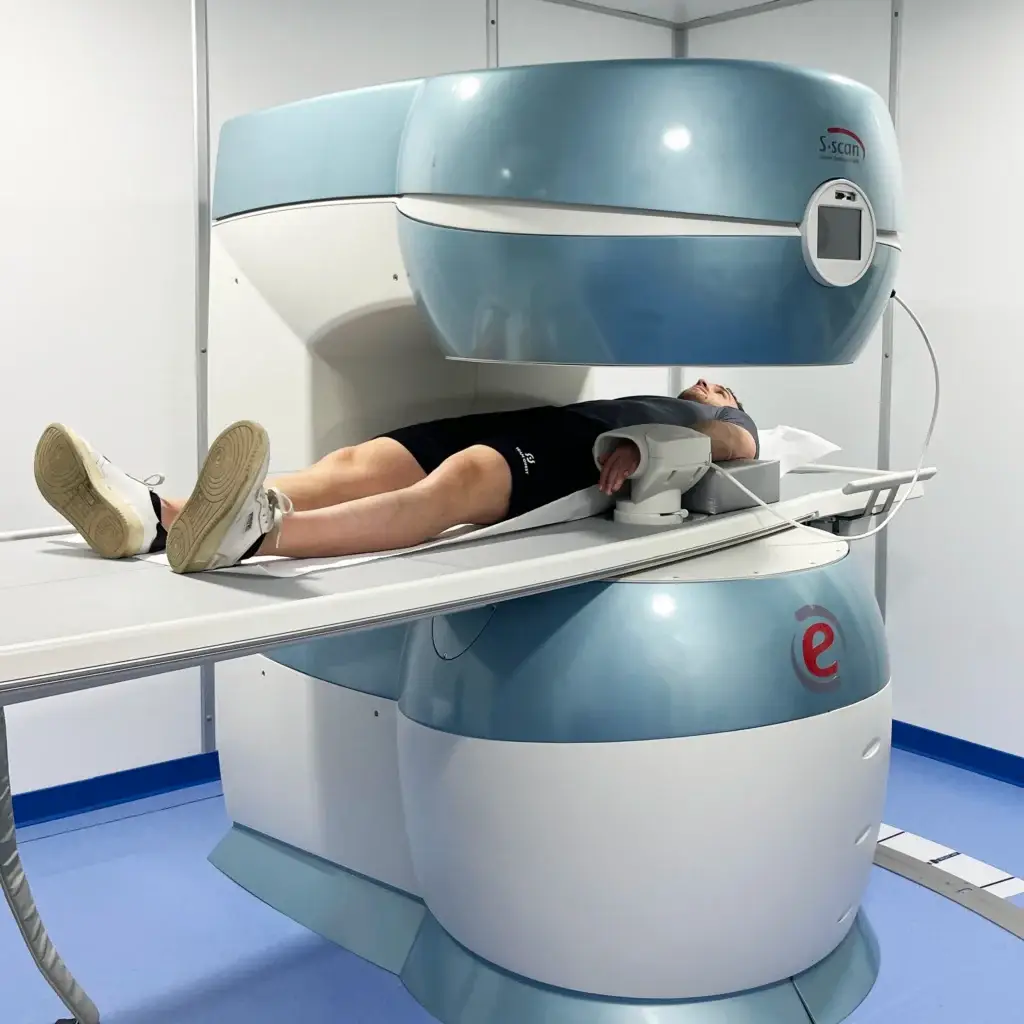
With regard to instrumental examinations, the most widely used for diagnosis of epicondylitis is ultrasound. For further investigations of both bone tissue and ligament structures, one can perform:
What is the treatment for epicondylitis?
The treatment of epicondylitis is, in most cases, conservative. The pain situation and inflammation often improve and disappear thanks to a good programme of physiotherapy. Surgical treatment, and therefore surgery, is only considered if conservative treatment has not resulted in any kind of improvement over a long period of time.
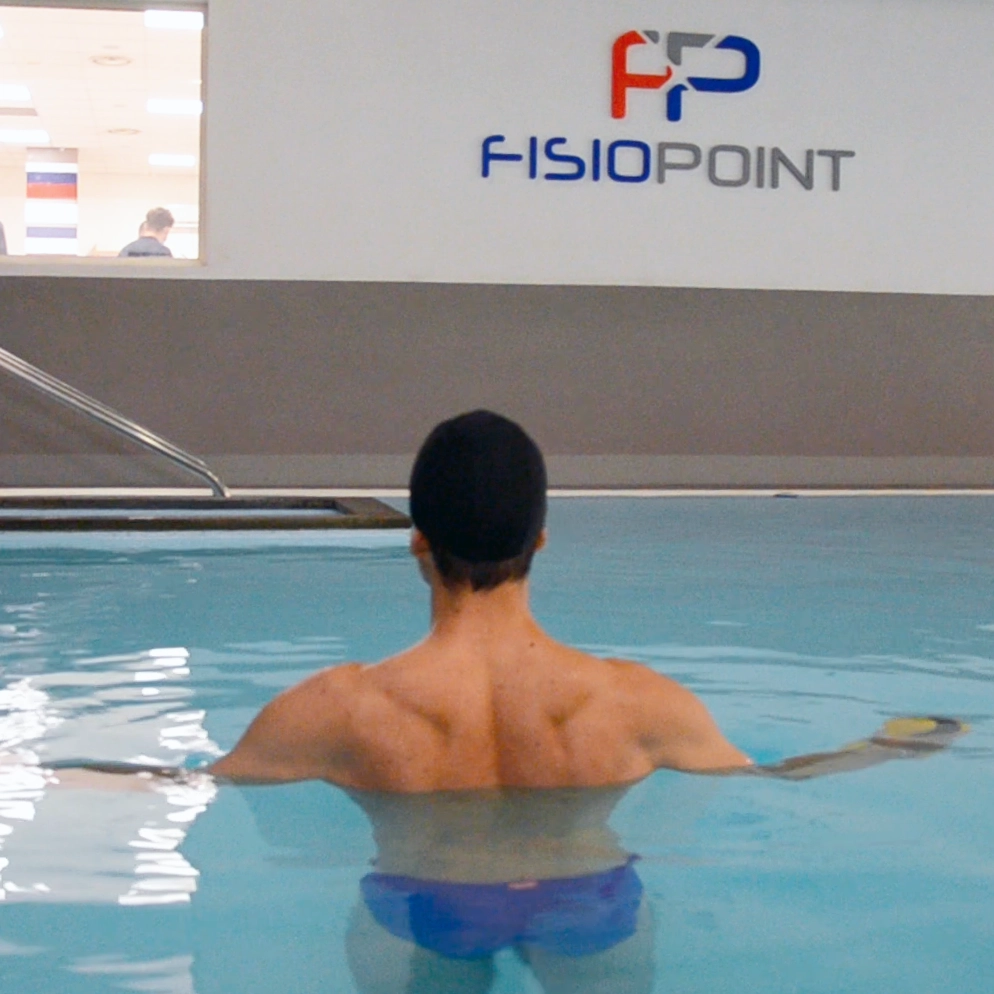
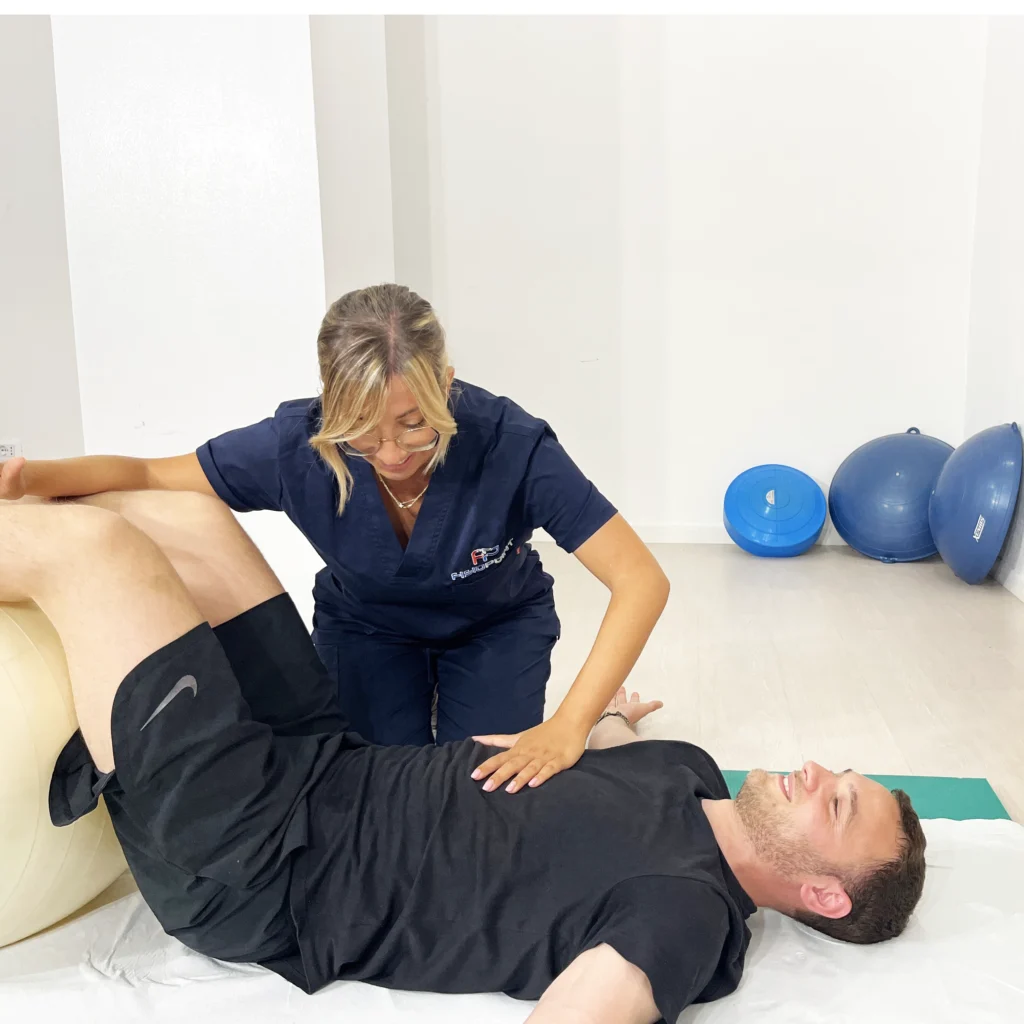
Physiotherapy for epicondylitis
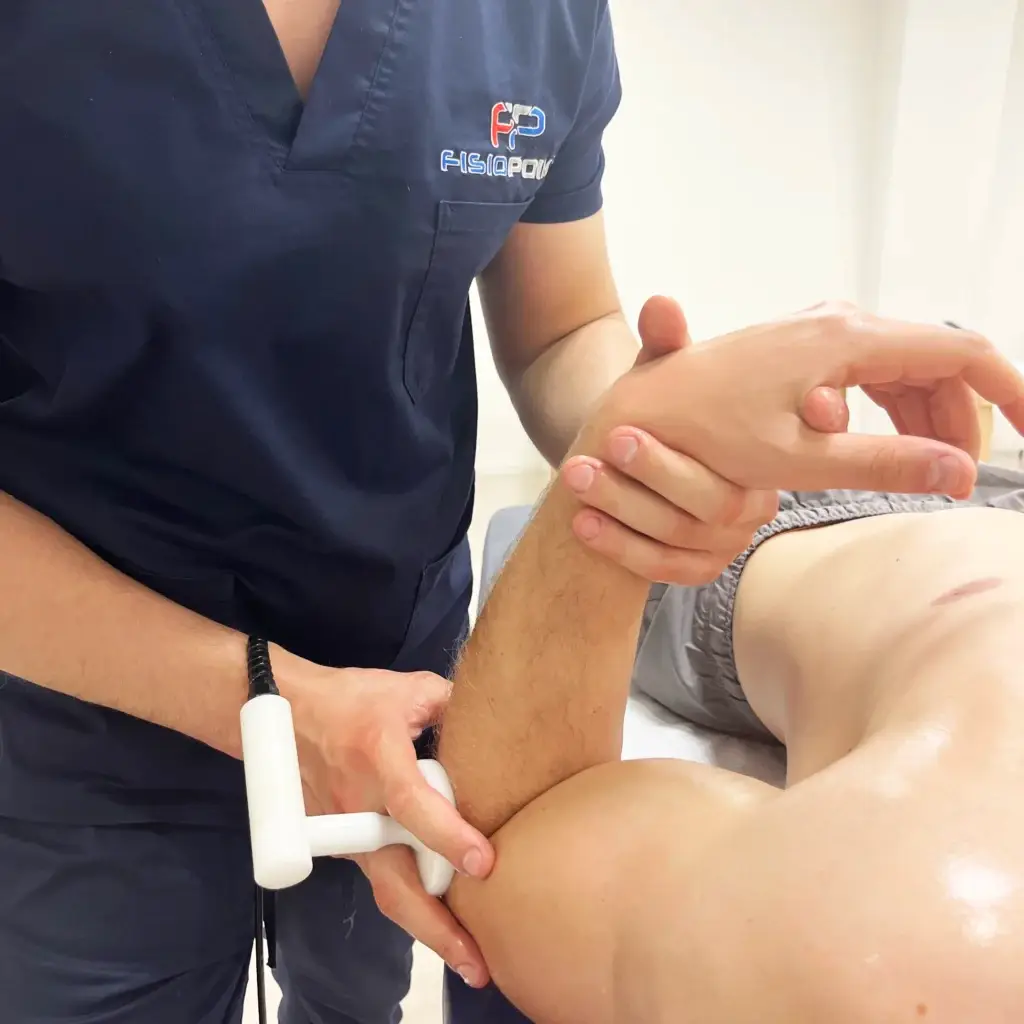
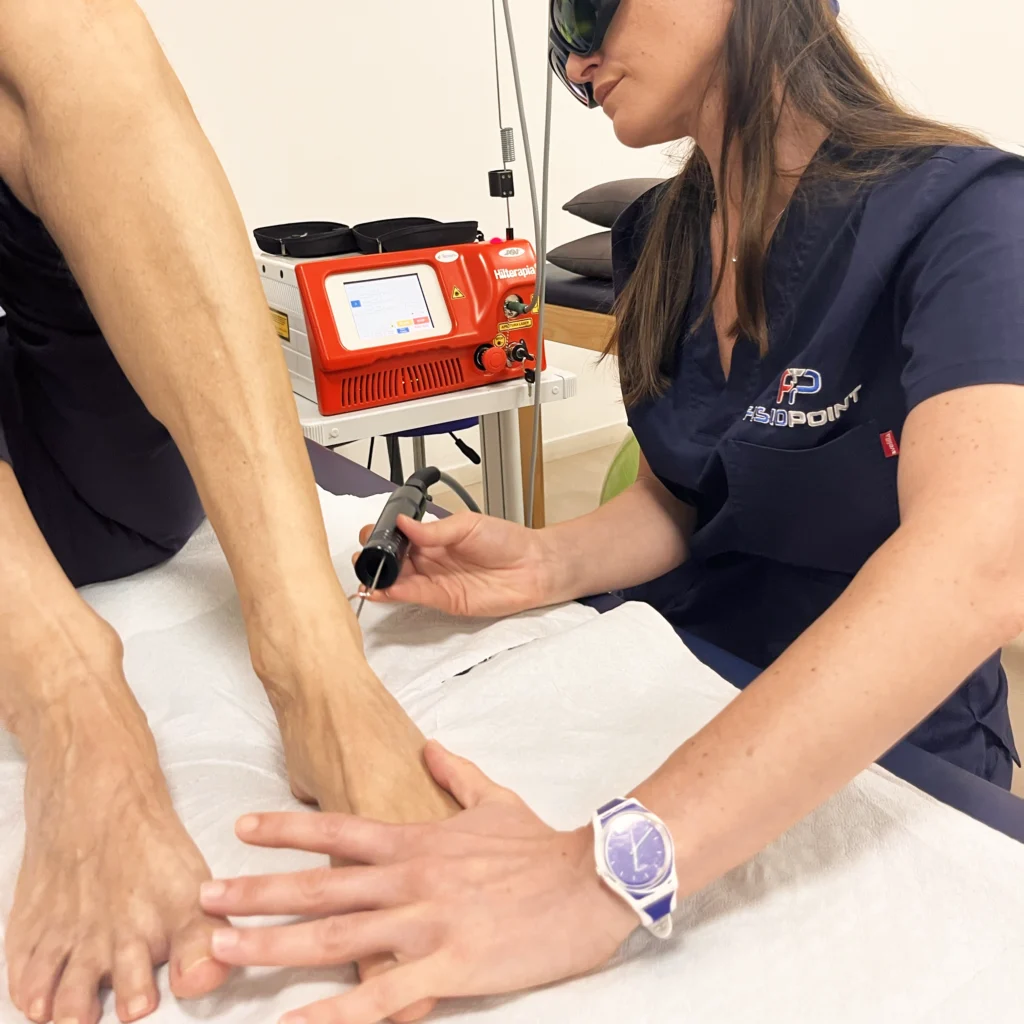
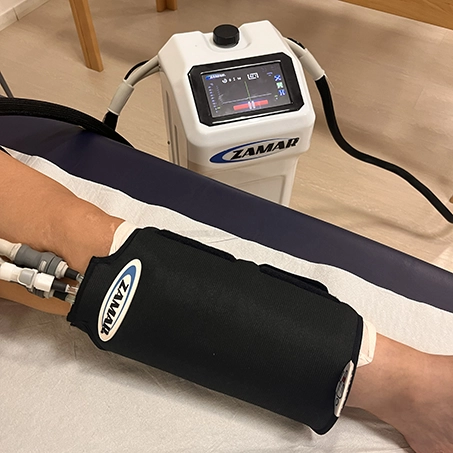
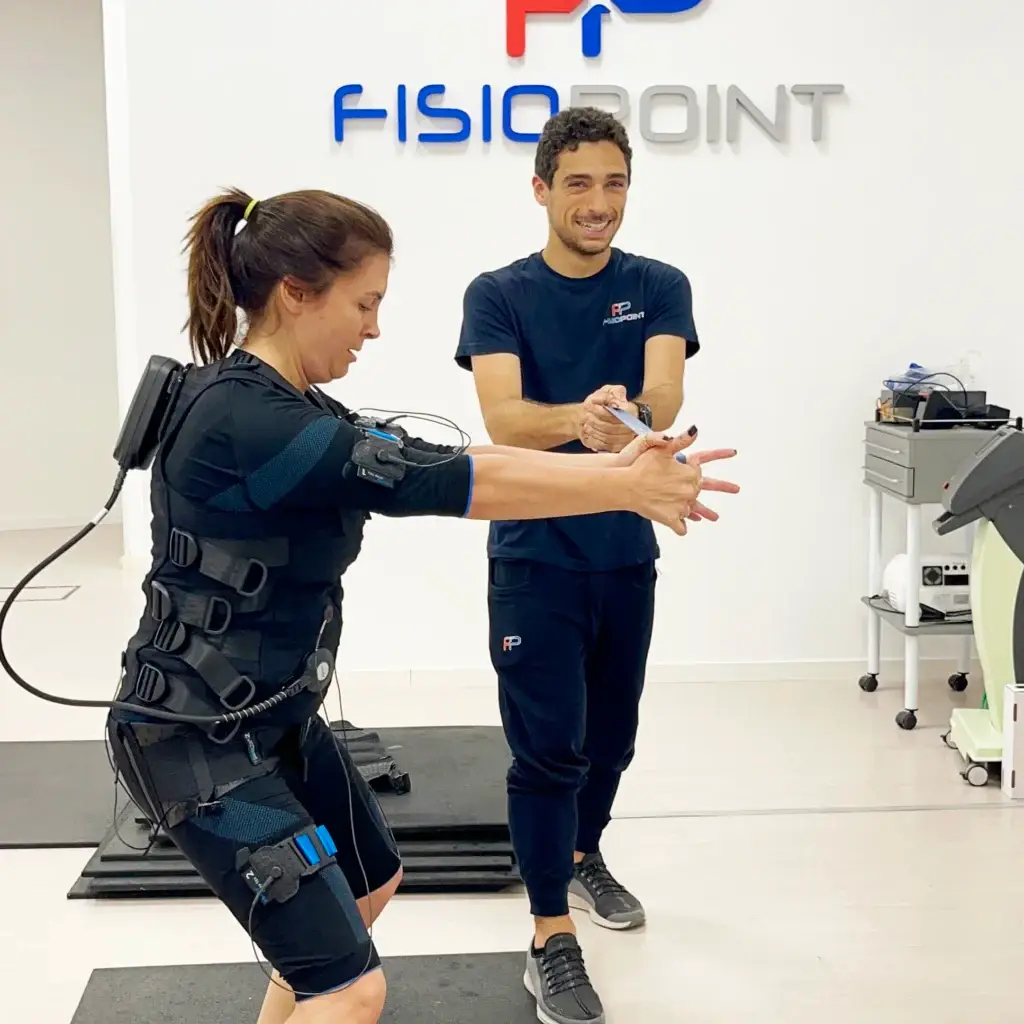
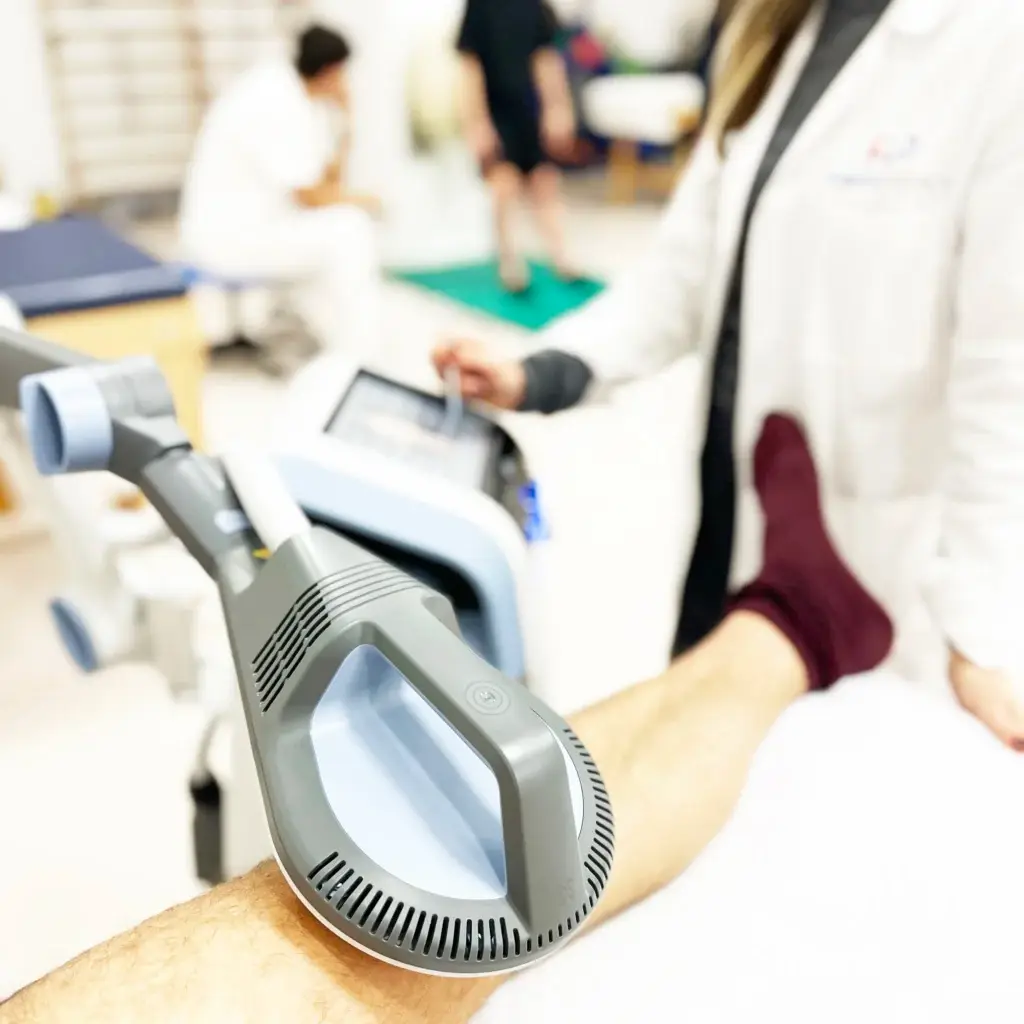
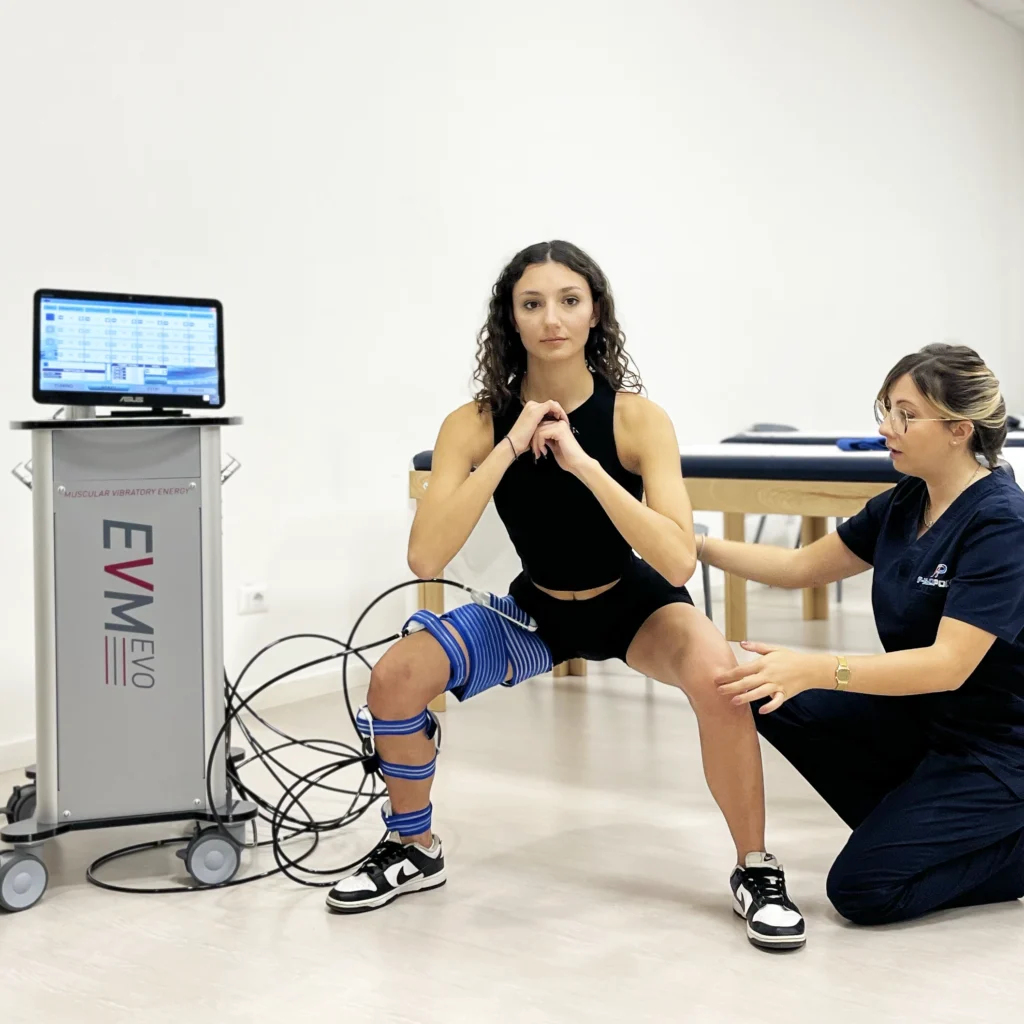
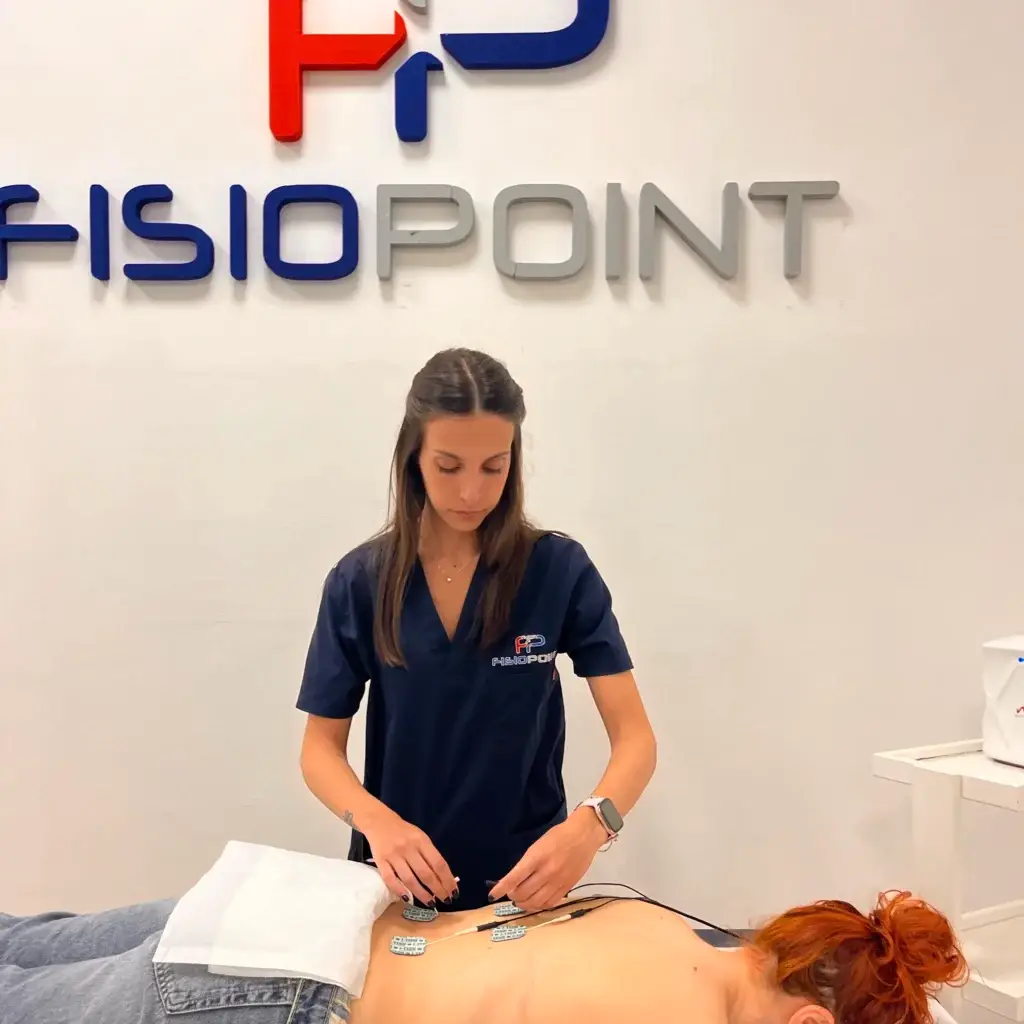
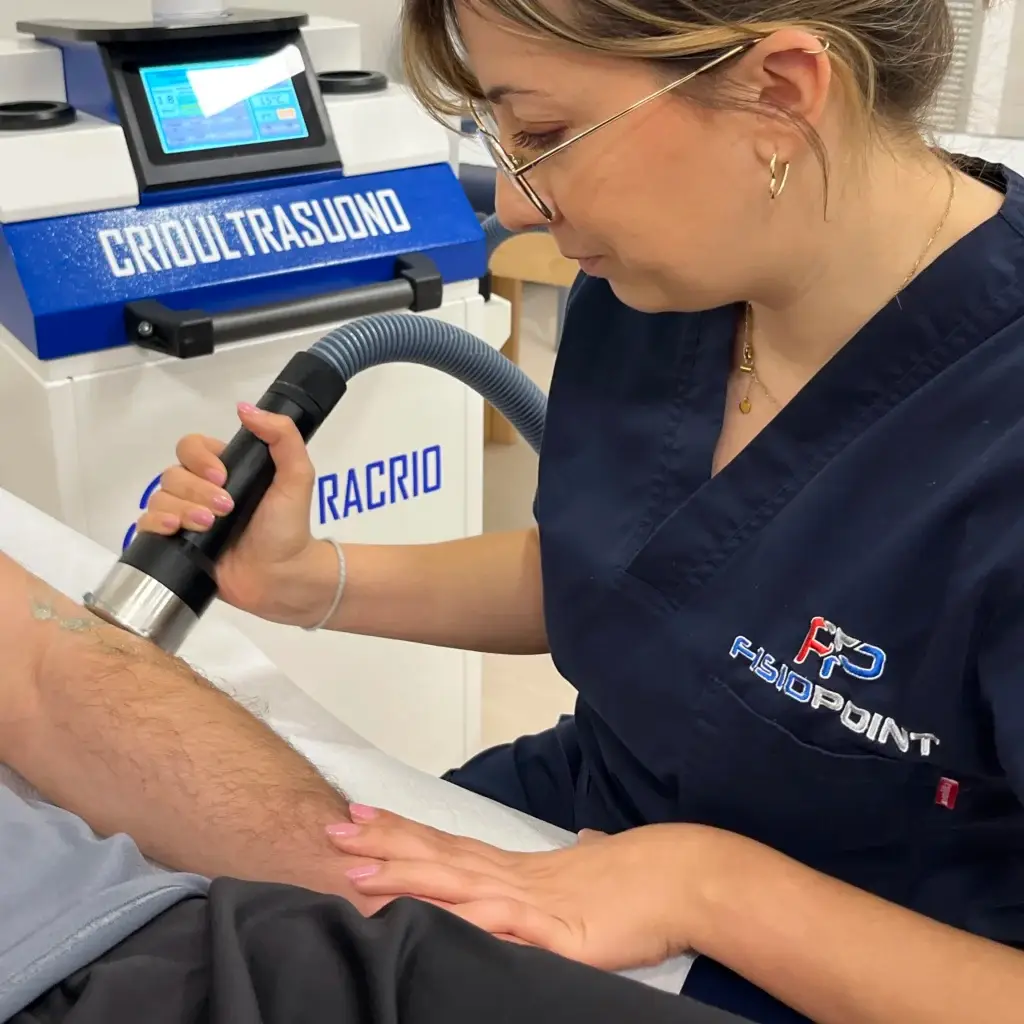
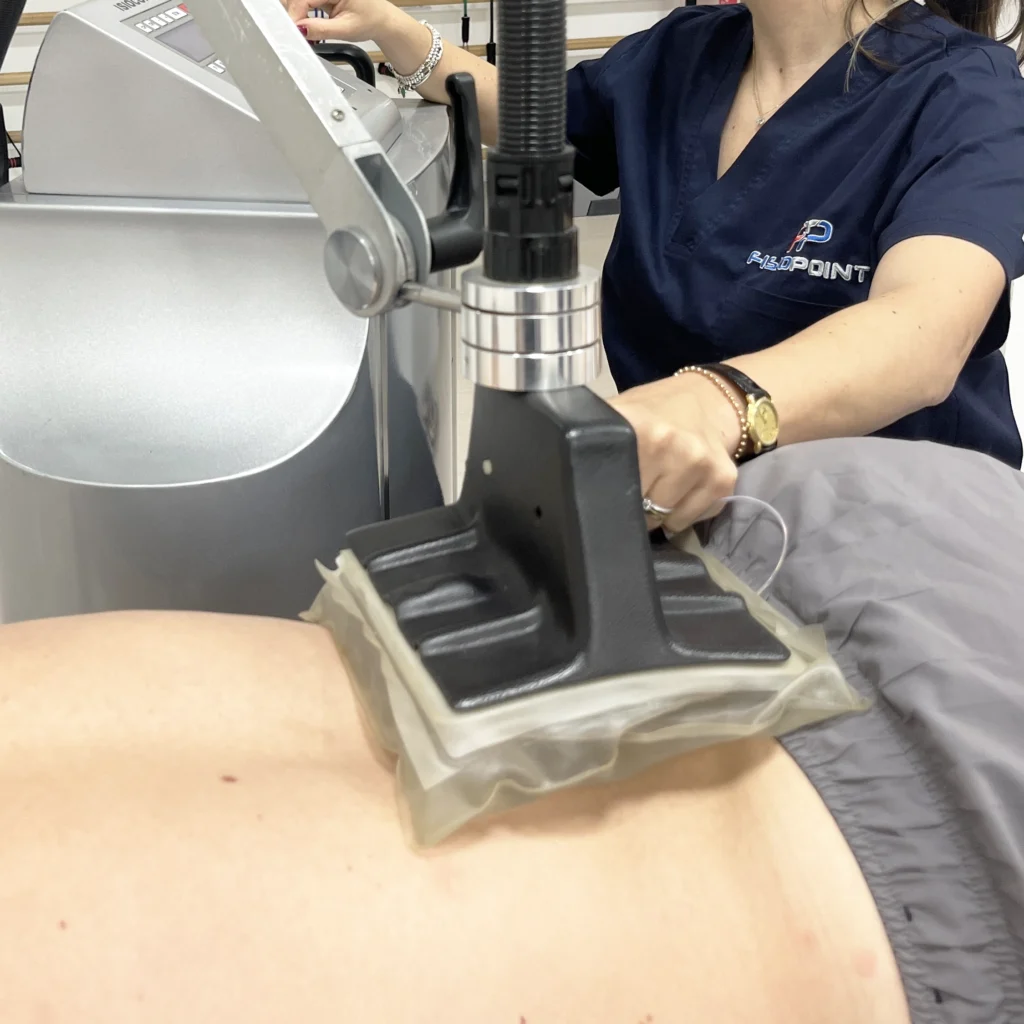
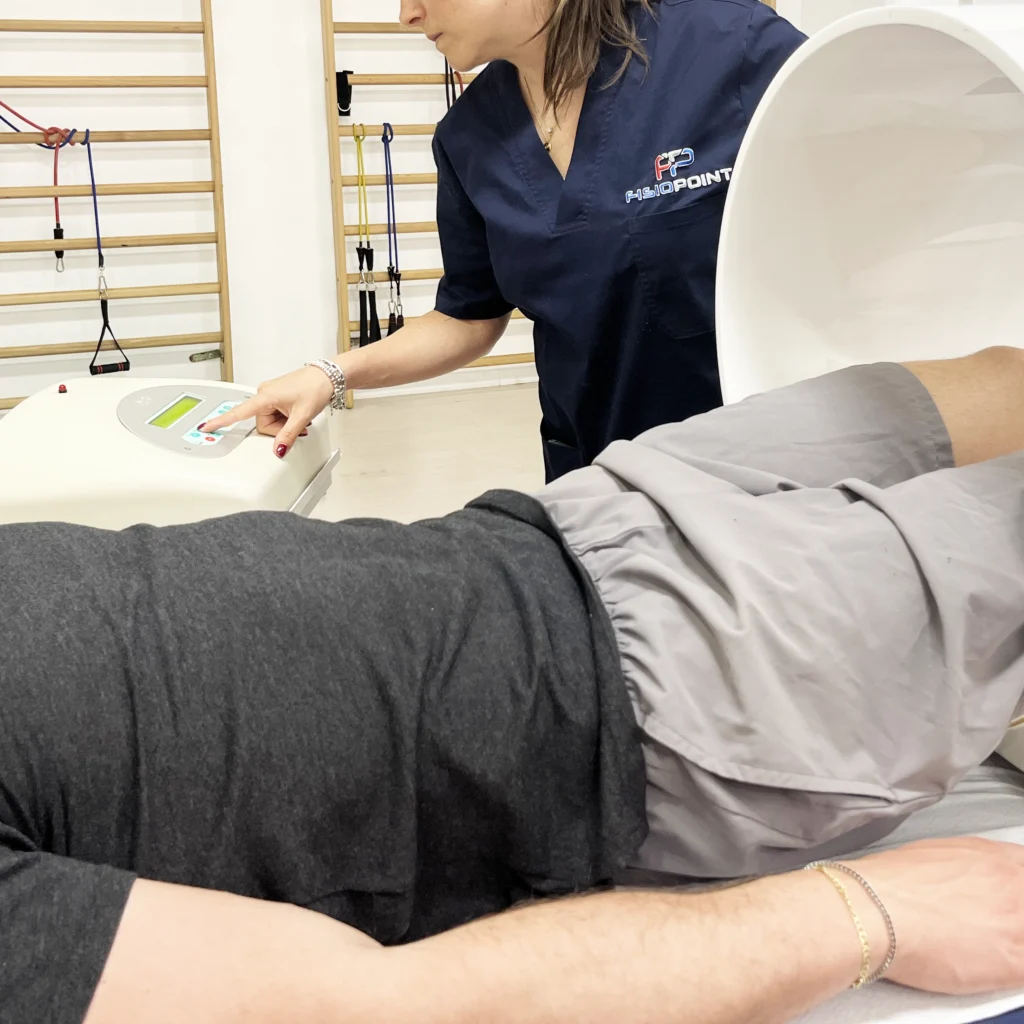
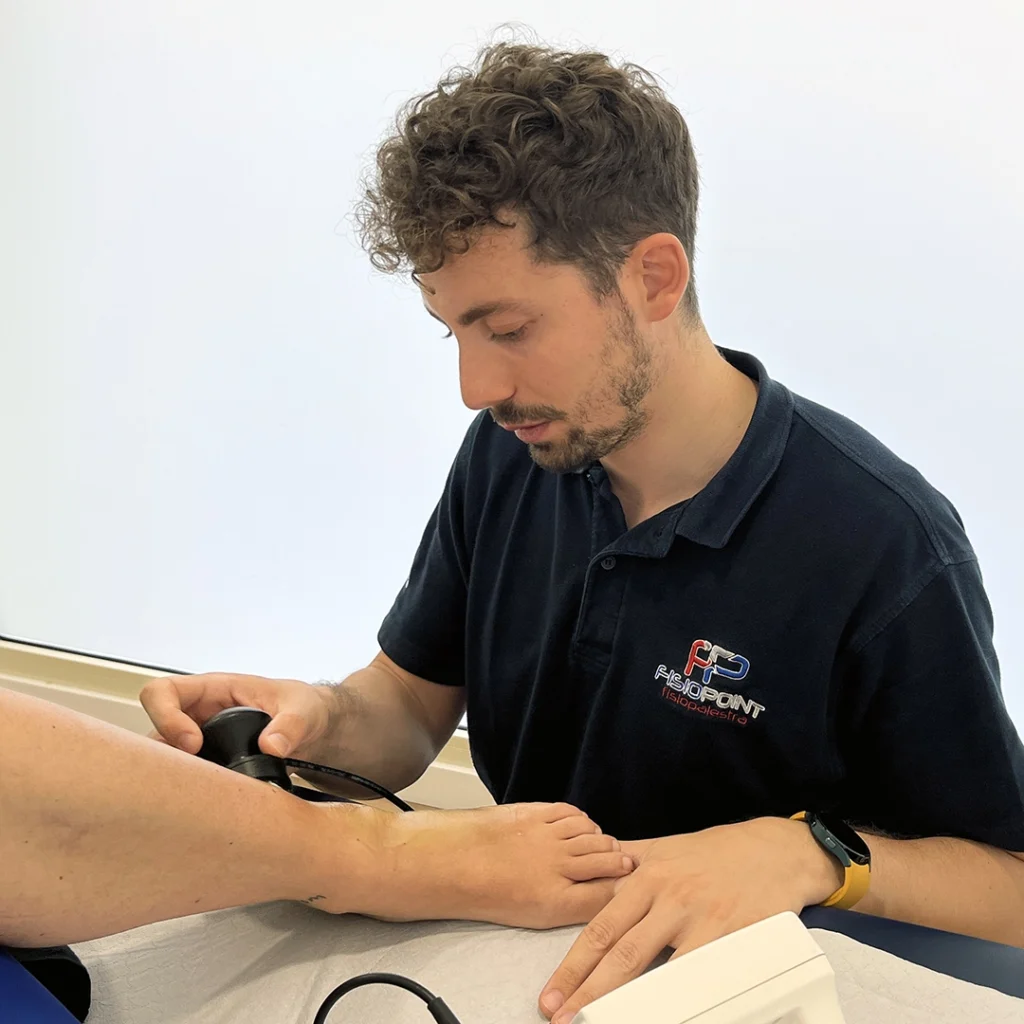
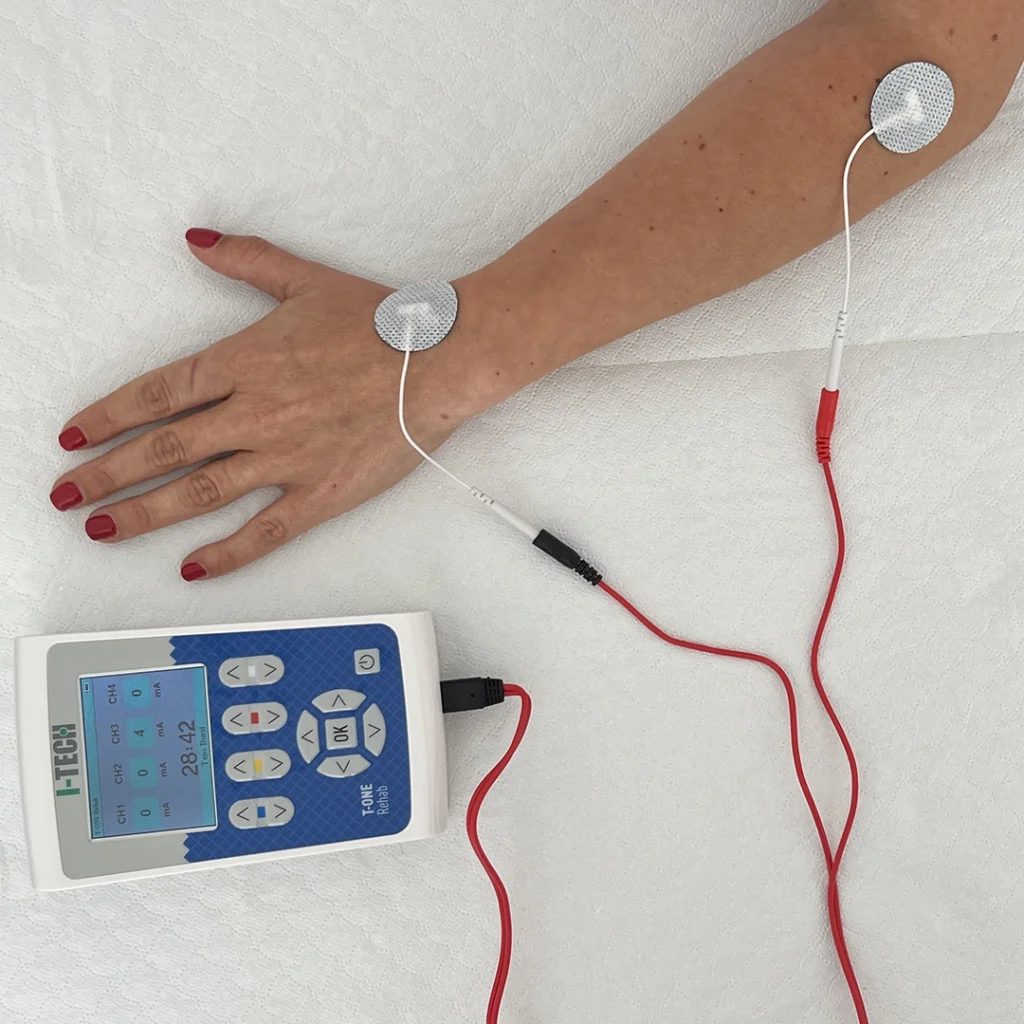
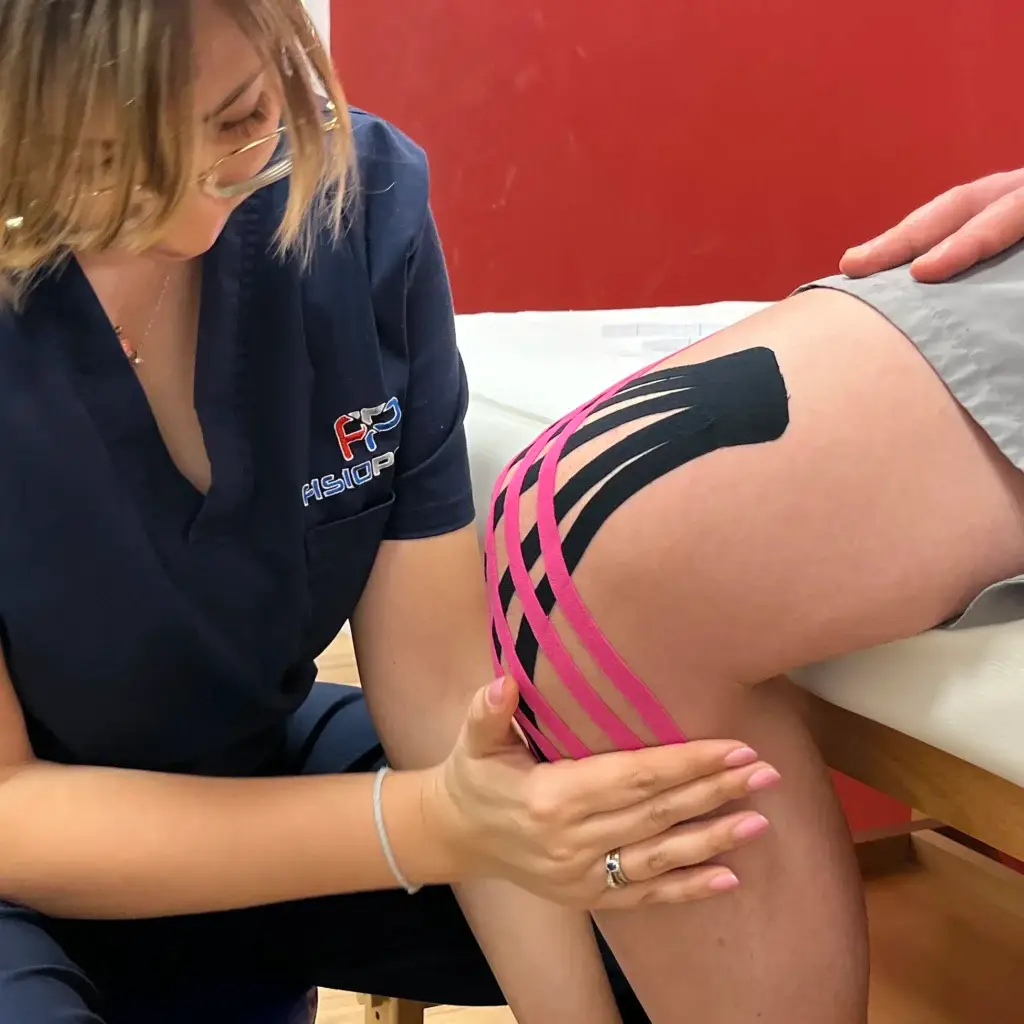
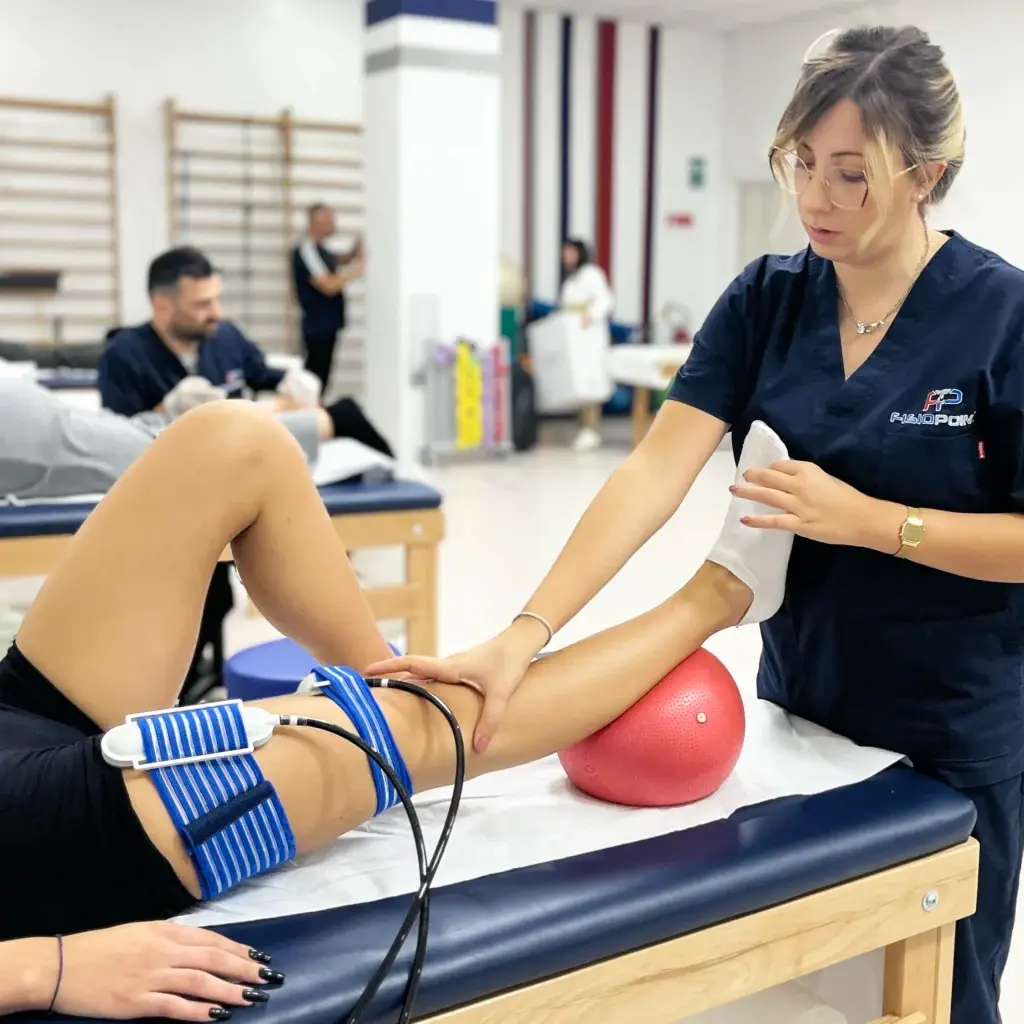
As we have said, the response of epicondylitis to conservative treatment is excellent and the patient is able to get relief from pain and regain full function in a short time. In the first period, especially if the pain is very severe, physiotherapy will focus on the use of machines for antalgic purposes such as:
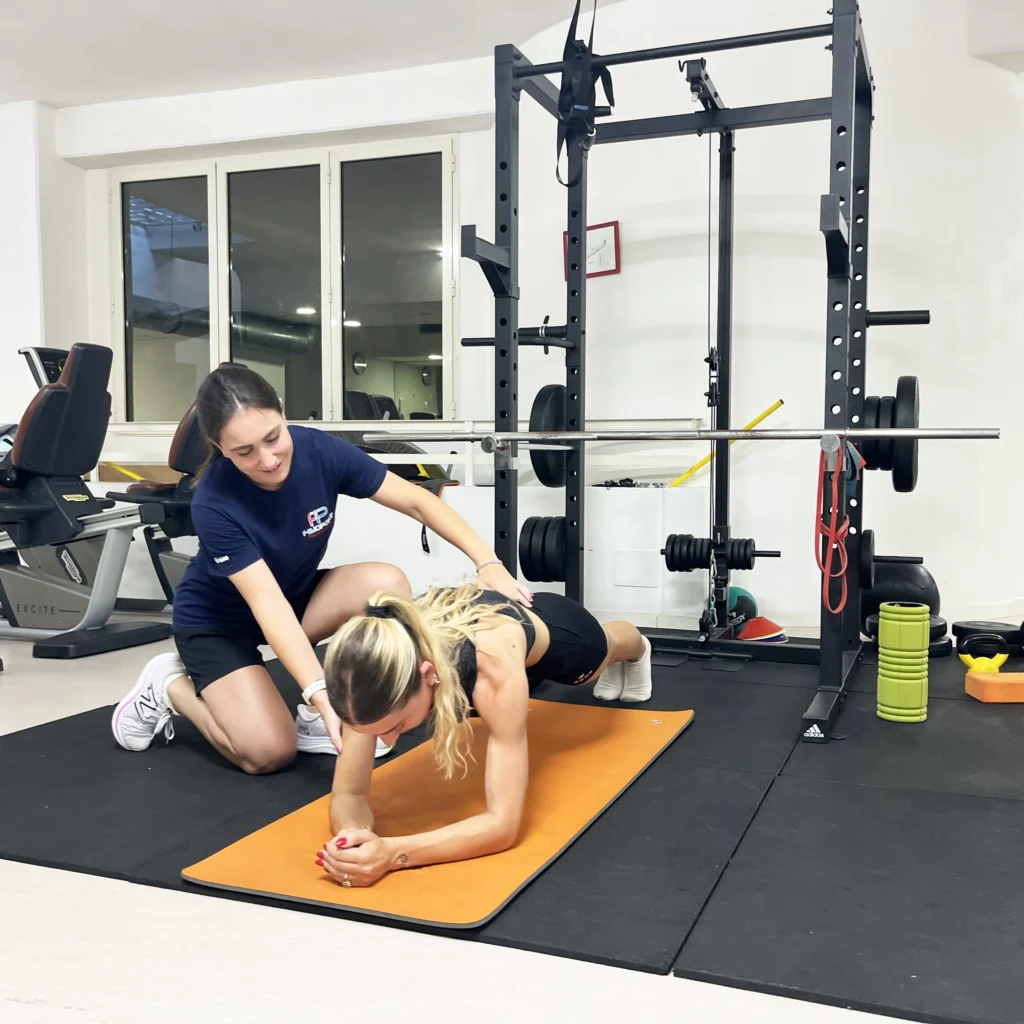
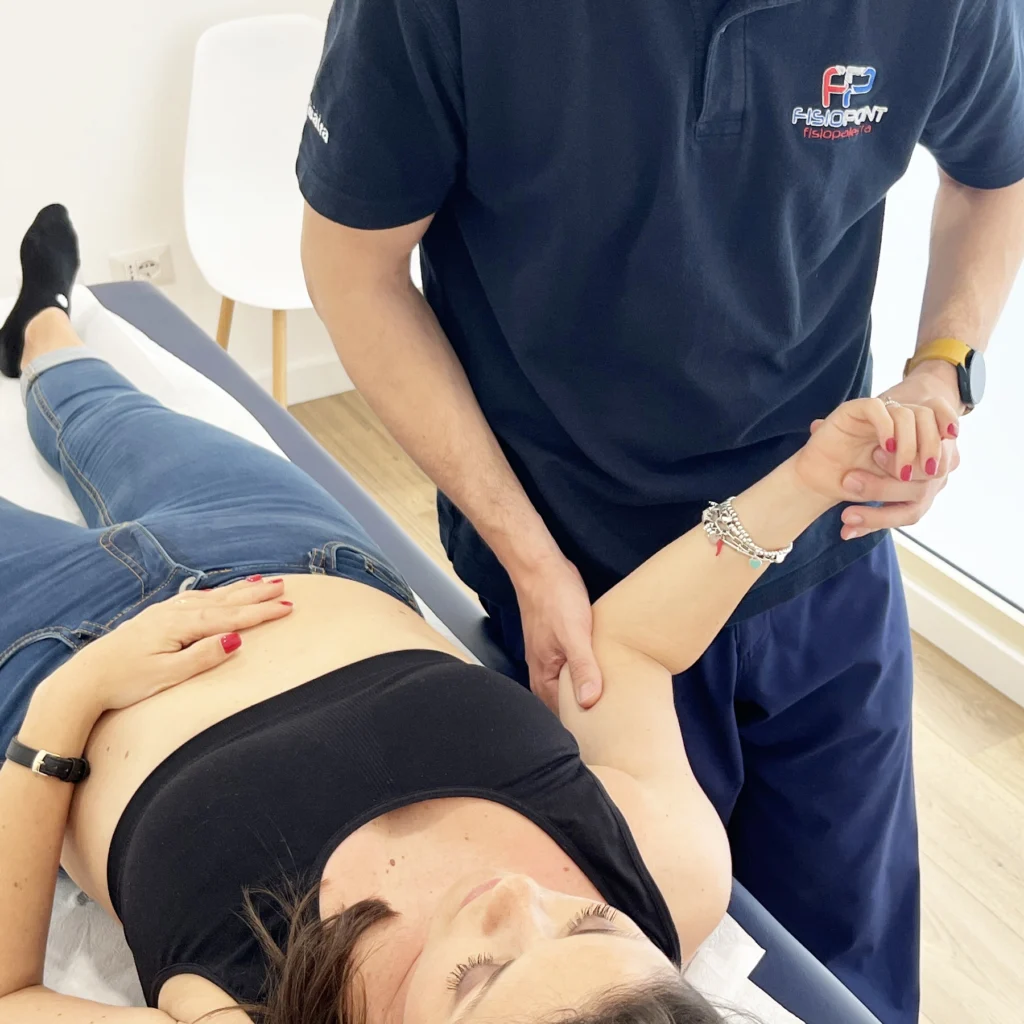
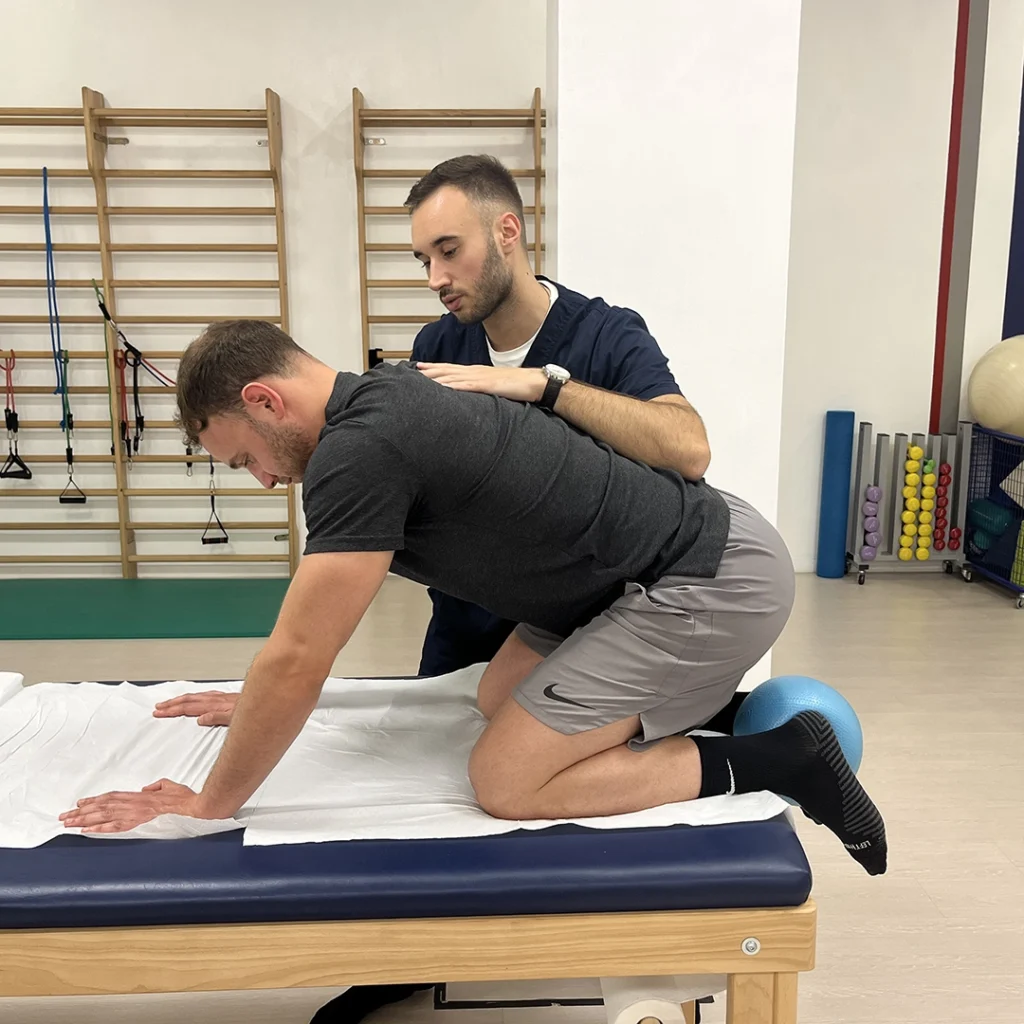
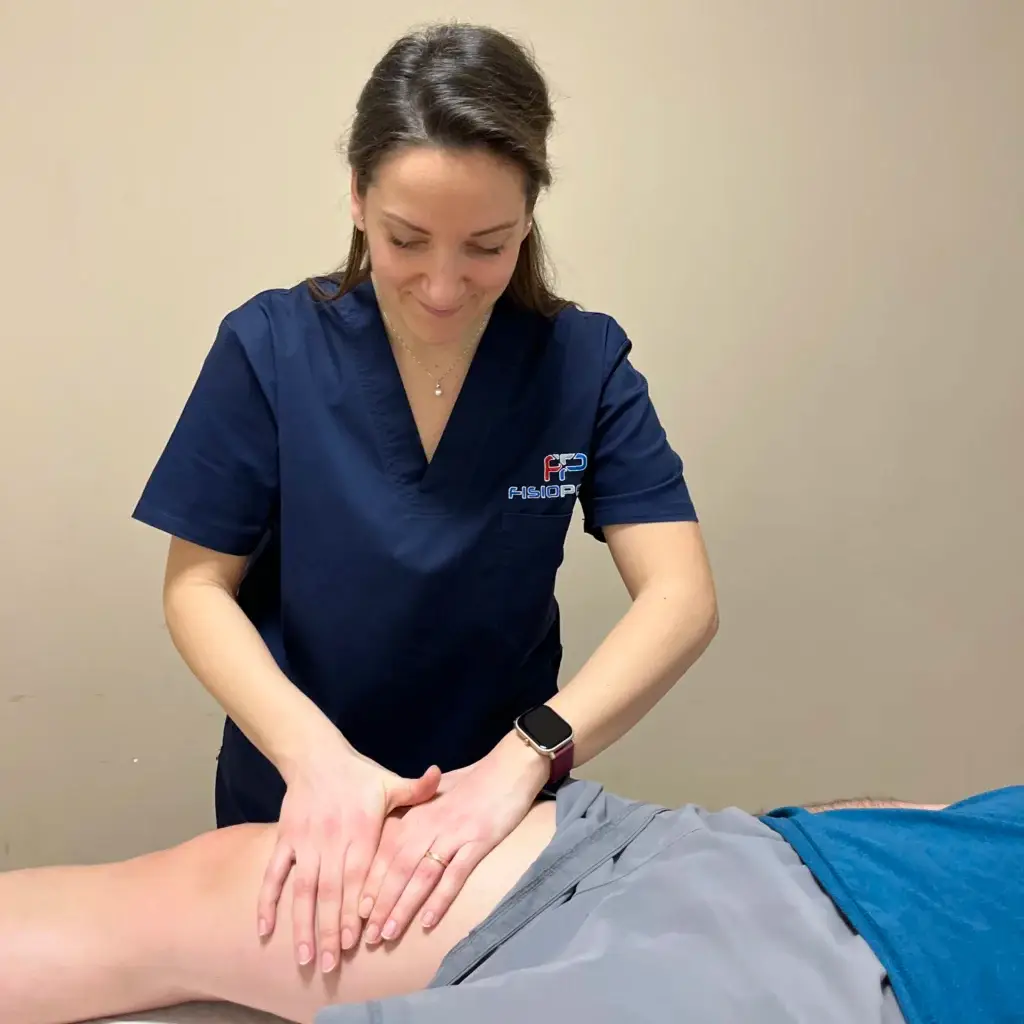
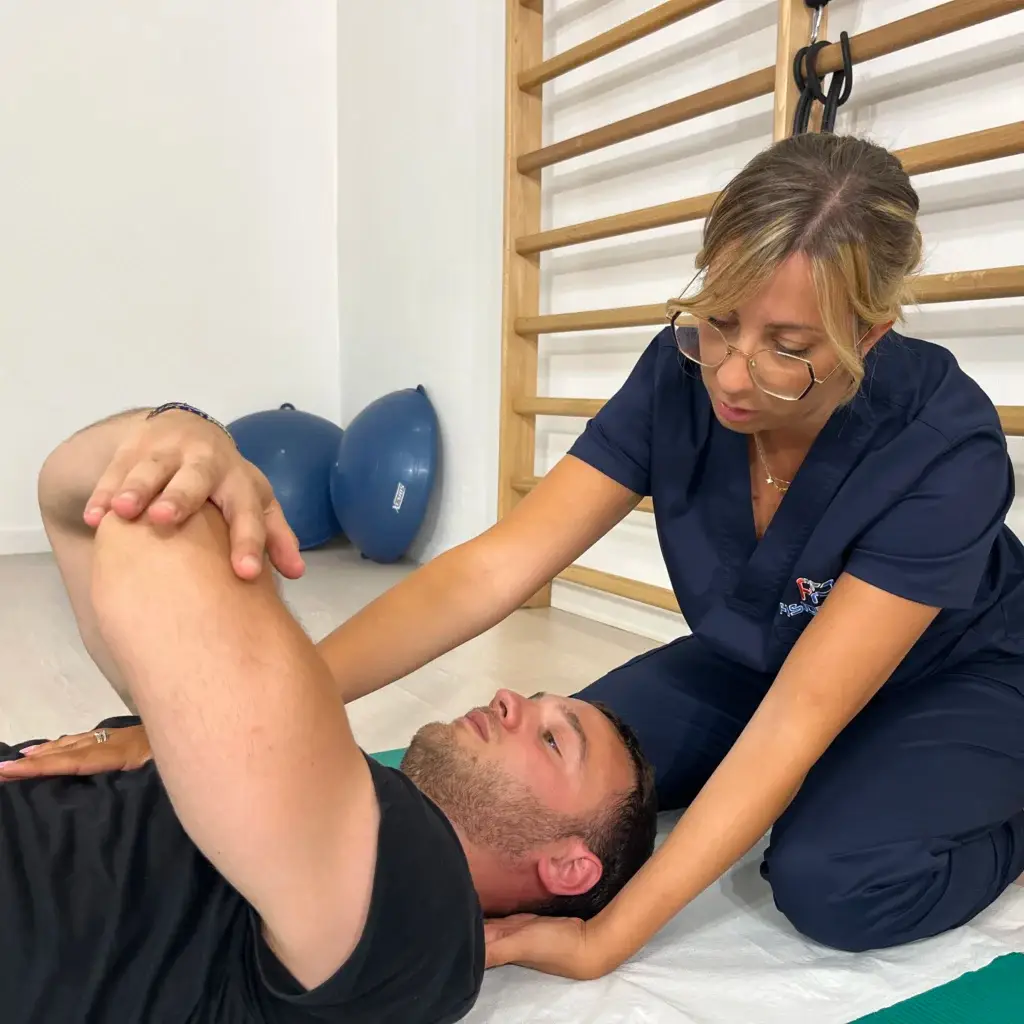
It will proceed hand in hand with the recovery of full movement in the absence of pain through:
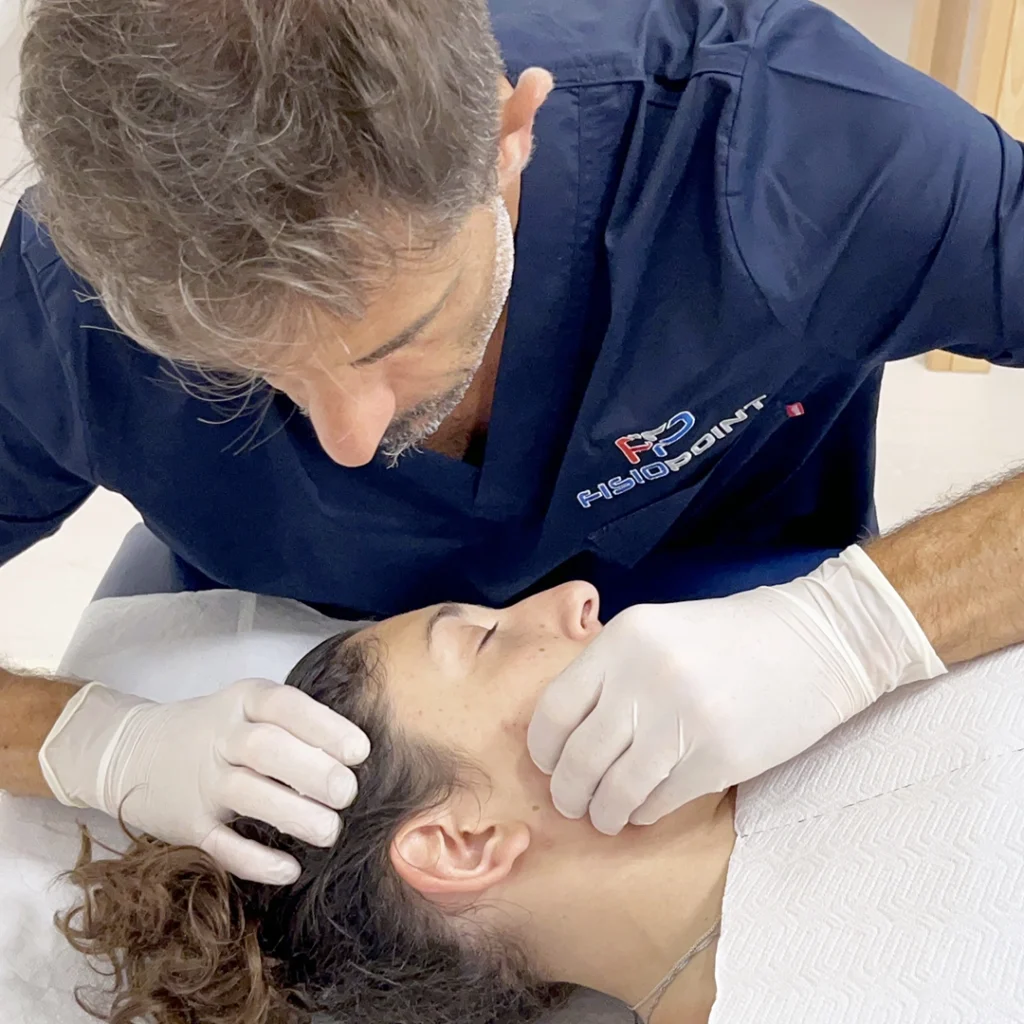
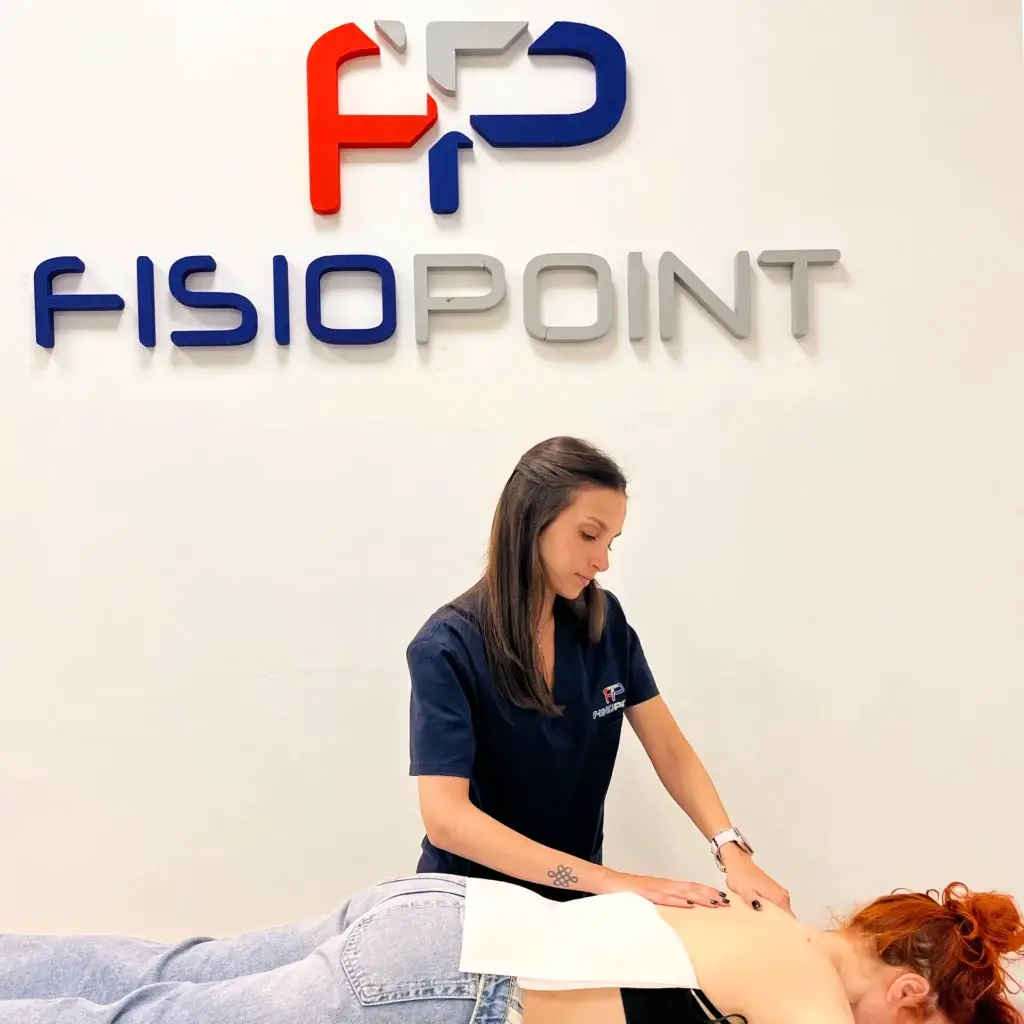
- Manual therapy
- Elongation and stretching of the wrist and forearm muscle chain
- Exercises with elastic bands
- Exercises with dumbbells
- Hand and finger grip training
If the patient intends to resume a sporting activity in the near future, a re-athleticisation course focusing on gradual recovery and correct athletic performance is recommended.
Epicondylitis surgery
If, after several months (6-12), conservative treatment has not led to a noticeable improvement in symptoms, surgery may be considered. The surgical techniques for epicondylitis are different. The aim is to remove the tissue damaged by inflammation and thus lead to the elimination of pain. After the operation, the arm is immobilised through the use of a brace for a few days. After the stitches have been removed, a course of post-operative physiotherapy can be started, the goals of which are:
- Full recovery of joint mobility
- Full restoration of wrist and forearm strength
- Maintaining the muscle structure and elasticity of the arm
- Resumption of work and sports activities
Even in this case, it is strictly recommended to carry out a course of re-athletisation and correct recovery of the sporting gesture, to avoid the risk of relapse as far as possible.
Can we prevent epicondylitis?
If you carry out a work or sports activity that is likely to place an excessive strain on the elbow area, it is a good idea to put in place preventive behaviours that can avoid the onset of this inflammation as much as possible. Some tips are:
- Adequate pre-sports warm-up
- Stretching after sporting activity
- Use of appropriate equipment
- Performing exercises to maintain elbow and hand muscle strength and elasticity
Text by Alessandra Burelli
Learn more by watching the videos on our channel YouTube





 English
 Italian