What is knee replacement?
Si tratta di un dispositivo medico che viene impiantato in sede chirurgica, con il fine di sostituire la porzione articolare danneggiata. L’obiettivo dell’intervento di protesi del ginocchio è il miglioramento del dolore, della mobilità e soprattutto della funzionalità quotidiana.
What are the causes of knee replacement?
The first factors prompting the implantation of the prosthesis are certainly the symptoms, the most common of which are:
- Knee pain
- Swelling
- Loss of mobility
- Poor functionality
- Walking deficits
- Impairment of quality of life
But what causes this symptomatological picture?
The most common causes are:
- Gonartrosi, al primo posto tra le patologie che conducono alla protesi. Si tratta di una patologia degenerativa, di natura infiammatoria, a carico della cartilagine del ginocchio. Il processo conduce verso il consumo completo della cartilagine e il conseguente attrito tra i capi articolari provocando i sintomi sopracitati.
- Rheumatoid arthritis is an autoimmune disease in which the immune system mistakenly attacks the body, causing joint damage. It first manifests itself on the synovial membrane and then affects the joint components, sometimes leading to prosthesis to resolve the symptoms.
- Haemophilia, which causes an alteration in the blood clotting process which, in turn, causes joint damage.
- Fractures e gravi traumi del ginocchio, in cui l’unica soluzione è la sostituzione delle componenti ossee.
- Deformità del ginocchio, che a lungo andare, per una disarmonica biomeccanica articolare, conducono a usura delle componenti articolari.
When is knee replacement indicated?
La protesi di ginocchio è indicata quando i sintomi sono così importanti da limitare le normali attività di vita quotidiana. Per questo l’intervento è frequente nei soggetti compresi tra i 60 e gli 80 anni, più colpiti dalle patologie sopraelencate. Nei pazienti giovani, invece, la protesi è molto rara perché si tende a scegliere la strada conservativa, per rimandare la protesi. Questo perché l’impianto non dura per sempre, va incontro a usura, e dopo un po’ di anni (10-20 circa) necessita di revisione, ciò significa che il paziente dovrà subire un altro intervento.
What types of knee implants exist?
There is no single model of knee replacement, but there are several types, each with different anatomical and implant characteristics. The surgeon, on the basis of a careful pre-operative study, chooses the most suitable type for the knee to be operated on.
The types of prostheses are many and, as the years go by, they become increasingly differentiated and specialised, which is why it is useful to group them into four macro-types, prostheses:
- Total
- Monocompartmental
- Cemented
- Not cemented
Characteristics of total knee replacement
The total knee replacement is designed to replace the entire joint surface, specifically:
- Tibia nella zona articolare
- Distal epiphysis of the femur
- Rotula, in alcuni casi
Total knee replacement surgery can be simplified into 4 steps:
- Surface preparation, in which residual cartilage is exported and the most superficial layer of bone is exposed to create a stable base for the prosthesis
- Implantation of the prosthetic components that will cover the articular surfaces of the tibia and femur
- Patella implant, when, and if, planned
- Positioning the polyethylene insert between the metal components as a sliding surface.
The surgeon also chooses whether to remove the cruciate ligaments, keep only one or both. The latter is the least invasive technique.
Features of the monocompartmental knee prosthesis
La protesi monocompartimentale, anche detta parziale, è una tecnica meno invasiva che prevede la sostituzione di un solo lato dell’articolazione. Il processo artrosico e degenerativo della cartilagine non procede di pari passo su tutto il ginocchio, anzi è spesso a carico di un solo compartimento. Per capire meglio a cosa ci riferiamo è utile sapere che il ginocchio è suddiviso nei compartimenti:
- Femoro-rotulae
- Medial, the inner knee area
- Lateral, the outer region
Partial knee replacement involves the replacement of just one of these regions with the aim of reconstructing the damaged areas and recreating the initial anatomy of the knee with attached functionality. It is a less invasive approach that allows:
- Faster recovery times
- Less surgical impact
- Significantly reduced post-surgery symptomatology.
The monocompartmental prosthesis is only indicated for suitable patients in whom arthrosis is concentrated in only one compartment of the knee.
Characteristics of cemented and cementless knee implants
All prostheses can be cemented or uncemented, we refer to the method by which the implant is fixed to the bone.
Cemented prostheses involve the use of a special paste sandwiched between bone and metal, which allows immediate fixation and thus relatively shorter recovery times. Walking is permitted almost immediately and complications related to immobility are reduced. This method is recommended for patients over 60 or those with bone quality deficits.
The non-cemented prosthesis, on the other hand, does not involve the use of cement but fixation occurs through the conformation of the implant itself. This prosthesis, in fact, has a rough surface that favours the neoformation of bone tissue at the point of contact, so as to allow fixation. This process involves precise histological timescales that lengthen the recovery time. The patient will have to wait for the production of new tissue around the prosthesis, rehabilitation times are longer and walking is initially only permitted with the aid of crutches, walkers or canes.
How to prepare for knee replacement surgery?
After a careful objective assessment and instrumental investigations, the specialist chooses whether to go the conservative or surgical route. When the choice falls, due to the clinical picture, on knee replacement, the patient must prepare himself for the operation, know what it is about and know the path that awaits him.
Preparation for surgery includes:
- Interview, in which the doctor takes an anamnesis by studying the general state of health and learning about any medications taken, so as to give indications about possible breaks or changes in the treatment plan. Other elements of interest are the patient's medical history, habits and goals.
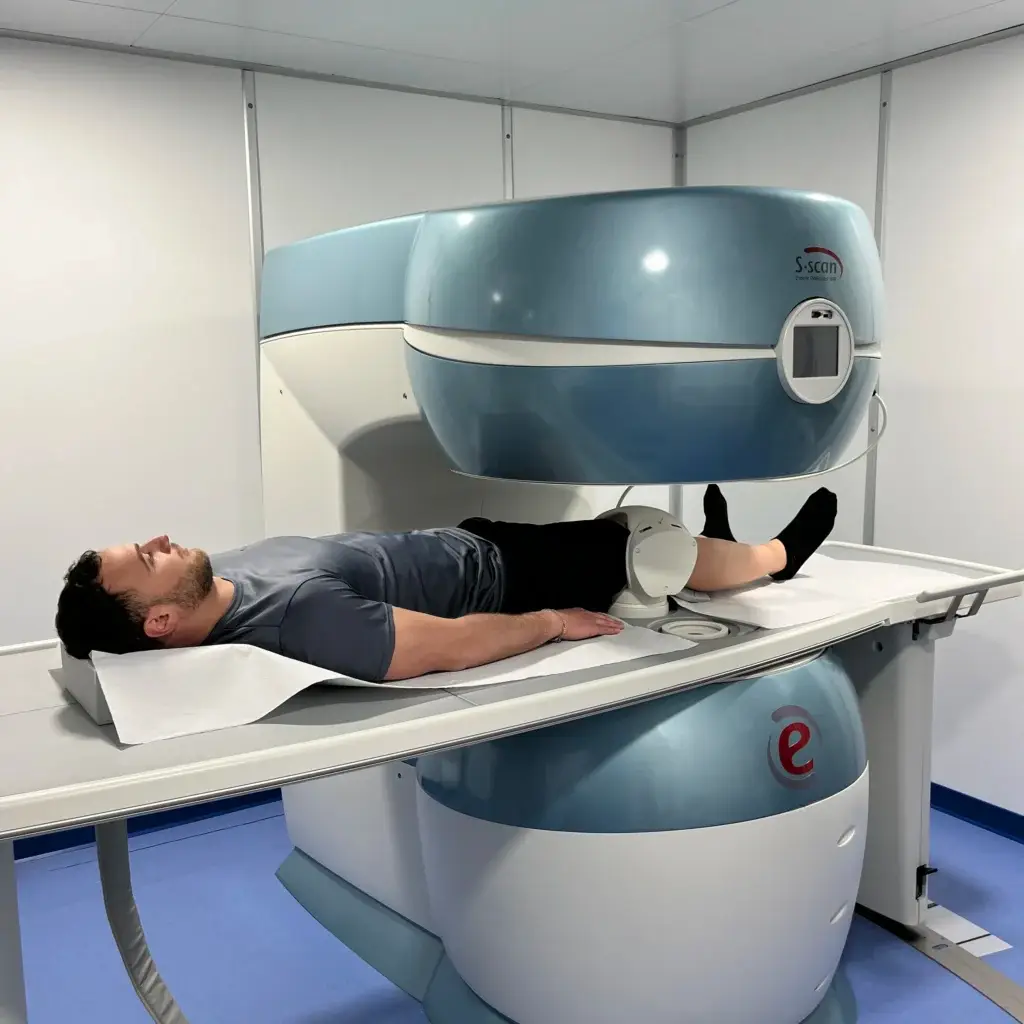
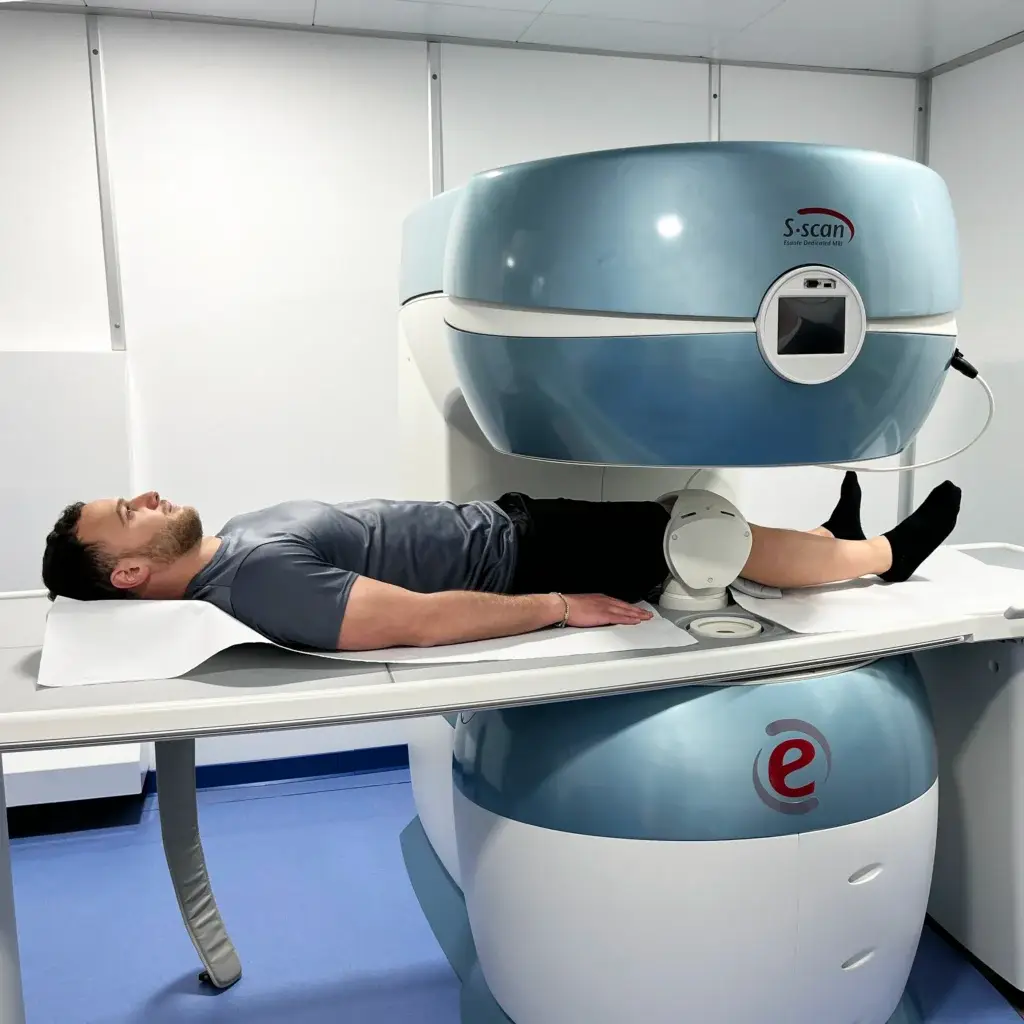
- Esami diagnostici, RX e magnetic resonance imaging per definire la tipologia di protesi che sarà impiantata, che dovrà essere su misura.
- Electrocardiogram for information on clinical cardiac conditions
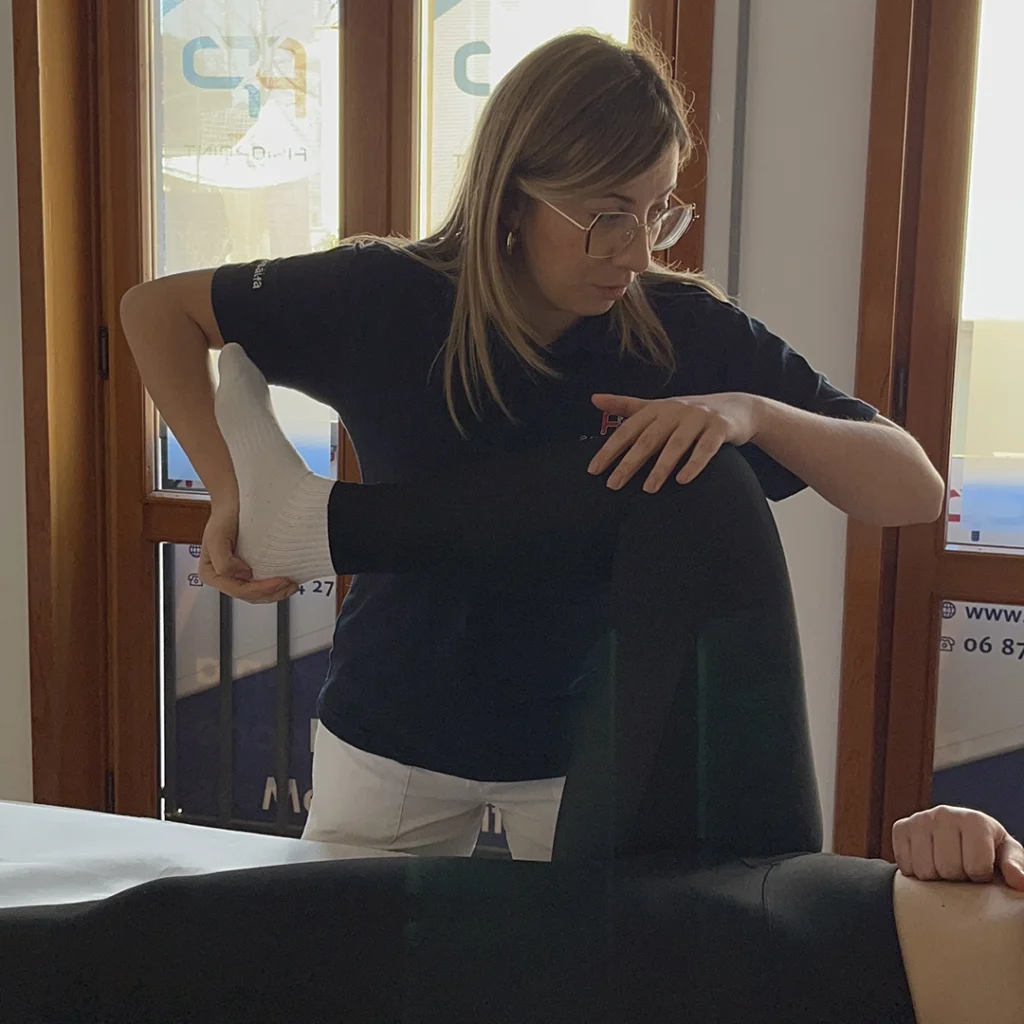
- Physiotherapy preparatoria, per preparare, appunto, l’arto all’intervento stimolando articolarità, lunghezza muscolare e forza e migliorando propriocezione e fasi del passo, in modo da rendere il recupero post-chirurgico più rapido.
What to do after knee replacement surgery?
Post-operative recovery may vary depending on several factors, such as the age of the patient and the type of surgery performed.
Il paziente inizierà la riabilitazione subito dopo l’intervento e camminerà per un tempo variabile (3-6 settimane) con l’ausilio di stampelle o bastoni canadesi, per permettere la guarigione dei tessuti.
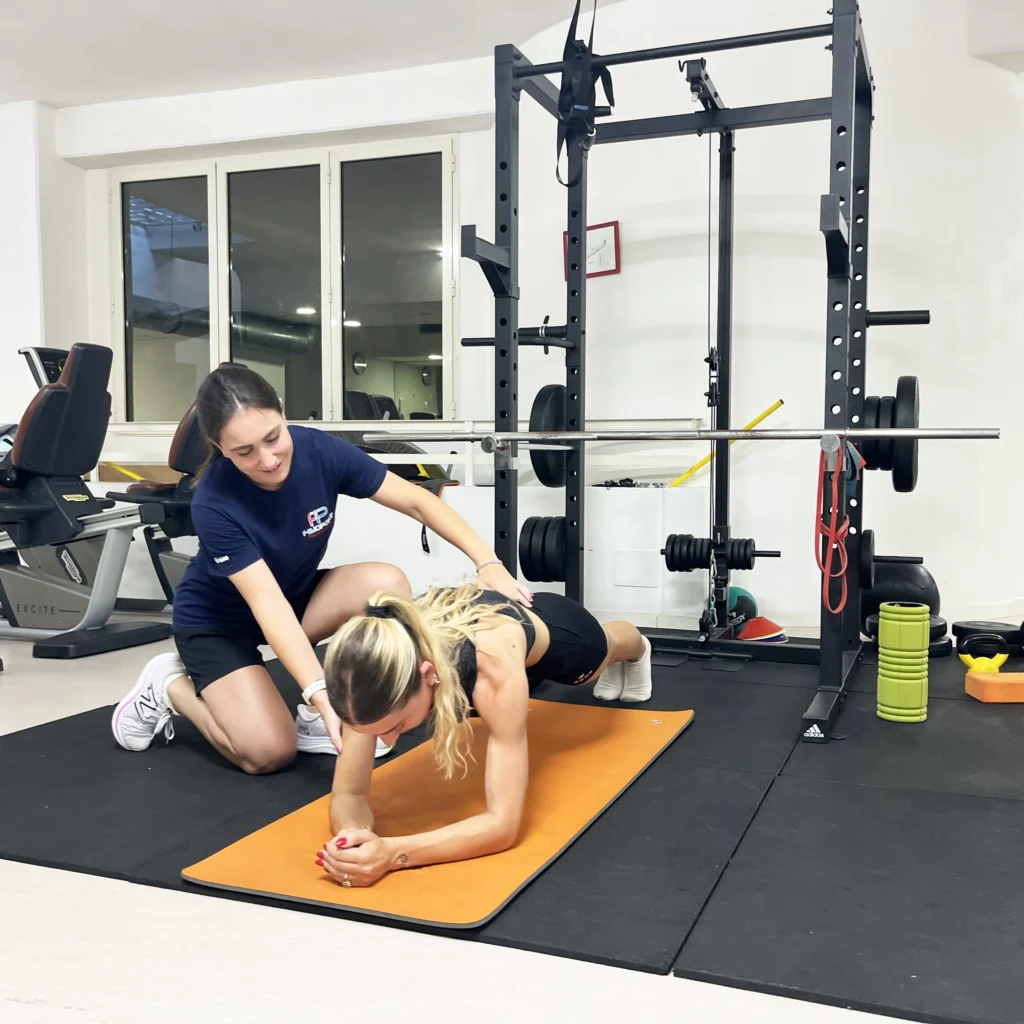
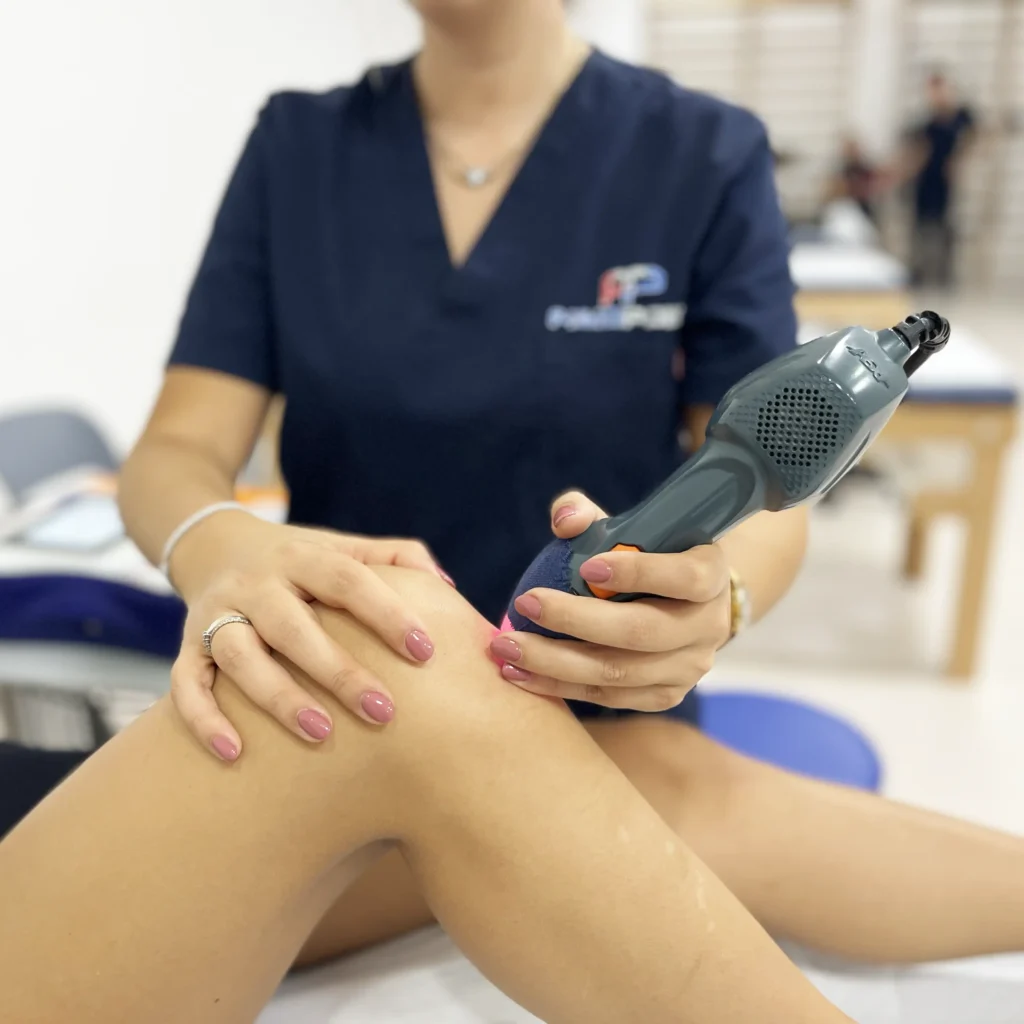
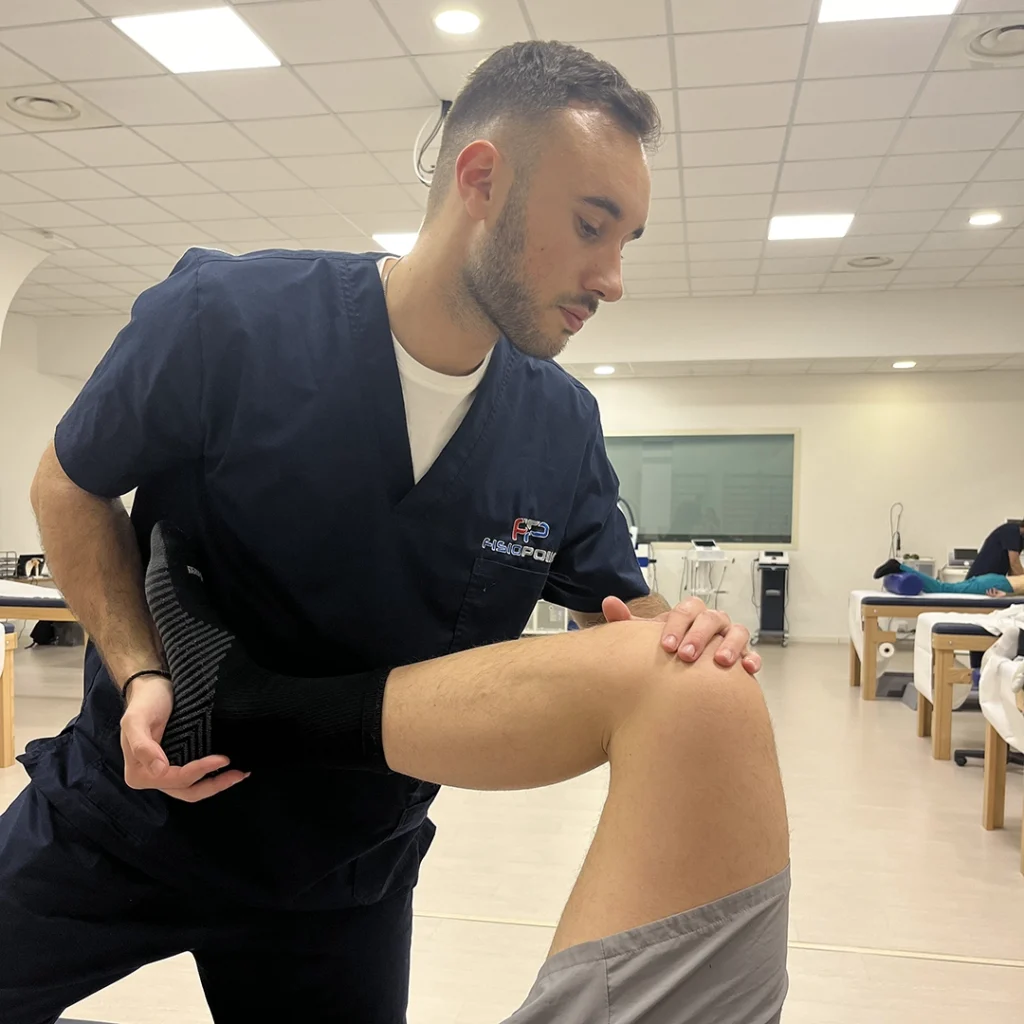
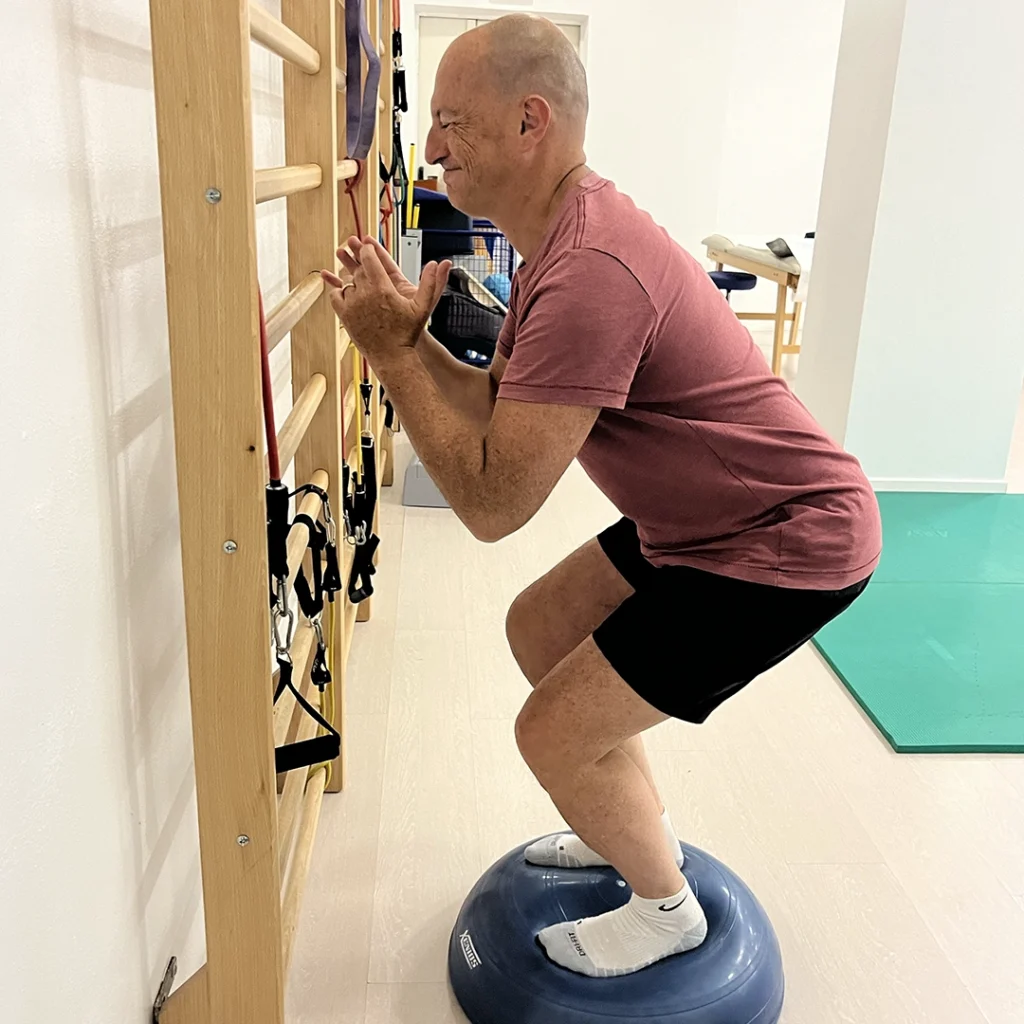
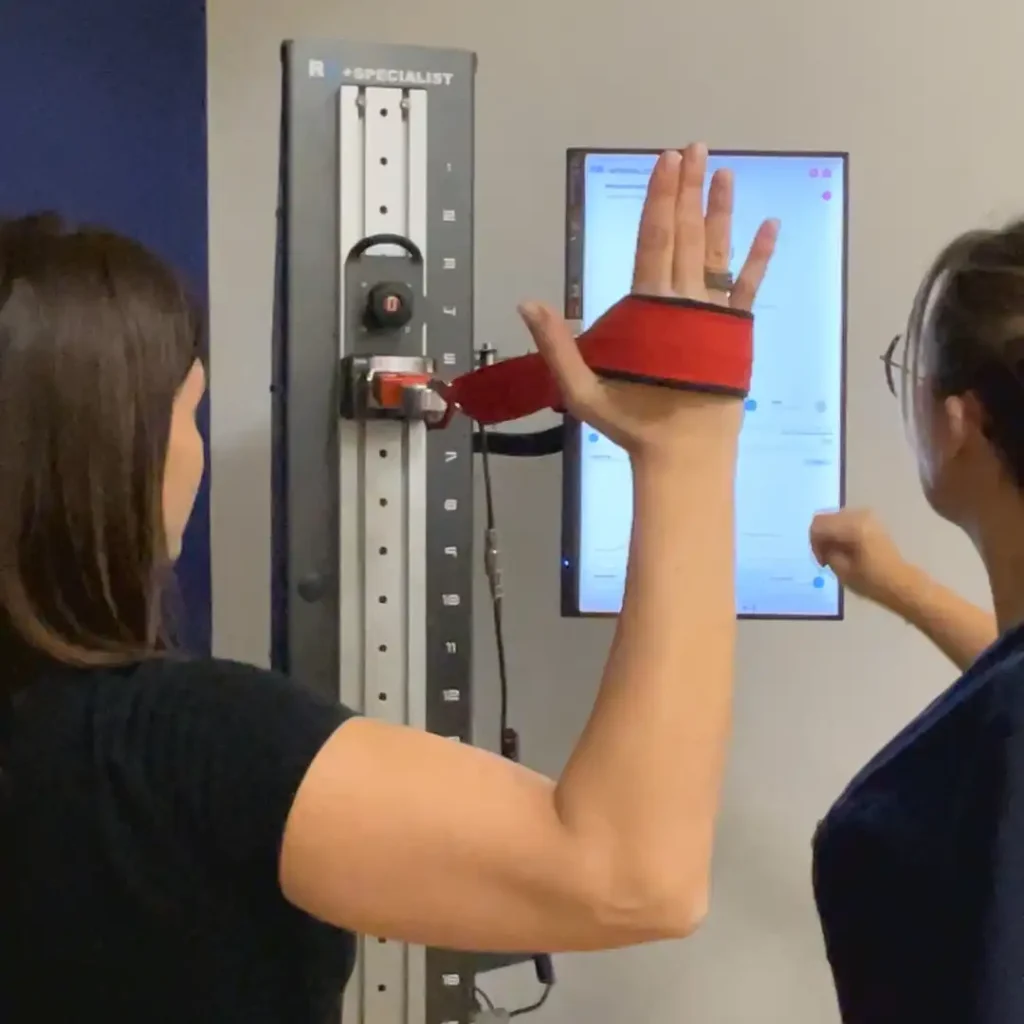
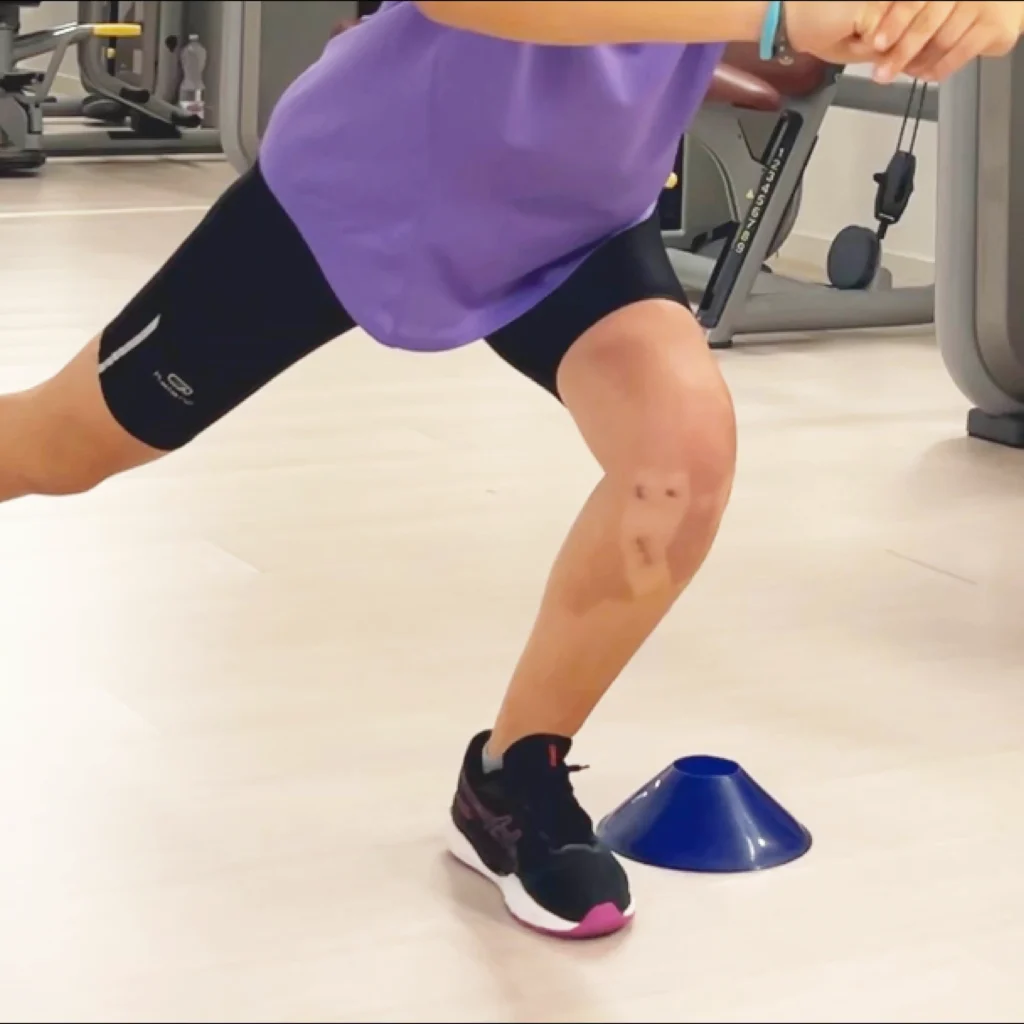
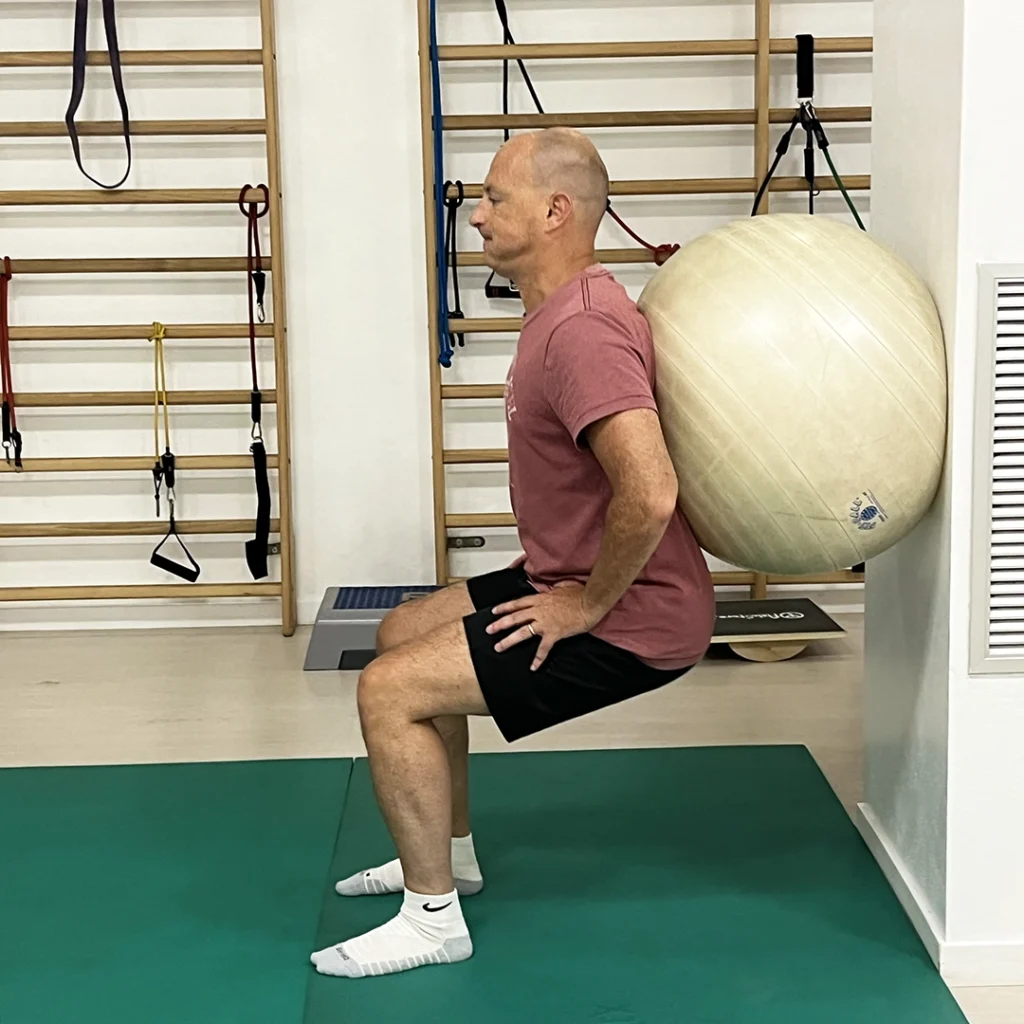
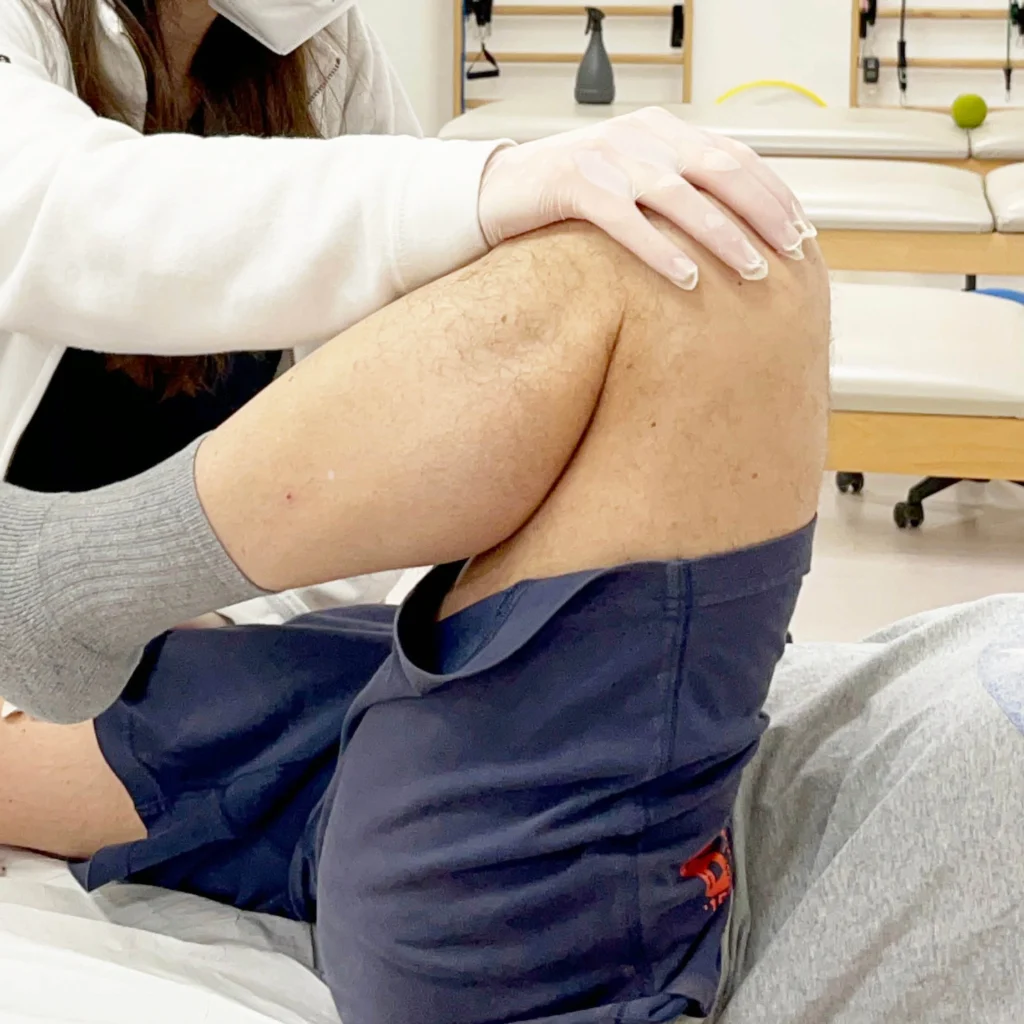
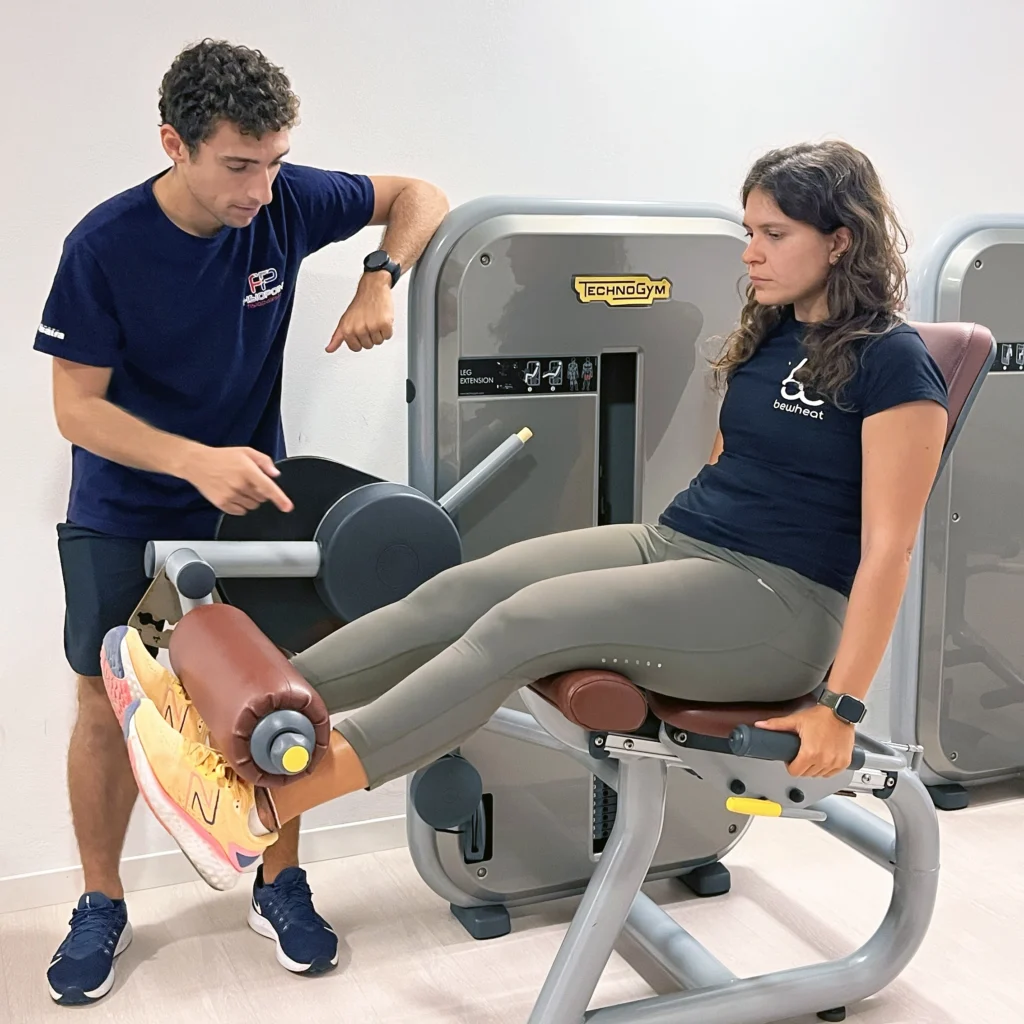
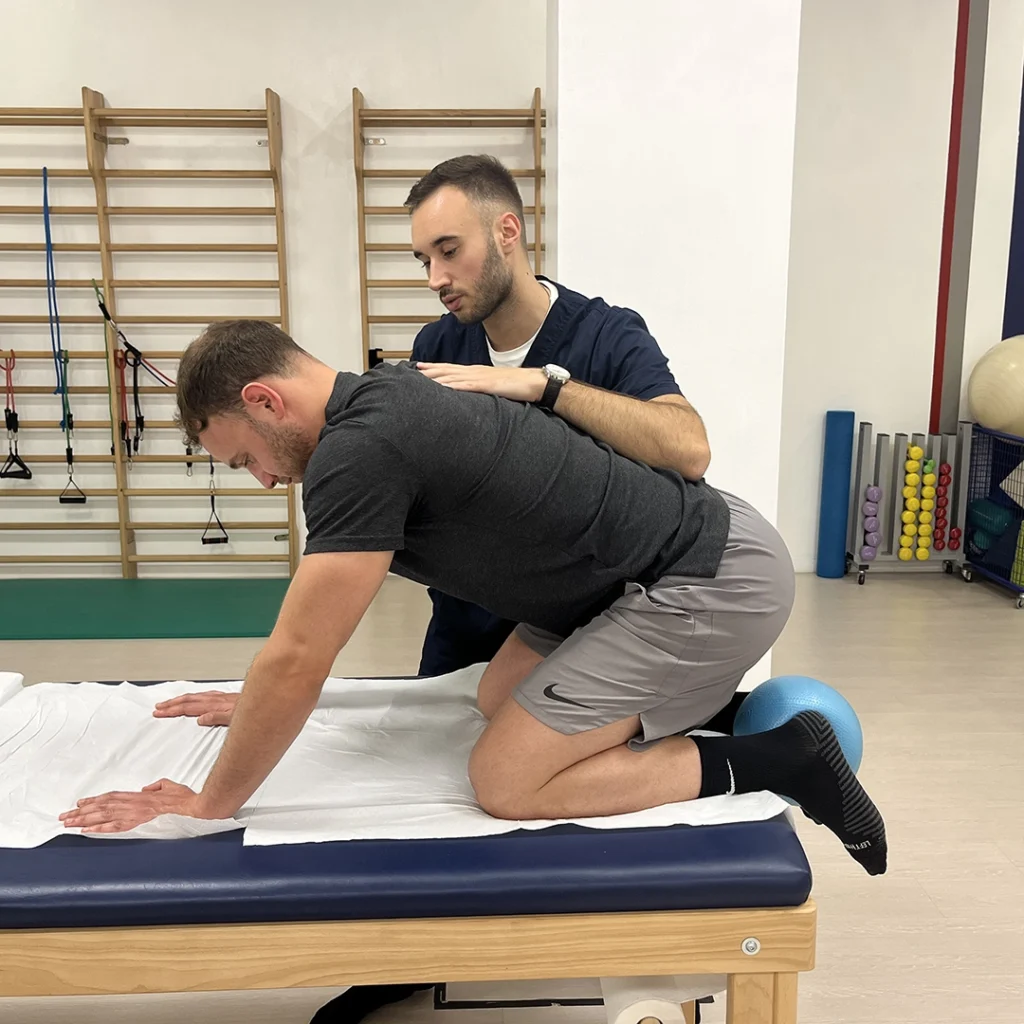
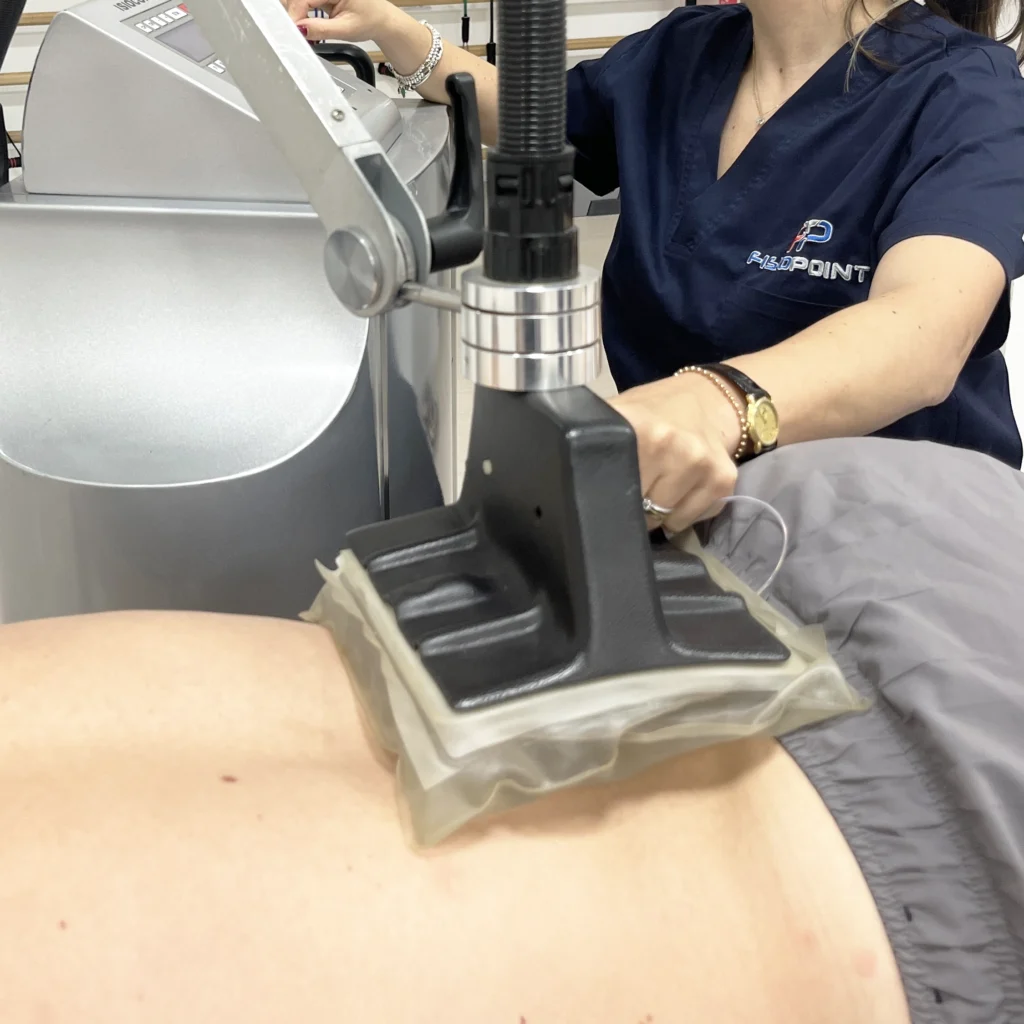
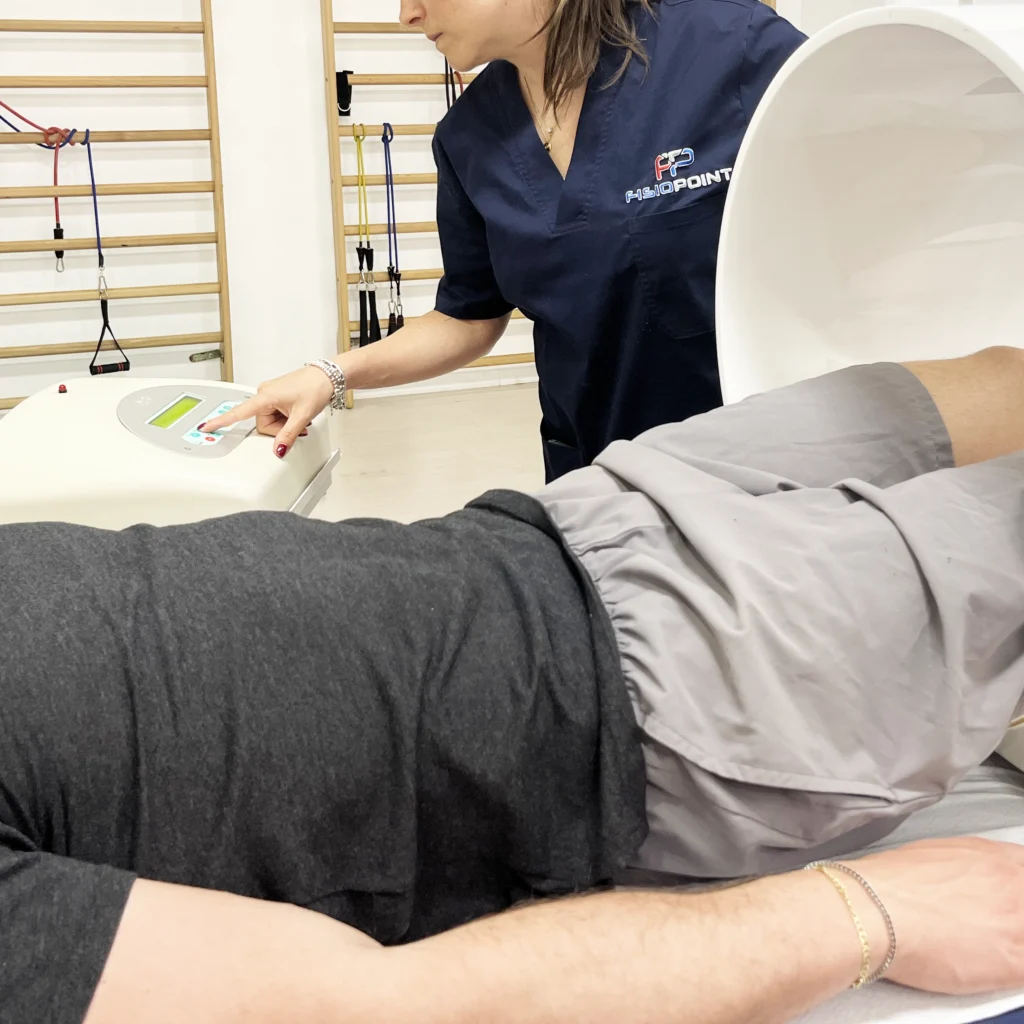
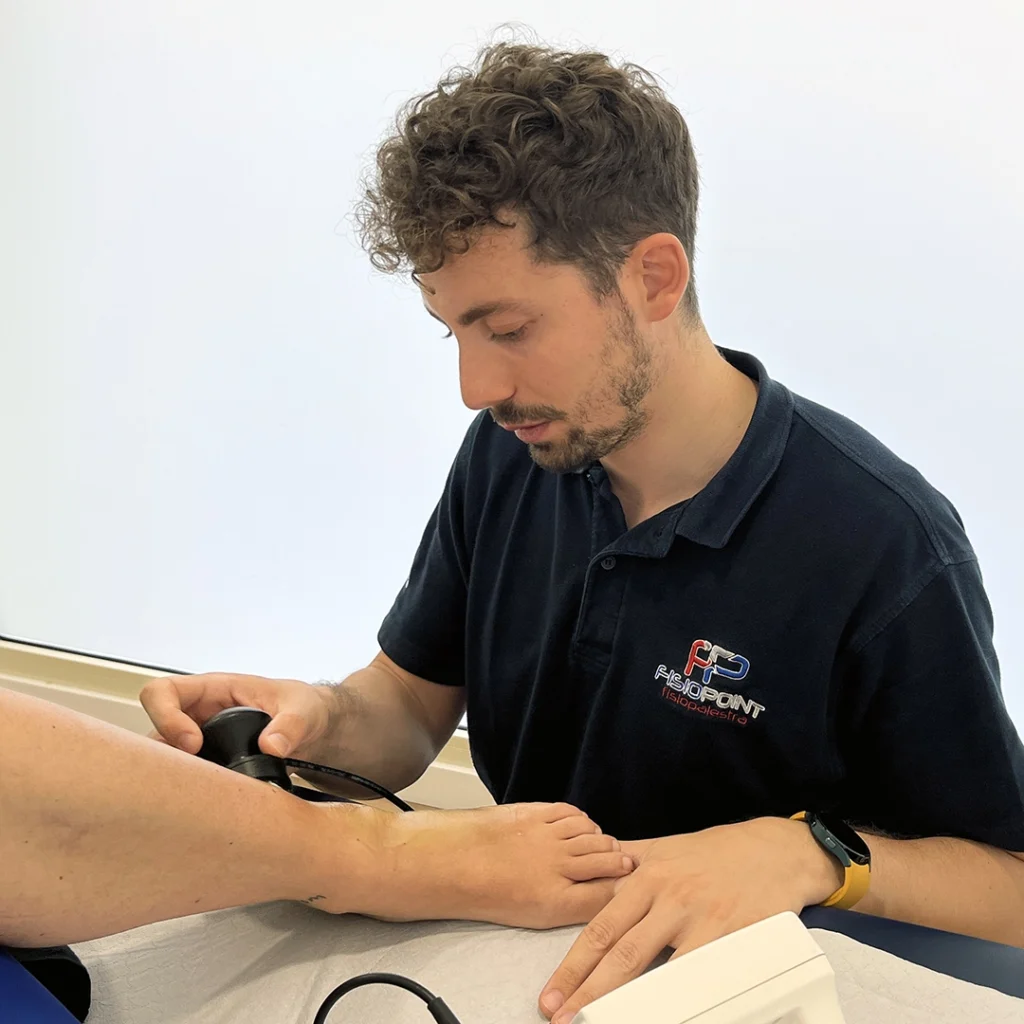
It is important to do physiotherapy with a customised and constant course to return to autonomy in activities of daily living. The rehabilitation goals are:
- Pain control
- Reduction of swelling
- Recovery of knee flexion and extension
- Muscle reinforcement
- Improvement of proprioception e dell’equilibrio
- Education on the correct steps.
Full recovery and return to sport occurs after about a year, of course much sooner, as early as three months after surgery, the patient will have regained full autonomy.
Text by Elisa Piccioni
Learn more by watching the videos on our channel YouTube










 English
 Italian