What is shoulder capsulitis?
Adhesive capsulitis (also known as frozen shoulder or frozen shoulder) is a disease of inflammatory origin. Adhesive capsulitis is a painful and debilitating condition that can have a severely negative impact on the subject's daily life, as shoulder movements are considerably restricted and much pain can be experienced. It mostly affects women between the ages of 35 and 55, probably due to the nature of its origin, which can be associated with metabolic causes.
In capsulitis, 3 phases can be detected:
- First phase painful: movements are painful but possible
- Second freezing phase: pain tends to decrease but there is a noticeable reduction in the range of movement of the shoulder, especially in rotational movements
- Third thawing phase: movement is slowly restored until recovery
Generally, capsulitis has spontaneous resolution but the healing time is very long and can vary from 6 months to 2 years. Therefore, as soon as suspicions arise, it is necessary to carry out check-ups and start physiotherapy as soon as possible in order to reduce pain and shorten healing time.
To understand capsulitis, we can take a closer look at the anatomy of the shoulder.
The shoulder is a complex and extremely mobile joint. It allows, in fact, very wide movements of:
- Flexion
- Extension
- Abduction
- Adduction
- External and internal rotation
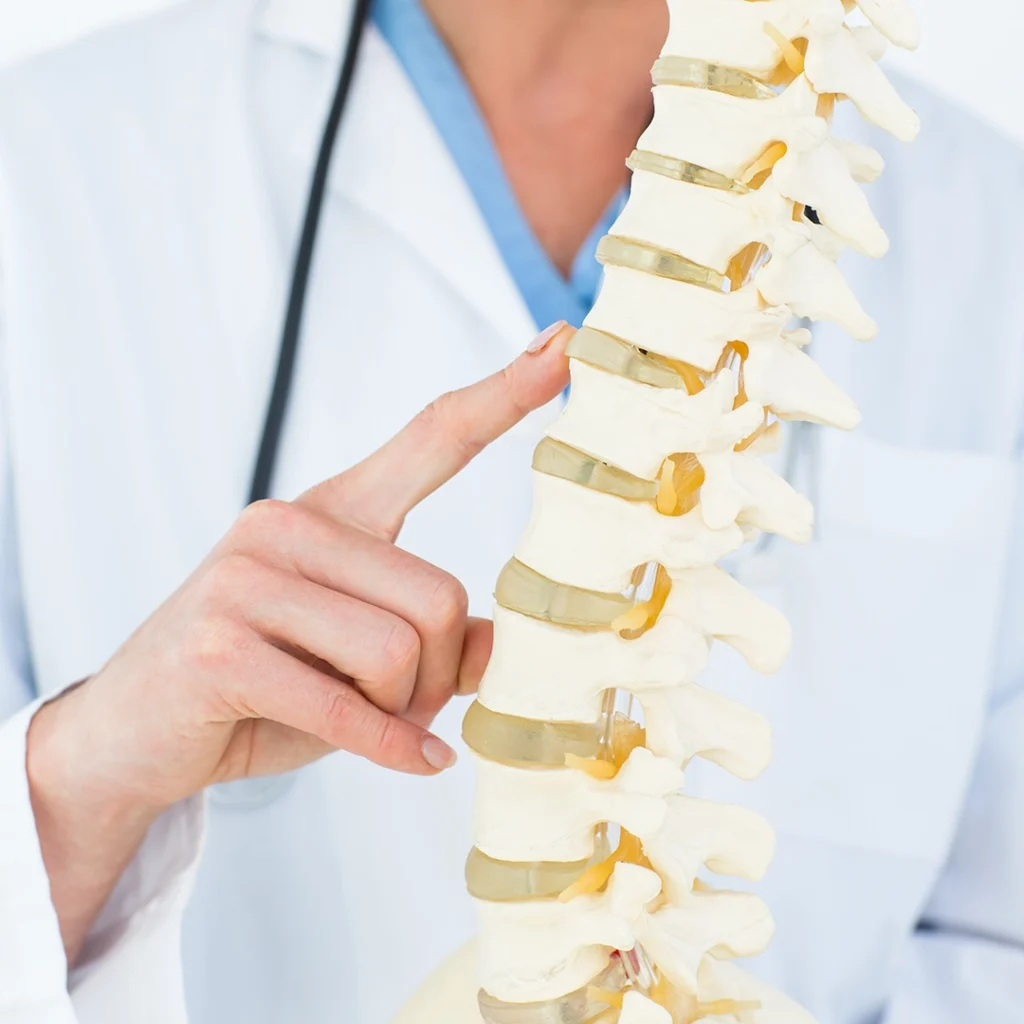
The shoulder complex consists of:
The spherical head of the humerus fits perfectly in the centre of the glenoid cavity of the scapula, which has a concave shape, allowing the head to move within it.
The shoulder has numerous ligaments:
- Glenohumeral
- Coracoacromial
- Coraco-humeral
- Coracoclavicular
- Strenoclavicular
- Acromio-clavicular
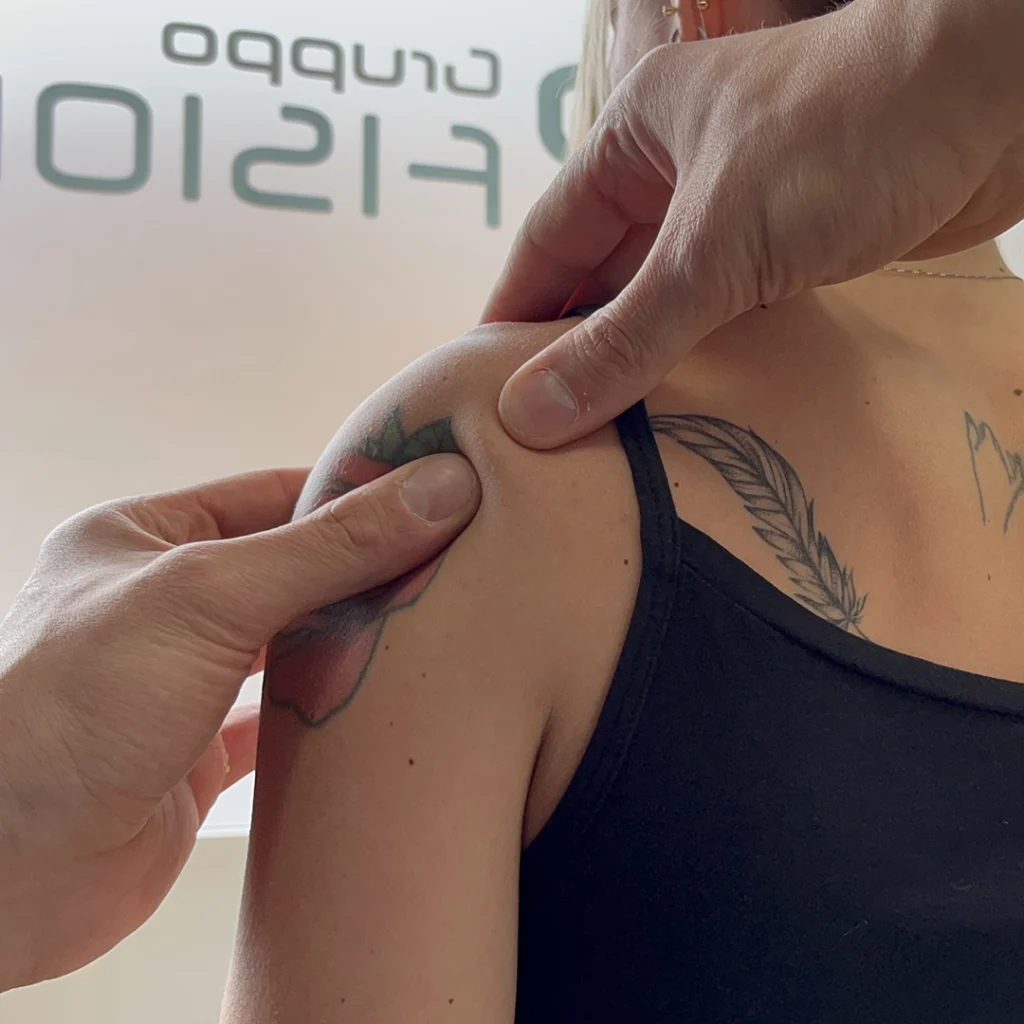
With ongoing capsulitis, the joint capsule and surrounding structures, and thus tendons and ligaments, suffer, causing pain, joint and functional limitation.
What are the causes of capsulitis?
The specific causes of capsulitis are still unclear but it is thought that there are correlations with various conditions and diseases. Some of them are:
- Hyper- or hypothyroidism
- Dysmetabolic syndromes
- Autoimmune diseases
- Diabetes
- Menopause
- Shoulder arthrosis
- Immobilisation following injury or trauma
What are the symptoms of capsulitis?
Typical symptoms of adhesive caspulitis or frozen shoulder are:
- Constant shoulder pain, even at night
- Possible irradiation of arm pain
- Reduction in shoulder mobility, especially in rotational movements
- Joint stiffness
- Difficulties in performing actions of daily living
What tests should be performed if capsulitis is suspected?
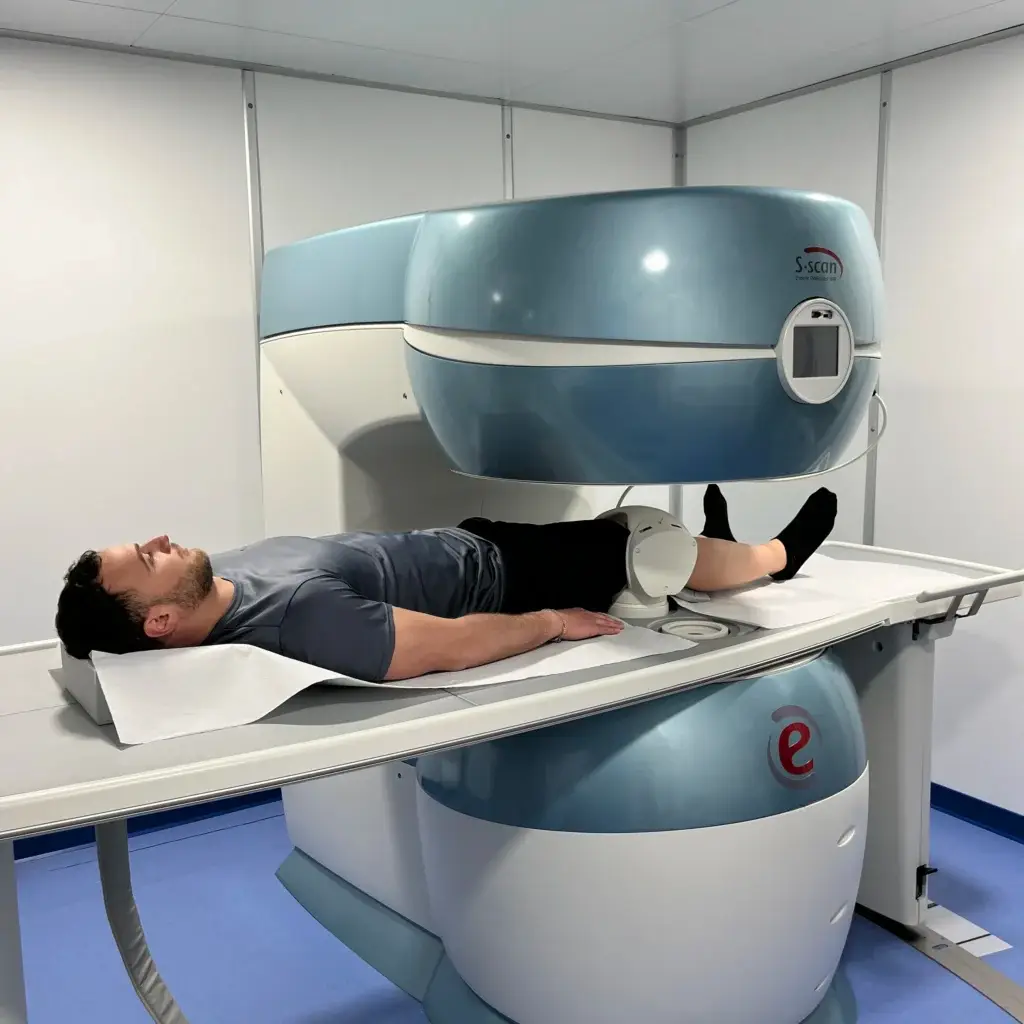
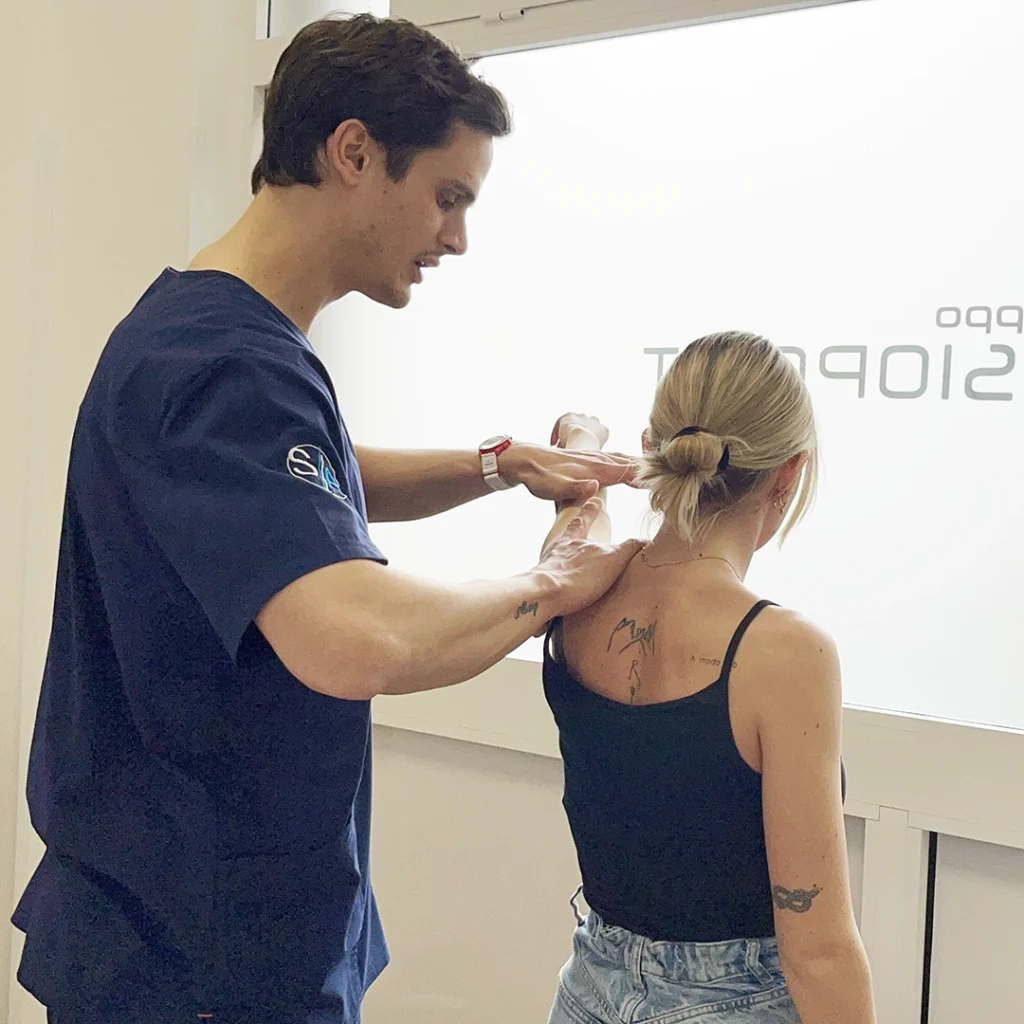
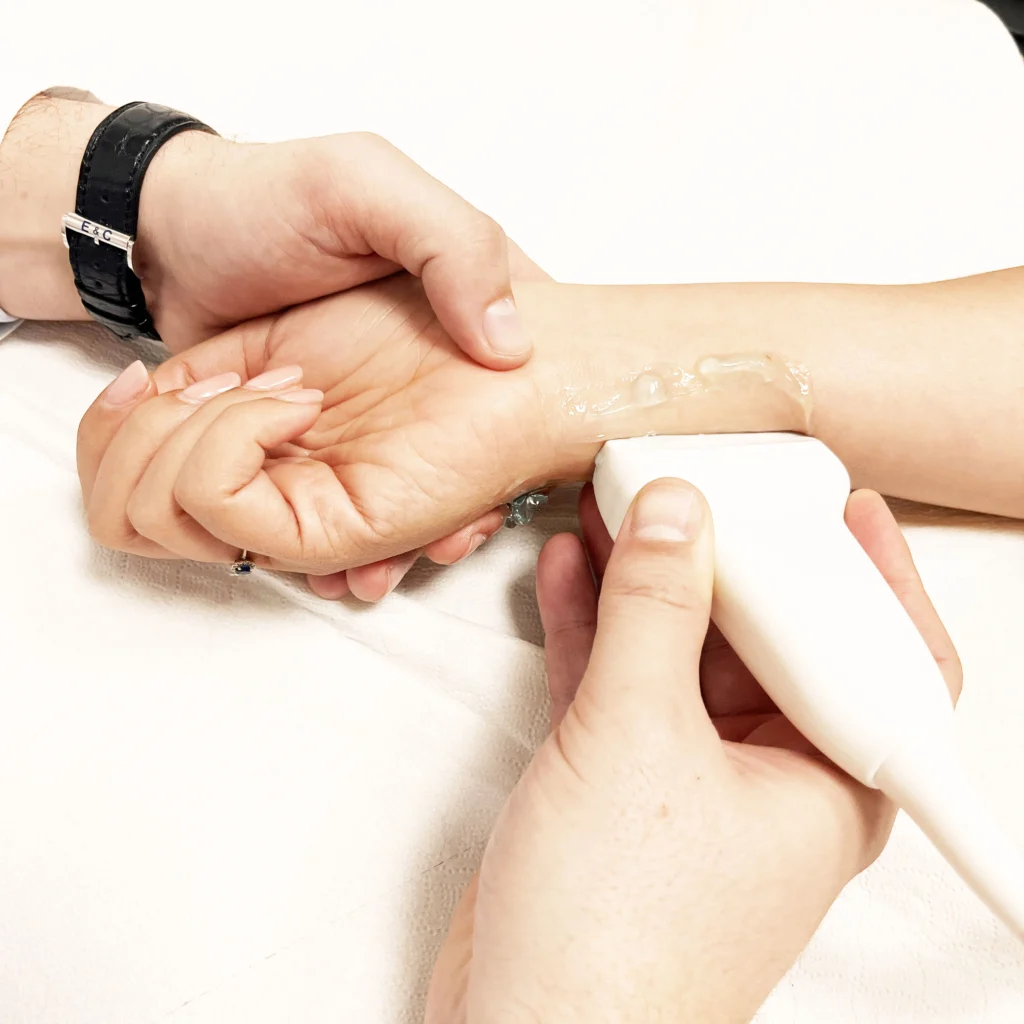
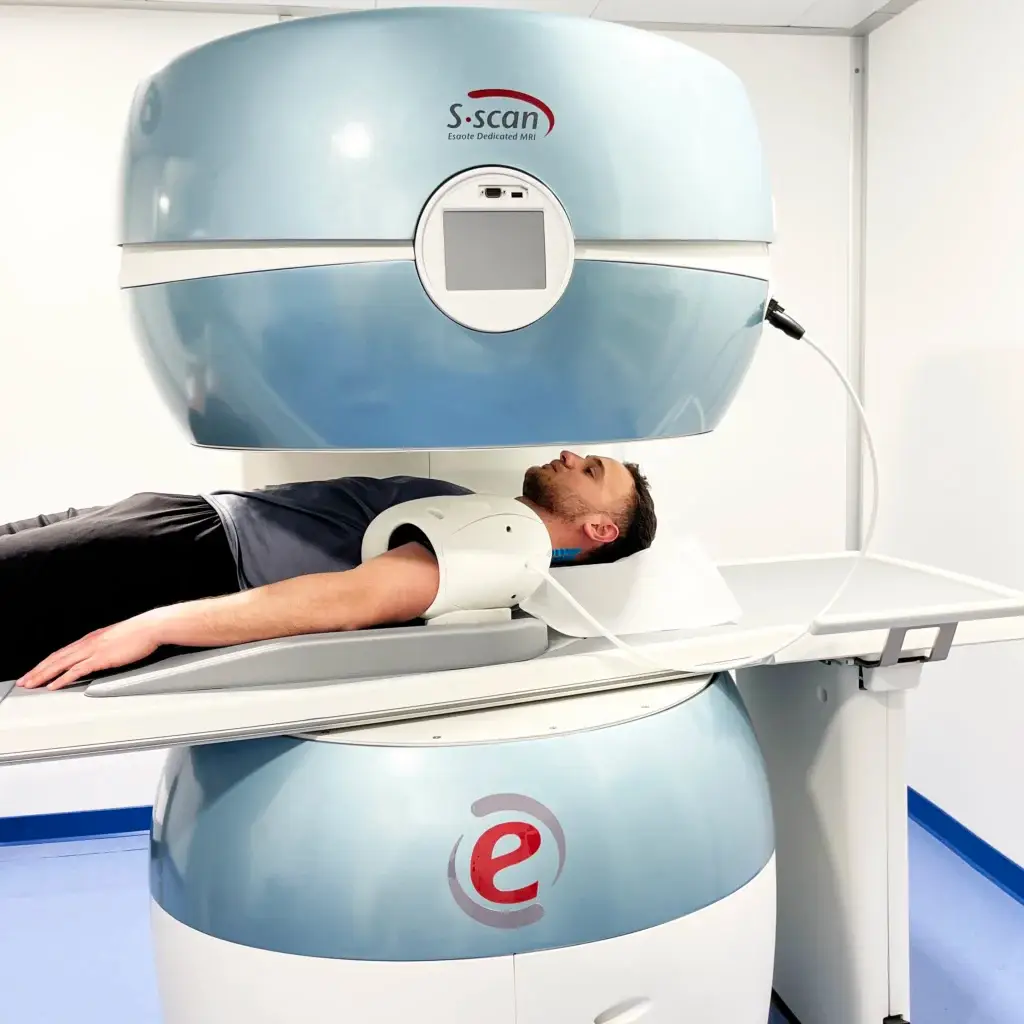
Capsulitis can be assessed and detected through a physical and objective examination by the doctor. Additional examinations can be performed if other concomitant injuries are to be excluded. The diagnostic examinations in this case are:
What is the treatment of capsulitis?
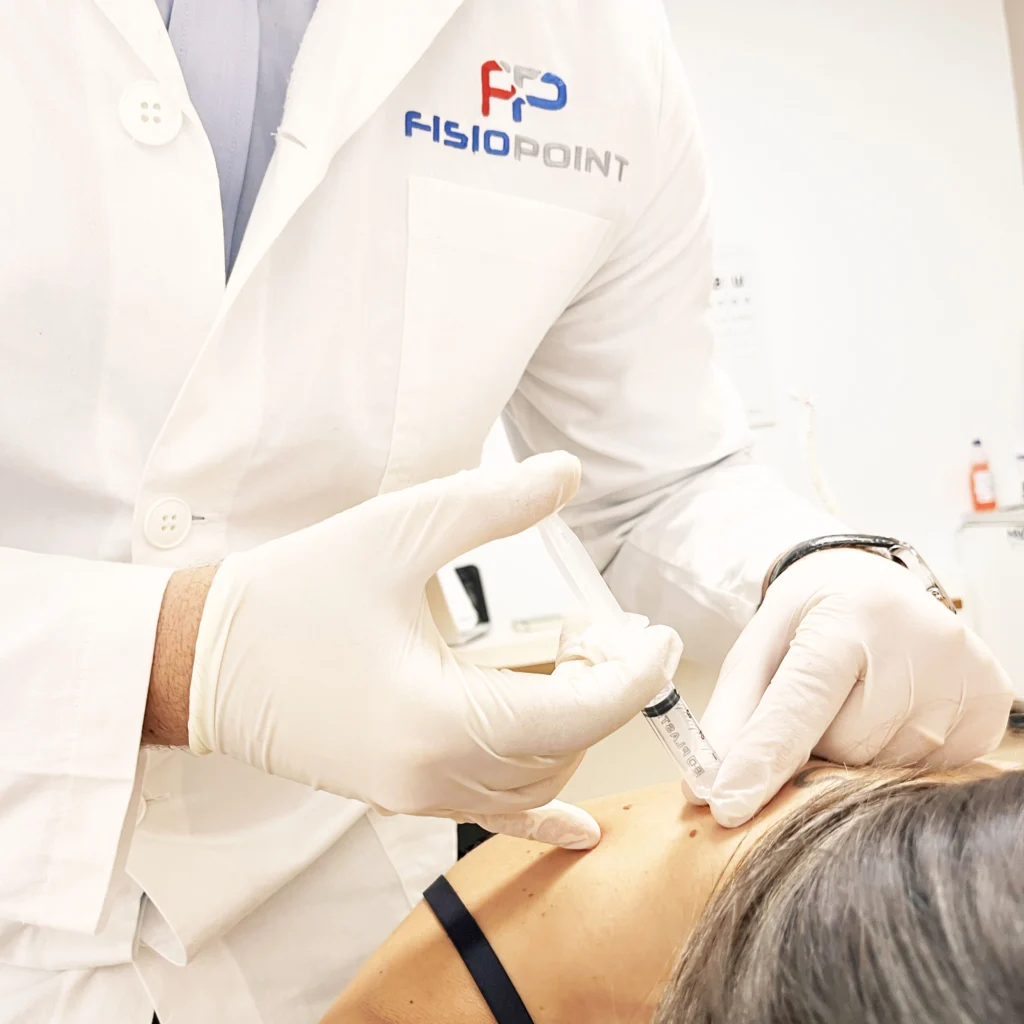
The treatment for adhesive caspulitis or frozen shoulder is almost in all cases conservative, because as we have said, it is a pathology that regresses spontaneously, albeit over a long period of time. For this reason, arthroscopic surgery, which consists of a partial removal of the inflamed capsule tissue, is rare and only carried out in specific cases. If the pain is very severe and extremely persistent, cycles of intra-articular infiltration can be carried out, which can also help the success of the physiotherapy.
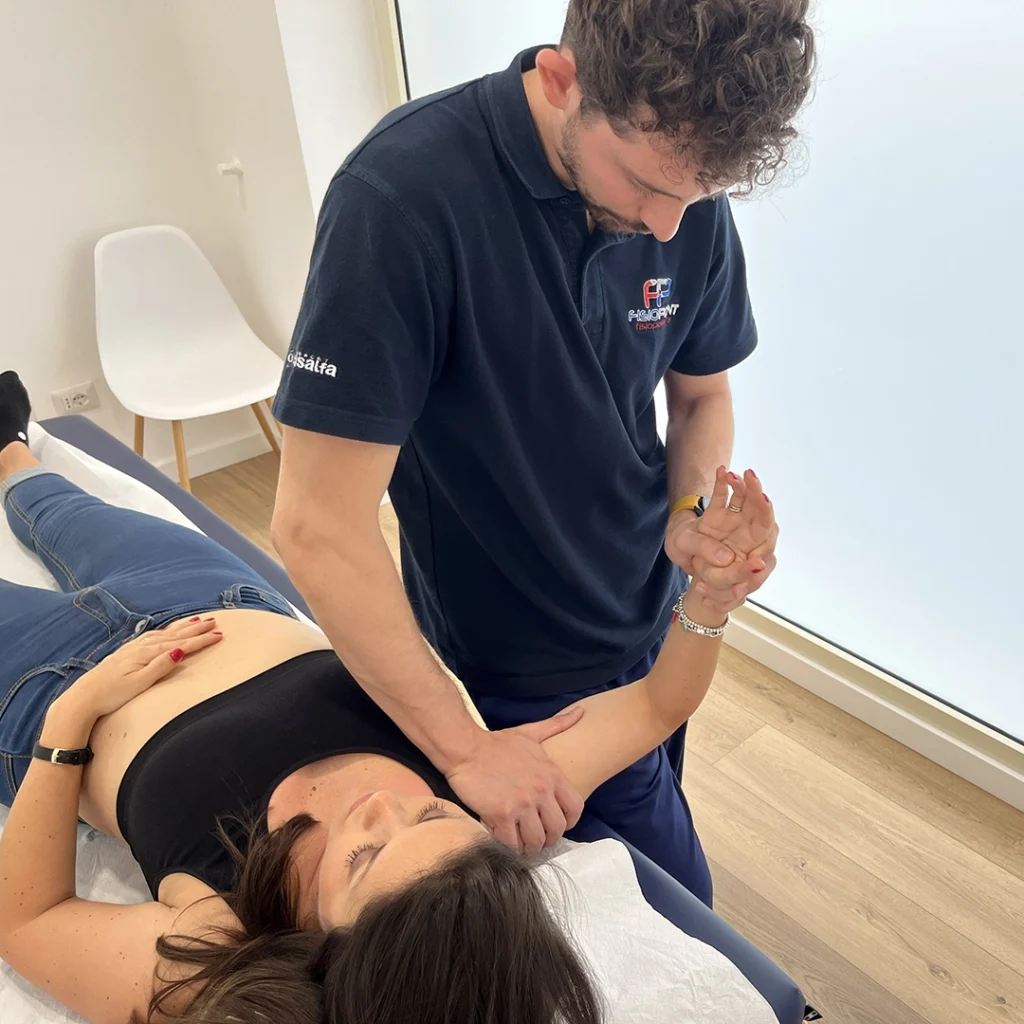
Physiotherapy for adhesive capsulitis
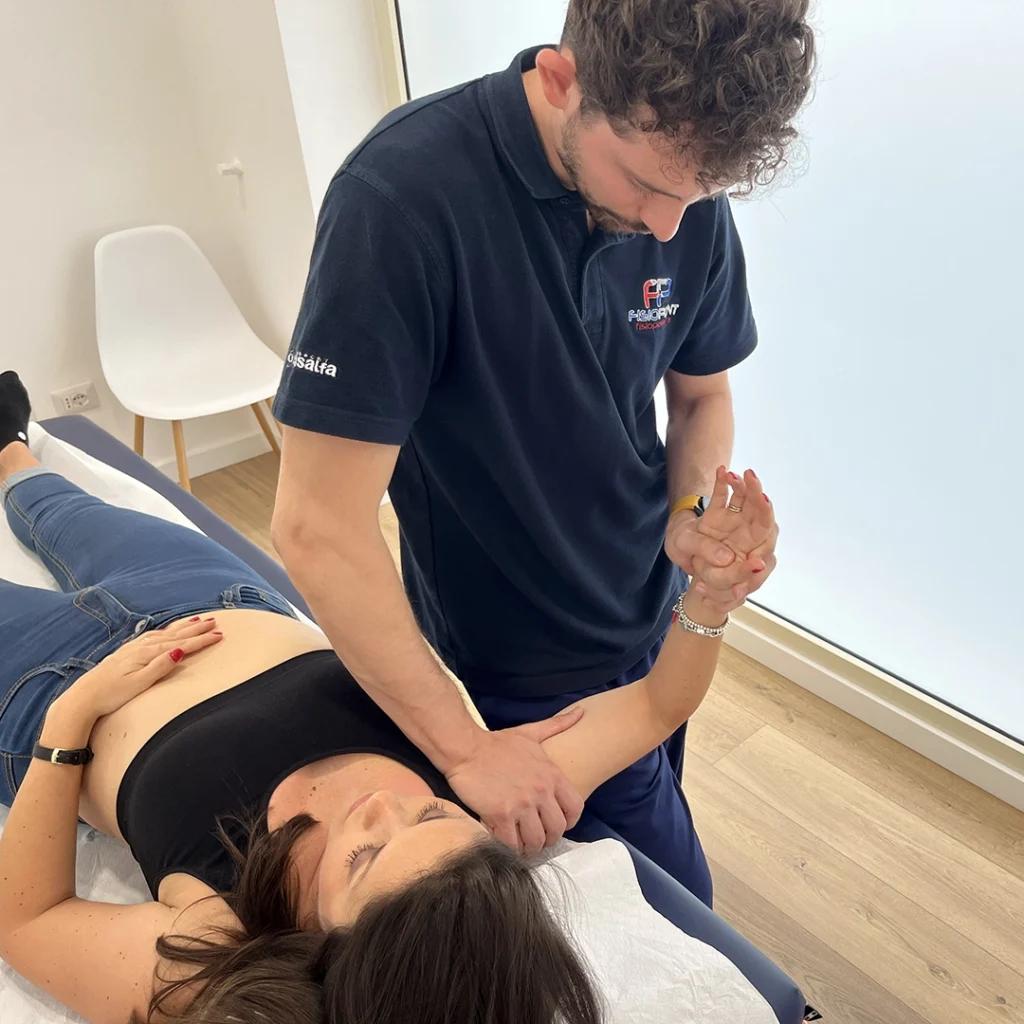
Physiotherapy for adhesive capsulitis has the following objectives:
- Recovery of shoulder joint range
- Improved pain sensation
- Shoulder muscle strengthening
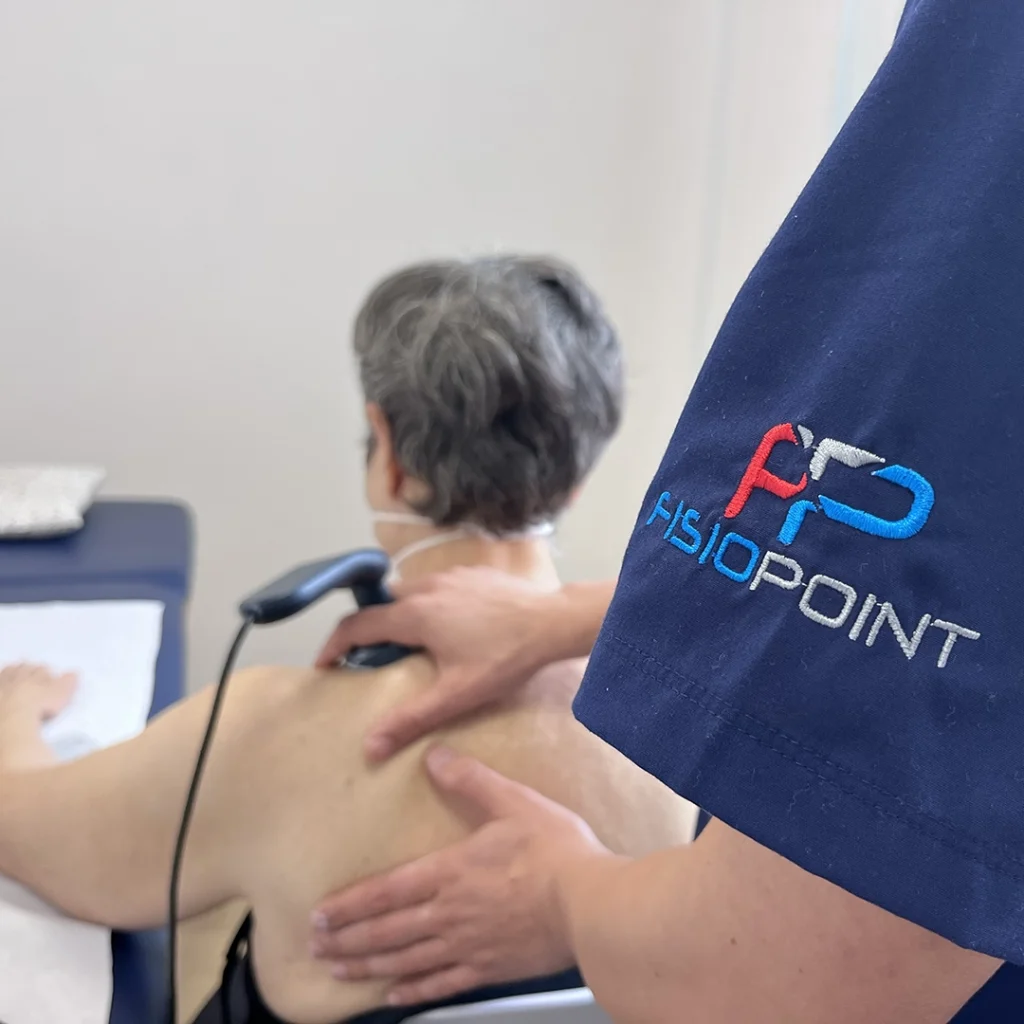
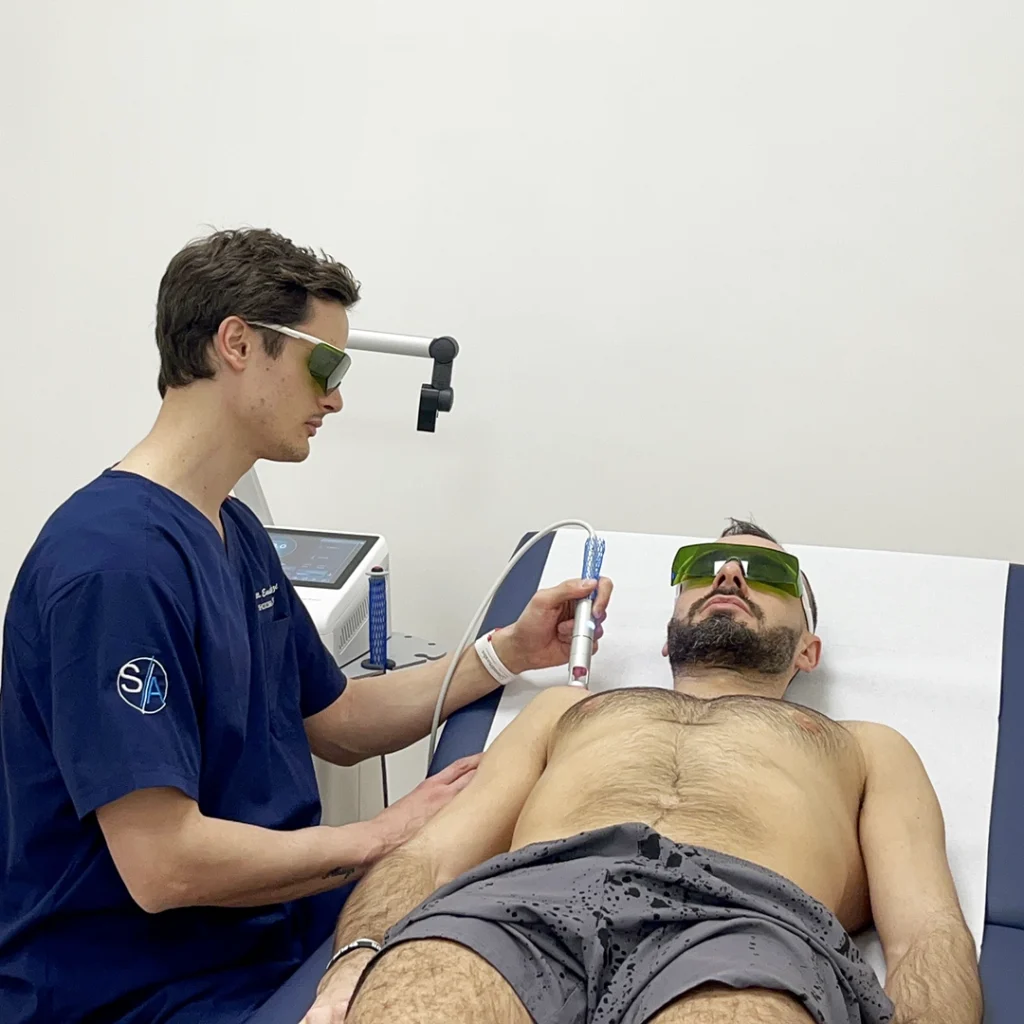
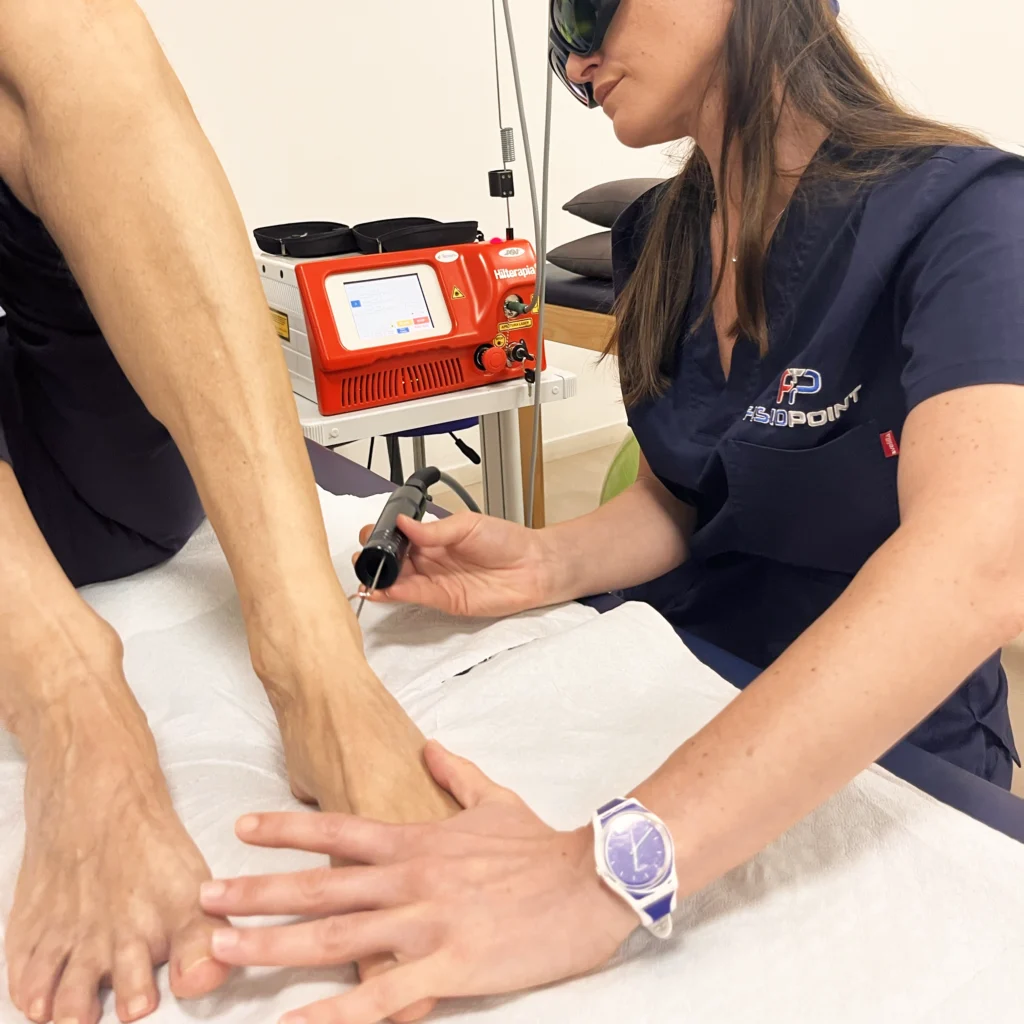
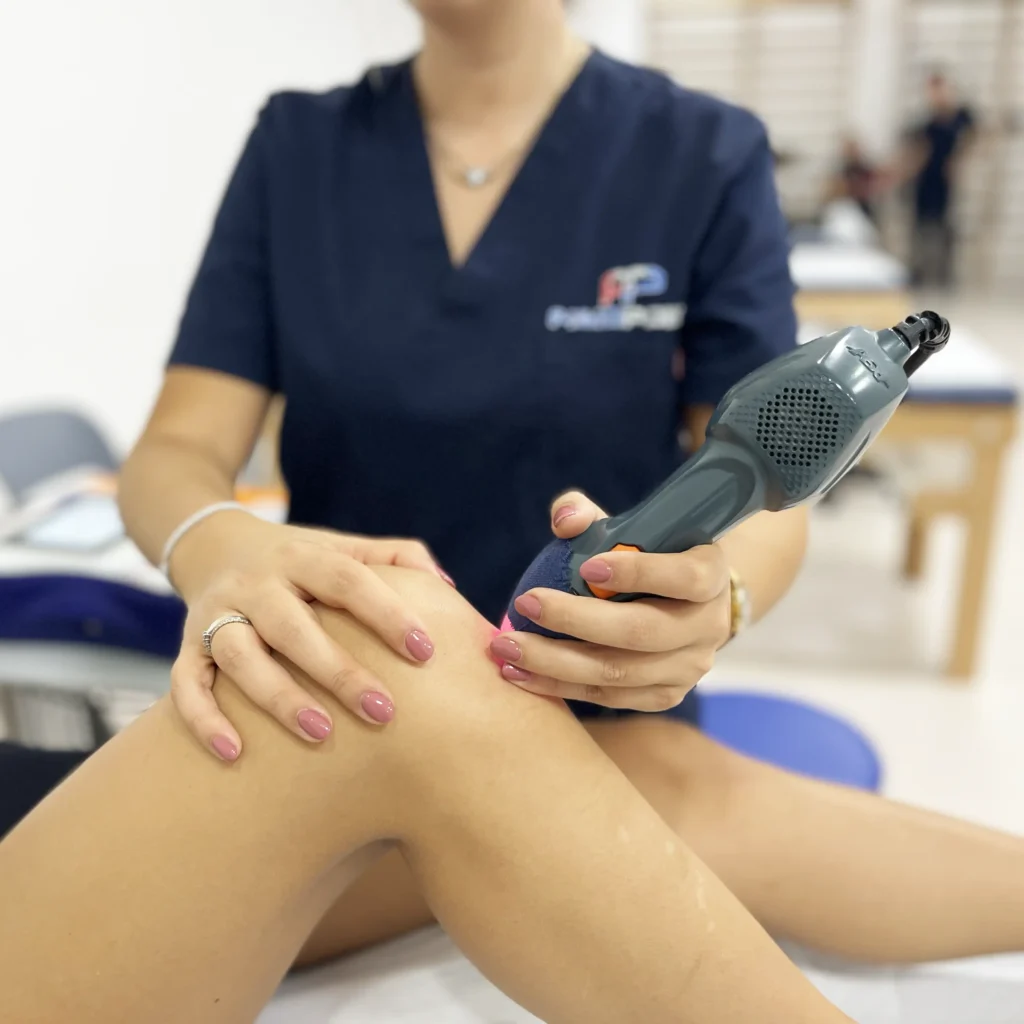
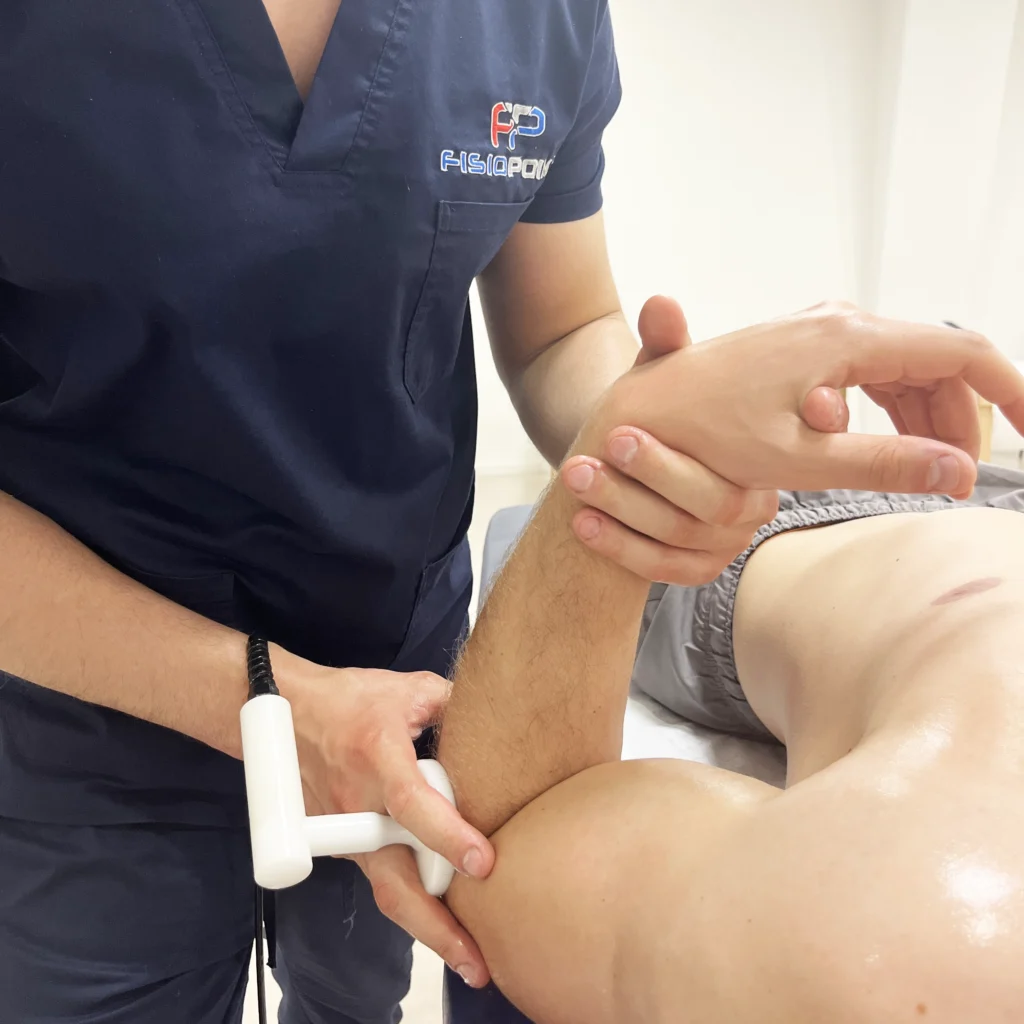
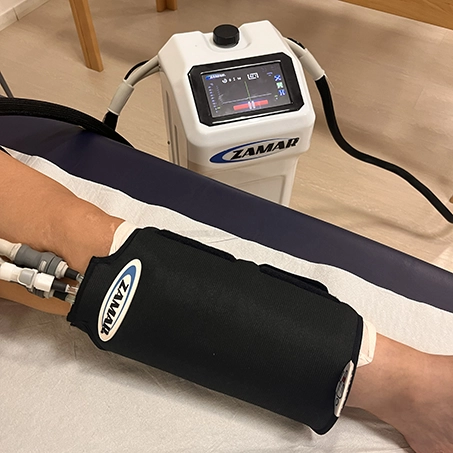
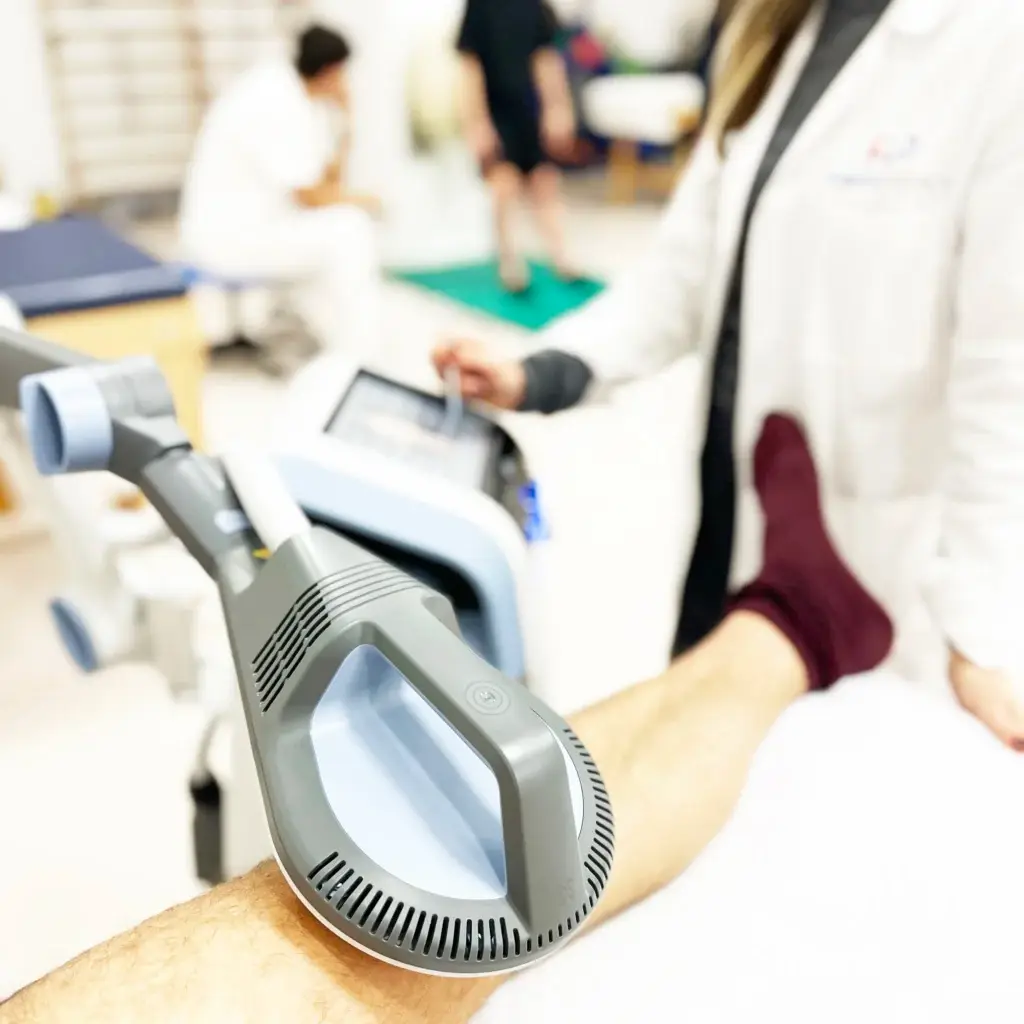
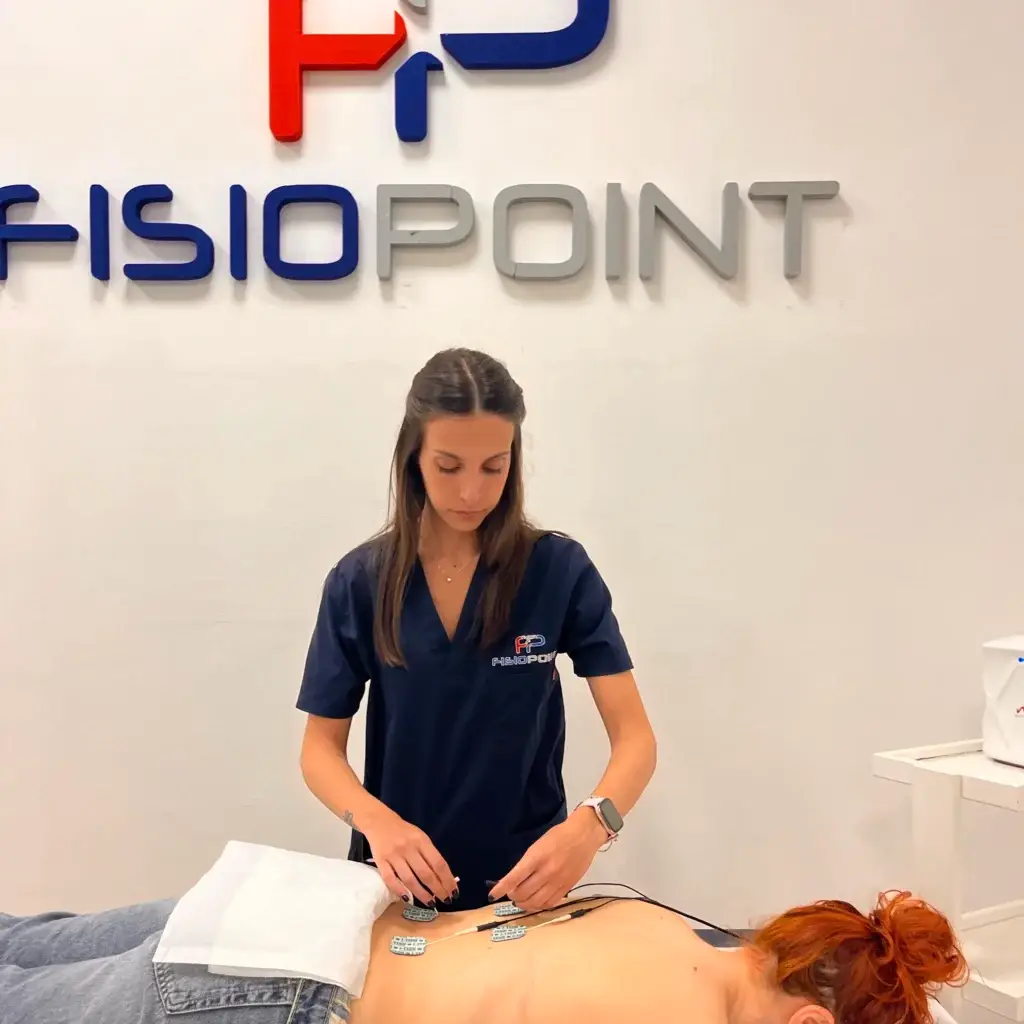
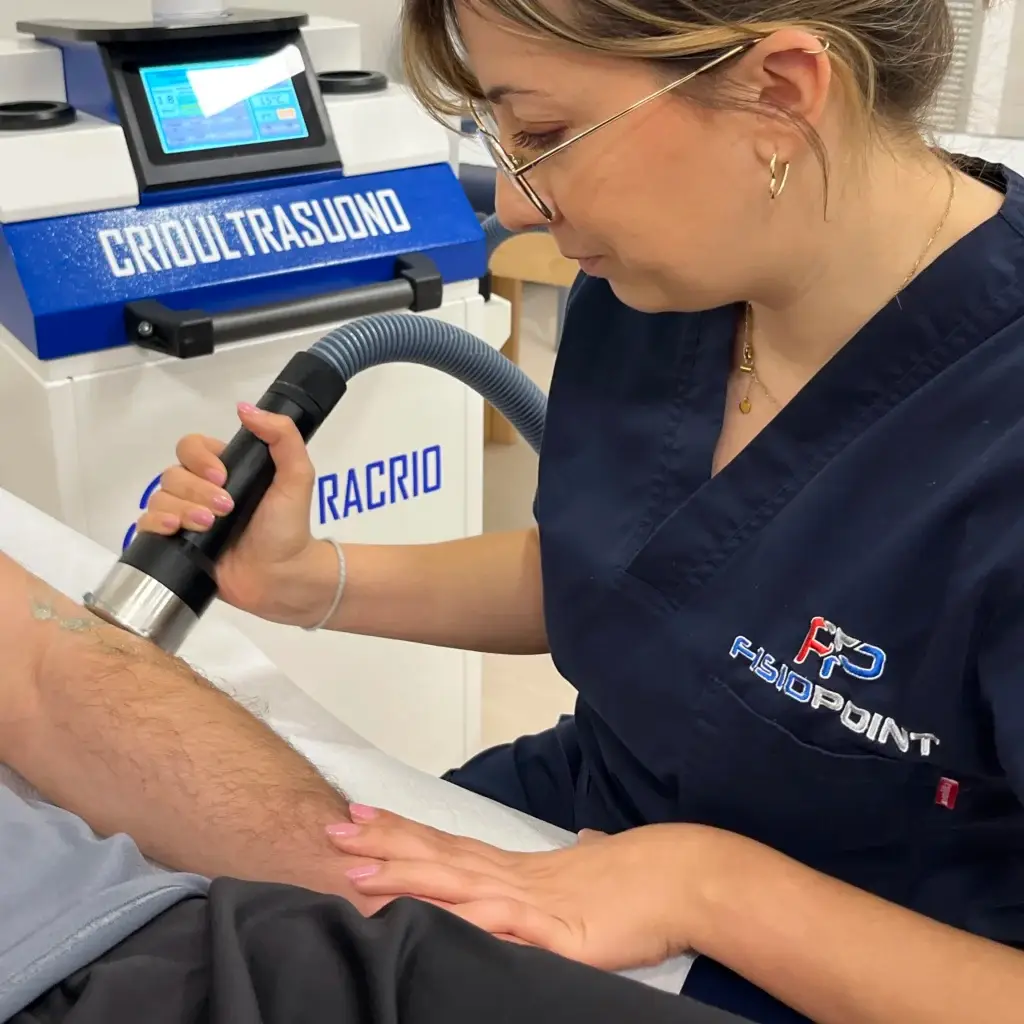
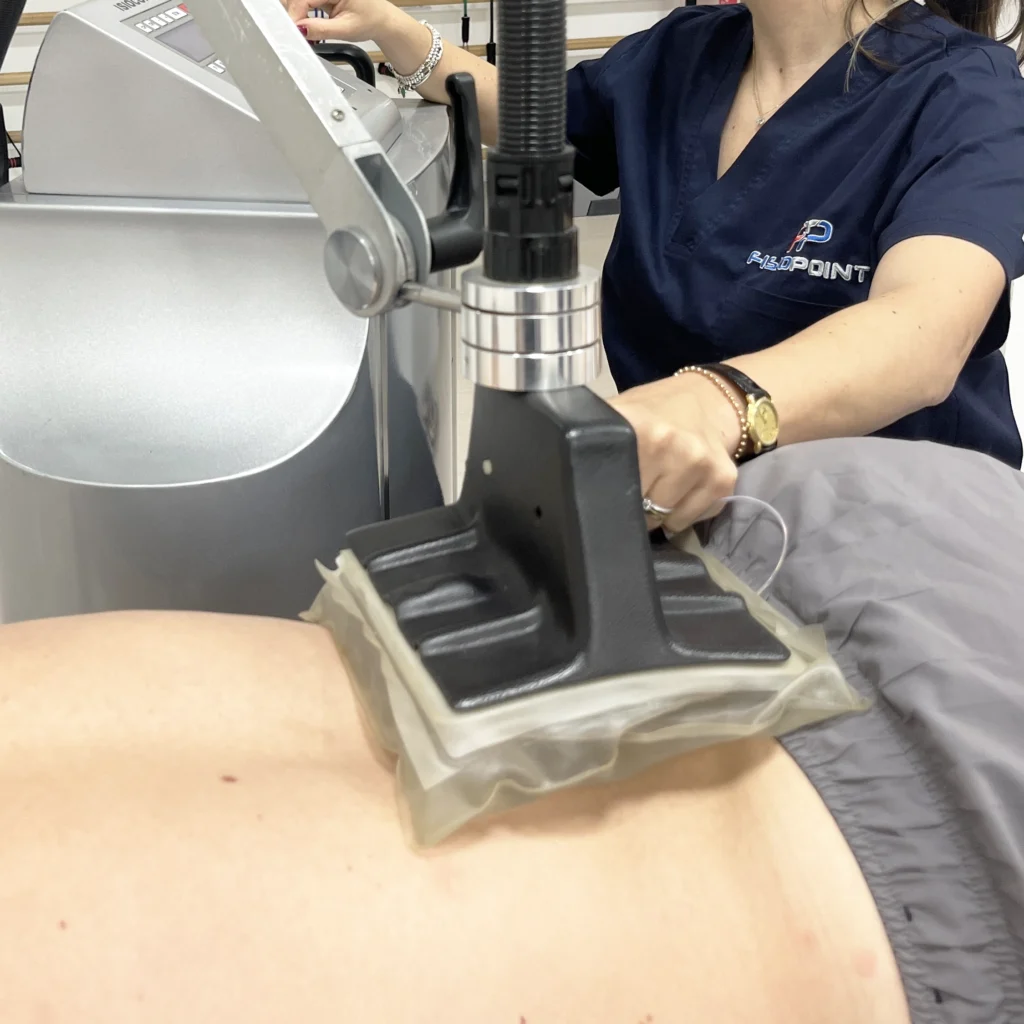
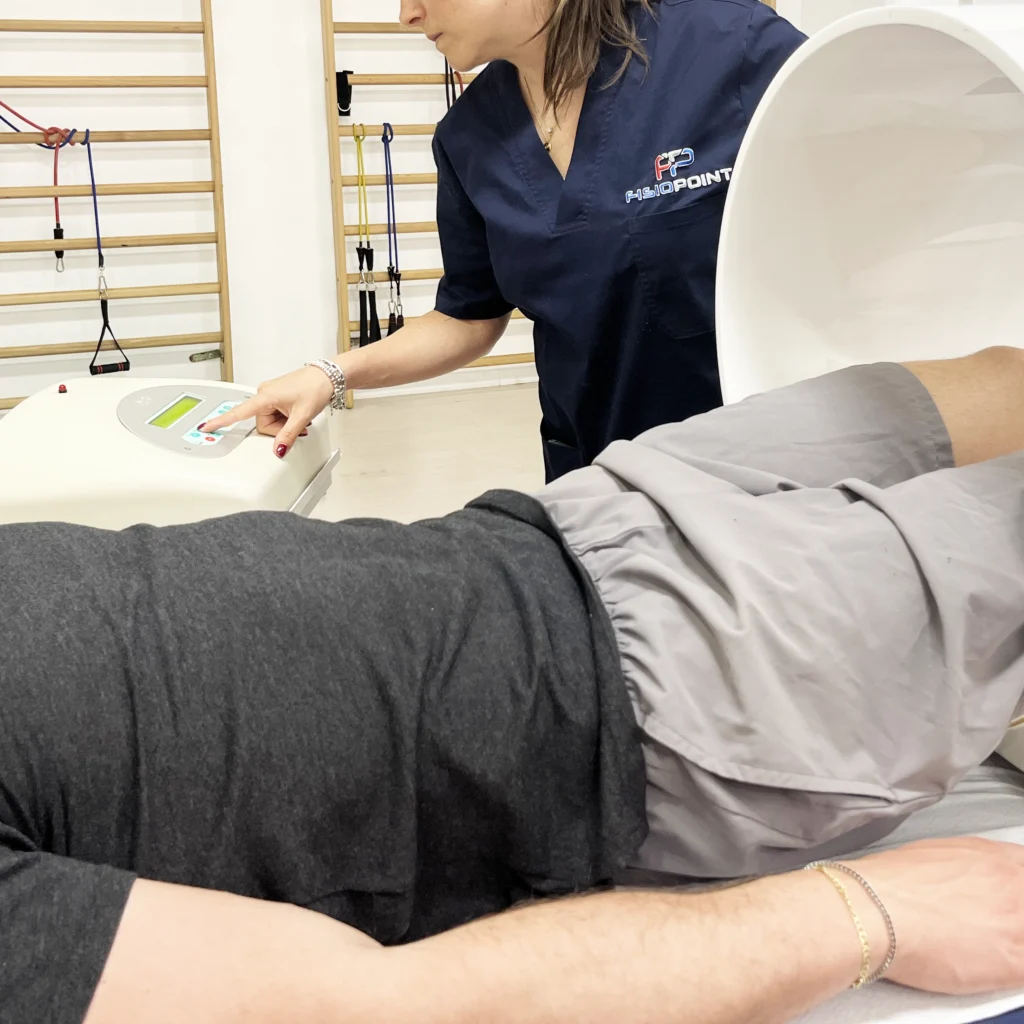
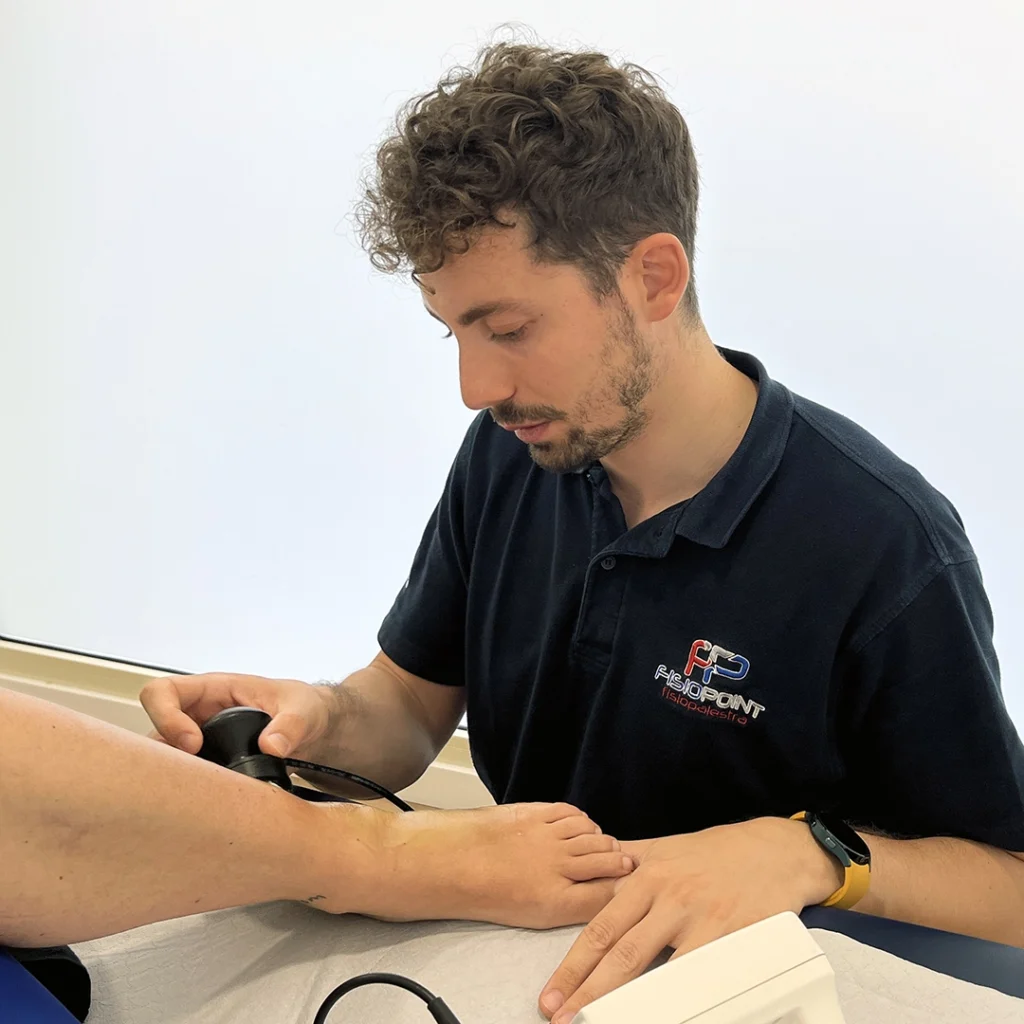
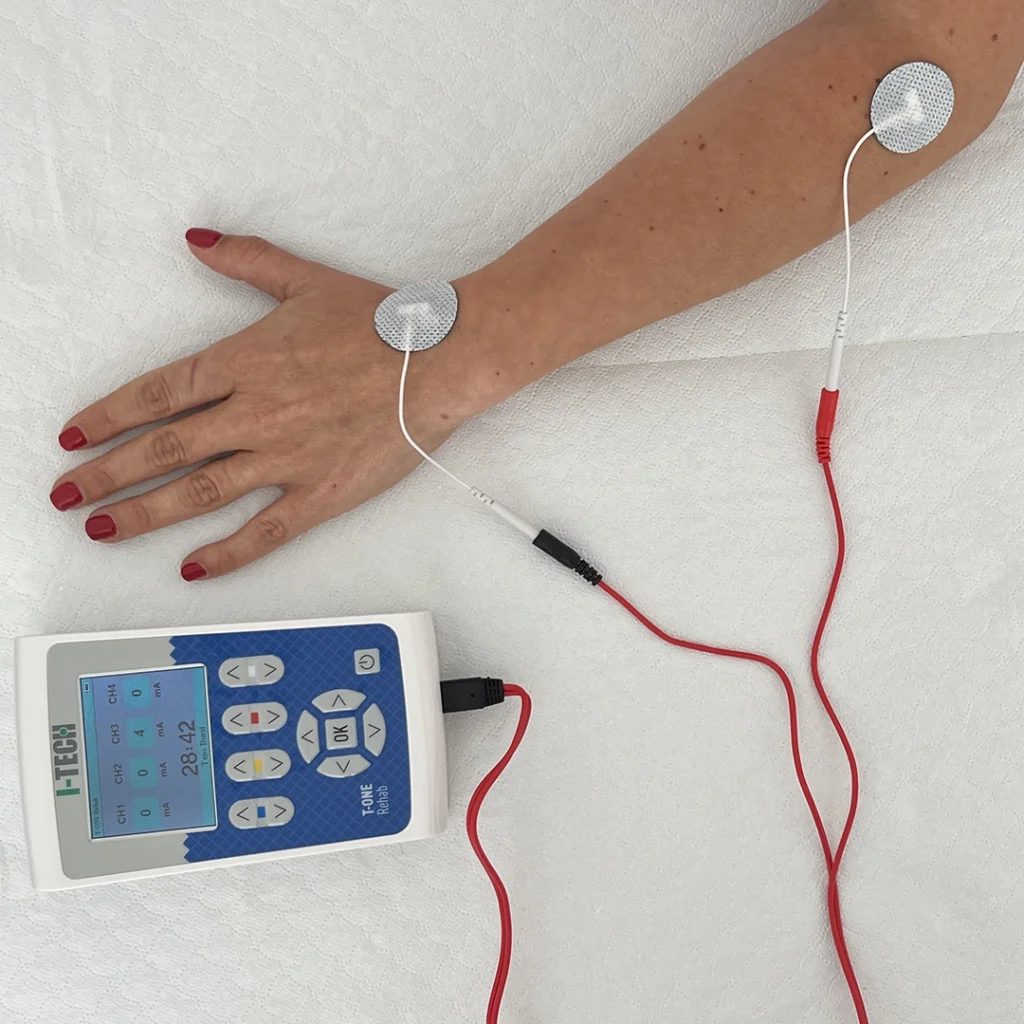
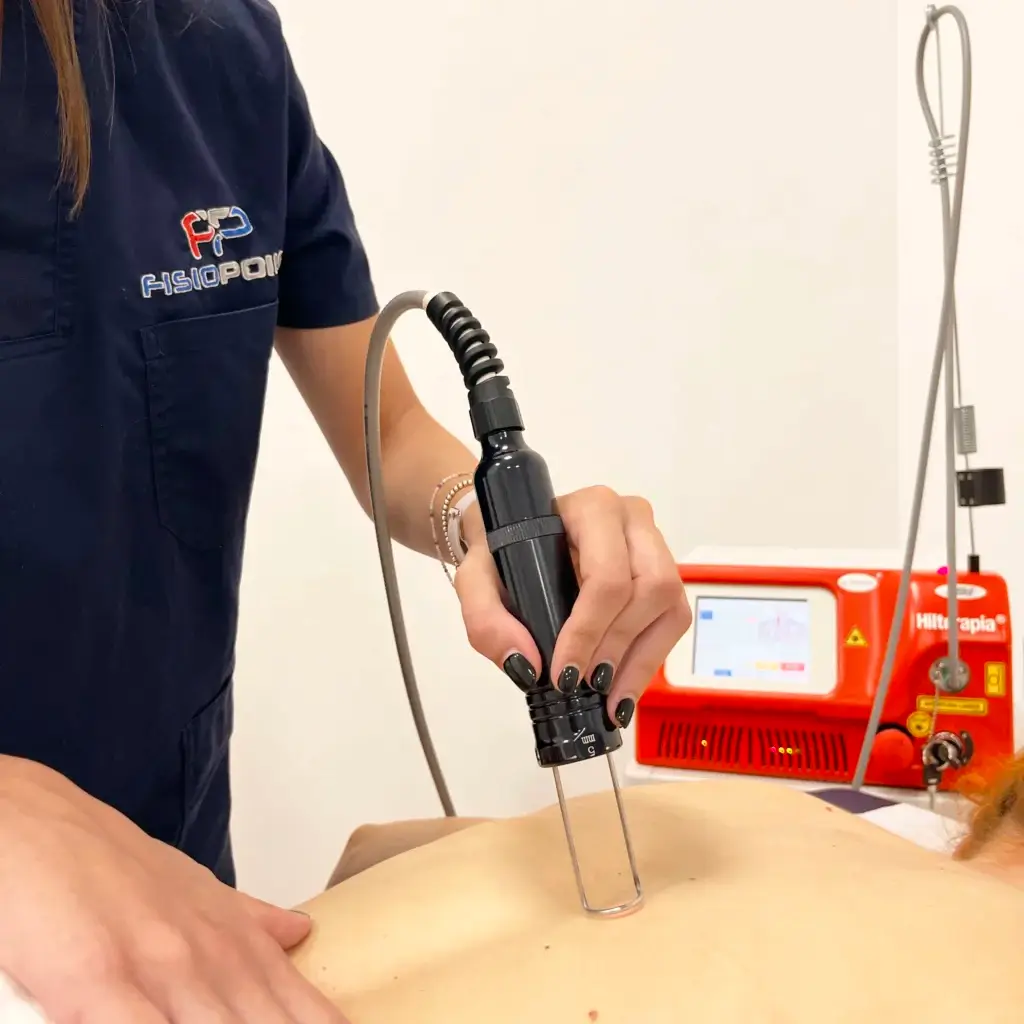
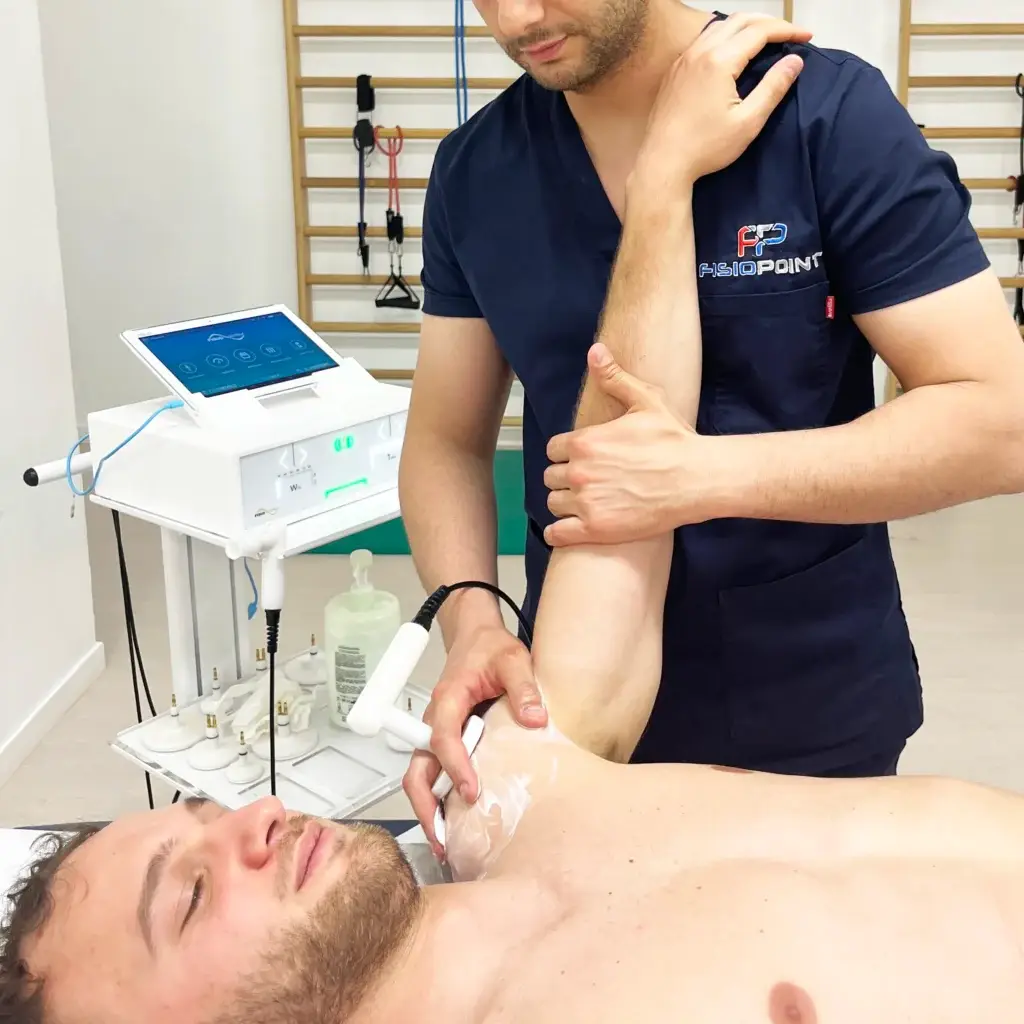
If the patient, at the beginning of the physiotherapy course, complains of very intense pain, at an early stage it is possible to combine the exercises with light instrumental therapy using analgesic and anti-inflammatory machines such as:
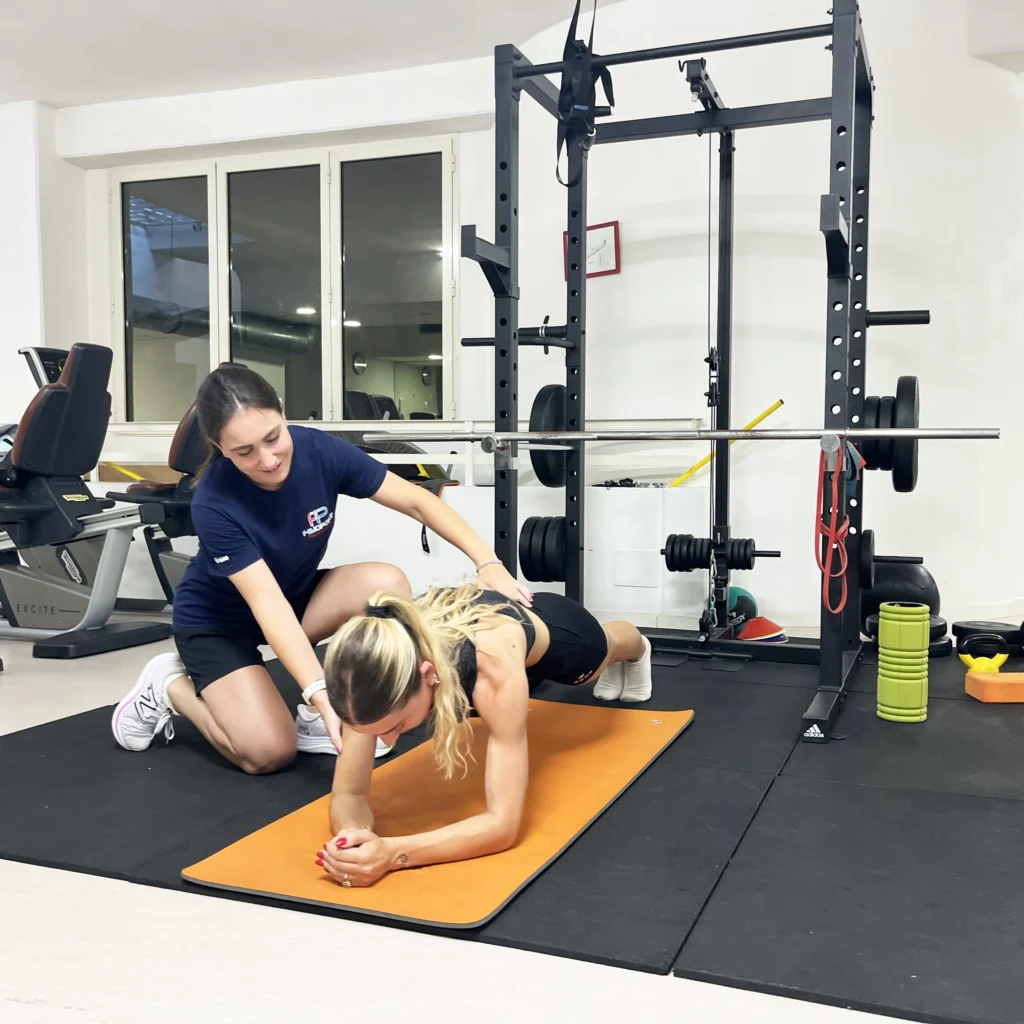
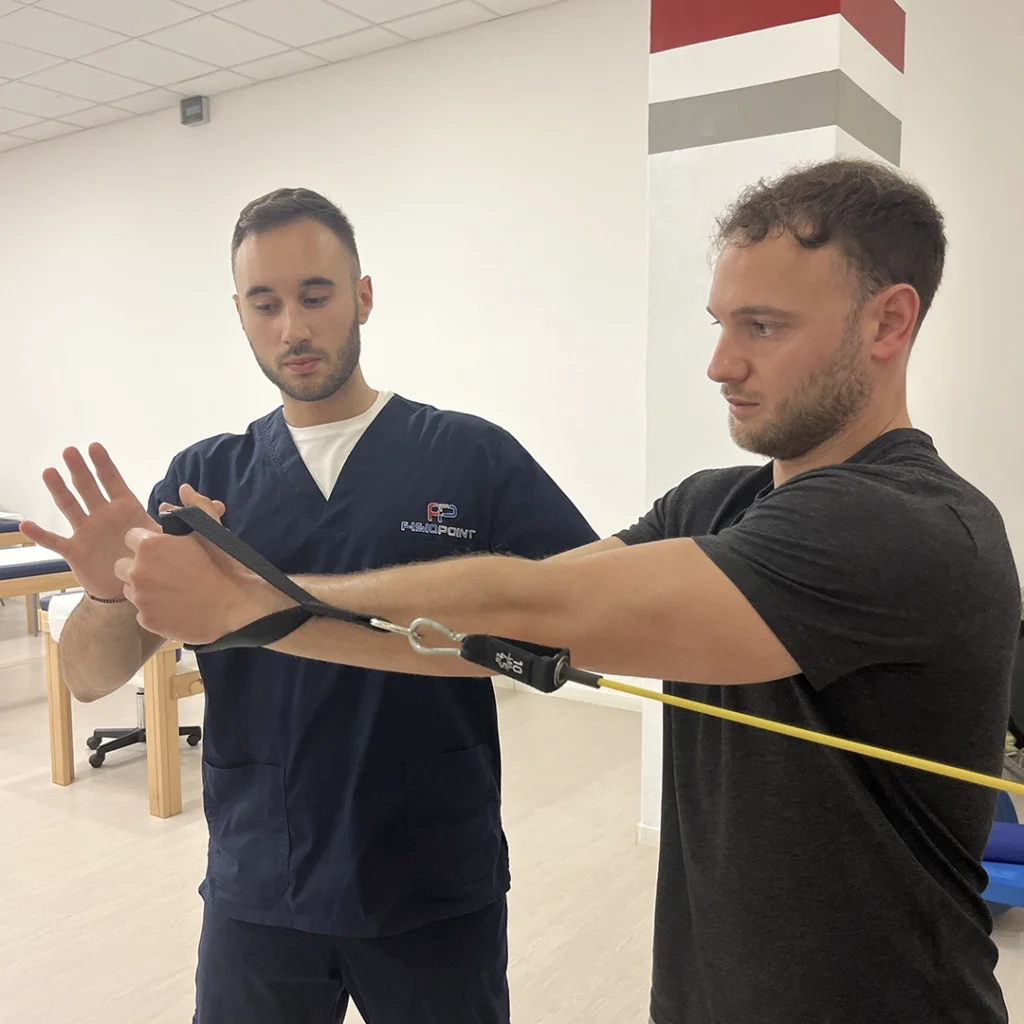
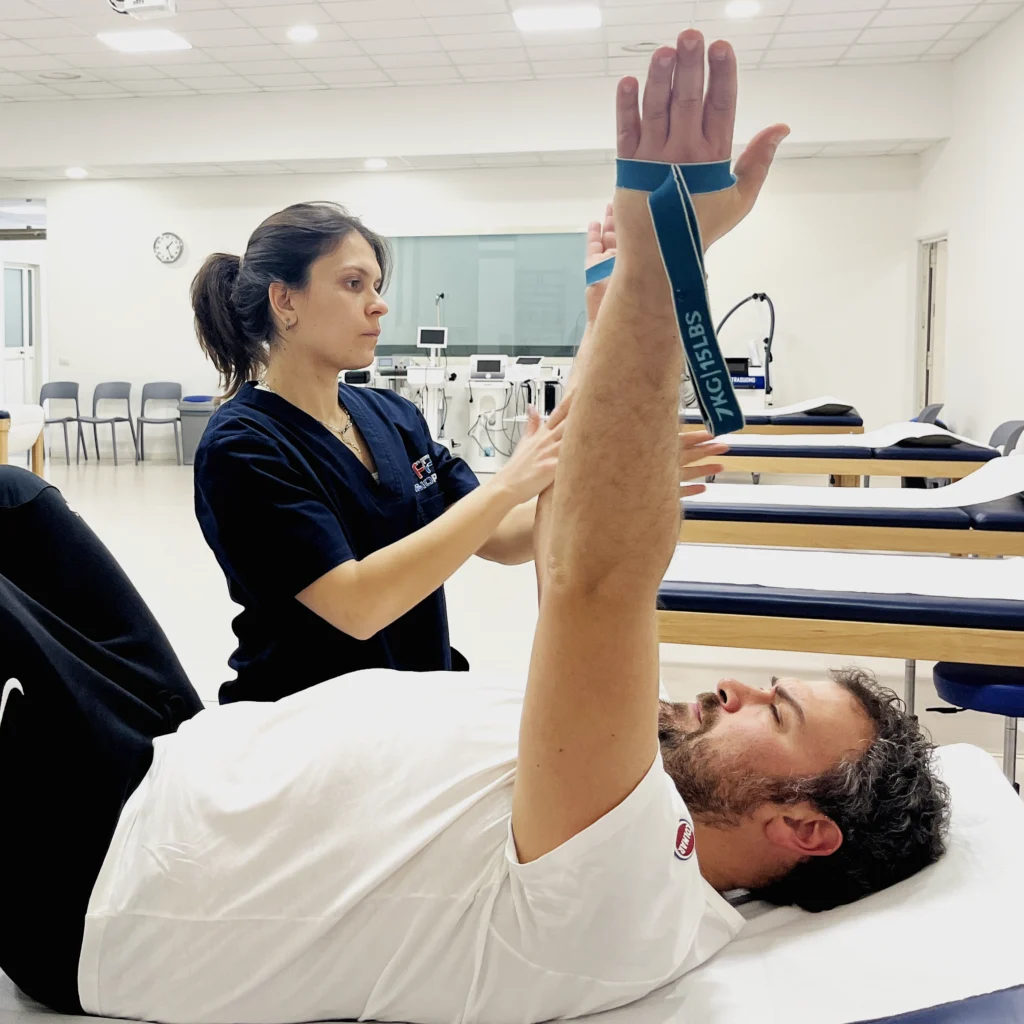
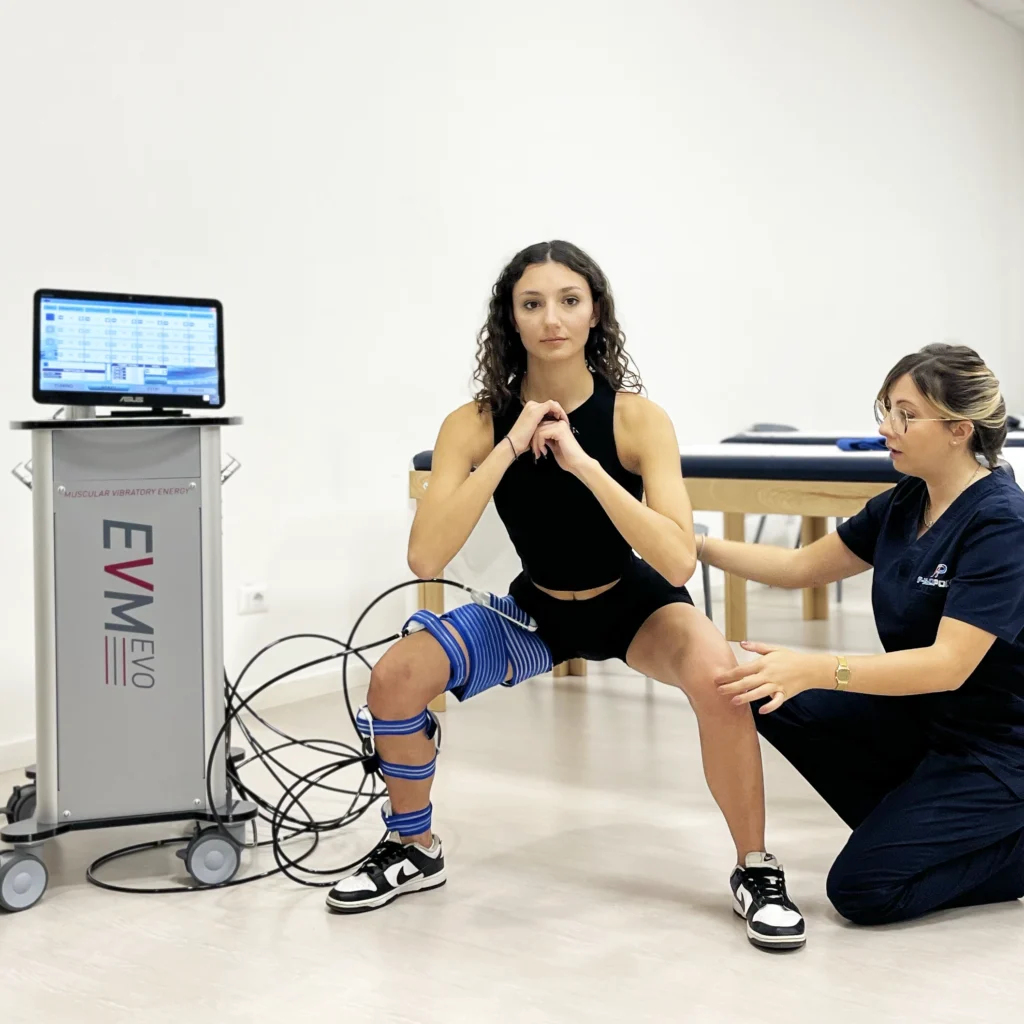
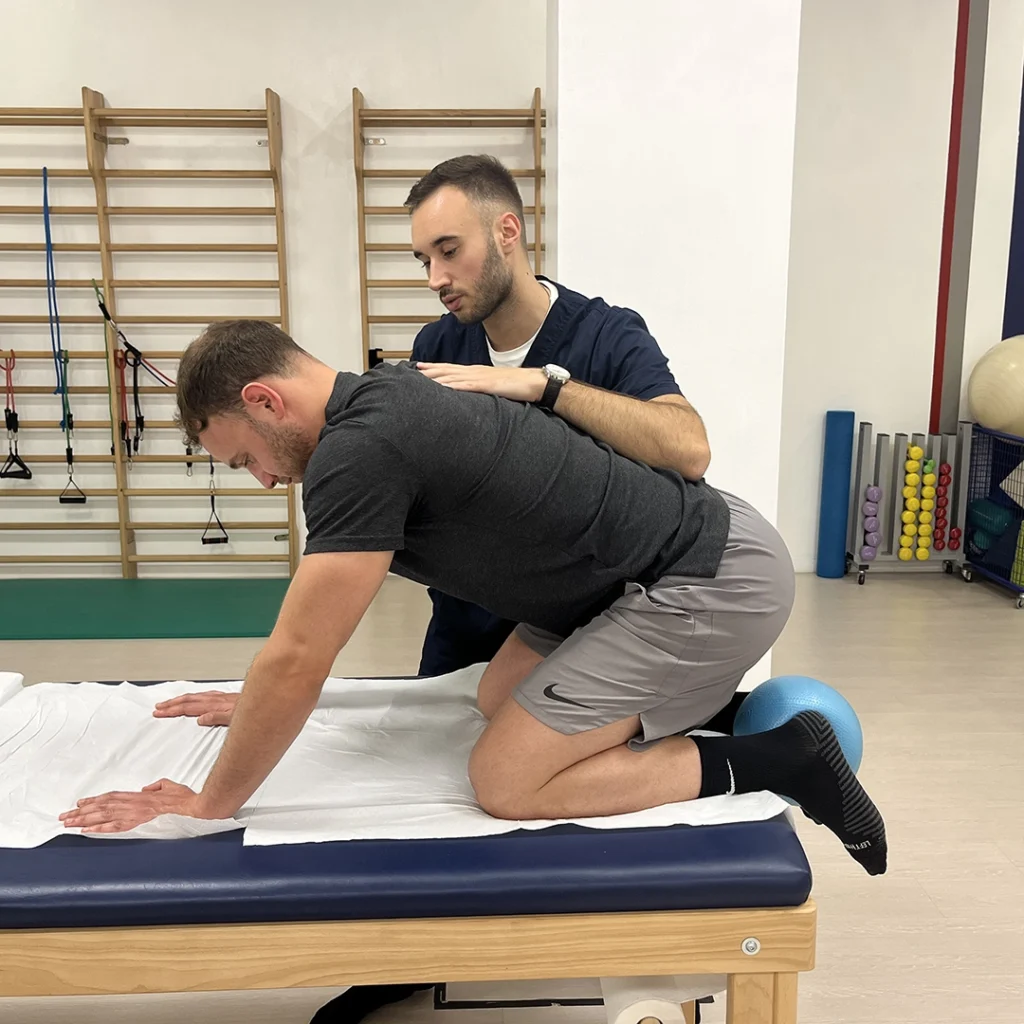
The fundamental part of the rehabilitation physiotherapy, however, is to activate and strengthen the joint, which counteracts inflammation and the progression of the disease.
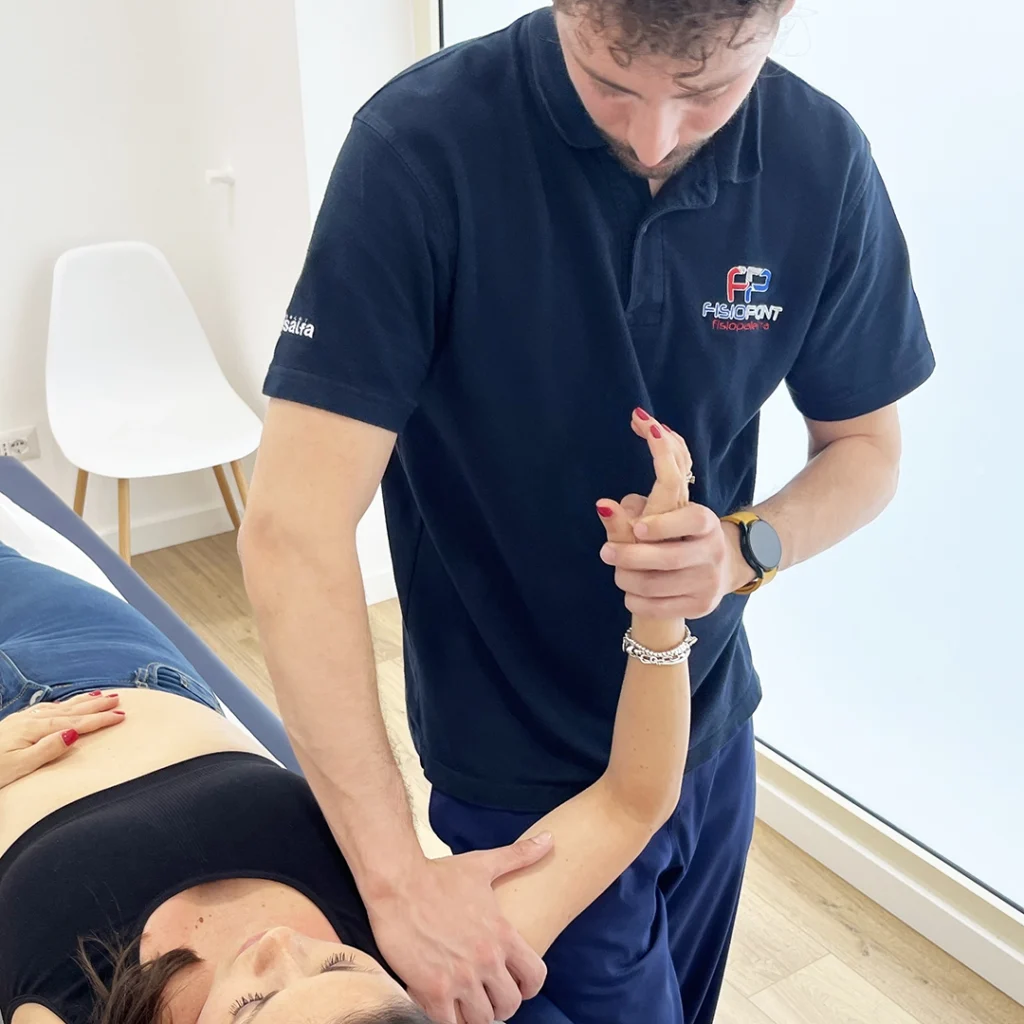
The main exercises are:
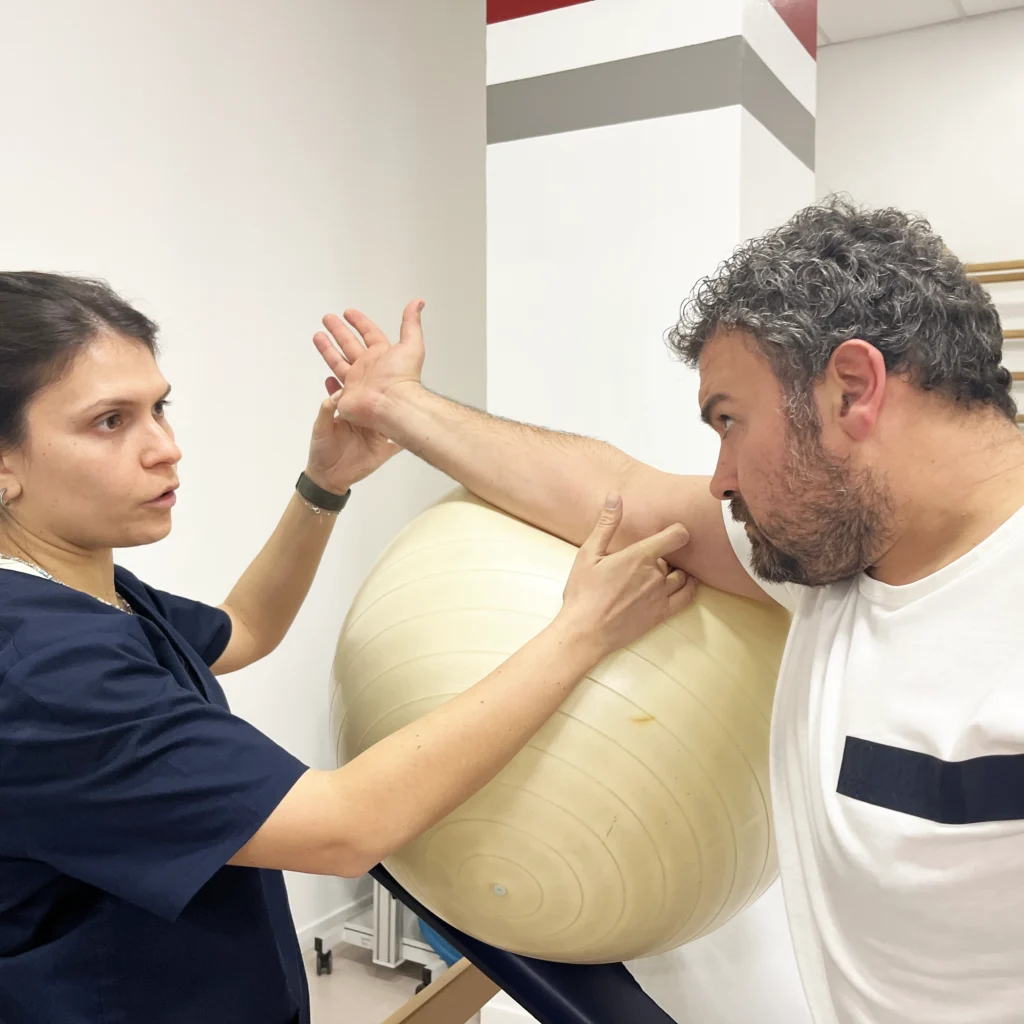
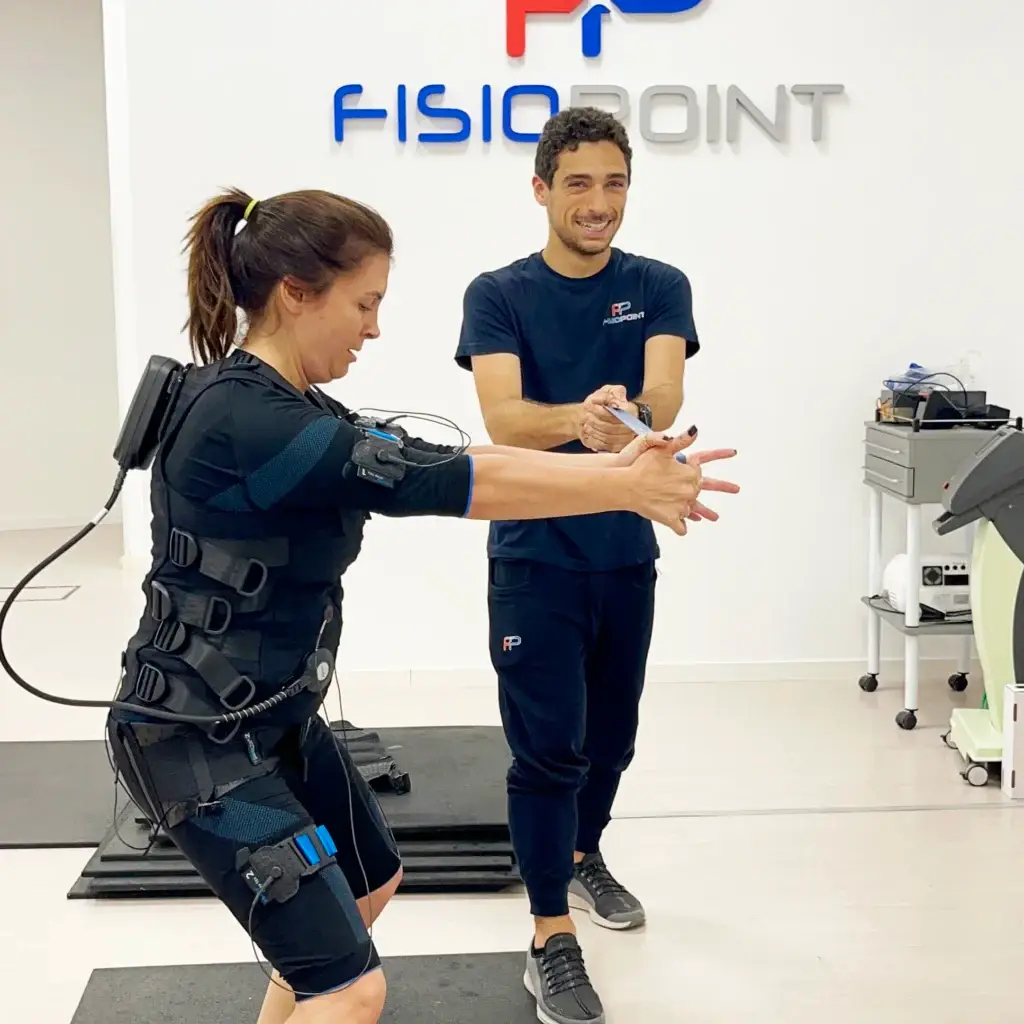
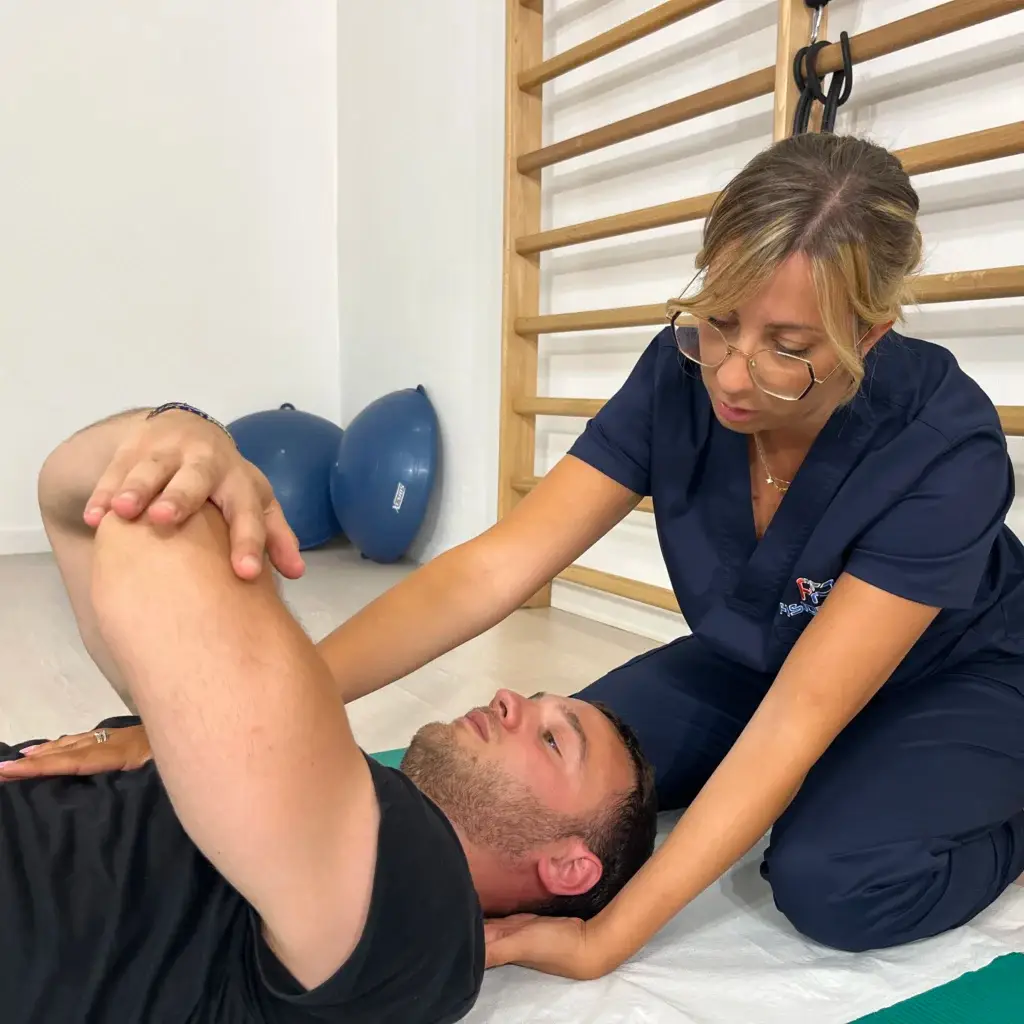
- Active, passive and self-assisted mobilisations with a cane
- Elongation and stretching of the capsule
- Reinforcement of the shoulder muscles, especially the rotators, both internal and external
- Exercises of scapular activation and control
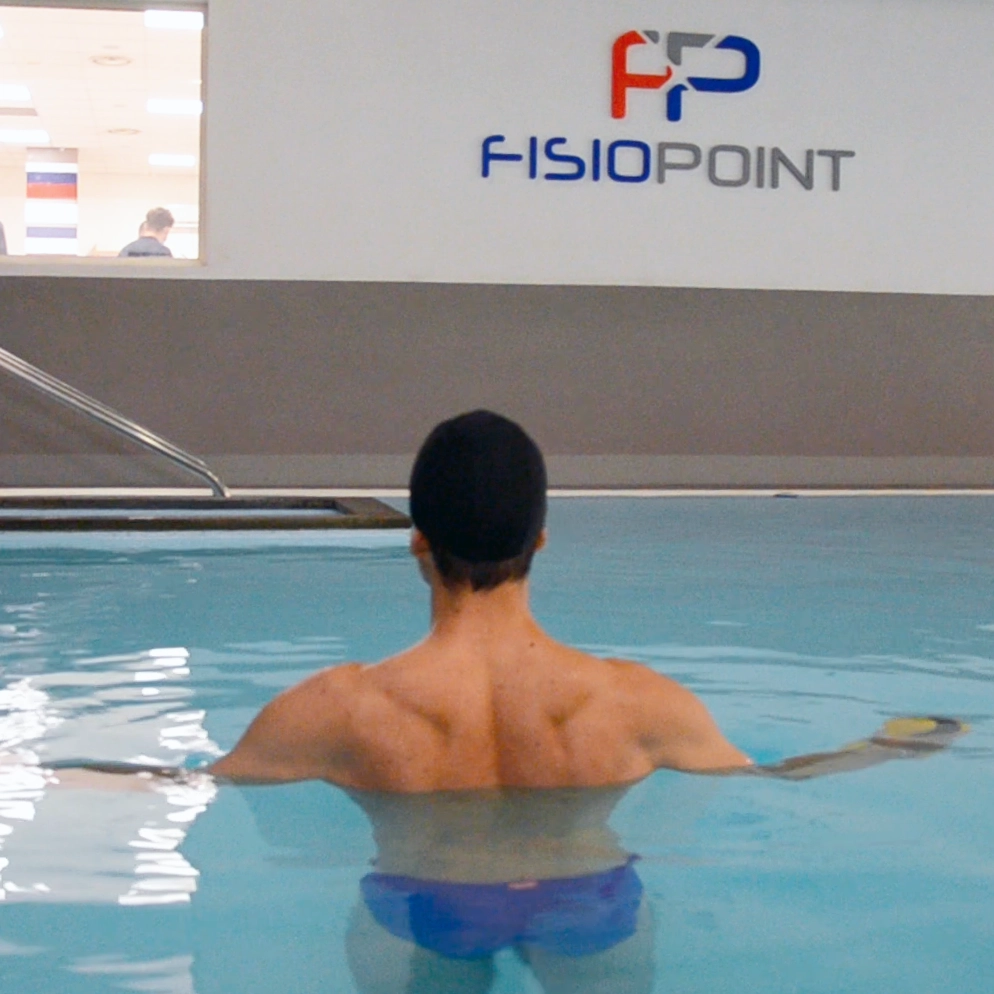
It has been seen that, in cases of capsulitis, the association of thehydrokinesis therapy leads to a marked improvement in the situation. This is because the aquatic environment greatly aids the ability to move the arms and shoulders and also has a positive effect on the pain sensation.
In general, physiotherapy for adhesive capsulitis or frozen shoulder is most effective if it is undertaken from the earliest symptoms of the pathology. This can improve the course of the pathology itself, reducing both the pain sensation and the extent of the joint blockage. With early physiotherapy intervention, the duration of the pathology itself can also be greatly reduced, allowing the patient to return to normal in less time than expected.
Text by Alessandra Burelli
Learn more by watching the videos on our channel YouTube






 English
 Italian