What are the causes of Achilles tendon rupture?
The causes of injury may be of a nature:
- mechanical, e.g. the application of a force that is greater than the tendon's ability to resist, e.g. following a fall, the patient puts his foot down incorrectly, thus causing the tendon to rupture
- non-mechanical, such as:
- injury of an already degenerated tendon
- poor hydration
- use of particular antibiotics
- Tendon stiffening after cortisone infiltrative treatment
- excessive training sessions after prolonged periods of rest
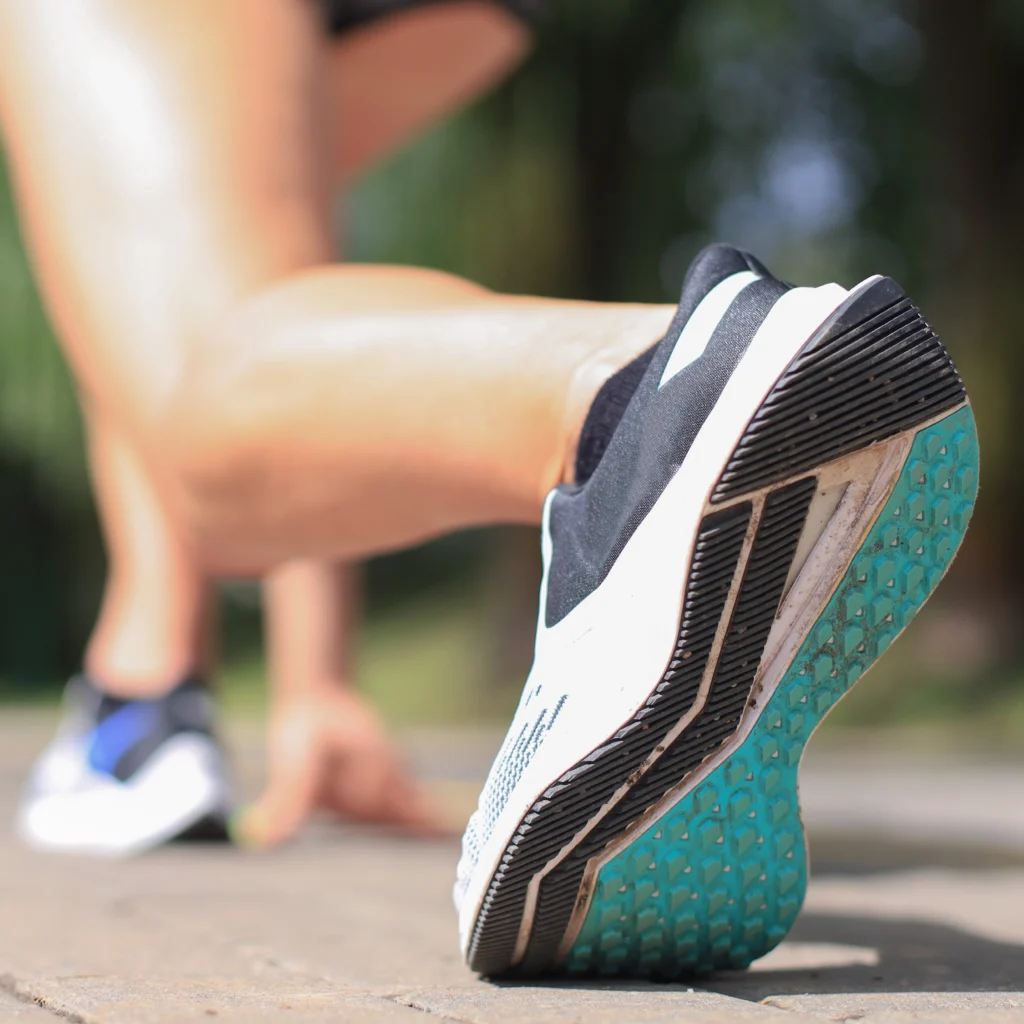
- inadequate footwear
In addition, there are two risk factors that predispose to tendon rupture, such as:
- old age, like other structures in the body, the tendon also ages
- metabolic problems: high cholesterol, weight gain, diabetes, can lead to a progressive weakening of the tendon, eventually leading to degeneration to the point of rupture
What are the symptoms of Achilles tendon rupture?
Following the rupture of the tendon, the typical sensation reported by the patient is that of having been hit by something very similar to a whip in the lower region of the leg, this sensation is usually accompanied by a perception of a loud 'pop'.
The post-lesion clinical picture is characterised by:
- pain
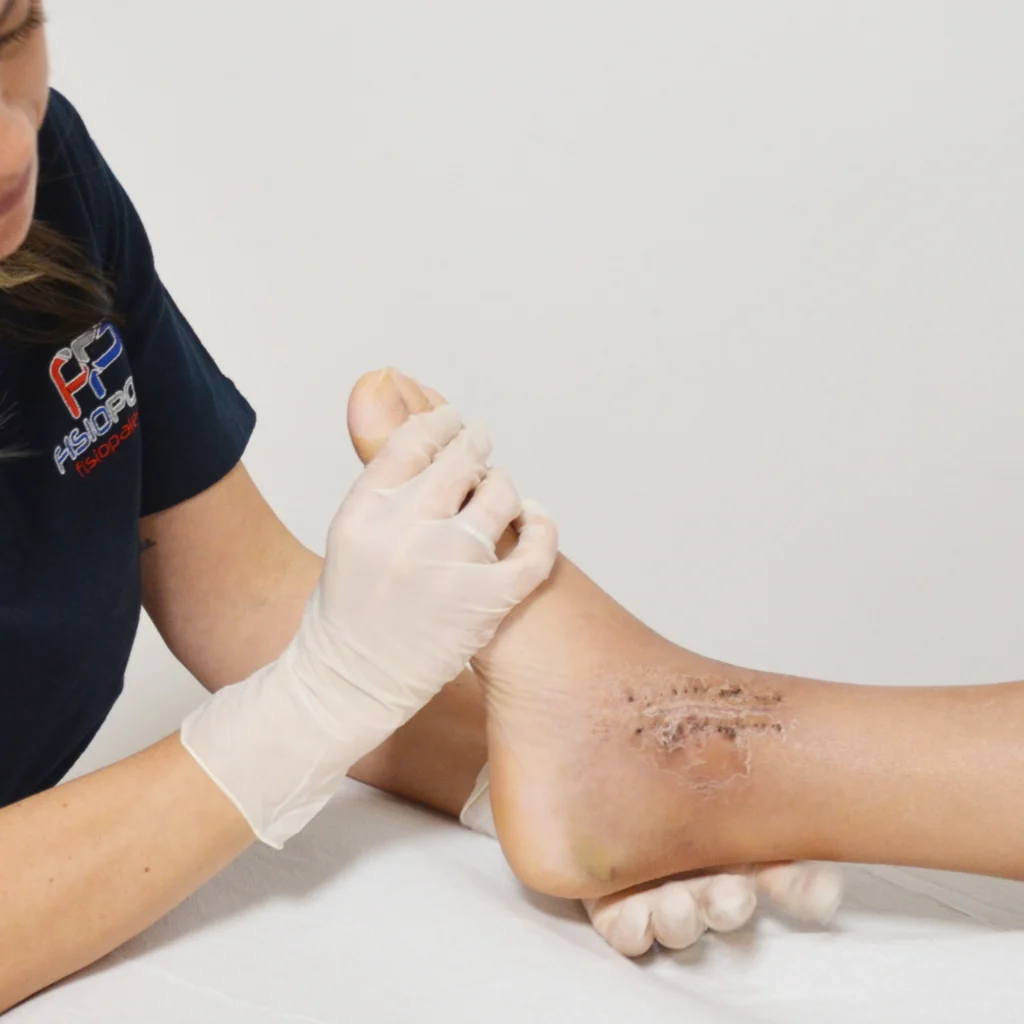
- swelling in the heel area
- hematoma
- functional inability, inability to bend the foot downwards
- inability on the part of the patient to perform a toe push
- a sinking feeling at the back of the ankle
How is a ruptured Achilles tendon diagnosed?
The diagnosis of a ruptured Achilles tendon is made, in the first instance, by a clinical evaluation carried out by the doctor, who, after a careful history and clinical assessment, will perform specific tests.
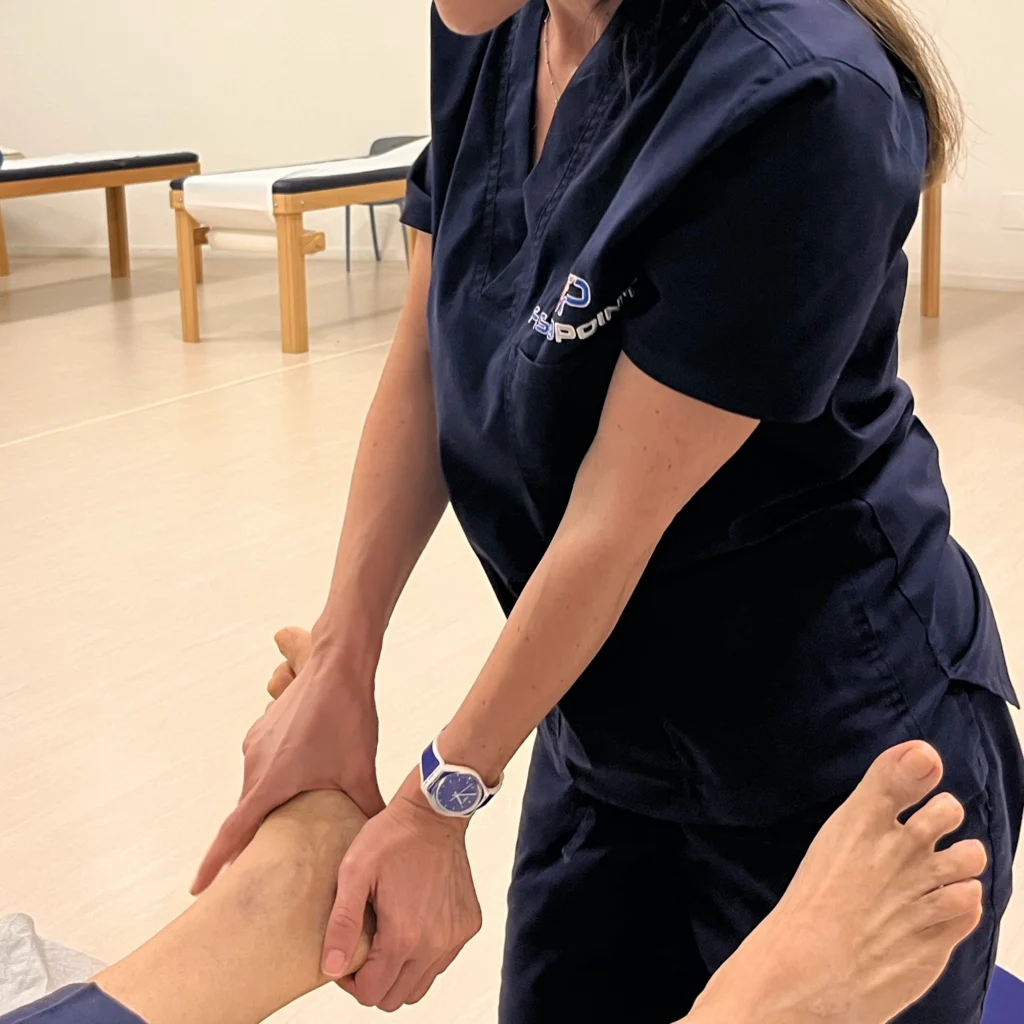
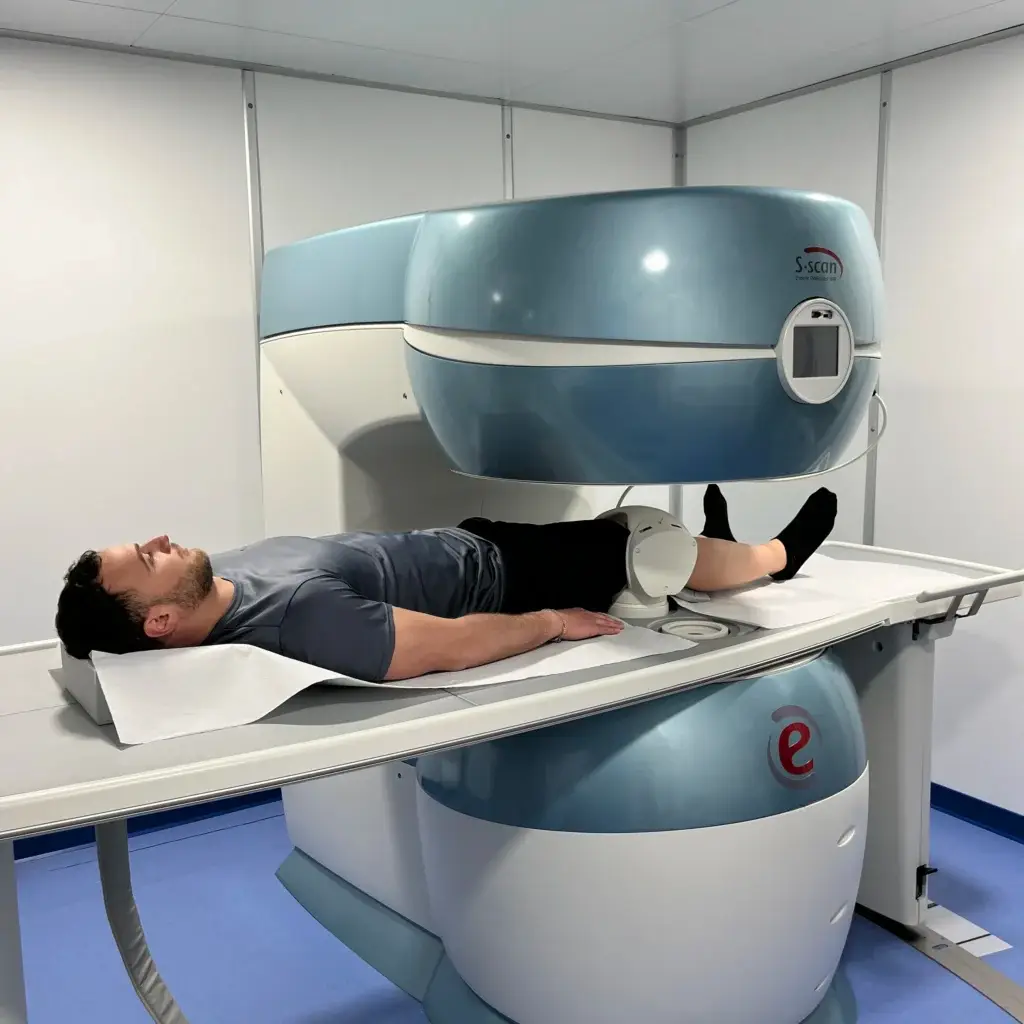
The specialist performs certain manoeuvres to ascertain the rupture, including the Thompson test. This consists of compressing the calf muscle on both sides while the patient lies in a prone position. Under normal conditions, the compression will induce plantar flexion of the foot. In the case of a rupture, the manoeuvre will cause intense pain, without any movement of the foot. In order to detect the extent of the injury, and establish whether the rupture is partial or total, the doctor may ask the patient to perform an instrumental examination, which will be an ultrasound scan and if necessary an MRI scan.
Achilles tendon rupture: surgery and recovery time
In the case of a ruptured Achilles tendon, the orthopaedist often recommends repair surgery, especially in the case of younger, more active people, through which the length and functionality of the tendon is restored.
There are several techniques, each chosen according to the specific clinical case:
- In more severe injuries, the surgery is performed open and there is a period of immobilisation with a walking brace of about 40 days, followed by gradual rehabilitation. As a general rule, the total recovery time, after which one can return to sport, is about 6 months after surgery.
- where possible, minimally invasive techniques are preferred, which have the advantage of shortening recovery time. They often avoid the period of immobilisation and allow rehabilitation treatment to begin as early as the week after surgery. If things proceed in the right direction, it is possible to return to normal activities as early as the third month, but for sports one must be more cautious and wait about four months
With surgical and conservative therapy of Achilles tendon ruptures, long-term follow-up treatment and rehabilitation is required for approximately three months. In addition, antithrombotic prophylaxis must be administered to prevent the development of a potentially dangerous thrombosis in the affected lower limb.
In any case, the goal of Achilles tendon reconstruction surgery is to restore full function to the ankle.
In order to proceed, the physiotherapist must consult with the orthopaedic surgeon who performed the surgery. The orthopaedist can give useful information on:
- extent of injury
- quality of tendon stumps
- type of suture
- seal of repair
The goals of therapy in the initial phase of rehabilitation are:
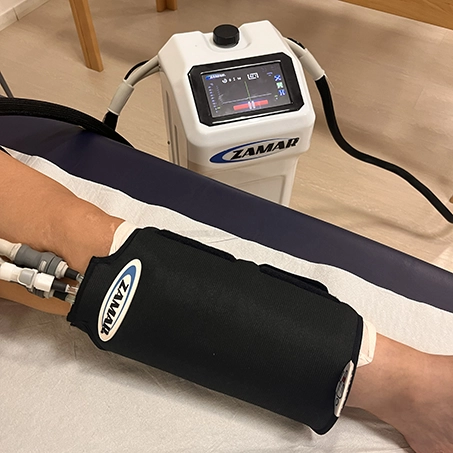
- the control of inflammation and oedema
- the prevention of adhesions
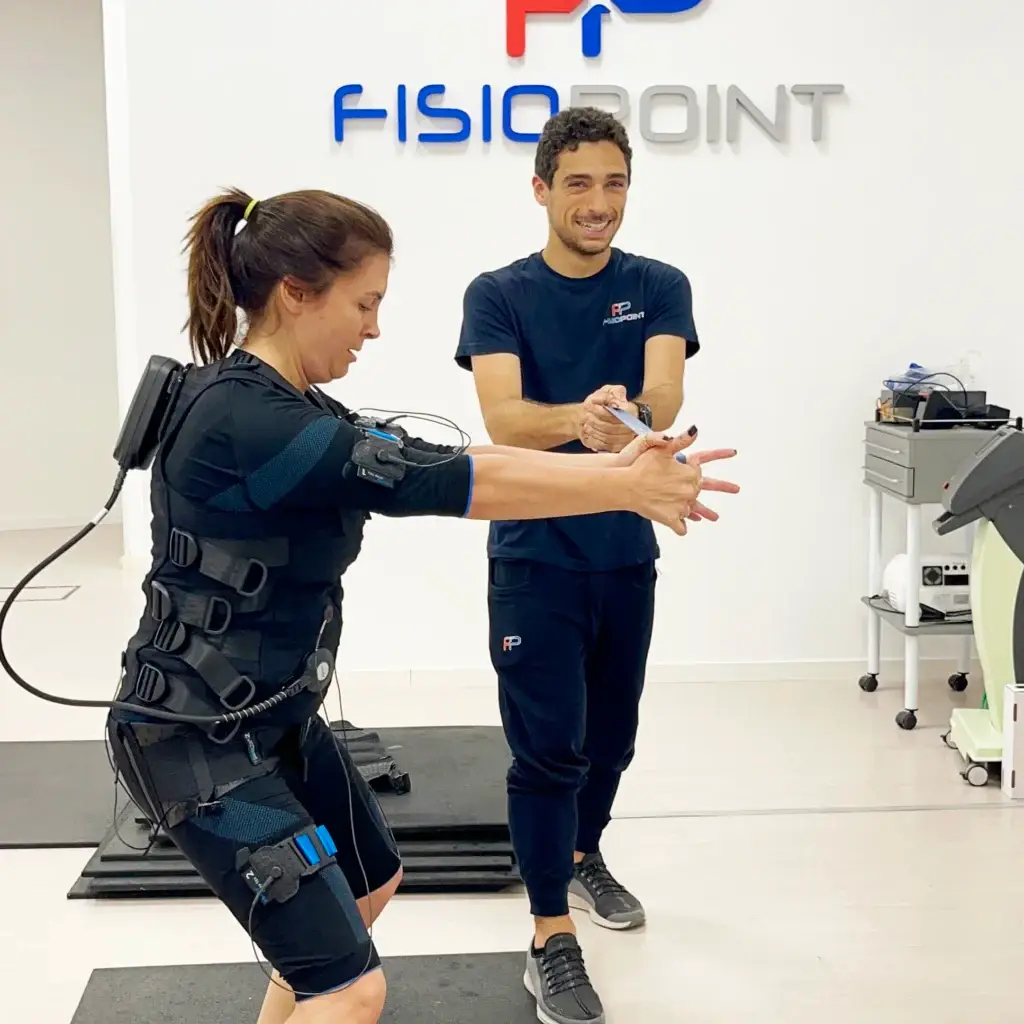
- the prevention of muscle atrophy
- recovery of joint excursion
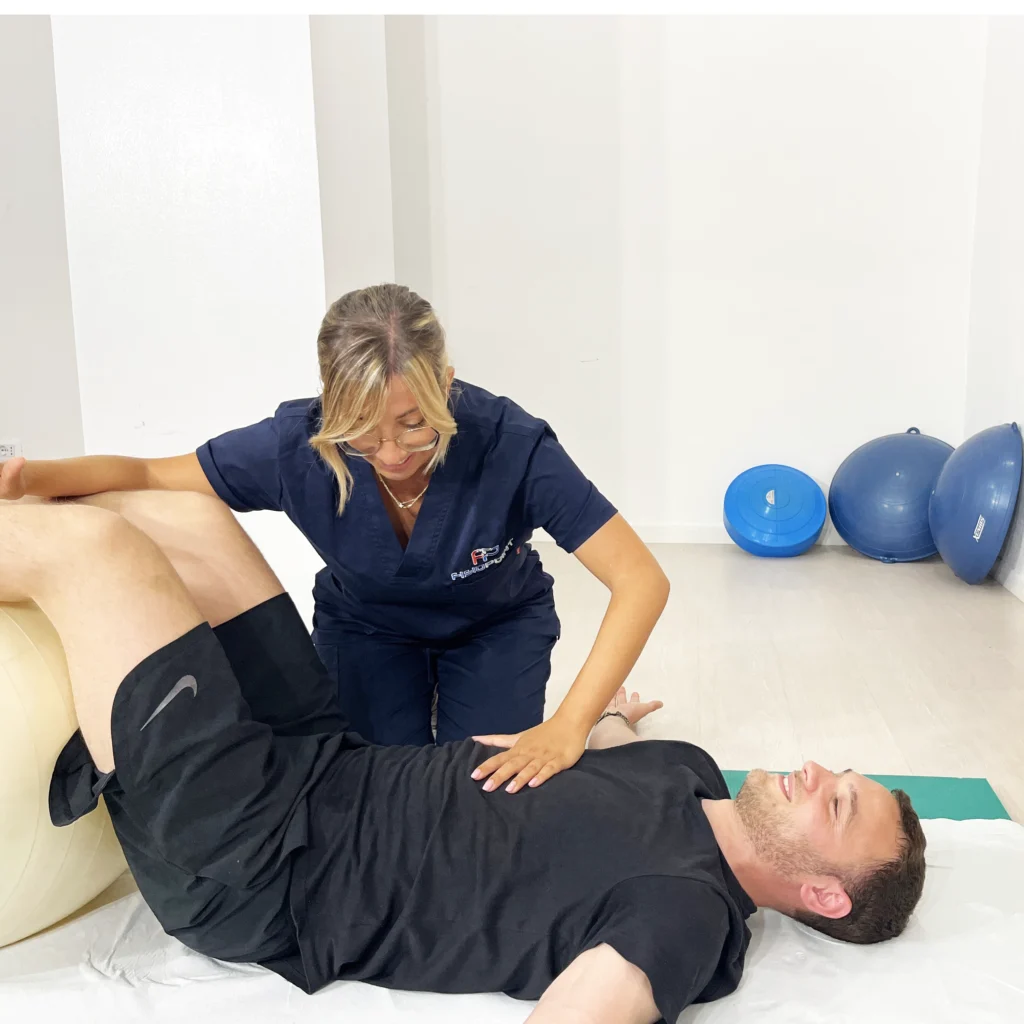
The patient is usually given exercises that they can do at home such as stretching in dorsi-flexion and muscle contraction exercises.
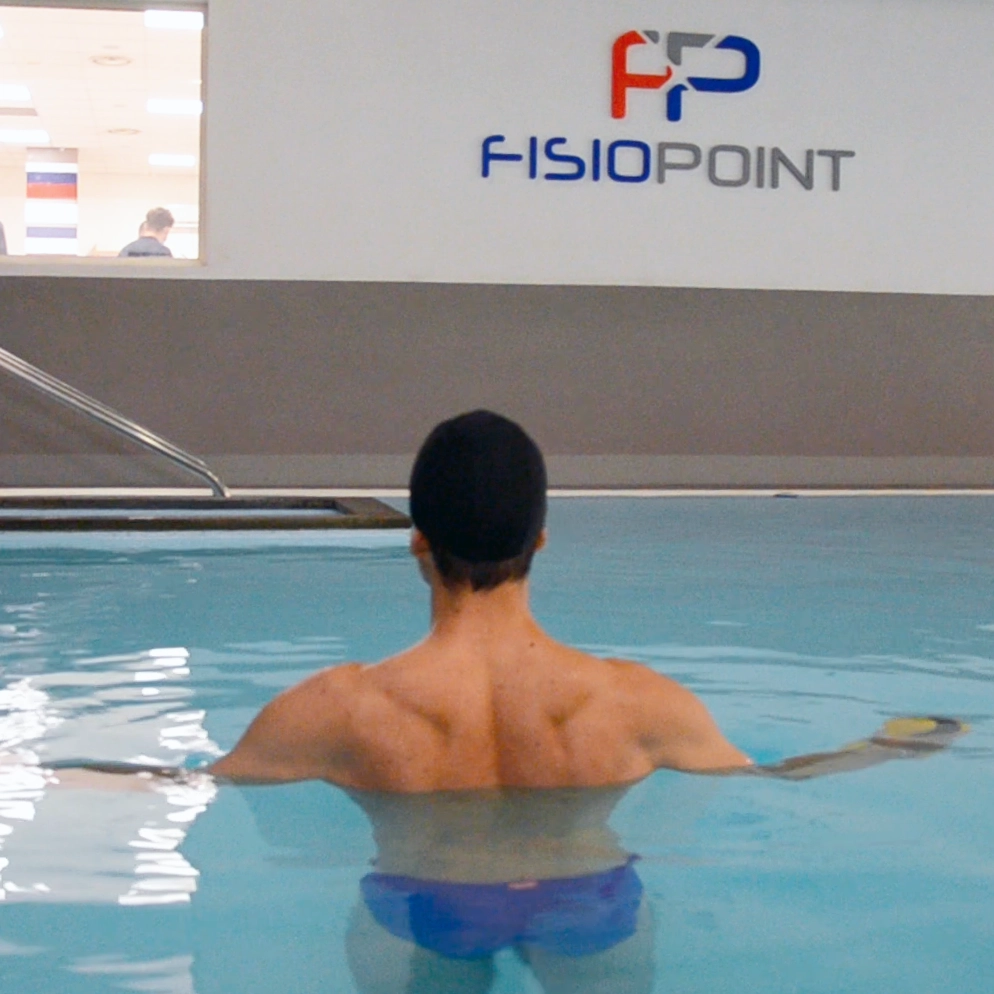
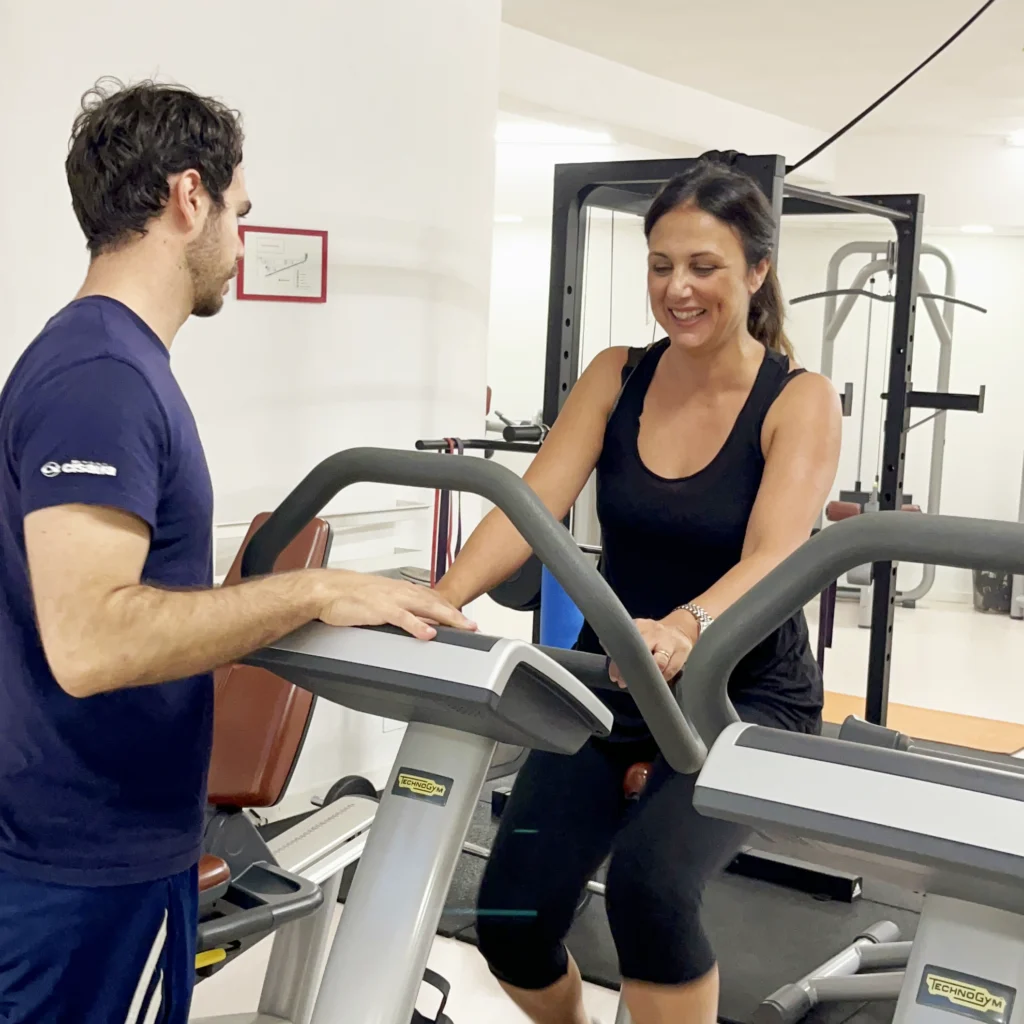
Hydrokinestherapy (water therapy) is carried out as soon as the wound allows it. The possibility of working in water is one of the most effective tools in counteracting pain and complete functional recovery.
The objectives of rehabilitation in the next phase are:
- total recovery of articularity and muscle strength
- restoration of tissue elasticity
- optimising tendon recovery
From the second to third month onwards, exercises with lifting on the tip of the toes can be included and the strengthening of muscles through strengthening exercises involving the entire lower limb is continued.
Treatment and rehabilitation of Achilles tendon rupture
n the case of Achilles tendon rupture, treatment varies depending on:
- the severity of the injury
- to the age of the person
- the degree of physical activity carried out on a daily basis
A ruptured Achilles tendon is an accident. If possible, rescuers must provide emergency treatment according to the PECH rule. This abbreviation stands for:
- Pause: stop activities immediately
- Ice: cool the heel area with ice
- Compression: apply a pressure bandage around the ankle
- Elevation: raising the leg afterwards
In the case of a partial rupture of the tendon, a plaster cast or brace including supports to keep the heel elevated and promote healing of the torn tendon can be opted for, which will be worn for more than a few weeks. This period of immobilisation leads to muscle atrophy (decrease in volume and function of muscle masses) and joint stiffness.
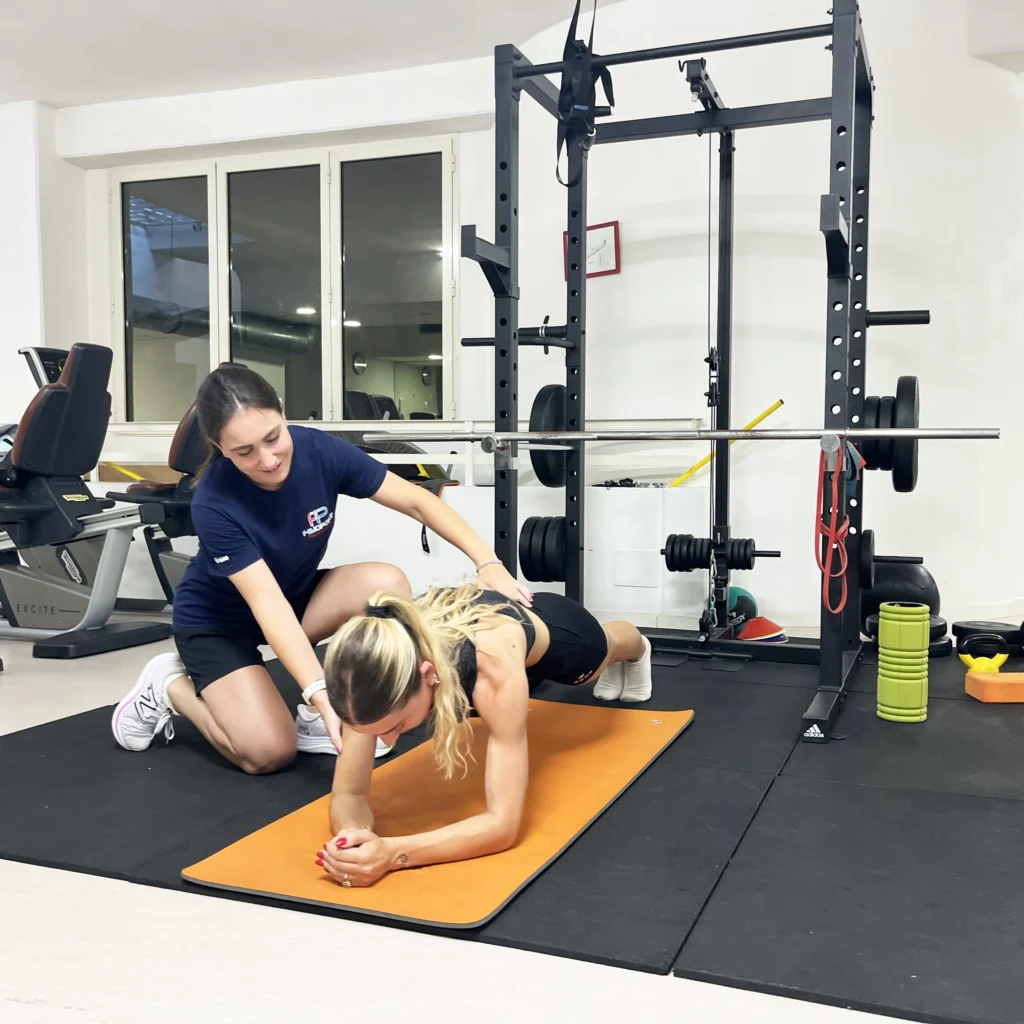
After any treatment, it is necessary to undergo a course of physiotherapy and rehabilitation to recover:
- mobility
- elasticity
- the muscles of the legs and the Achilles tendon itself
Proprioceptive rehabilitation
Proprioceptive rehabilitation is a key phase in the return to normal foot activity. Proprioceptive receptors are nerve receptors present in a very large number in joint structures, particularly on ligaments and tendons. Their task is to send information on the state of stretching of these tissues to allow the nervous system to react appropriately and extremely quickly with contractions of the muscles, which are suitable for stabilising the joint and thus preserving the joint relationships themselves, even in dynamic situations that are particularly stressful for the ankle. These receptors also provide information necessary for maintaining balance in space.
It is very important for the therapist to recover the proprioceptive capacities and stimulate them in order to restore full efficiency and functionality to the joint, which was the object of the injury.
Neuromuscular re-education of the ankle and foot usually goes through different phases, in which the stimuli given to the patient will increase in quantity and quality; it will also be important to change the stimuli themselves as much as possible by varying the movement parameters.
Proprioceptive re-education involves the use of unstable planes, such as:
- proprioceptive tablets
- unstable inflatable discs
When one has achieved complete proprioceptive recovery, muscle tone and good elasticity, one proceeds to return to sporting activity, which generally occurs after 4-6 months.
What are the preventions to avoid breakage?
As far as prevention from a possible tendon rupture is concerned, we can consider these precautions:
- Exercise regularly: focus on light strength and endurance training, gradually increasing the load
- if you are not very well trained, avoid extremely fast and abrupt efforts (e.g. squash, tennis, football), as they are particularly likely to lead to a rupture of the achilles tendon
- warm up muscles, tendons and joints before exercise
Text by Elisa Piccioni
Learn more by watching the videos on our channel YouTube





 English
 Italian