In which cases is it necessary to implant a reverse prosthesis?
The reverse prosthesis is an implant that is chosen when other types of surgery closer to the anatomy of the shoulder are not suitable for solving the patient's problem or have failed. The cases in which an inversion is implanted can be summarised in three:
-
- the rotator cuff is massively injured, in which case the motor of the shoulder is lost and, despite having a good fulcrum, the patient would not be able to move the arm
-
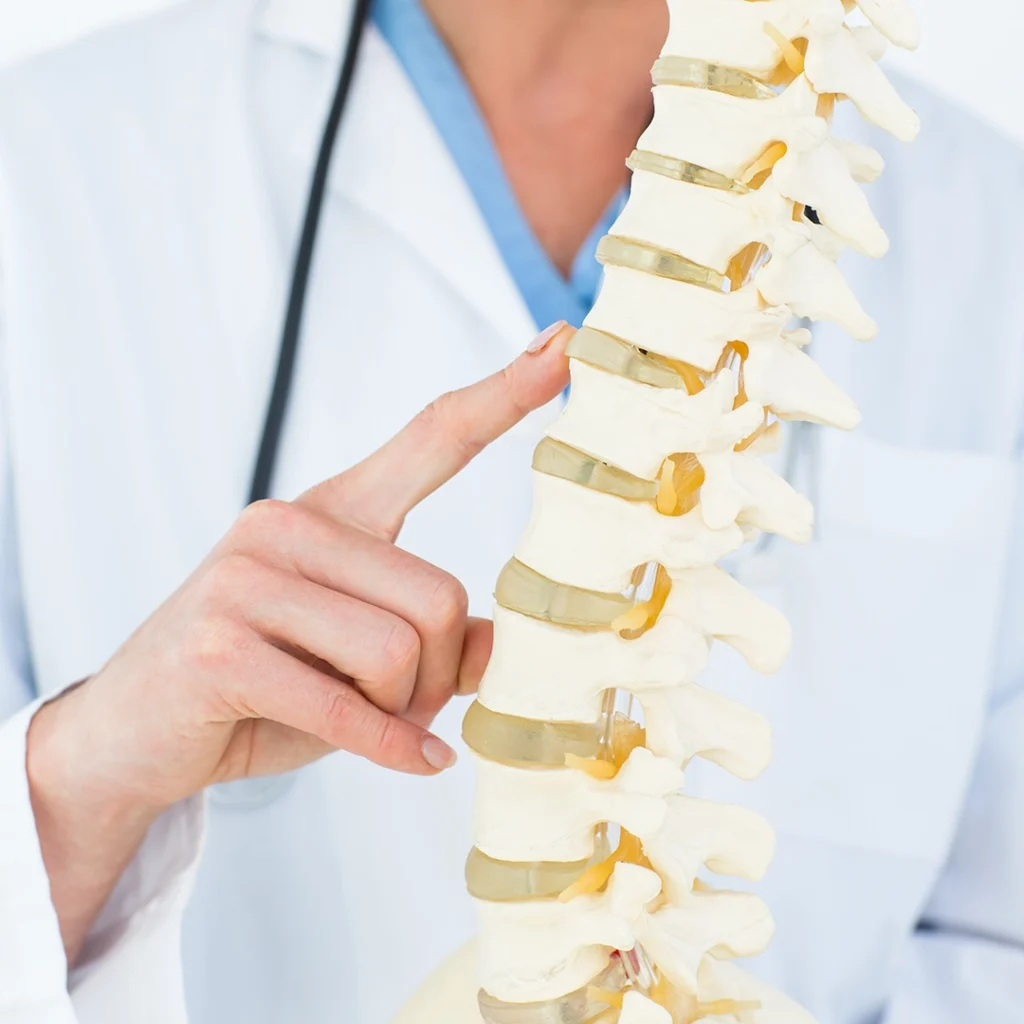
- the fulcrum (skeletal component of the shoulder) is so compromised that the motor cannot move the shoulder, e.g. due to significant arthrosis
-
- both the fulcrum and the shoulder motor are compromised.
Pre-surgical diagnosis
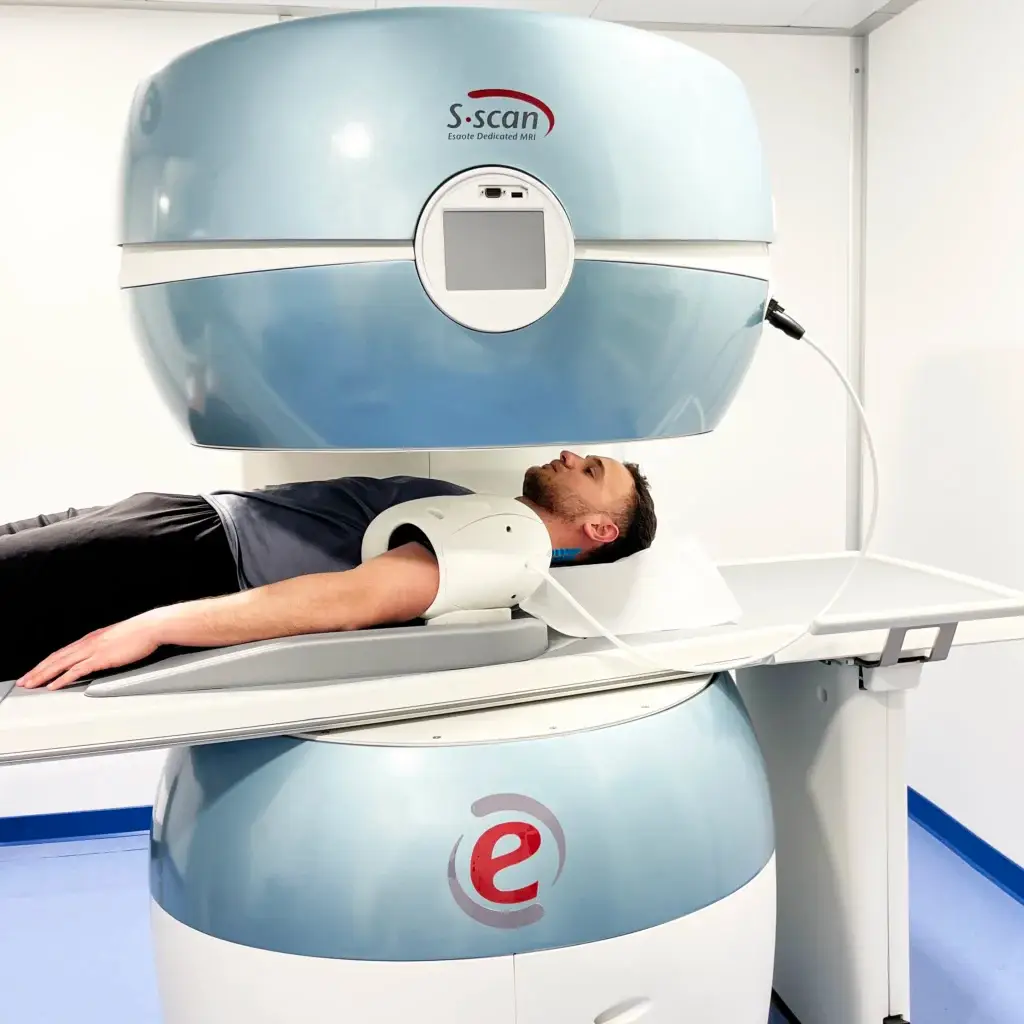
In order to ascertain whether the patient should be implanted with a reverse prosthesis, the medical team must conduct a series of clinical checks and a number of diagnostic investigations.
-
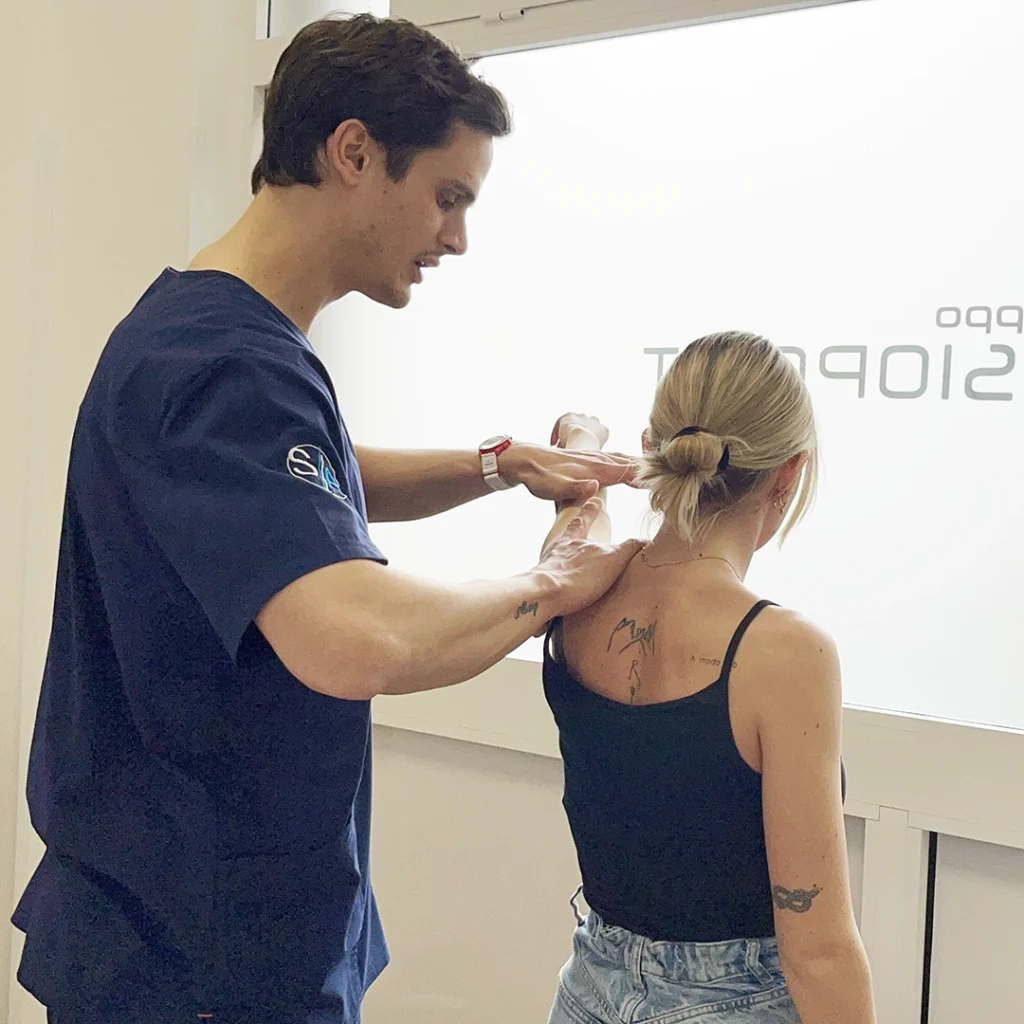
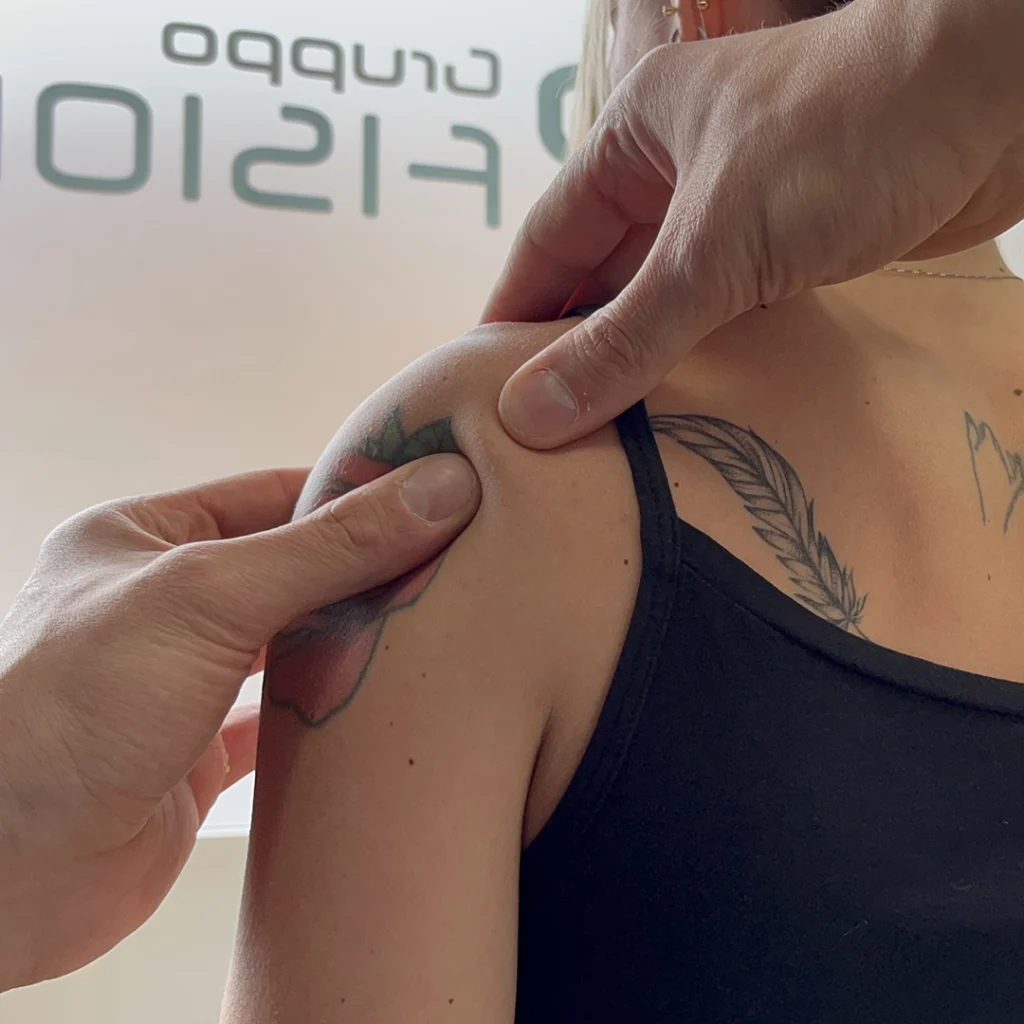
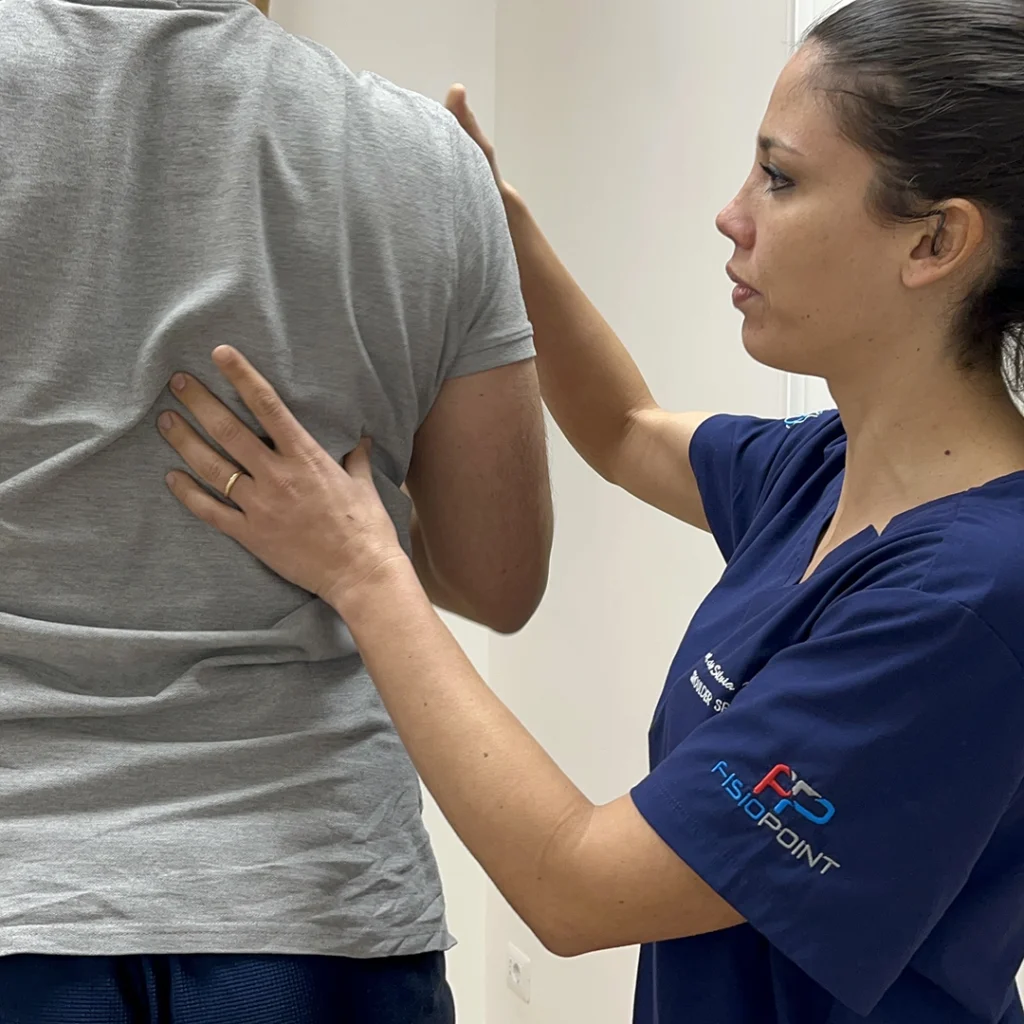
- The clinical examination assesses the degree of pain and functional impotence
-
- The X-ray examination is the standard examination from which to begin to frame the patient and to verify the correct positioning of the humerus head in the glenoid. In addition, through the X-ray we can assess the presence of arthrosis or fractures.
-
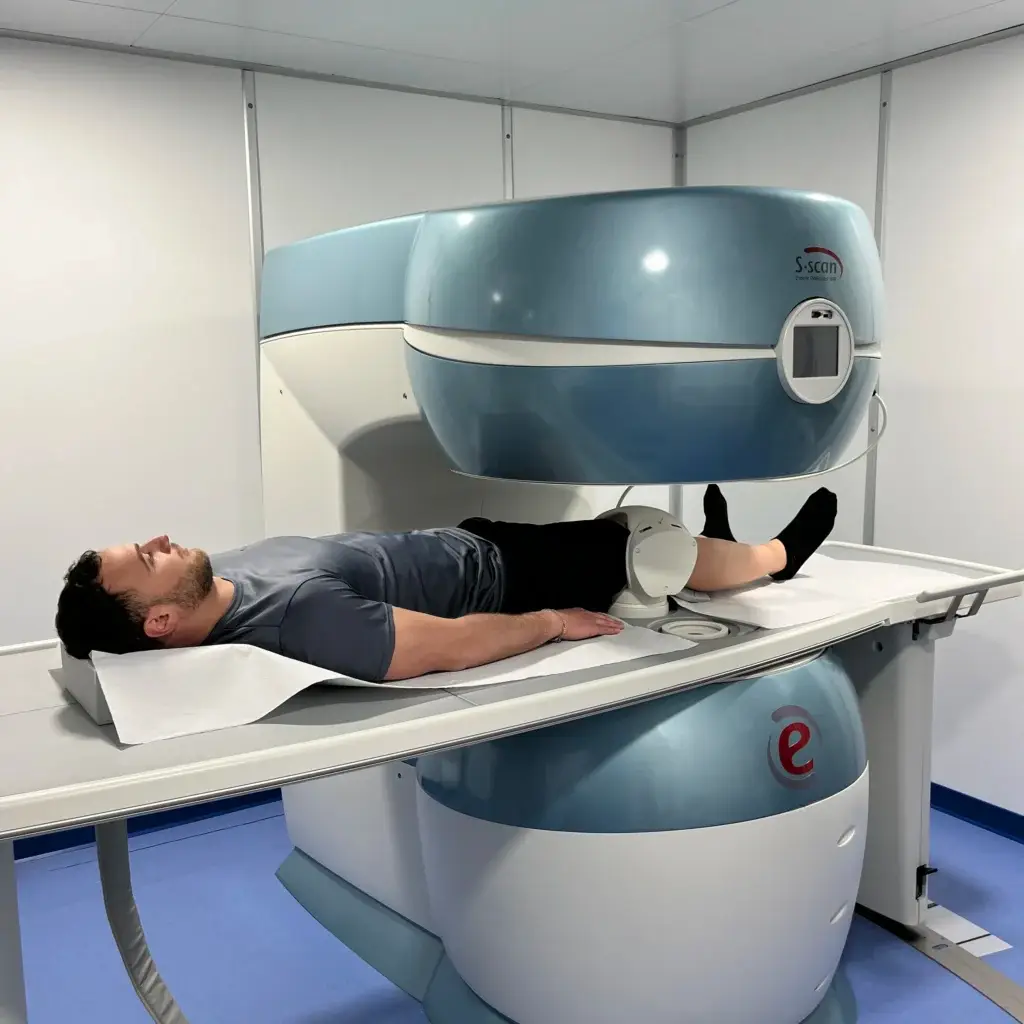
- CT for all surgical indications
Reverse prosthesis and surgical procedure
The surgeon begins the operation with an anterior incision over the deltoid-pectoral groove. Passing between the deltoid and pectoralis muscle, the joint is reached and the humeral head is removed and the glenoid is cruised. The glenosphere is implanted to replace the glena and the concave surface in place of the humeral head and the wound is closed.
Rehabilitation of reverse prosthesis
The rehabilitation of a patient with a reverse prosthesis involves several stages.
-
-
- The first phase comprises the first three to four weeks after surgery, during which time the patient must wear a brace. Already after the first 48/72 hours after surgery, the patient can begin to remove the brace in order to perform personal hygiene activities and cautiously mobilise the elbow and hand. These weeks represent a very delicate moment for the stability of the implant; it is necessary to follow the indications to the letter in order to allow tissue repair according to histological timing and to avoid dislocation of the prosthesis.
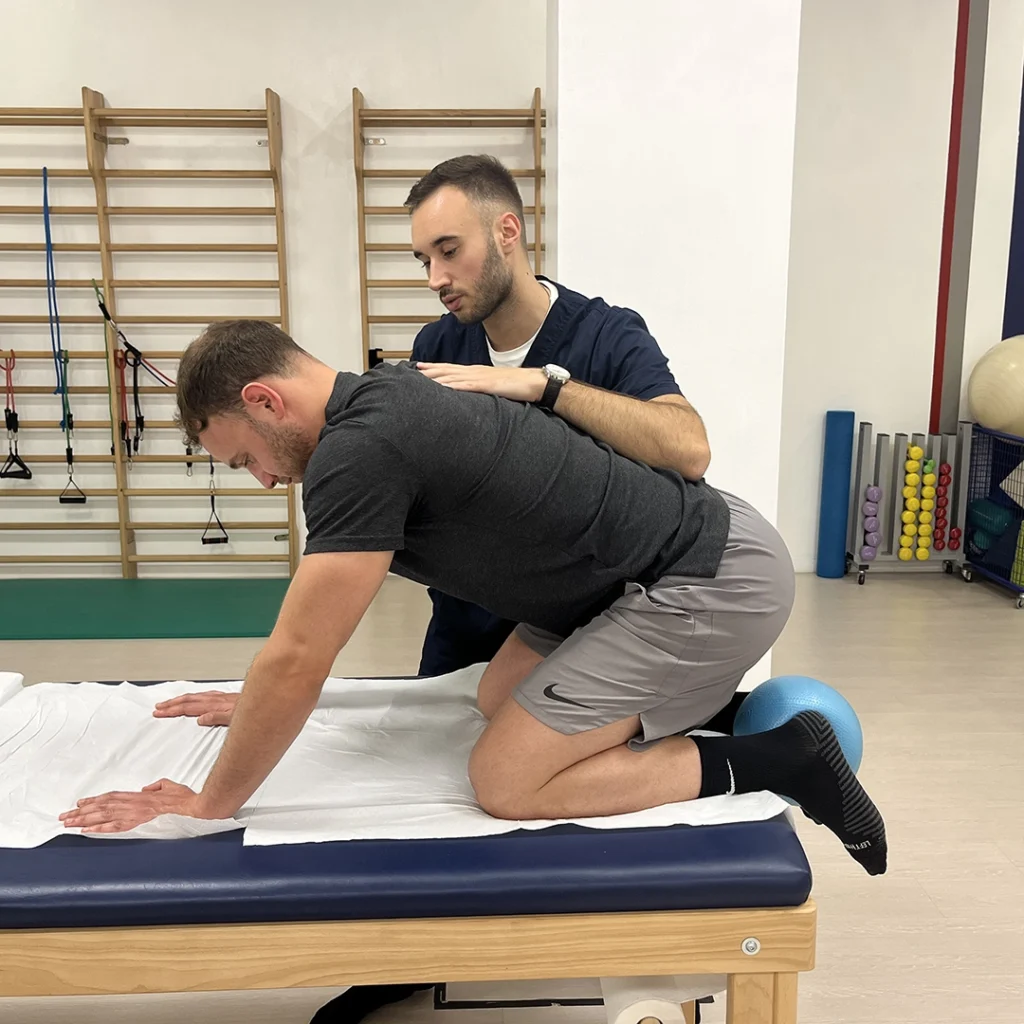
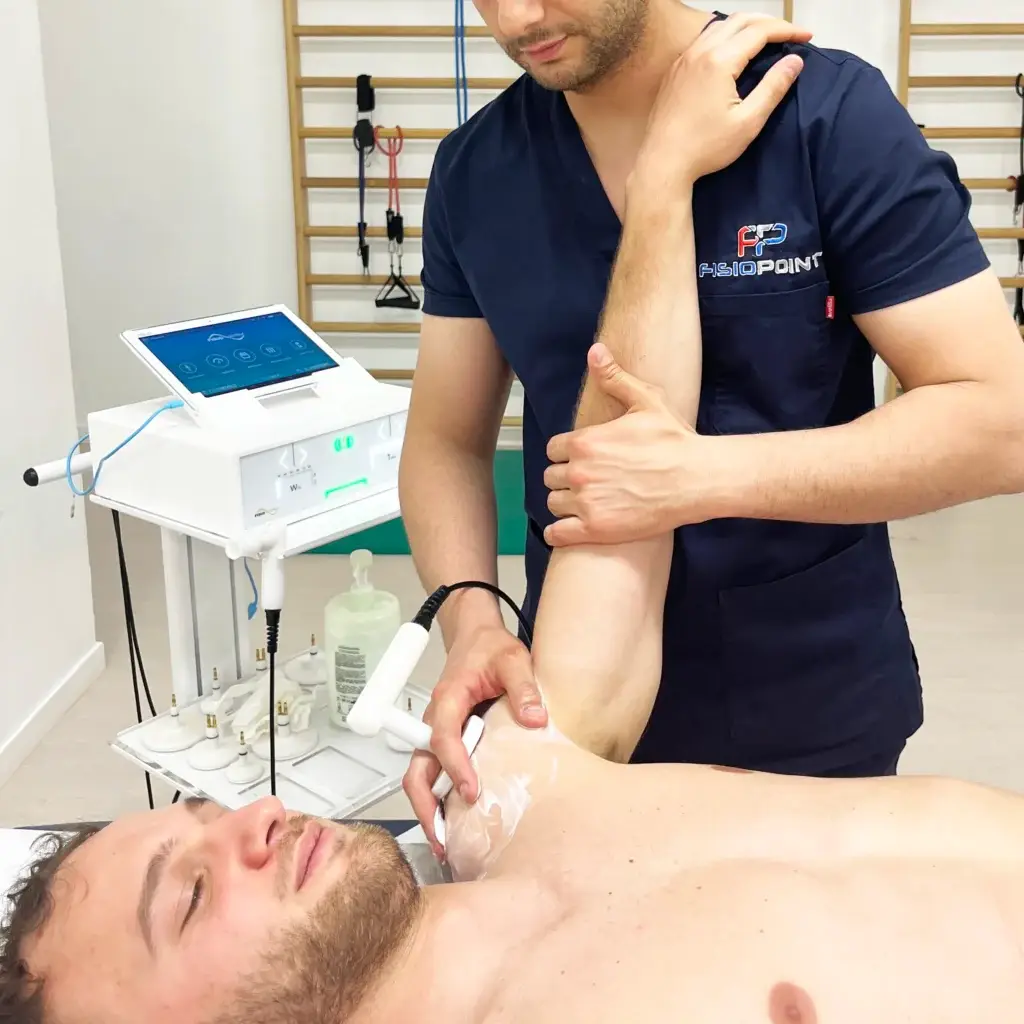
At the end of the first phase, the patient will have to start a customised rehabilitation programme, it is essential to rely on specialists from the rehabilitation of shoulder.
-
-
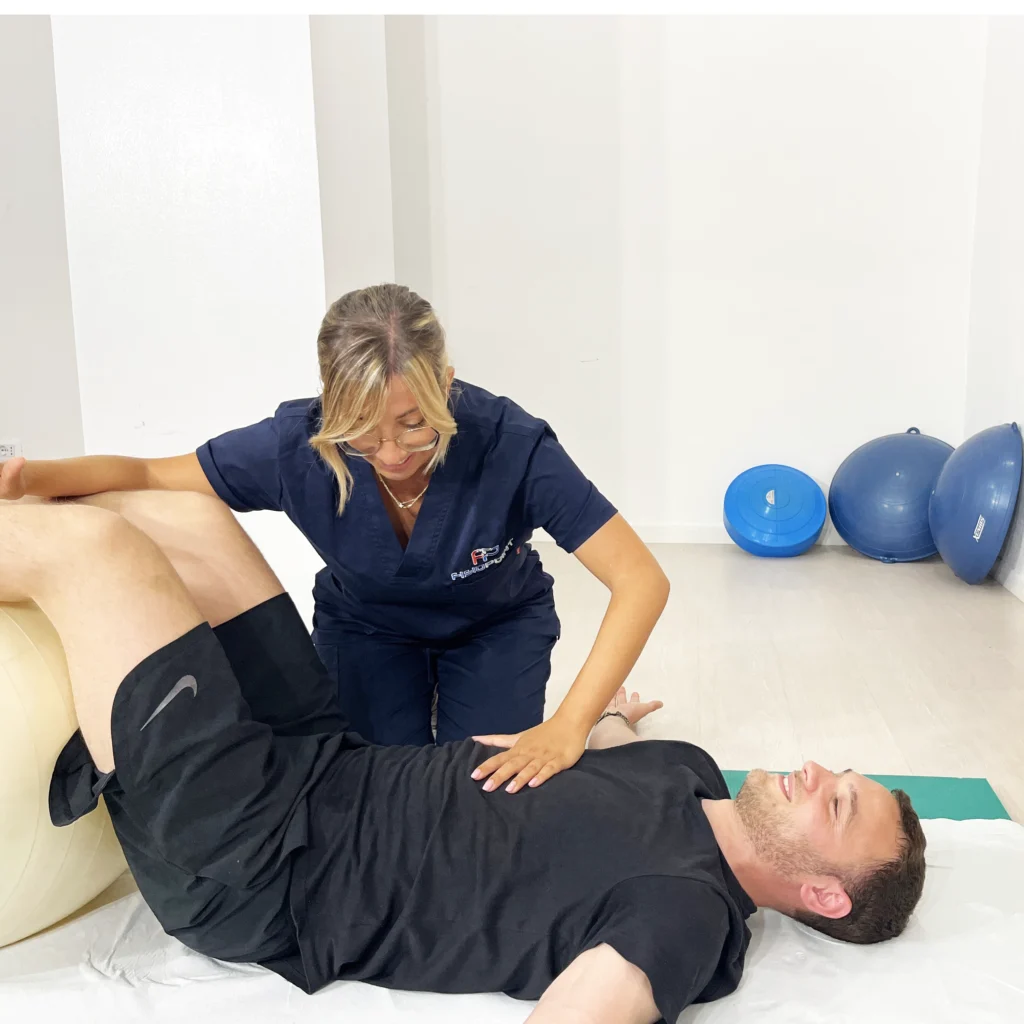
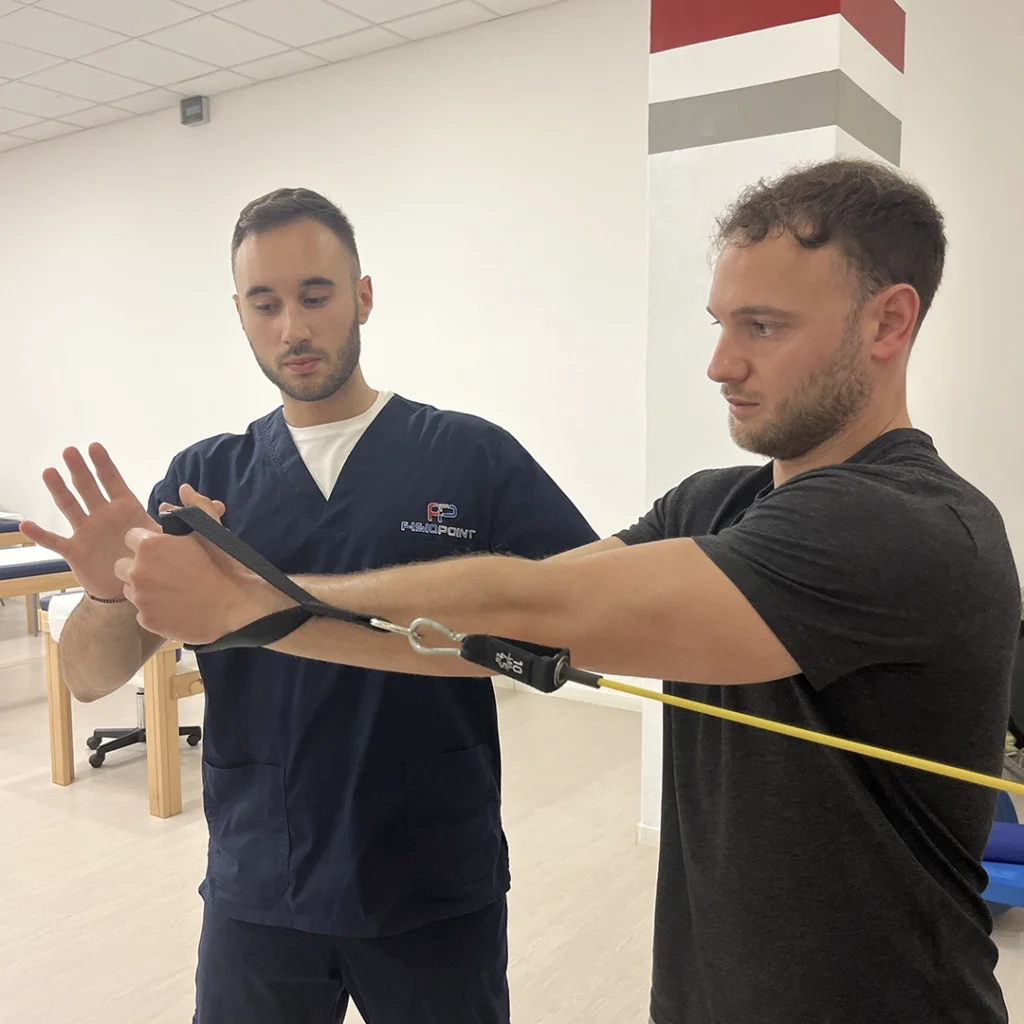
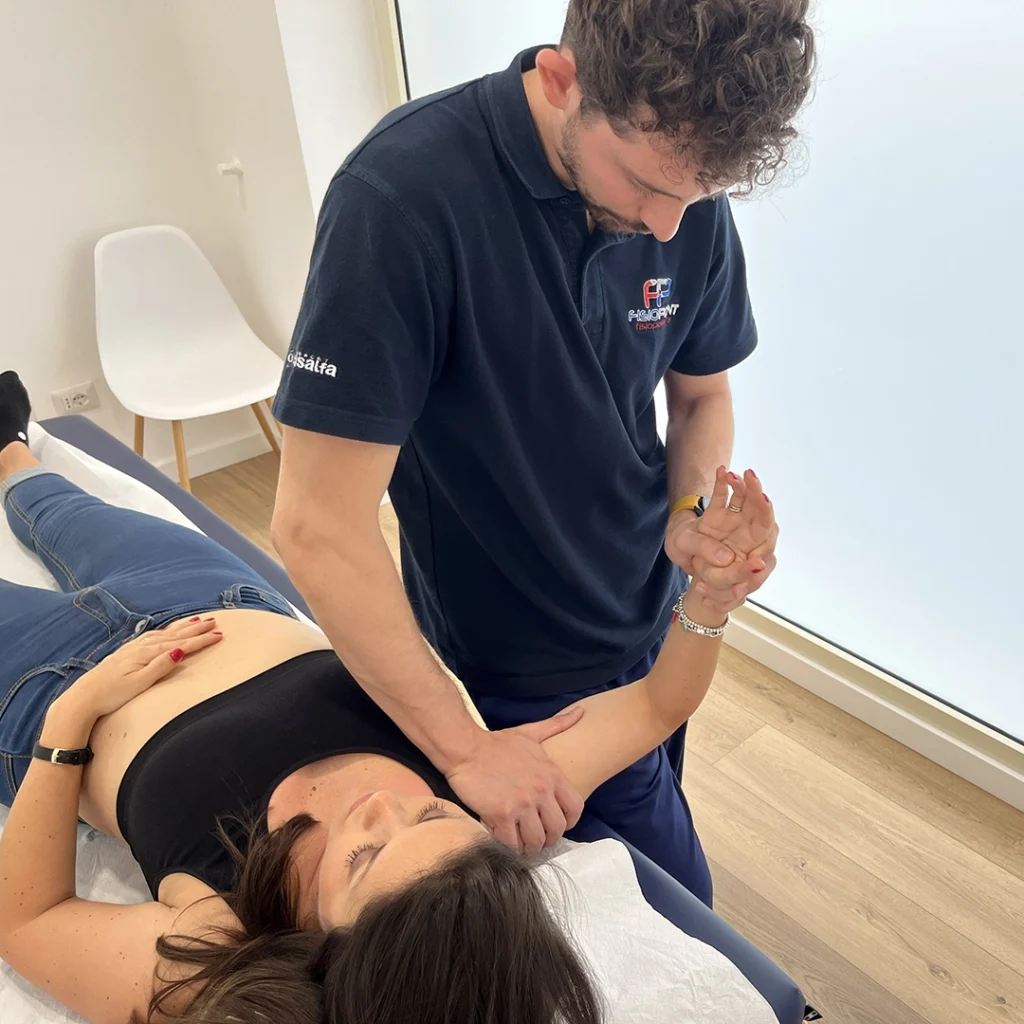
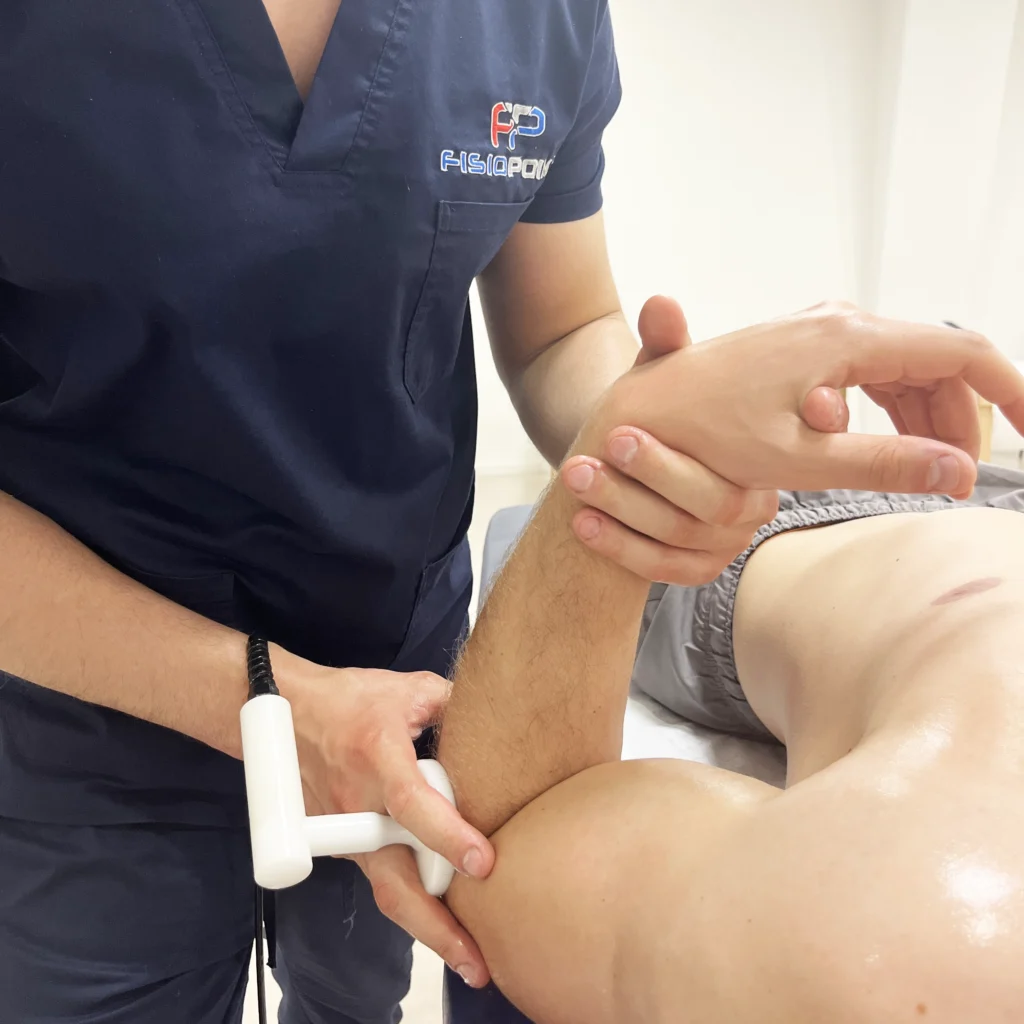
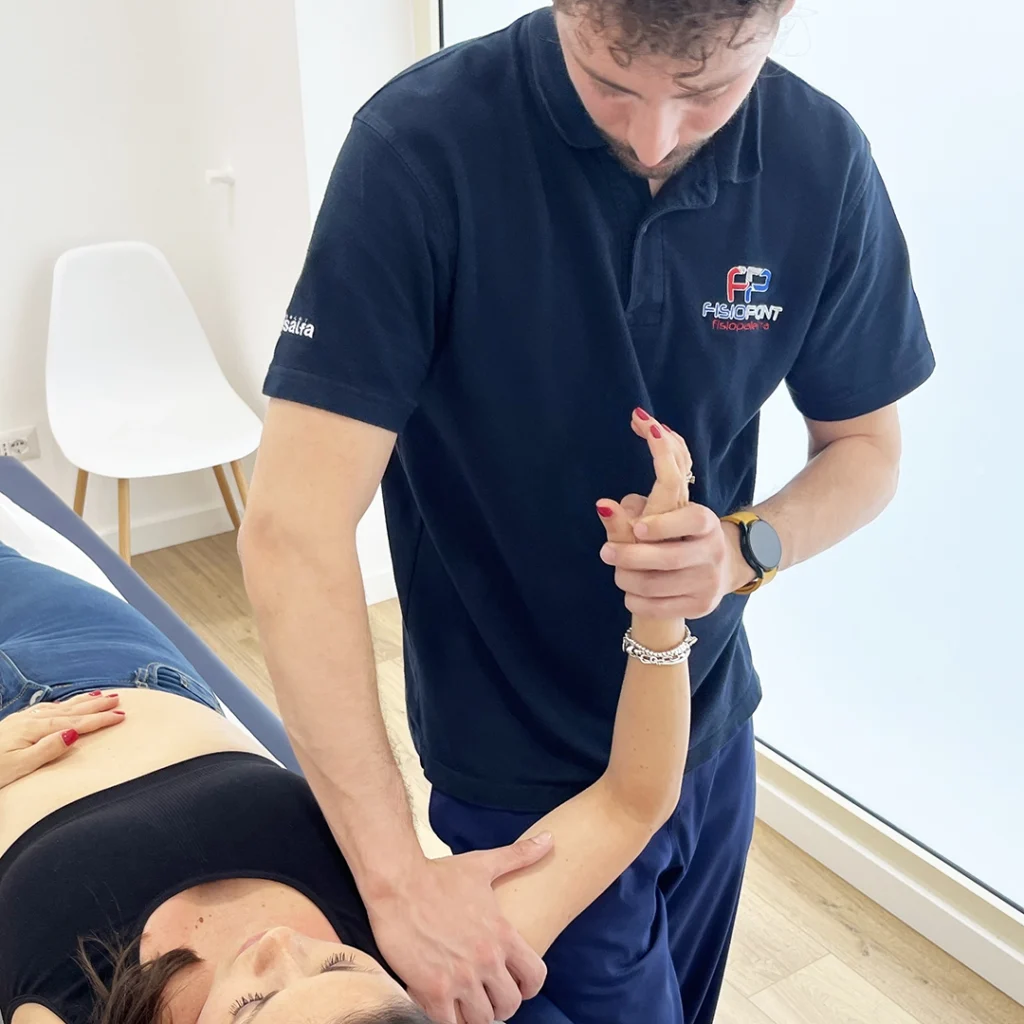
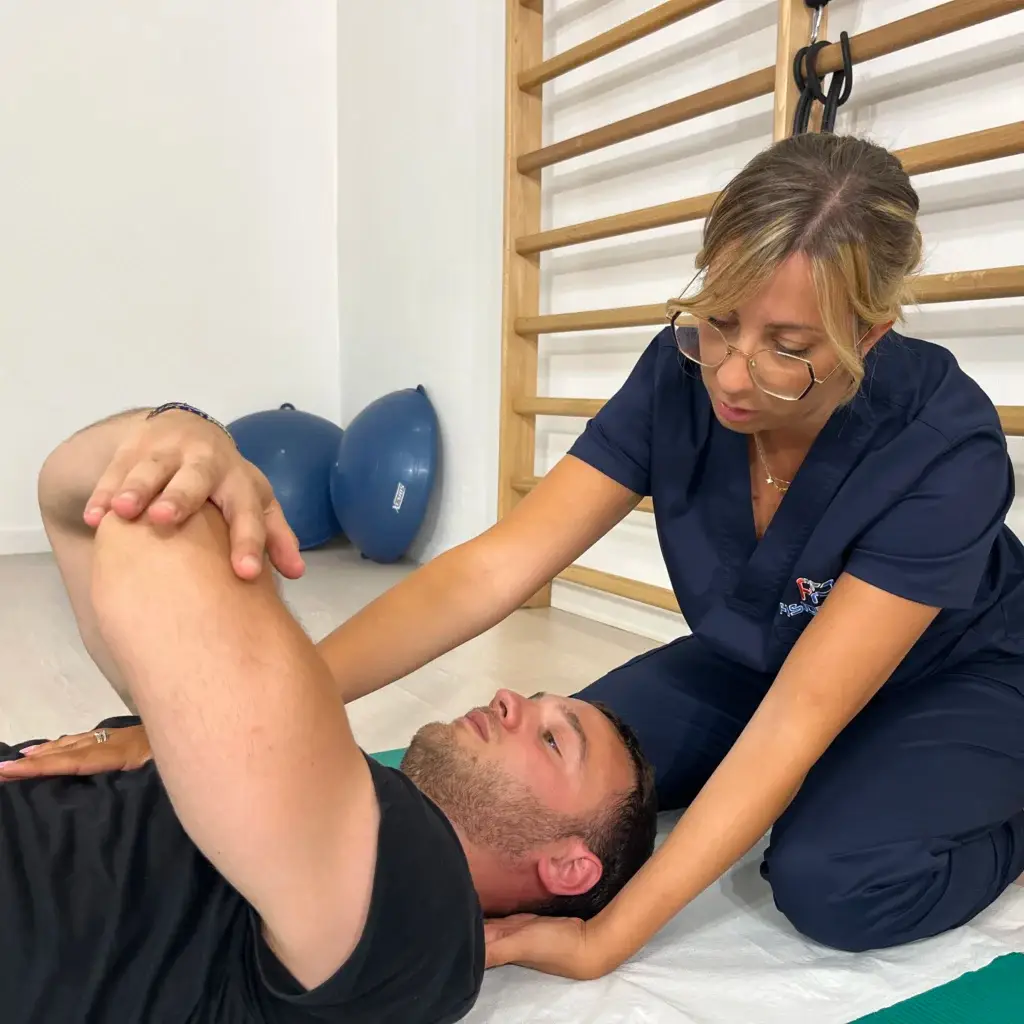
- Second phase from 6 to 12 weeks after surgery. The aim is to progressively increase joint ROM through passive or active-assisted mobilisations, always below the threshold of the pain. The improvement in joint range is followed by good muscle recovery of the glenohumeral and scapulothoracic stabilisers.
-
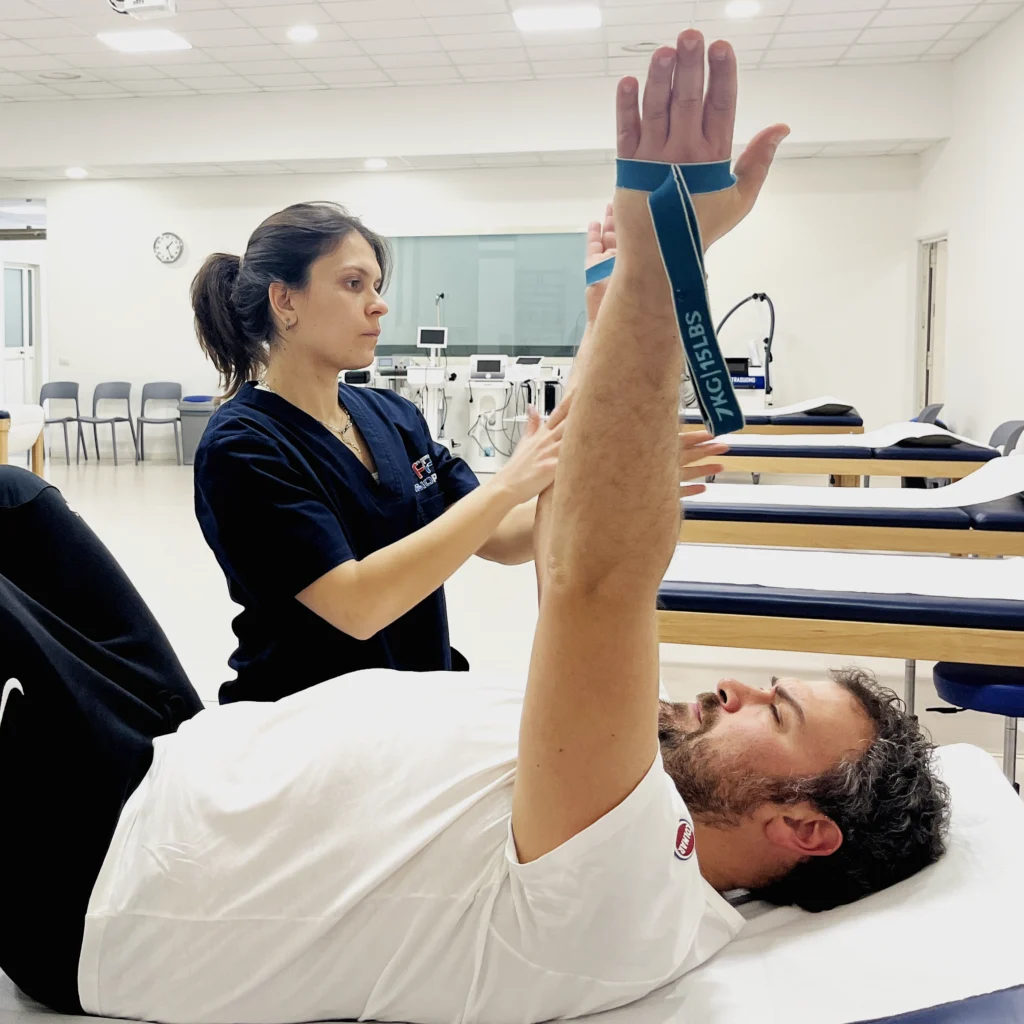
- Third phase 12 to 14 weeks after surgery. In this phase, the aim is to increase shoulder articularity to the maximum attainable degrees and improve neuromuscular function, through an increase in the parameters of strength, endurance, power and dynamic stability.
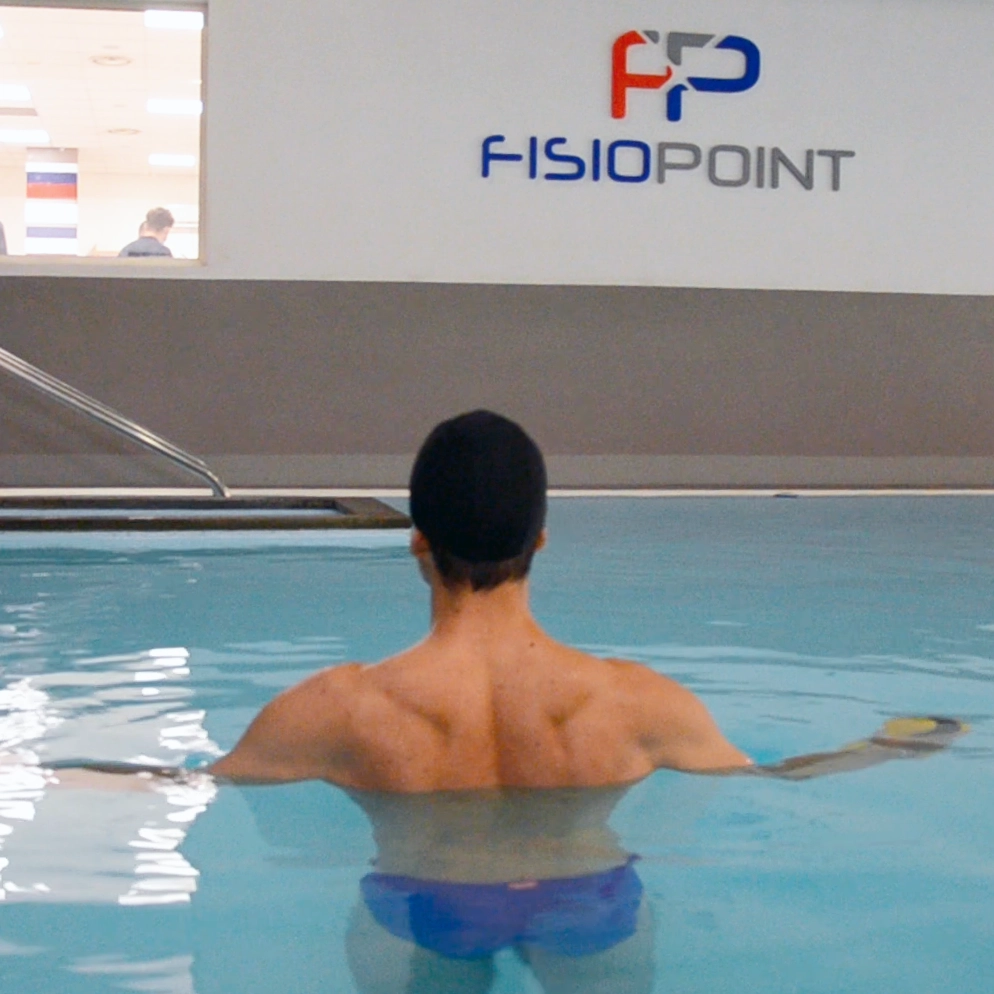
The rehabilitation pathway can be supported by thehydrokinesiotherapy. It is a physiotherapeutic approach that exploits the physical properties of water such as: hydrostatic buoyancy, viscosity and temperature (between 32 and 34 degrees).
Water physiotherapy can be a good post-operative therapeutic approach for our patient with shoulder instability. The water facilitates movement, reducing the gravitational load on the limb, increasing joint ROM and stimulating the muscular component for better recovery without overloading.
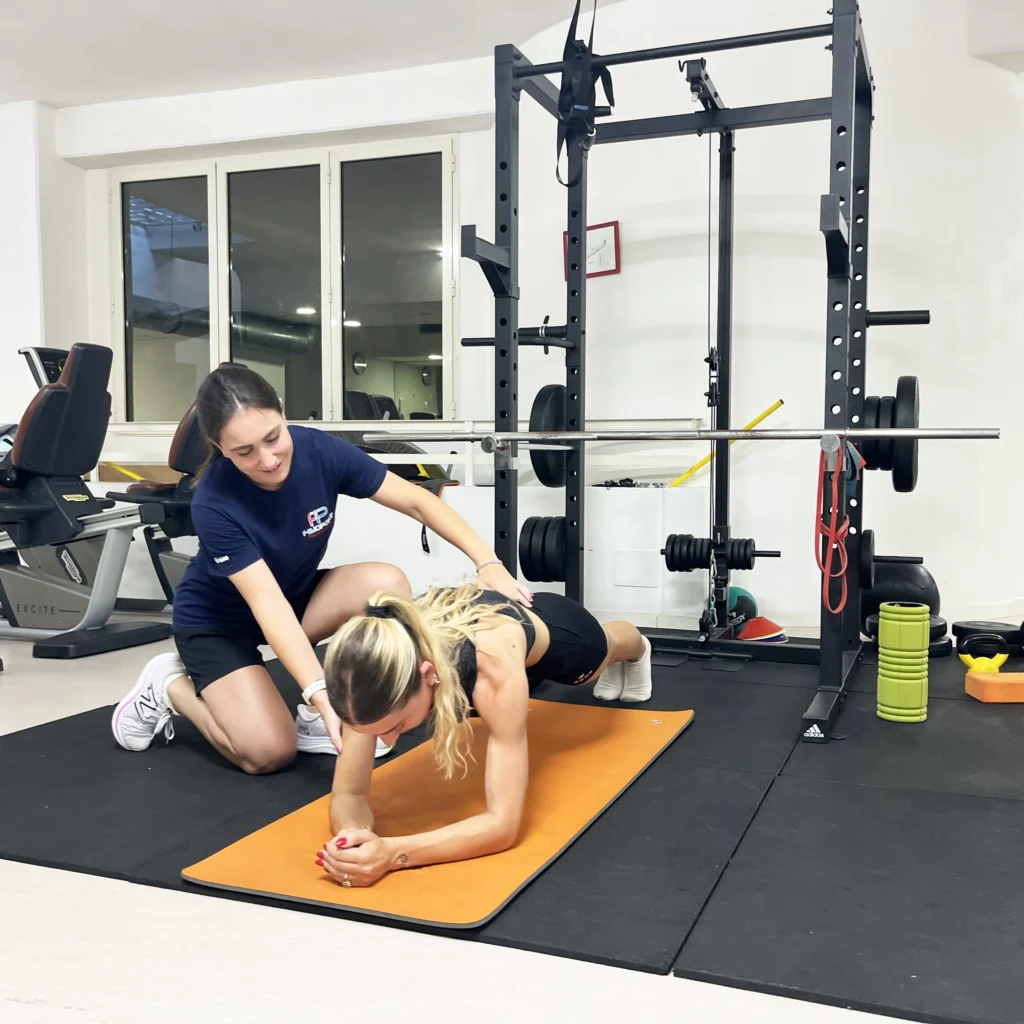
4. The last phase is functional recovery. The patient is now back to leading a normal life, but it is essential to stabilise the results through a course of physio gym in which a specialised personal trainer supports him with a customised global strengthening and re-athletisation programme. At the end of this phase, the patient is also ready to return to the field, should that be a goal of his or her.
Text by Elisa Piccioni
Learn more by watching the videos on our channel YouTube





 English
 Italian