Shoulder instability is characterised by subluxations or dislocations of the glenohumeral joint.
It can take place in 3 different directions:
- Antero-inferior
- Rear
- Multi-directional
Antero-inferior instability is by far the most common, occurring in between 70 and 95% of cases.
Shoulder instabilities can also be divided into:
- Traumatic
- Atraumatic
- Volunteers
Traumatics are the most common, they are characterised by the shoulder escaping from its anatomical position either partially (subluxation) or completely (dislocation).
Shoulder instability is quite common in the young population, with a peak incidence between the ages of 15 and 30, especially in males and those who participate in sports involving contact or collisions.
The most common injury mechanism is a fall with the elbow bent and the shoulder in external rotation, followed by a direct fall mechanism on the extended arm.
Very often, trauma is added to an anatomical predisposition, with a situation of laxity of the patient's general ligament tissues.
Diagnosis of antero-inferior shoulder instability
La diagnosi in caso di lussazione è abbastanza evidente, il paziente percepirà la fuoriuscita dalla sede anatomica solitamente con un grande dolore e dovrà ricevere assistenza per la manovra di riduzione della spalla. Prima di procedere alla riduzione, viene solitamente eseguita una radiografia per valutare la presenza di possibili danni concomitanti ossei (fratture).
In alcuni casi di lussazione possono essere interessati anche i nervi: in particolar modo, se la spalla rimane fuori sede per un tempo lungo. In caso di sospetto di interessamento nervoso, l’orthopaedist può prescrivere un’elettromiografia per valutare la presenza del danno e la sua entità.
In caso di sub-lussazioni o micro-instabilità servirà invece un consulto di un ortopedico specialista della spalla, che si avvarrà di esami strumentali quale radiografia o magnetic resonance imaging.
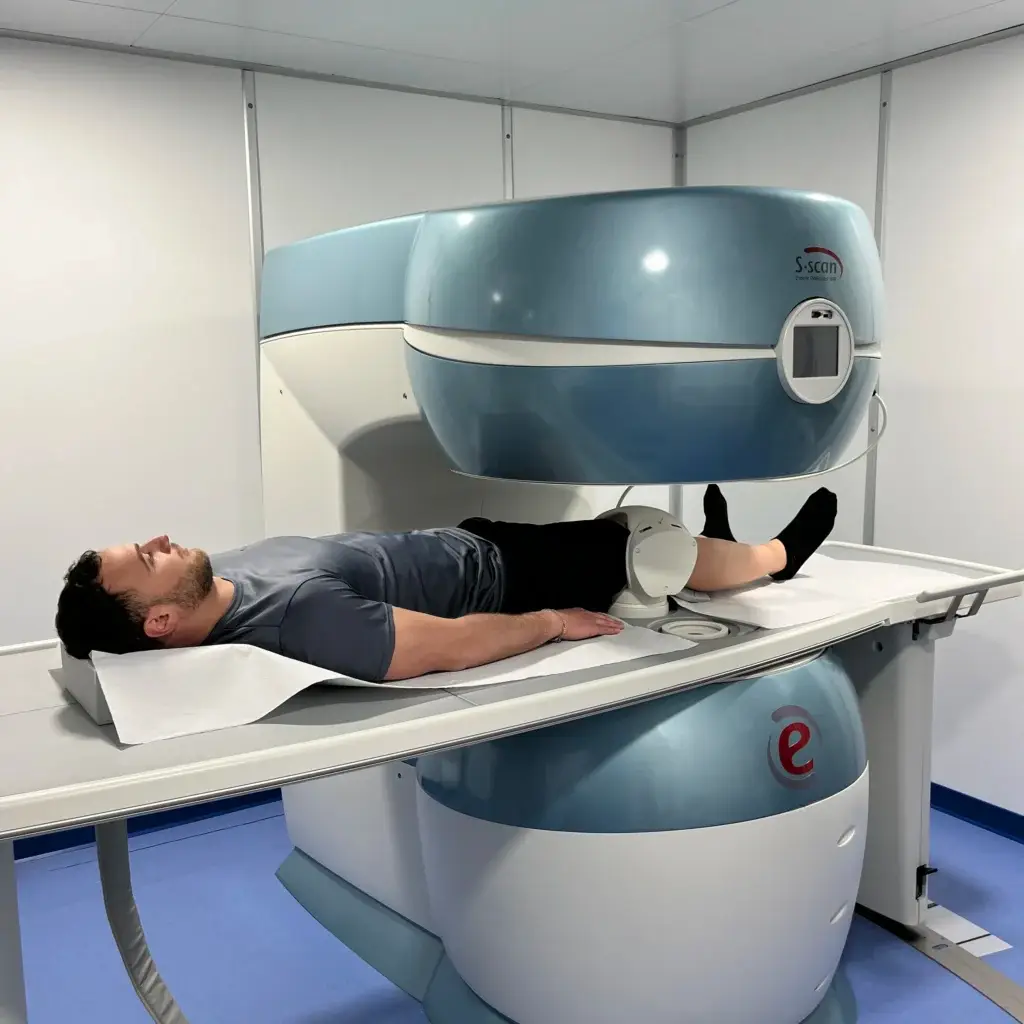
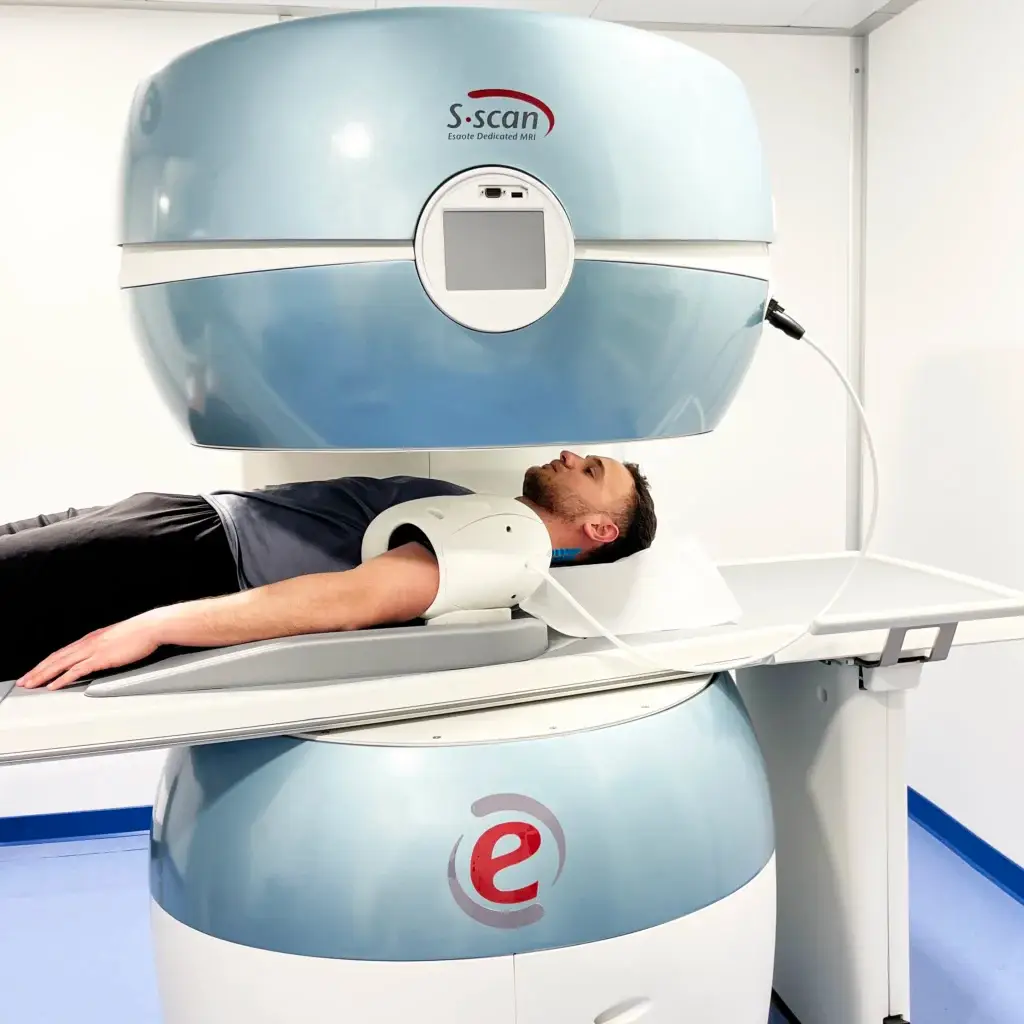
Magnetic resonance imaging is useful to assess the presence of lesions of the soft ligamentous structures, which are almost always present in subjects with instability, as well as highlighting the presence of bone damage on the humeral head or glenoid.
These bone lesions (Hill-Sachs lesion or Bankart's bone lesion) are also called 'kissing lesions' because the head of the humerus, leaving its anatomical seat, kisses the glans of the scapula creating an incision on the bone.
Treatment of antero-inferior shoulder instability
Anterior-inferior instabilities can be treated in two ways:
The choice between the two types of treatment is made by the orthopaedist in agreement with the patient and follows a precise clinical-diagnostic reasoning.
Conservative treatment
It can be chosen in shoulder instabilities, although it has a fairly high risk of failure. Some factors that guide the orthopaedist towards conservative treatment are:
- First episode of dislocation (in subsequent episodes the chance of success drops dramatically)
- Reduced extent of anatomical damage, with ligament and bone injuries deemed minor by the surgeon
- Non-participation in competitive contact or collision sports
Surgical treatment
If surgical treatment is chosen instead, there are several techniques available. Often in the pre-operative planning a CT scan is performed on the patient, to study the extent of bone damage and decide which surgery to perform.
The most common surgical techniques are:
- Bankart's repair. Arthroscopic technique in which the injury is repaired at the ligament level, a less invasive operation but with a higher recurrence rate
- The Latarjet technique. A bony spool of the coracoid process is placed at the site of instability, so that the large common tendon that is inserted provides stability to the joint. This more invasive operation, however, has a lower recurrence rate of about 1% of cases.
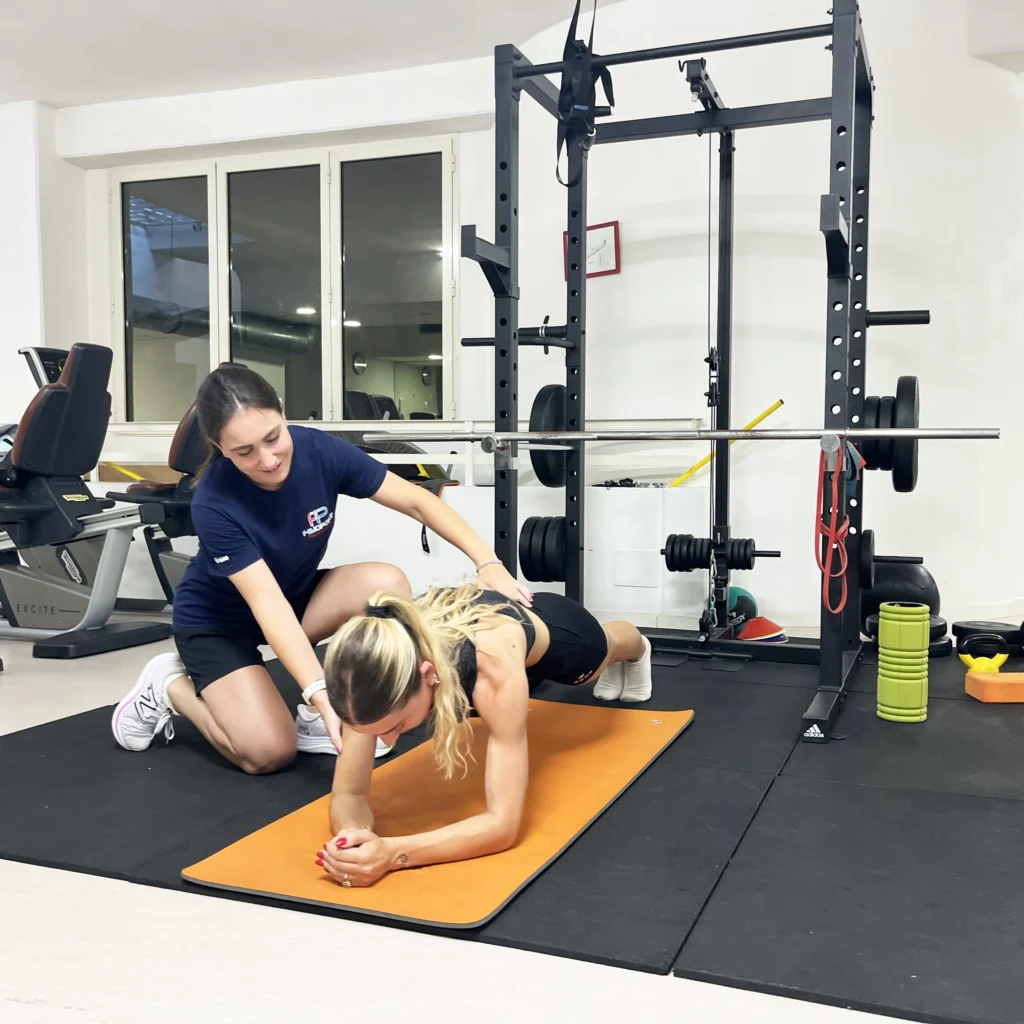
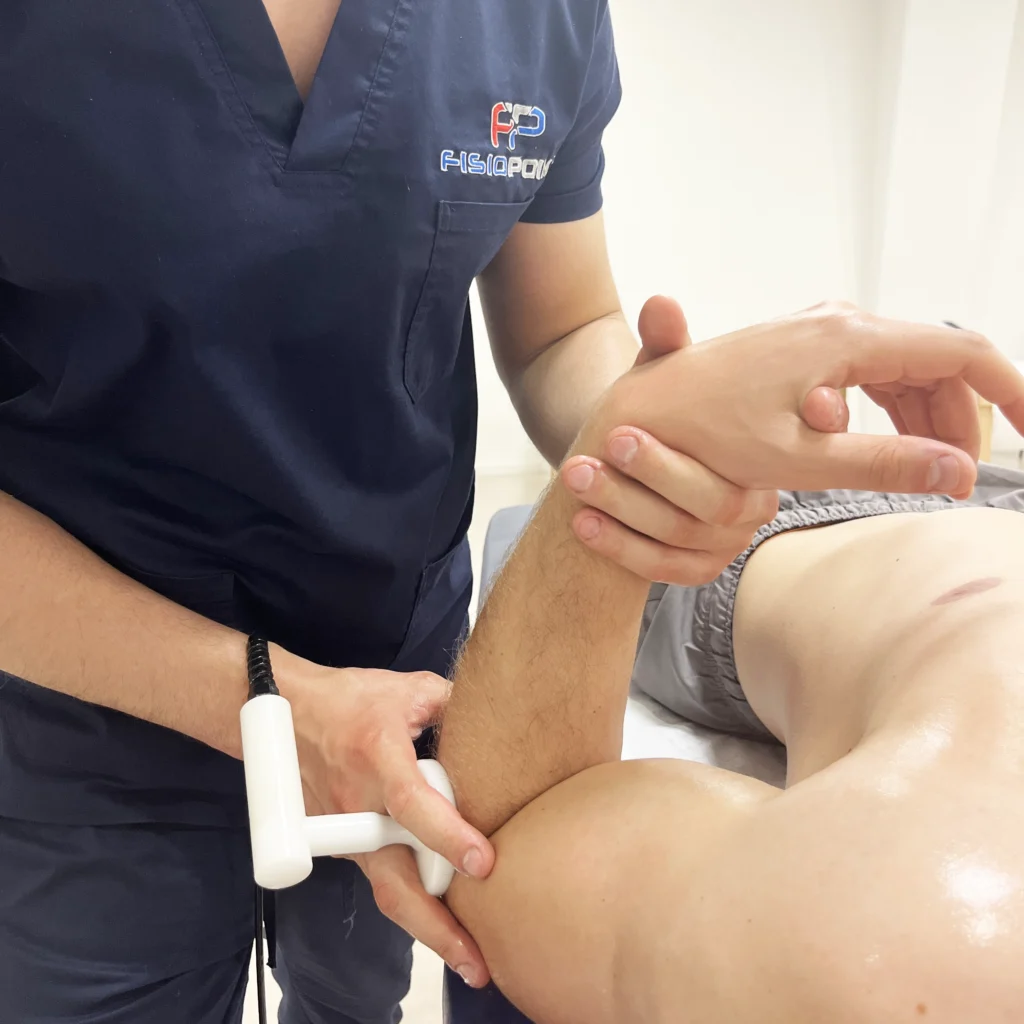
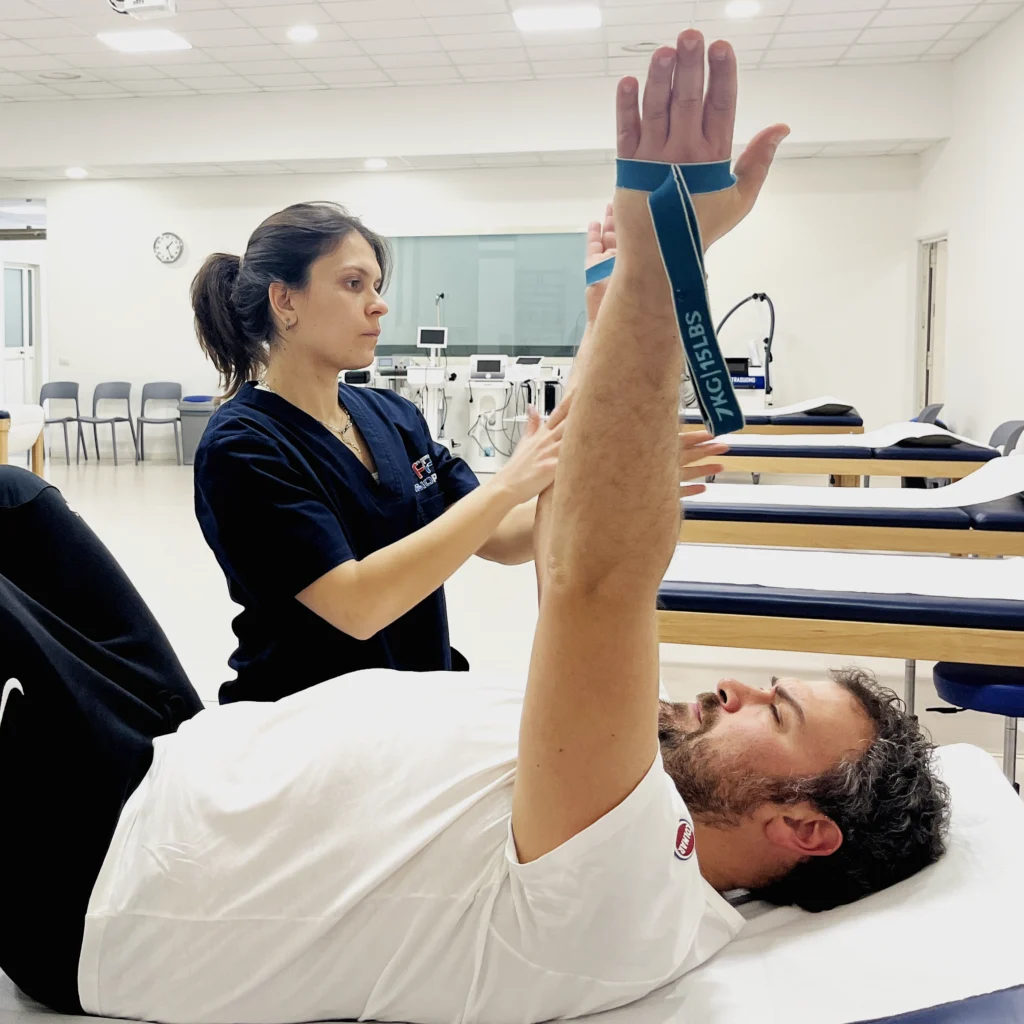
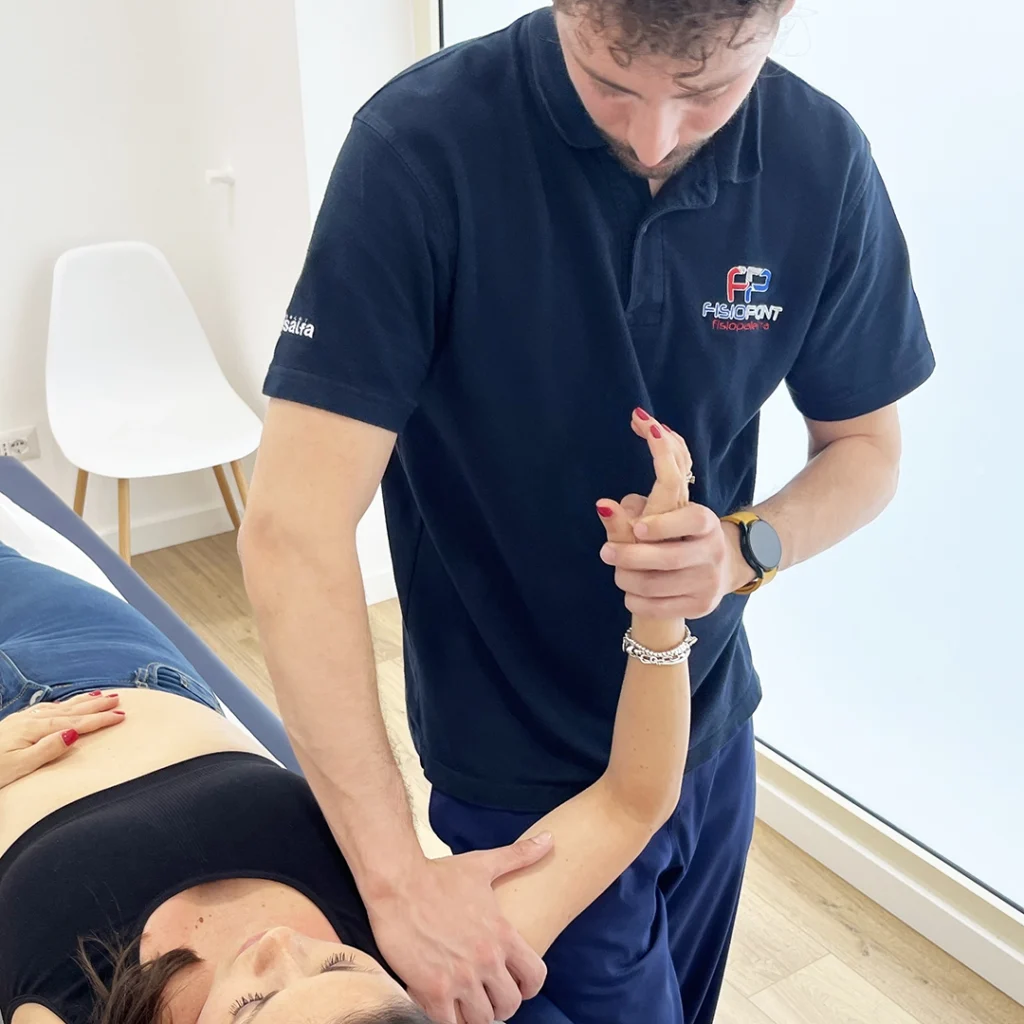
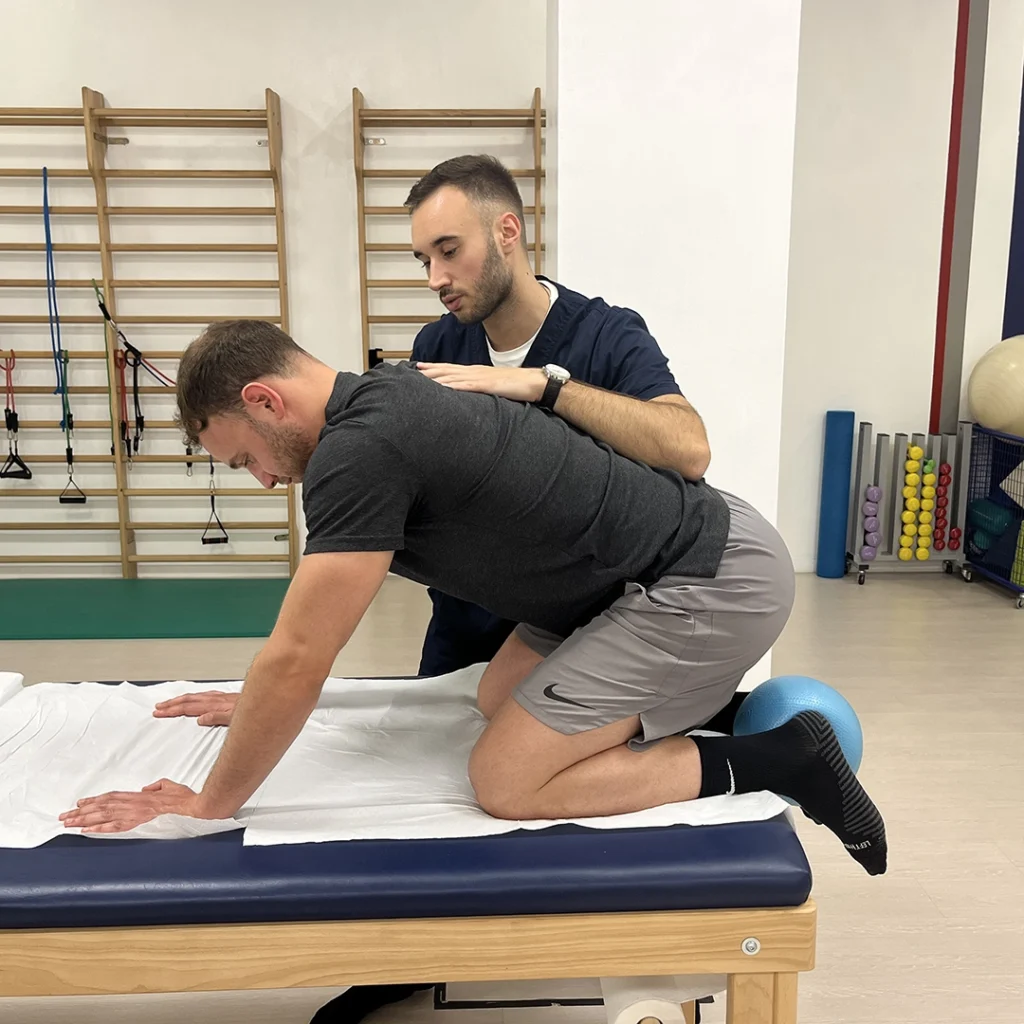
Whichever surgical technique is chosen, good rehabilitation will be important in order to return to sports or work activities involving the shoulder.
Post-surgical rehabilitation lasts on average about 3-4 months, of which the first month a restraining brace is worn to avoid potentially harmful movements.
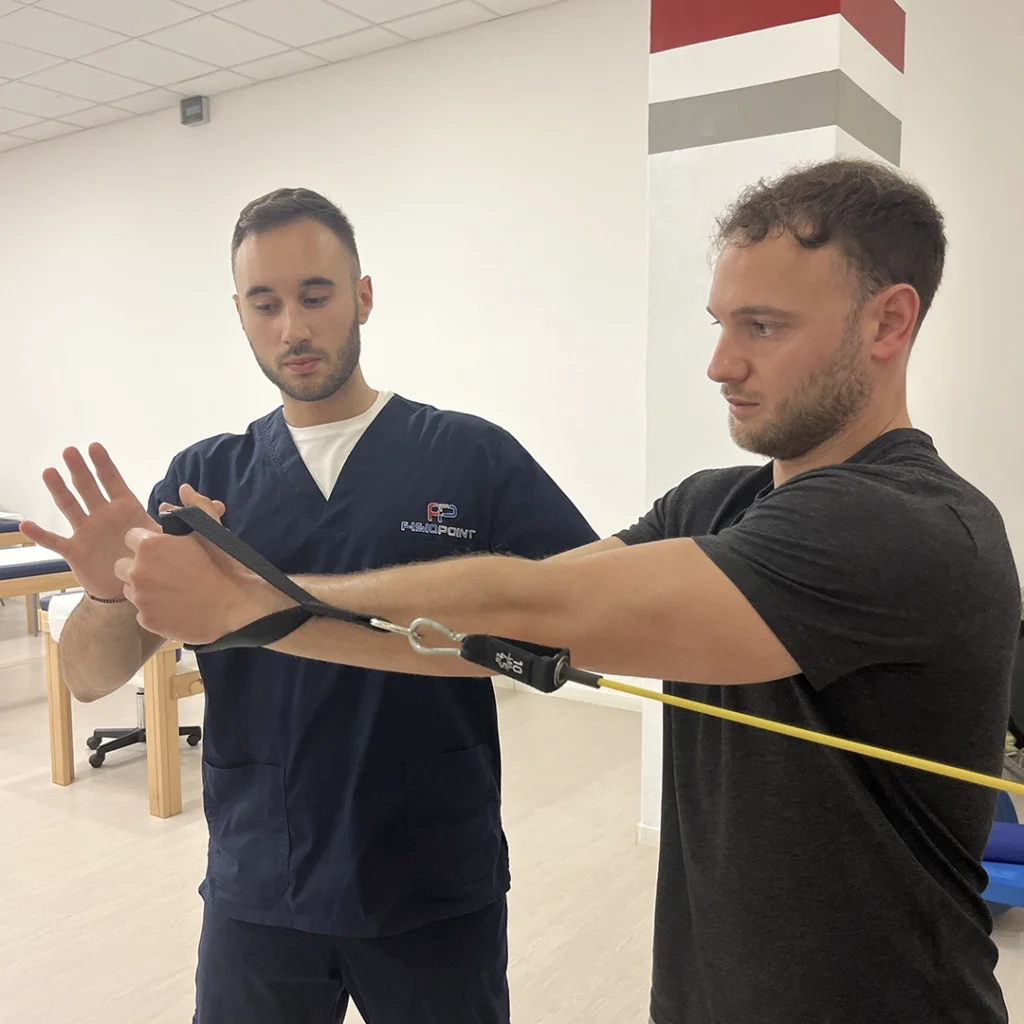
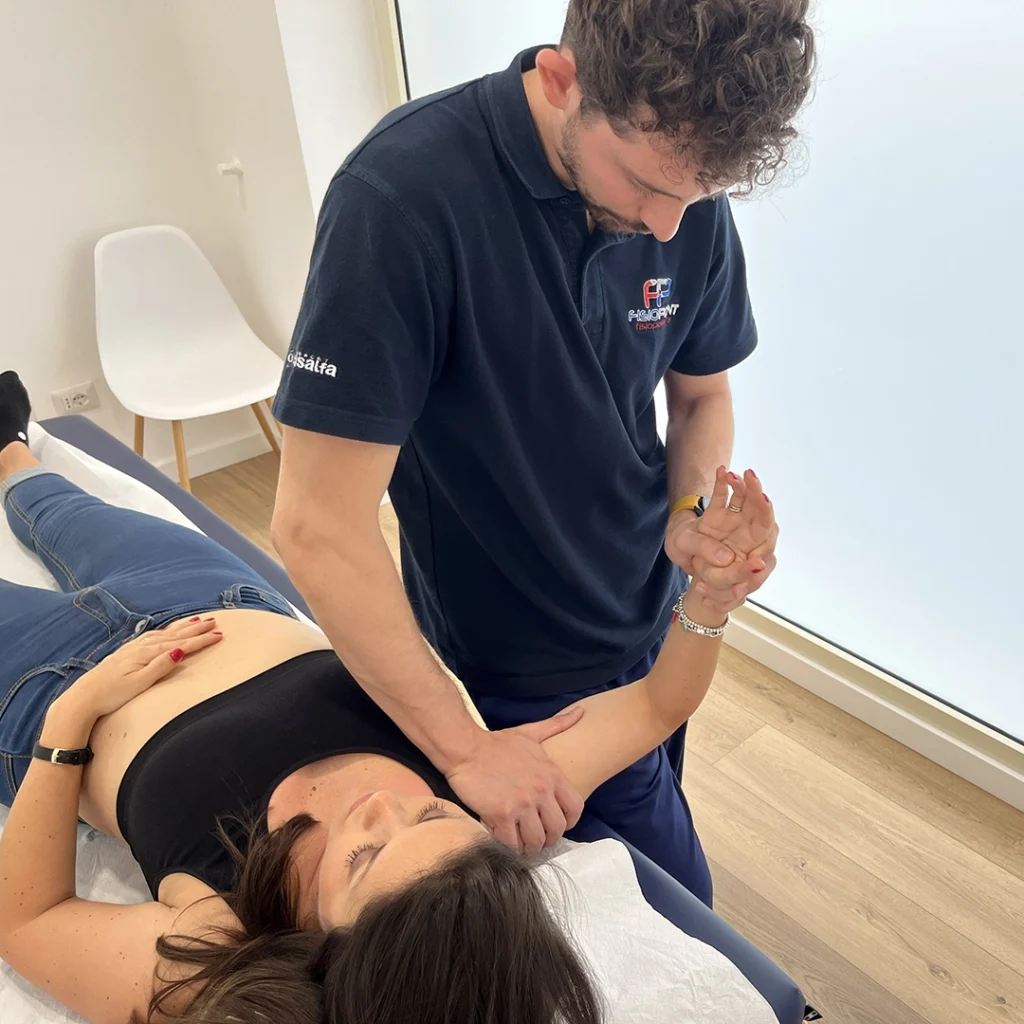
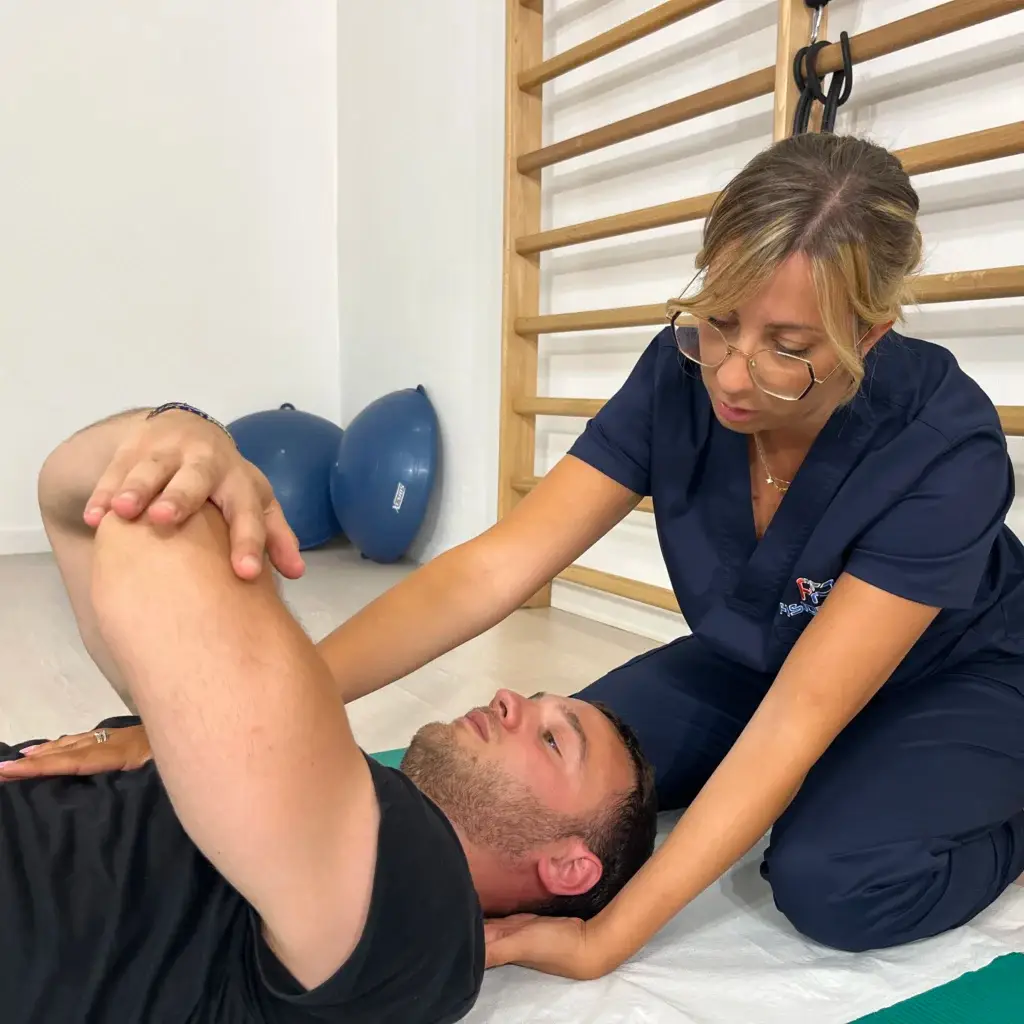
Once the brace is removed, passive and active movements are initiated to recover mobility and strength in the shoulder.
The intensity of the exercises is progressively increased, until in the last phase even the abduction and external rotation movements of the arm are recovered.
Learn more by watching the videos on our channel YouTube






 English
 Italian