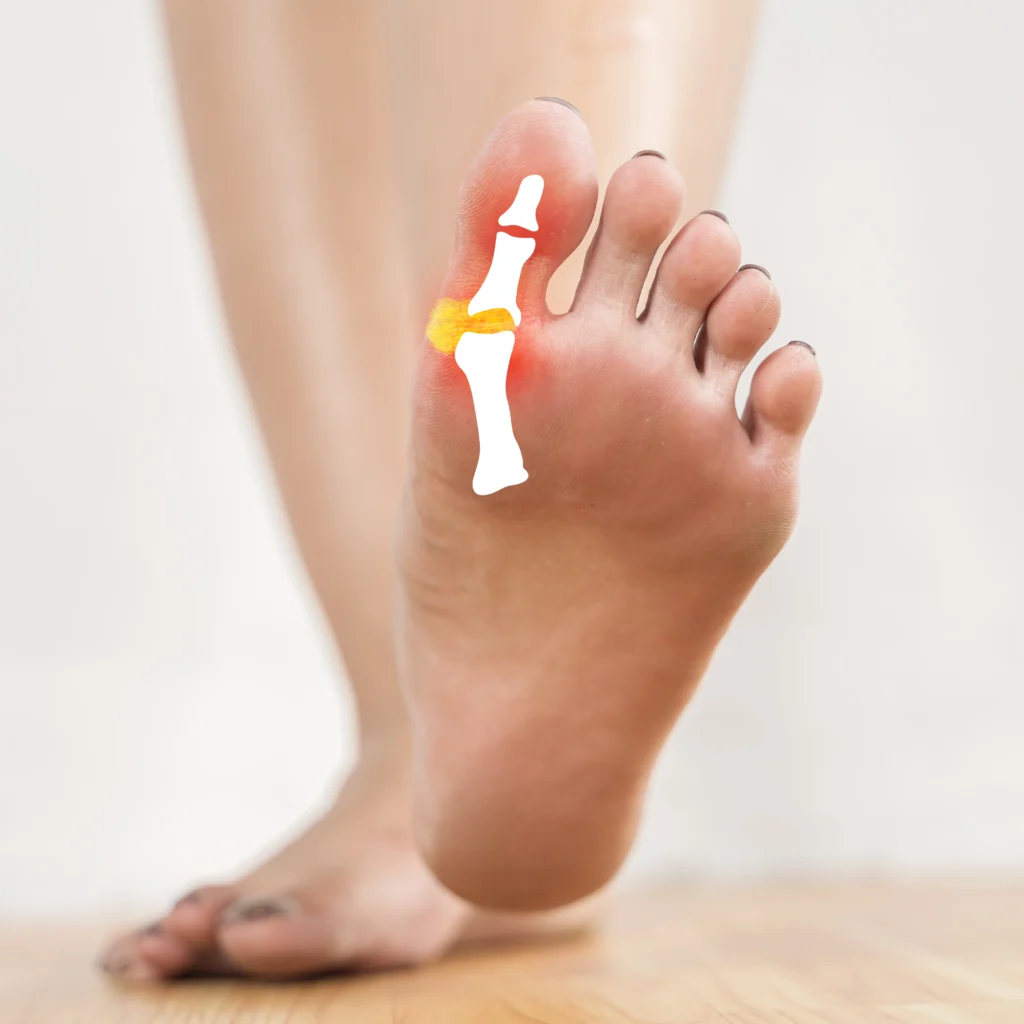
The foot is the last joint of the lower limb and is extremely complex due to its numerous bony, tendinous and ligamentous structures. The foot is composed of a total of 26 bones divided into:
The tarsal bones are:
This is followed by the 5 metatarsal bones and the proximal, middle and distal phalanges.
The most important ligaments at foot level are:
What are the causes of hallux valgus?
The causes of the onset of hallux valgus are many, such as:
What are the symptoms of hallux valgus?
Hallux valgus may be present and yet bring no symptoms. It is possible, however, for the structure of the big toe to become inflamed, triggering symptoms such as:
What is the treatment of hallux valgus?
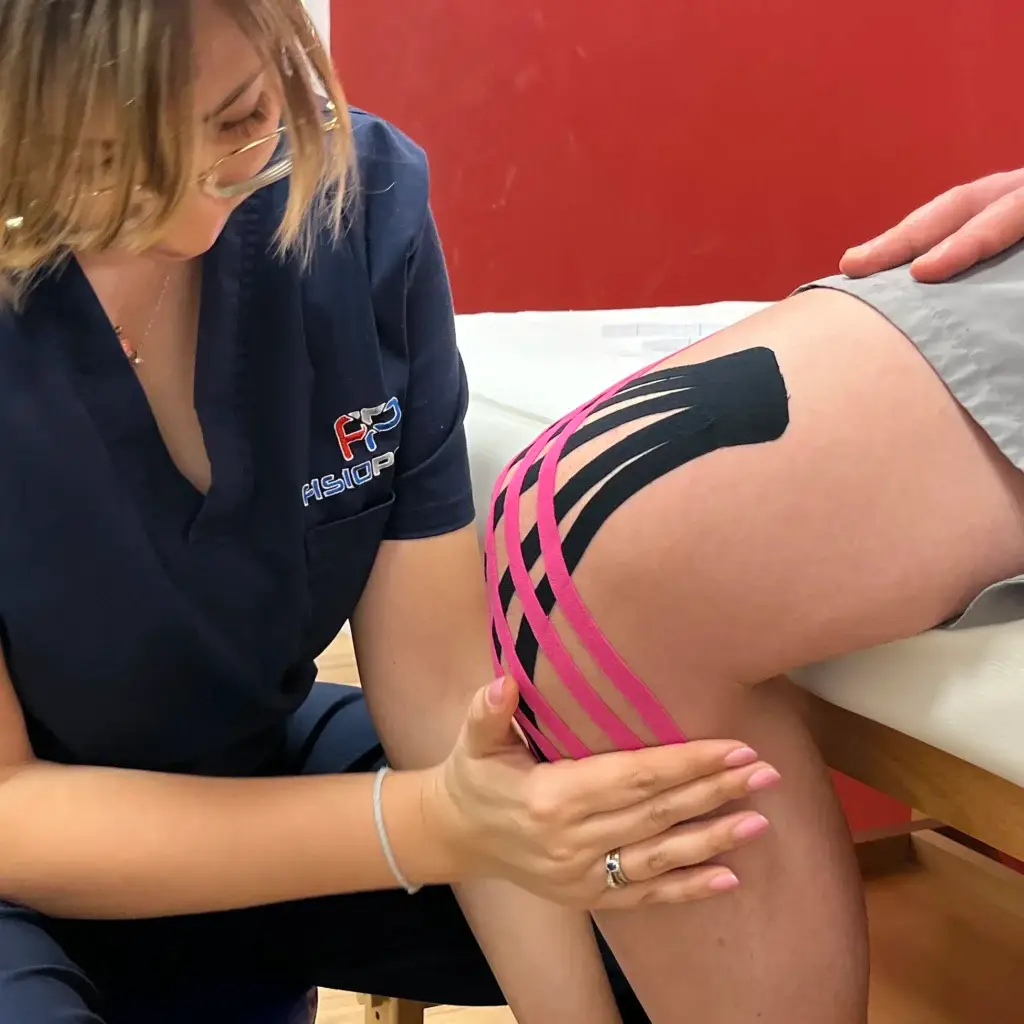
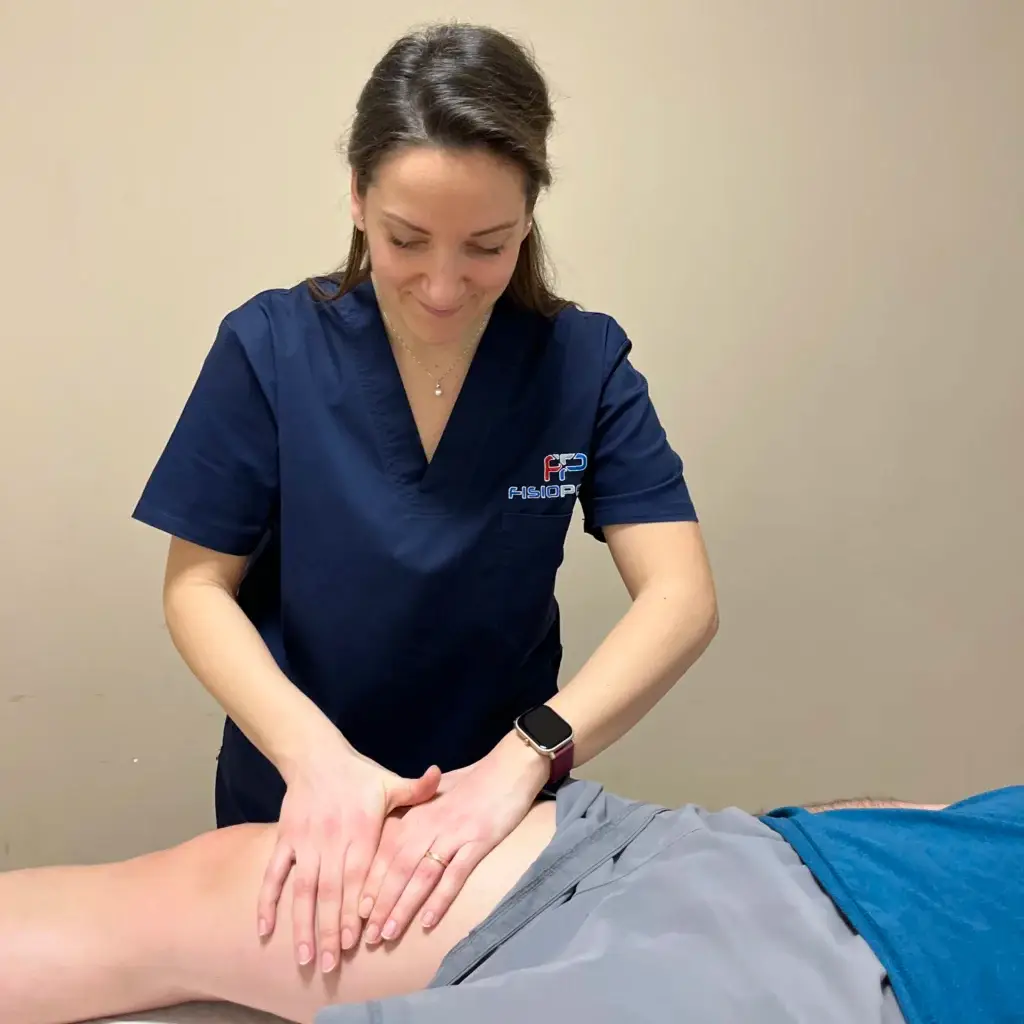
As we have said, hallux valgus can also be an asymptomatic deformity and, therefore, does not always require treatment. However, there are some cases, for example when inflammation and pain are present, in which it is necessary to intervene through physiotherapy. In such a situation, the aim will be to alleviate the painful symptoms and reduce the inflammation. it is also possible to resort to the aid of special pads or retractors to prevent the situation from worsening.
If one is not careful about the progress of the deformity and does not implement certain precautions such as wearing suitable footwear, the deformity can become severe both cosmetically and functionally and the conservative approach may not be effective in resolving the problem. Surgery is then considered, which is fairly simple and minimally invasive.
Physiotherapy for hallux valgus
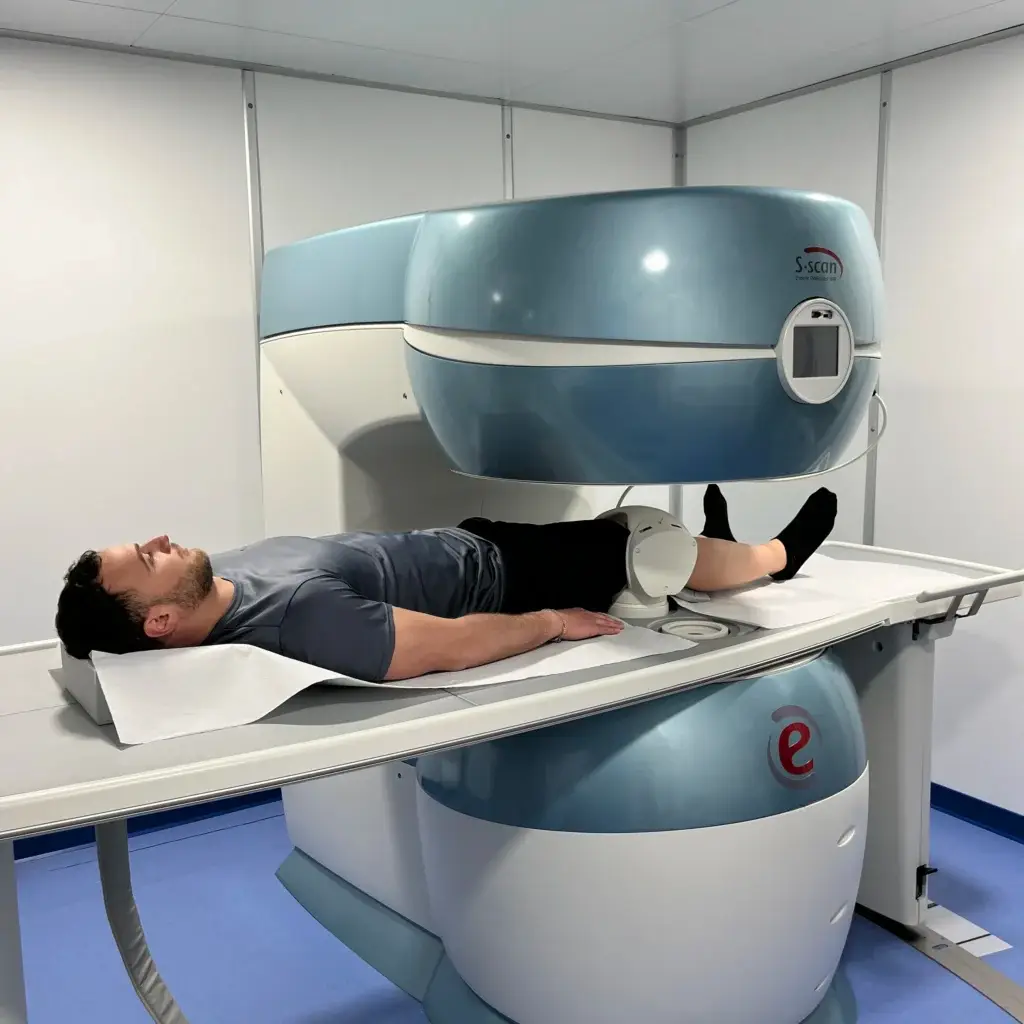
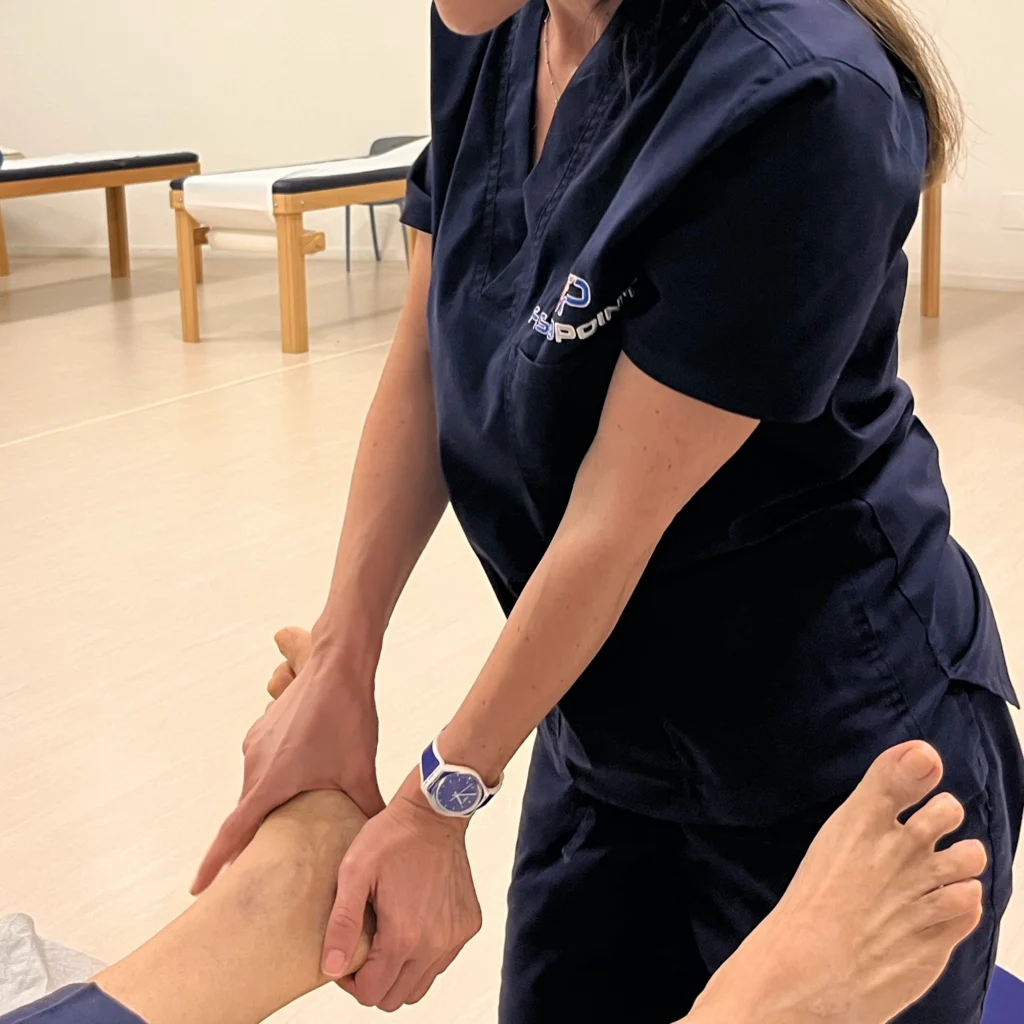
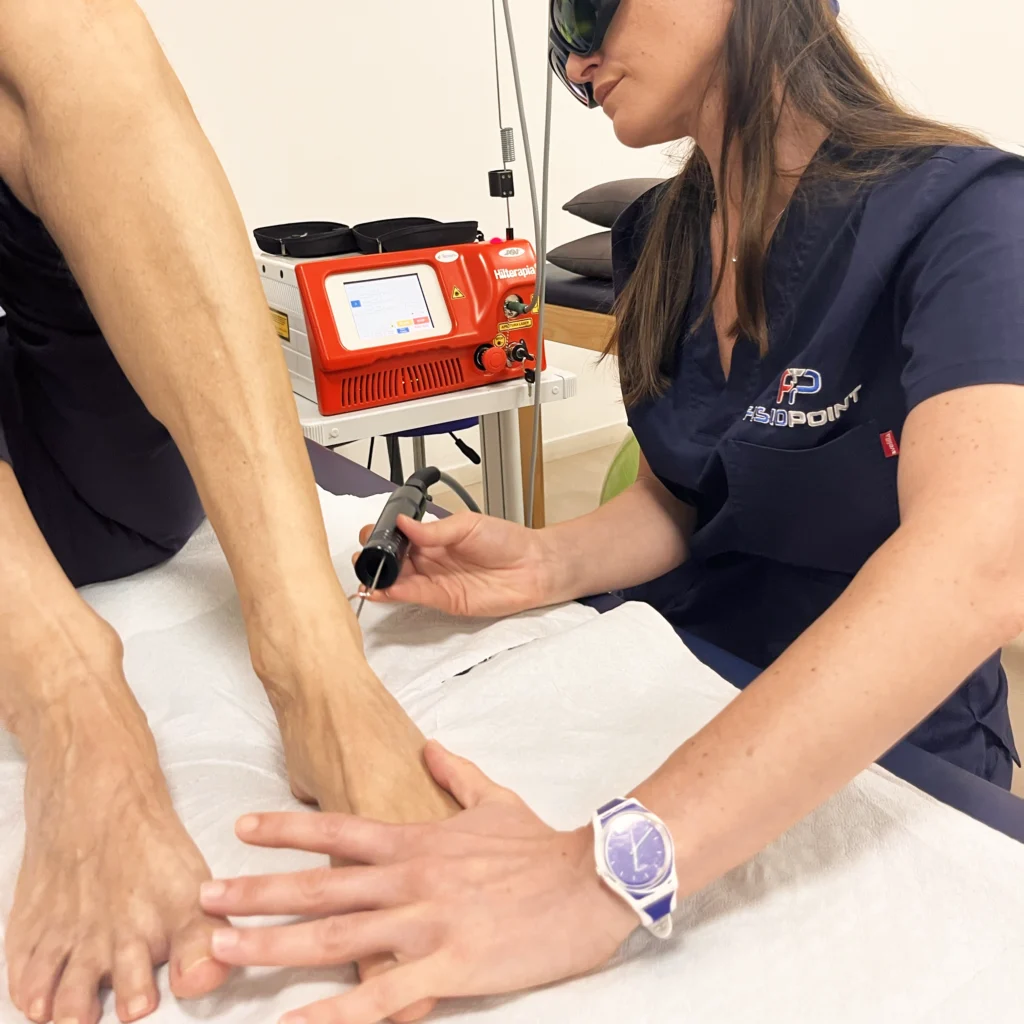
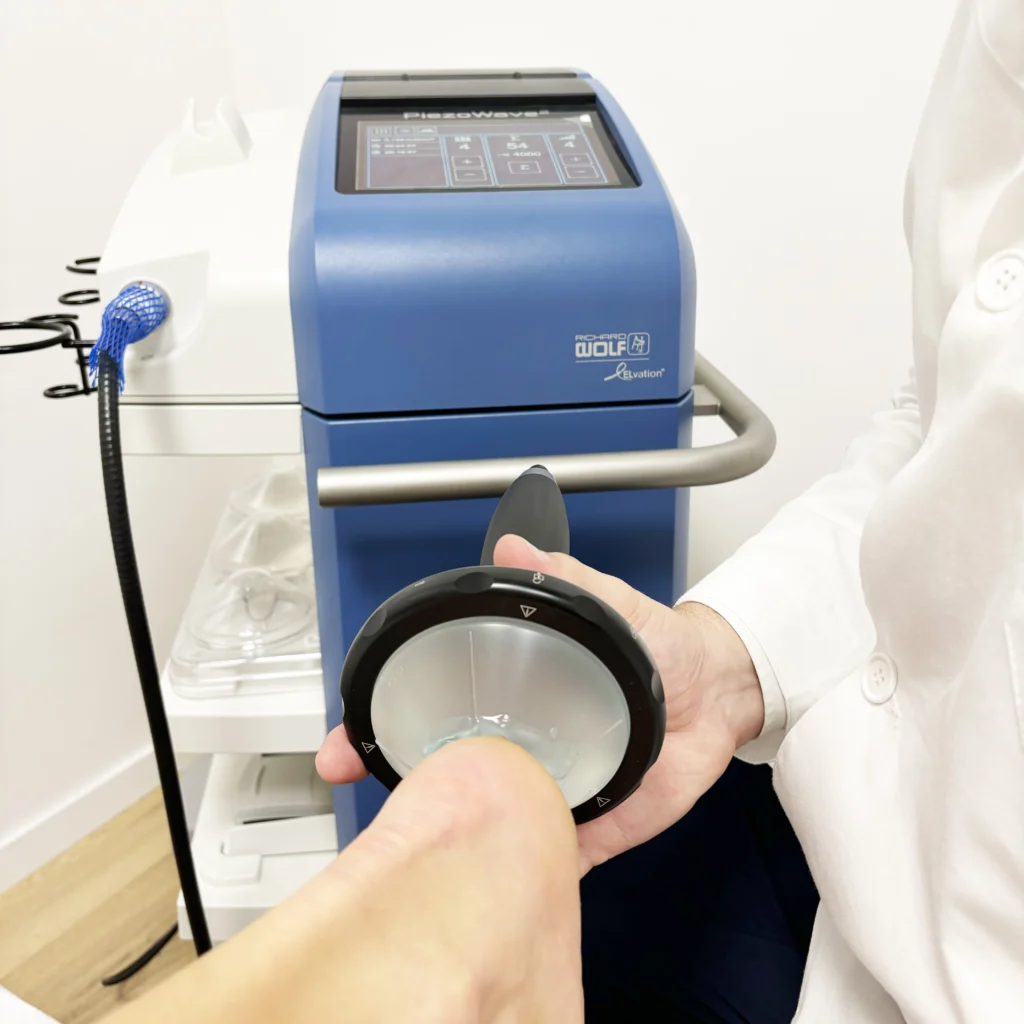
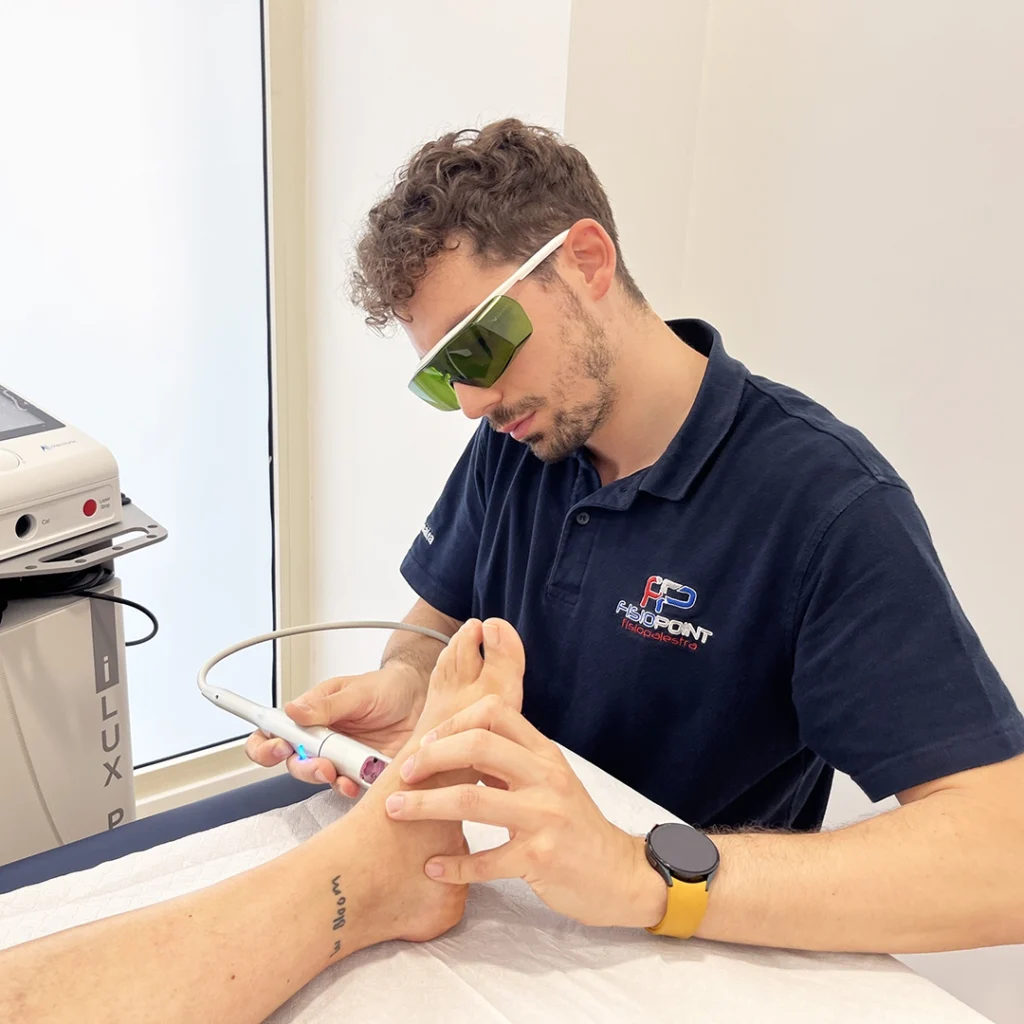
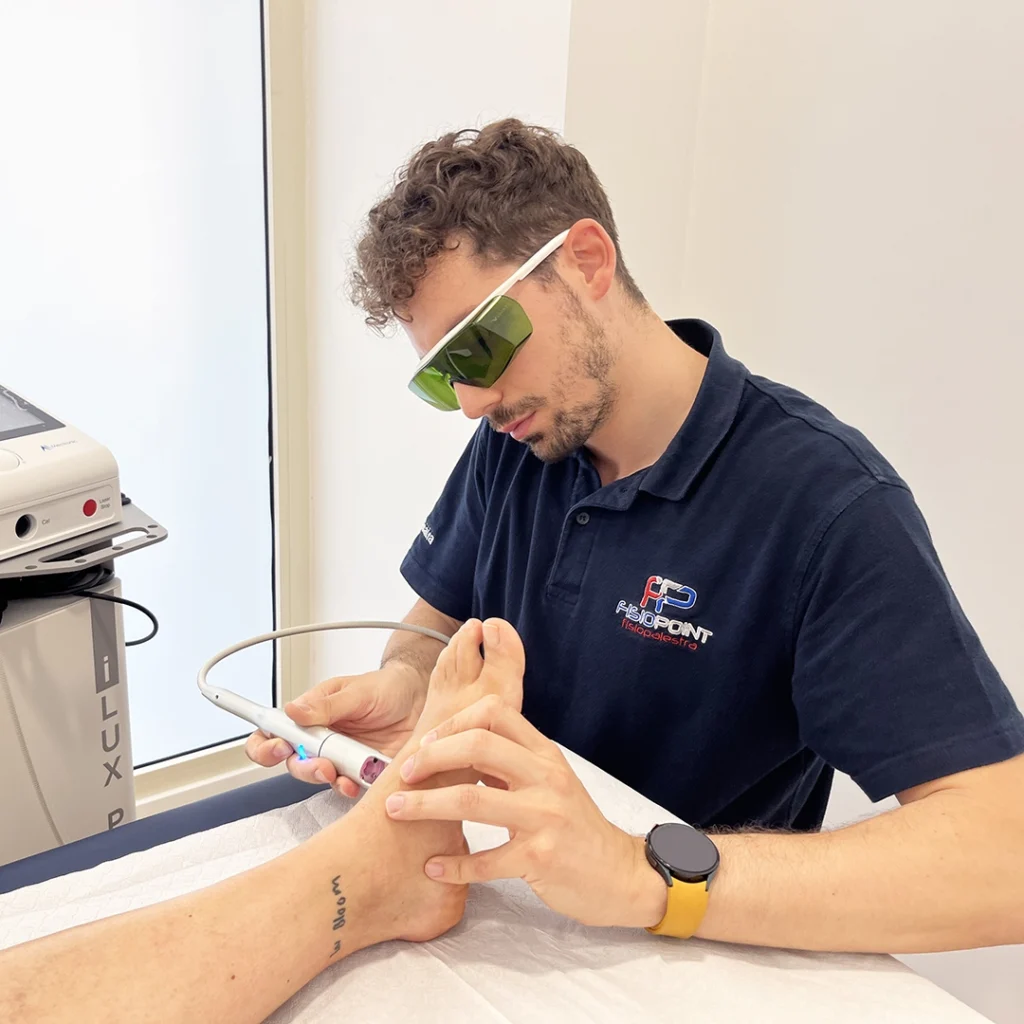
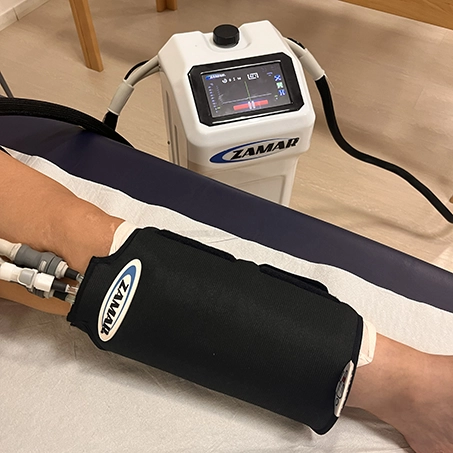
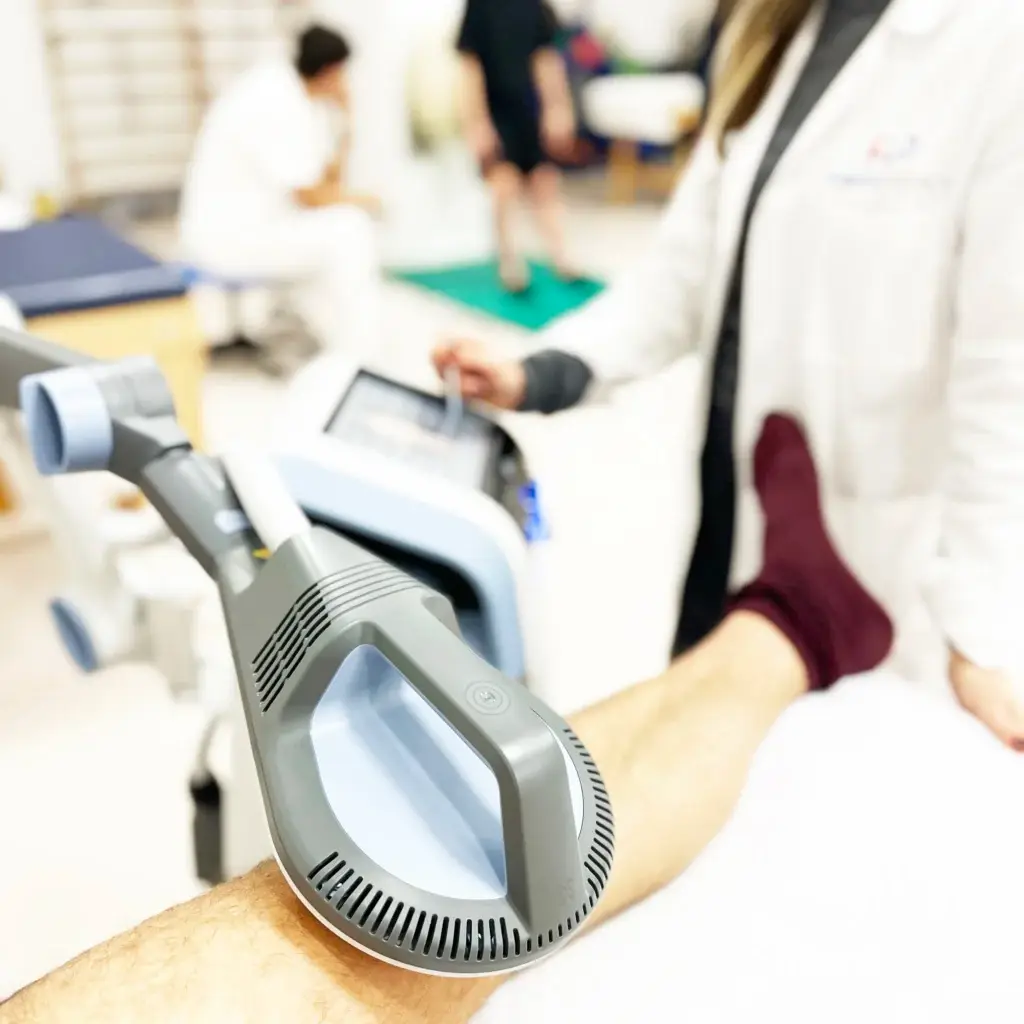
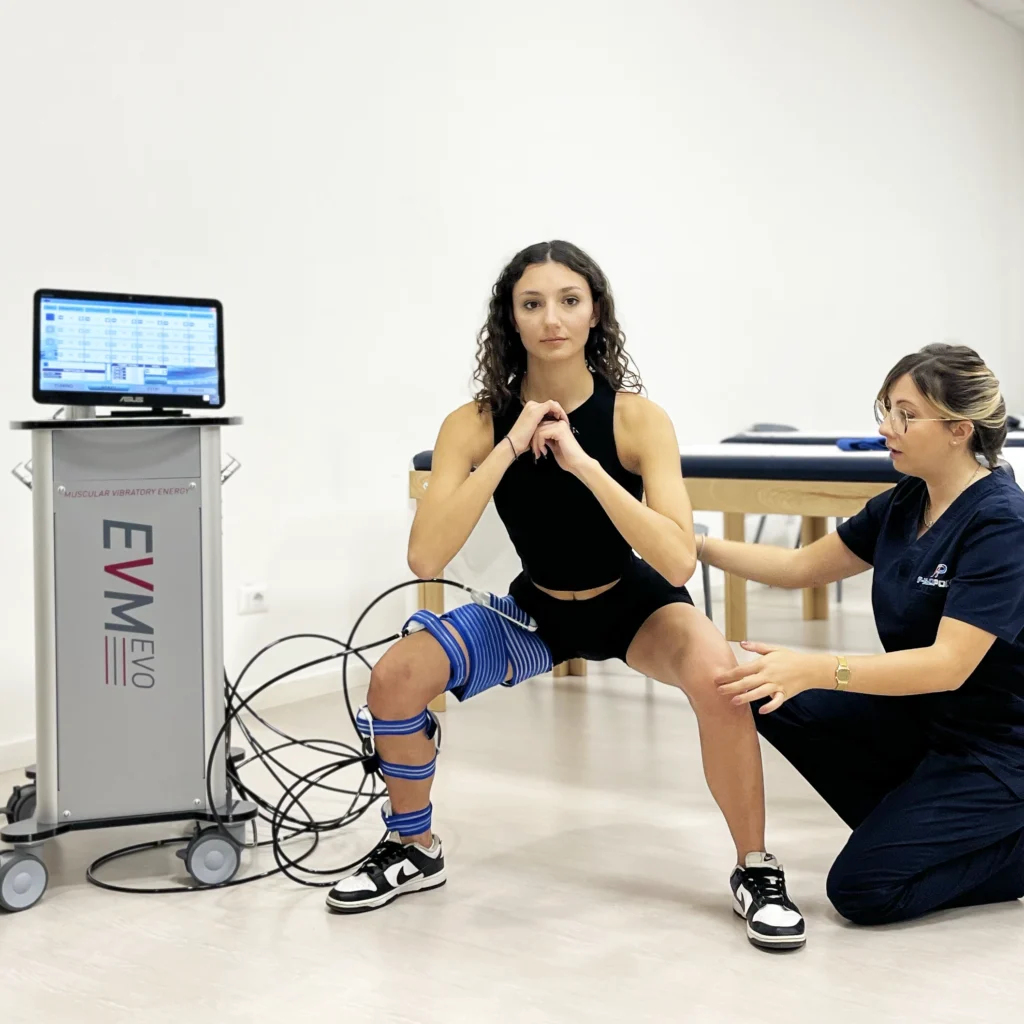
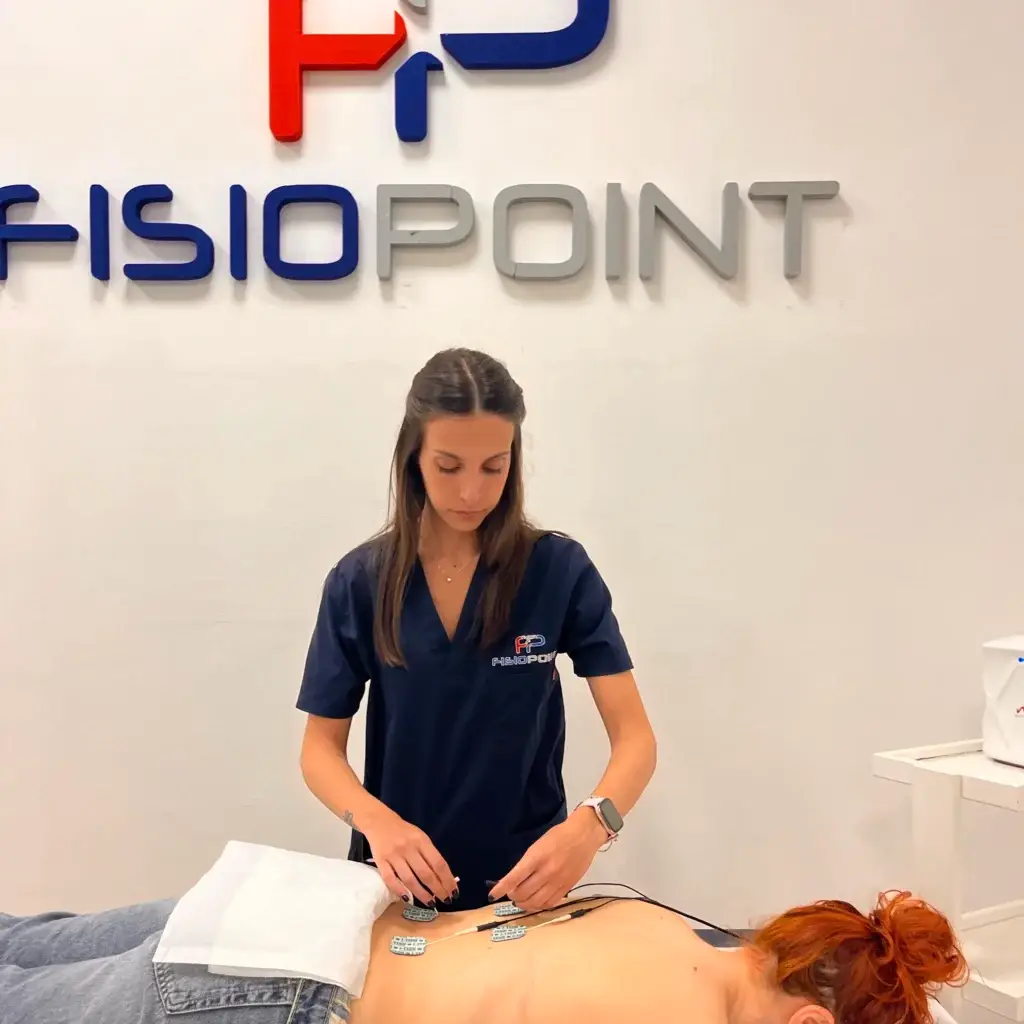
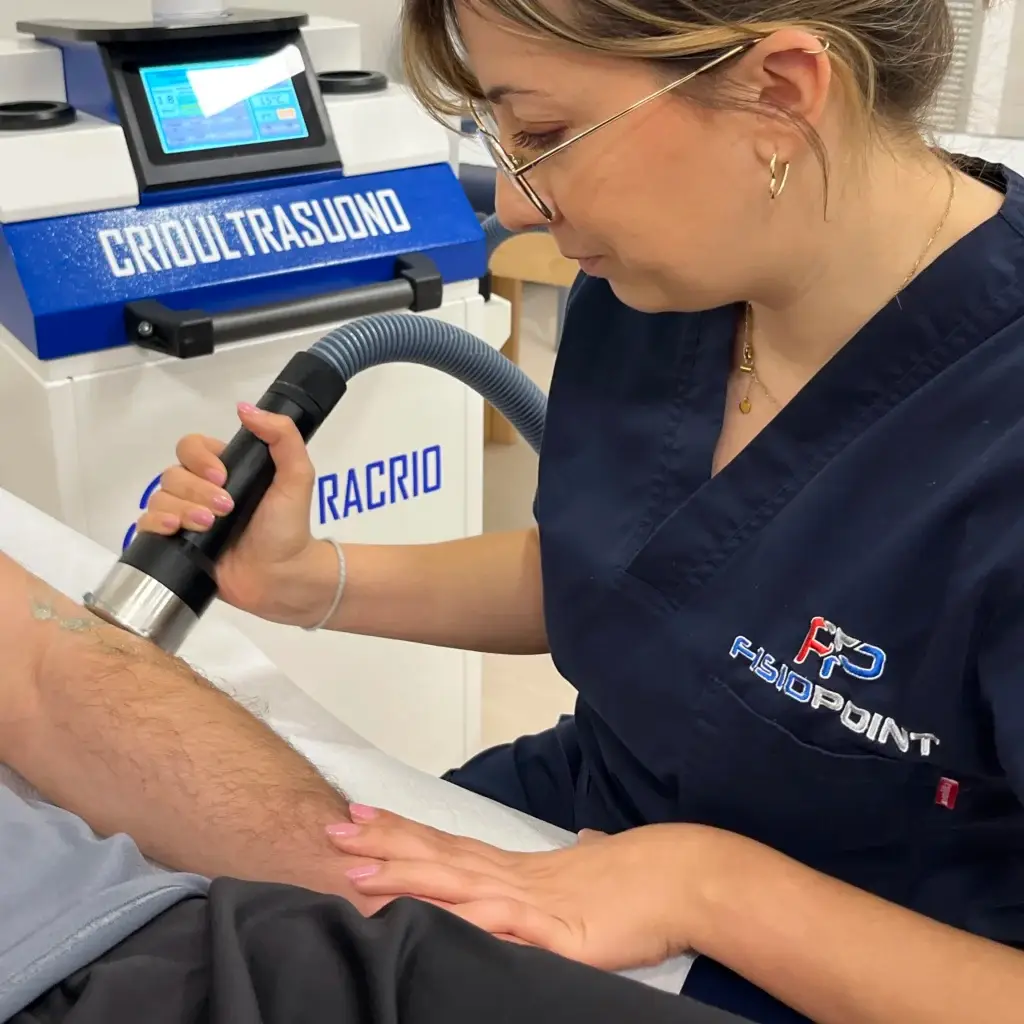
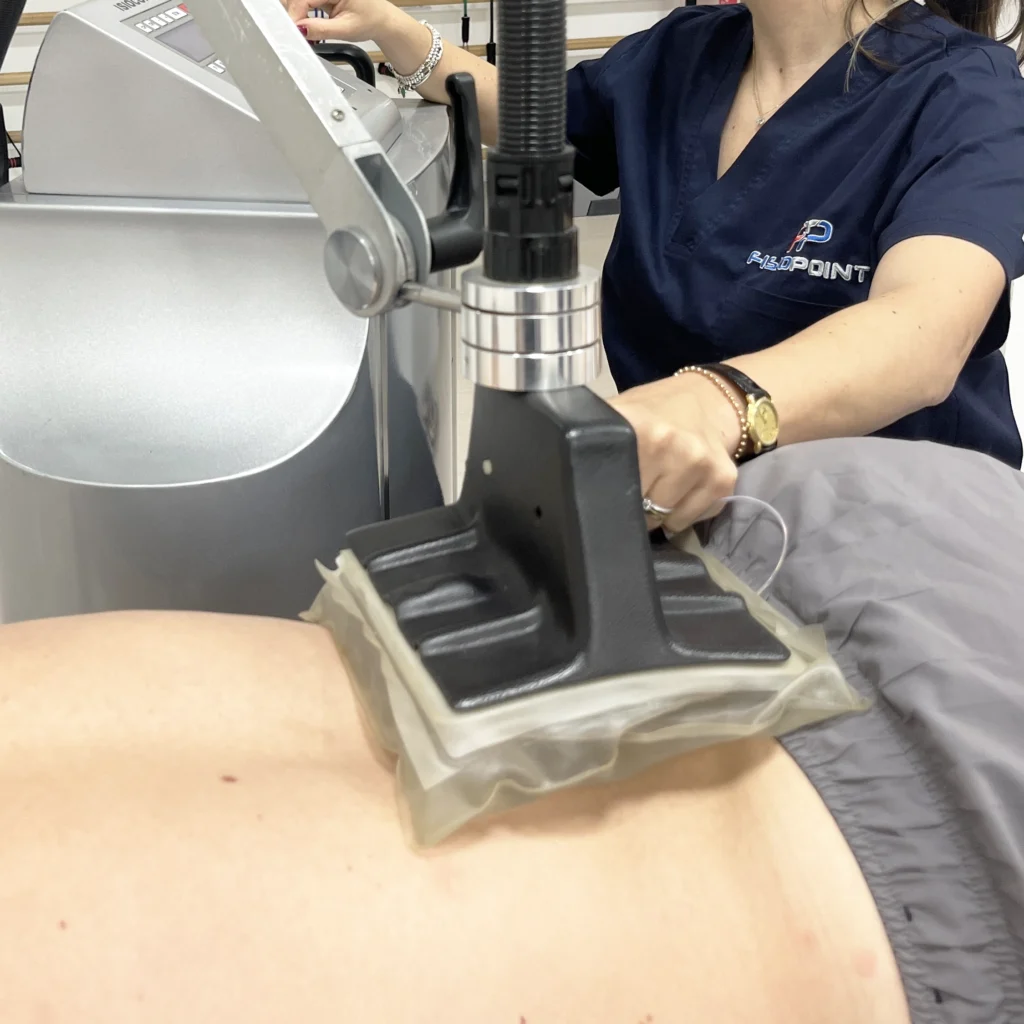
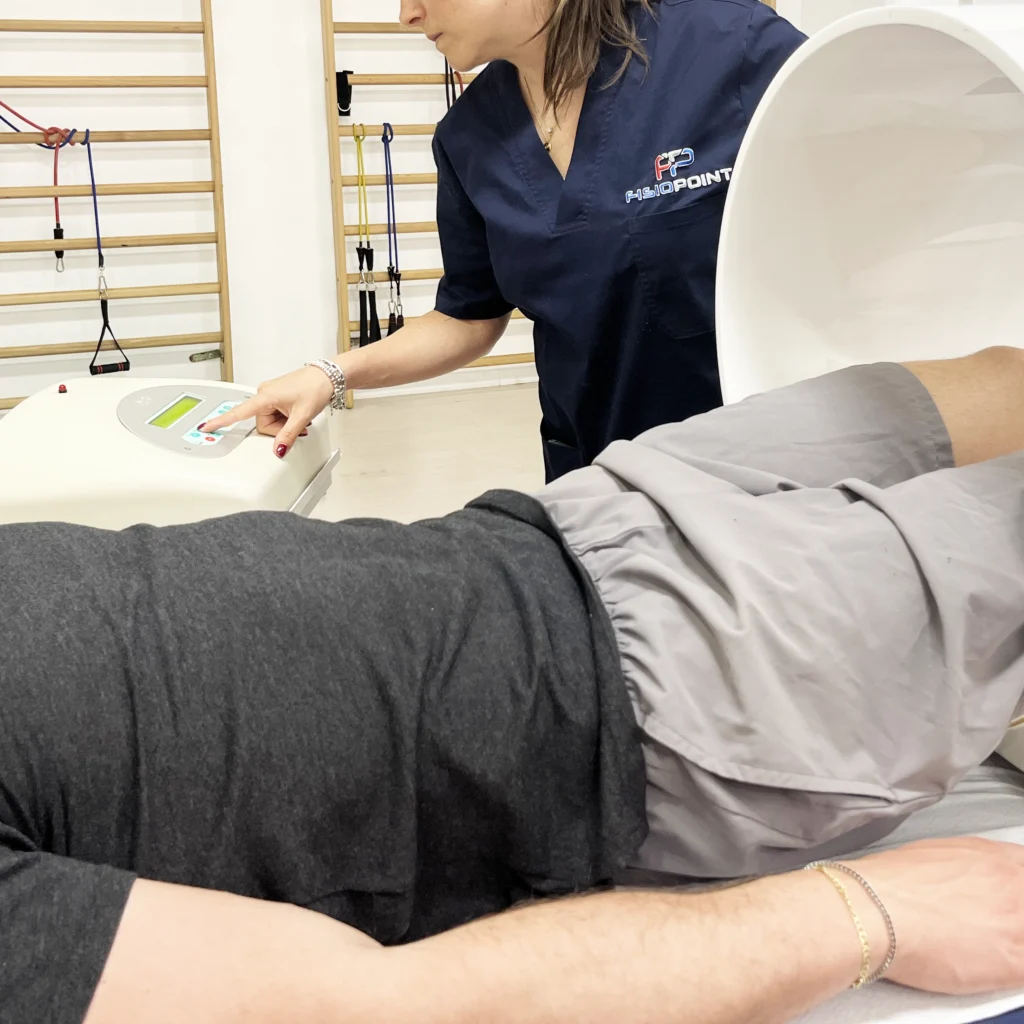
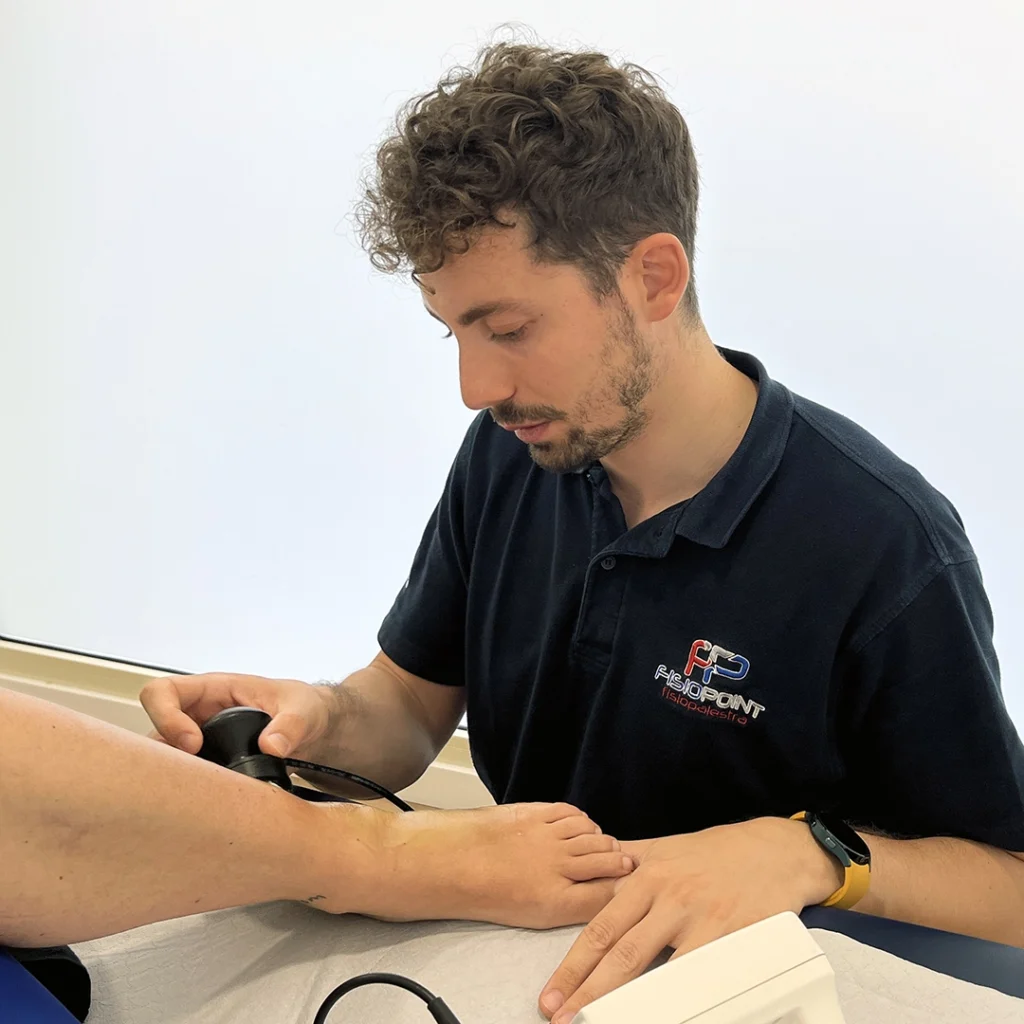
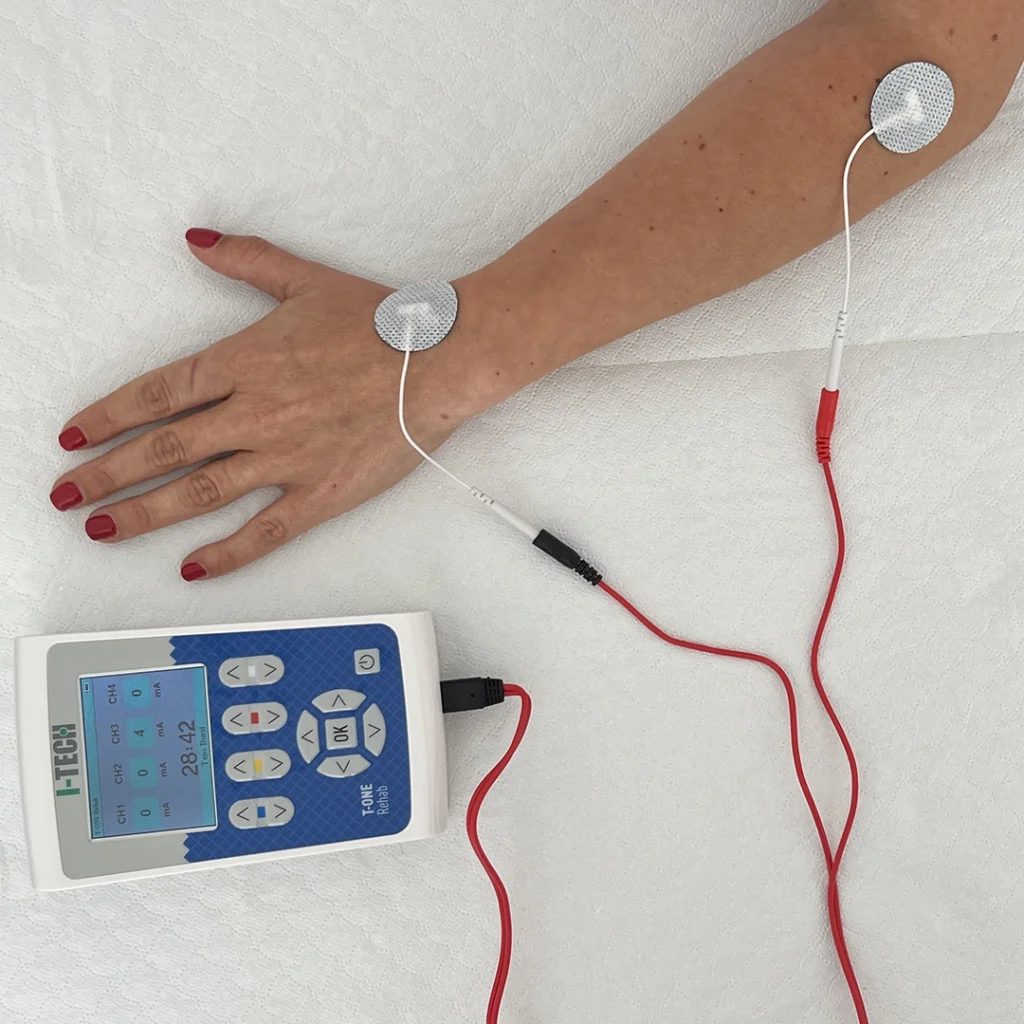
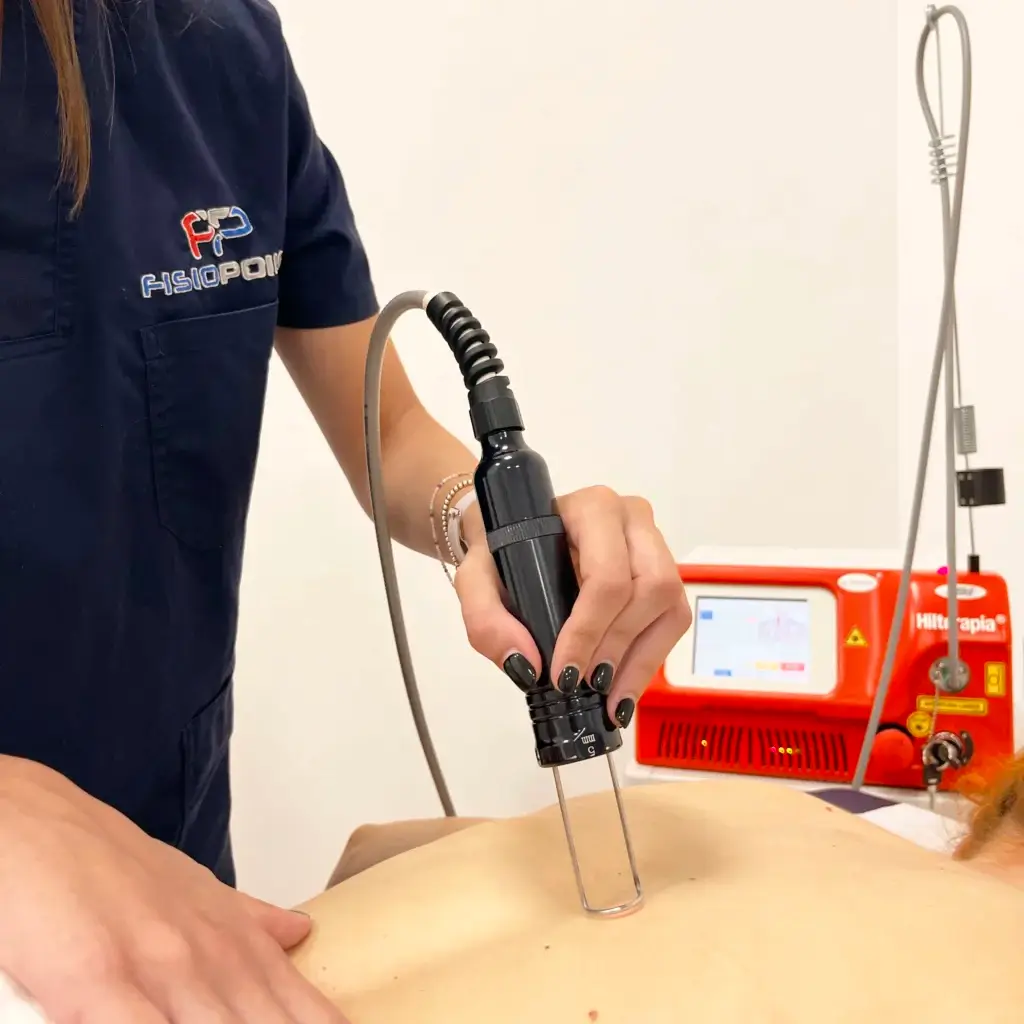
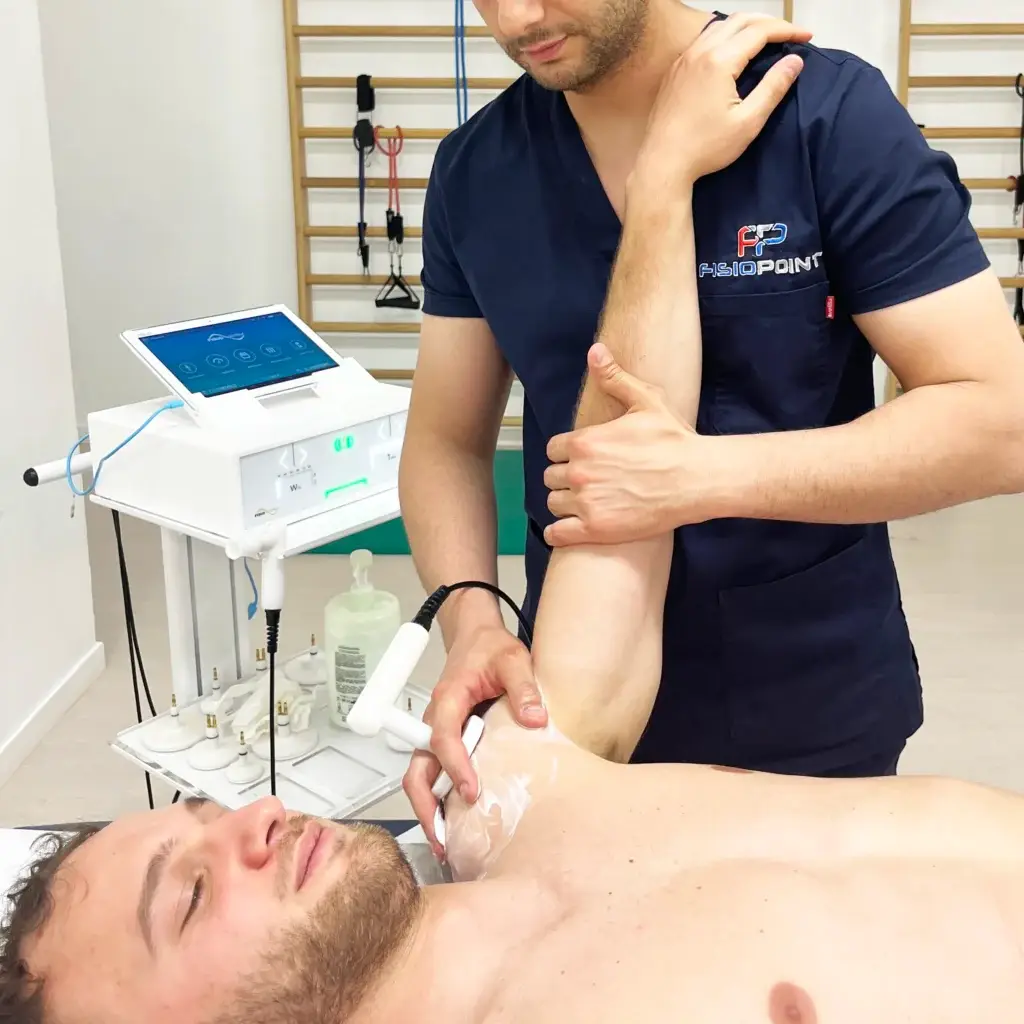
If the deformity of the big toe is not extremely disabling but typical symptoms of inflammation occur, it is necessary to undertake a course of physiotherapy in order to act on the pain and inflammatory state. In the first instance, this can be done using specific machines such as:
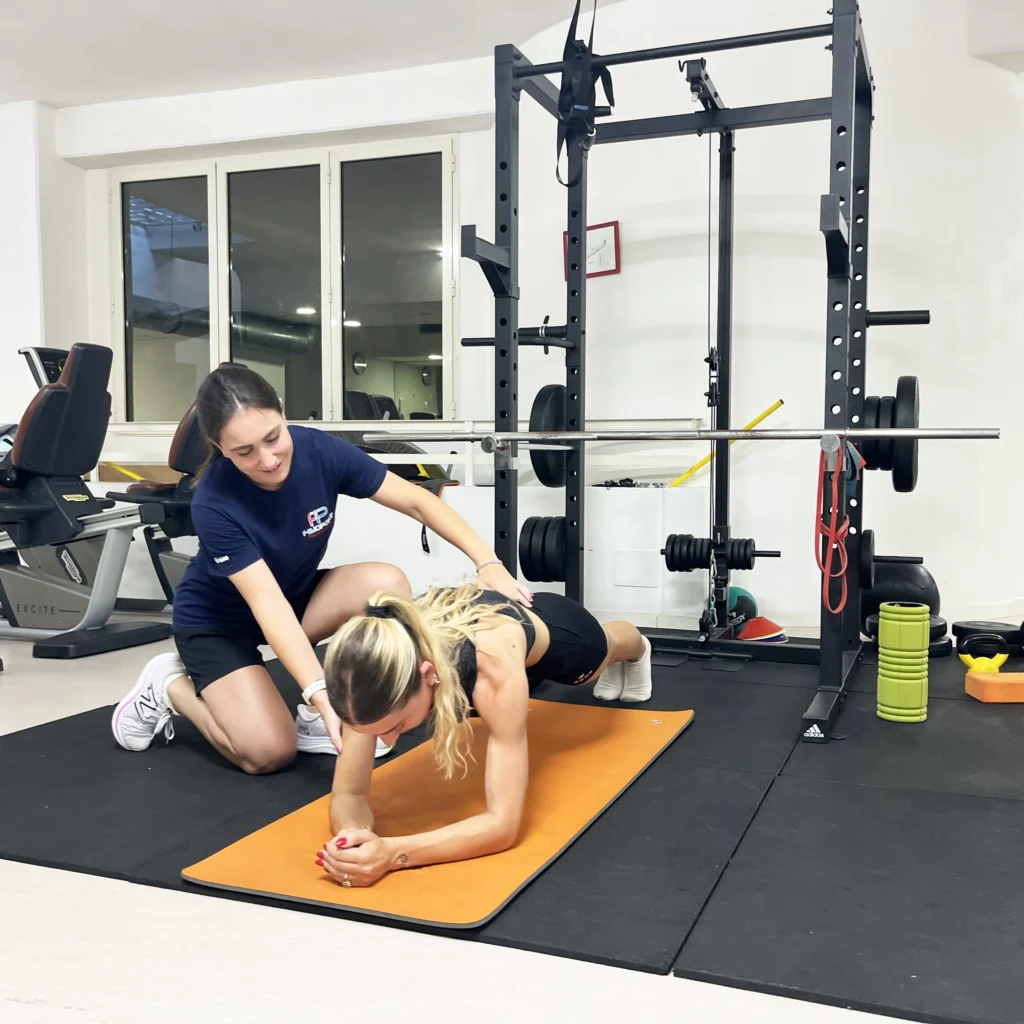
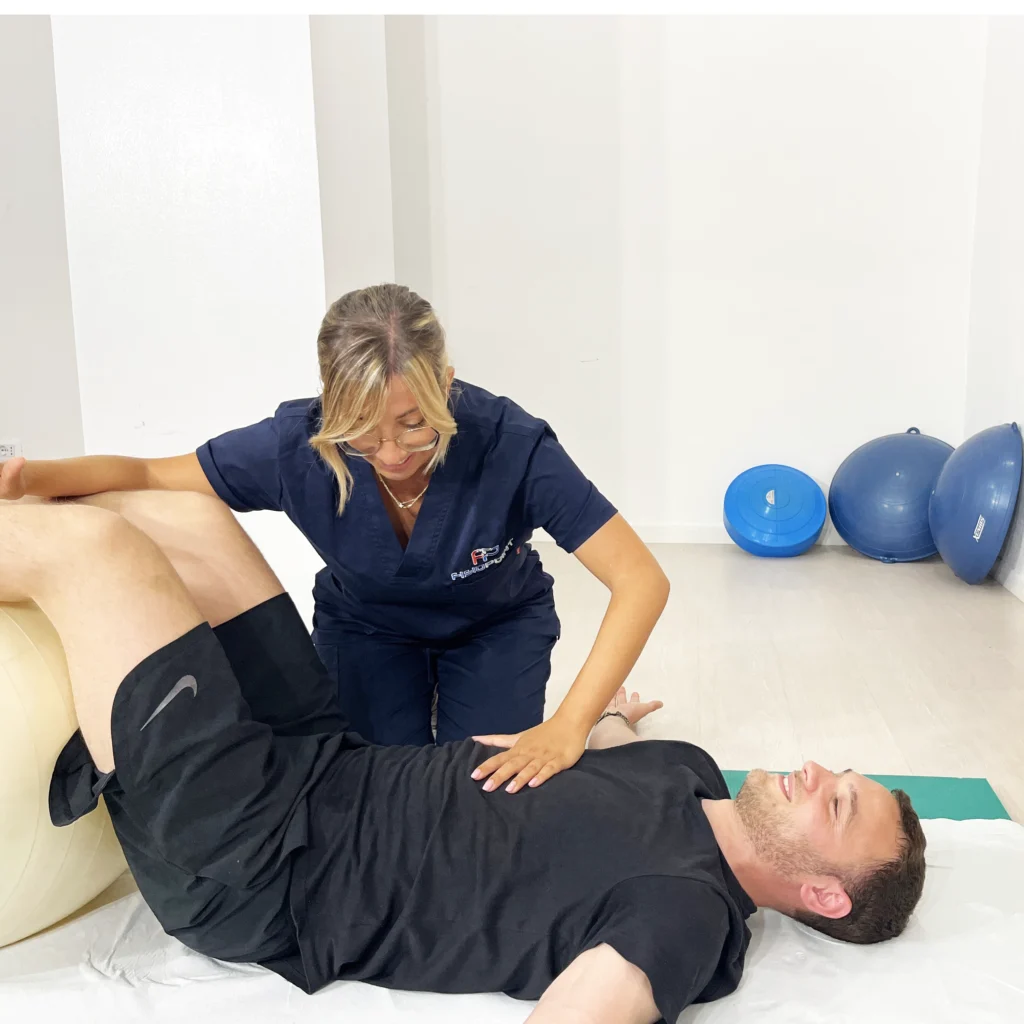
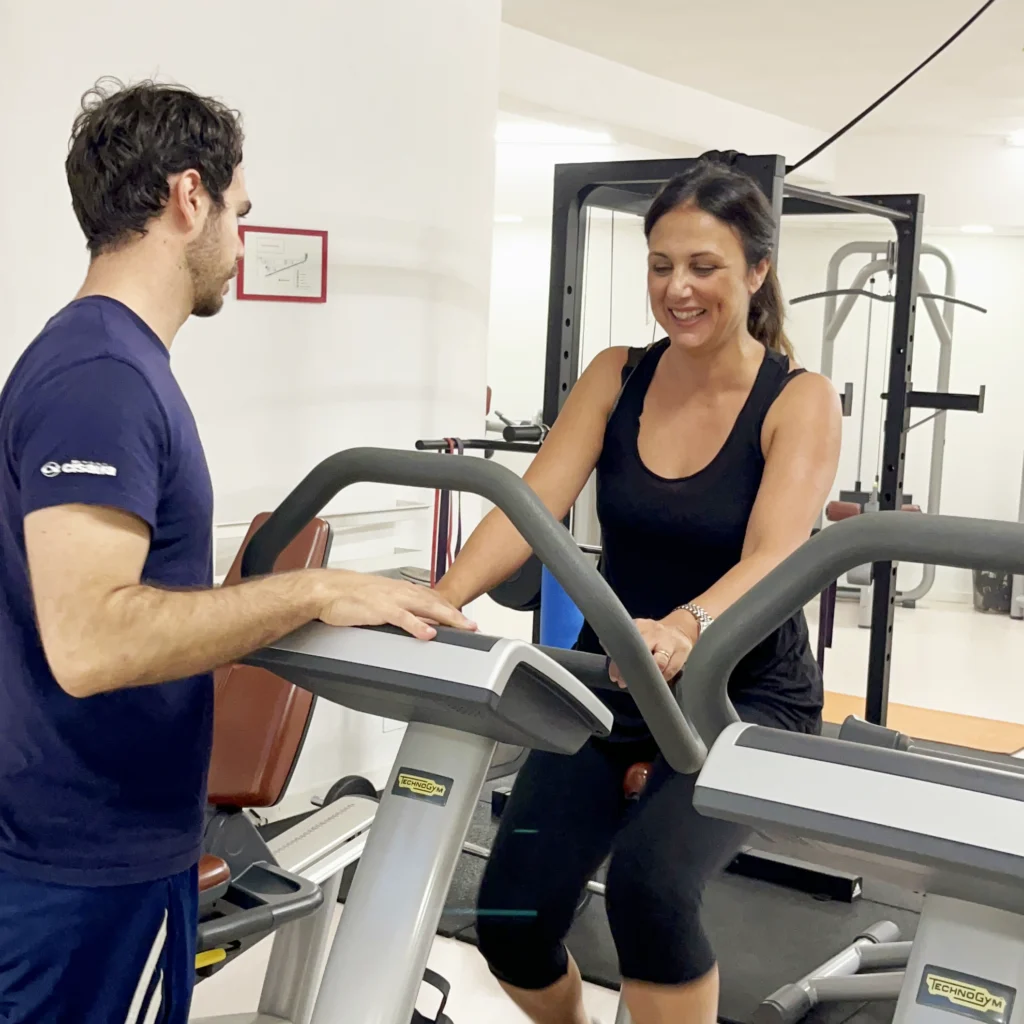
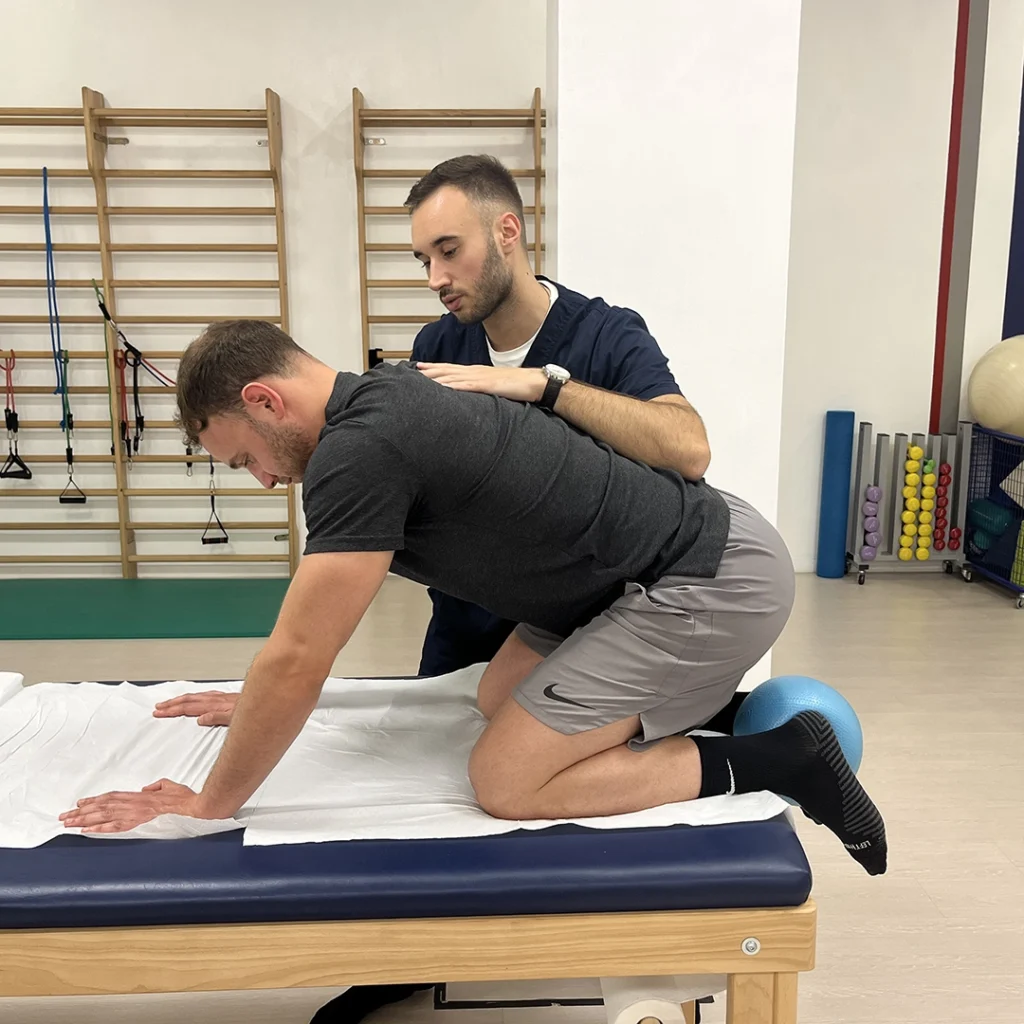
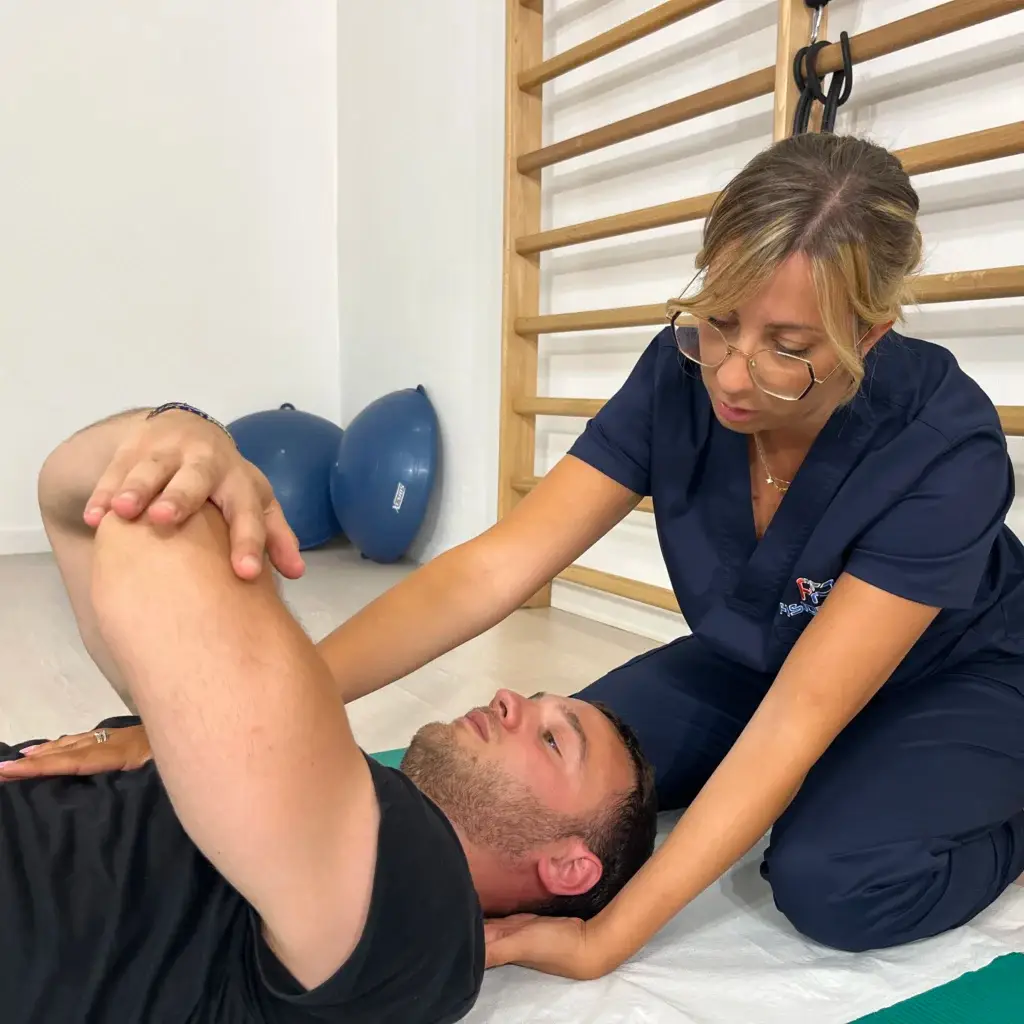
Afterwards, it is necessary to proceed with exercises aimed above all at re-educating walking and gait pattern, which will certainly be altered by the deformity. This step is essential to avoid further worsening and recurrence of inflammation. It is also useful to consider the possibility of starting to use orthotics, which, when placed between the foot and the shoe, can correct the unloading of weight on the foot and help its movement. In order to be effective, orthotics must be assessed and prescribed by a specialist and must be perfectly tailored to the patient. Another piece of advice, once pain and inflammation have been reduced, is to avoid high-heeled shoes with narrow toes.
Hallux valgus surgery
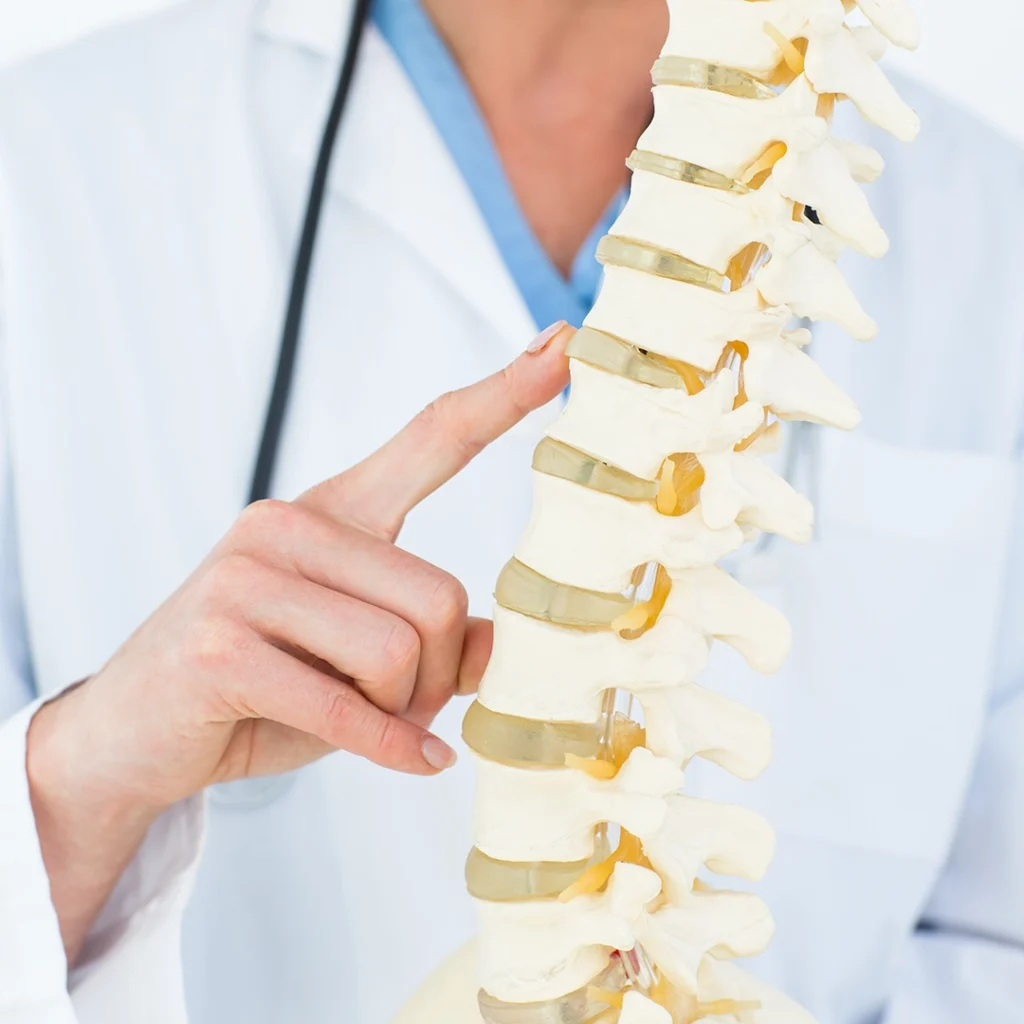
Hallux valgus, with the passing of the years and the ageing of the tissues, often worsens, causing the big toe to overlap with the other toes. This, in addition to being an aesthetic problem, also becomes a major functional problem because it prevents the person from walking properly, causing a completely wrong foot stance that in the long run can also be detrimental to other structures, such as the knees and back. In such cases, surgery is performed.
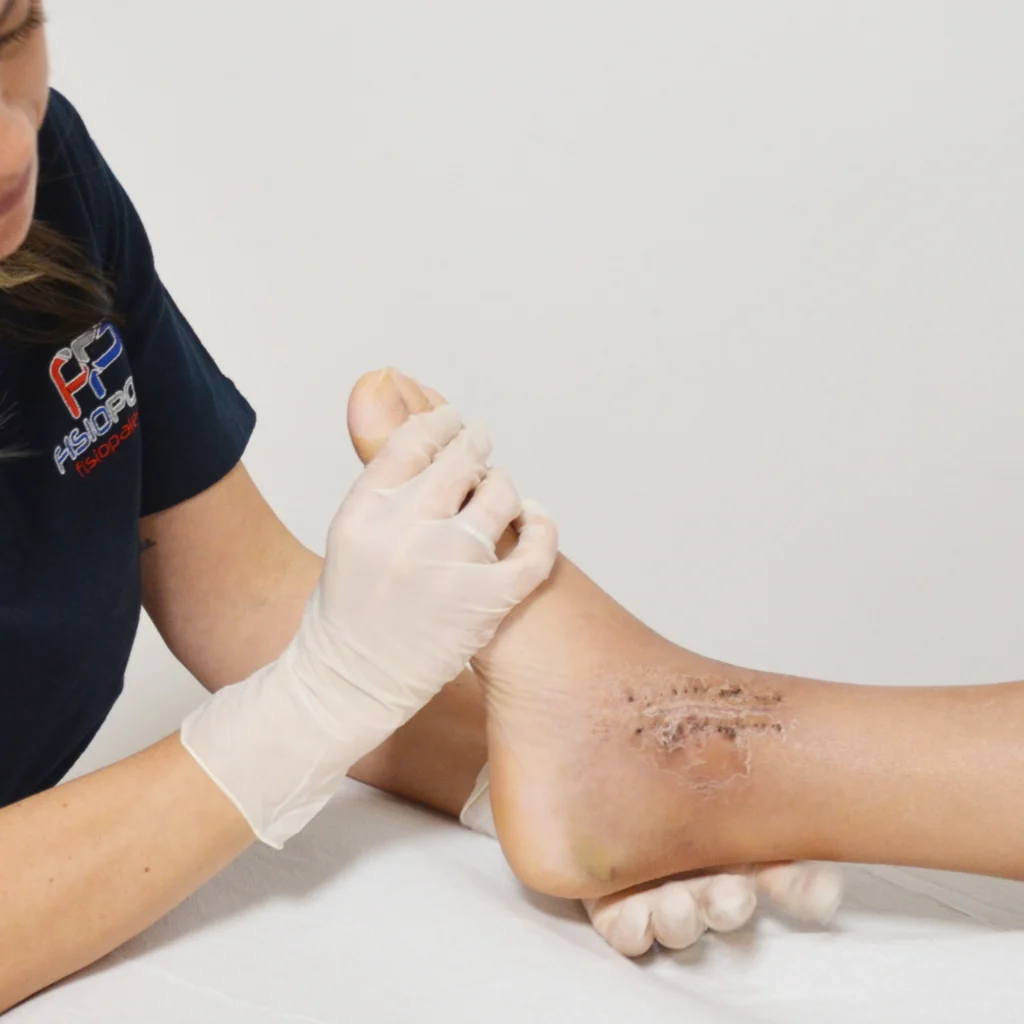
The surgical operation is simple and usually uses the semi-invasive percutaneous technique, with no implantation of metal synthesis means. The joint is accessed through small holes and the first metatarsal is repositioned. Following the operation, the area will be bandaged for a few days. One can walk right away, but it is not recommended to remain under load for a long time in the very beginning.
Afterwards, physiotherapy is still necessary, as the finger may be stiff, swollen and painful. The aims of rehabilitation in this case are:
-
- Reduction of pain and swelling
-
- Recovery of first finger mobility
The recovery time after a hallux valgus operation is fairly short (about one month), but during this time and also in the following months, attention must be paid to the elements that can stress the foot and toe. Hallux valgus is, in fact, a condition that tends to recur and it is a good idea to take precautions in order to maintain the results of the operation.
Text by Alessandra Burelli
Learn more by watching the videos on our channel YouTube






 English
 Italian