What structures are involved in Achilles tendon injury?
The Achilles tendon, also known as the calcaneal tendon, is a strong tendon that has the function of keeping the calf muscles anchored to the foot, more precisely to the heel (or heel) area.
The calf muscles that take insertion through it are:
This tendon is, of course, essential for all activities involving plantar support, so even simple walking or running.
What are the symptoms of Achilles tendon injury?
It is common for patients to realise they have suffered an Achilles tendon rupture because a dry 'snap' is often heard. It is then reported:
- Intense pain
- Swelling
- Inability to extend the foot and stand on toes
- Loss of strength in the calf area
- Zoppia
- Ankle and calf stiffness
How to tell if an Achilles tendon injury has occurred?
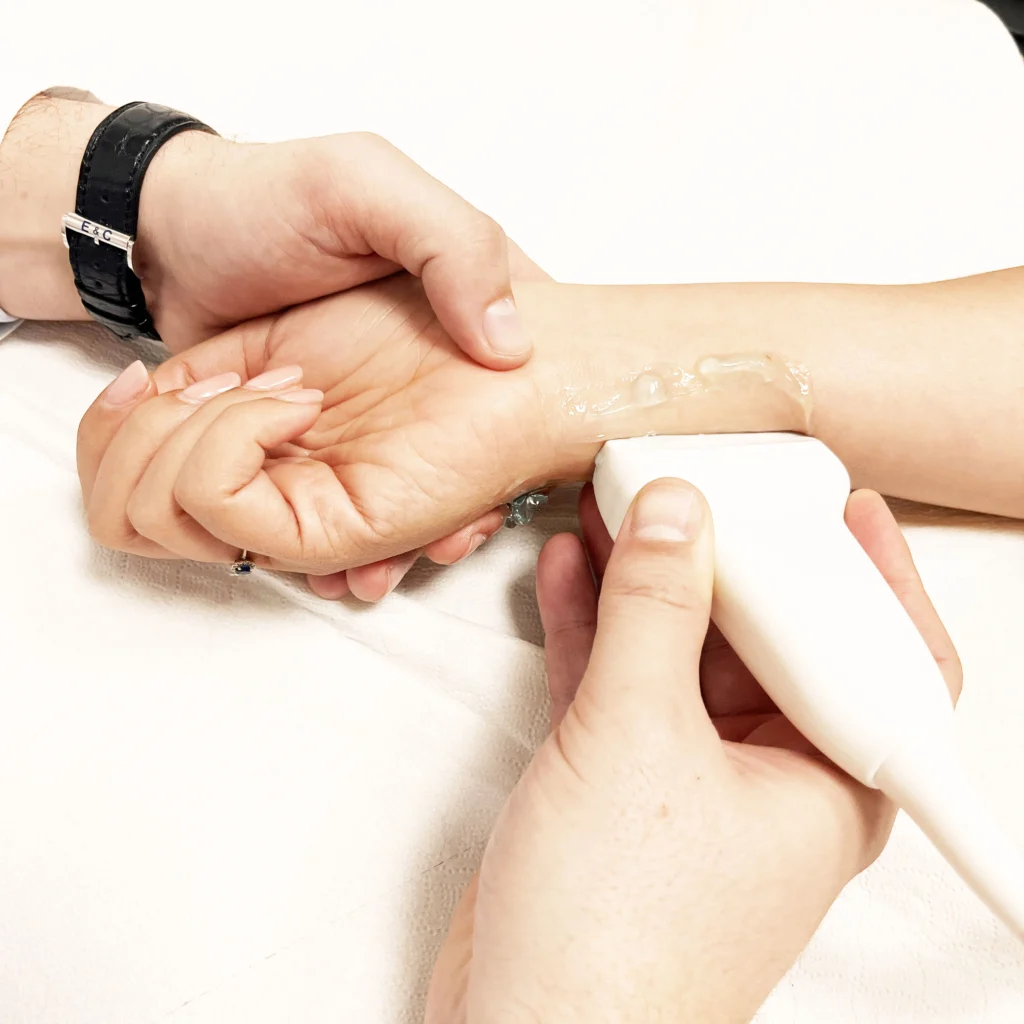
In general, the diagnosis of an Achilles tendon injury is made by means of an objective examination with analysis of the patient's situation and the traumatic mechanism. They are also performed:
- Thompson's test
- Matles test
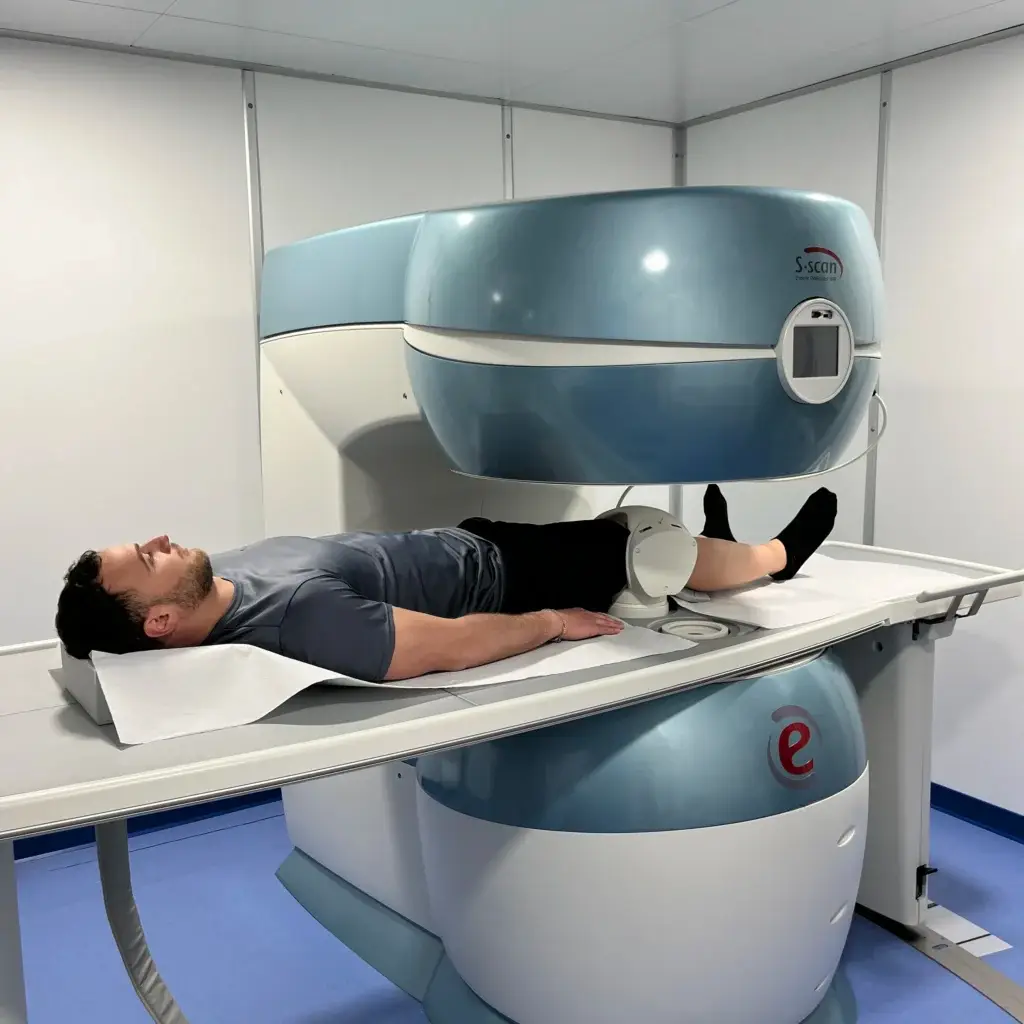
Per conoscere l’entità della lesione, è necessario effettuare una Magnetic resonance imaging.
Once the problem has been framed and the presence of the lesion established, its type can be identified:
- Type 1: partial breaks ≤50%
- Type 2: complete rupture with tendon gap ≤3 cm
- Type 3: complete rupture with a tendon gap of 3 to 6 centimetres
- Tipo 4: rottura completa con gap >6 centimetri
Achilles tendon injury: what to do?
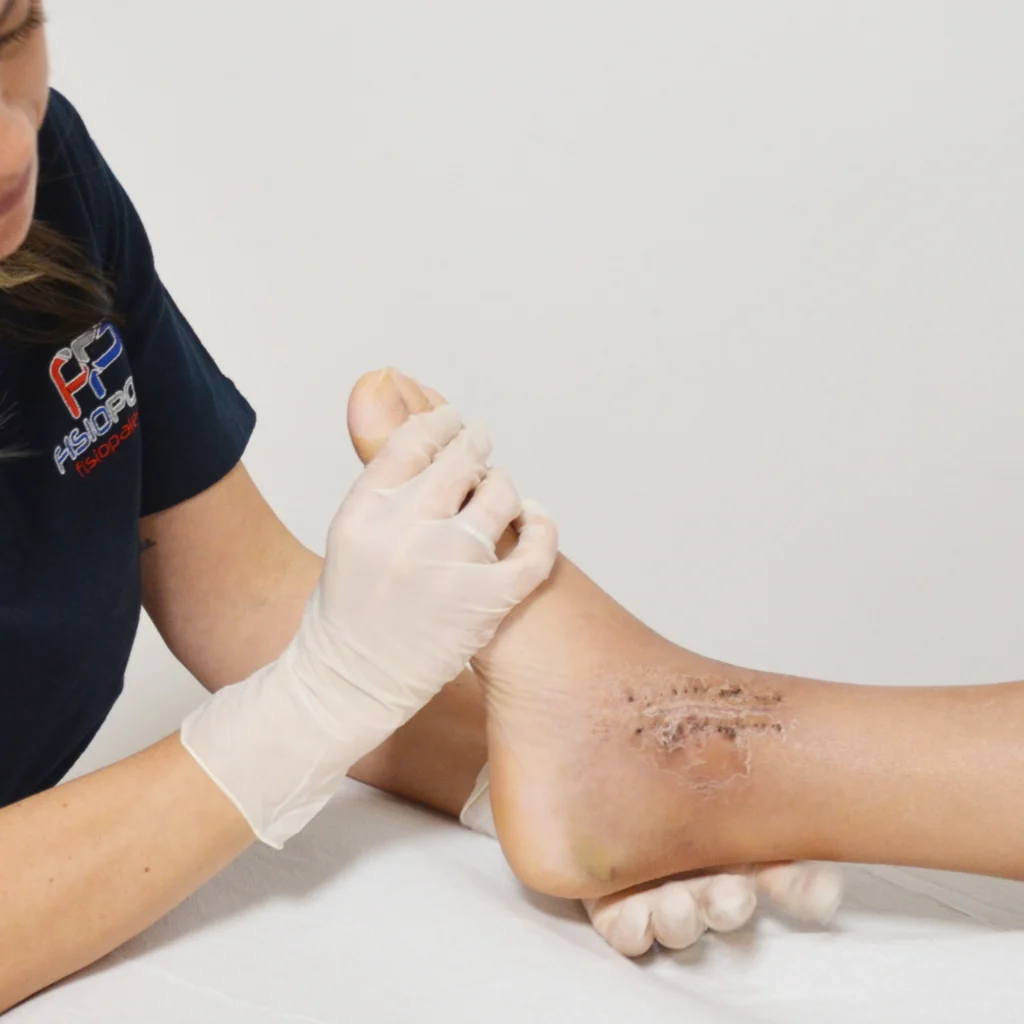
The type of treatment of an Achilles tendon injury varies depending on the extent of the damage and its severity. In some cases, in the case of a partial and minor injury, we proceed through immobilisation and then proceed to the recovery phase with physiotherapy. In cases of complete injury, it is necessary to reconstruct and correctly reintegrate the tendon into its seat. The choice of the type of treatment also takes into account the functional demand of the patient and thus his or her age and the activities that the subject must perform.
Physiotherapy for Achilles tendon injury
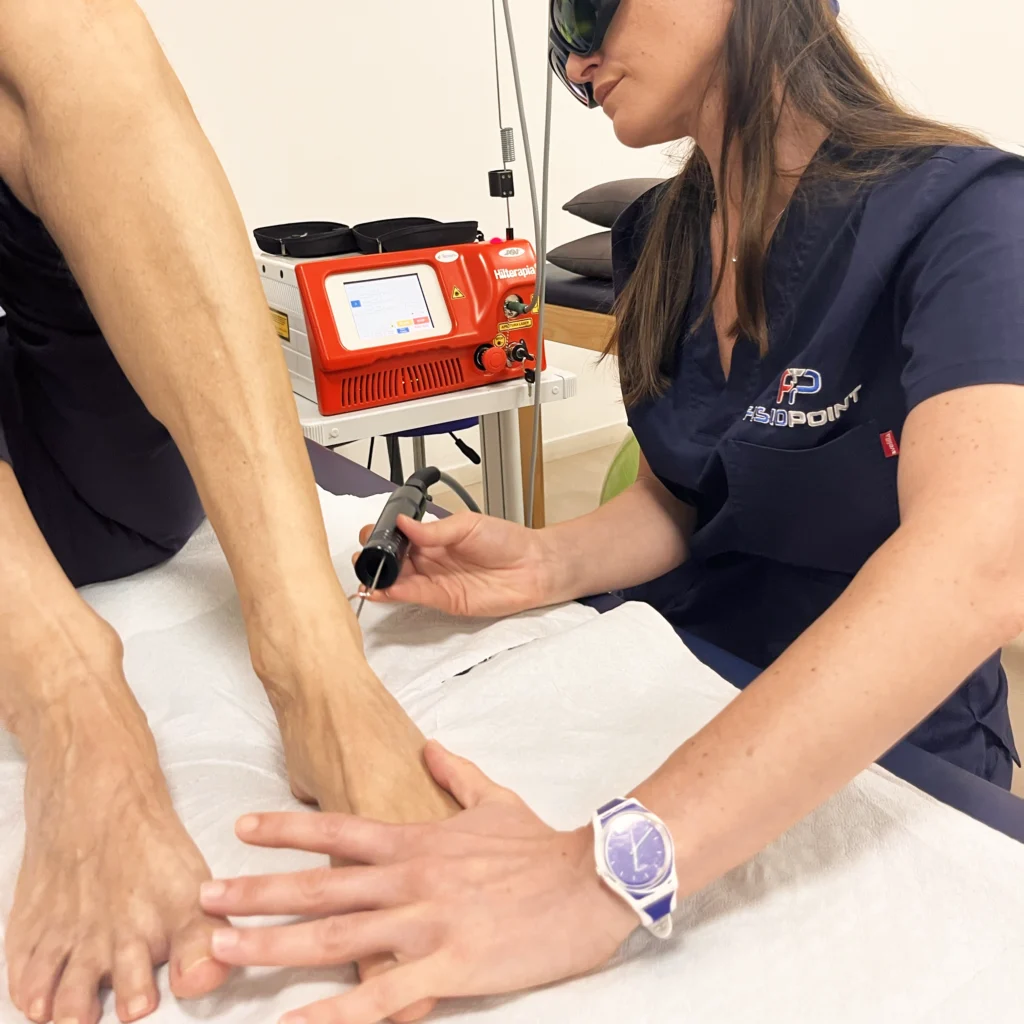
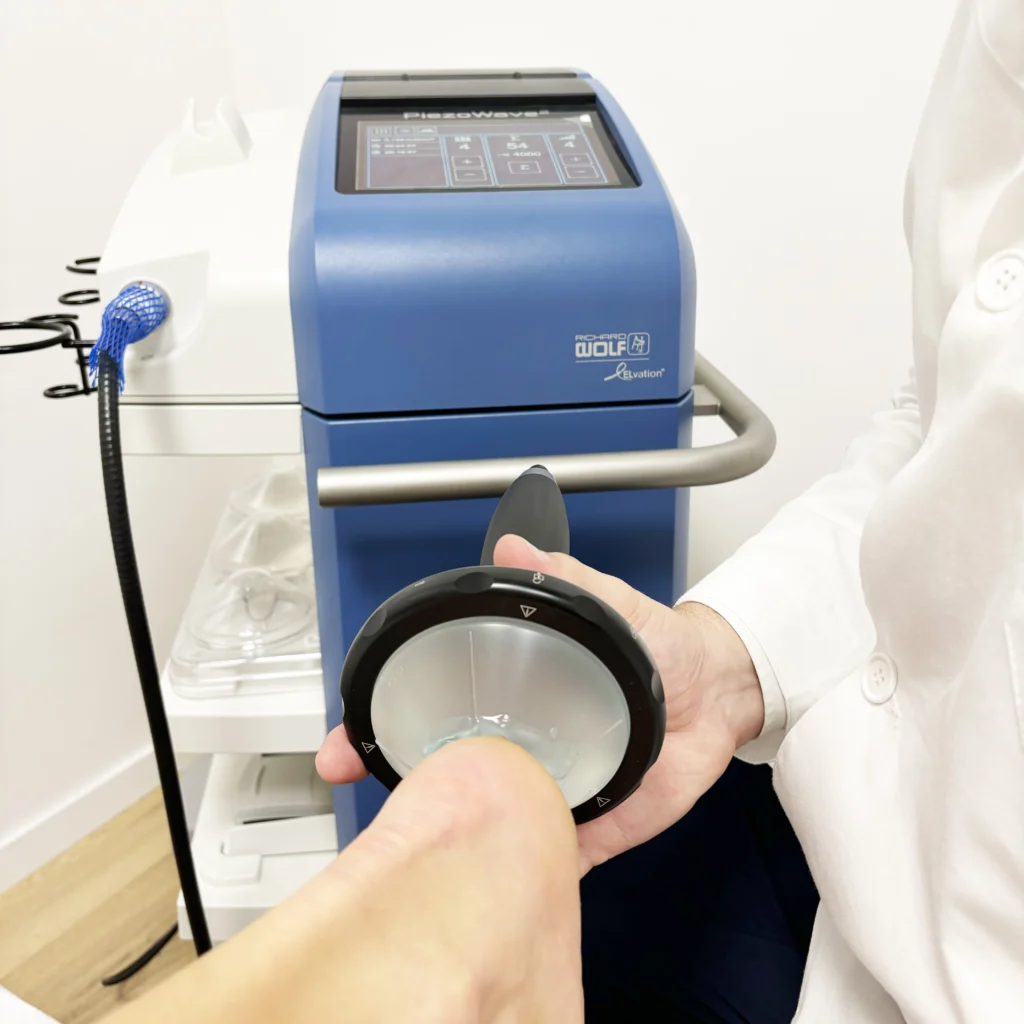
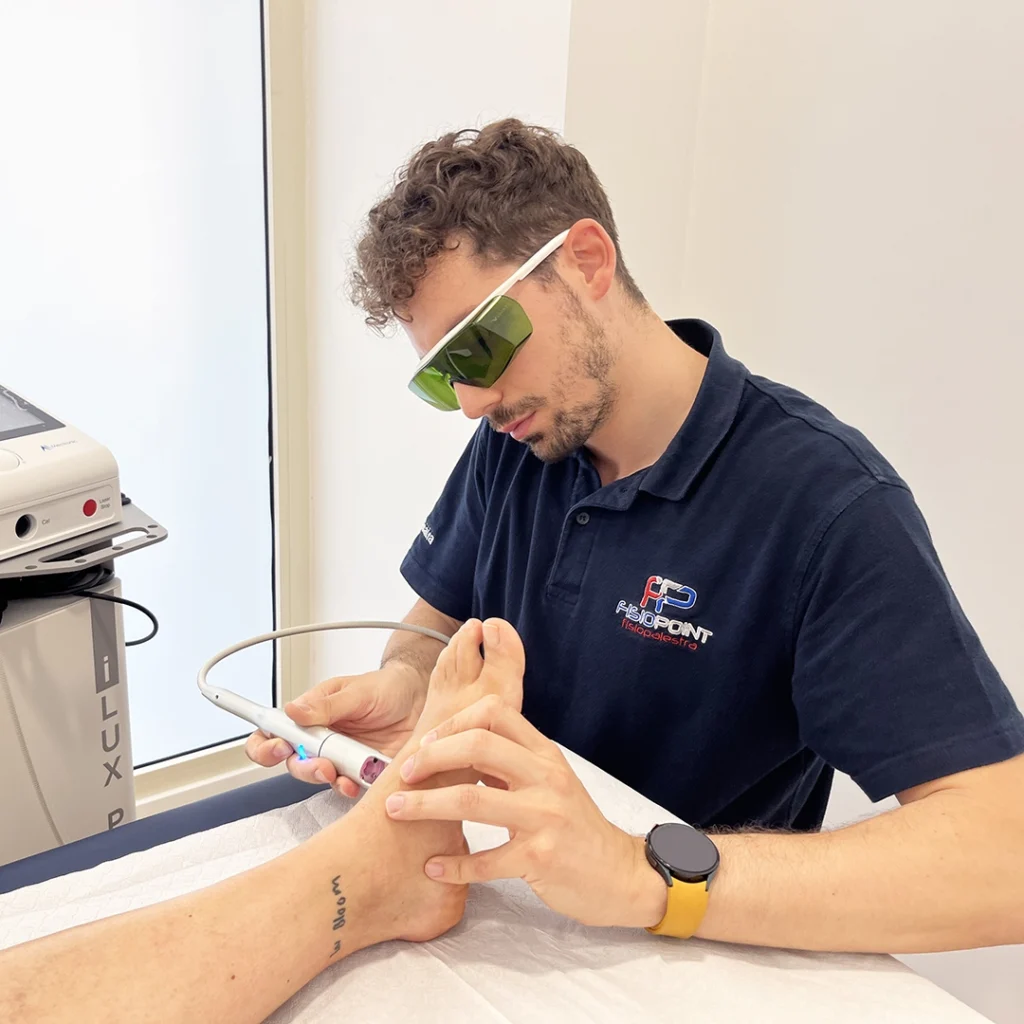
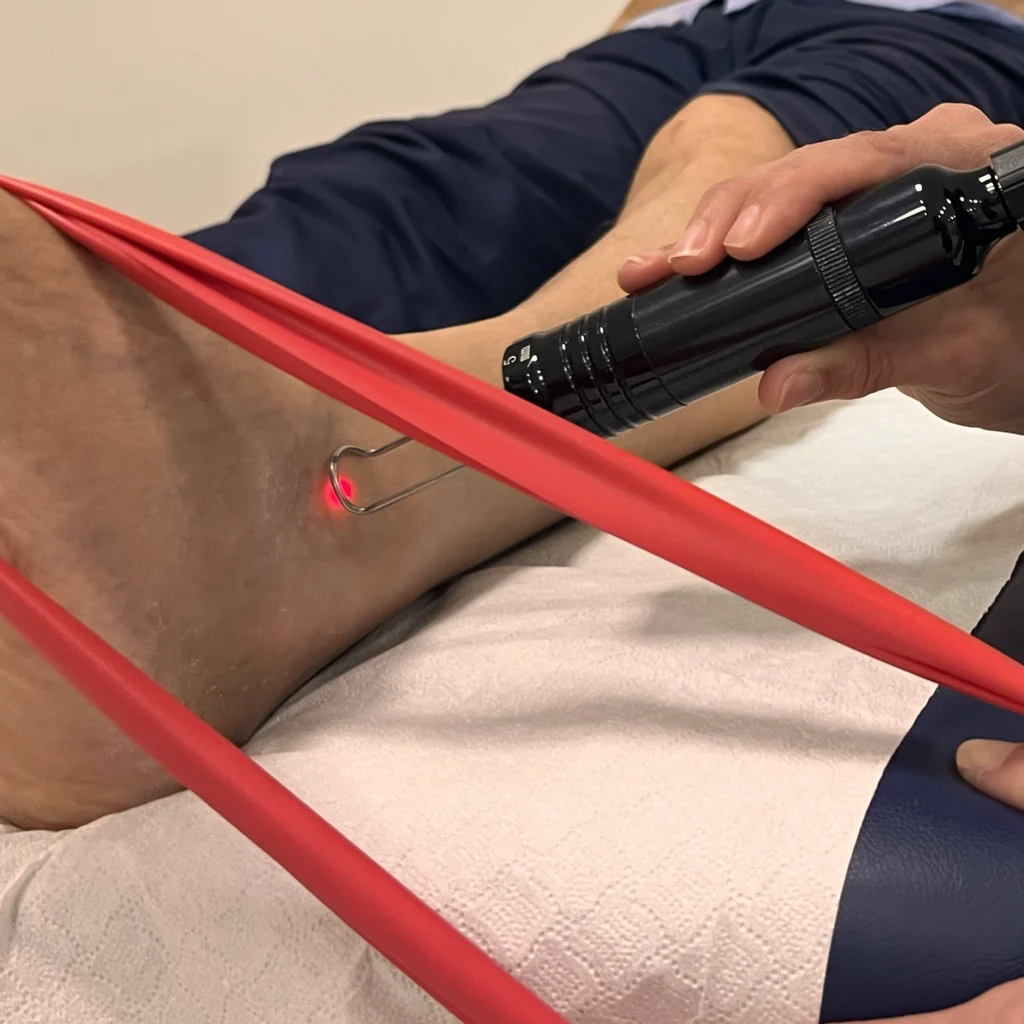
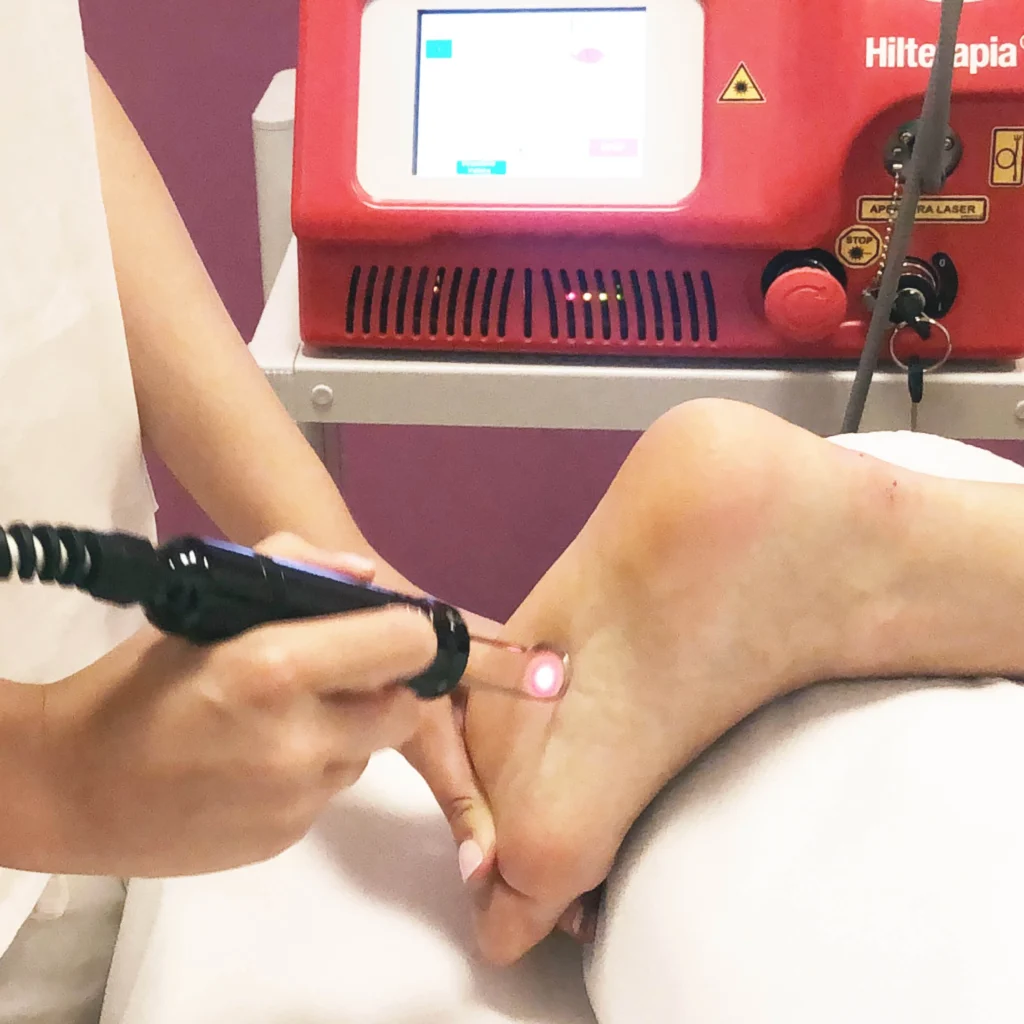
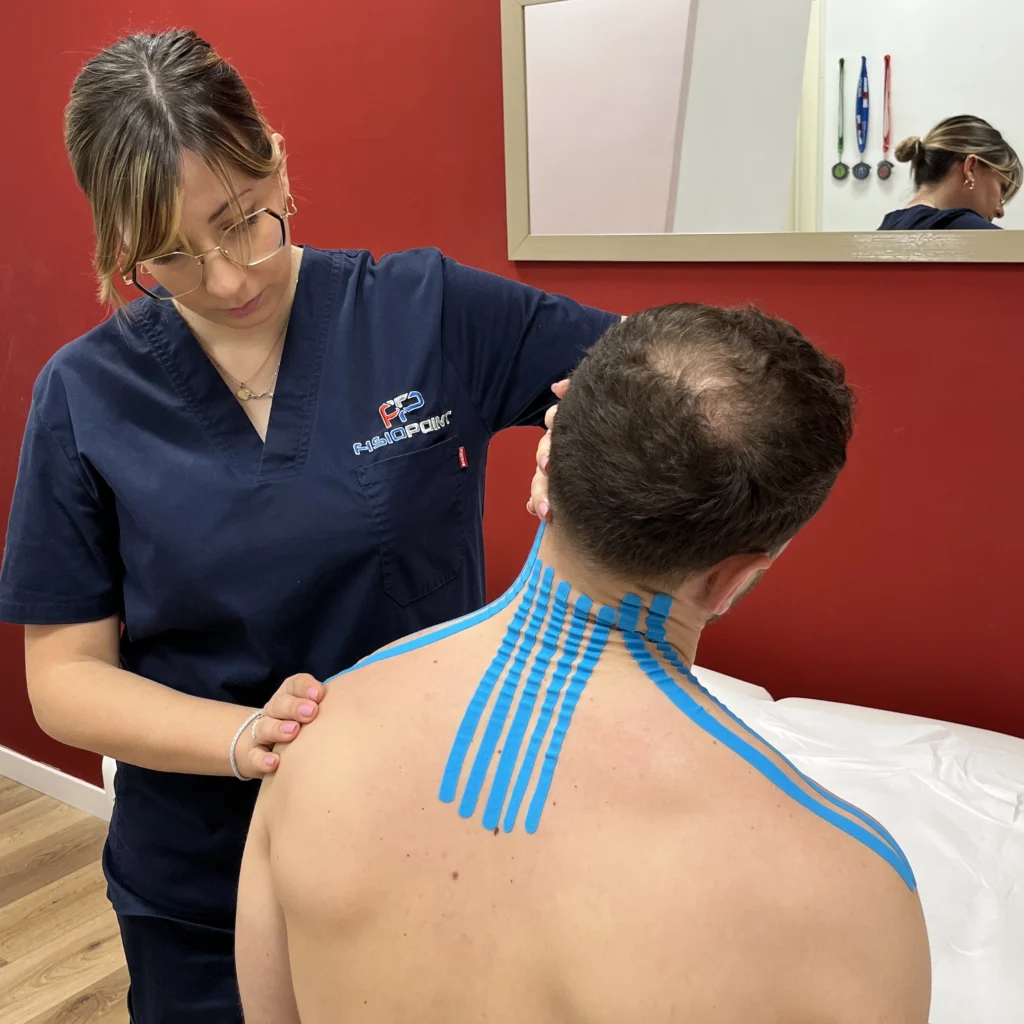
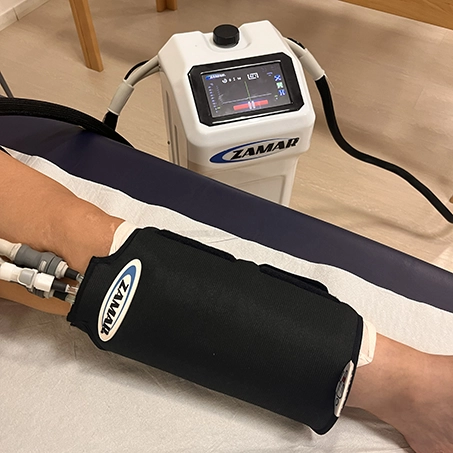
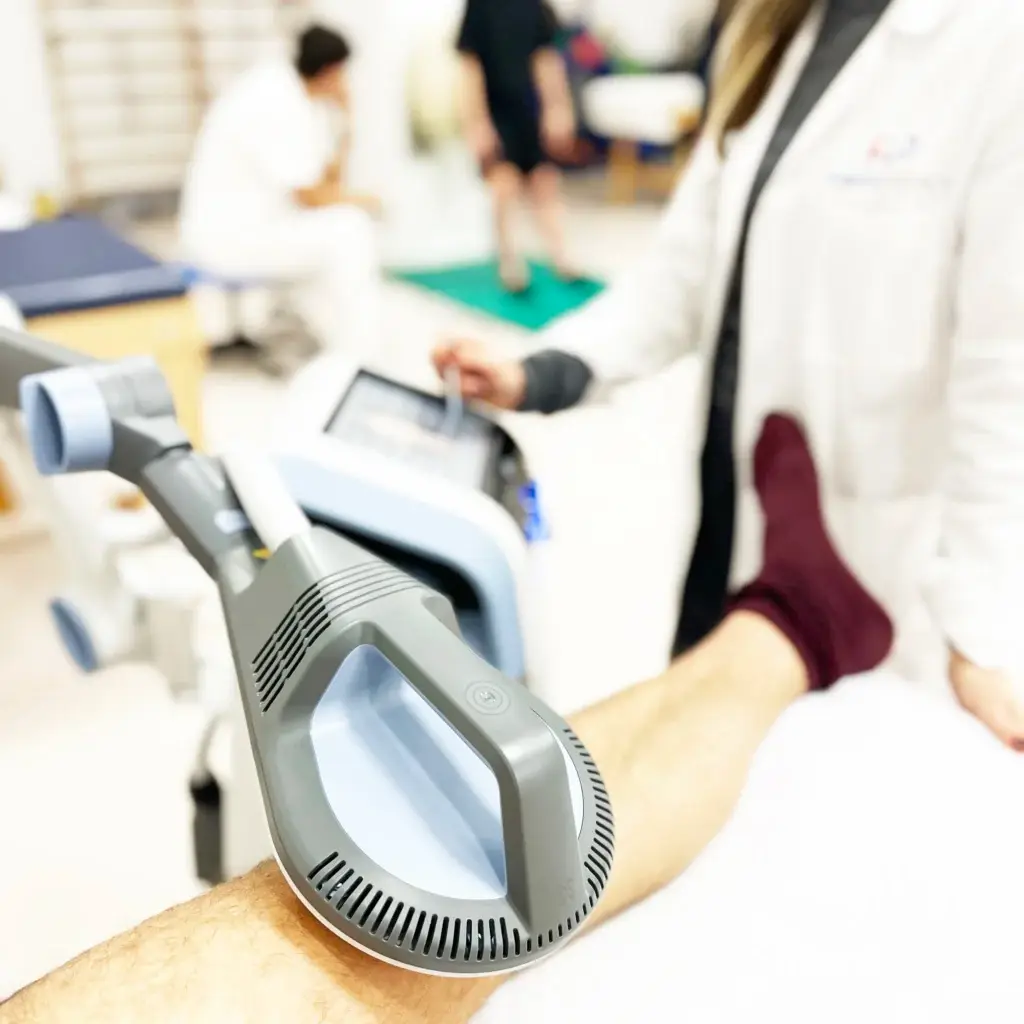
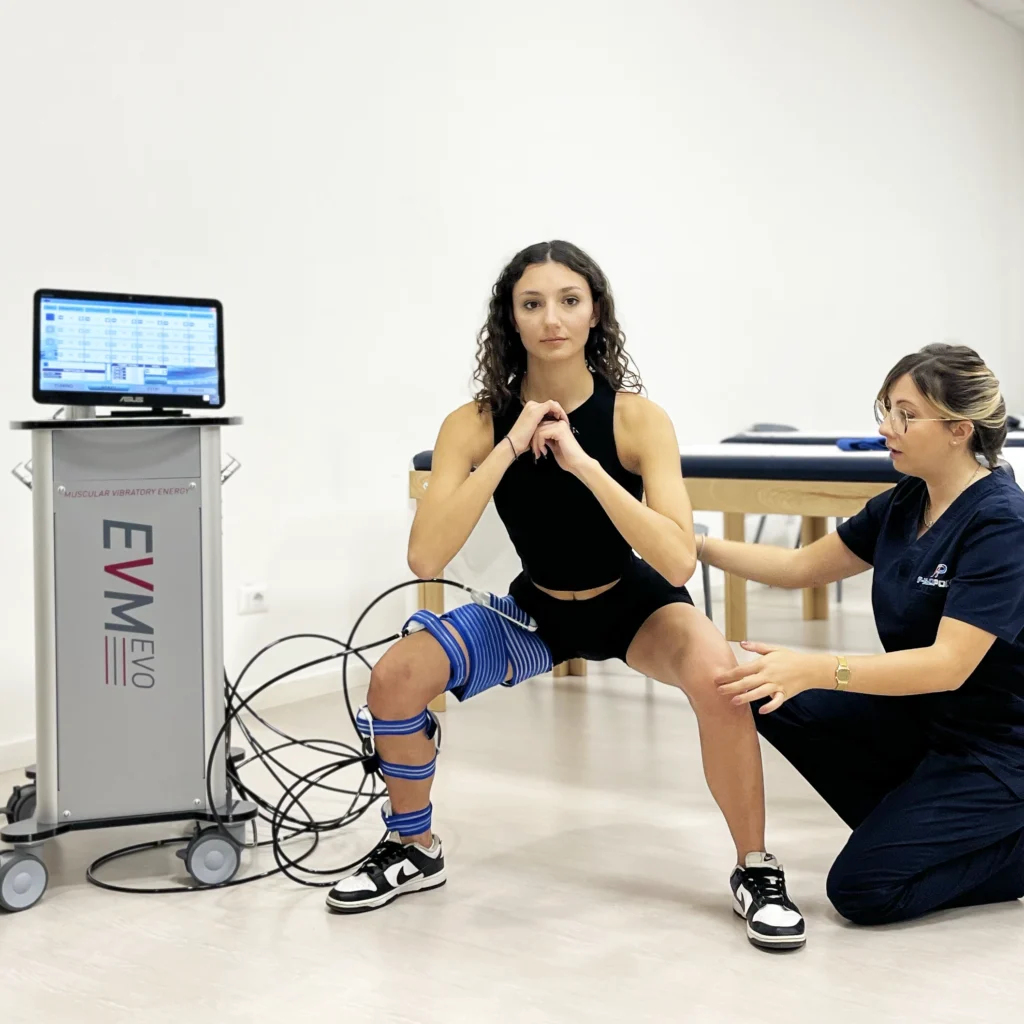
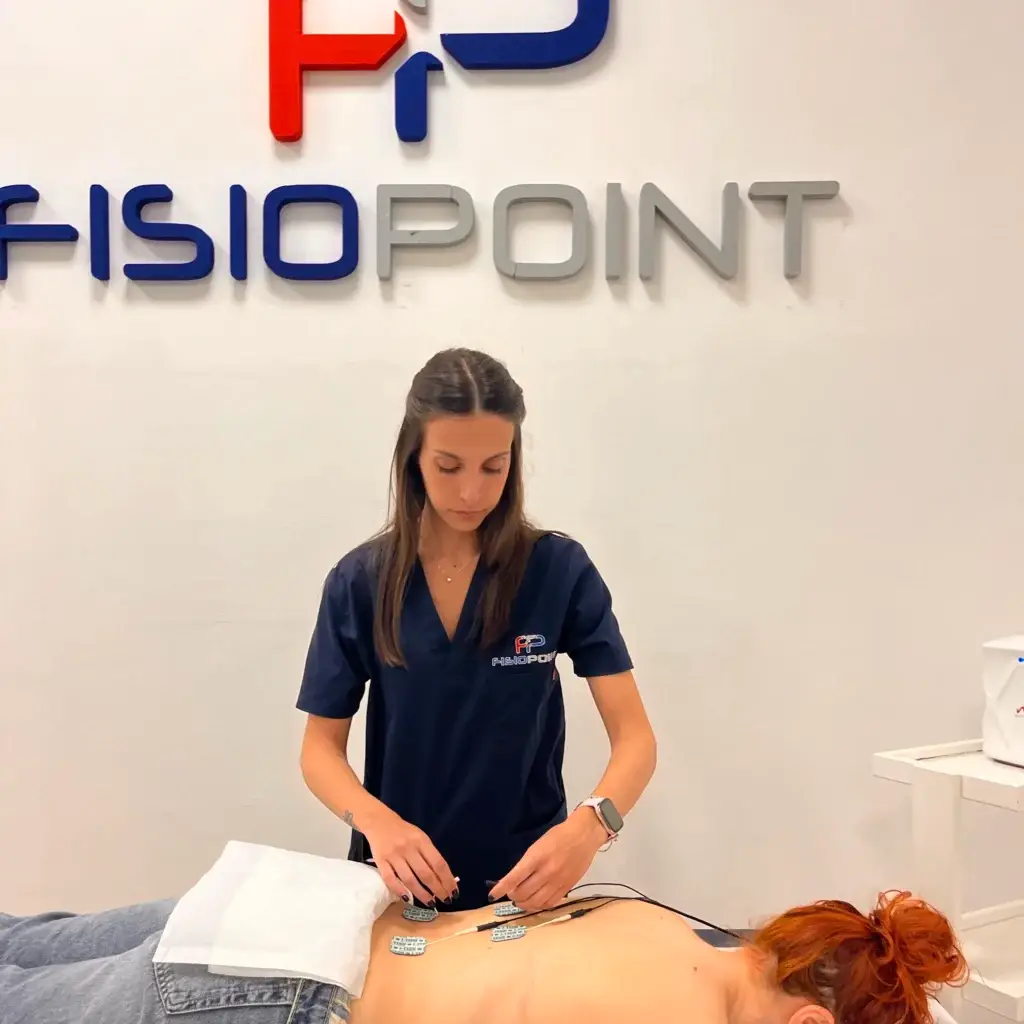
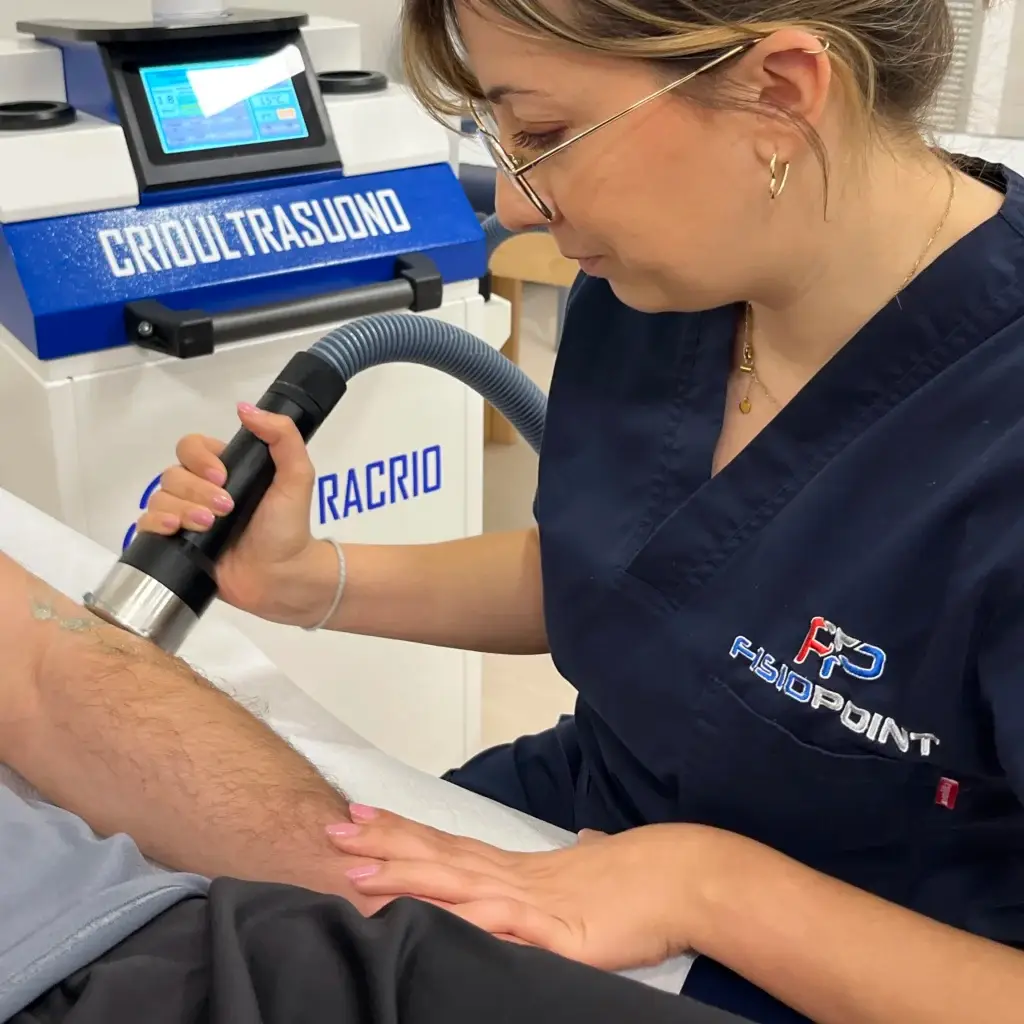
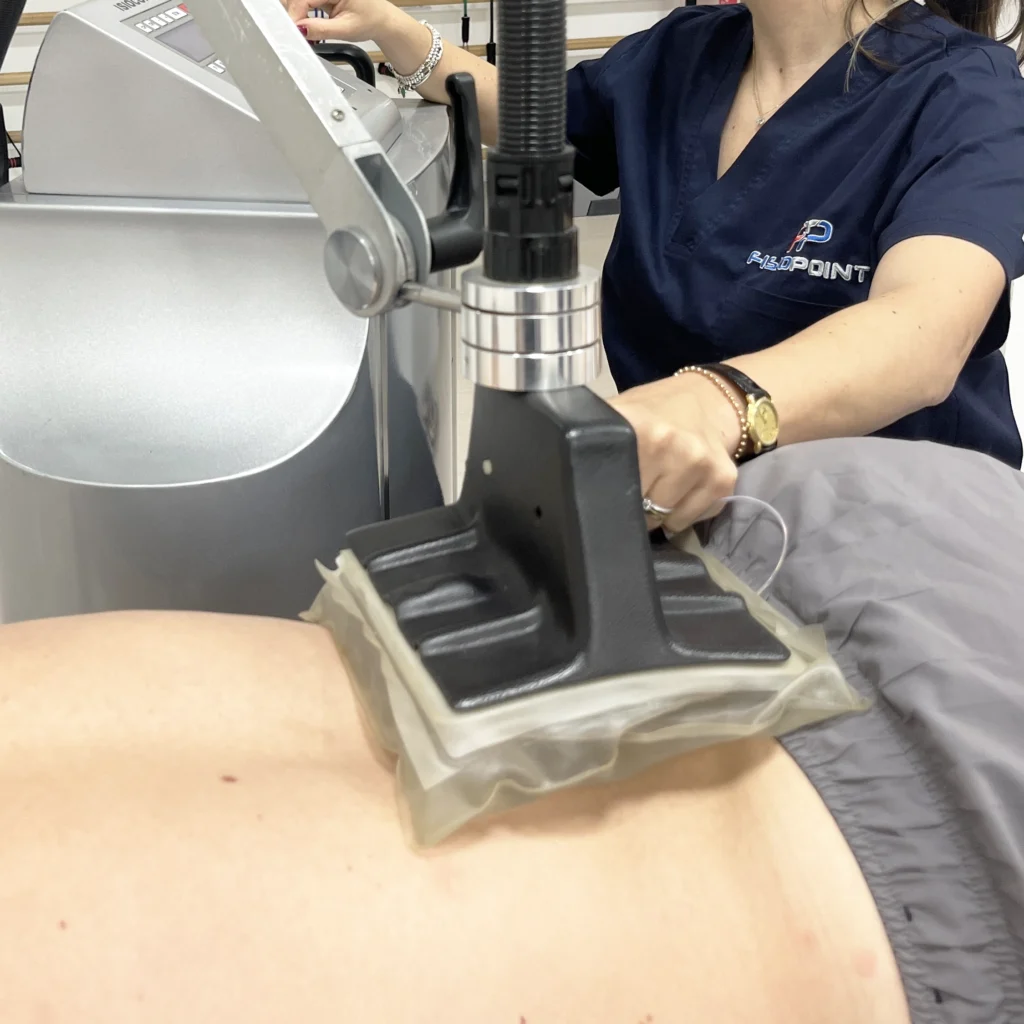
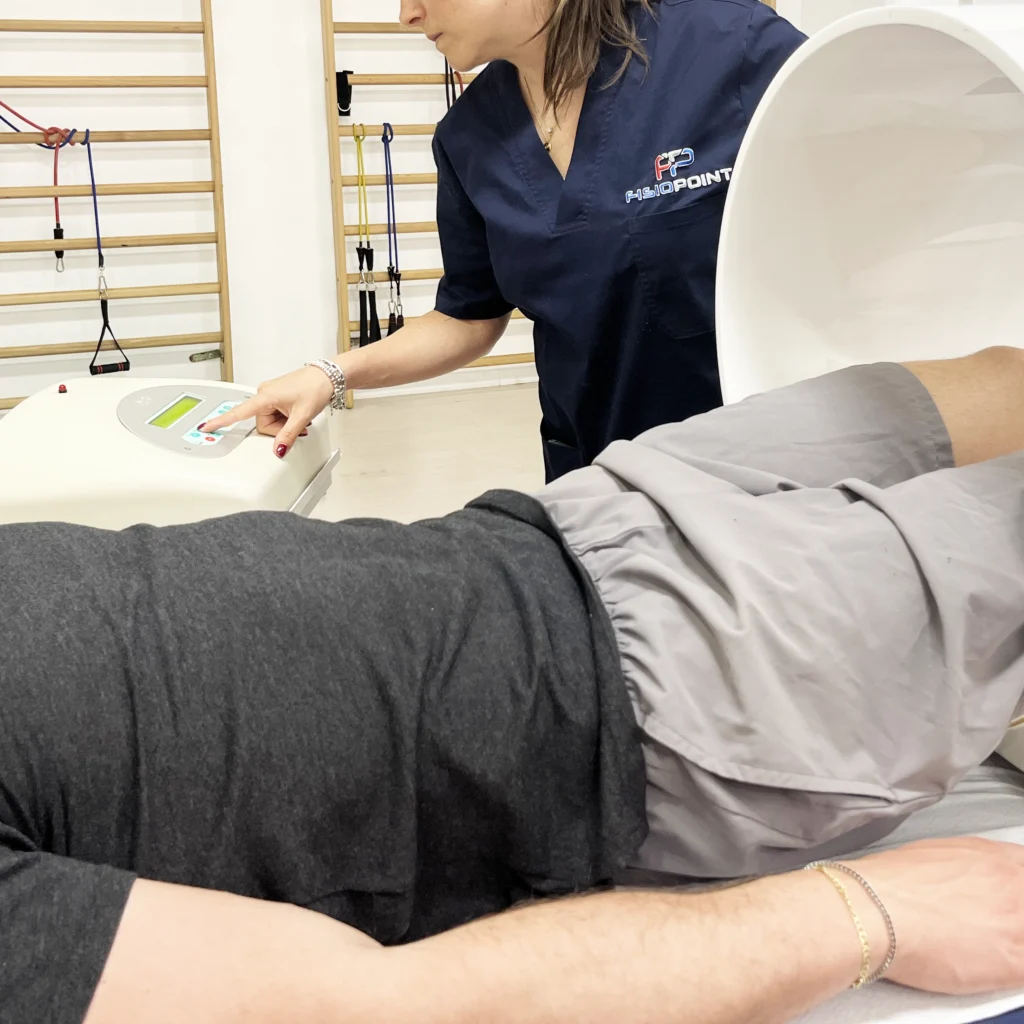
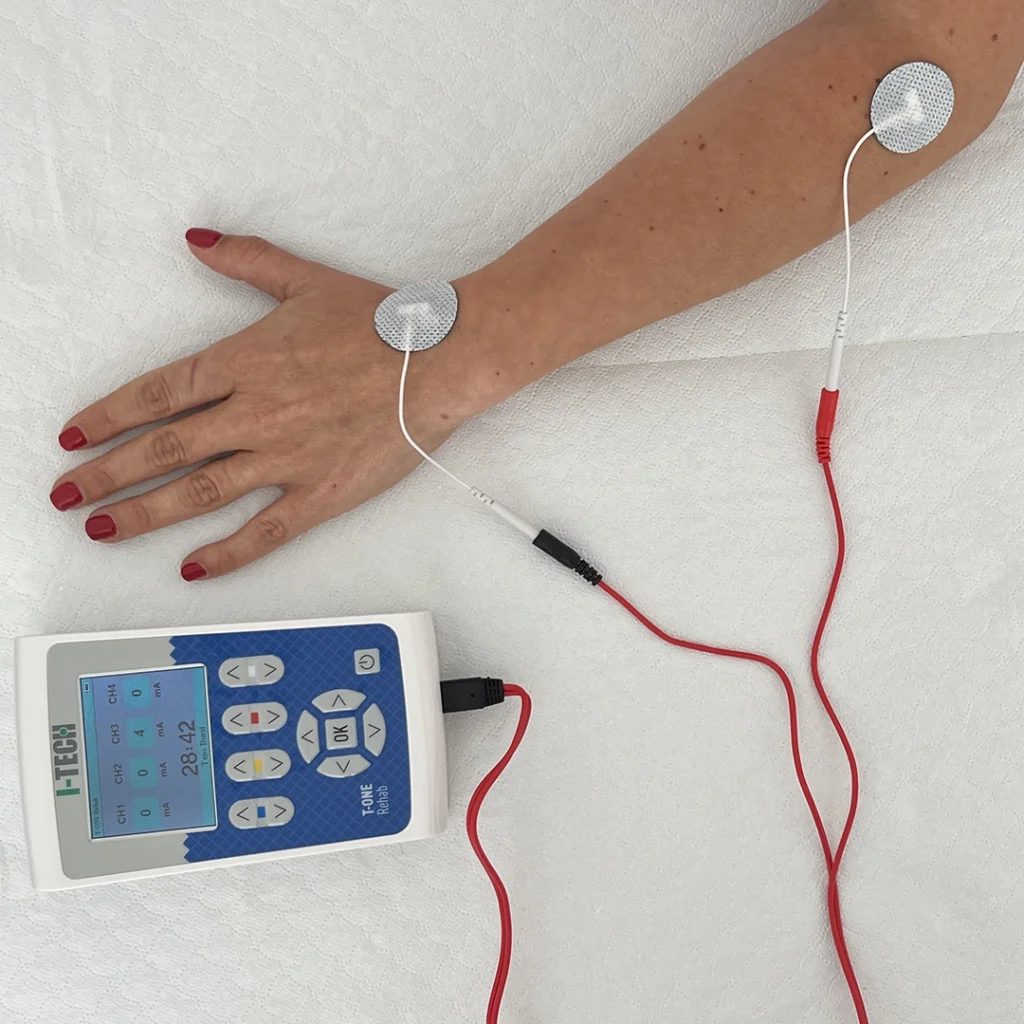
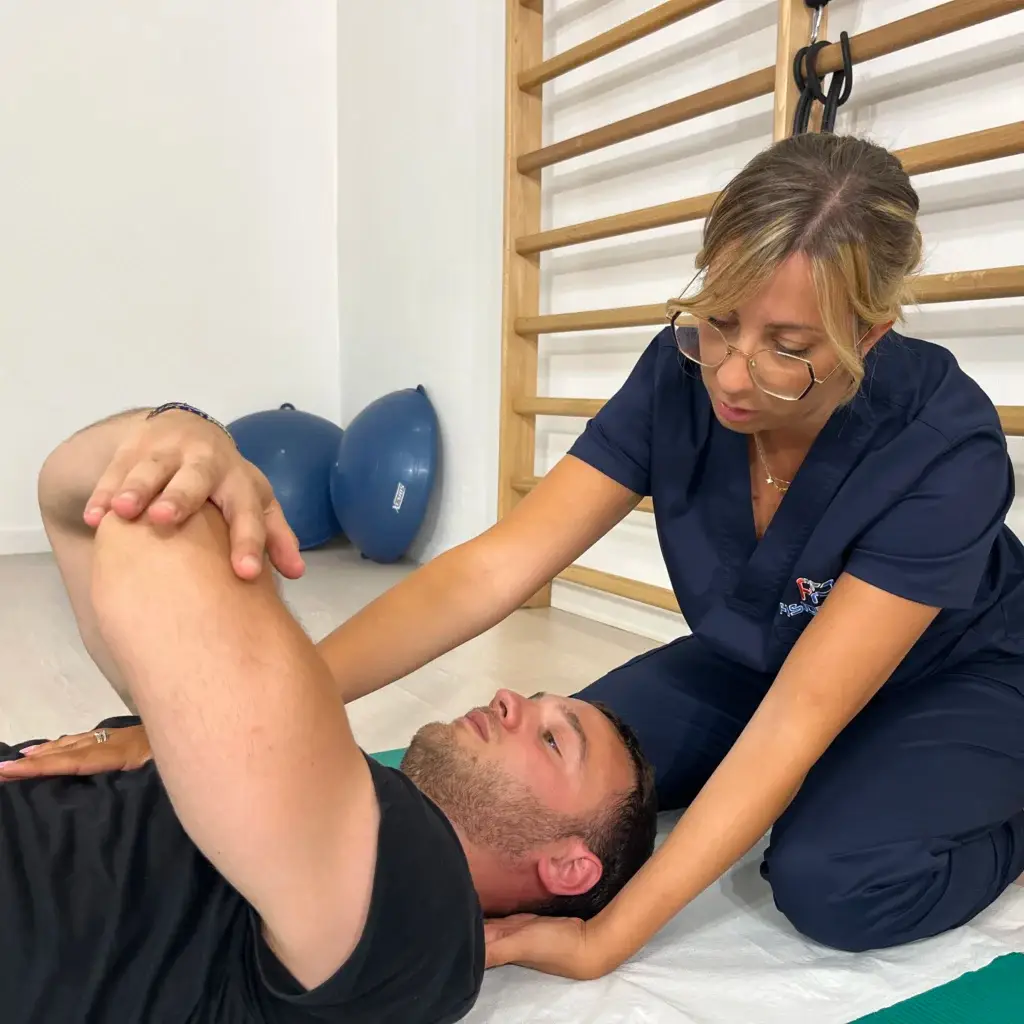
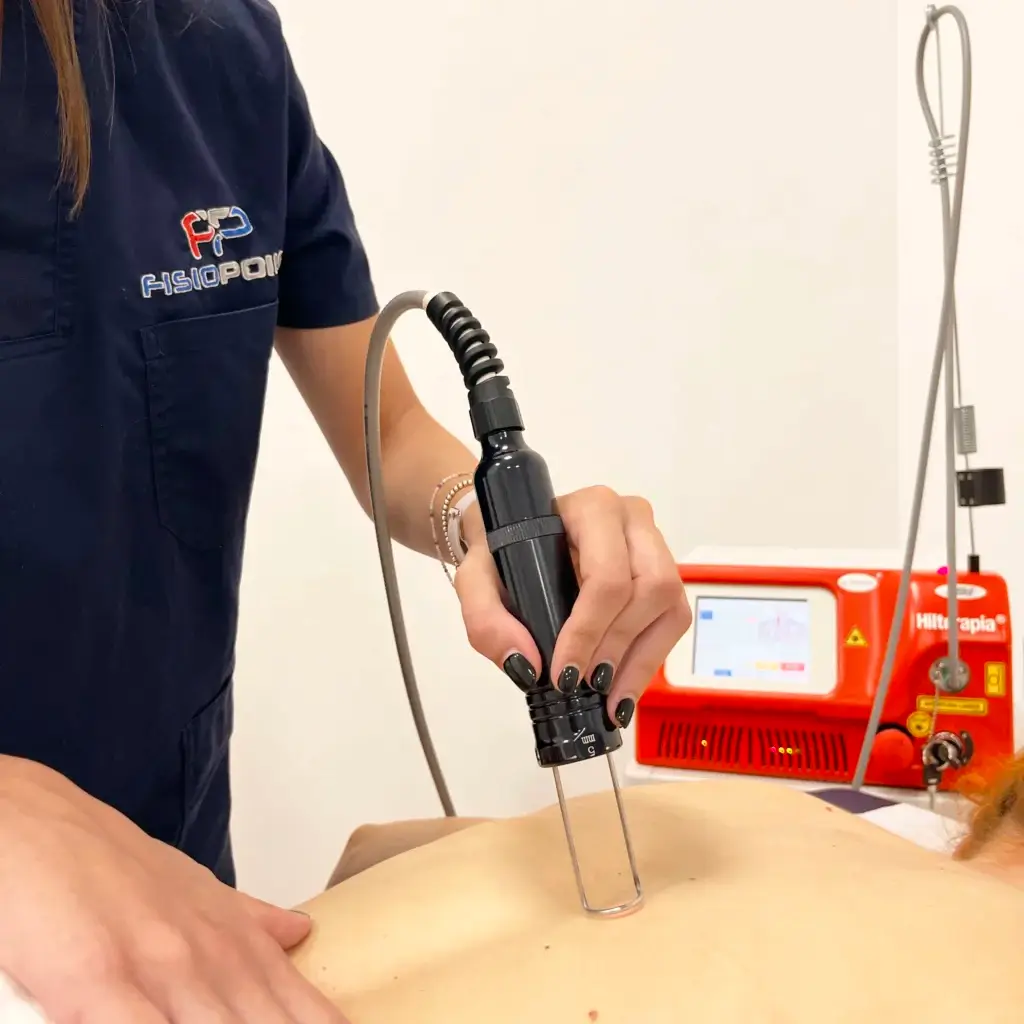
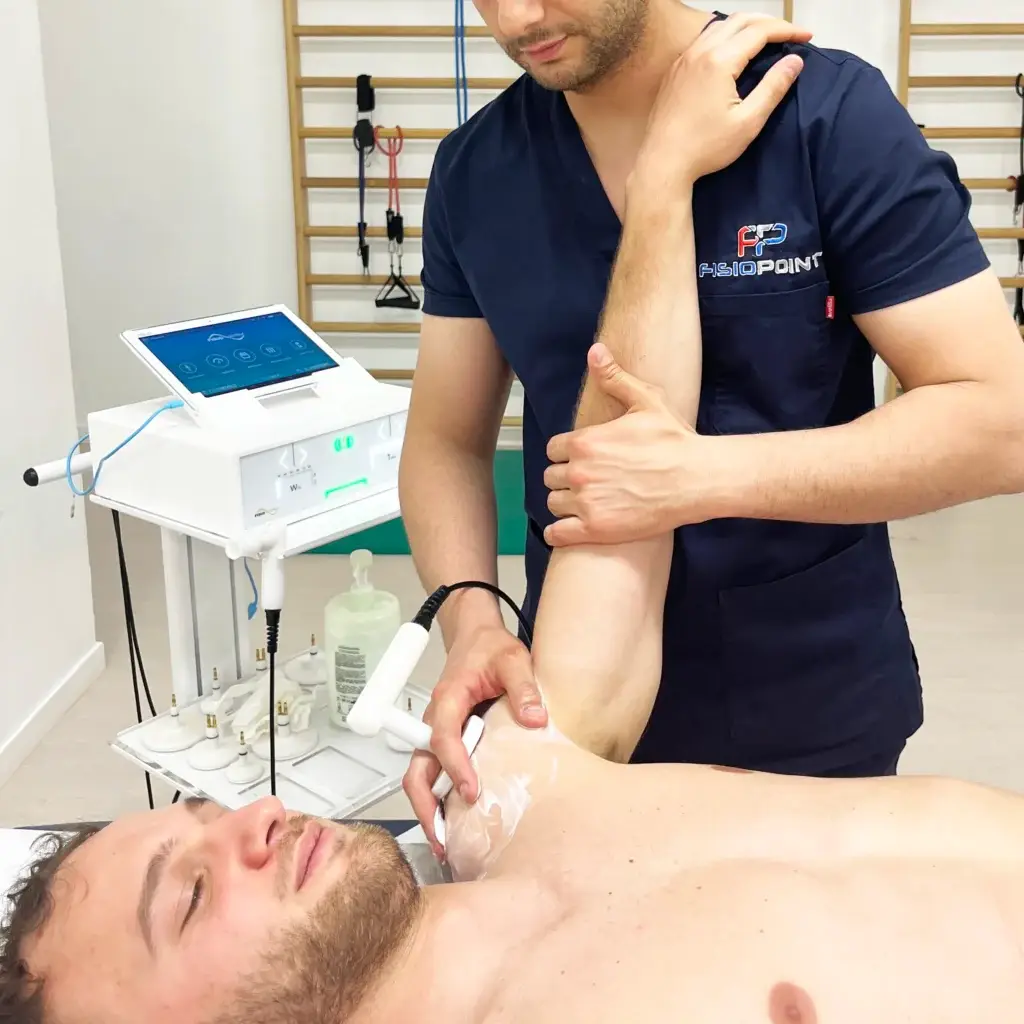
If surgery is ruled out, the foot is immobilised for an initial period. Thereafter, the patient must undertake a course of physiotherapy aimed at the proper recovery of full function of the ankle, leg muscles and foot. At first, one can rely on the help of machines for analgesic and anti-inflammatory purposes. Some of them are:
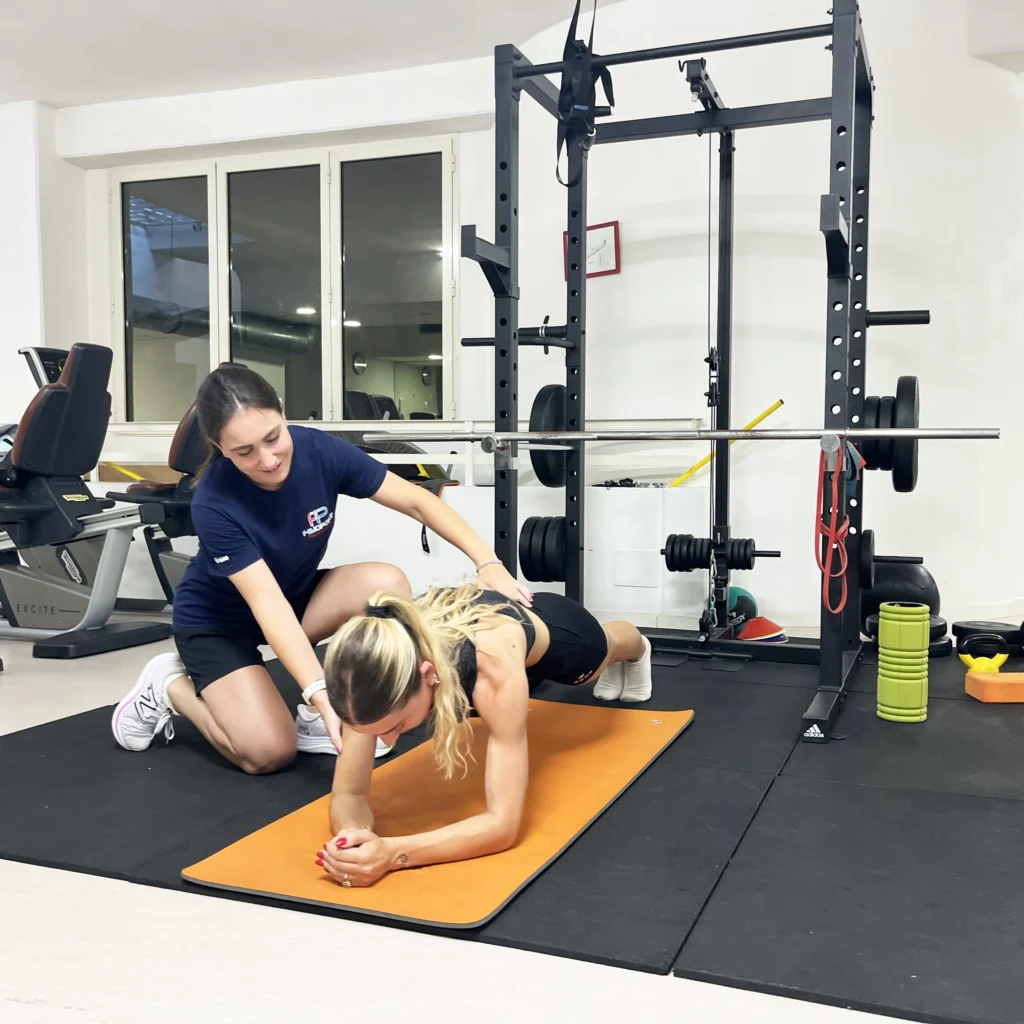
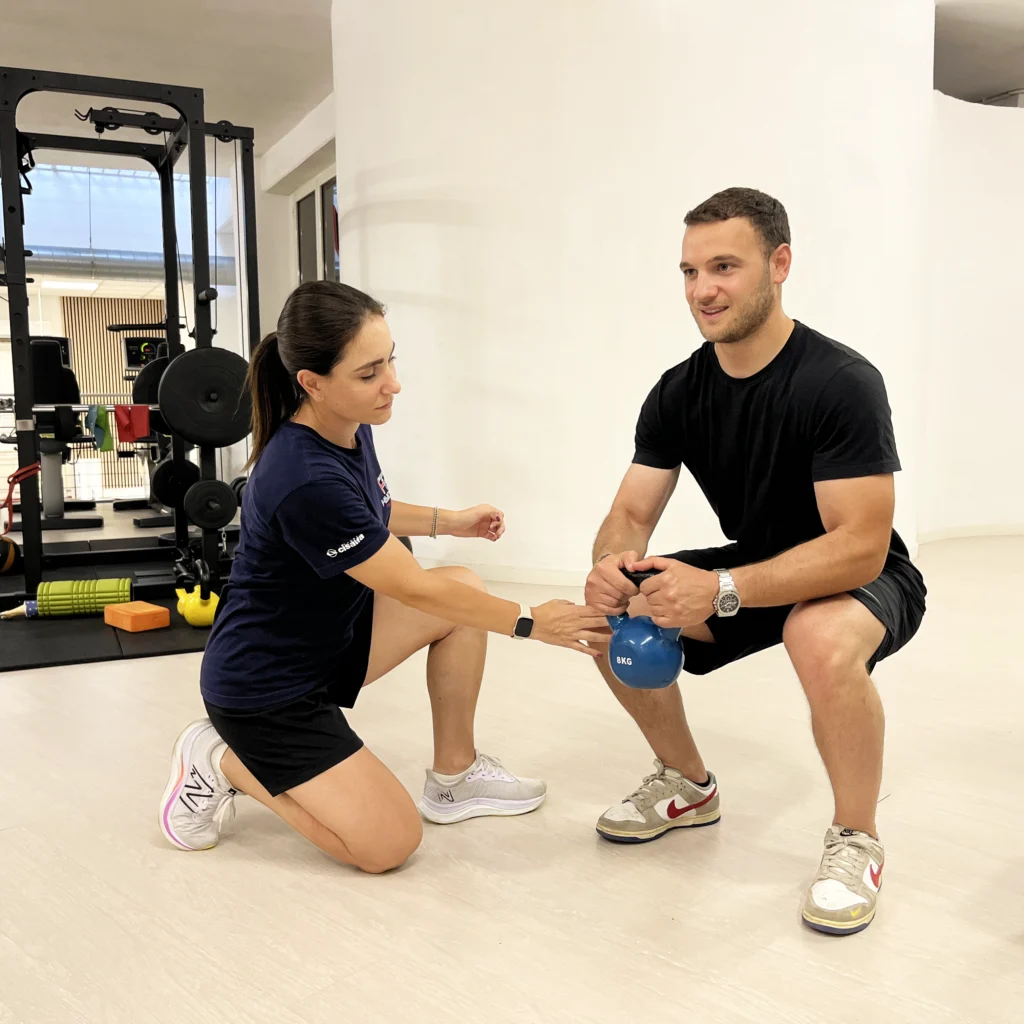
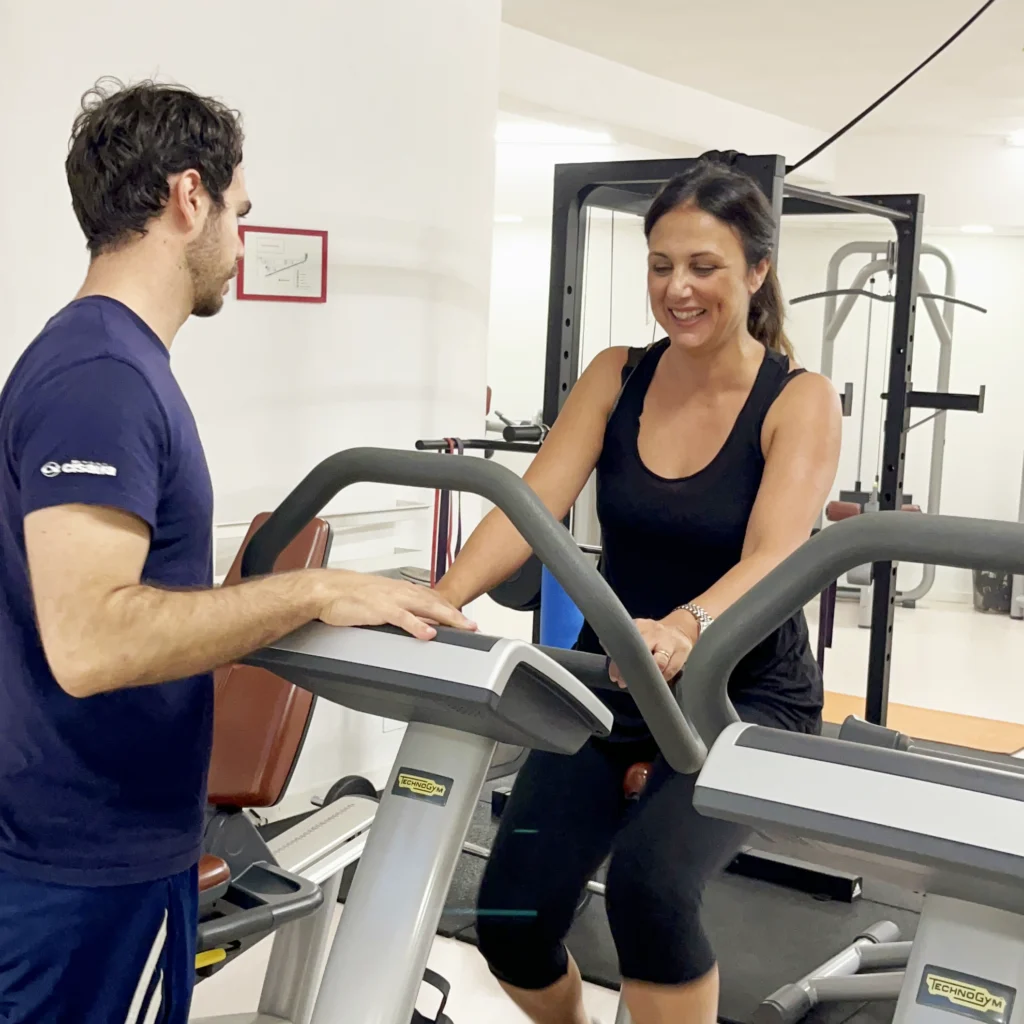
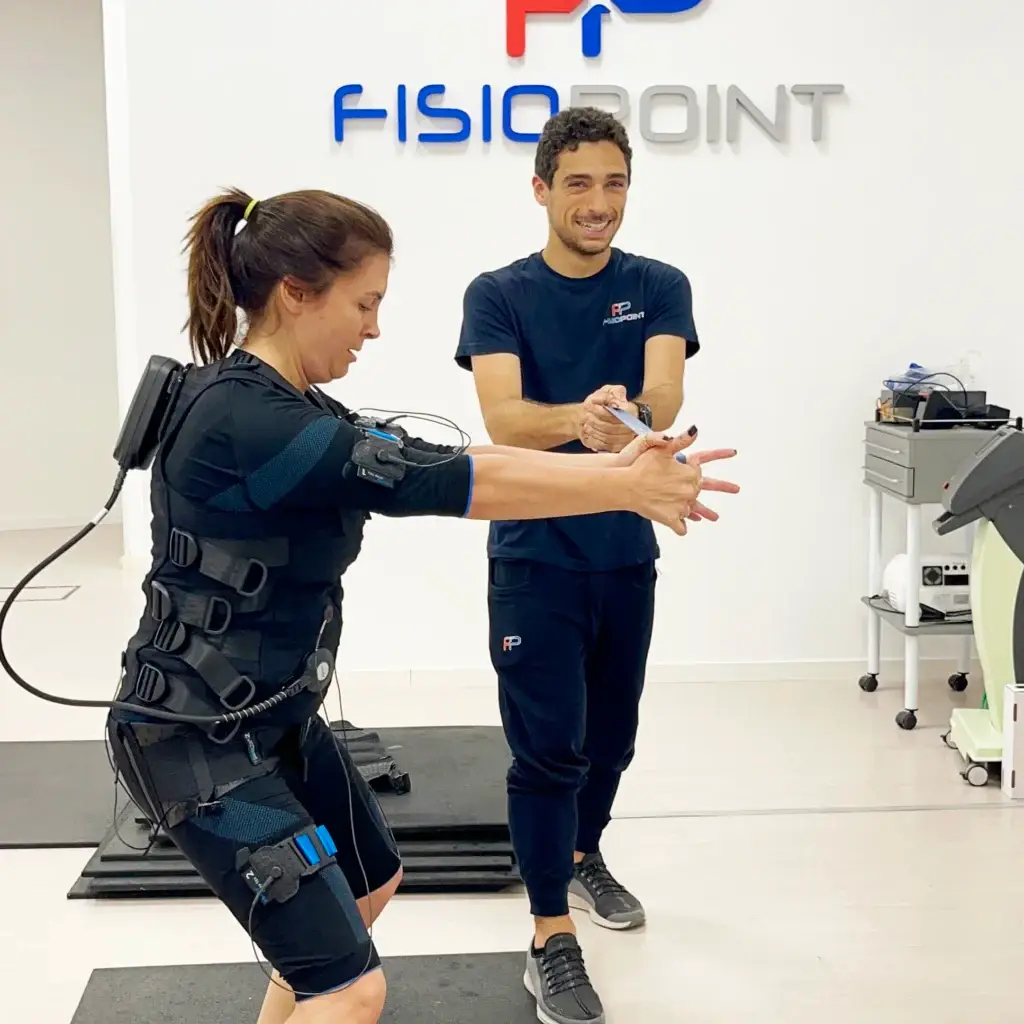
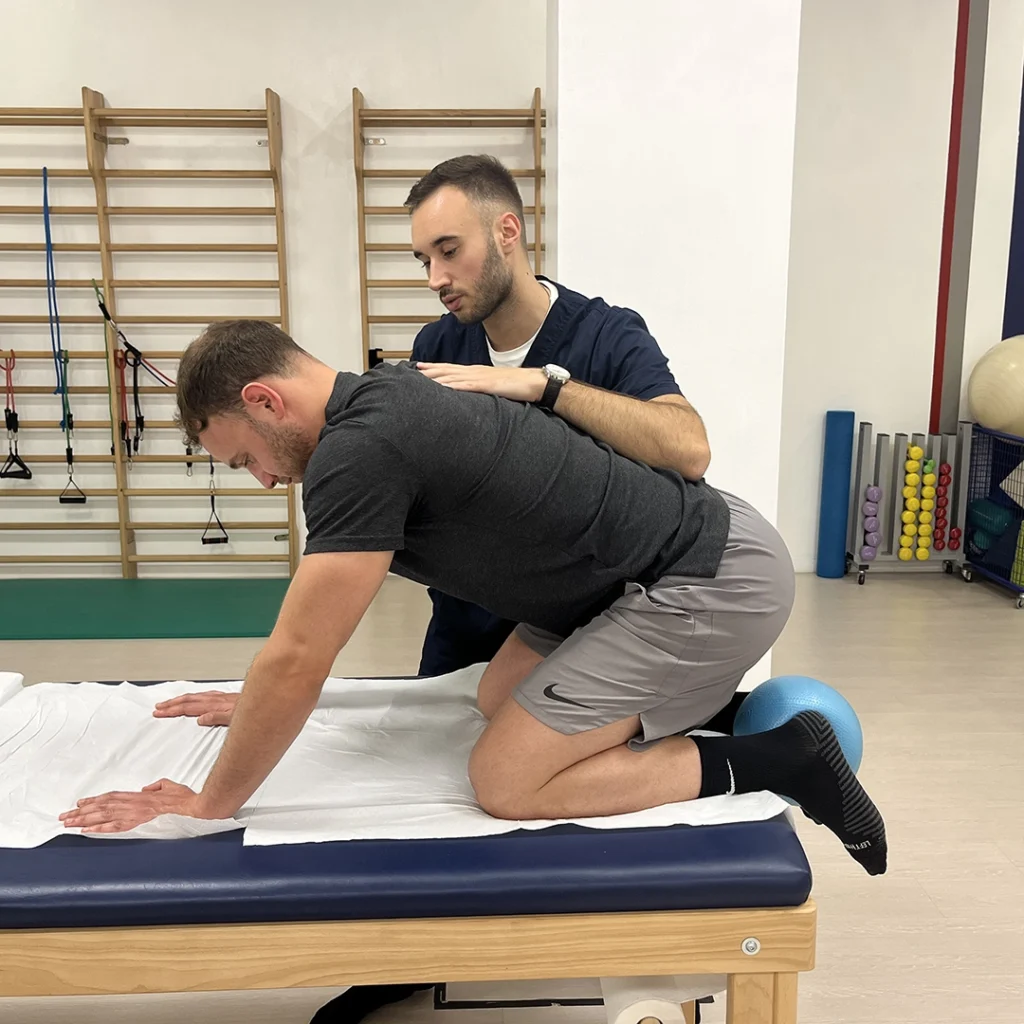
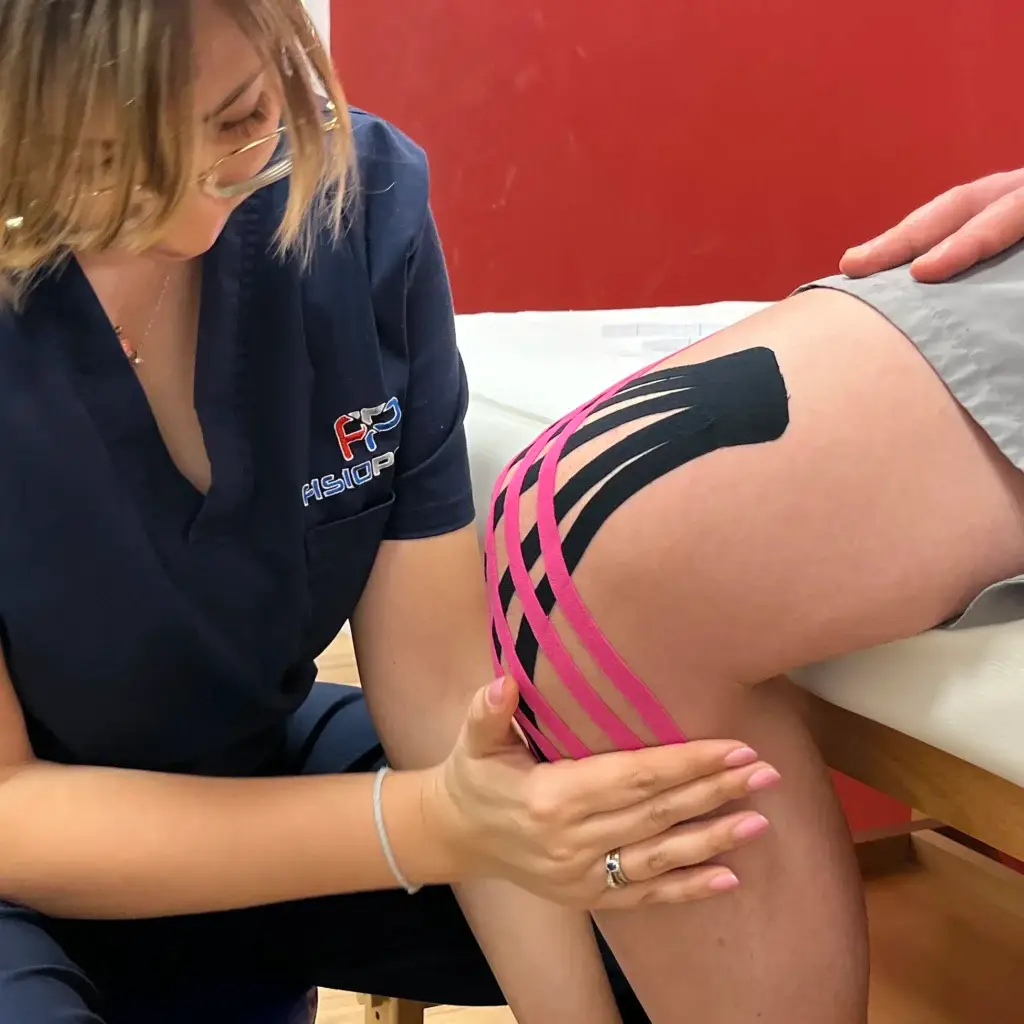
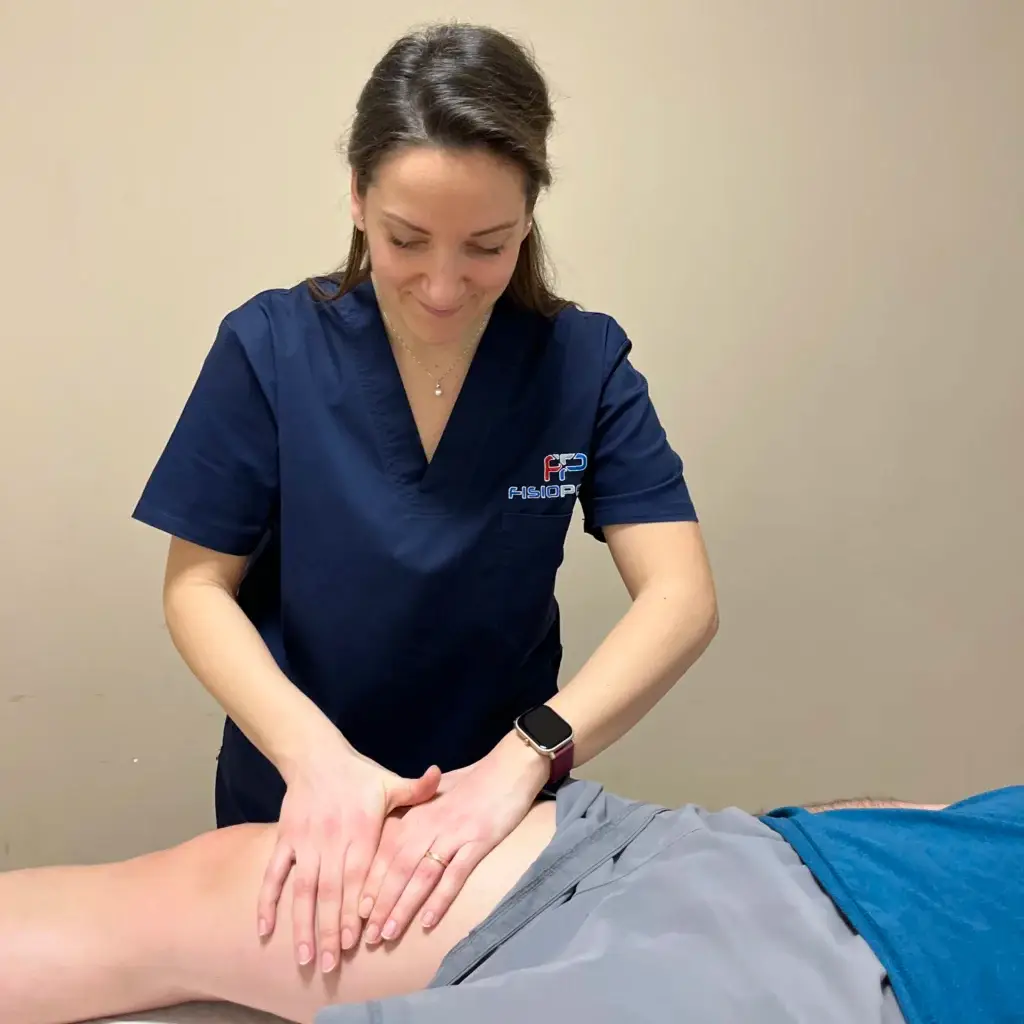
Subsequently, the physiotherapist will guide the patient towards full recovery of:
Surgery for Achilles tendon injury
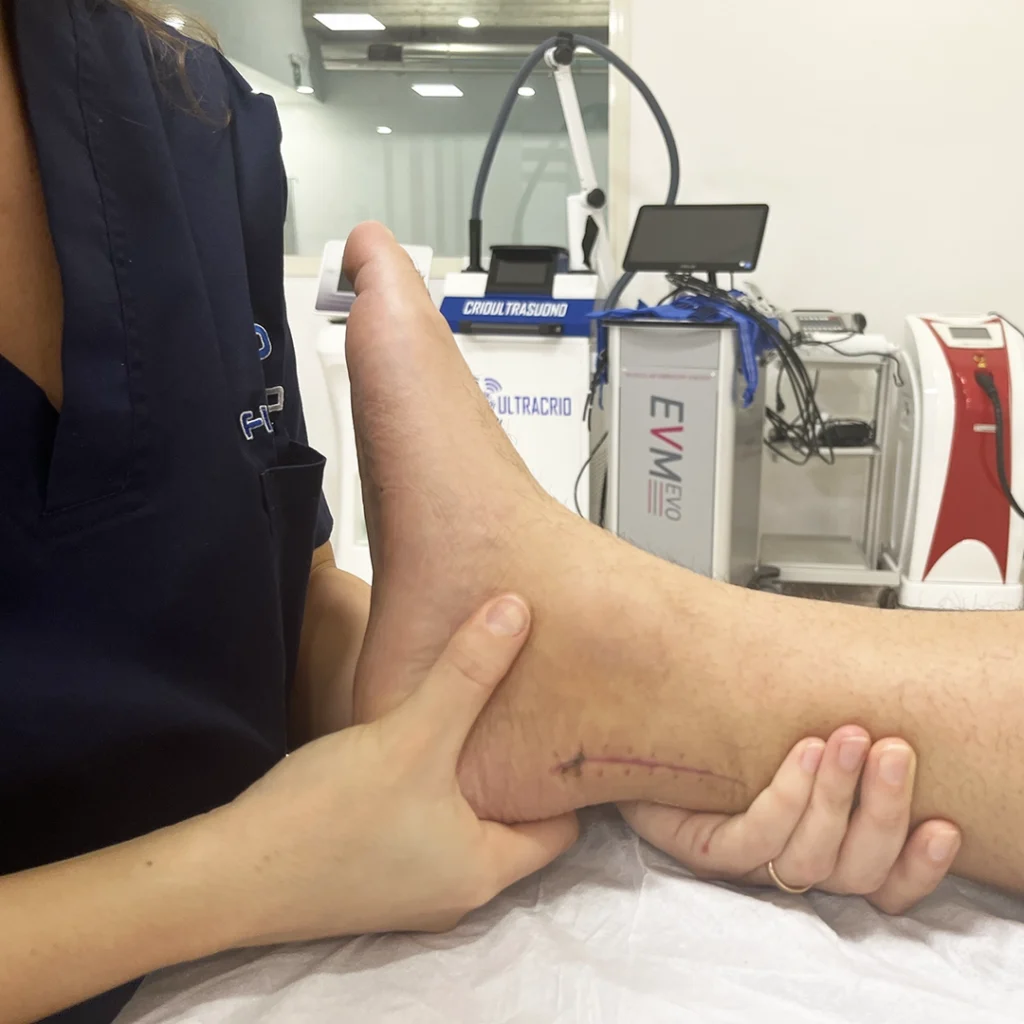
Sometimes it is necessary to surgically intervene on a tendon injury and this can be done through various open or minimally invasive techniques that involve suturing the tendon tissue and then re-inserting it in the calcaneal site. After the operation, for the first period, the foot is immobilised with a brace and walking will only be possible with Canadian crutches. Subsequently, one can proceed to the rehabilitation phase, the objectives of which will be:
- Recovery of joint mobility
- Restoring ankle strength
- Re-education to step pattern progressively
- Reduction of oedema and pain
- Improved proprioception and balance
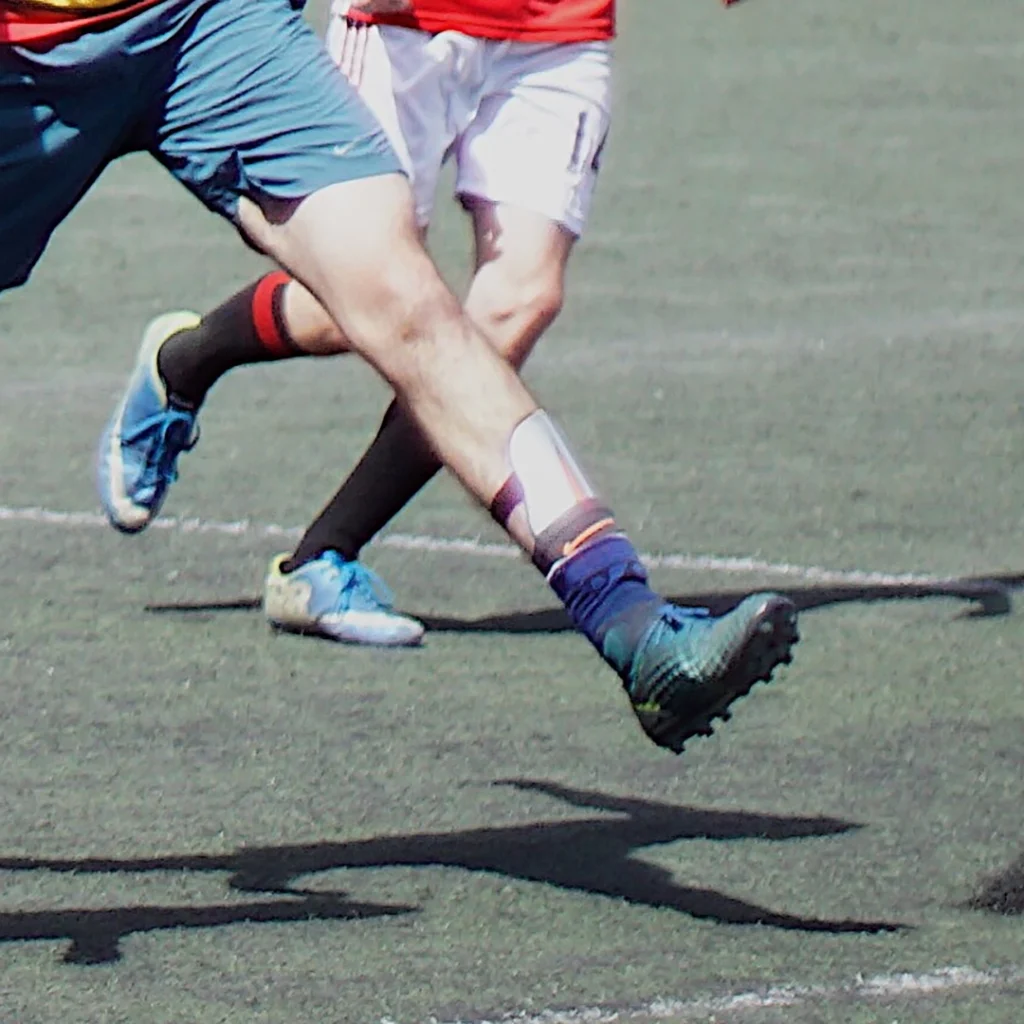
- Return to sporting activities
Recovery times vary considerably from case to case depending on the severity of the injury and the activity the patient intends to resume after the operation. It is clear that, for more intense sports activities, a longer period of time is needed in order to carry out the gradual re-athletisation in the best possible way, while for everyday activities and light sports activities, less time will be needed.
Text by Alessandra Burelli
Learn more by watching the videos on our channel YouTube





 English
 Italian