Com’è fatta la clavicola
The clavicle is an S-shaped bone of the shoulder complex, very distinctive because of its shape with double concavity. The clavicle forms two joints:
-
- The sternoclavicular joint connects the manubrium of the sternum with the medial part of the clavicle, a direct connection to the thorax.
-
- The acromioclavicular joint with the acromion of the scapula that functionally connects it to the shoulder complex.
The clavicle plays an important role in the kinematics of the shoulder, it is involved in all frontal and lateral elevation movements of the arm, performing an elevation and posterior rotation of approximately 30°.
Clavicle fractures
Fractures of the clavicle usually occur by a mechanism of a direct fall onto the shoulder or forward-stretched arm. The most common mechanisms are:
-
- Falls from a bicycle or motorbike
-
- Sports injuries in contact/collision sports such as rugby or football
-
- Greenwood fractures are typical in children, even with minor trauma
They can be divided according to the anatomical region affected into:
-
- Fractures of the medial third, with or without sternoclavicular joint involvement
-
- Fractures of the middle third, most common fracture site
-
- Lateral third fractures, which may involve the acromioclavicular joint
They can also be divided into:
Diagnosis of clavicle fracture
The diagnosis of clavicle fracture is usually made from the history, where the patient reports a traumatic mechanism in the shoulder.
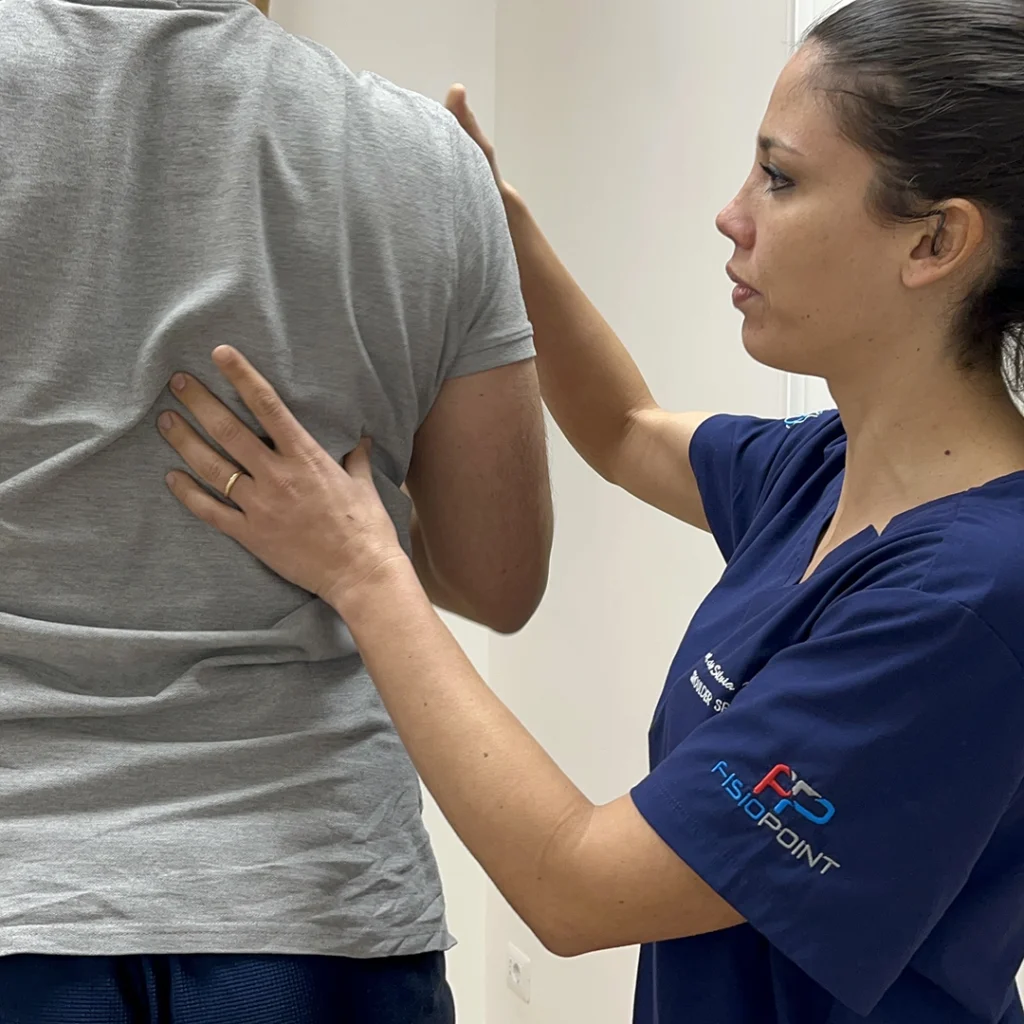
Once the medical history has been collected, the doctor proceeds with the clinical examination, where he will first check that there is no involvement of blood vessels and nerves passing immediately behind the clavicle.
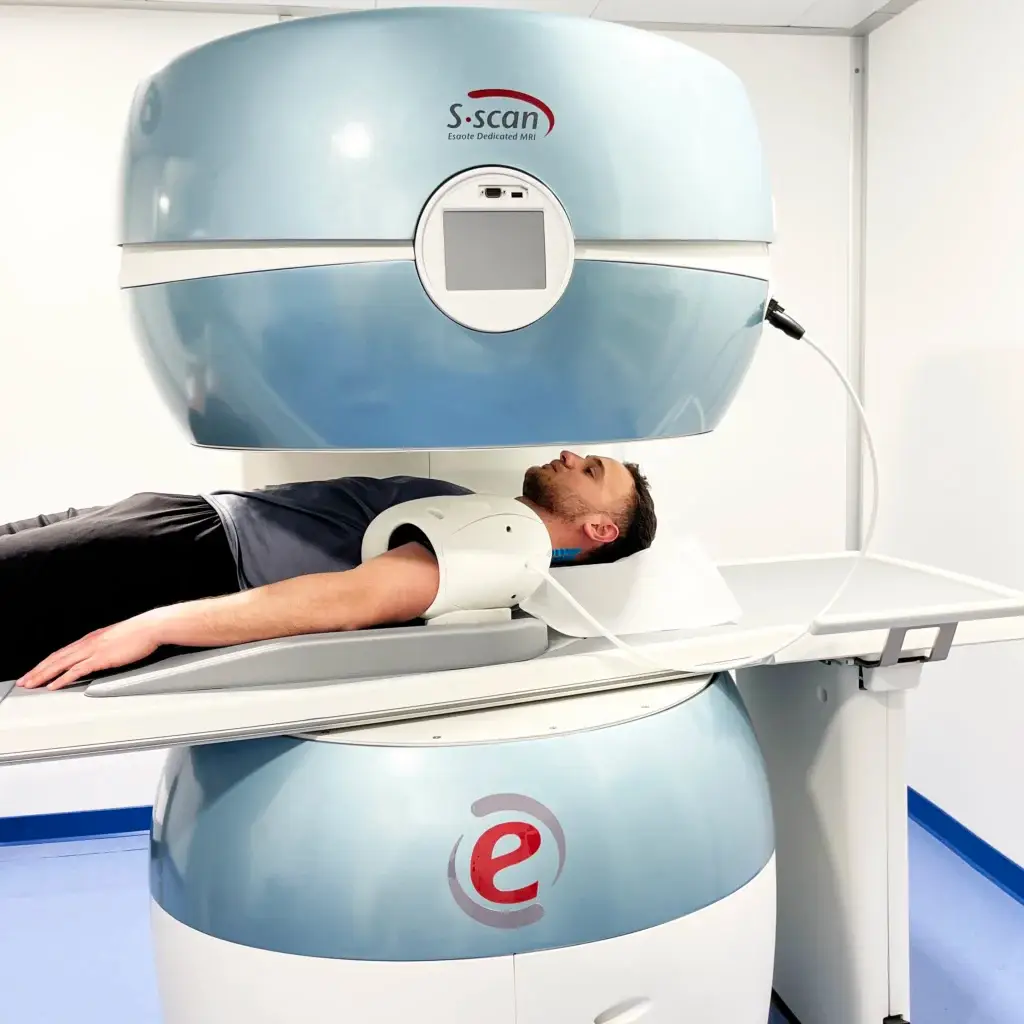
In order to get a view of the fracture, X-rays of the entire shoulder are usually taken to assess the extent of the injury and whether it has broken down.
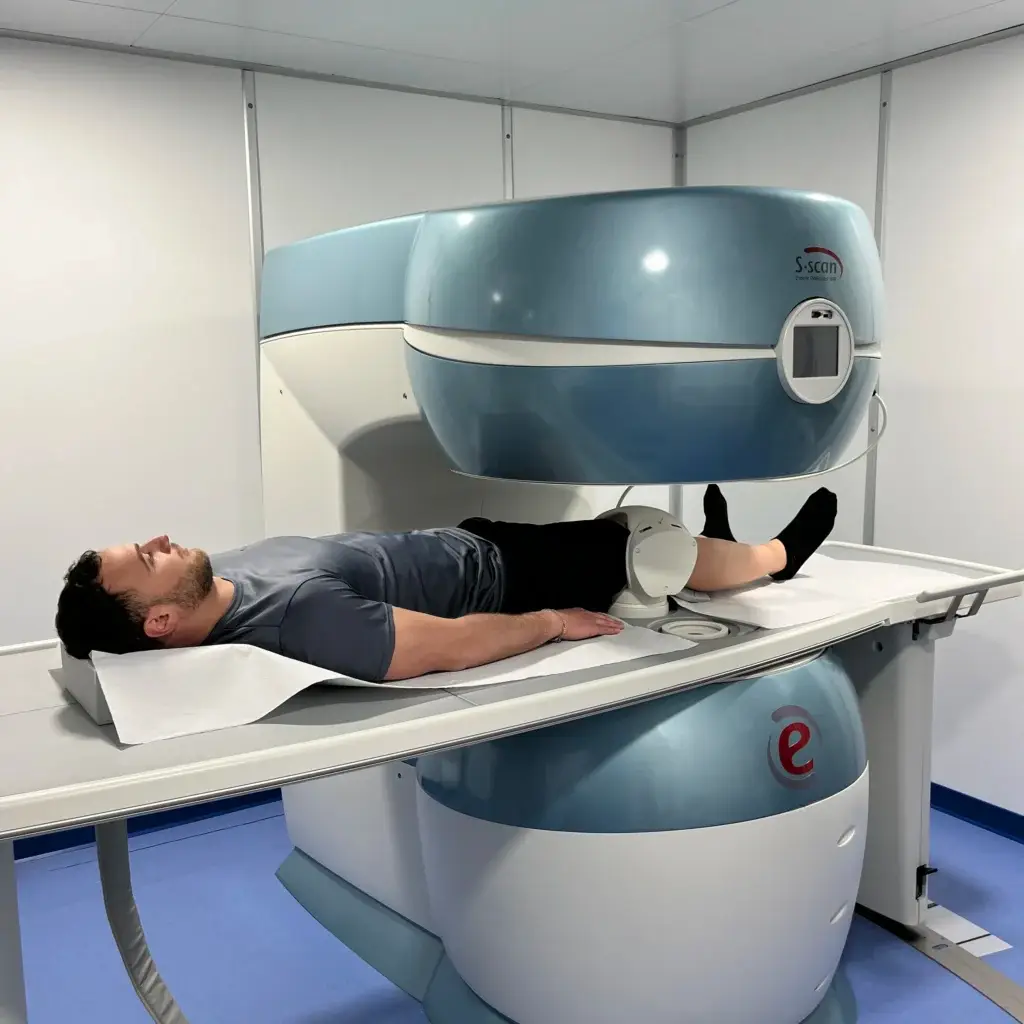
If a more detailed view is desired, a CT examination of the shoulder may be requested.
Treatment of clavicle fracture
Il trattamento delle fratture dipende dalla scomposizione della frattura e dalla stabilità della frattura valutata dal Chirurgo Orthopaedist.
There are two choices in the case of a clavicle fracture:
Conservative treatment
It is reserved for compound or minimally decomposed fractures, and usually involves a rest period with a 'figure-of-eight' brace.
The brace and rest allow the bone tissue to heal with the formation of bone callus that gradually consolidates.
Usually conservatively treated fractures heal well, only risking leaving a small 'pockmark' in the fracture region
Surgical treatment
It involves surgical stabilisation, usually performed with a small plate and special screws.
The surgeon realigns the bone fragments and stabilises them with a titanium plate, allowing the fracture to heal optimally.
Surgical treatment can give faster and better results especially in cases of decomposed fractures, with general patient satisfaction. It does, however, present those risks that any surgical procedure carries, such as:
-
- Potential damage to surrounding structures
-
- Small numb area around the scar
After surgical treatment, the bone will usually heal completely in 2-3 months. It will then be possible to return to activities after undergoing rehabilitation to recover full mobility and strength of the shoulder.
Generally, plaque does not create any major problems and can be kept in place. If it causes discomfort or pain, the patient may decide, in consultation with the surgeon, to have the plaque removed, but not before six months.
Rehabilitation of clavicle fracture
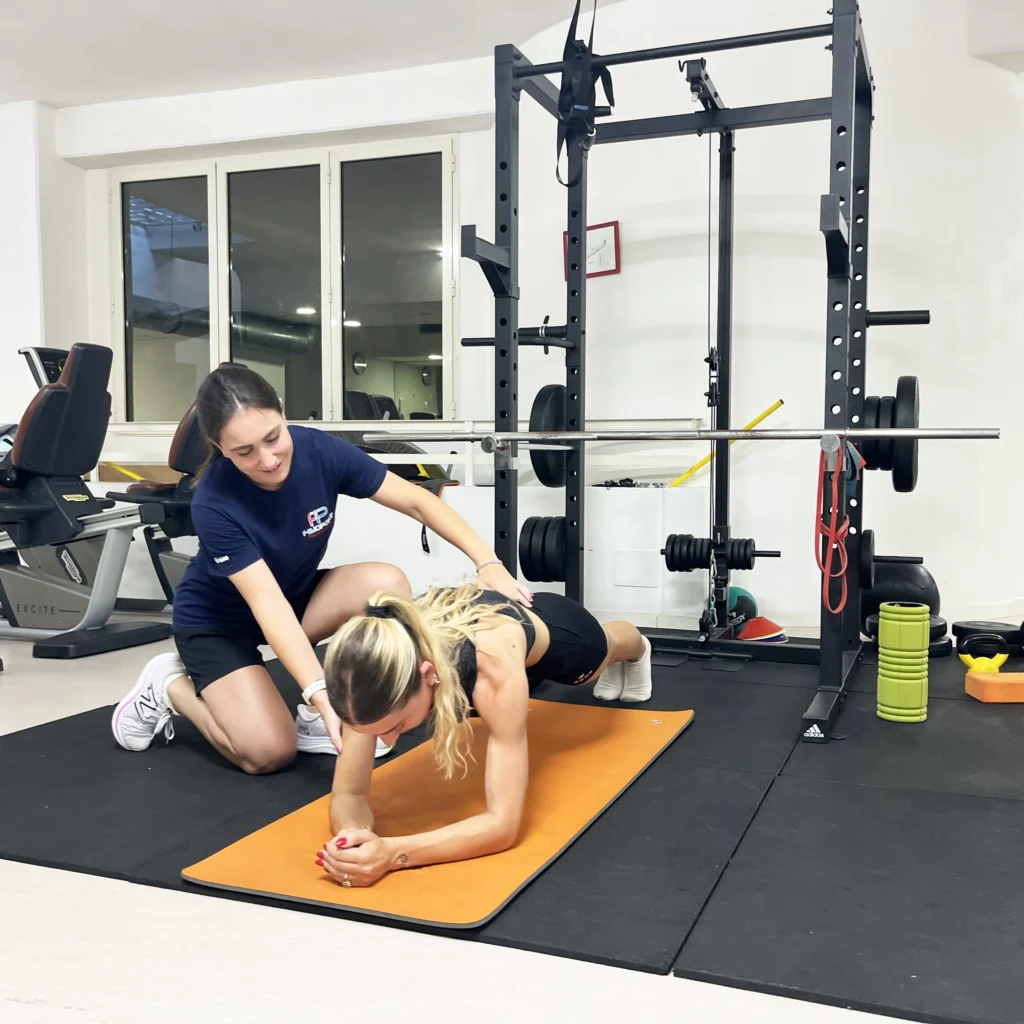
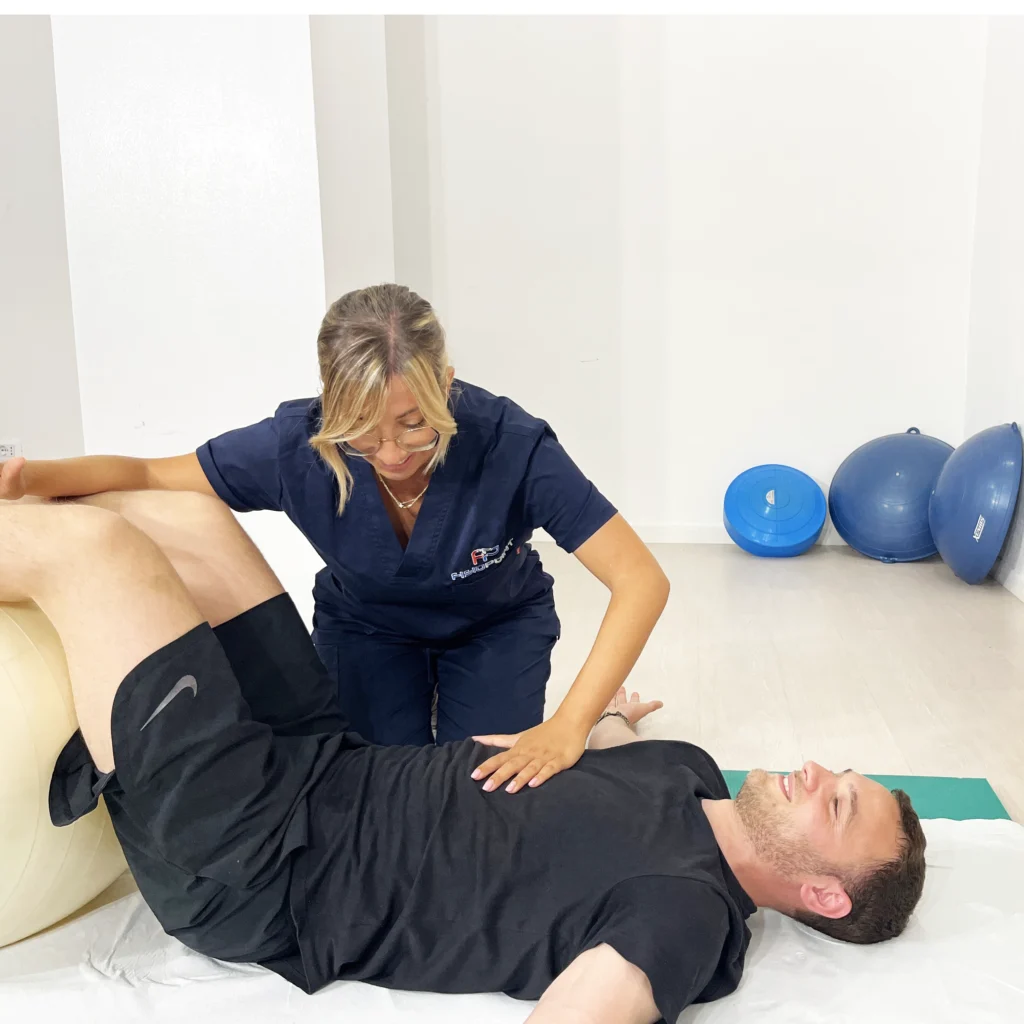
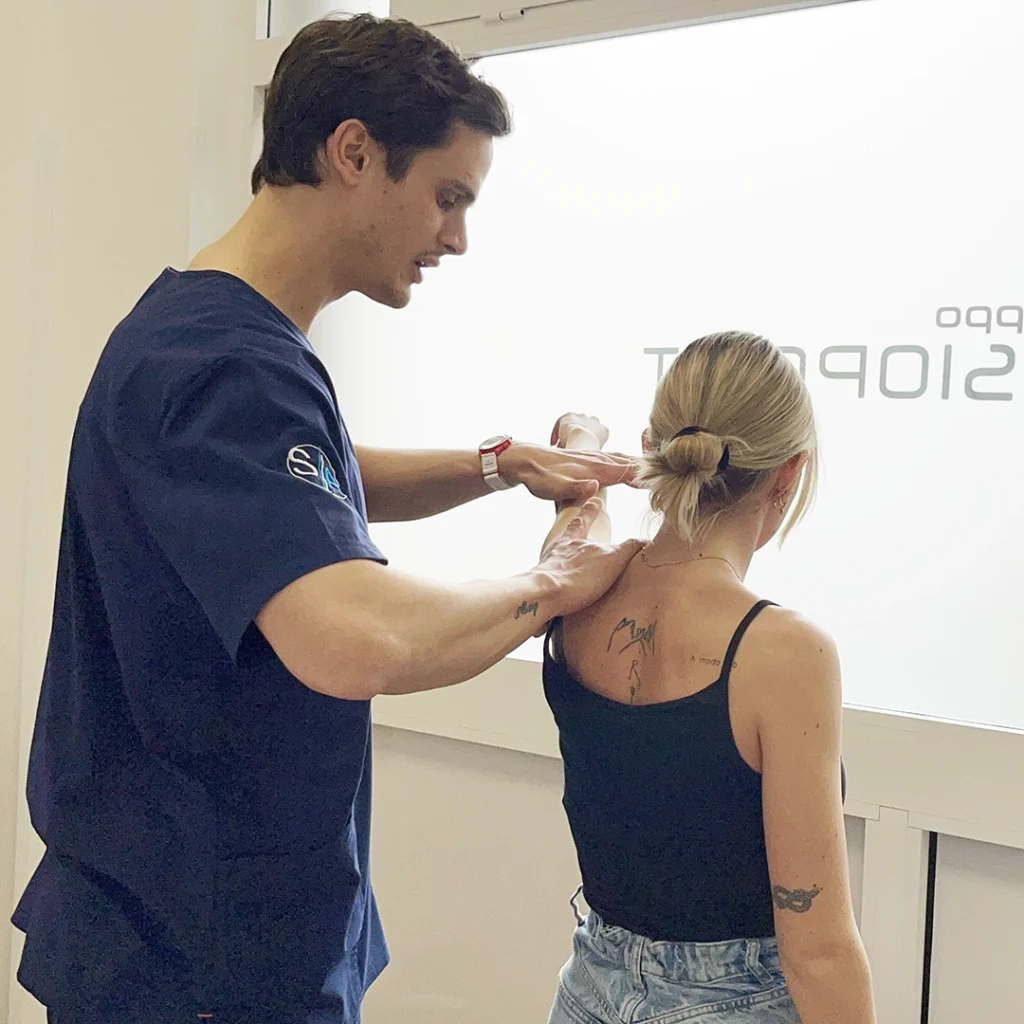
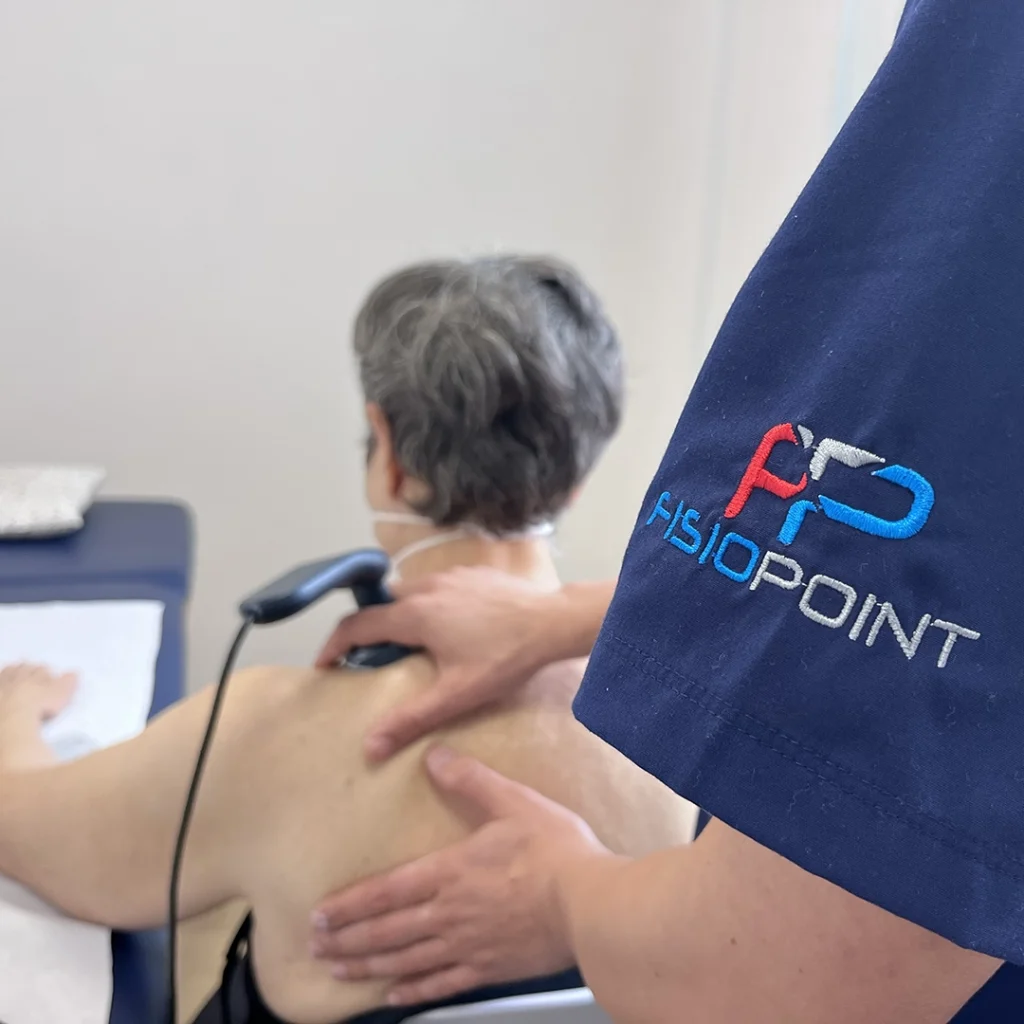
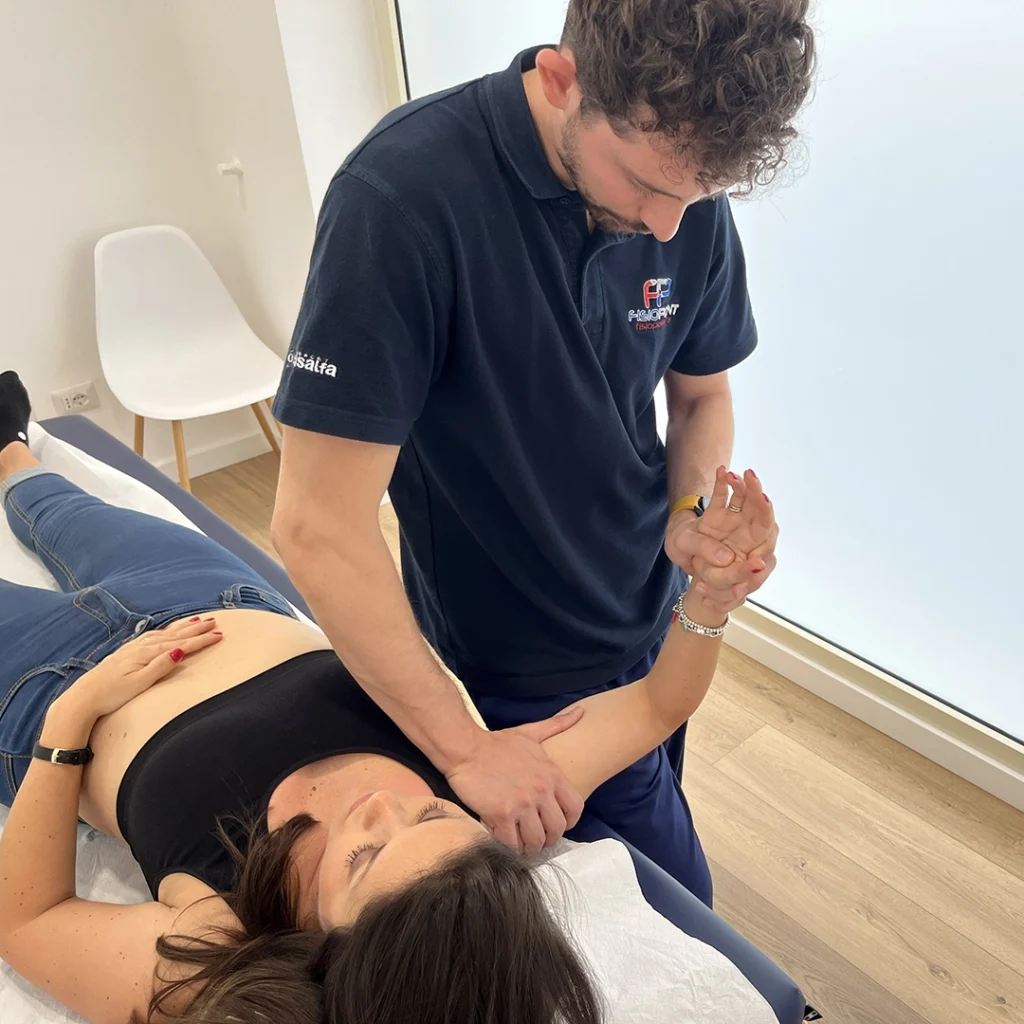
Rehabilitation after a clavicle fracture is very important to regain full function of the shoulder, which, being a complex joint, requires a qualified and specialised physiotherapist to return to full function, especially if there are functional demands to return to sporting activity.
Rehabilitation usually involves various treatments such as:
-
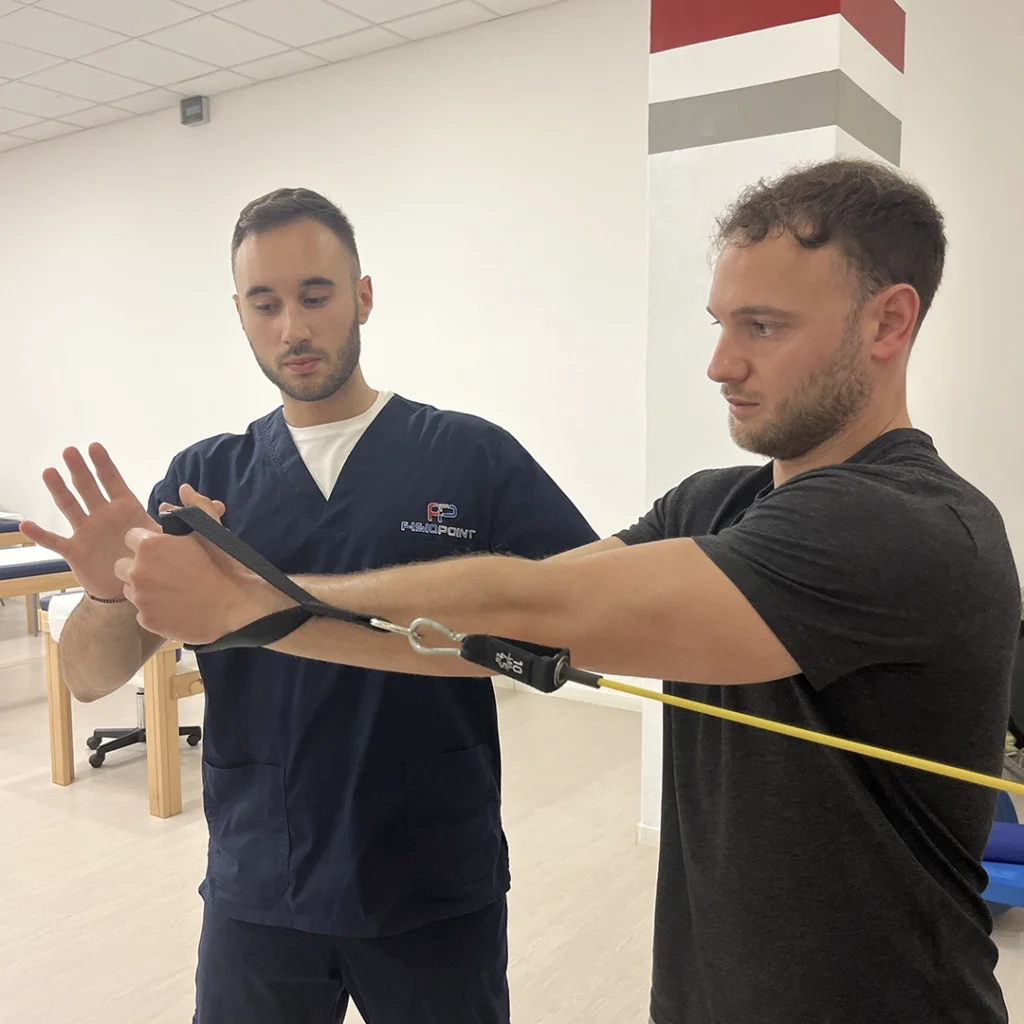
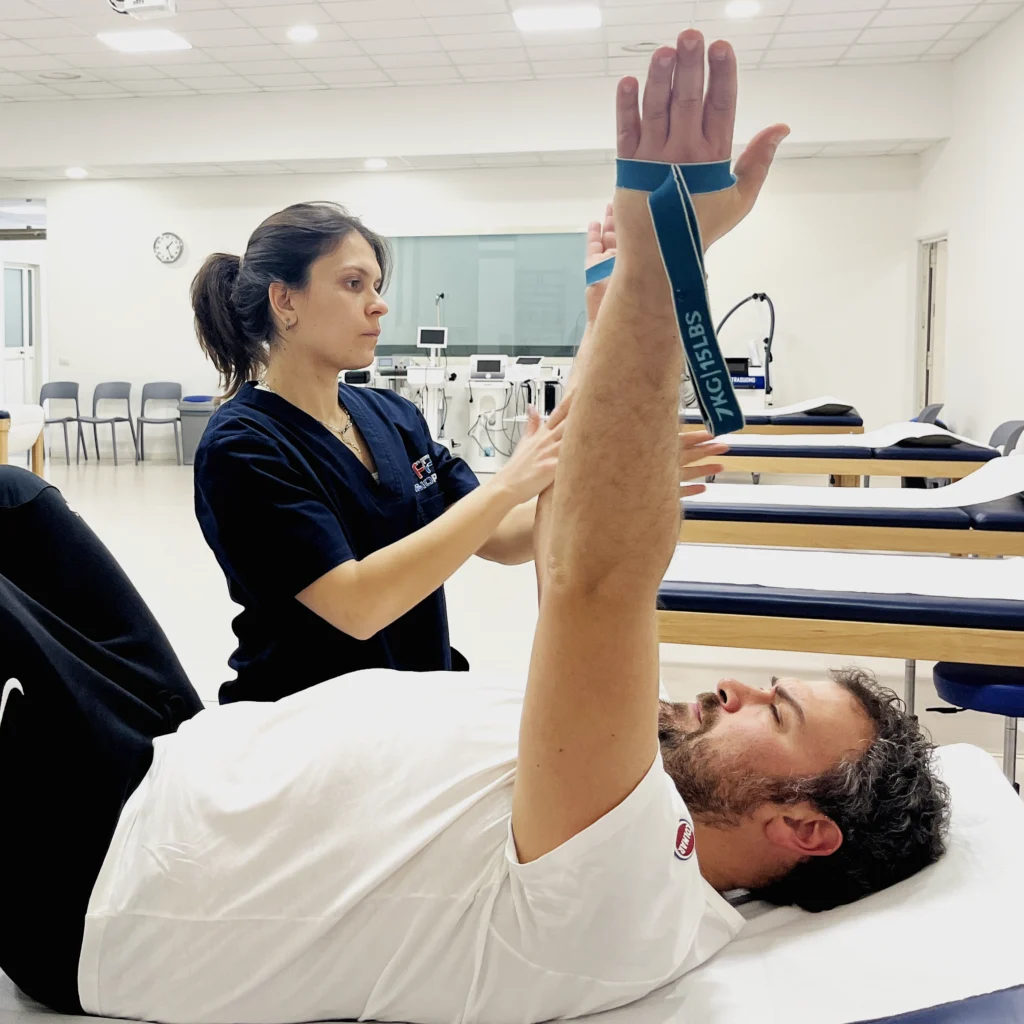
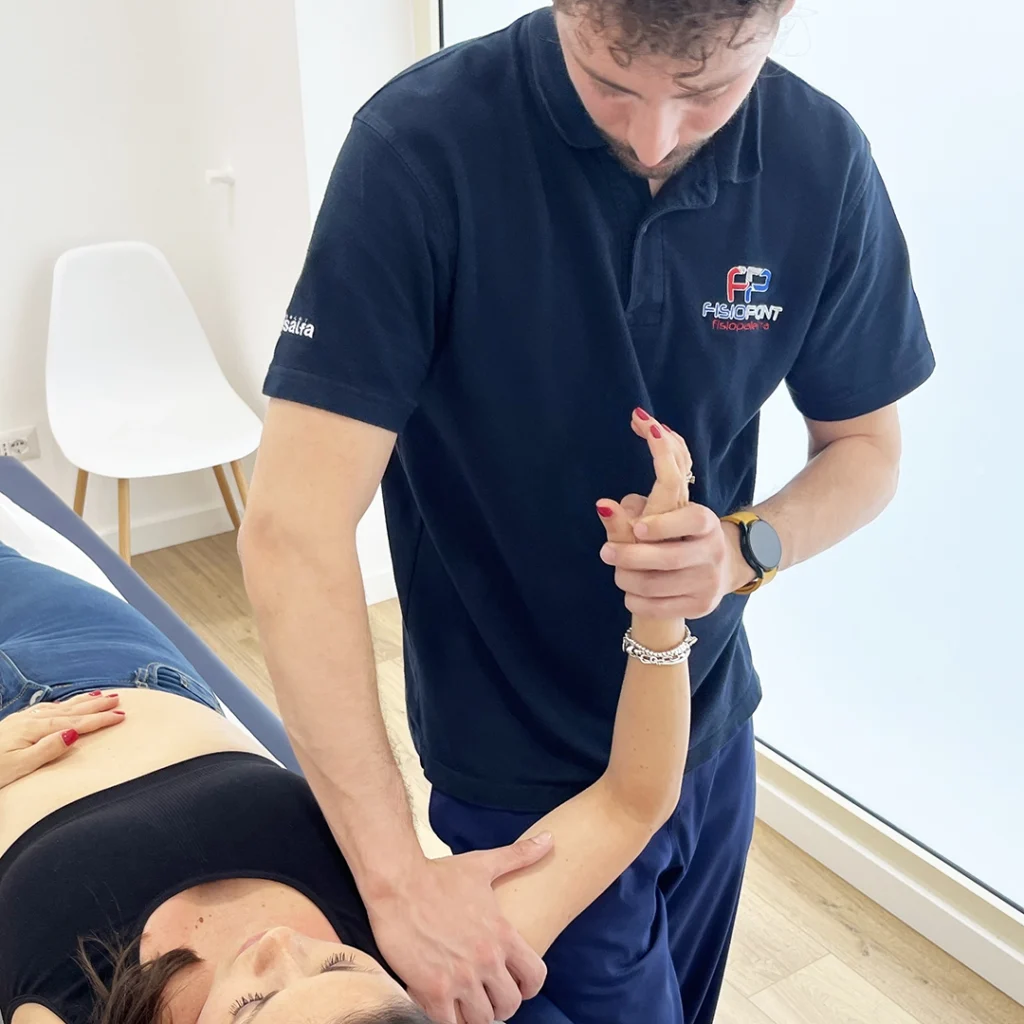
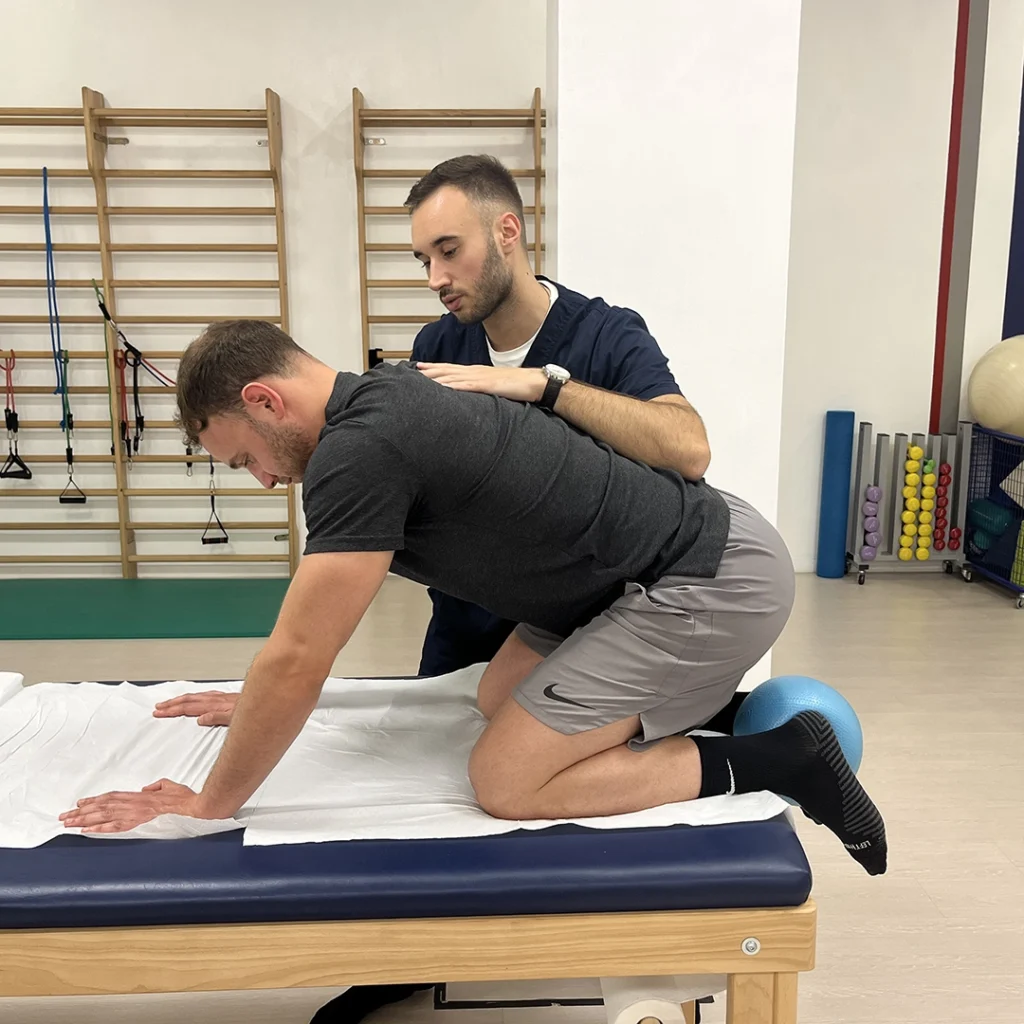
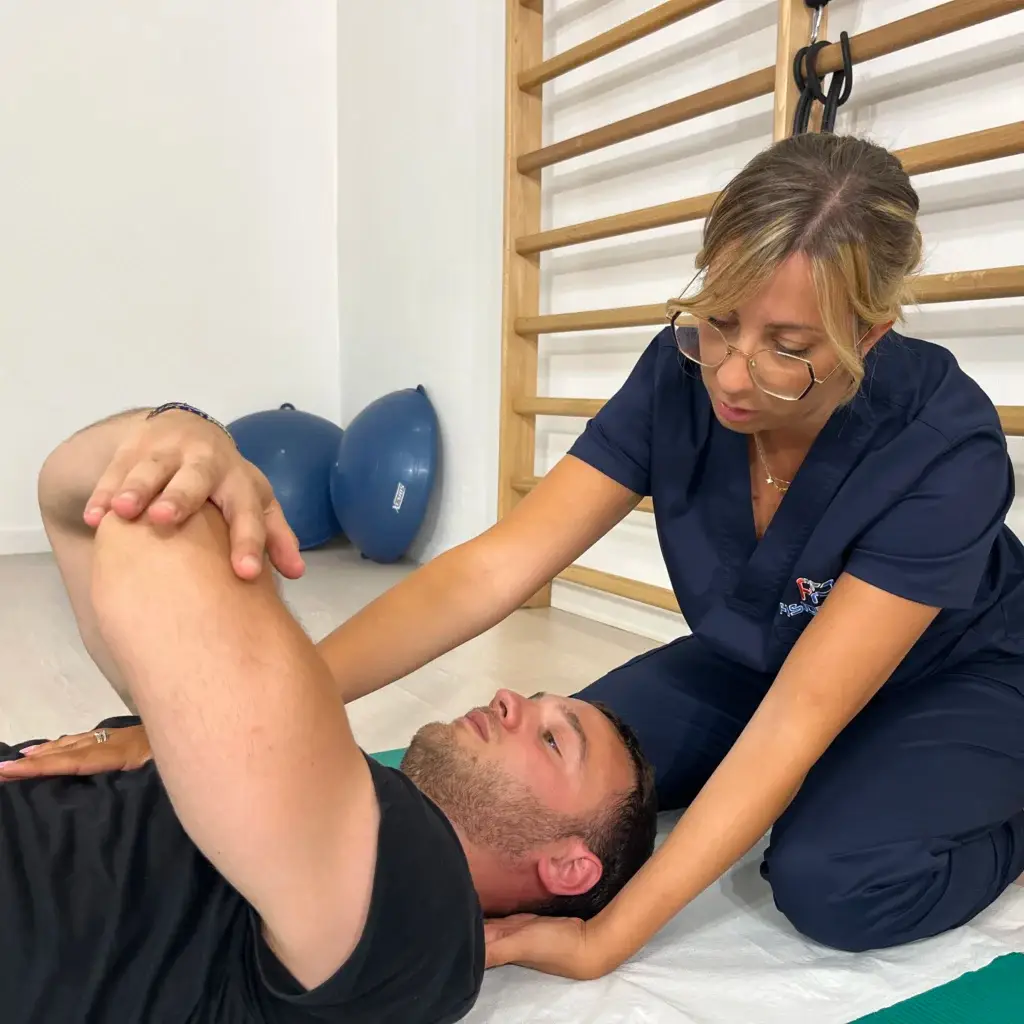
- First passive and then active exercises for recovering shoulder mobility, to be performed in a gentle pain-free manner
-
- Exercises to strengthen the specific muscles of the shoulder and the muscles around the scapula
-
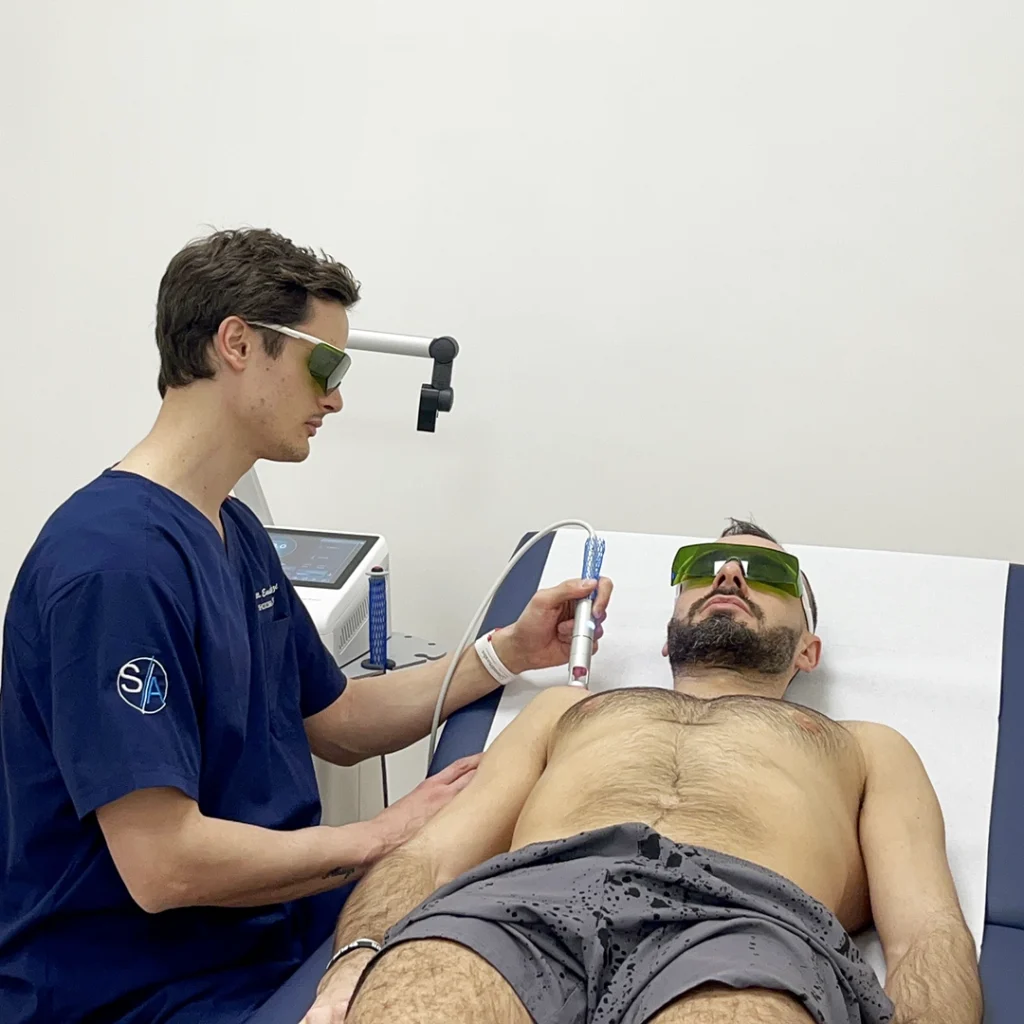
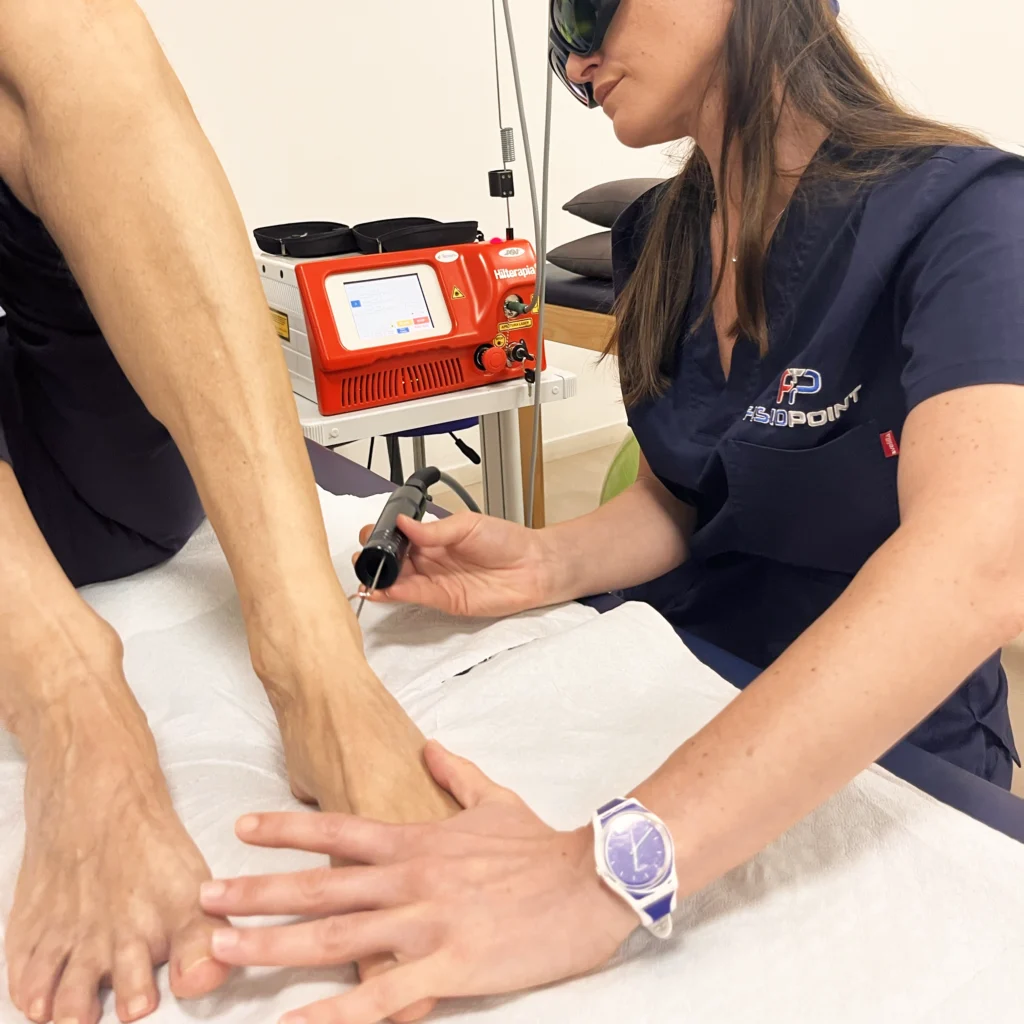
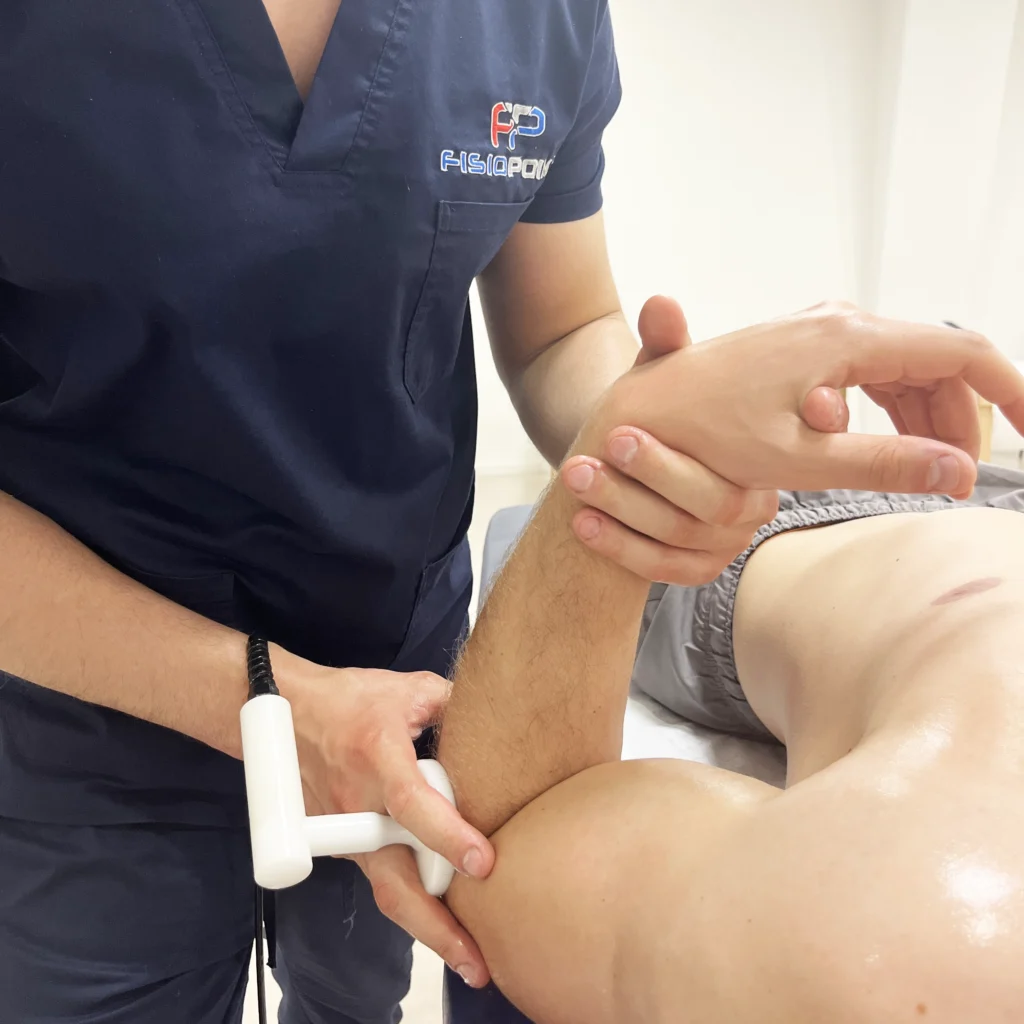
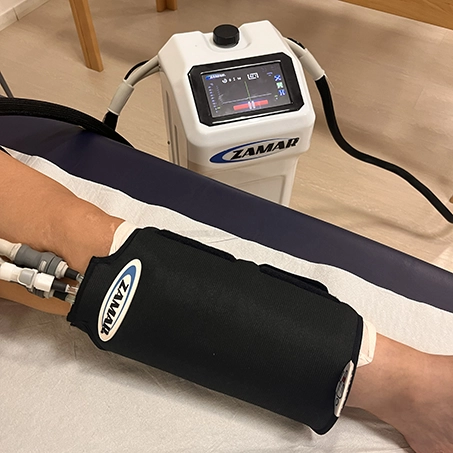
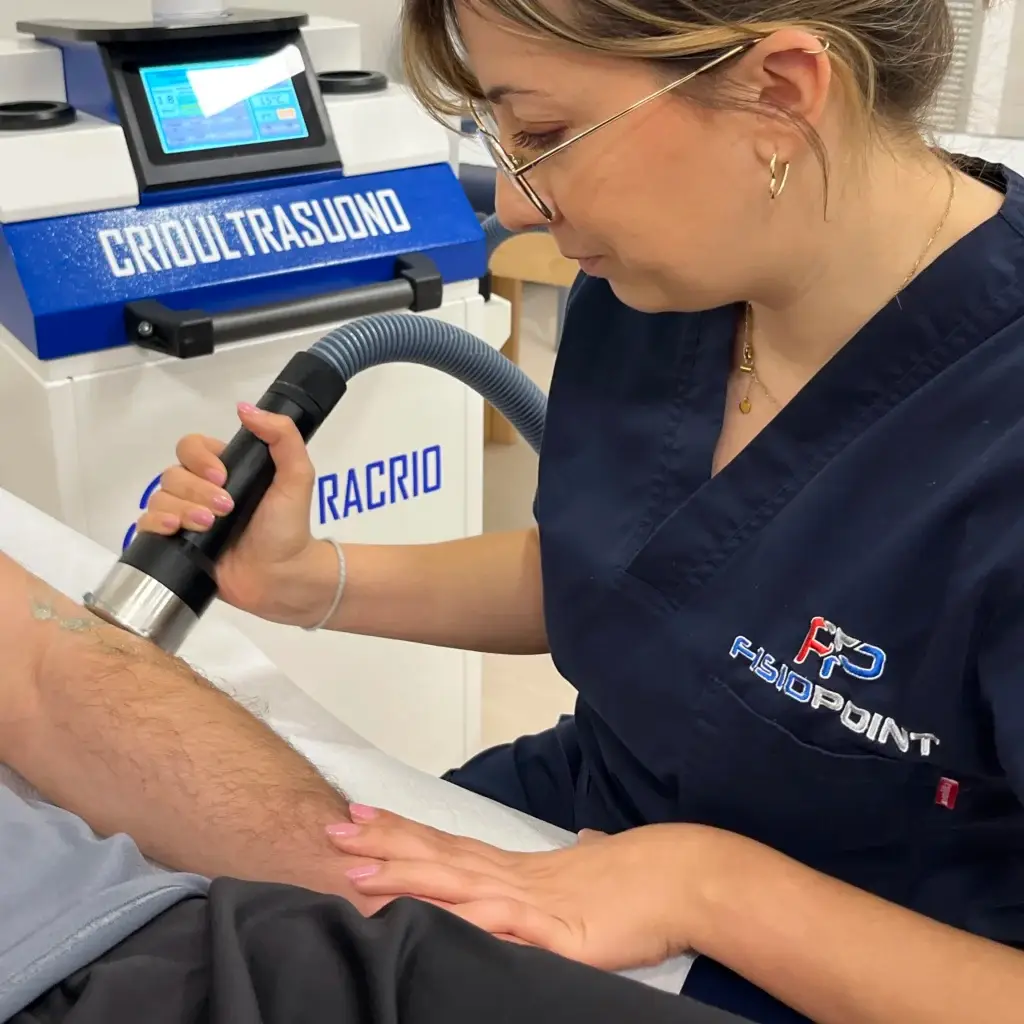
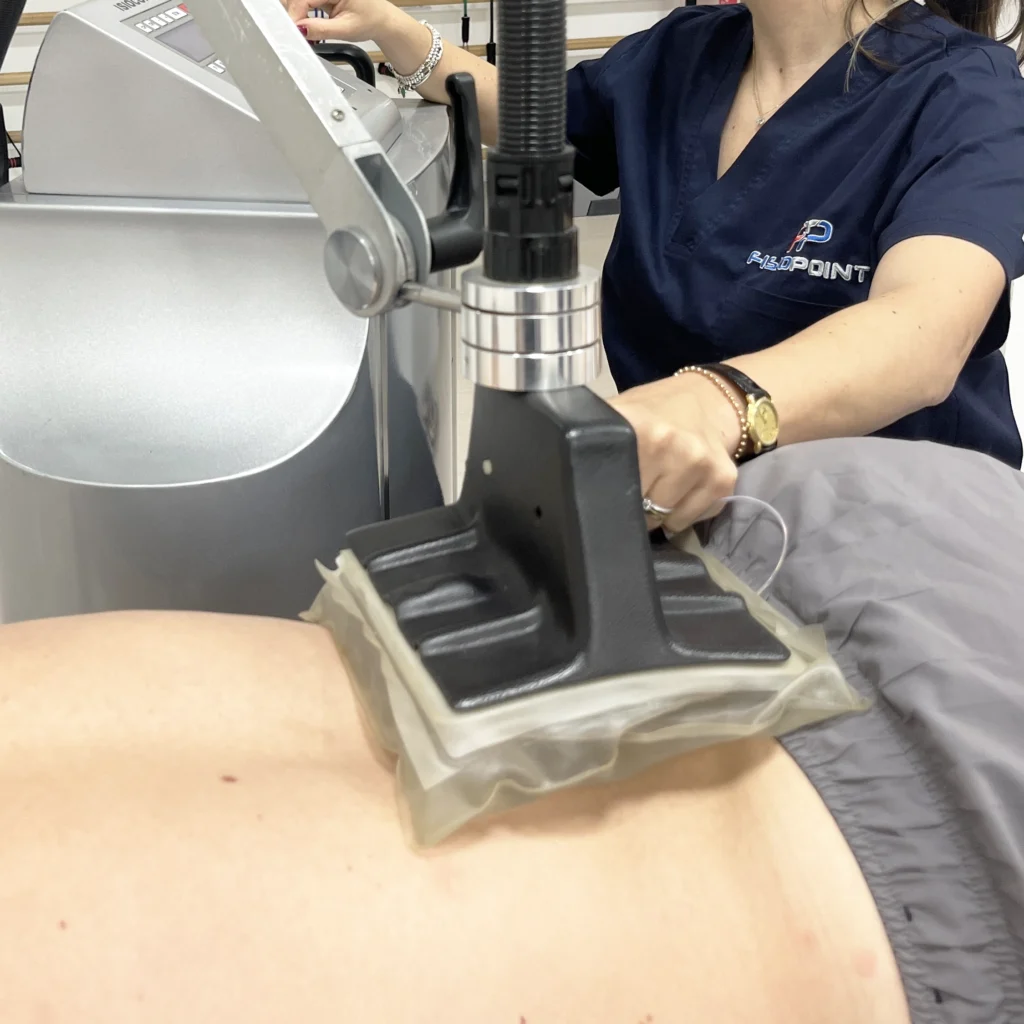
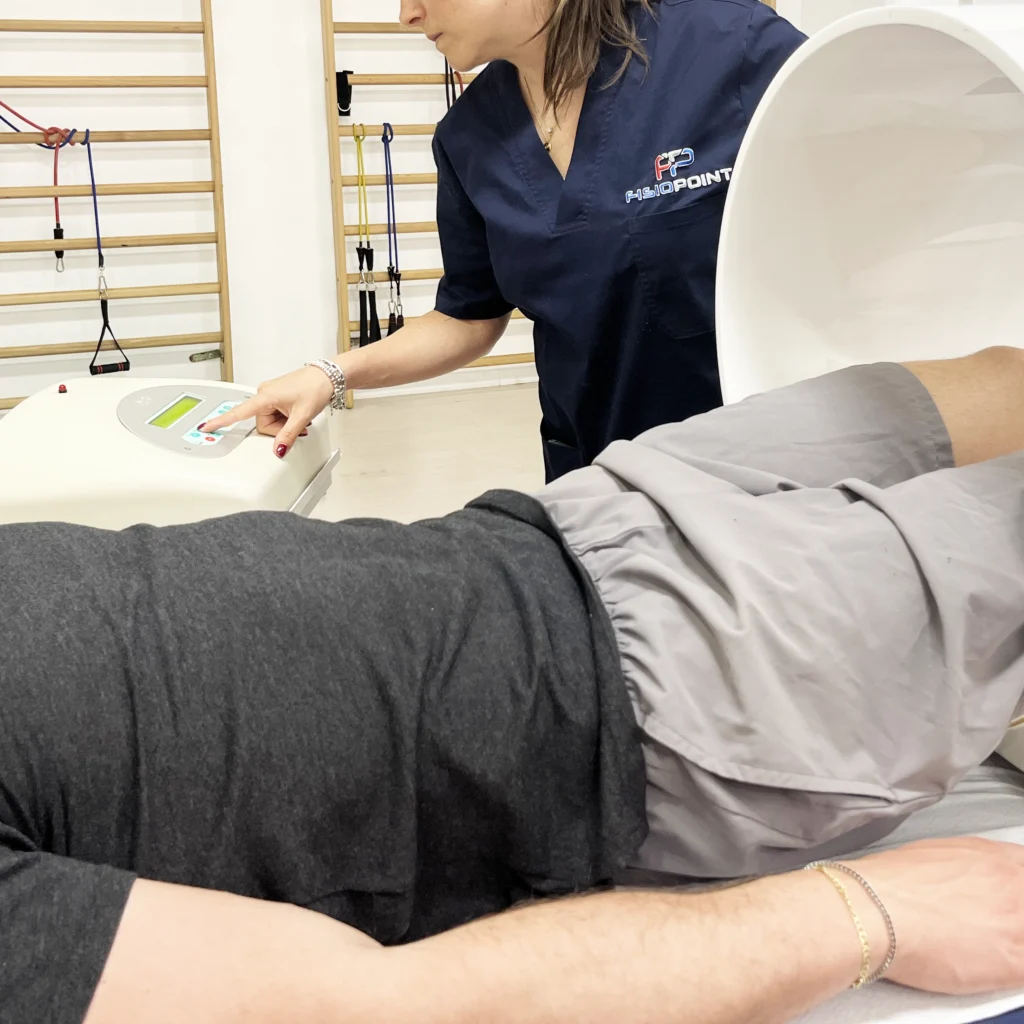
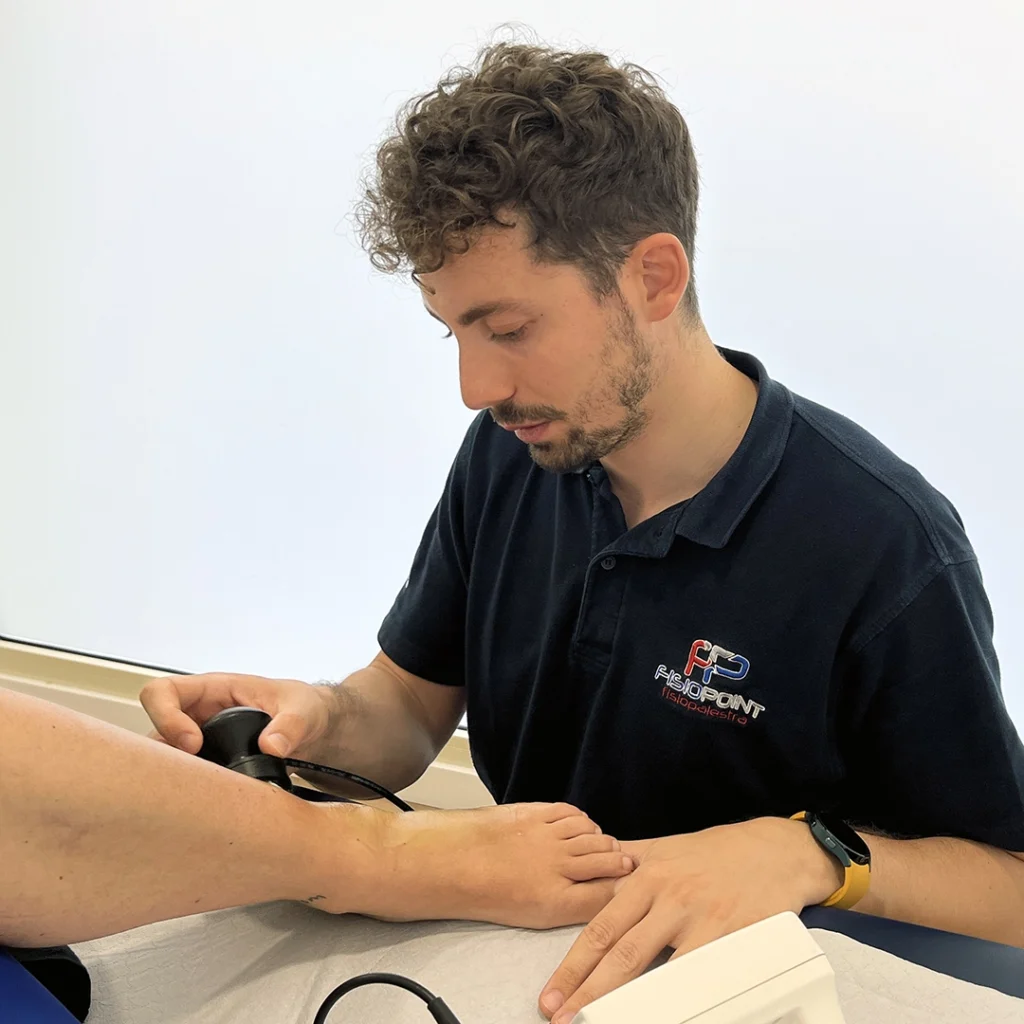
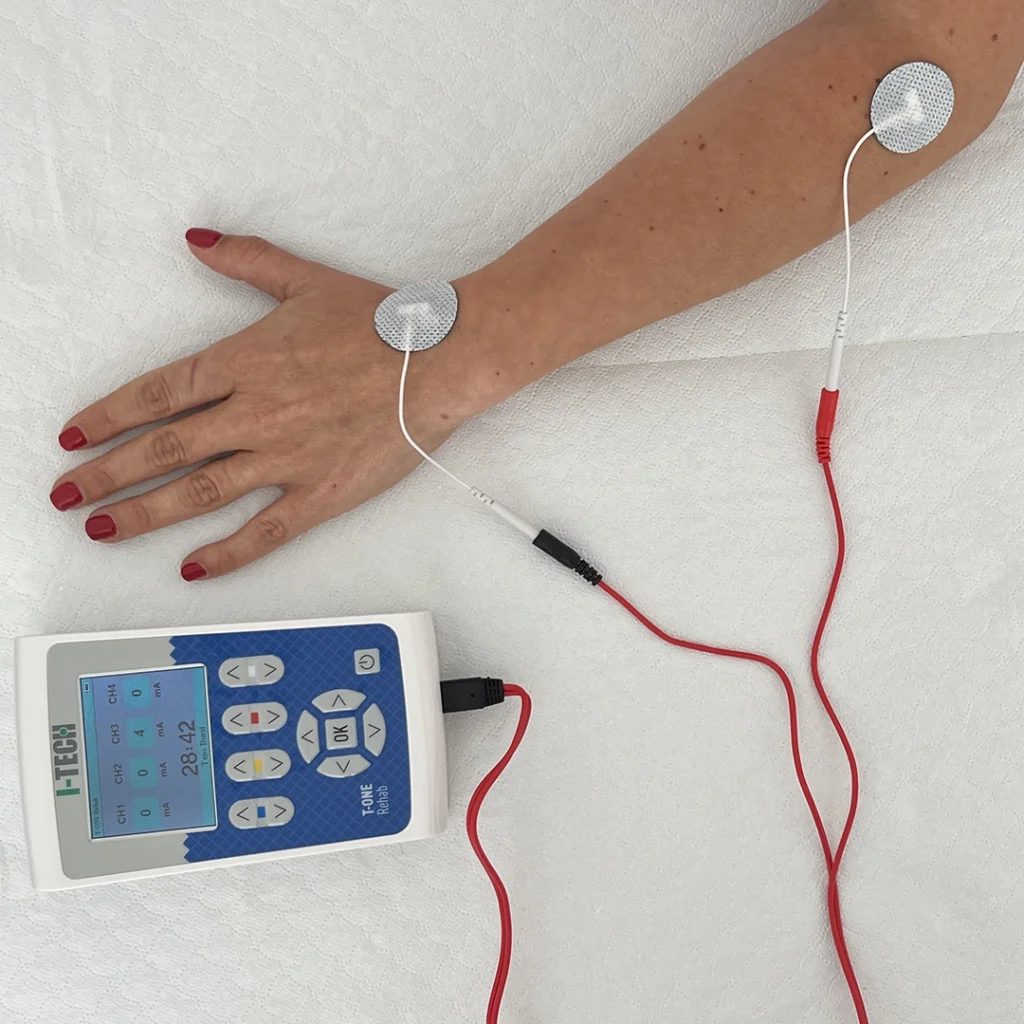
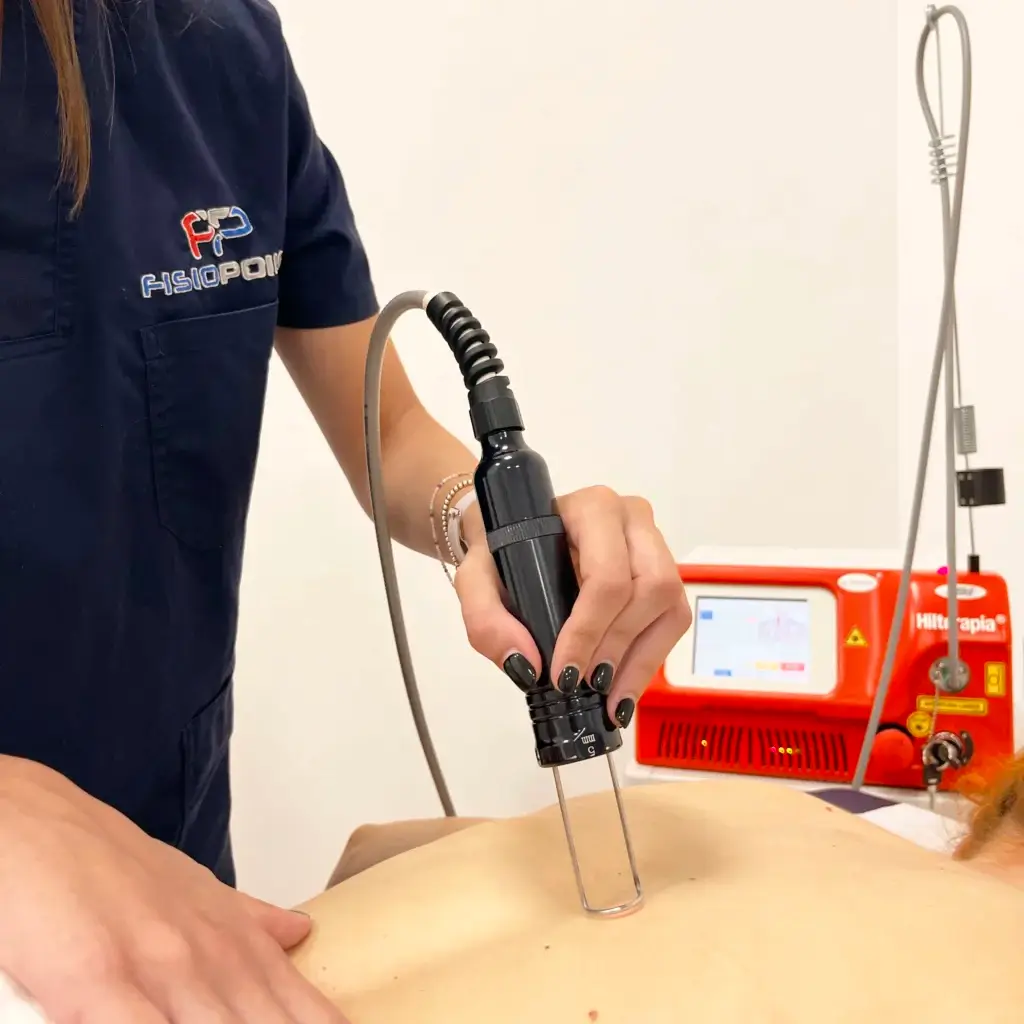
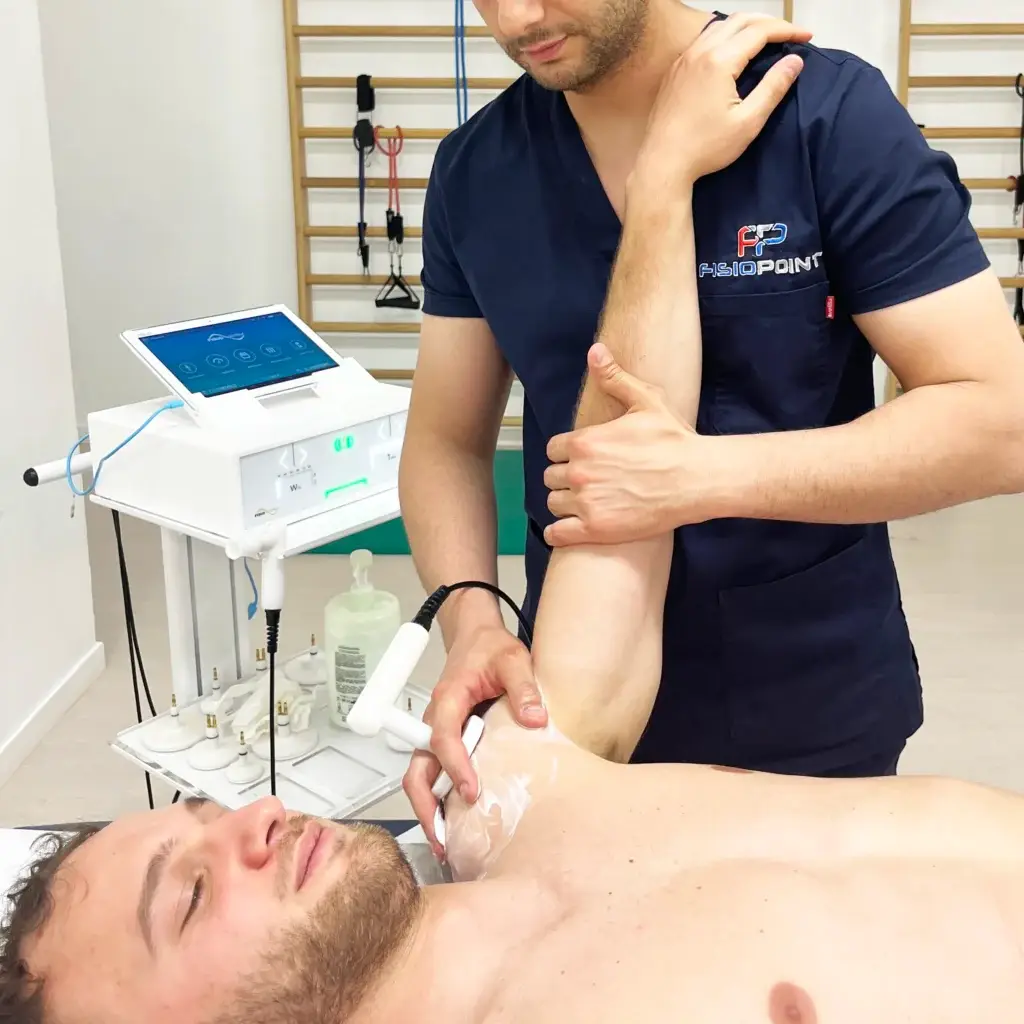
- Any instrumental physical therapies for pain management such as laser therapy or tecar therapy
It is essential to be patient and follow the clinicians' instructions to complete the rehabilitation process and return to one's activities.
Learn more by watching the videos on our channel YouTube






 English
 Italian