What to do if you feel pain in your shoulder
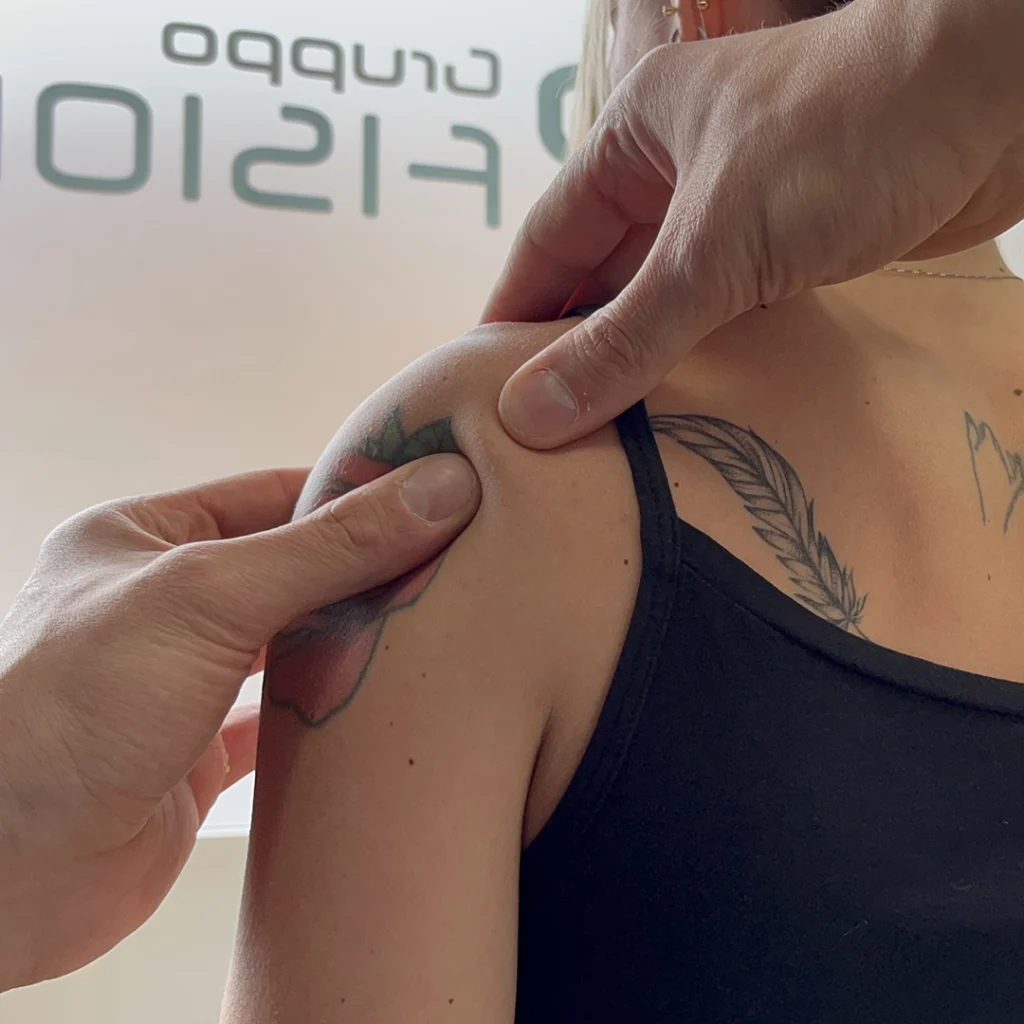
Shoulder pain can be due to various causes and can affect different anatomical districts within the shoulder, including the rotator cuff.
We can add that the shoulder may be localised or generalised, this obviously depends on the clinical history of the subject and it is therefore essential that the specialist (orthopaedist, physiatrist o physiotherapist) can trace the triggering event by analysing the causes of the trauma (in the case of trauma) or by studying the subject's habitual motor behaviour (in the absence of a traumatic event).
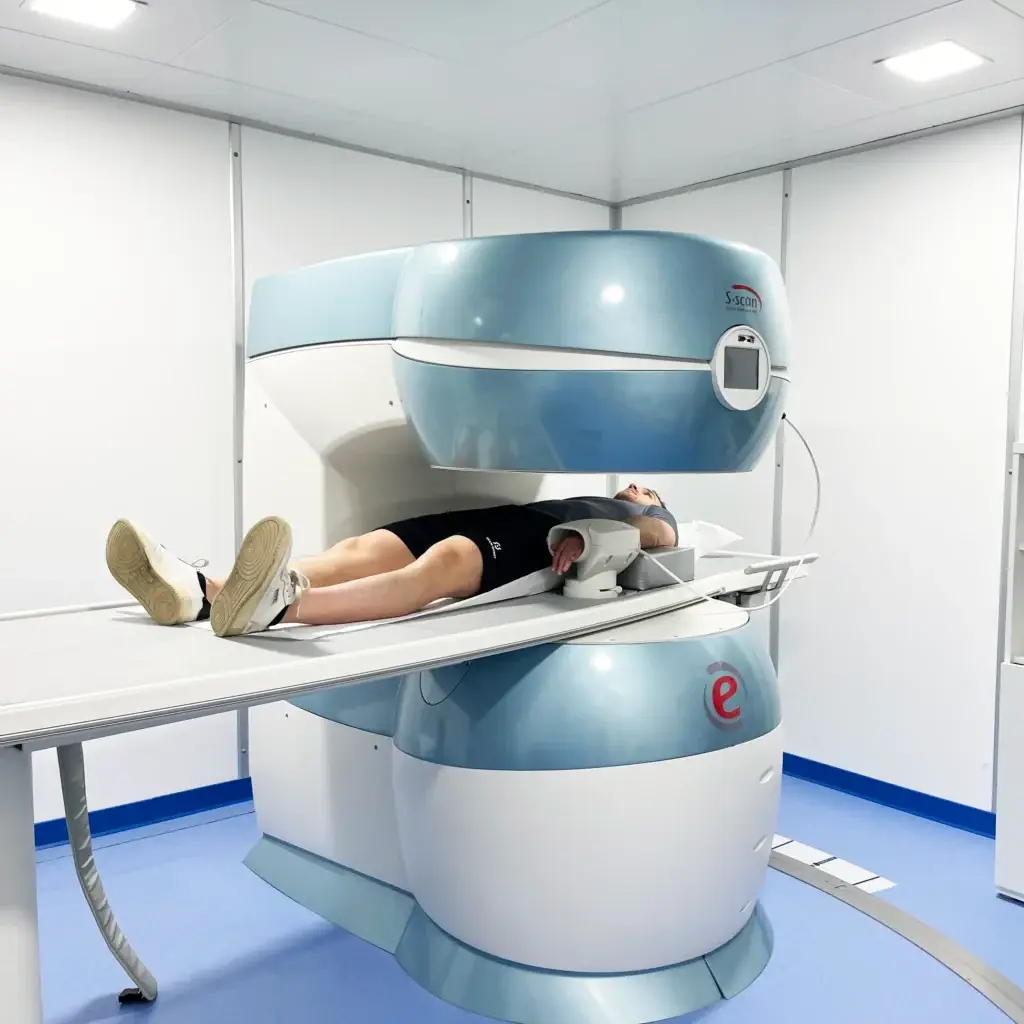
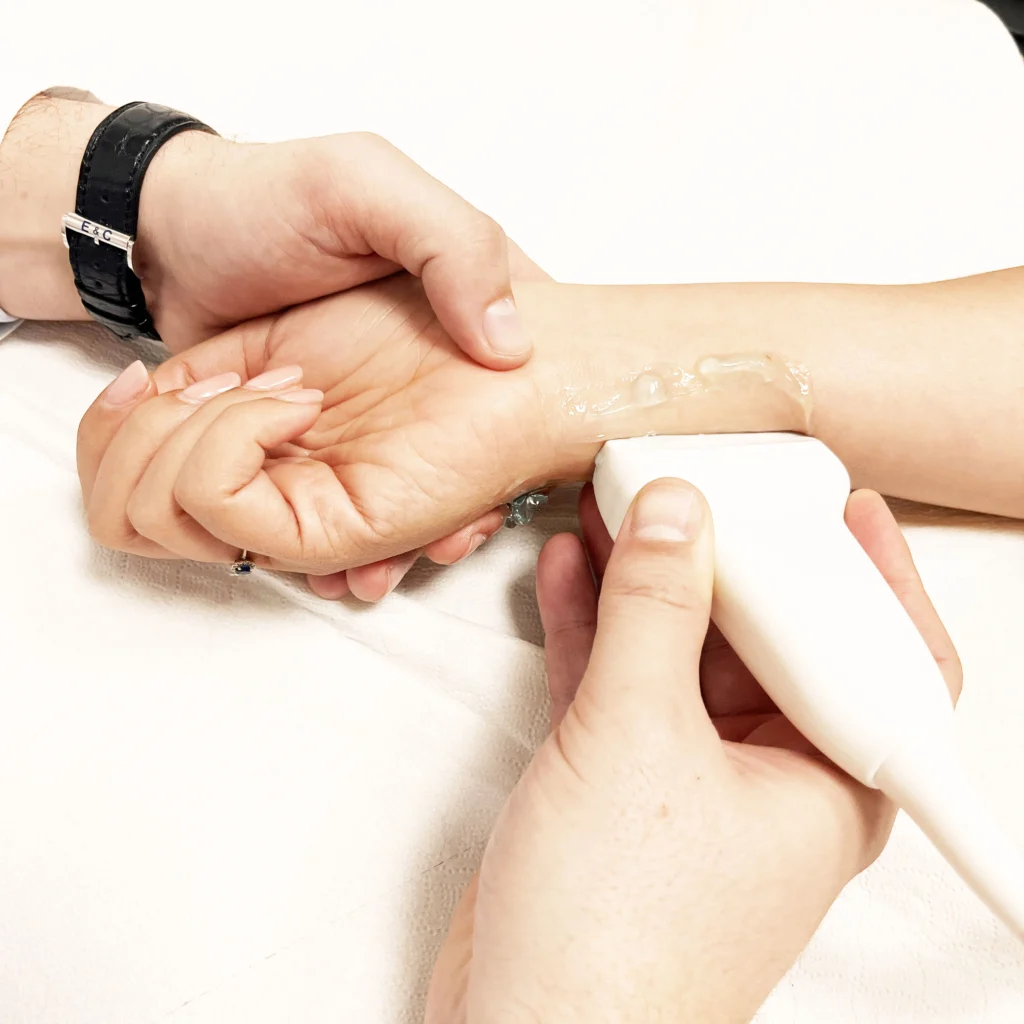
In order to design a correct Functional Recovery pathway, in addition to the clinical and functional evaluation by the orthopaedic physician and physiotherapist, it is necessary to perform diagnostic instrumental examinations such as ECG and/or MRI.
Thus, you will get feedback on the actual tissue situation inside the painful shoulder.
Anatomy outline: Rotator cuff
The rotator cuff refers to that muscle-tendon complex composed of 4 fundamental muscles that from various sites of the scapula insert on bony tuberosities of the humerus, called trochitis and trochine.
Their function is to stabilise and centre the head of the humerus in the scapular glenoid.
These muscles, in addition to mobilising the humerus in the various directions, have a purely proprioceptive function. They are:
- Supraspinatus or supraspinatus placed superiorly, its function is to abduct and extrarotate the humerus.
- Subscapularis, located anterior to the scapula, its function is to abduct and intrarotate the humerus
- Subspinatus or infraspinatus placed posteriorly, its function is to externally rotate the humerus and gives reinforcement to the posterior capsule, stabilising the humeral head.
- Small round, posteriorly positioned, its function assisted by the subspinatus and posterior deltoid is to extrarotate the humerus.
Rotator Cuff Injury Classifications - Timing
The rotator cuff can suffer various injuries, and is often subject to tendinopathies, many times caused by functional overload.
Not only that, a great many cases of rotator cuff pain result from 'conflict syndromes' or 'impingement', in which the tendon that is put under the most stress is that of the supraspinatus muscle, being in the most 'unfortunate' anatomical site (exactly between the head of the humerus and the acromion).
But how can this conflict occur? The causes are primarily sought in the posture of the entire spinal column, the selective scapulothoracic posture and the subject's basic motor patterns with regard to arm movements.
Remember that rotator cuff tendons, like any musculoskeletal organ, undergo tissue and functional degeneration over the years.
It can therefore be deduced that old age can promote the onset of shoulder disorders without the occurrence of a true triggering event.
Rotator cuff injuries are classified in different ways depending on the duration of the problem. They are defined as:
- Acute when symptoms are reported within a month, generally have traumatic genesis
- Subacute when the pathology is dated between 1 and 6 months, generally have a micro- and macrotraumatic basis;
- Chronic when the pathology has been present for more than 6 months and has a micro- or macrotraumatic degenerative basis;
The site of injury varies according to the tendon or tendons placed under the most stress.
- There are injuries in the anterior compartment affecting the subscapularis tendon with subluxations or frank dislocations of the long head of the biceps;
- of the upper compartment, with isolated involvement of the supraspinatus tendon (the most frequent);
- of the posterior compartment with isolated involvement of the subspinous tendon;
- Finally, complexes are defined as extensive injuries involving, to varying degrees, all tendons of the rotator cuff.
Symptoms
Involvement of the cuff tendons represents one of the most common 'overload' or 'conflict' pathologies: it can manifest itself with pain accompanied by functional inability, but degeneration can often be asymptomatic with 'unexpected' episodes of rupture.
The clinic of rotator cuff problems usually includes pain:
- in the antero-upper shoulder area
- in the postero-upper shoulder area
- the extension or flexion movement of the humerus in the sagittal and frontal plane
- emphasised at night or while lying in bed
and other symptoms such as
- Loss of strength
- Rigidity and loss of active and passive mobility
- Adhesive capsulite
Therapy and treatment
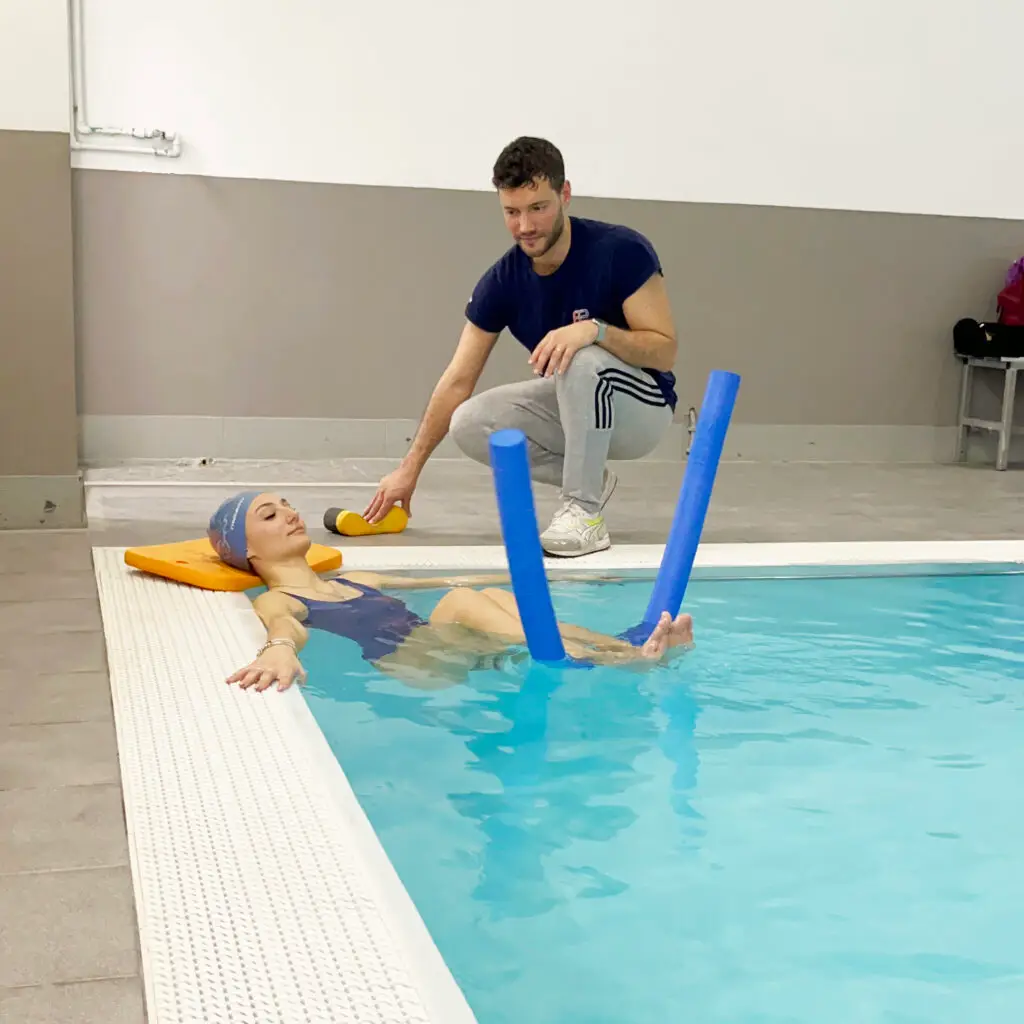
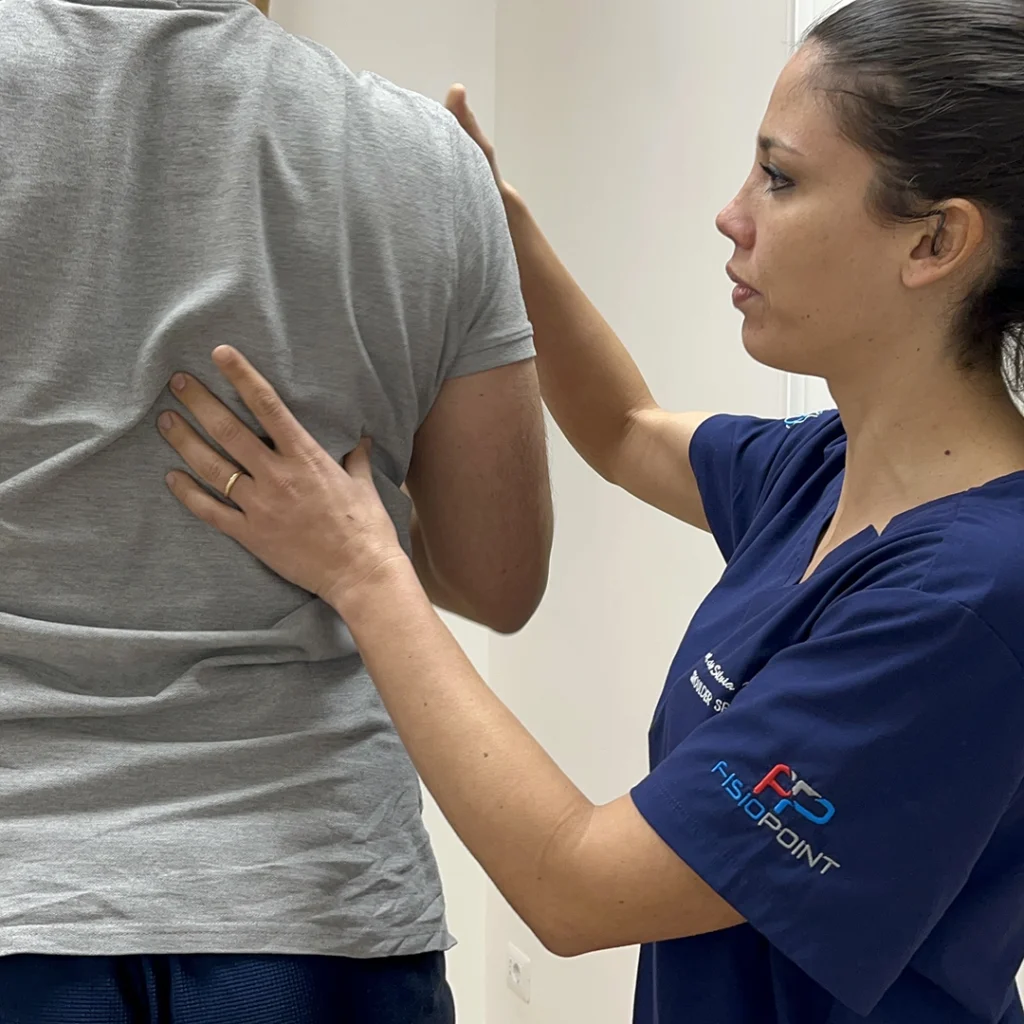
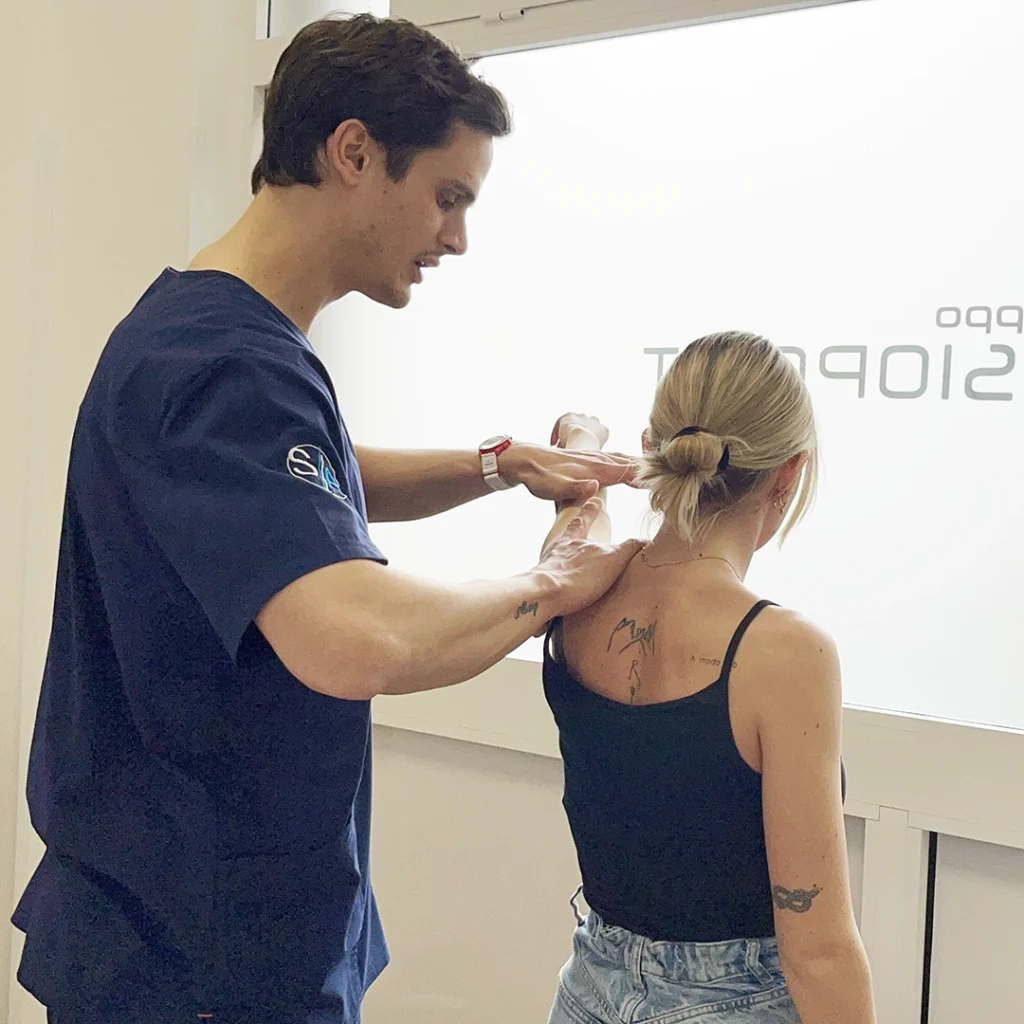
The framing and management of rotator cuff pain is the prerogative of the physiatrist/orthopaedist, who can discuss and cooperate in the methodological decisions of functional recovery with other rehabilitation, re-education and motor reathletisation professionals (physiotherapists, doctors of motor sciences, osteopaths, etc.).
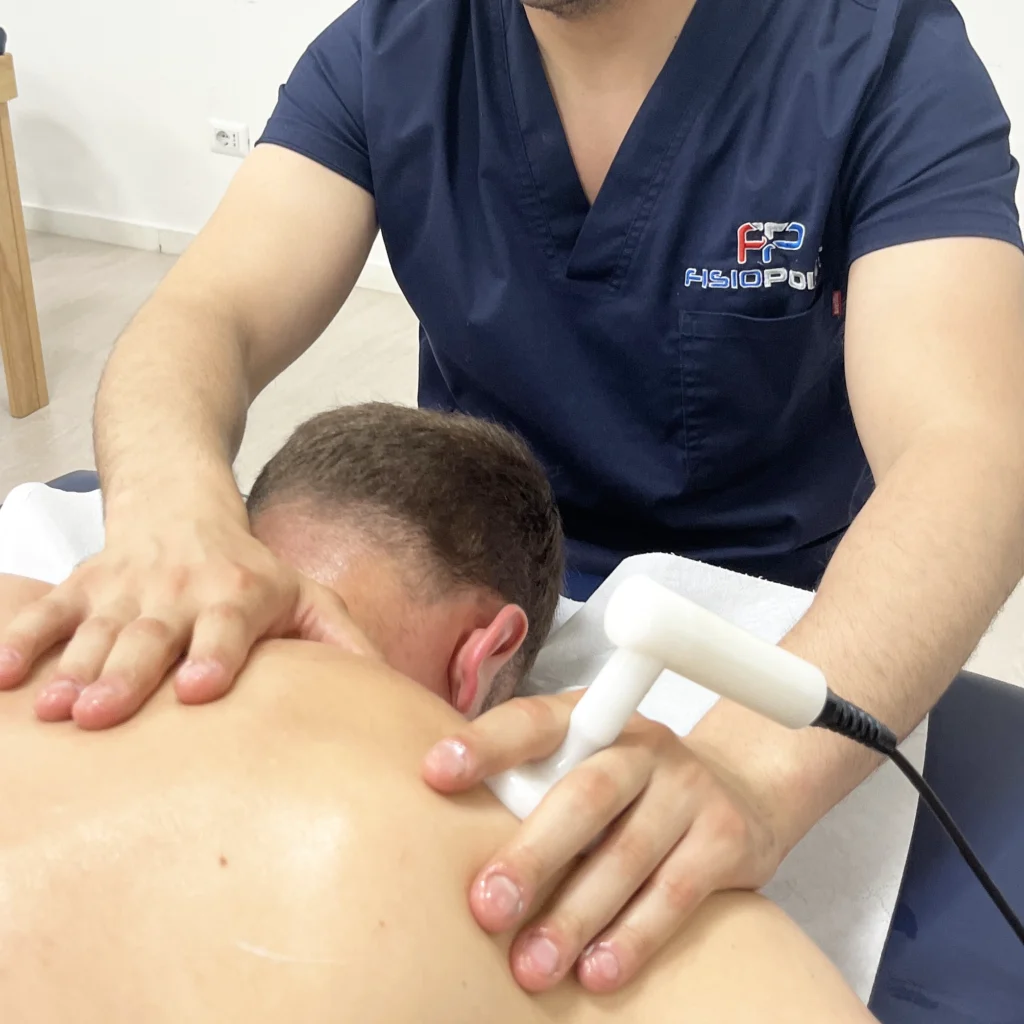
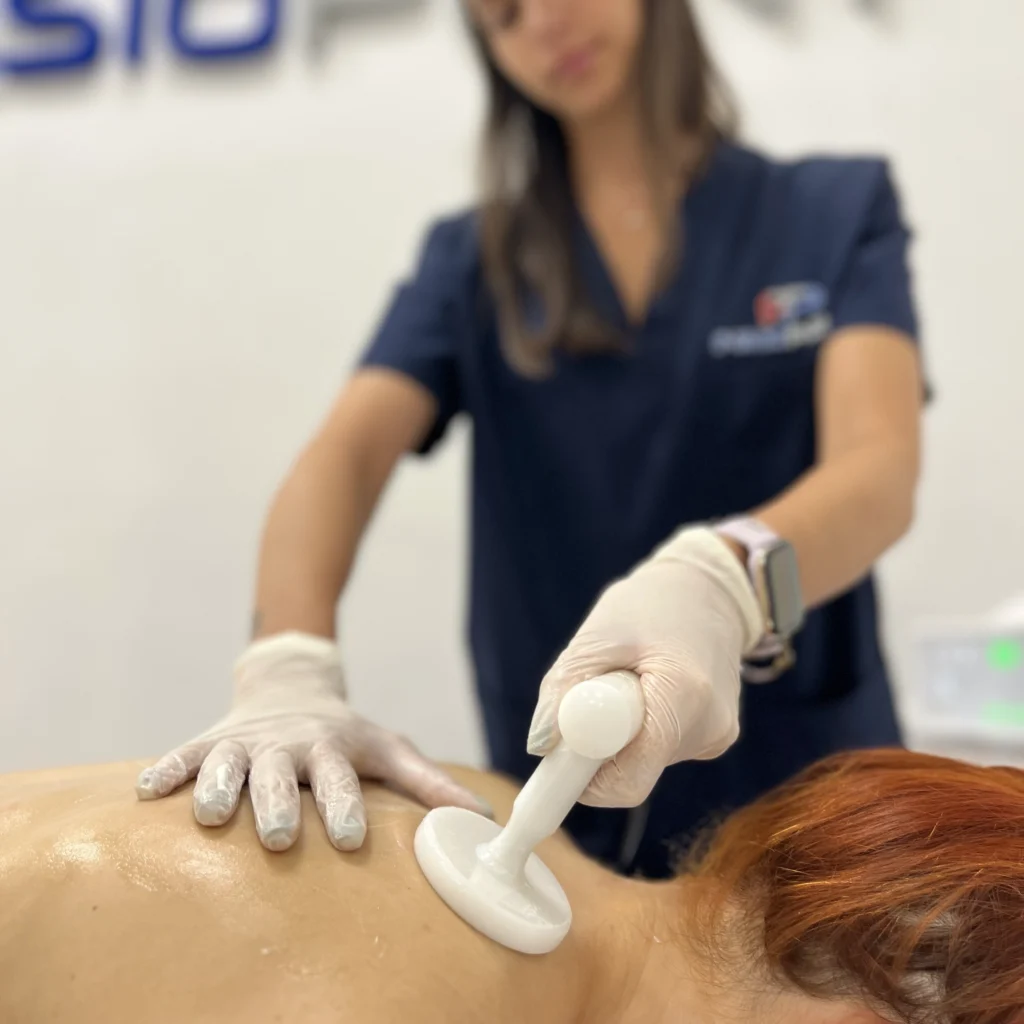
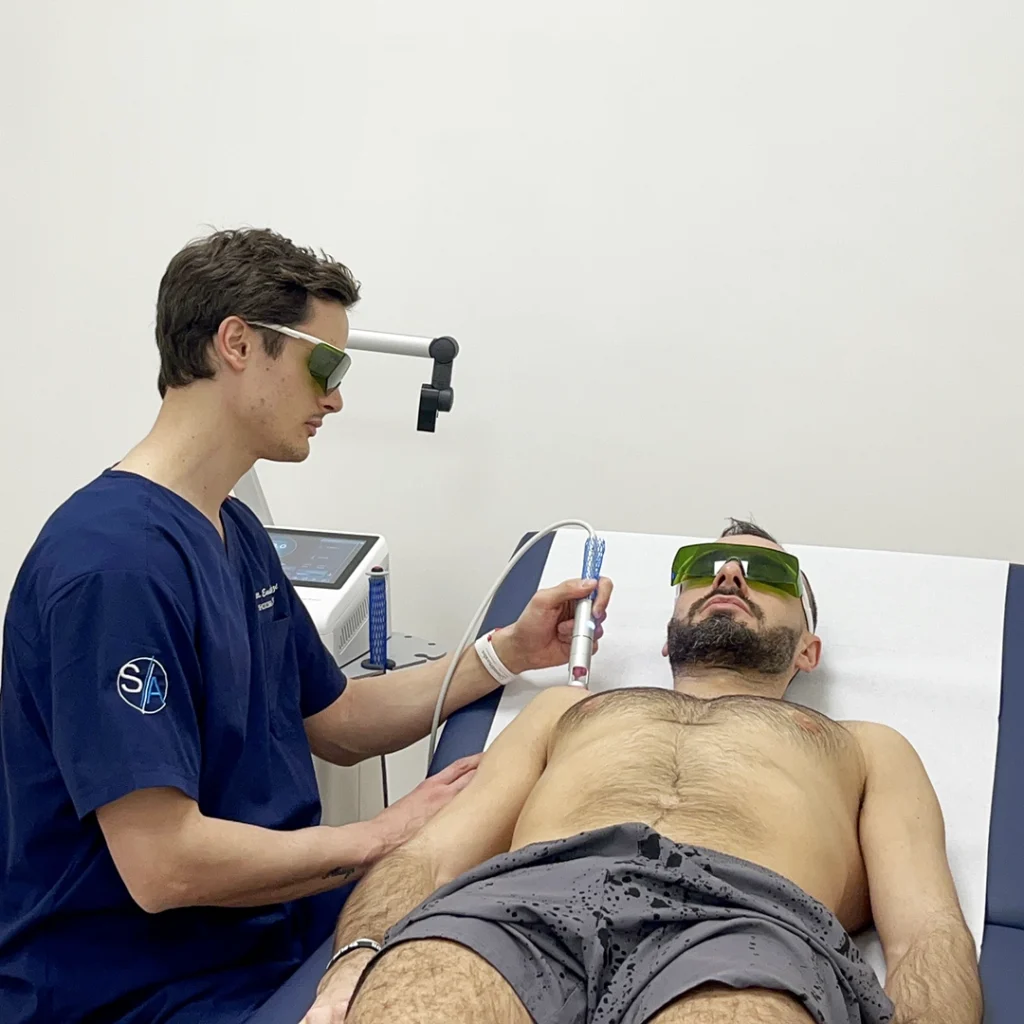
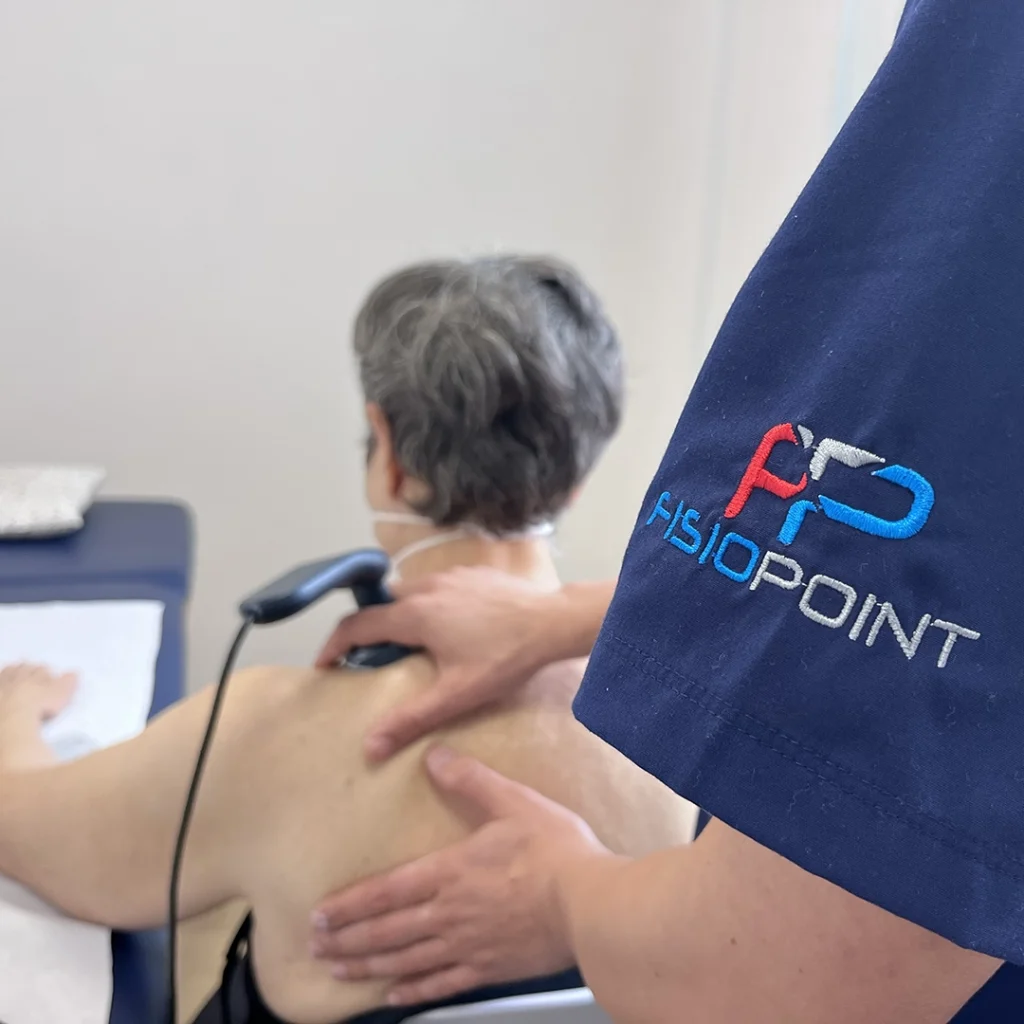
For inflammatory statuses, the application of ice or physical therapy is recommended (tecar, laser therapy) to speed up tissue regeneration and the anti-inflammatory process.
Most 'impingement' or 'conflict' disorders are resolved with an appropriate conservative rehabilitation programme (according to a study by Morrison et al. 1997, conservative therapy is effective in 67 % of cases). The surgical solution should therefore only be considered when the latter fails.
Prevention
As a preventive measure, a strictly active lifestyle is recommended, striving to maintain the right postures both during physical activity and in daily activities.
A shoulder that moves little and badly, compared to its potential, is a shoulder that inevitably tends to be fragile and unprepared for the 'unexpected' events of life.
Tips
The complete functional recovery of a rotator cuff injury is a complex process that cannot be solved with a superficial approach. It becomes very important to rely on a Specialist capable of identifying and proposing the right instrumental therapy. For the more advanced stages of rehabilitation, a Motor Sciences professional will aim to develop specific training programmes based on the subject's real needs and aimed at the best possible return to daily or sporting activity.
Text by Cristiano Pelliccia
Learn more by watching the videos on our channel YouTube

 English
 Italian