What is the function of proprioception?
The role of proprioception in our lives is fundamental and all too unknown.
The complex system we have been talking about is at the basis of any activity we perform in our daily lives, from the simplest movement in the home to the most complex, such as athletic gestures.
Proprioception always works in collaboration with other complex systems and contributes to:
- Maintaining balance
- Ensuring stability
- Enable correct execution of movements.
We can state that, proprioception, works on a continuous exchange of information between the nervous system and the body that allows us to live in balance, in adaptation and without pain.
Somehow, it makes us more aware of our physique, and it is this awareness that in everyday life becomes the ability to adapt ourselves in space through adjustments of our body, whether standing still or in motion.
What happens to the proprioceptive system after an injury?
The mechanism underlying proprioception, which we have talked about so far, is complex and constantly being updated even when we are well. What happens when we suffer a trauma or an injury?
A trauma is an unforeseen situation that goes outside the physiological condition of our body, which causes unfamiliar sensations that push us towards motor patterns different from those we were used to and that belonged to our normality. In all this change, proprioception is also altered.
The proprioceptive system is modified by receptors. They too undergo trauma and register sensations different from the physiological ones, sending altered information to the nervous system that produces altered motor responses.
Let us try to explain this with an everyday example: all of us in our lives have encountered an injury or at least know someone who has. In the case of an injury to the lower limb (e.g. knee or ankle sprain, cruciate ligament injury), the pain or inability to put weight on the limb leads to lameness, often prolonged even after recovery.
This incorrect motor pattern is nothing more than the result of the alteration of the proprioceptive mechanism following the trauma.
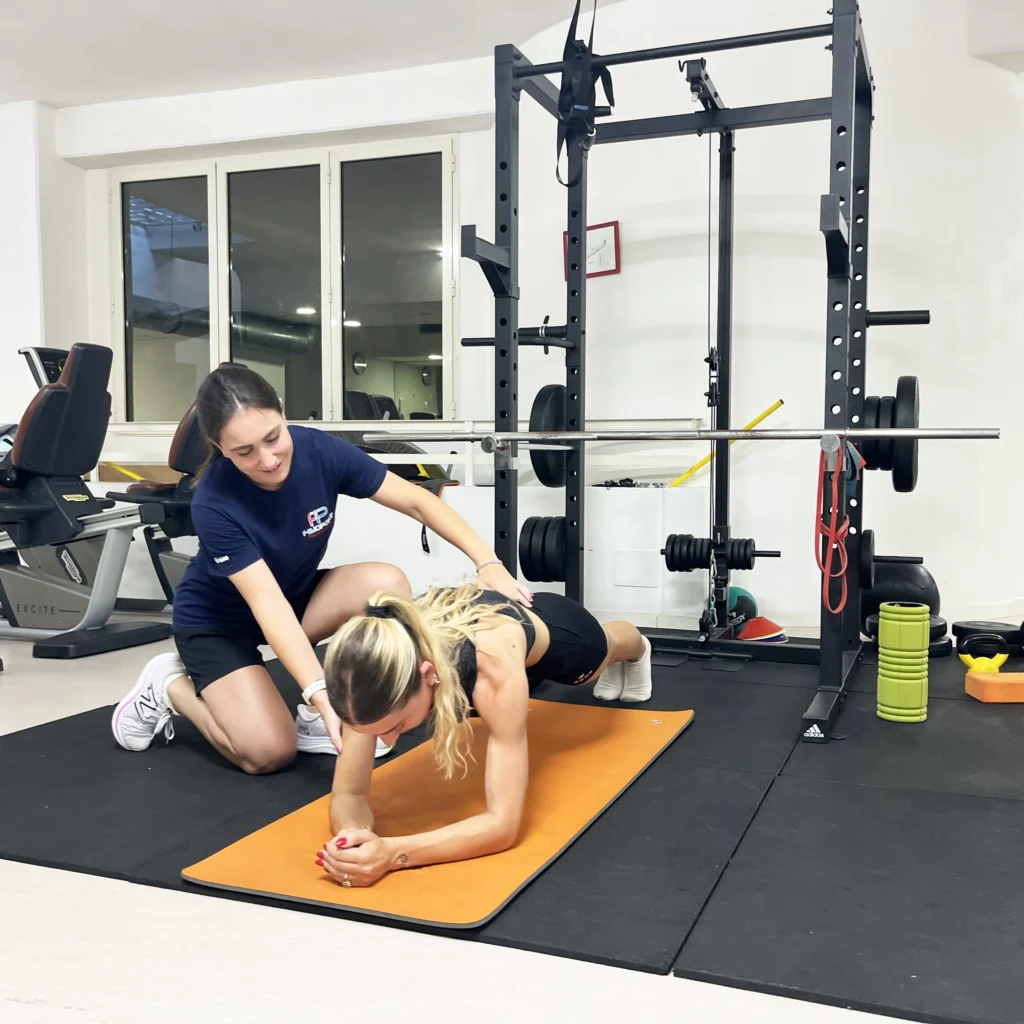
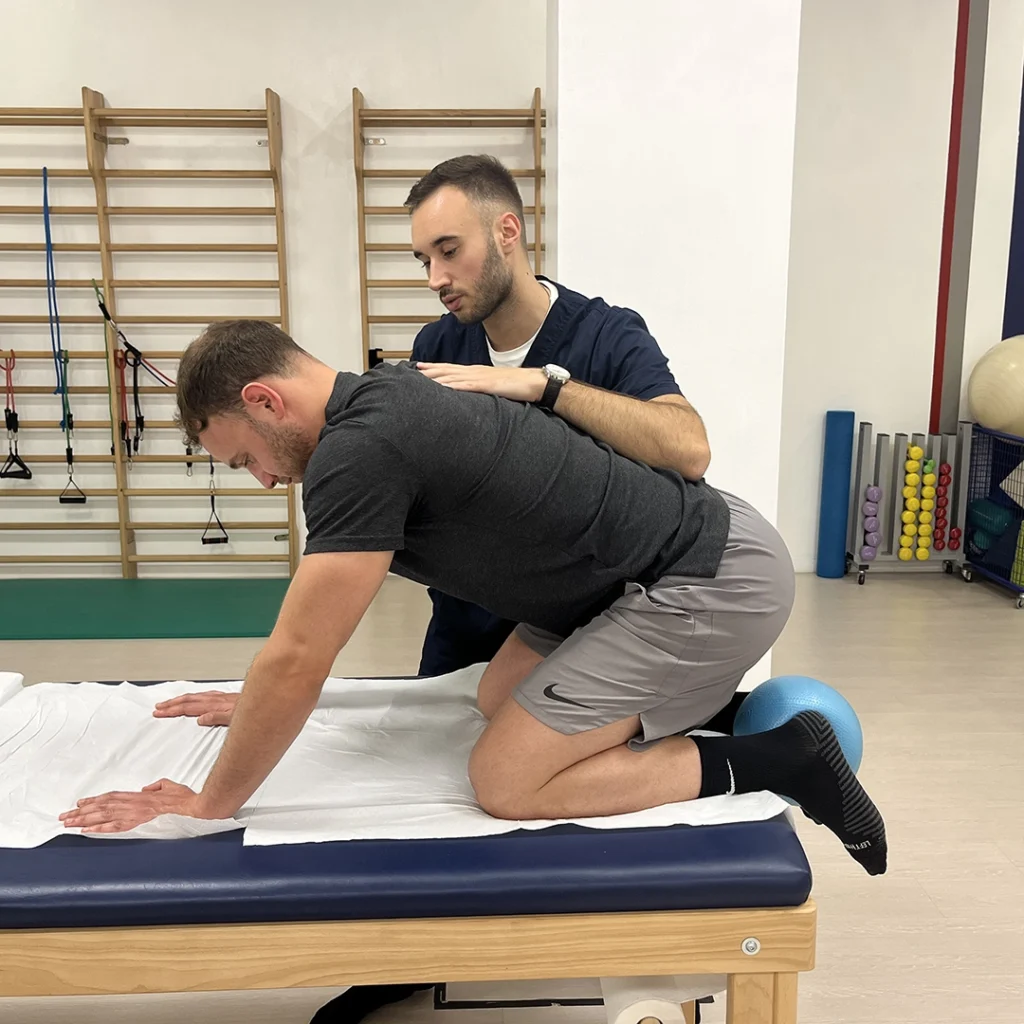
Recovery and training of proprioception under the supervision of a specialist is the only way to return to normal.
Proprioceptive training
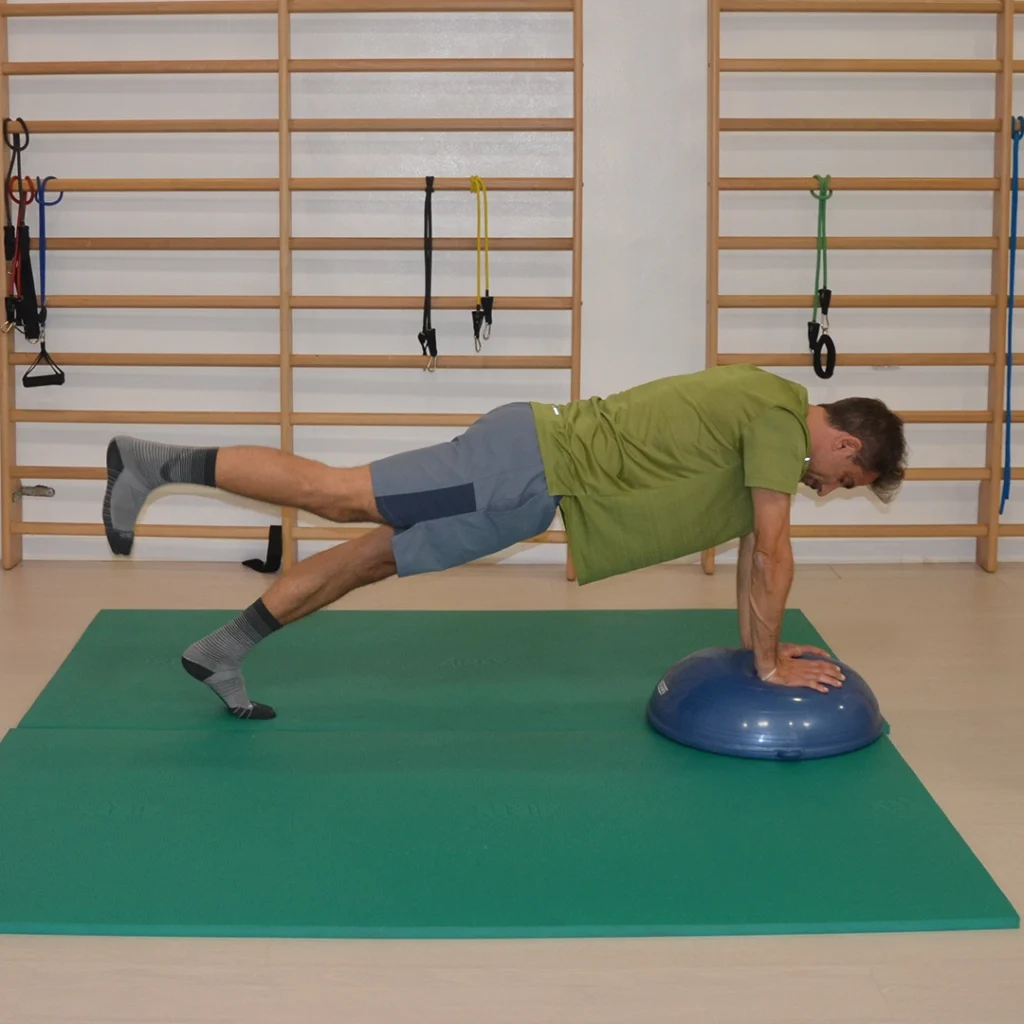
of control of the locomotor apparatus, the greater the response is proprioceptive', the exercises will be aimed at creating situations of instability and loss of control in order to stimulate the nervous system to a precise and rapid motor response, leading to the maintenance of balance or postural variation. We can say, therefore, that proprioception training is based on exercises that encourage unstable or unforeseen stimuli that induce the body, passing through a complex system, to respond in order to ensure balance or control of the gesture being performed.
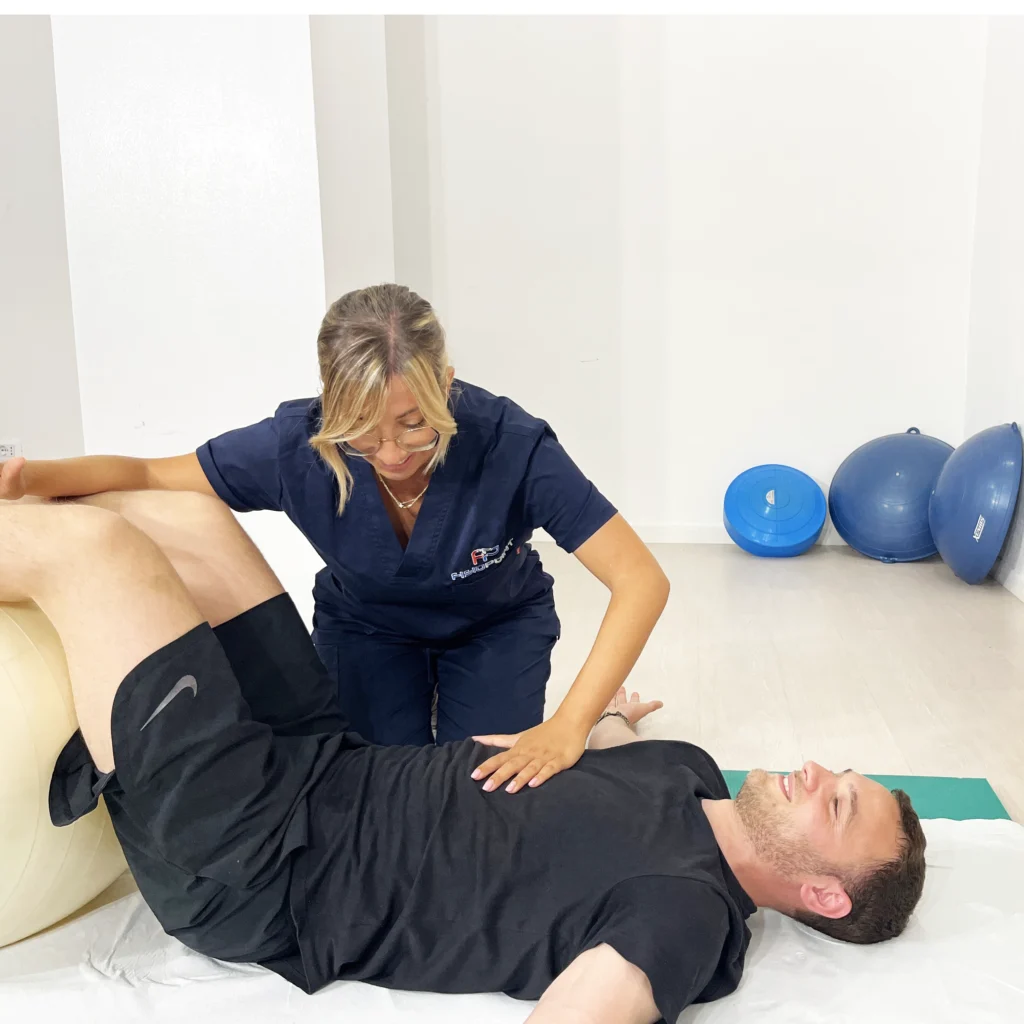
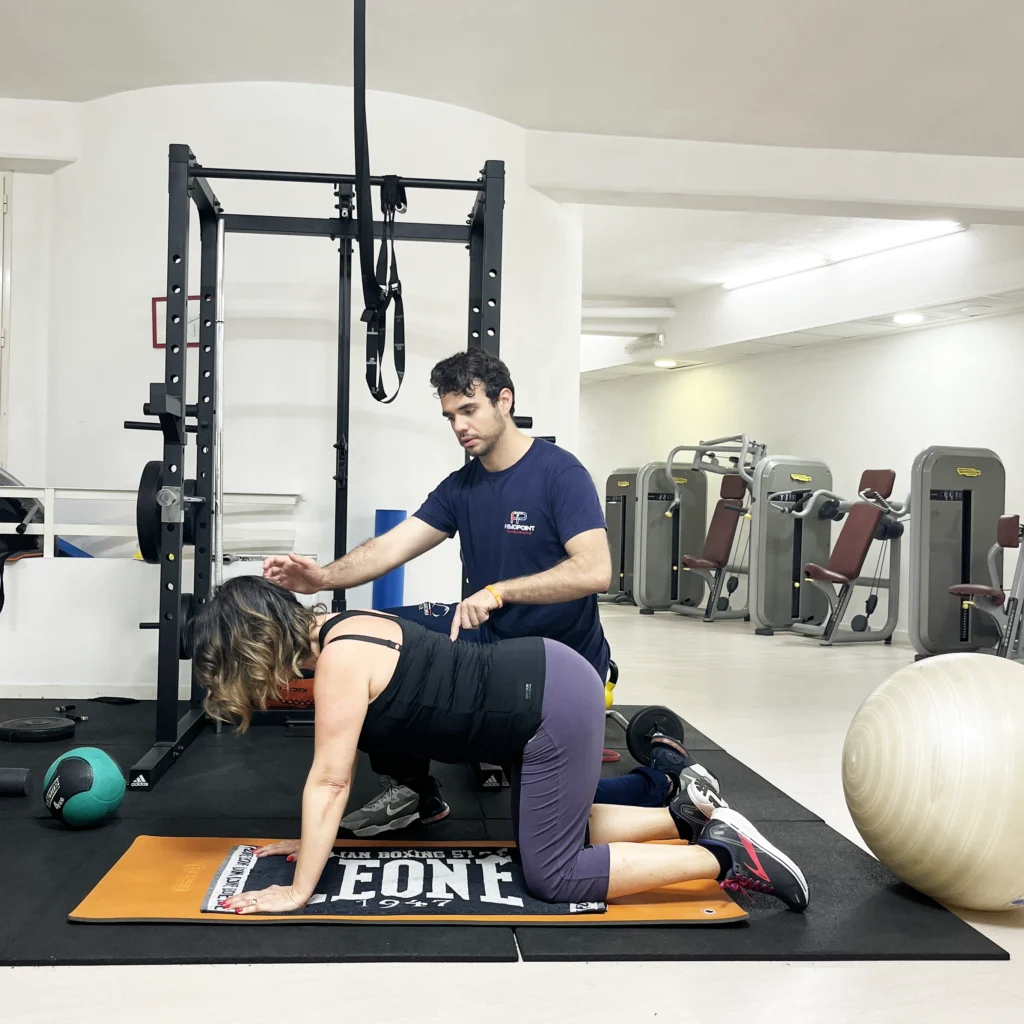
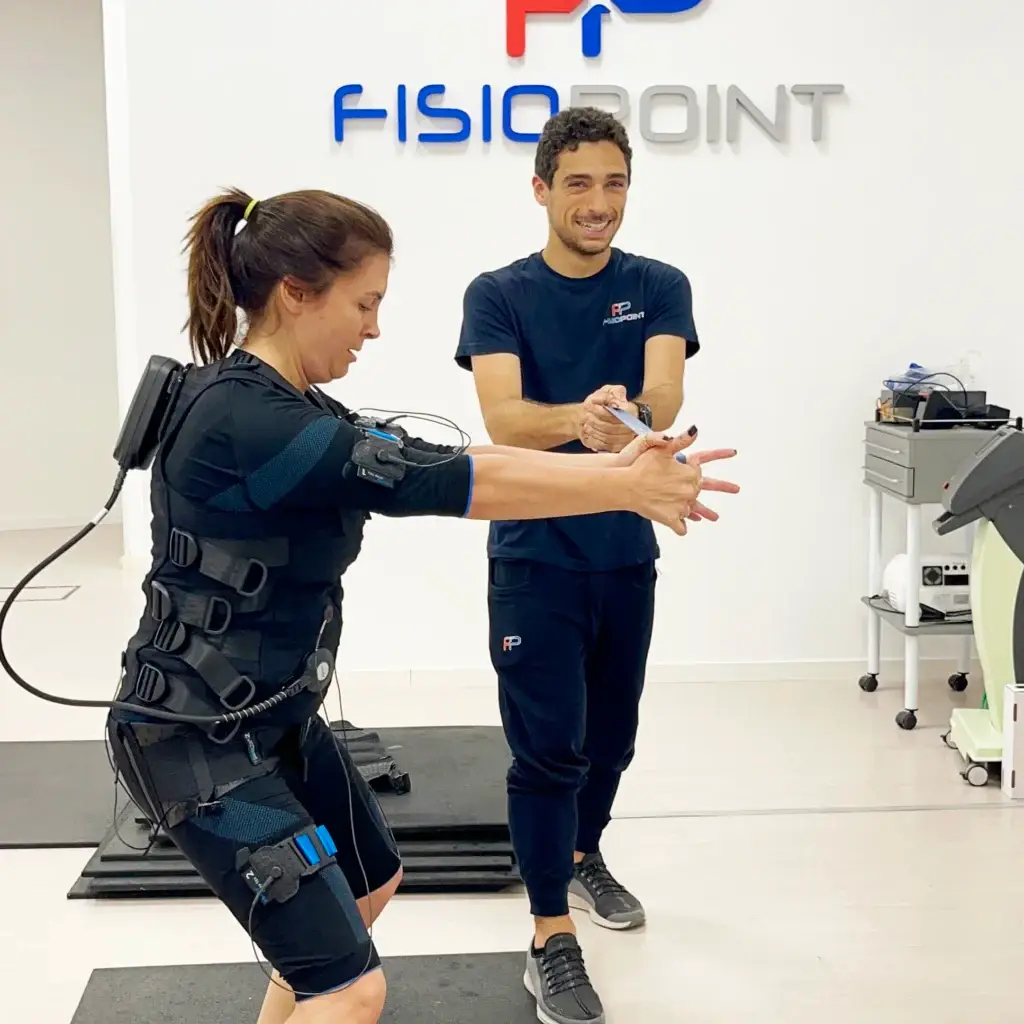
Training, or the rehabilitation proprioceptive, is very varied and it would be impossible to reduce it to a few examples of written exercises. It is useful to know that it can be done free-body or with the use of specific equipment, but that the real added value is the imagination of the physiotherapist or personal trainer who is following us.
One can work on proprioception:
- General, of the whole body, with continuous destabilising stimuli for the continuous search for the correct posture
- Segmentary, useful in the first rehabilitation phase (e.g. after ankle sprain)
- Specific, for athletes who need to improve their performance on the field or the quality of their technical gesture.
What is proprioception for?
Training proprioception means:
- Promoting prevention and reducing the risk of falls
- Rehabilitate and re-educate after a accident
- Improving sports performance and motor co-ordination
- Increasing balance and stability
- Strengthening the muscles.
Proprioceptive training is accessible to all and brings numerous benefits in our daily lives.
What tools are needed?
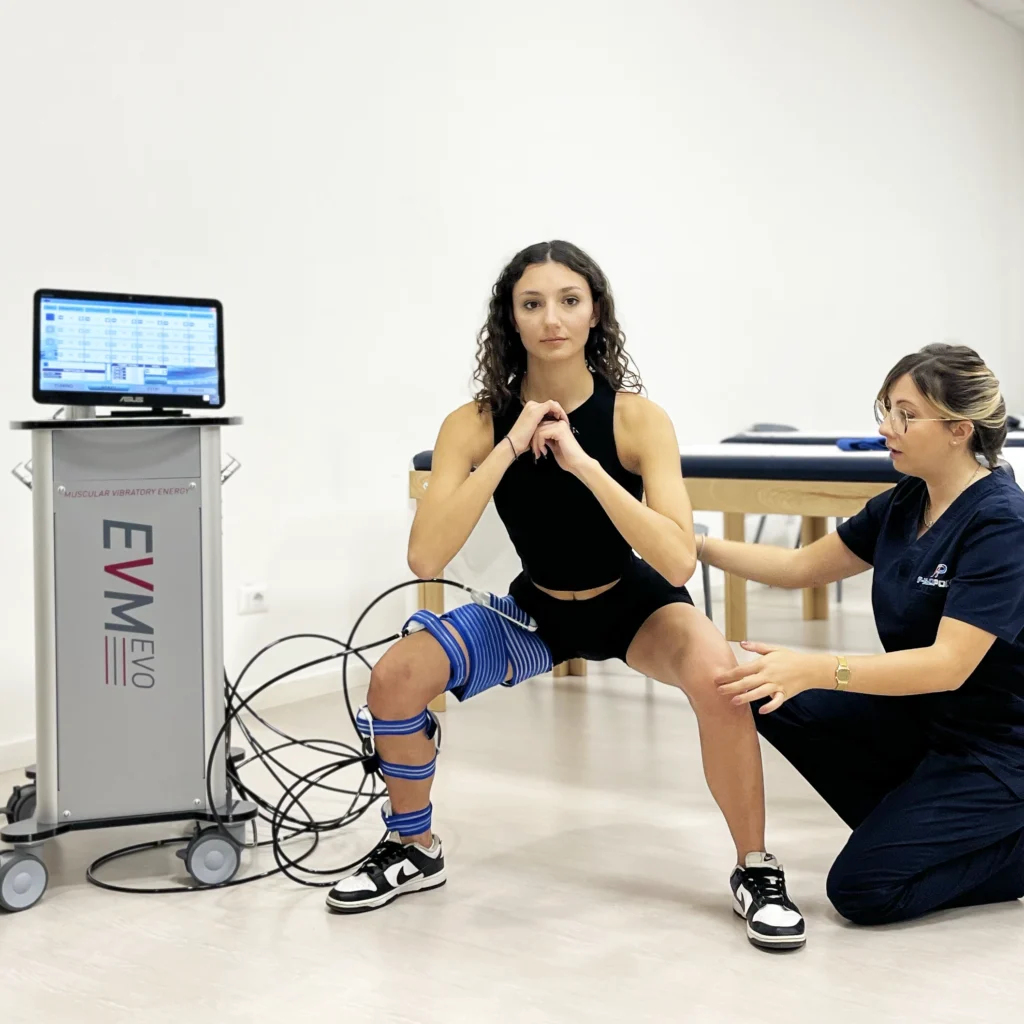
Proprioceptive training can be performed free-body, but as the goal is to stimulate the body to respond after a sudden change, it is very useful to have instruments that can reproduce instability situations.
The most frequently used tools are:
- Unstable footboards
- Bosu or jellyfish
- Fitball
- Inflatable cushions
- Mats of various consistencies
The tools and variables of this training are endless, which is why it is essential to rely on a specialist who is able to create a customised proprioceptive training programme taking into account the needs and goals to be achieved.
Text by Elisa Piccioni
Learn more by watching the videos on our channel YouTube



 English
 Italian