What is the Achilles tendon?
The Achilles tendon is one of the largest and strongest tendons in the human body. It is an essential component of the foot structure and is crucial for the mobility of the ankle. Its presence allows us to walk and perform our simplest daily functions, such as running and jumping. The Achilles tendon is located at the back of the leg and is an essential connecting structure for the calf muscles. It holds the gastrocnemius and soleus muscles together at the heel (heel). The Achilles tendon, as we said, plays a fundamental role in our mobility, moving the foot downwards and upwards, making it possible to walk and perform various activities. This is, for example, one of the reasons why sportspeople are predisposed to an injury or inflammation of this tendon. Those who practice a sportsIt undoubtedly overloads the ankle and foot joints and thus also the calf muscles and Achilles tendon.
What does the ankle look like?
Let's take a closer look at the anatomical structure of which the Achilles tendon is a part, namely the ankle.
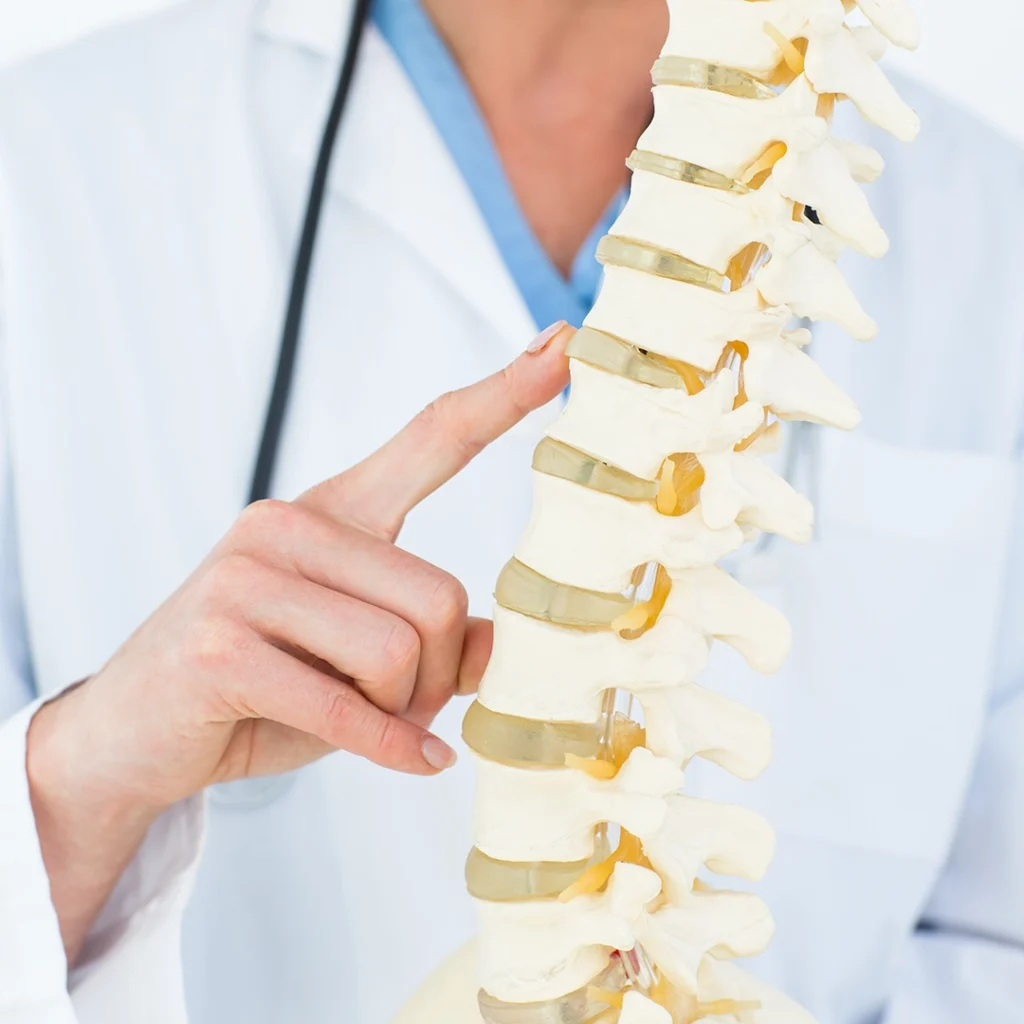
The ankle is a fairly complex joint and connects the leg to the foot structure.
The bones that make up the ankle are:
The ligaments that keep the bones of the joint compact to each other and allow movement are:
- Anterior peroneal-astragalic
- Posterior peroneo-astragalic
- Anterior inferior tibioperoneal
- Posterior inferior tibioperoneal
- Deltoid
- Peroneocalcaneal
The ankle, due to its conformation, can perform the movements of:
- Flexion
- Extension
- Inversion
- Eversion
What are the most common Achilles tendon problems?
Although the Achilles tendon is resistant, it can suffer from certain problems. The most frequent are:
- Inflammation
- Injury
- Breaking
What are the causes of Achilles tendon problems?
Problems with the Achilles tendon usually occur as a result of excessive strain on the tendon, abrupt distractive movements, and after high-impact trauma. As a result, tendon injuries are observed more often in those who engage in intense sports where jumping and jerking are required.
The most frequent causes are:
- Falls following jumps
- Sports injuries
- Severe distortions
- Previous inflammations
What are the symptoms of an Achilles tendon problem?
Typically, the onset of symptoms that may indicate a problem with the Achilles tendon occurs as a result of physical exertion, sports or trauma.
The most common symptoms are:
- Pain
- Swelling
- Haematoma or redness
- Difficulty or inability to walk
- Loss of foot strength
- Breaking sound in case of complete injury
What does Achilles tendon treatment consist of?
Depending on the diagnosis and the severity of the problem with the Achilles tendon, there are different treatment options. Certainly, if one is faced with an inflammation or partial injury of the tendon, it will be possible to act conservatively through the physiotherapy. There are cases, however, where the injury is complete and then treatment will have to be surgical to reconstruct the injured tendon. A course of physiotherapy will then have to be carried out.
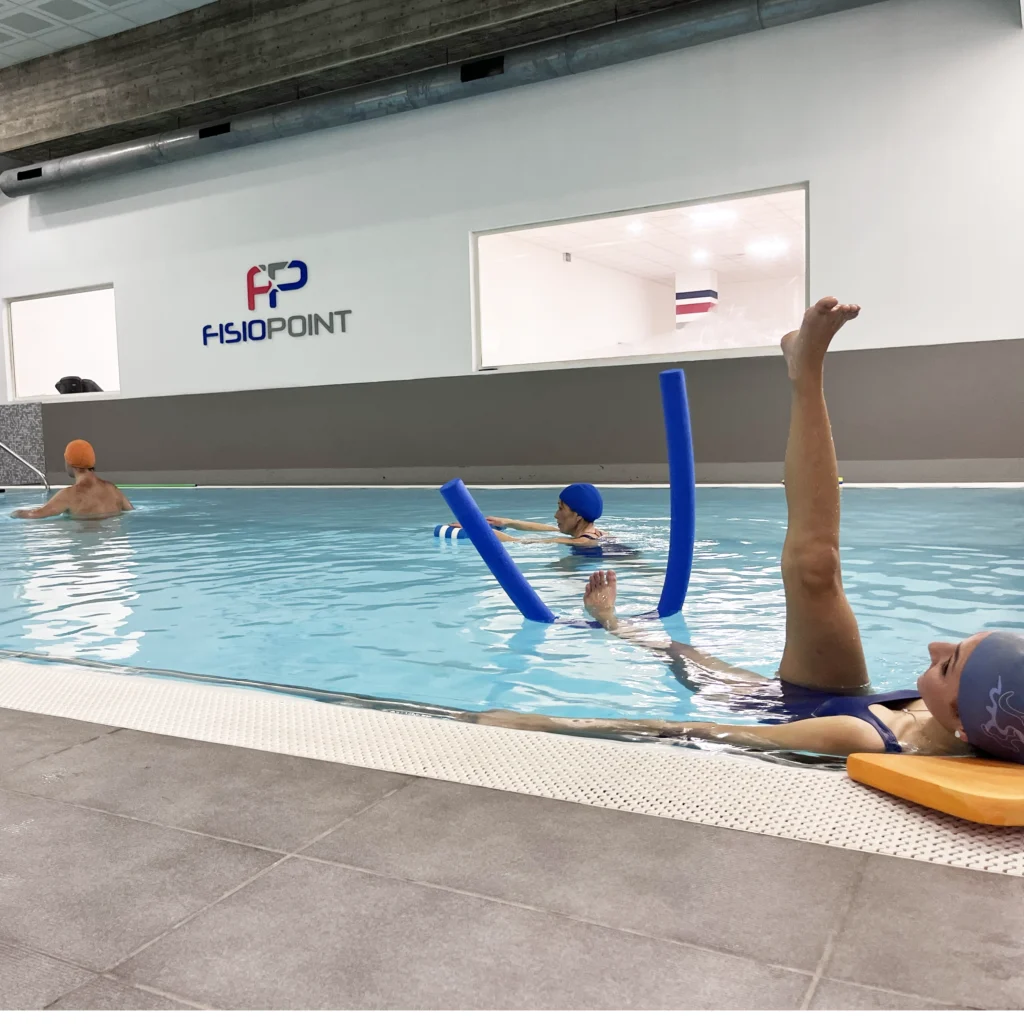
Physiotherapy for the Achilles tendon
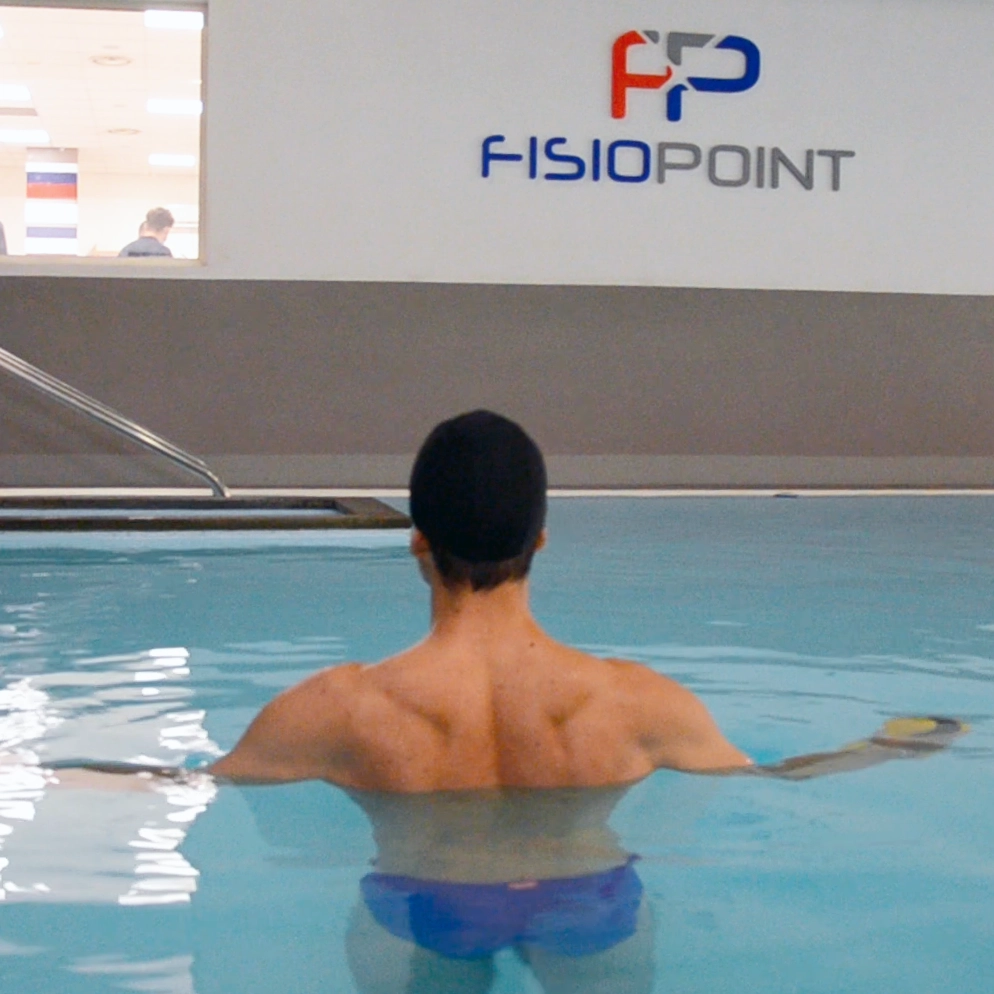
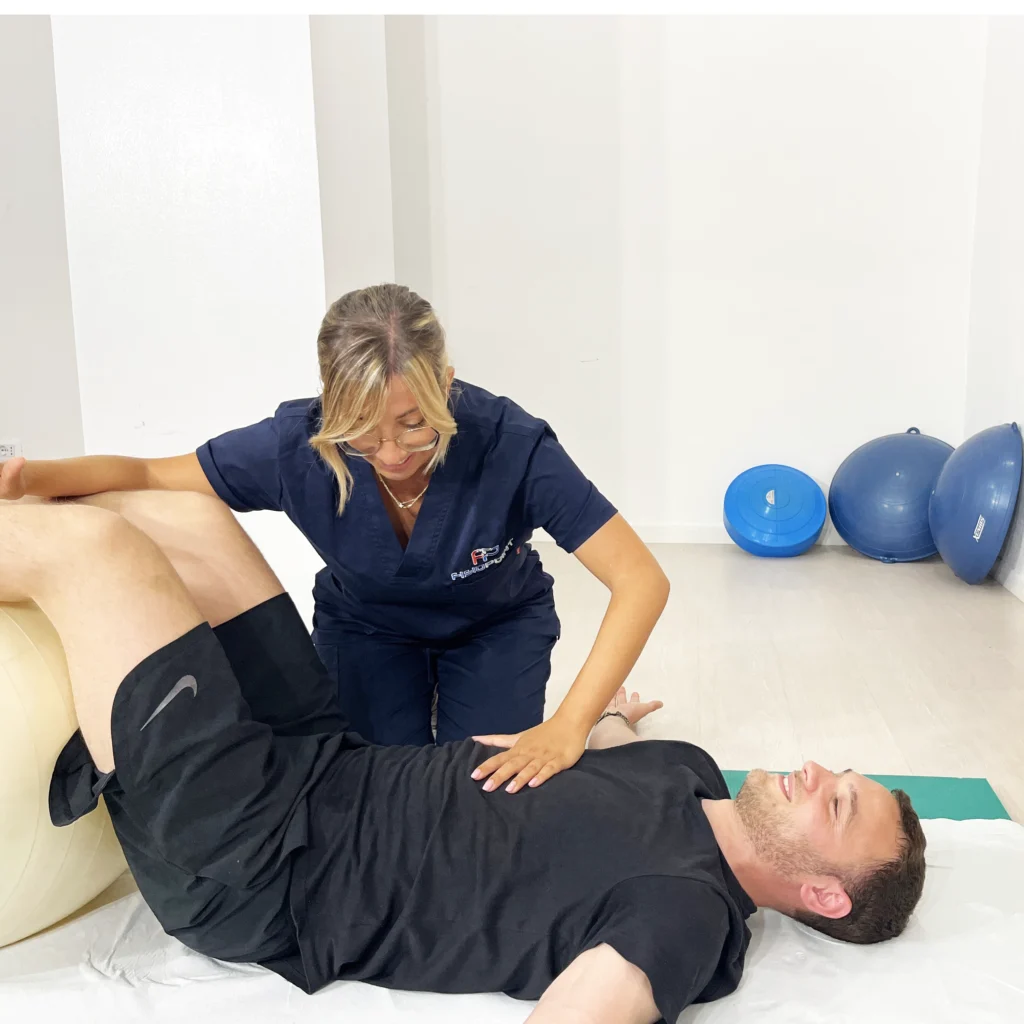
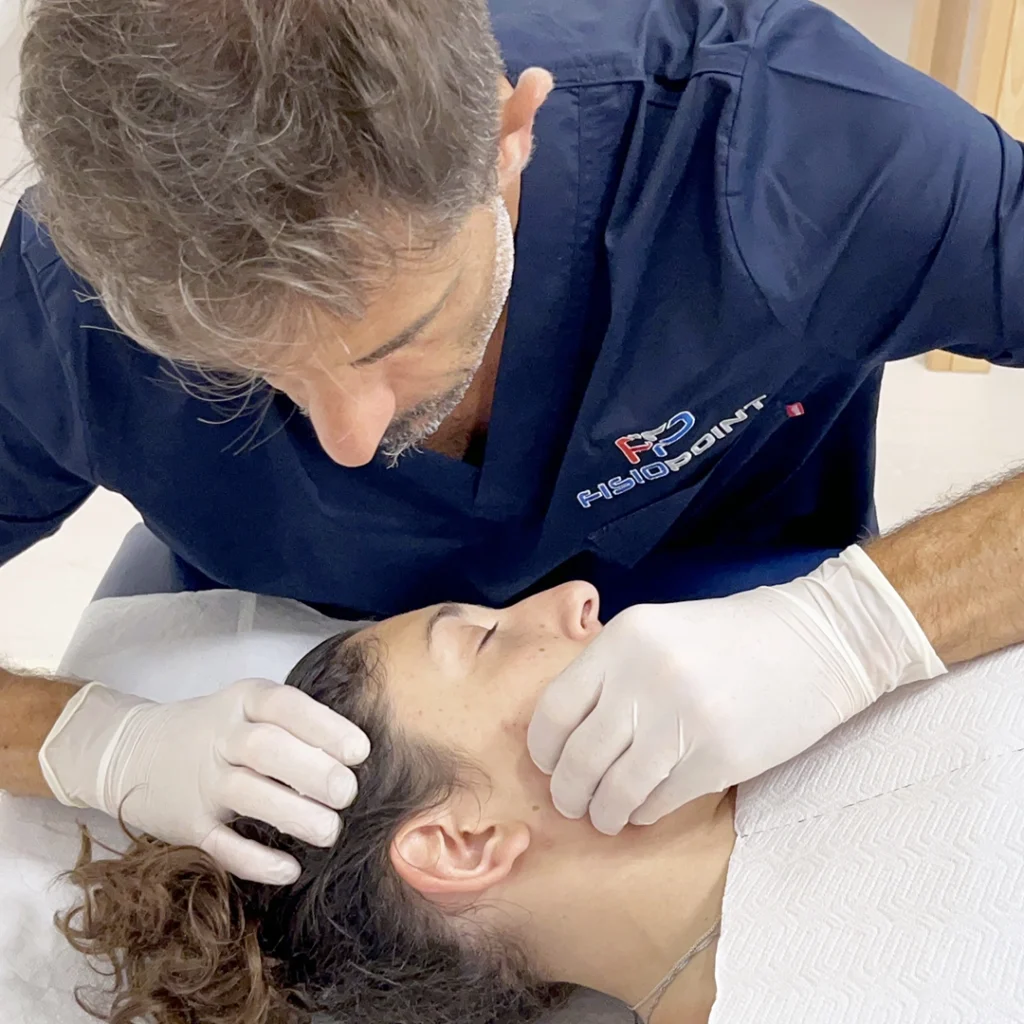
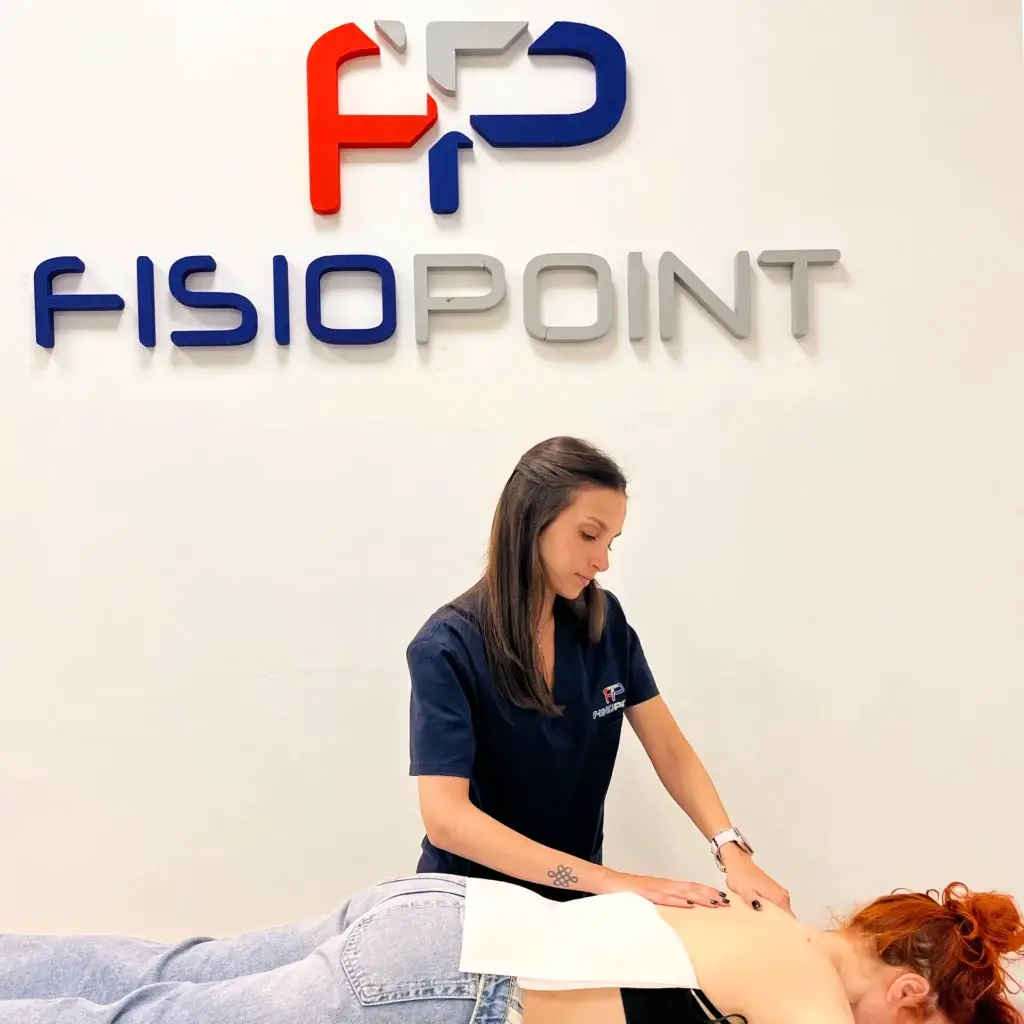
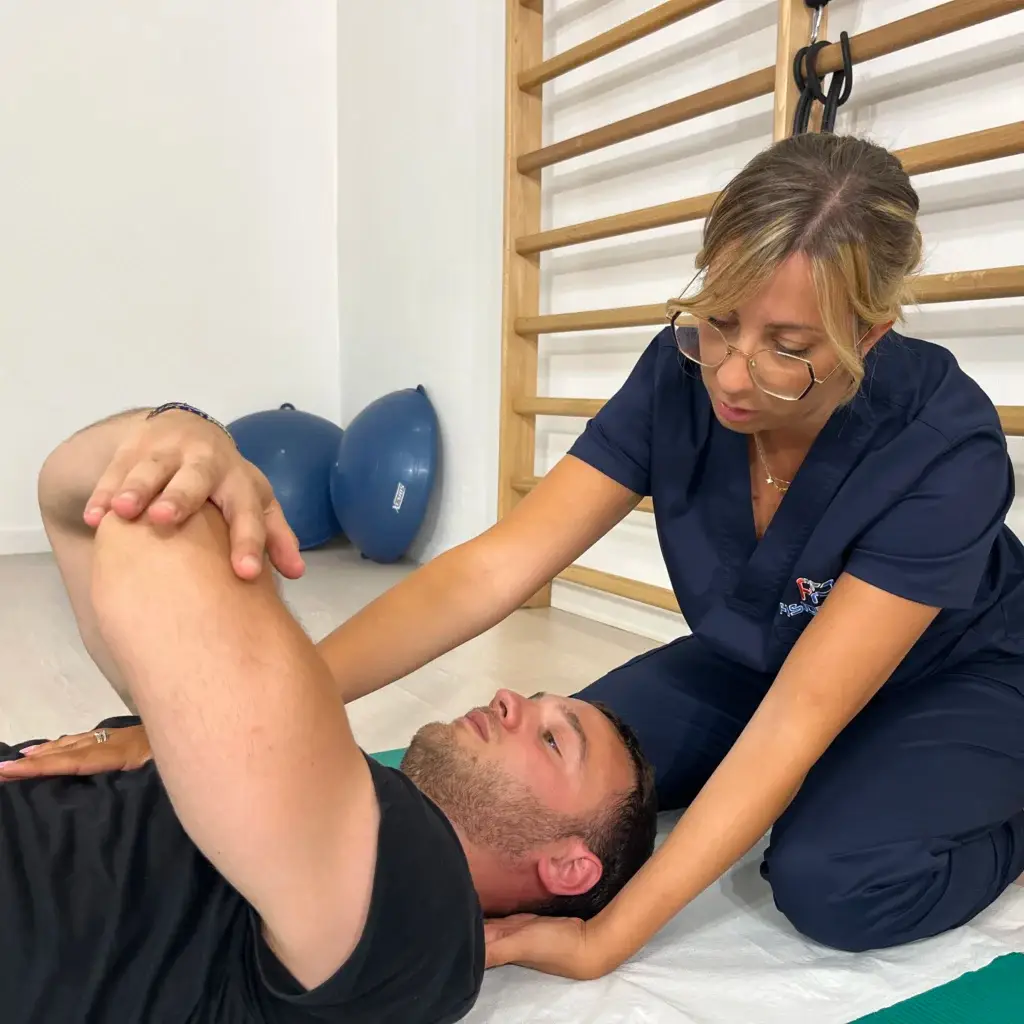
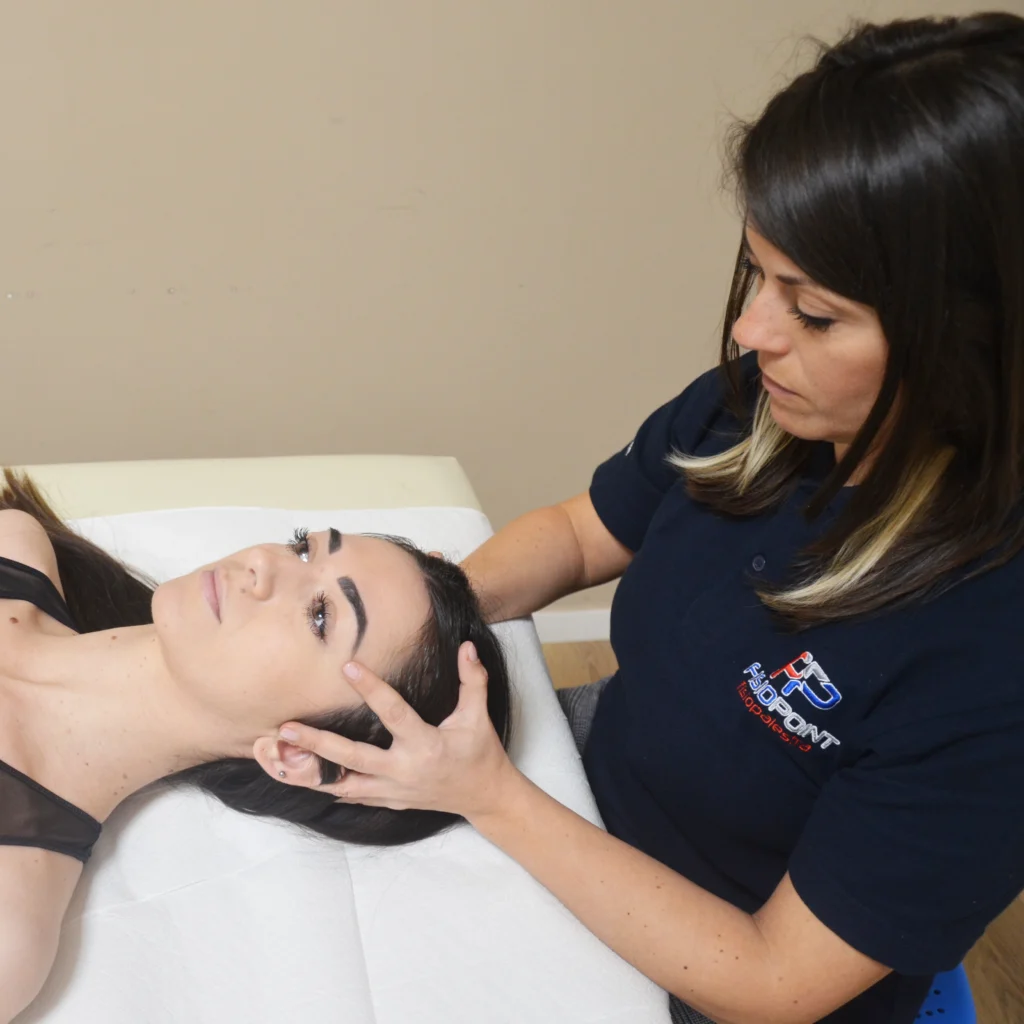
If the injury is minor, or if it is a phase of inflammation of the tendon, recovery through physiotherapy is carried out immediately. Sometimes a period of wearing a brace immediately after an injury may be necessary to temporarily protect the joint. It is also possible, in some cases, that full weight-bearing on the foot is not permitted and one or two crutches will have to be used.
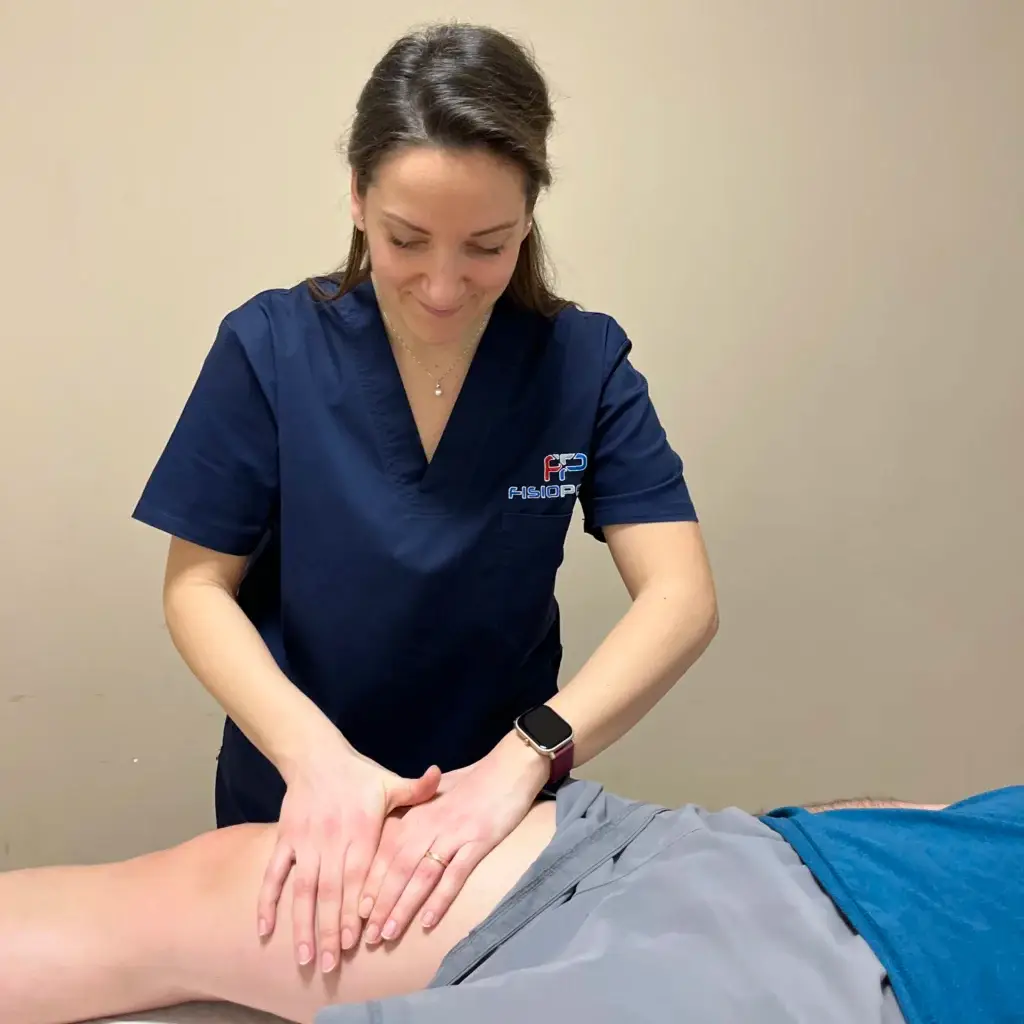
The physiotherapy programme for Achilles tendon recovery consists of:
- Pain elimination
- Reduction of oedema
- Full recovery of foot and ankle mobility
- Restoring the correct pitch pattern
- Recovery of rubber band and muscle strength
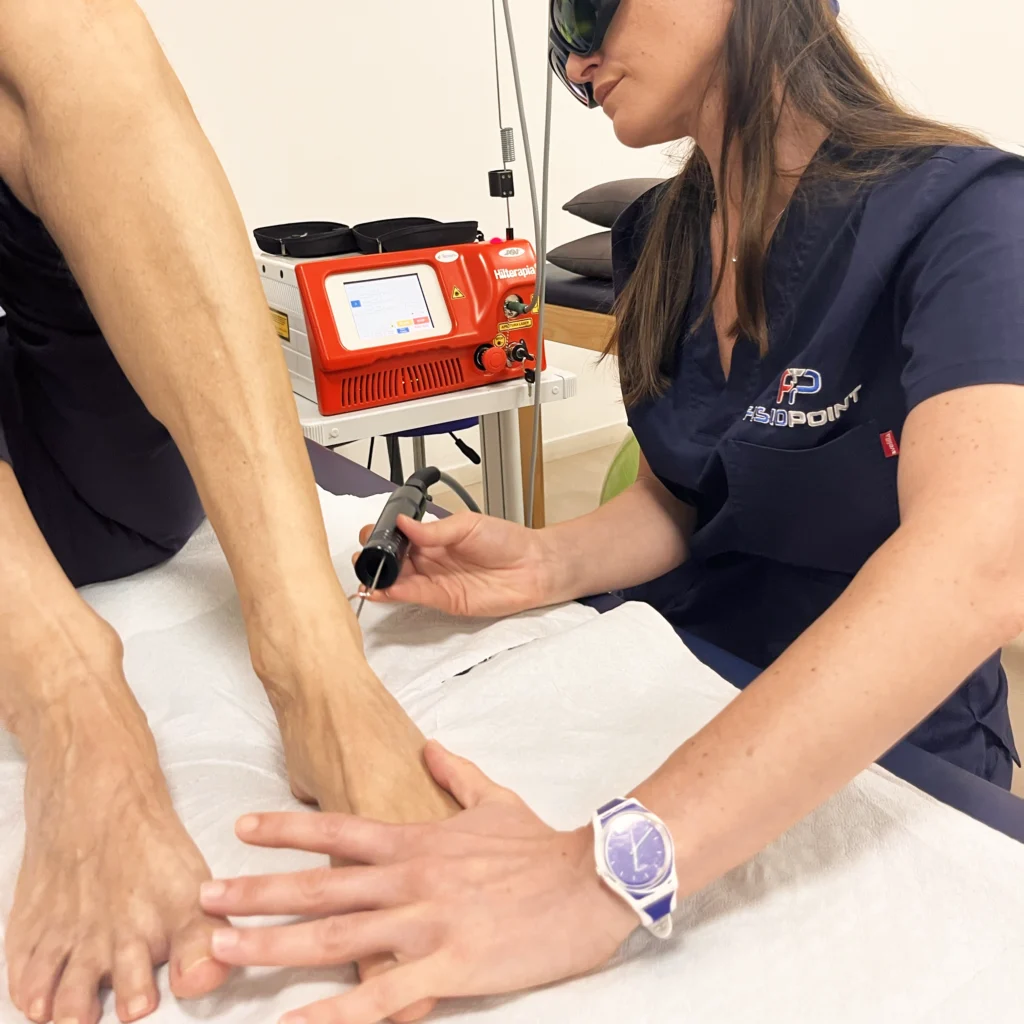
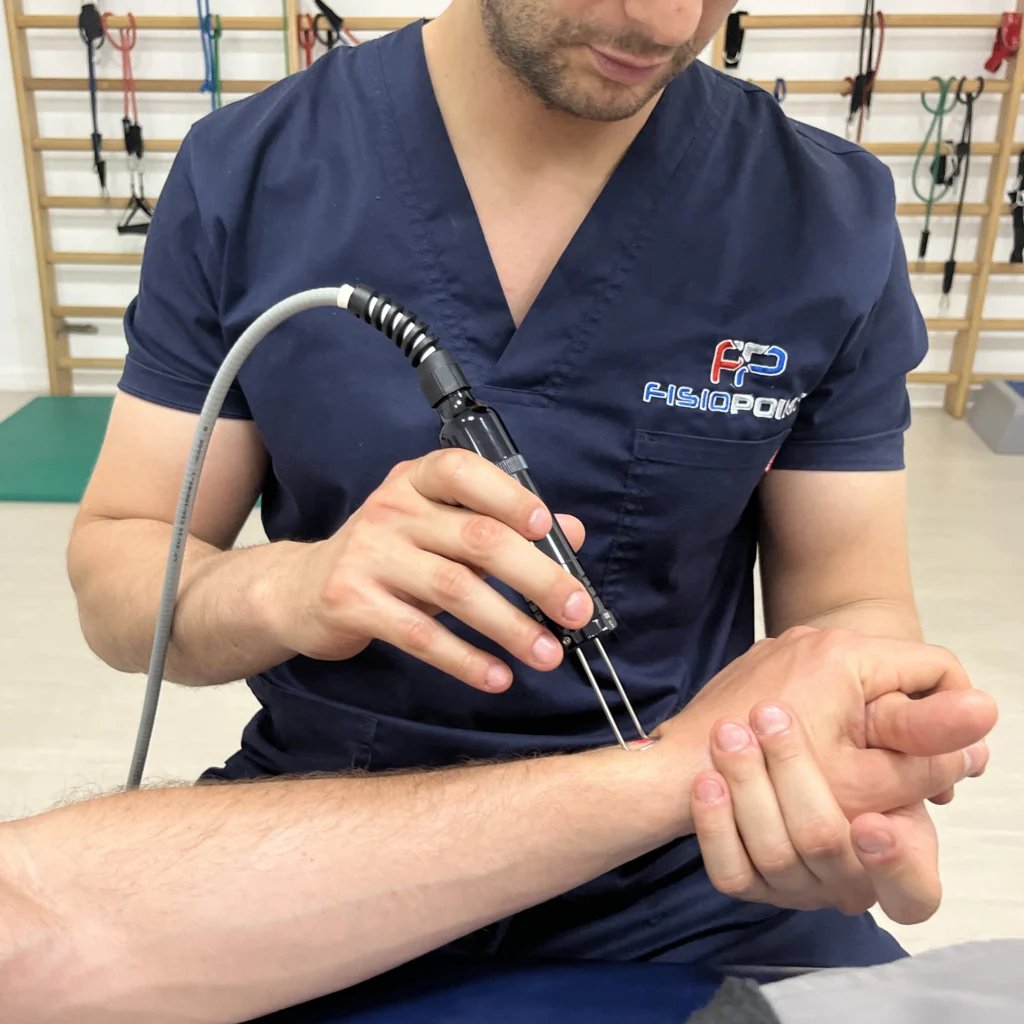
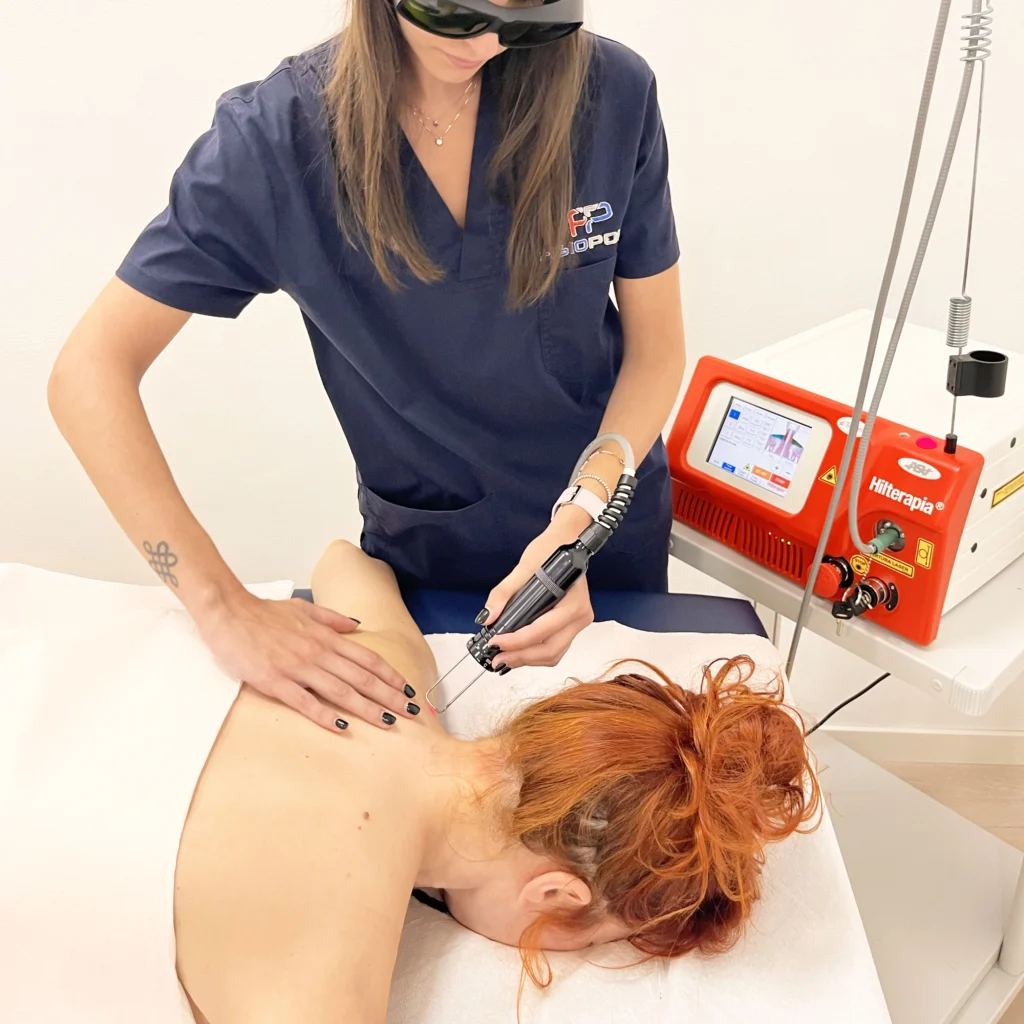
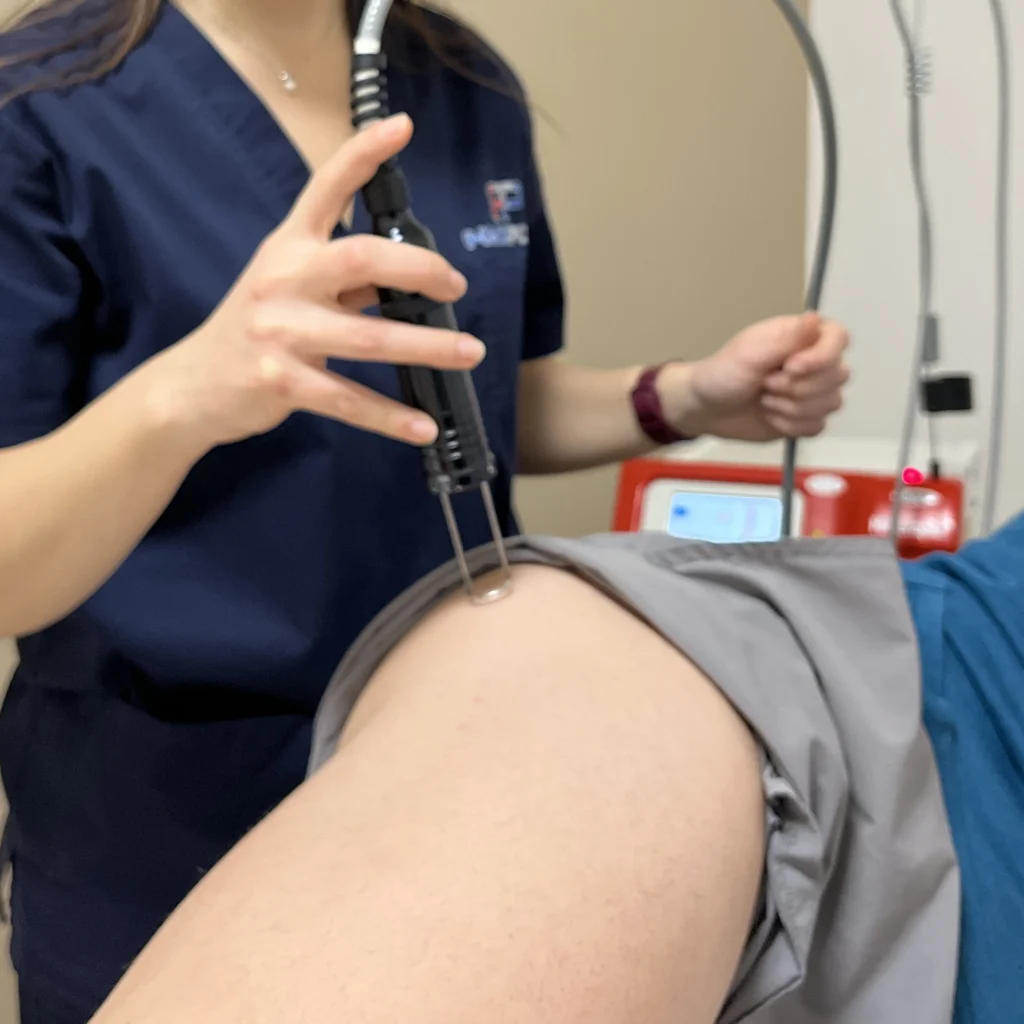
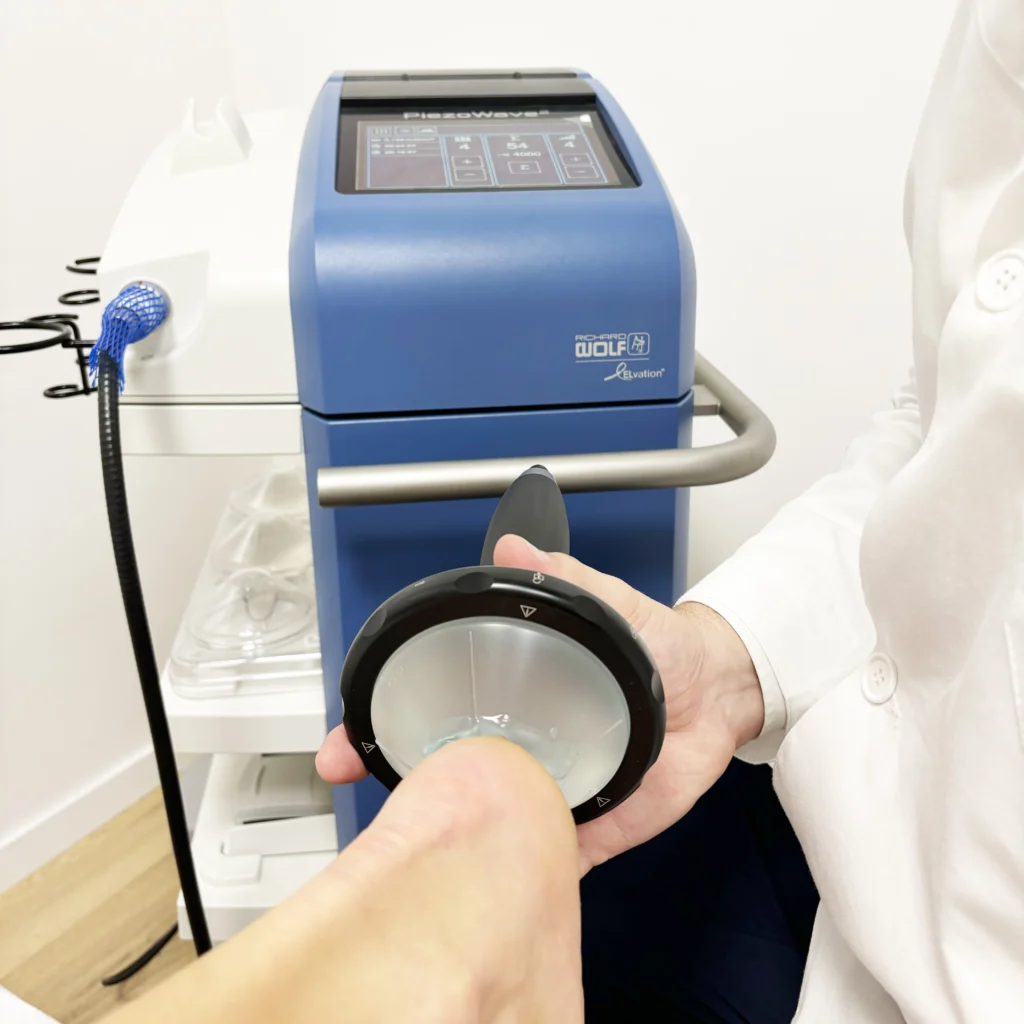
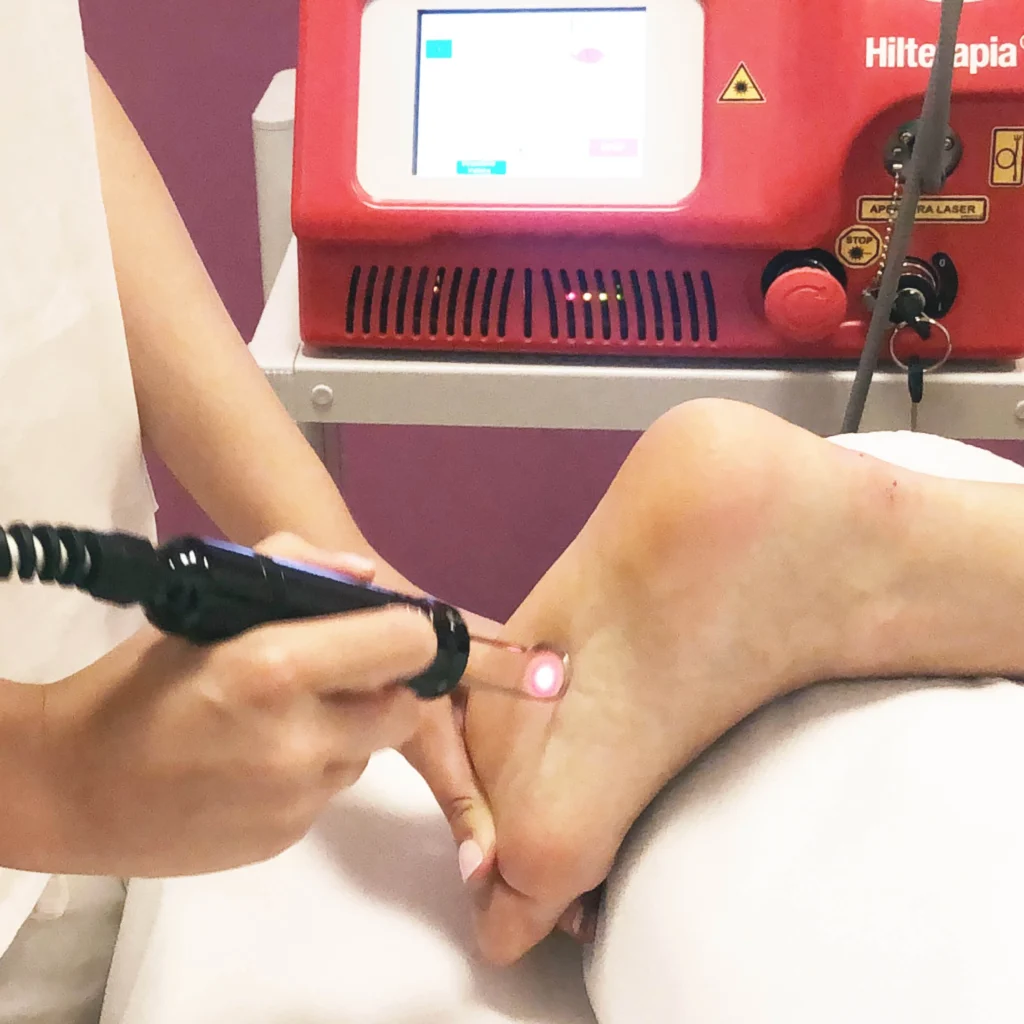
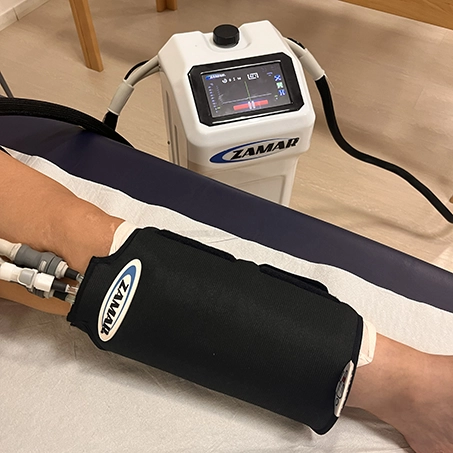
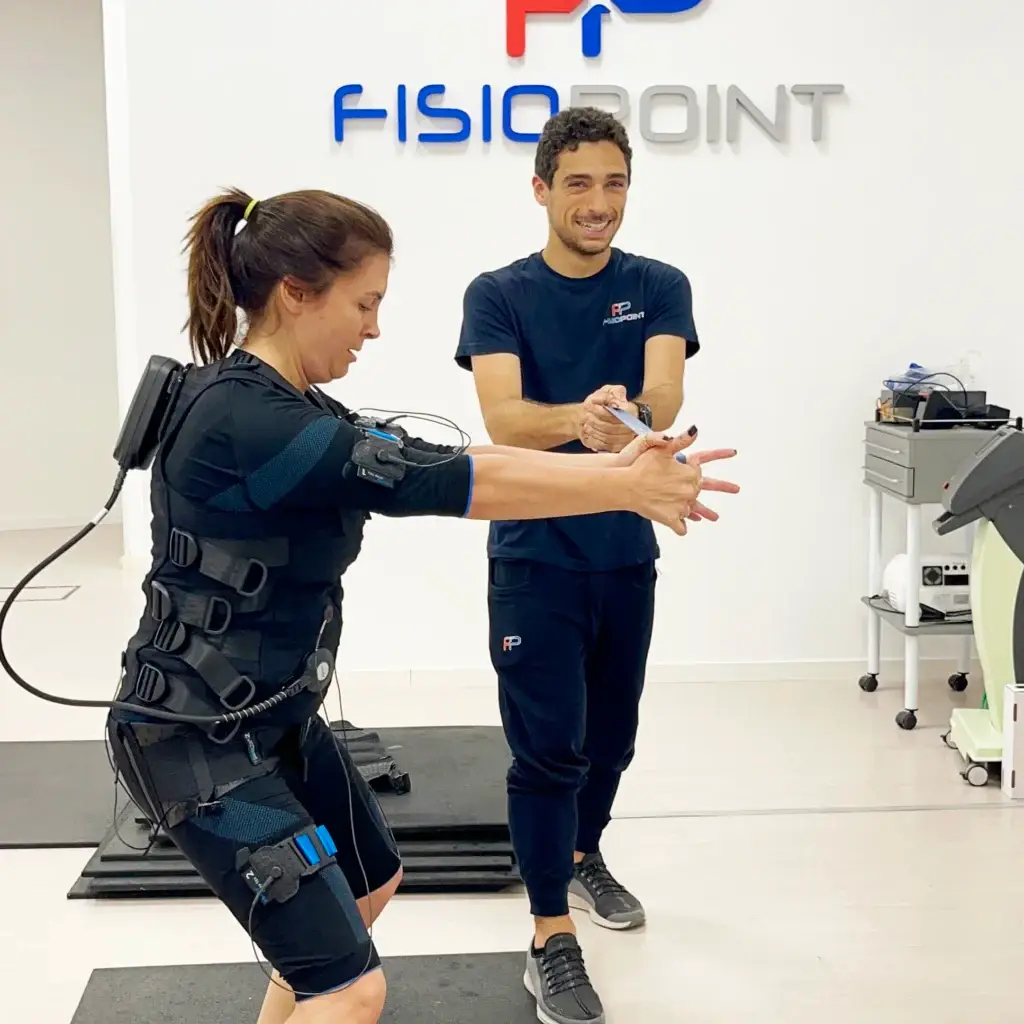
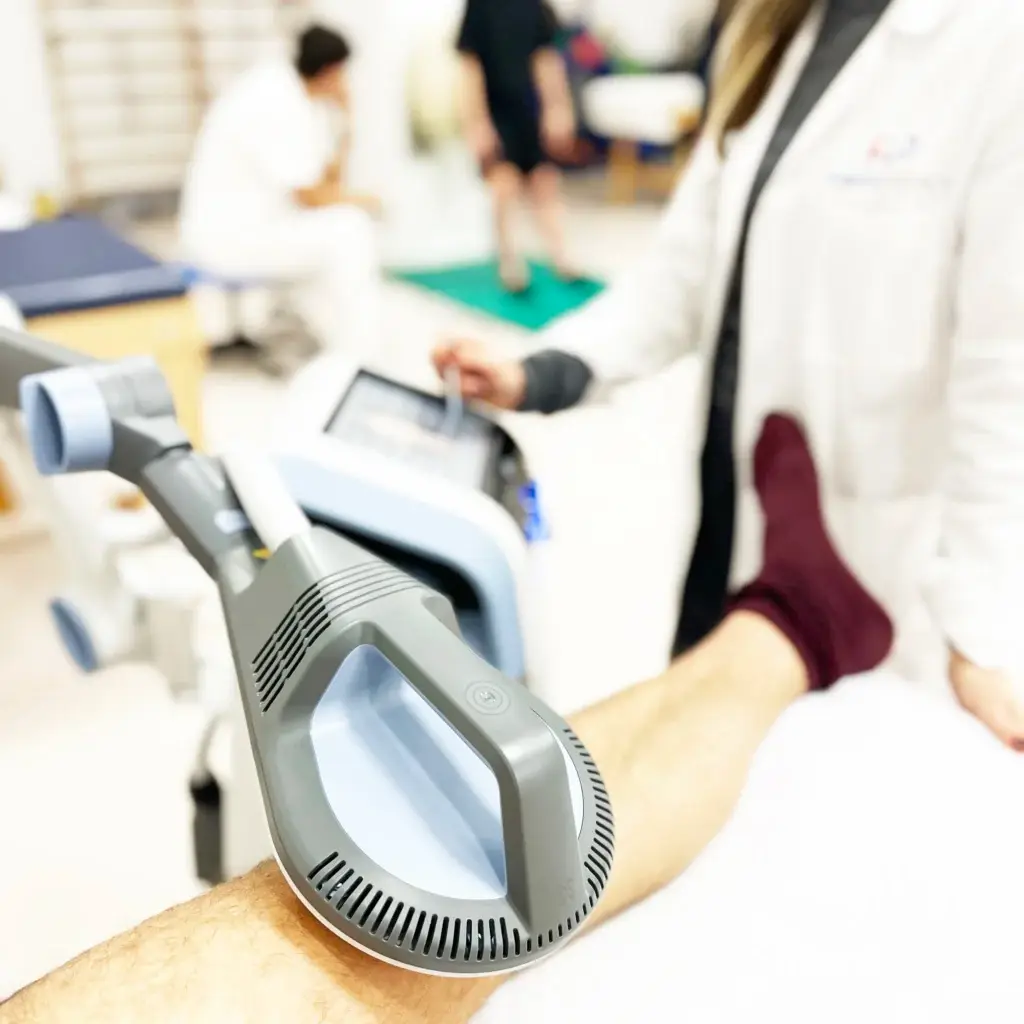
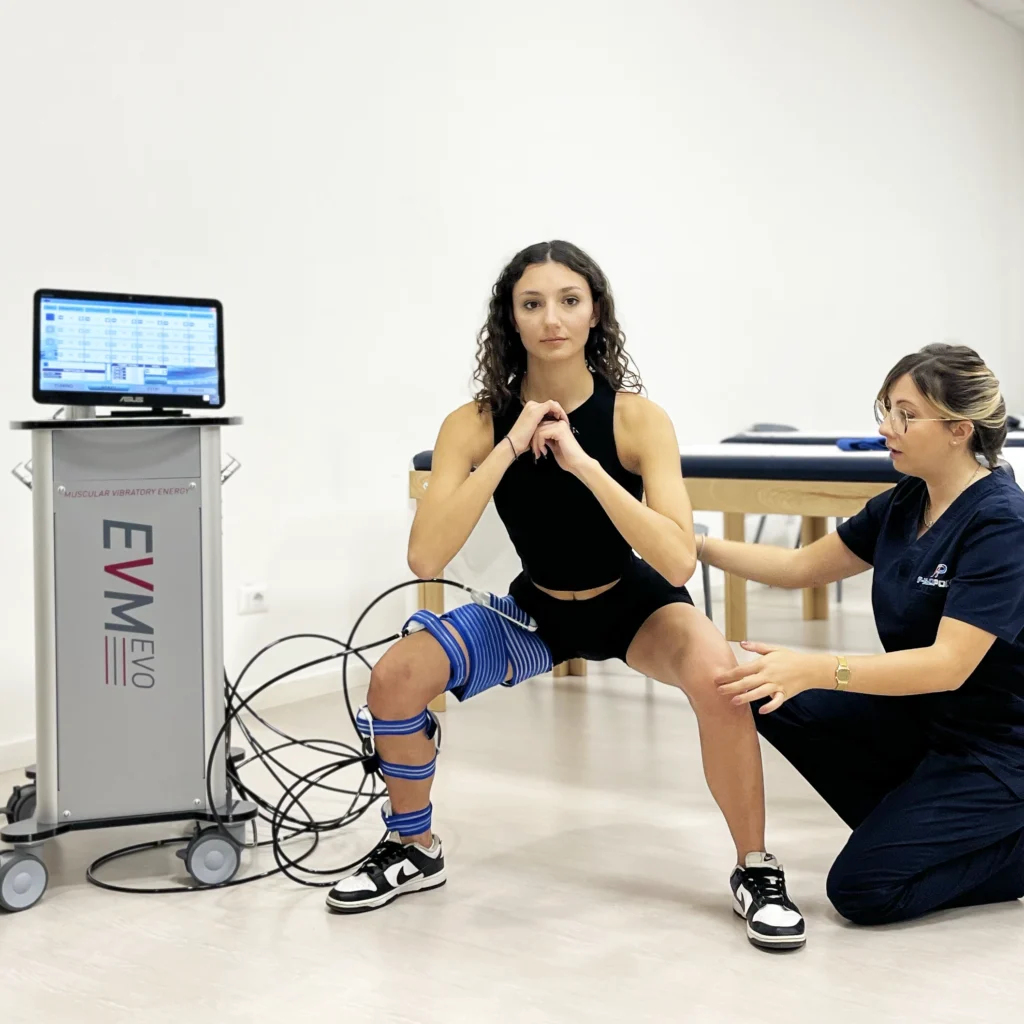
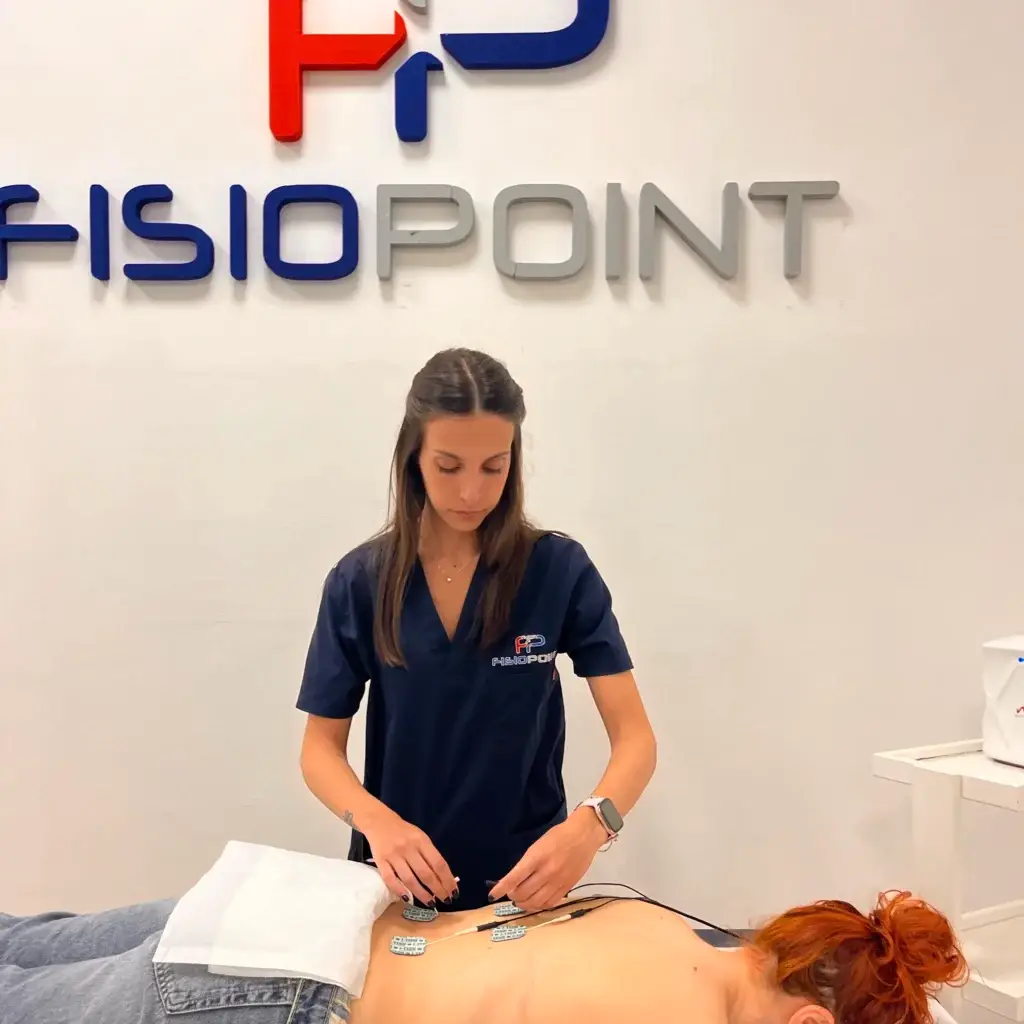
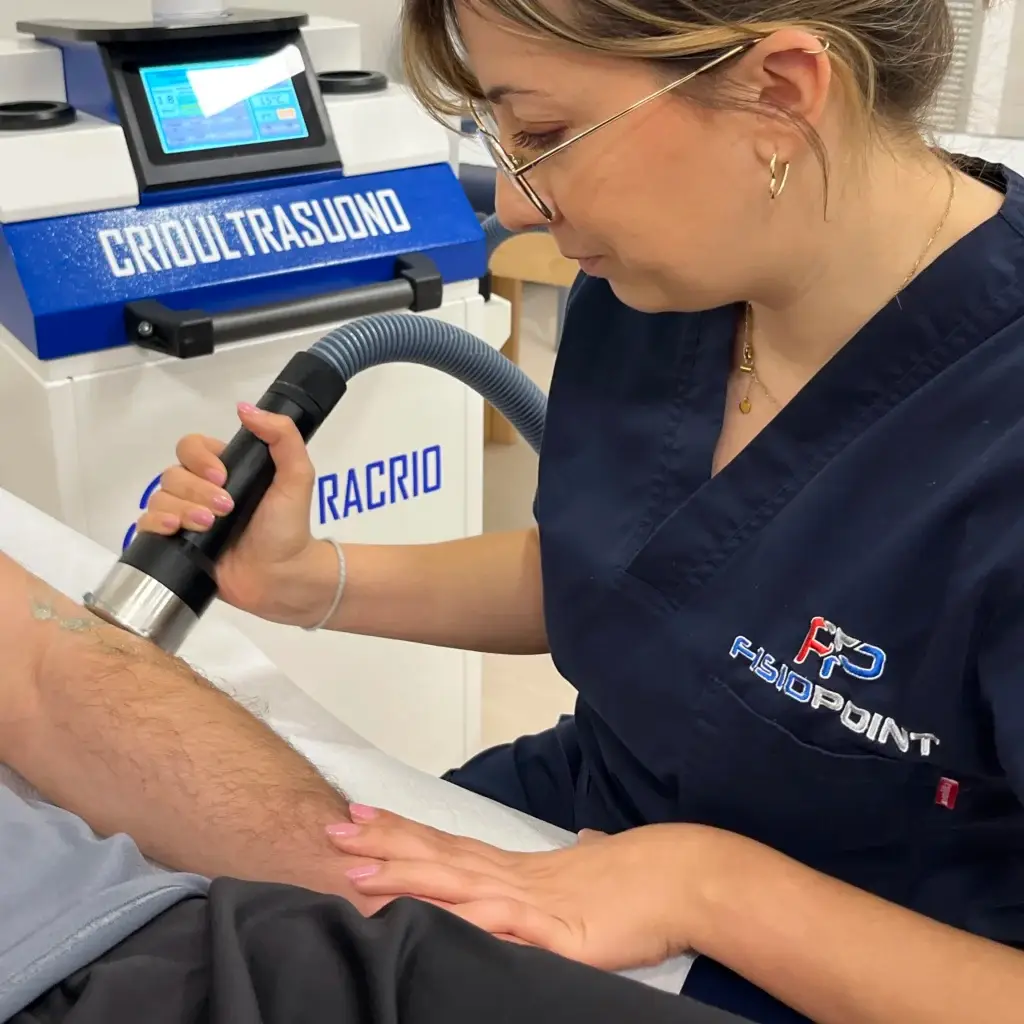
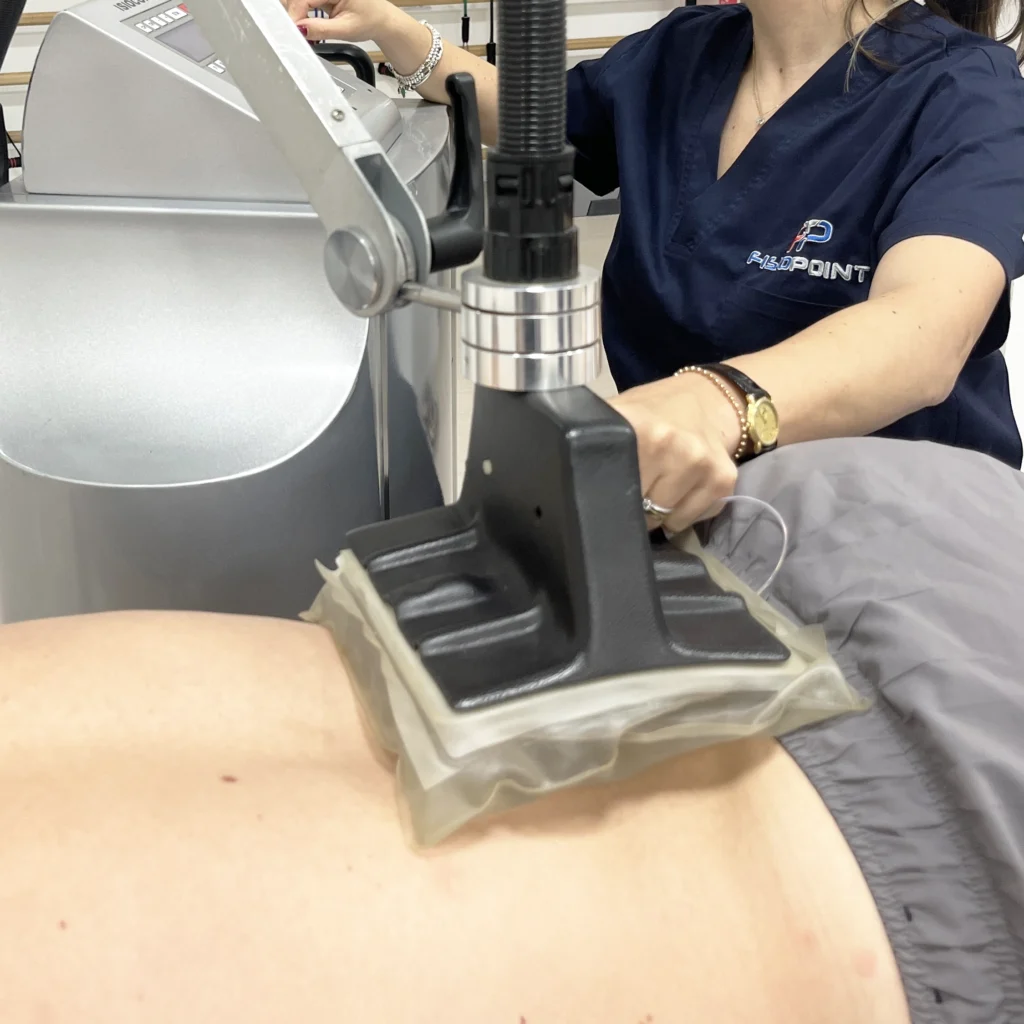
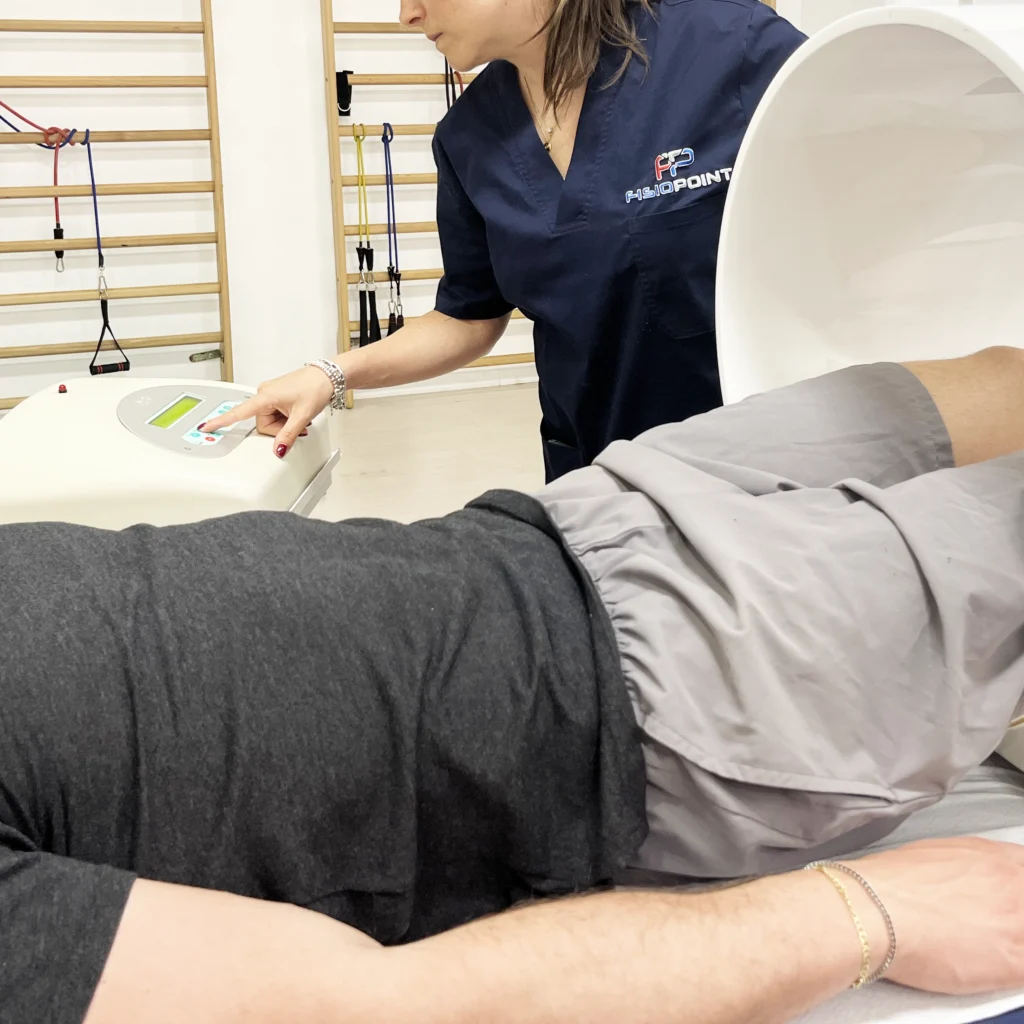
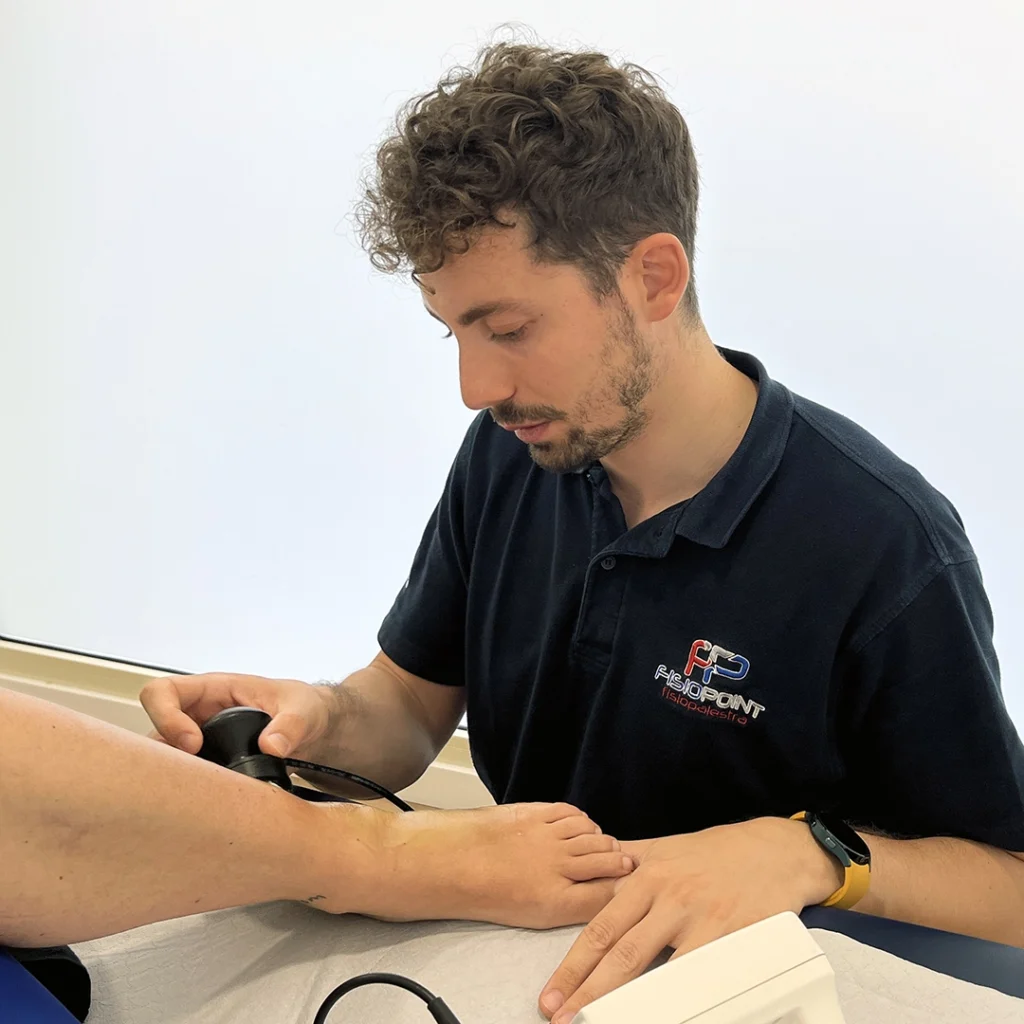
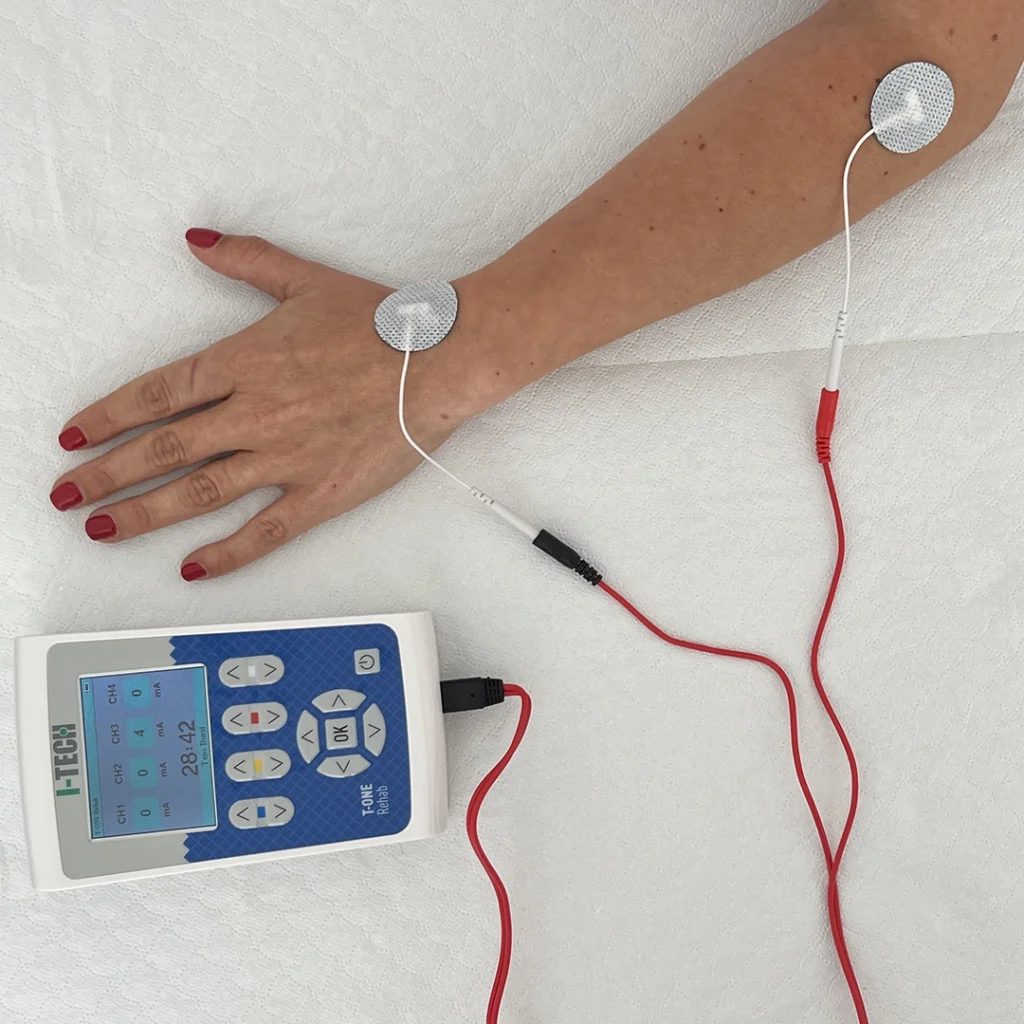
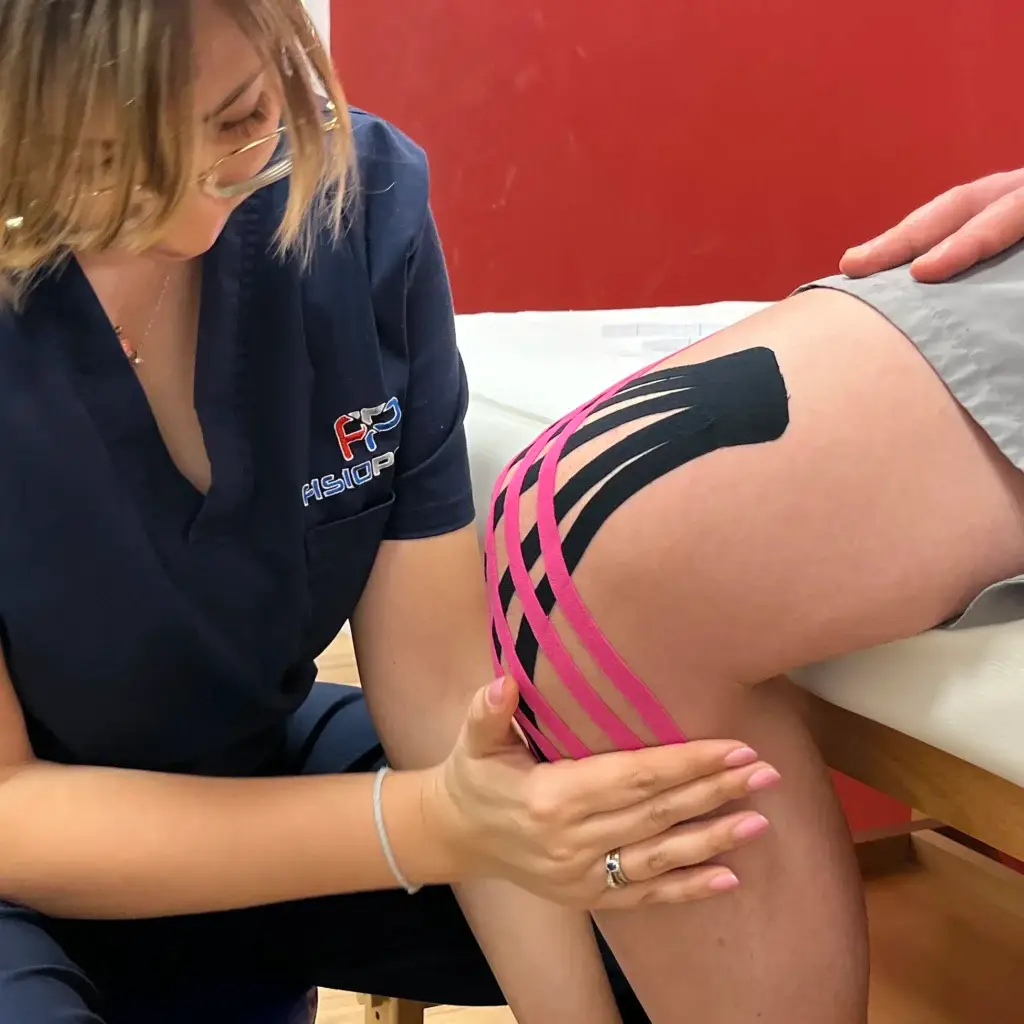
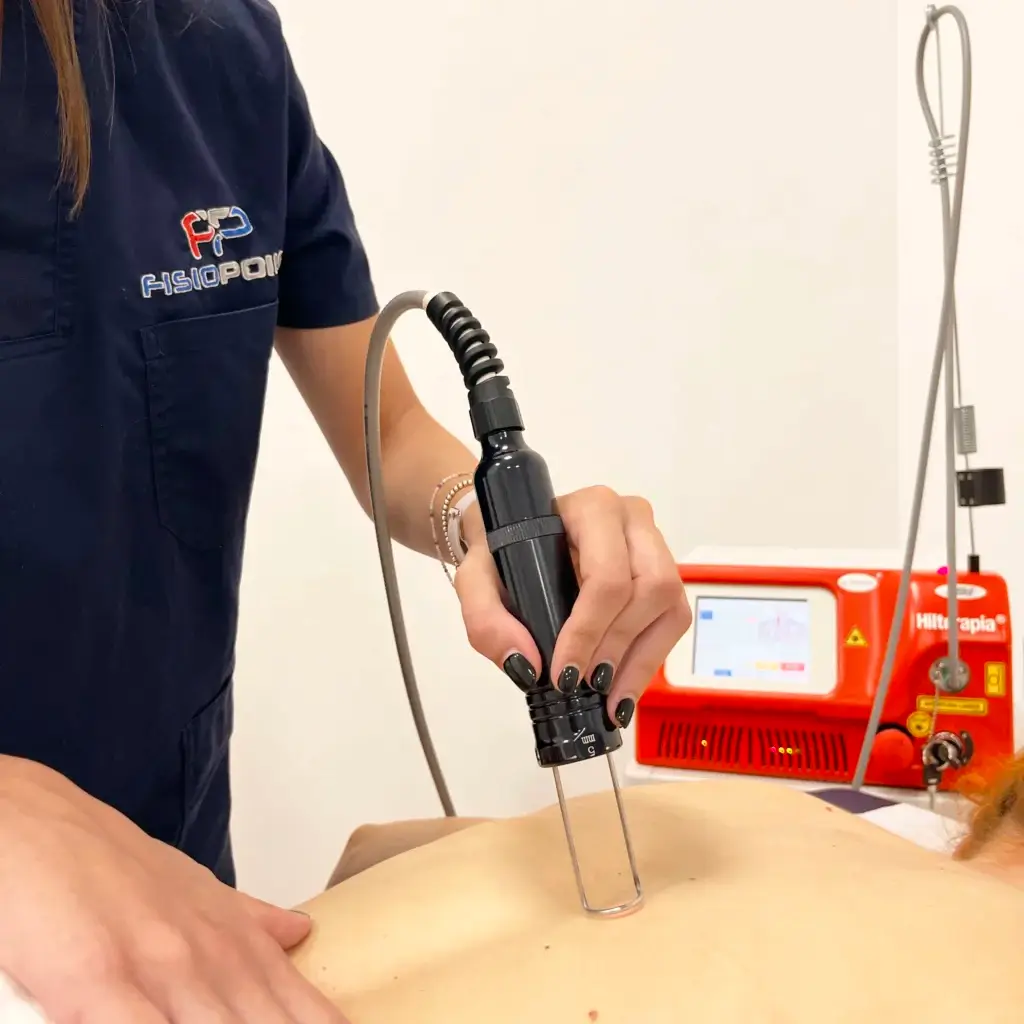
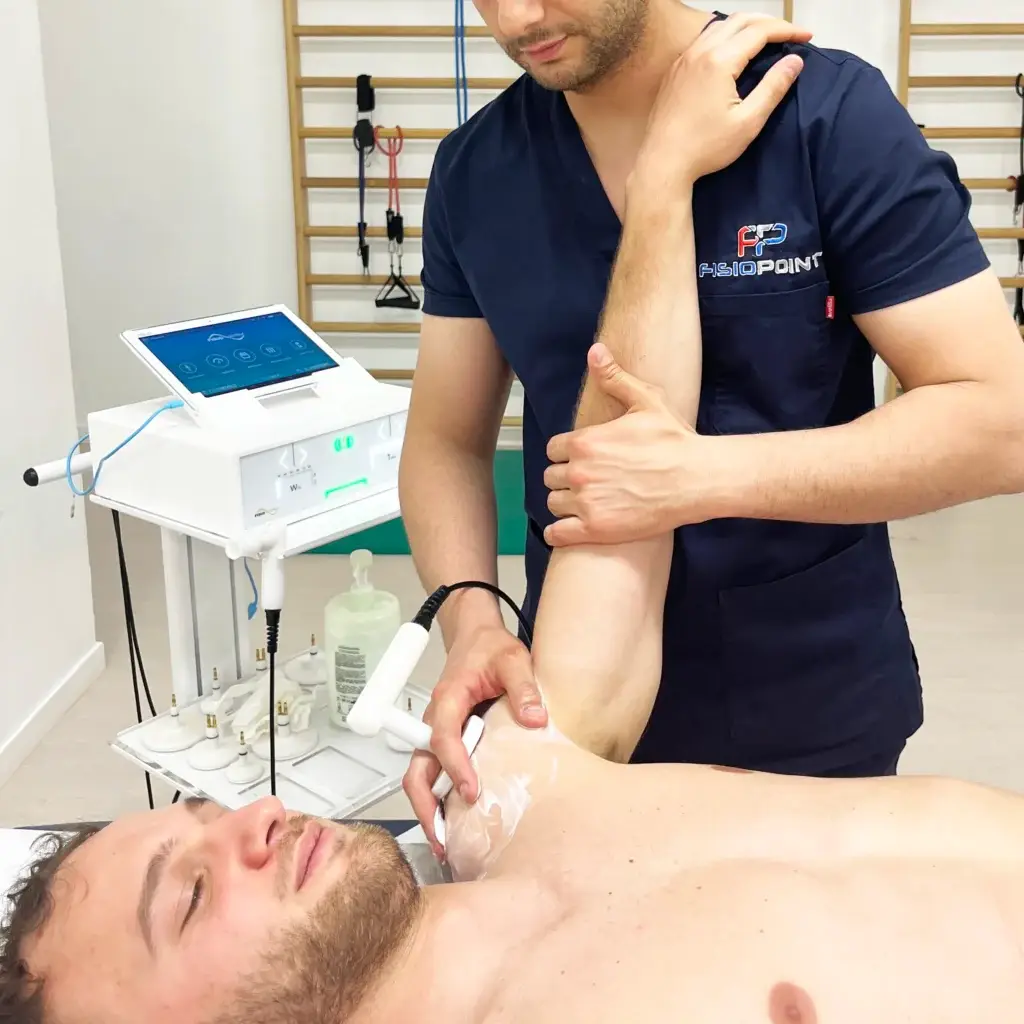
In the first phase of recovery, it is also advisable to use machines for analgesic and anti-inflammatory purposes to speed up healing time. Some of the most commonly used machines are:
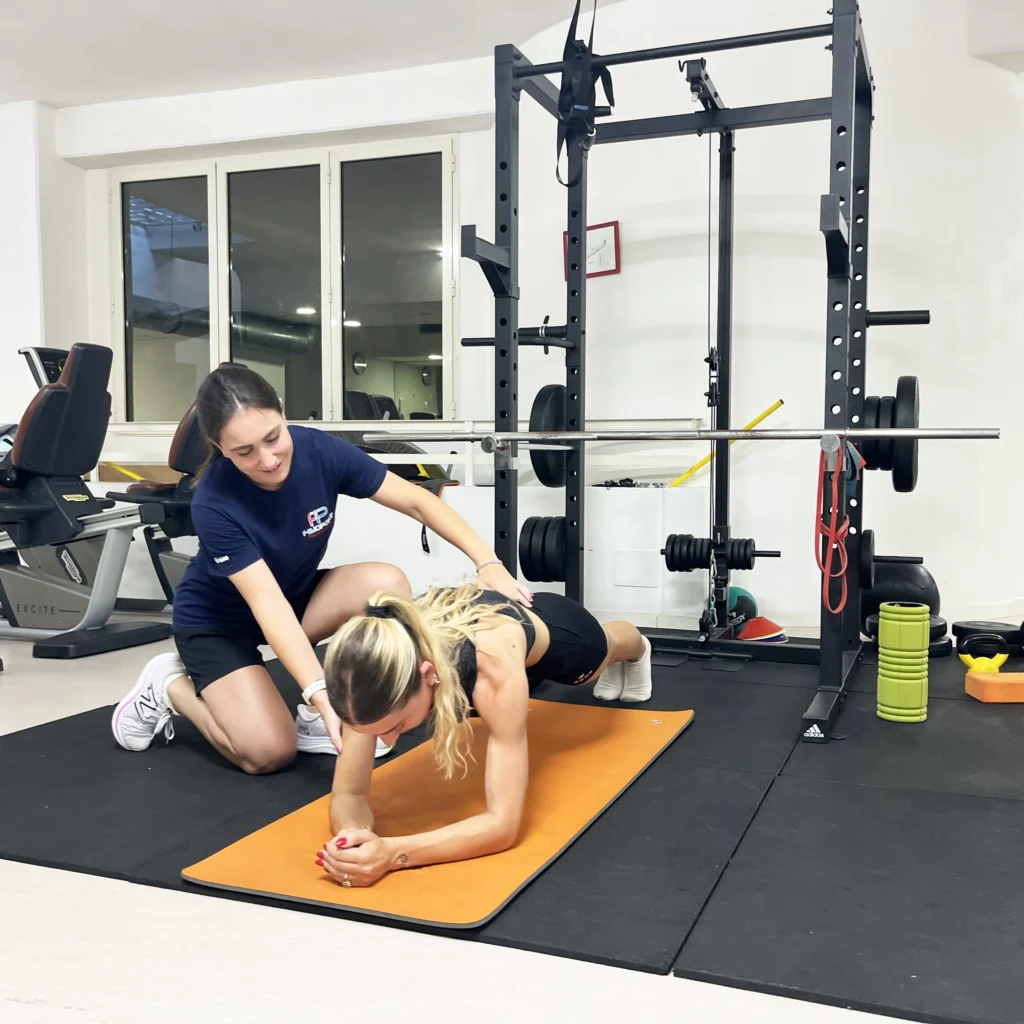
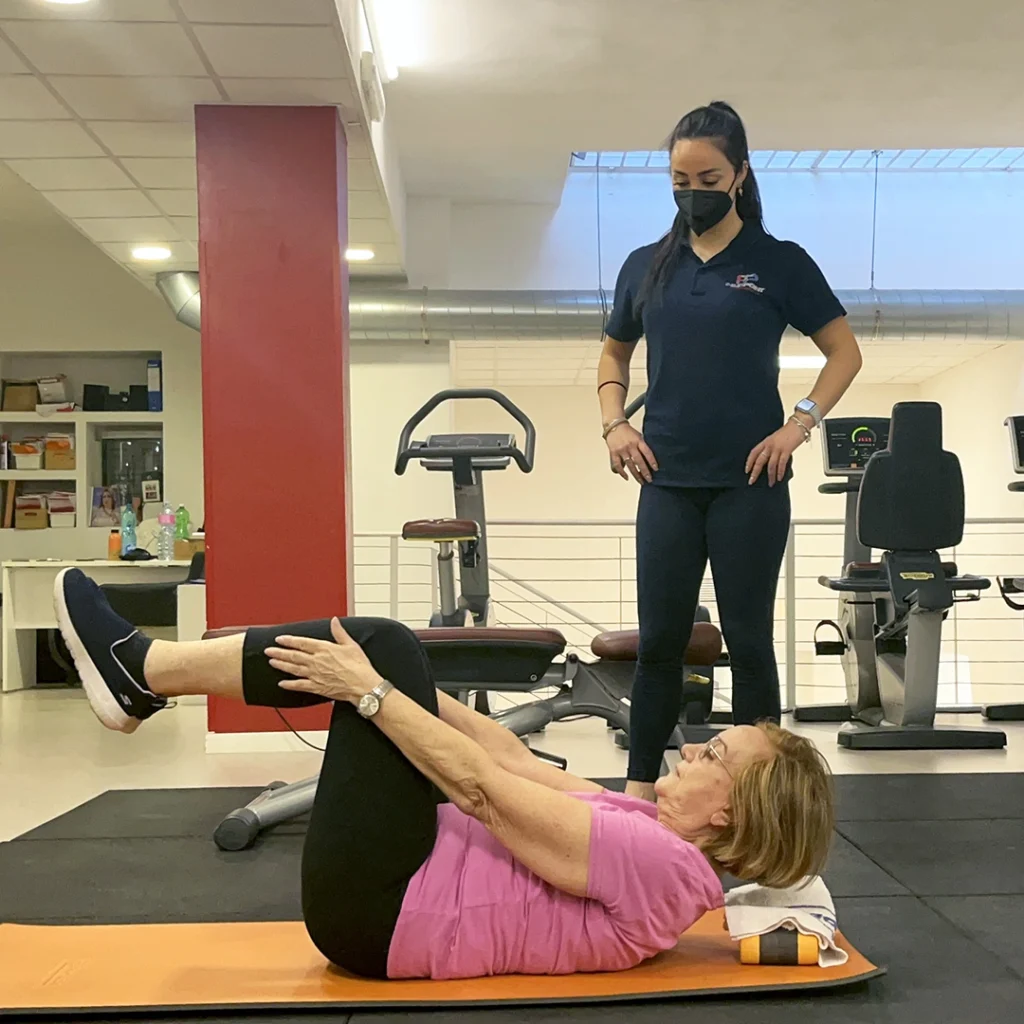
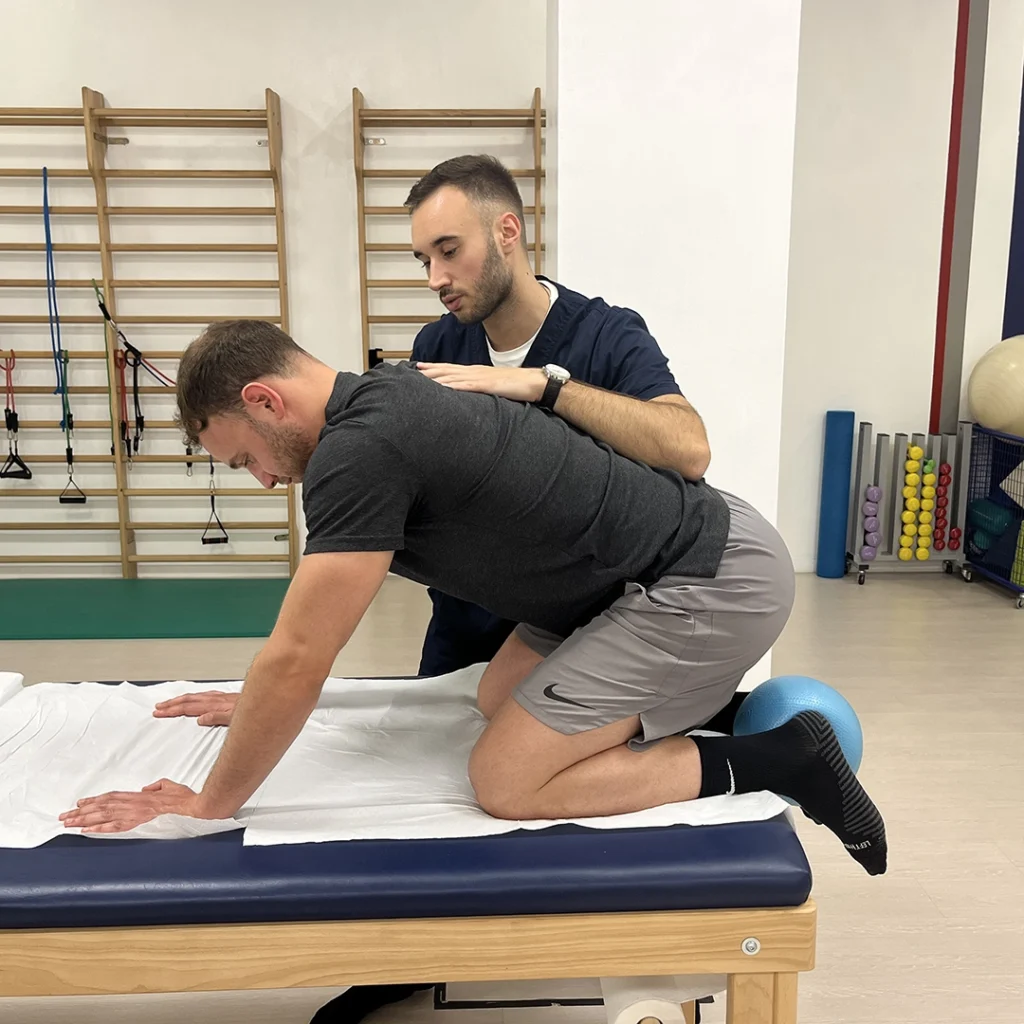
In the second phase, the focus will be more on restoring ankle function and resuming movement with ease through the execution of targeted exercises. Fundamental will be proprioceptive exercises that help the ankle and foot regain confidence and move correctly under load.
Achilles tendon surgery
When the Achilles tendon rupture is severe, surgical intervention is required. The tendon is then reconstructed using mostly minimally invasive techniques that involve suturing and re-insertion of the tendon in its socket. Following the operation, there is a period of immobilisation and unloading cel foot, whereby the patient will have to walk with the aid of crutches Canadians. Once loading is possible, recovery of joint function will proceed through a course of post-operative physiotherapy. Physiotherapy will also be managed according to the patient's needs. If a return to sporting activity is desired, it will be necessary to focus part of the rehabilitation treatment on re-education to sporting gestures and re-athletisation






 English
 Italian