What is spondylolisthesis?
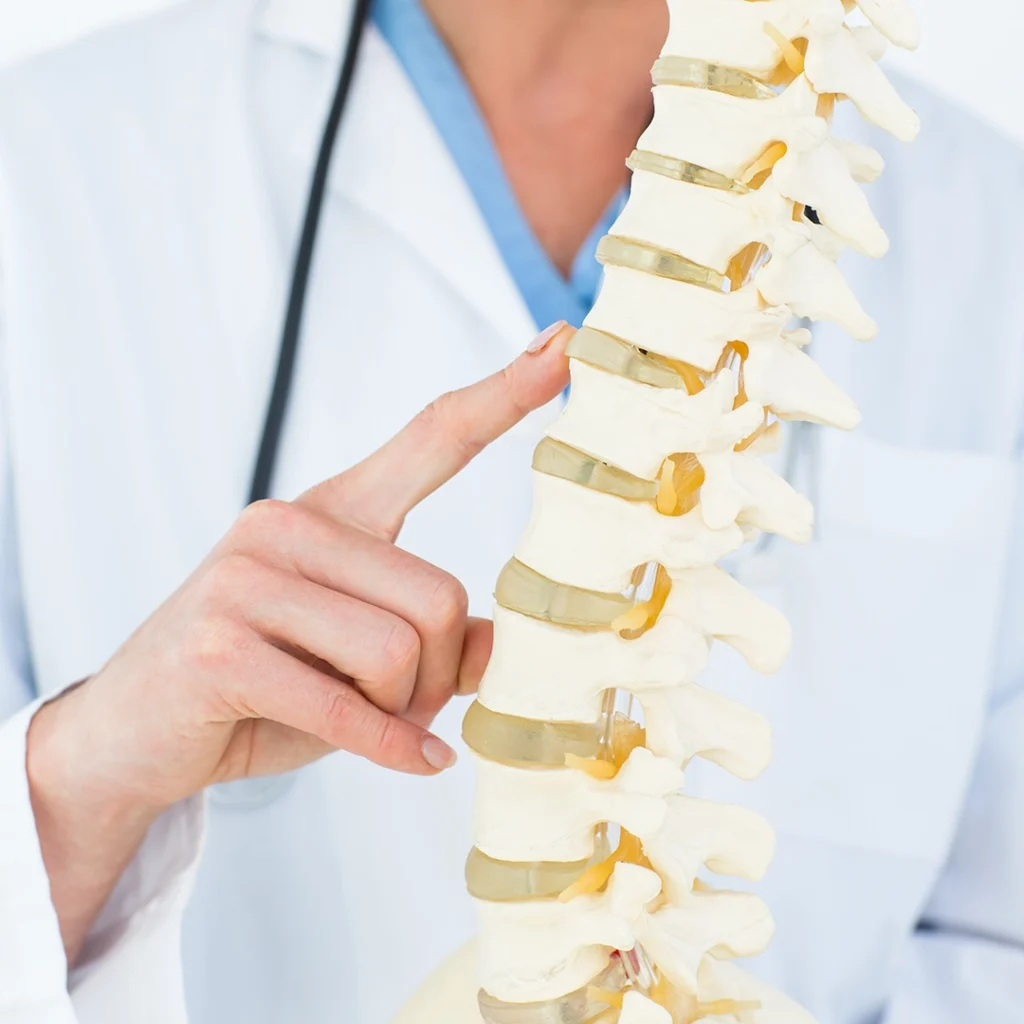
Have you ever heard of 'spondylolisthesis'? A complex term describing a pathological condition of the column vertebral column, in which one vertebra slides slowly and progressively over the one below. In most cases it affects the lumbar region of our back.
Slippage can occur in several directions:
- Front, causing "anterolisthesis'
- Rear defined "retrolisthesis"
- Lateral causing "laterolisthesis".
The most common condition is anterolisthesis, especially of the last two lumbar vertebrae of young subjects, this picture involves approximately 3-7 % of the population.
There is a classification, calledMeyerding"of spondylolisthesis according to the portion of the vertebra involved in slipping:
- Grade 1: 25% of the vertebra is affected
- Grade 2: less slippage than 50%
- Grade 3: slip less than 75%
Grades 4: Involvement of the 100% of the vertebra (condition defined "spondyloptosis").
How is spondylolisthesis diagnosed?
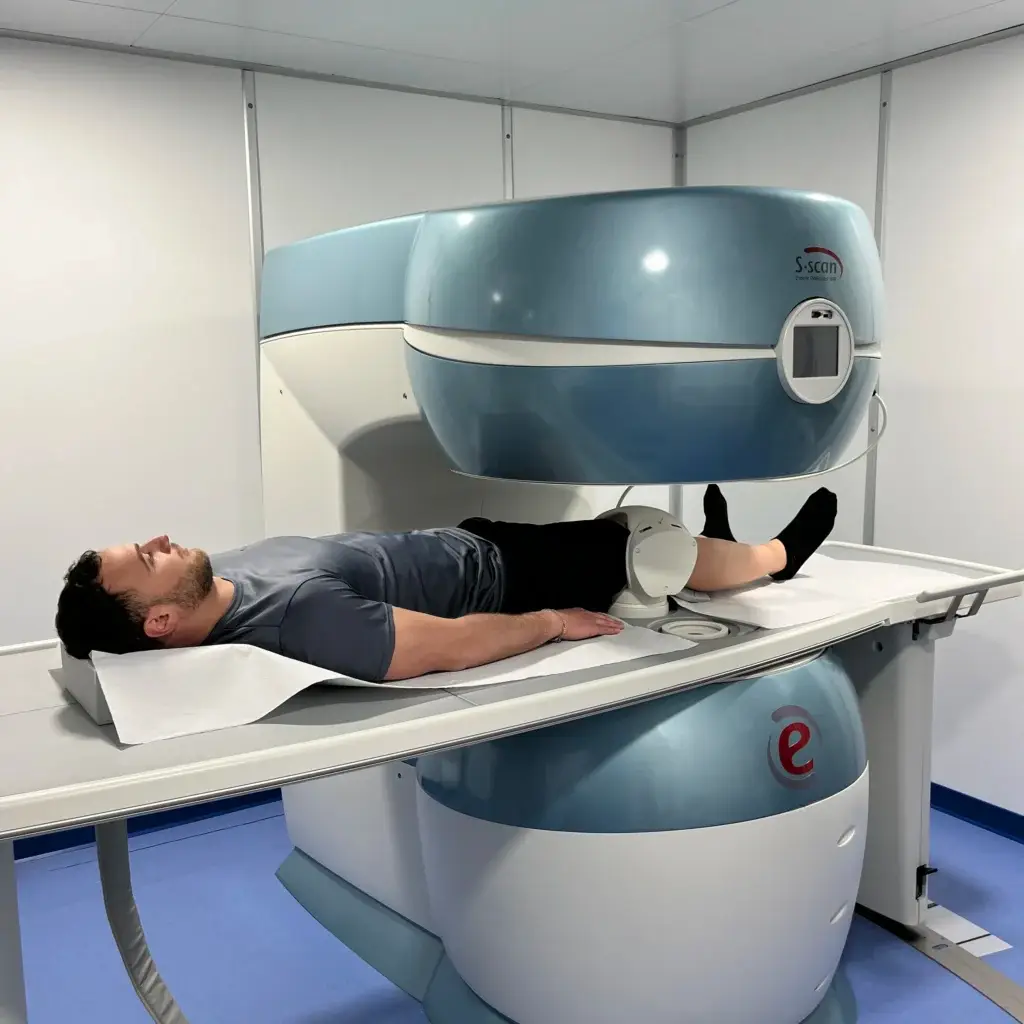
If you suffer from recurring back pain, we recommend that you consult a specialist who will be able to guide you on the path to getting well again. After a careful evaluation, in which the specialist proceeds with an accurate objective examination, it may be necessary to confirm the diagnosis through instrumental examinations. The examination chosen in the first instance is undoubtedly the X-ray, which is useful for assessing the extent of the vertebral slippage. In some cases, the Magnetic resonance imaging to exclude involvement of soft tissue or nerve roots.
Spondylolisthesis: what to do?
The treatment of spondylolisthesis is almost always conservative; surgery is rarely used.
There are essentially two objectives:
- Reducing symptoms
- Preventing the worsening of the pathological condition.
Pharmacological treatment is used to improve symptoms, especially NSAIDs, in combination with the physiotherapy.
The latter plays a key role and aims at a return to complete autonomy in all activities of daily living.
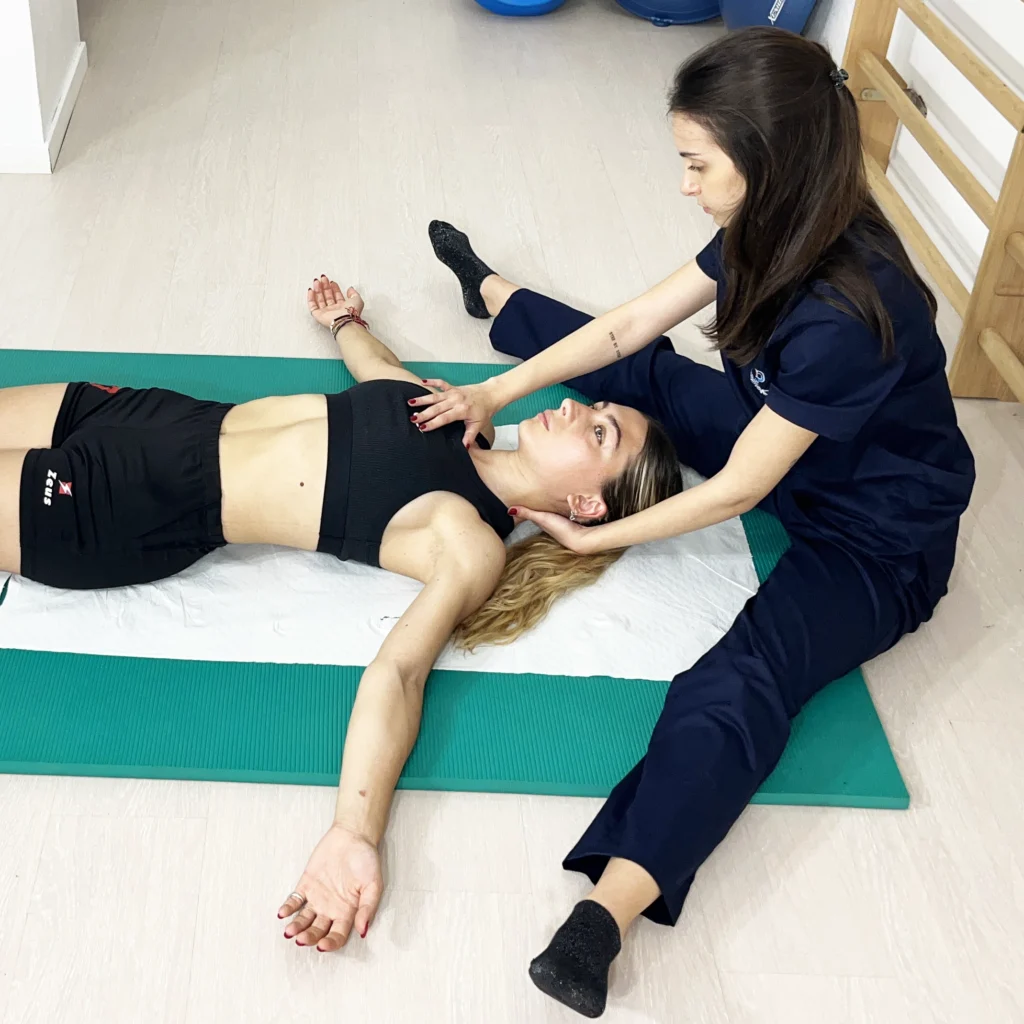
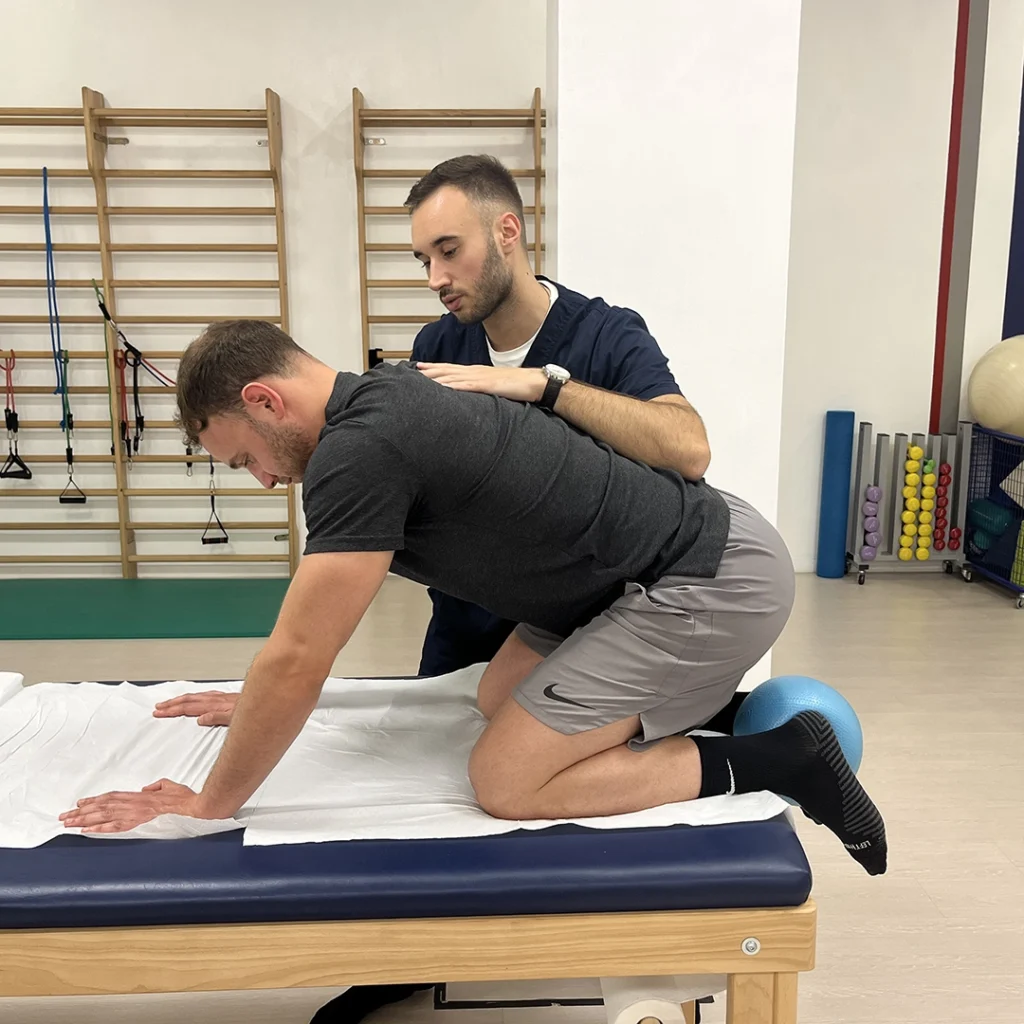
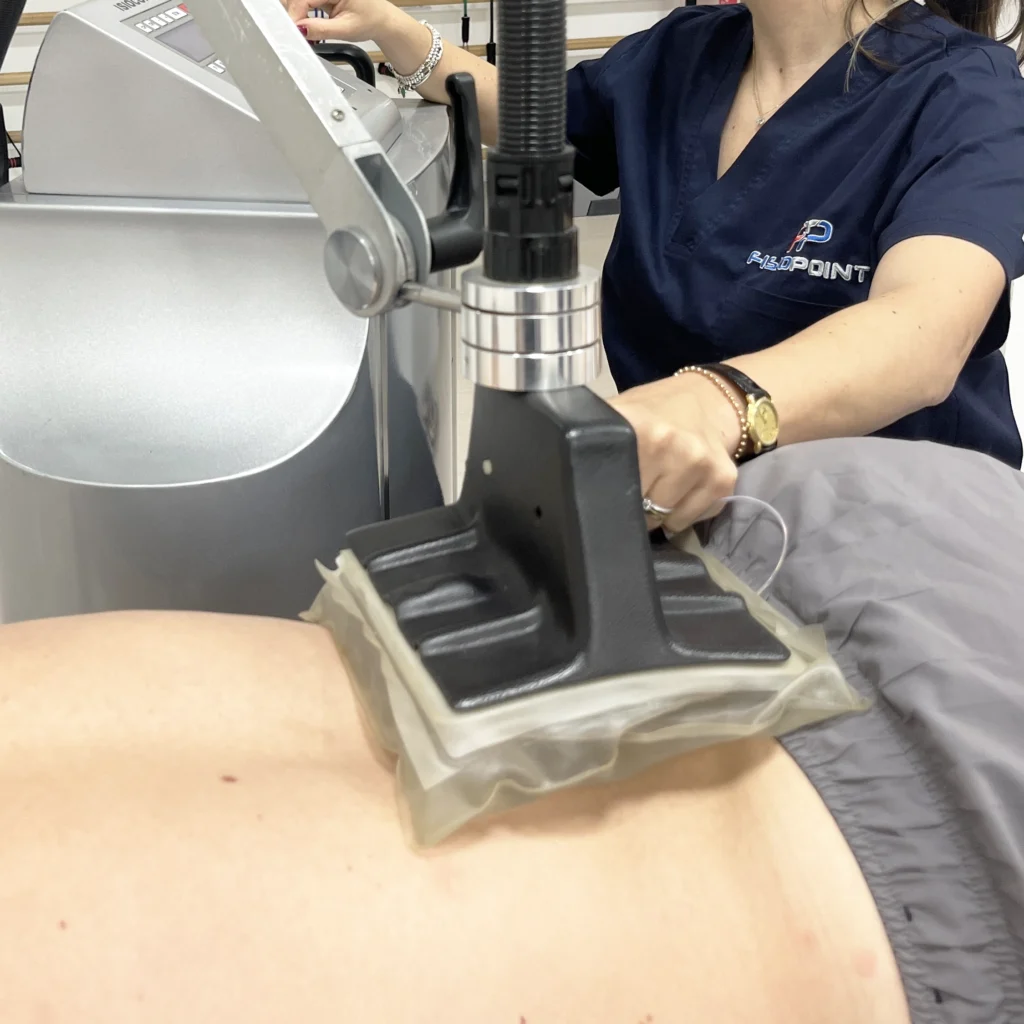
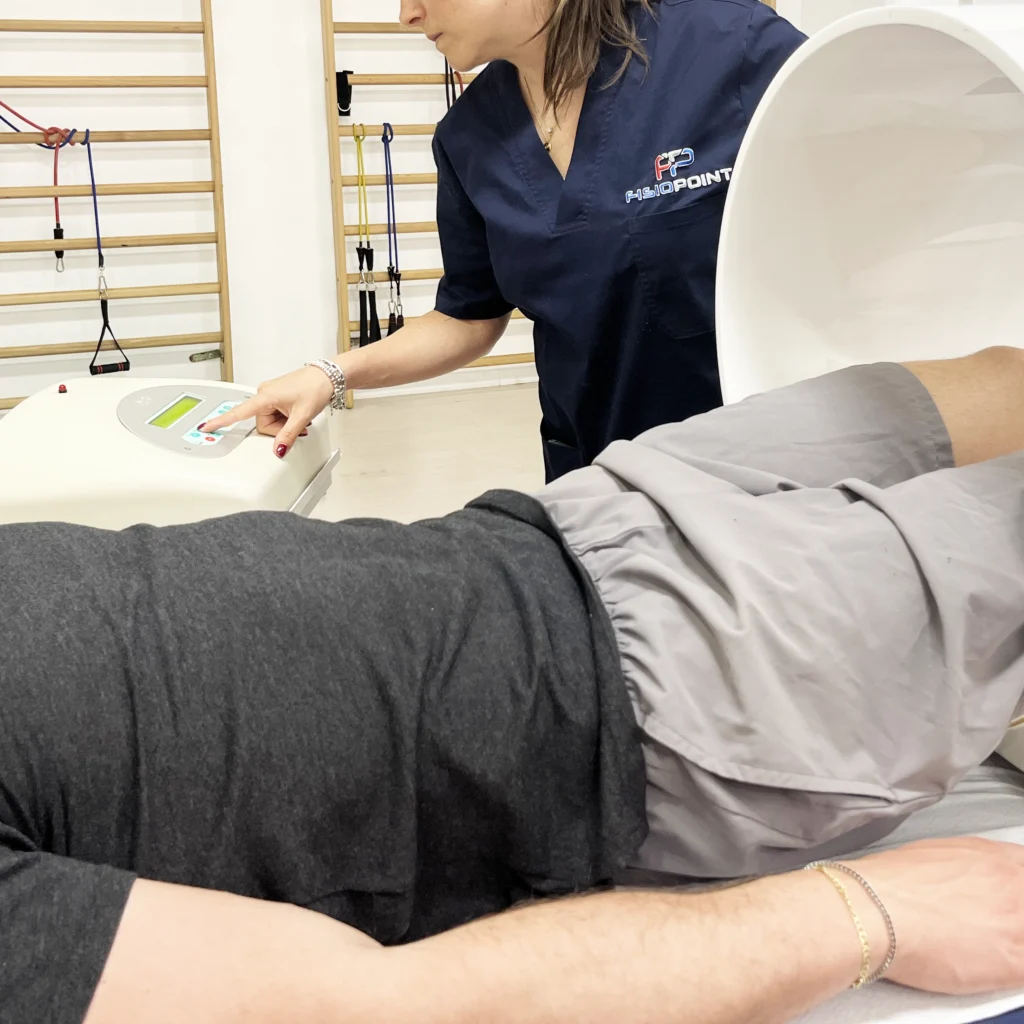
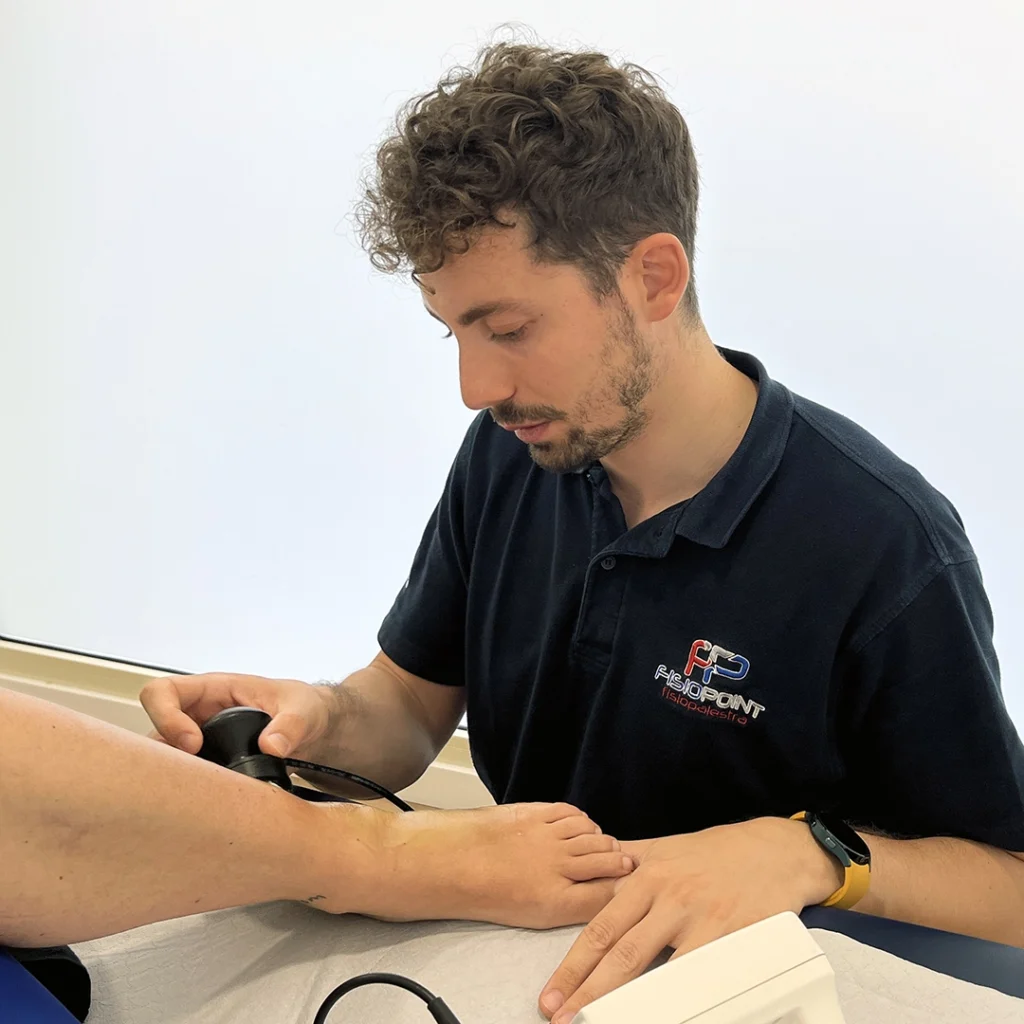
In order to control the state of pain, educate the patient in healthy daily habits that preserve the spine and prevent relapses, the physiotherapist can use different tools and therapeutic modalities:
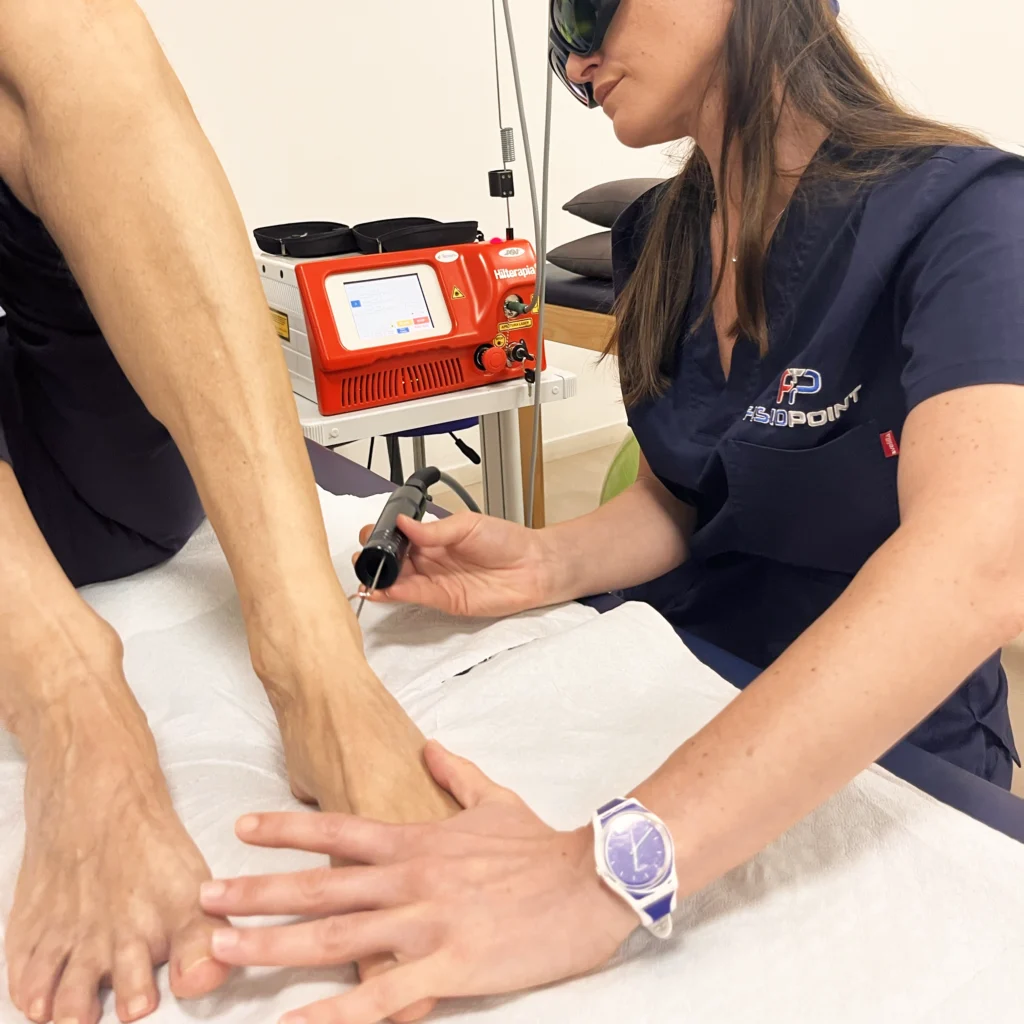
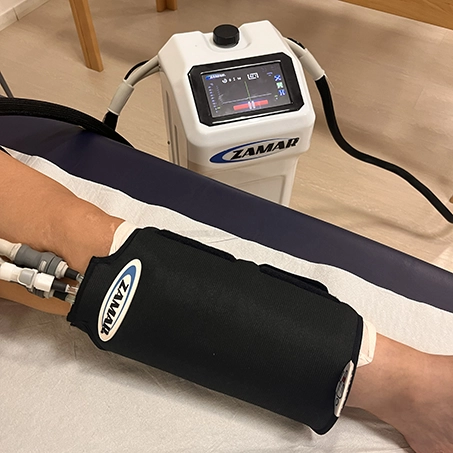
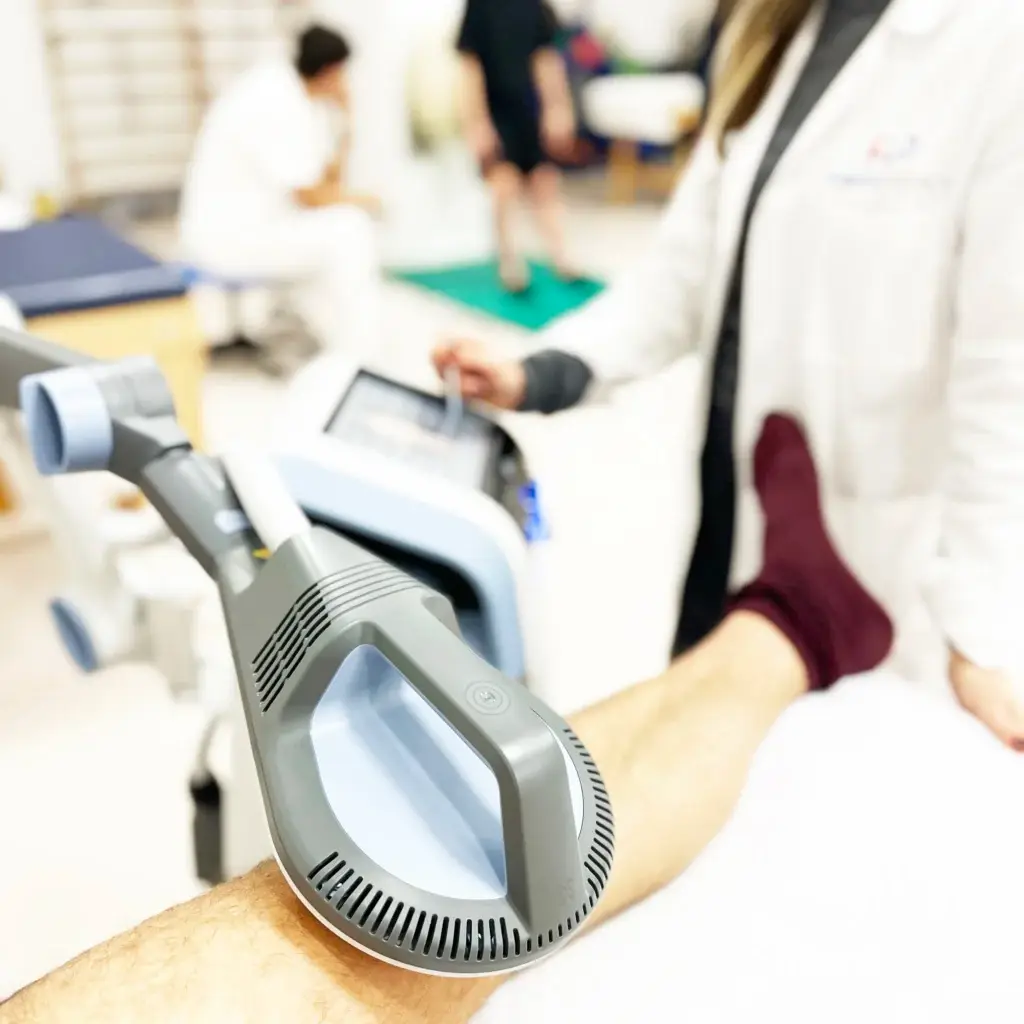
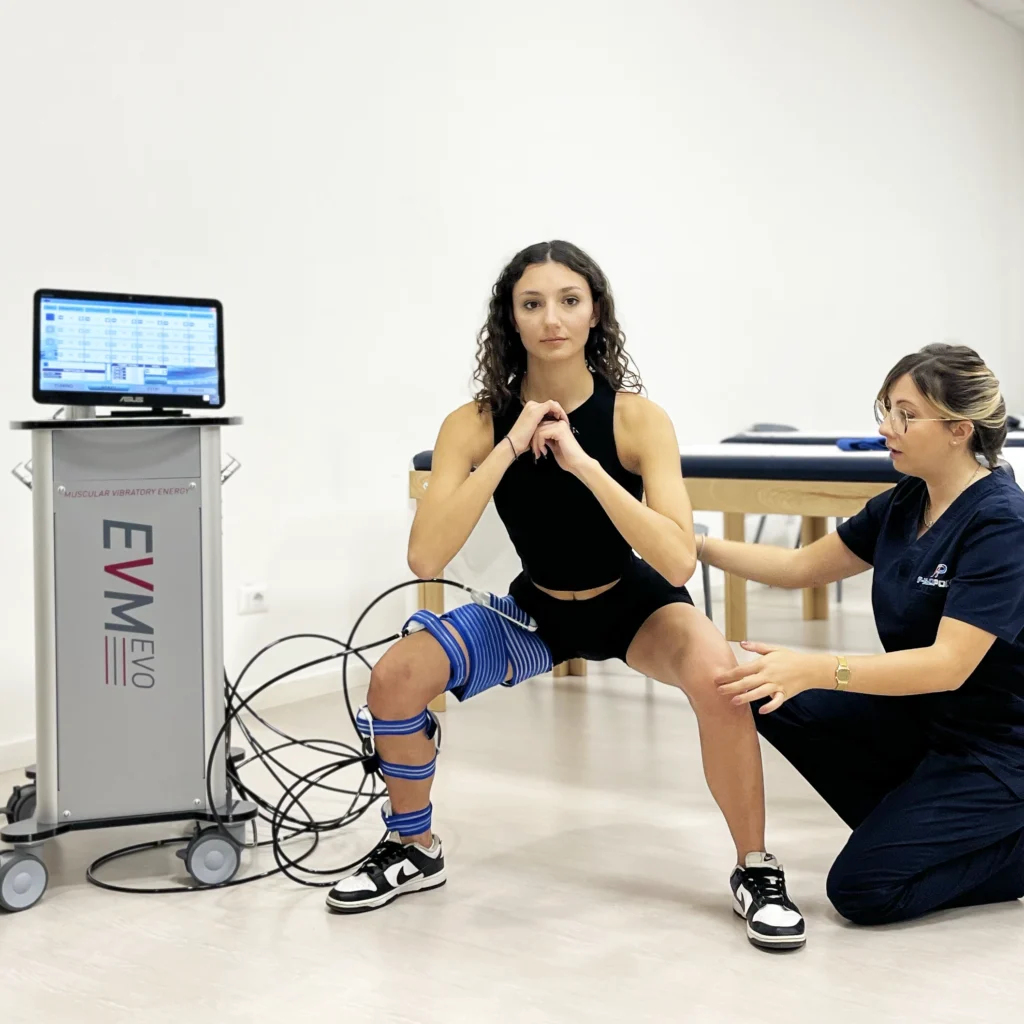
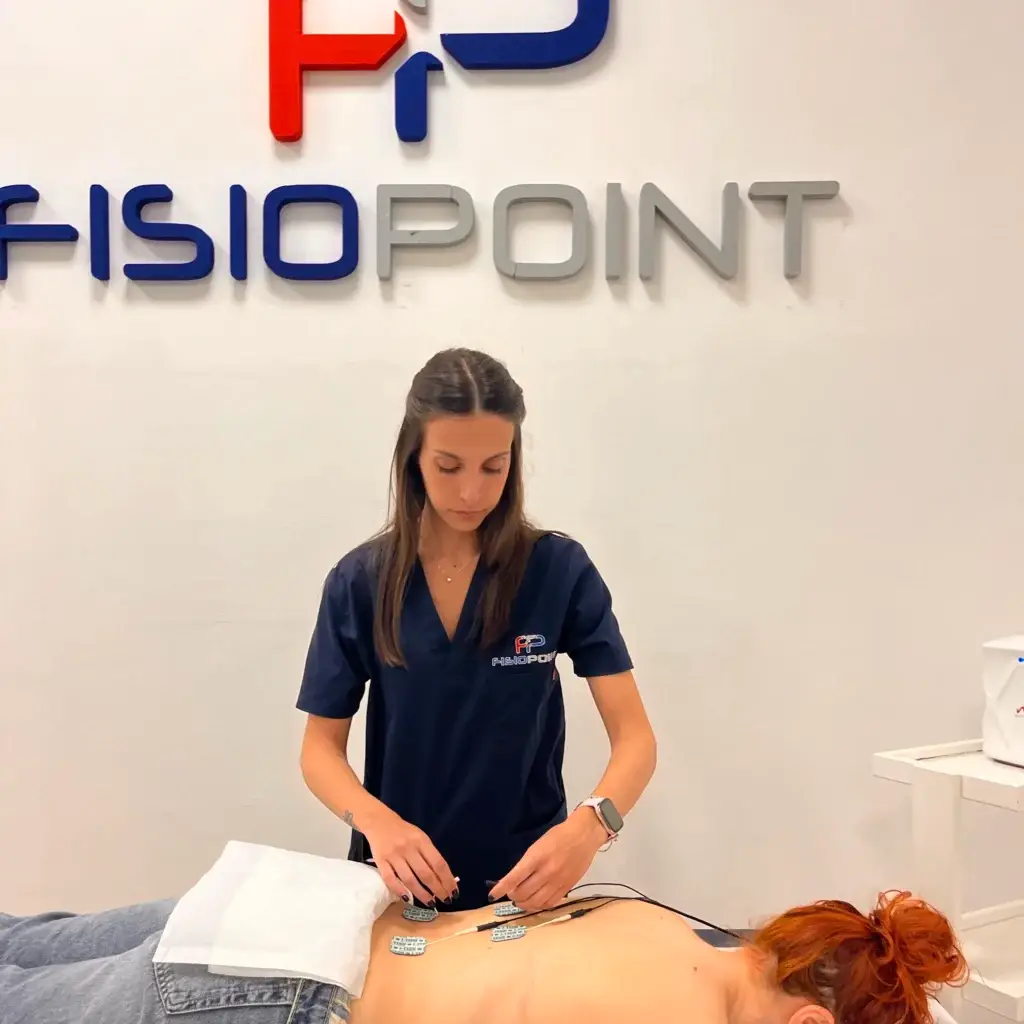
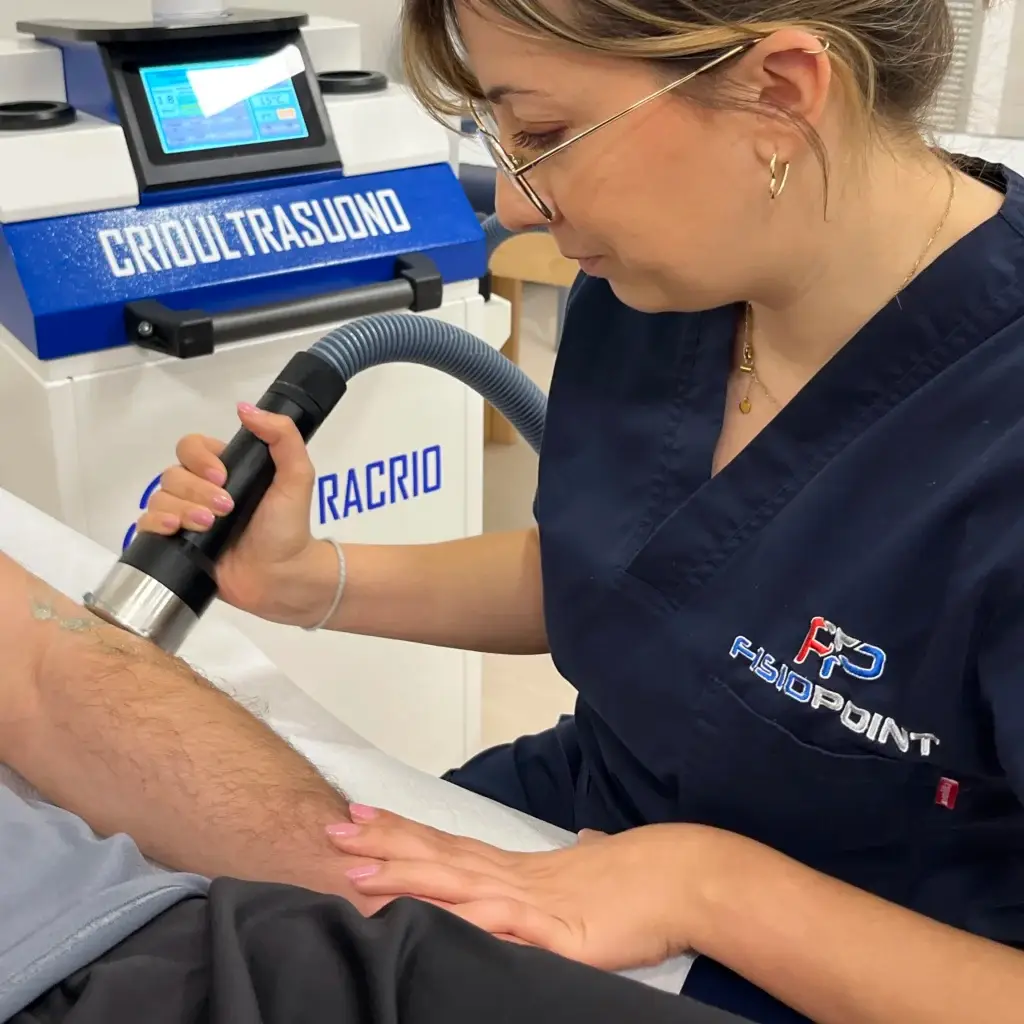
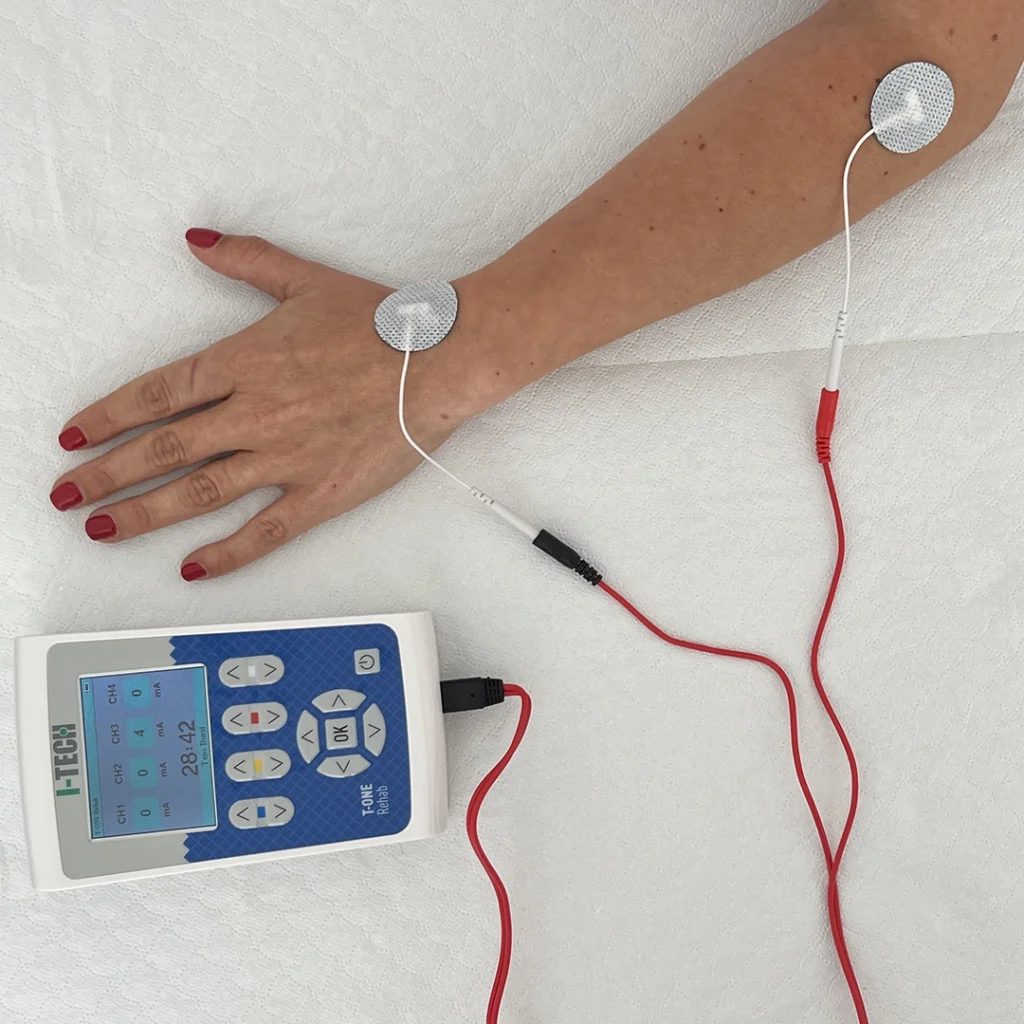
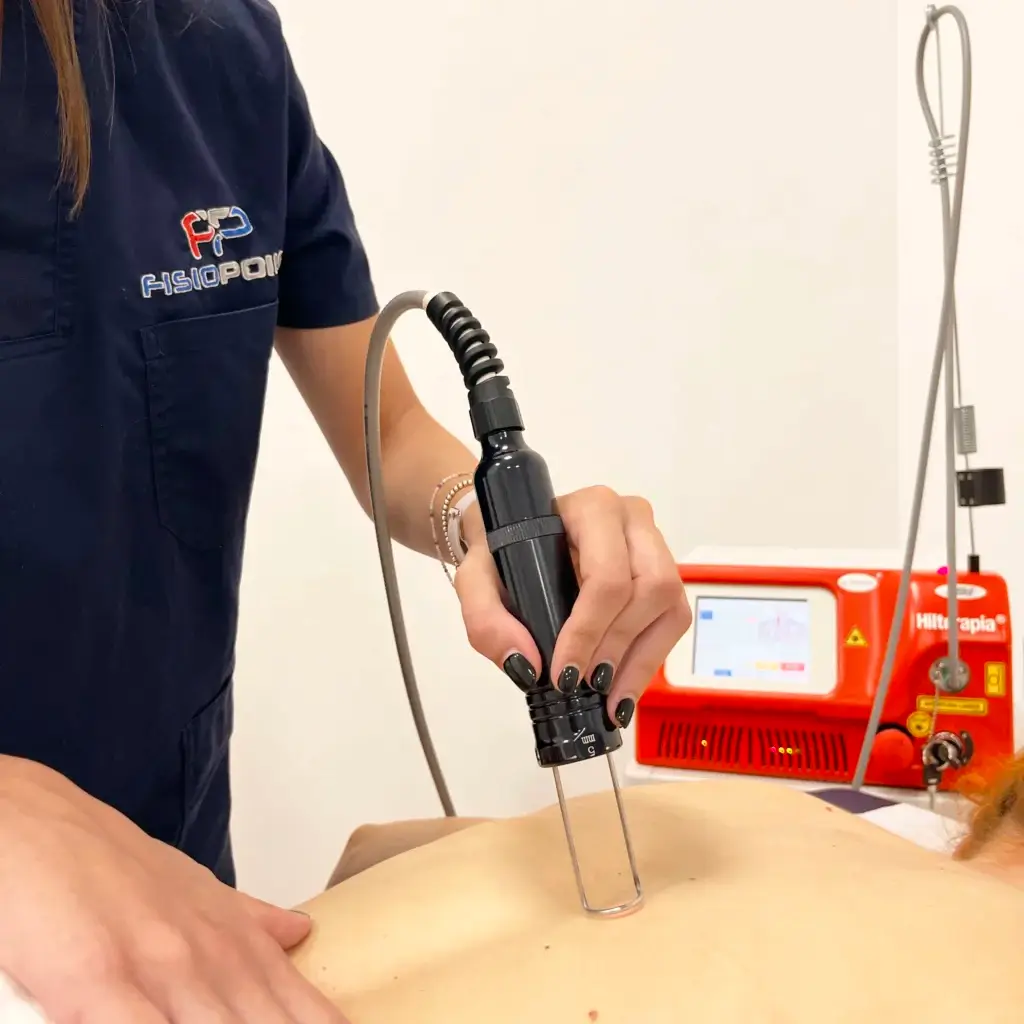
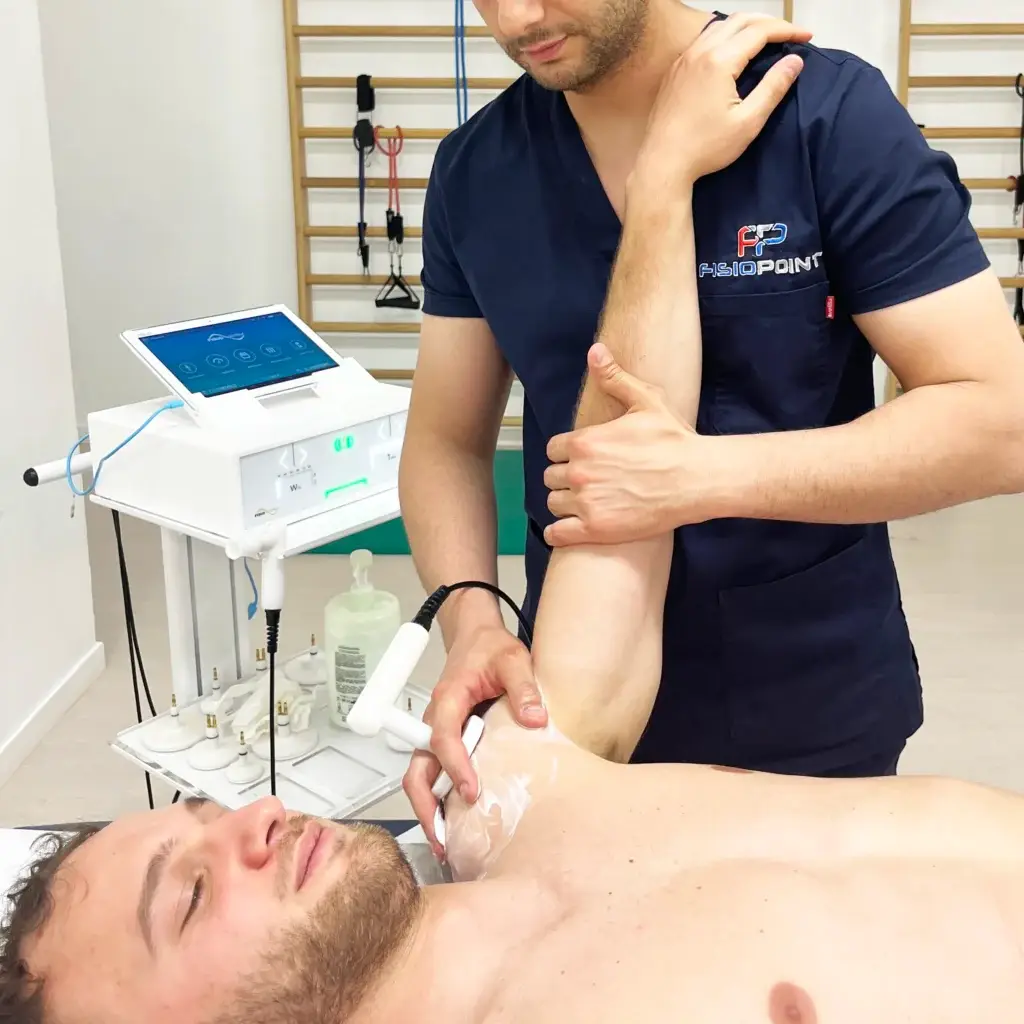
- Instrumental therapies such as tecar, laser or tens to reduce pain and inflammation
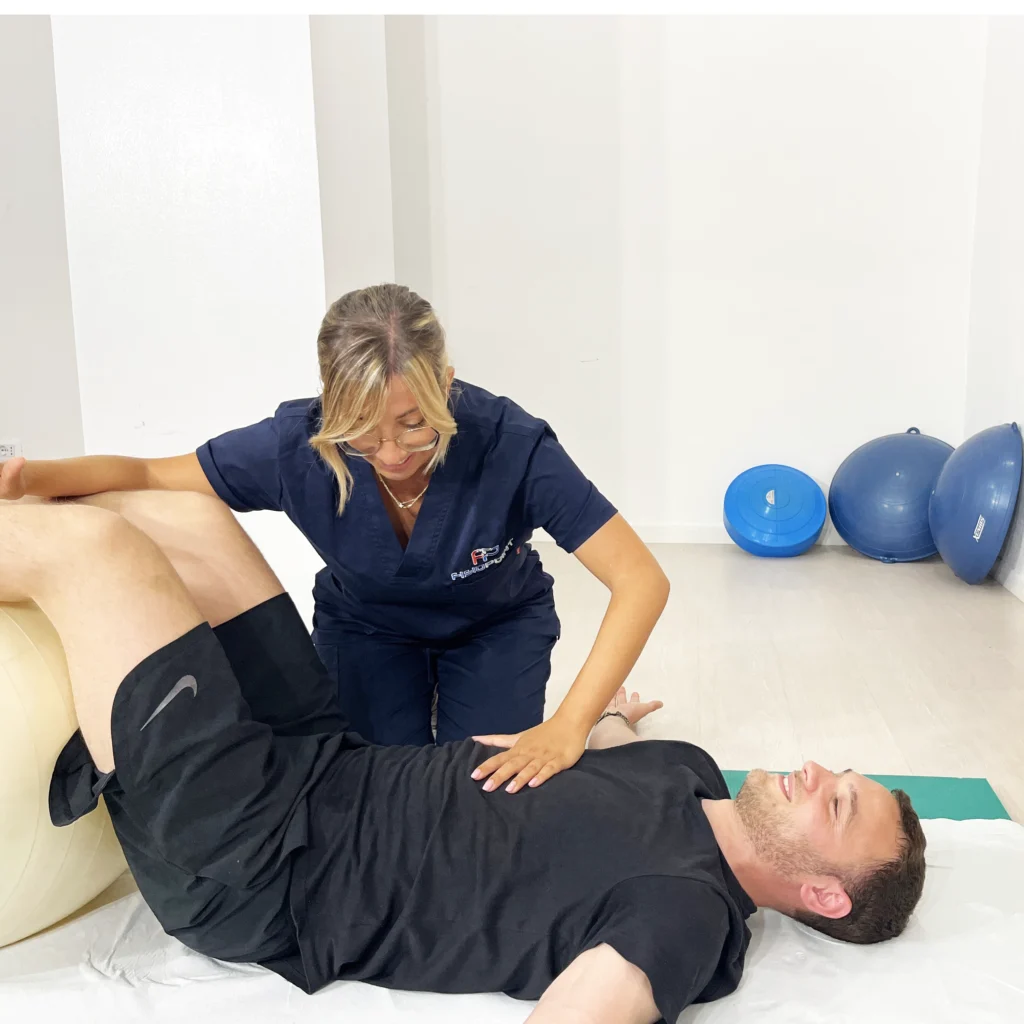
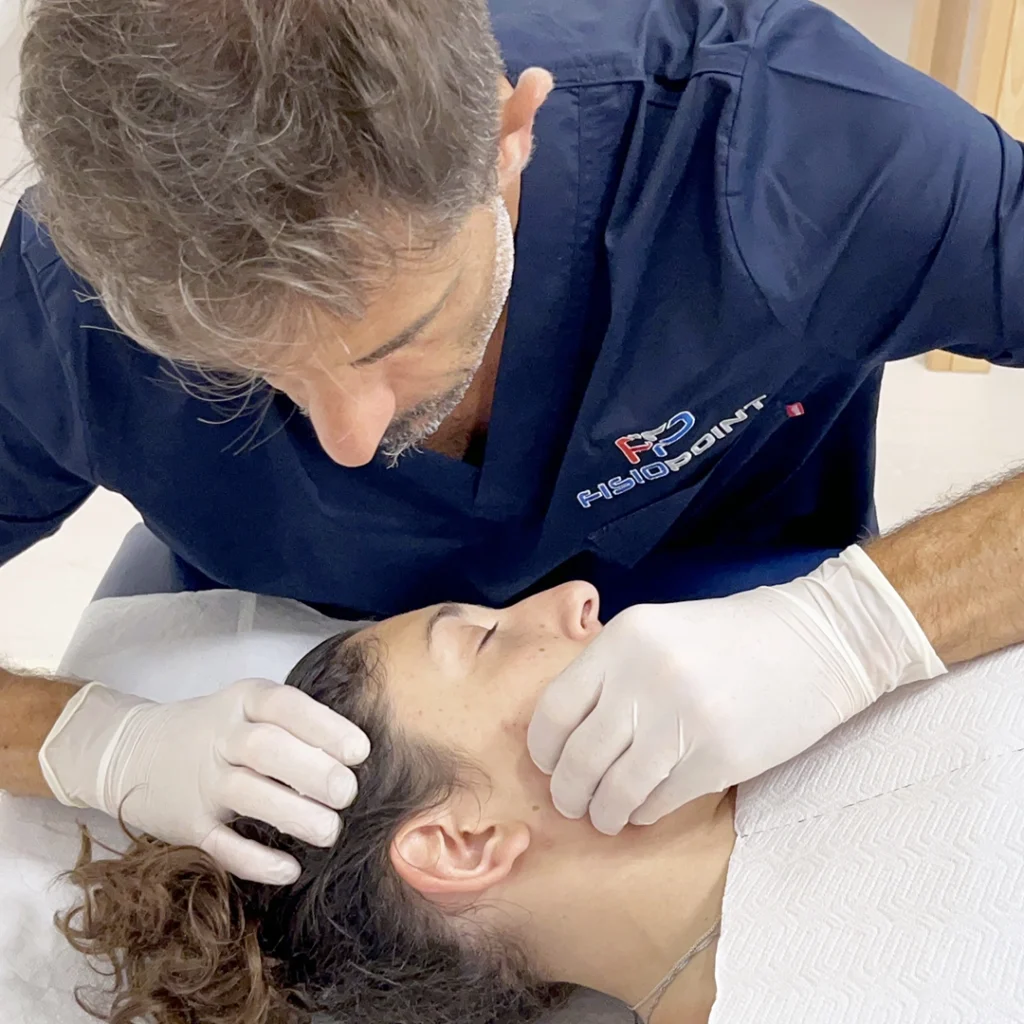
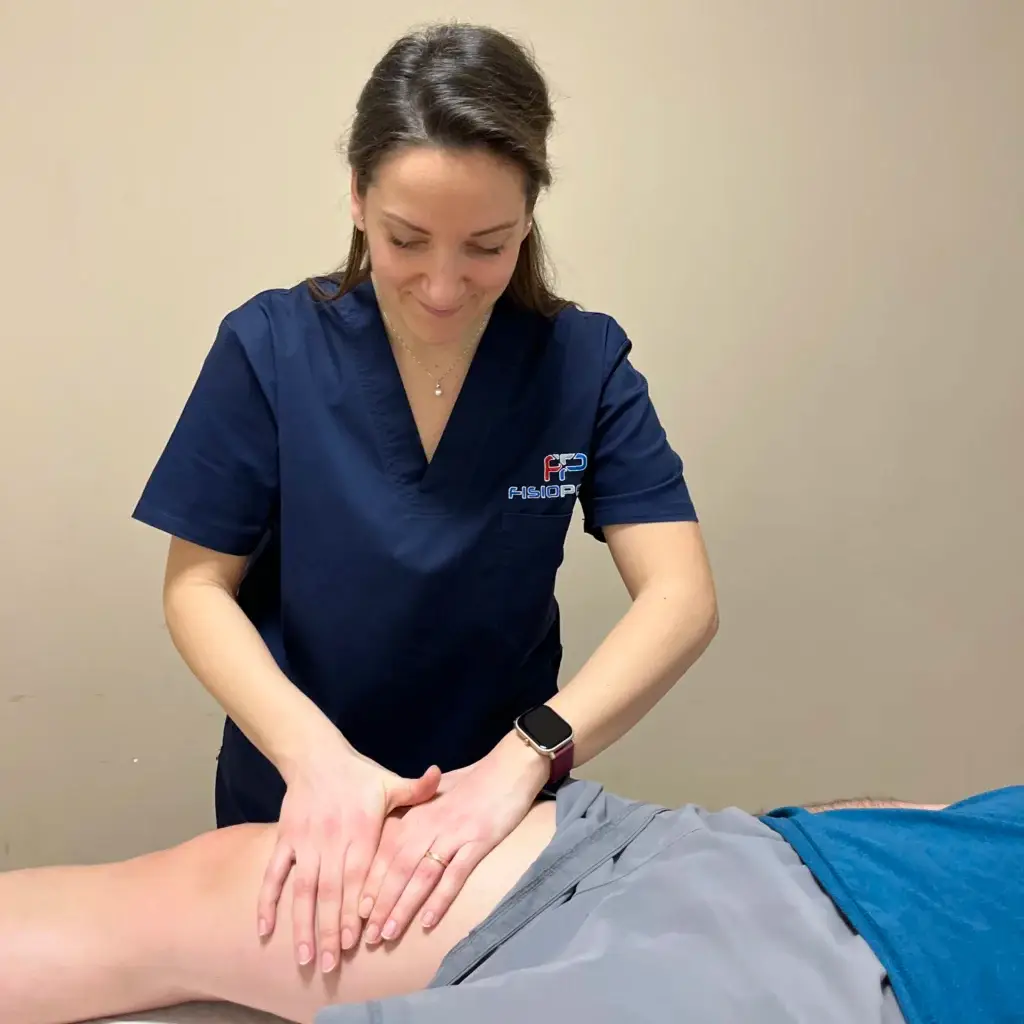
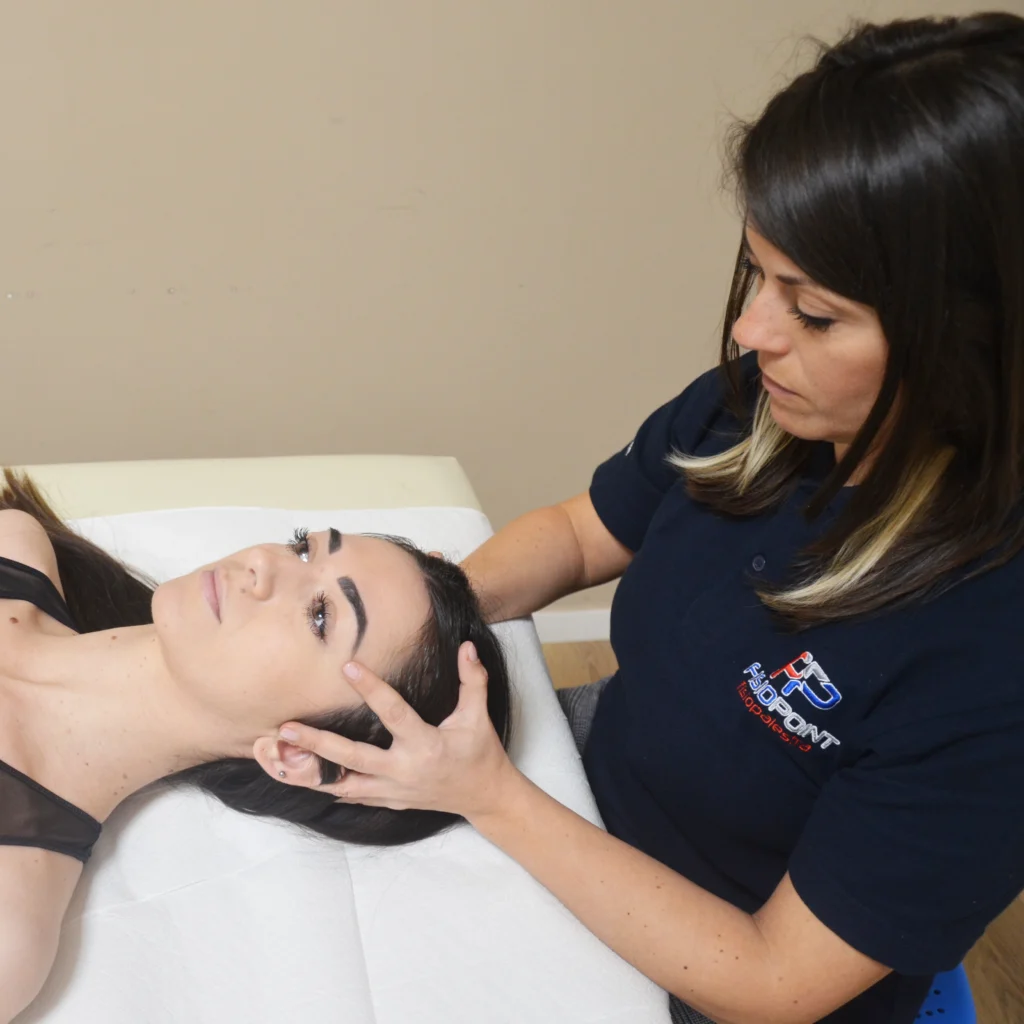
- Manual therapy decontratturante per aiutare la muscolatura a recuperare una buona elasticità
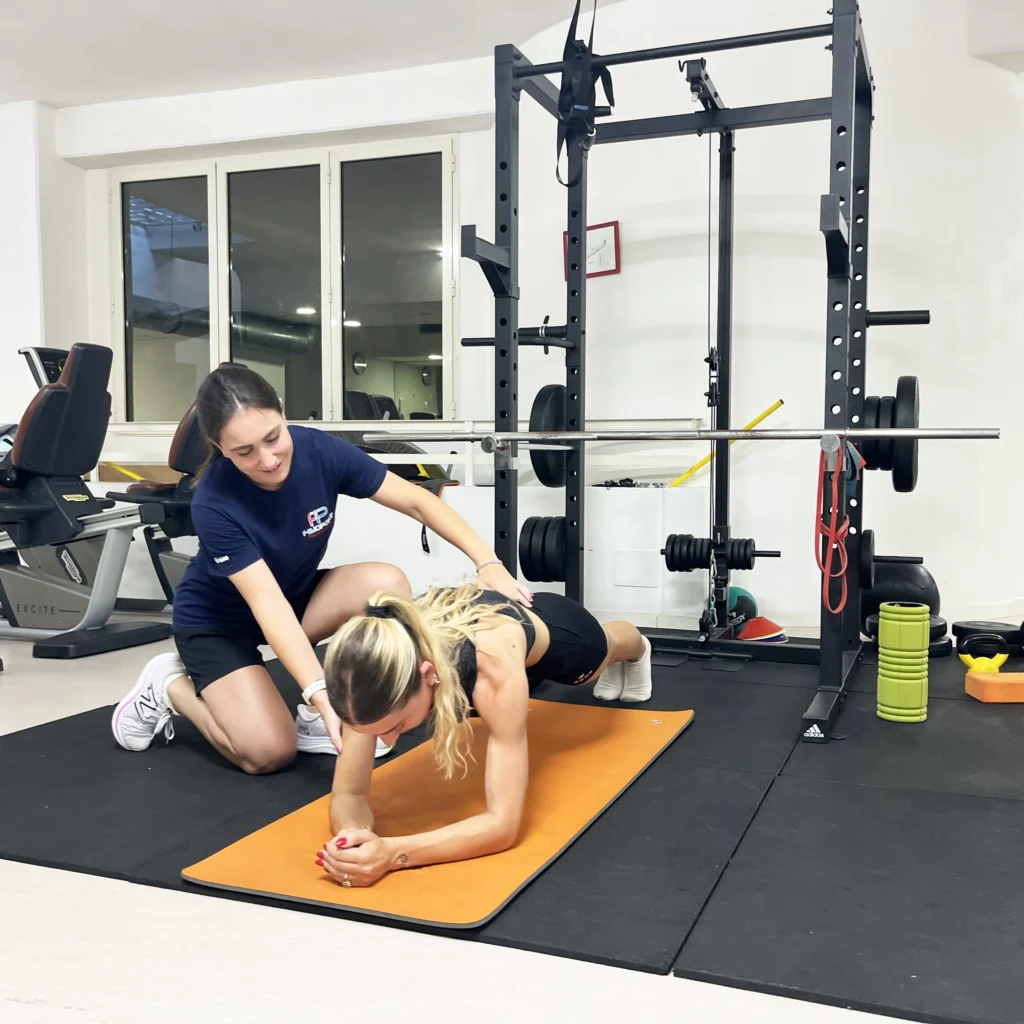
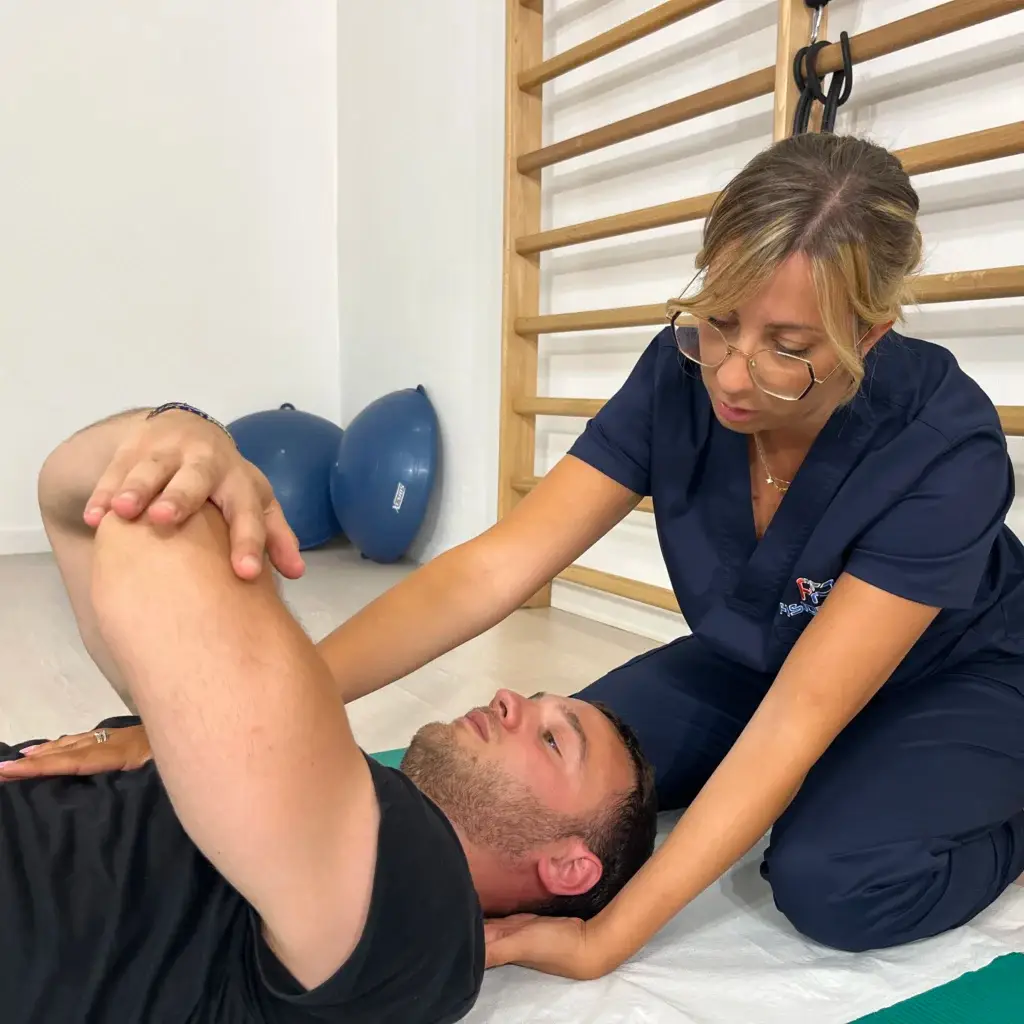
- Esercizi di rinforzo della CORE stability e dei muscoli stabilizzatori del bacino, ischiocrurali e glutei
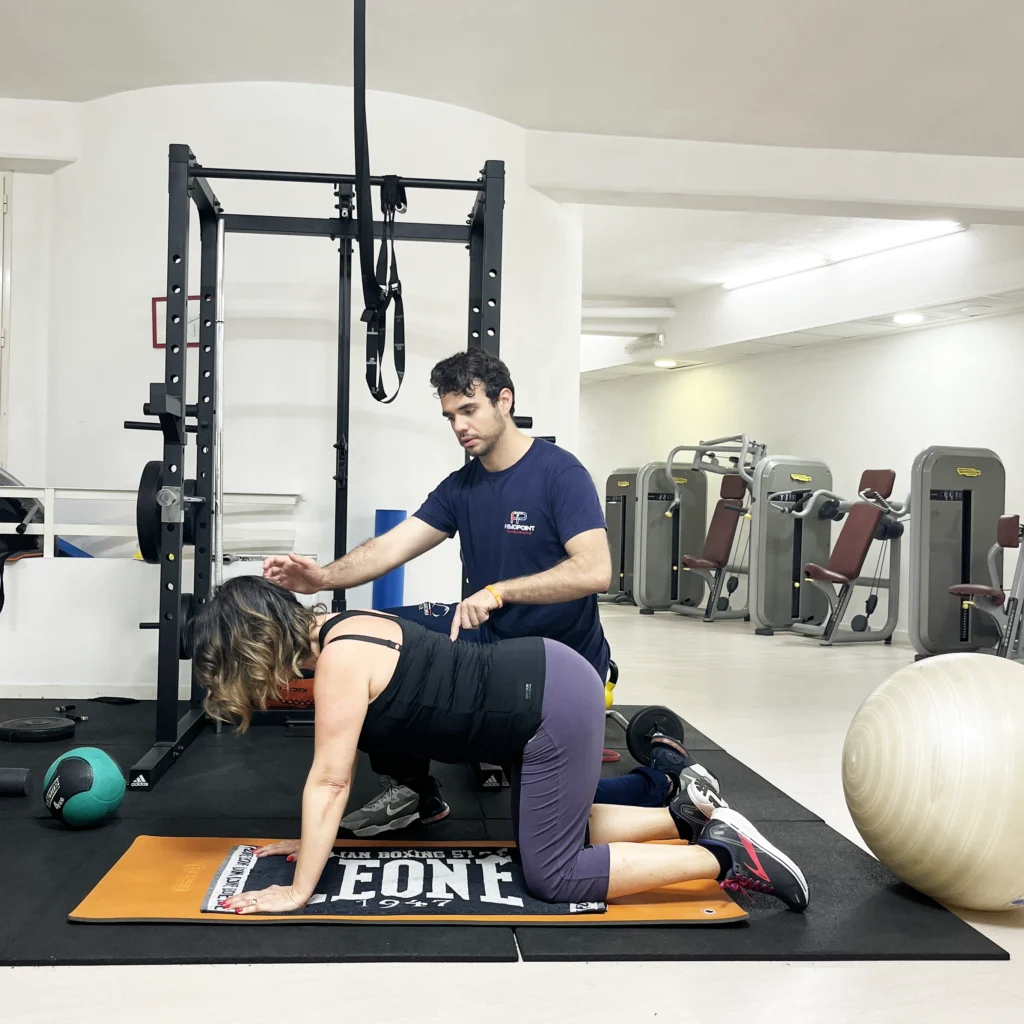
- Re-education posturale.g. with the Mezieres Method.
Il fisioterapista dovrà, in prima battuta, valutare oggettivamente il paziente alla ricerca di deviazioni posturali e di strutture muscolari deboli o accorciate sulle quali lavorare. Il programma riabilitativo dovrà essere studiato sul paziente tenendo conto delle condizioni di partenza, dello stile di vita e degli obiettivi da raggiungere a breve e a lungo termine.
It is important to clarify that, as with other pathologies of the spine, there is no care definitive for spondylolisthesis but a long road in which to take care of one's back by preventing it from worsening.
Surgical treatment is chosen in the most severe cases, when conservative therapy has brought no benefit and the structural damage is irreversible and also involves the neurological picture.
The surgical choice often falls on arthrodesis of the posterior vertebral arches, in which the vertebrae are permanently welded together. Even following the surgery, a period of rehabilitation.
What not to do?
We have said that spondylolisthesis consists of vertebral slippage, exacerbated by back movements. When one discovers that one has this pathological condition, the first thing to avoid is stressing the spine through movements that arch the back in the direction of slipping.
In the case of an anterolisthesis, movements in extension in which the lordosis is increased and all exercises that overload the spine, especially if performed without specialised guidance, are not recommended, such as:
To avoid complications, it is essential to rely on a specialist from the rehabilitation and then to a kinesiologist who will guide you towards the right choices for you and your back.
Text by Elisa Piccioni
Learn more by watching the videos on our channel YouTube





 English
 Italian