Classification of calf muscle injuries
Calf muscle injuries are classified according to the nature of the
injury e a quante fibre muscolari vengono coinvolte, in tre gradi di gravità:
I grado: quando si ha la rottura di poche fibre muscolari
II grado: quando si ha la rottura di varie fibre muscolari
III grado: quando si ha la completa (o quasi) rottura del ventre muscolare
Si parla di infortunio di grado zero quando le fibre muscolari non riportano danni (non sono presenti lesioni). In questi casi ci può essere la presenza di un affaticamento oppure di una contrattura muscolare.
Dopo aver subito una lesione del muscolo, si forma un ematoma. Può essere intramuscolare o inter muscolare, a seconda dell’estensione della lesione.
How is a calf muscle injury diagnosed?
The muscle injury is diagnosed by the orthopaedic specialist or physiatrist or sports physician, by collecting the information reported by the patient, which will concern the type of pain felt, the activity carried out and the movements performed at the time of the injury. Fundamental to the diagnostic process will be the objective examination, during which the calf will be examined, assessing the various signs and symptoms, such as the extent of swelling and bruising. To complete the diagnosis of a calf muscle injury, the patient will be asked to perform muscle ultrasound, which is, among imaging techniques, the cheapest and quickest to perform.
Ultrasound allows:
- staging of muscle injuries
- the assessment of their evolution and possible complications.
L’ecografia consente, inoltre, di diagnosticare una lesione strutturale del muscolo da 36 a 48 ore dopo il trauma, poiché il picco di raccolta edematosa emorragica si osserva dopo 24 ore e fino a 48 ore, quando inizierà a diminuire.
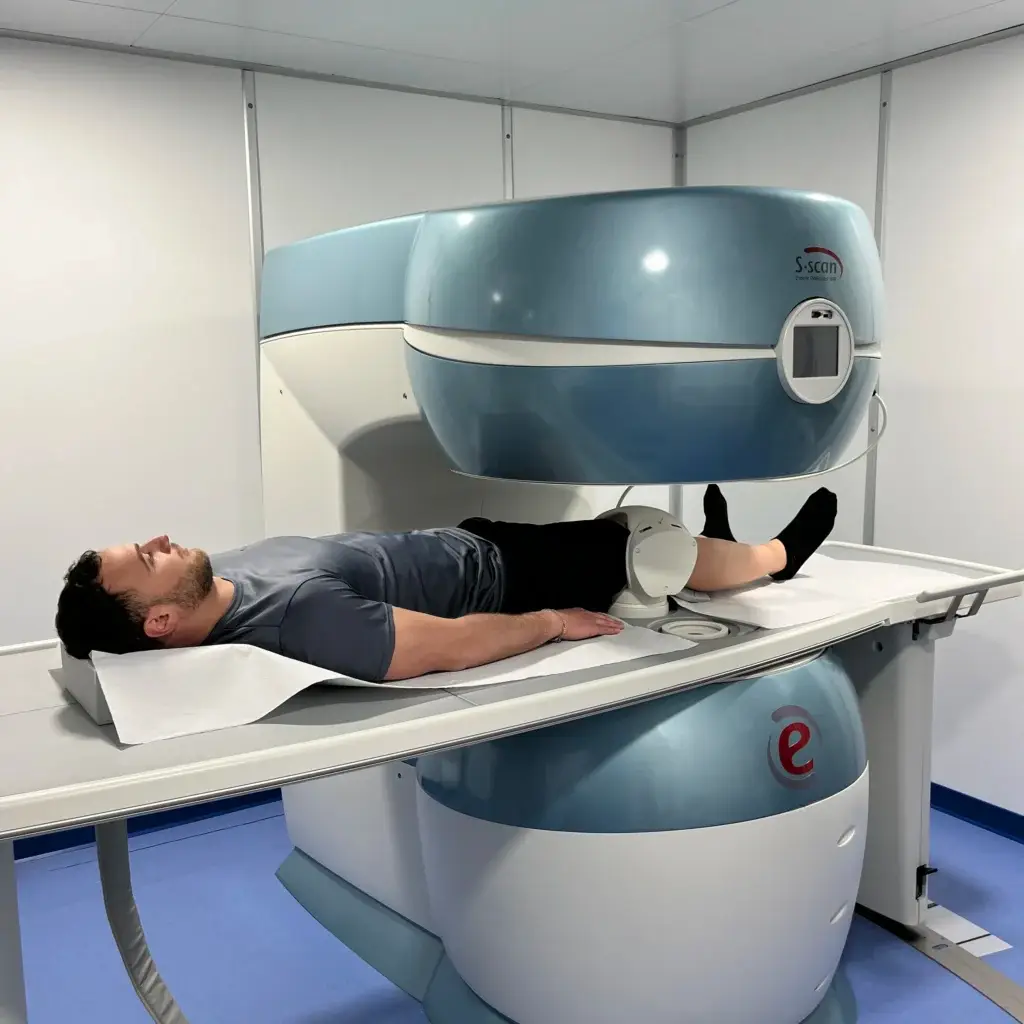
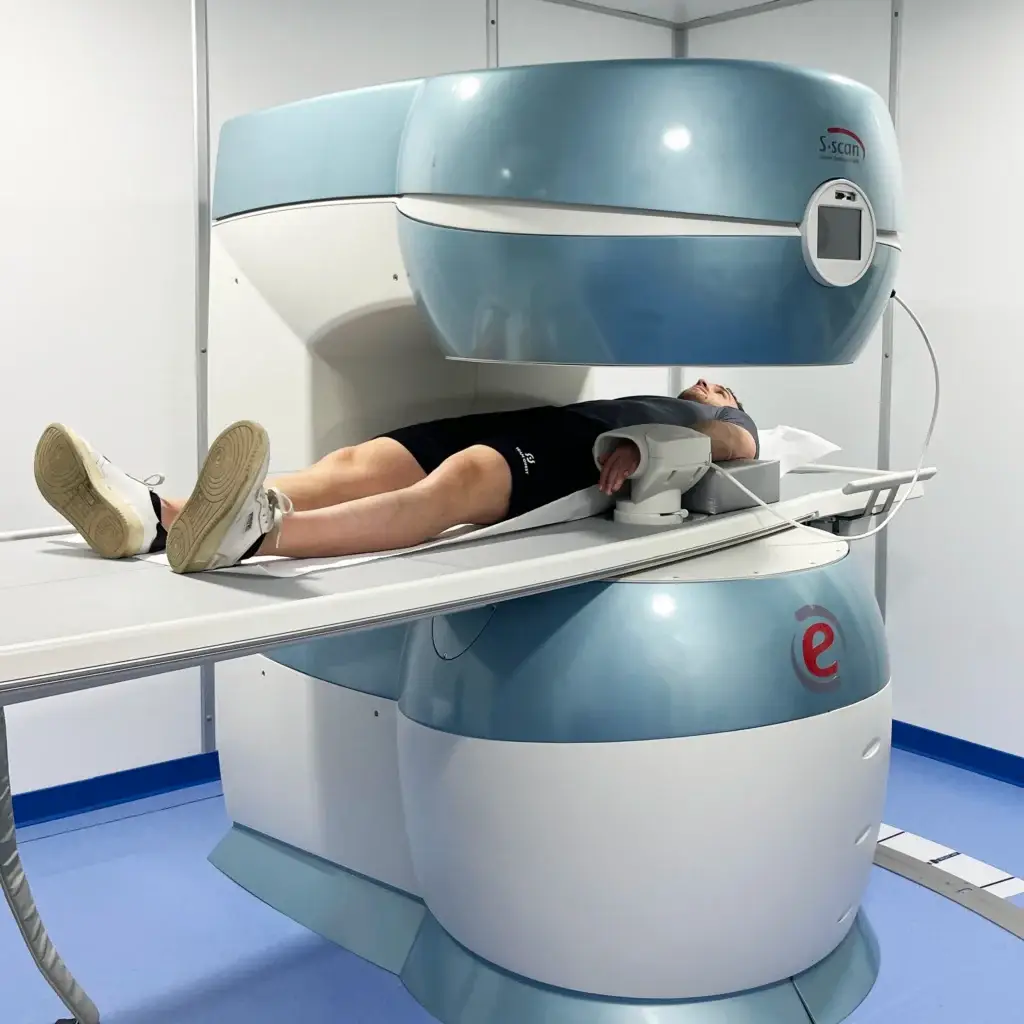
La magnetic resonance imaging is only required in a few cases, as ultrasound does not allow evaluation of deeper tissues and has a low sensitivity for small lesions. In fact, this instrumental examination allows even minimal changes to be detected, with a sensitivity of 92% for non-structural lesions.
How is a calf muscle injury treated?
Il percorso di recupero da un trauma muscolare al polpaccio si adatta alla specificità della lesione, ma ci sono una serie di principi generali da osservare.
Innanzitutto, è essenziale dare al muscolo colpito il tempo per guarire, tenendolo a riposo per tutto il tempo necessario; durante tale periodo potrebbe essere utile tenere il polpaccio in alto in modo da alleviare il gonfiore, facilitando il drenaggio dei liquidi.
In questa prima fase è necessario l’applicazione del ghiaccio sulla zona interessata per 10’-12’, mediante una borsa di ghiaccio avvolta in un panno, al fine di ridurre l’infiammazione. Durante il giorno è, inoltre, consigliato comprimere la parte mediante bende elastiche o calze specifiche che applicano costantemente pressione sul muscolo.
Nel caso di dolori persistenti o gravi, è necessario consultare il medico per ottenere una diagnosi precisa con una terapia personalizzata. Il medico può valutare l’opportunità di prescrivere farmaci, per alleviare il dolore, quali:
- anti-inflammatories, ibuprofen
- painkillers, such as paracetamol
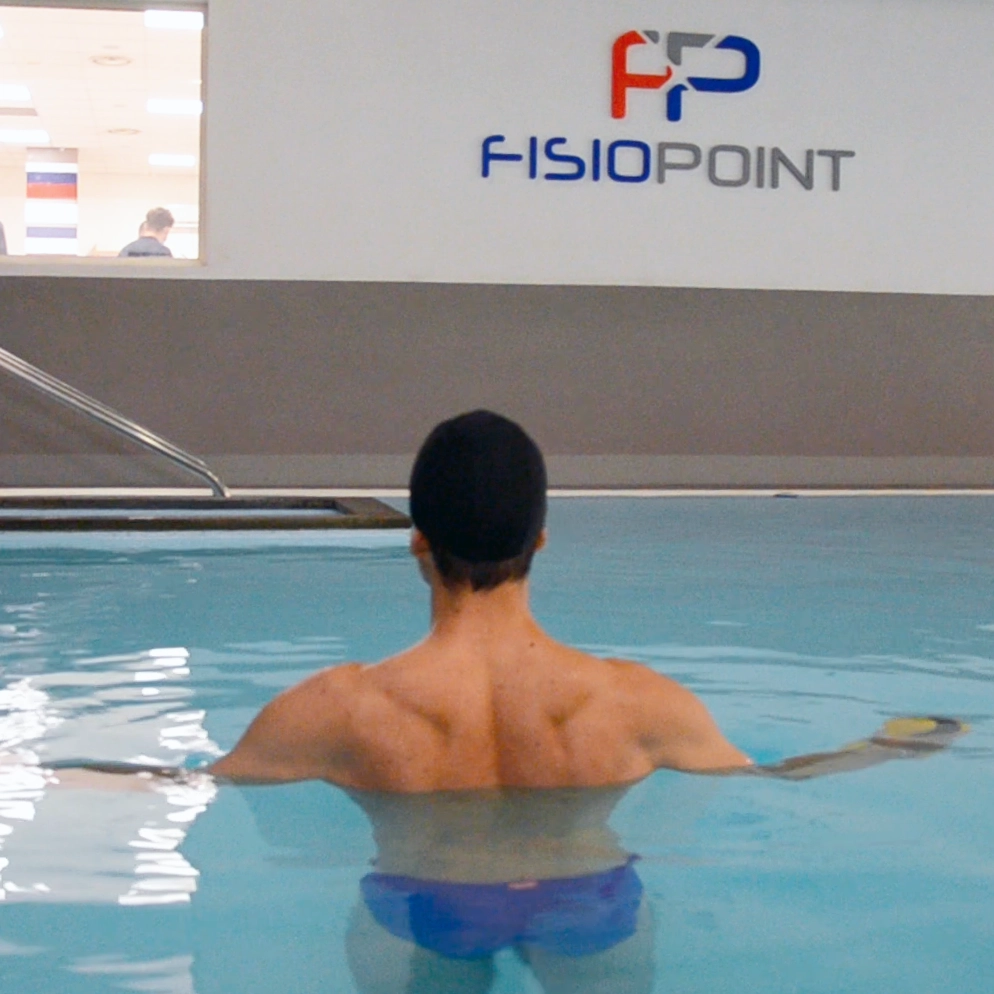
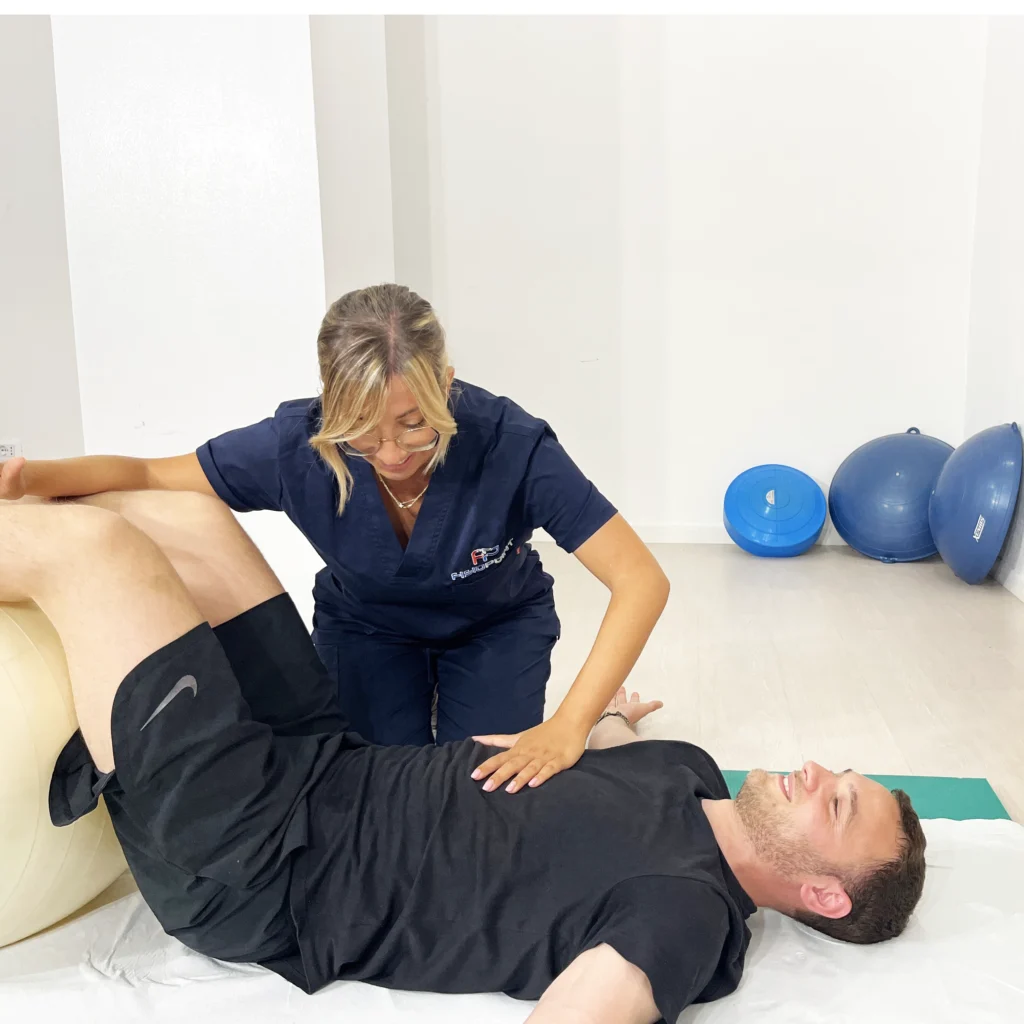
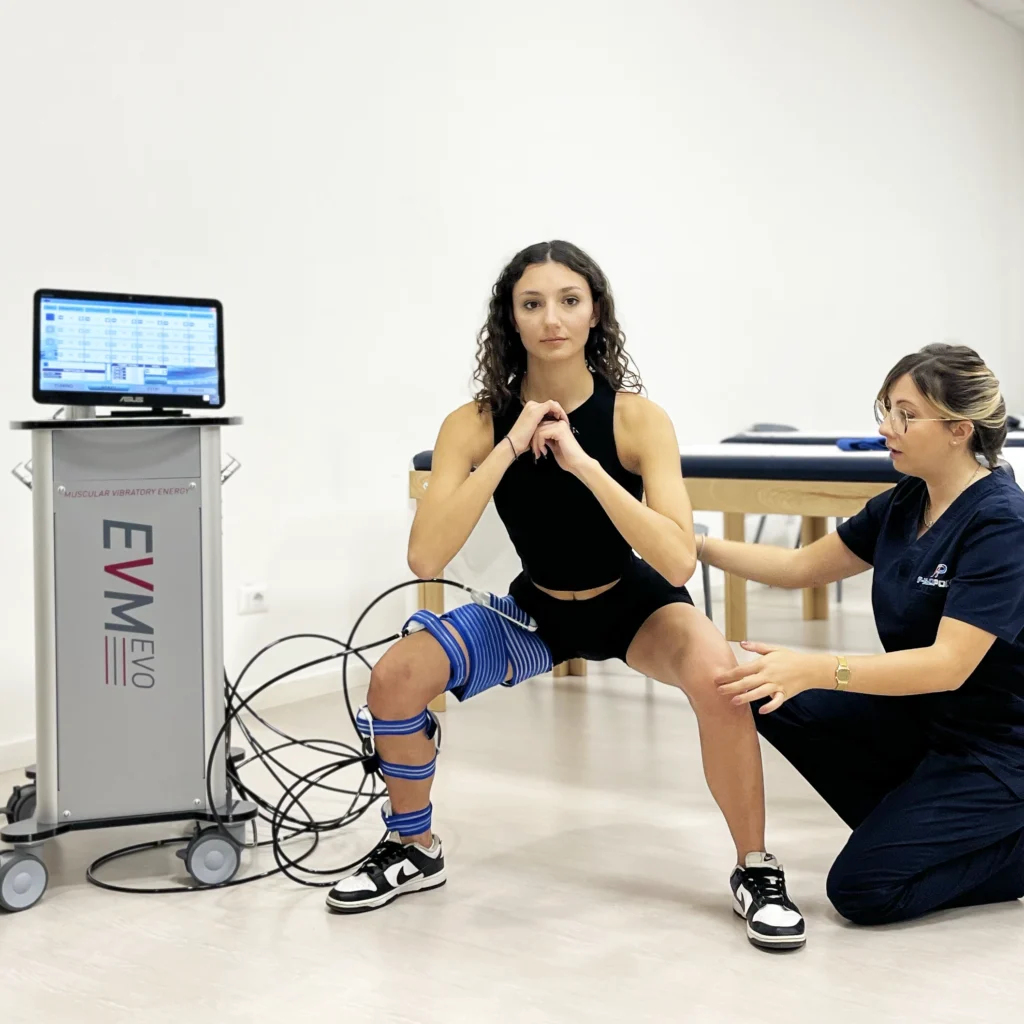
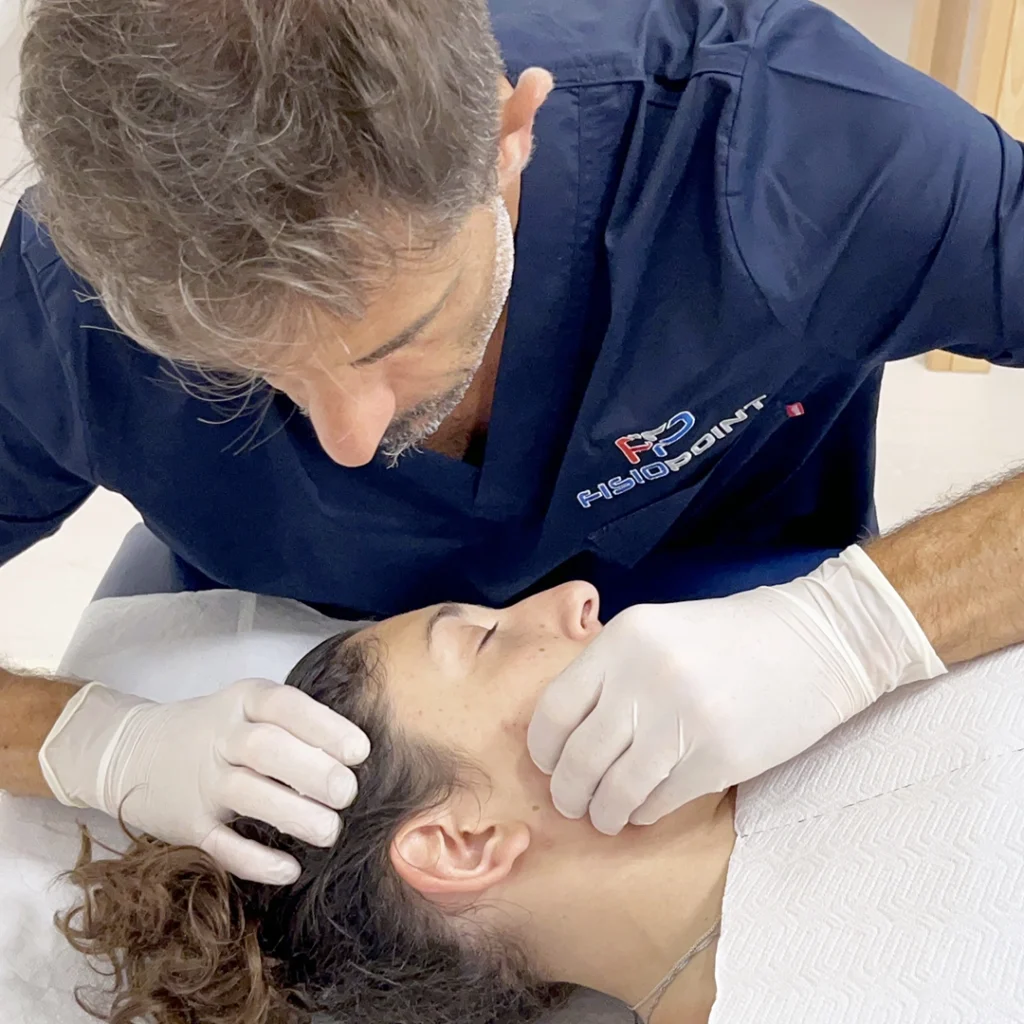
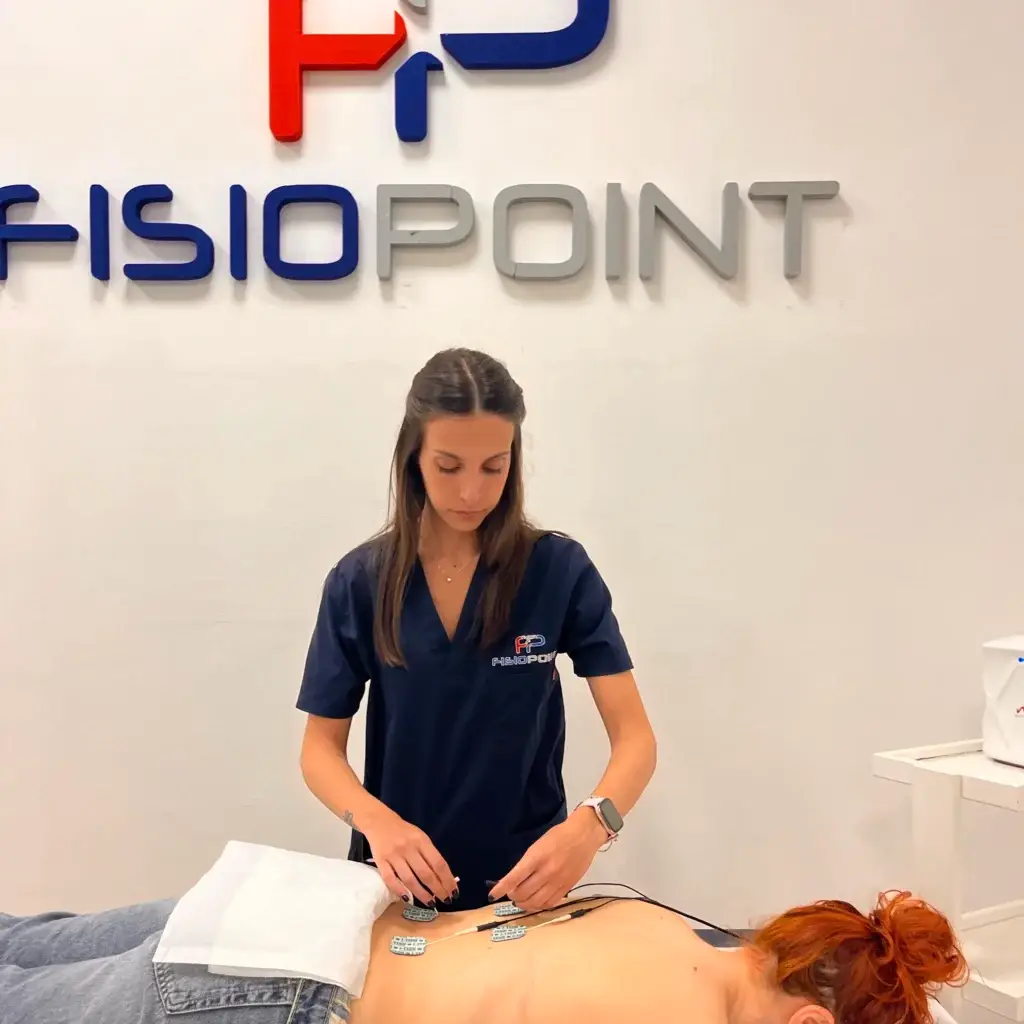
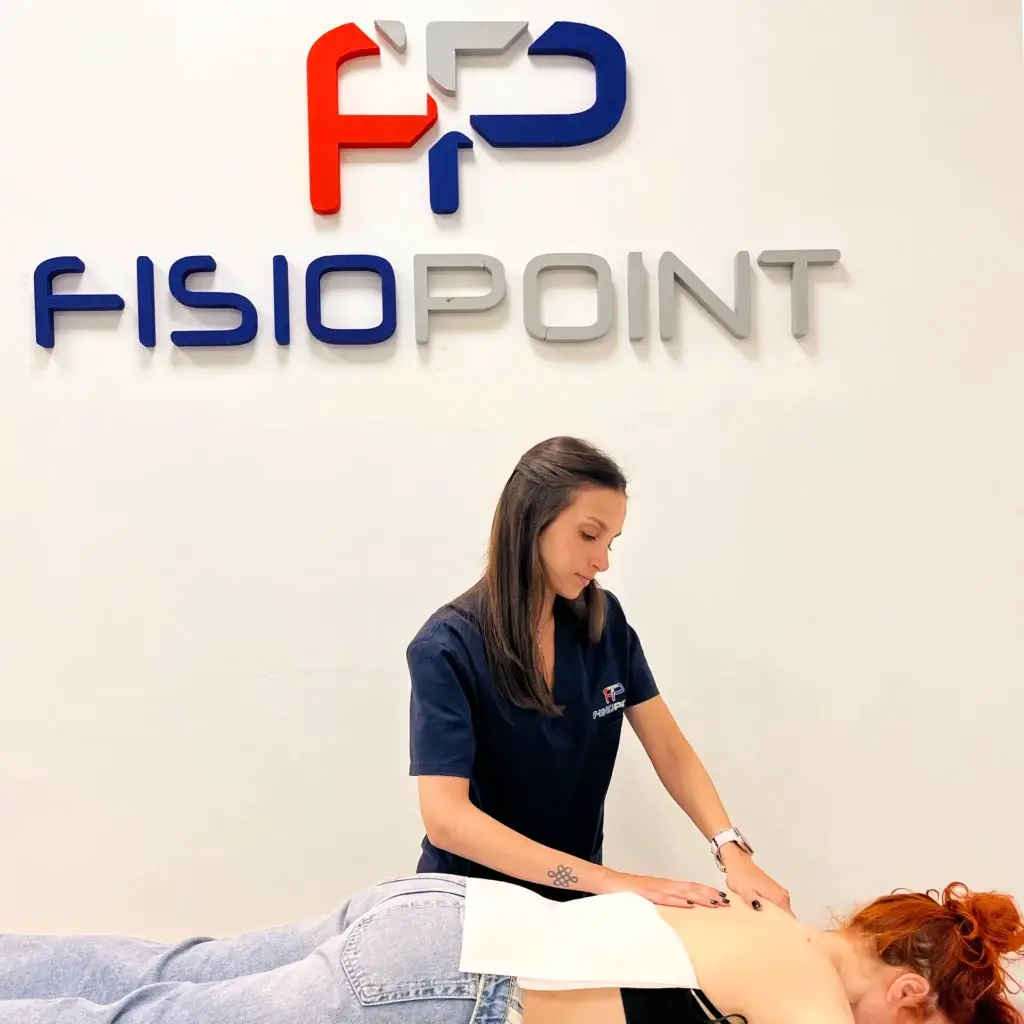
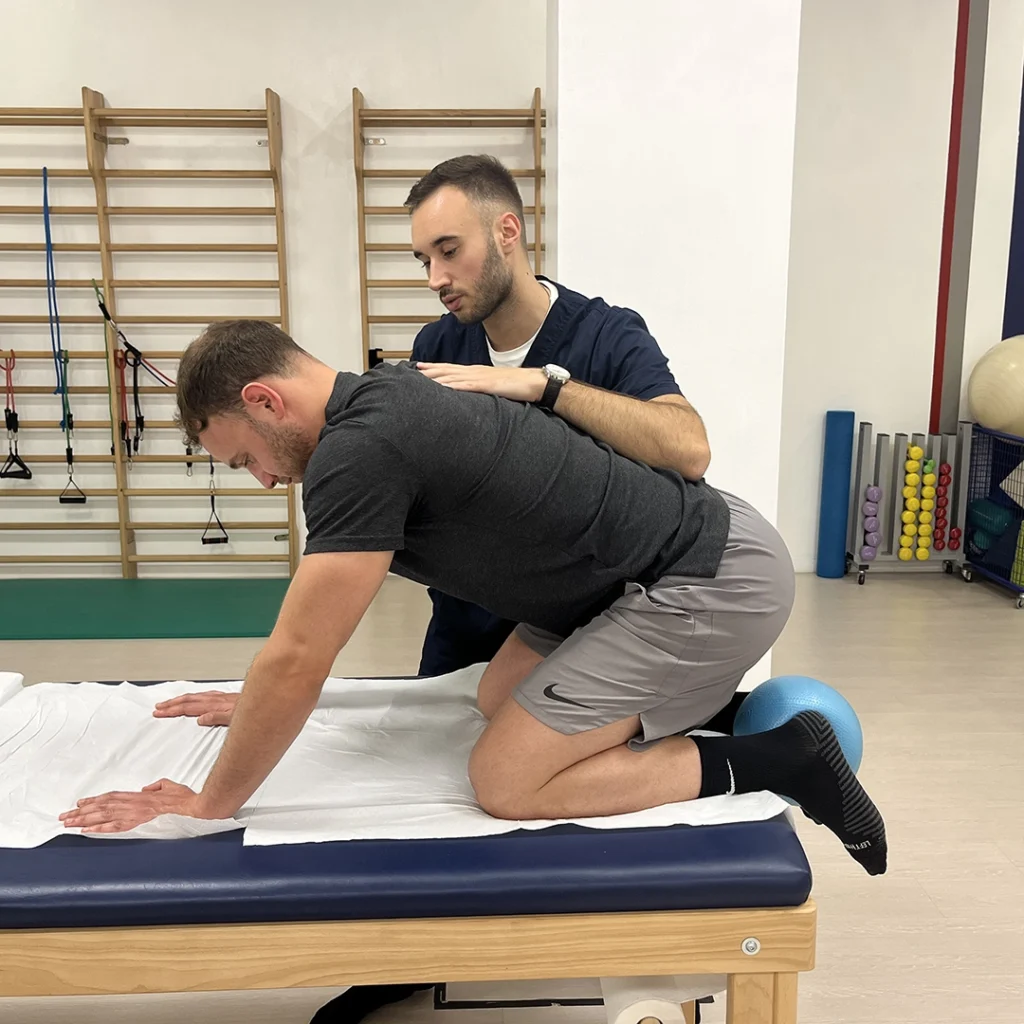
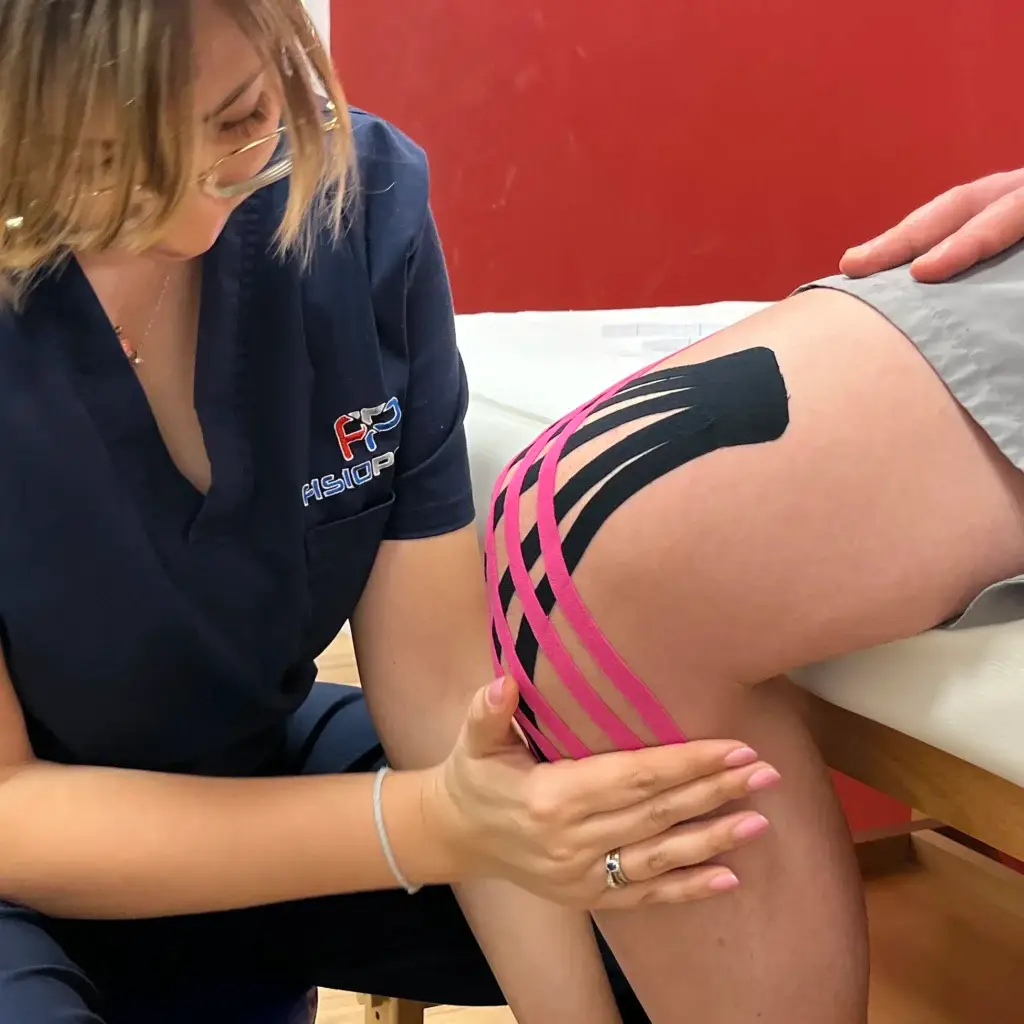
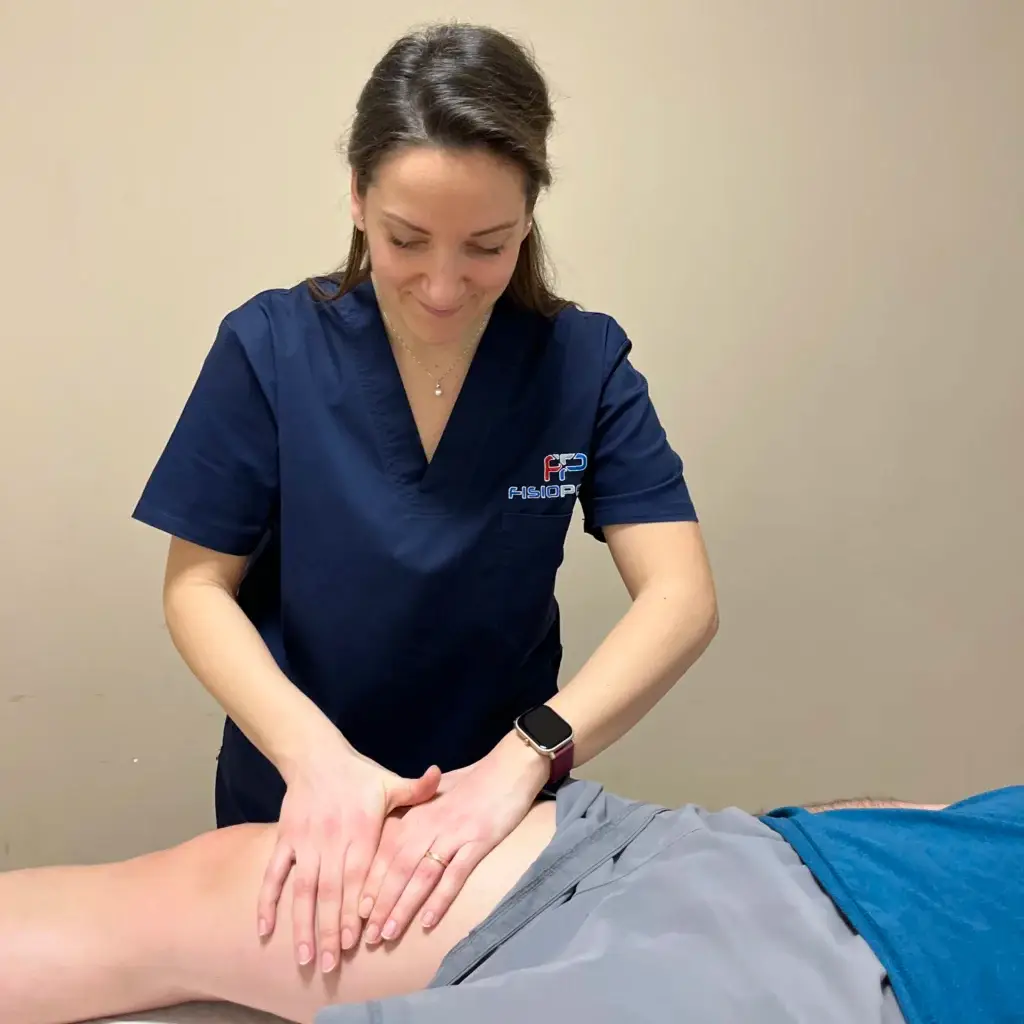
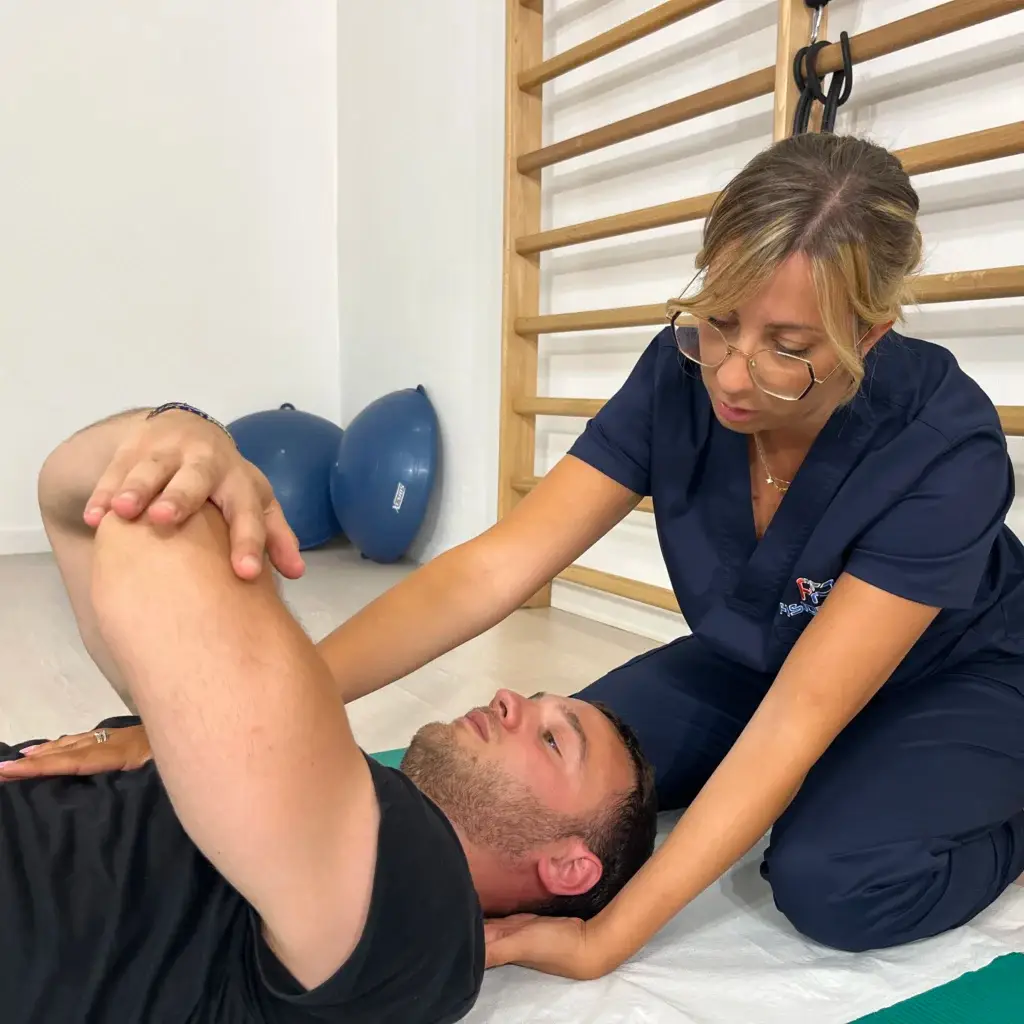
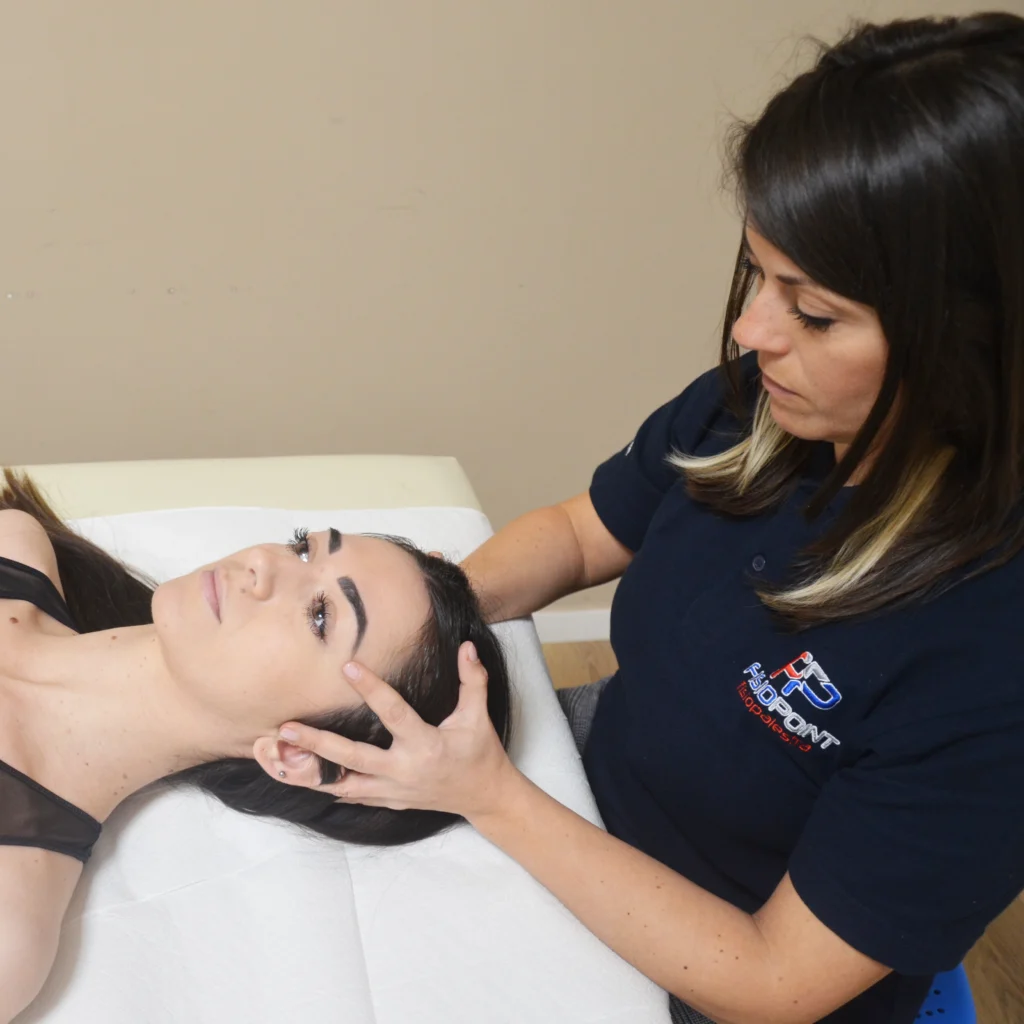
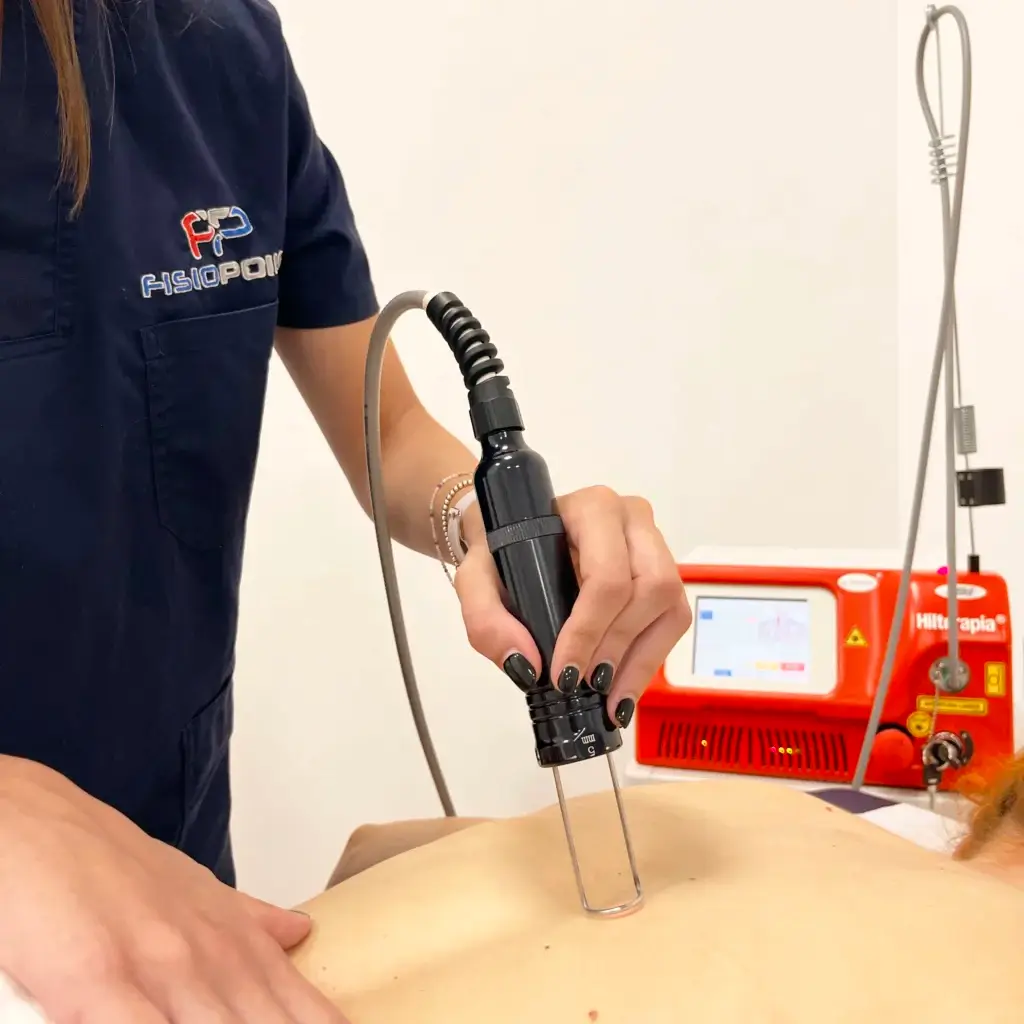
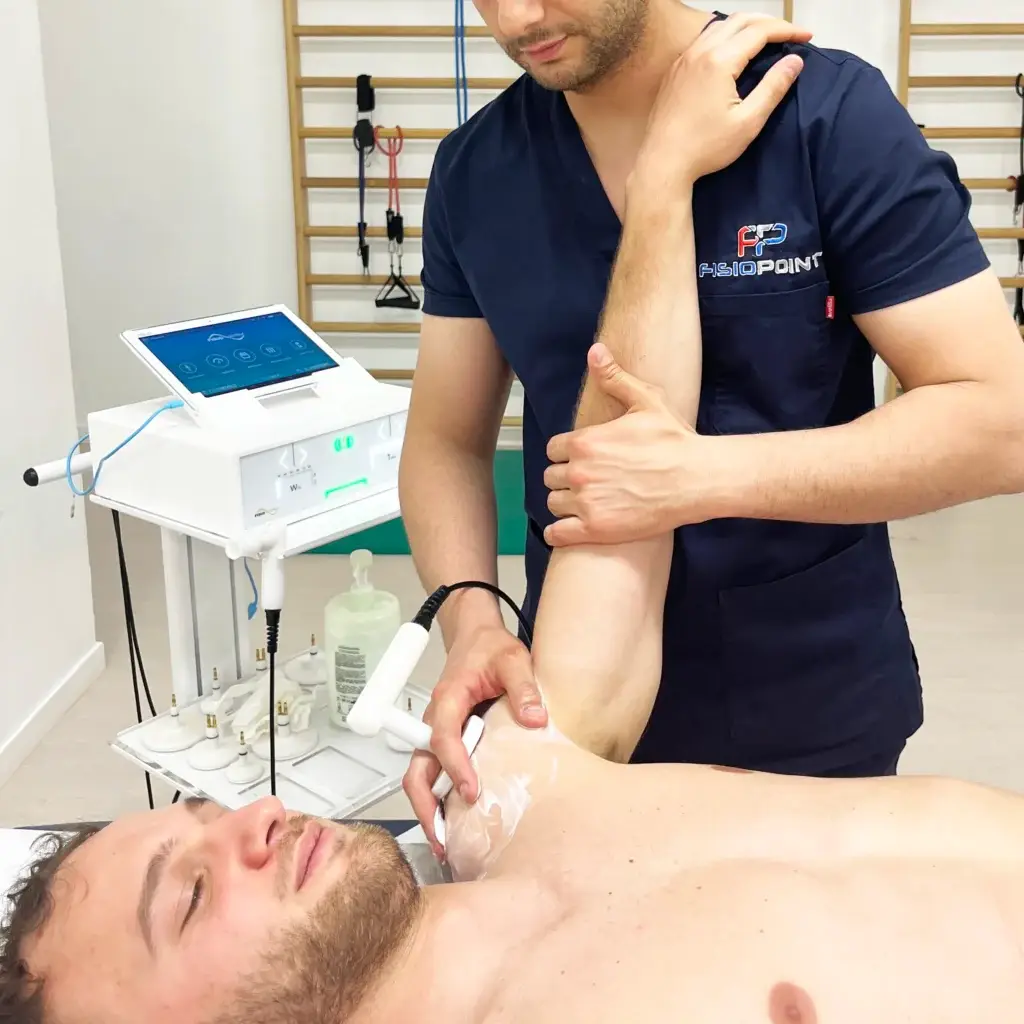
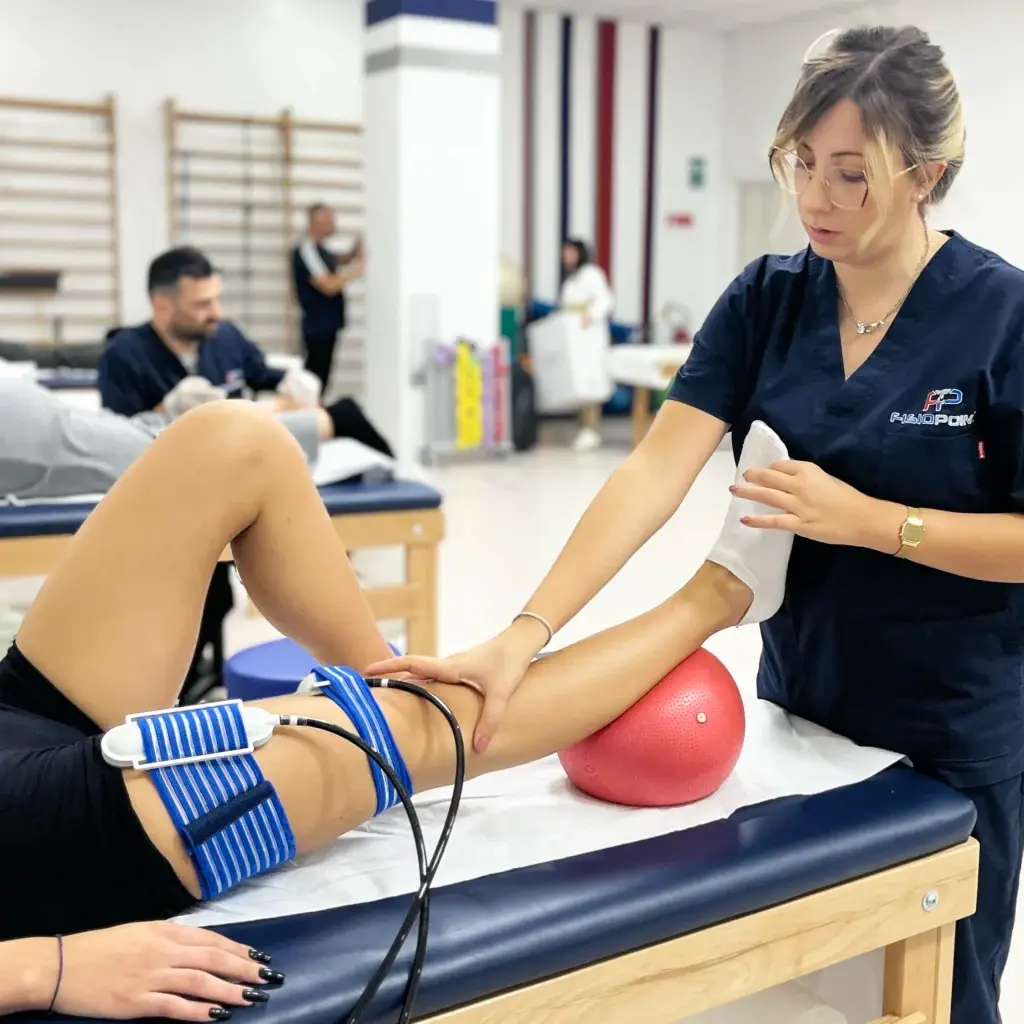
Within the recovery process, physiotherapy plays an important role and includes:
- massages
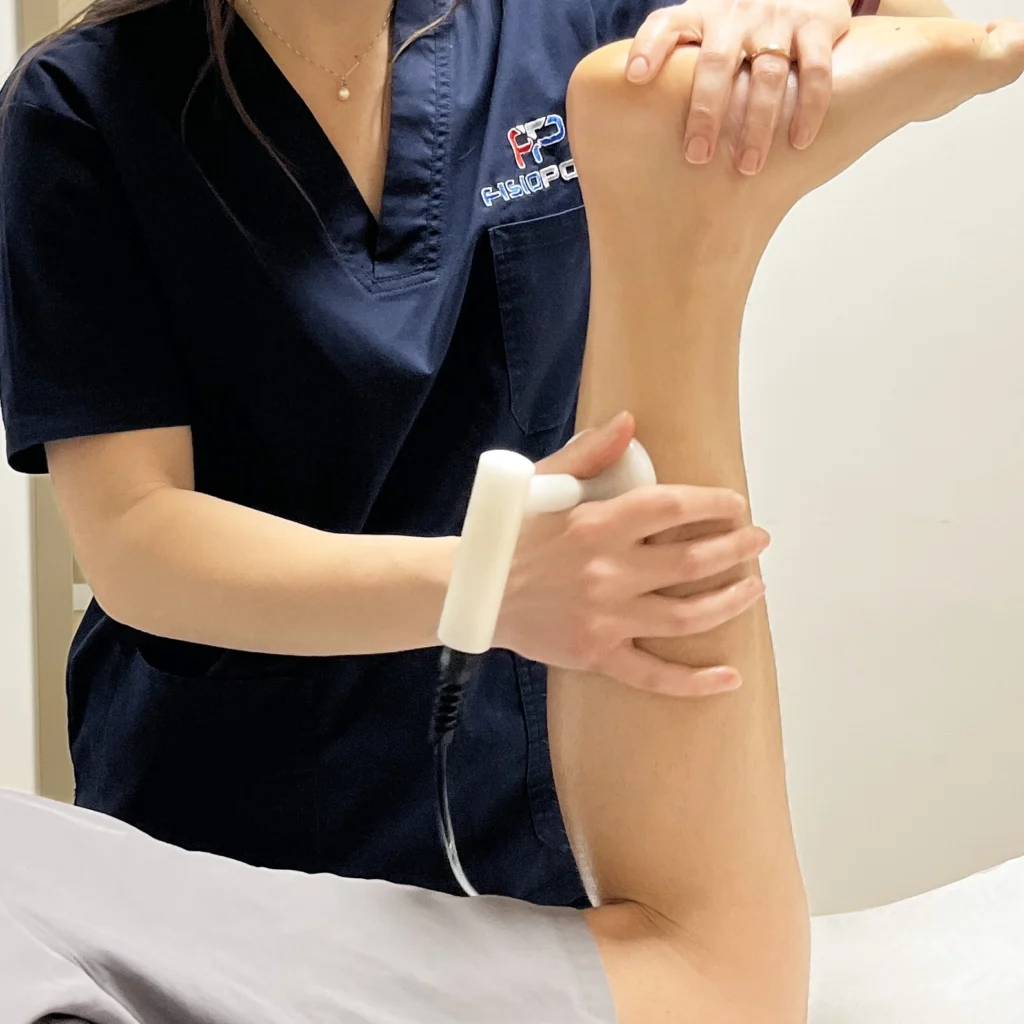
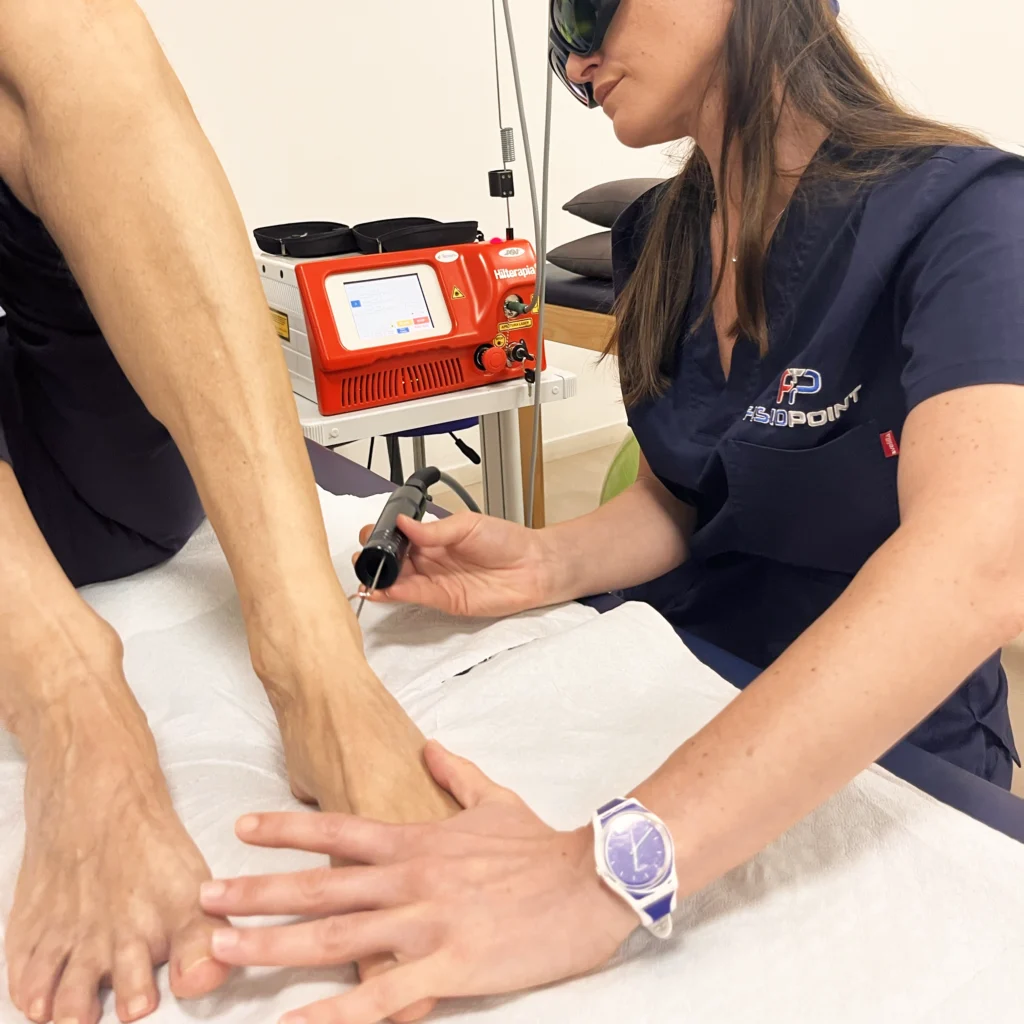
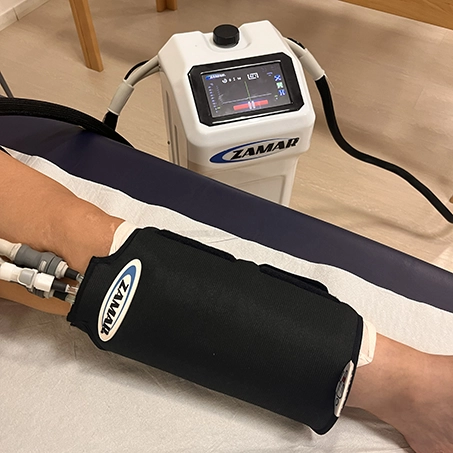
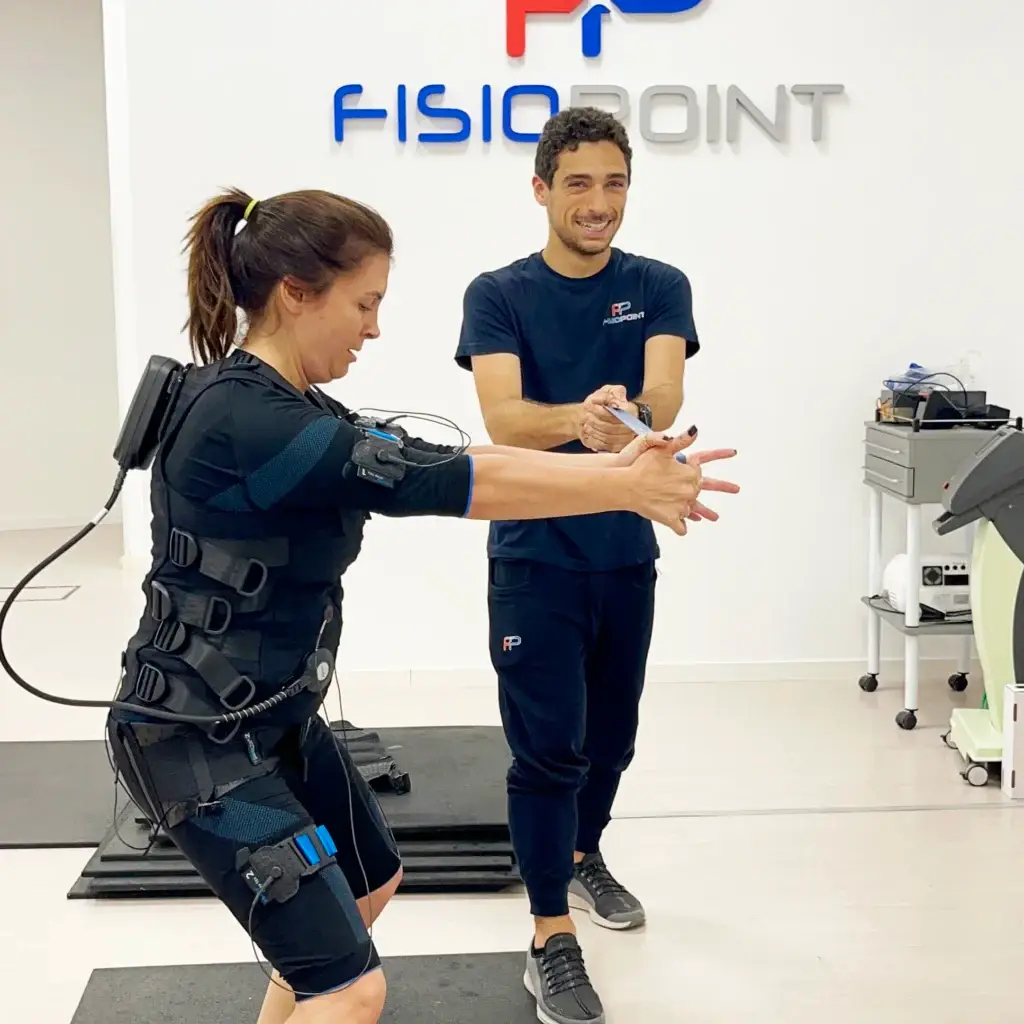
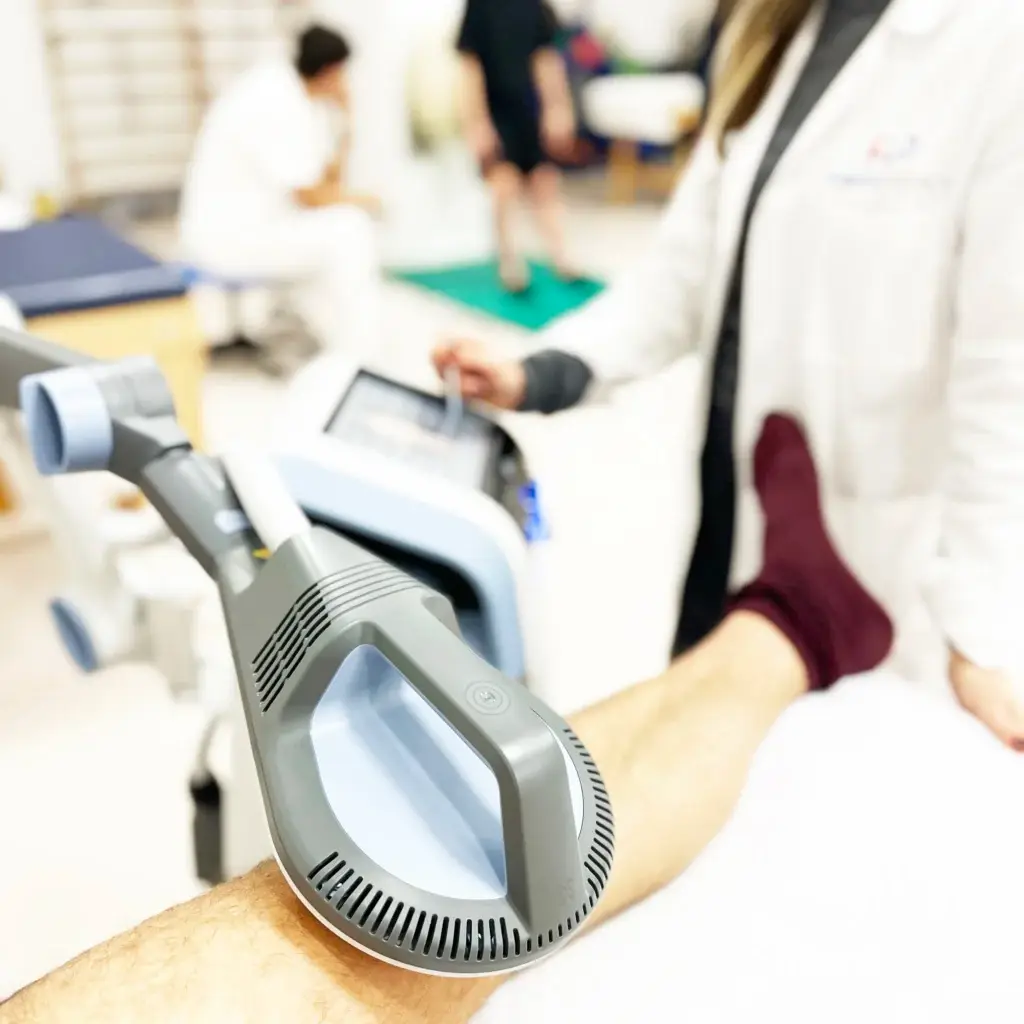
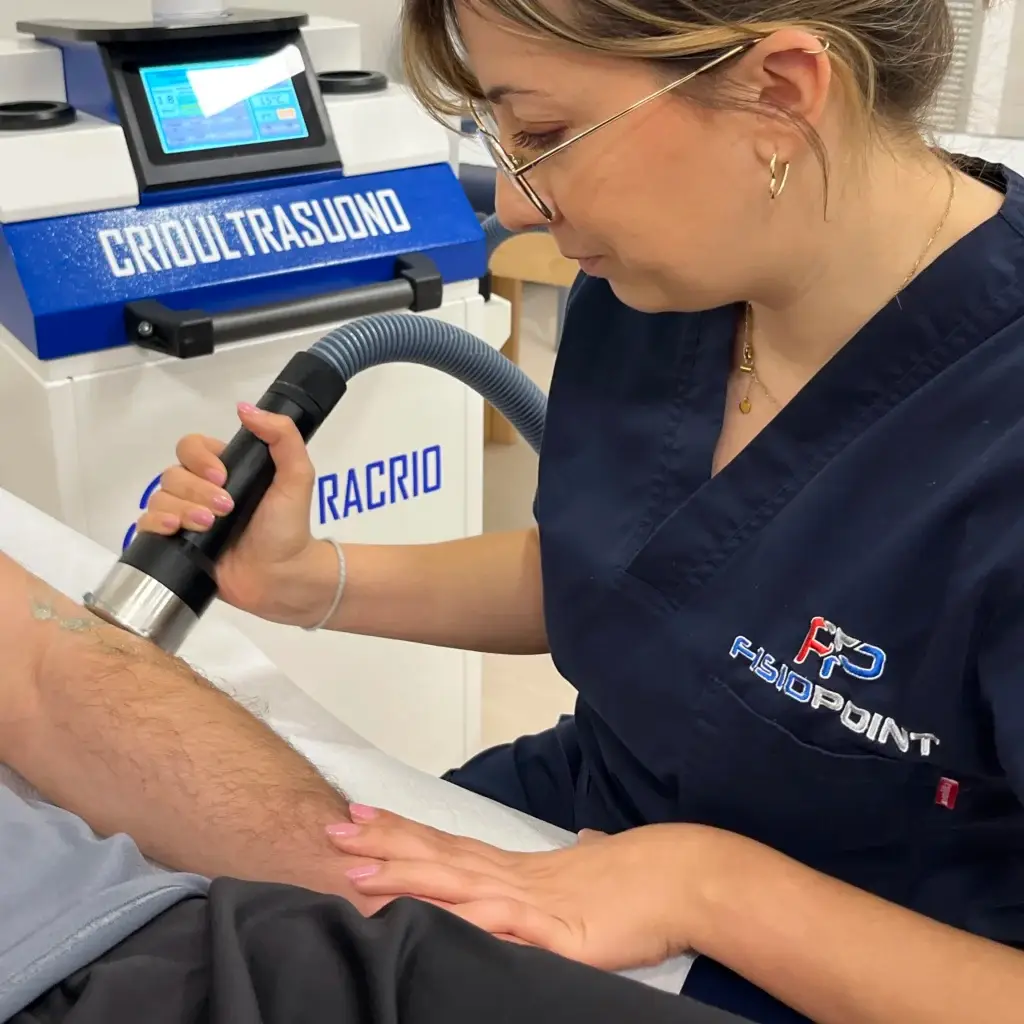
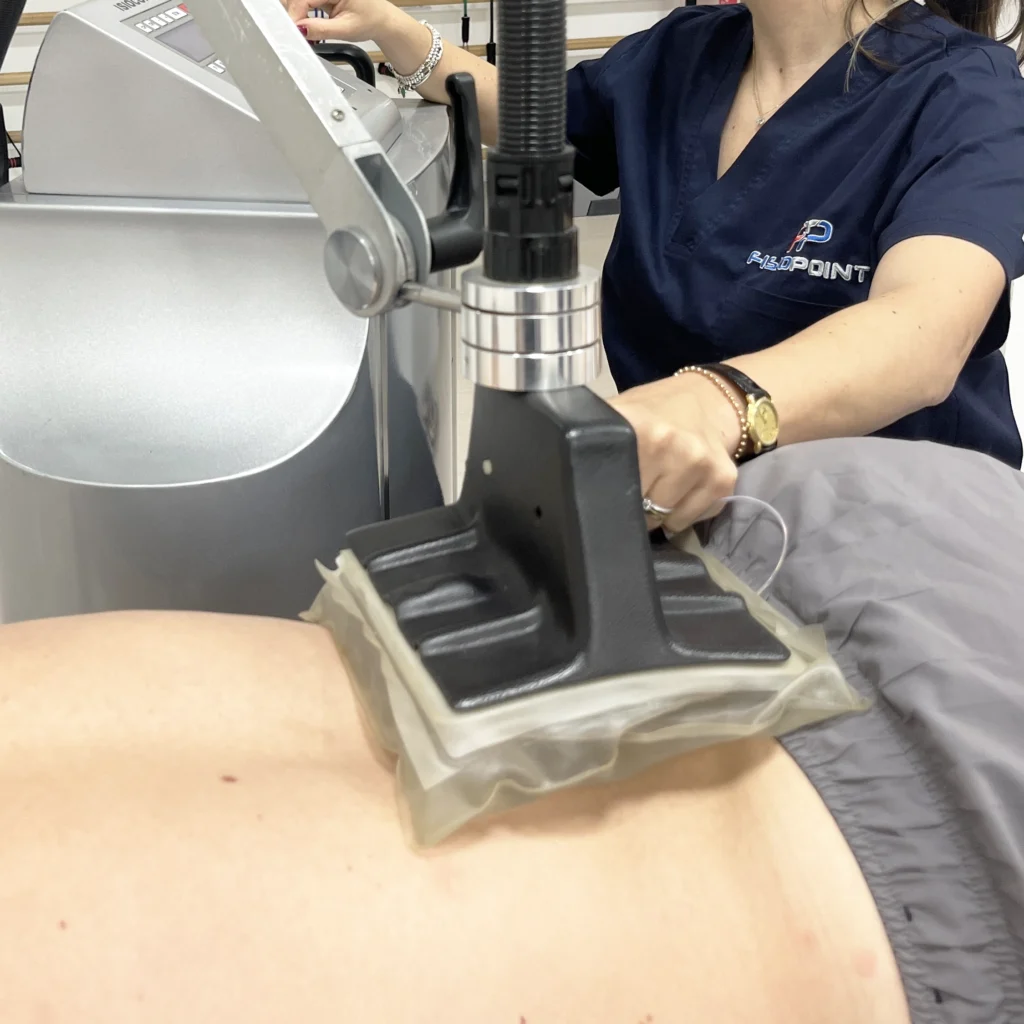
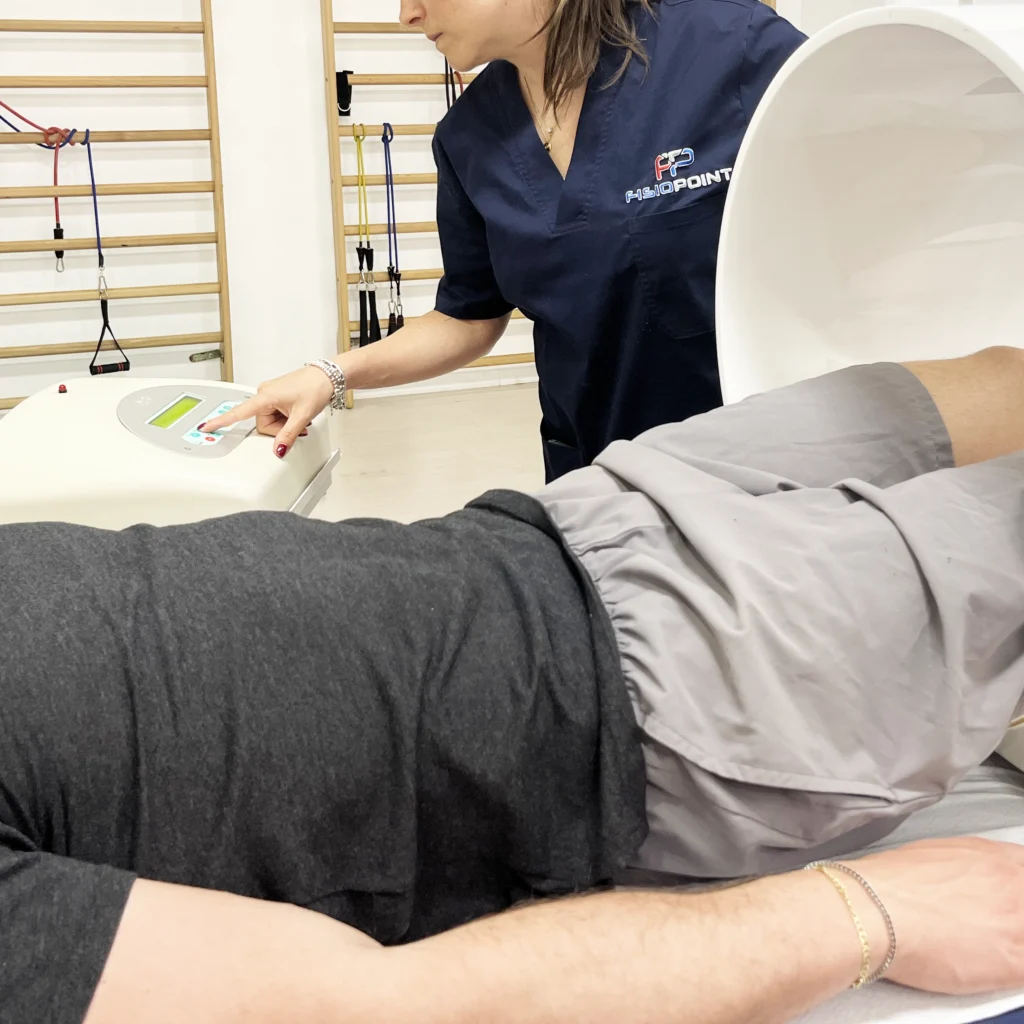
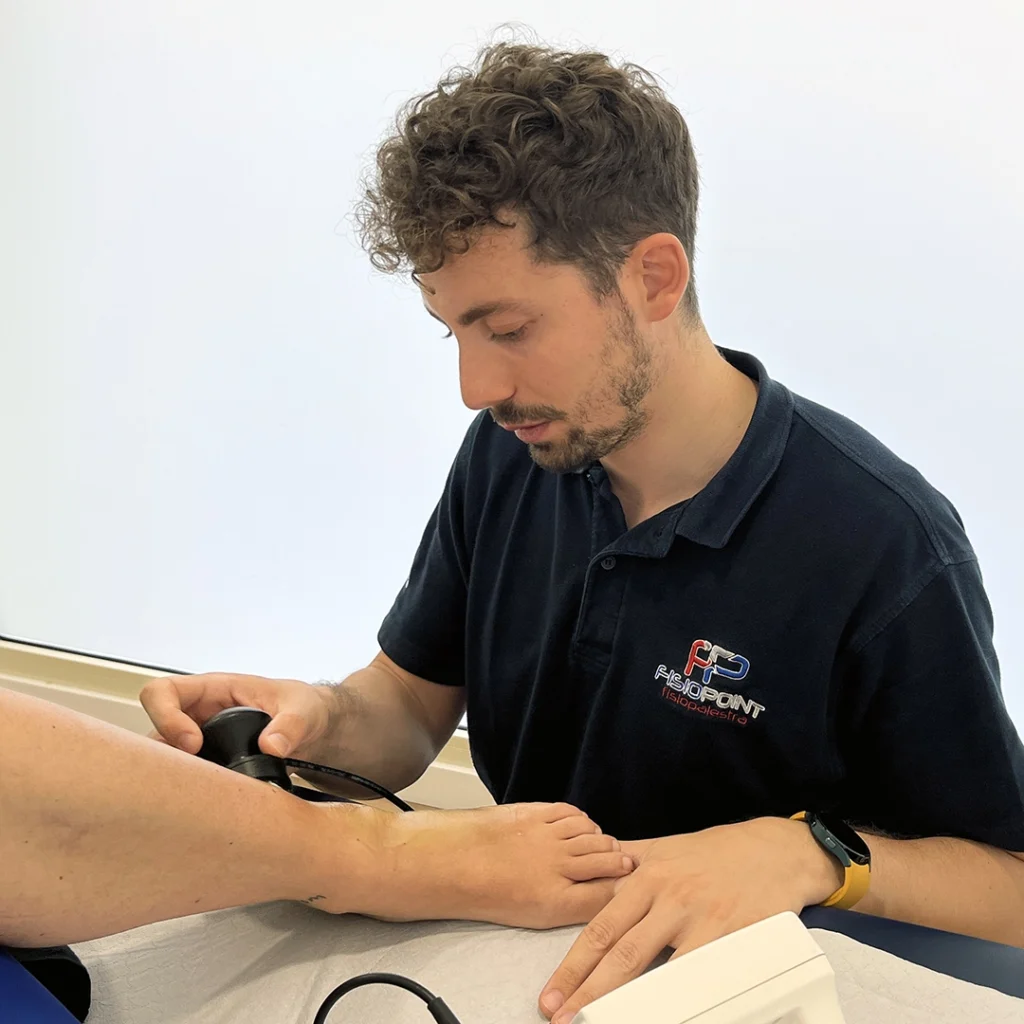
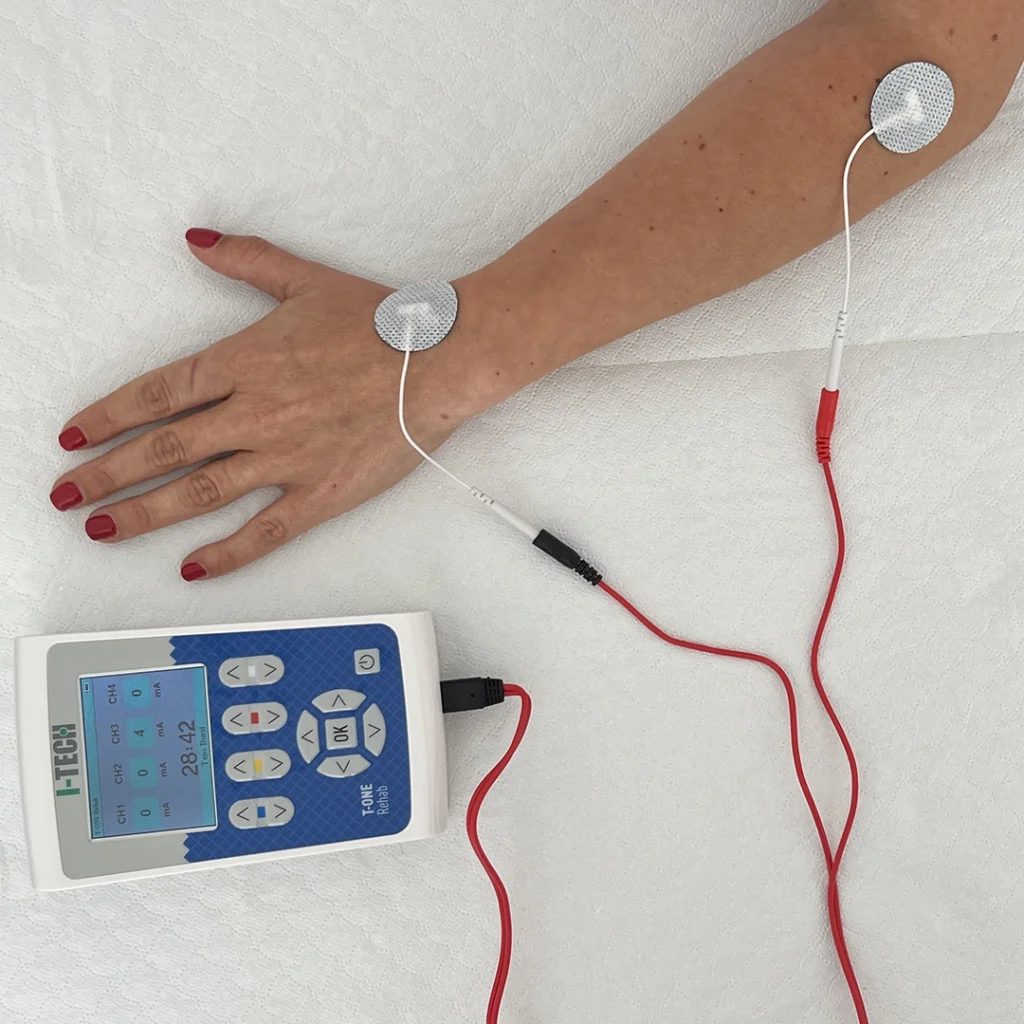
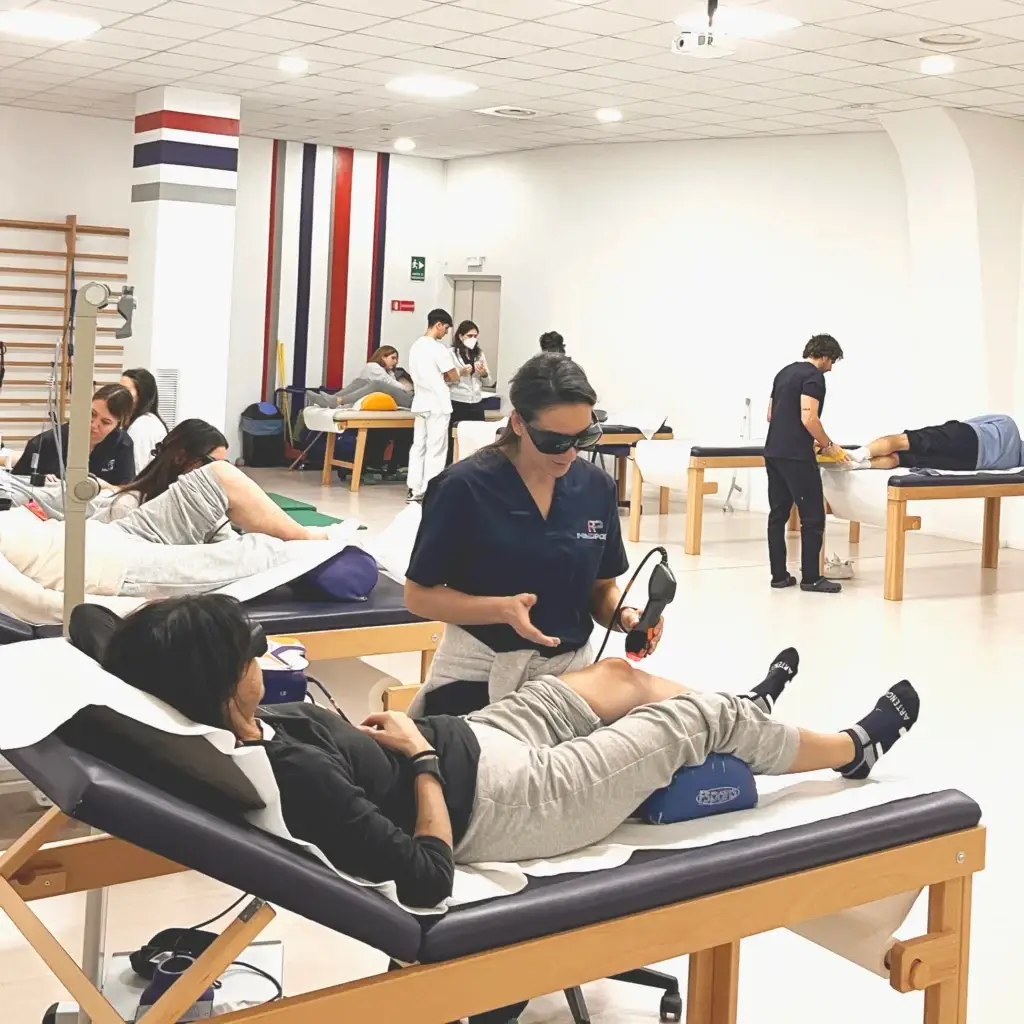
- specific therapies through the use of physical means, such as tecar, laser o cryoultrasound
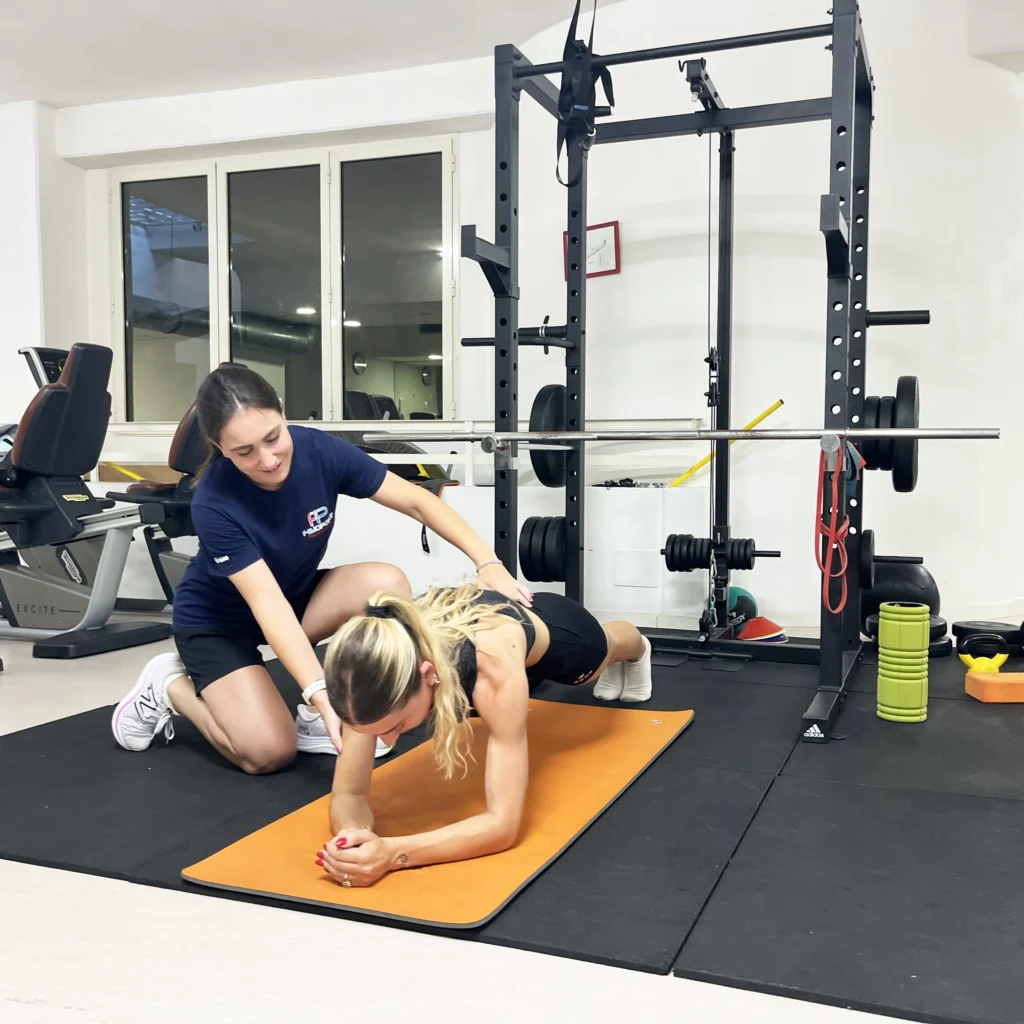
- targeted exercises, which accelerate healing and include strengthening the muscle in elasticity and strength, as well as preventing future complications.
Calf muscle injury: healing time
La localizzazione e la gravità della lesione muscolare, sulla base dei risultati dell’esame iniziale e dell’imaging, sono utili per stimare la durata della riabilitazione e il tempo di recupero del paziente, oltre all’approccio adottato durante la fase di guarigione da parte di ciascun individuo. I tempi di guarigione delle lesioni muscolari, da lievi a moderate, di solito sono di poche settimane, da 1 a 4. Lesioni di grave entità invece possono richiedere anche 9-12 mesi per guarire completamente.
I fattori che incidono sul recupero del soggetto sono:
- tendon tissue involvement
- proximity of the lesion to the bone structure
- increased length and area of the lesion
È importante una ripresa graduale dell’allenamento per evitare delle ricadute. Per quanto concerne la corsa, ad esempio, è necessario seguire un programma personalizzato, che tenga conto del livello di partenza e degli obiettivi da raggiungere.
Solitamente si segue un percorso di riatletizzazione che prevede corsette brevi e lente sul tapis roulant, alternate con delle pause di camminata.
Inoltre, è importante prestare attenzione alla scelta delle scarpe, che saranno diverse a seconda dello sport scelto, e alla tecnica di corsa, per evitare di sovraccaricare il polpaccio e di incorrere in nuovi traumi.
Text by Elisa Piccioni
Learn more by watching the videos on our channel YouTube



 English
 Italian