What is a scar
The scar is a tissue produced by the body, the result of repairing an interruption in the continuity of the skin. It is the end result of a healing process, in which specialised cells deposit fibrous tissue and new blood vessels are born. Unfortunately, the new tissue will not have the same qualities as the starting tissue. The visibility of scars is greater the more tissue is involved in the injury. Everyday wounds usually do not leave visible marks, unlike post-surgical wounds that are much more evident.
How scars form
The tissue repair process, especially in surgical wounds, is long and complex and can last up to 12/18 months. There are three phases:
- INFIAMMATION: in the first 48/72 hours after surgery/injury, the wound closes by itself through the formation of blood clots and the activation of growth factors for new tissue
- PROLIFERATIONin the following 3 to 6 weeks, the formation of connective tissue begins, which will close the wound
- GUARIGION e TRAINING complete with the new fabric, it takes up to 18 months.
What affects a scar
The quality of scars varies according to:
- Age of the subject: individuals between the ages of 10 and 30 are predisposed to overproduction of tissue, however, the older the individual, the longer the healing time will be
- Nature of injury: traumatic or surgical
- Localisation of the lesion: the tension in the surrounding tissues stimulates and conditions the cellular response
- Phototype: individuals with very fair or very dark skin will develop more visible scars
- Characteristics of the individual and health conditions: hormone balance, diabetes, metabolic dysfunction and others
What are the types of scars
The wound healing process can take place in a physiological manner with the formation of an inconspicuous scar or leave an obvious mark. Generally, scars are classified according to quantity of fabric produced in:
- Normal
- Hypertrophic
- Keloids
- Atrophic
Le normal scars are the result of a good tissue healing process, the scar is smooth on the skin surface and slightly lighter than the rest of the skin.
When more fibrous tissue is generated than necessary, the scar is defined as hypertrophic o keloid, although similar in appearance, the two types must be distinguished.
The keloid arises in predisposed individuals, may arise on small lesions or even spontaneously and always overflow from the borders of the lesion. It often causes pain or itching and a sensation of tension especially if on joint areas, symptoms and signs that are always absent in hypertrophic scars. It tends to reform when surgically removed with a larger size than before.
Le hypertrophic scars are the result of an overproduction of fibrous tissue, often due to characteristics of the individual or excessive tension around the wound. The scar is raised above the skin, thickened, red and inside the wound margins. These can be produced by any individual, although they are more common in young individuals in their 20s and 30s who have more active collagen production.
Le atrophic scars o dystrophic are the result of poor tissue repair. Repair is deficient and sometimes even wound healing does not take place. Very often these conditions are the result of a local or generalised pathological situation in the body, such as circulatory disorders, diabetes, infections and more. Atrophic scars then show depressed in relation to the skin level, with a depression due to the lack of scar tissue.
What problems can scars cause
The consequences of scars are manifold and on different levels. We can say that scars, due to a series of physiological reactions, limit the sliding of deeper tissues causing adhesions between them. This condition is different from that present in the rest of the body where the tissues are free to slide over each other allowing movement on all planes.
Furthermore, scars leave a memory of the pain experienced, so our brain will try to escape from this by establishing various compensations, including postural ones. These compensations, in the long run, can be made our own, even when the real cause no longer exists and over time our body gets used to something that is not physiological and functional. The result of this mechanism will be pain, localised or generalised.
What treatments exist for scars
Therefore, scar treatment is a fundamental condition for total recovery and return to an optimal quality of life. We all have at least one scar, but the importance of its quality is often underestimated: scar tissue, its tension on the other layers, can affect posture, articulateness, mobility, and cause localised or diffuse pain even after some time.
Treatments can be:
- Non-conservativesurgical, pharmacological, in the most severe cases
- Conservative: physiotherapy
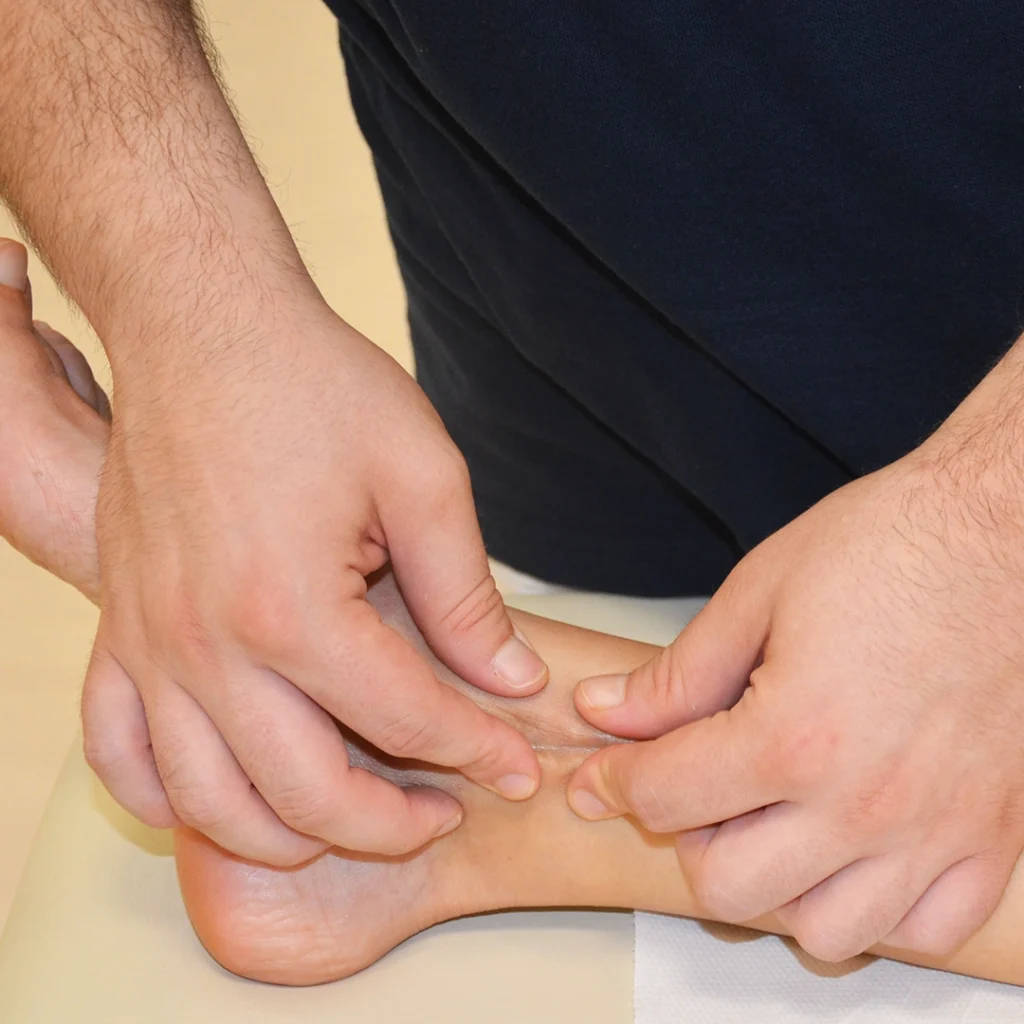
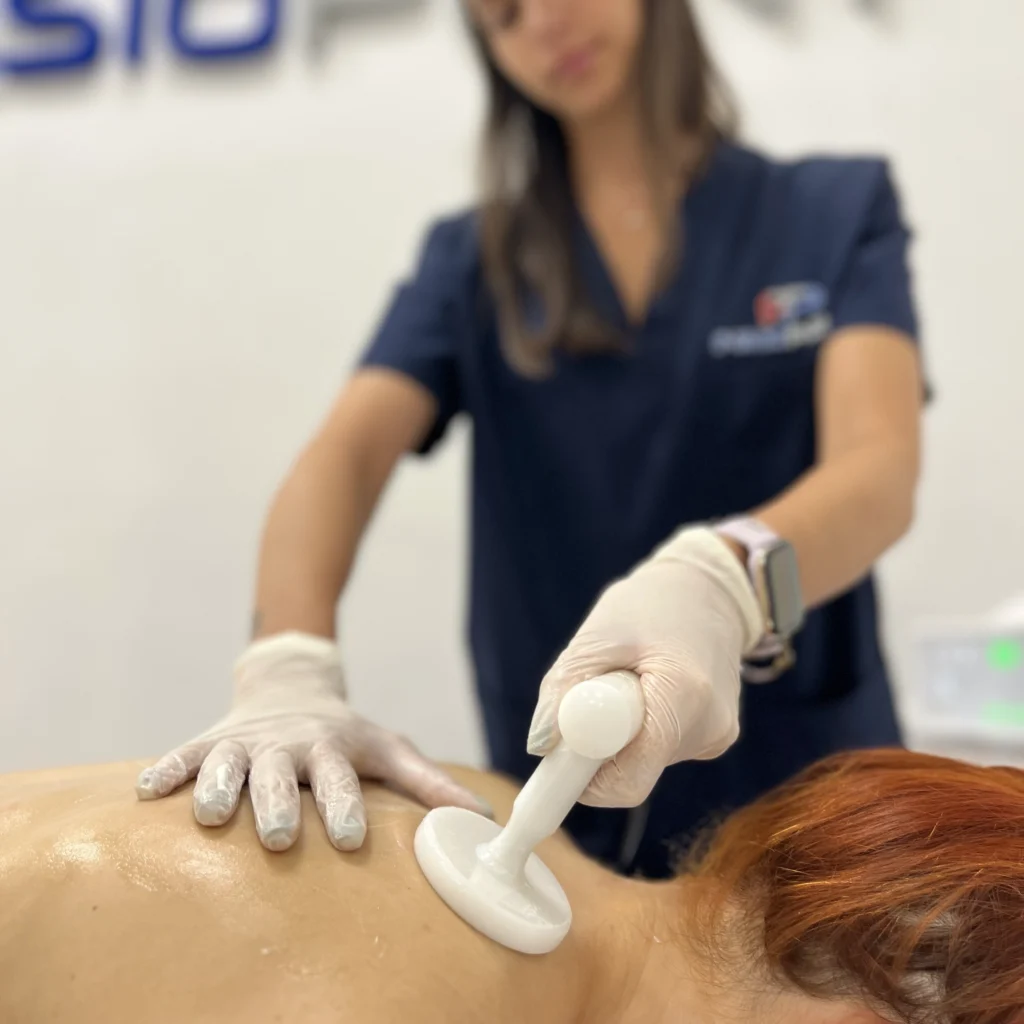
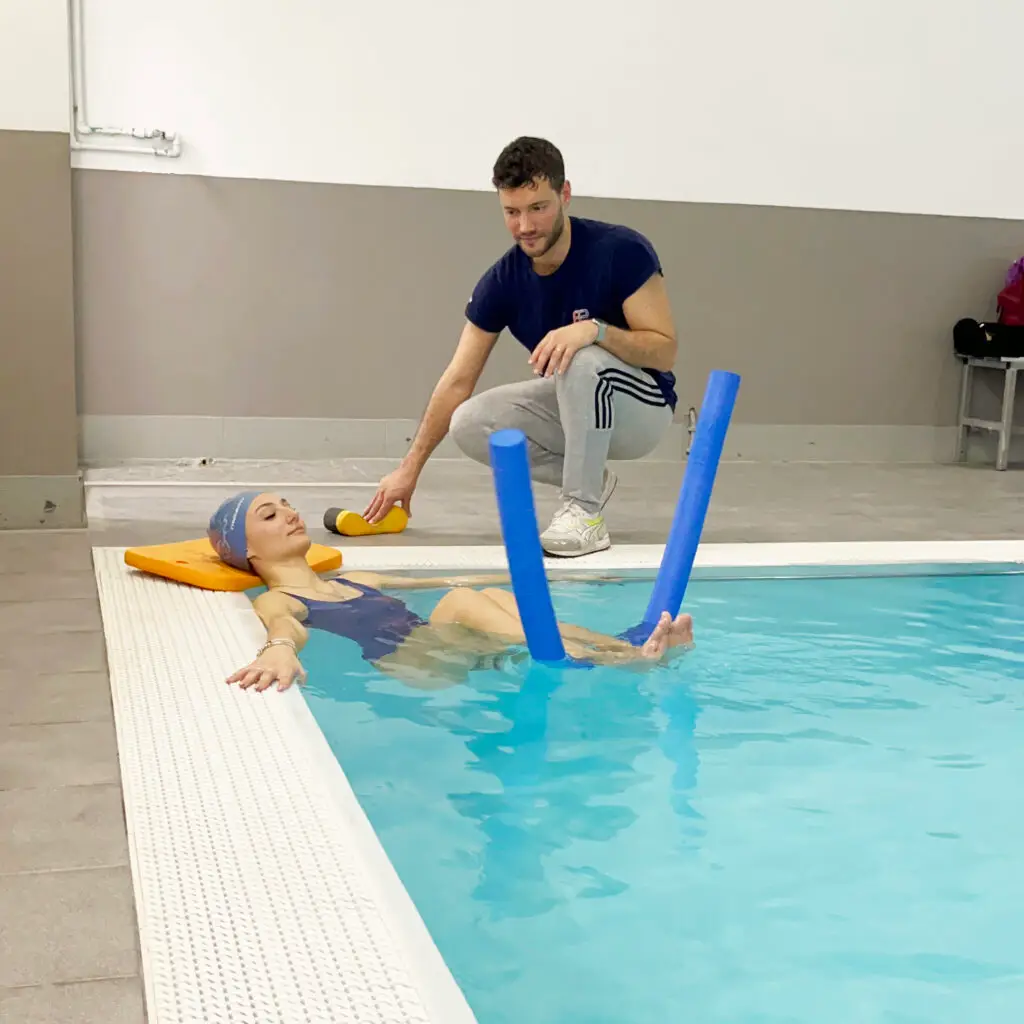
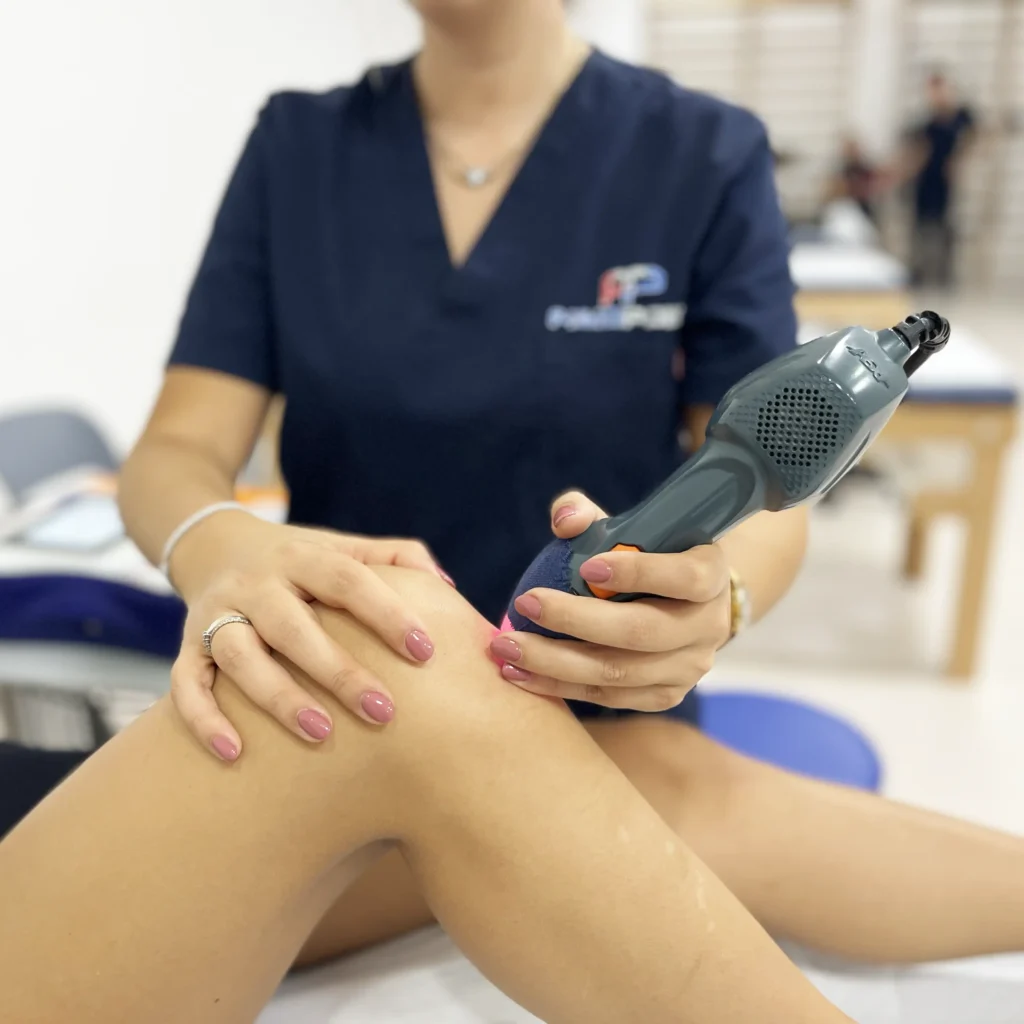
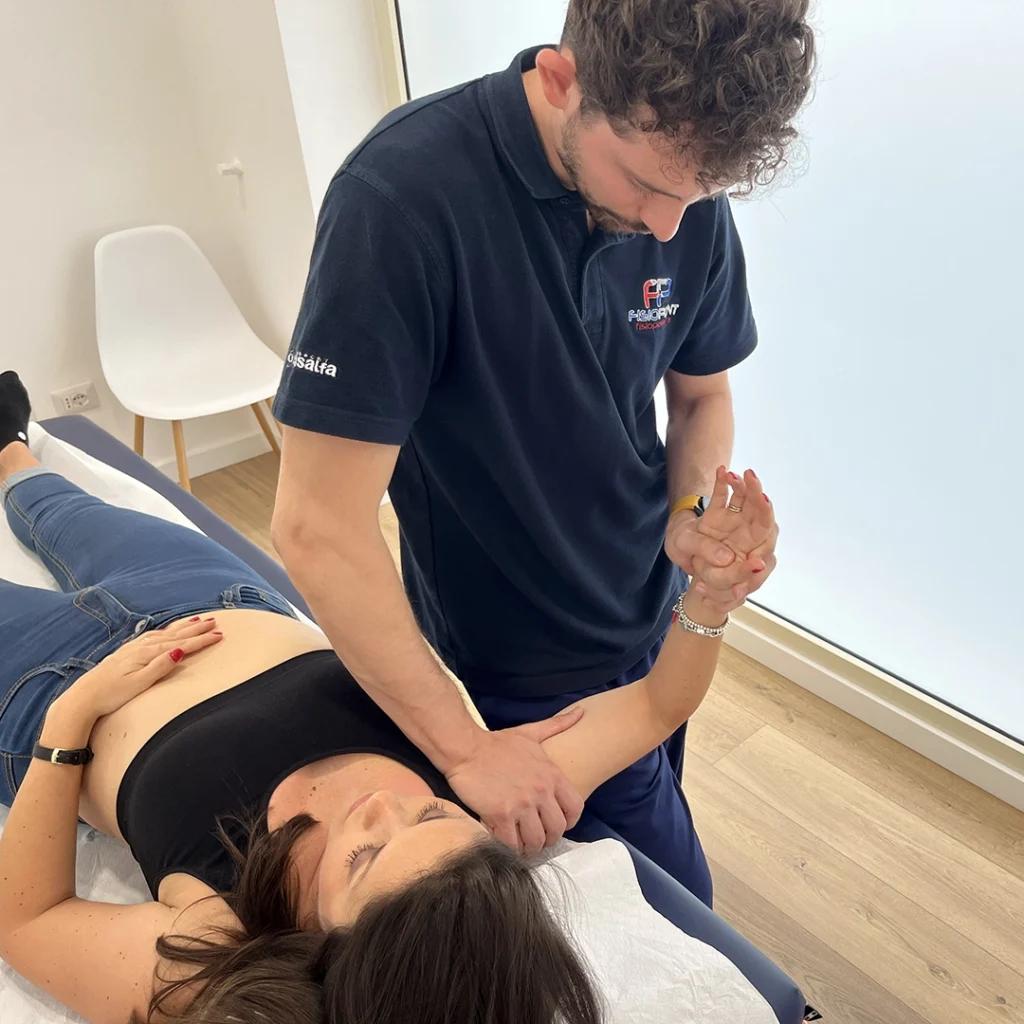
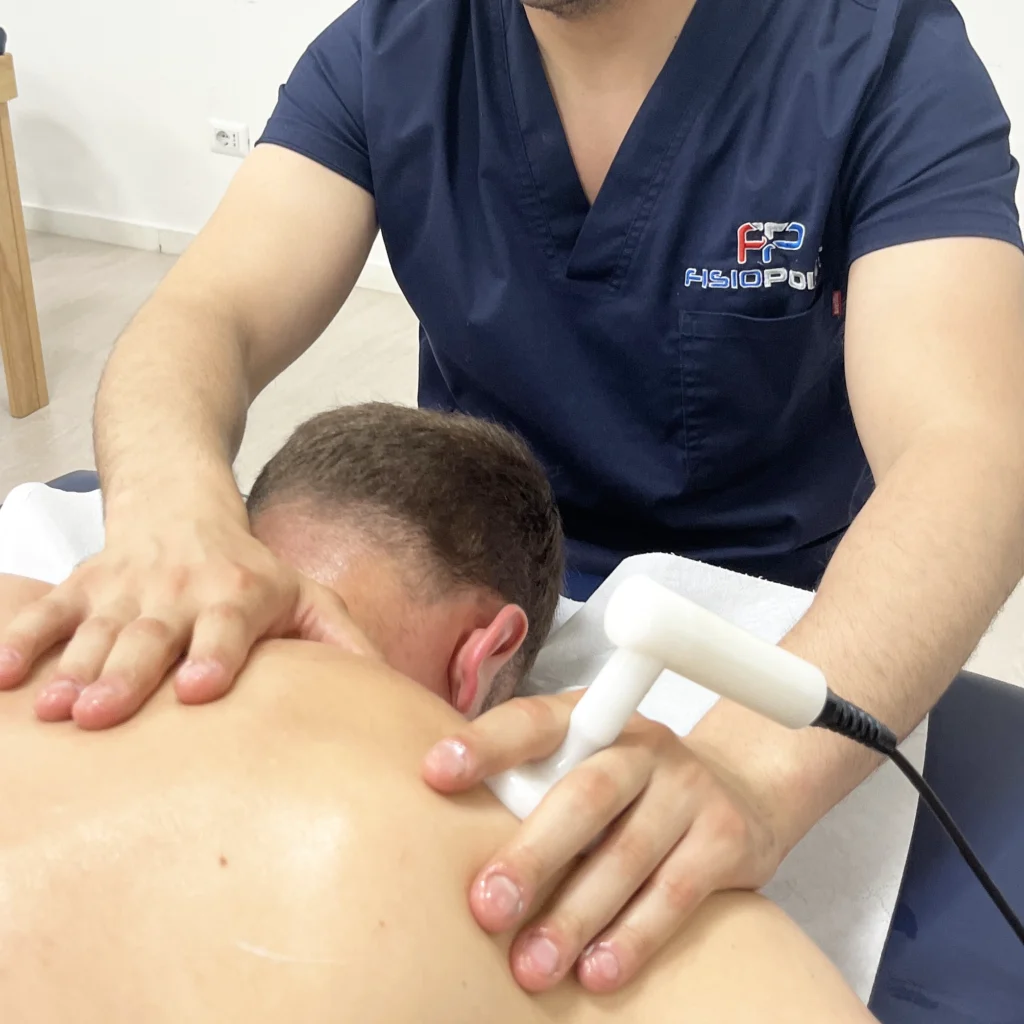
La physiotherapy aims to decrease adhesions between tissues, through manual or instrumental therapies, the most common of which are:
The treatment, carried out by expert hands, undoubtedly has numerous POSITIVE EFFECTS:
- Improved skin elasticity
- Decrease in adhesions
- Improving the quality of the scar and its aesthetic appearance
- Improving the functionality of the area
- Pain reduction and prevention
Therefore, the physiotherapist and physiotherapy are crucial to recovery and can do much to avoid and prevent unpleasant complications as well as improve the appearance of your scar.
Learn more by watching the videos on our channel YouTube
Text by Elisa Piccioni

 English
 Italian