Complex regional pain syndrome, also referred to as 'algodystrophy', is a rare condition that disrupts the normal clinical course after trauma or nerve injury and typically affects the extremities. It is a loco-regional, multi-symptomatic and multi-systemic disorder. The mode of onset of
pathology are still unclear, diagnosis and treatment can be difficult to delineate, and the associated pain and disability lead to psychological complications that create a vicious cycle of pain, isolation and depression.
What is algodystrophy?
Specifically, it is a chronic neurological condition that can result from a
event traumaticor of a
immobilisation prolonged, a heart attack or a neoplasm.
Who does he hit?
This condition has a prevalence in the general population of between 5-26 people per 100,000 per year and is more prevalent in the female sex.
What are the symptoms of algodystrophy?
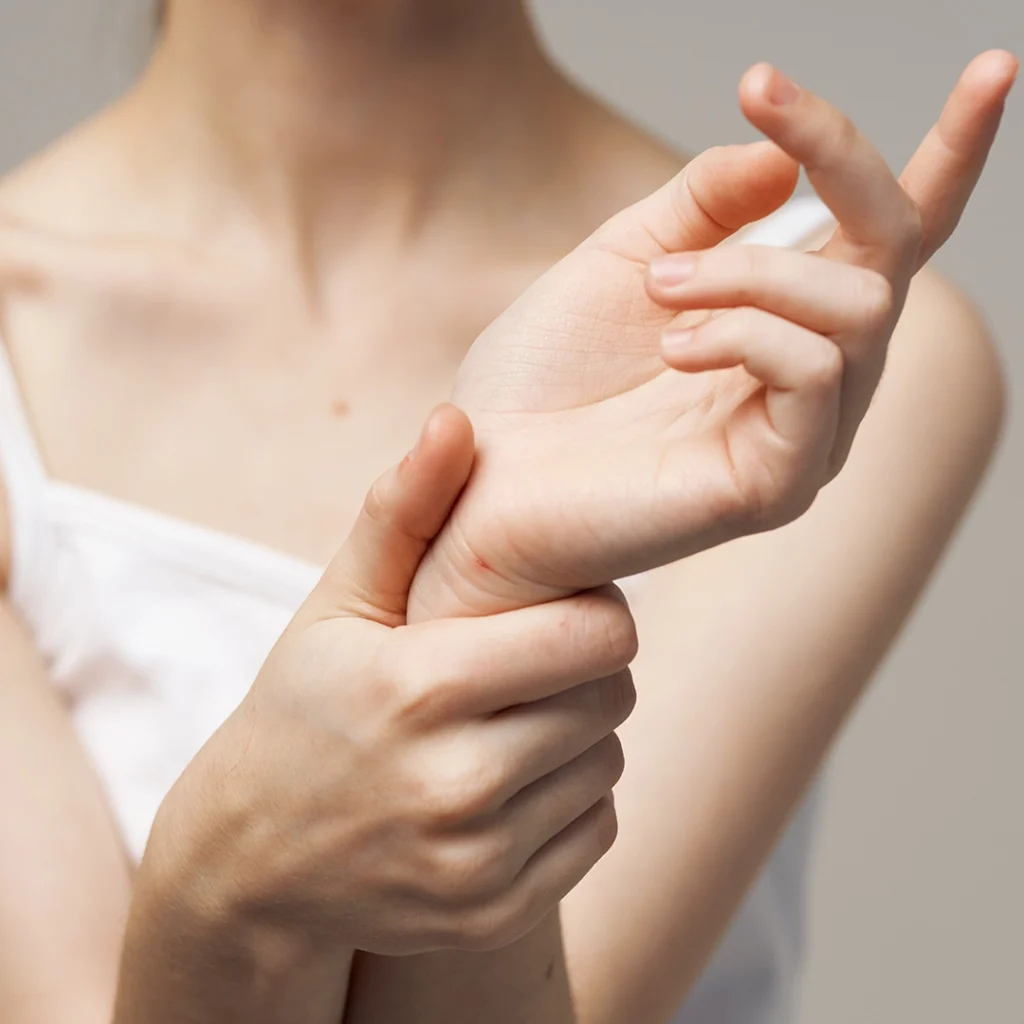
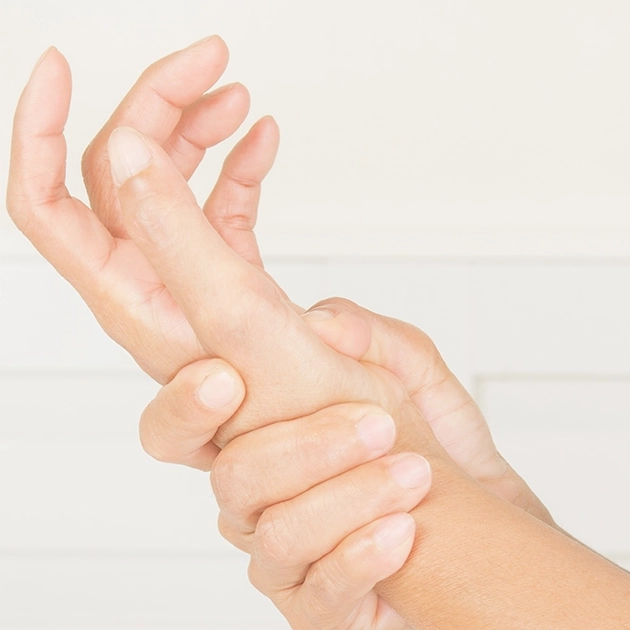
Algodystrophy is manifested by an intense alteration in temperature and sensitivity of the affected extremity. Patients with complex regional pain syndrome present with a constellation of symptoms that include:
- Abnormality of sensitivity (allodynia, hyperalgesia)
- Motor dysfunctions
- Edema
- Particularly hot or very cold skin
- Inability to perform activities of daily living
- Rigidity
- Skin alterations
- Osteoporosis spotted.
How does this pathology start?
The onset is truly enigmatic.
The cardinal symptom is initially a strong, burning, intense
pain, disproportionate to the triggering event. This
pain begins at the site of the trauma and spreads regionally without a specific distribution. There is an increase in skin temperature, severe erythema may occur and associated muscle weakness begins as the condition progresses. The temperature may drop to such an extent that the patient is particularly sensitive to thermal stimuli.
How to frame complex regional pain syndrome?
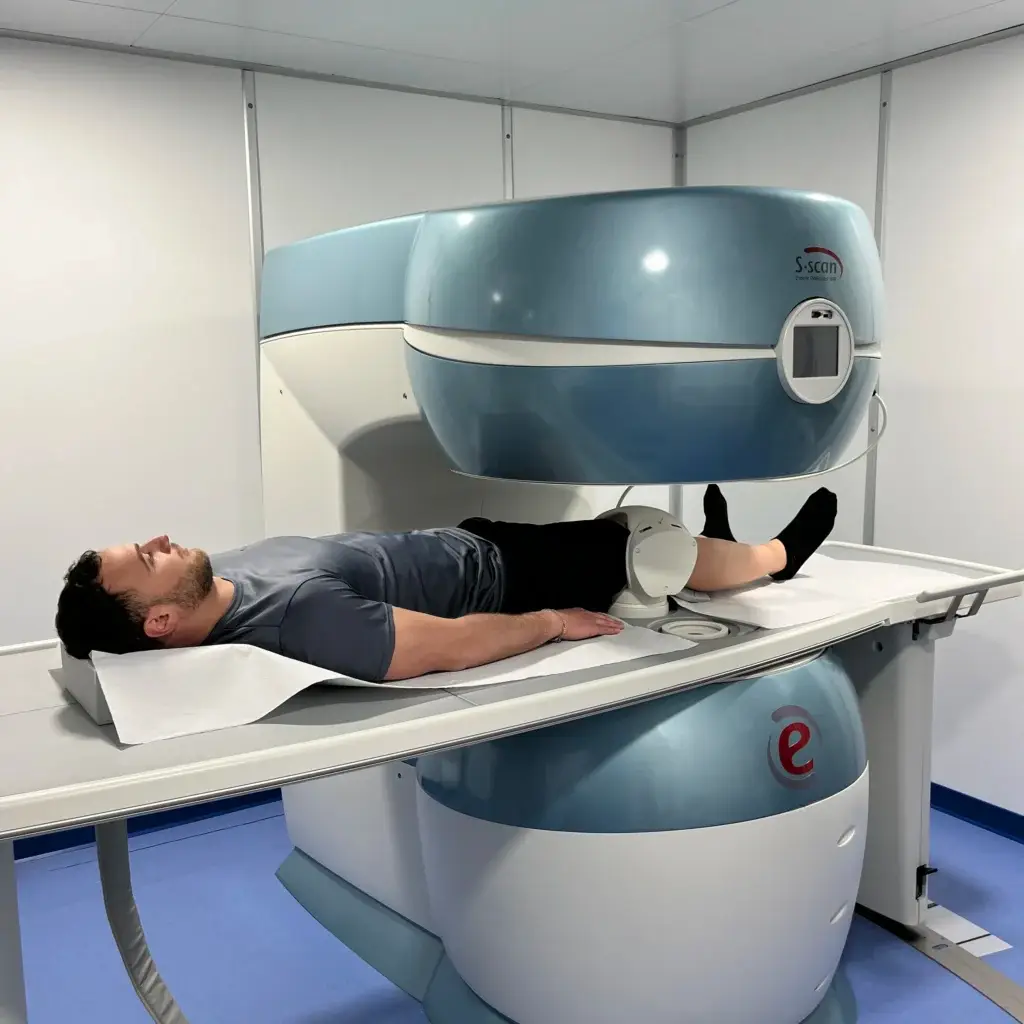
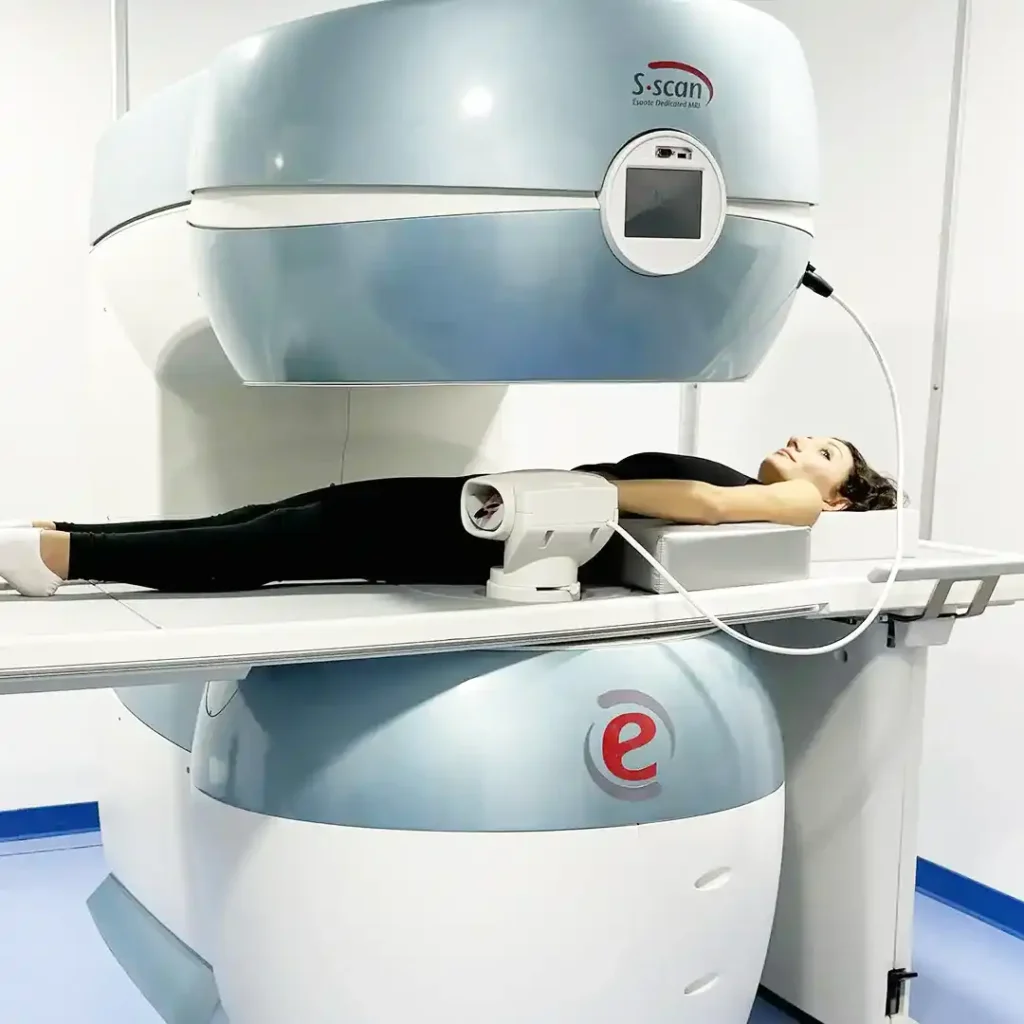
Diagnosis and treatment is a challenge for all practitioners. It is difficult to diagnose because there are no specific tests that can be performed to detect this condition. This is why it is always important to consult a
specialist to frame the pathology and best define the course of action to manage the symptoms and intervene immediately with an appropriate treatment.
What are the guidelines for treatment?
The challenge is to choose an appropriate and customised treatment for the patient with algodystrophy.
Complex regional pain syndrome has a high emotional cost for patients suffering from it. Because of the pain, the patient tends to avoid moving the affected limb and generates a pause associated with movement and pain. Indeed, persistent and severe pain can lead to significant emotional stress, which is why supportive psychological therapy can also help manage the
pain.
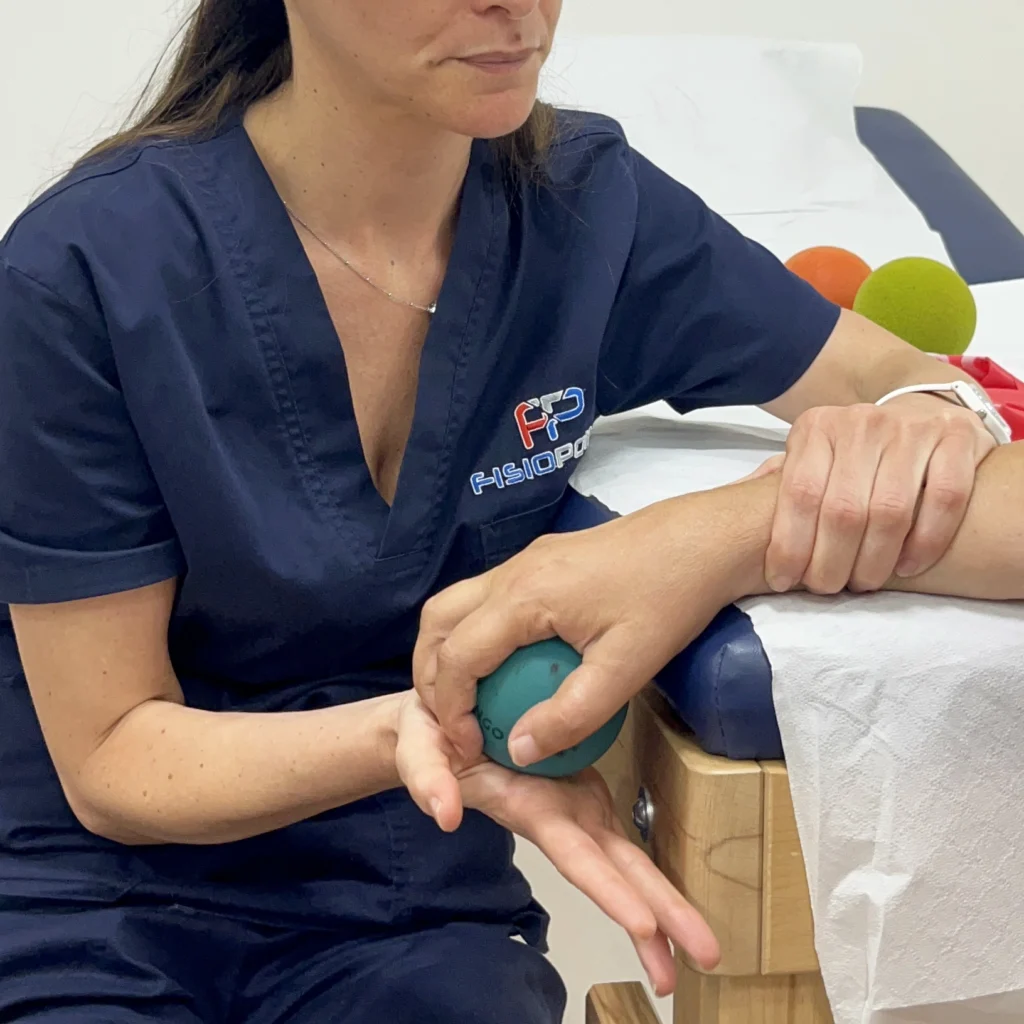
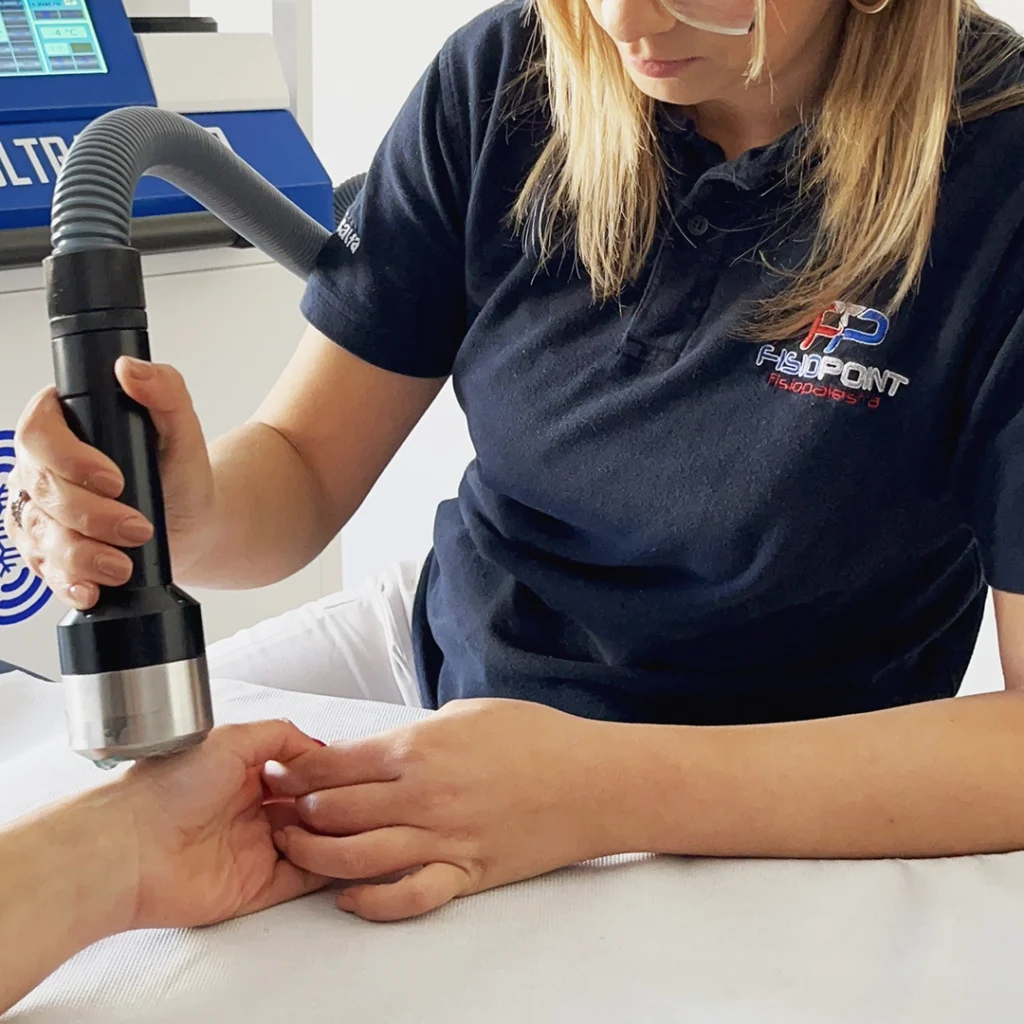
Treatment is mostly symptom-dependent, guided mainly by the clinical experience of the medical specialist and therapist. A multidisciplinary approach is preferred with the combination of
physical therapiespsychological, neuropathic and anti-inflammatory.
Since patients with complex regional pain syndrome tend to use the affected limb less, the main goal of treatment is to increase function and range of motion to reduce pain and increase mobility.
The
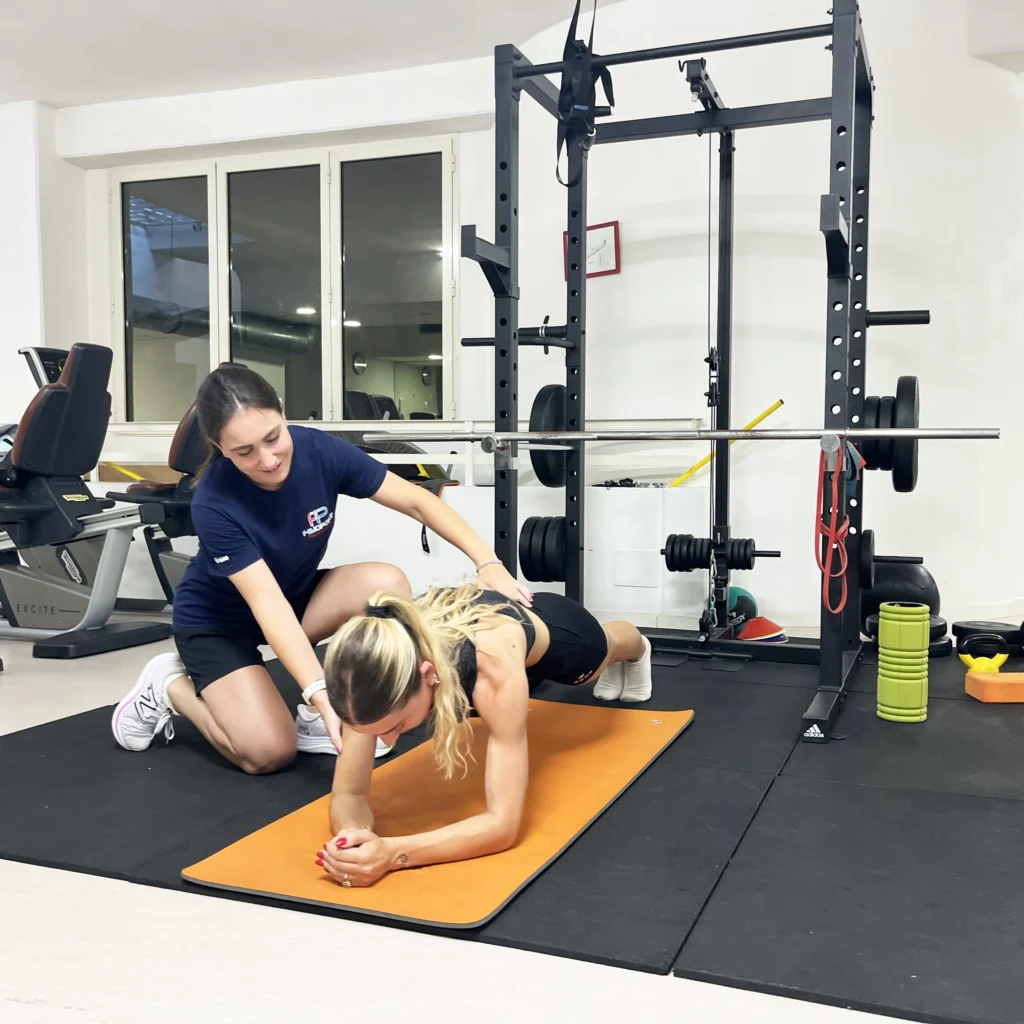
physiotherapy should be started as soon as possible after the onset of symptoms as a delay is associated with less effective timing with extremely disabling consequences in the medium and long term.
Literature and clinical practice support the use of 'mirror therapy' and Graded Motor Imagery for the treatment of this syndrome.
Graded motor imagery
Graded motor imagery represents a step-by-step approach for pain management and rehabilitation to the use of muscles. By using the ability to imagine a part of one's body or imagine doing a certain action, we tap areas of the brain that are used during the actual movement. In this way we train the brain to create a motor pattern before the actual movement.
Mirror therapy, or mirror therapy, consists of using the reflection of the healthy hand/limb during a movement in the mirror thus having the illusion of moving the other hand/limb. In this way, an imaginary movement of both extremities is created, again there is a mental simulation of the movement during which a motor pattern preparation and programming circuit is used.
Conclusions of algodystrophy
In conclusion, the key elements of the treatment are:
- A correct diagnostic framework
- Patient information and behavioural education
- Appropriate pharmacological treatment
- Rehabilitation.
All the elements listed are of equal importance in the patient's journey. An integrated multidisciplinary approach is essential to achieve the best outcome. The team can help the patient to set goals that are realistic with respect to the stage of the disease, support them with early and appropriate treatment, and aim for the greatest possible recovery.
Text by Chiara Gallo
Learn more by watching the videos on our channel YouTube


 English
 Italian