ll diaframma- Fisio Point- Fisioterapia a Roma

The diaphragm: everything you need to know

Fisio Point Centri di fisioterapia a Roma, poliambulatorio, diagnostica, risonanza magnetica a Roma e Grottaferrata, diaframma, posturale, ernia del disco, mal di schiena

Why is the diaphragm so important?

Il diaframma permette la nostra respirazione e senza di esso non si potrebbe effettuare l’atto respiratorio. Oltre a questo, il diaframma è un elemento fondamentale all’interno di altre funzioni corporee come:

  • Cough
  • Childbirth
  • Vomiting
  • Defecation
  • Vocal intonation

Ne risulta, quindi, come esso sia fondamentale nell’azione complementare di molti altri organi oltre ai polmoni.

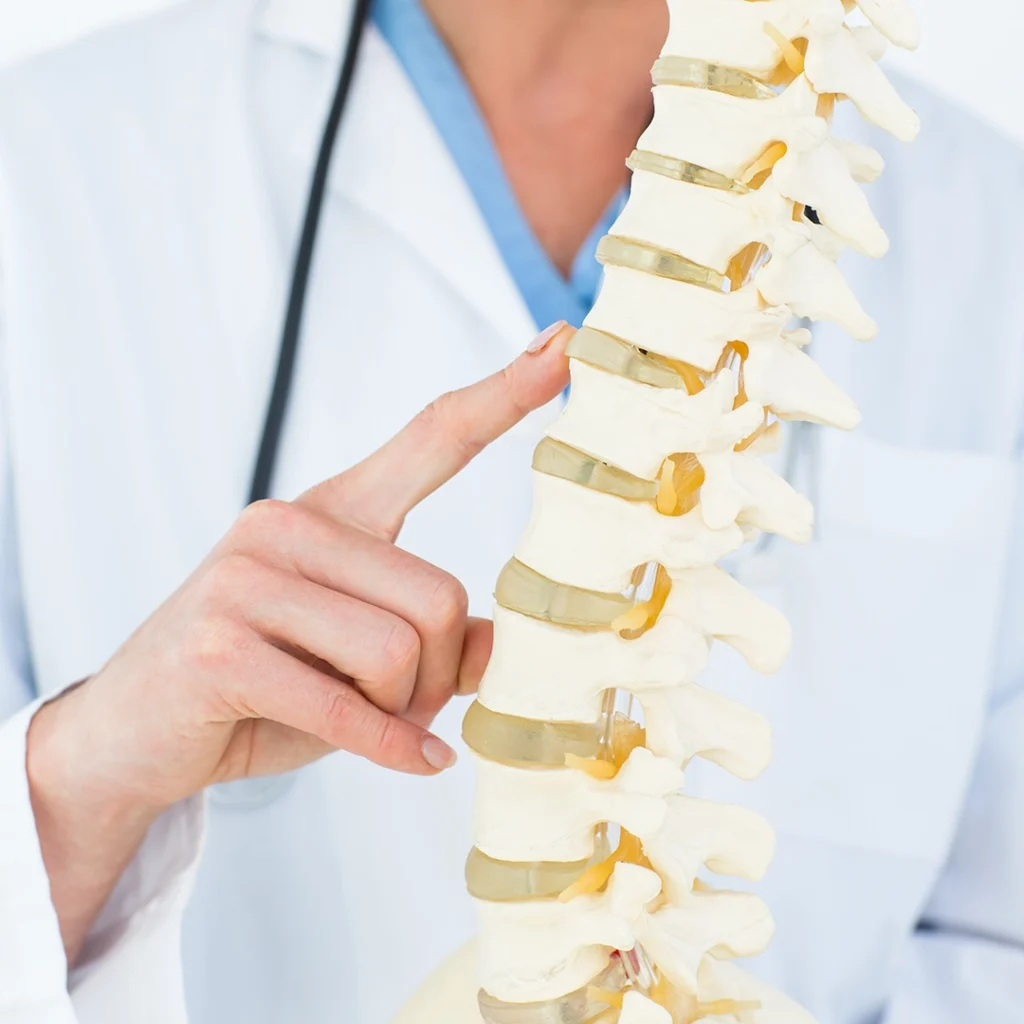
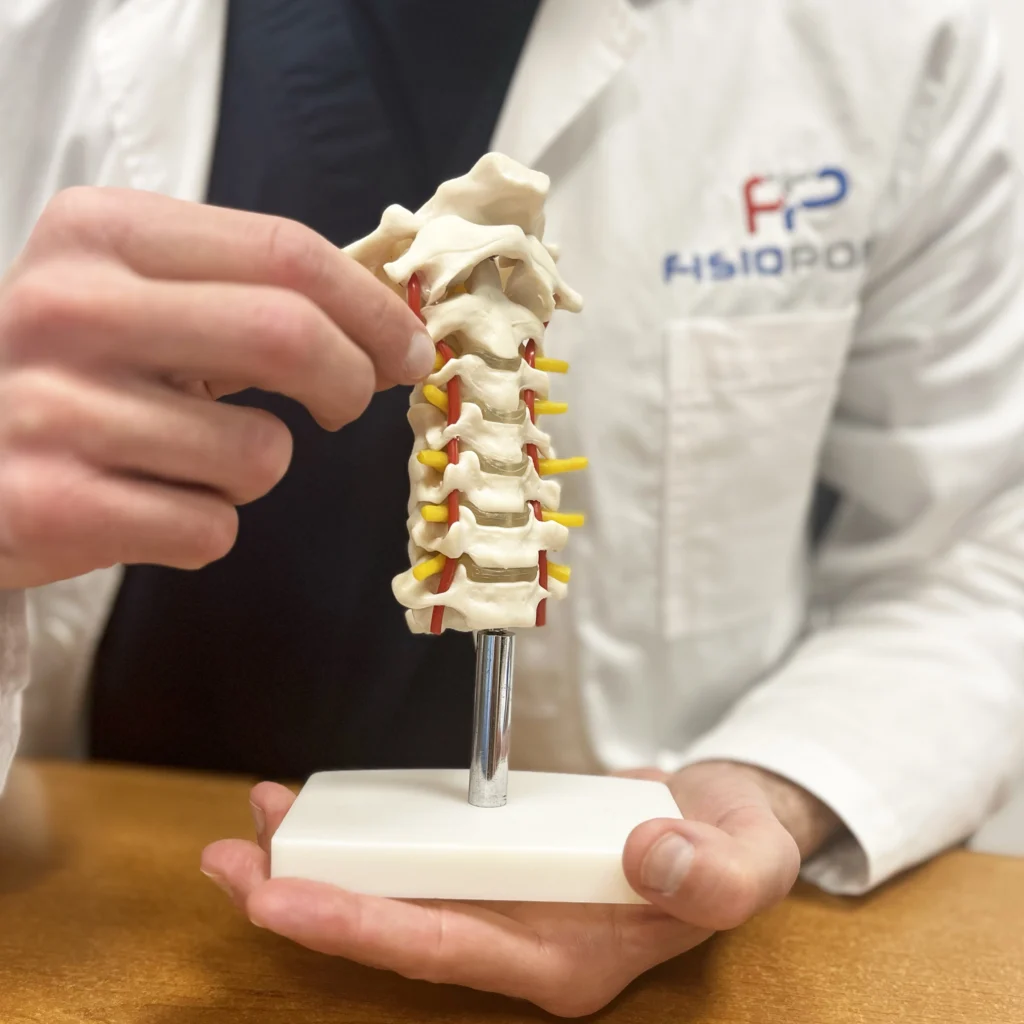
Il diaframma, poiché va a inserirsi anche a livello delle prime vertebre lumbarssupport their stability and provide support for the lumbar spine and the core. Questo lo rende estremamente utile, per esempio, per il controllo dei movimenti durante l’esercizio fisico.

Il diaframma, inoltre, è il muscolo regolatore della postura per eccellenza dato che, in base al suo posizionamento, al suo corretto funzionamento e alla sua capacità di muoversi e di allungarsi, va a determinare l’atteggiamento posturale del soggetto.

Book a Free Visit

Do you want to understand the origin of your problem and structure the best physiotherapy path to solve it definitively?

If you have them, bring us medical prescriptions, MRIs and X-rays. This way we can assess the situation together and determine the best course of action to deal with your problem and resolve it quickly. If you do not have them and they are necessary, we can do them quickly ourselves.

General (#17)

Fill in the form,


You will be contacted as soon as possible


General (#17)

Fill in the form,


You will be contacted as soon as possible


What is the diaphragm?

Il diaframma è il principale muscolo che regola la nostra respirazione. Esso, infatti, permette il corretto movimento della gabbia toracica durante gli atti respiratori e regola le pressioni sia all’interno del torace che dell’addome. Questo è possibile grazie alla sua particolare conformazione e alla sua anatomia.

Il diaframma è un muscolo a forma di cupola, situato subito al di sotto dei nostri polmoni e separa la cavità toracica da quella addominale. È un muscolo molto ampio e coinvolge numerose strutture anatomiche grazie alle sue molteplici inserzioni. Esso si inserisce su:

  • Internal part of the sternum
  • Inner portion of the last six ribs
  • First three lumbar vertebrae (L1-L3)

The muscle fibres of the diaphragm converge in a large tendon centre and there are openings in its structure, through which they pass:

  • Aorta
  • Inferior vena cava
  • Esophagus

The correct movement of the diaphragm during breathing is regulated by the phrenic nerve that has its root within the cervical plexus, more precisely at the C3-C5 level.

What movements does the diaphragm make during breathing?

Much of the function of the diaphragm is related to breathing and balancing the movements and internal pressures of the thoracic and abdominal cavities. Breathing has two phases:

  • Inhalation, in which you take in air
  • Exhalation, in which air is thrown out

The diaphragm, during the inspiratory act, contracts and tends to lower, aiding lung expansion. During exhalation, it relaxes and returns to its original position.

How can the diaphragm be treated through physiotherapy?

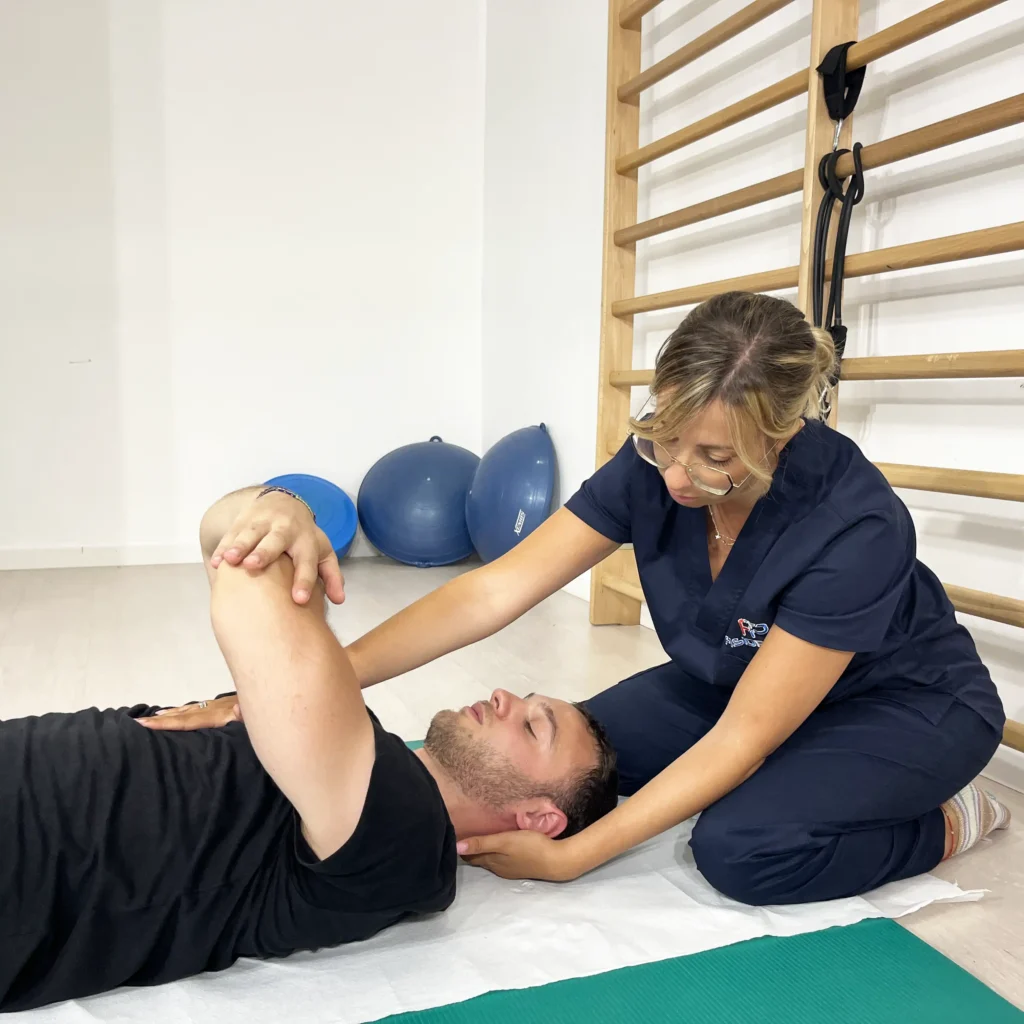
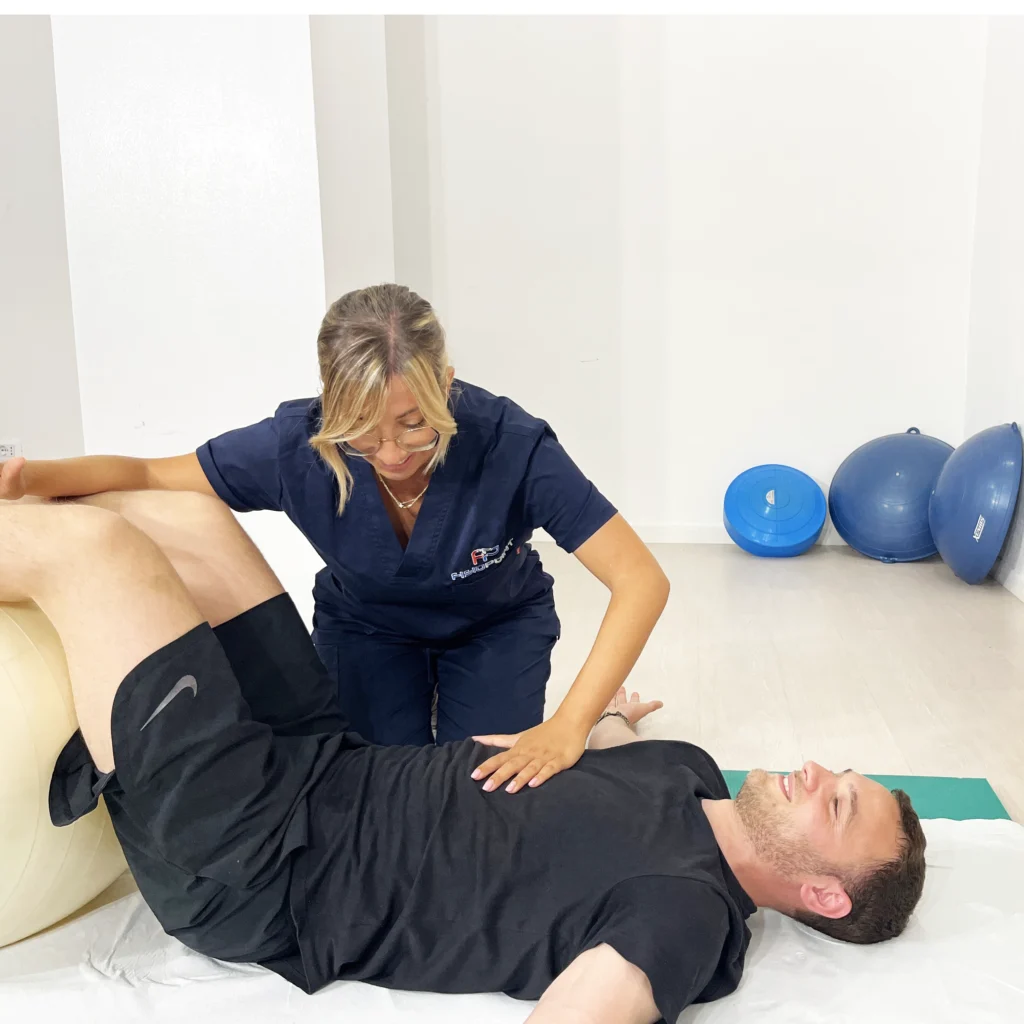
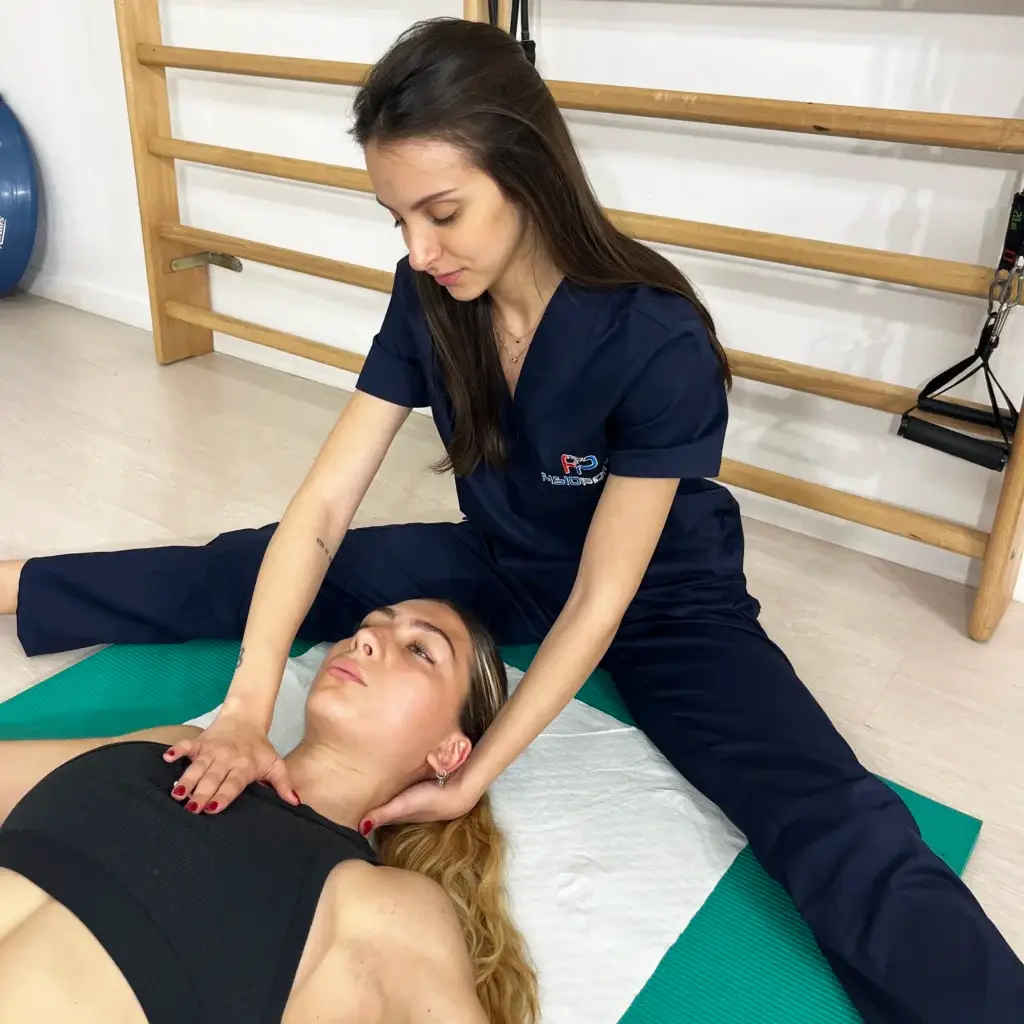
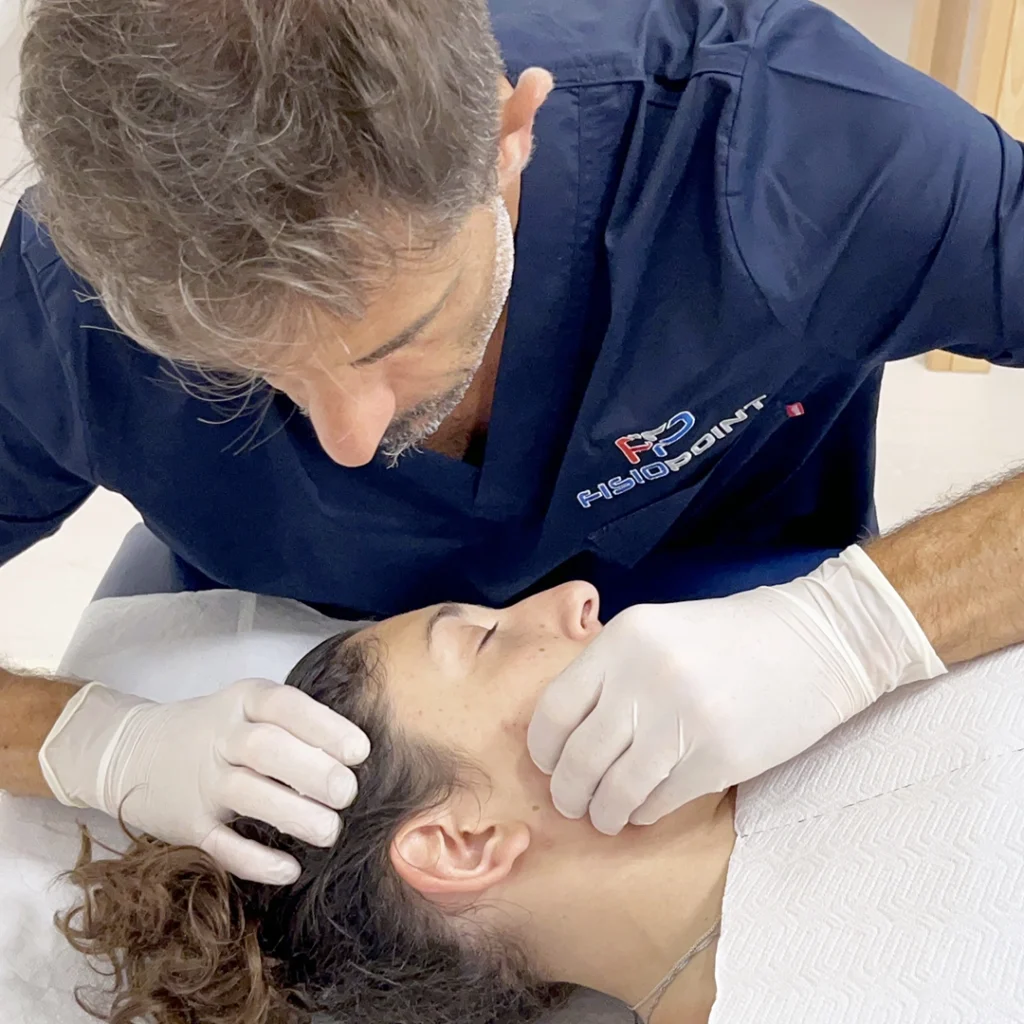
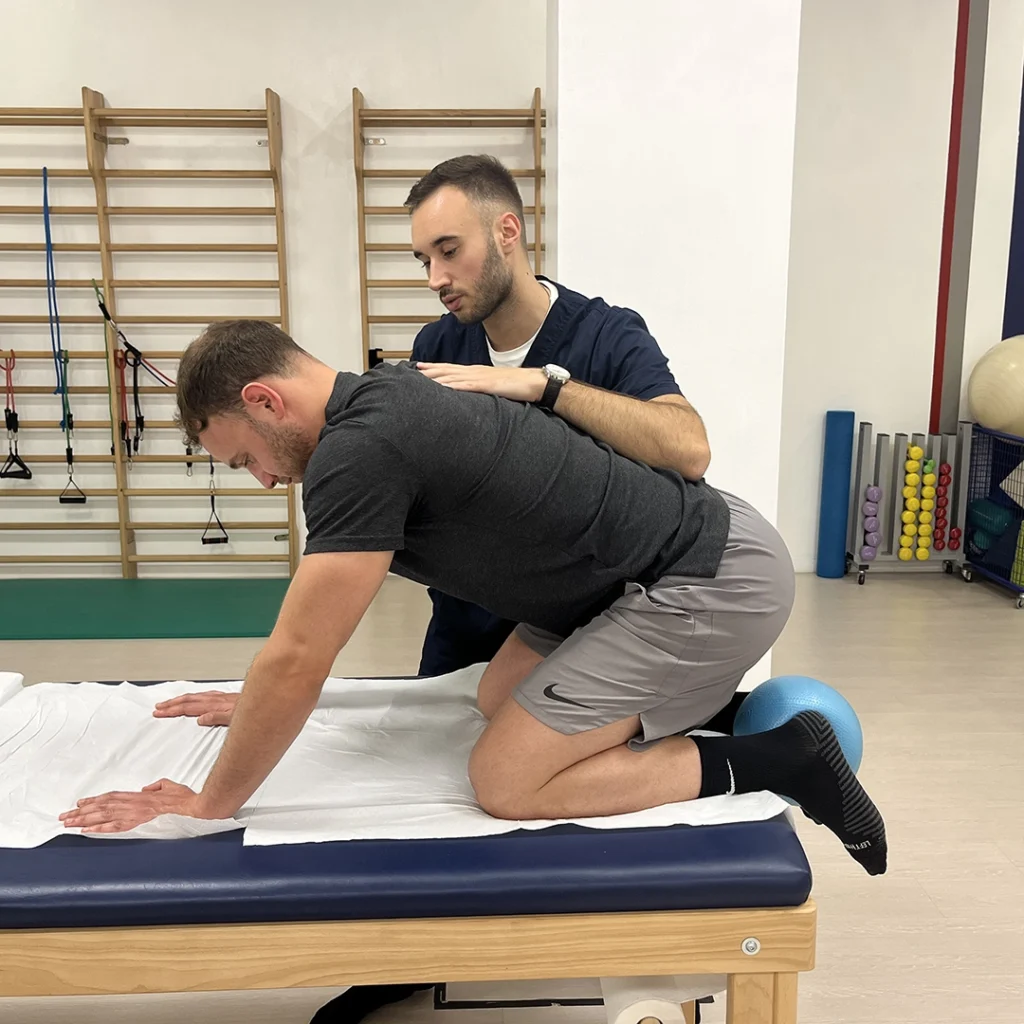
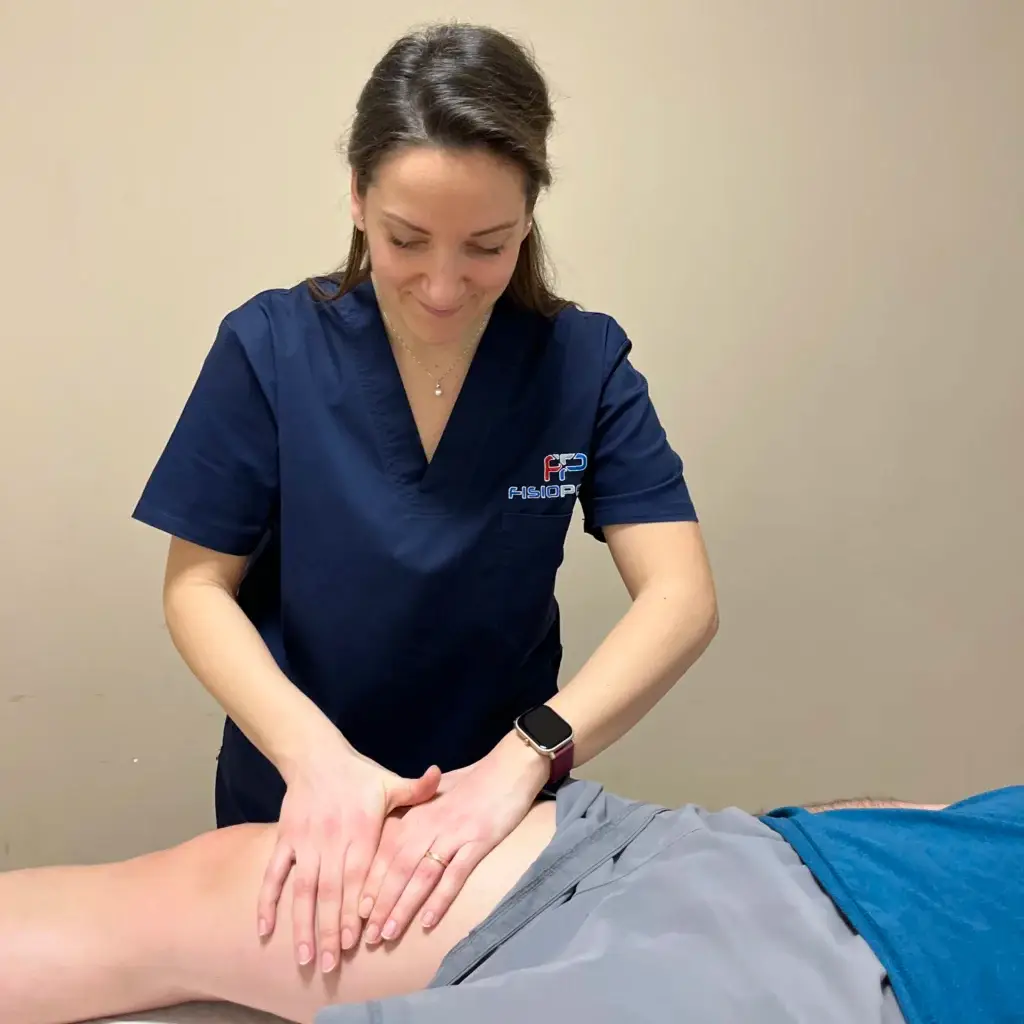
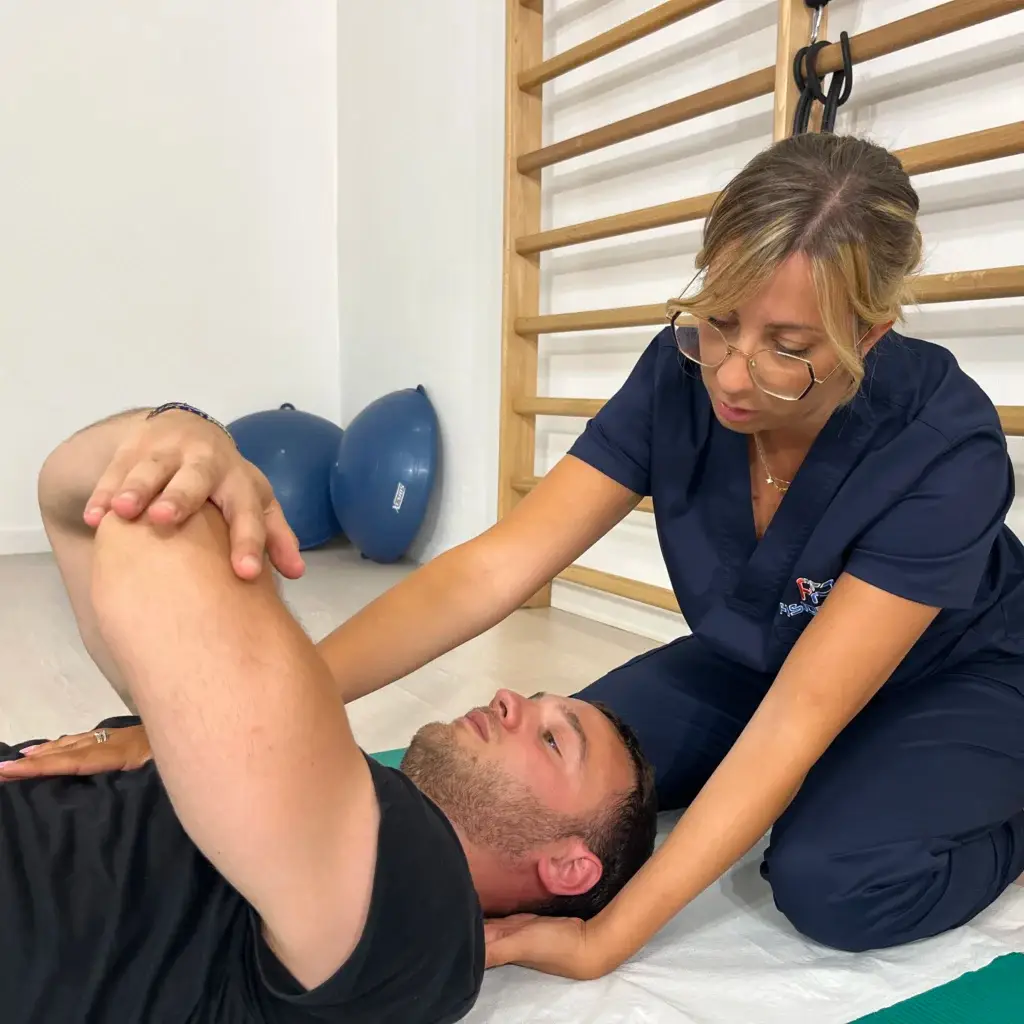
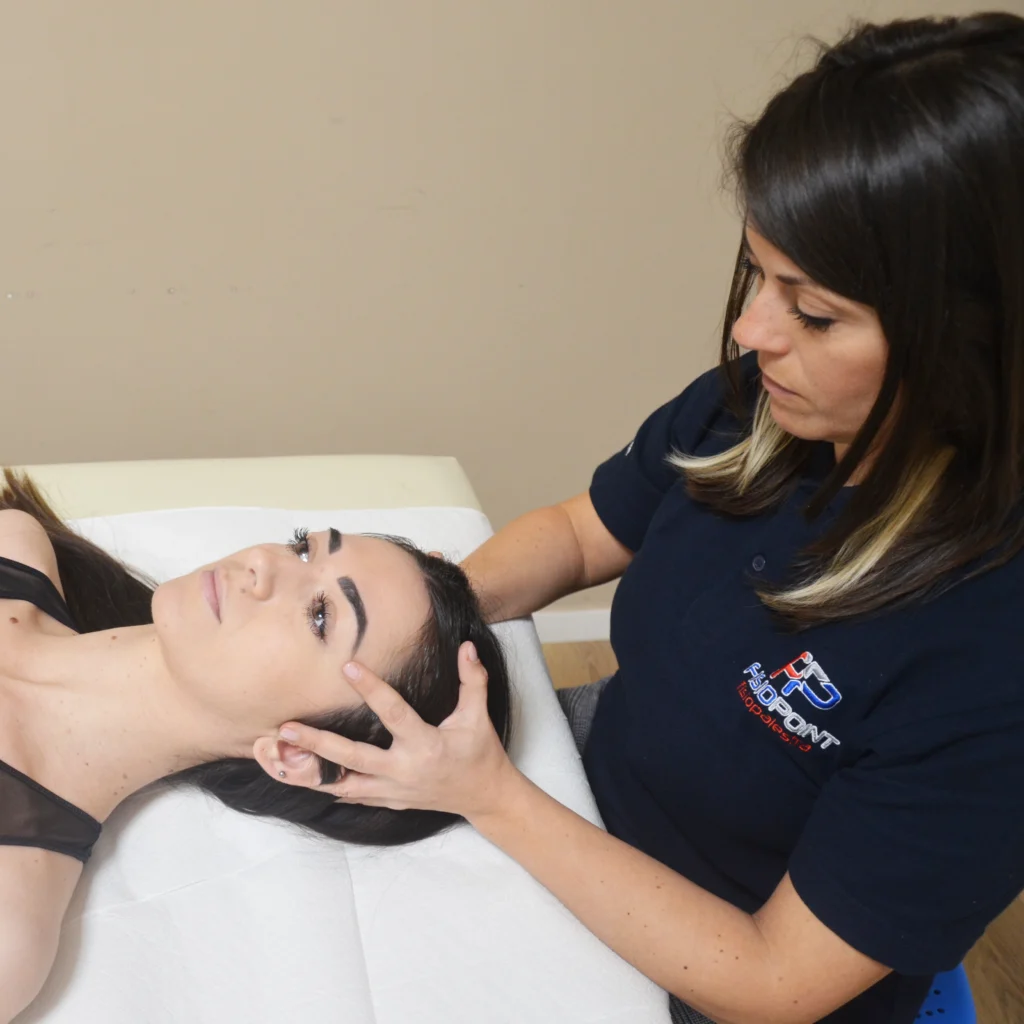
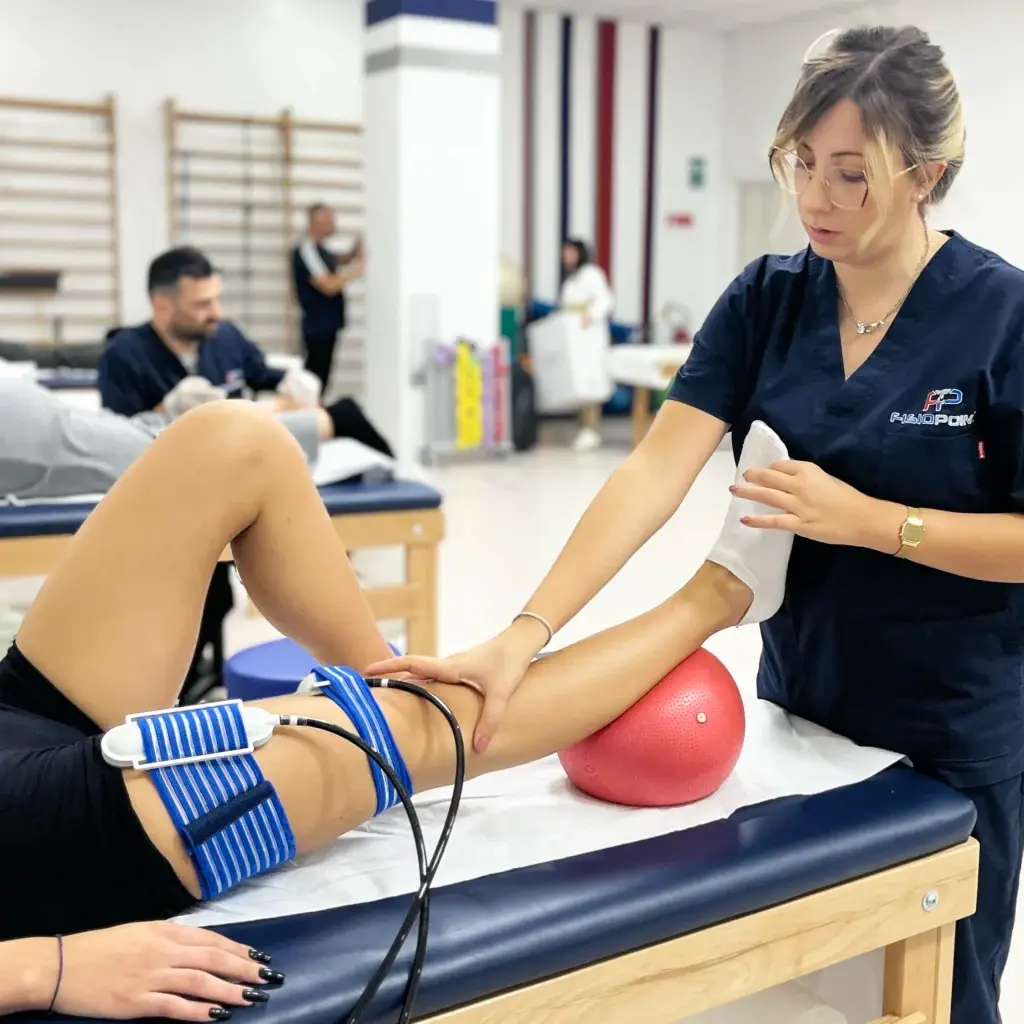
Il diaframma può essere trattato in diversi modi dal fisioterapista. Si può, innanzitutto, intervenire manualmente attraverso diverse tecniche, allo scopo di andare a mobilizzarlo e a distenderlo. In più, è possibile andare a svolgere determinati esercizi di respirazione, nei quali si andrà a controllare la sua contrazione in maniera diretta.

Respirazione e Diaframma

A oggi, la respirazione (e tutto quel che è collegato a essa) sta diventando un fattore sempre più importante nell’ambito fisioterapico e viene quindi trattata e utilizzata in svariate tecniche riabilitative. Questo perché, nel tempo, molti hanno iniziato a capire l’importanza del muscolo diaframma e della respirazione in generale. Non è raro trovare soggetti che effettuano una respirazione scorretta che, a lungo andare, porta a numerose problematiche, molto spesso relative alla colonna. È possibile incontrare, per esempio, soggetti che effettuano inspirazioni eccessivamente prolungate o altri che invece non immettono la corretta quantità di aria all’interno dei polmoni, vivendo in una sorta di “apnea” persistente. Tutto ciò è svolto, ovviamente, in maniera inconscia dato che la respirazione è regolata dal sistema nervoso autonomo e non ci si rende conto effettivamente di come si respira durante tutto l’arco della giornata.

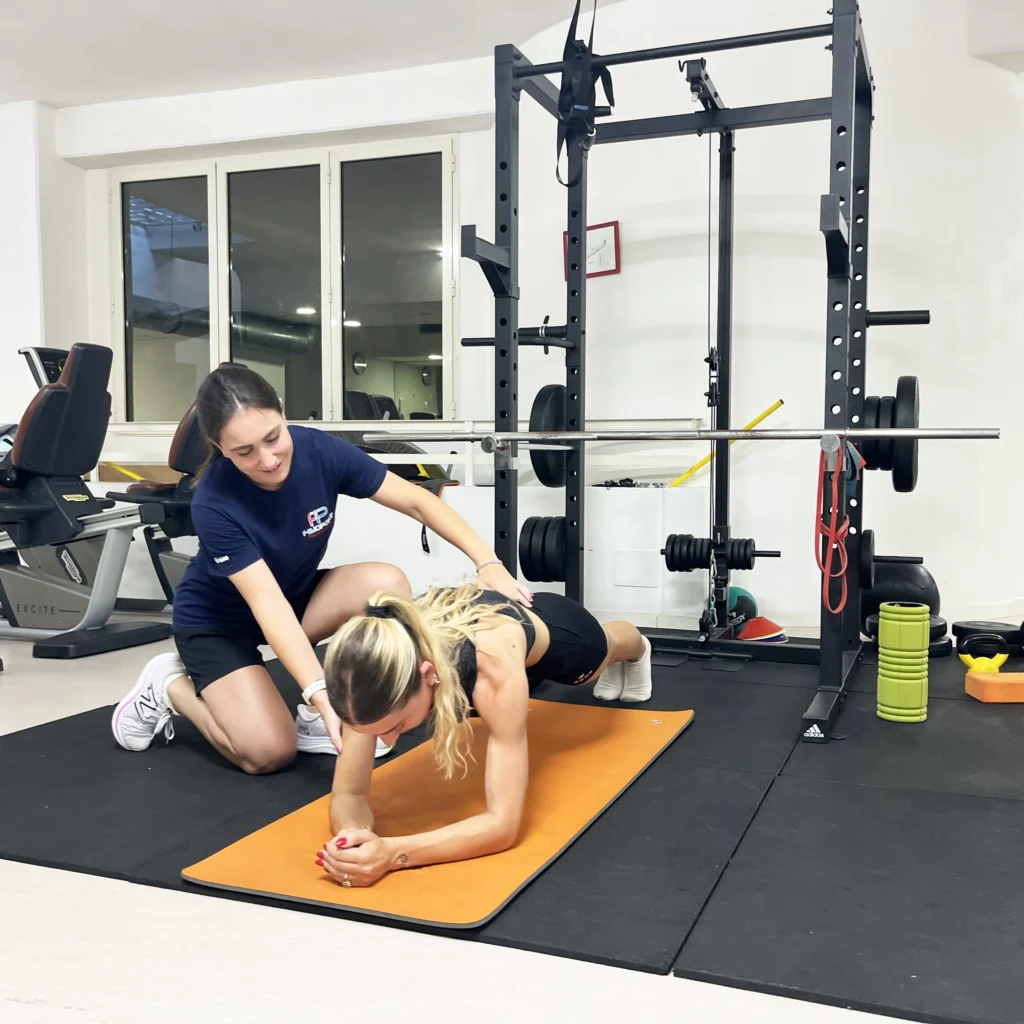
In generale, quindi, la fisioterapia può intervenire sul funzionamento del diaframma soprattutto attraverso esercizi che aiutano il paziente a prendere coscienza di questo muscolo e del proprio modo di respirare.

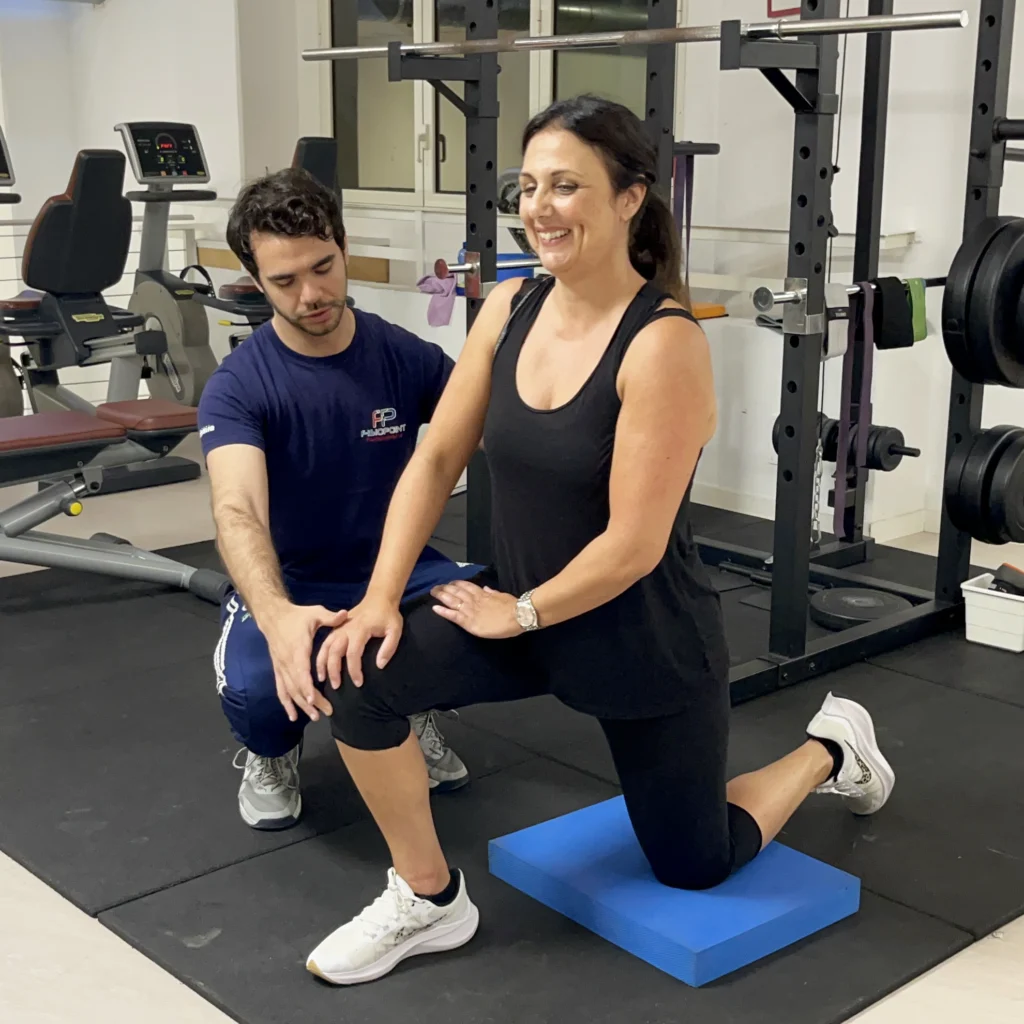
È molto importante, inoltre, andare a stimolare correttamente il diaframma quando si effettuano sforzi prolungati e durante l’esercizio fisico. Il diaframma, come abbiamo detto, controlla le pressioni a livello abdominal e, quindi, un buon controllo di esso porta a un miglioramento dell’esercizio fisico svolto e a una minor faticabilità.

Lo scopo è quello di rieducare il soggetto alla corretta respirazione durante un qualsiasi sforzo, cosa che nella maggioranza dei casi non si tende a fare. Un miglioramento della qualità della respirazione crea numerosi benefici, dal momento in cui l’apporto di ossigeno ai muscoli aumenta significativamente, migliorando anche la performance prolungata nel tempo.

Diaframma e Postura

Il diaframma, quindi, stabilizza il core e l’addome durante l’esercizio fisico, ma non solo. In effetti, mantiene questa stabilità per tutto il tempo e soprattutto quando siamo in posizione eretta. Esso è un muscolo postural, e in quanto tale, regola anche l’assetto della nostra colonna. Proprio per questo, si possono andare a svolgere esercizi posturali mirati che, associati a una corretta respirazione, possono migliorare la struttura e la mobilità della colonna e dei muscoli relativi a essa. Senza contare che, essendo il diaframma collegato direttamente alla colonna, attraverso un corretto movimento di esso è possibile agire a livello lombare e dorsale in maniera efficace qualora il paziente lamenti dei dolori in quel tratto.

In conclusione, il diaframma è un muscolo a tutti gli effetti con capacità di contrazione e di allungamento ed è necessario “allenarlo” al fine di mantenere la sua corretta lunghezza e funzionalità.

Text by Alessandra Burelli

Learn more by watching the videos on our channel YouTube



Book a Free Visit

Do you want to understand the origin of your problem and structure the best physiotherapy path to solve it definitively?

If you have them, bring us medical prescriptions, MRIs and X-rays. This way we can assess the situation together and determine the best course of action to deal with your problem and resolve it quickly. If you do not have them and they are necessary, we can do them quickly ourselves.

General (#17)

Fill in the form,


You will be contacted as soon as possible

General (#17)

Fill in the form,


You will be contacted as soon as possible


Physio point SErviCes

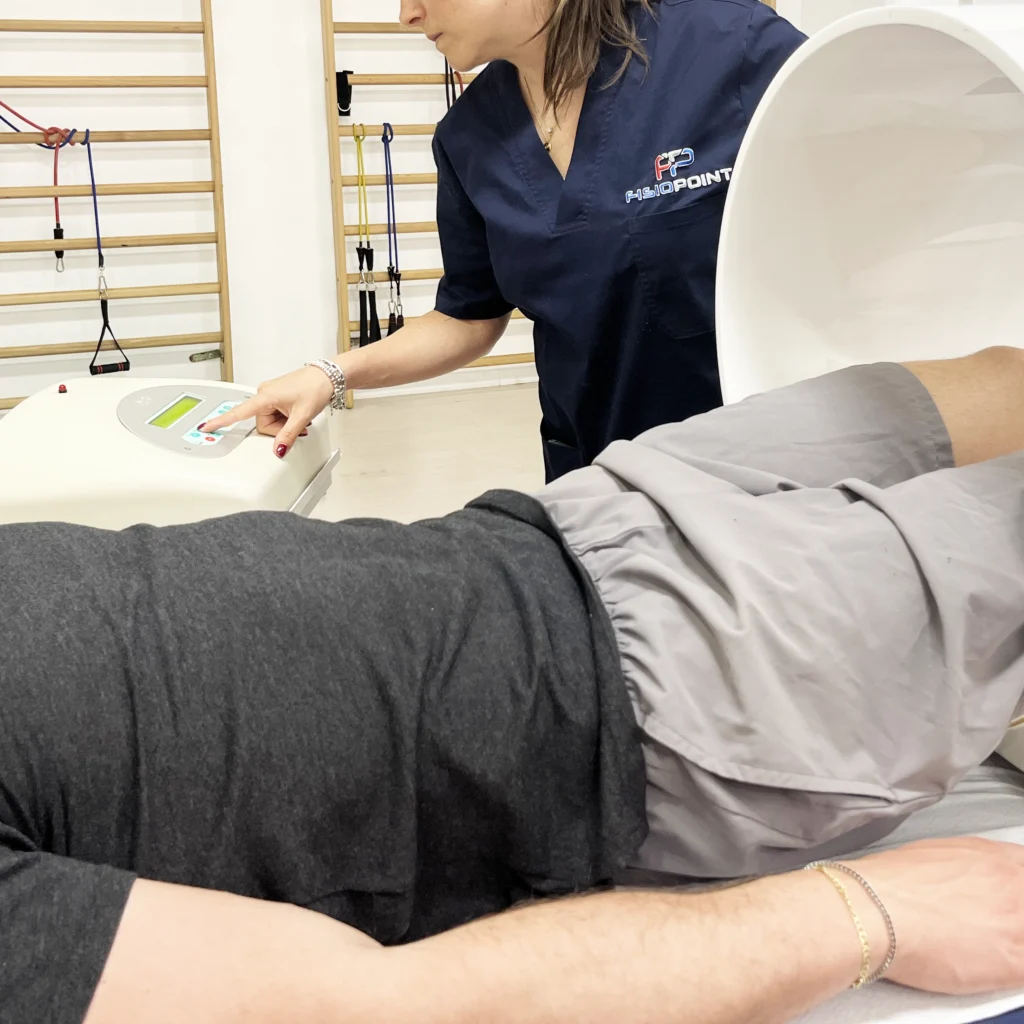
Physiomag

THERAPIES AND TREATMENTS

physio point group

Innovative Approach to Physiotherapy and Rehabilitation

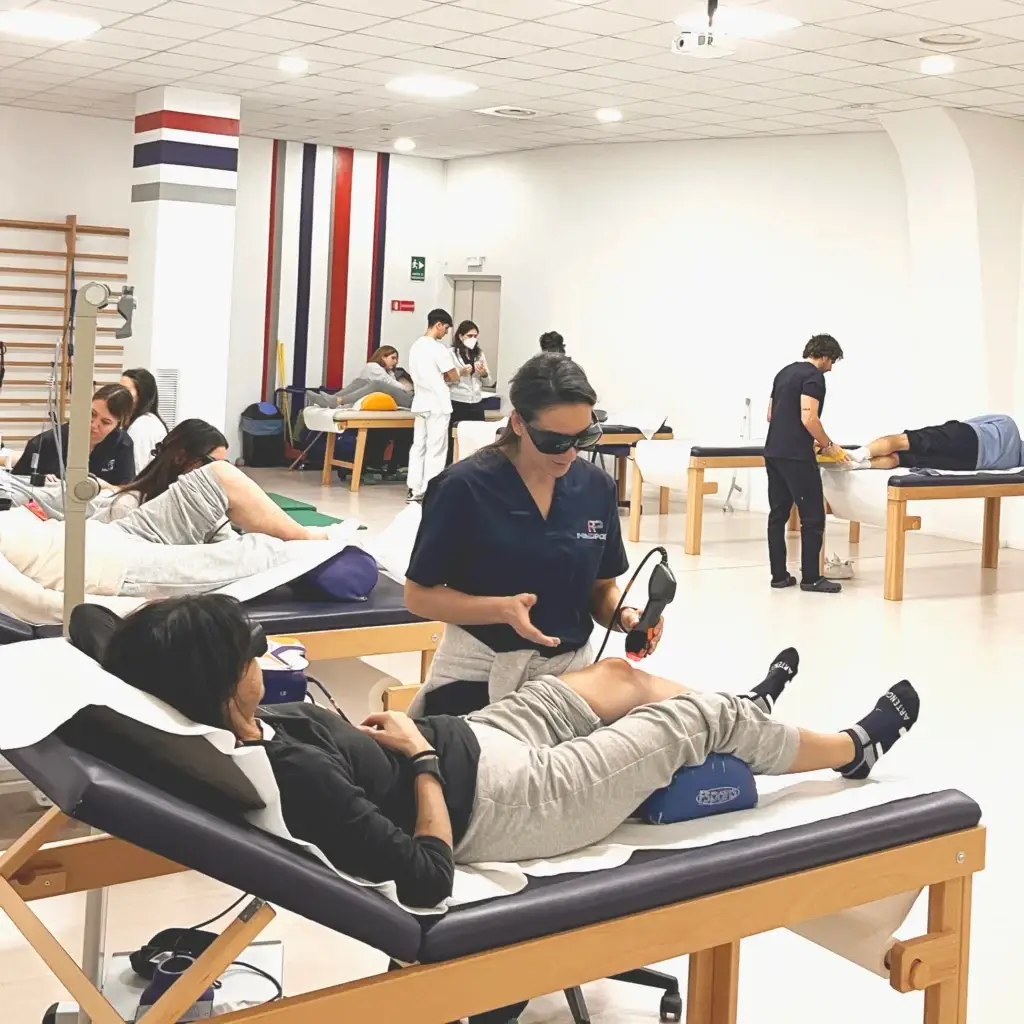
At Fisio Point Physiotherapy Centres, we offer a complete and effective rehabilitation approach with the aim of resolving all orthopaedic pathologies quickly and effectively. Fisio Point is the point of reference for Physiotherapy in Rome, dedicated to those seeking effective and lasting results. In our centres of excellence, you will find an integrated approach that combines cutting-edge technology, highly qualified staff, and comprehensive diagnostics to solve your problems quickly and effectively.

Fisio Point Centri di fisioterapia, poliambulatorio, diagnostica, risonanza magnetica a Roma, Monteverde,
Fisio Point Centri di fisioterapia, poliambulatorio, diagnostica, risonanza magnetica a Roma, Monteverde, Eur Torrino, Trionfale e Grottaferrata_Risonanza_Magnetica_aperta

Staff of Excellence

Our team of experienced professionals is constantly updated on the latest therapeutic techniques, guaranteeing superior physiotherapy.

Advanced Diagnostics

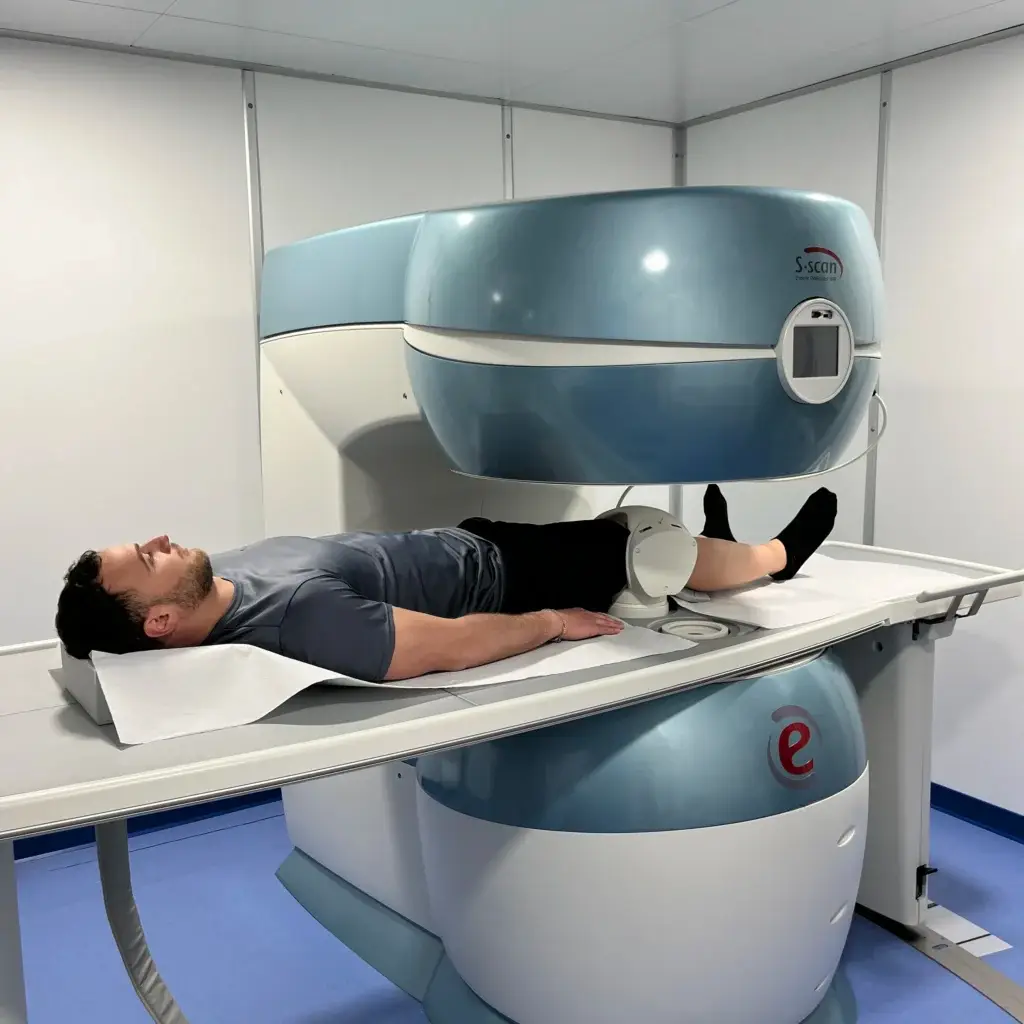
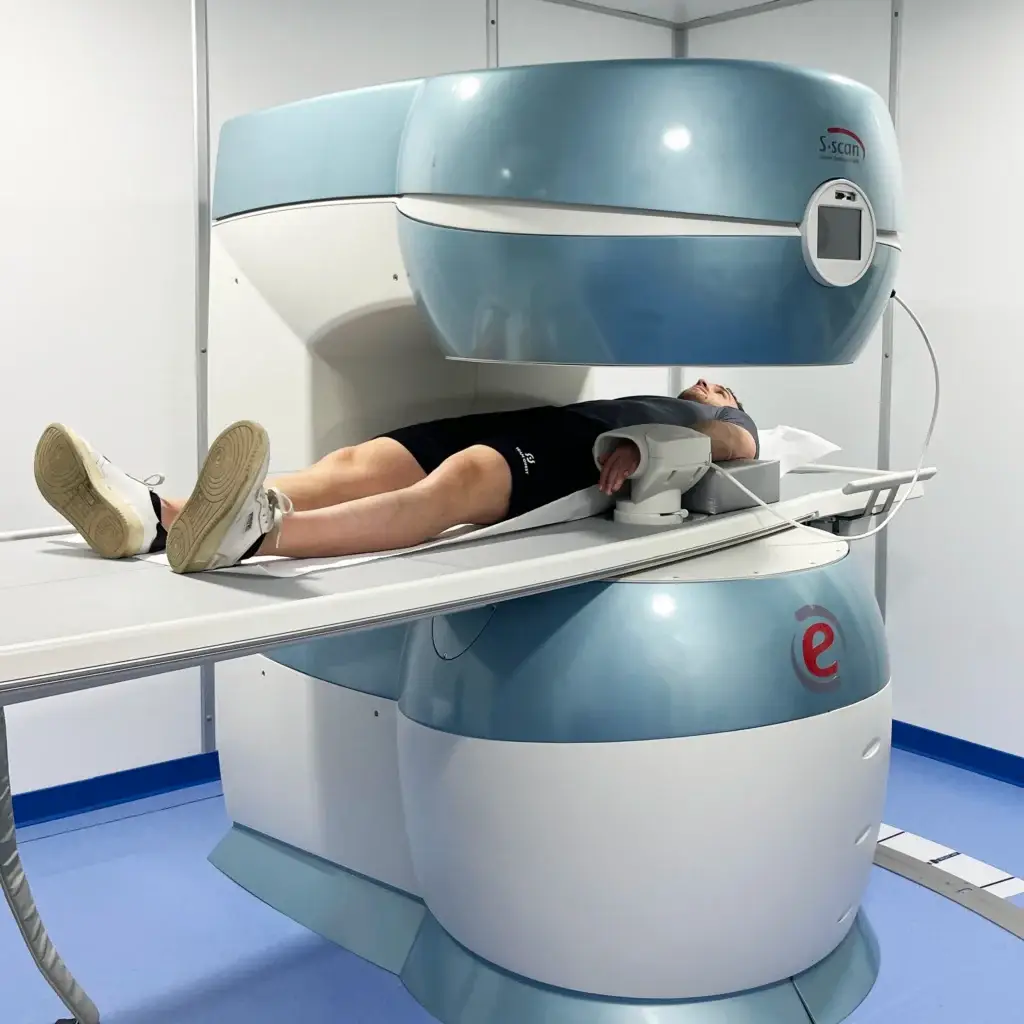
With open magnetic resonance imaging, state-of-the-art ultrasound scanners and Tower for total body screening, Fisio Point provides precise and targeted diagnoses to support.

Cutting-edge Instrumental Therapies

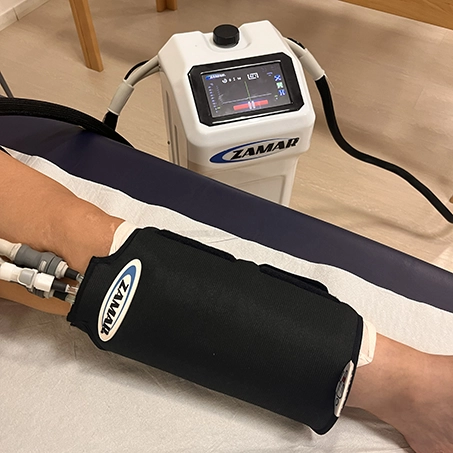
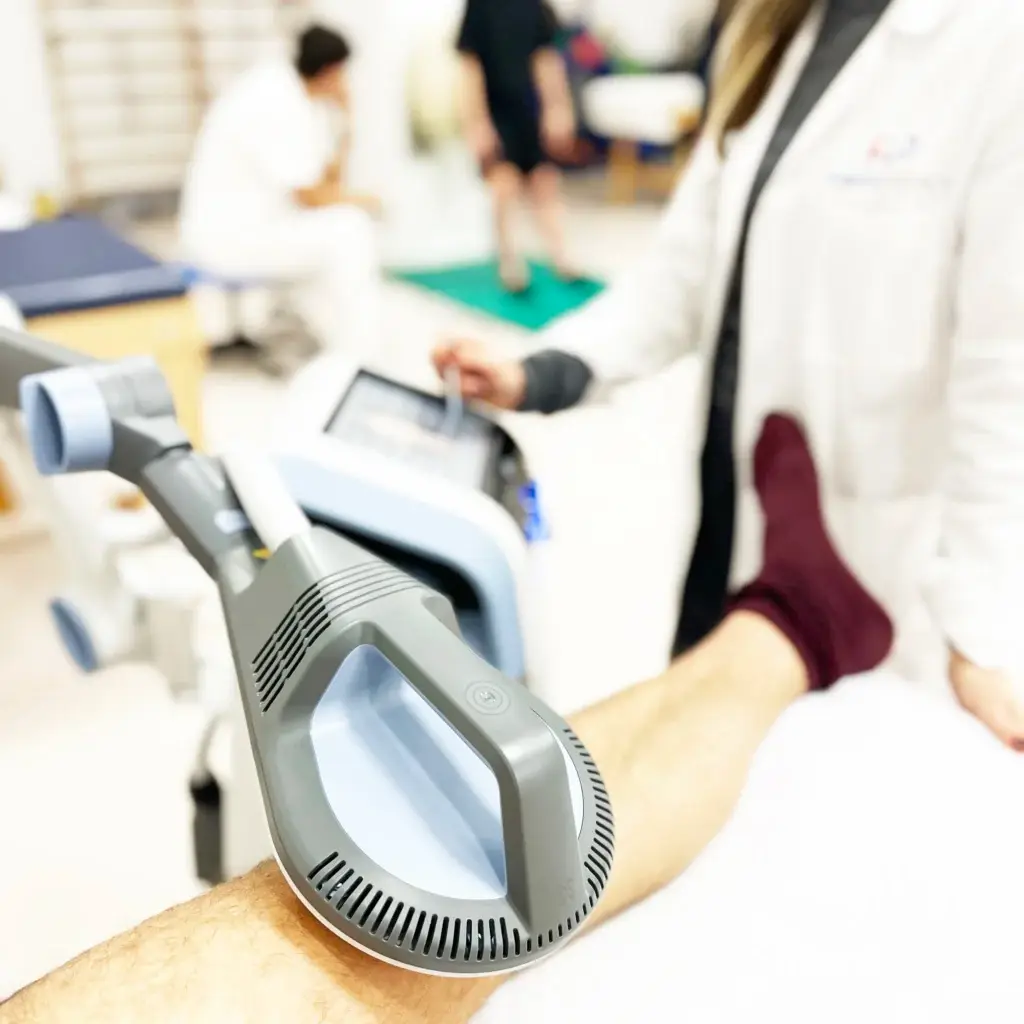
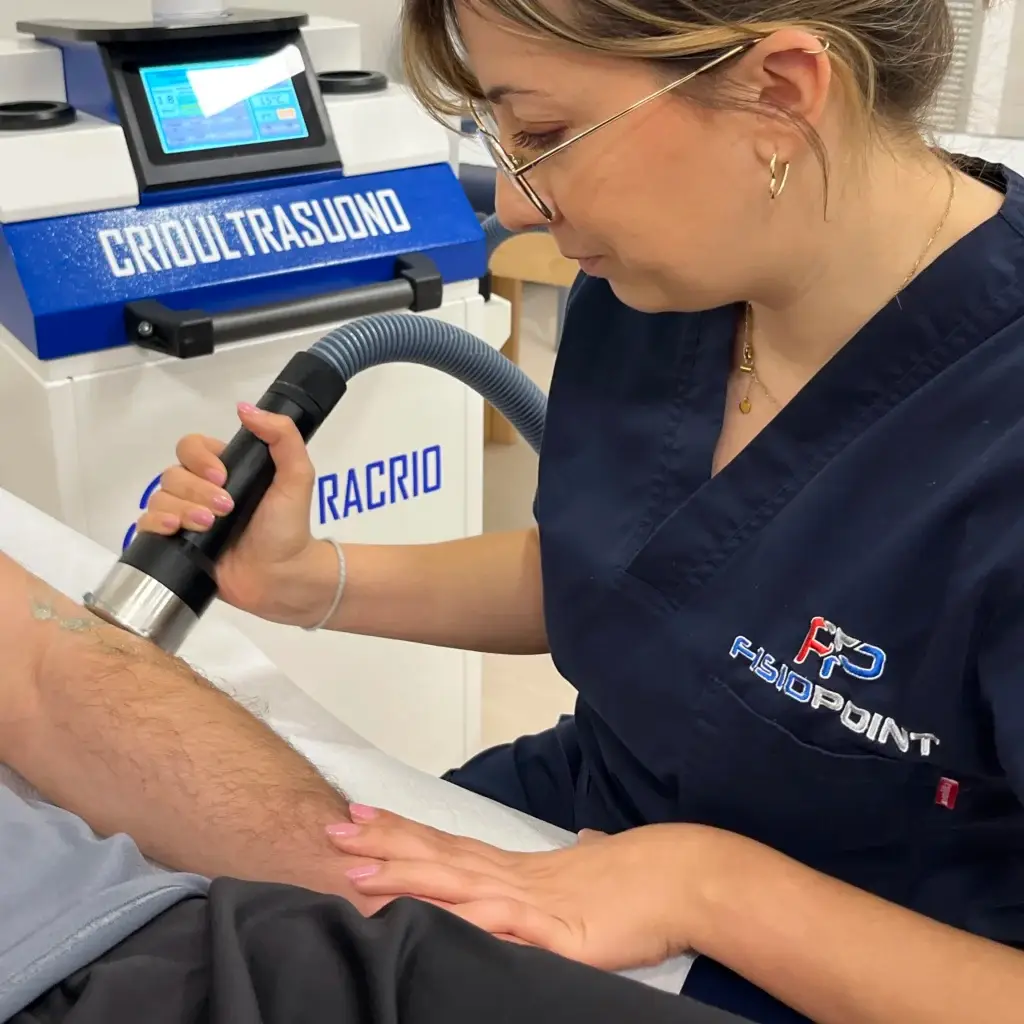
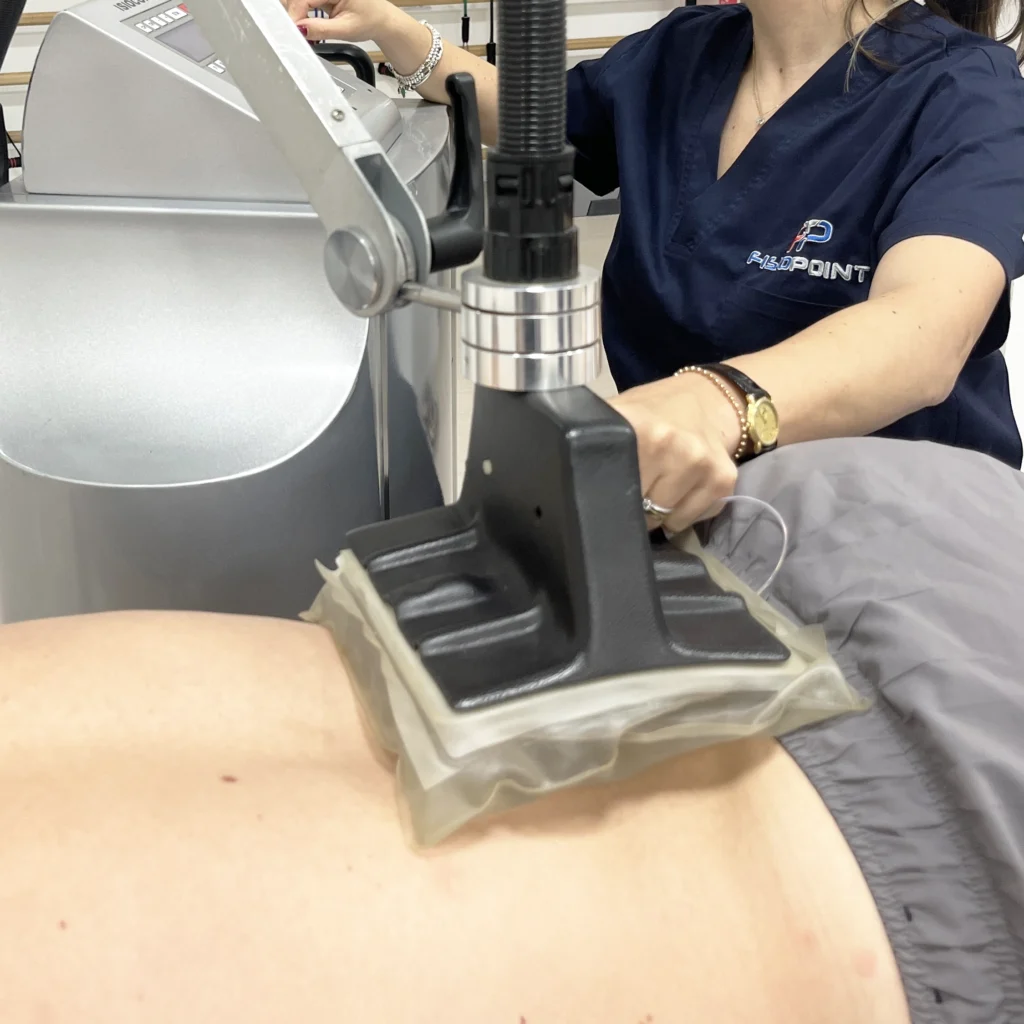
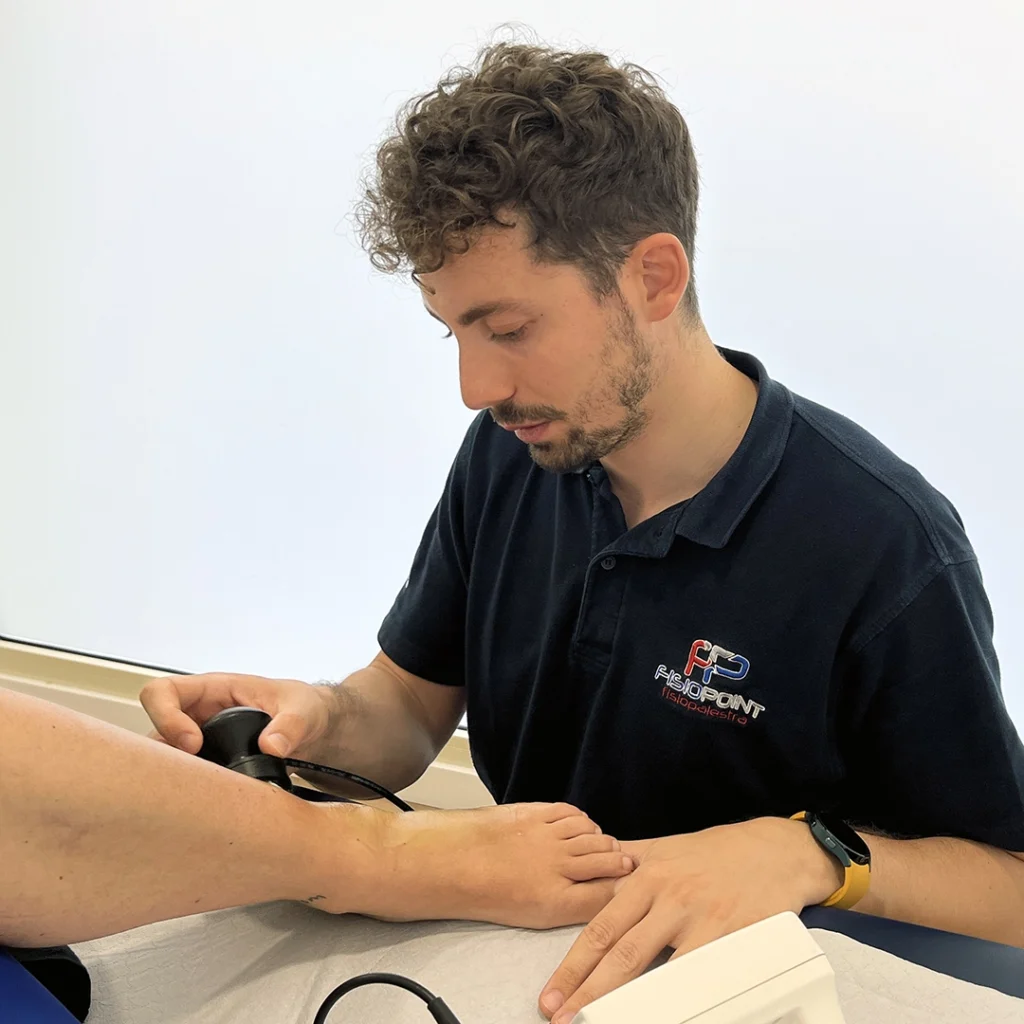
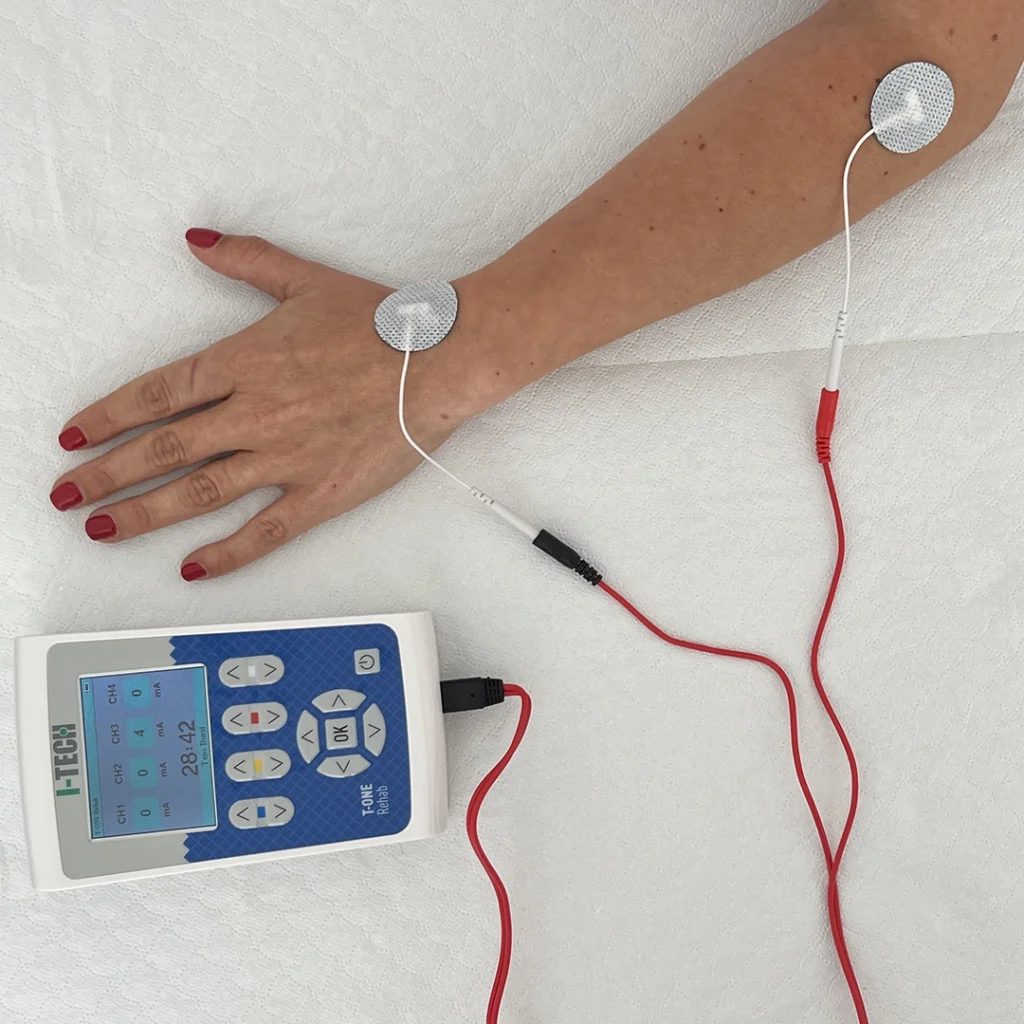
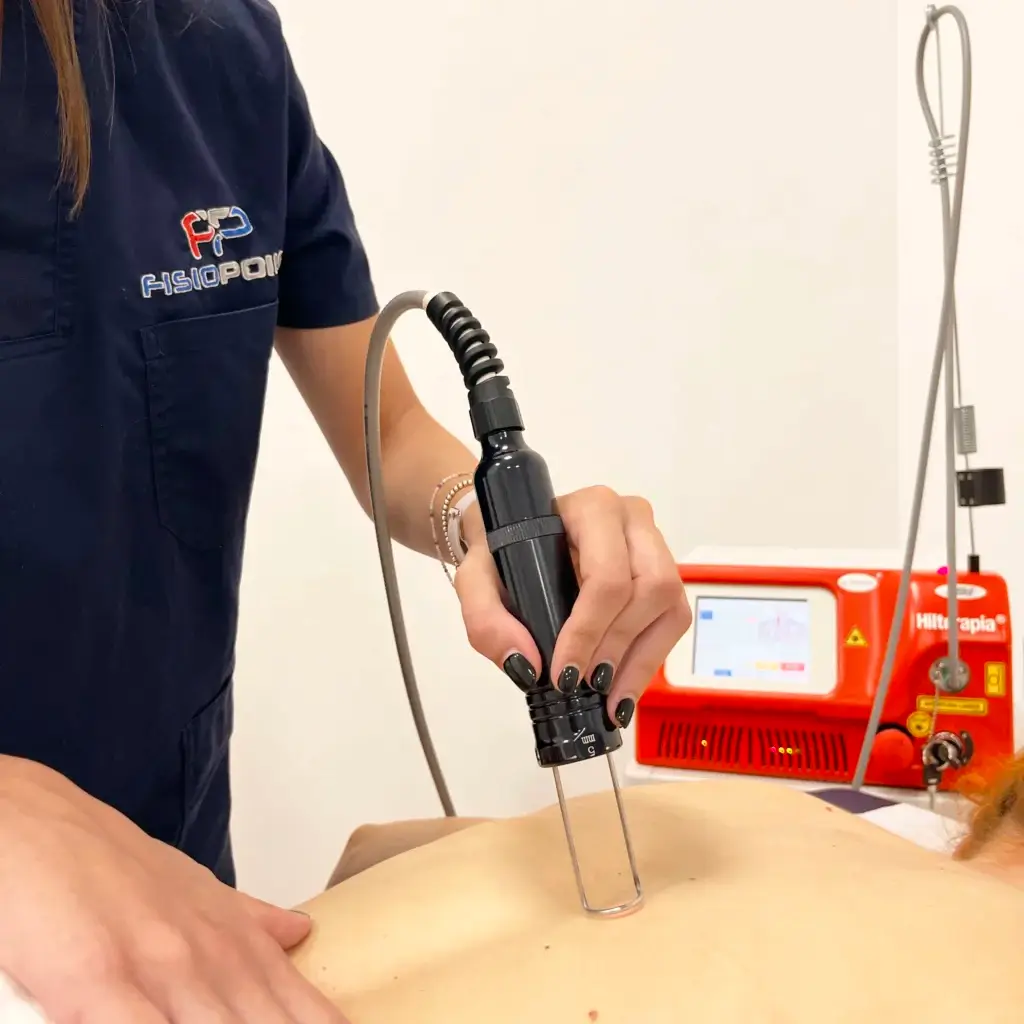
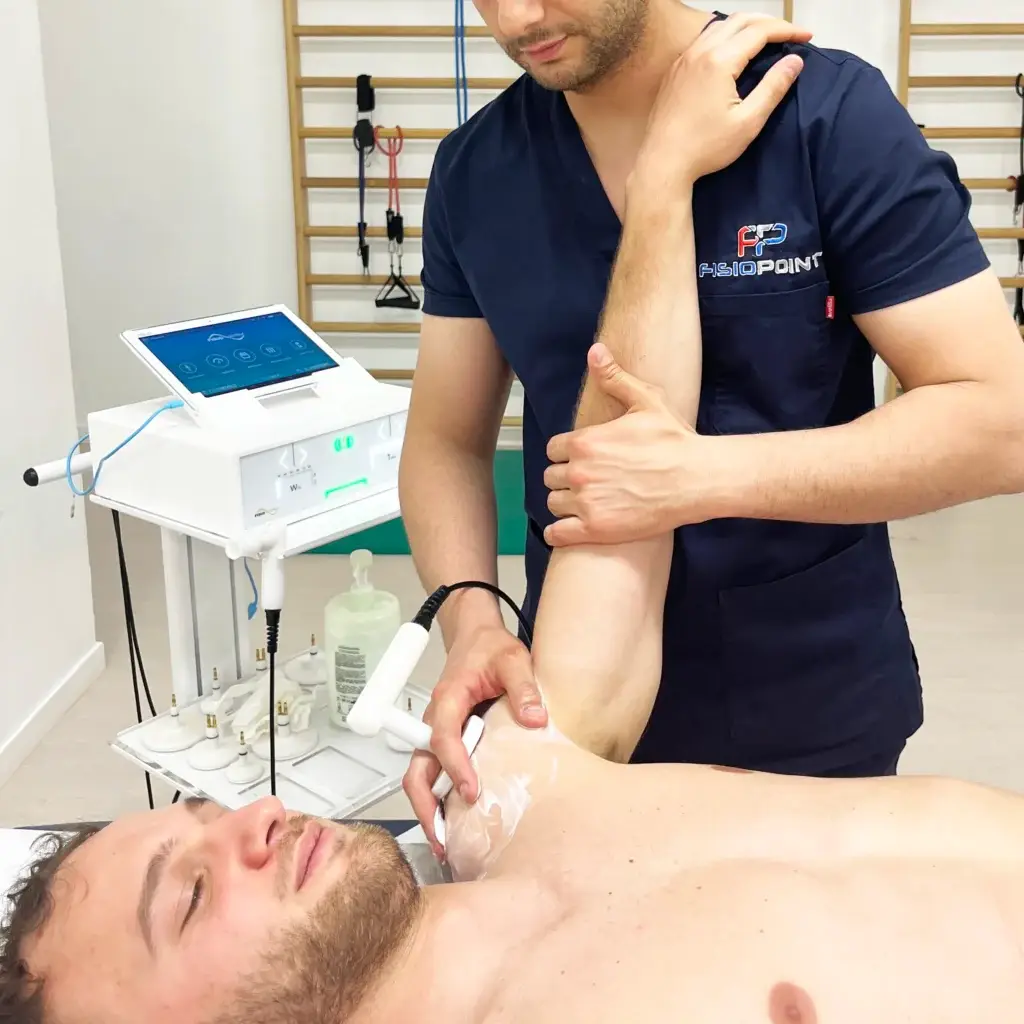
 We offer treatments such as shock waves, Tecar therapy, High-power laser e Crioultrasuonifor optimal recovery.

Pathologies treated

Fisio Point specialises in the treatment of all orthopaedic conditions

Each rehabilitation pathway is customised to the specific needs of each patient, ensuring targeted and effective therapies.

Fisio Point Centri di fisioterapia, poliambulatorio, diagnostica, risonanza magnetica a Roma, Monteverde, Eur Torrino, Trionfale e Grottaferrata_EVM

A Multidisciplinary Centre of Excellence

Fisio Point is not just a physiotherapy centre. It is an outpatient clinic with the best specialists and solutions for your problems:

- Fisio Point is also a university training centre
- Health Conventions: We collaborate with major insurance companies to offer affordable services.
- Multidisciplinary team: Physiotherapists, Doctors Physiatrists, Orthopaedists and other specialists work in synergy for your well-being.

Choosing a Fisio Point Physiotherapy Centre means opting for a complete and personalised rehabilitation programme, where your health is our priority. Come to one of our centres in Rome for a Free First Visit and begin your journey towards recovery. Call Fisio Point now to book!

Fisio Point Centri di fisioterapia, poliambulatorio, diagnostica, risonanza magnetica a Roma, Monteverde, Eur Torrino, Trionfale e Grottaferrata_ortopedico_fisiatra

Customised Physiotherapy Course

At Fisio Point centres, the physiotherapy recovery process is divided into clearly defined phases

Free Evaluation

We offer a Free First Visit to understand the problem and determine the best medical and physiotherapeutic course.

Antalgic and Anti-inflammatory Phase

We start by reducing pain and inflammation with the best and most advanced instrumental therapies.

Recovery of Articulacy

Aimed at restoring joint mobility.

Posture Recovery

We assess and correct postural alterations that have led to pain and functional overload.

Muscle Reinforcement

We restore full strength and functionality, with a 'Return to Play' phase for sports patients.

en_GBEnglish

*TO BOOK ONLINE, YOU MUST REGISTER WITH DOCTOLIB*

ALTERNATIVELY