Anatomy of the piriformis
The piriformis muscle is small and triangular in shape and is located deep behind the gluteus. It originates from the inner part of the sacrum and inserts just below the neck of the femur. It is part of the muscles that allow thehipto rotate externally: turn the leg and the foot outwards. It allows us to walk by shifting our weight from one foot to the other to maintain balance and stabilises the hip. It is important to know that the sciatic nerve runs underneath it, and they therefore come into close contact. An abnormal state in the piriformis muscle can easily irritate the sciatic.
Why you get piriformis syndrome
The causes of piriformis syndrome are many, but undoubtedly, at the root is a excessive shortening o elongation of the muscle. These conditions can be a consequence of trauma, or the result of continuous overloading (sport) or incorrect posture. This overload originates, for example, from activities performed in a sitting position, such as rowing and the cyclingbut also from postural deviations, such as the pronated footwhich requires an excessive contraction of the muscle.
Diagnosis: piriformis syndrome or lumbosciatica?
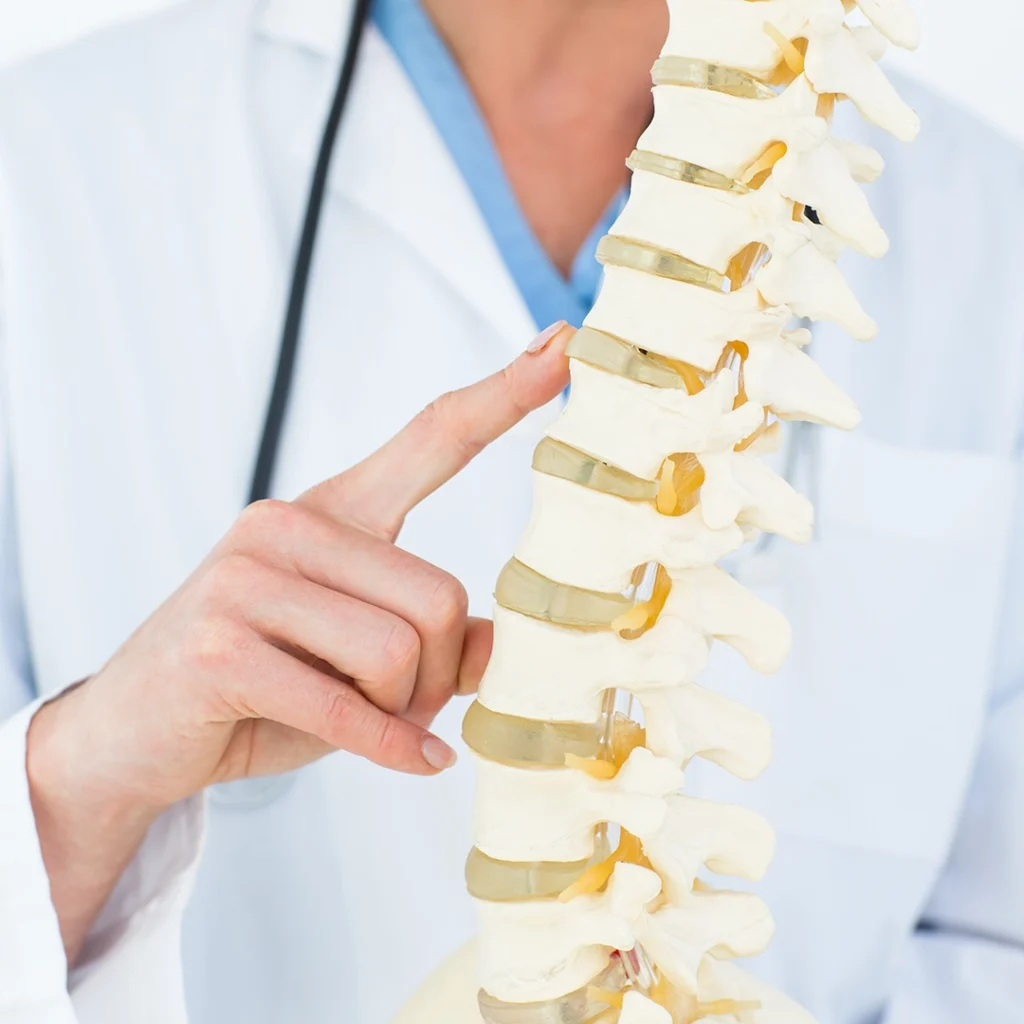
As piriformis syndrome is an entrapment neuropathy, the symptomatology is similar to that of a lumbar hernia, and a good examination is necessary to make a differential diagnosis. In lumbosciatica there is direct or indirect compression of a nerve root, which emerges from the spinal cord at vertebral level e.g. due to aherniated disc. In piriformis syndrome the issue is totally different, the compression occurs at the muscular level. The first step is to rule out pathologies with similar symptomatology, but affecting the colon, by:
- Anamnesis: analysis of medical history, positions or movements that vary the pain, habits and daily activities
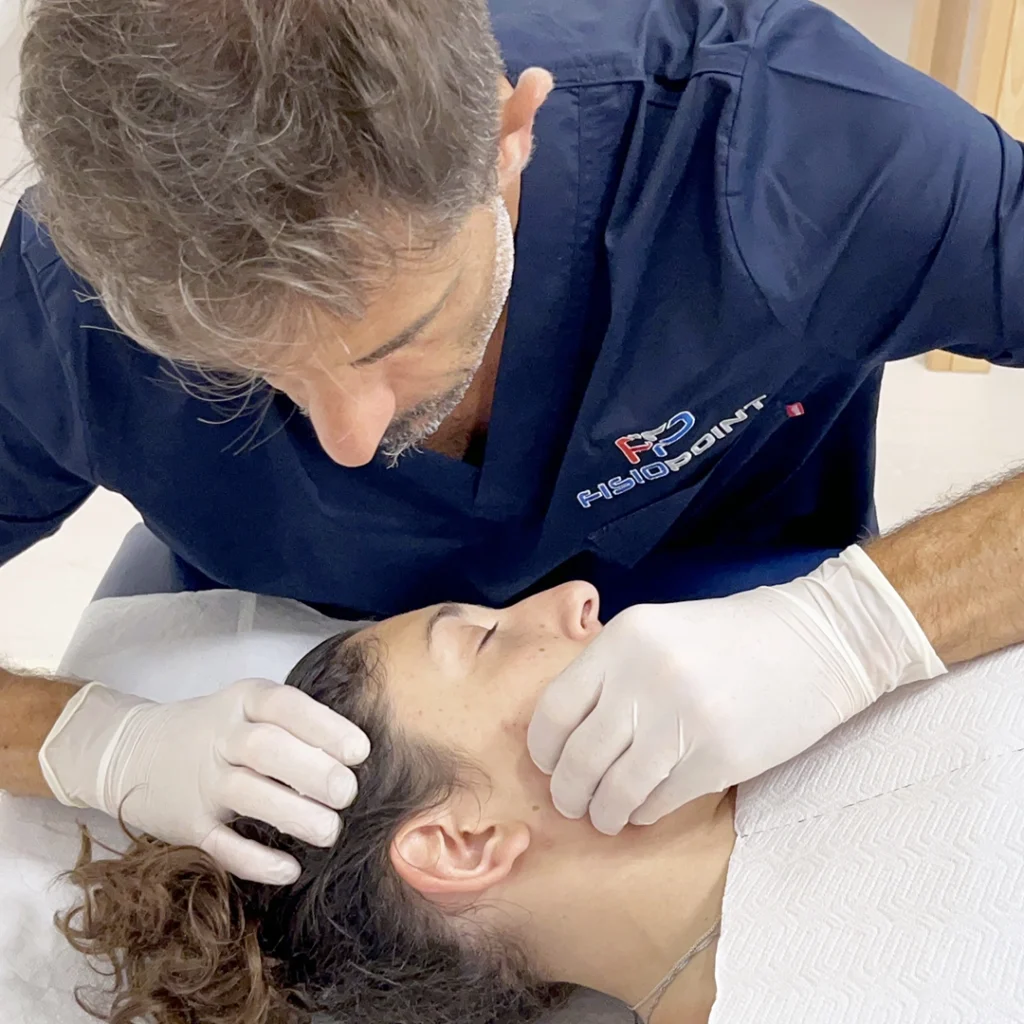
- Objective examination: provides for the evaluation of thehip and limb, pain assessment, palpation. Assessment of muscle strength and length. Usually rotation of the hip and activation of the piriformis increases pain.
- Clinical tests: e.g. Saudek's test, Mirkin's test and Faber's test
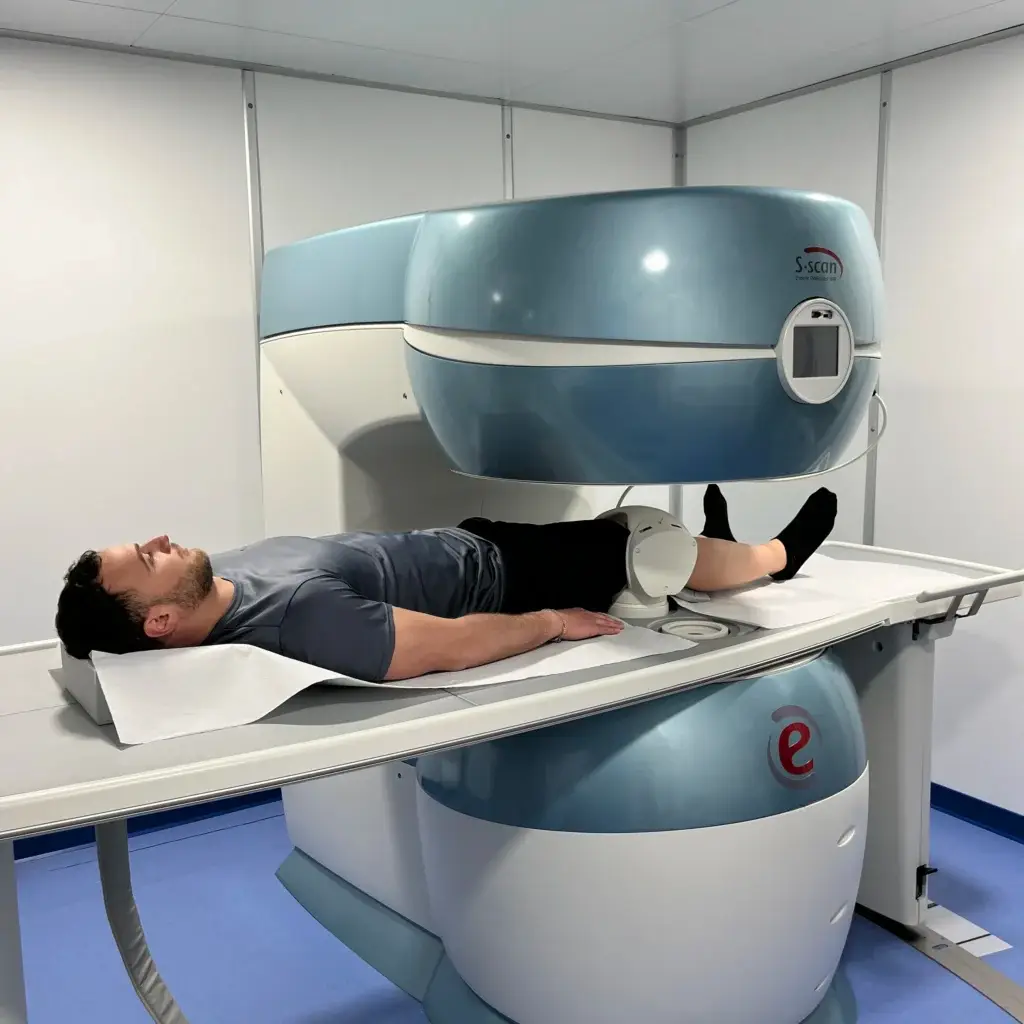
- Diagnostic examinations: CT and MRI to rule out spinal pathologies.
What to do after diagnosis
Once the diagnosis of piriformis syndrome has been made, you will certainly be recommended a conservative physiotherapeutic treatment. Affidati a mani esperte che inizieranno a prenderti cura di te con un percorso cucito sui tuoi obiettivi.
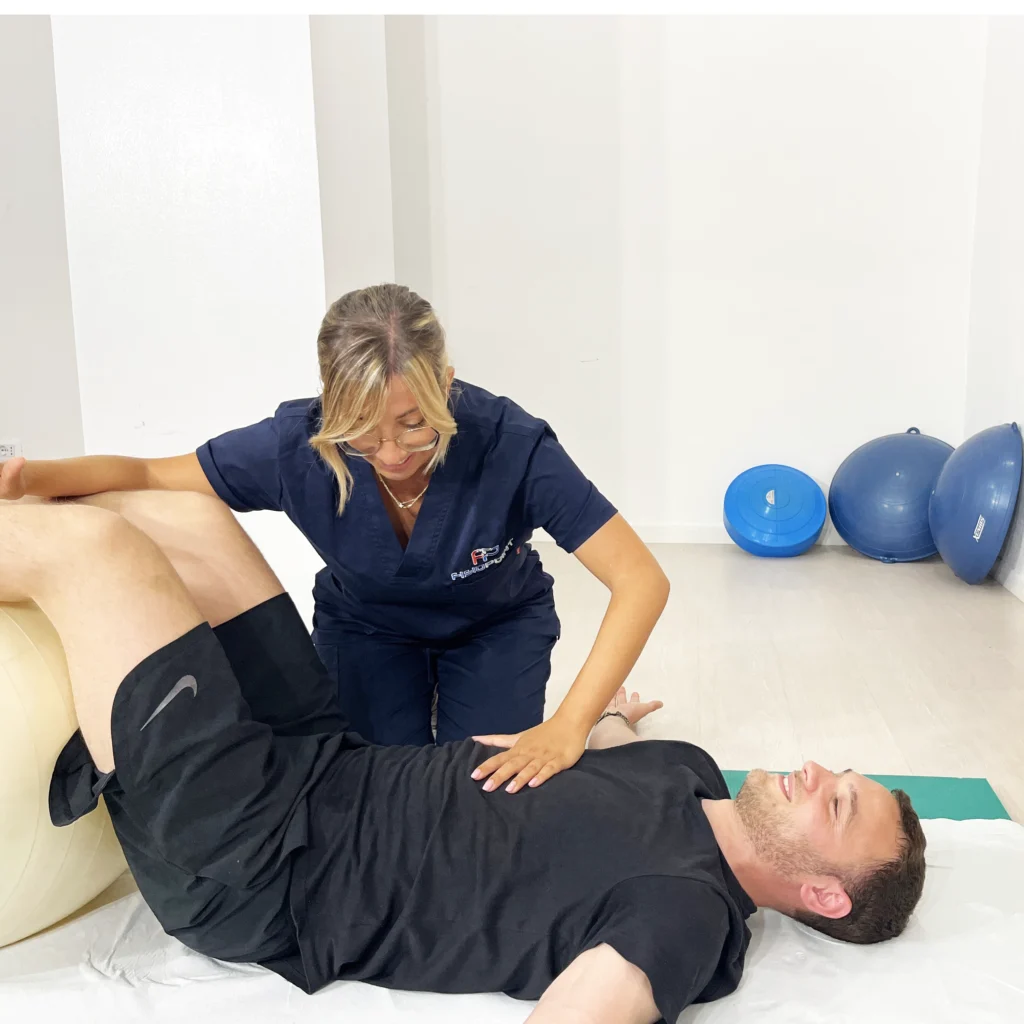
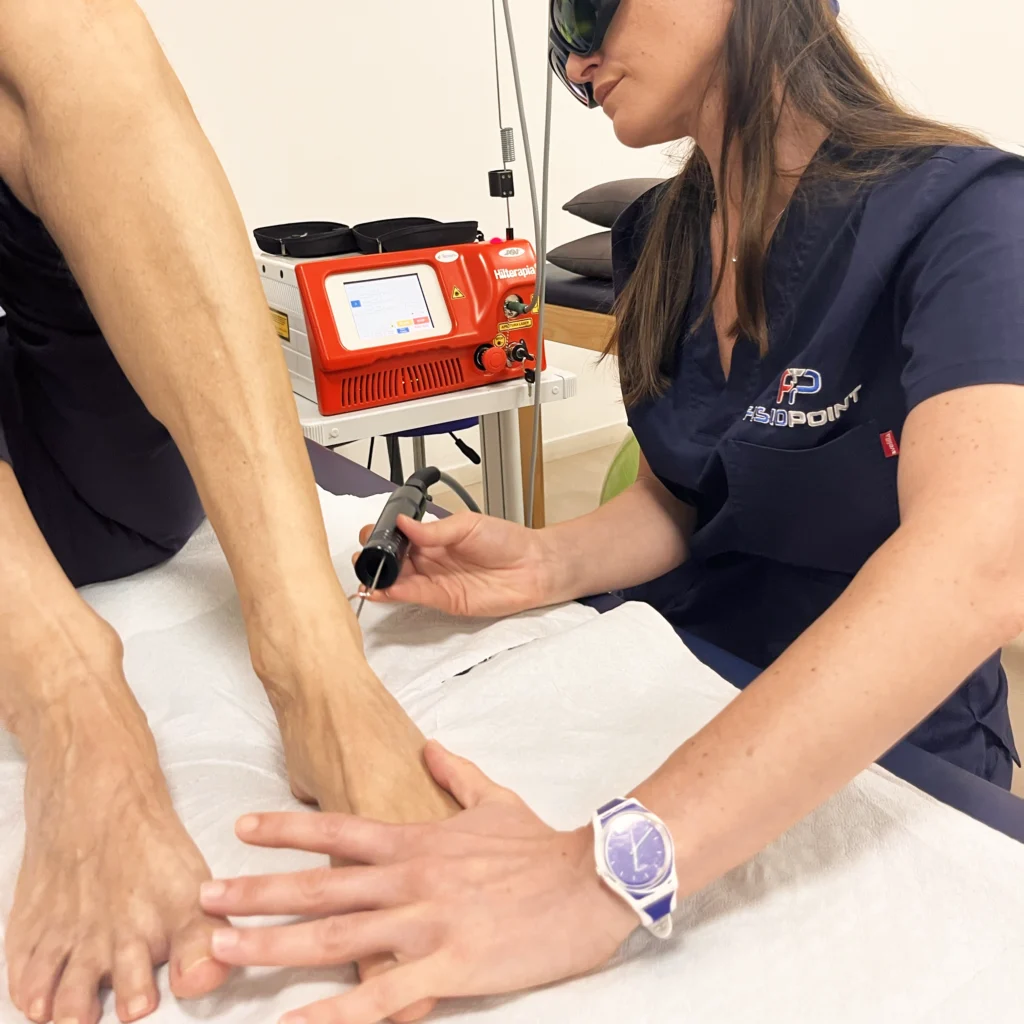
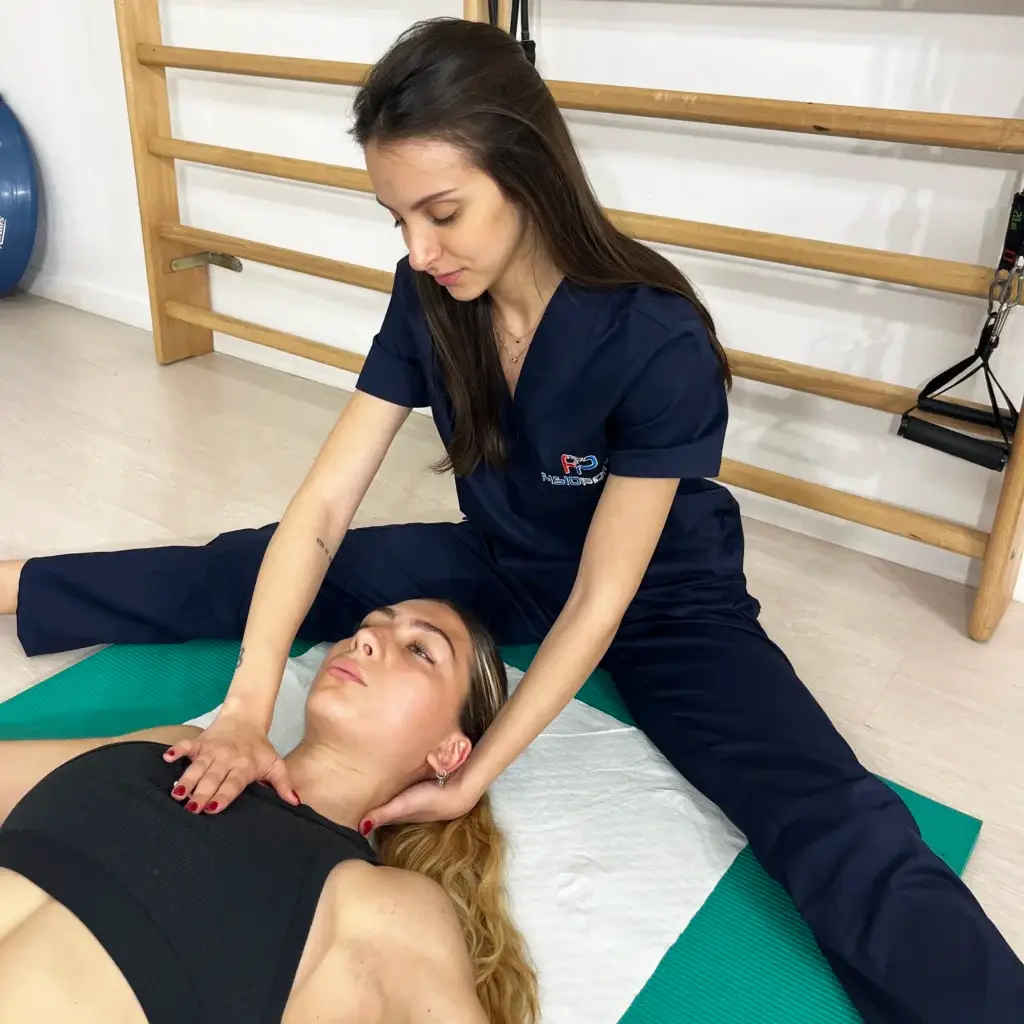
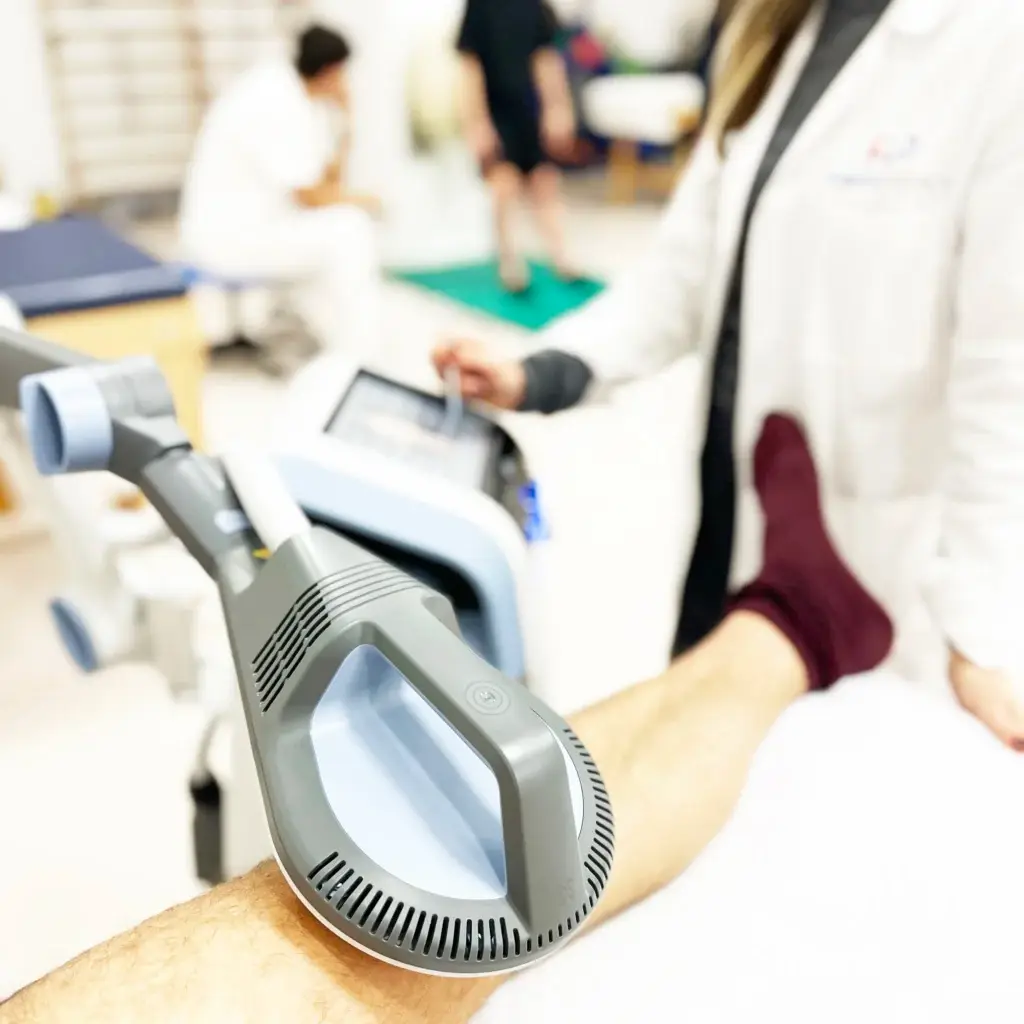
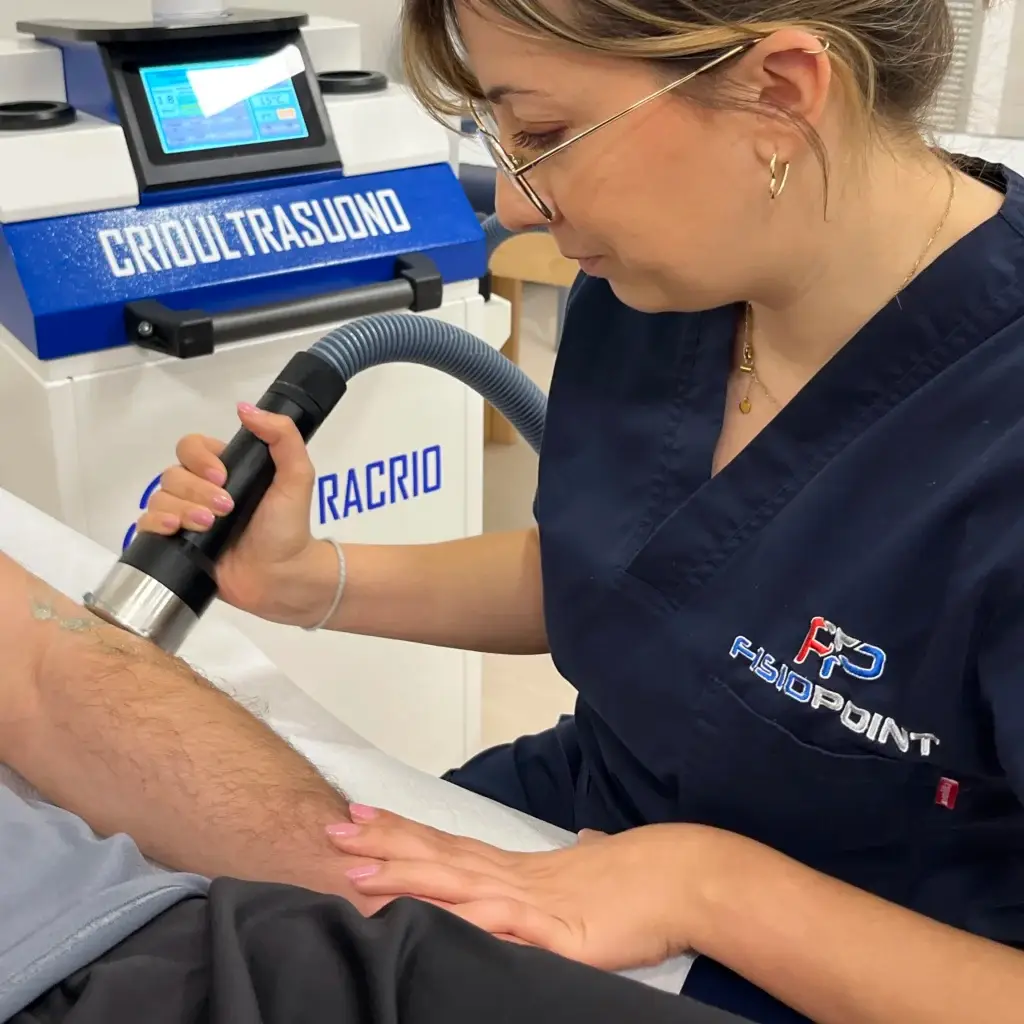
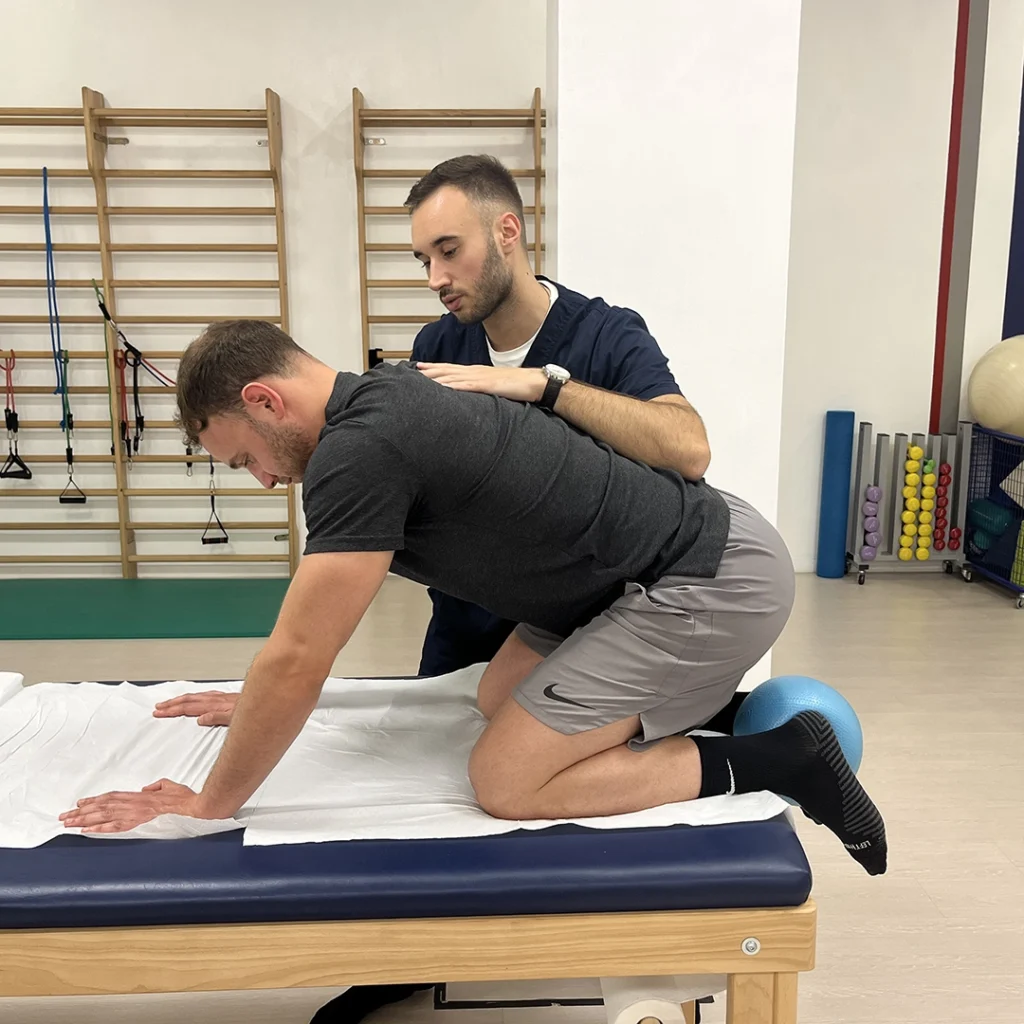
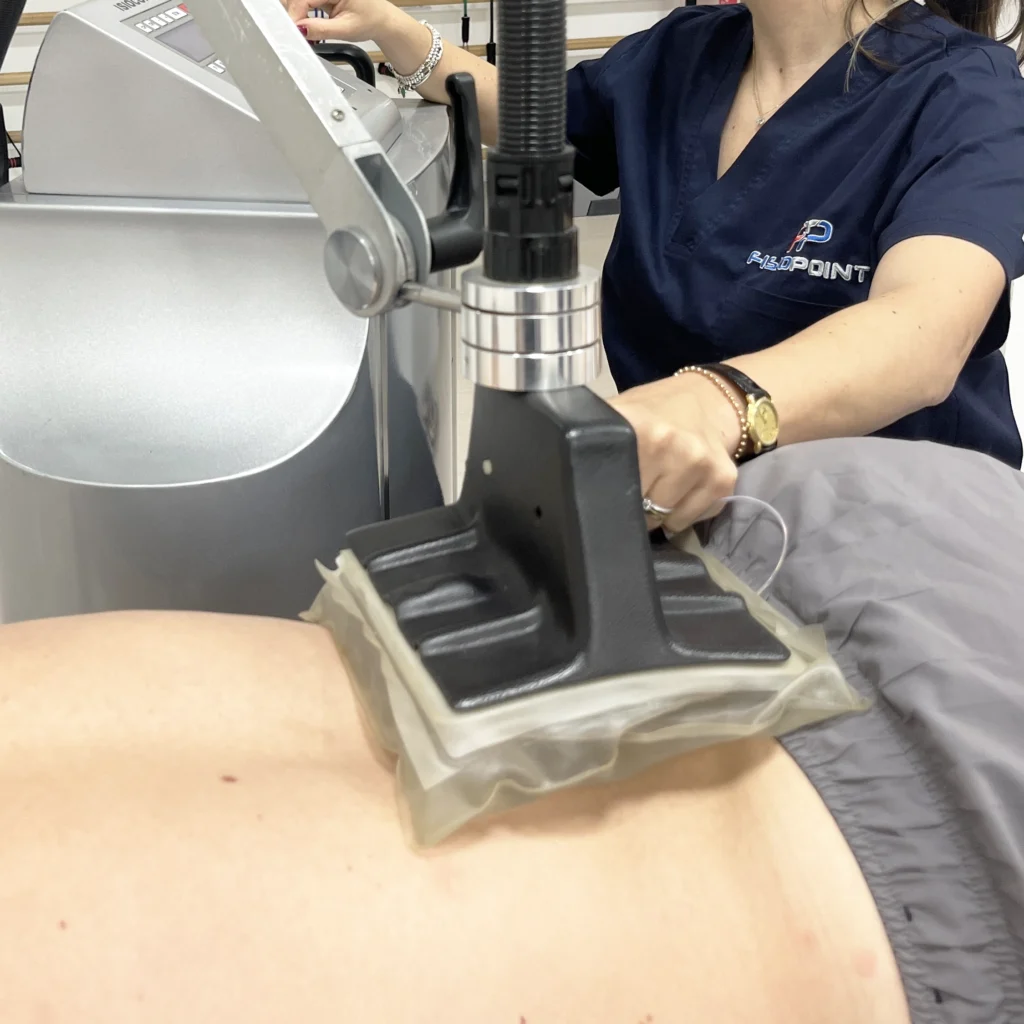
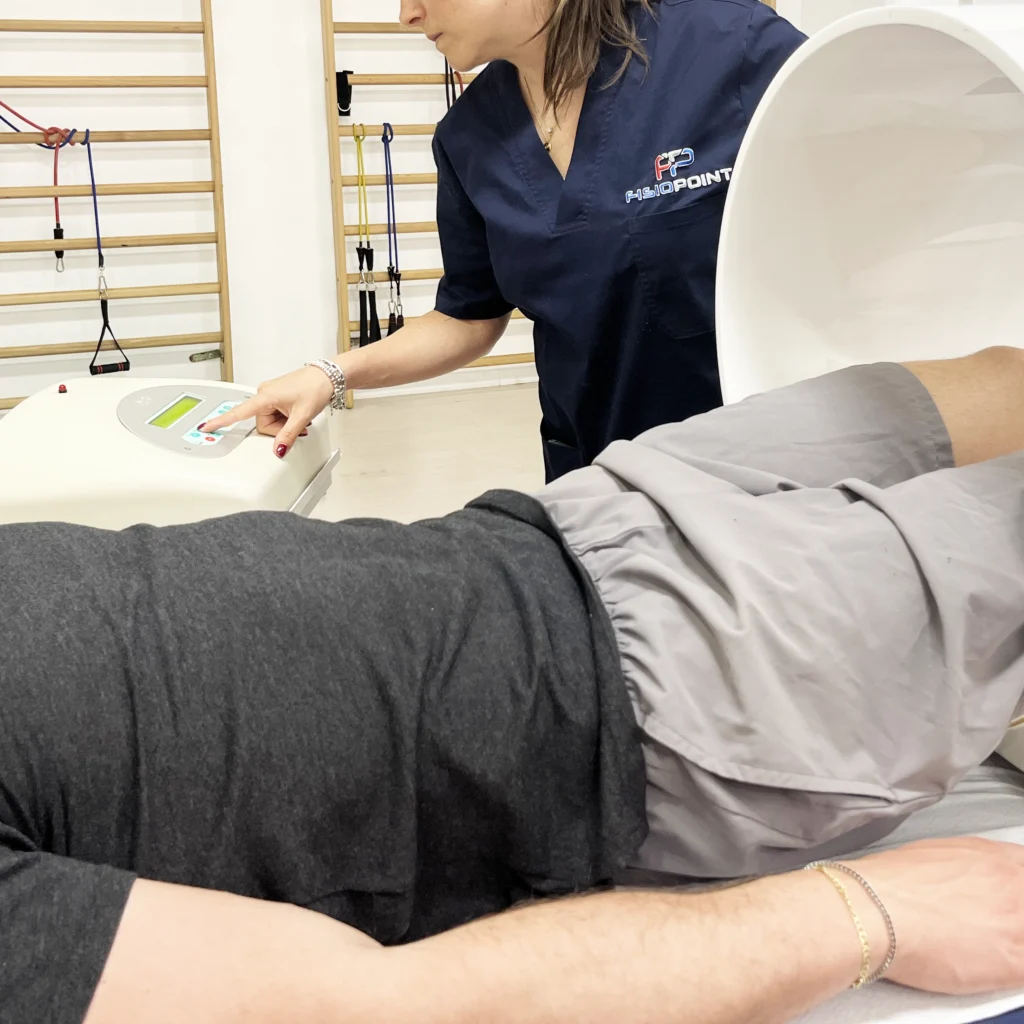
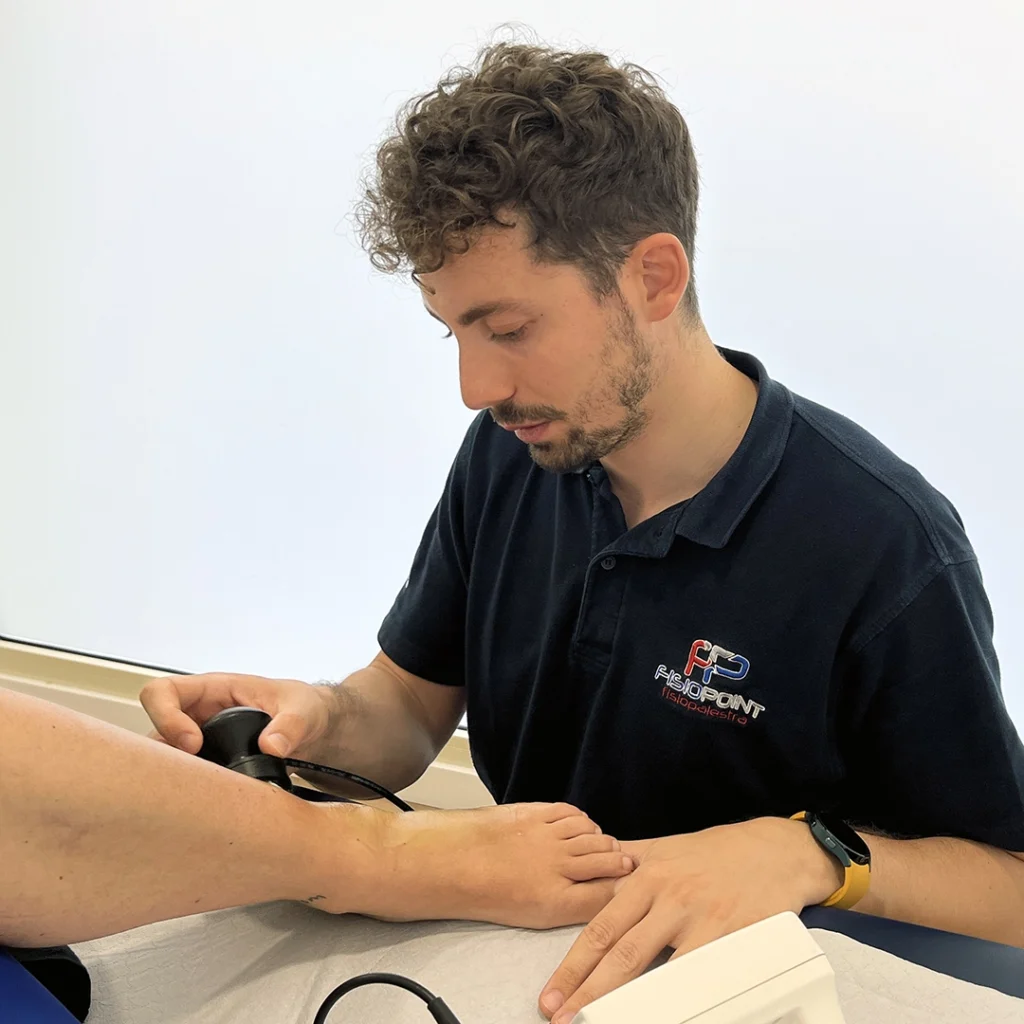
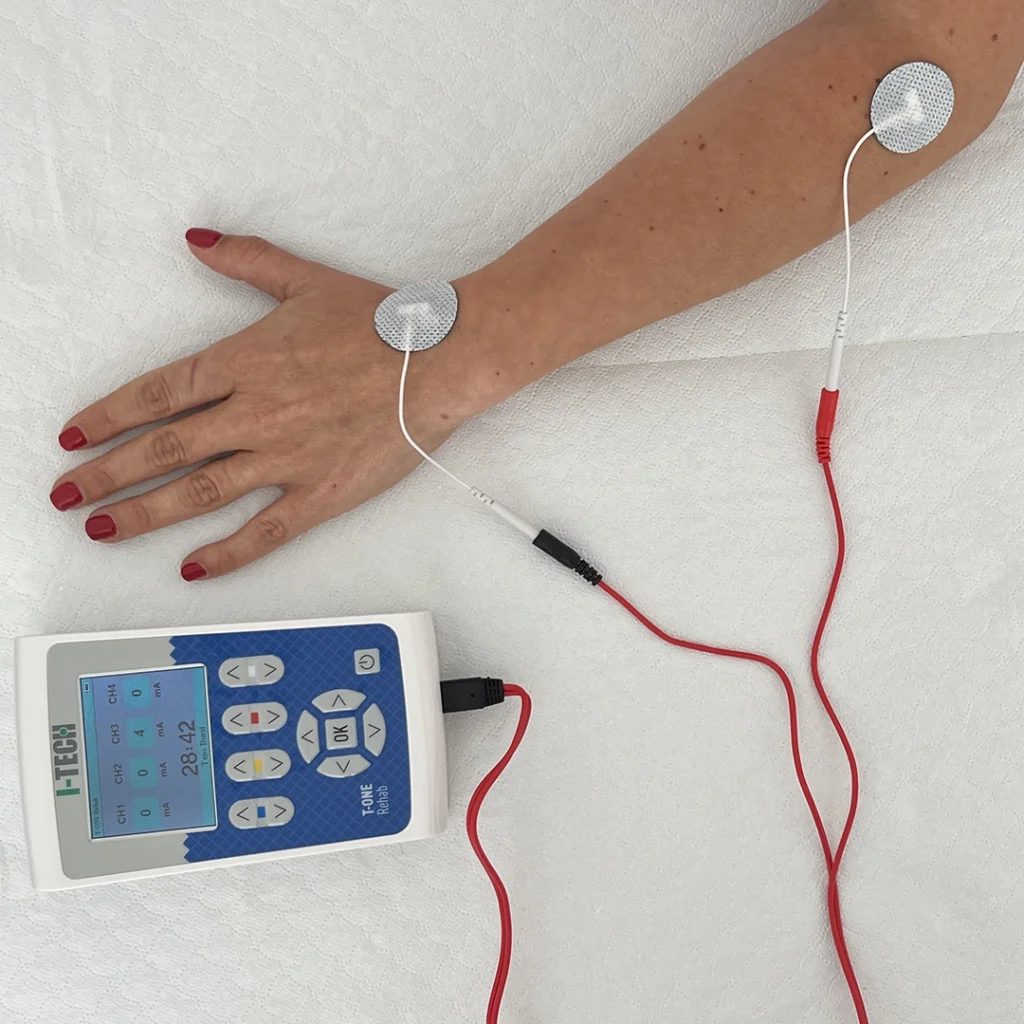
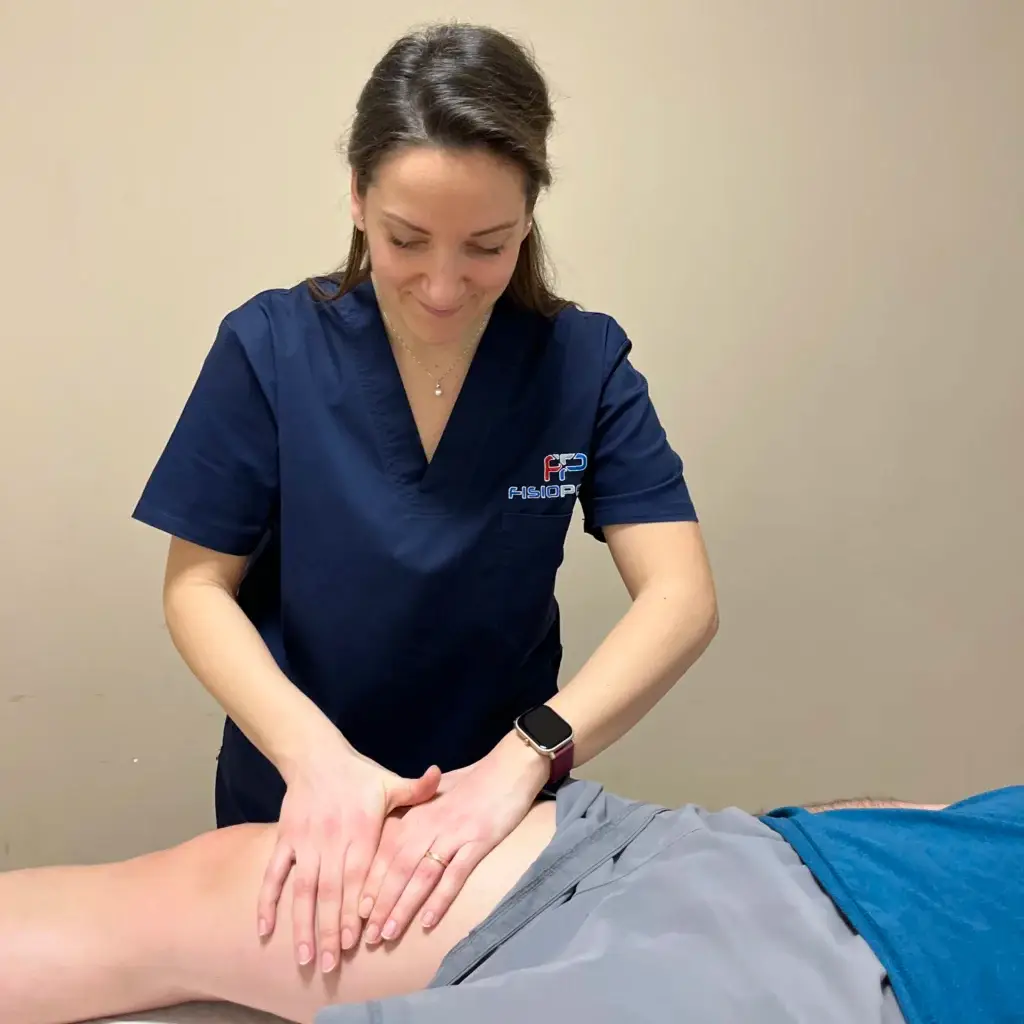
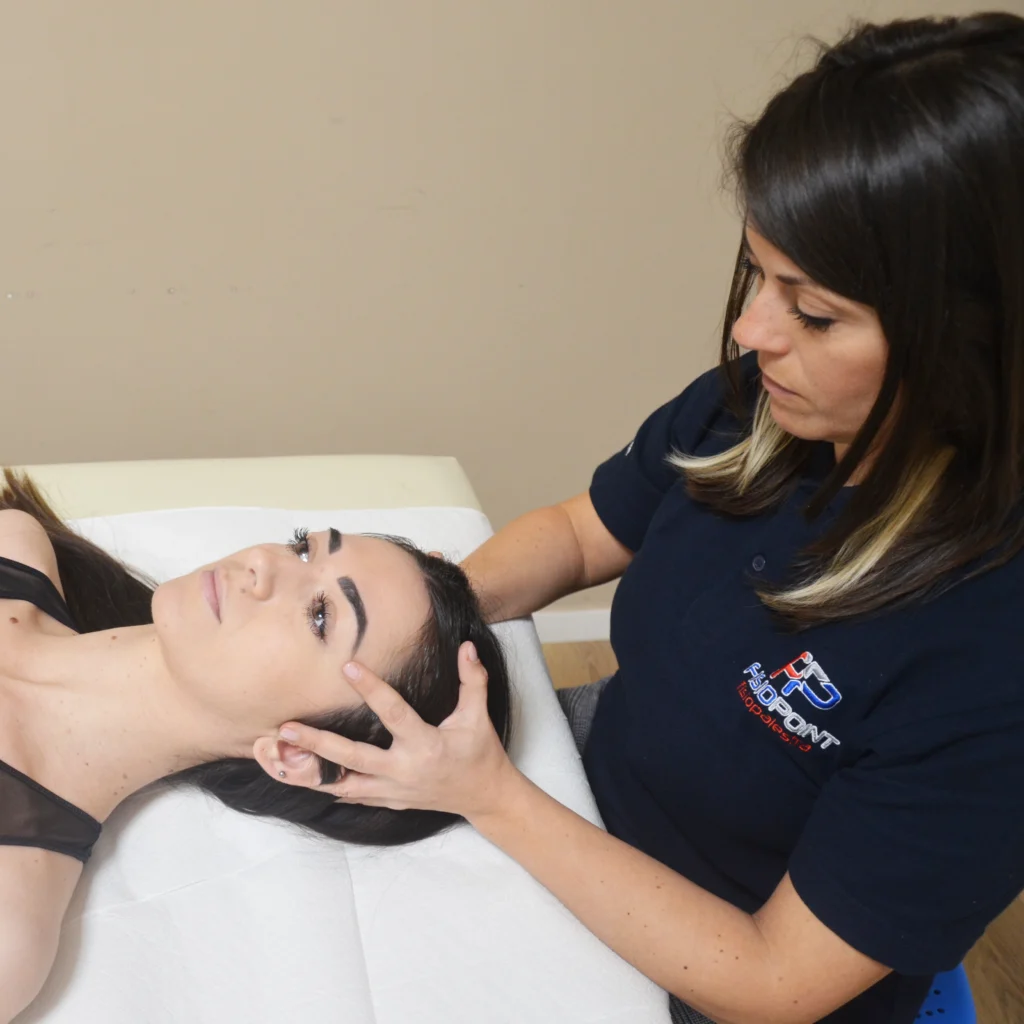
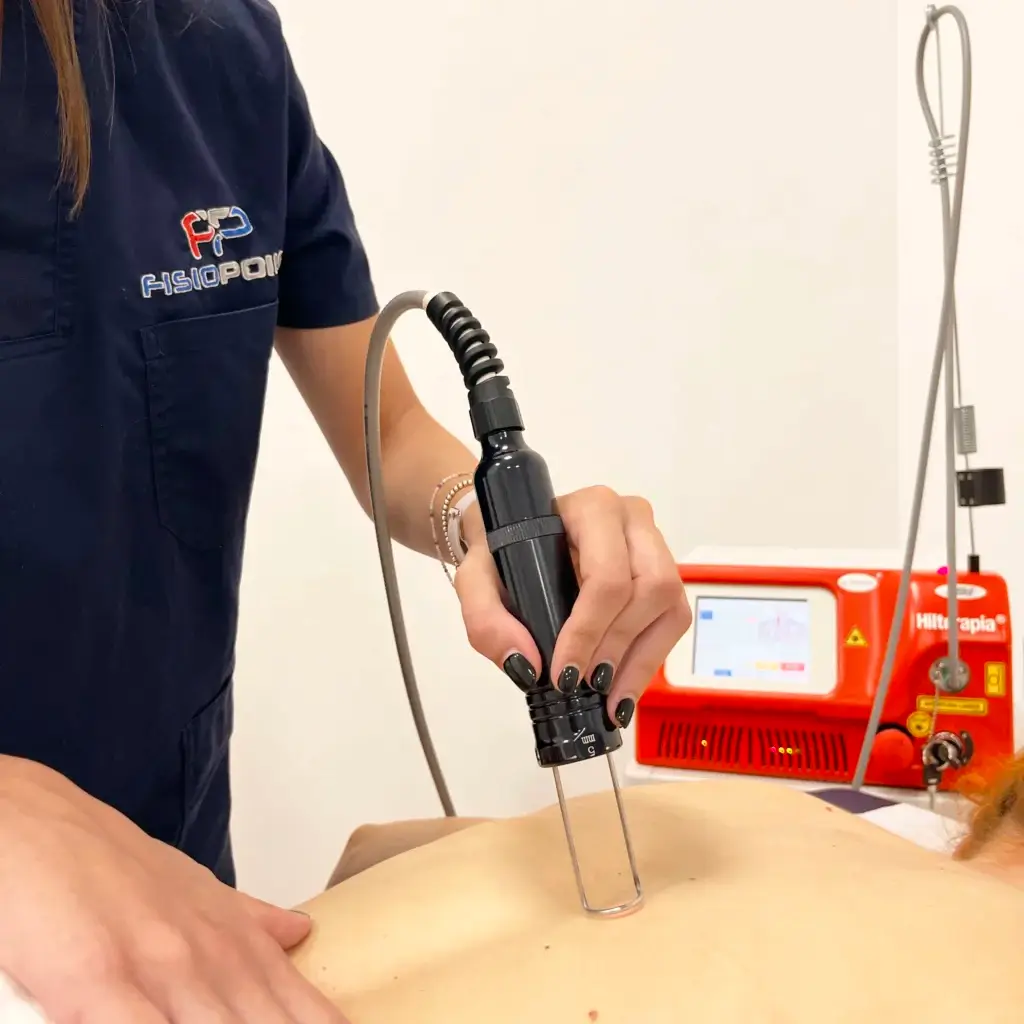
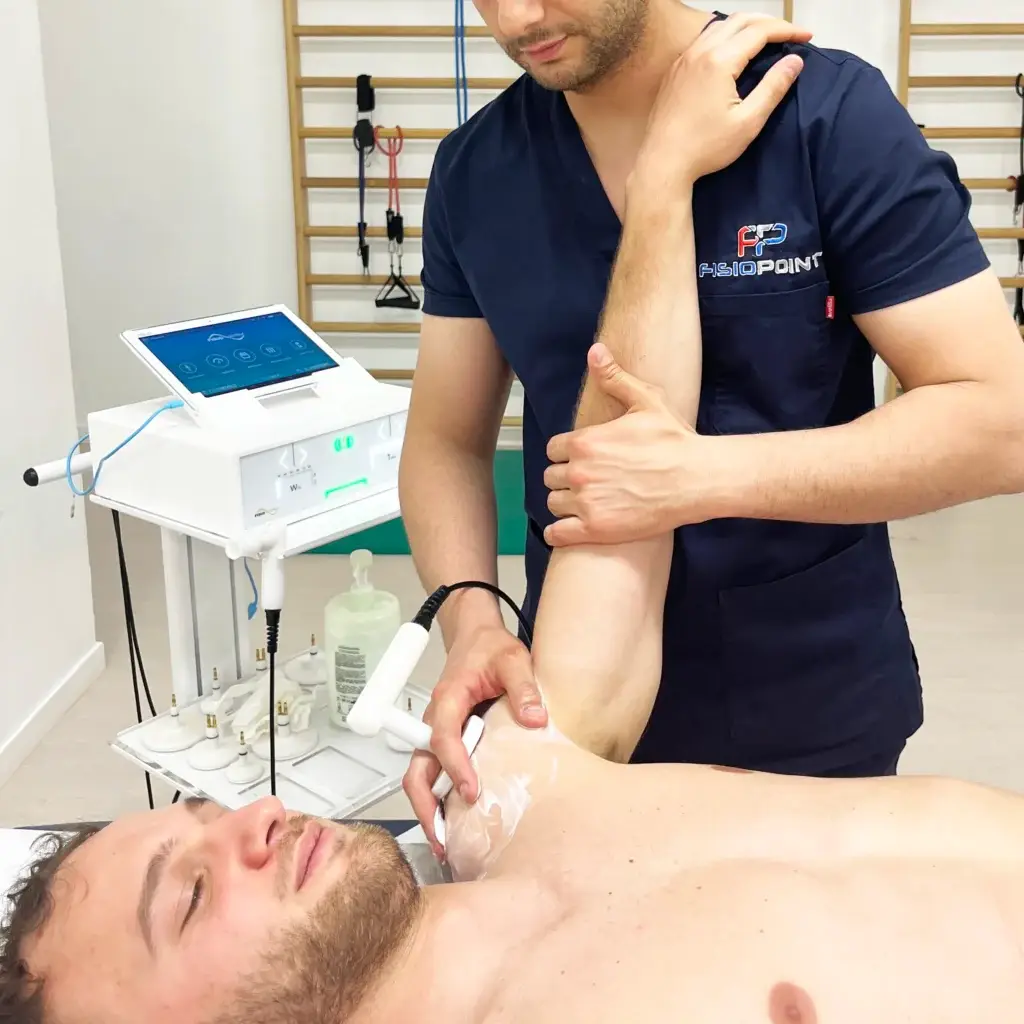
Il primo passo è quello di diminuire ed eliminare il dolore, e in questa fase potrebbe essere utile la physical therapy such as tecar e laser high power, which can also stimulate deep tissues such as the piriformis. It is essential manual handling il complesso articolare dell’anca e muscolare per garantire una mobilità completa e il ritorno alle condizioni fisiologiche del piriforme.
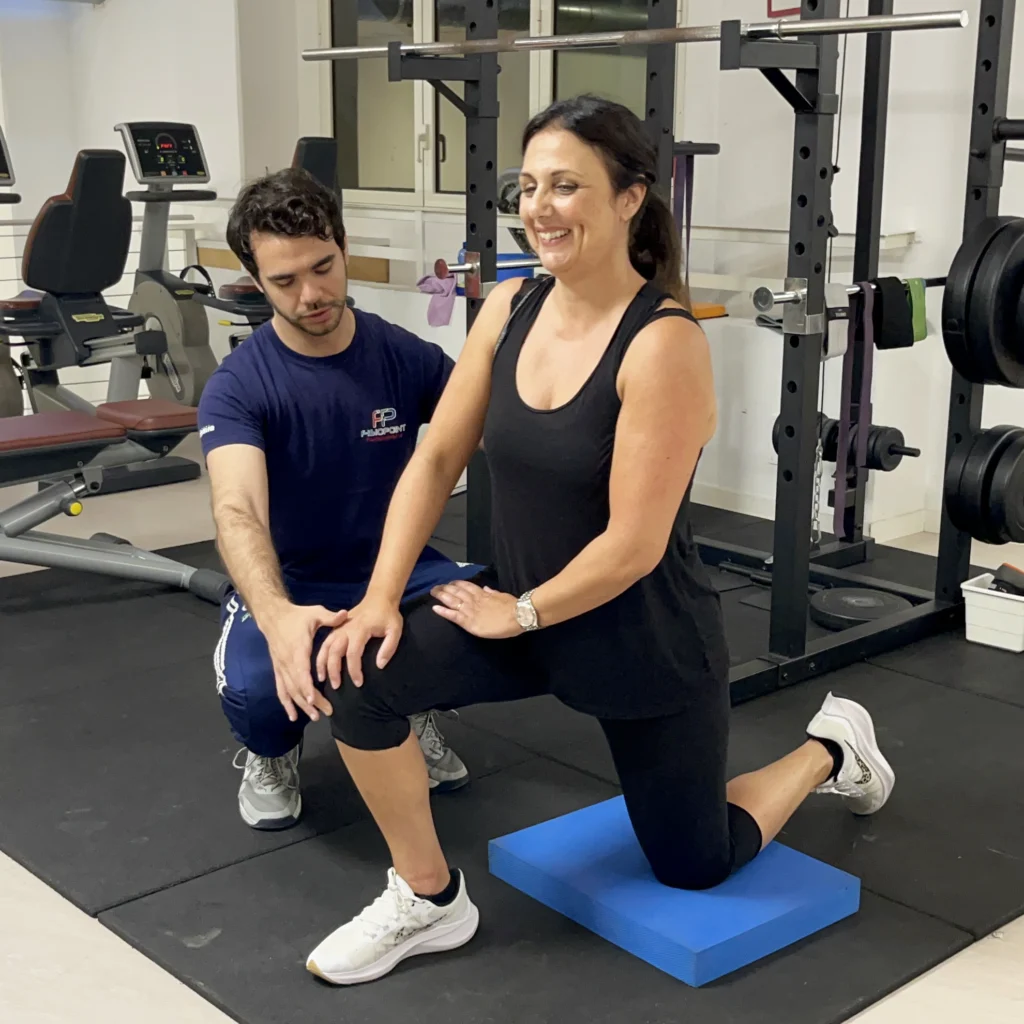
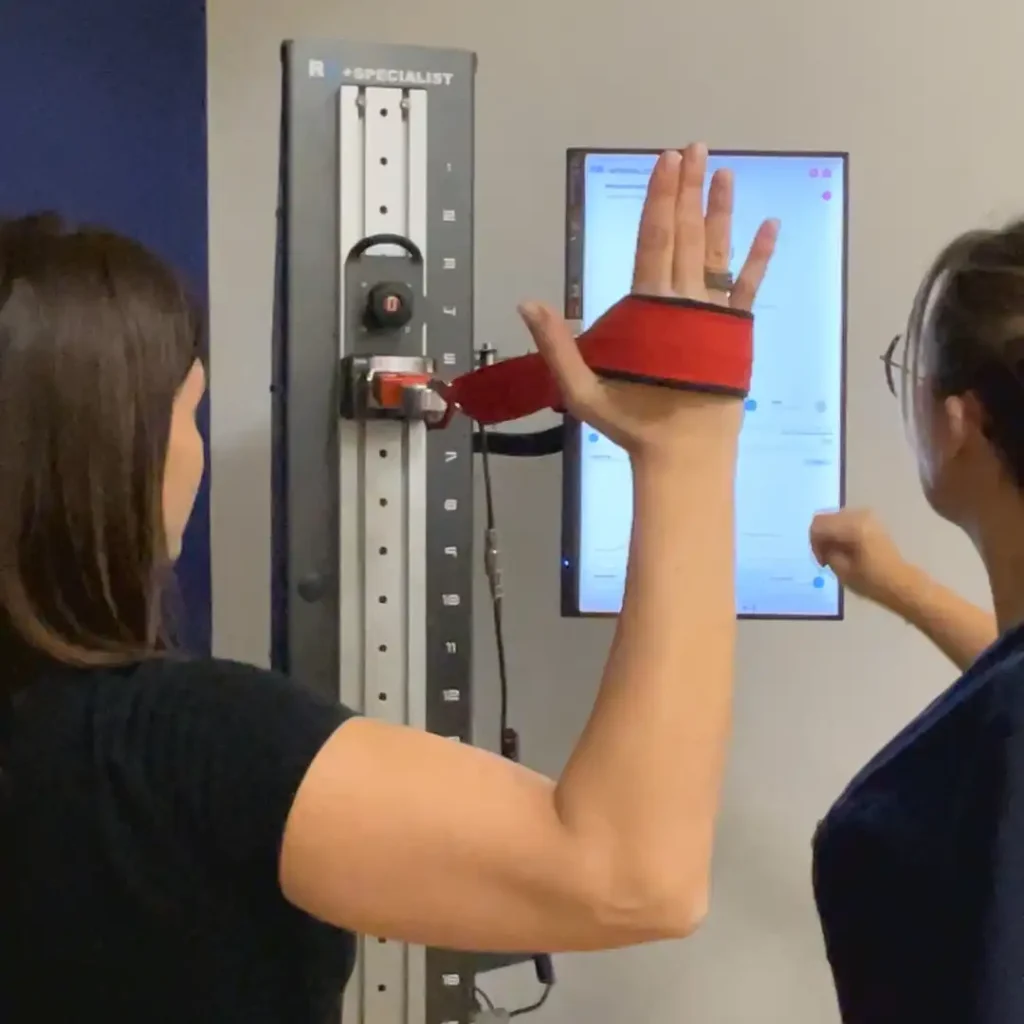
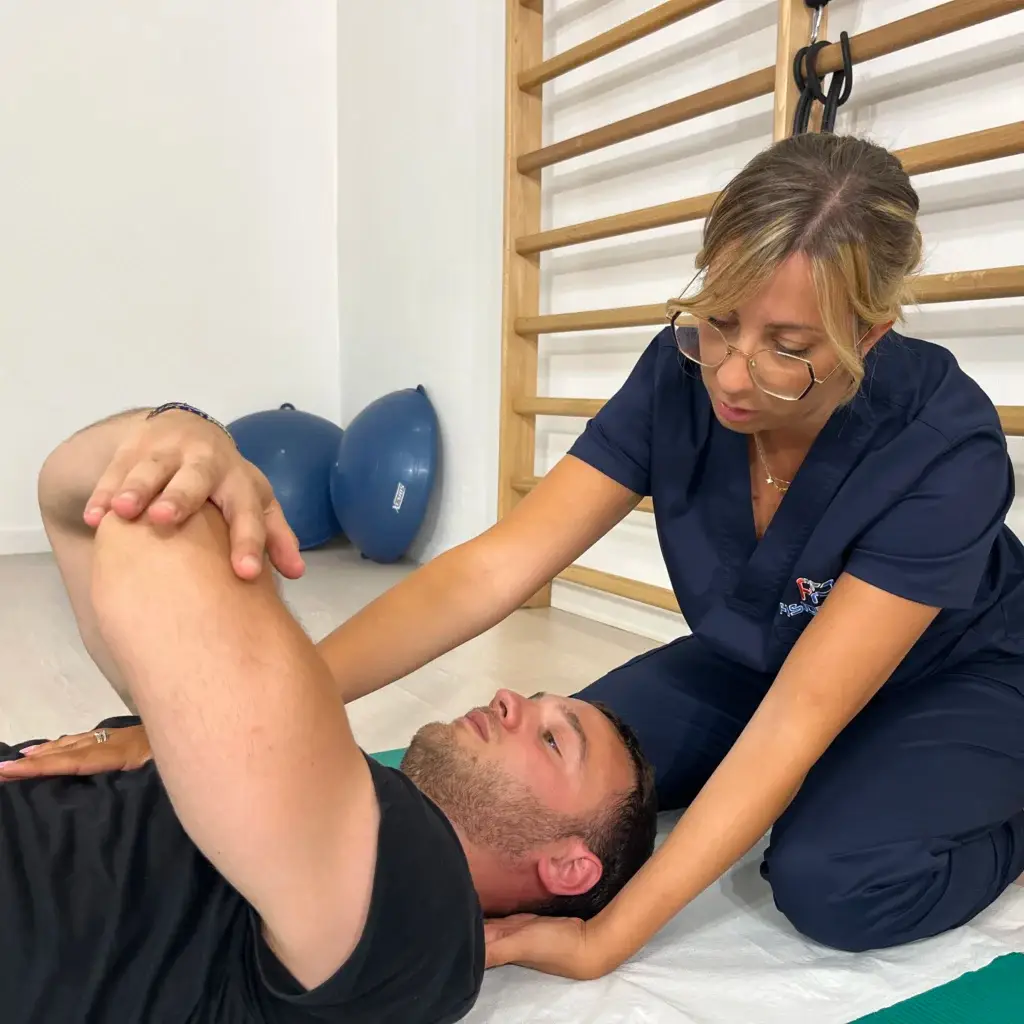
In una seconda fase, quando ormai starai meglio, si dovrà pensare al recupero funzionale per il ritorno alla tua normalità. Questo step prevede stretching exercises and of reinforcement of the piriformis muscle and beyond, and the resolution of the origin with the re-education postural, training of the proprioception and the core stability. Nello specifico, lo stretching e l’allungamento dei muscoli possono essere di grande aiuto nel curare la sindrome del piriforme. Il mantenimento della posizione, stretching statico, per circa 60 secondi riduce la tensione muscolare e ne favorisce un ritorno alle normali condizioni fisiologiche.
La terza, e ultima fase, si occupa della reathletisation entrusted to personal trainers, who will take care of your return to sporting activity without fear and risk of relapse.
Text by Elisa Piccioni
Learn more by watching the videos on our channel YouTube











 English
 Italian