Achilles tendon rupture is an injury that occurs most commonly in individuals practising sports. The lesion may be partial or total and in the latter case the approach chosen is almost always surgical.
Anatomy of the Achilles tendon
The Achilles tendon is a very strong tendon, the strongest in our body, which arises from the fusion of the gastrocnemius and soleus muscle. It connects the calf muscles (triceps suralis) to the heeland is responsible for many of the foot's thrusting movements during stepping, jumping and running.
Causes of Achilles tendon injury
The causes of the injury may be:
- Traumatic
- Microtraumatic, or by functional overload
- On a inflammatory
There are risk factors which may be intrinsic o extrinsic, therefore be a consequence of physical conditions of the subject or external to him.
Intrinsic factors are, for example:
- the subject's own anatomy, which deviates and changes the physiological load distribution on the foot with consequences on the tendon
- dysmetabolic diseases that alter the conformation of tendon tissue, causing it to age prematurely
- age and years of sporting activity.
Extrinsic factors are those that are not dependent on the individual and often become determinants of tendon injuries:
Complete rupture is often traumatic and almost always affects athletes during starting blocks or sudden changes of direction. They are common in sports such as football, running or padel.
What are the symptoms of Achilles tendon injury?
In most cases, the injury extends into the insertional zone of the tendon.
Usually the patient describes the episode with the sensation of a direct kick on the heel simultaneous with a pop or crack. Later, pain and obvious signs of injury appear:
- inability to bear weight on the affected limb
- weakness and rigidity of the ankle
- loss of strength in plantar flexion and inability to walk on toes
- difficulty in walking and lameness
- possible swelling around the heel.
How is the diagnosis made?
Whether the injury is the result of trauma or micro-trauma, the clinical picture of the subject immediately becomes clear and limiting. It is essential to rely immediately on a professional who will guide him/her towards healing and full recovery. Diagnosis is based on two phases:
During the clinical examination, the practitioner studies the patient's medical history to see if there are any predisposing factors in his or her daily activities and to study the dynamics of the trauma. In a second moment, he/she observes the area looking for swelling and then administers clinical examinations (e.g. palpation, Matles' test and Thompson's test).
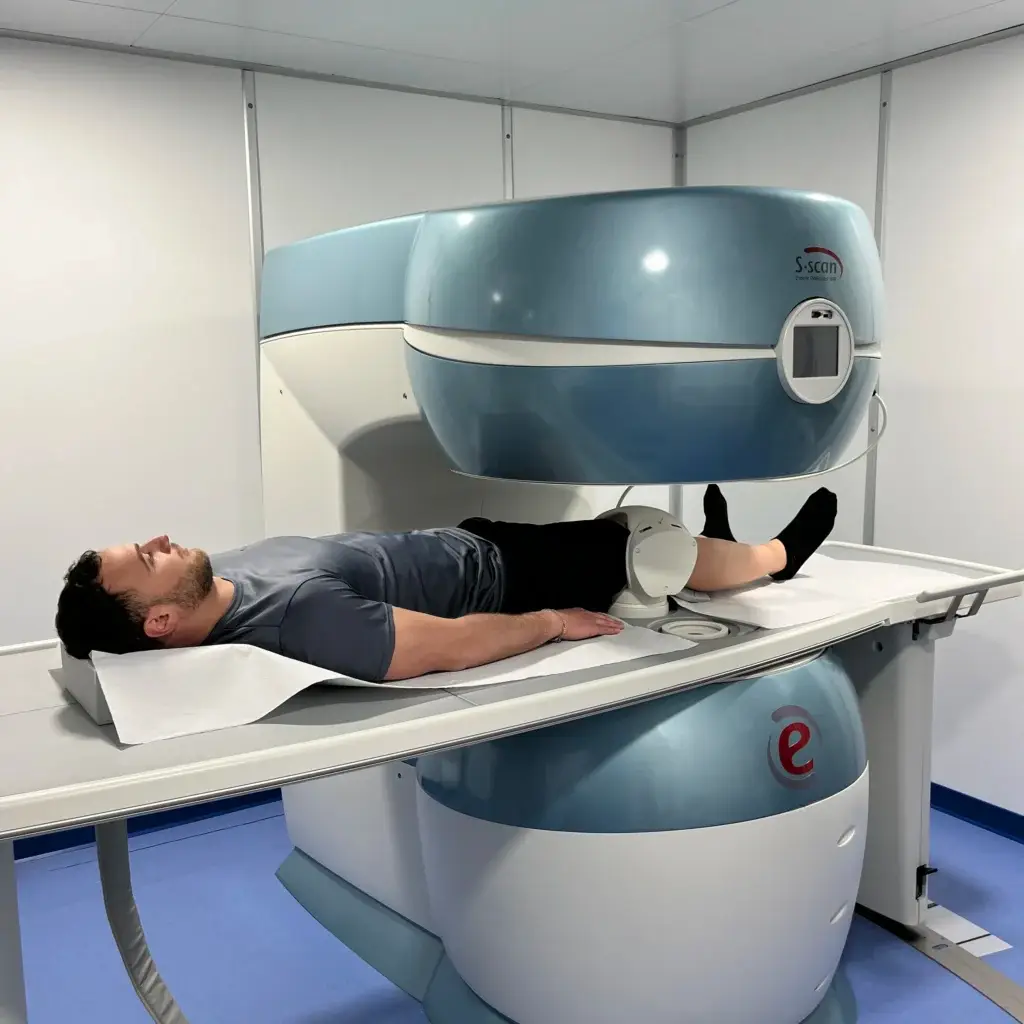
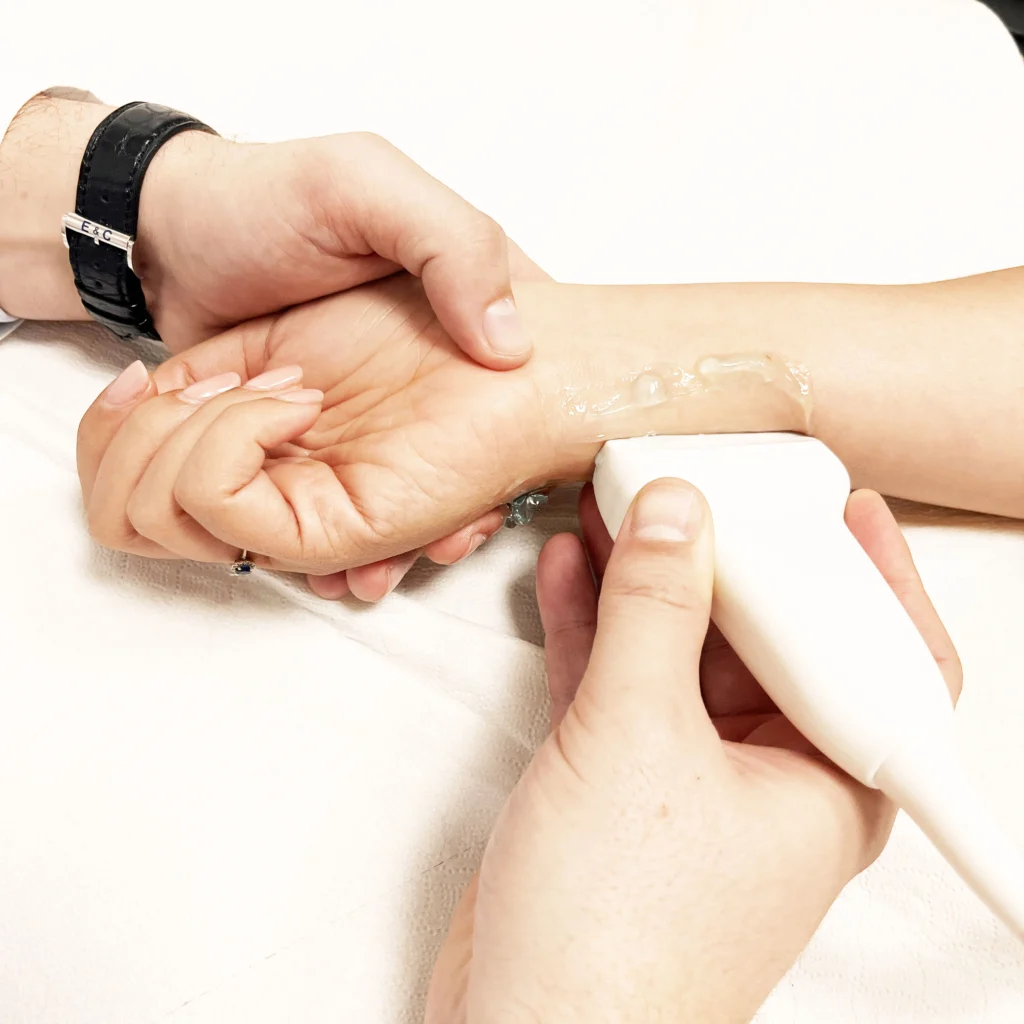
The diagnosis is practically clinical but, to confirm it, diagnostic investigations may be useful: radiography to exclude adnexal bills, and ultrasound or MRI to highlight and quantify the lesion of the Achilles tendon.
Depending on the amount of fibres involved, one can classifying injuries according to type:
- 1: partial lesions involving less than 50% fibres
- 2complete rupture with tendon gap ≤3 cm
- 3complete rupture with a tendon gap of 3 to 6 centimetres
- 4complete rupture with gap >6 centimetres.
How is an Achilles tendon injury treated?
Once the diagnosis has been made and the injury quantified, two treatment paths open up: conservative o surgical. The choice is made by the orthopaedic surgeon who will take into account the needs and characteristics of the patient: age, sports goals, degree of injury, tissue quality.
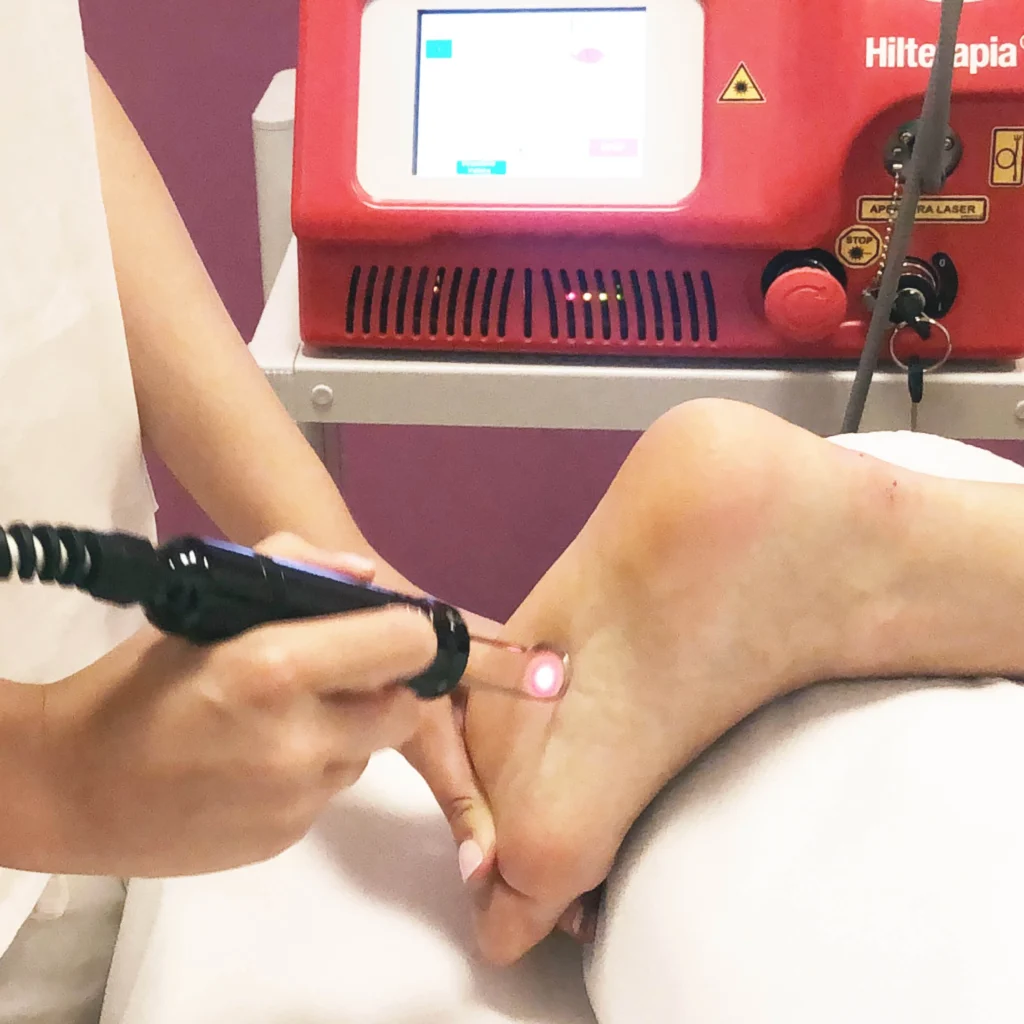
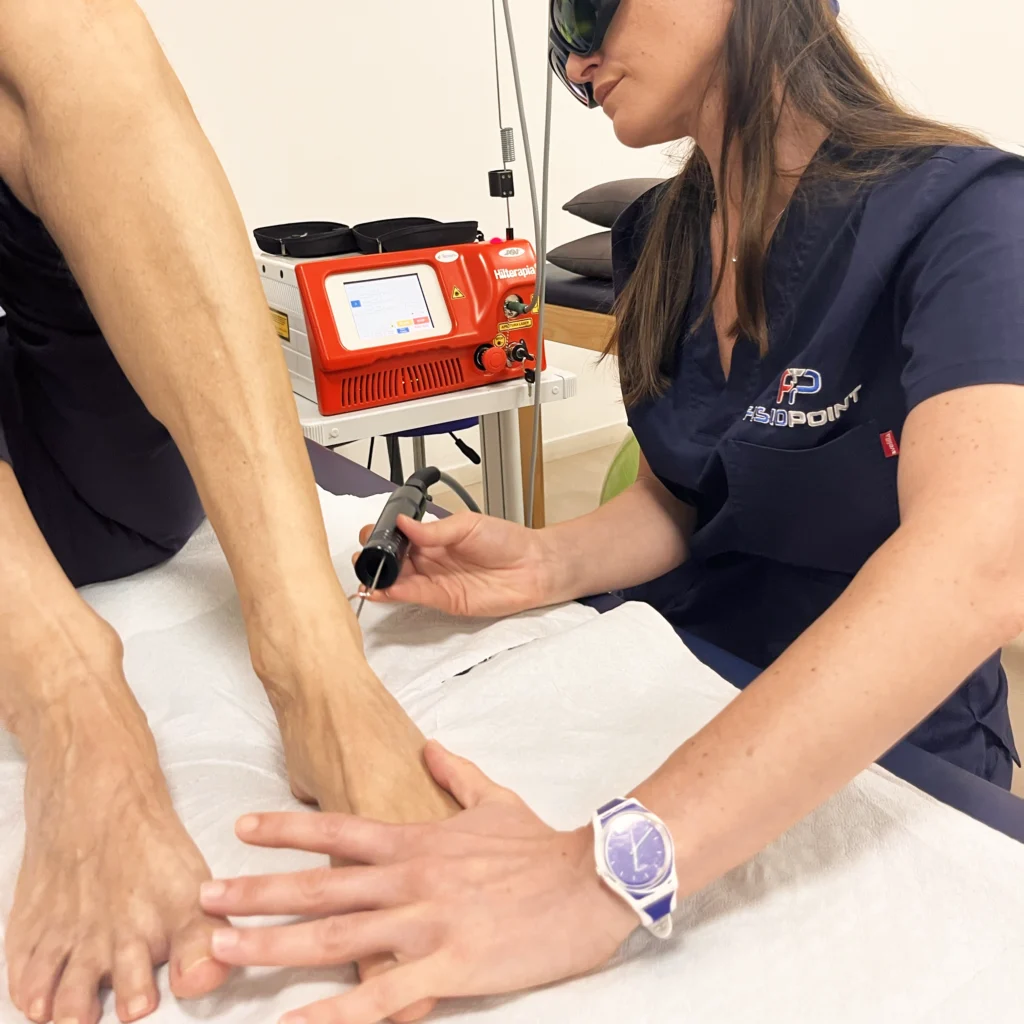
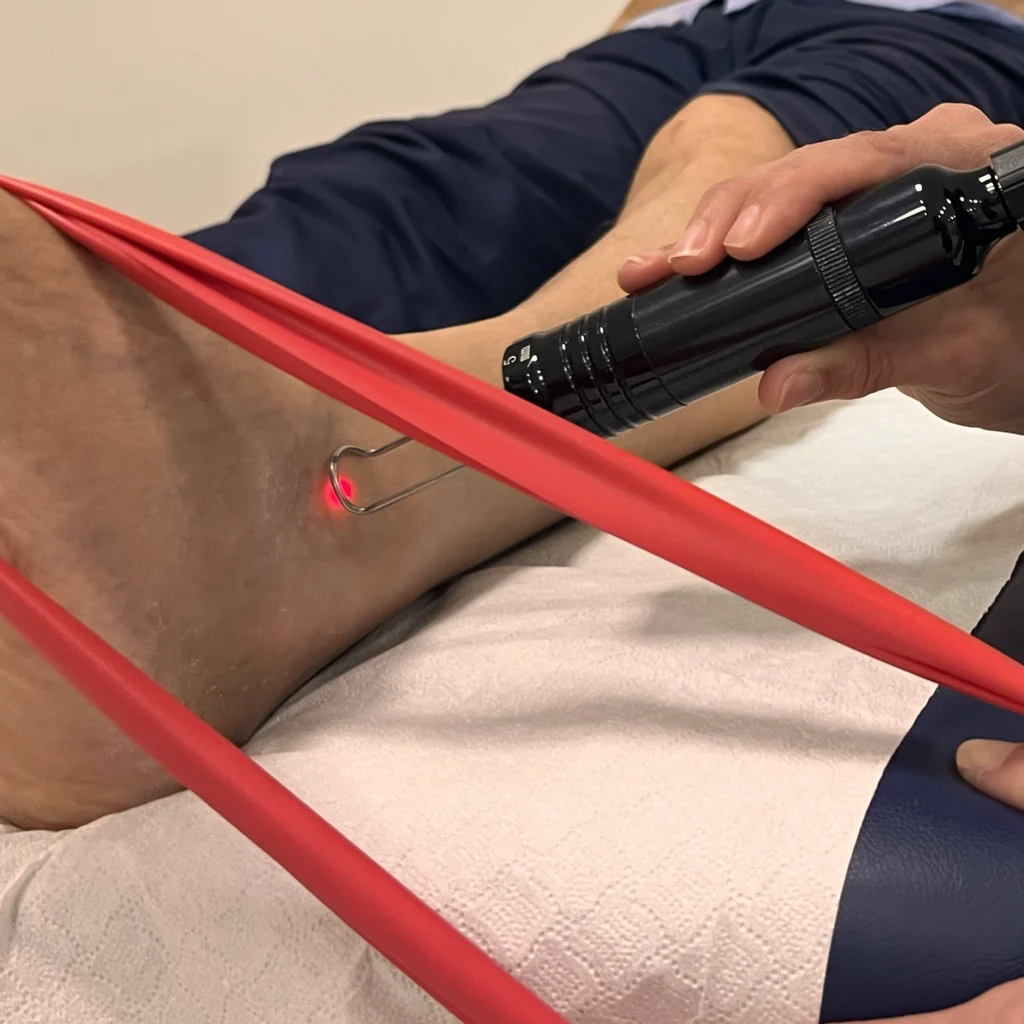
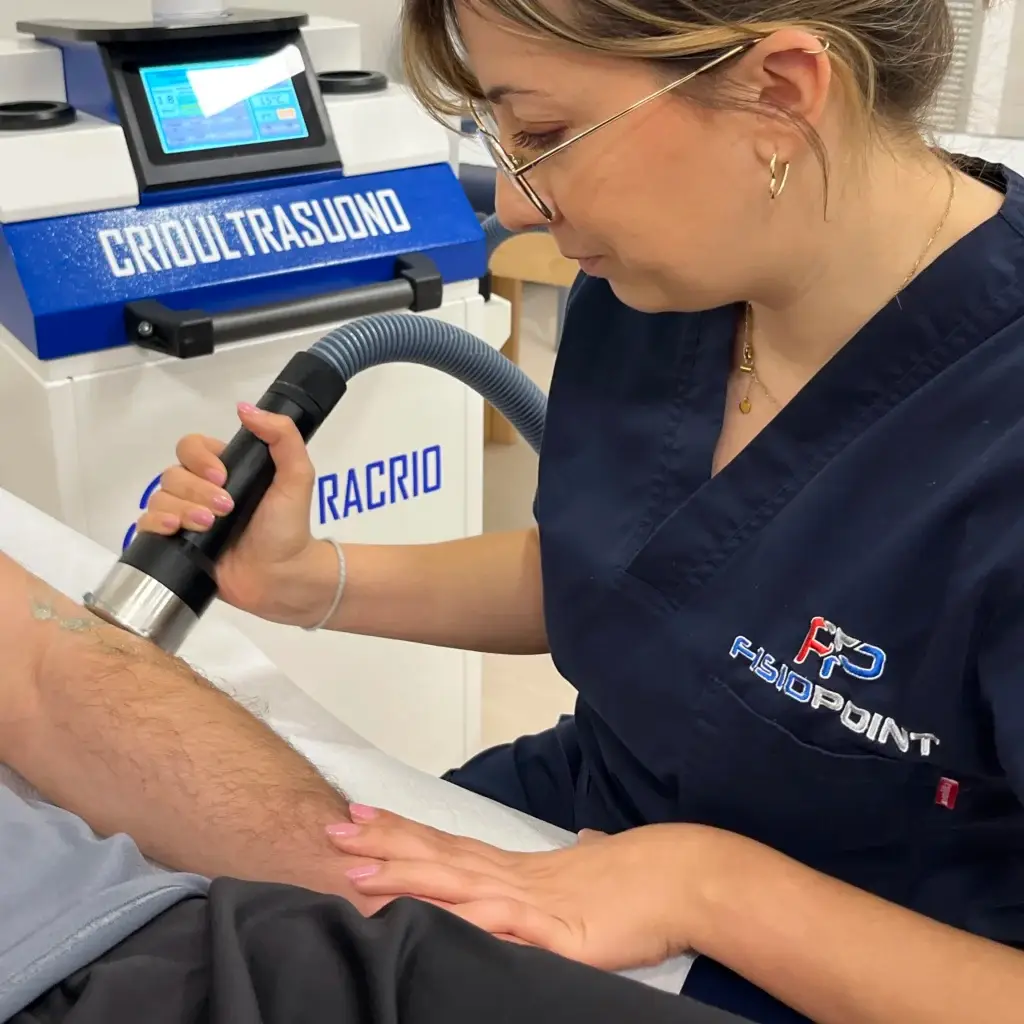
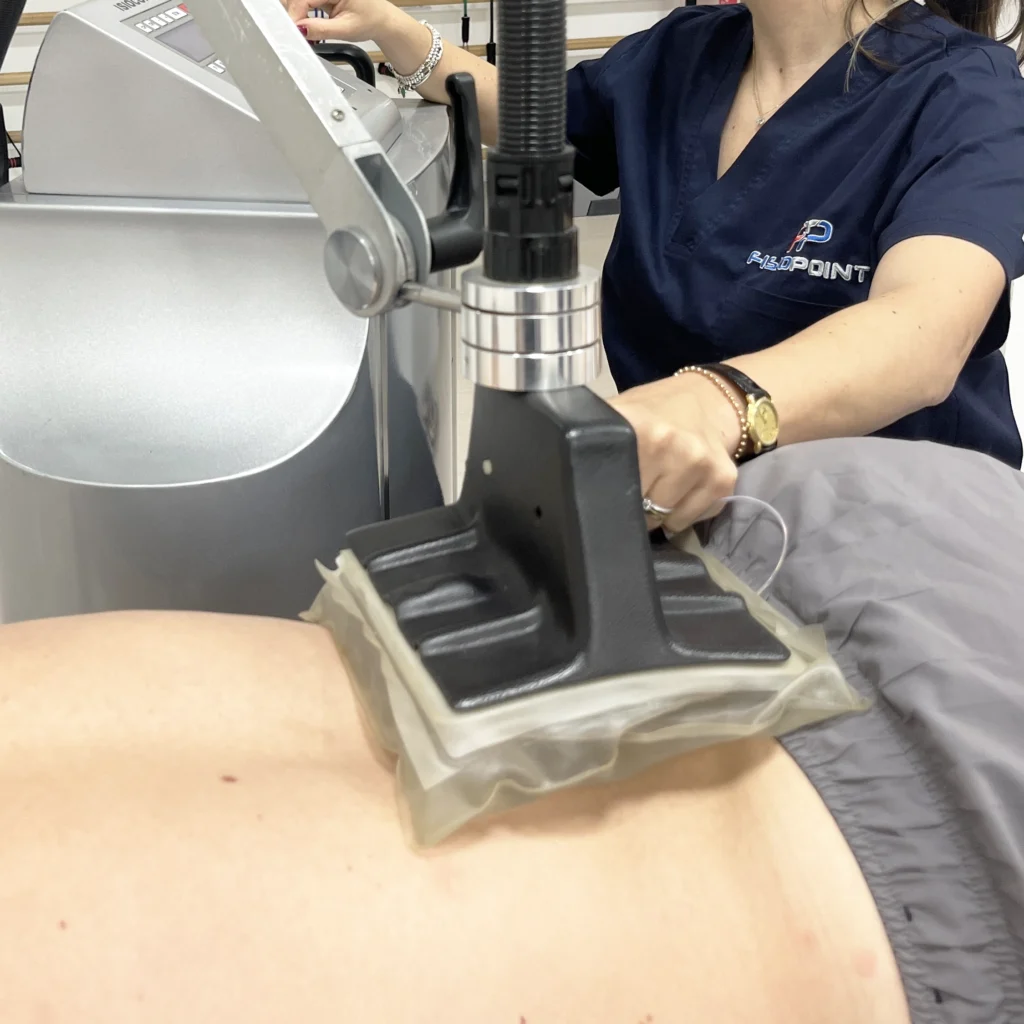
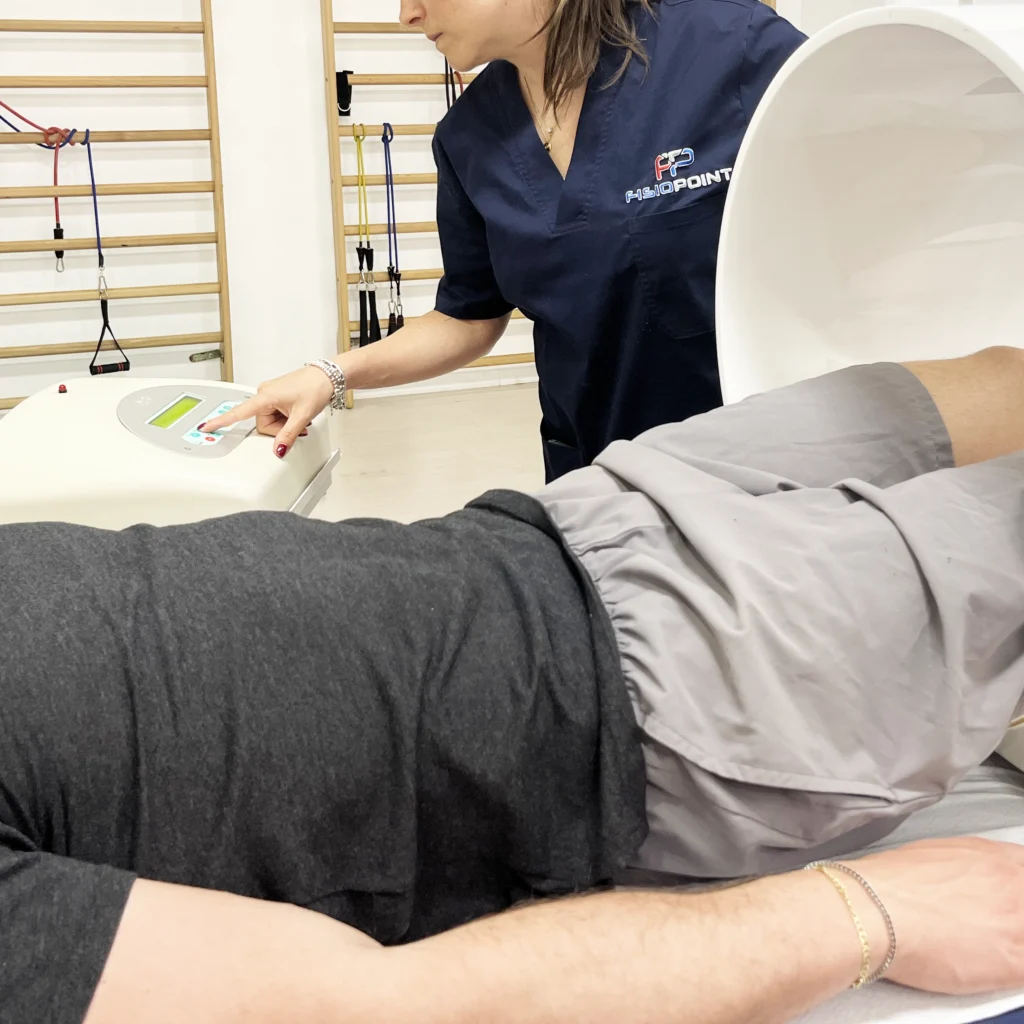
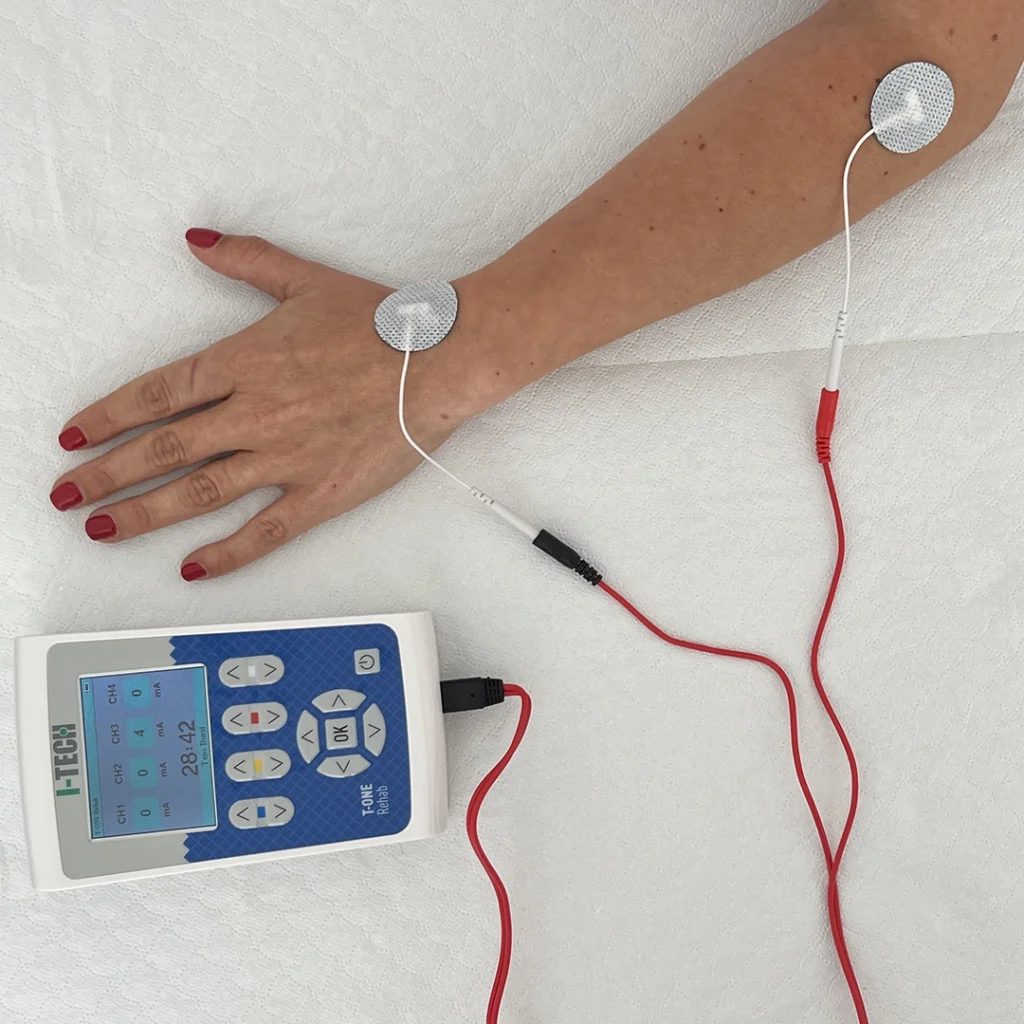
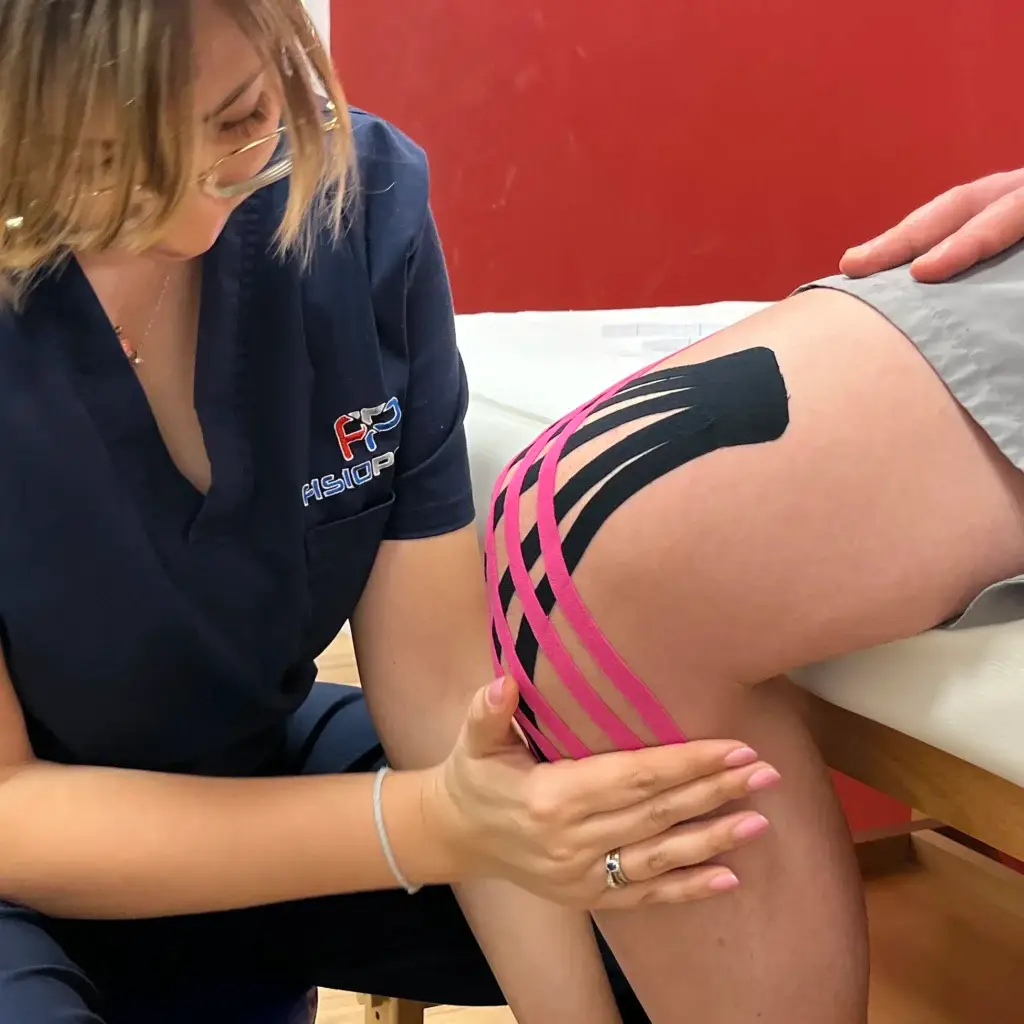
Conservative treatment involves immobilising the ankle with a brace that brings the two ends of the injury closer together and facilitates healing. This may be accompanied by physiotherapy to control and reduce pain, inflammation and oedema. Immediate loading is at the discretion of the orthopaedist.
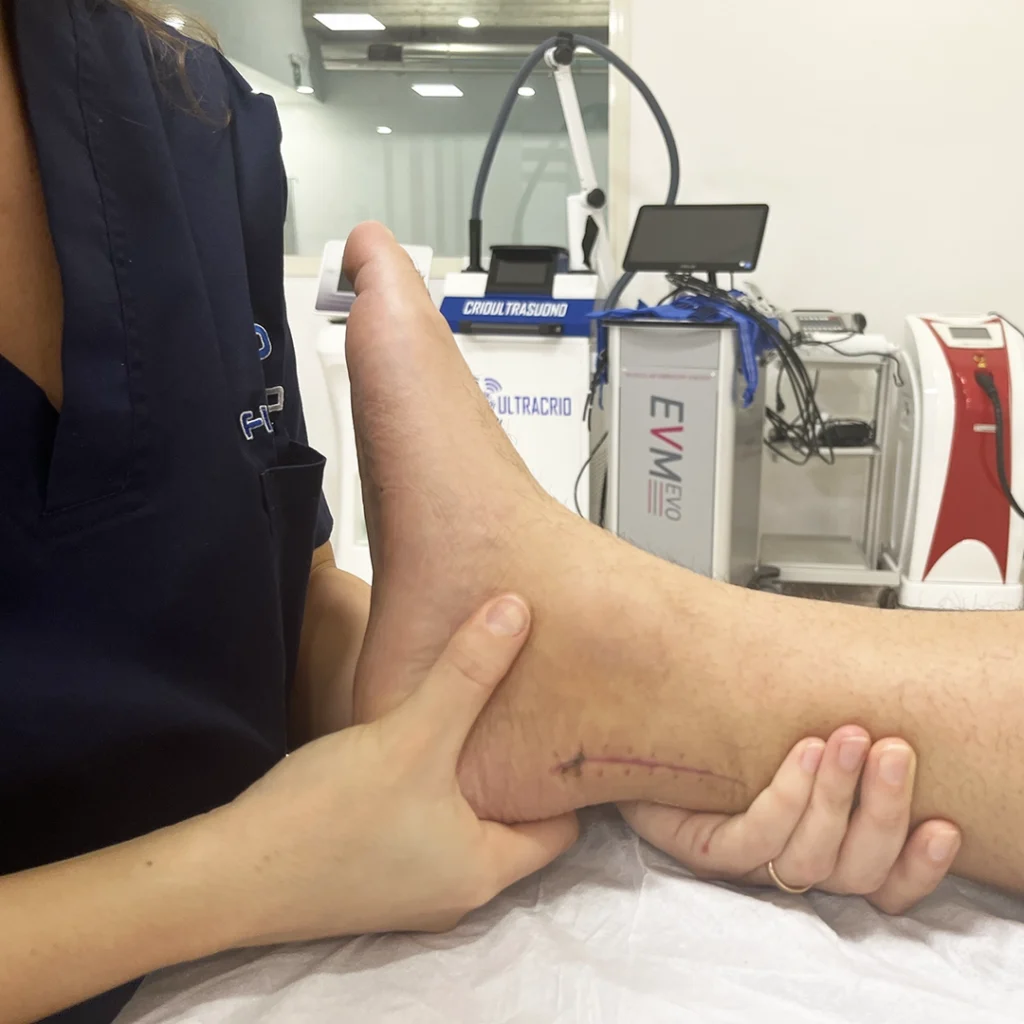
Surgery can be performed by various methods.
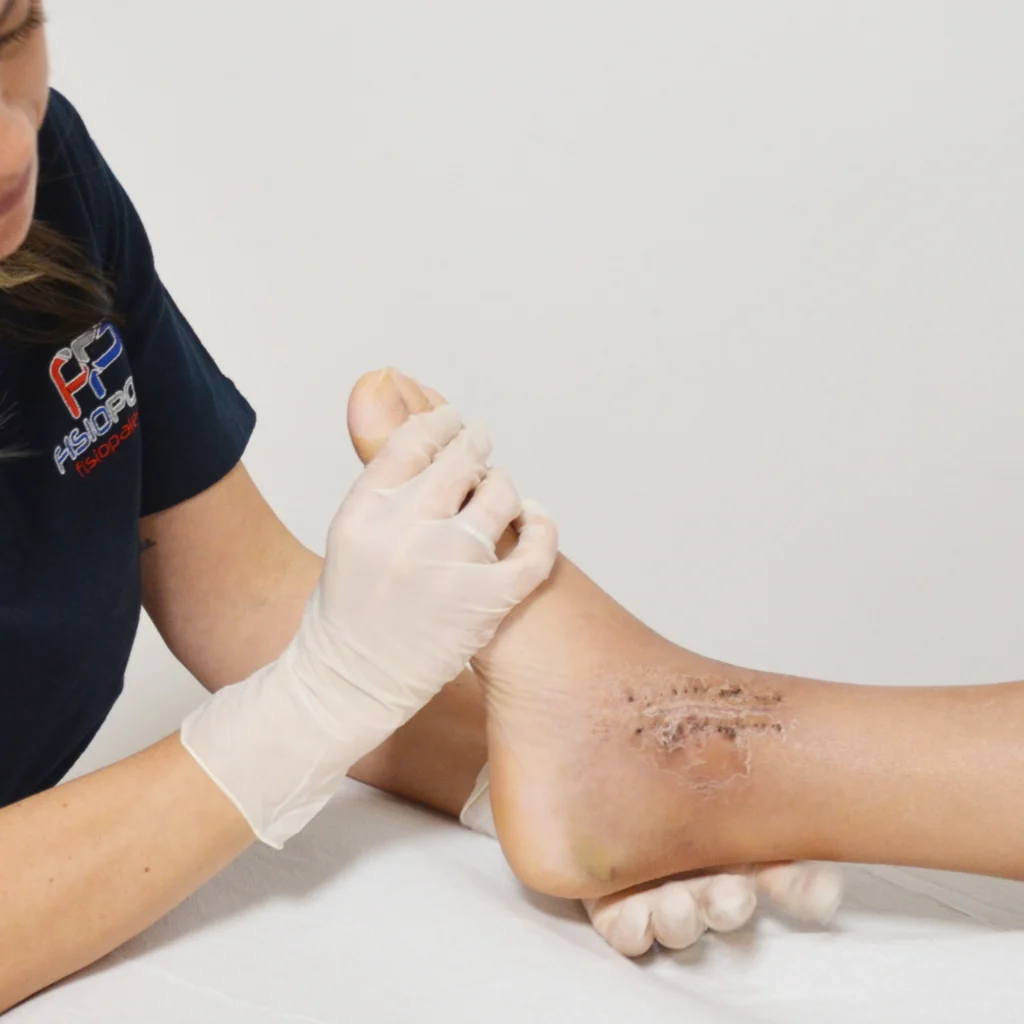
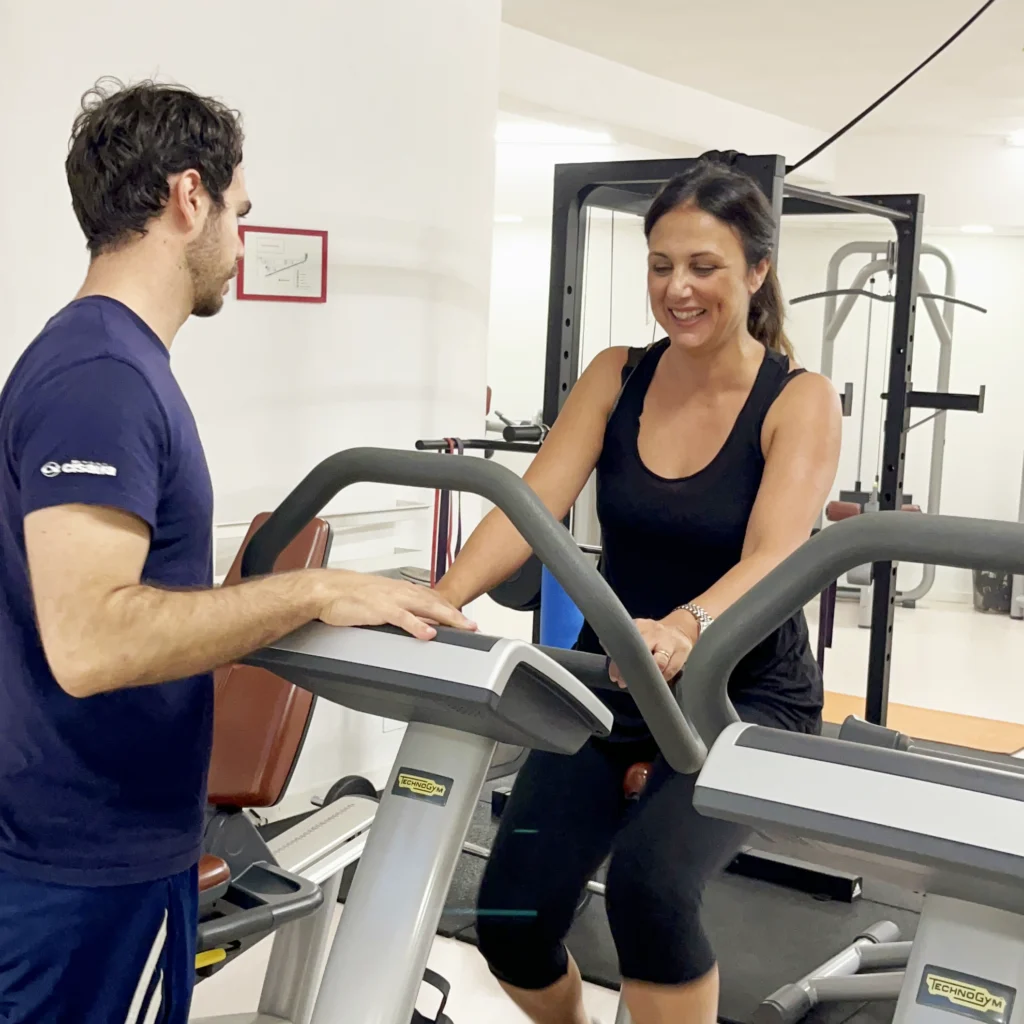
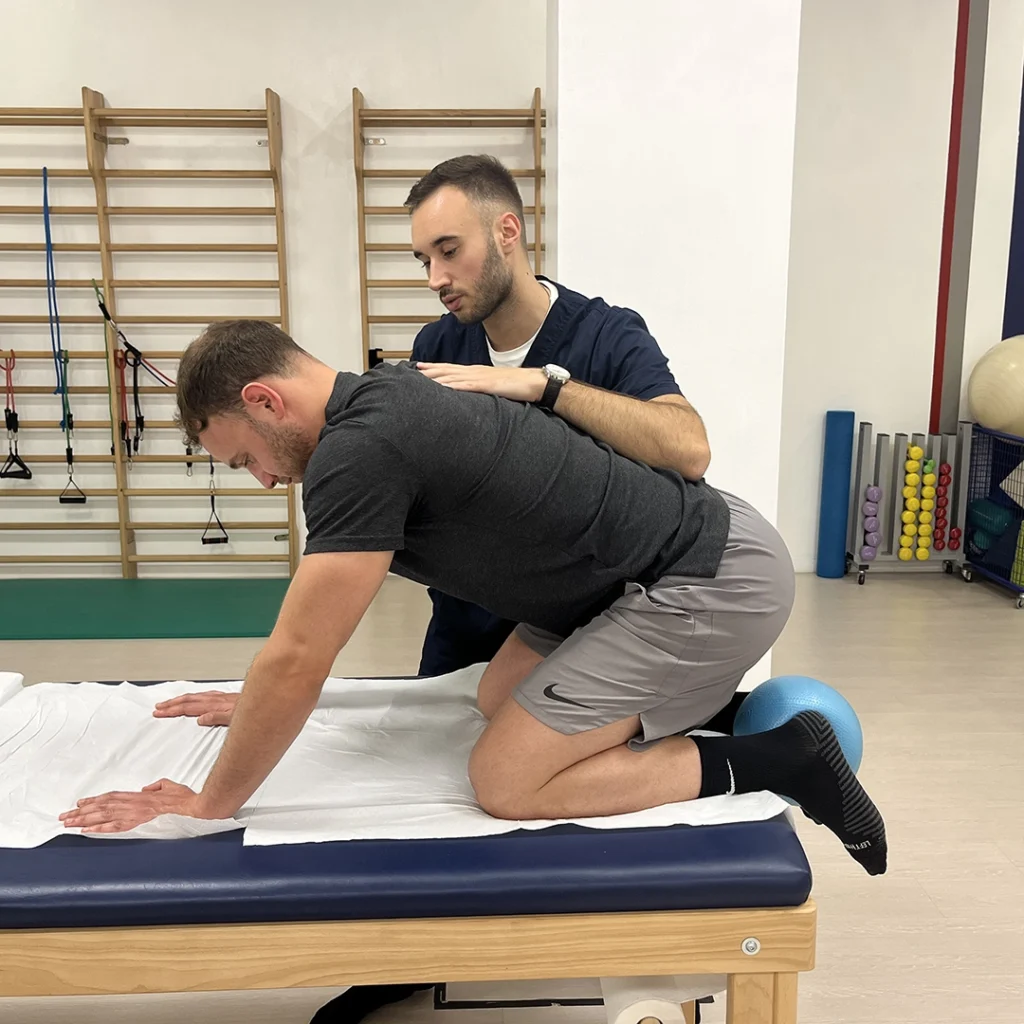
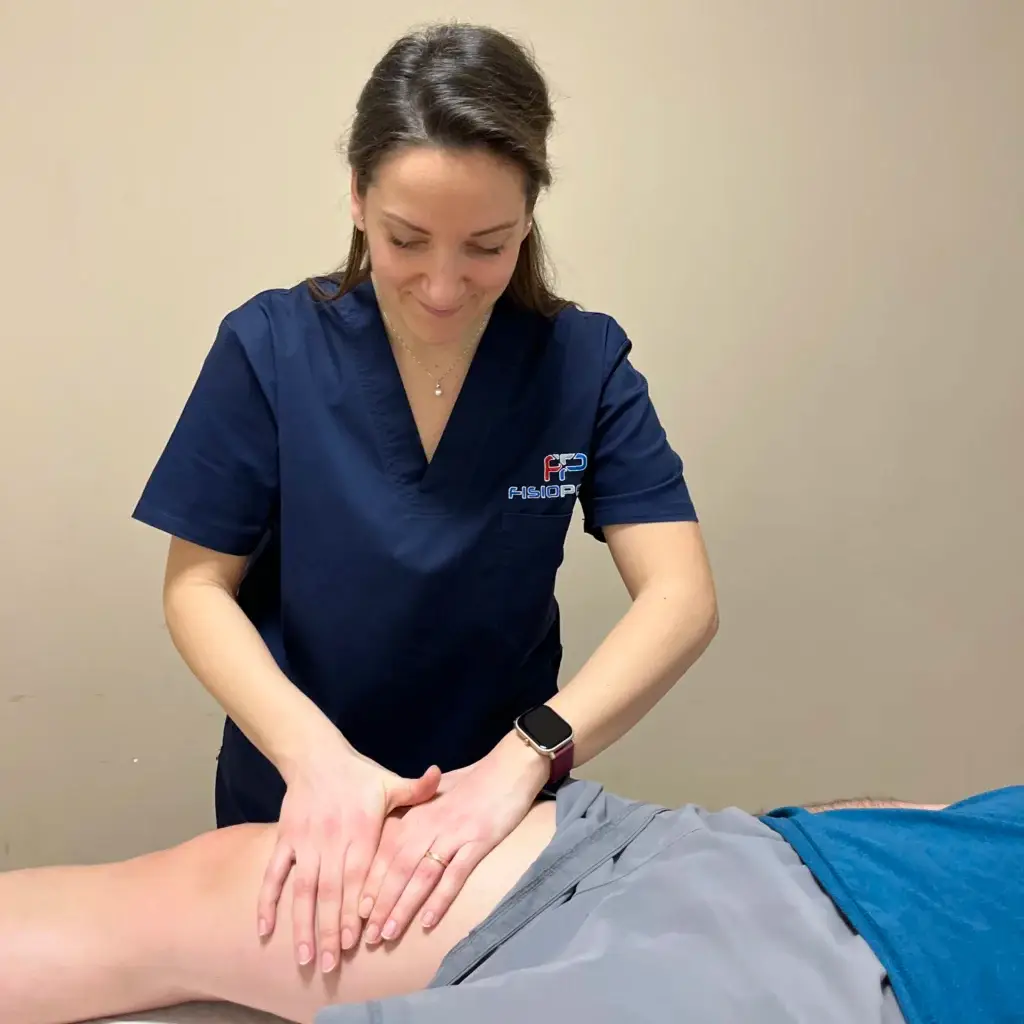
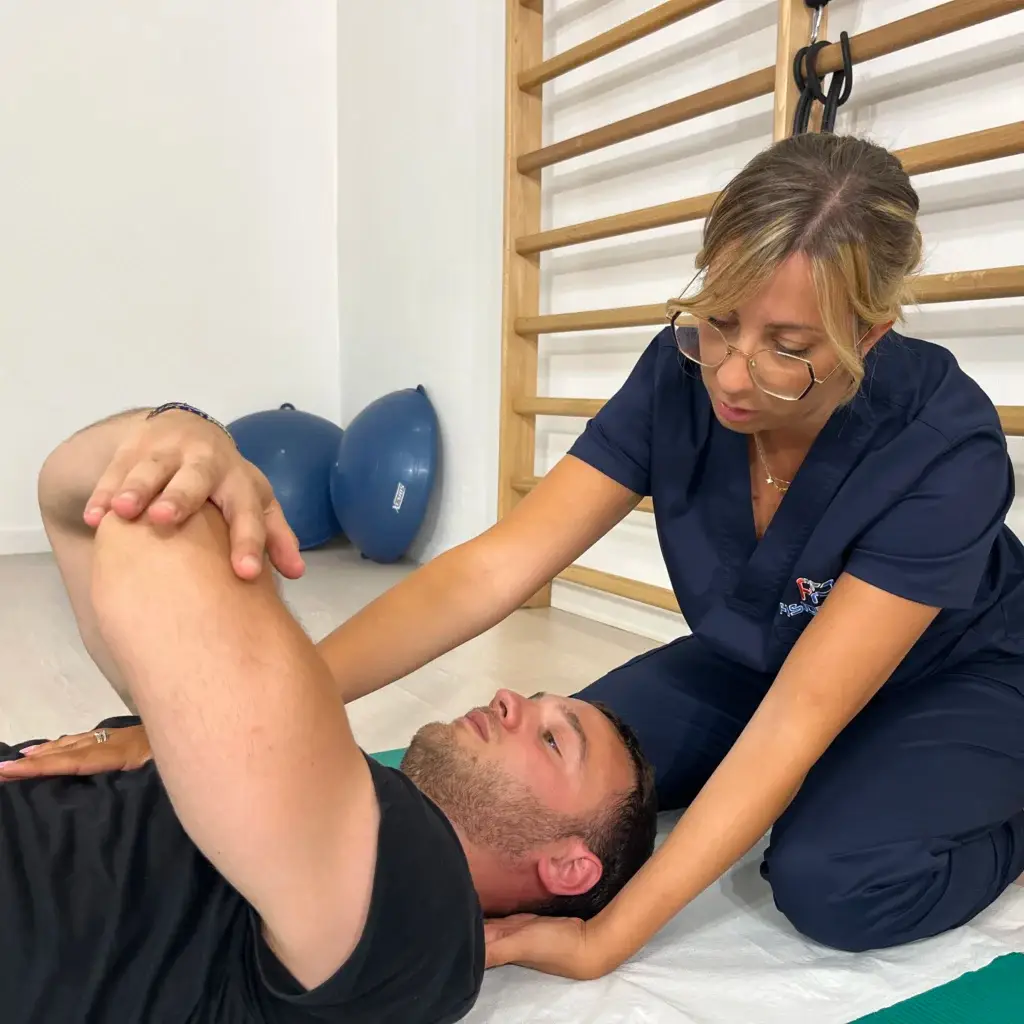
After the acute phase, or the first post-operative days, it is necessary to work functionally on the tendon through the physiotherapy which aims to restore the subject's daily activities. The physiotherapist will help the patient to:
- Recovering the articularity of the ankle that has been immobilised
- Restoring tendon elasticity
- Preventing the formation of adhesions with manual scar therapy
- Re-educating load distribution and correct gait phases
- Strengthening muscles
- Training balance and proprioception.
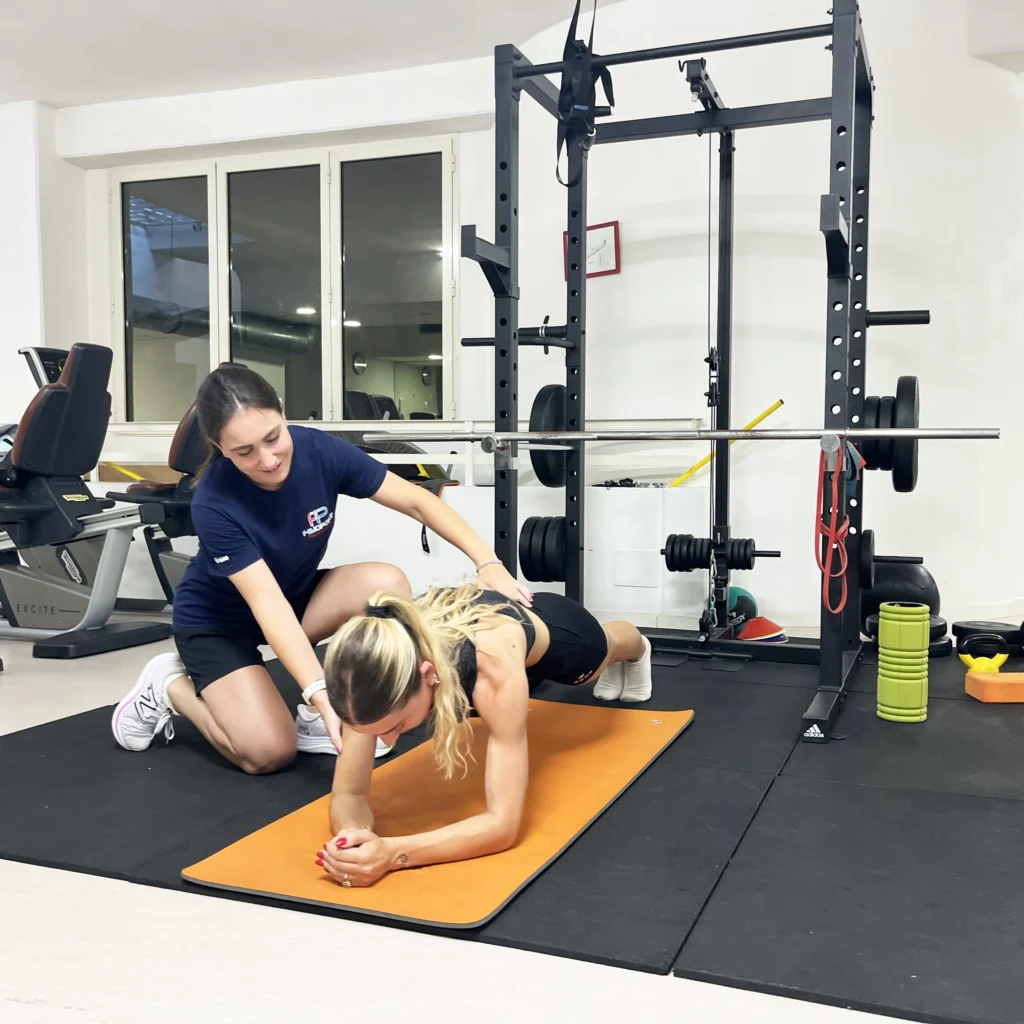
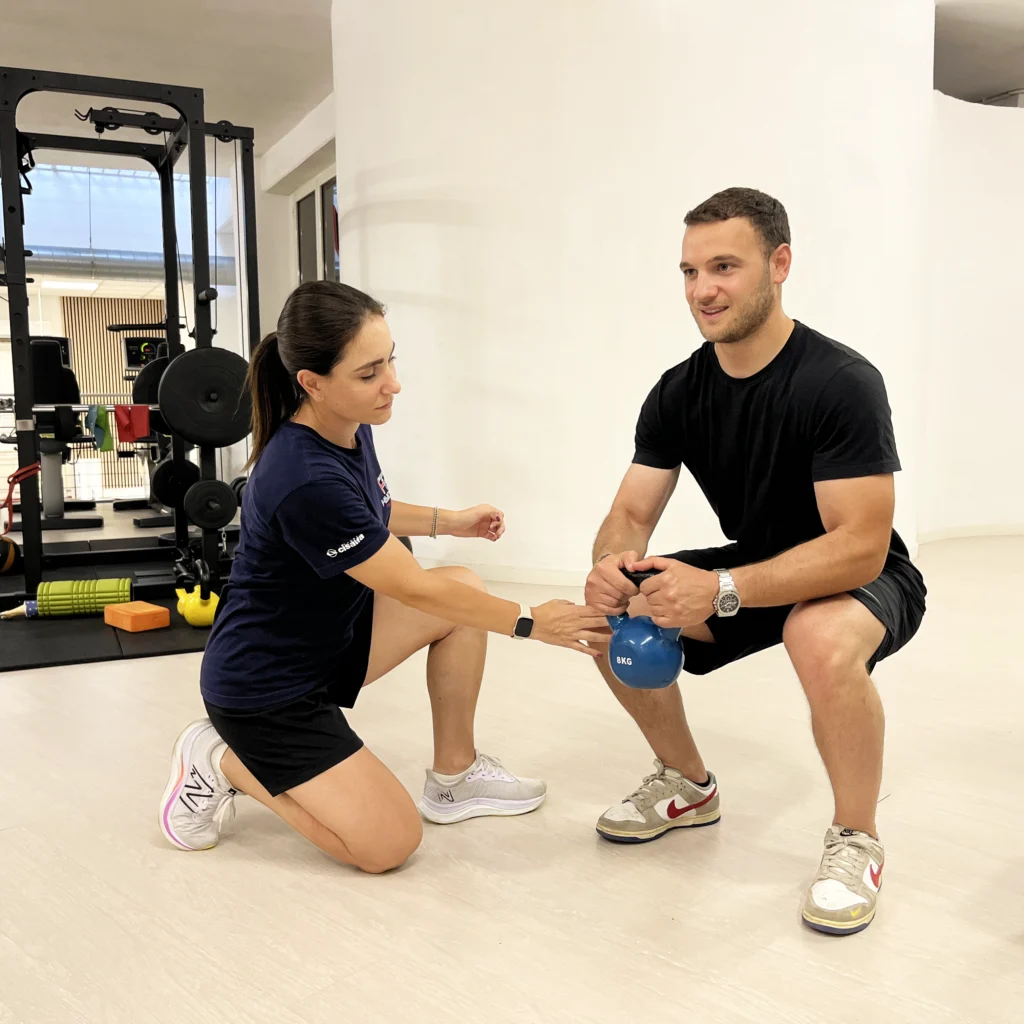
Once all these goals have been achieved, it is useful, especially for sportsmen, to turn to a specialised personal trainer who will dedicate themselves to re-athletisation so as to enable a return to sporting action and a safe and relapse-free return to activity.
Text by Elisa Piccioni
Learn more by watching the videos on our channel YouTube




 English
 Italian