Tibia and fibula are the two long bones of the leg. The tibia is the largest and, of the long bones, has the highest percentage of fractures due to its superficial position under the skin in the leg.
Tibial or fibula fractures generally occur when more pressure is exerted on the bone than it can withstand or when it is subjected to excessive rotational stress.
Tipi di frattura Fratture del pillone tibiale
Fractures of the tibia vary depending on the force that caused them.
A fracture of the tibia can be:
- Stable, when the ends of the bone align correctly
- Disjointed, when the bones are out of alignment
- Exposed, when the bone breaks through the skin
- Of the tibial plateau, involves a fracture of the tibia at the knee joint
- Of the ankle, has a fracture of the ankle joint
Fibula fractures
- A fracture of the fibula can occur:
- around the ankle (malleolus fracture side)
- near the knee (fracture of the fibula head)
- in the middle part of the leg (shaft fracture)
- Other types of fractures can be:
- avulsion fracture, when a bone fragment detaches from the main mass of the bone
- stress fracture due to repetitive injuries as can occur in sports.
Come diagnosticare la frattura di tibia e perone
The surgeon orthopaedist During the examination he looks for signs and symptoms of a fracture and inquires about the patient's medical history: the presence of swelling, deformity, redness are always an indication, together with pain, of a fracture of the bone.
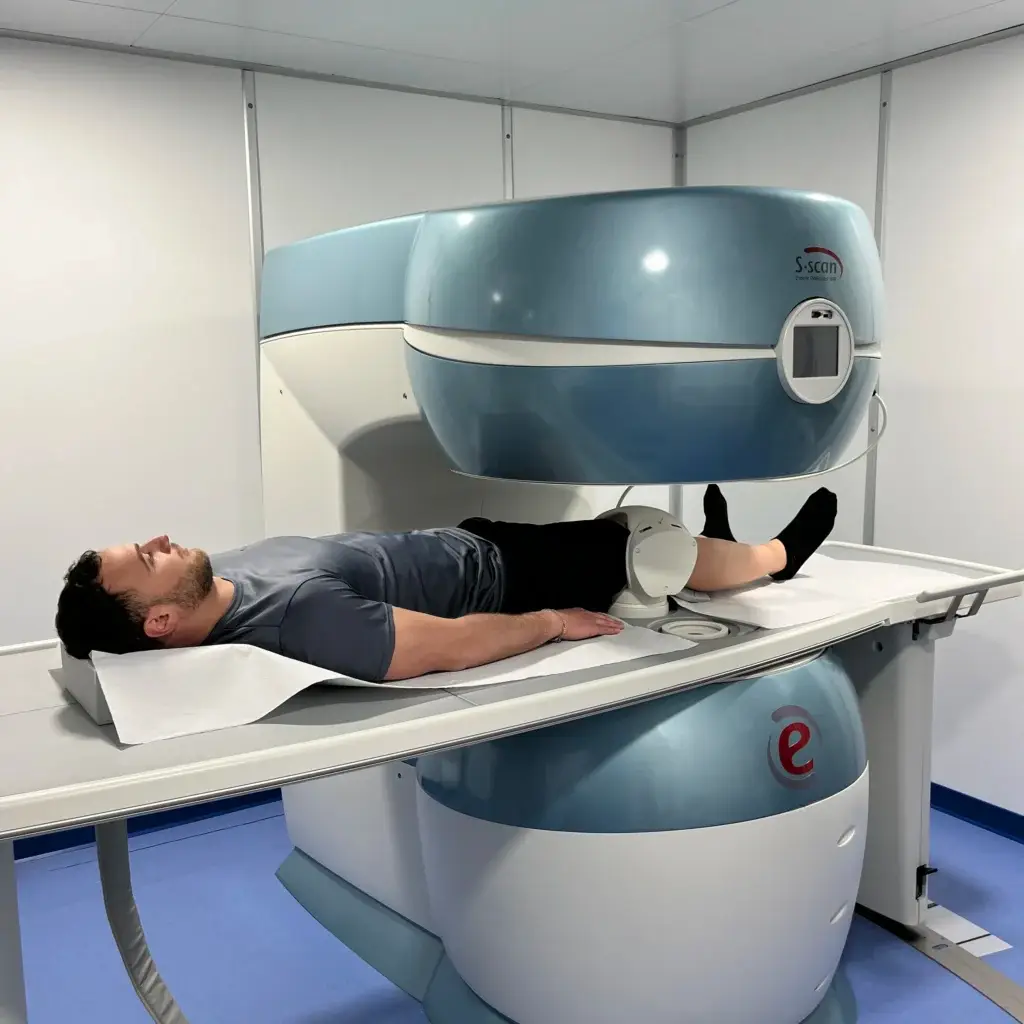
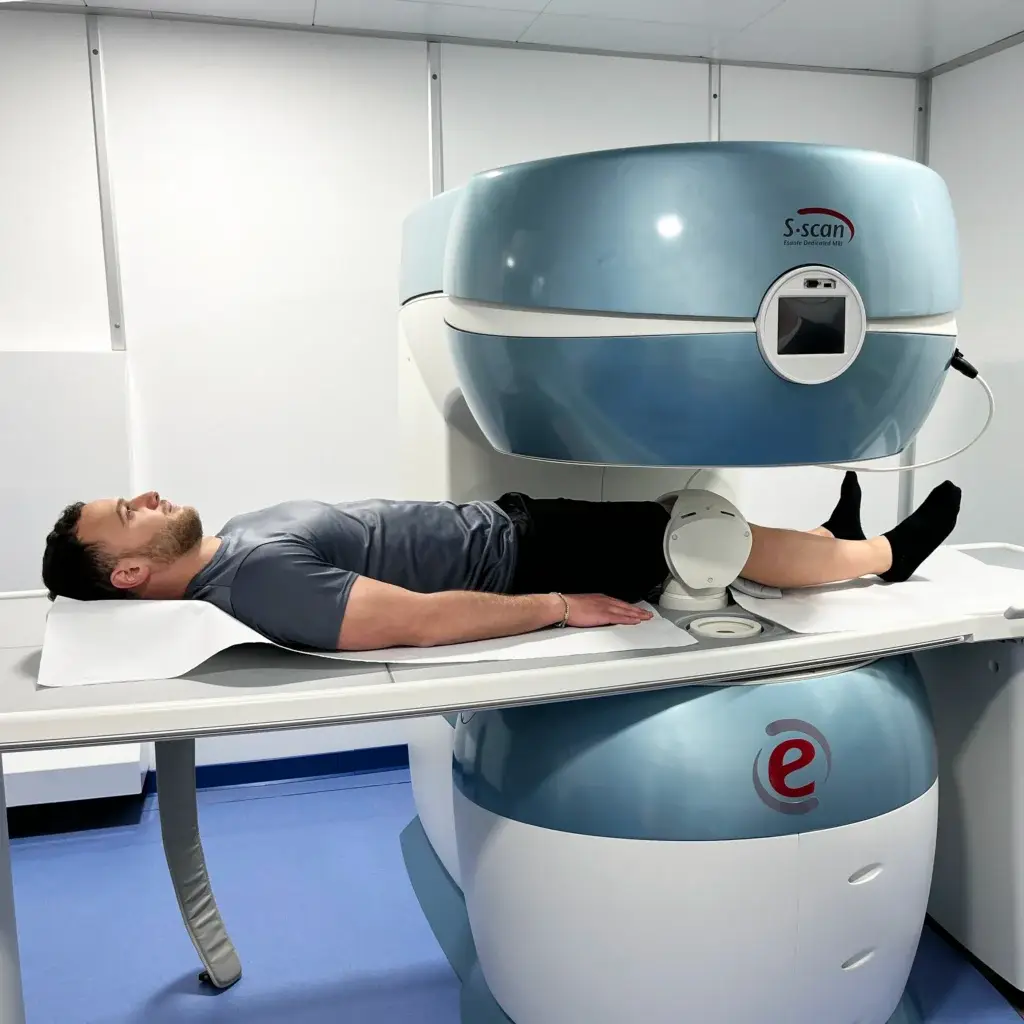
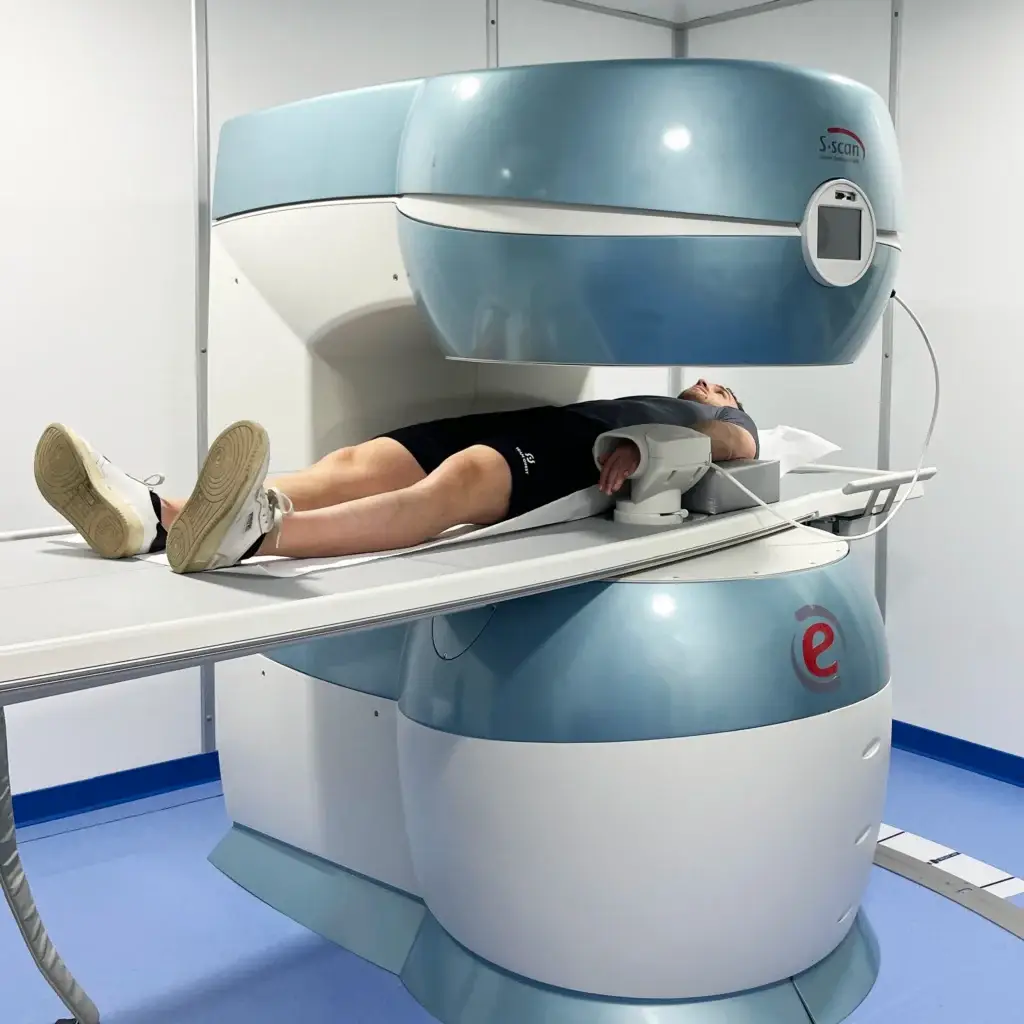
Diagnosis is by X-ray (to localise the type of injury and possible involvement of the knee or ankle joint), CT scan (more precise information on the fracture) or MRI (enables soft tissue injuries to be assessed).
Treatment of tibia fibula fracture
Treatment in the case of a tibial pylon or fibula fracture depends on the type of fracture and its severity.
It can be conservative or surgical, as follows:
- Conservative treatment is reserved for compound fractures of the tibia and fibula. It consists of immobilising the leg with a cast or brace to prevent movement so that the fracture can heal. The immobilisation will be for a period of 3 to 4 weeks during which the patient undergoes radiographic checks to monitor the formation of the bone callus. During the period when the patient has the limb in plaster, it is advisable to keep the limb elevated and unloaded. In addition, it is also advisable to subject the patient to anti-thromboembolic prophylaxis.
Non-surgical treatment can also be recommended for patients with general health problems.
- Surgical treatment is usually suggested to avoid prolonged limitation of the patient's activity and to re-establish the correct anatomy of the tibia. It may be recommended for certain types of fractures, such as:
- Open
- Fractures that have not healed with non-surgical treatment
- Fractures with many bone fragments and a large degree of dislocation
ORIF
In this procedure, called open reduction and internal fixation, ORIF, the orthopaedic surgeon performs invasive bone surgery. The bone fragments are first repositioned (reduced) into their normal alignment; then the surgeon uses plates, screws or intramedullary nails to hold the bone fragments together. Fixations can be internal (under the skin) or external (using a bar outside the skin i.e. external fixators). Usually only the most severe exposed fractures require external fixations. With this method, metal screws or pins, which protrude outside the skin, help hold the bones in place.
Depending on the type of fracture, the orthopaedist will assess the intervention according to the severity and characteristics of the fracture using:
- An intramedullary nail for the reduction of transverse and oblique fractures. In this way, the two fractured ends are brought together through a surgical nail inside the tibia;
- Plates and screws applied to the external surface of the bone for the reduction of multi-fragmentary or bifocal compound fractures and the proximal or distal third;
- External fixators to reduce exposed fractures or multi-fracture fractures using screws placed above and below the lesion connected with an out-of-skin fixator.
Rehabilitation after tibia and fibula fracture
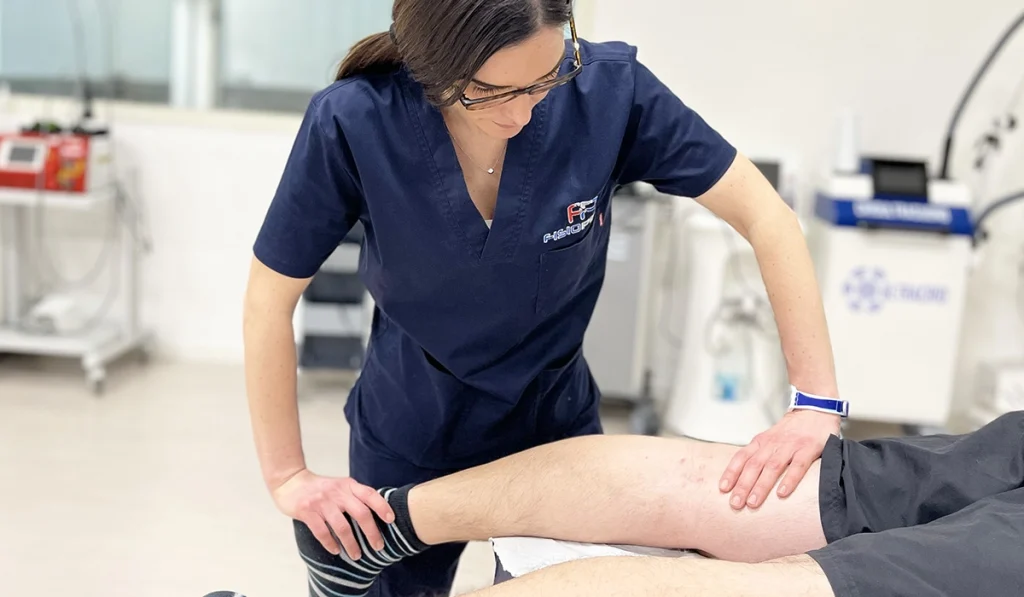
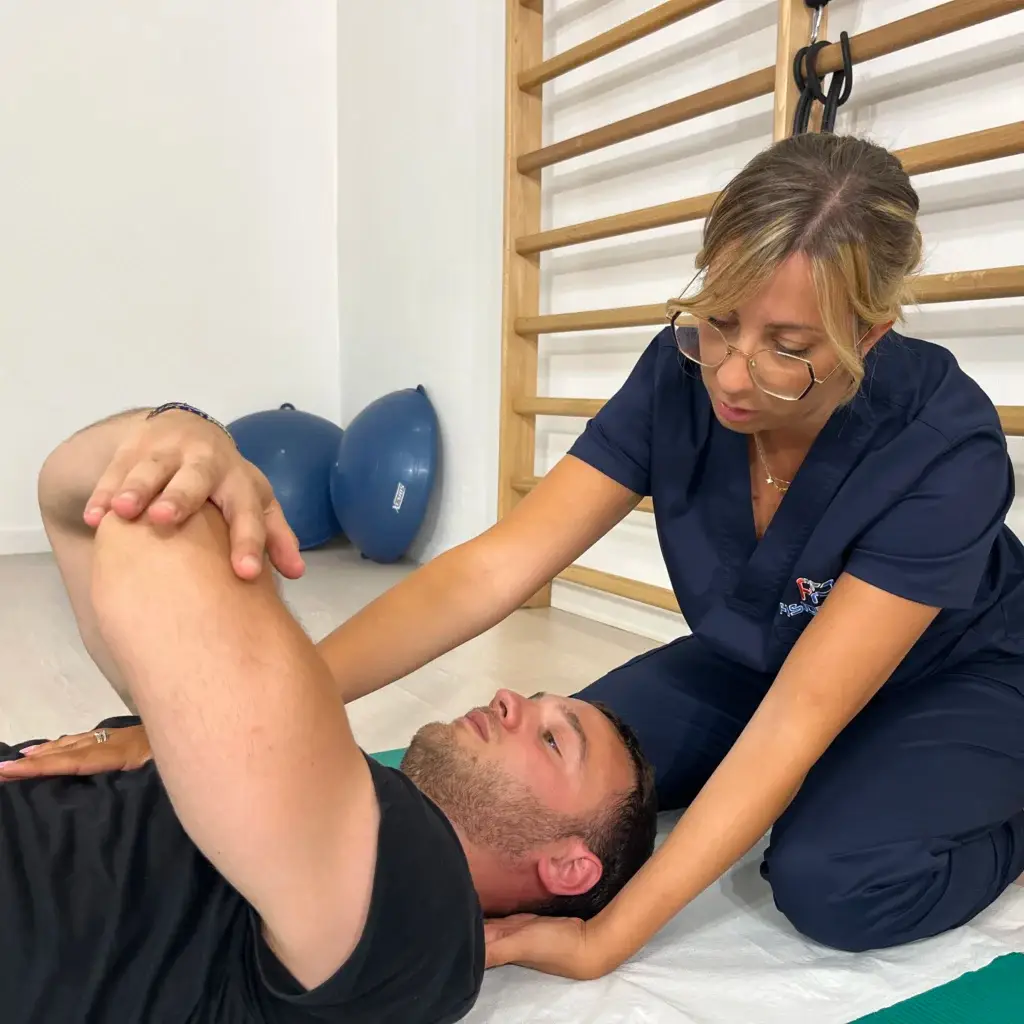
The programme rehabilitativeas well as the type of fracture and its location, varies depending on the surgical or conservative treatment chosen in agreement with the surgeon.
The route includes several stages:
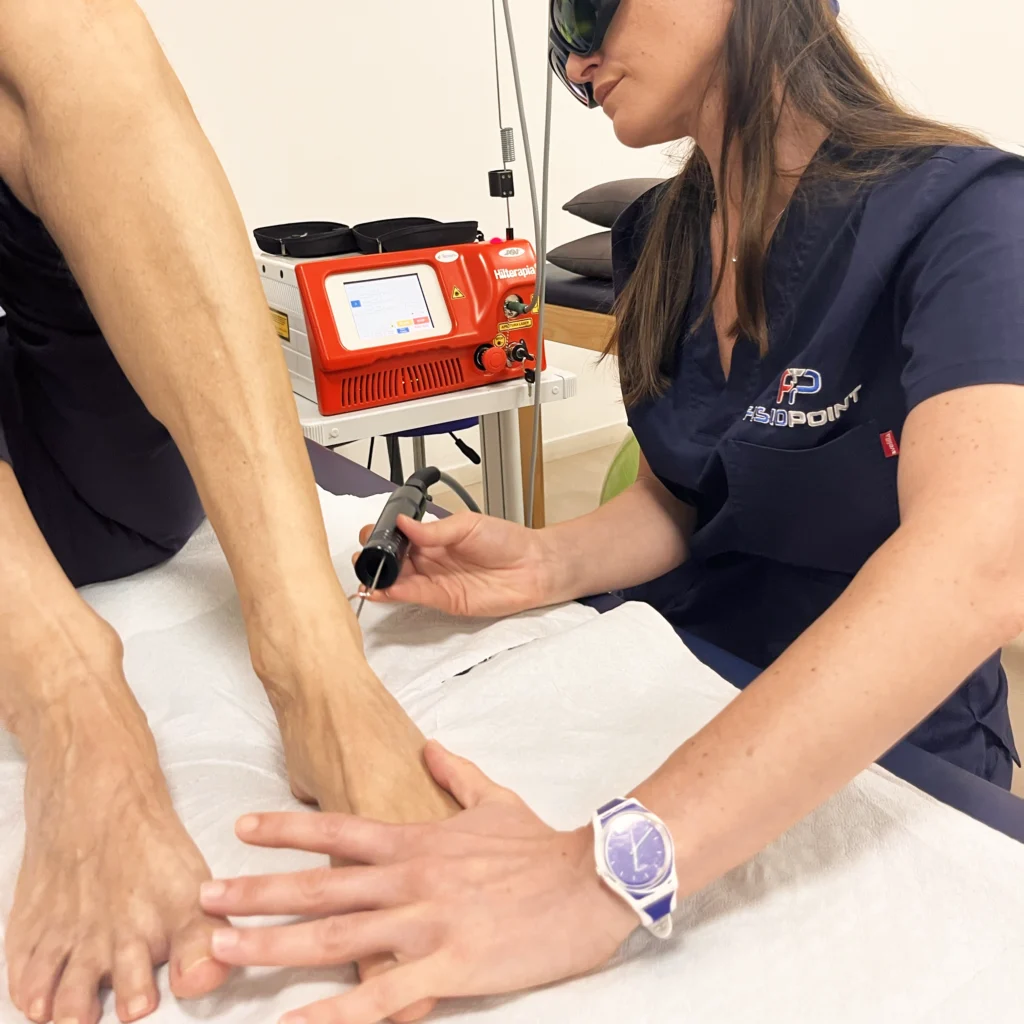
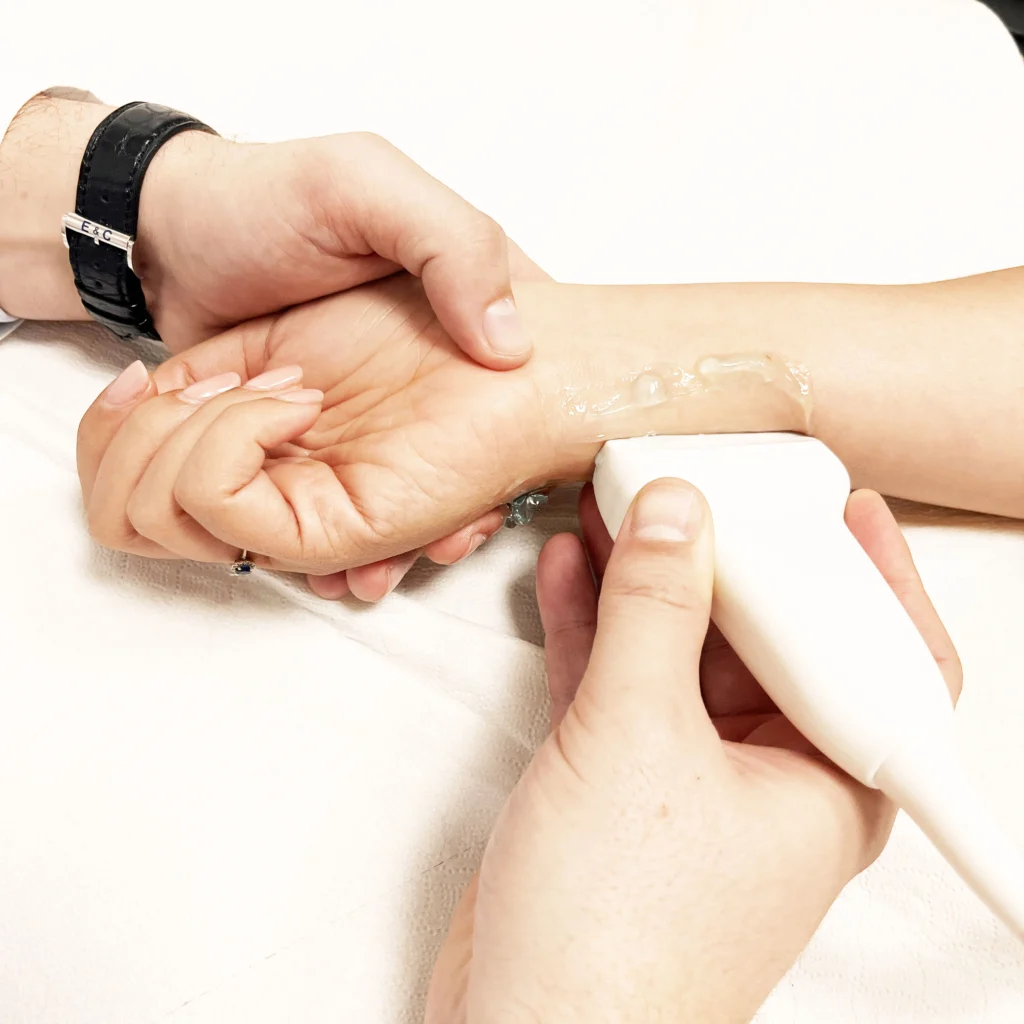
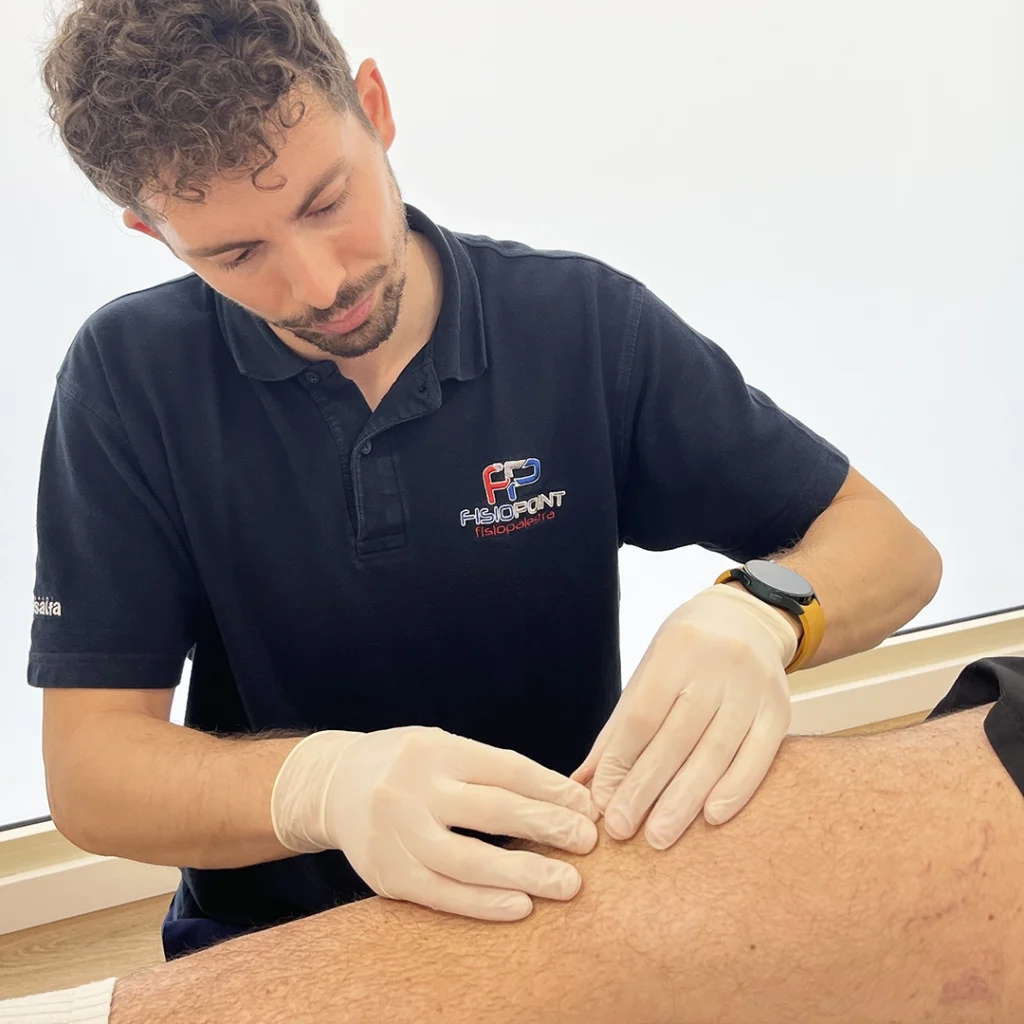
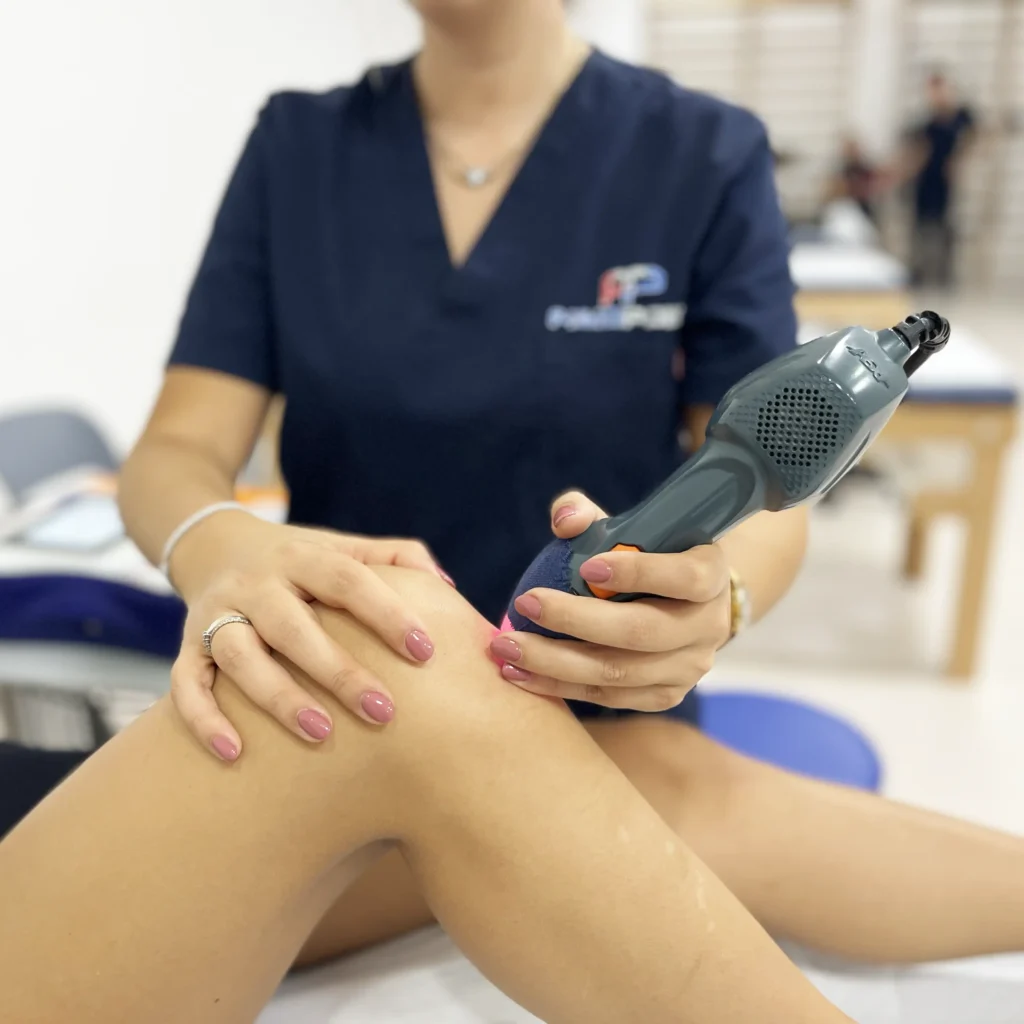
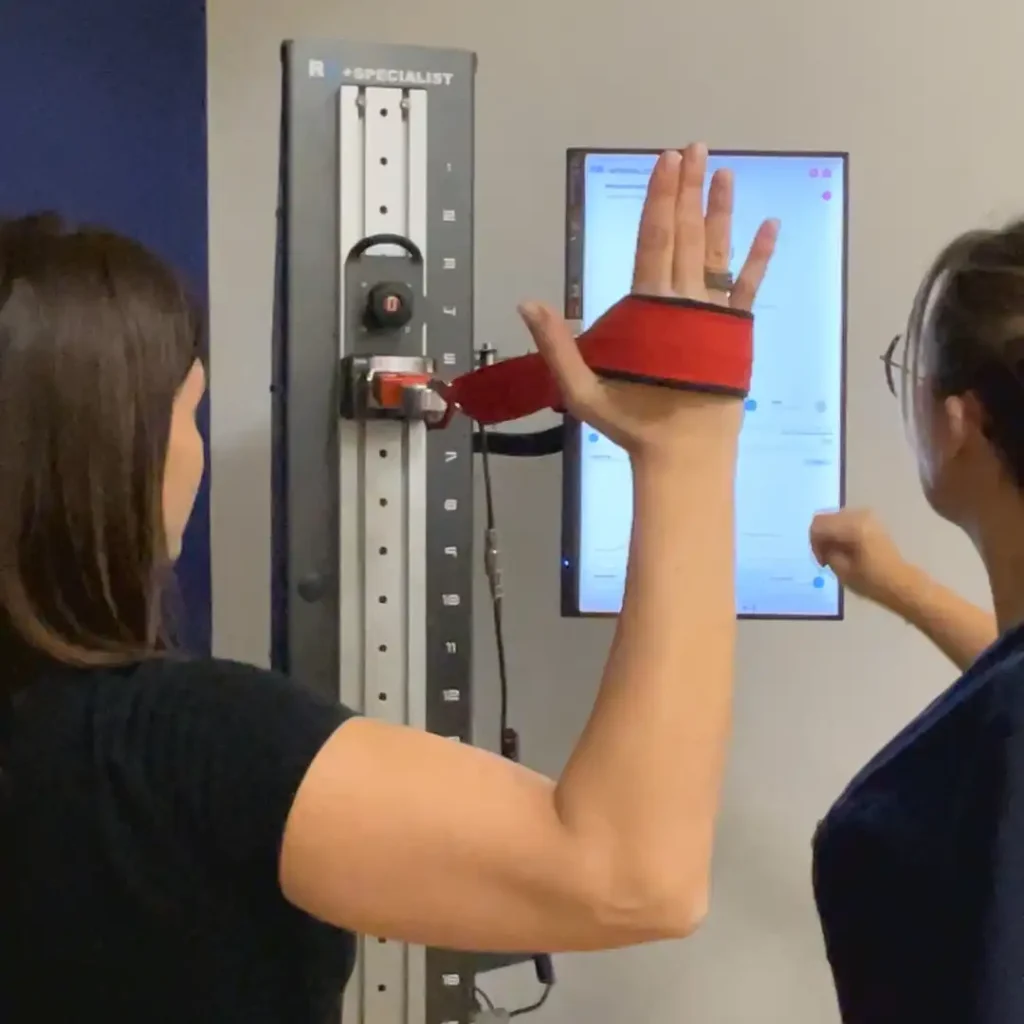
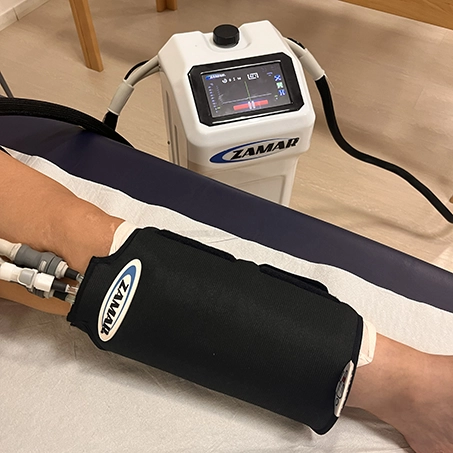
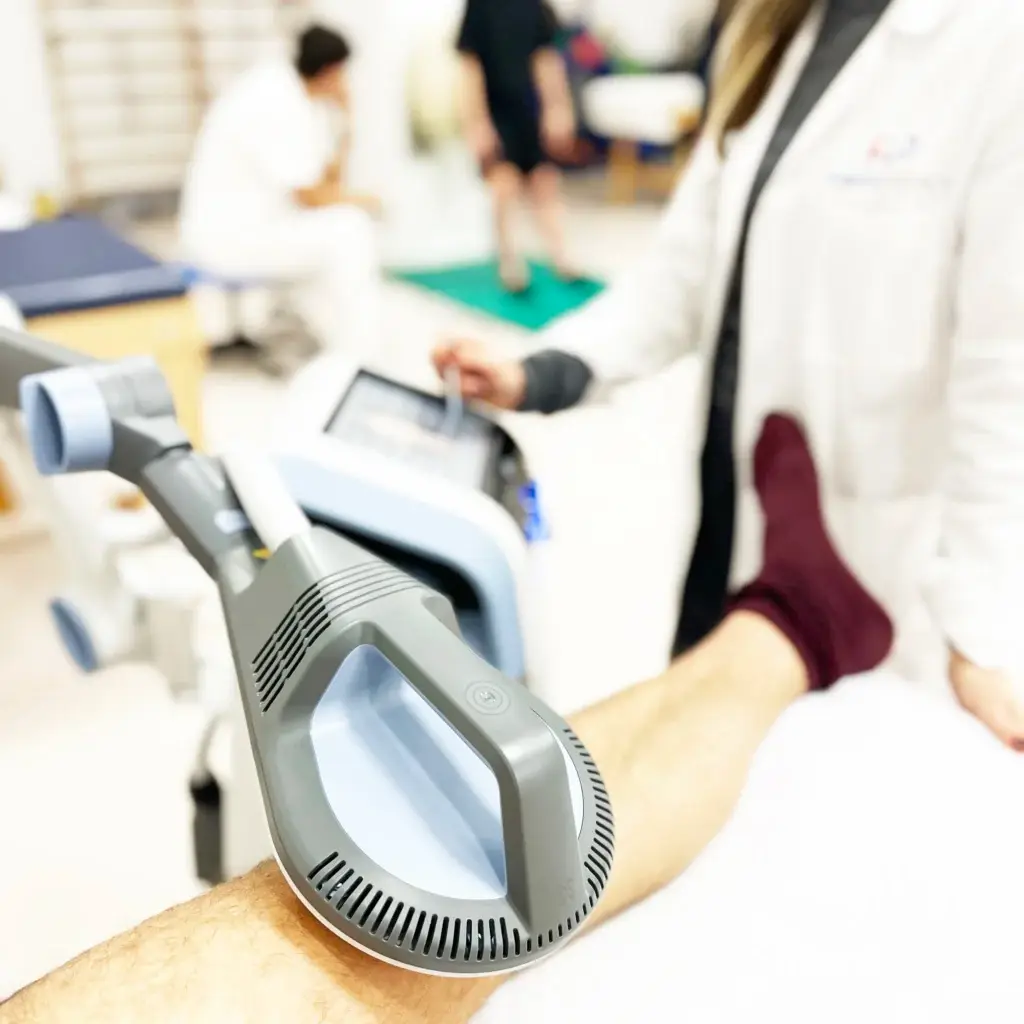
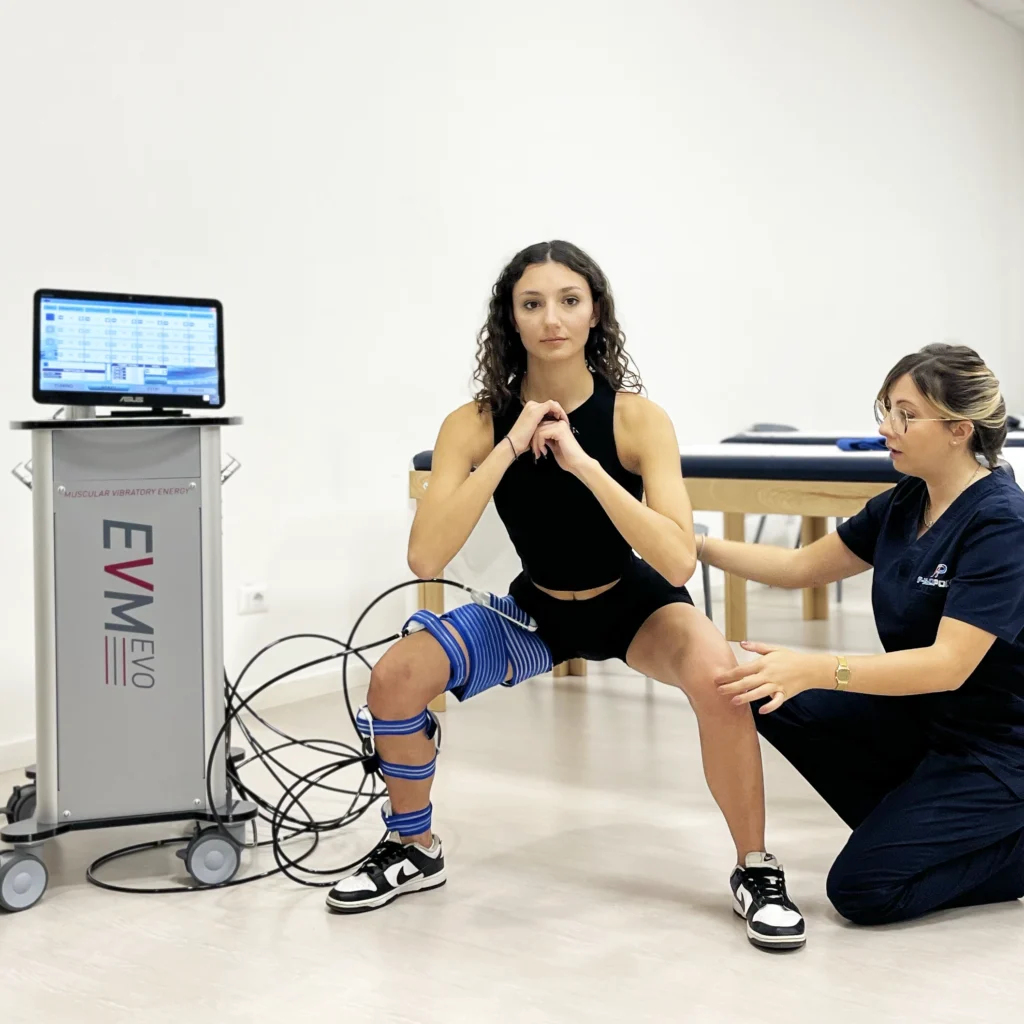
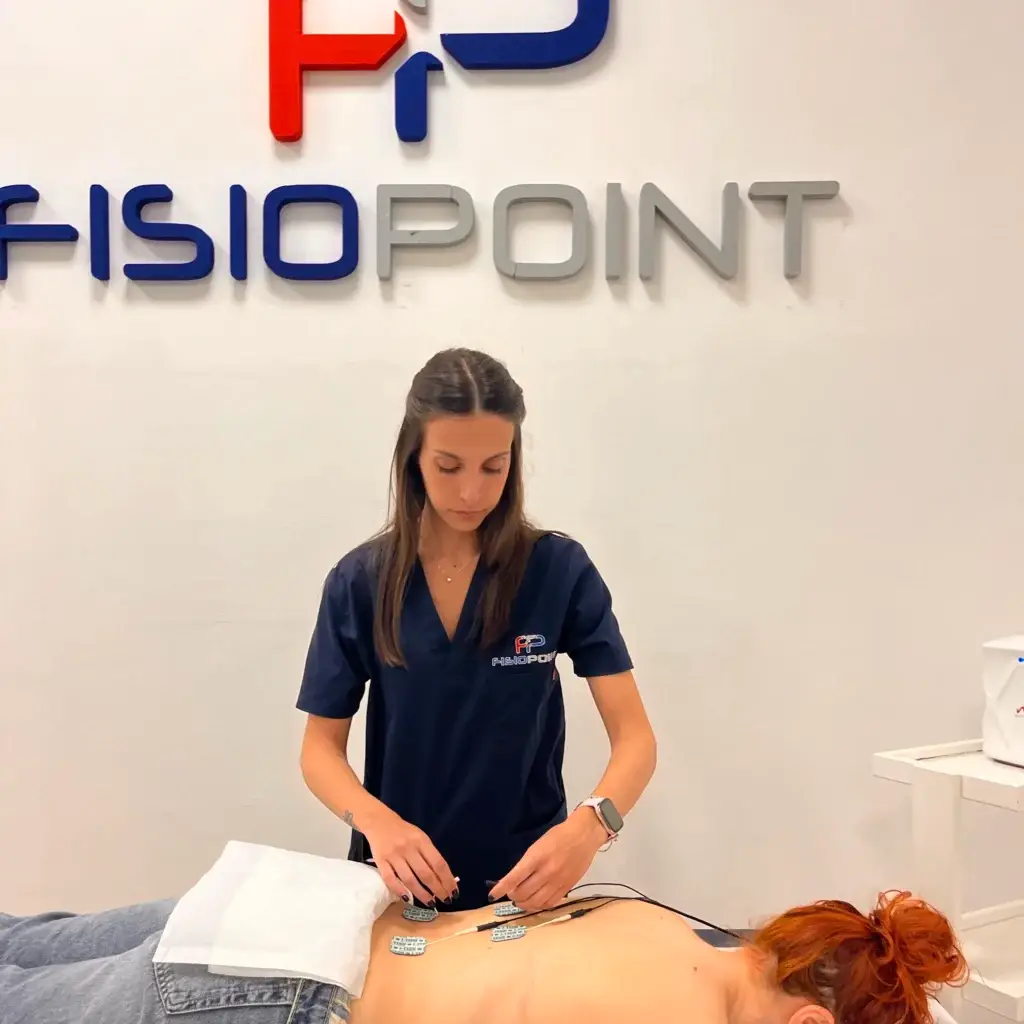
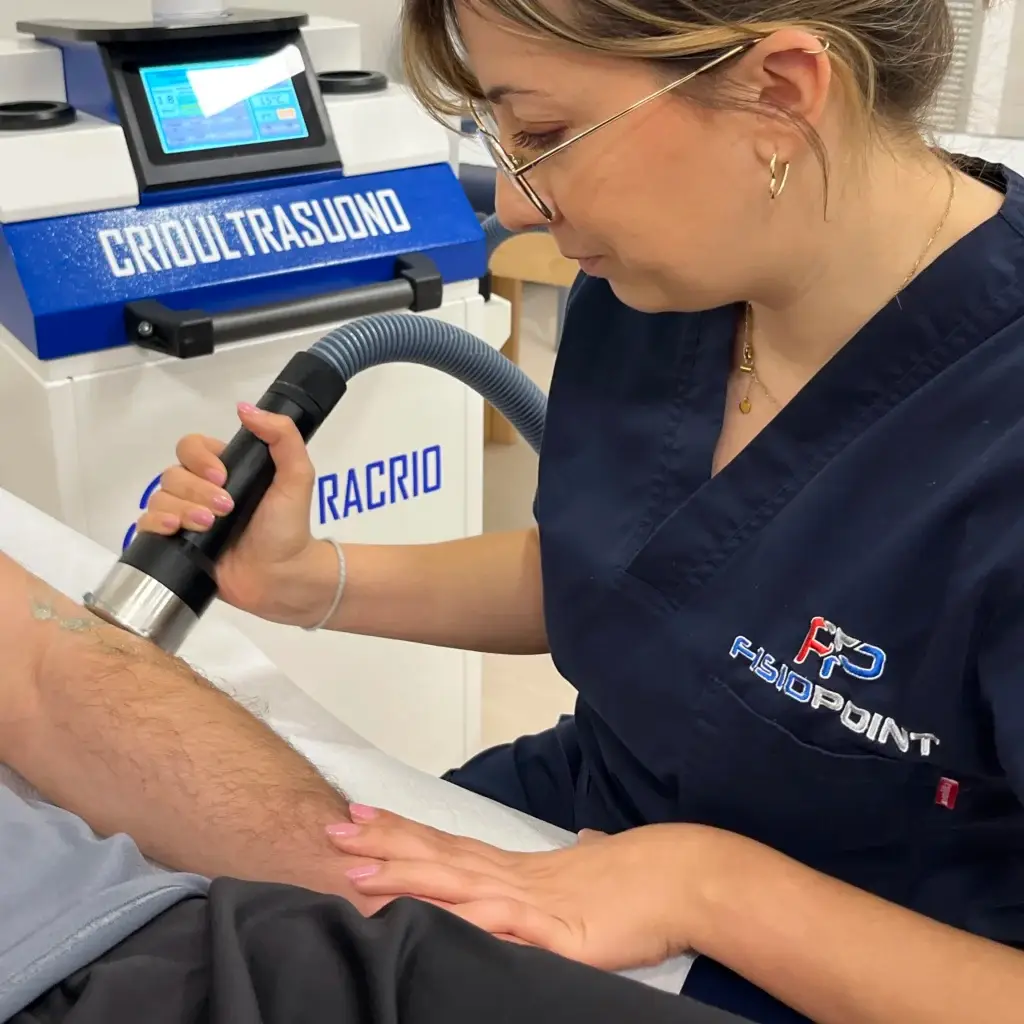
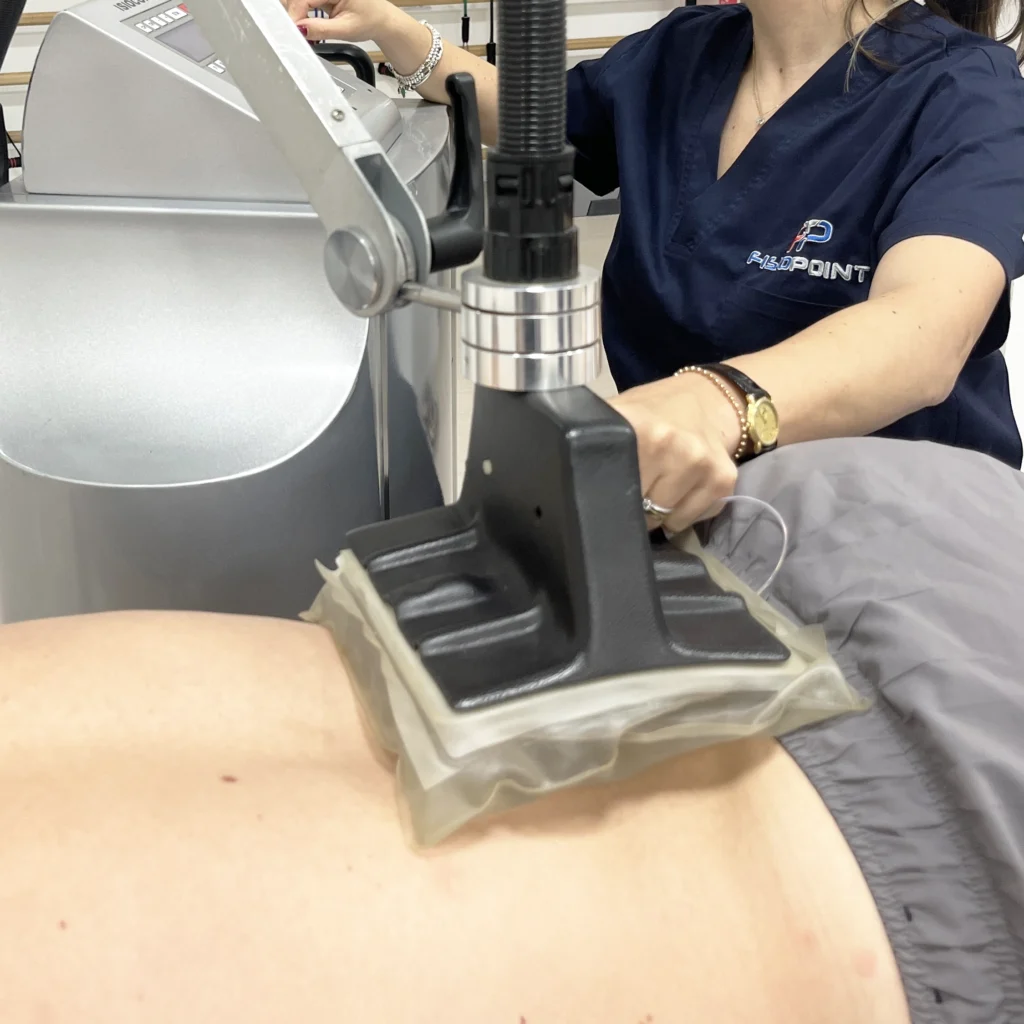
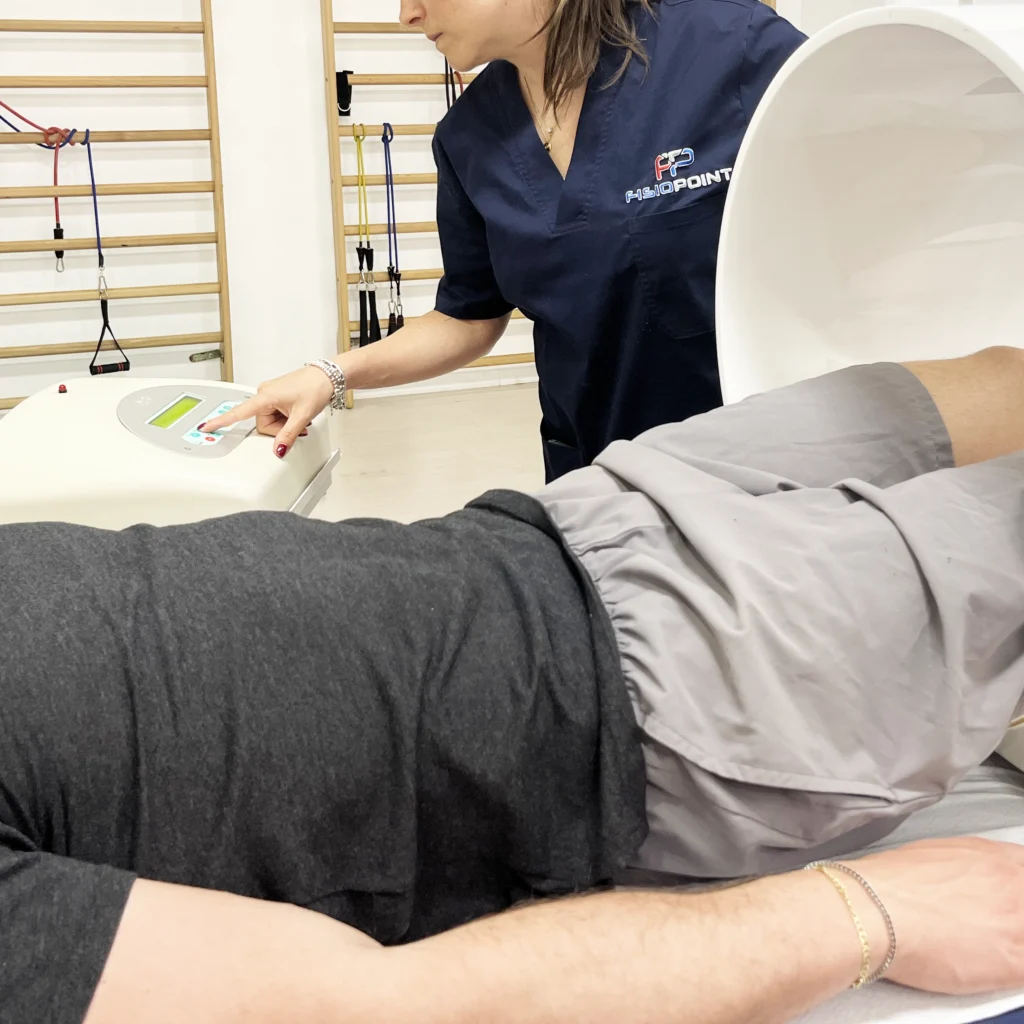
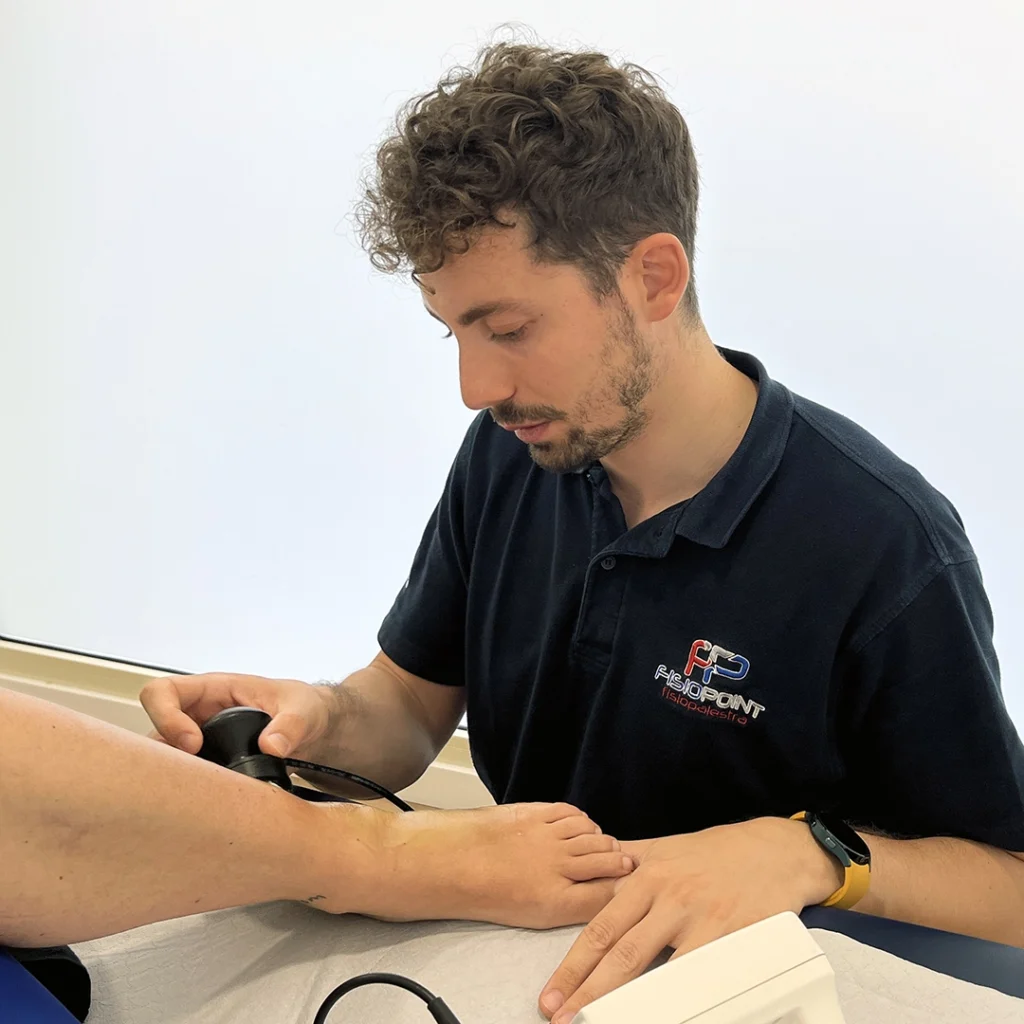
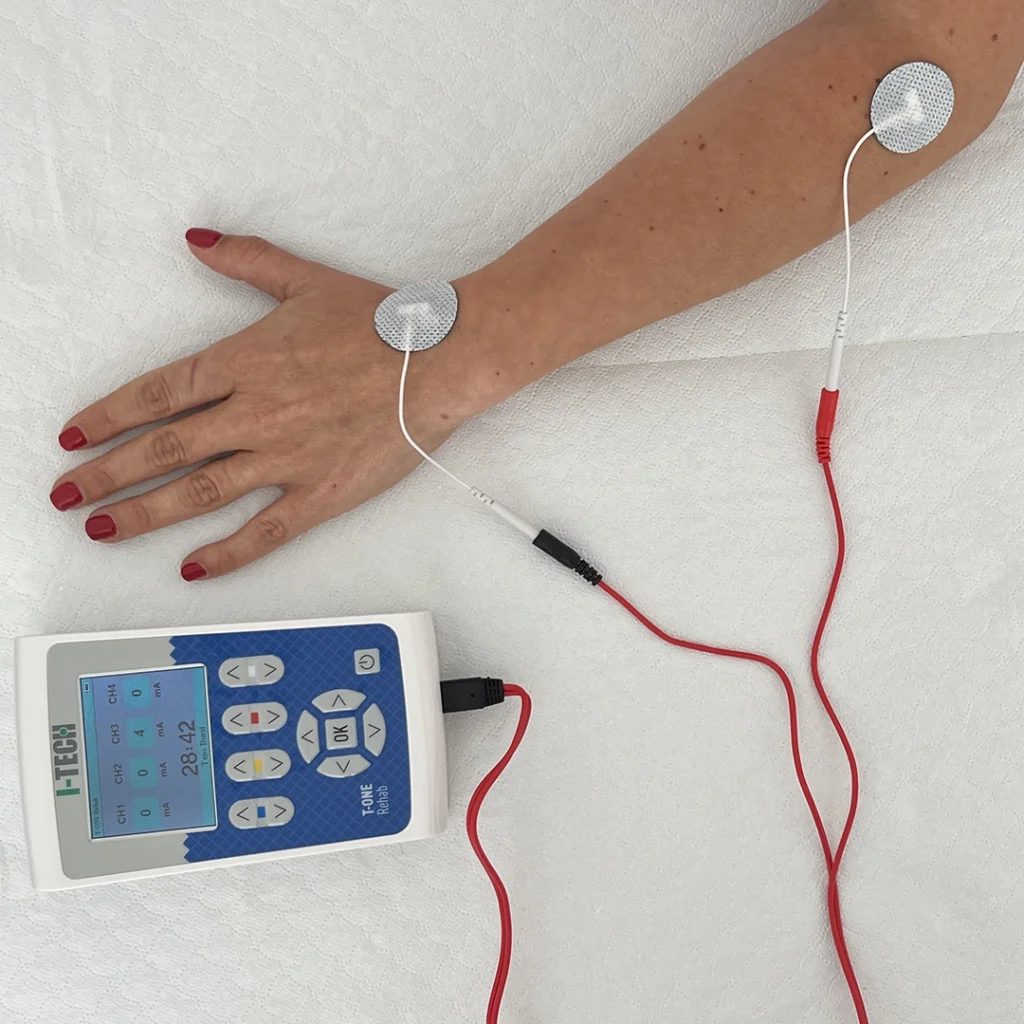
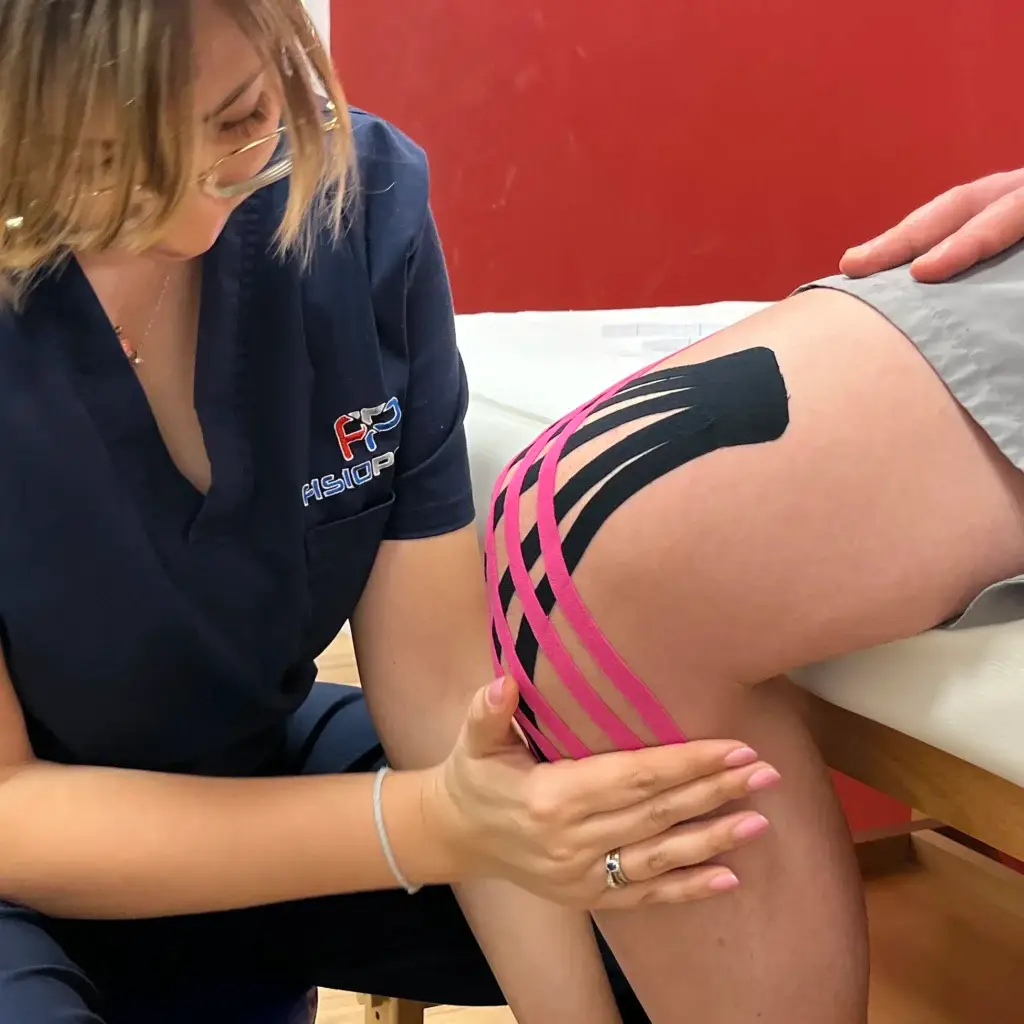
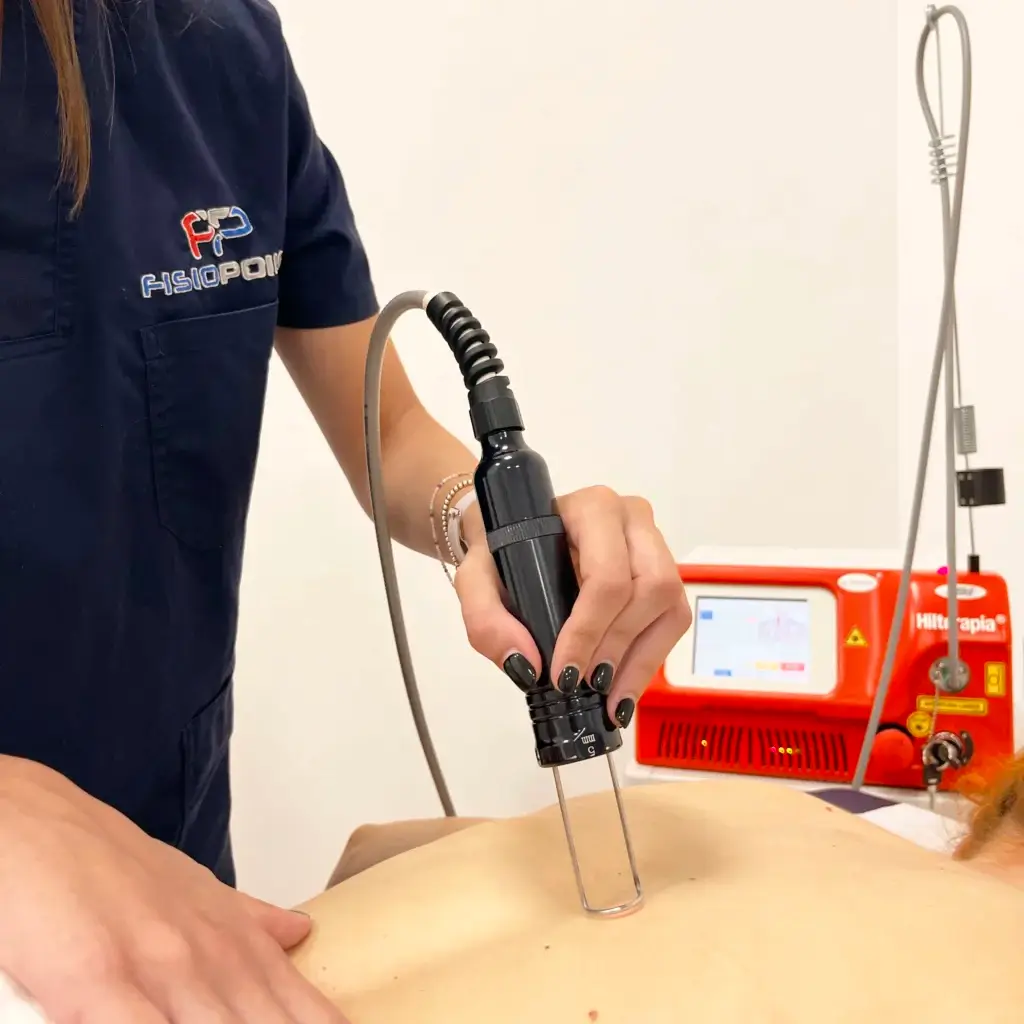
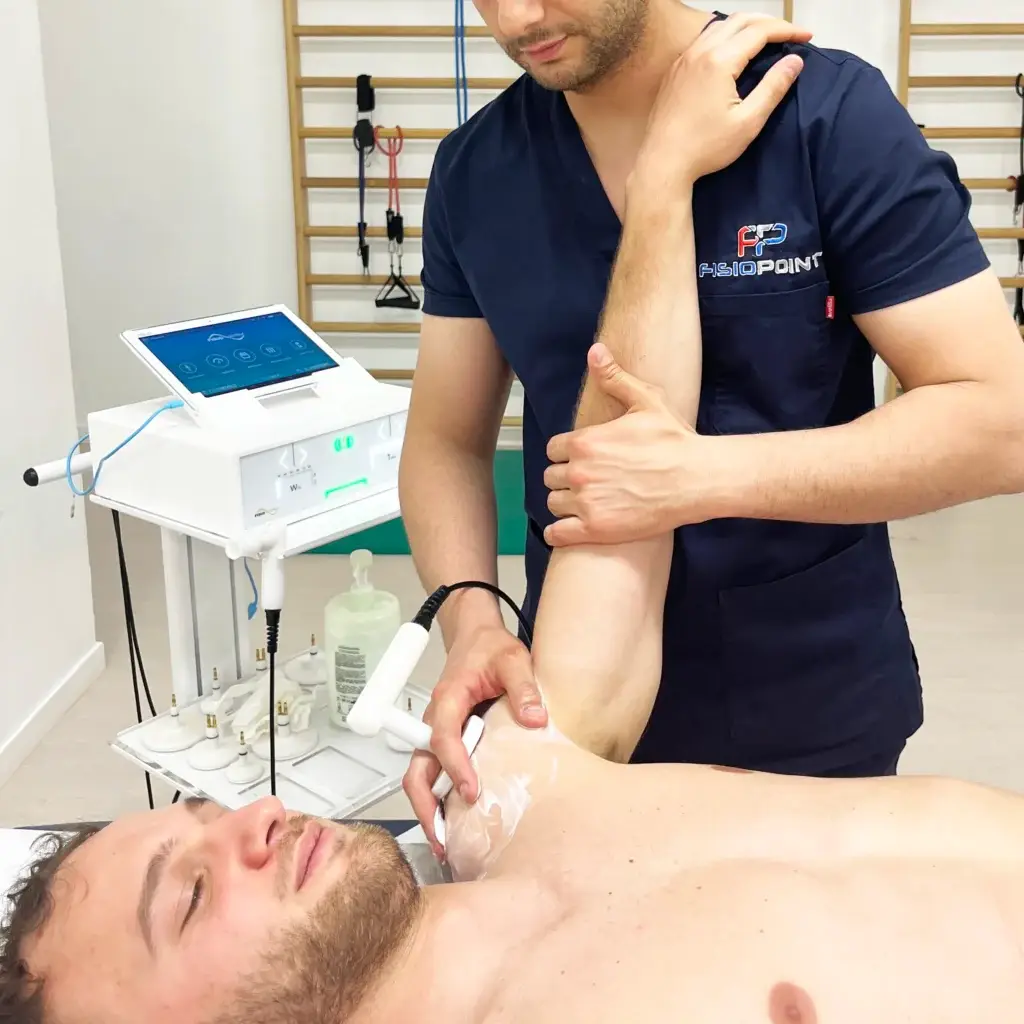
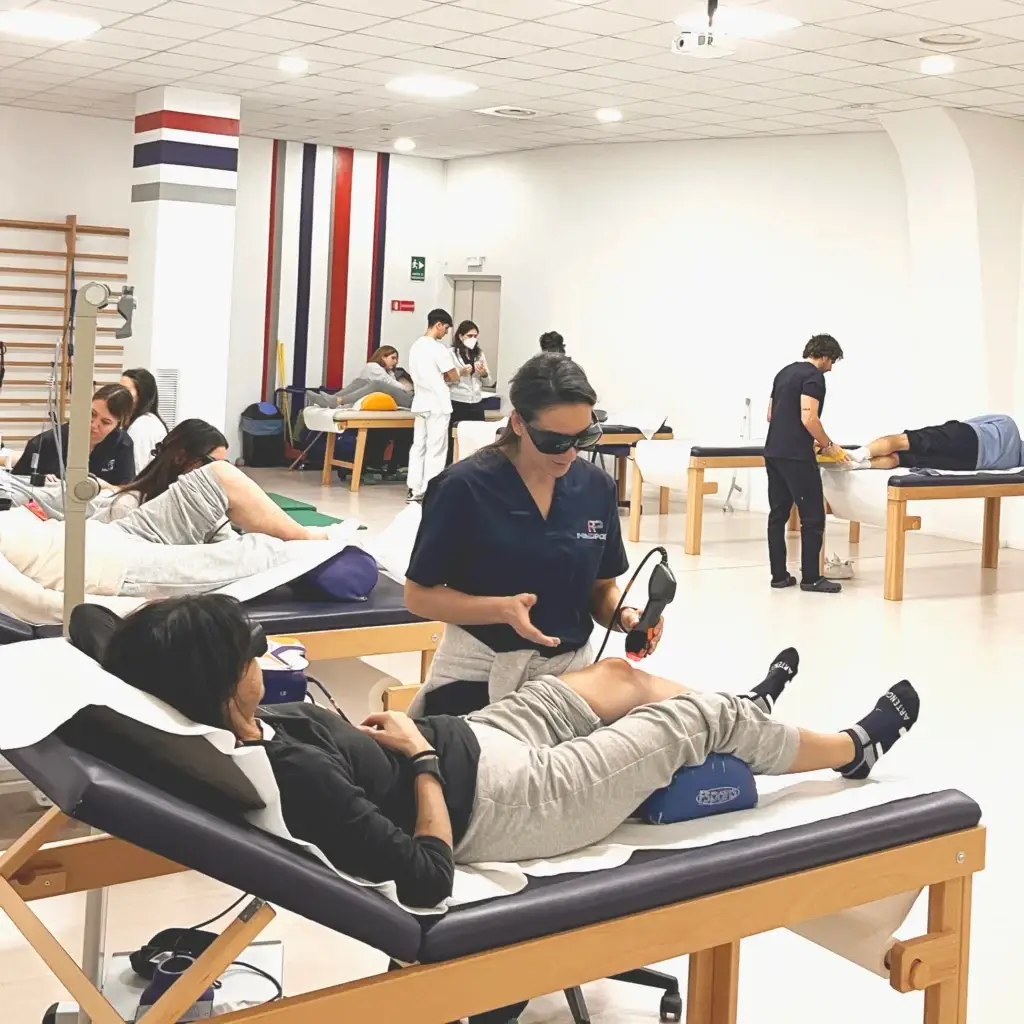
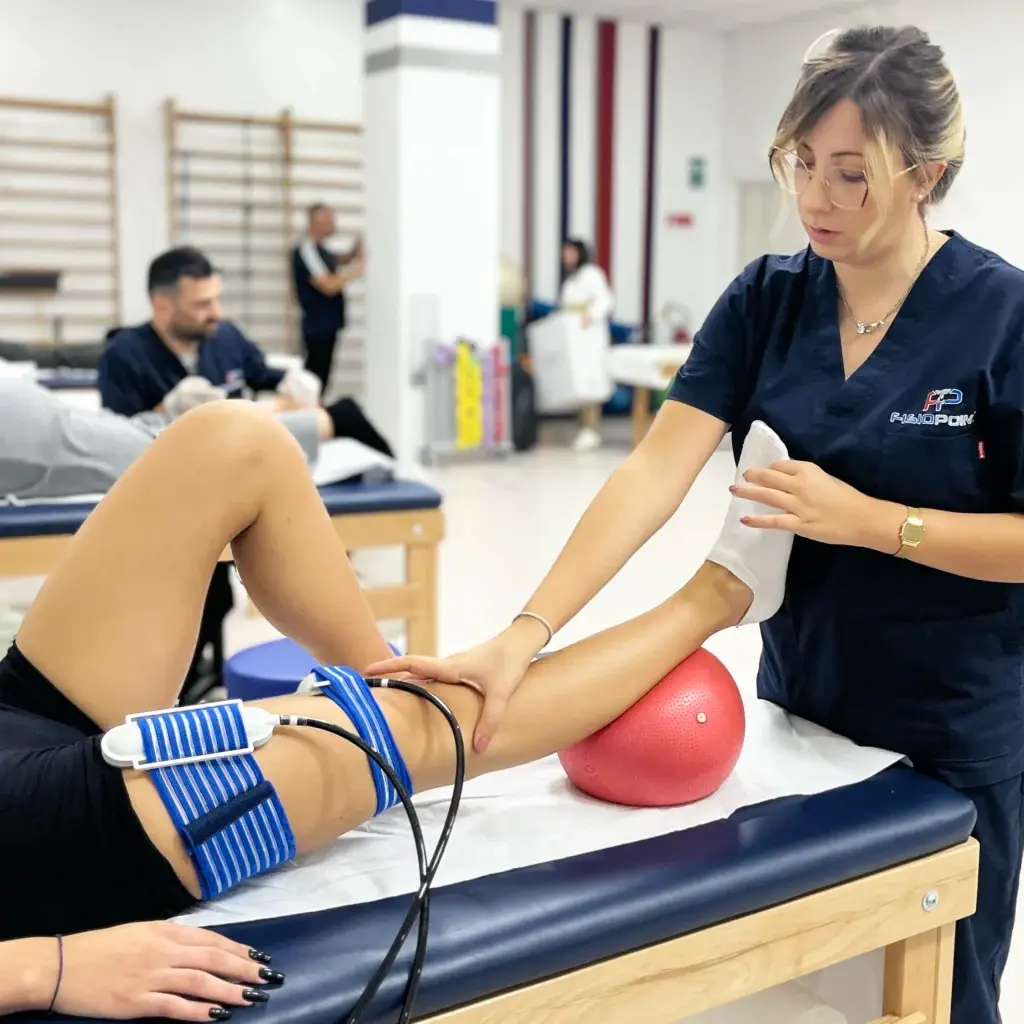
- the first aims to control pain and oedema through drug therapy and physical therapy such as the tecar therapythe yag laserultrasound, the magnetotherapytens. These are electro-medical equipment and aids that will be proposed to the patient on a case-by-case basis according to the specific rehabilitation protocol he or she will have to face.
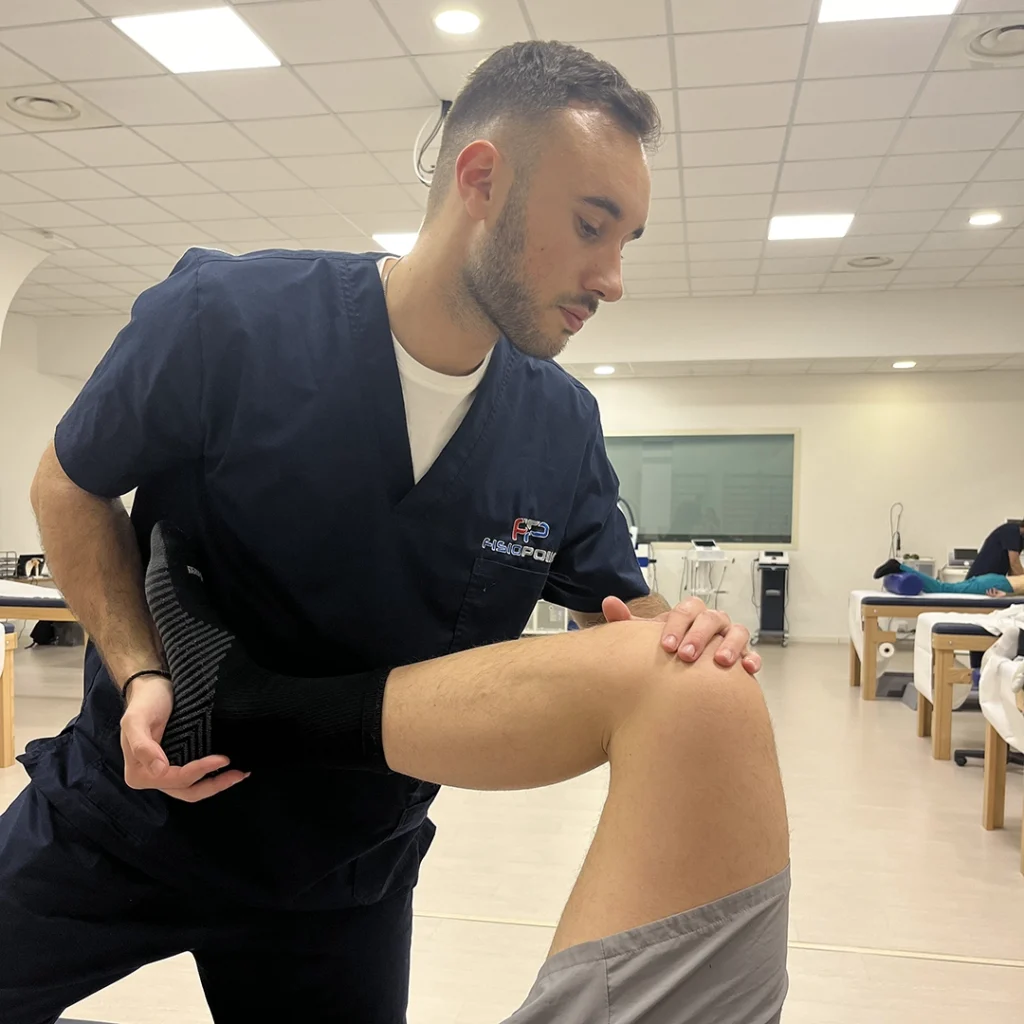
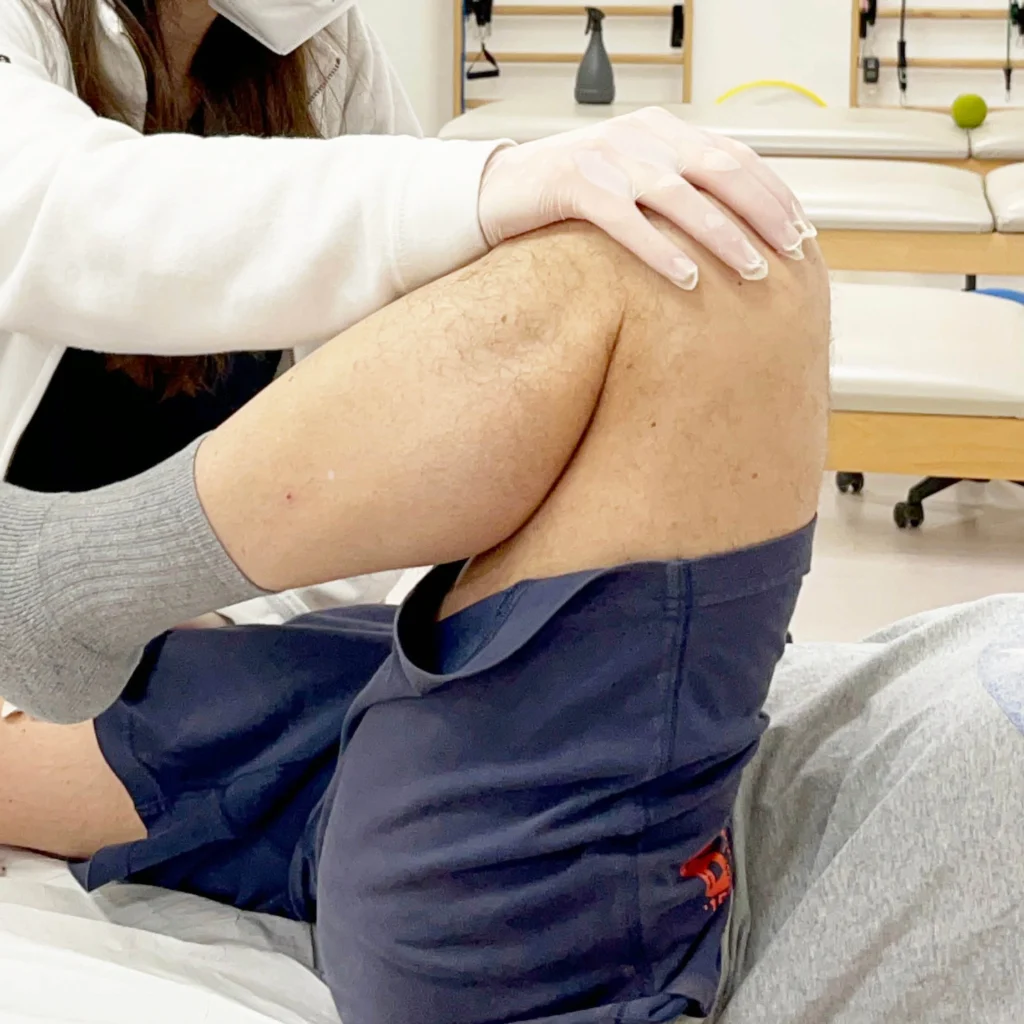
At the same time, full mobility of the ankle and knee joints is restored.
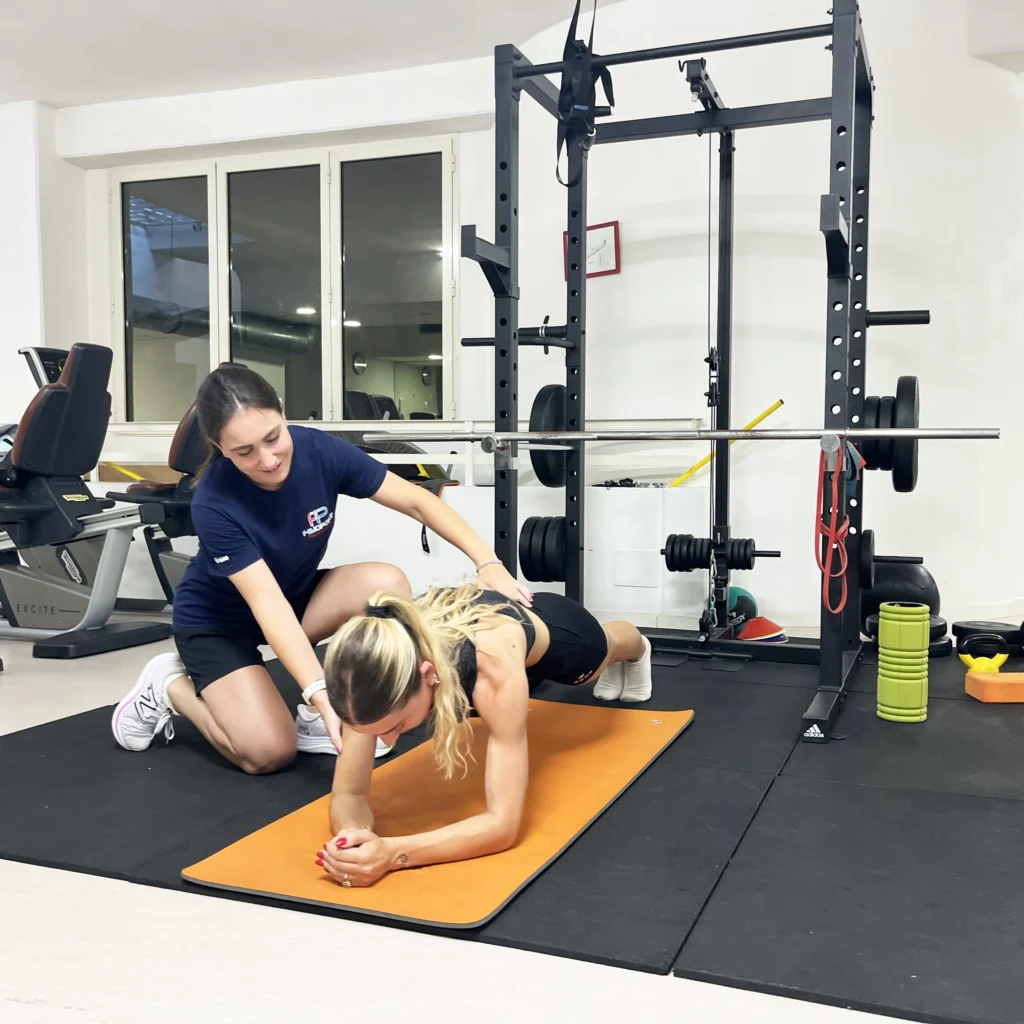
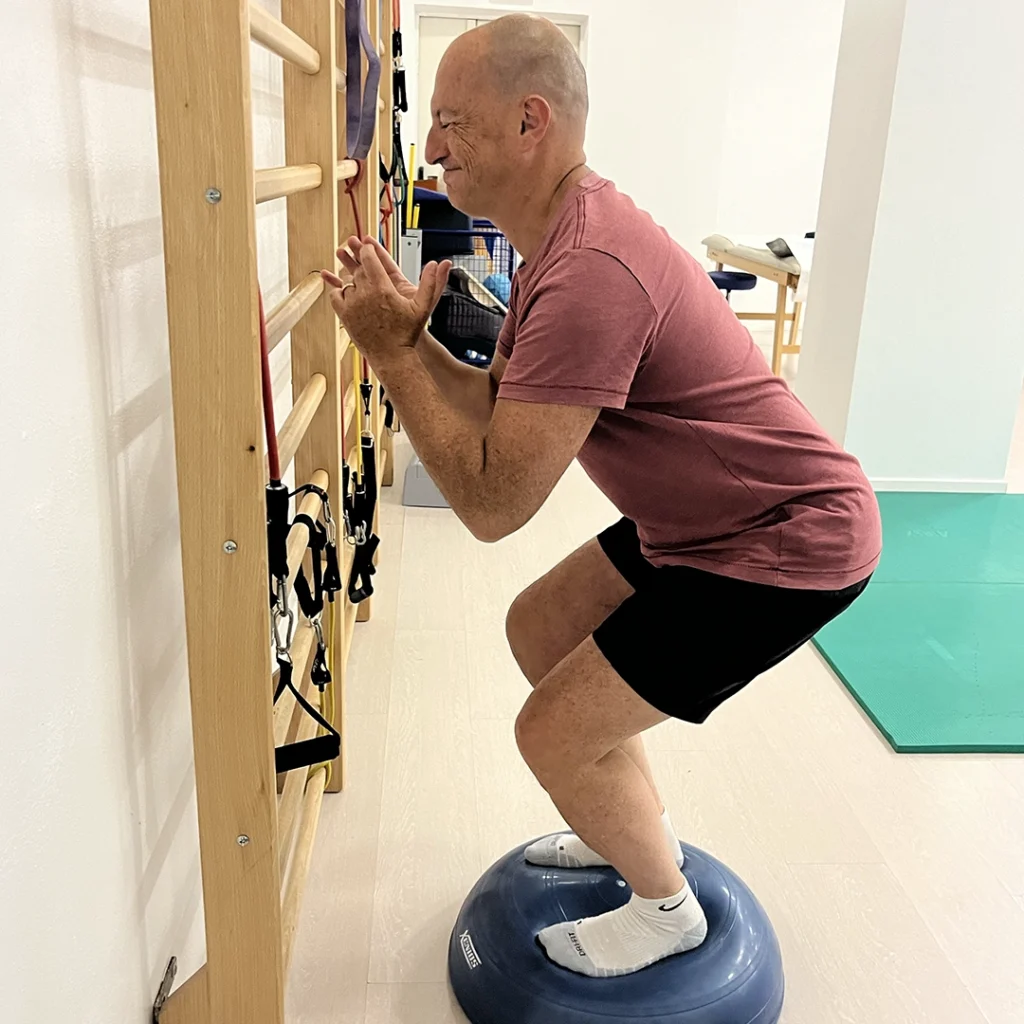
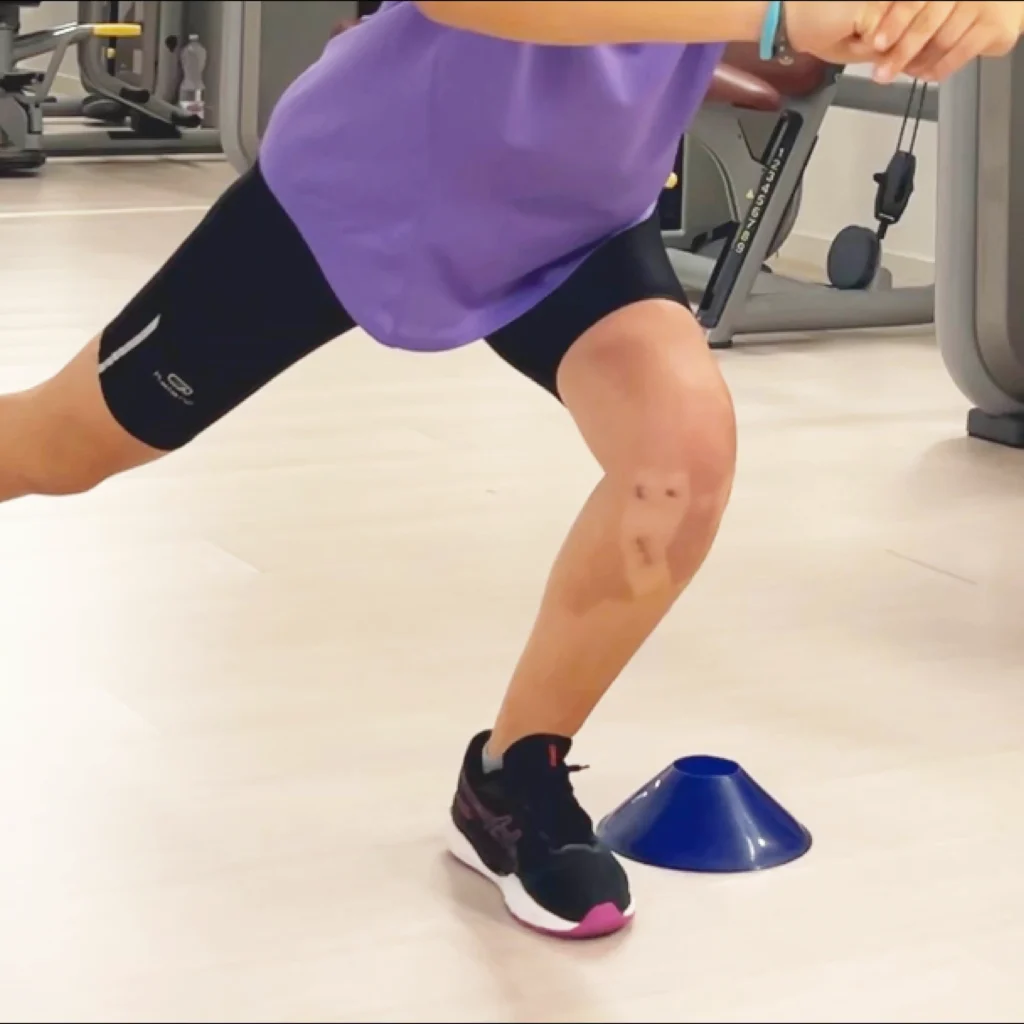
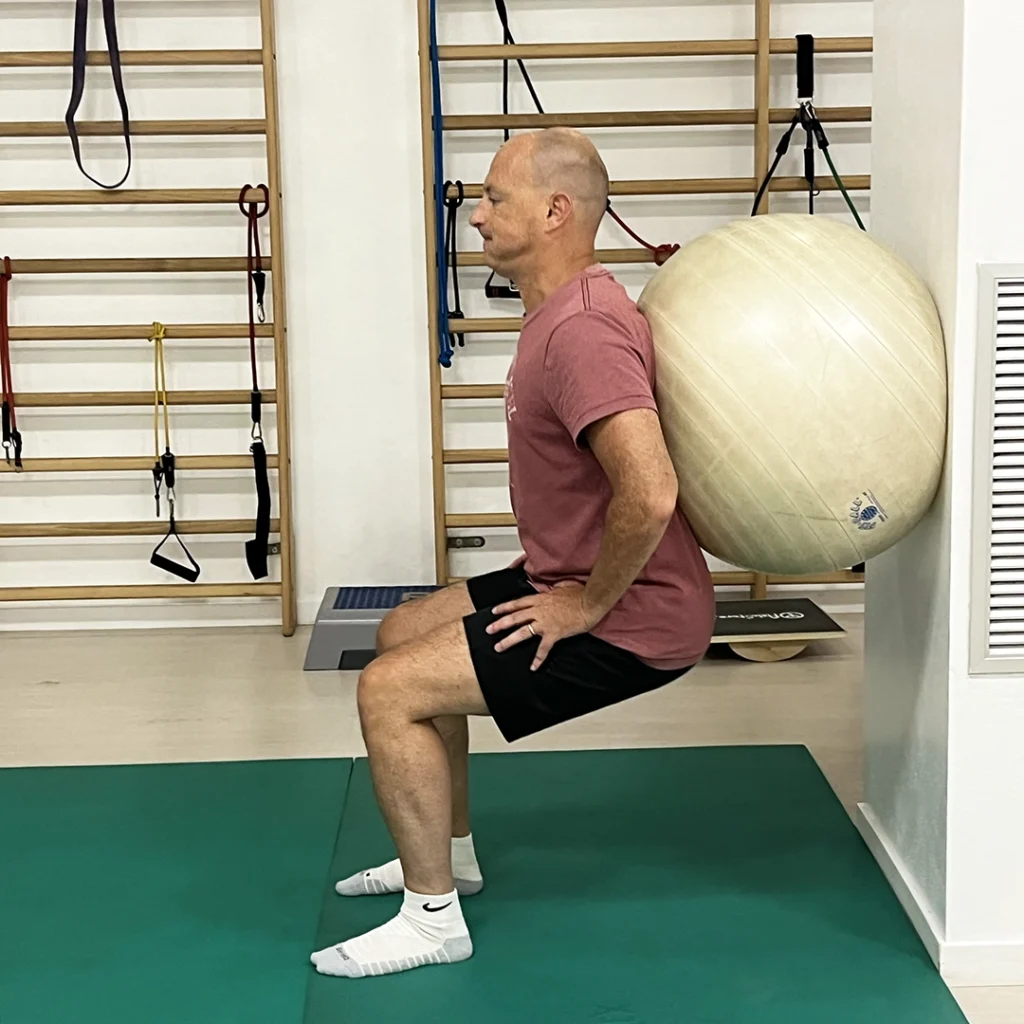
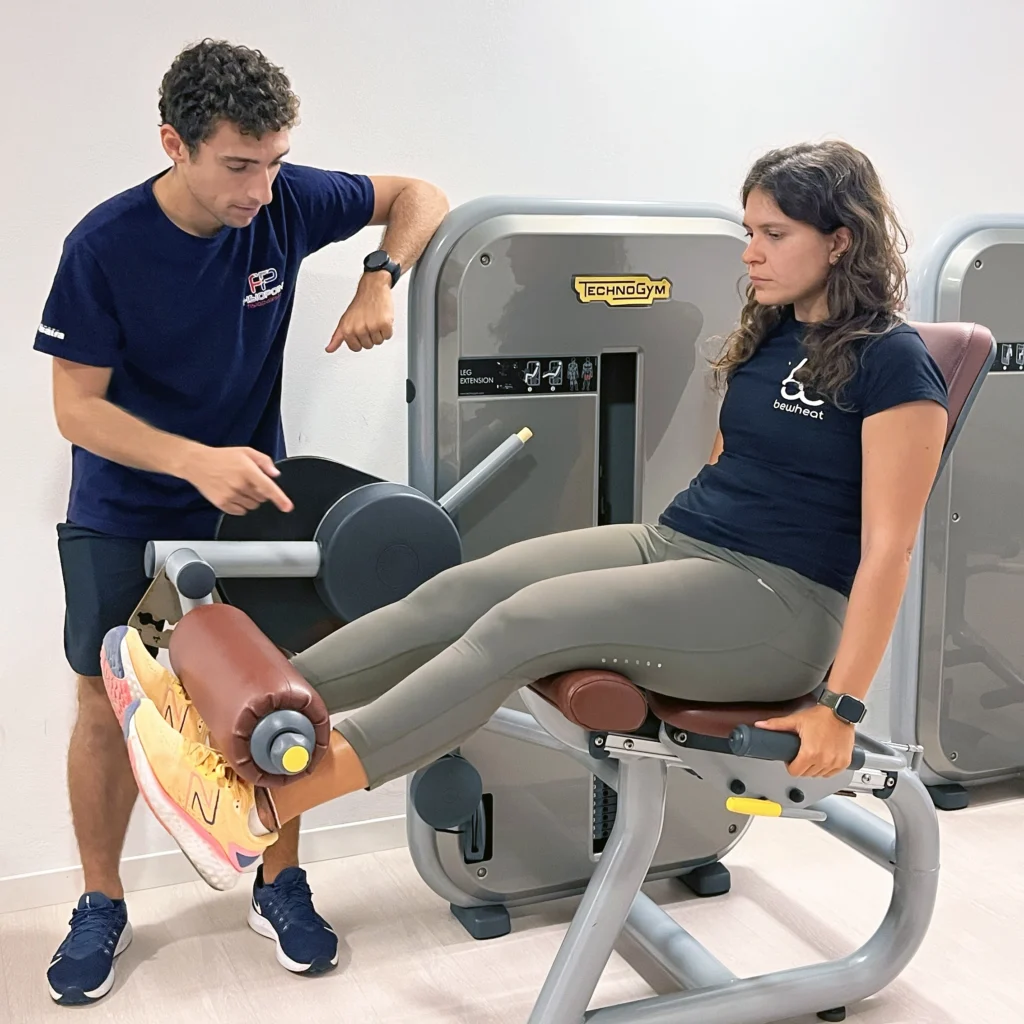
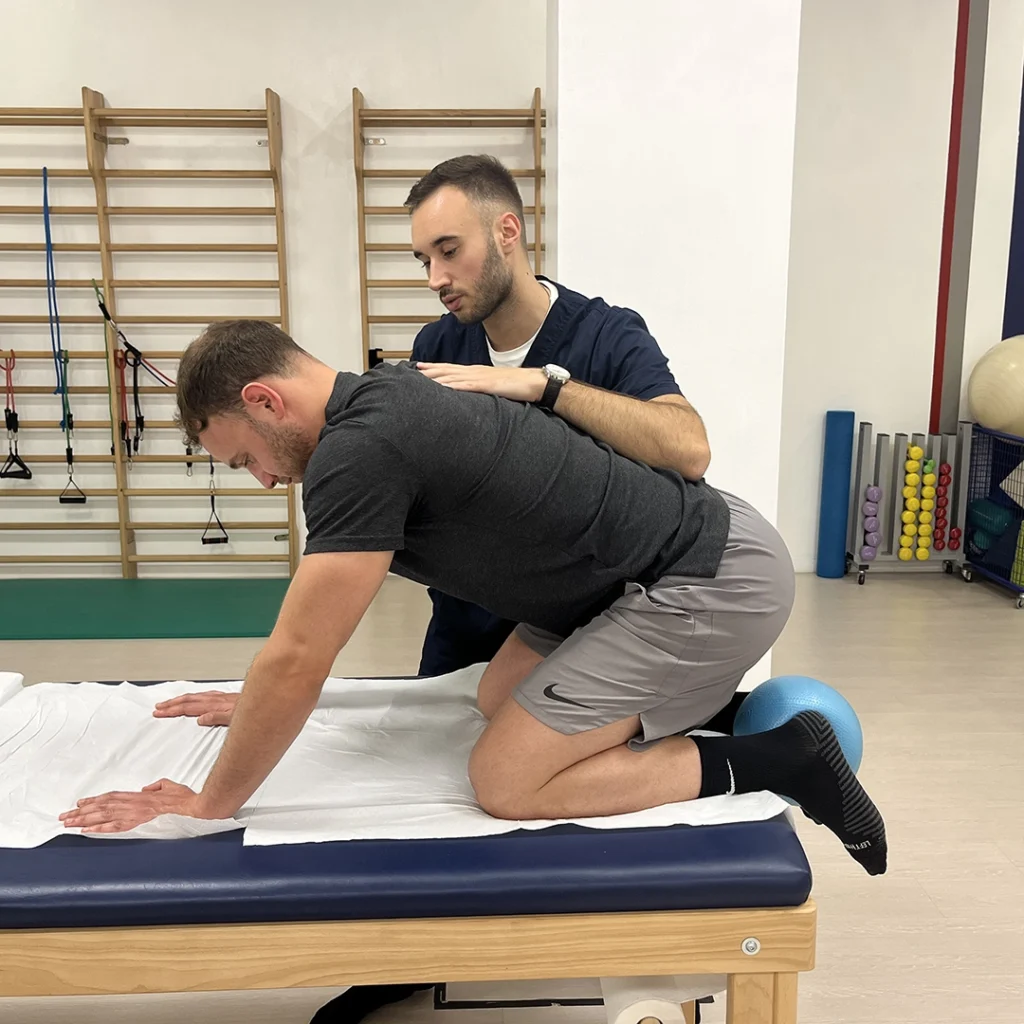
- the second phase focuses on the rehabilitation he joint function and recovery of muscle strength. Important will be therapeutic exercises to strengthen the stabilising muscles of the ankle (triceps suralis, tibialis anterior and posterior, peroneals) and the kinetic chain of the lower limb. Fundamental is then the proprioceptive re-education, through which, once a complete proprioceptive control of the limb has been obtained, one moves on to the third phase.
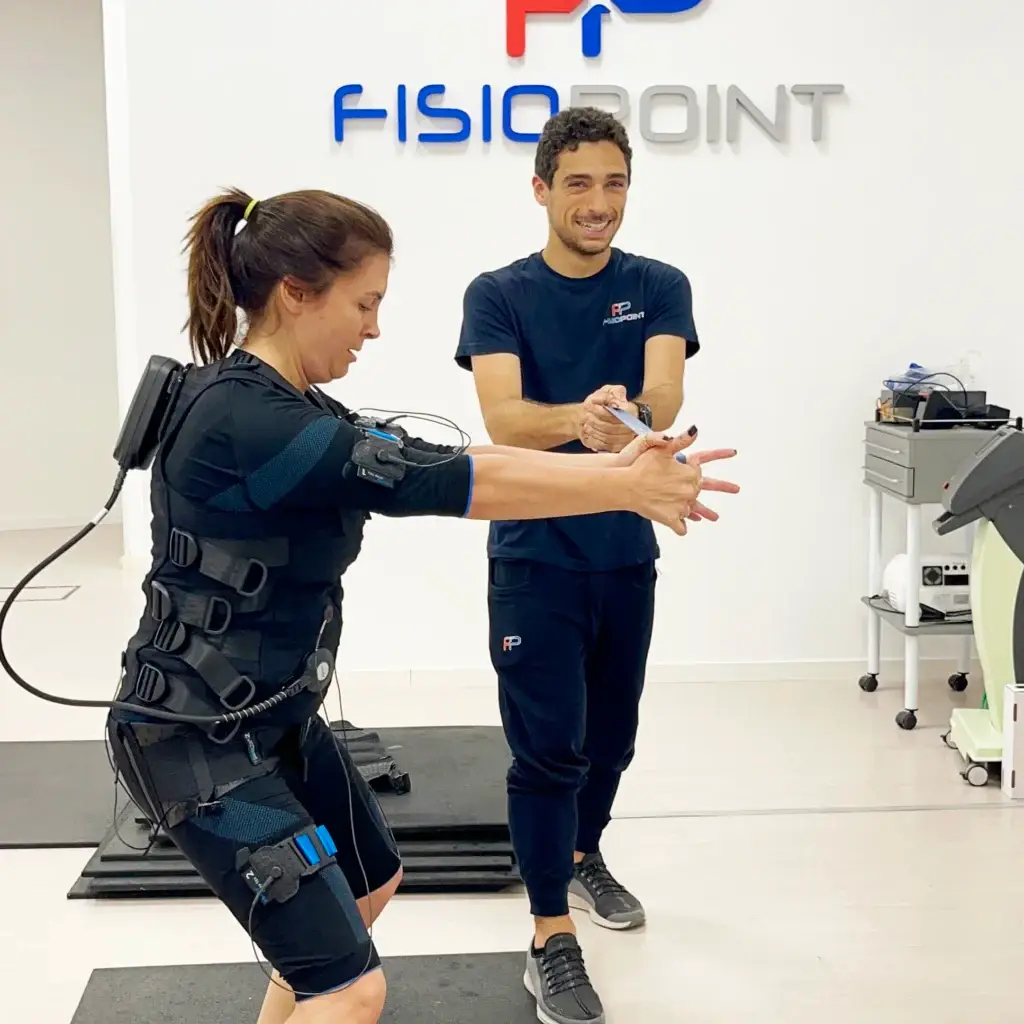
- Last rehabilitation time, the third phase consists of a return to the sports and normal daily activities; one can return, at last, to one's favourite form of exercise, whether at amateur or competitive level, working on the athletic gesture in its entirety.
What is the recovery time after a fractured tibia and fibula?
The recovery time for proper walking varies according to the type of fracture (e.g. compound or compound) and the type of orthopaedic approach (surgical or conservative); in any case, recovery should not be expected earlier than one month after the traumatic event in order to respect the physiological time for bone callus formation. Generally, recovery in the case of a fibula fracture can take 6 weeks or more, while tibia and fibula fractures heal in 3 to 6 months, although the many variables inherent to the injury and the chosen intervention, together with the patient's recovery capacity, can considerably shorten the timeframe.
Managing pain is very important for faster recovery.
Opiates, anti-inflammatories, muscle relaxants may be prescribed to reduce local pain.
Text by Elisa Sordi
Learn more by watching the videos on our channel YouTube









 English
 Italian