The shoulder: outline of anatomy
The shoulder is the joint that connects the trunk with the upper limbs. At a skeletal level, it is formed by the meeting of:
The clavicle is a long bone, located horizontally at the front of the thorax and articulates with the acromion of the scapula. This is a flat, triangular bone, located posteriorly and laterally on the thorax, connecting it, via a cavity (called the glenoid), to the upper limb and thus to the humerus. The humerus is a long bone and constitutes the upper portion of the arm; with its spherical head it inserts into the glena of the scapula. Together, these bones and the thorax make up the five joints of the shoulder, making it anatomically and functionally very complex. The joints are:
- Glenohumeral
- Acromioclavicular
- Sterno-clavicular
- Scapulothoracic
- Subdeltoidea
All joints are stabilised by ligaments, a capsule and musculature, particularly the muscles of the rotator cuff surrounding and centring the head of the humerus in the glenoid.
The sporting gesture in tennis
To play tennis, one must master different types of strokes, each with a characteristic technique that will be more or less complex for the player. Without going into the specifics of each type of gesture, we will only dwell on the characteristics of the servicethe gesture with which the tennis player starts the game. The service is often the cause of shoulder pain: the tennis player throws the ball in the air and hits it at its peak height. Here the hand and arm are above the head and in this position certain tissues are in pain. In the next phase, the one after the hit where the arm descends, the tendons are stressed in elongation.
Continuous repetition of this and all other gestures can lead to degeneration of tendons or other structures in the shoulder. The care of athletic movement technique, both as a preventive measure and during treatment after an injury, becomes of paramount importance.
The tennis player's shoulder: impingement
For all that we have said so far, the shoulder turns out to be a real victim in tennis. Either through trauma or degeneration due to continuous stress and strain from repeated athletic gestures and sometimes not even correct technique. But what are the possible consequences? The consequences can be varied and it would be difficult to list them all without overlooking some of them, so let us focus on the most common and its effects: impingement or sub-acromial conflict syndrome.
The treatment of tennis shoulder impingement
Now that we know that at the root of shoulder impingement is a muscular imbalance caused by tennis, it is easy to see that treatment must necessarily focus on resolving the imbalance through a rehabilitation programme targeted and specific. Due to the complexity of the shoulder and the synergy of the mechanisms that enable its movement, it is advisable to consult a specialist who knows the correct rhythms. The rehabilitation programme will be divided into several stages, some of them simultaneous:
Pain reduction:
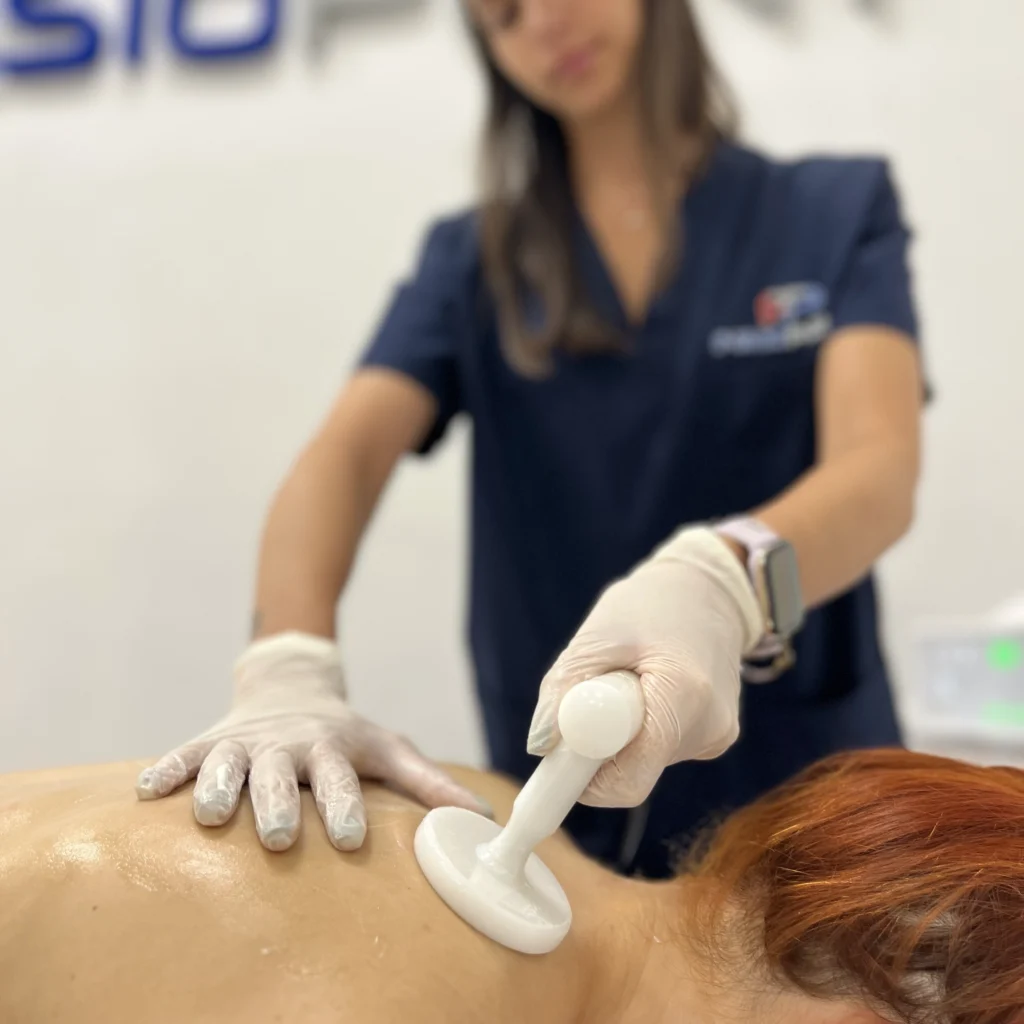
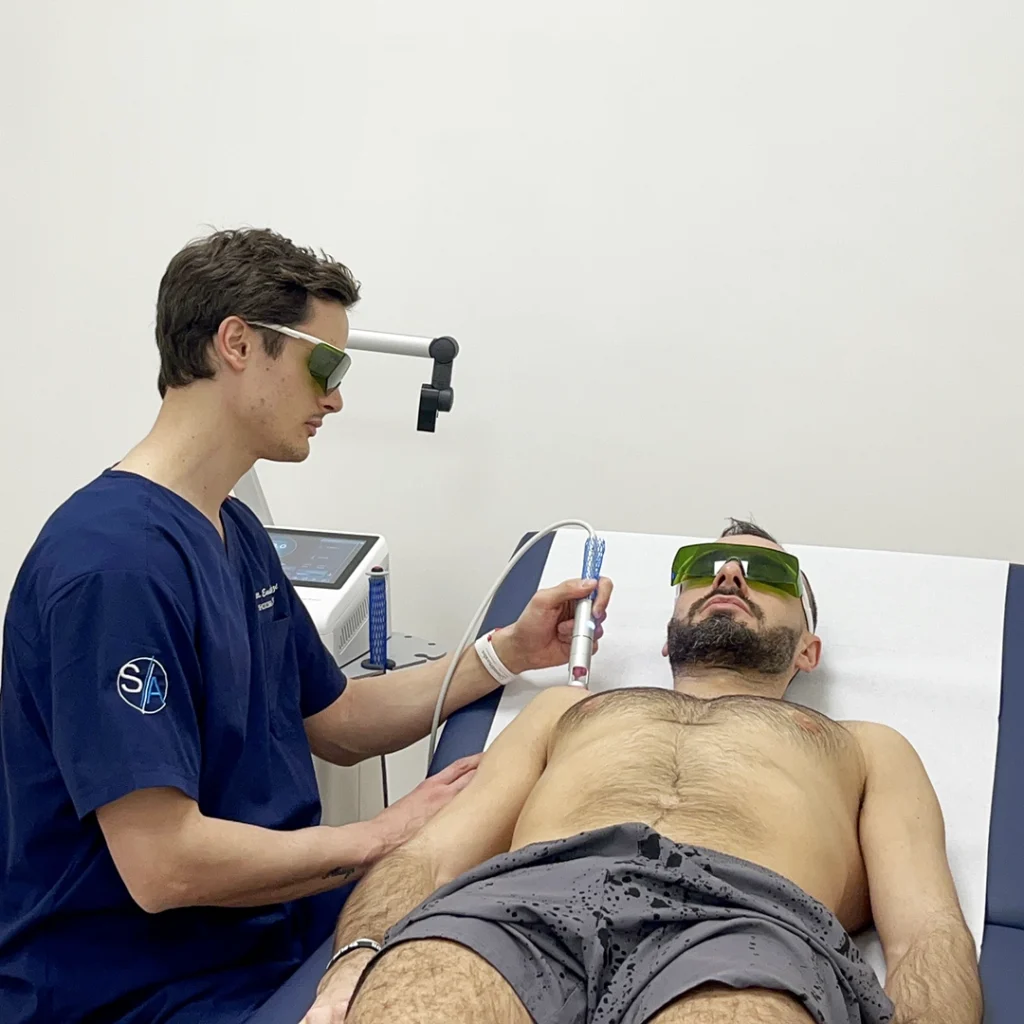
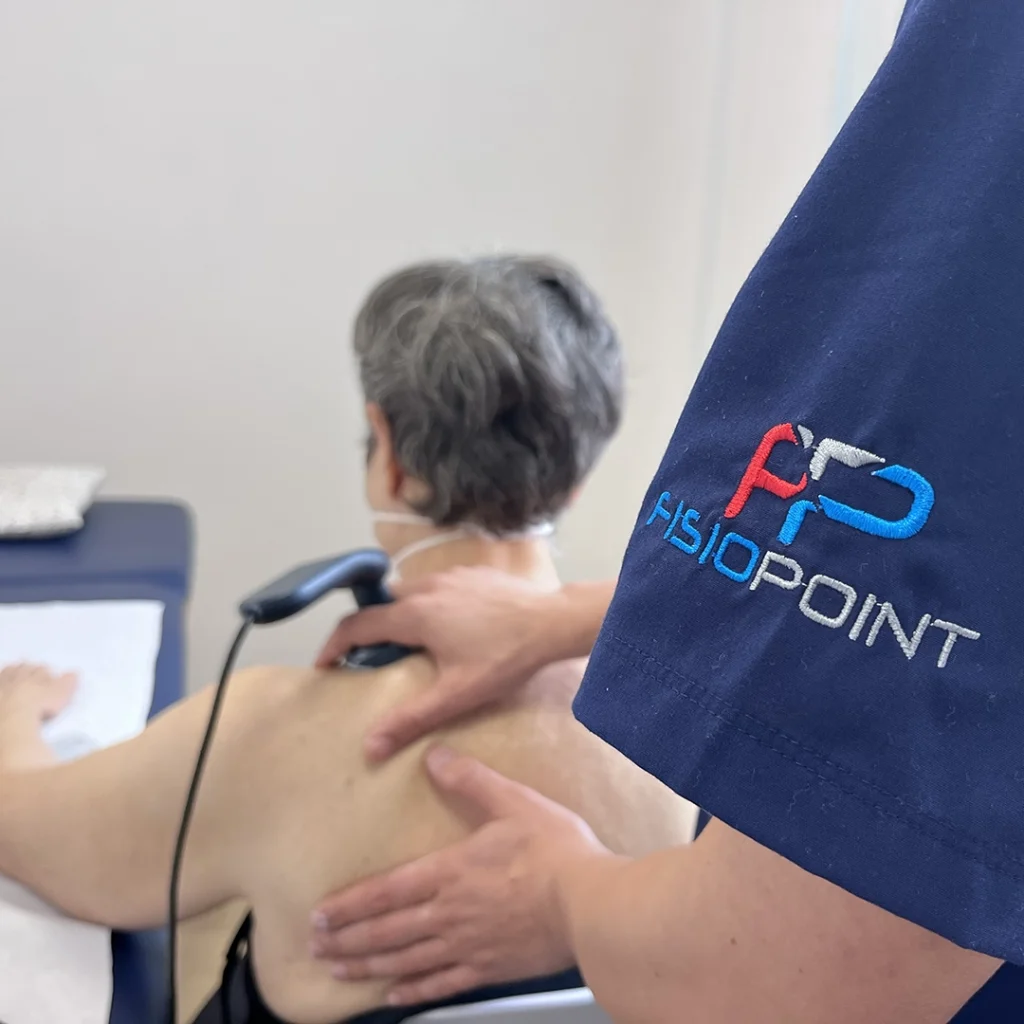
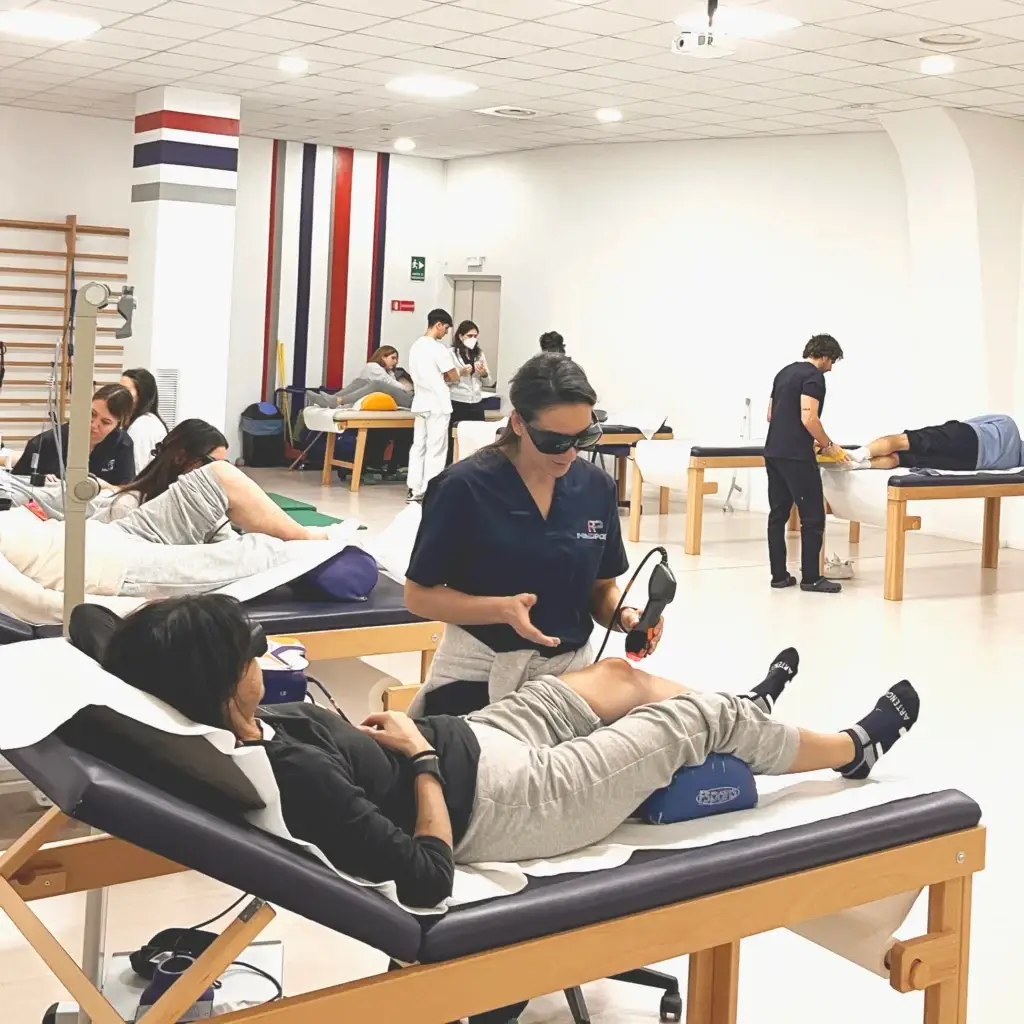
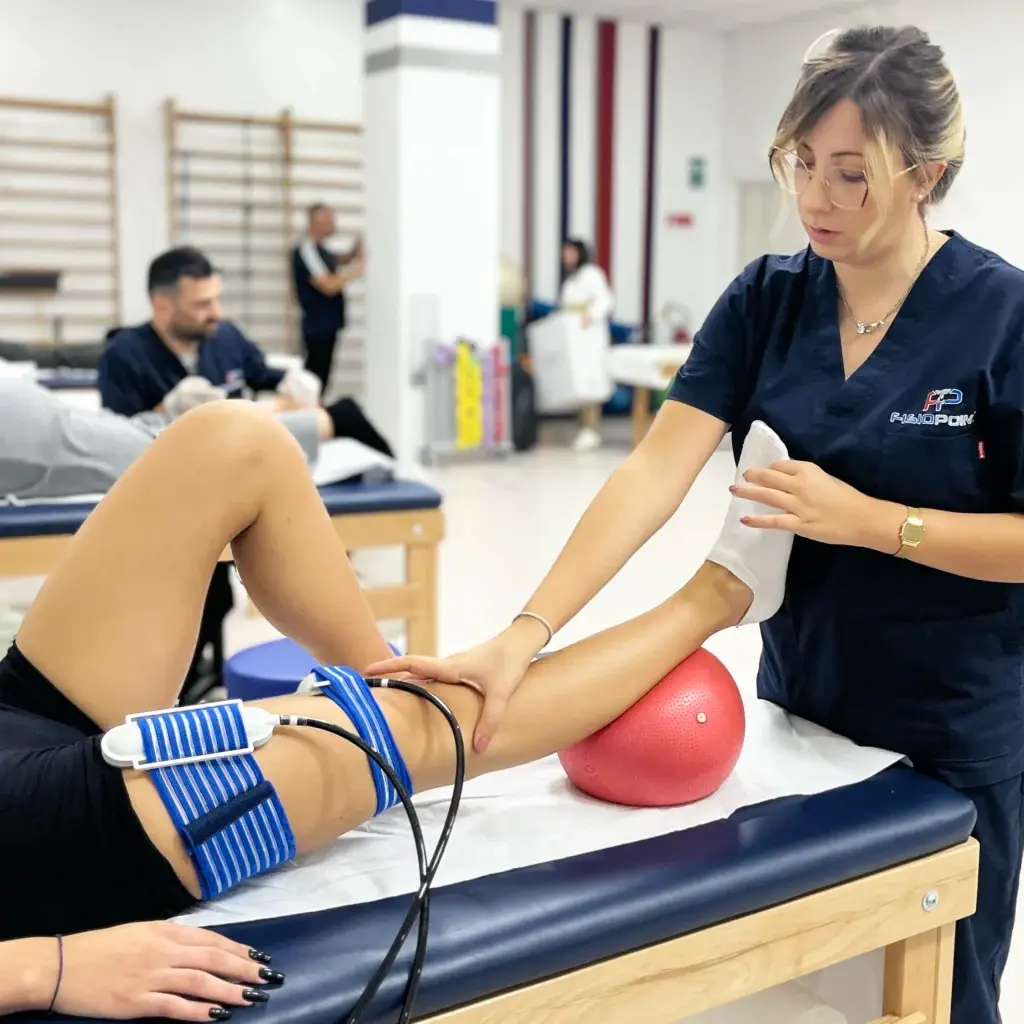
through manual and instrumental therapy (tecar, laseretc.) if necessary and on prescription, it can be accompanied by painkillers and anti-inflammatory drugs;
Recovery of full articulation of the tennis player's shoulder:
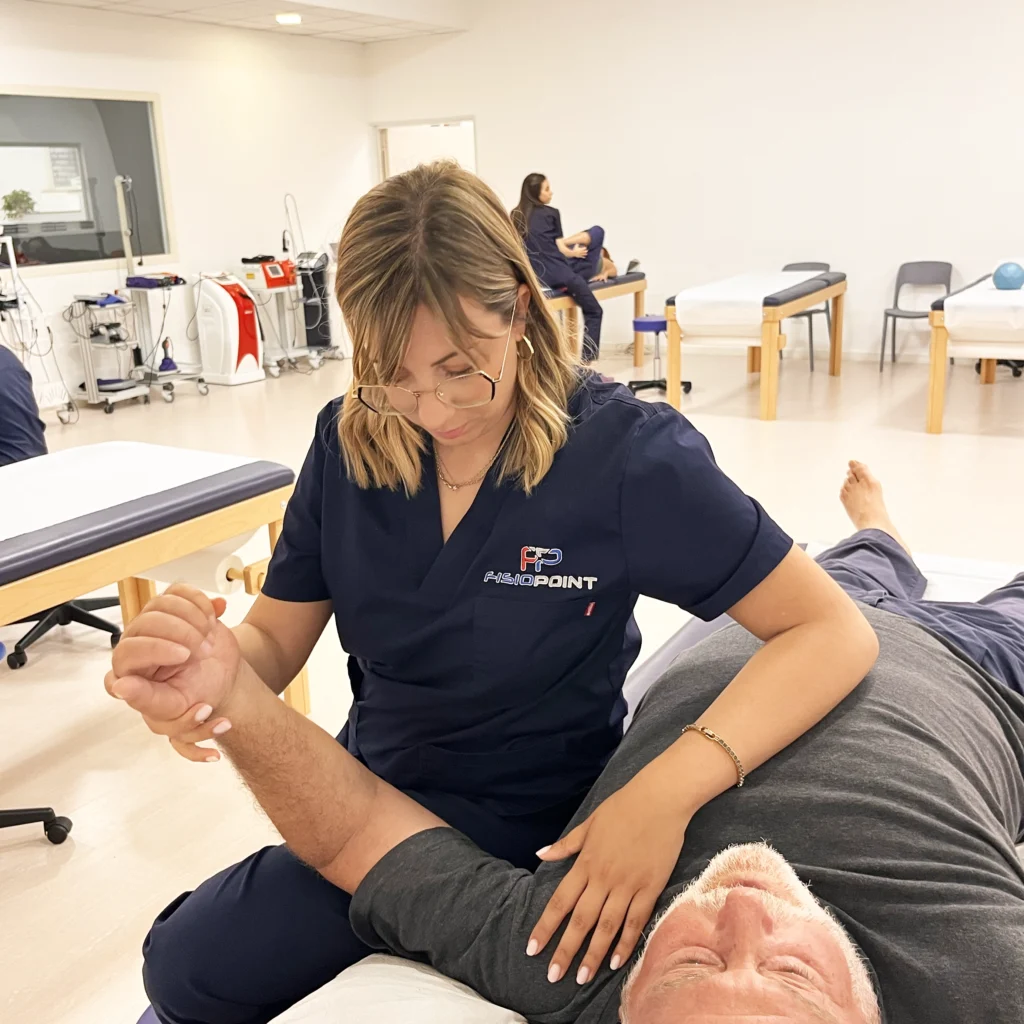
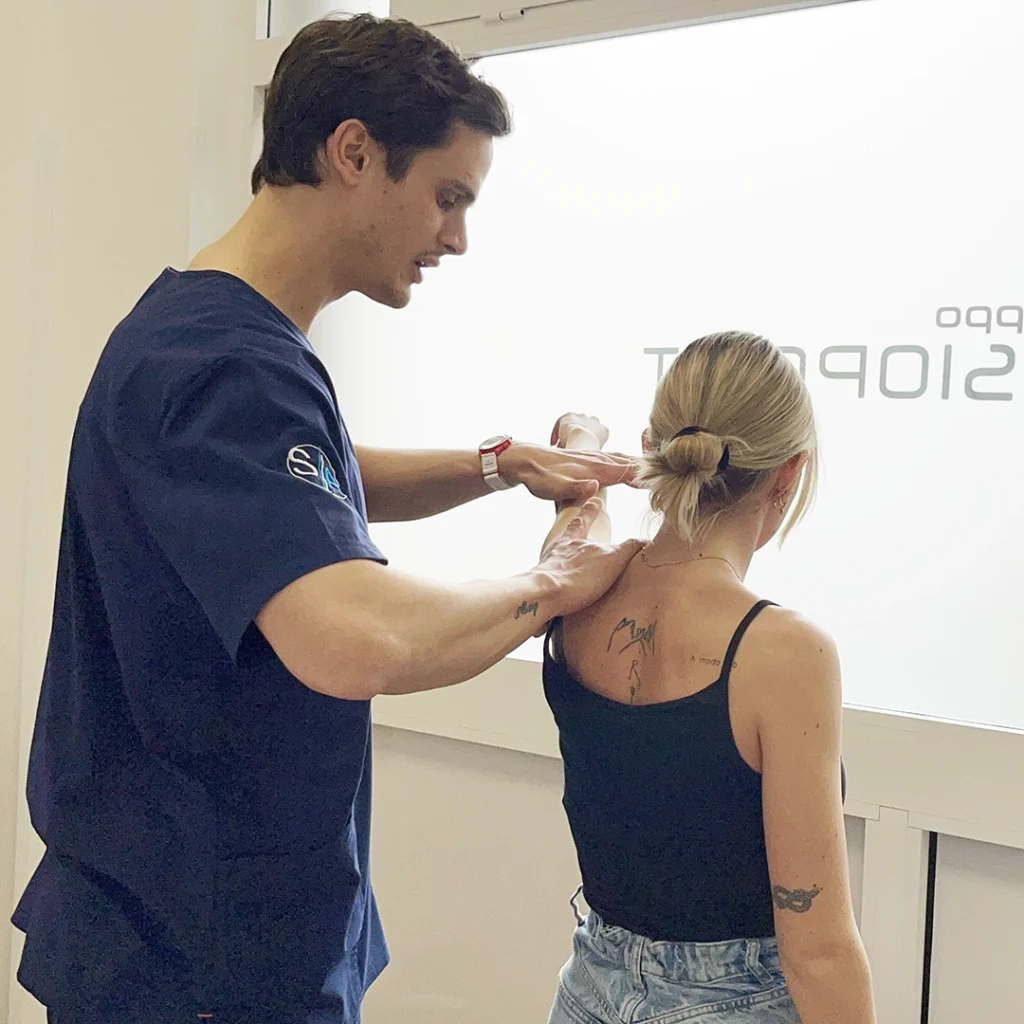
Once the pain has subsided, the physiotherapist will take care of the articularity of the shoulder, which must return to every movement up to its extreme degrees, through manual therapy and passive and/or active mobilisation;
Muscle rebalancing:
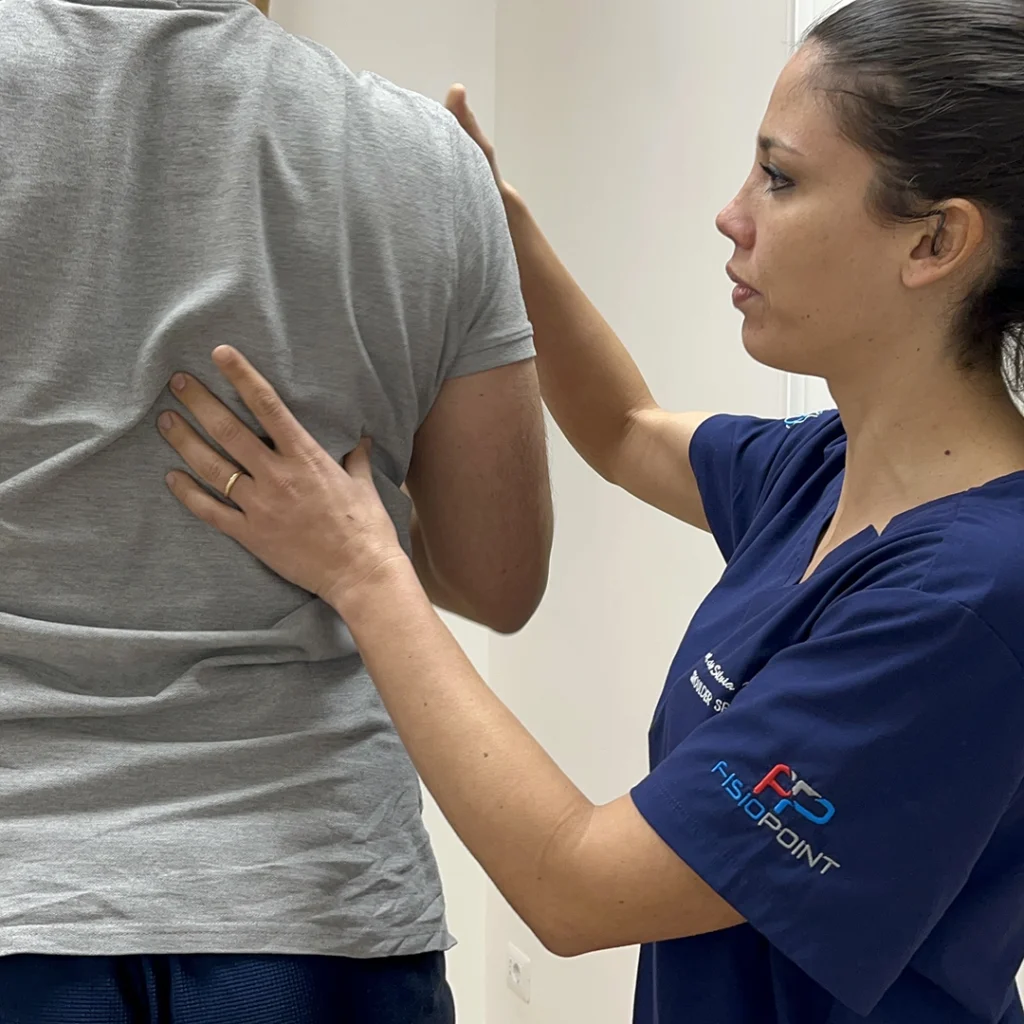
This enters the most complex and delicate phase; the patient will have to work steadily to regain strength and learn the correct mechanism of each daily movement. The physiotherapist must do an excellent job on both a physical and cognitive level that will allow the patient to perceive when and which muscles to activate. He will work on scapulothoracic control, on arm movement, without neglecting the whole body and therefore the various muscle chains. Gestures above the head, for example, involve a muscular chain that generates, adds and transfers forces from the feet down to the hands; each segment of the chain will have to be treated and rebalanced. In each session, an attempt will be made to improve the quality of the gestures. Only in this way, with the correct positioning of the scapula and humerus even during movement, tendon compression will decrease and more serious consequences can be treated and prevented.
Study of athletic gesture:
Once the musculature has been rebalanced, it is optimal to continue the functional recovery through the study of tennis sporting gestures, with the help of a specialised personal trainer. In this way, the return to the court will be safe and the shoulder protected from other injuries or pathologies.
In more severe cases, or those that have been neglected for a long time, physiotherapy will not be sufficient and surgery will be required. The aim will be to increase the space between the acromion of the scapula and the head of the humerus by means of acromioplasty under arthroscopy. Again, this will require a rehabilitation aimed at preventing a return to the starting conditions.
Text by Elisa Piccioni
Learn more by watching the videos on our channel YouTube

 English
 Italian