Chi colpisce la capsulite adesiva?
It is a rare disease in youth, present mainly in women in the pre/post menopausal age, between 40 and 60. Among the factors that play a key role in the onset of this disease are diabetes, thyroid dysfunction, and other dysmetabolism, immunological, biomechanical and inflammatory factors.
Why does the shoulder get stuck?
La capsulitis adhesive mainly affects the joint capsule, an elastic fibrous structure, which allows the shoulder joint to carry out extensive movements. In the case of adhesive capsulitis, the characteristic loss of movement is caused by a contracture, of inflammatory origin, of the capsule and ligaments. The inflammation reduces the range of motion of the joint in different positions of the arm in space, especially if we try to touch our back or bring the arm upwards. Sometimes capsulitis can occur as a result of a direct trauma to the shoulder: think of fractures, dislocations, cuff injuries, mastectomy outcomes and lymphadenectomy axillary or after a surgical event.
What are the symptoms?
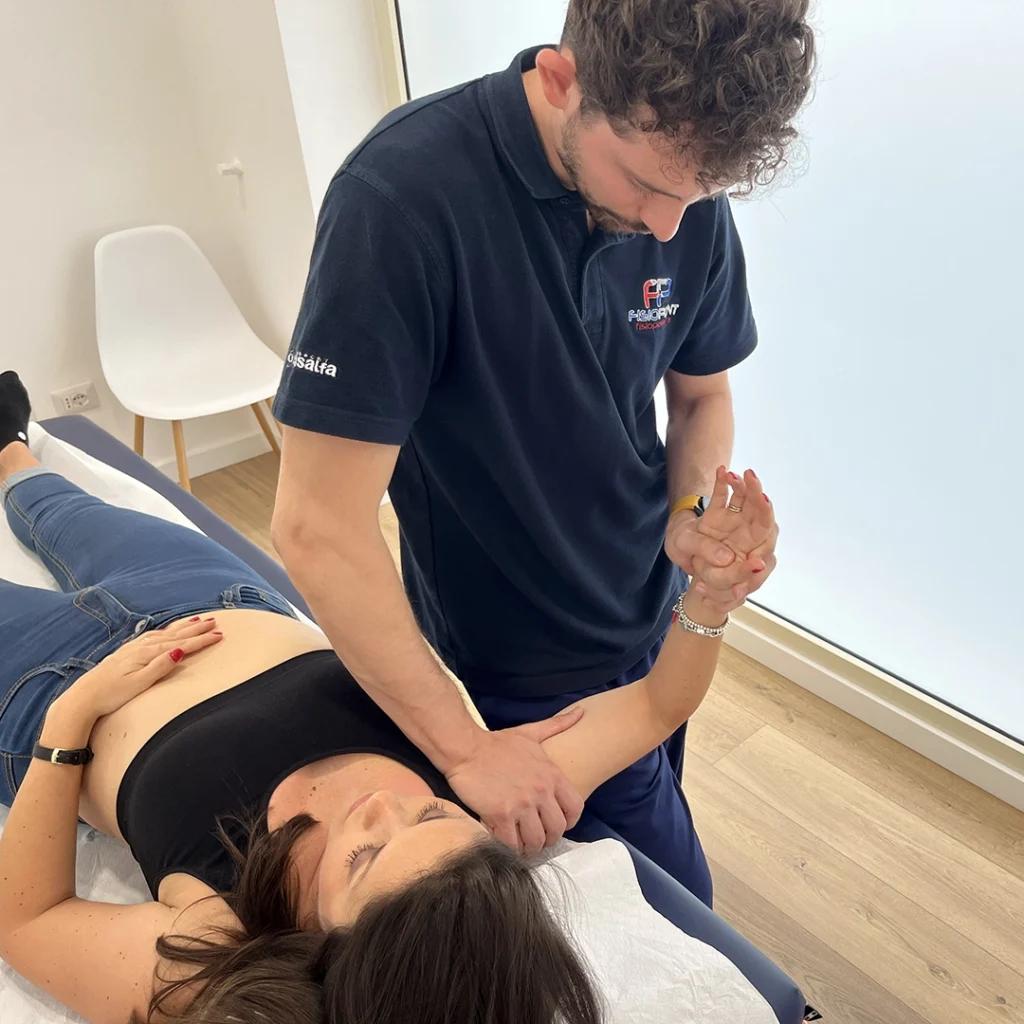
The symptoms of adhesive capsulitis are assessed using the 'Look - Feel - Move' system.
- Look: on inspection, the arm is held to the side, alongside the body in slight internal rotation, with the back of the hand pointing to the side
- Feel: on palpation there is widespread soreness extending from the neck to the area between the shoulder blades
- Move: In true frozen shoulder there is an almost complete loss of external and internal rotation of the arm, such as bringing the hand behind the back.
How do I know if I have adhesive capsulitis?
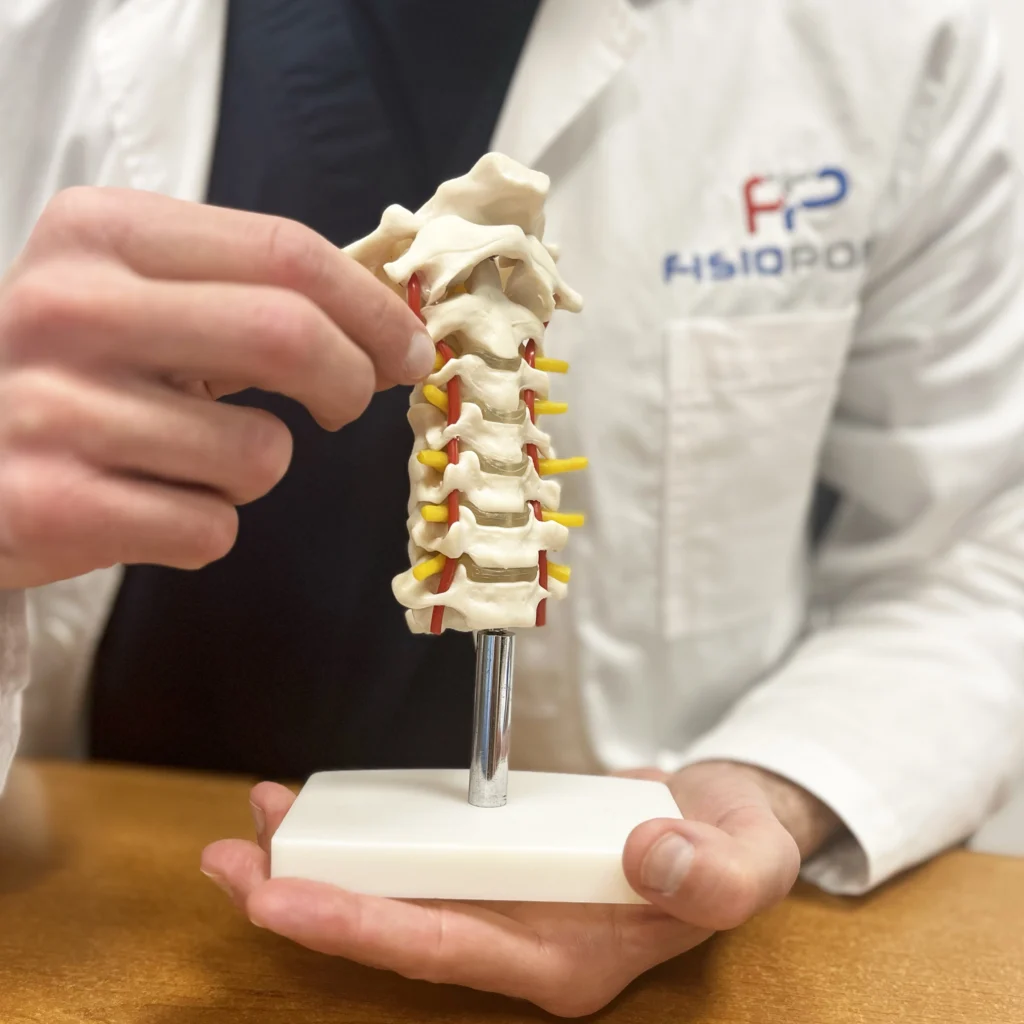
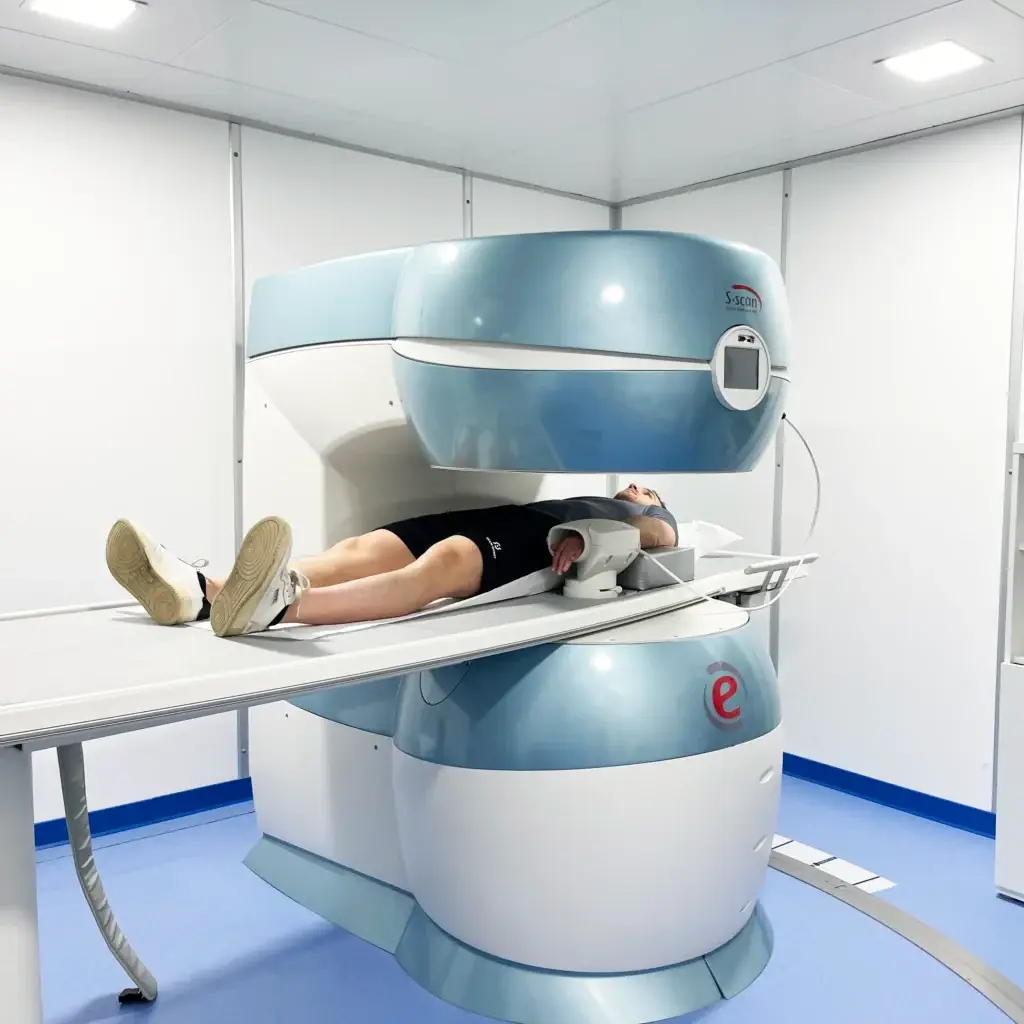
For the diagnosis, an orthopaedic examination with a shoulder specialist who assesses the patient's clinical and diagnostic situation is essential. In fact, by consulting an X-ray, other pathologies such as arthrosis, fractures, dislocations, calcific tendinopathies, which could confuse the diagnosis because they present a similar symptomatology, are excluded. It is possible to subdivide idiopathic or primary adhesive capsulitis when the cause is unclear and capsulitis secondary to traumatic or surgical events.
Idiopathic or primary capsulitis involves three sequential phases:
- Painful: it is characterised by a progressive loss of mobility in all planes and by acute pain already present in the first degrees of arm movement, which worsens during the night.
- Stiffness: during which the pain gradually decreases while remaining evident at the extremes of movement, there is a further increase in stiffness with significant loss of internal rotation; for example, in women it is manifested by difficulty in fastening a bra and in men in putting their hand in the back pocket of their trousers (in the most severe and symptomatic stages).
- Recovery: can last up to 1 year after onset of symptoms. There is an improvement in movement and progressive reduction of pain that typically improves with exercise.
The pain is typically severe and localised to the shoulderIt can radiate up to the hand and often occurs at night so intensely that it disturbs sleep. Diagnosis is essentially clinical: knowing the patient's history and performing an objective examination is crucial for a correct diagnosis.
What can I do to treat adhesive capsulitis?
See a shoulder specialist for a diagnosis or a specialised physiotherapist for a functional assessment of the shoulder, in static and dynamic.
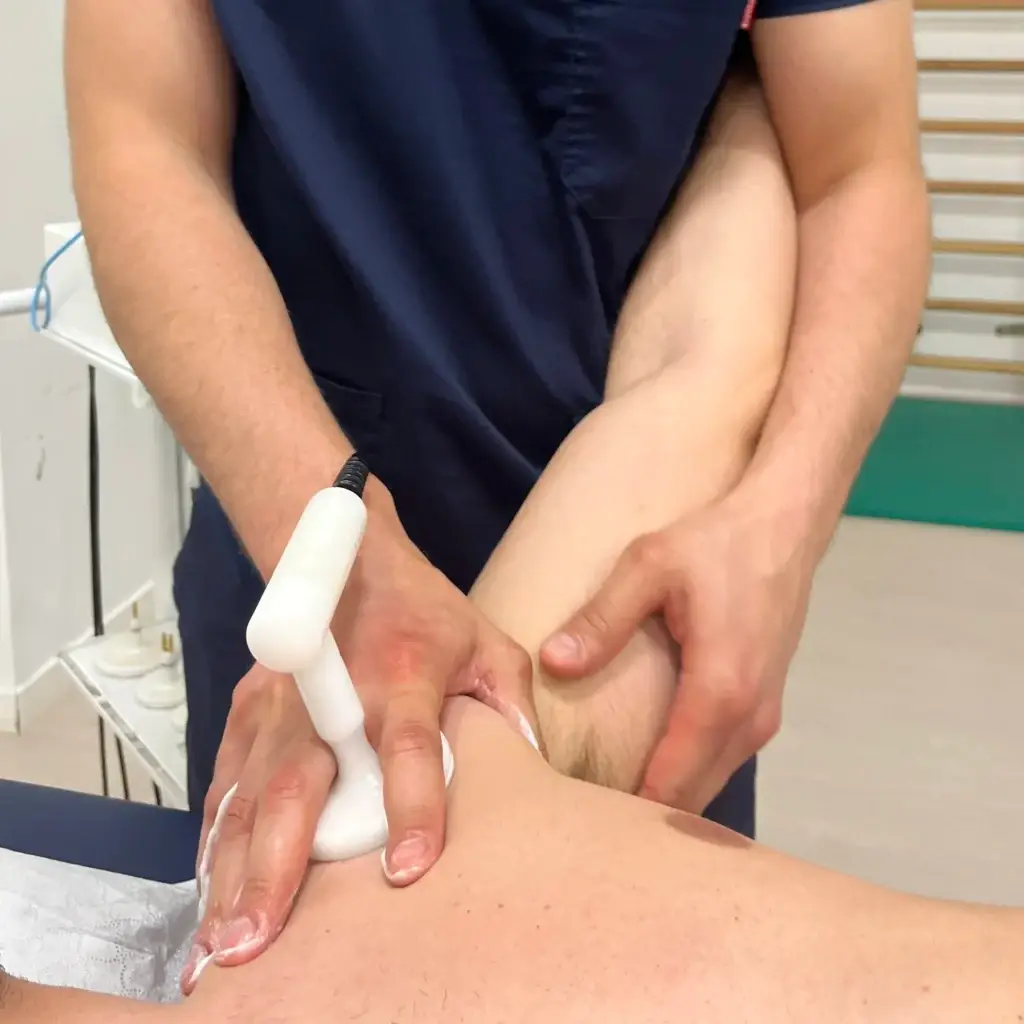
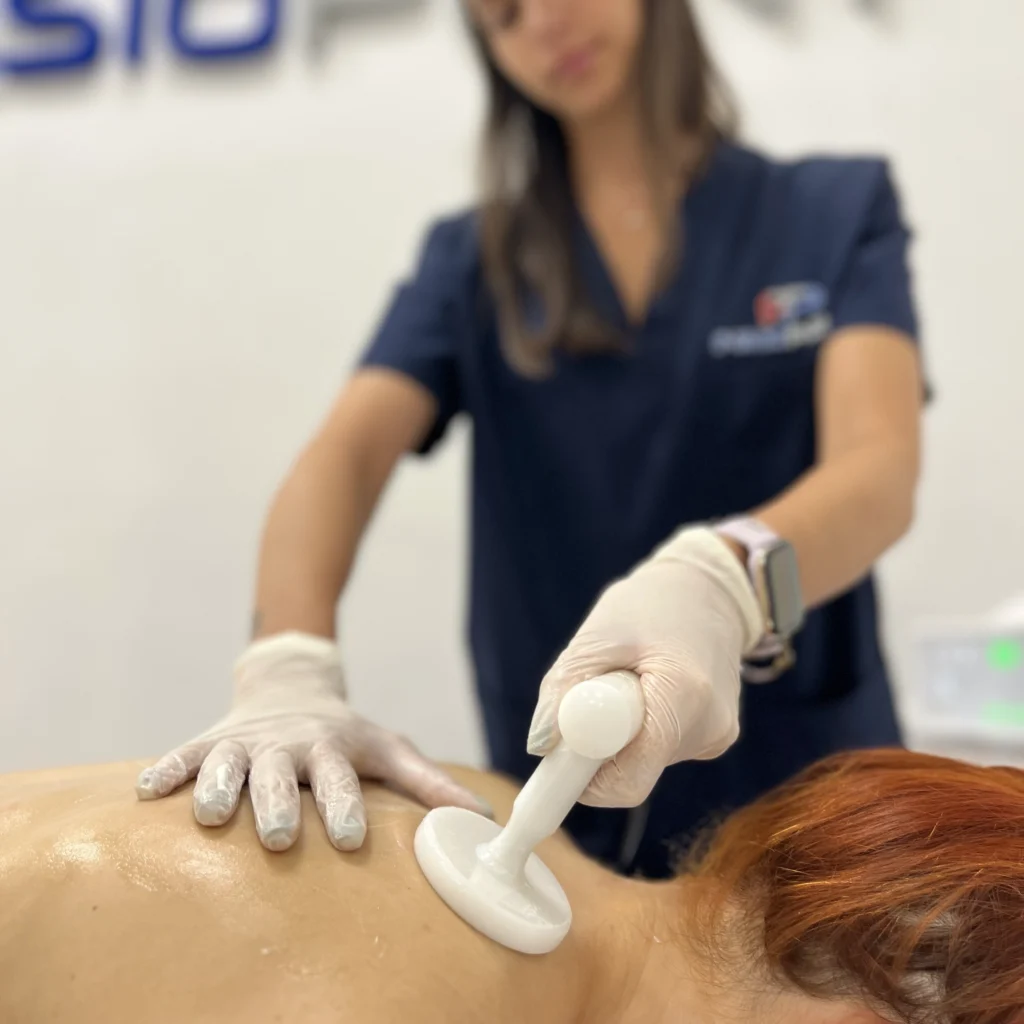
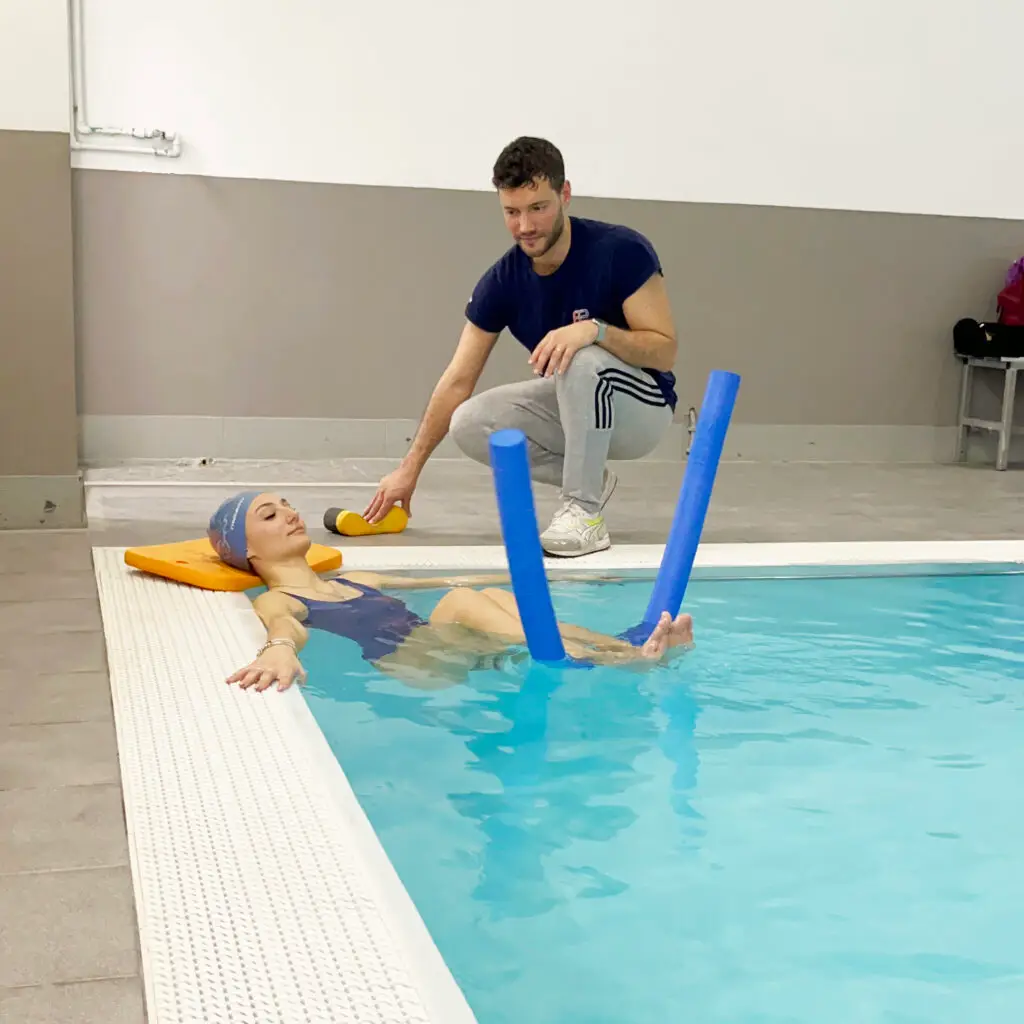
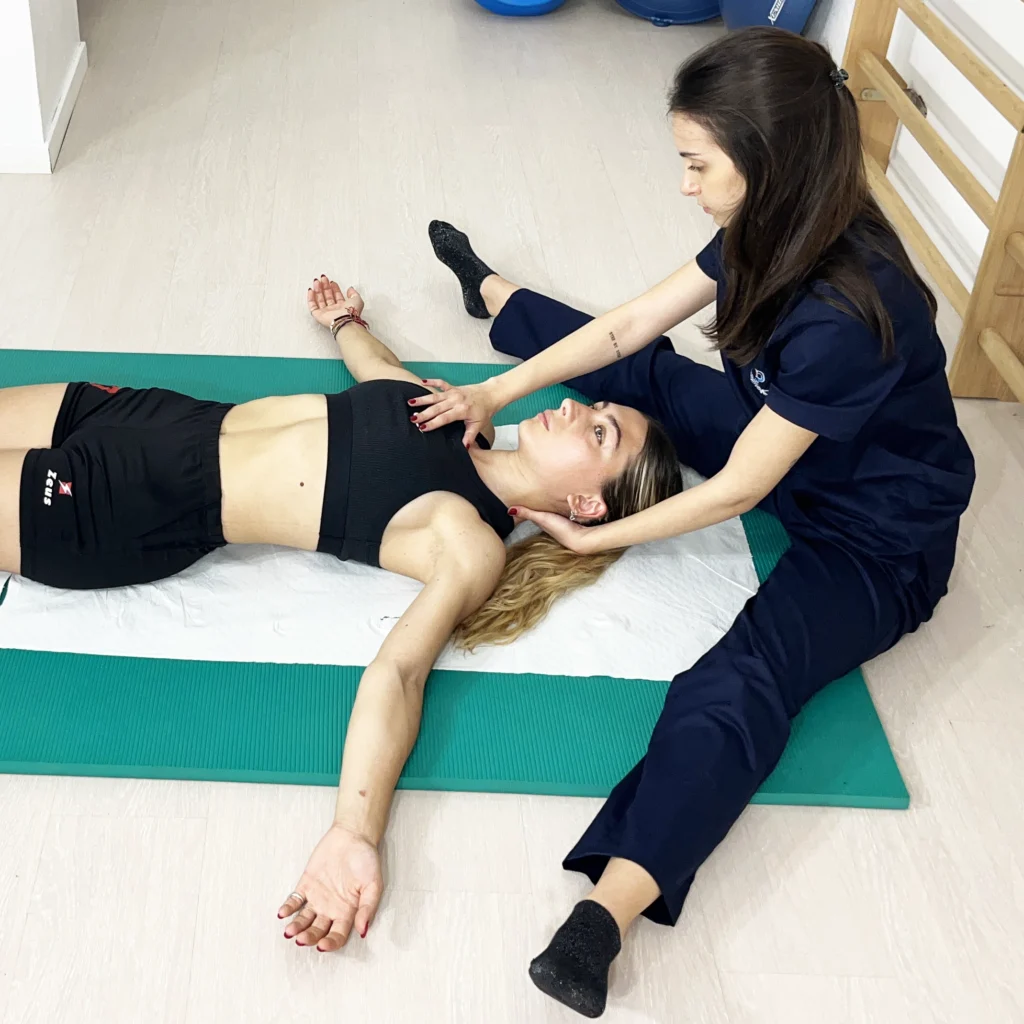
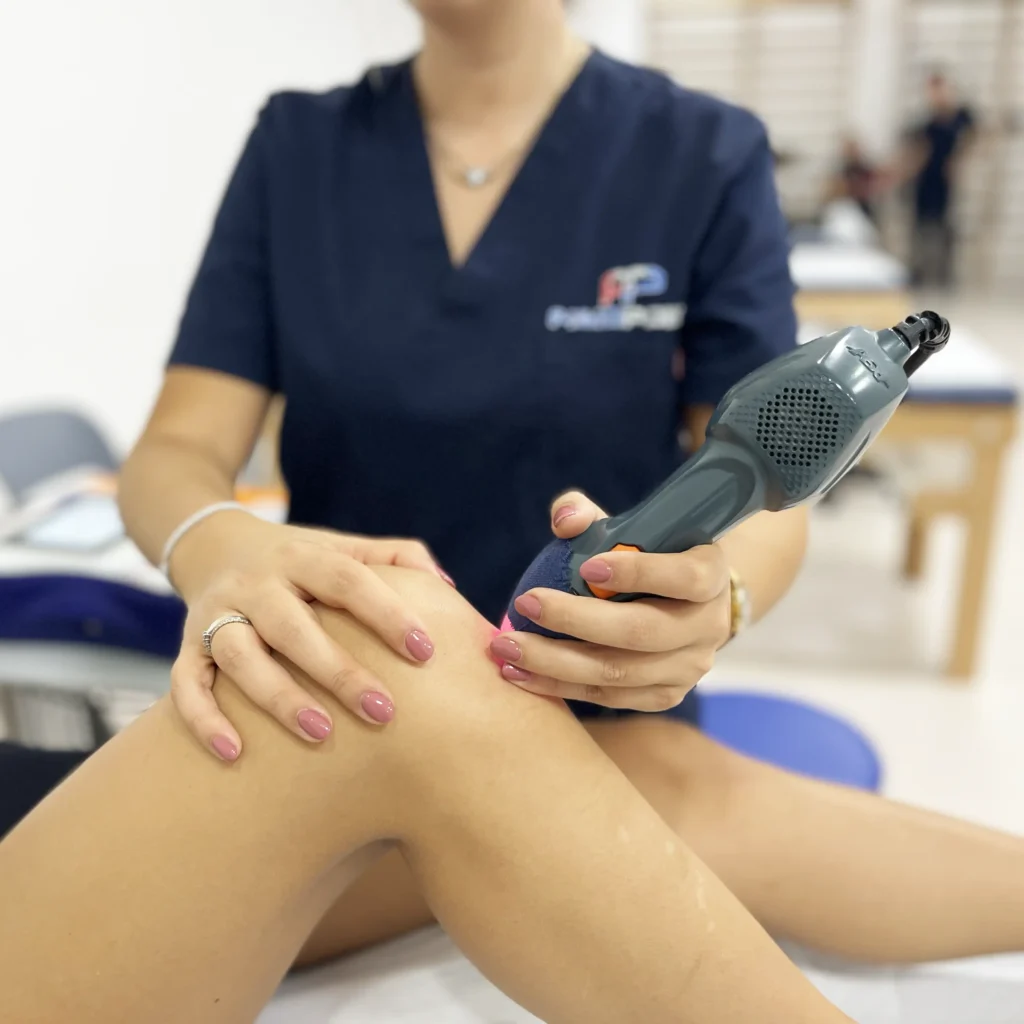
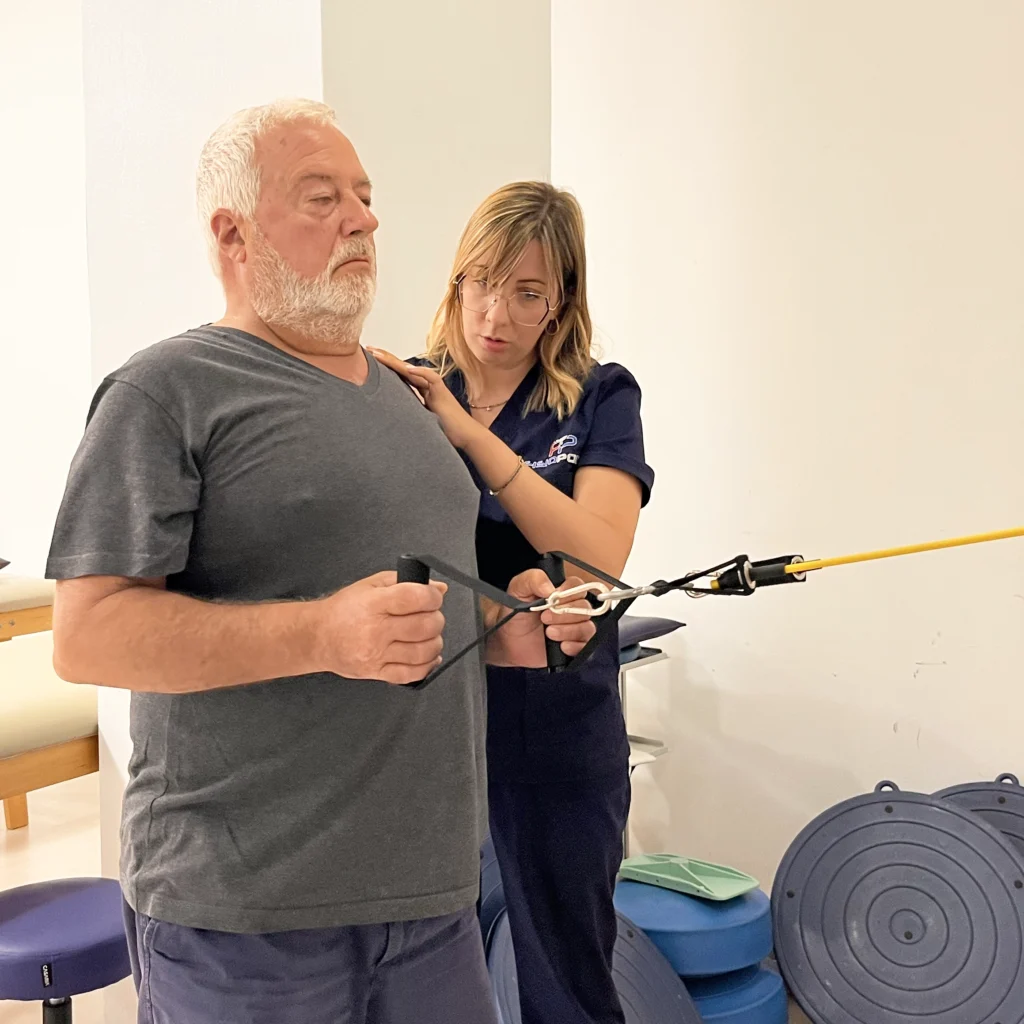
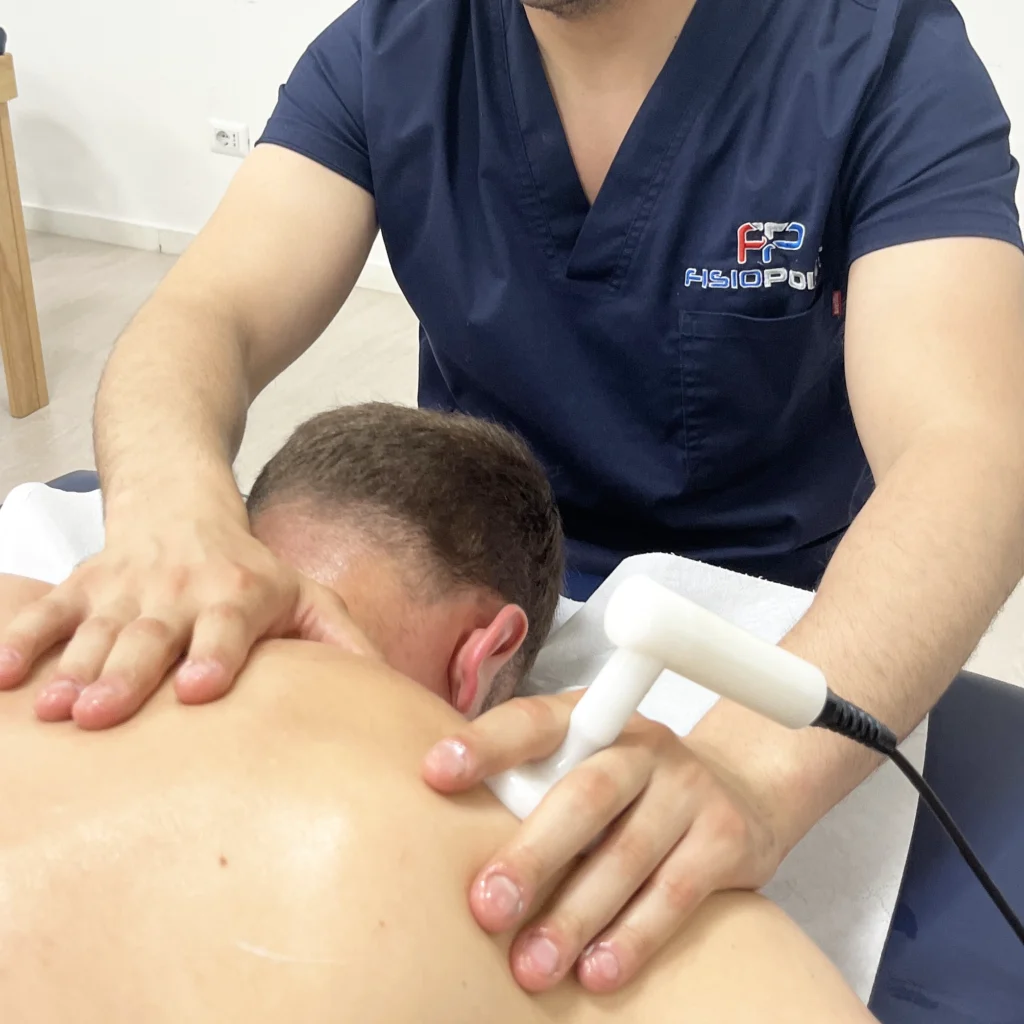
Once a diagnosis has been made, a specialist shoulder physiotherapist can help you manage the condition with respect to the severity and severity of the symptoms. Treatment includes hydrokinesiotherapy and the rehabilitation dryness, which consists of a series of stretching exercises that aim to reduce inflammation of the capsule, reduce pain and increase functionality in order to return to a normal life. It is possible to combine therapy infiltrative in support of rehabilitation, if the orthopaedic specialist deems it appropriate, with the aim of reducing the pain during rehabilitation and work pain-free, or with reduced pain, on stiffness.
In conclusion, frozen shoulder is a common and above all limiting condition, usually managed with infiltrations and physiotherapy. Imaging is useful to exclude serious pathologies for which a different approach is required. The diagnosis is mostly clinical.
Patient education plays a key role in promoting changes in activities of daily living by encouraging the recovery of pain-free joint mobility and promoting self-treatment. Indeed, instruction in the execution of an appropriate home exercise programme is crucial to the success of rehabilitation treatment because daily exercise is effective in alleviating symptoms.
Learn more by watching the videos on our channel YouTube

 English
 Italian