What is it and what function does the rotator cuff play in the shoulder?
La
shoulder joins the upper limb, i.e. the arm, to the trunk. It is the most complex joint in the human body. This is because it has a large
range of movement in all planes of space. This reason leads the shoulder to be considered an unstable joint: were it not for the passive stabilisers (consisting of the capsule and ligaments) and the active stabilisers (the muscles), the arm would tend, due to gravity, to fall to the ground. Among the muscles of the
shoulderthere are four of them that collectively make up a complex called the rotator cuff. This structure, taken as a whole, wraps around the humeral head like a true cuff.
Shoulder muscle classification: rotator cuff
The four muscles, although distinct, are considered as a single protective sleeve of the shoulder, and are:
- supraspinatusIt originates in the upper part of the scapula, above the spine, carries laterally, passes under a bony projection (acromion) and inserts on the head of the humerus. Function: externally rotates and abducts (moves away from the body) the arm
- subspinatus: It originates in the medial part of the scapula, under the spine, leads laterally upwards to insert on the head of the humerus. Function: allows the arm to extrarotate
- subscapularisIt originates in the anterior part of the scapula, leads laterally and upwards to insert on the head of the humerus, albeit more medially than the other two. Function: by contracting, it adducts (brings the arm closer to the body) and internally rotates the arm
- small roundOriginates in the inferior and lateral part of the scapula (posteriorly like the first two), leads laterally upwards and inserts on the head of the humerus. Function: rotates the arm outwards.
The overall action of the four muscles is to centre the humeral head within the glenoid cavity (joint site). Furthermore, because the humeral head is larger than the cavity on which it rests, the rotator cuff tends to lower the humerus in every movement made by the arm. The action of the
rotator cuff is fundamental for arm abduction: although the deltoid also contributes to the movement, the deltoid alone would not be able to move the arm away. Therefore, very important in a training plan is the strengthening of this muscle complex, as an imbalance of forces could produce pain and inflammation.
Shoulder pain: Impigement subacromial e rotator cuff tendinopathies
Very often the shoulder is prone to injury due to its anatomy. Among the problems that can be encountered is the
subacromial impingement and cuff tendinopathy. As is well known, the rotator cuff performs a depressor action on the humerus: if this action were to fail, the humeral head would rise. The pathological consequence, which frequently occurs especially in adults, is impingement, also known as conflict syndrome. This problem arises from the fact that a reduction of the subacromial space is created and the rotator cuff tendon is compressed between the humeral head and the acromion. According to scholars, there are two causes of this pathology:
- one speaks of a primitive conflict, the cause of which is a bony alteration of the acromion, which gives discomfort to the muscle. There is also a rise of the humerus, but the joint structure predisposes to the conflict. Typically, this type of pathology is described in patients over the age of forty;
- the second cause is due to an overload, which can generate a muscular imbalance, resulting in the head of the humerus rising. In this second case, there may be other problems that contribute to the pathology, such as non-optimal movement of the scapula, capsule rigidity and instability of the shoulder in general. Even young people can suffer tendon degeneration.
The tendon that is most prone to inflammation, degeneration and, in some cases, rupture is the supraspinatus. This is because this muscle passes under the joint between the acromion and clavicle, which form a kind of roof. The rise of the humerus causes a reduction in space. Not only that, an inflamed tendon has the characteristic of increasing in size, so it will necessarily have a certain difficulty in sliding into a narrow space.
Impigement subacromial: Prevention
In order to prevent and avoid inflammation or problems with the rotator cuff, it is necessary to maintain good mobility of the shoulder (especially the scapula), muscular balance and correct biomechanics of movement. Strengthening must be directed at all those muscles that help to lower the head of the humerus, but at the same time it must also be extended to the rest of the shoulder, i.e. the muscles:
- scapulothoracic, which help the scapula to move correctly in the thoracic plane
- of the internal and external rotator cuff, which lower the humeral head
- gran ridge, pectoralis major and deltoid. The first two help to lower the humeral head and, overall, all three are considered positioners of the humerus
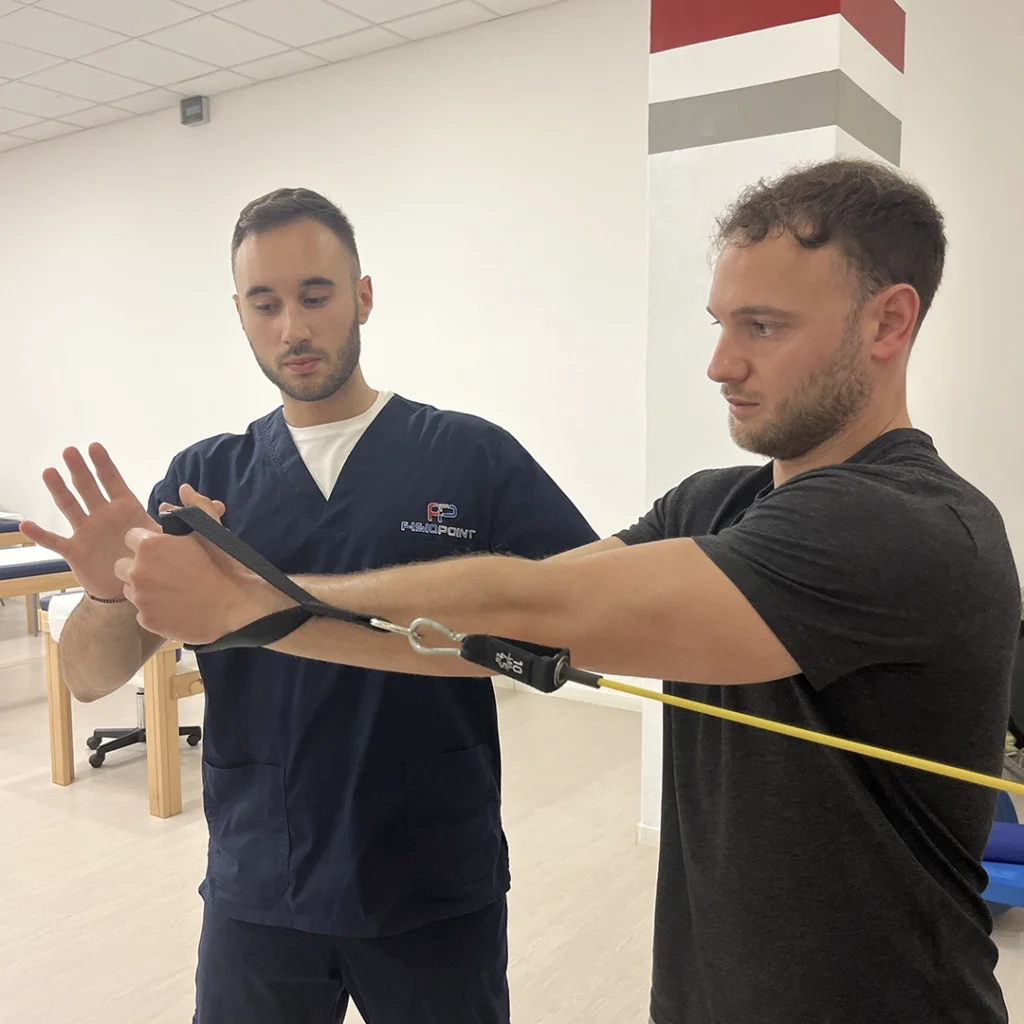
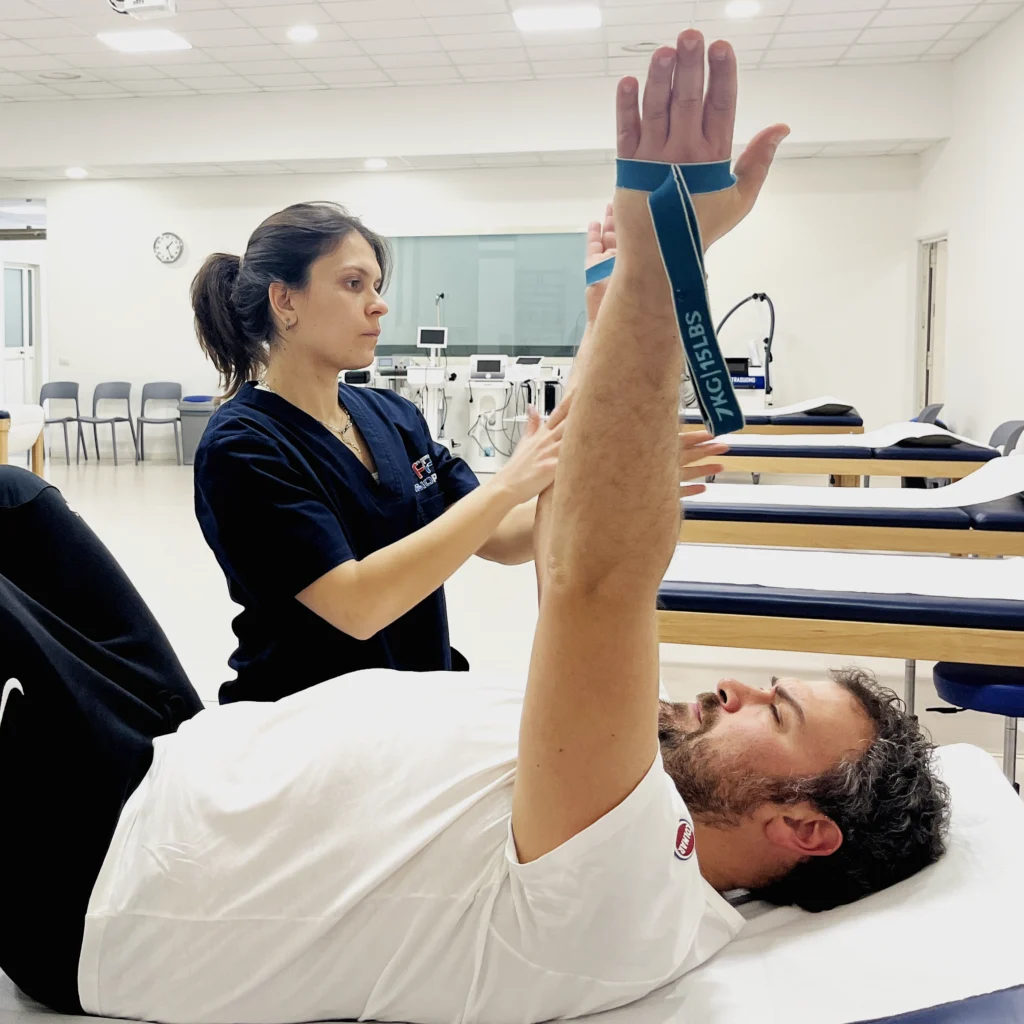
The reinforcement must be progressively loaded. It starts with elastic bands and goes up to actual weights. If, on the other hand, a little discomfort is already present, reinforcement of the deltoid, which in addition to being an abductor is also an elevator of the humerus, should be ruled out at first.
When to go to the doctor?
If the
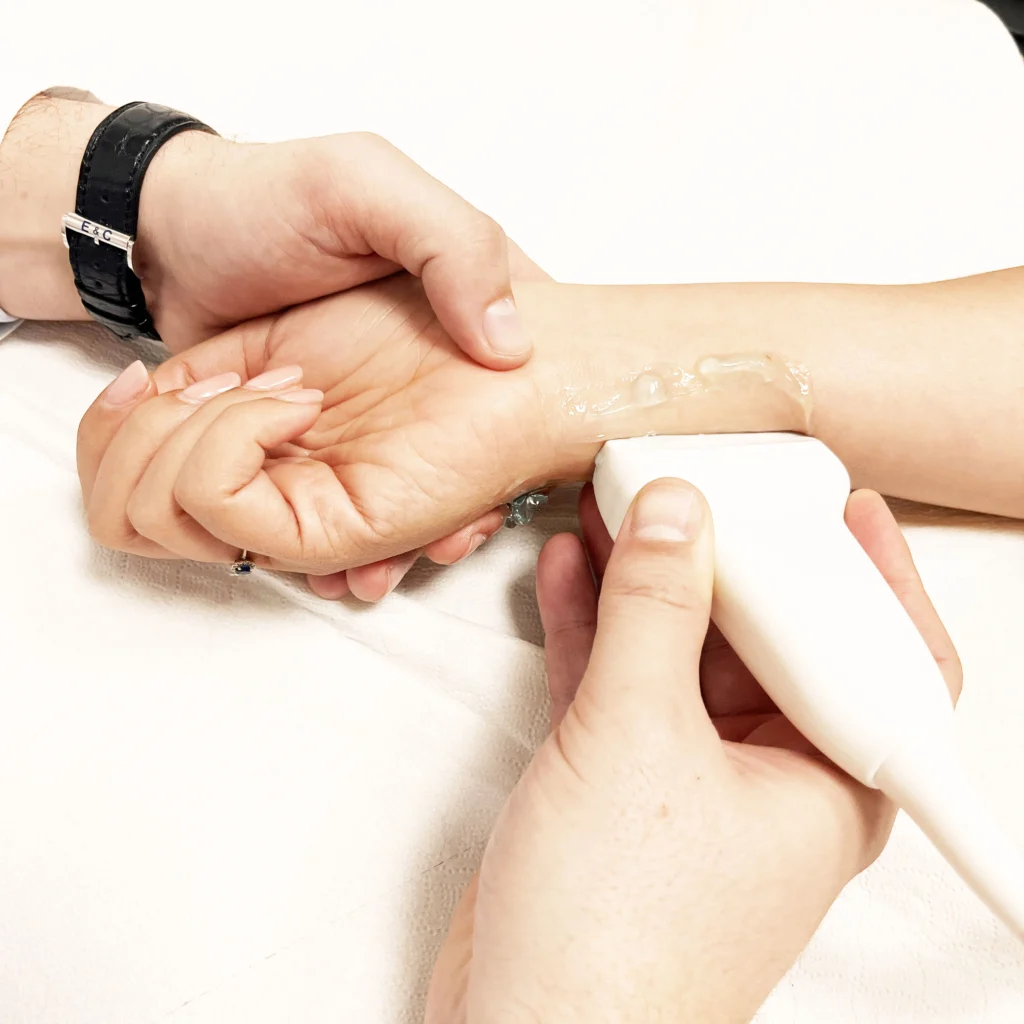
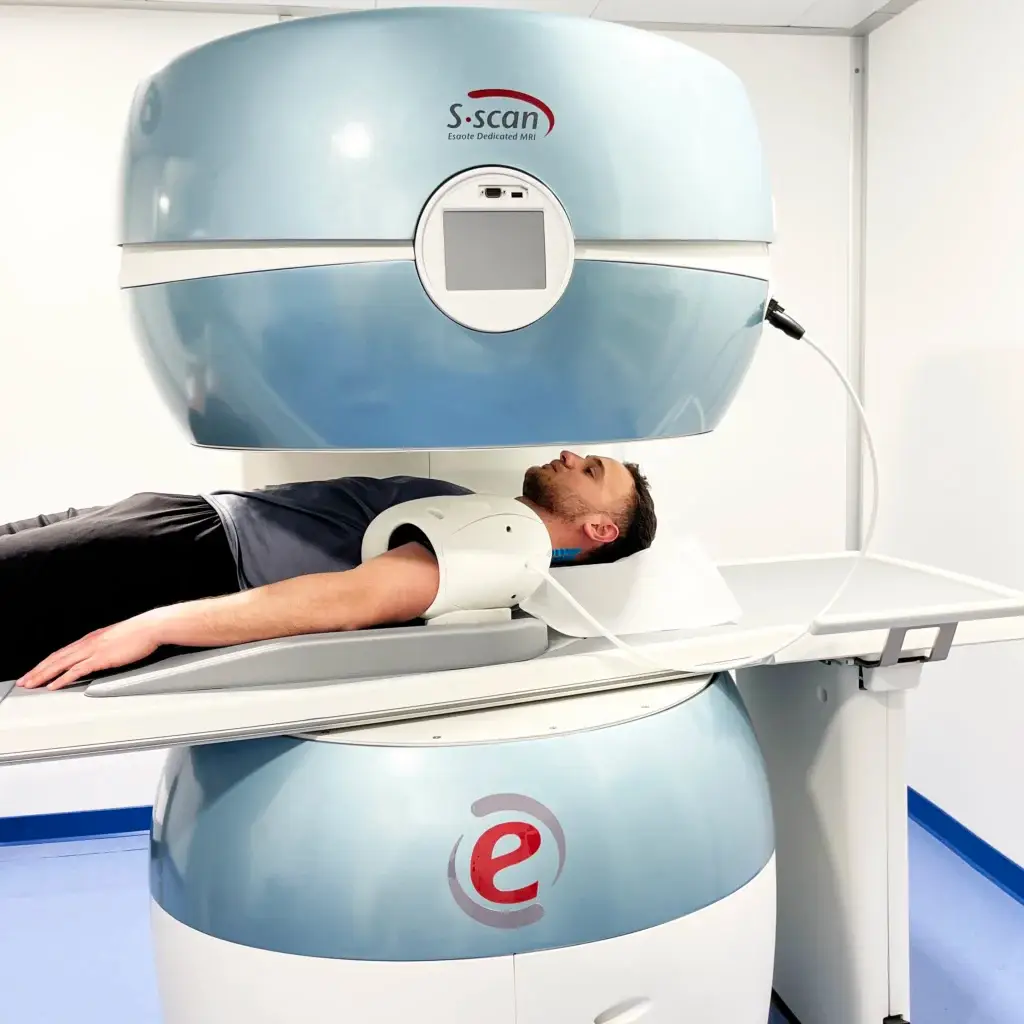
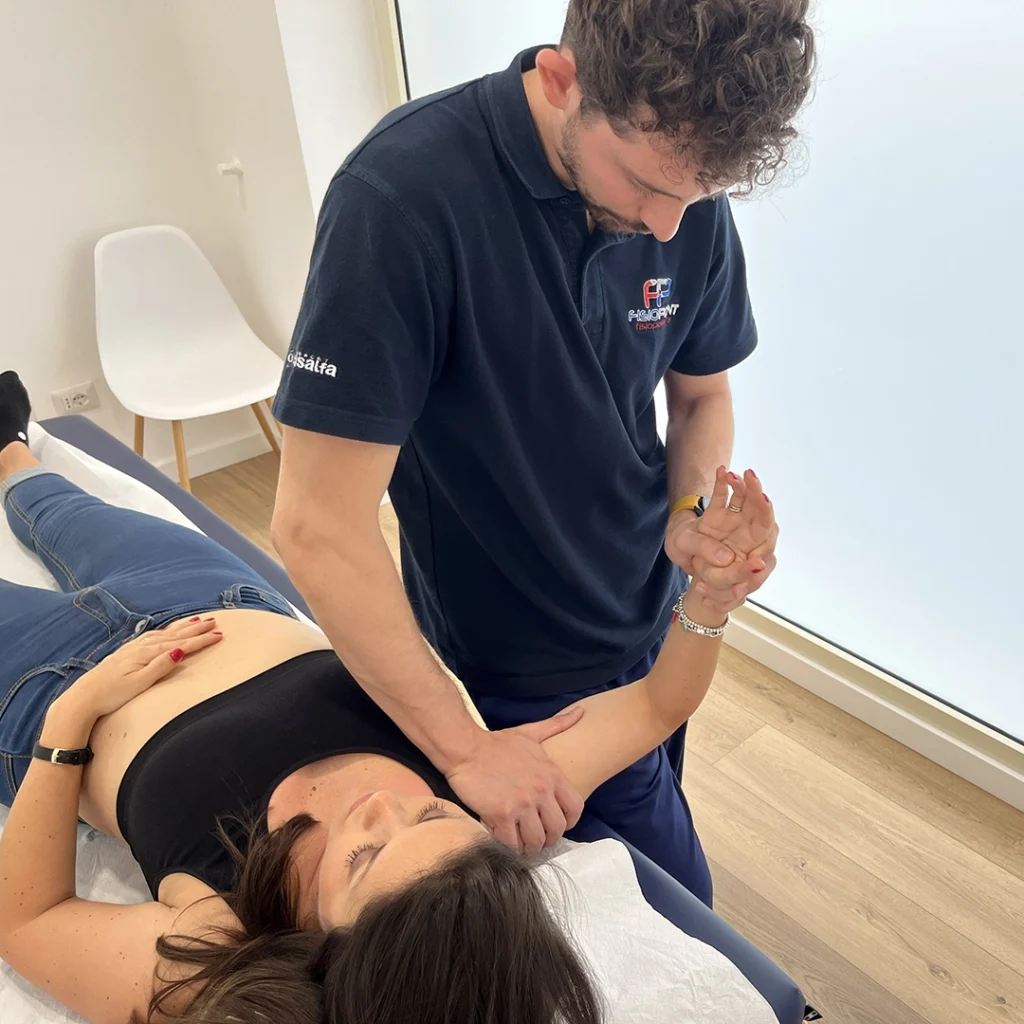
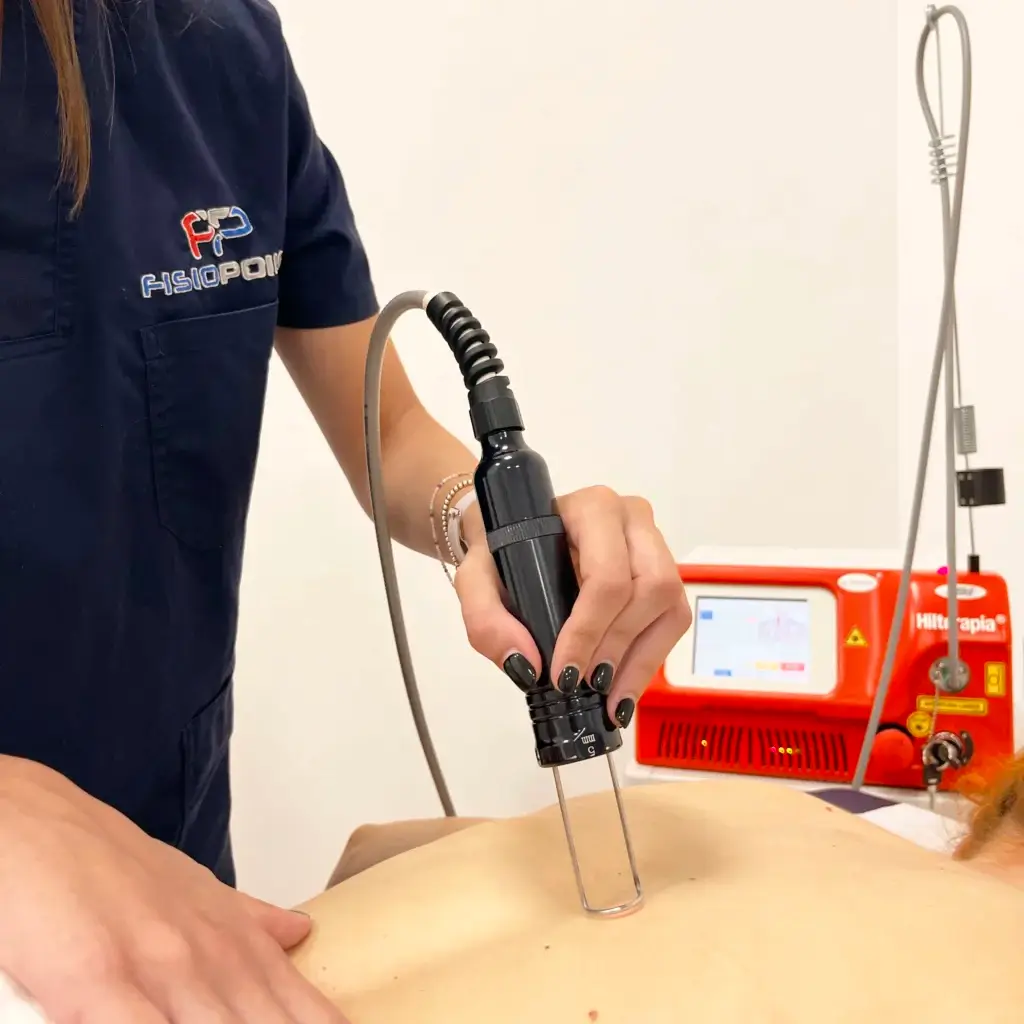
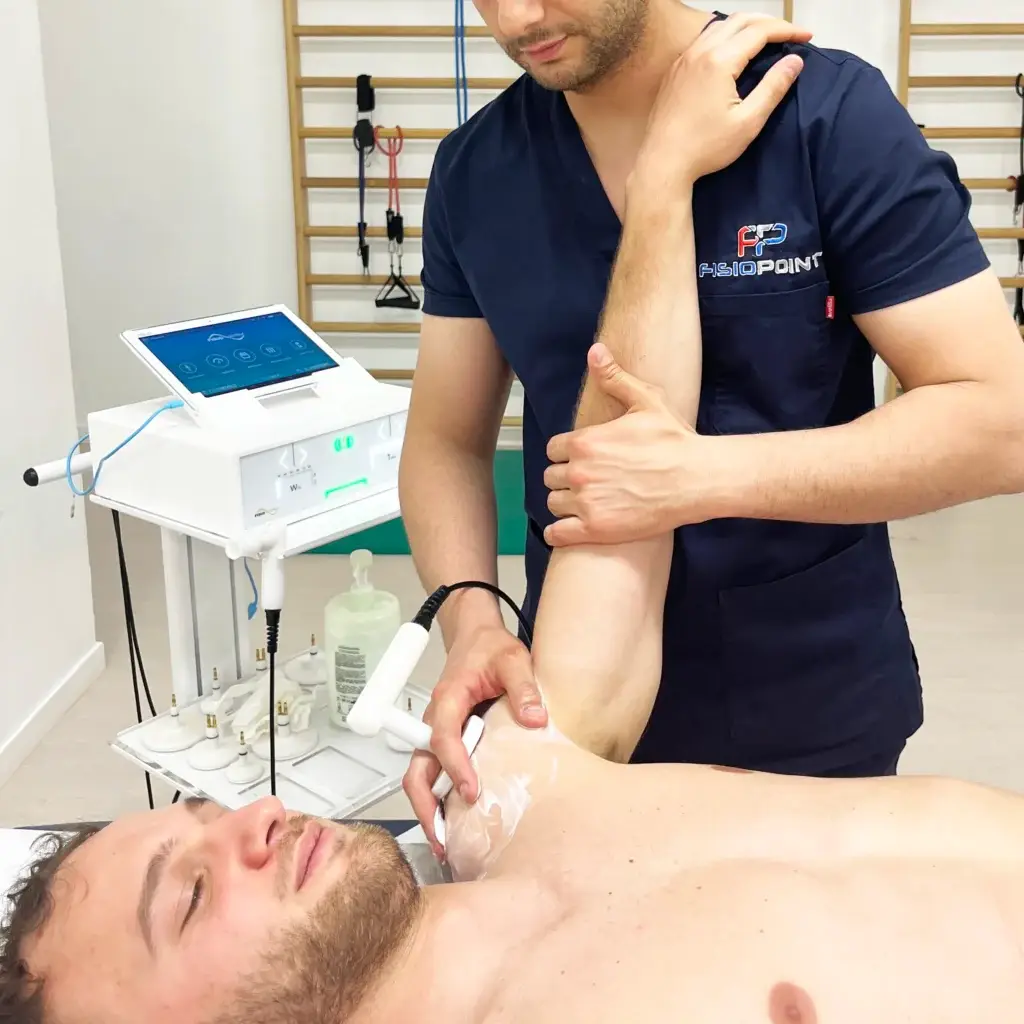
pain Should the pain persist, it is advisable to consult a specialist doctor or to visit facilities specialising in shoulder pain. Through specific tests, it will be possible to make an assessment and identify the cause of the pain. Afterwards, a physiotherapeutic course can be started, aimed at removing the inflammation and re-establishing a correct subacromial space. At the end of the conservative course, it is useful to continue with a training plan aimed at re-establishing the balance of the shoulder musculature or, at any rate, eliminating the causes that led to the inflammation so as to prevent recurrences.
Learn more by watching the videos on our channel YouTube







 English
 Italian