Anatomy of the lumbar spine
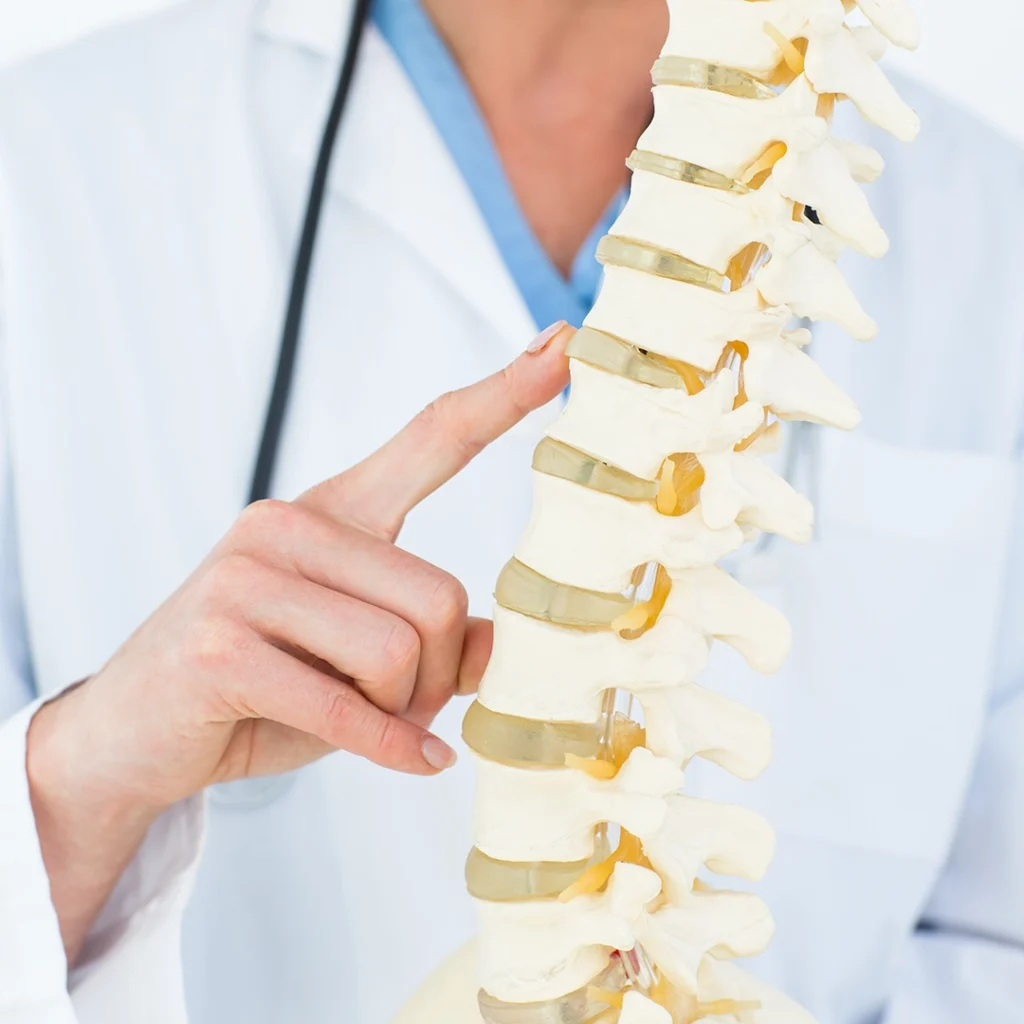
La nostra schiena è composta da un insieme di vertebre e dischi che, in verticale, costituiscono la struttura scheletrica del nostro tronco. Il tratto lombare si compone di 5 vertebre situate tra il tratto dorsale e quello sacrale.
Le vertebre lombari hanno un ruolo fondamentale: supportano la maggior parte del nostro peso, per questo sono le vertebre più grandi, e proteggono la regione conclusiva del midollo spinale.
Tra le vertebre lombari nascono le radici di diversi nervi, a volte coinvolti nella compressione e nelle patologie lombari, e sono:
- Femoral
- Otturatory
- Upper gluteus
- Lower gluteus
- Sciatic
- Internal popliteal sciatic
- External popliteal sciatic
What is lumbago?
Lumbago is defined as pain riferito alla zona più bassa della nostra schiena, o meglio, al tratto lombare della colonna vertebrale. È un disturbo di origine muscolo-scheletrico ampiamente diffuso nella popolazione, senza particolare distinzione di incidenza tra uomo e donna.
La maggior parte dei pazienti che ne soffrono lamentano dolore, che può essere più o meno acuto, legato a particolari movimenti o costante per periodi prolungati.
What are the types of low back pain?
Finora abbiamo detto che la lombalgia è una sintomatologia molto diffusa e variabile, per questo è complesso classificarla. Senza entrare troppo nello specifico, proviamo a descrivere le tipologie più comuni.
In base alla durata del dolore possiamo classificare la lombalgia in:
- Acute: many of us know it as 'witch's blow', the classic sudden, stabbing pain in the back following a movement or gesture, even a small one, that becomes strenuous. It is, almost always, caused by a defensive reaction to that movement, the muscles contracting excessively and abruptly. The pain is acute but resolves, sometimes spontaneously, within a few days.
- Subacute: this is an evolution of acute low back pain. Sometimes the pain persists for up to three months and resolution is more complex.
- Chronic: back pain is less acute than the previous one but lasts for a period of more than three months. It is, perhaps, the most disabling type. Pain that lasts so long can limit normal daily activities, affect the life of the sufferer, and resolution is more complex.
To know your back pain, it is essential to know that there is another differentiation of low back pain according to the type of pain
- Local pain: the symptomatology occurs in a specific region, the lower back. The pain may be more or less intense, constant or intermittent, and may change depending on the postures assumed. The causes are numerous, ranging from structural causes such as discopathies and vertebral arthrosis, to postural or traumatic causes.
- Radiating pain: the pain does not only involve the back but extends down the entire leg, this is the case with the famous lumbosciatica and lumbocruralgia. The cause is the compression of a nerve root in the lumbar region as a result of spinal disorders such as: discopathies, herniasprotrusions, stenosis, etc.
What are the causes of low back pain?
Surely we now have a better understanding of the types of low back pain and it is easy to see that the causes can be multiple:
- Muscle strains and injuries
- Work involving loads on the column or the maintenance of postures incorrect
- Wrong habits, sedentariness and being overweight
- Postural deviations
Chronic pathologies of the spine, such as discopathies, spondylolisthesis.
How to treat low back pain?
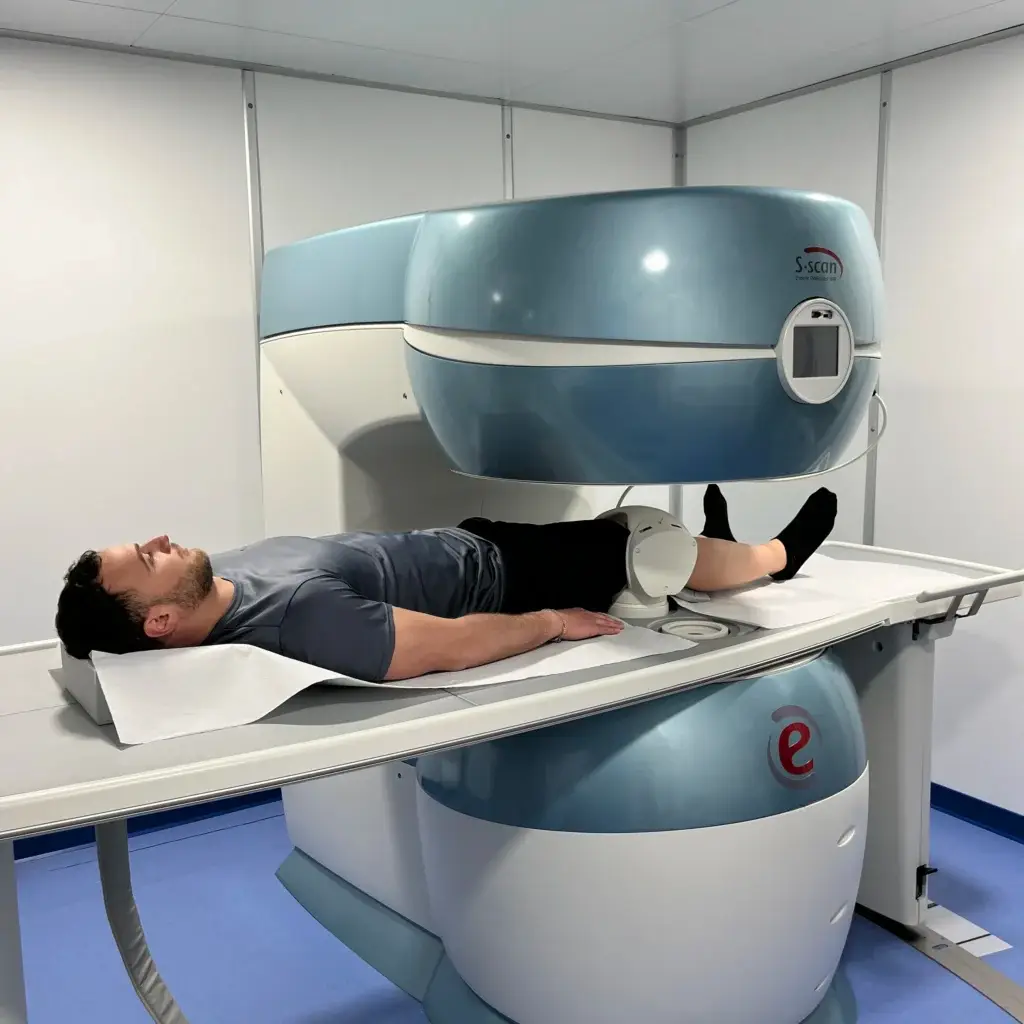
If you too have back pain, the first thing you should do is to consult a specialist who will carry out an objective examination and prescribe instrumental investigations (x-ray, magnetic resonance imaging e tac), ti guiderà verso una diagnosi.
Il trattamento del dolore alla schiena deve essere volto alla risoluzione della causa del sintomo e varia in base al tipo di lombalgia.
In ogni caso le strade percorribili sono due:
- Conservative approach
- Surgical treatment, chosen only in the second instance or in the presence of more serious pathologies of the spine.
Physiotherapy in types of low back pain
In prima battuta il percorso scelto è quasi sempre quello conservativo che prevede l’associazione di terapie farmacologiche, se necessarie, e fisioterapia.
Il progetto riabilitativo deve essere costruito sulle esigenze del paziente, tenendo conto di obiettivi a breve e lungo termine.
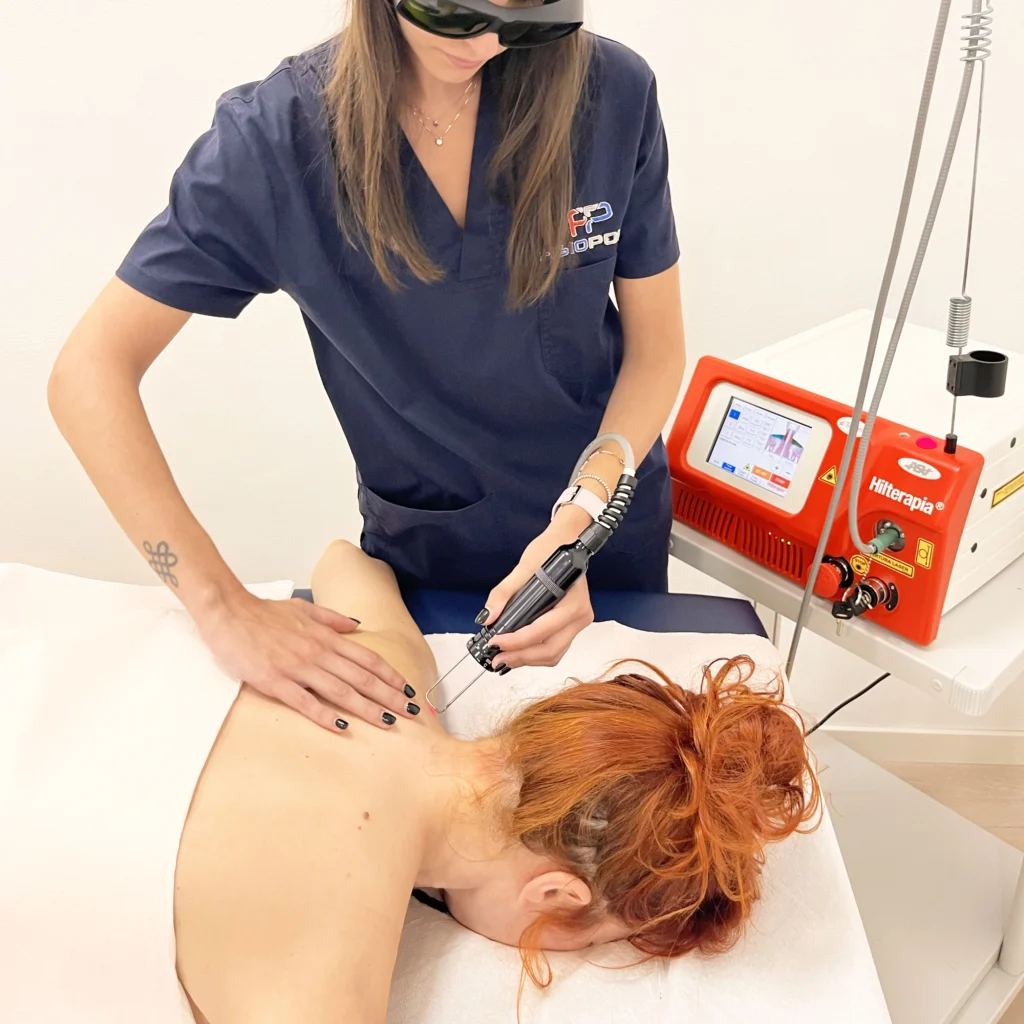
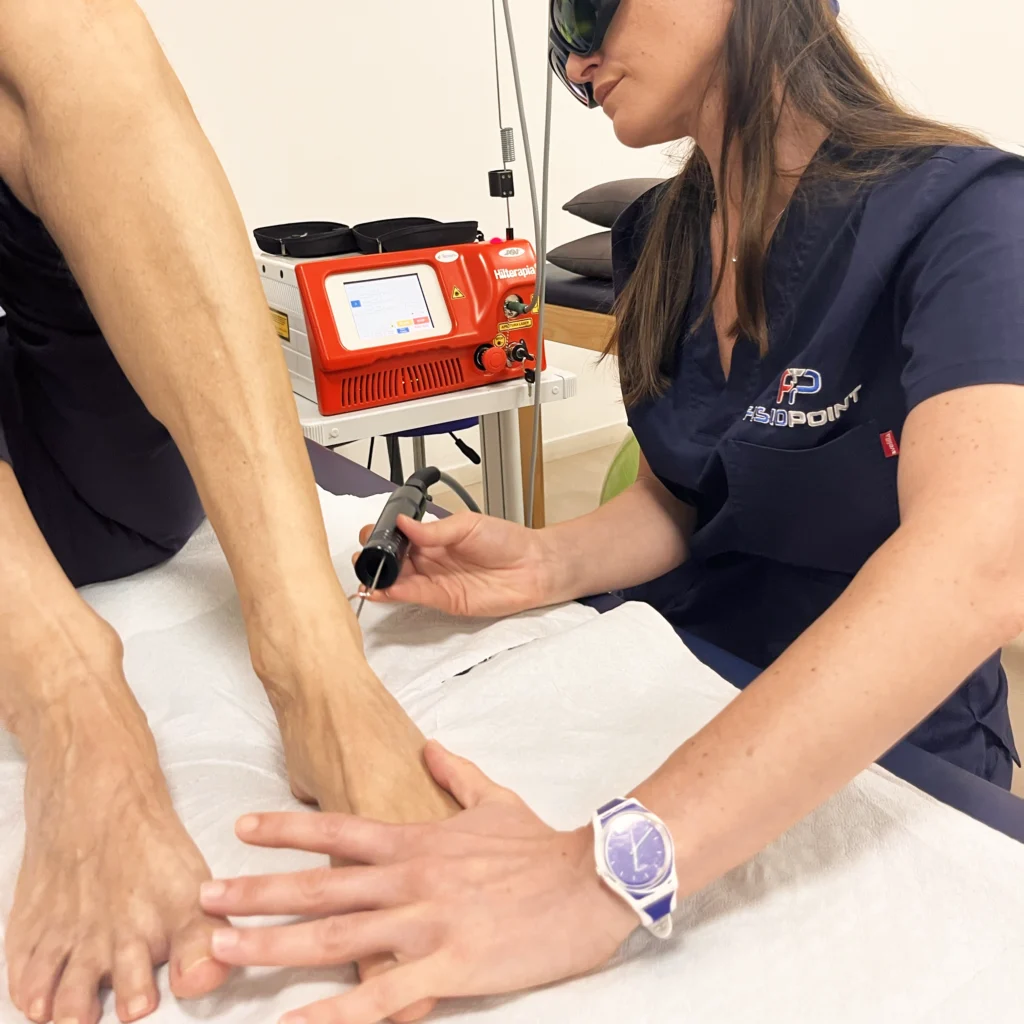
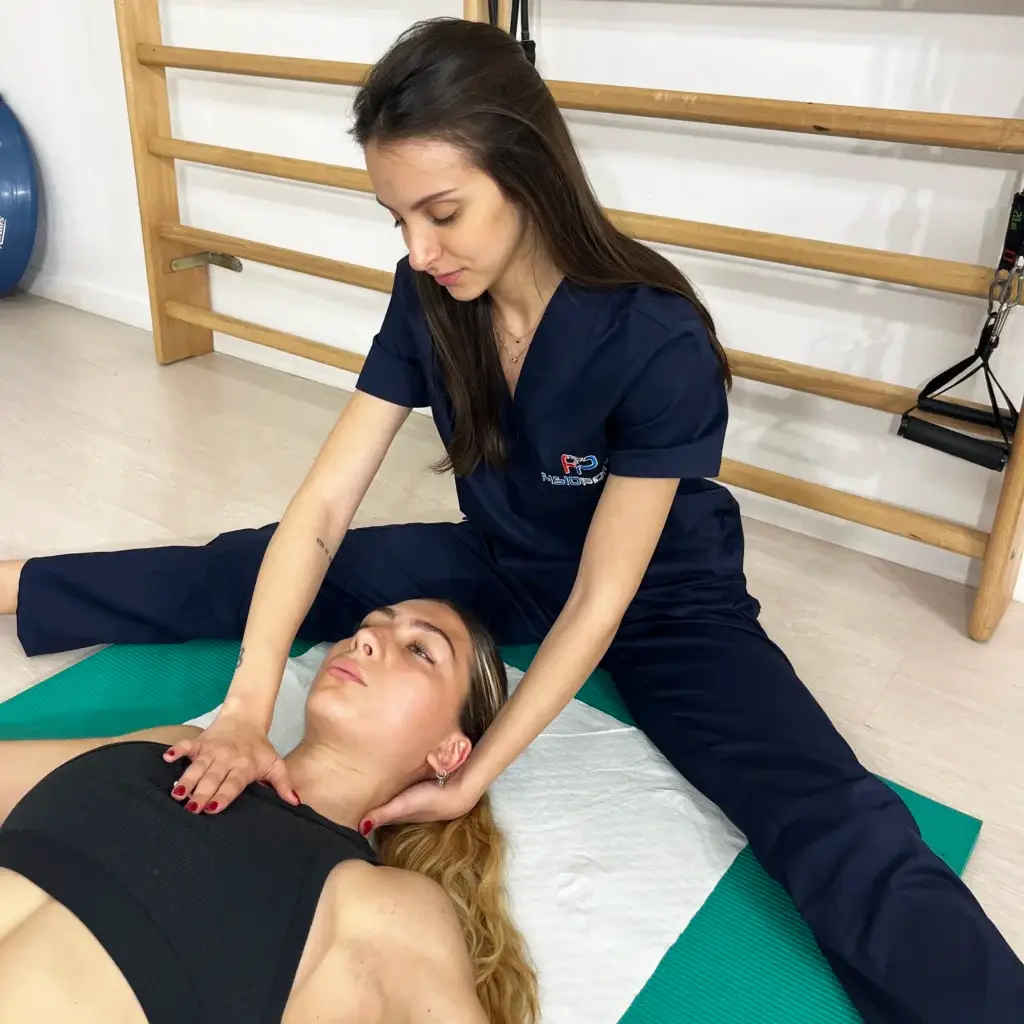
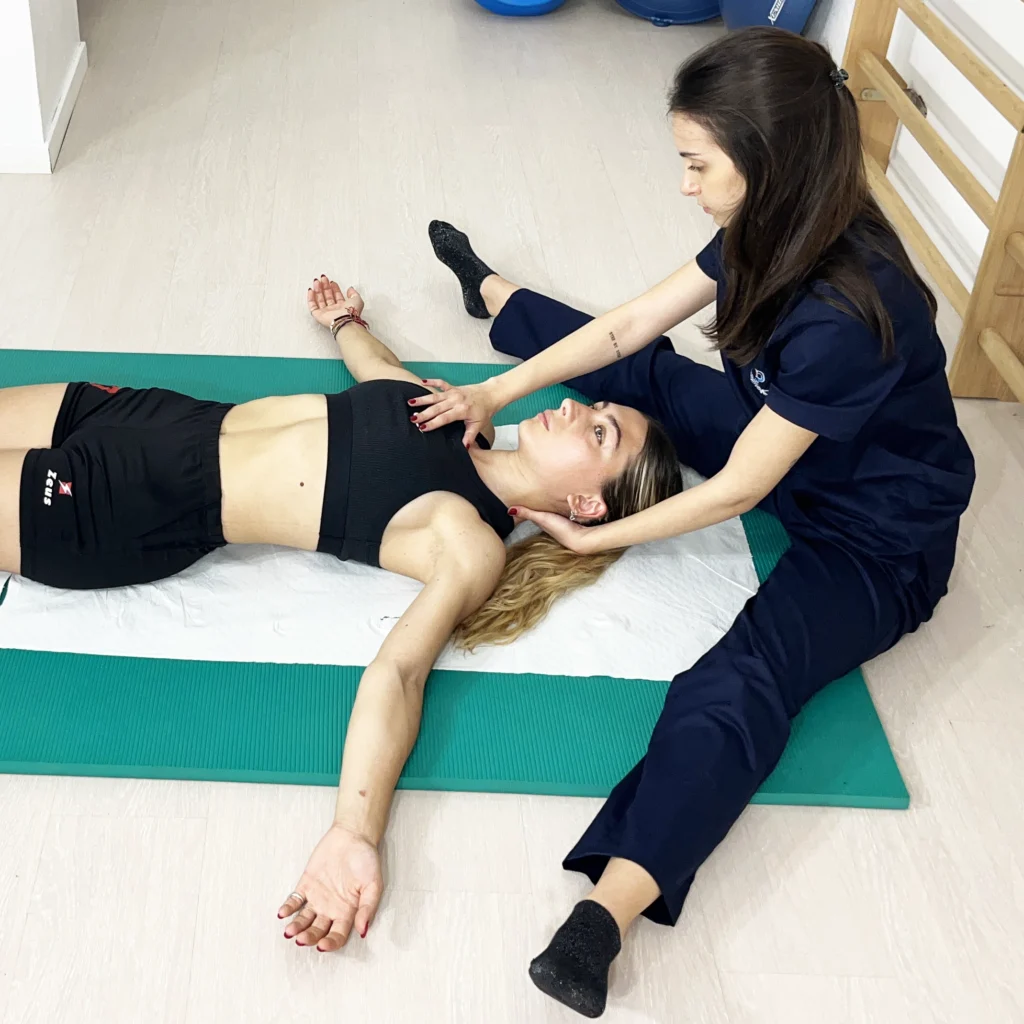
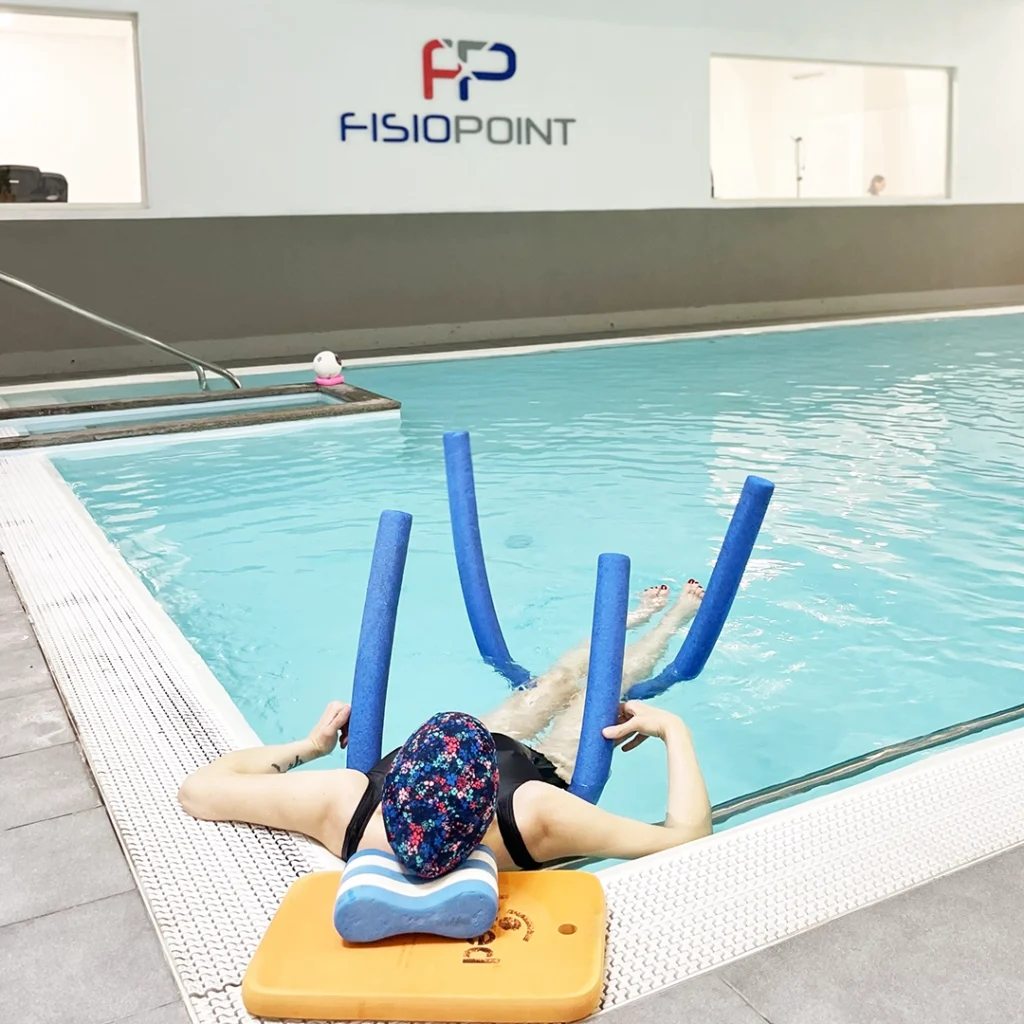
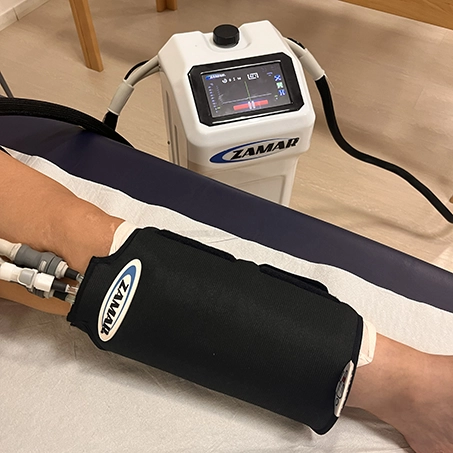
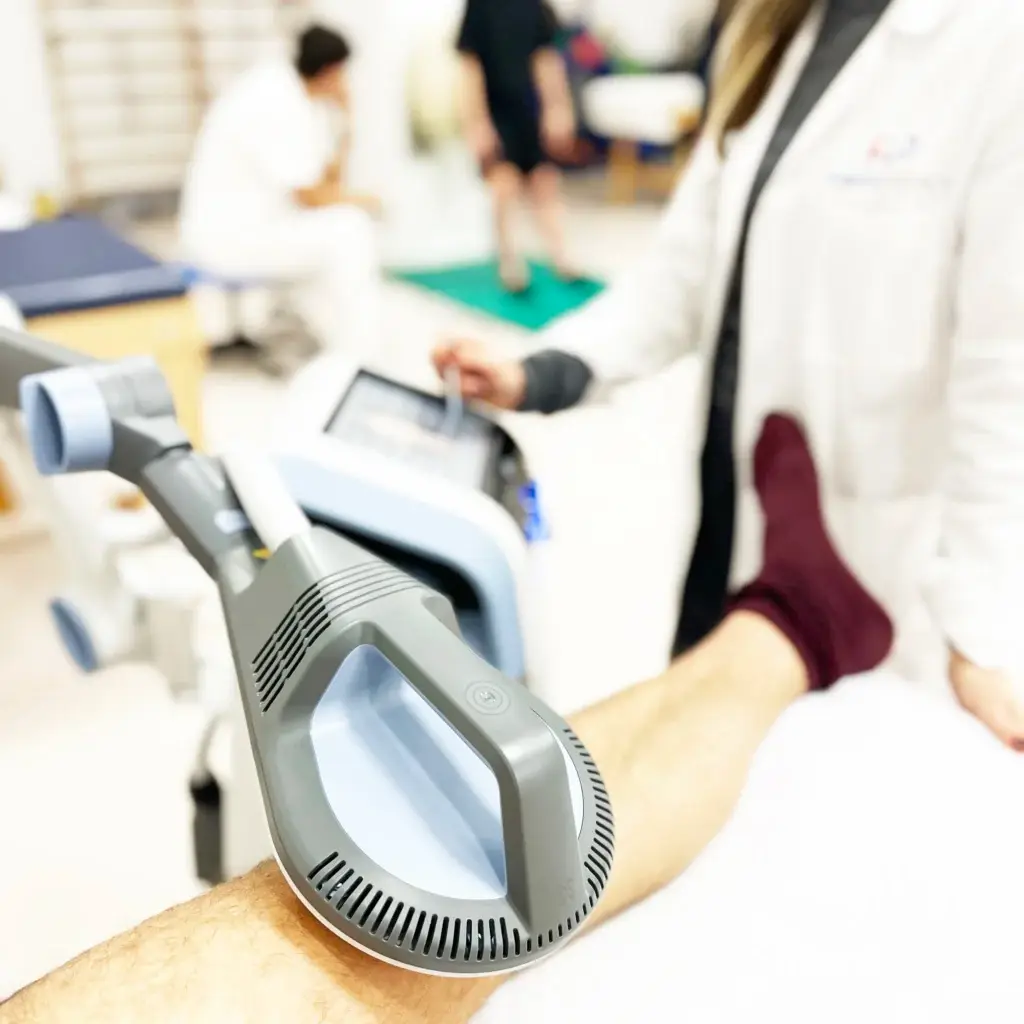
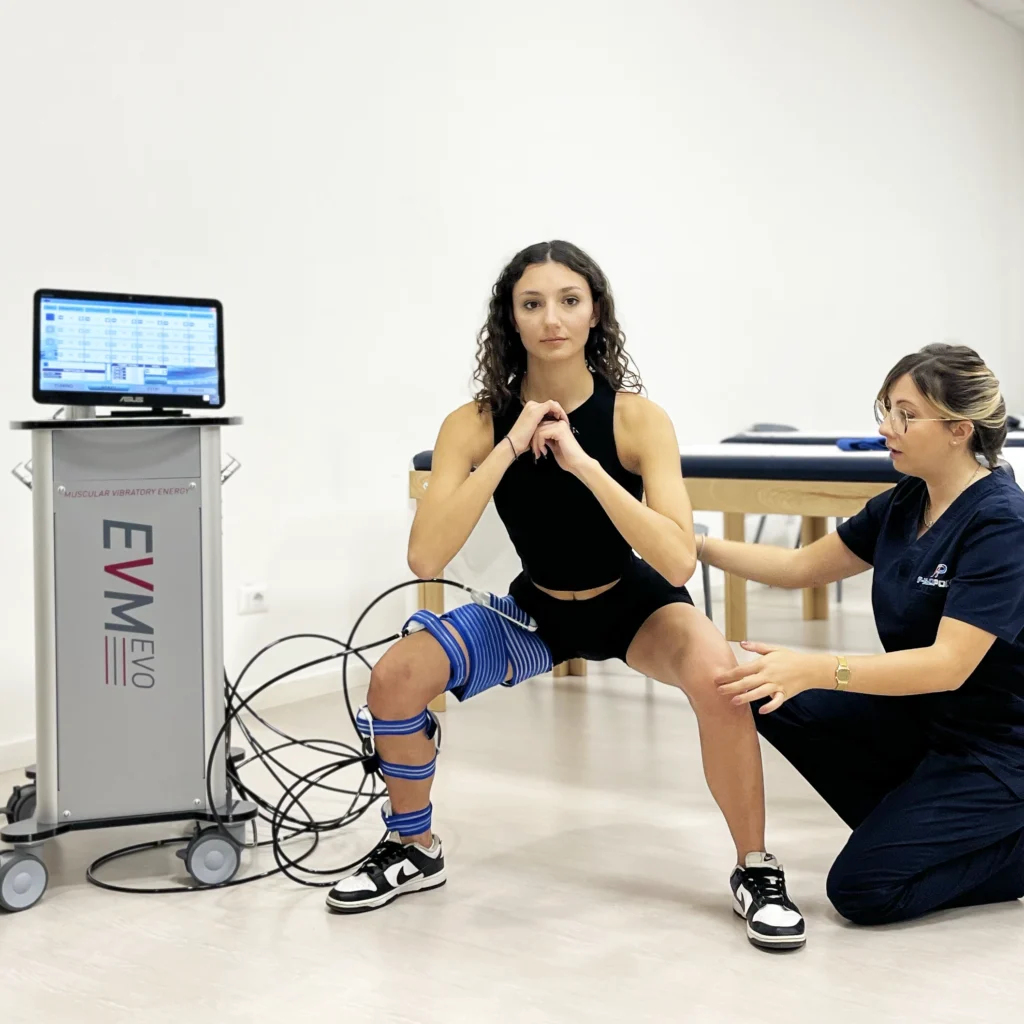
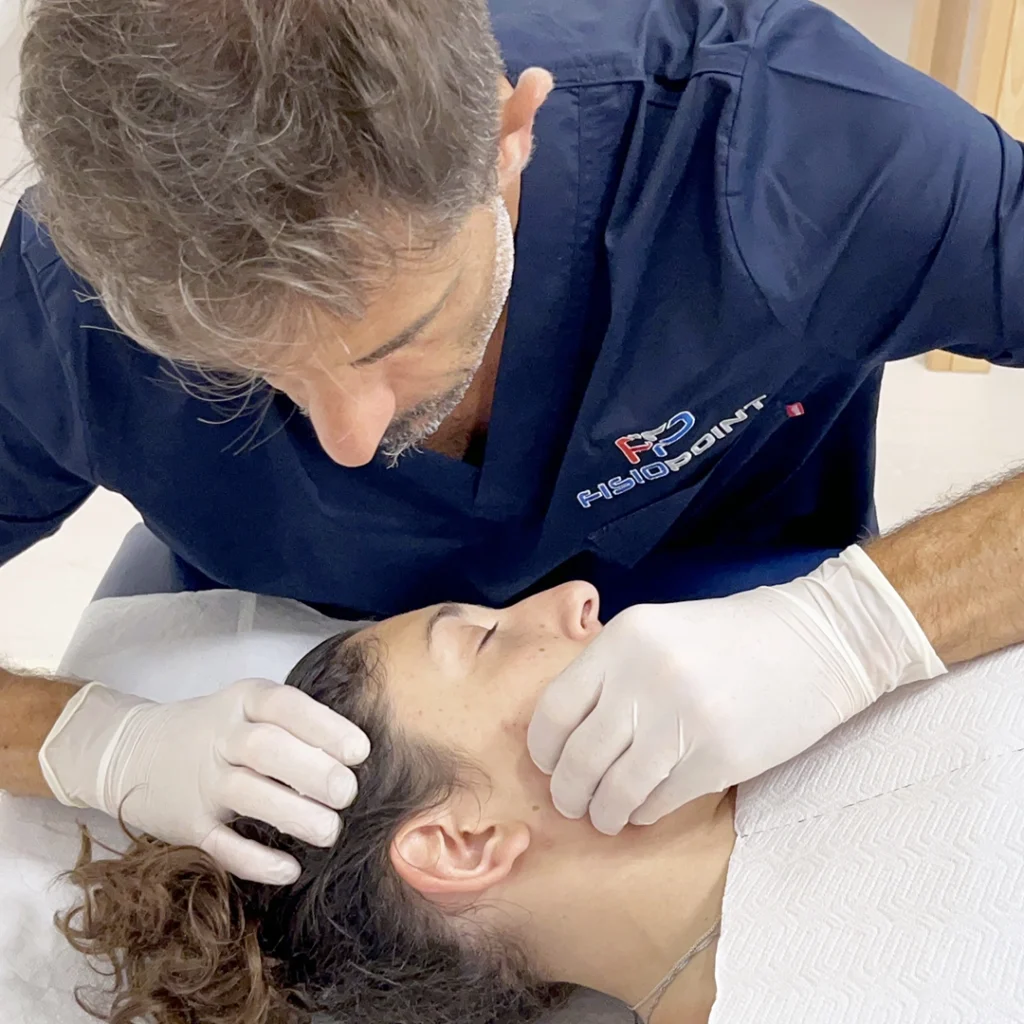
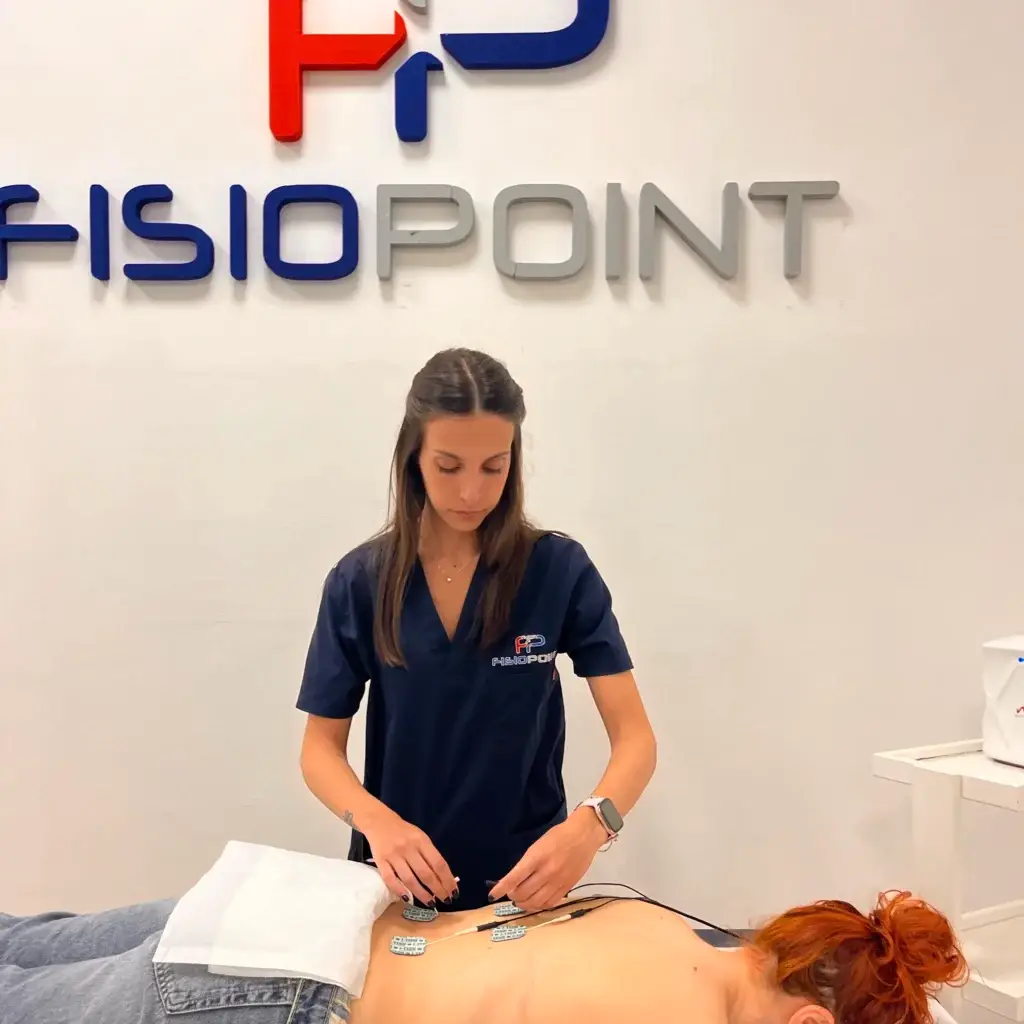
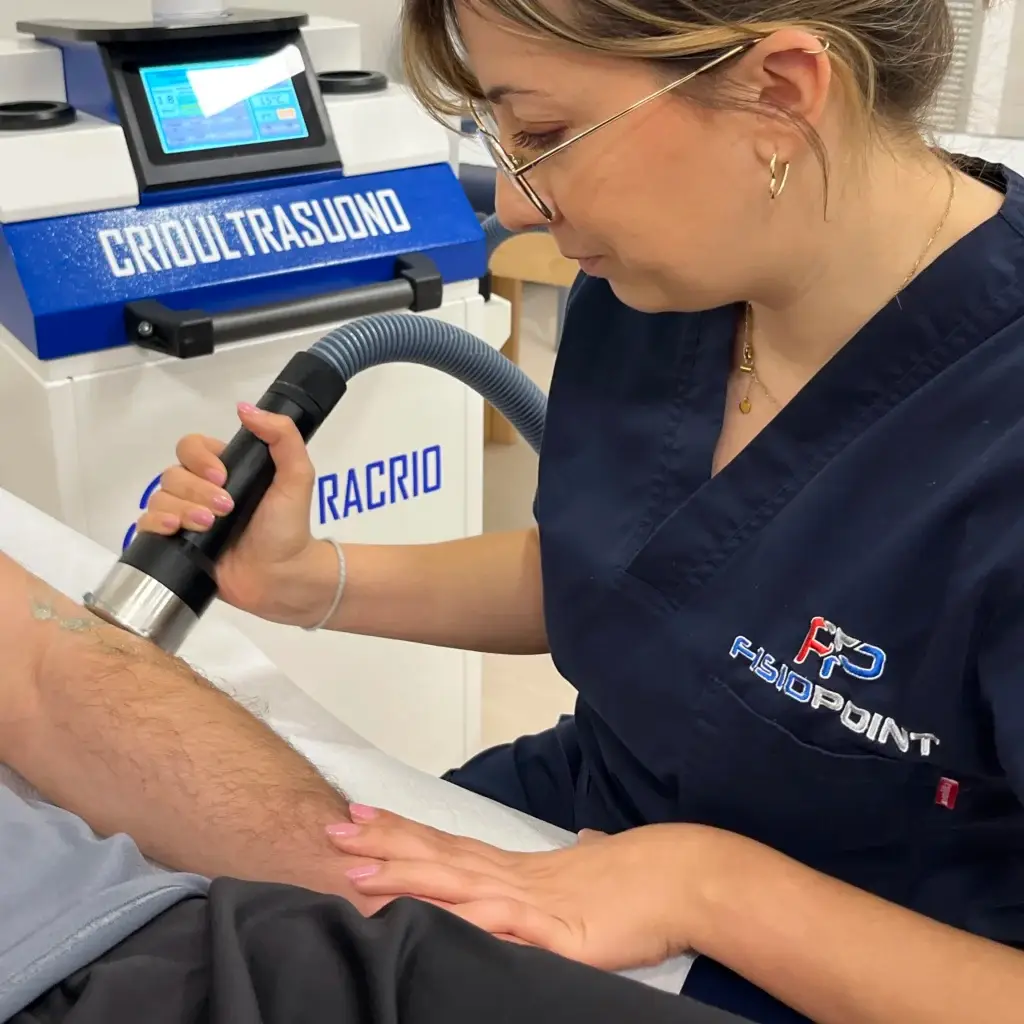
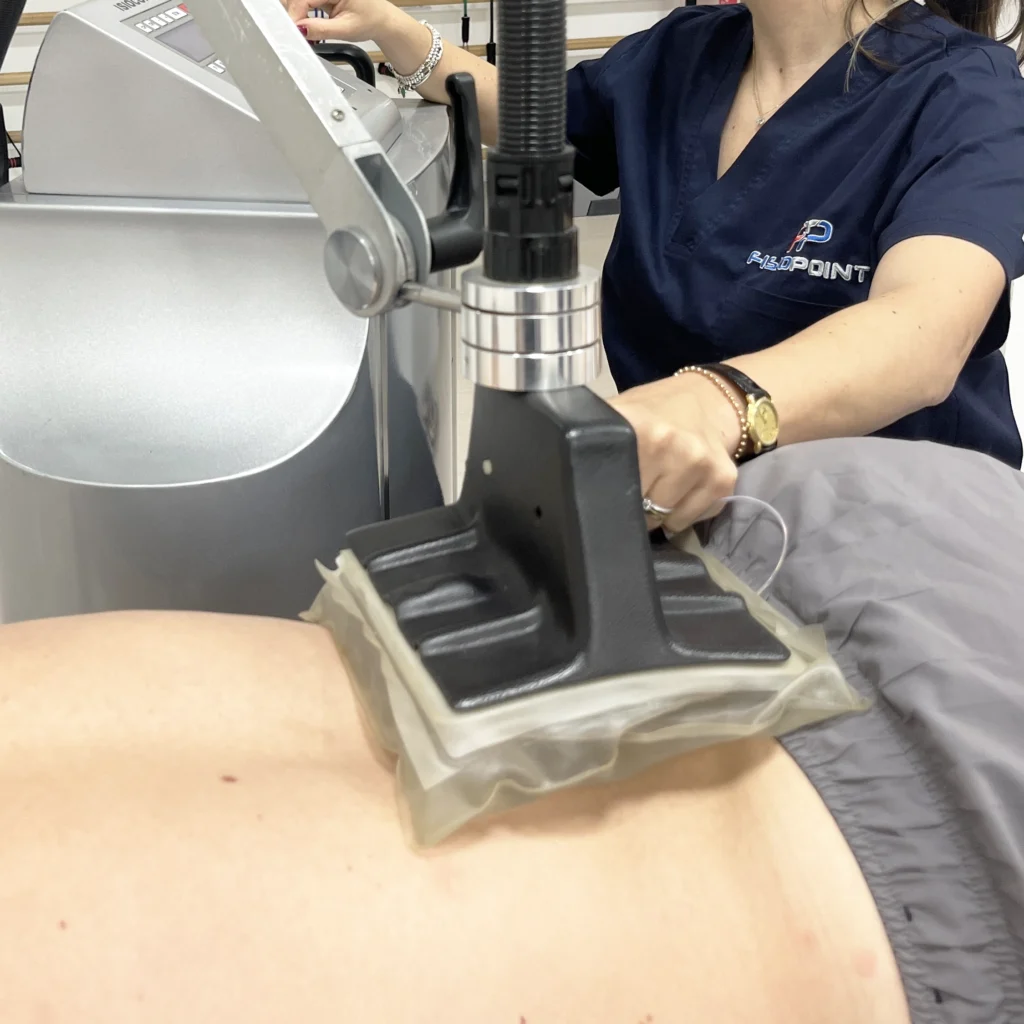
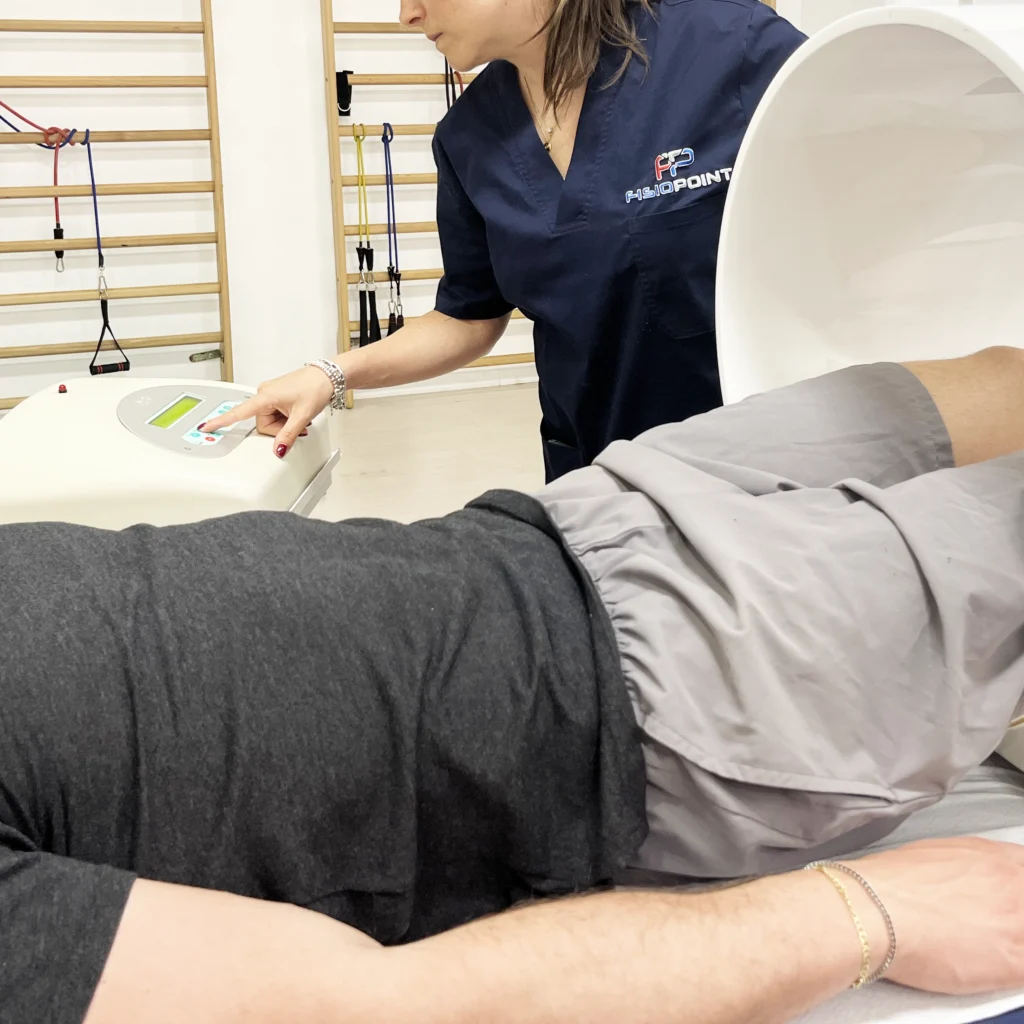
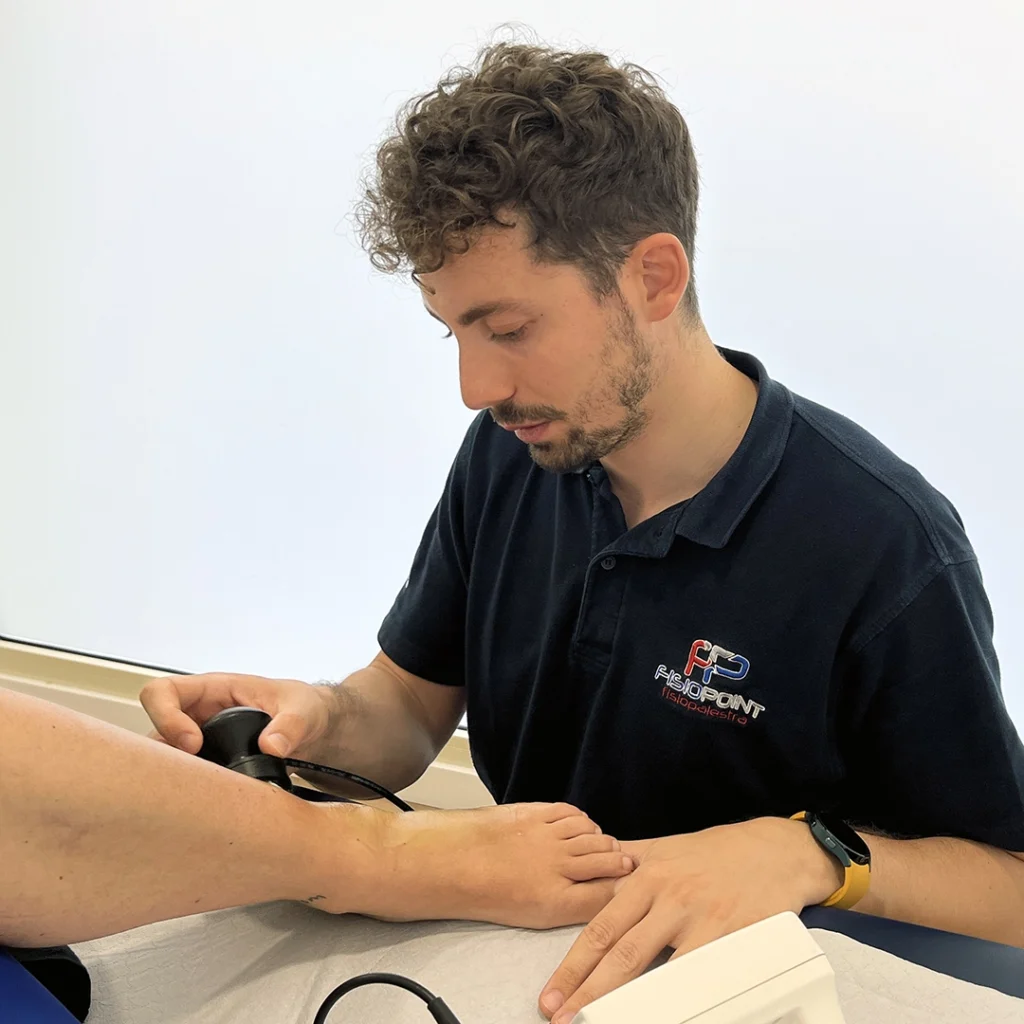
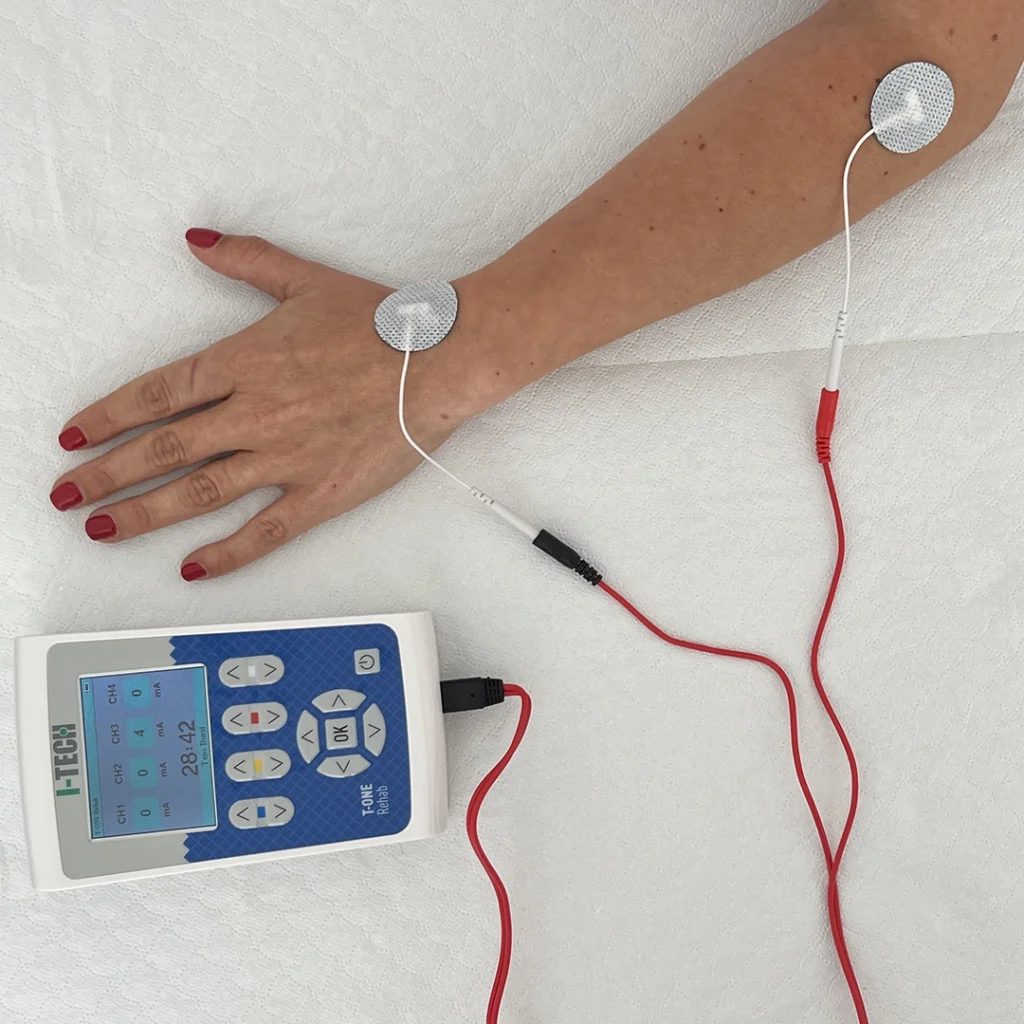
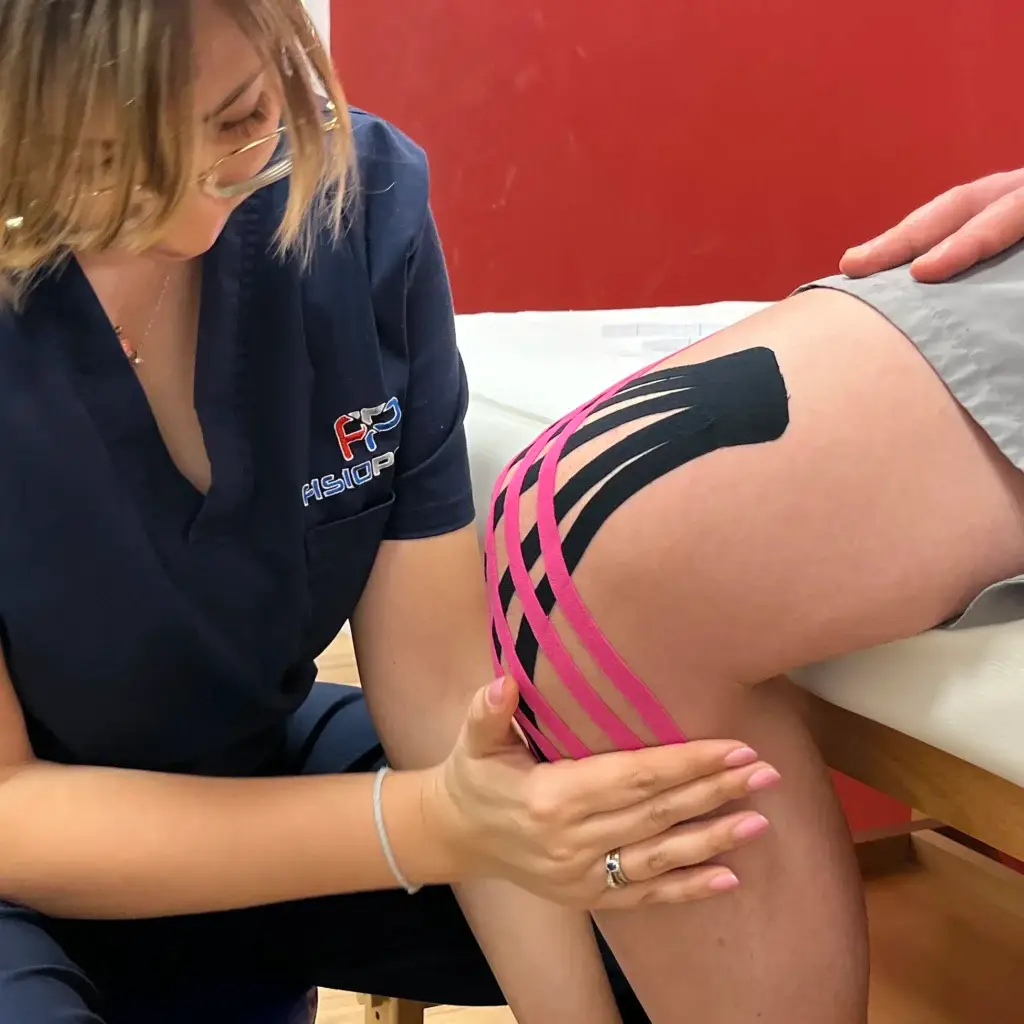
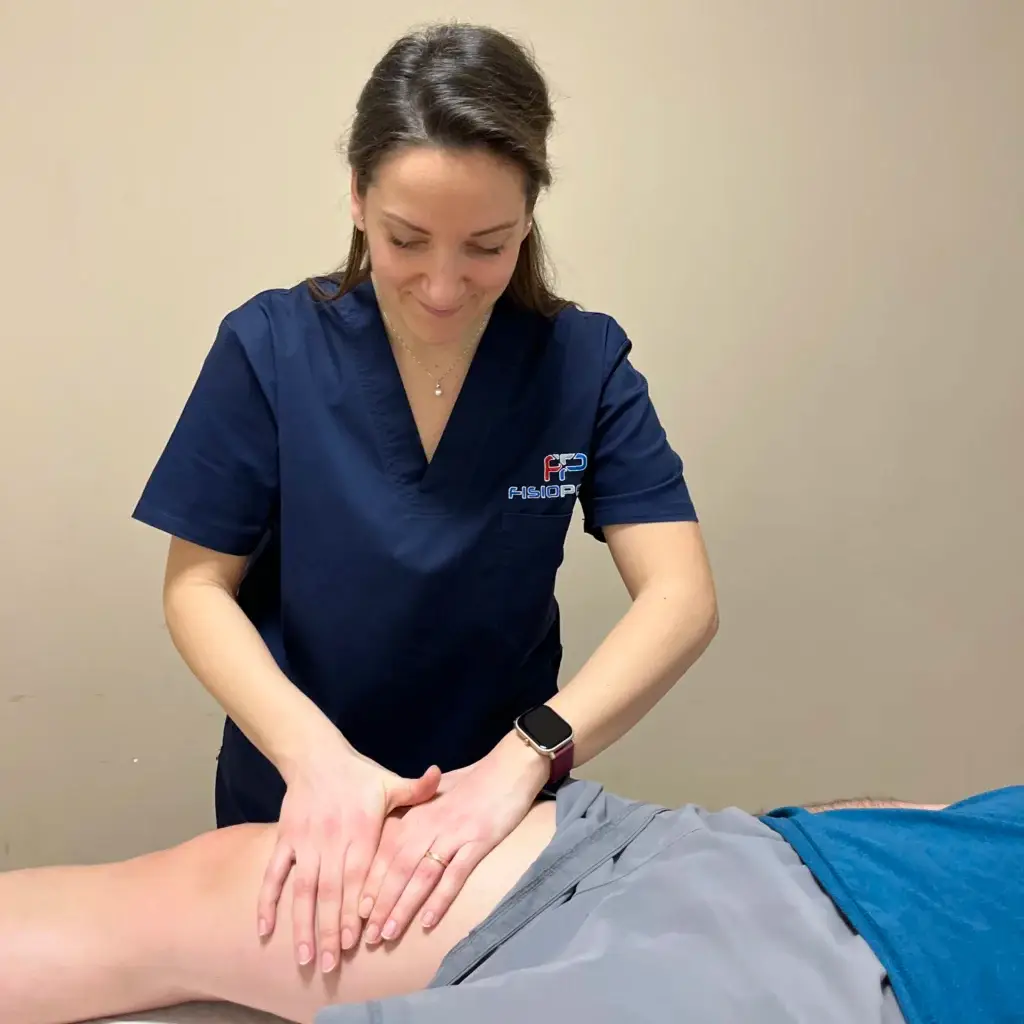
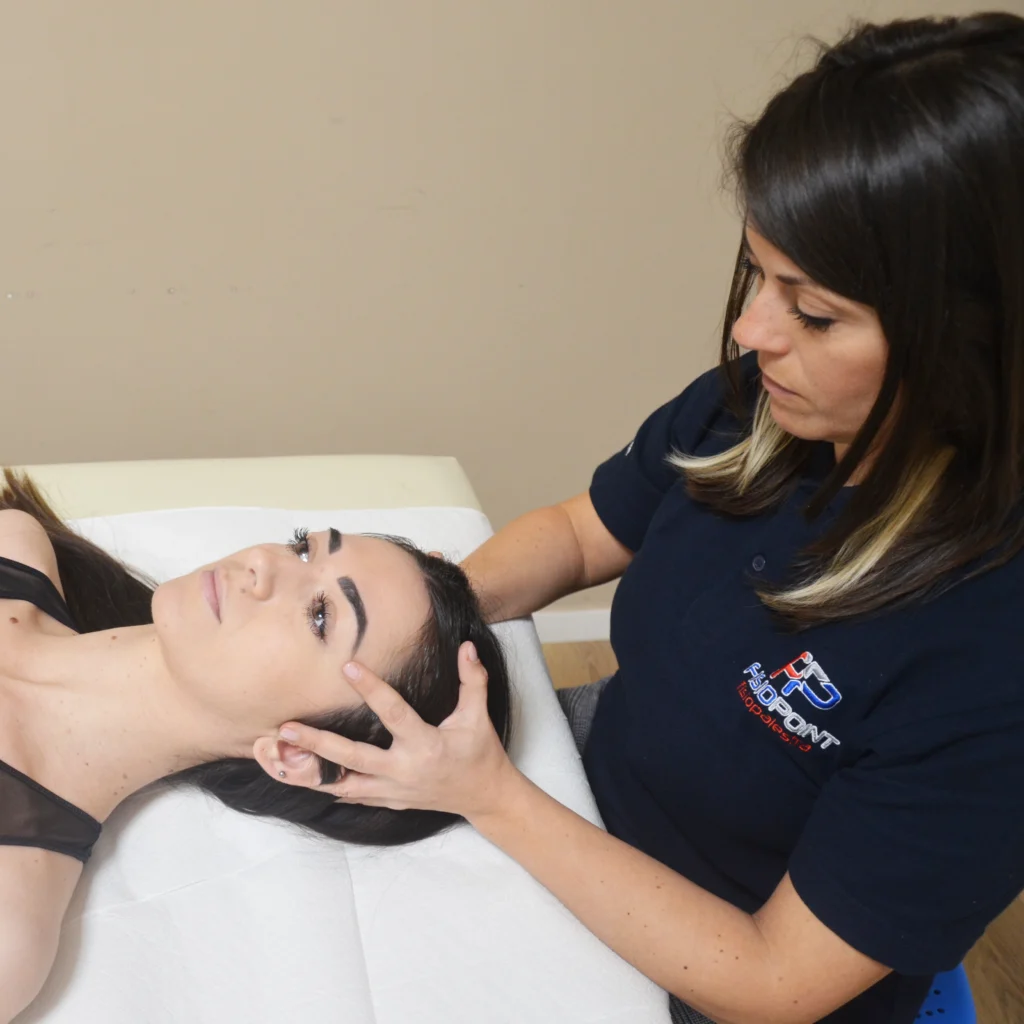
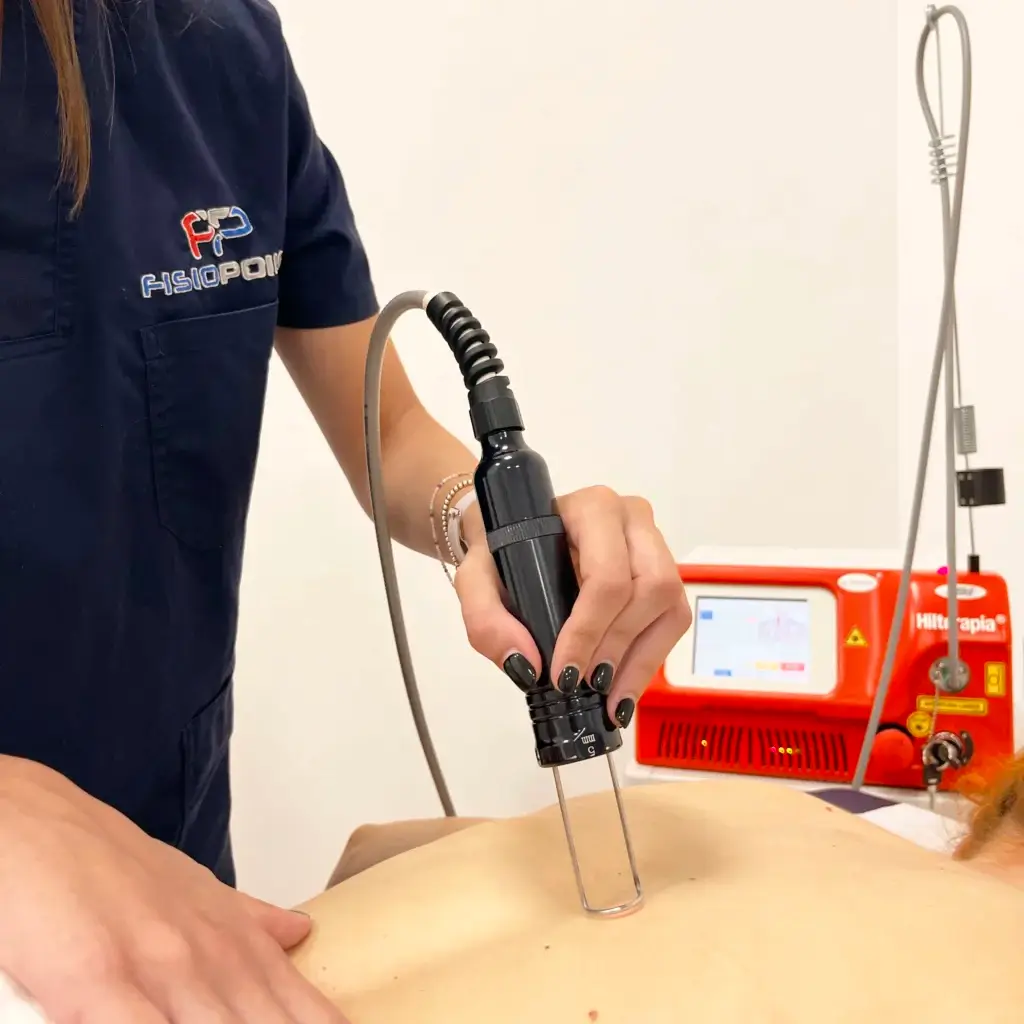
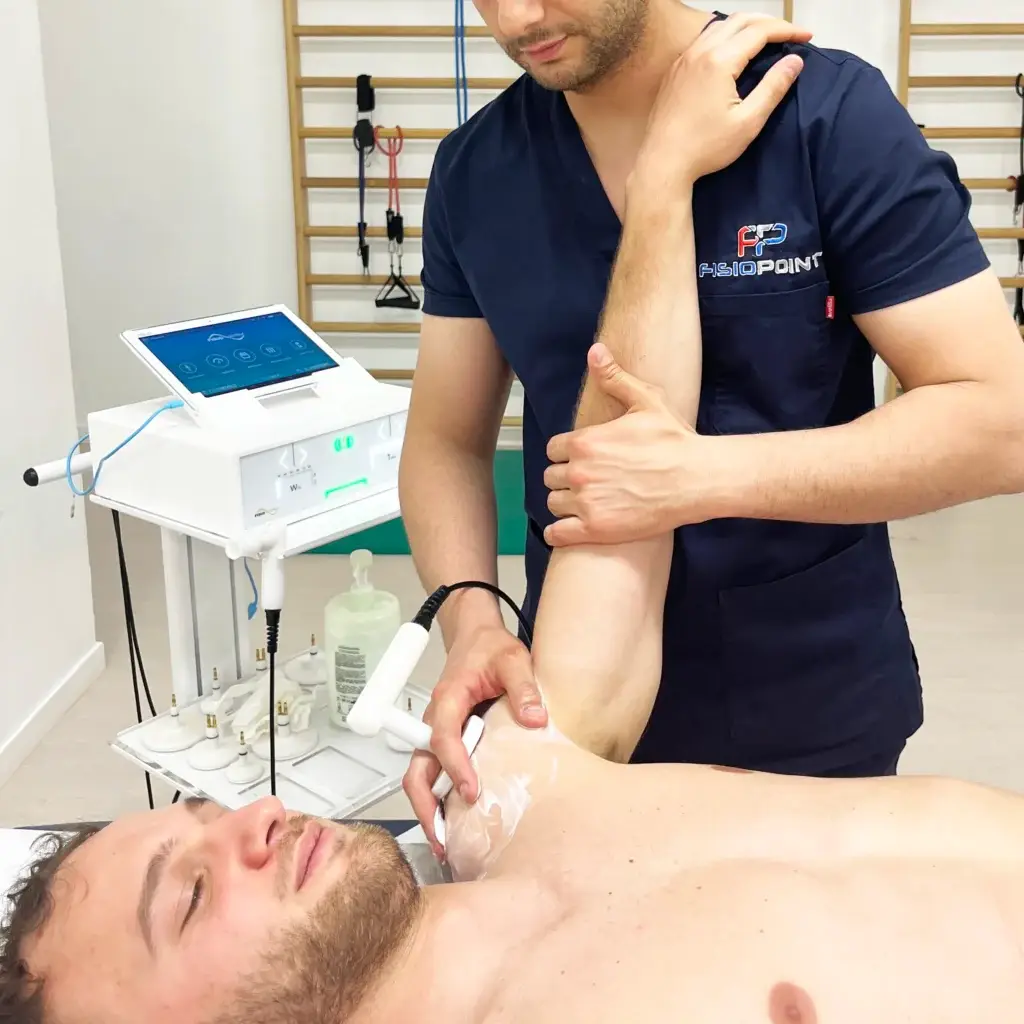
La prima fase sarà necessaria per diminuire il dolore, il fisioterapista sceglierà la terapia più adatta:
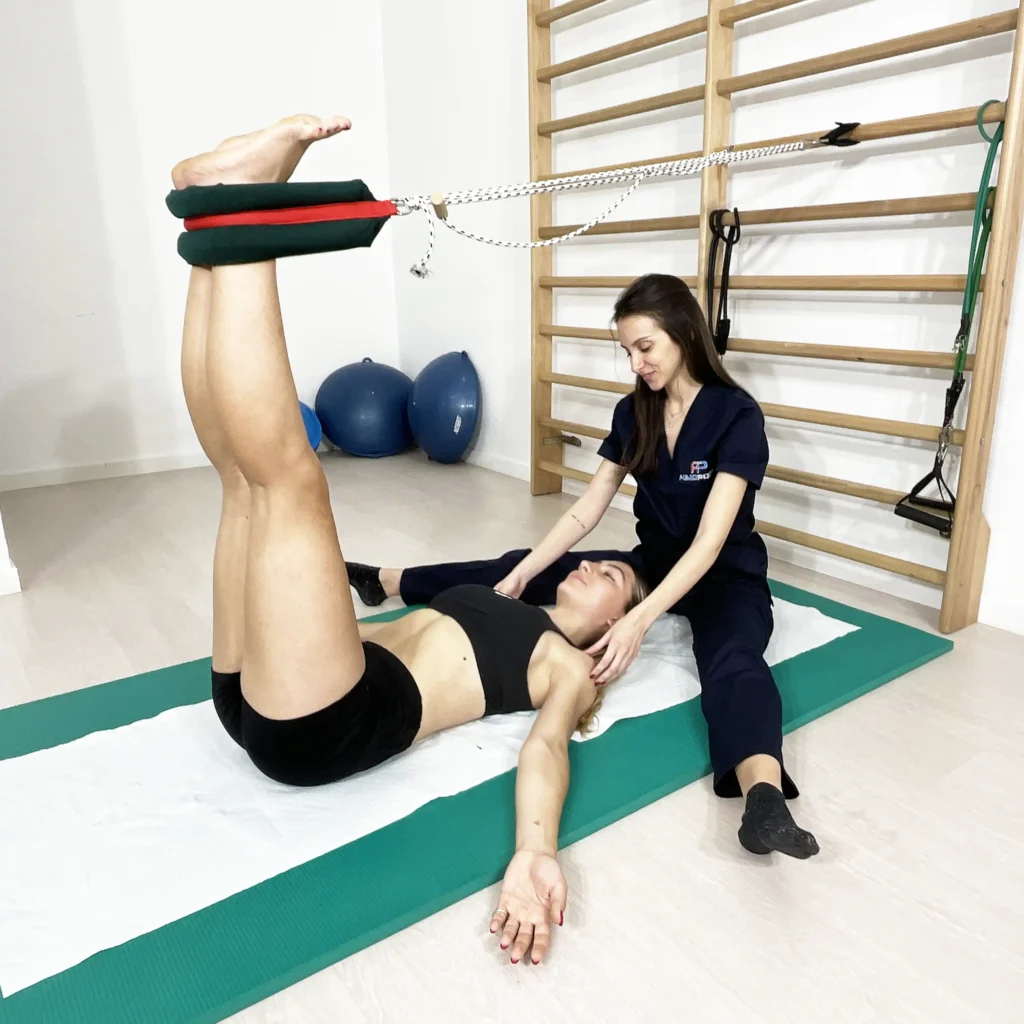
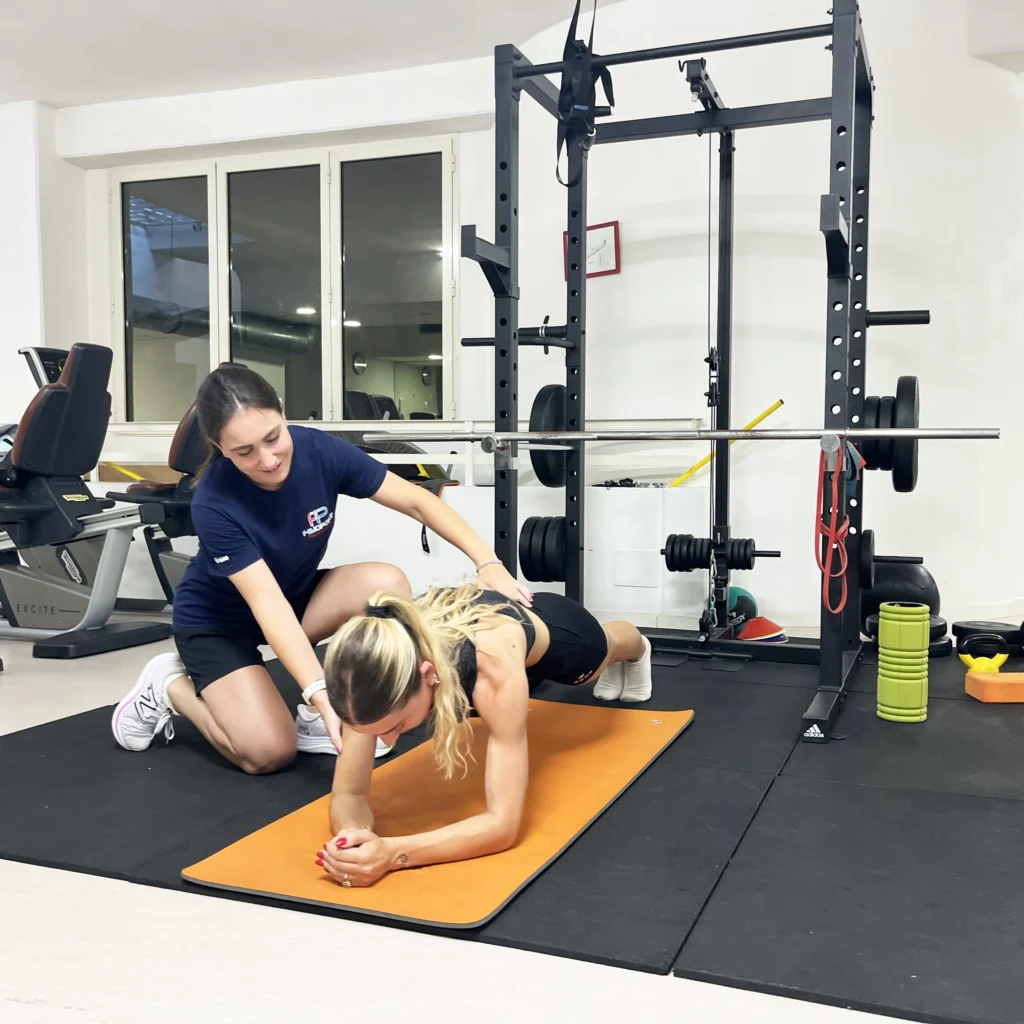
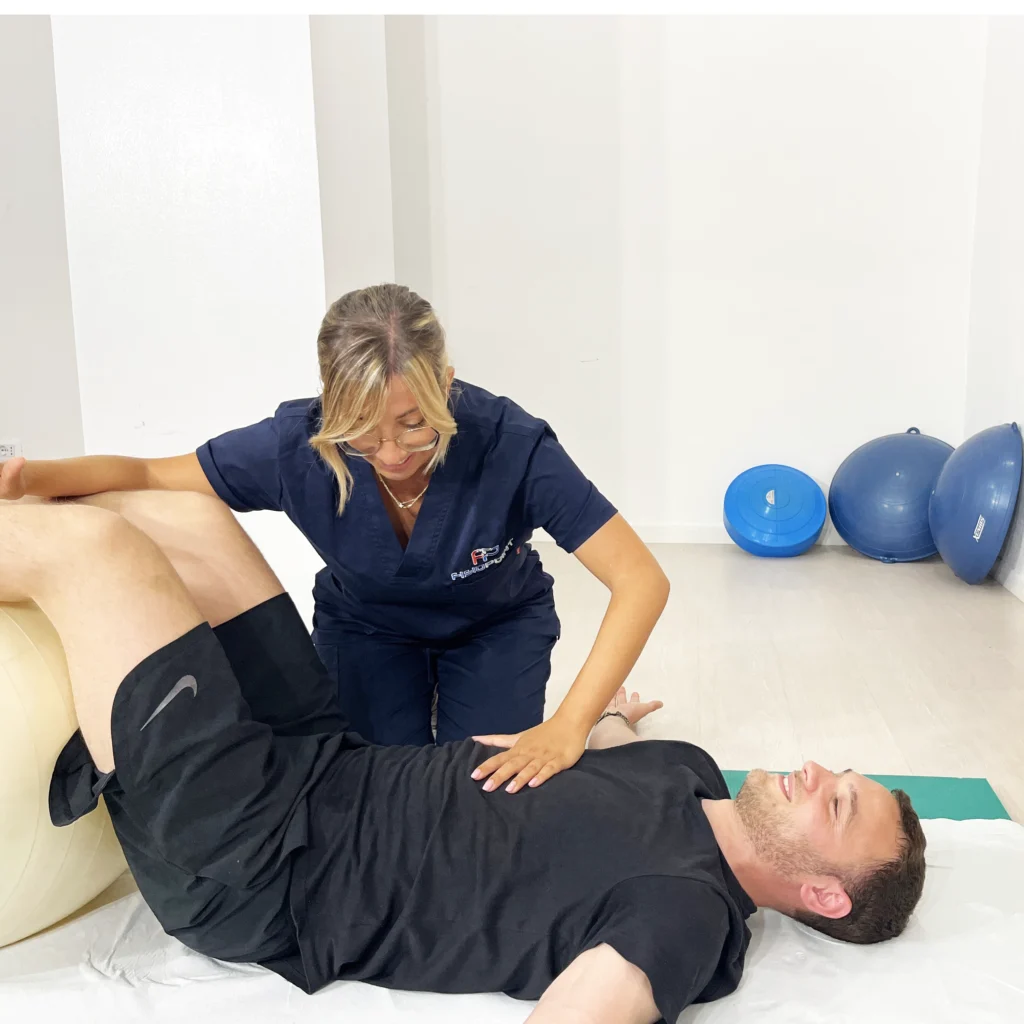
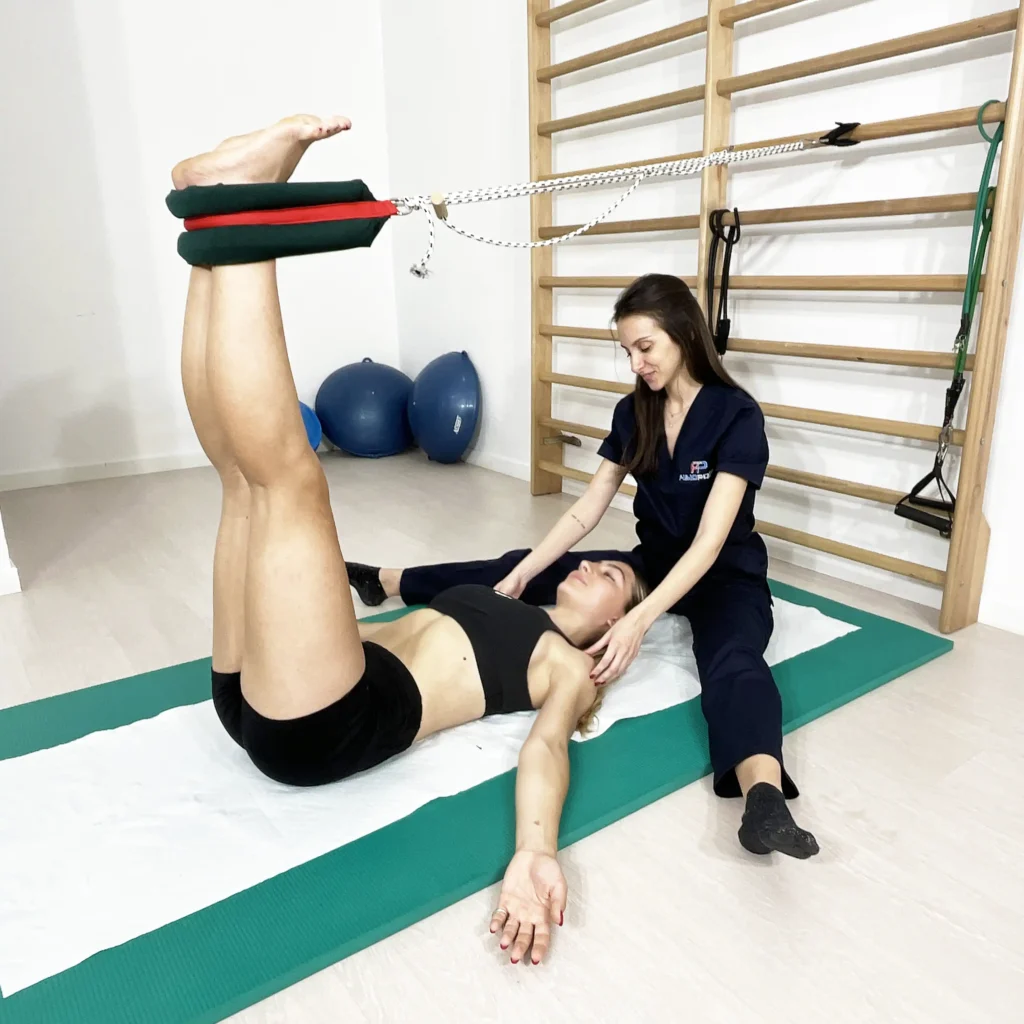
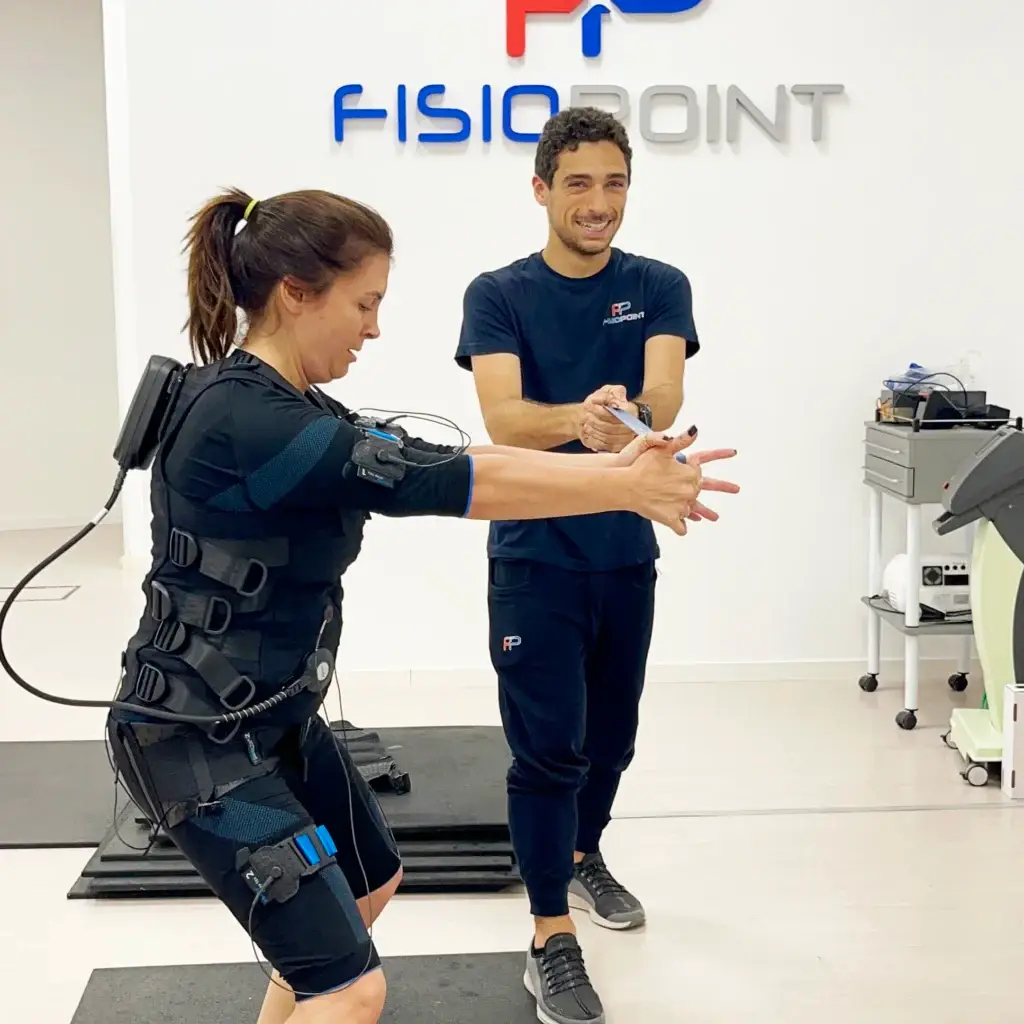
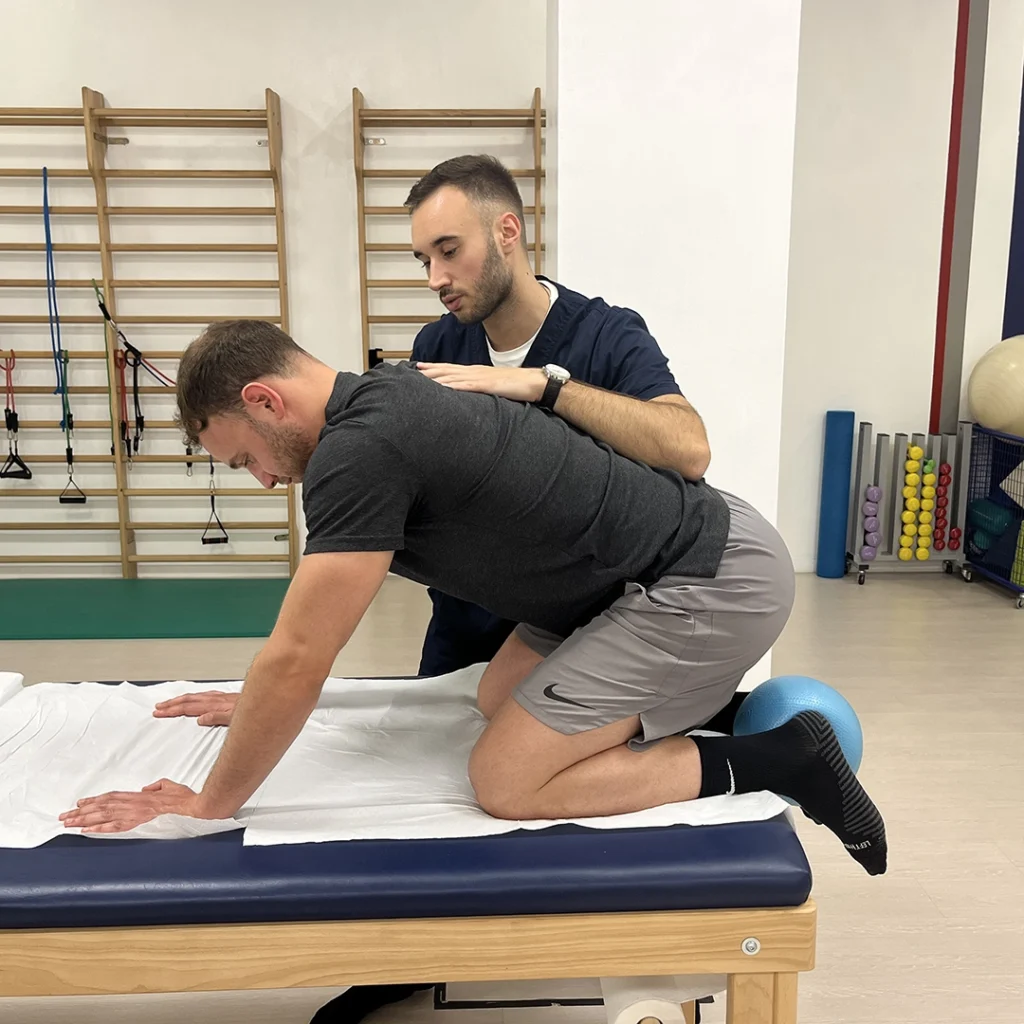
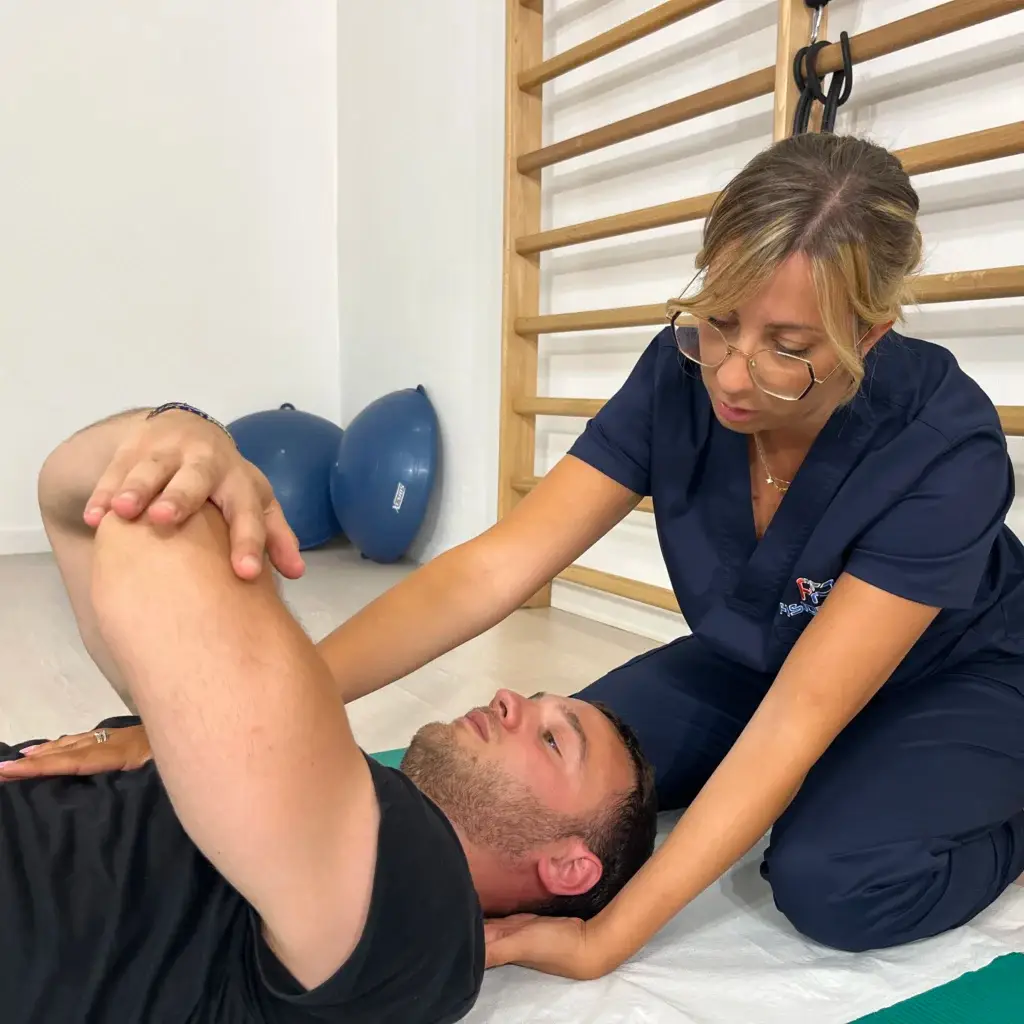
Once the pain has improved, the second phase of physiotherapy begins, in which treatment will focus on working on the cause of the low back pain and functional recovery. The therapy will become more dynamic and will include:
- Active exercises
- Global and core stabilty reinforcement
- Stretching
- Pitch re-education
- Home education and postural transitions, to teach the patient how to move and how to avoid relapses.
Once the first goals have been achieved, it is recommended to continue and maintain the results. It is useful:
- Postural re-education, repeated cyclically over the years
- A re-athletisation or preventive-adapted course with a personal trainer.
Text by Elisa Piccioni
Learn more by watching the videos on our channel YouTube







 English
 Italian