Frozen shoulder: what is it?
La capsulitis adhesion, better known as frozen shoulder, is a condition that affects the shoulder causing increasing pain and stiffness until movement is completely blocked. Specifically, the anatomical structure affected is the joint capsule, a fibrous sleeve that, together with muscles, tendons and ligaments, helps stabilise the shoulder joint in its movements. These structures, for causes that are still not entirely clear, become inflamed and fibrotic, preventing proper movement.
Possible causes of frozen shoulder
To date, we do not know any definite causes and the inflammation does not even seem to be related to the dominant arm, but some predisposing risk factors can be recognised:
- gender: seems to have a higher incidence in women
- age: generally strikes between 40 and 60 years of age
- diabetes: approximately 35-40% of type II diabetics and 10-15% of type I diabetics suffer from this condition.
Thyroid dysfunction, certain systemic diseases such as Parkinson's, arthritis, or cardiovascular diseases also increase the risk. - previous trauma: many capsulitis results from prolonged immobility, often following an injury or fracture that was not followed with the right treatment programme.
- drugs: prolonged use of certain drugs.
The main symptom is the pain that often goes
Symptoms of frozen shoulder
to worsen during the night, followed by loss of mobility. The areas most affected by pain are:
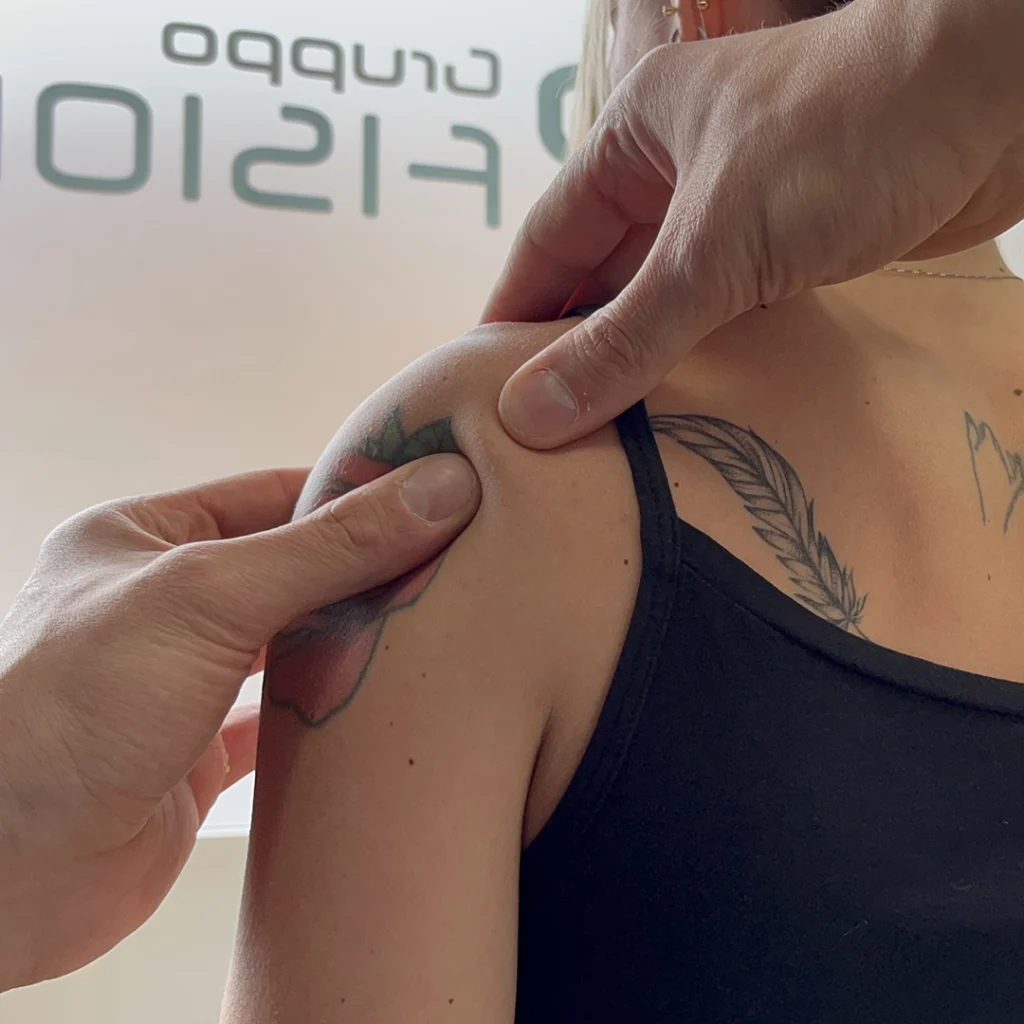
- the shoulder, acute pain especially in the deltoid region
- the neck, pain that increases with the establishment of compensatory movements
mainly at the expense of the trapezius muscle - the arms, it is sometimes possible that the pain also reaches the arm with paresthesias
The characteristic feature, which distinguishes it from other conditions such as tendon inflammation or arthritis, is the loss of both active and passive movement.
In the latter case, when the therapist stresses the movement of the joint, he is forced to stop due to a real mechanical blockage at the capsule level.
One can divide the course into three phases:
- coolingIt generally lasts 6-12 weeks and is the most painful
- freezingincreased rigidity that can last up to 4-6 months
- thawing and resolutionGradual improvement in joint ROM that can even exceed one year
Diagnosis of frozen shoulder
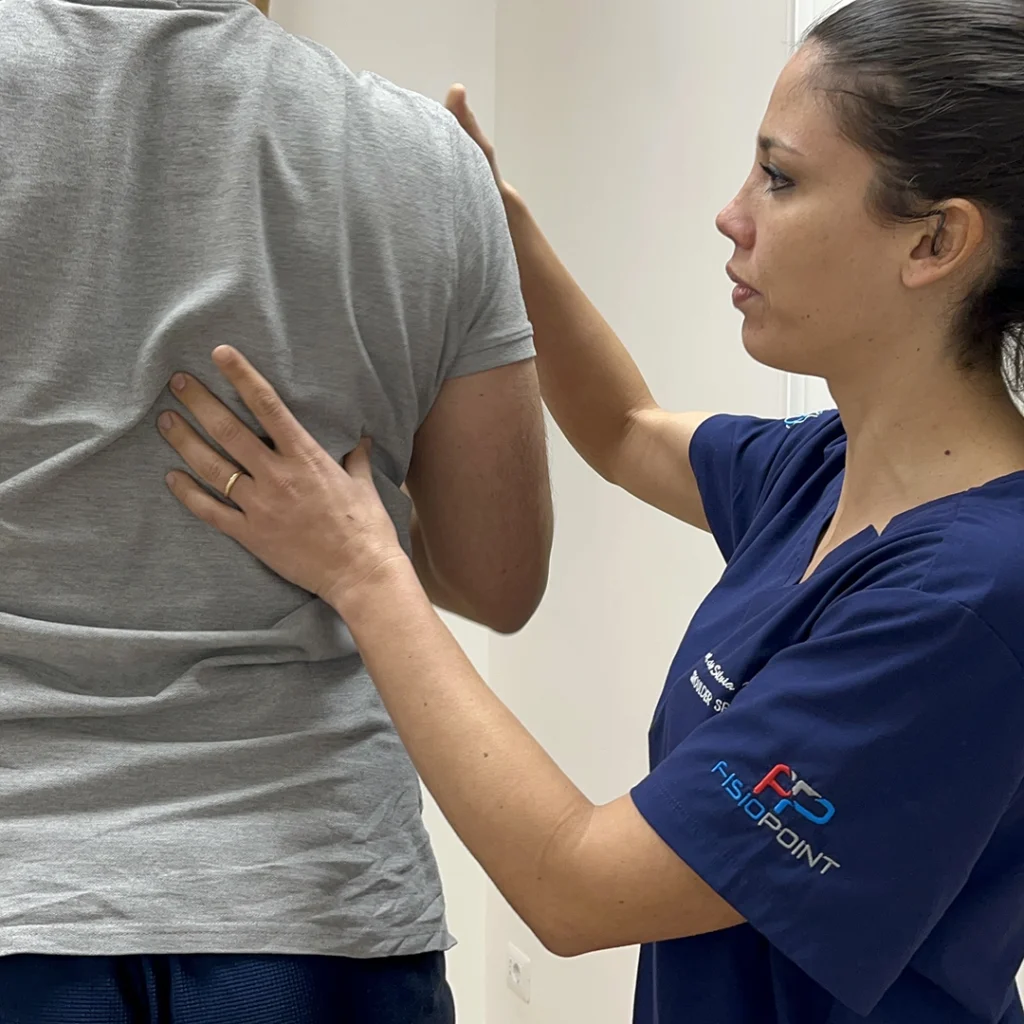
A correct anamnesis and an objective examination by a specialist is usually sufficient.
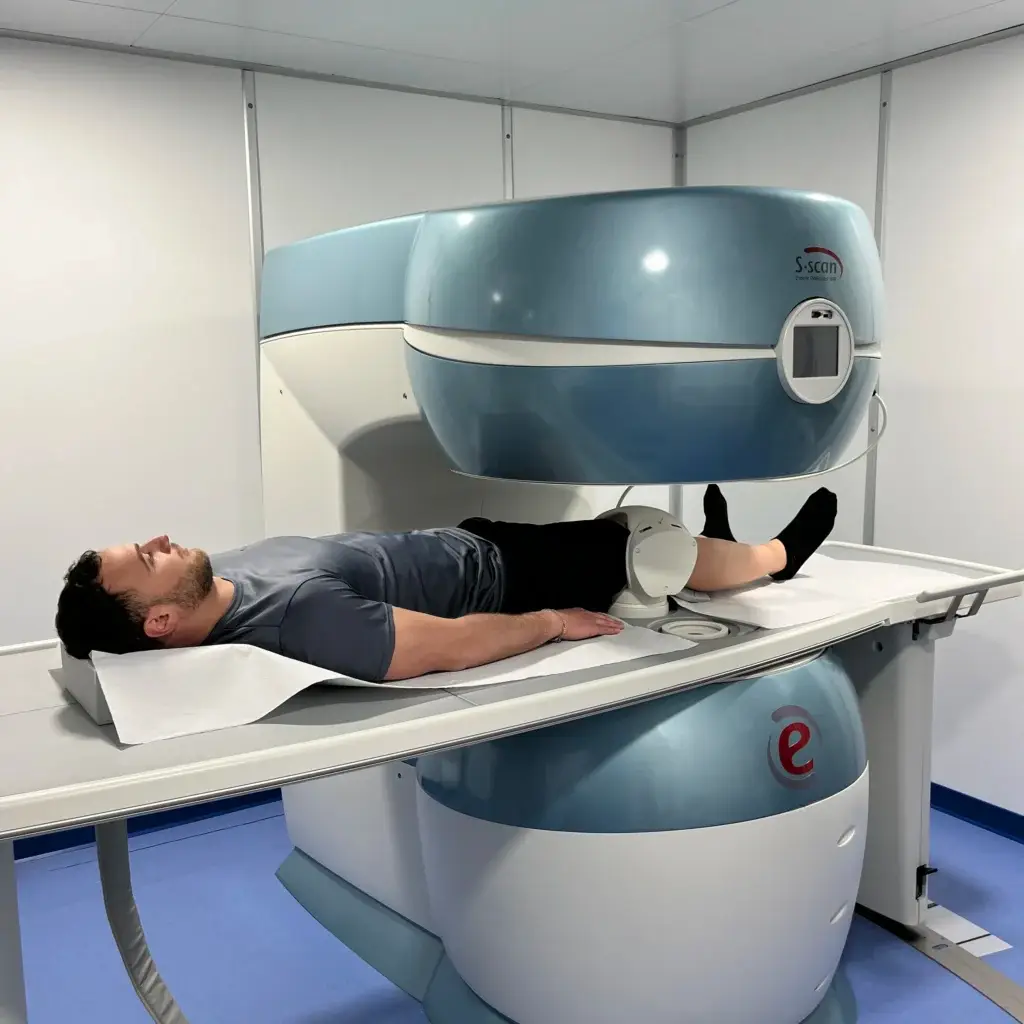
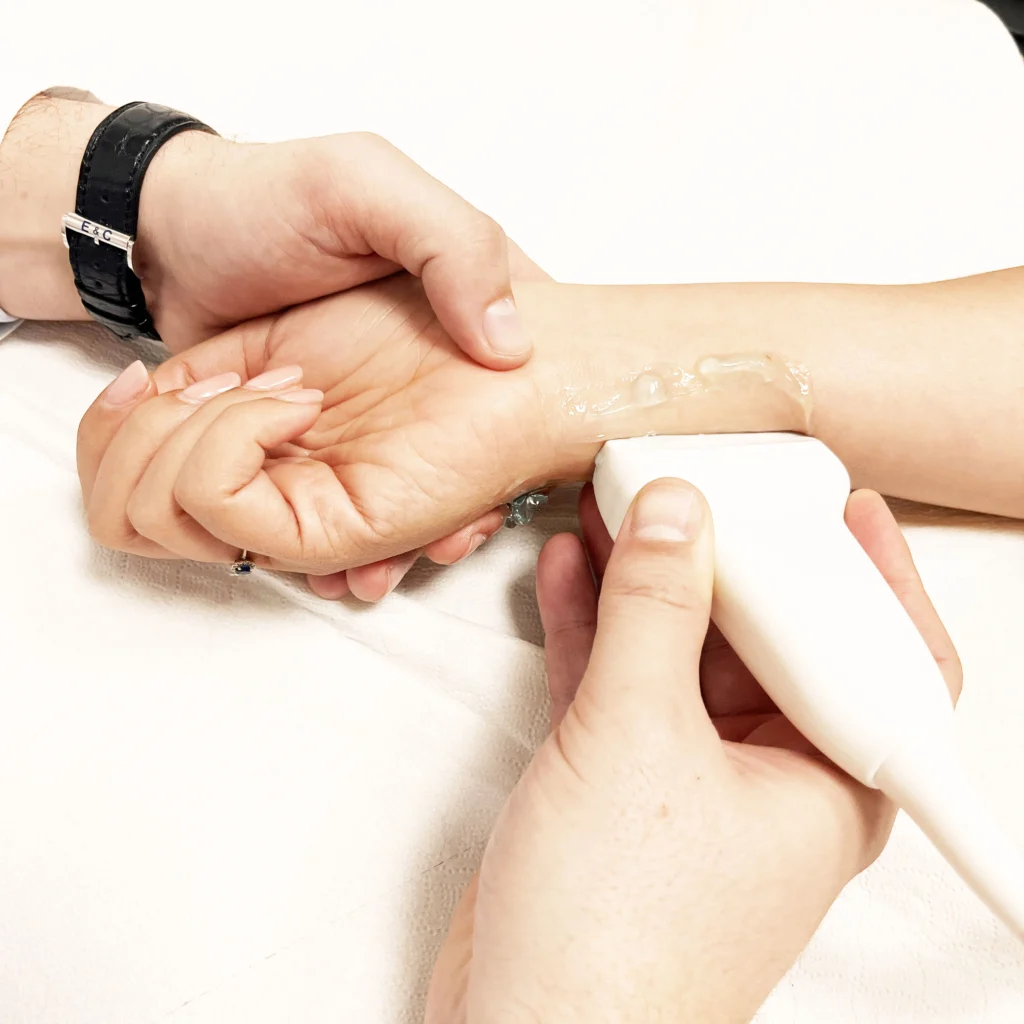
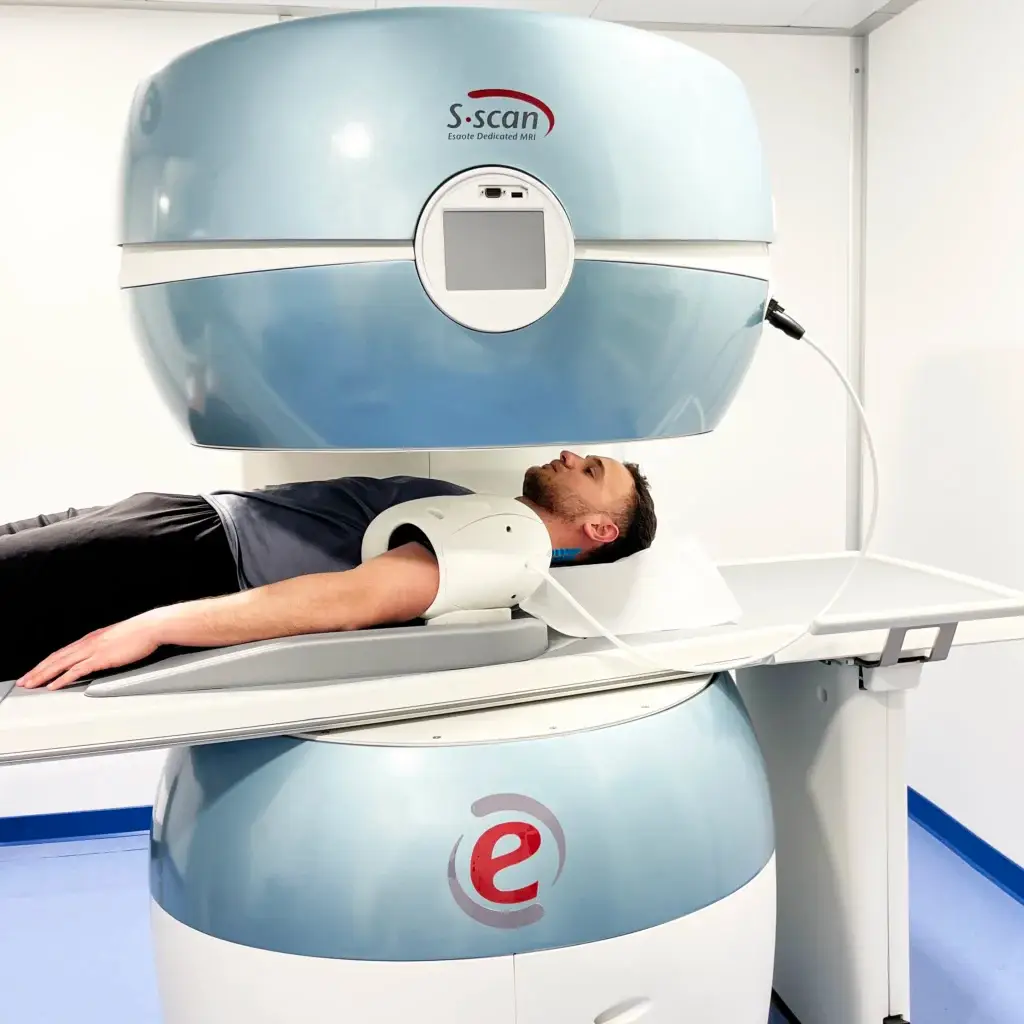
If there is any doubt, a radiological examination (X-ray/MRI) by which possible alternative causes are to be excluded
Treatment and Rehabilitation of Frozen Shoulder
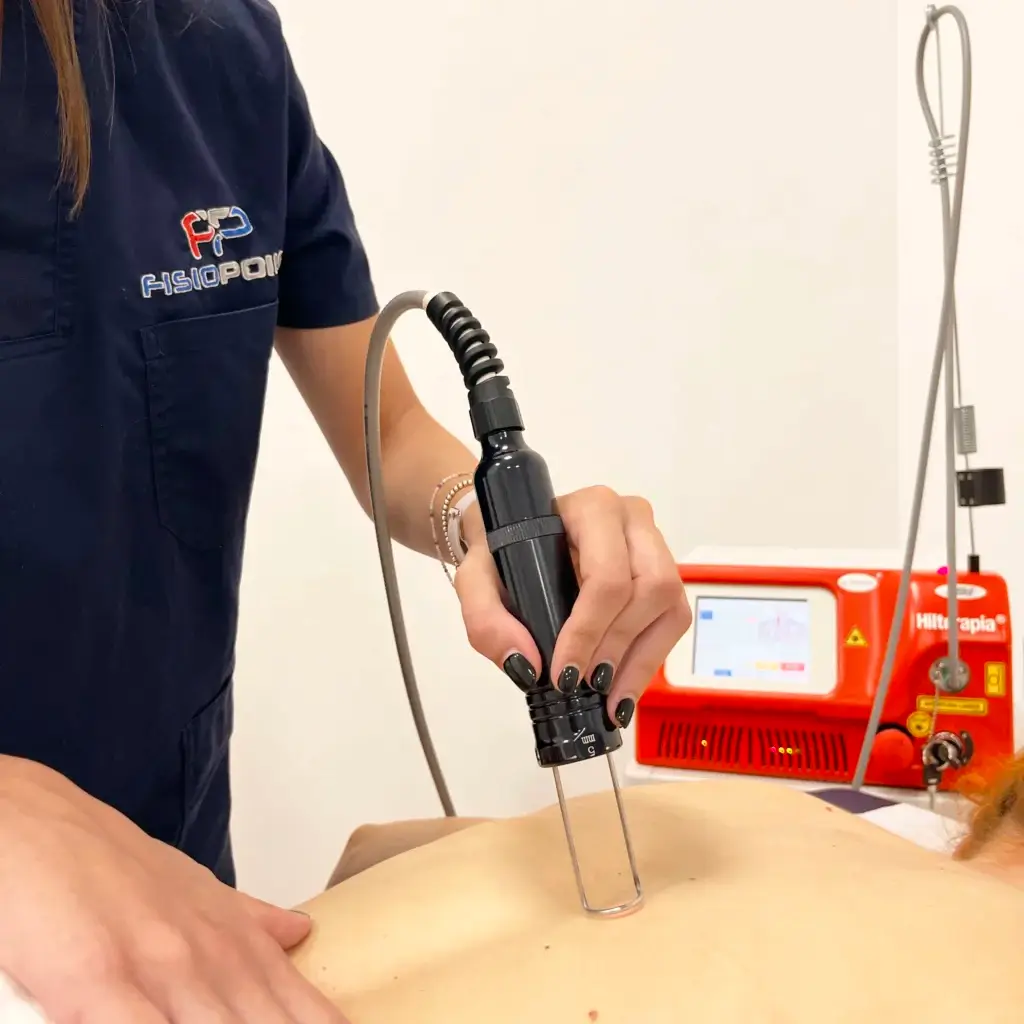
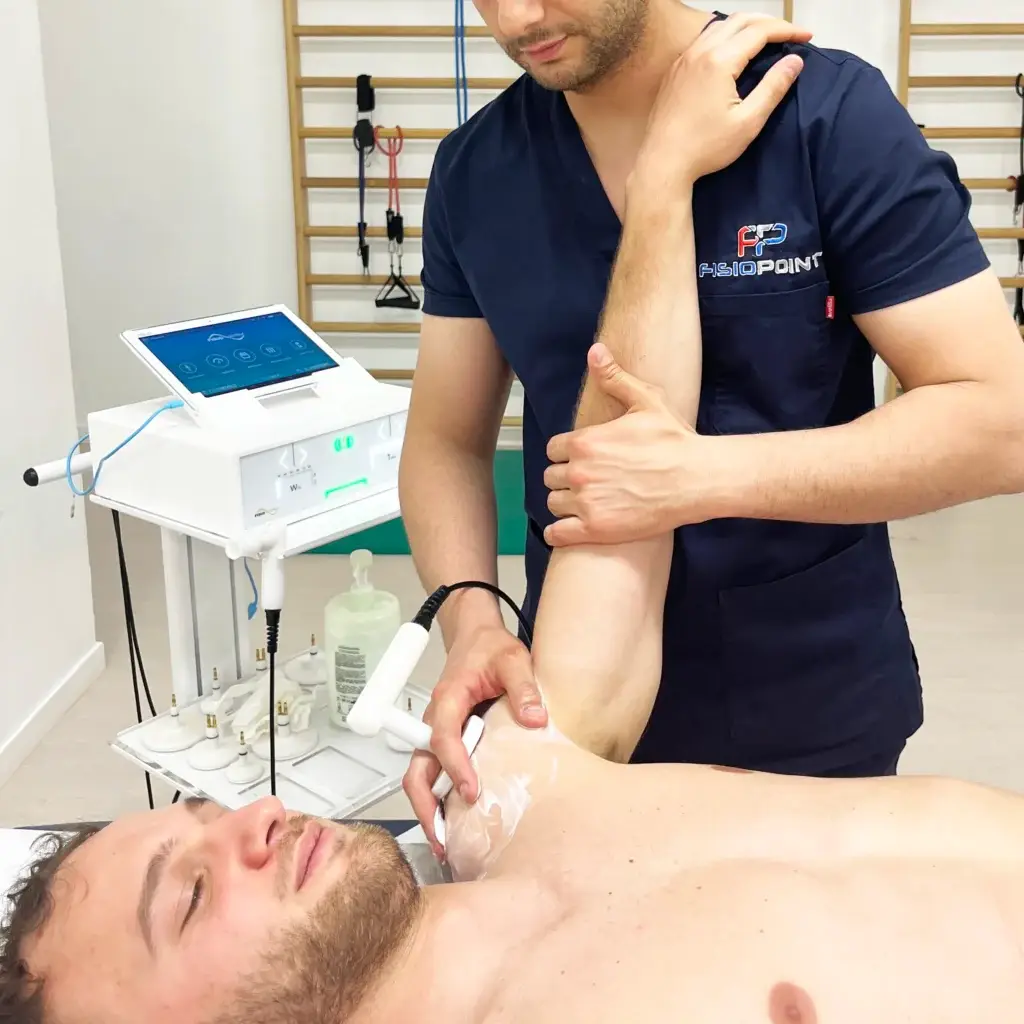
The main goals of the treatment are definitely pain reduction and a new acquisition of joint ROM and then strength. It is recommended:
An excellent course of physiotherapy is the best way for 90% people to get out of it as quickly as possible, without having to resort to surgery.
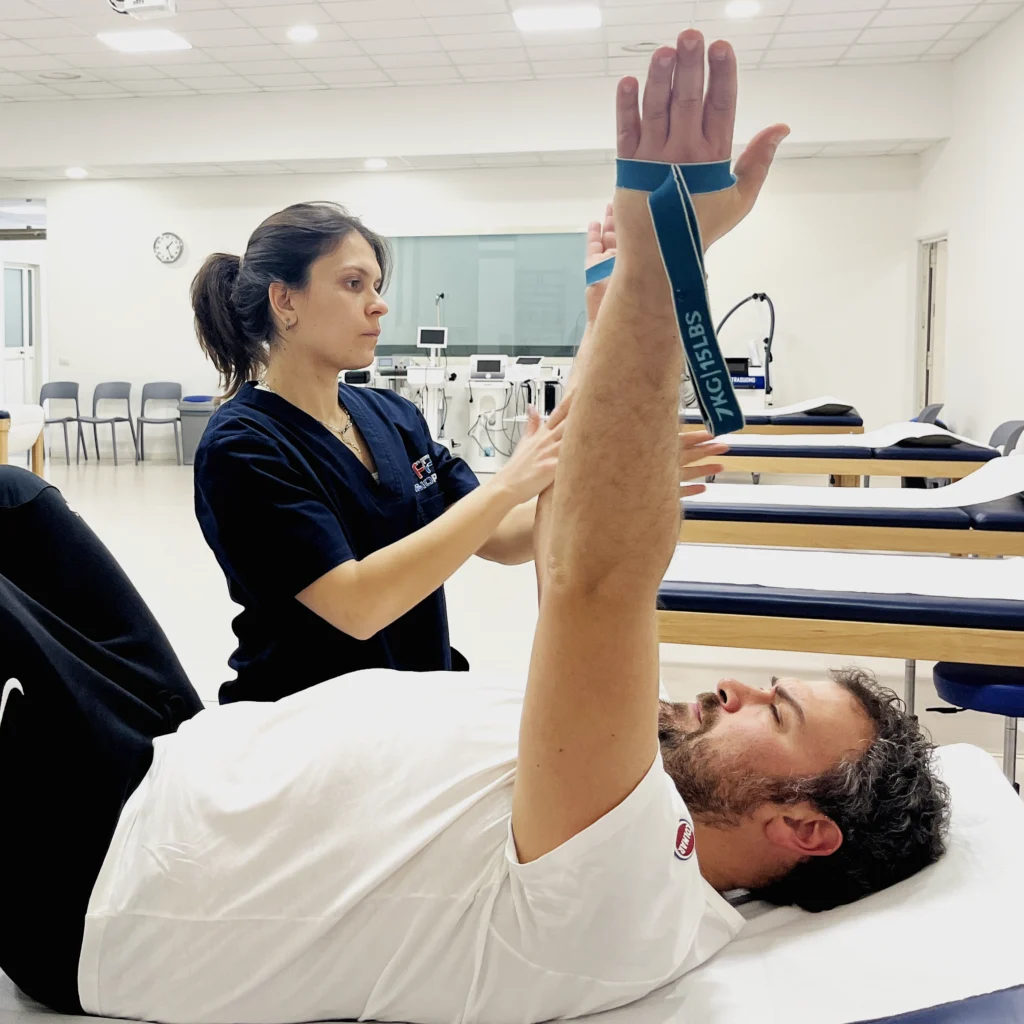
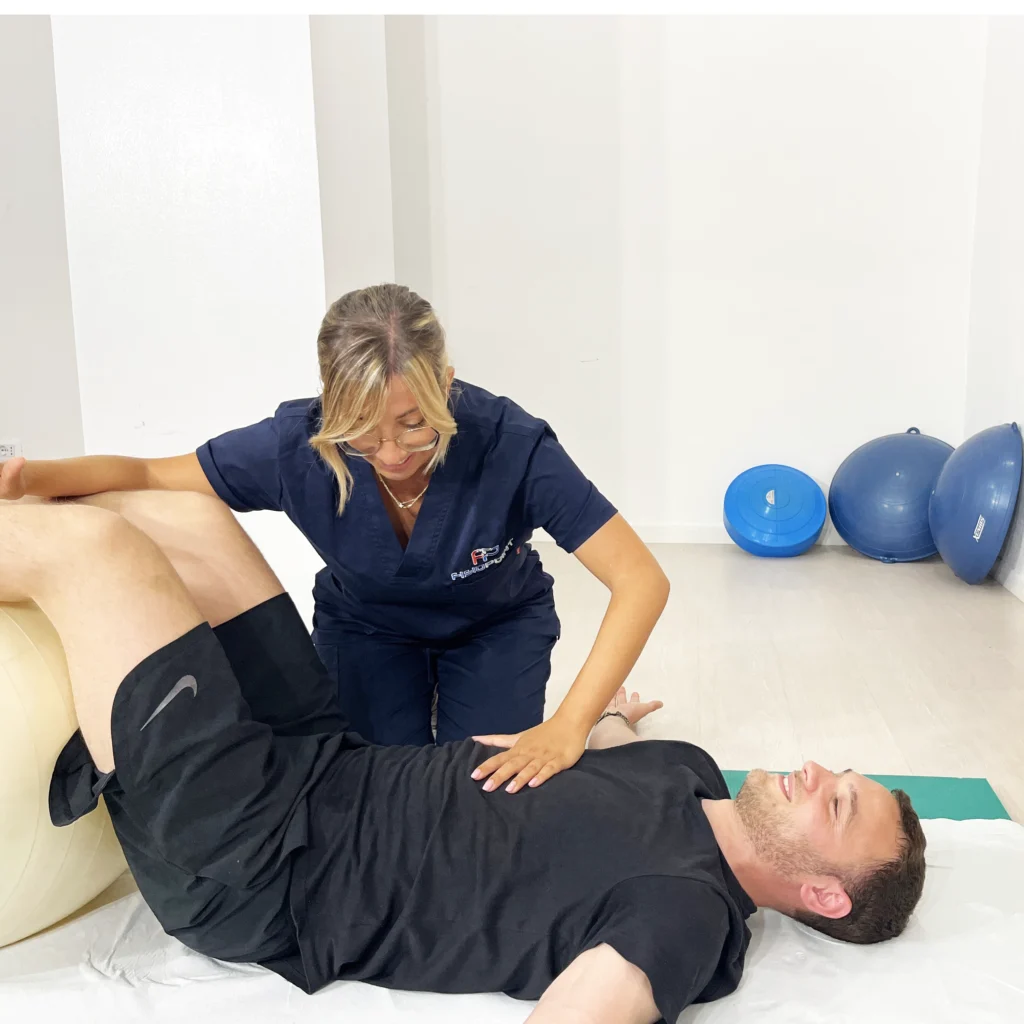
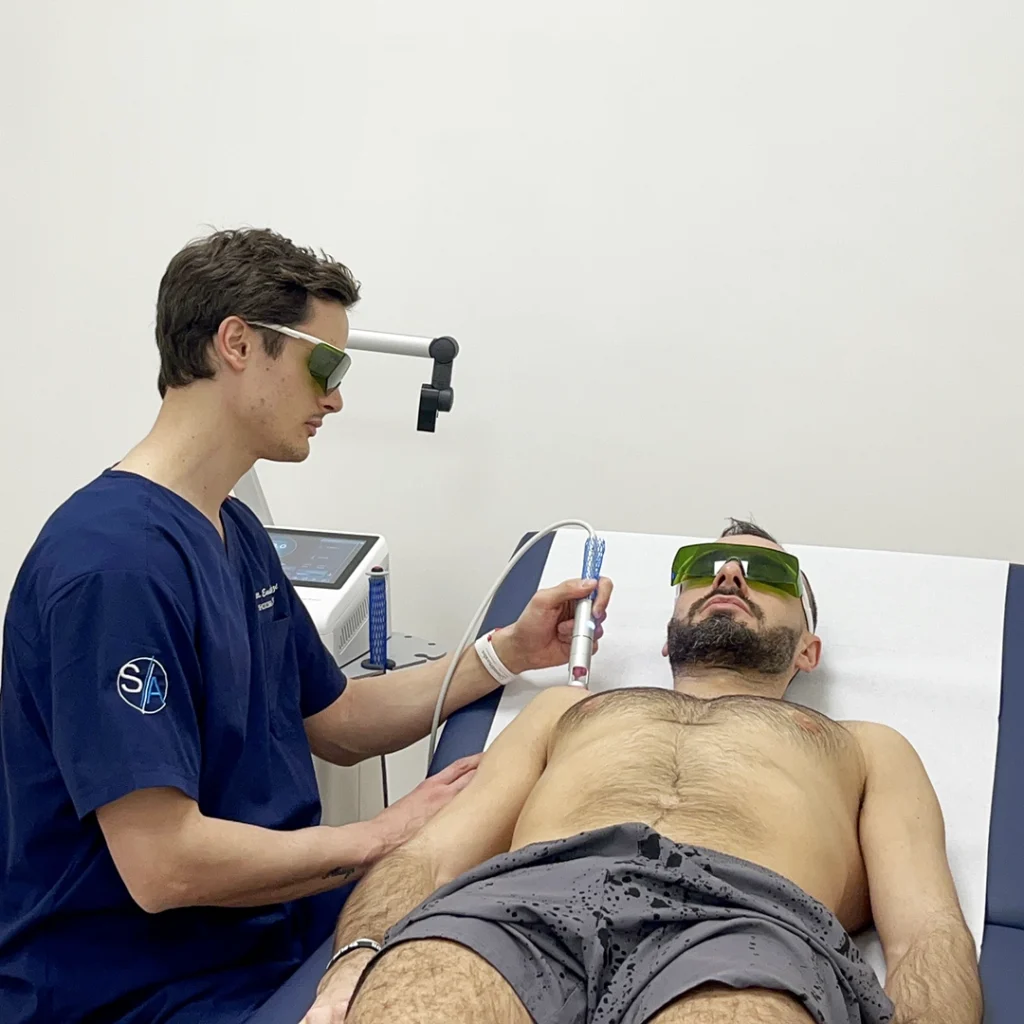
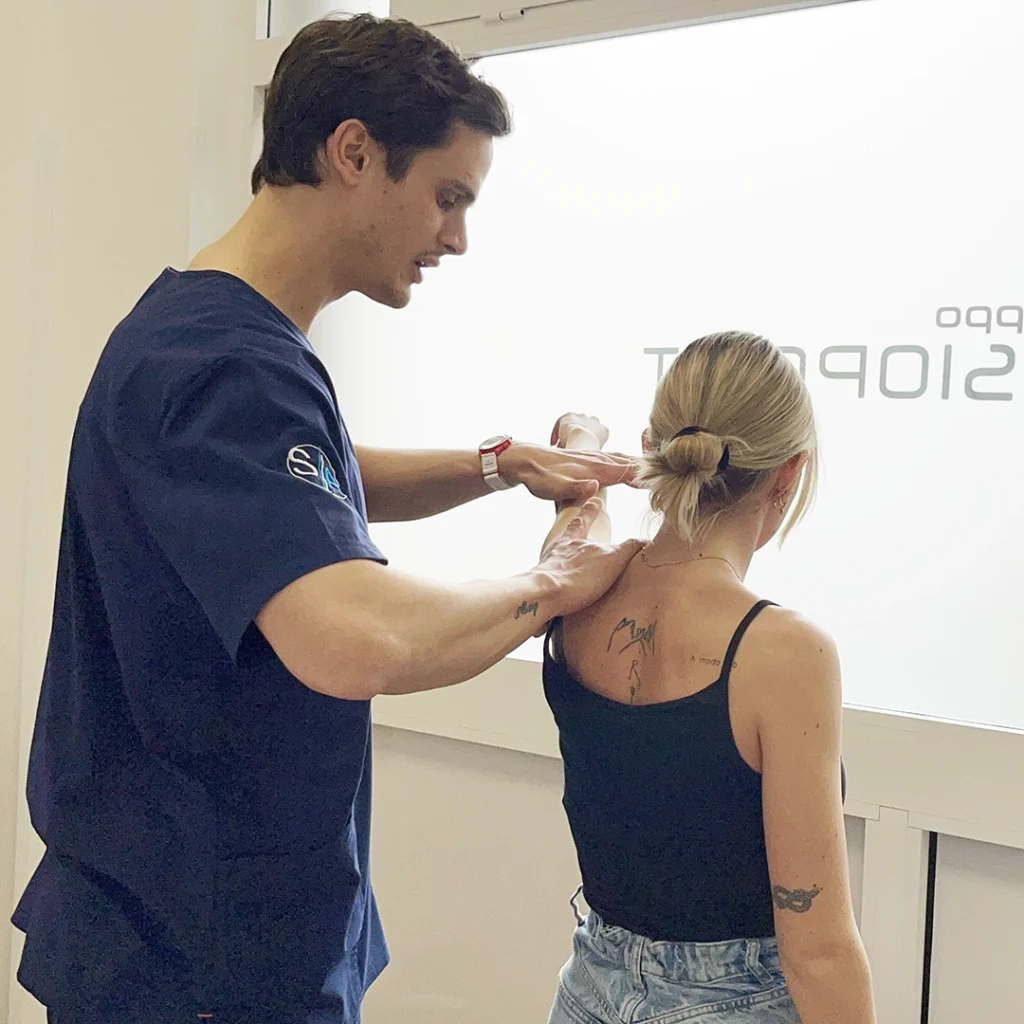
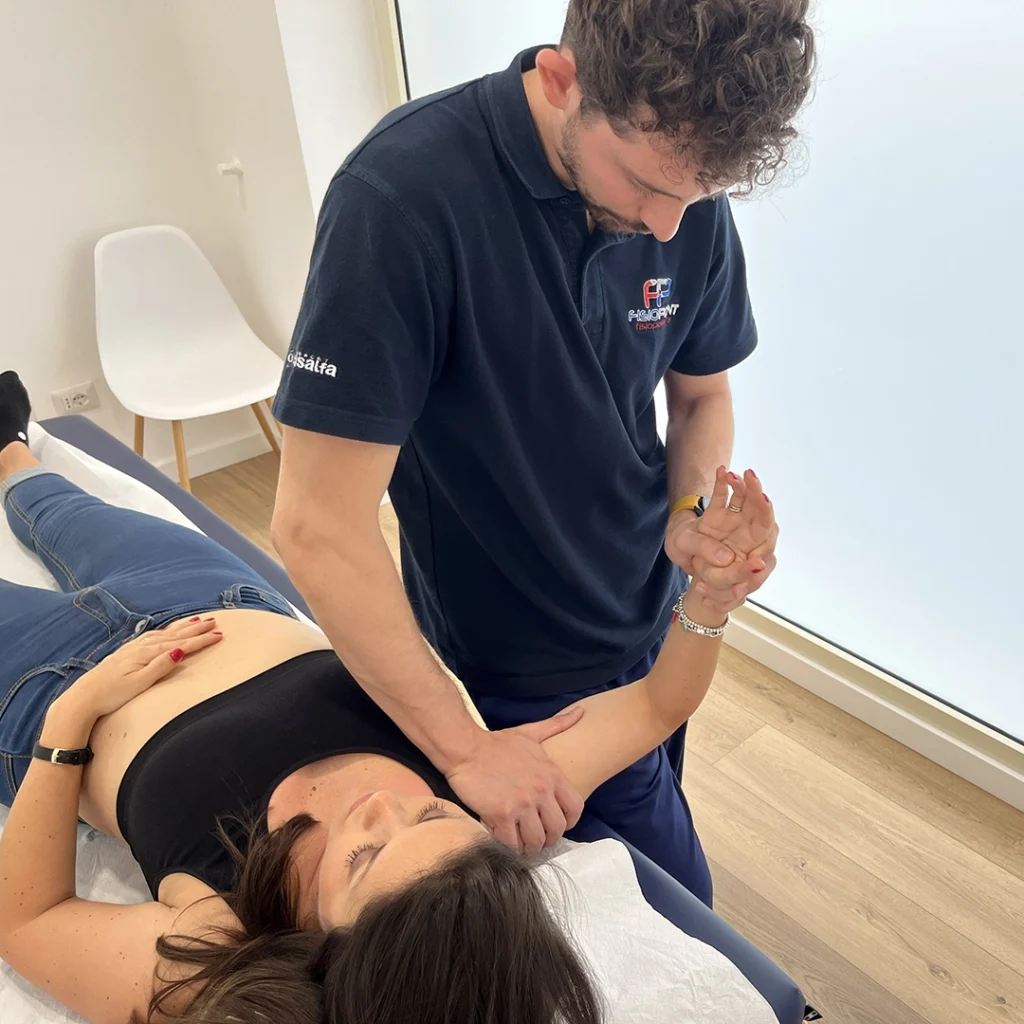
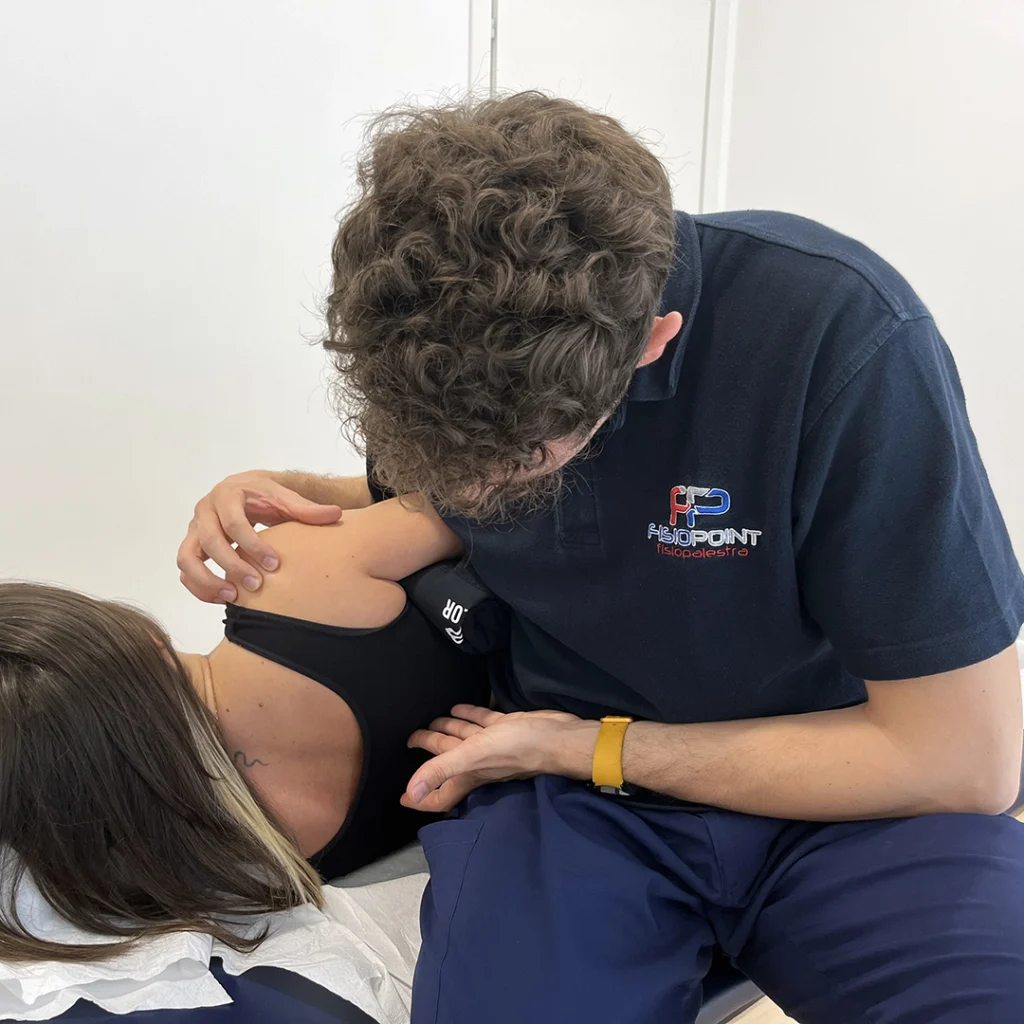
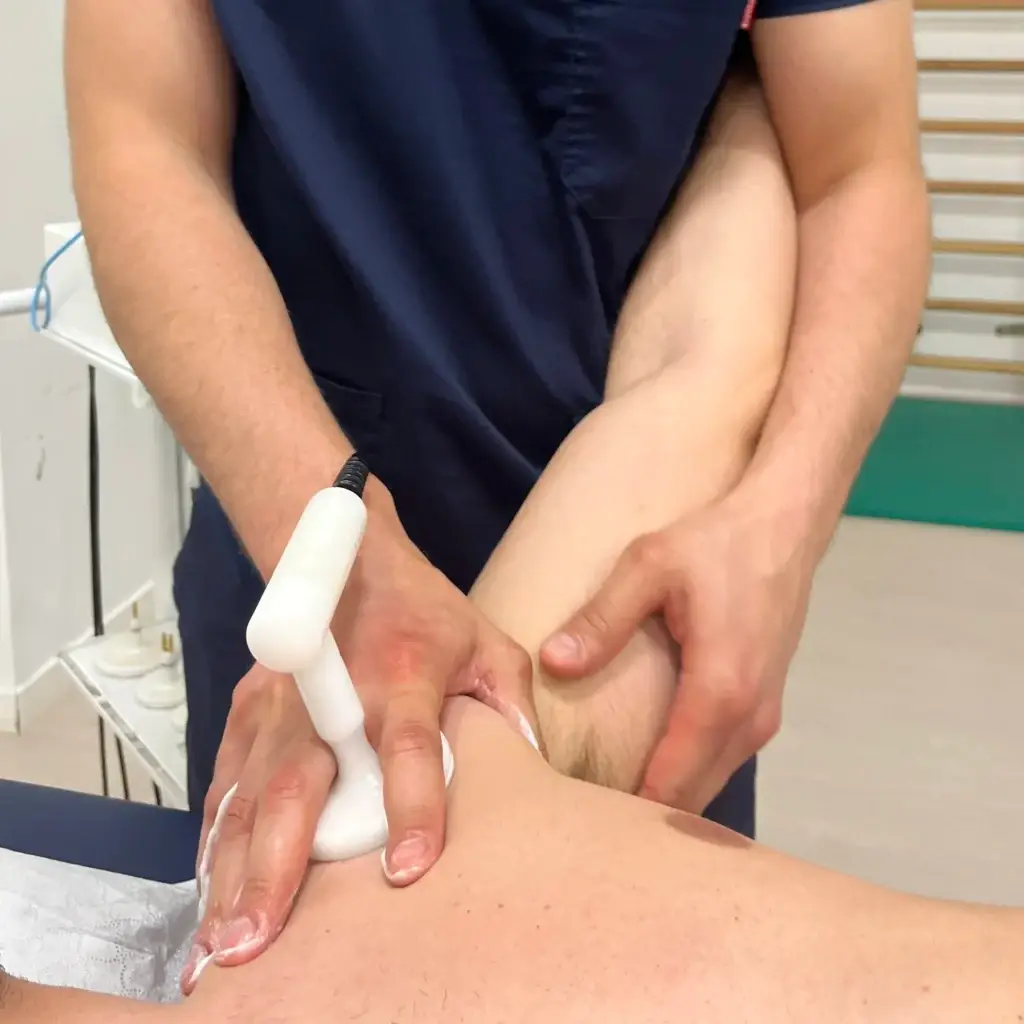
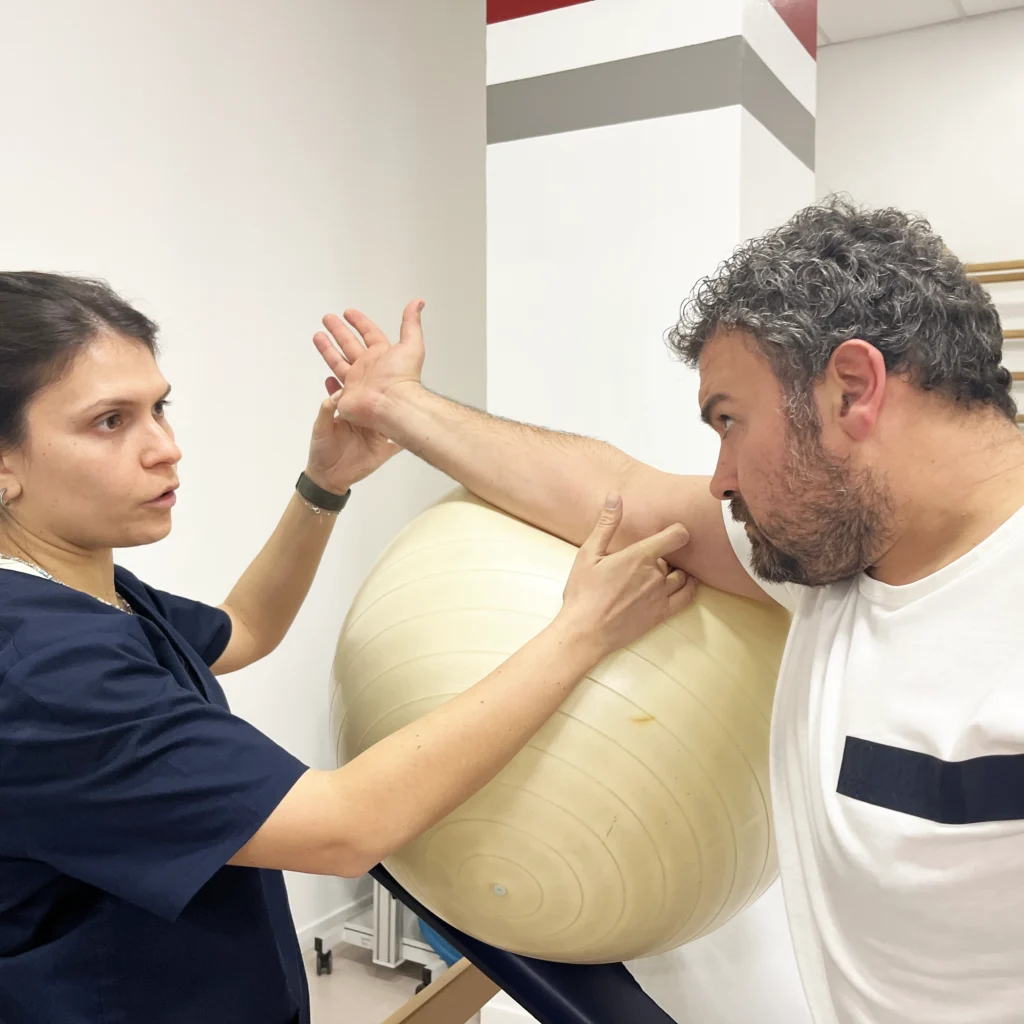
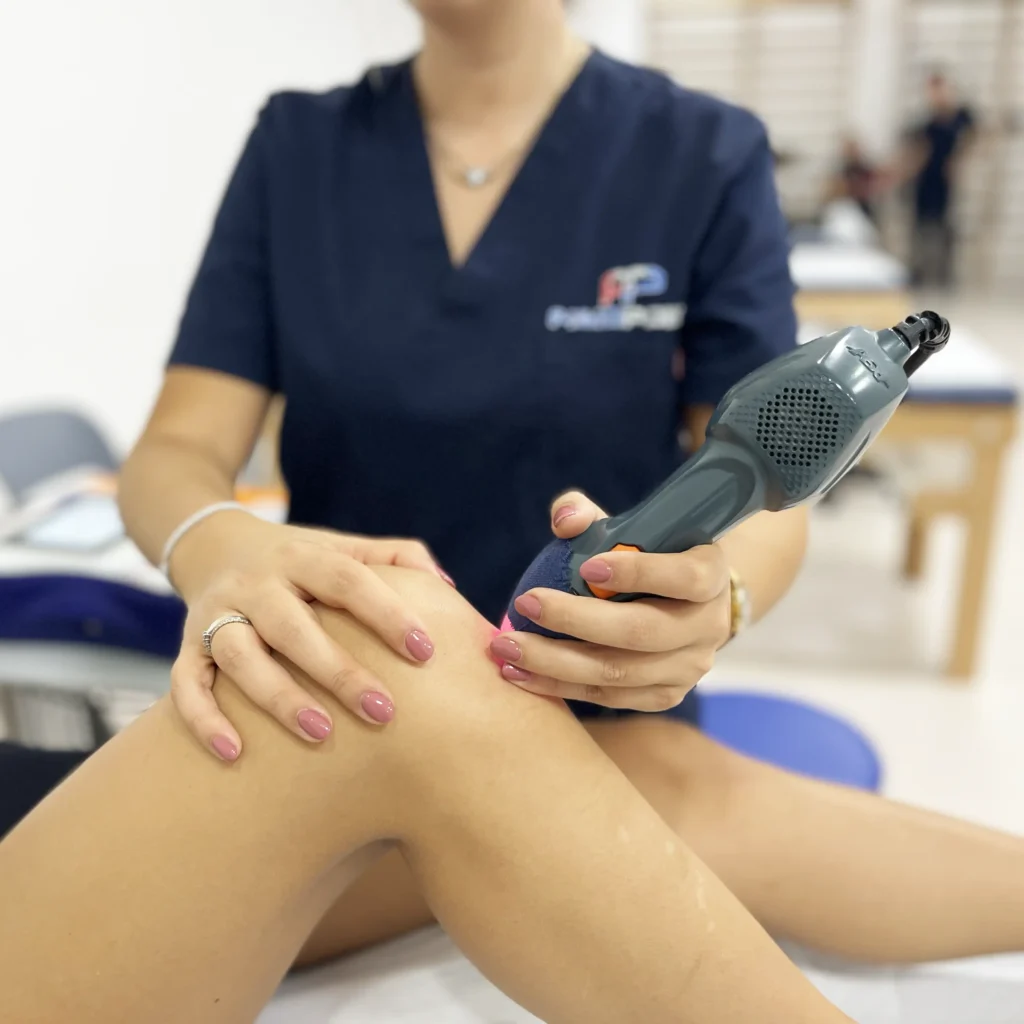
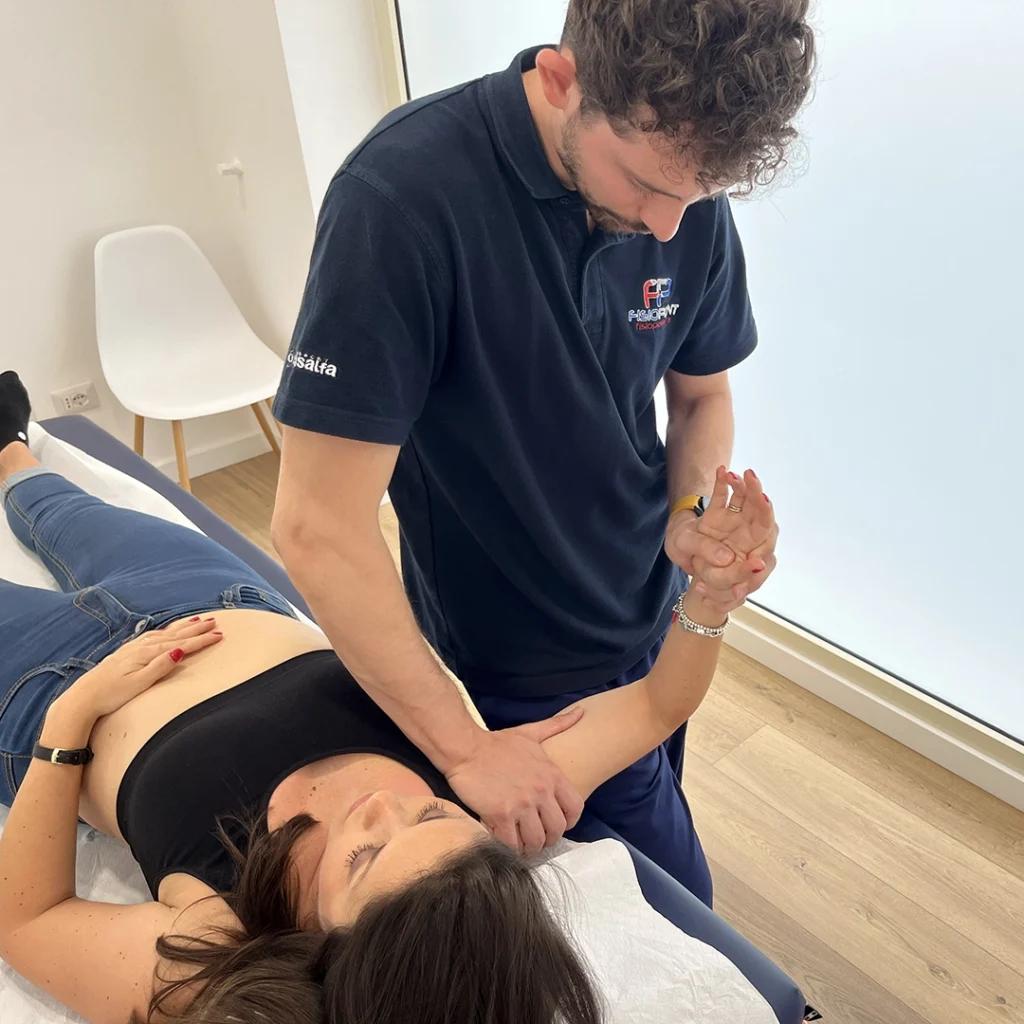
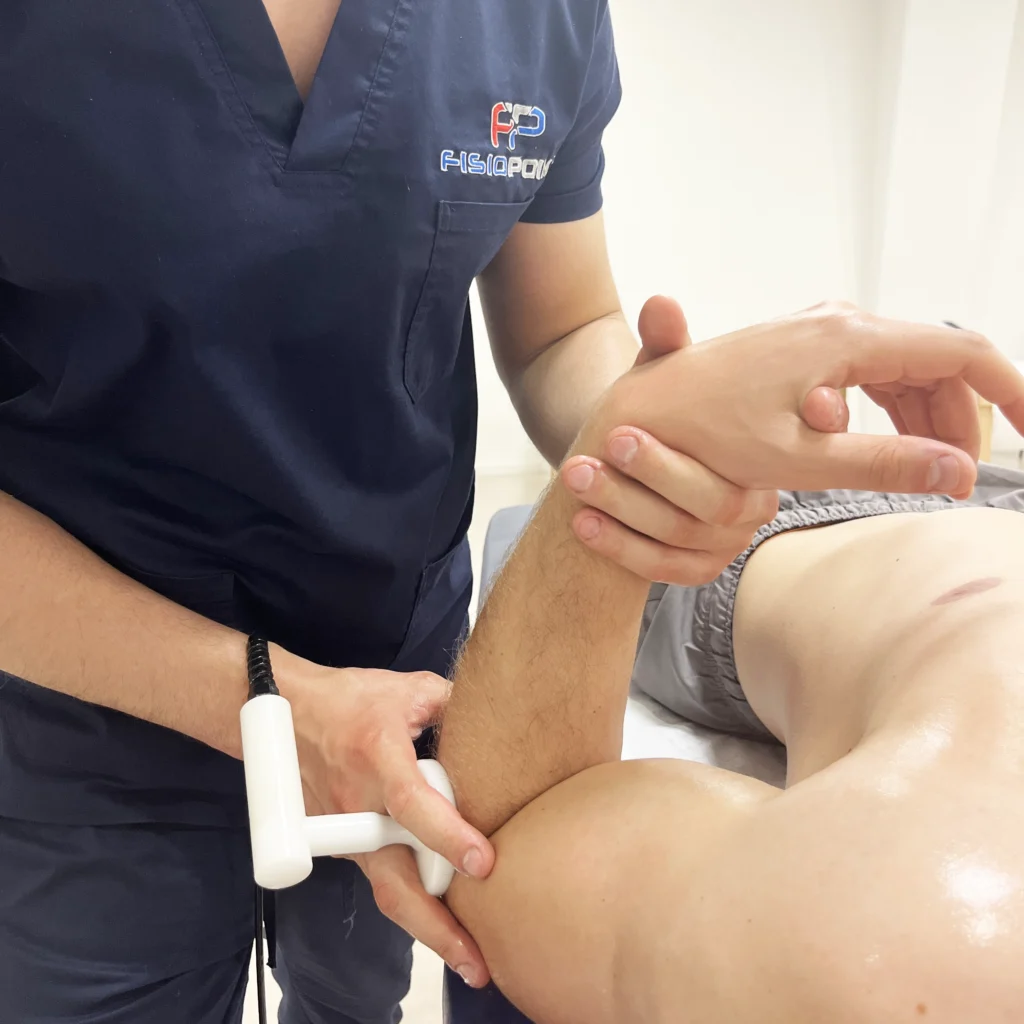
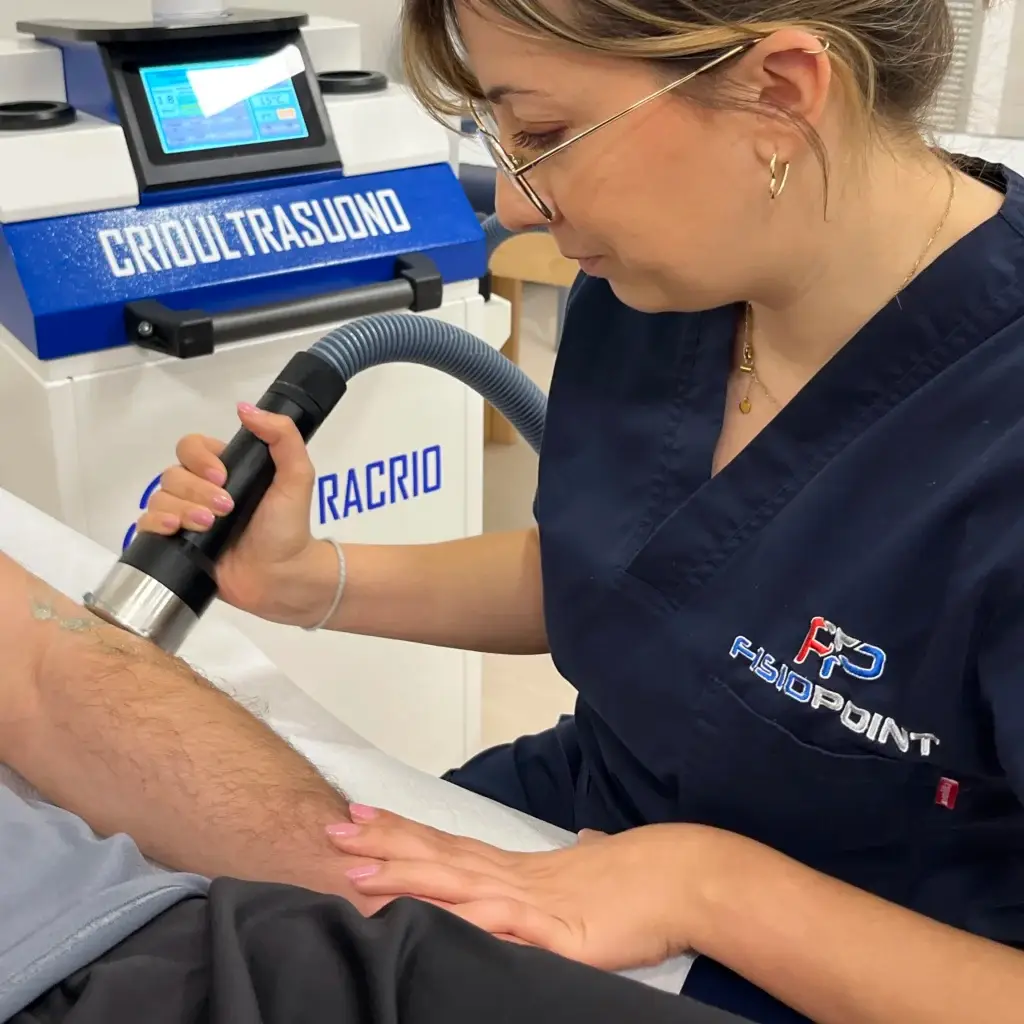
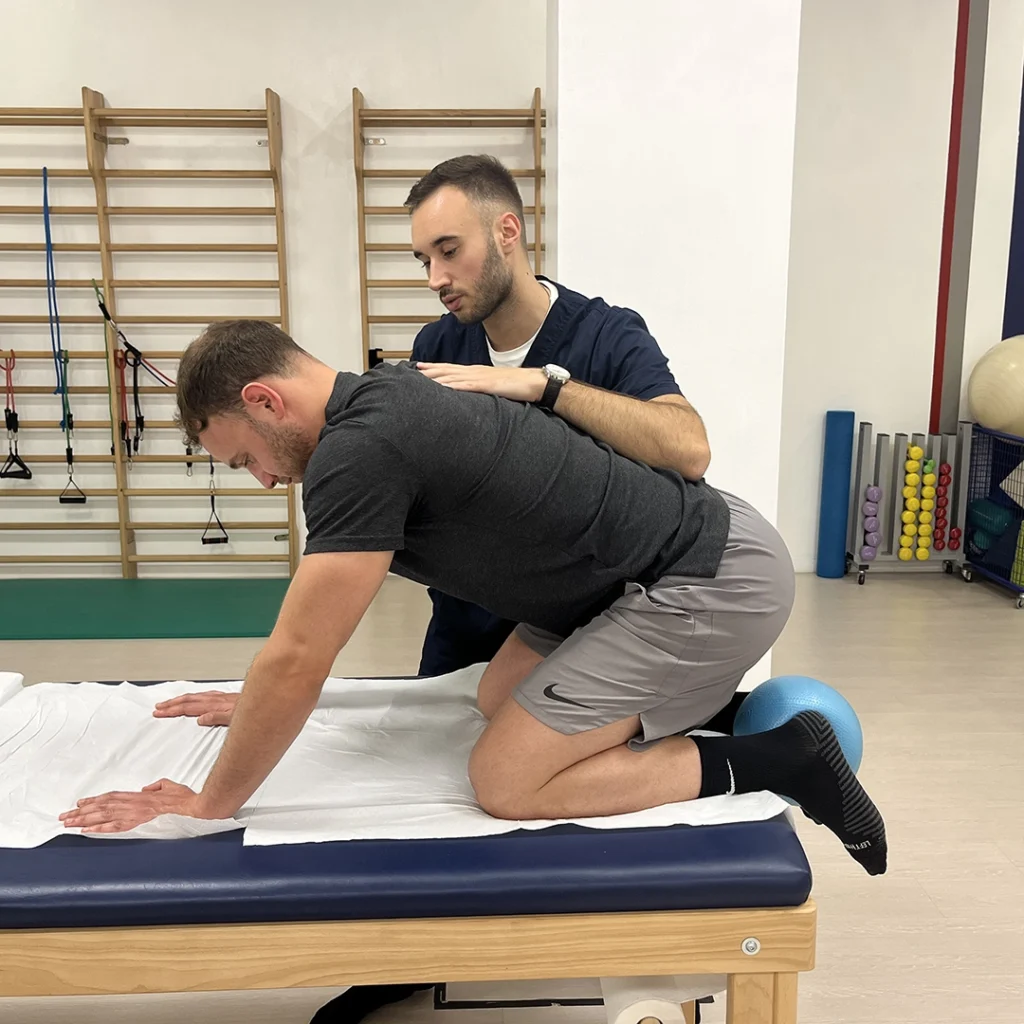
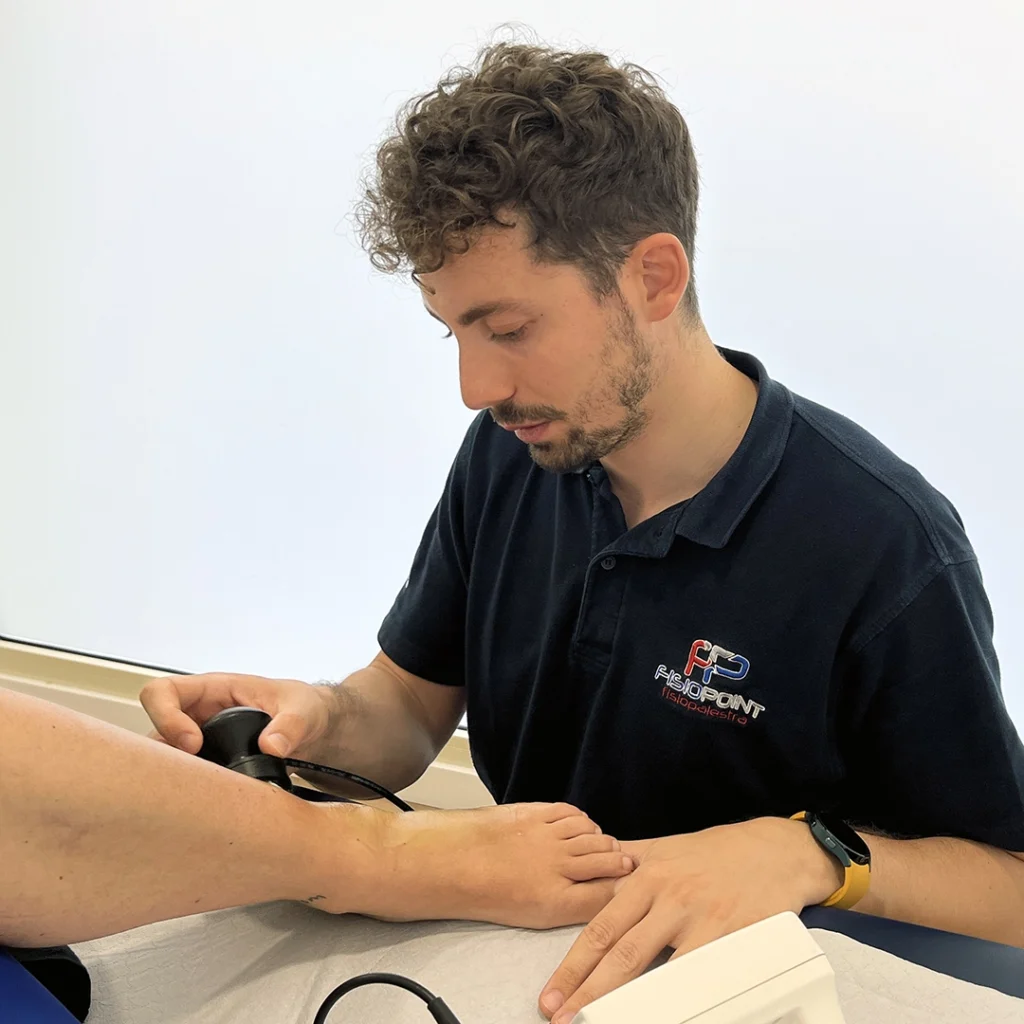
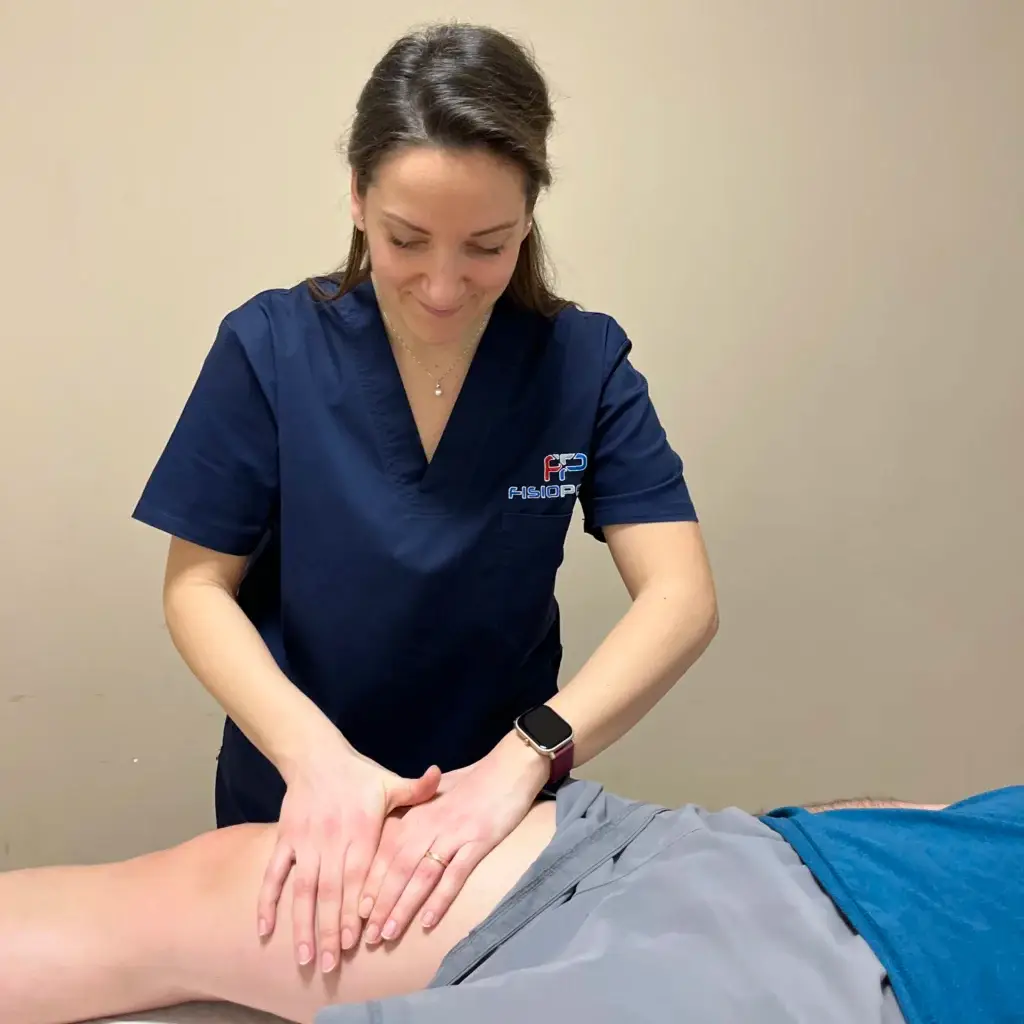
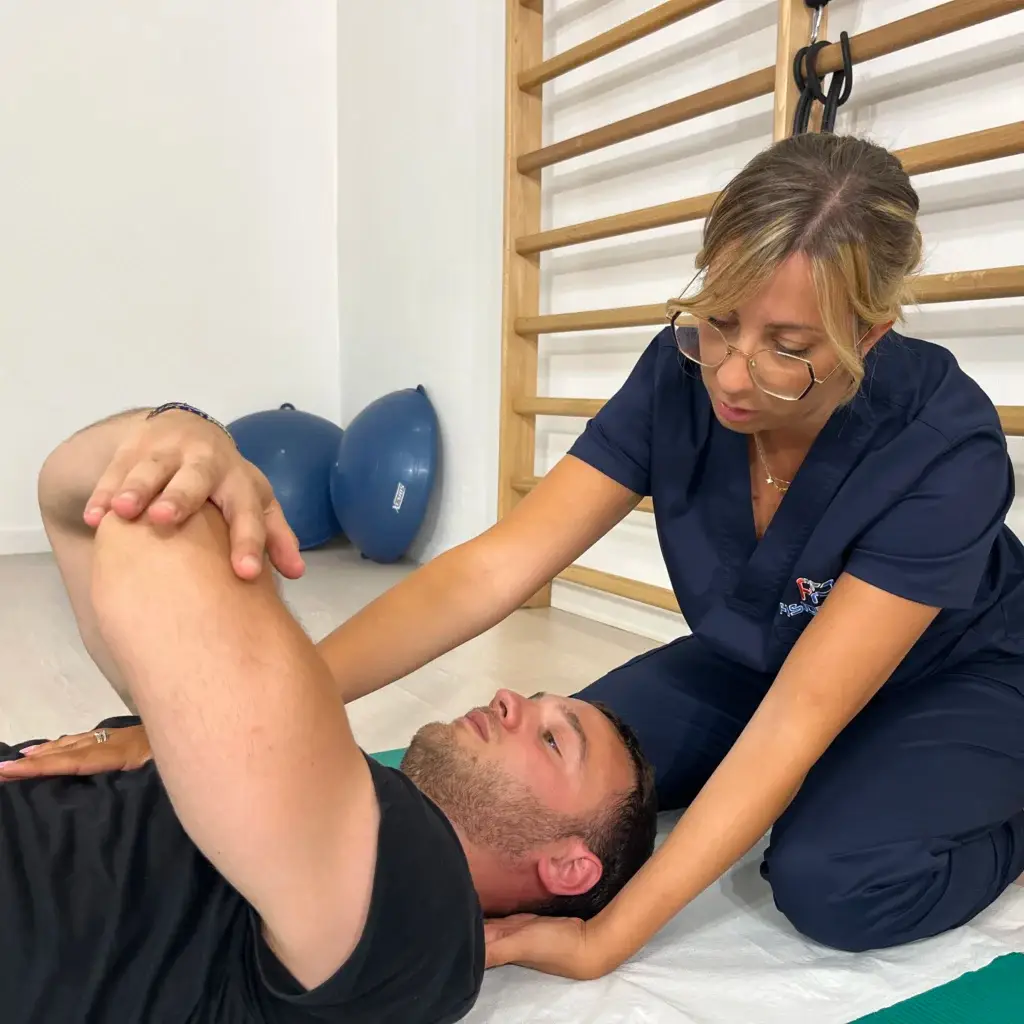
The treatment involves passive and active manoeuvres aimed at mobilising and 'decongesting' the shoulder joint and scapular region, including stretching exercises for the muscle and tendon regions surrounding the joint capsule.
Heat
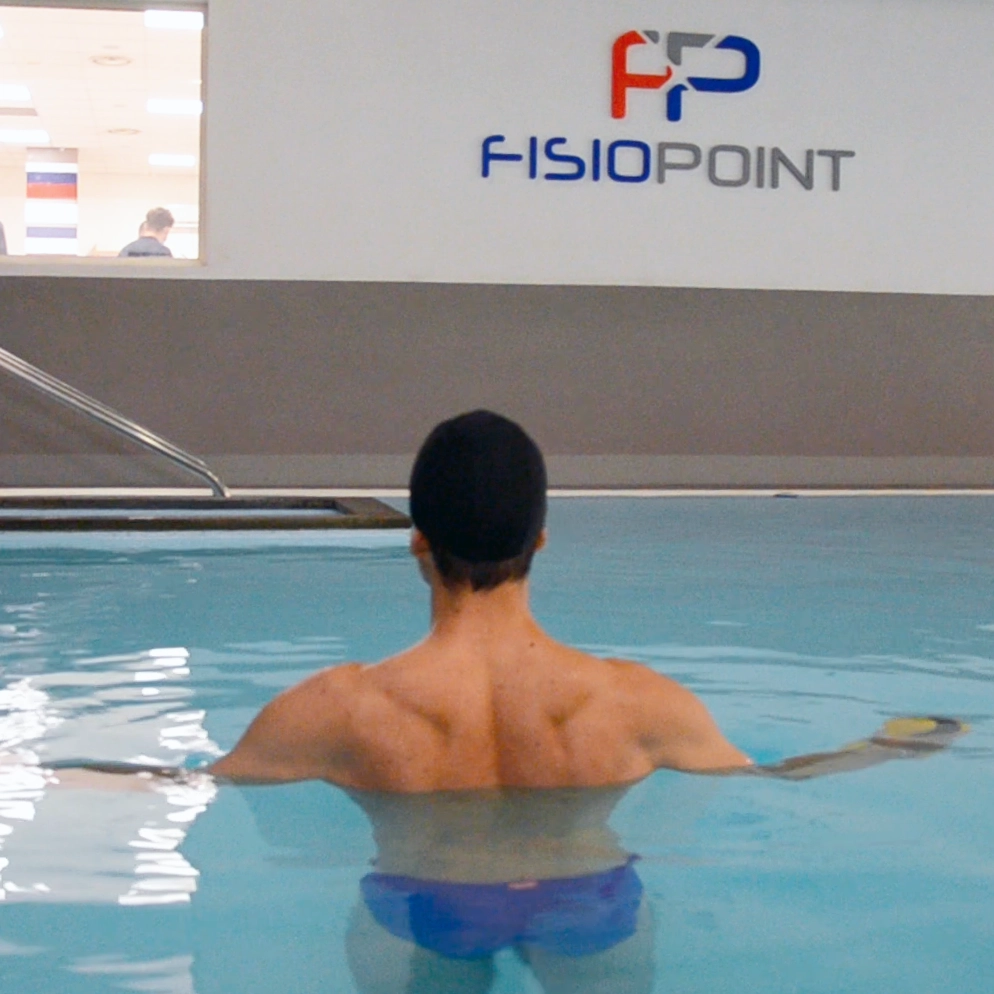
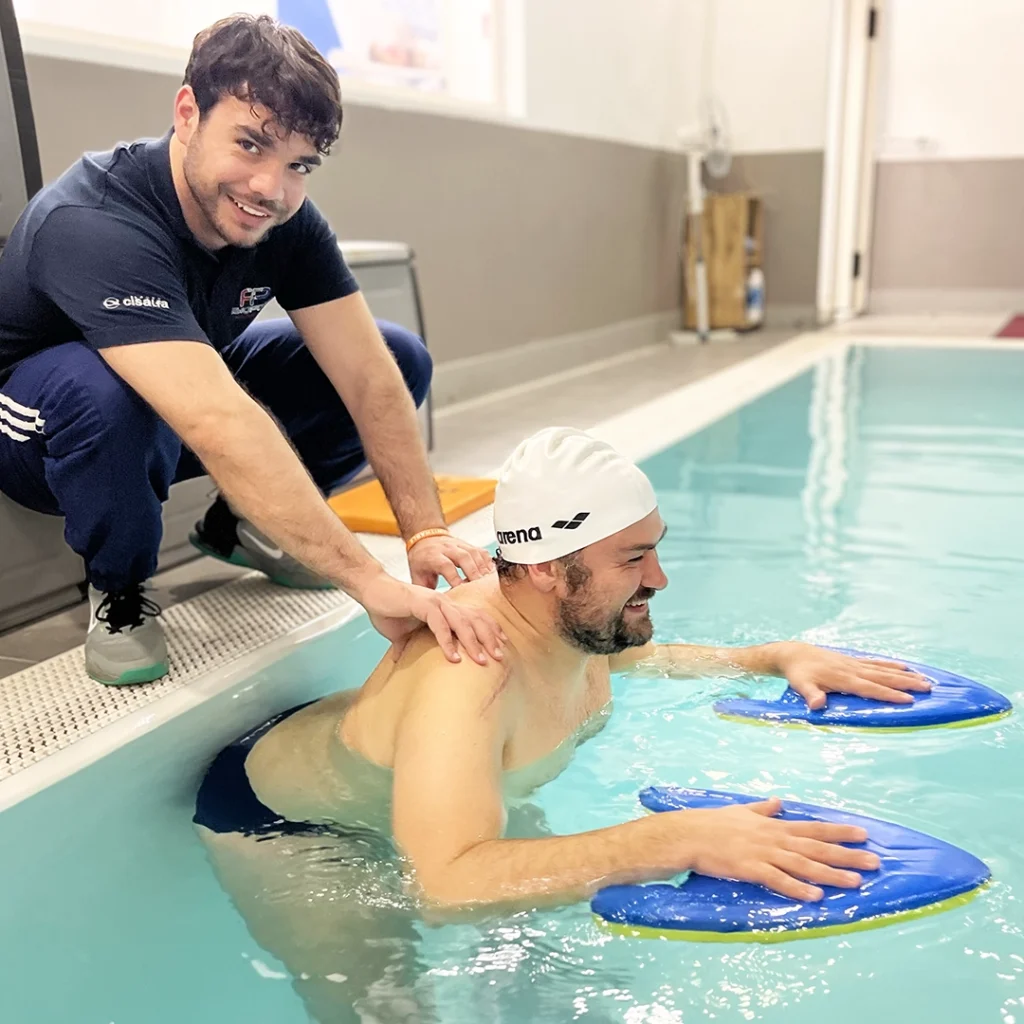
Increasing vasodilation allows the joint to receive more nutrients and defeat inflammation. So post-therapy wraps or, better still, combine work in a heated pool (Hydrokinesiotherapy) are well-established methods in an ad hoc rehabilitation pathway.
Drugs
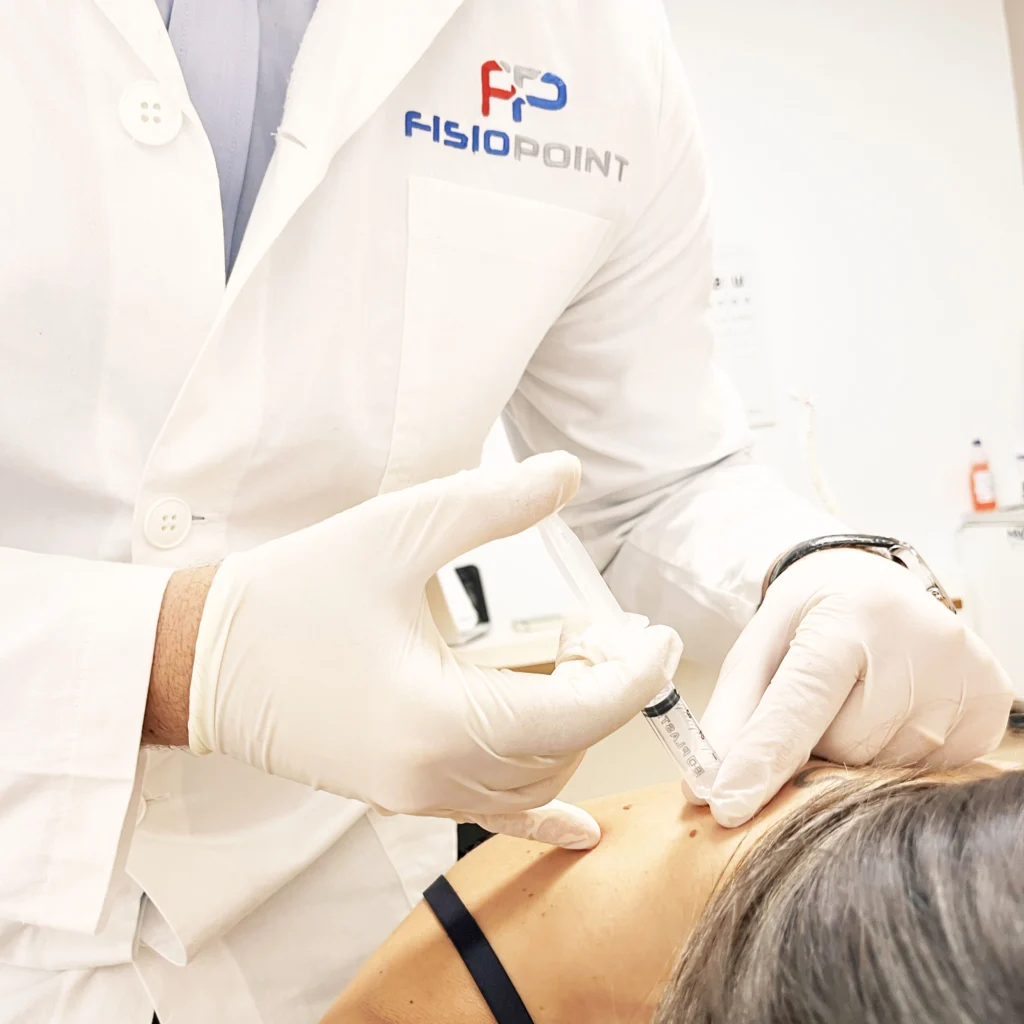
For the treatment of pain, anti-inflammatory drugs are also taken or, especially in the initial phase, even infiltration of cortisone.
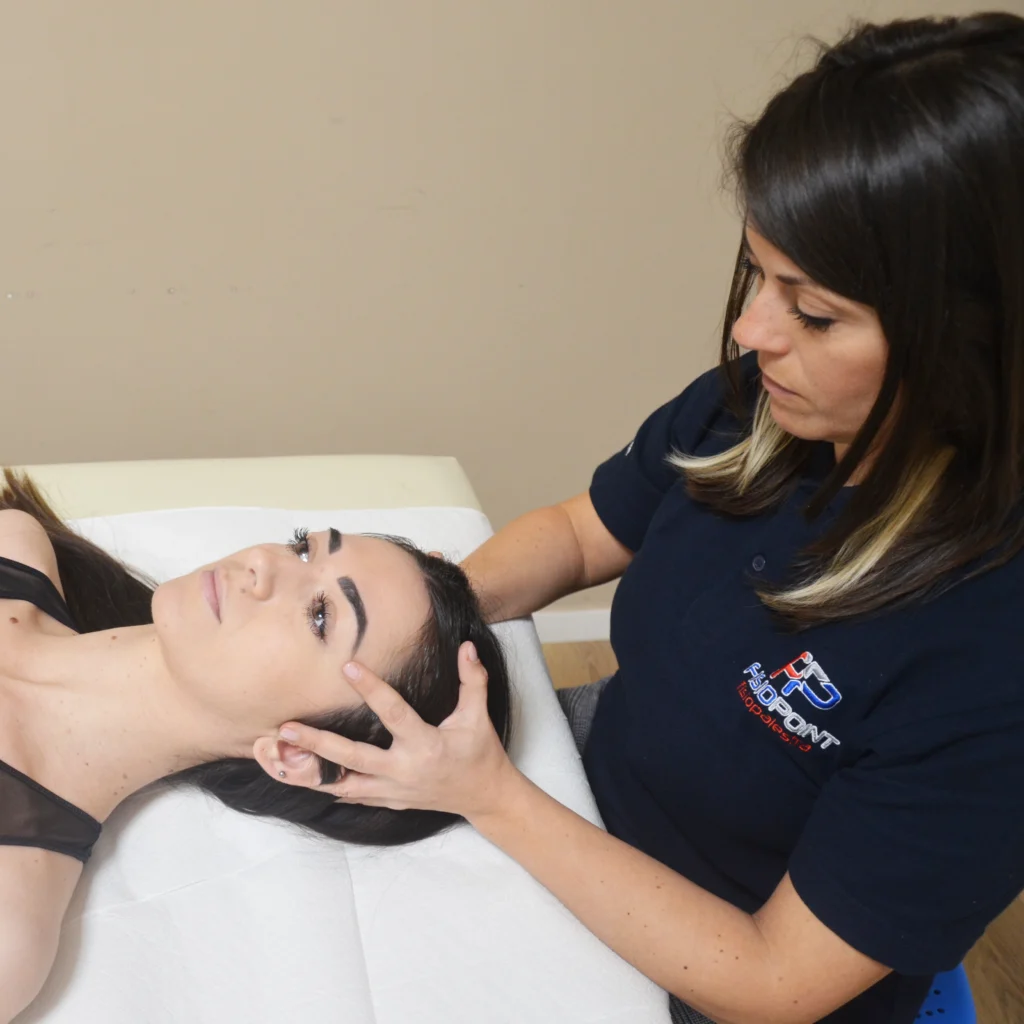
In addition to physiotherapy, other practices, carried out by skilled hands, such as osteopathy, are also effective. The latter practices have an overview of the entire body, and allow for a resolution of the problem, especially if the triggering causes are of a secondary nature.
Shoulder Rehabilitation Exercises: How to `freeze` the joint
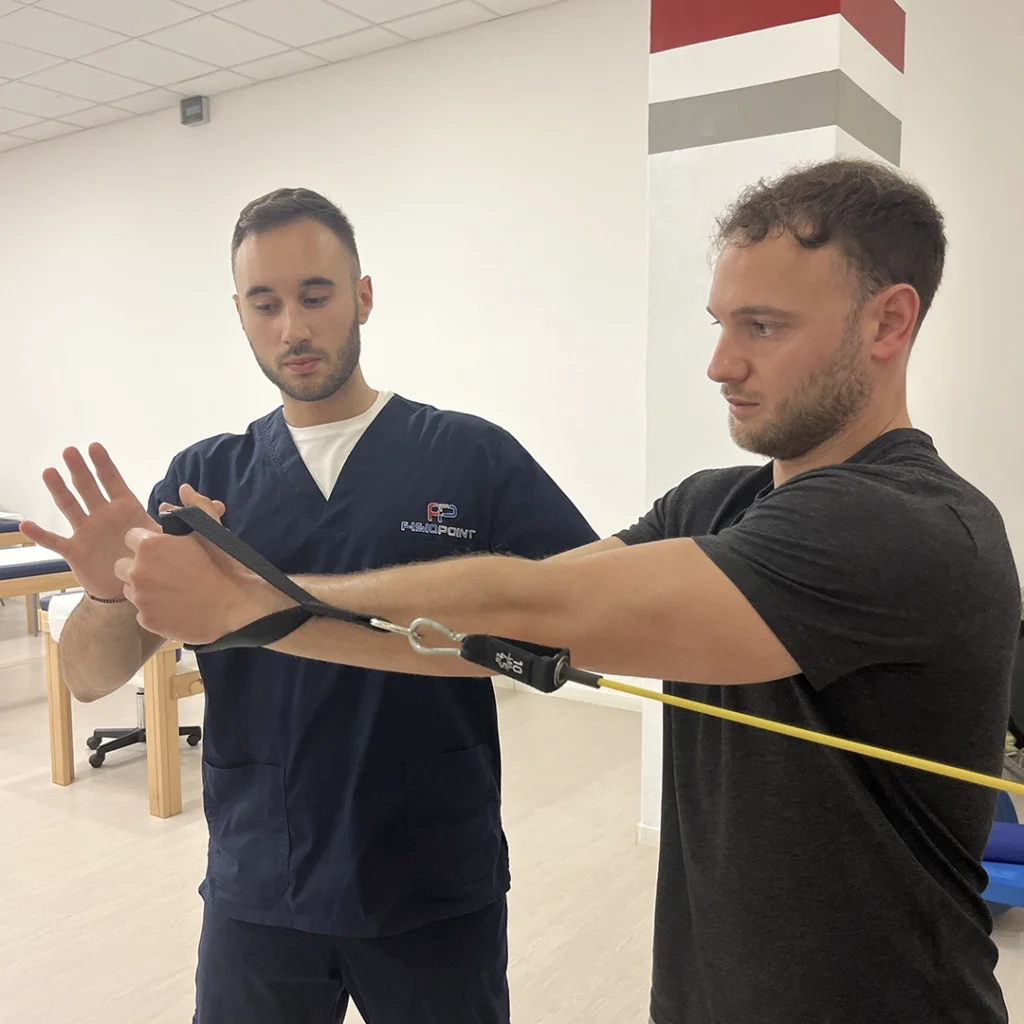
The most effective solution appears to be to combine passive therapy with exercises active, carried out by the patient every day also at home.
It is recommended, in the first phase, to carry out at least 3 physiotherapy sessions per week, if possible one hour of 'dry' therapy and one hour of hydrokinesitherapy. It is recommended, almost from the beginning, to do exercises at home, following the guidelines indicated by the therapist, in order to increase the perception of one's own body and to gain mobility, always respecting the pain. So, if one day one feels a lot of pain (it can happen) it is good to rest without doing exercises.
Pendulum exercise, Codman type
Lie prone on the couch, letting your arm hang to the side, or standing with your healthy limb on a fixed support, bend your upper body forwards (45-90°), letting your arm hang downwards. Relax the muscles and perform small forward/backward, right/left swings and finally small circles in both directions. It can be performed either at the beginning as a warm-up or at the end as a cool-down. Extension with stick. Lying on your back, grasp a stick with both hands, help yourself with your healthy limb and perform an extension with your arms stretched upwards. When you reach the maximum degree, stay for a few seconds and return to the starting position. Repeat at least 10 times.
External rotation with stick
Grasp a stick with both hands, elbows flexed at 90°. Push the hand of the arm to be rehabilitated outwards with the healthy arm, always looking for the 'blocking' point and back. Repeat at least 10 times. Stretching anterior capsule. Rest your outstretched arm at approximately 90° on a doorframe and rotate your torso to increase anterior tension. Hold for at least 30 seconds and continue breathing correctly trying to gain joint ROM.
Stretching posterior capsule
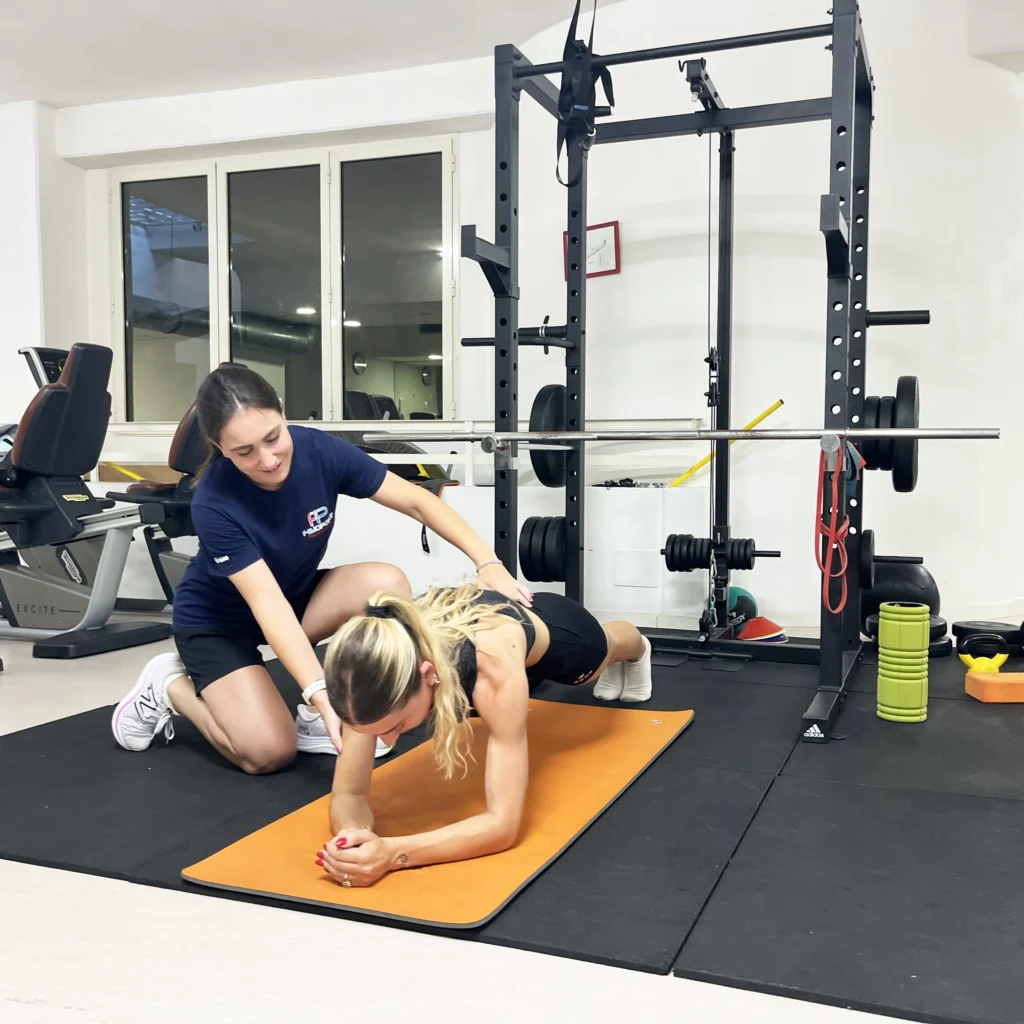
Grasp the elbow of the limb to be rehabilitated with the other hand and try to bring it closer to the chest by increasing tension in the posterior region of the shoulder. Hold for at least 30 seconds, continue breathing correctly trying to gain joint ROM. Once the ROM has been regained with these exercises, correct scapular kinetics must be acquired and the shoulder muscles must be strengthened with Personal Training.
Once the ROM has been regained with these exercises, correct scapular kinetics must be acquired and the shoulder muscles must be strengthened with a course of Personal Training.
WARNING: these are exercises that must ALWAYS be performed after a proper warm-up of the structures, but above all they must be performed correctly to avoid worsening the situation. Unfortunately, sometimes this rehabilitation is not enough and surgical treatment must be carried out. This involves a capsule release with the removal of adhesions under arthroscopy. A physiotherapeutic course will then be carried out.
Text by Claudio Paolacci
Learn more by watching the videos on our channel YouTube






 English
 Italian