What is arthrosis?
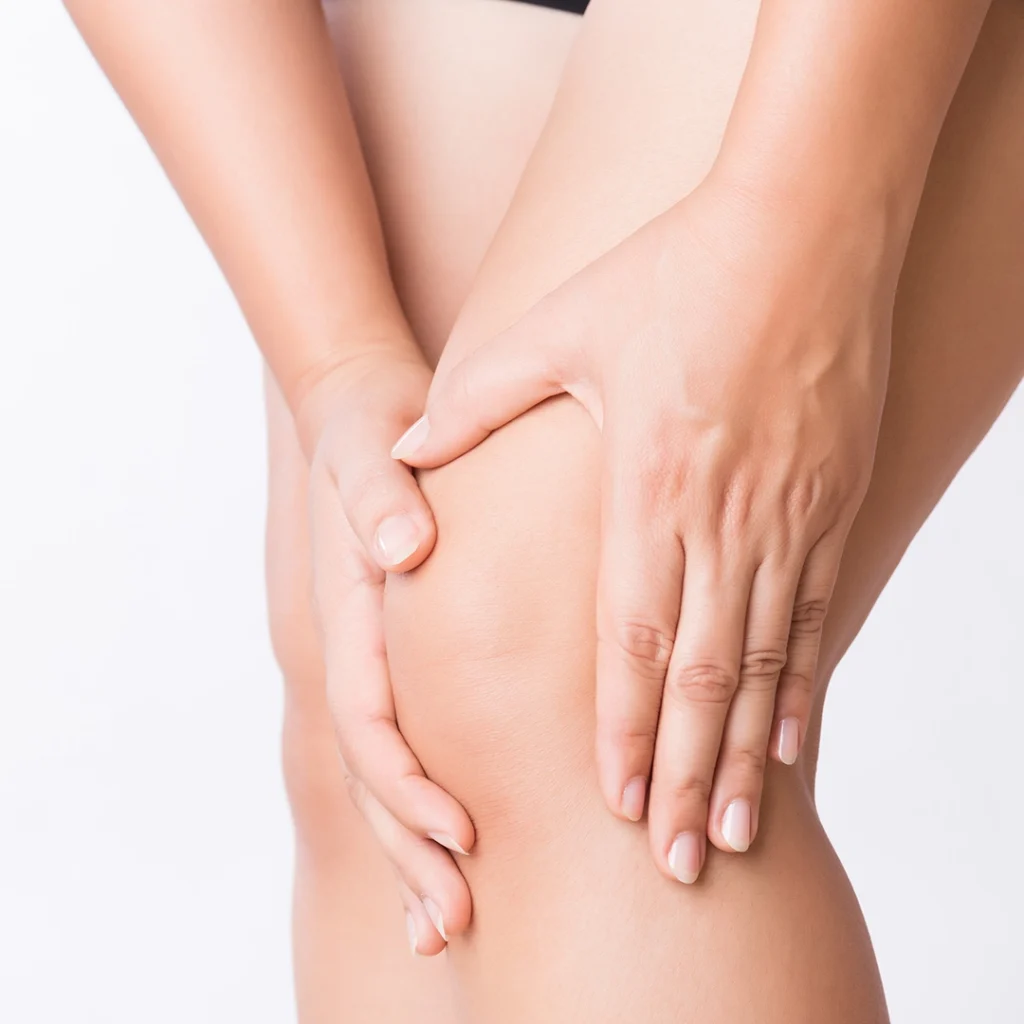
Arthrosis is a chronic degenerative joint disease that, over time, causes pain, stiffness and restricted movement as a result of thinning of the articular cartilage. This is an elastic connective tissue that lines the articular surface of bones and prevents direct rubbing between them, which would cause pain and inability to move.
What are the causes of knee arthrosis?
The causes of arthrosis can be complex and multifactorial. In fact, arthrosis and the timing of its onset often revolve around a number of contributory causes. In the specific case of the knee, the reasons depend closely on the patient's lifestyle. The elements that may contribute most to its development are:
- Age
- Gender (women are more affected)
- Familiarity and genetic predisposition
- Overweight
- Type of sporting activity performed
- Heavy work activities
Anatomy of the knee
One of the joints most commonly affected by arthrosis is that of the knee. This is due, in large part, to its anatomy and the fact that the knee performs so many repetitive movements throughout our lives, just think of how much we walk every day. Moreover, it is a joint that always bears the load and weight of our body.
The knee is a joint composed of:
The ligaments that hold the joint together and compact are:
- Anterior cruciate ligament
- Posterior cruciate ligament
- Medial collateral ligament
- Lateral collateral ligament
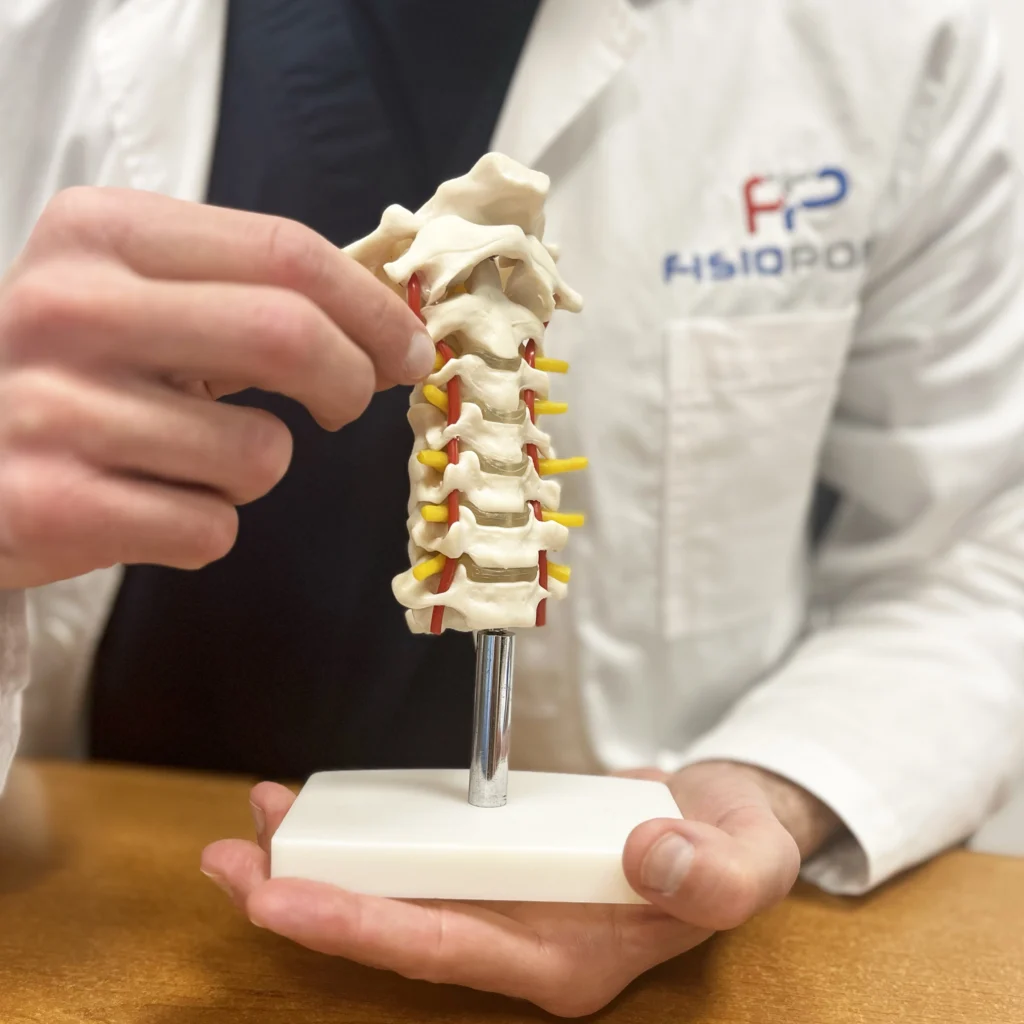
In addition, between the tibia and femur are 2 menisci (one lateral and one medial) and, along the lower surface of the femur and the upper surface of the tibia, there is articular cartilage. This, as we have said, is the element that will deteriorate as the arthrosis process progresses, and this will lead to a consequent involvement and damage of all the other structures present in the knee.
What are the symptoms of knee arthrosis?
The symptoms of knee arthrosis, the progression of the disease and its severity are very subjective and there is no standard time or mode of onset. In fact, symptoms do not necessarily appear immediately after the degenerative process begins; on the contrary, in most cases there is no discomfort for a long time. Over the years, with advancing age, and with progressive wear and tear of the joint, one will begin to experience symptoms such as:
- Pain
- Joint stiffness
- Knee swelling
- Difficulties in walking
- Creaking noises during movement
The symptoms of arthrosis tend to worsen with movement and overload.
What are the diagnostic tests for knee arthrosis?
Arthrosis is a process that negatively affects the bone and cartilage structure. Consequently, an X-ray is sufficient to investigate the situation. The main radiographic signs are:
- Bone thickening along the rhyme of the femur, tibia and patella
- Presence of osteophytes
- Reduction of the joint space between the femur and tibia.
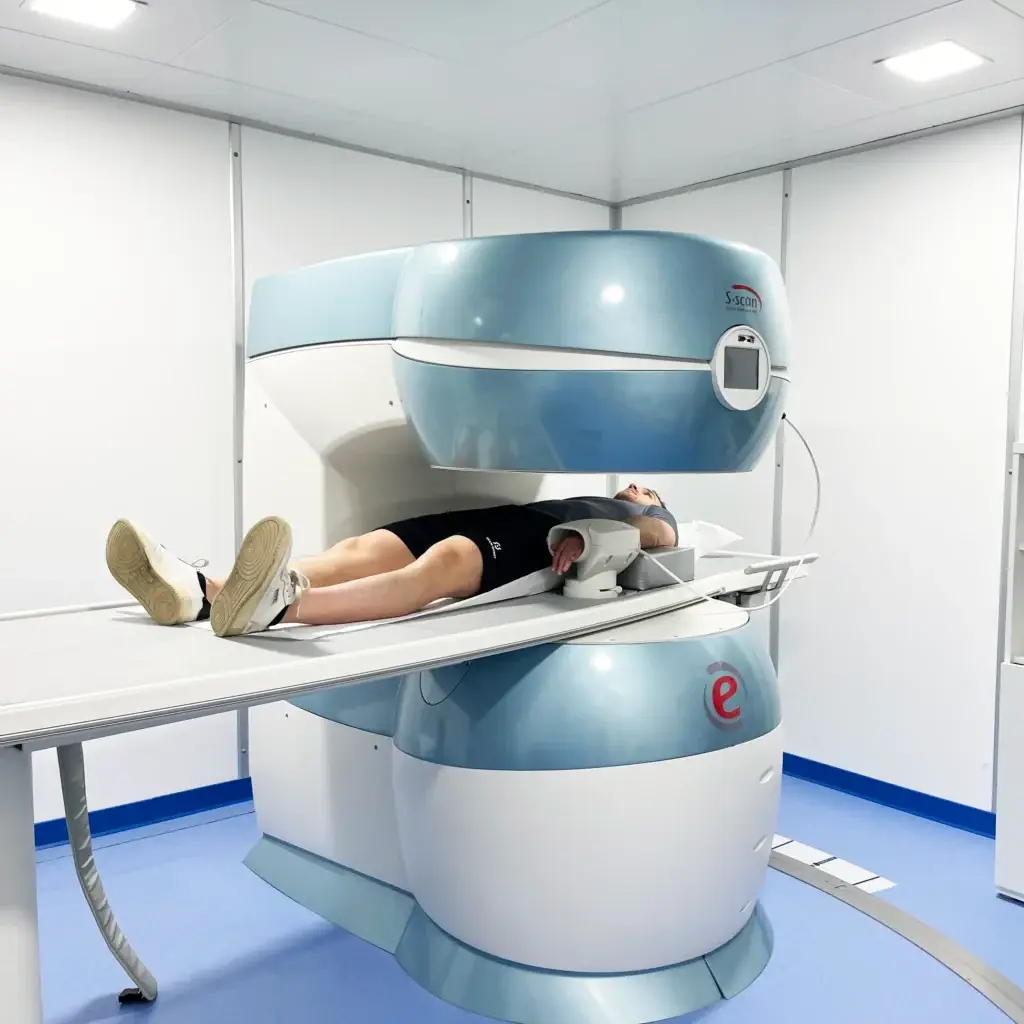
Sometimes specialists use MRI as a diagnostic reference examination to assess the health of the soft tissues of the knee.
What to do in case of knee arthrosis?
Arthrosis is a chronic degenerative physiological process, so there is no remedy or cure. This, however, does not mean that nothing can be done about it. In fact, it is possible to reduce the pain symptoms and at the same time stimulate the muscles in the knee joint to make it more stable.
What is the treatment of knee arthrosis?
As a first step, it is always advisable to consult your doctor if you have painful symptoms, so that he or she can prescribe pain-relieving medication and, if necessary, diagnostic tests.
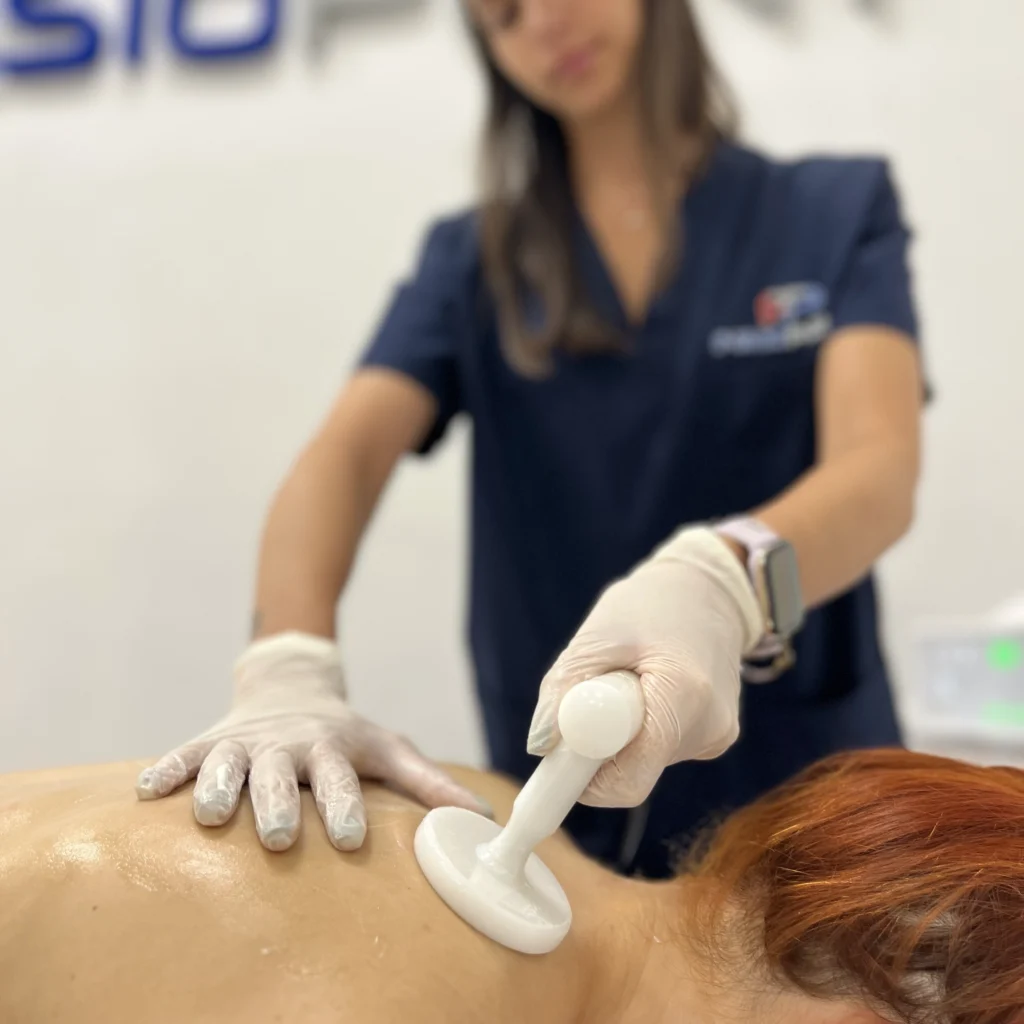
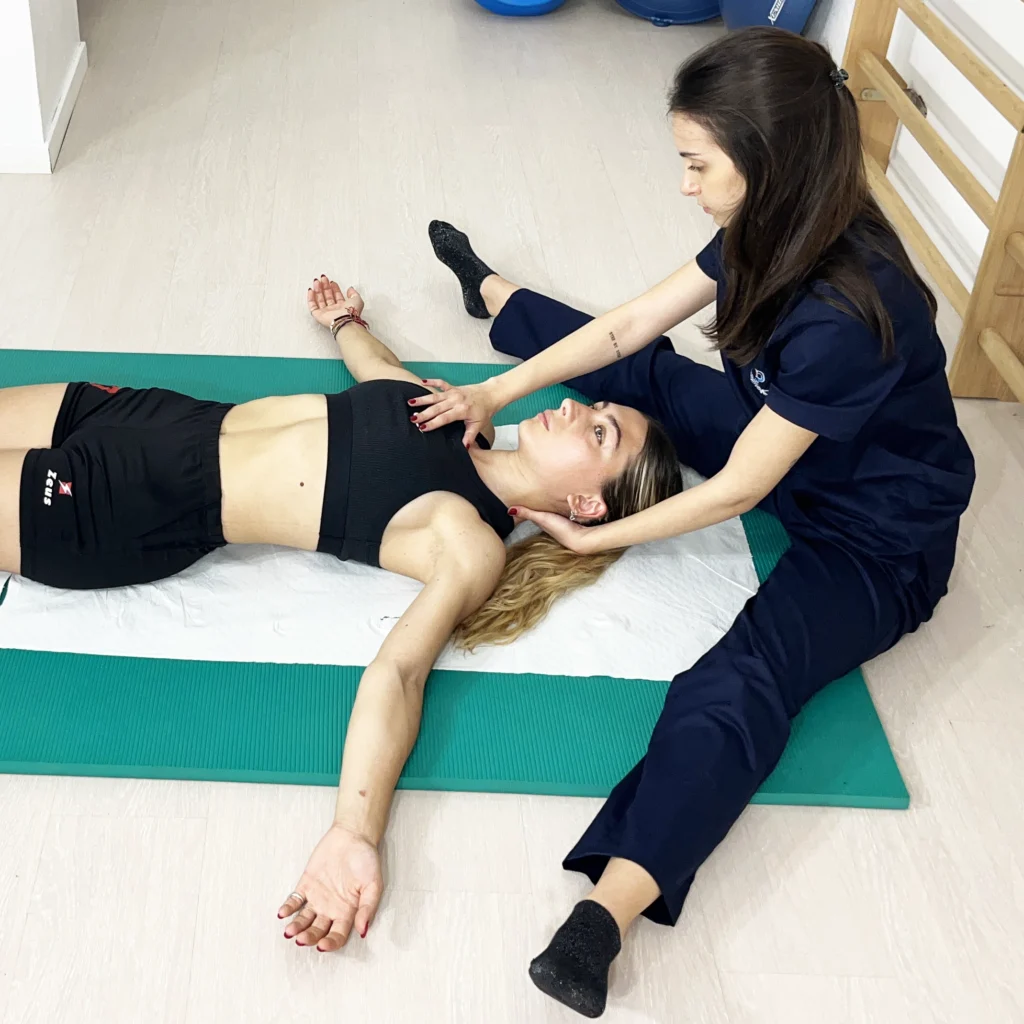
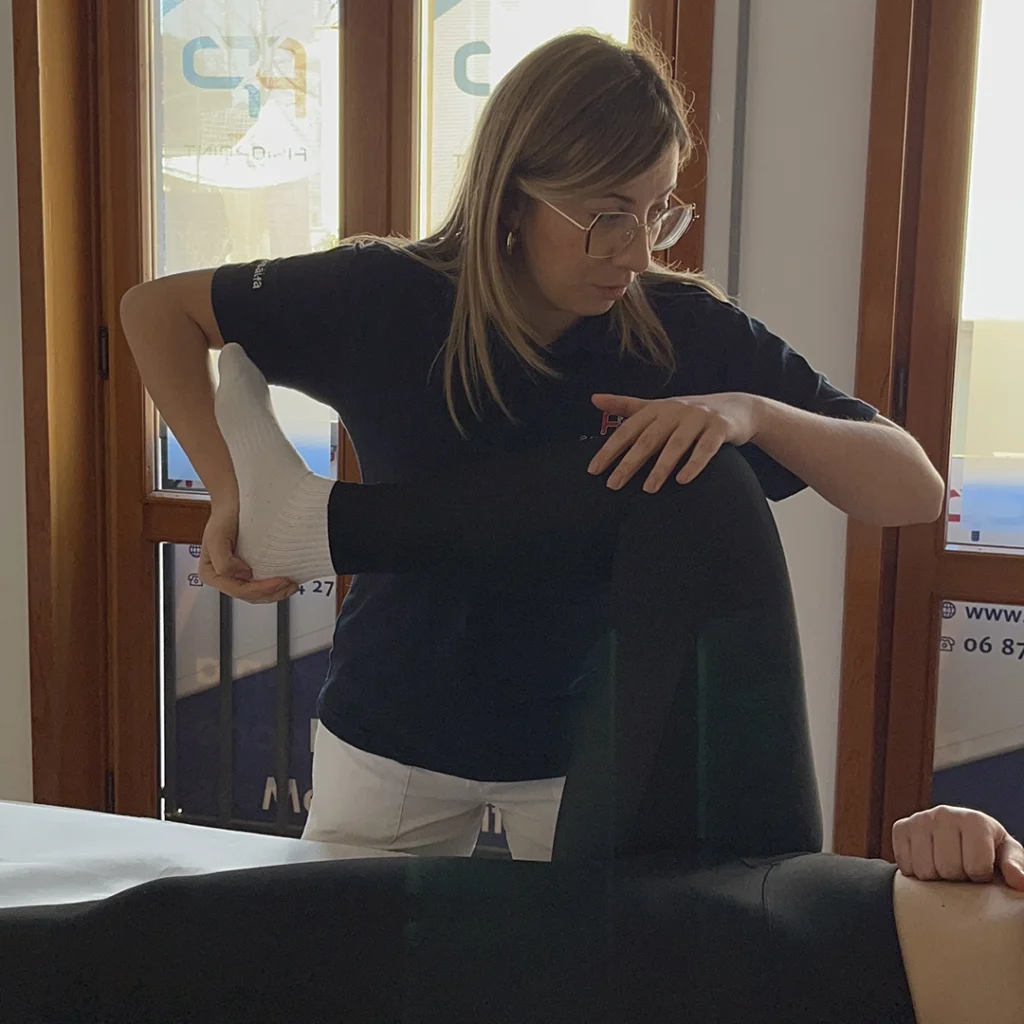
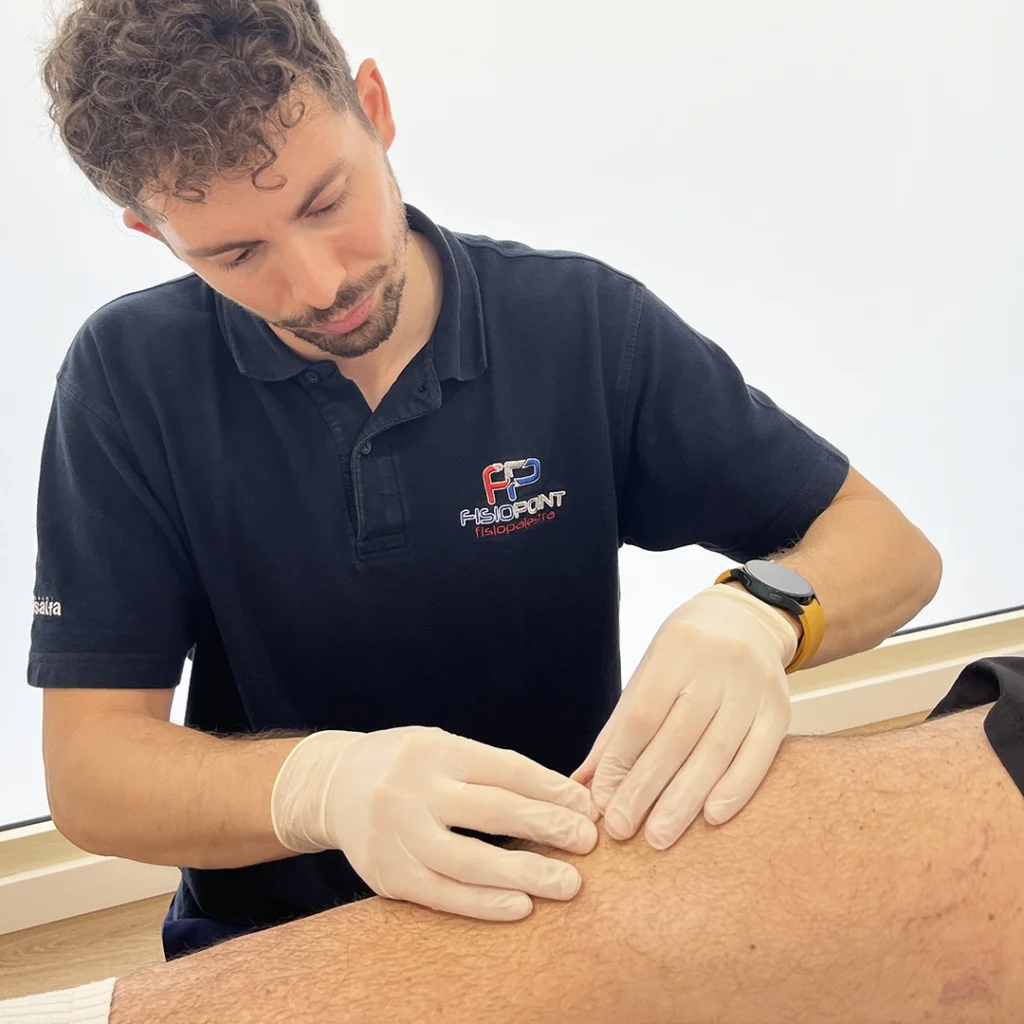
Physiotherapeutic treatment can also help with pain in the first instance through the use of specialised machines such as:
The main objective of physiotherapy, however, is to strengthen the knee joint, so that not only is the pain reduced, but the degenerative process of arthrosis proceeds more slowly.
The patient will then perform, under the therapist's instructions, exercises aimed at strengthening the muscles that support the knee joint and the lower limb. Exercises will also be carried out to stretching of the lower limbs to maintain their elasticity. The focus will therefore be on:
- Quadriceps
- Ischiocrurali
- Glutei
Some tools can be used such as:
- Pesetti
- Elastics
- proprioceptive tablets
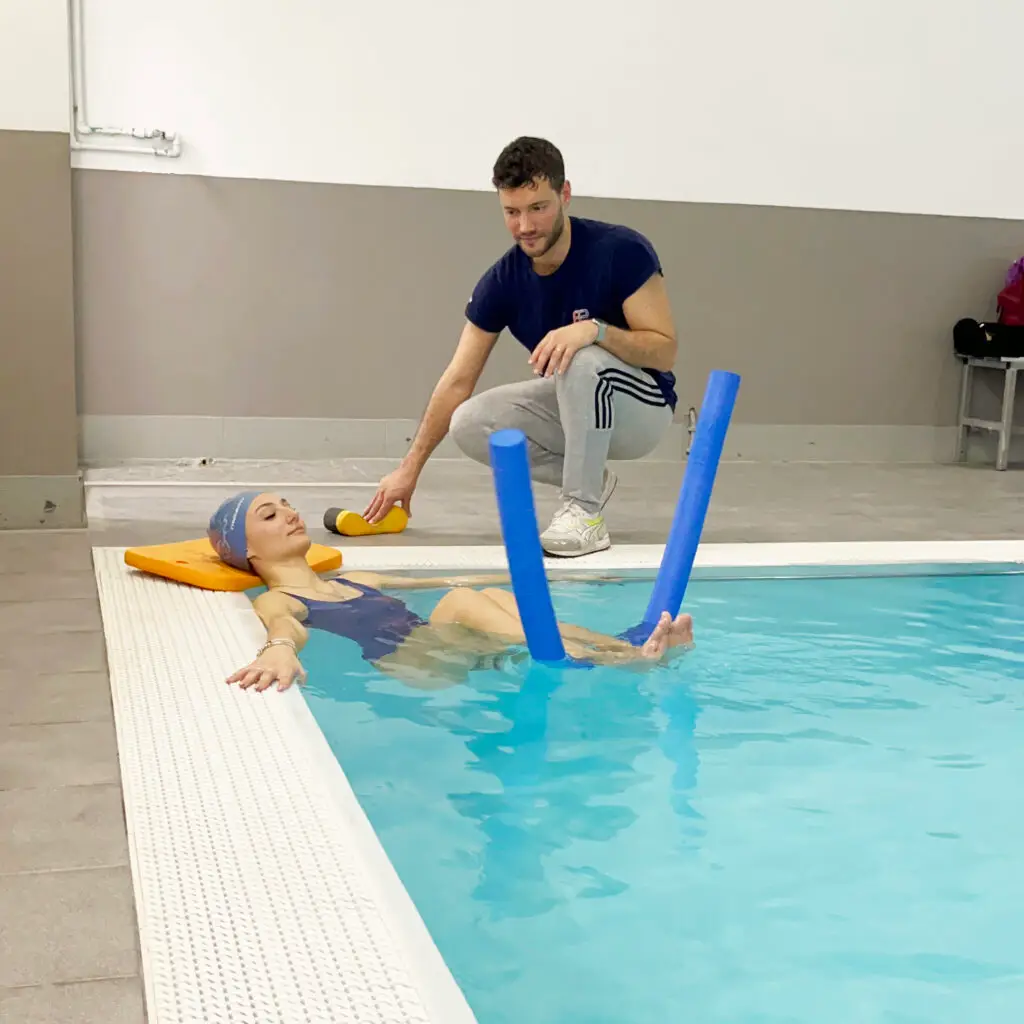
In cases of advanced arthrosis, it may also be very useful to assess thehydrokinesiotherapy in order to be able to perform demanding exercises in the presence of reduced gravity and thus in total absence of pain.
In very painful cases, the doctor may also decide to perform infiltration of hyaluronic acid or corticosteroids while, in other cases where the margin for improvement is extremely low, as is often the case in older people, they opt for surgery with implantation of knee prosthesis. In most cases, the operation is very successful and rehabilitation is short. In a few months, the patient will be able to walk properly again without pain and resume his or her daily activities.
Text by Alessandra Burelli
Learn more by watching the videos on our channel YouTube


 English
 Italian