Knee fractures
It occurs as a result of violent trauma. In some situations, it is not possible to adopt a conservative or stabilising approach to the various parts of the fracture. Knee replacement surgery is then opted for in order to restore the relationship of the joint.
Knee deformities (varus/valgus)
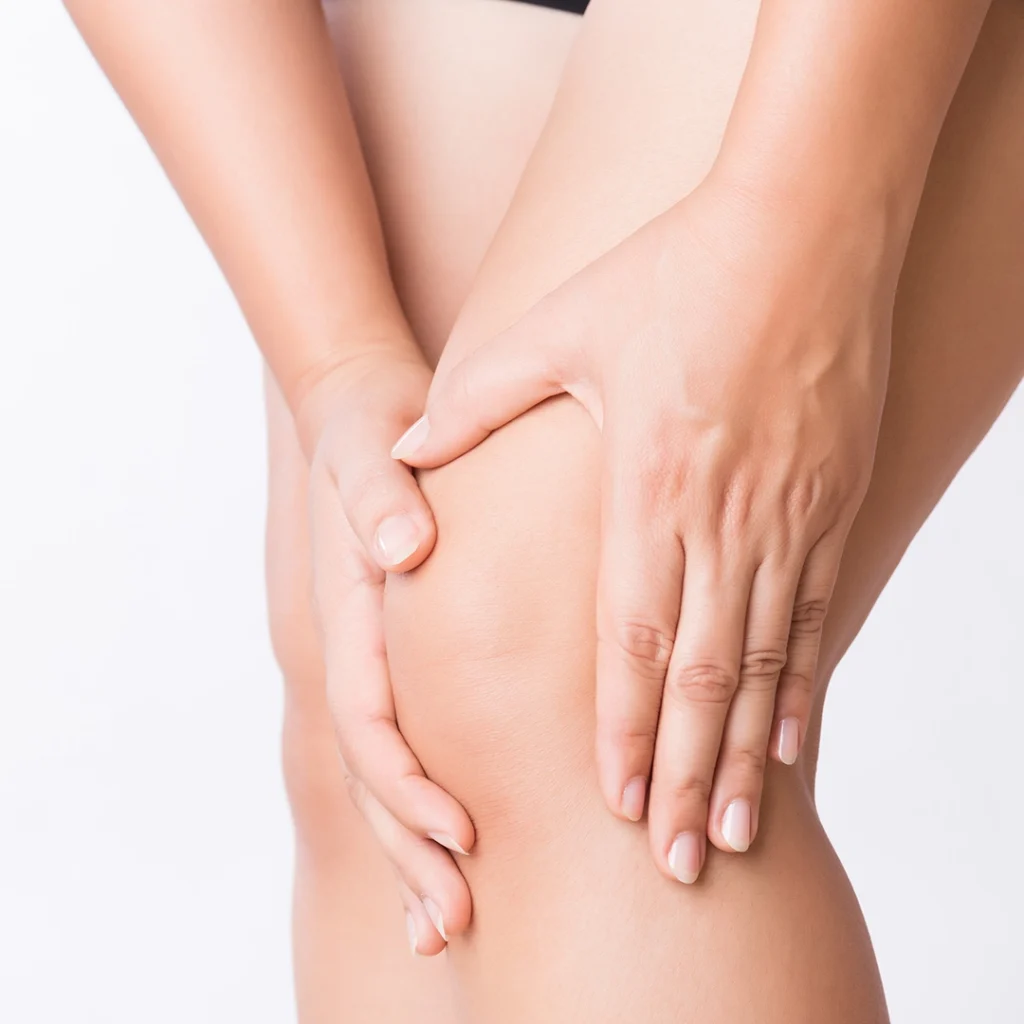
These structural conditions of the knee lead to increased pressure on the inner or outer part of the tibial plateau. Over time, this will lead to accelerated wear of part of the knee joint. This will consequently lead to limited knee mobility and pain.
How is a knee replacement chosen?
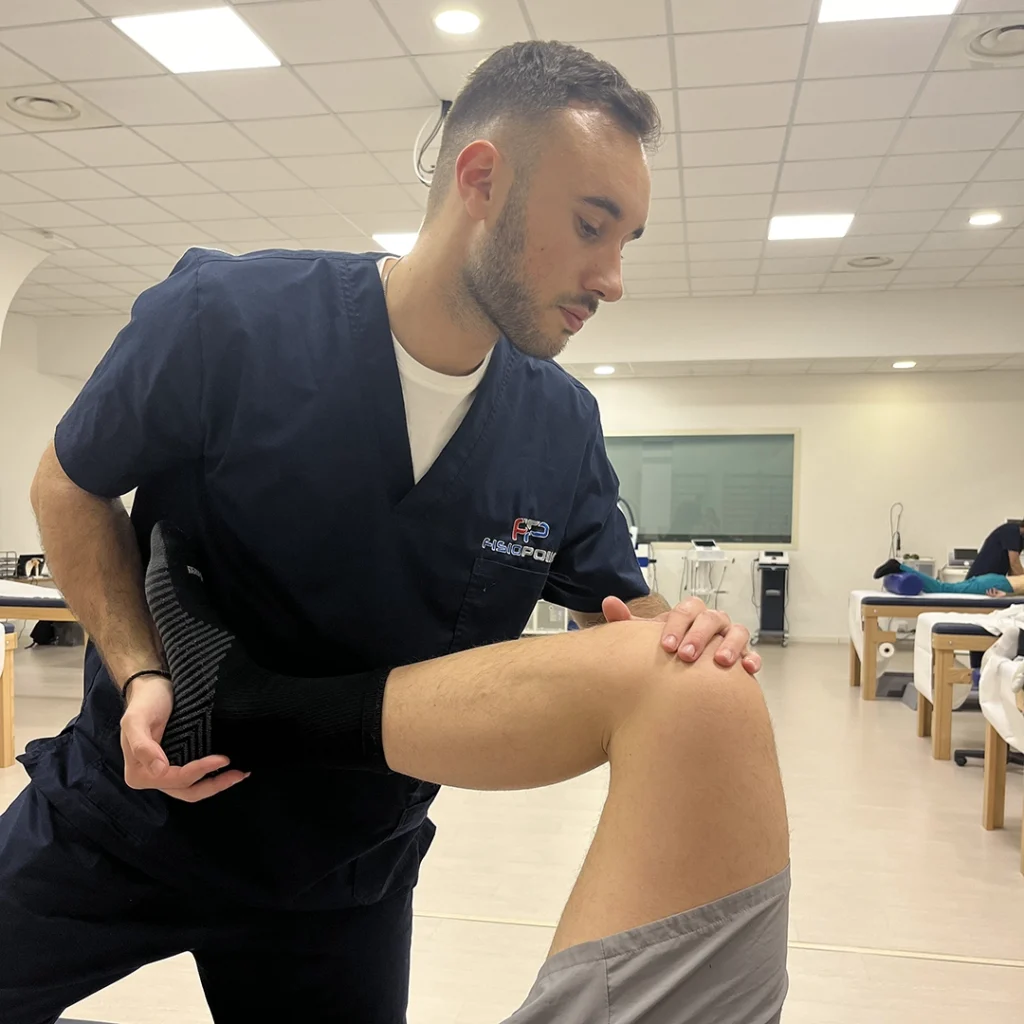
La protesi di ginocchio viene programmata dal chirurgo ortopedico specializzato a seguito di una visita accurata del paziente. Attraverso alcune tecniche manuali valuterà la condizione del ginocchio dal punto di vista della mobilità e della stabilità dei legamenti. Indispensabili per la diagnosi e la decisione operatoria sono le principali indagini diagnostiche:
Lastra (RX) sotto carico, utile per valutare un’eventuale l’knee arthrosis or fractures
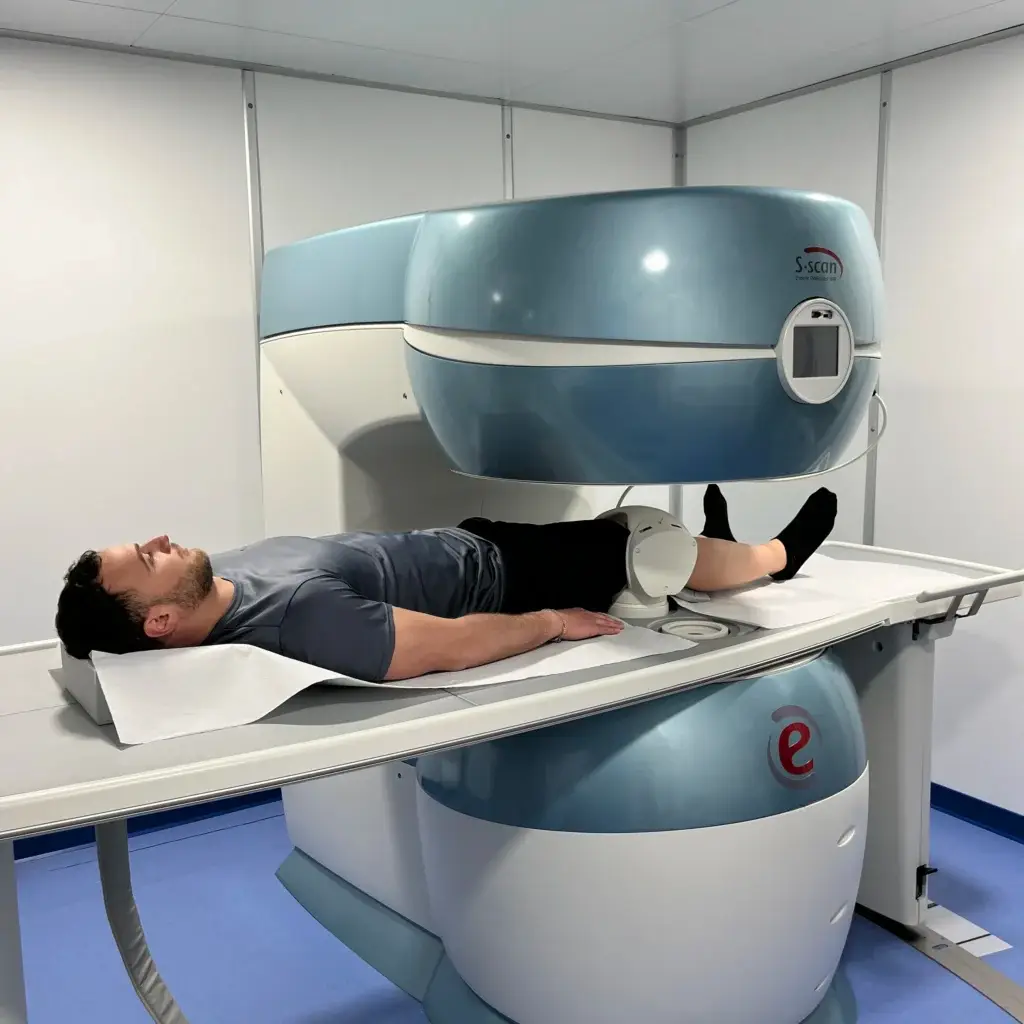
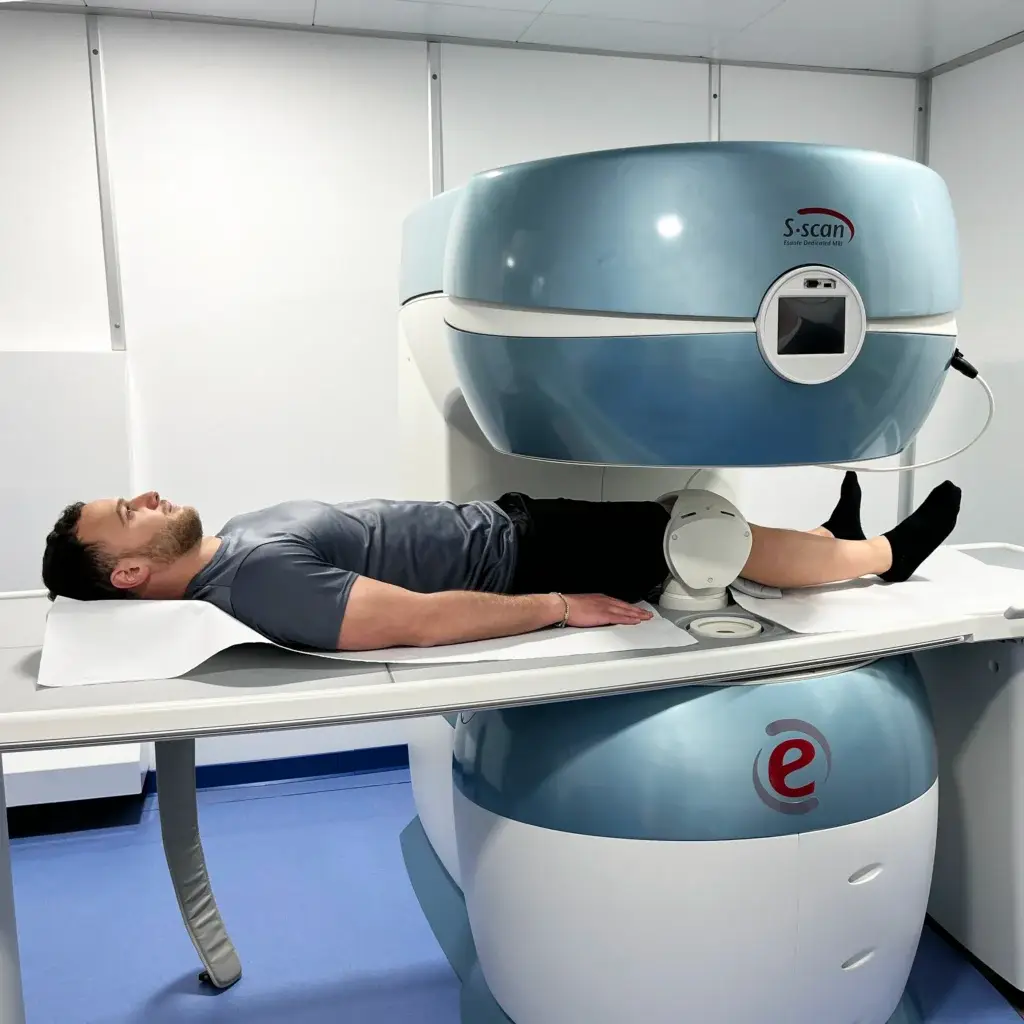
Magnetic resonance imaging (RM), utile per la valutazione dei tessuti molli del ginocchio (legamenti, tendini, menischi, ecc..)
Tomografia computerizzata (TC), indispensabile per lo studio dell’operazione di protesi del ginocchio
Ottenuti tutti gli elementi per individuare lo stato del ginocchio, il chirurgo orthopaedist can make use of different types of prosthesis. The most common are as follows:
- Prosthetics monocompartmental knee
- Total knee replacement
Is it useful to arrive 'prepared' for knee replacement surgery?
Se le condizioni dolorose lo permettono è sempre bene effettuare una riabilitazione pre operatoria. A seguito dell’intervento alcune strutture che rendono il ginocchio stabile potrebbero essere eliminate.
Un buon tono muscolare, una buona educazione alla riabilitazione e l’apprendimento di esercizi utili da eseguire dopo l’intervento, permettono di svolgere il decorso post-operatorio in maniera più agevole.
What to do after knee replacement surgery?
Subito dopo l’intervento è necessario attuare delle precauzioni al fine di evitare complicanze trombotiche e che il ginocchio si gonfi (gamba rialzata, calza compressiva, ecc.). Da sdraiati è bene evitare di rimanere troppo a lungo con il ginocchio flesso. Infatti, sarebbe ideale posizionare un piccolo supporto sotto al tallone: in questo modo il piede non “affonda” nel materasso e il ginocchio è in grado di mantenere una posizione più estesa.
Raggiungere precocemente una buona estensione del ginocchio migliora la deambulazione ed evita un sovraccarico delle strutture anteriori.
In base alle indicazioni del chirurgo ortopedico, si inizierà a camminare con l’ausilio di due bastoni canadesi per poi ridurne l’utilizzo con il proseguire della fisioterapia.
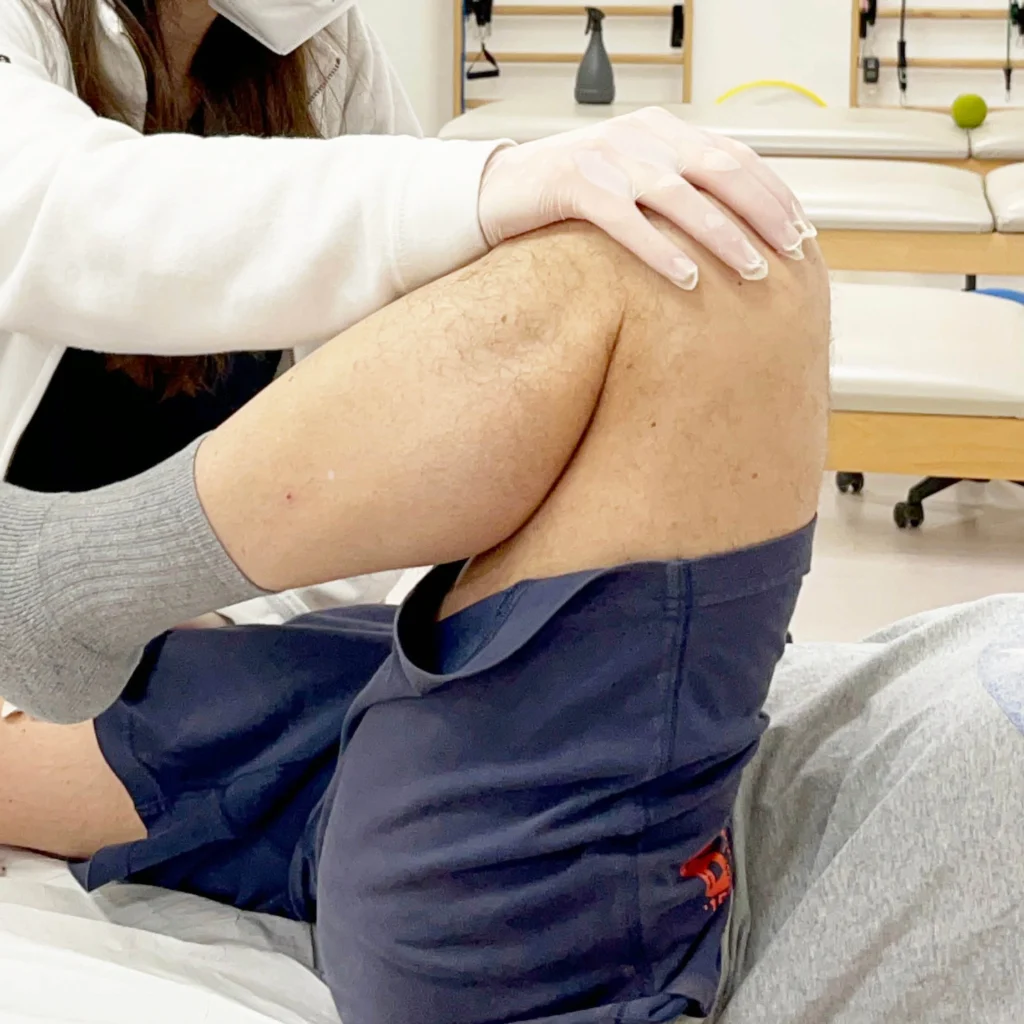
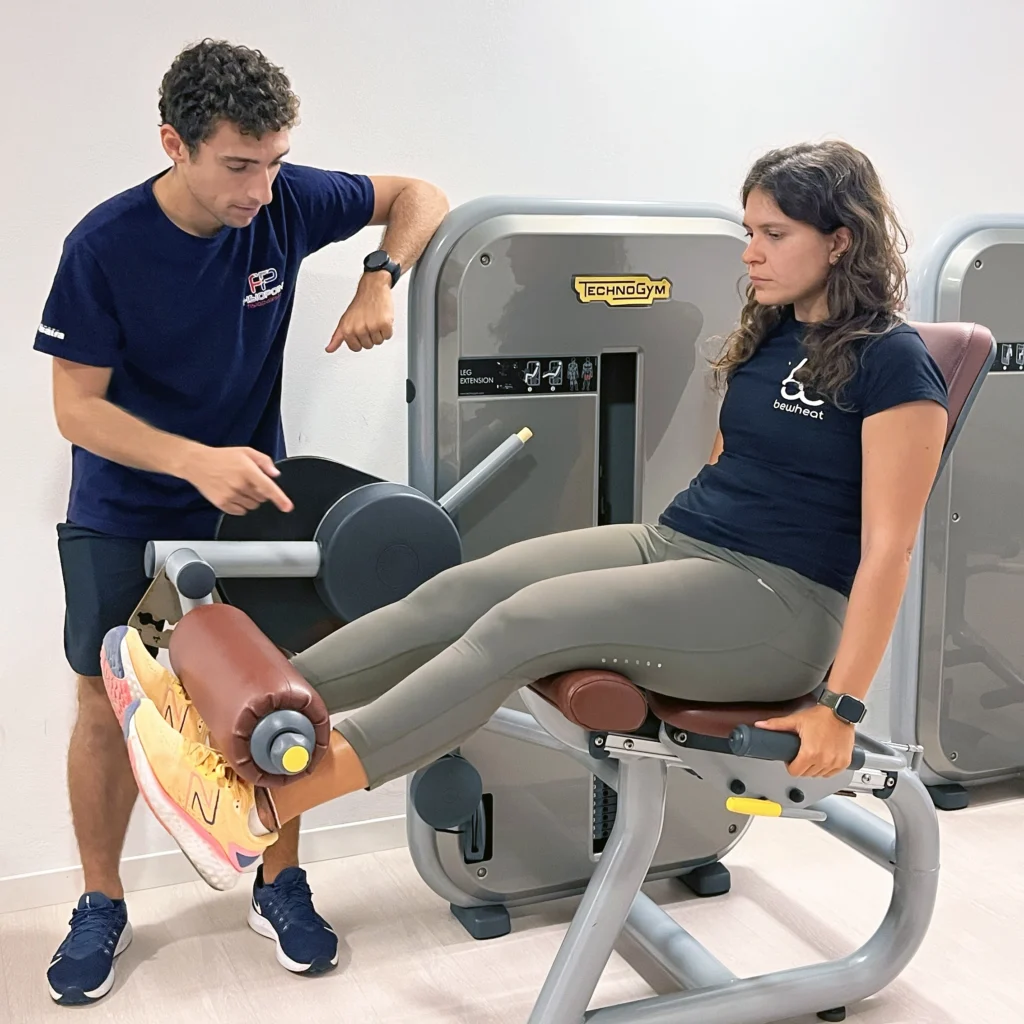
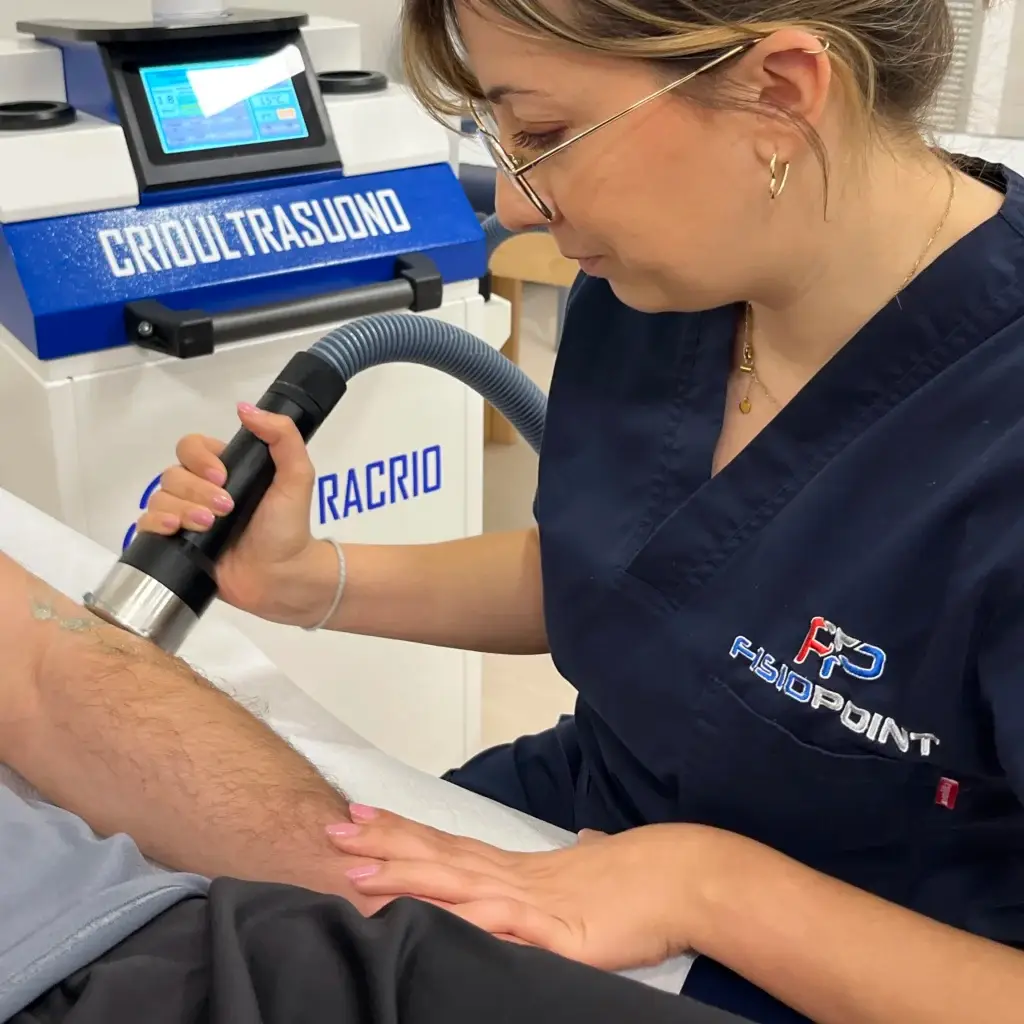
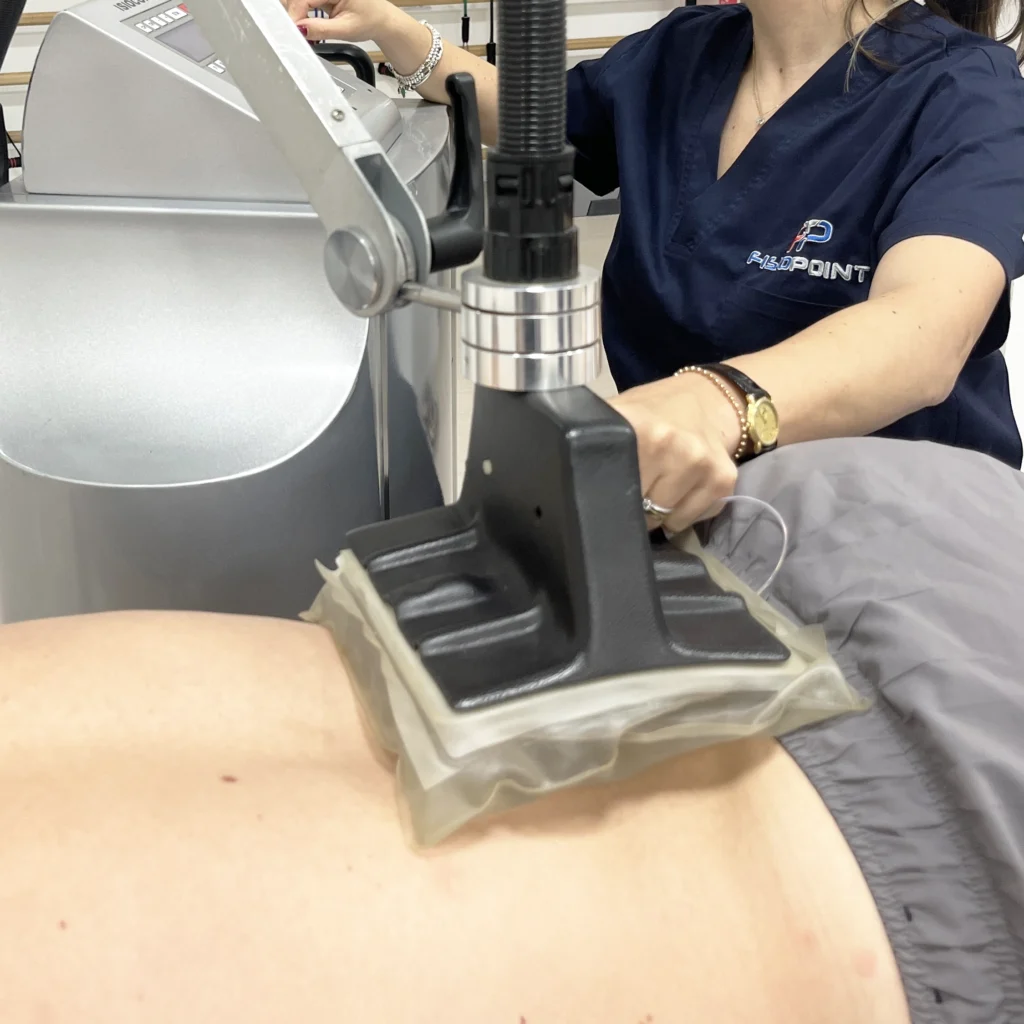
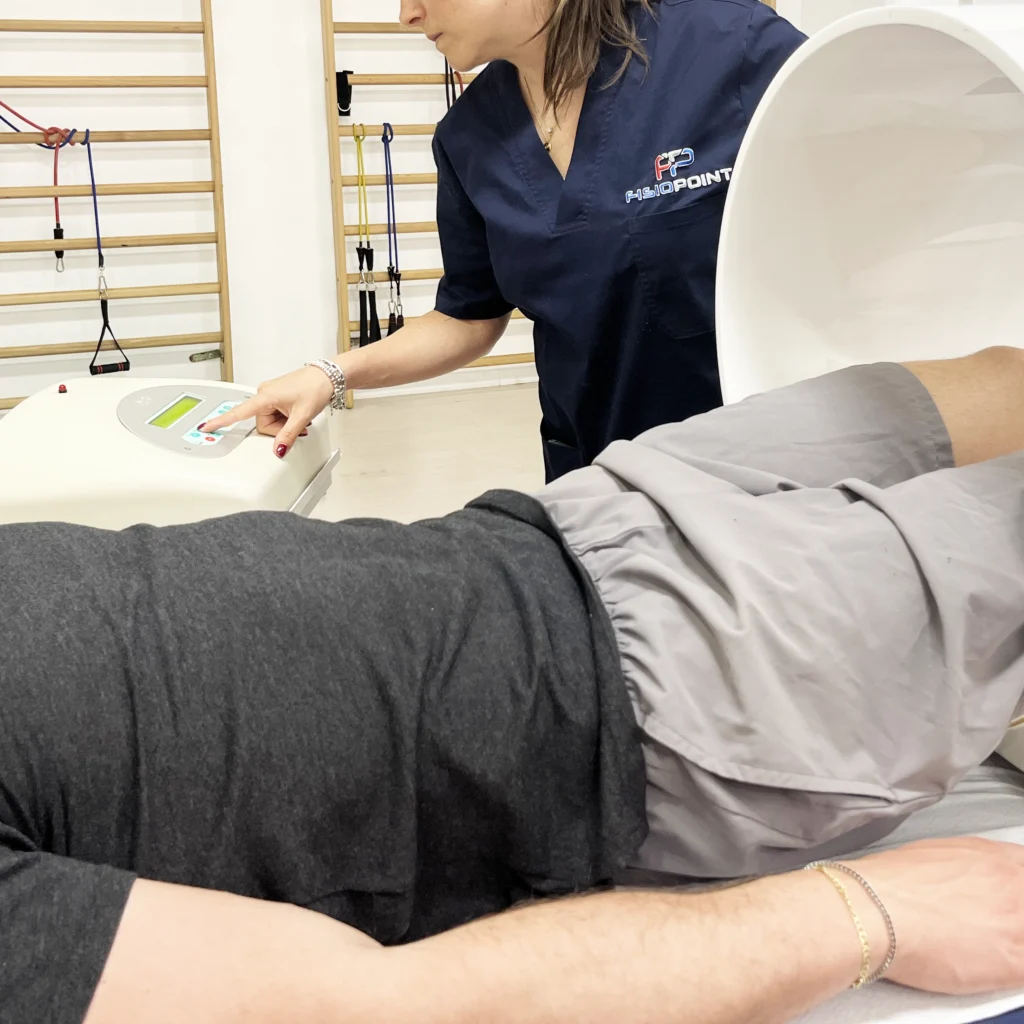
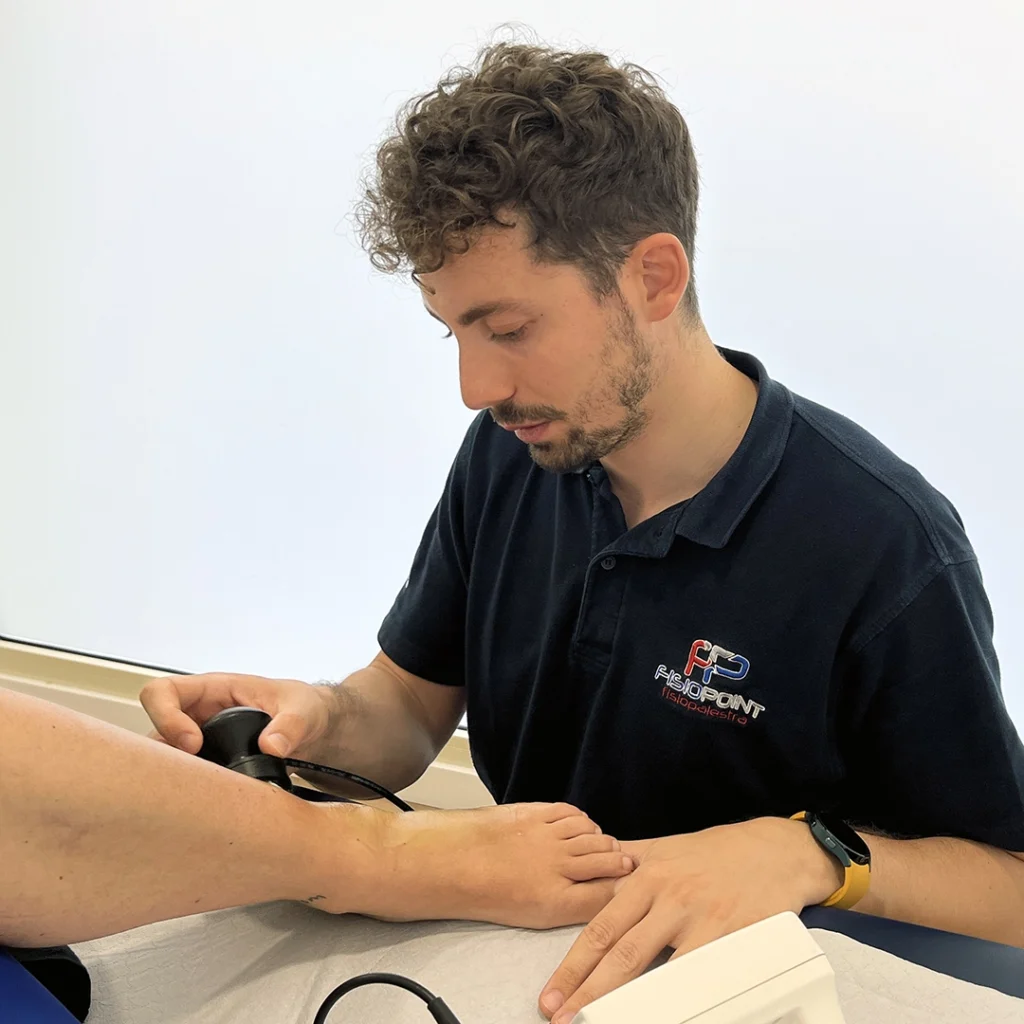
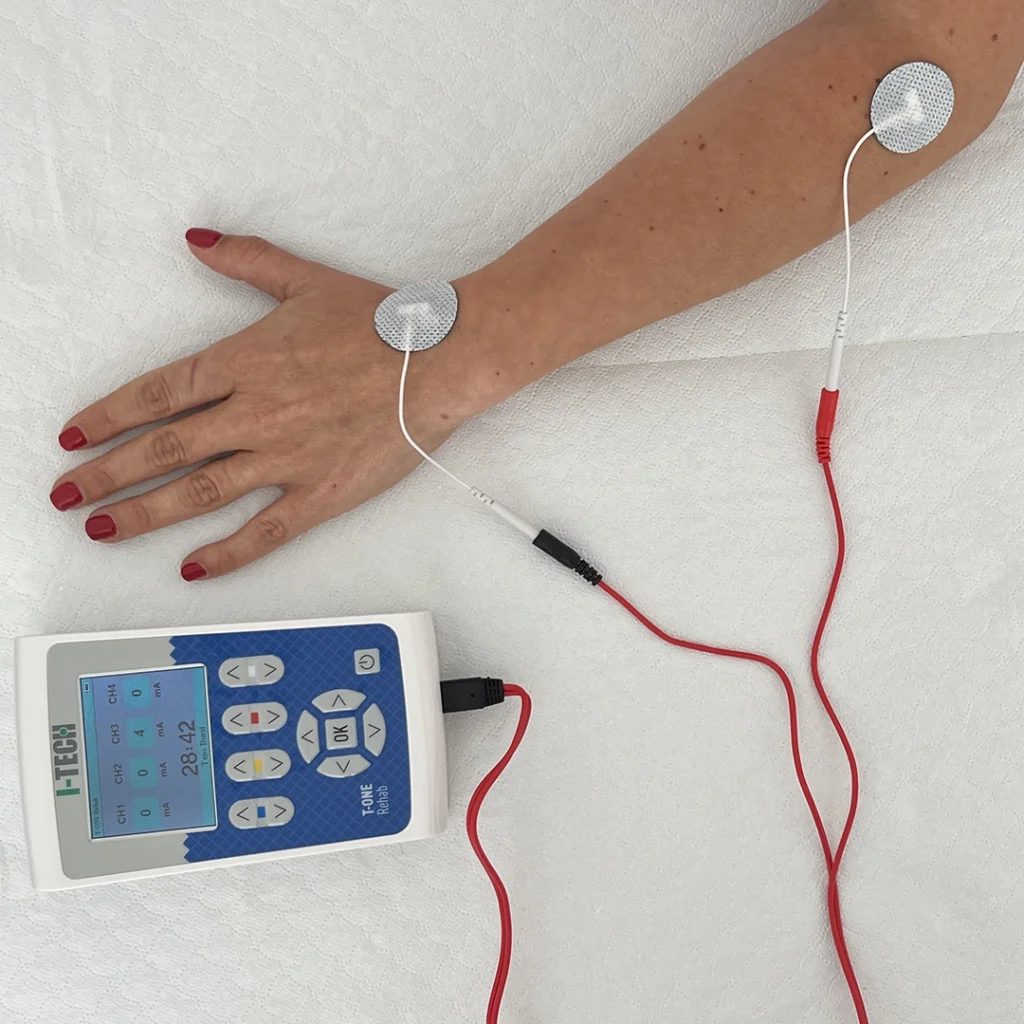
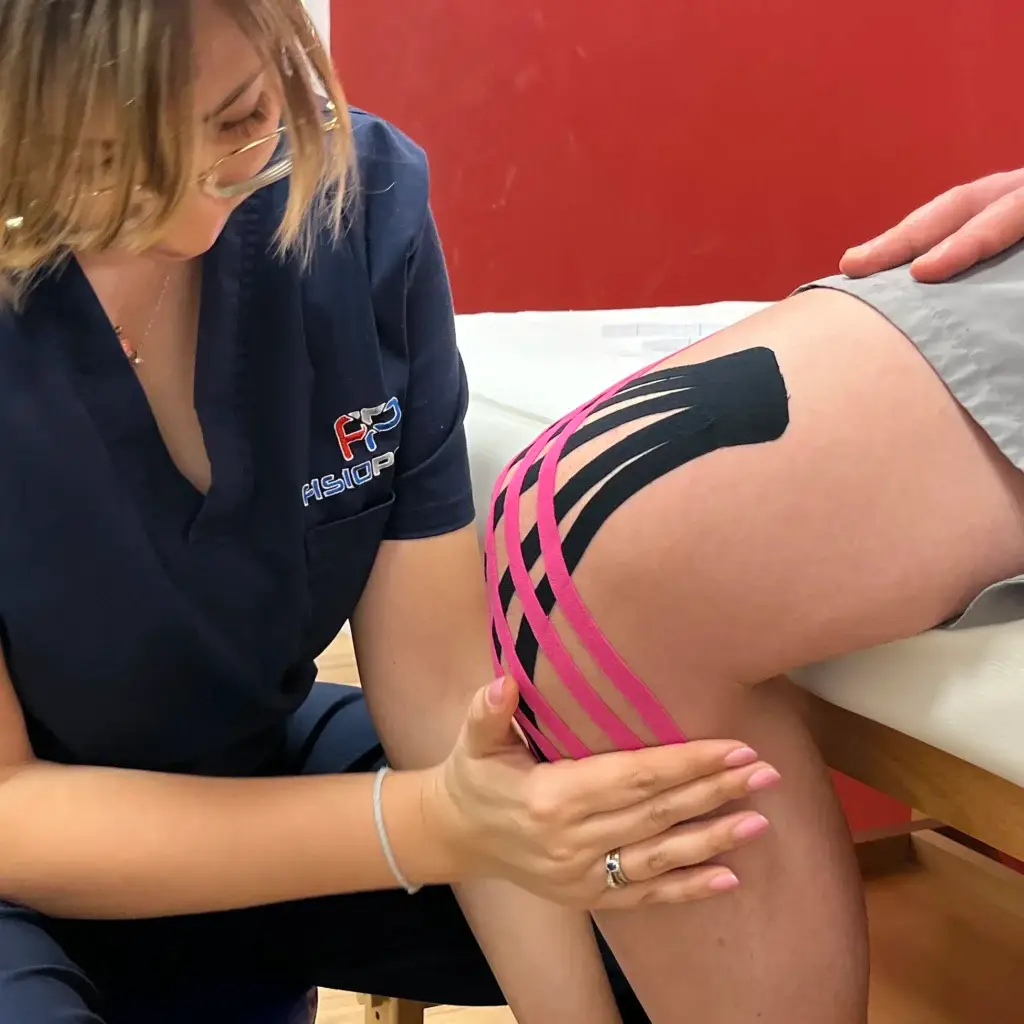
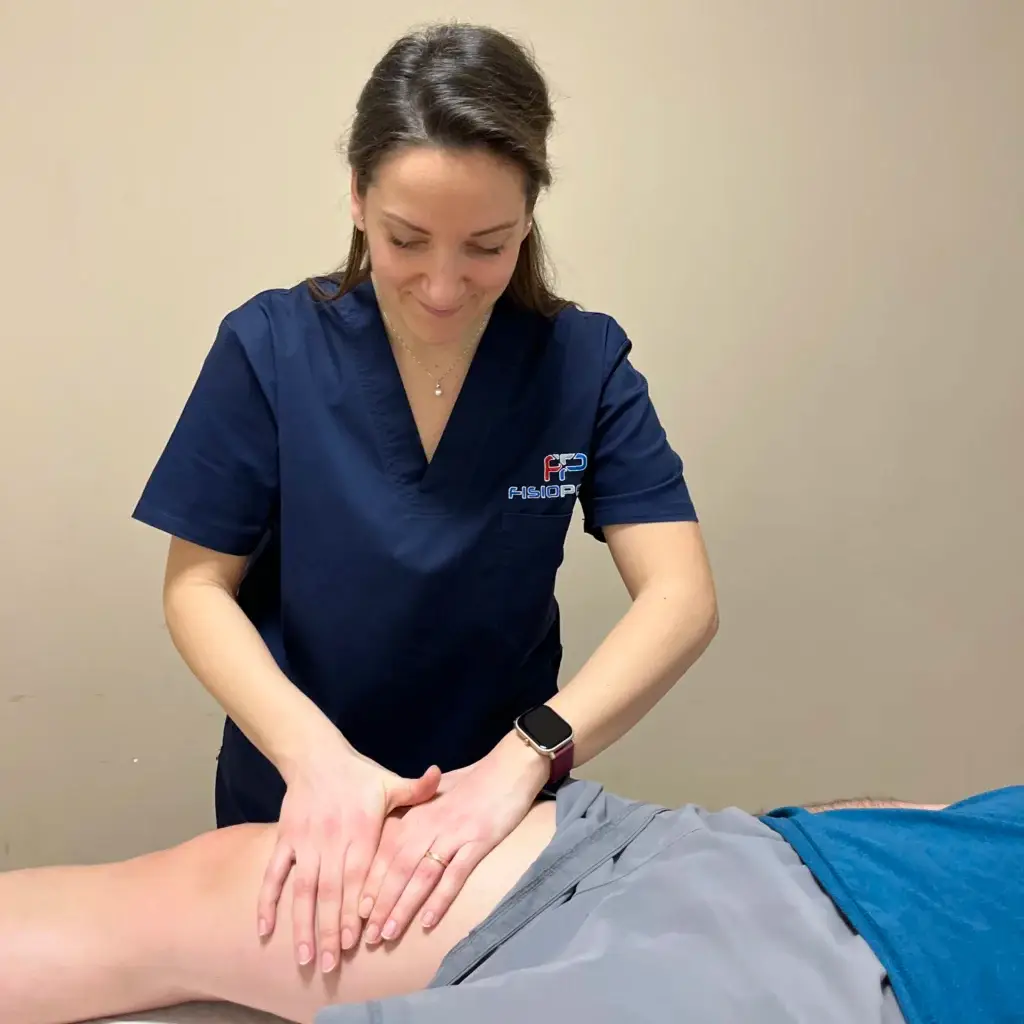
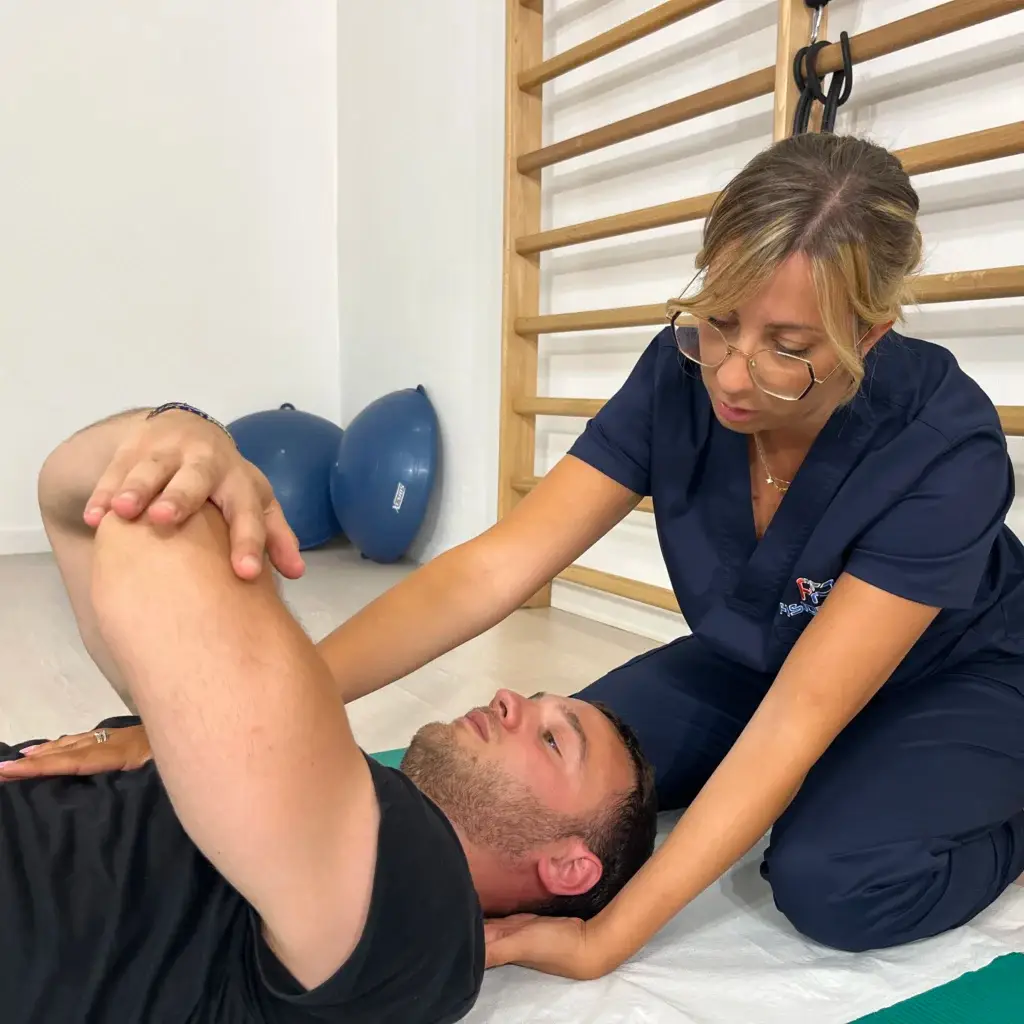
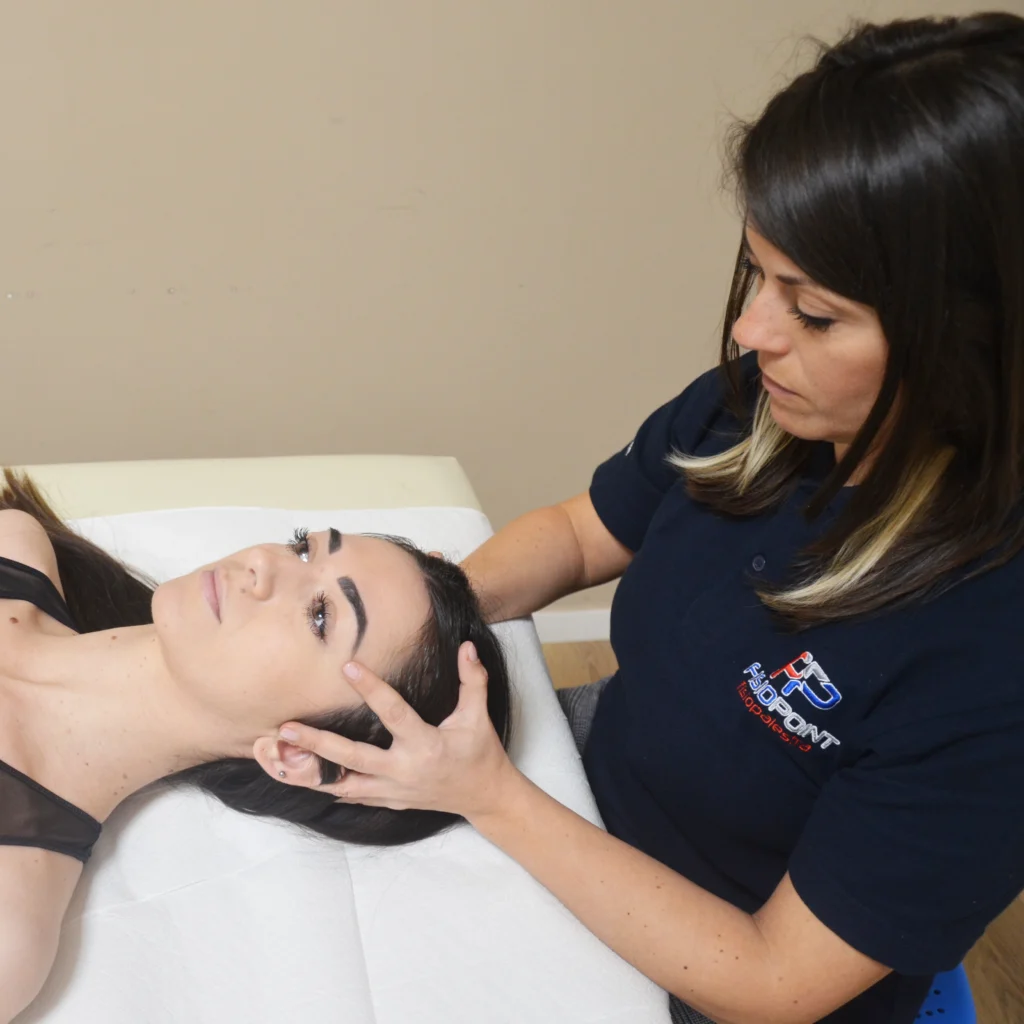
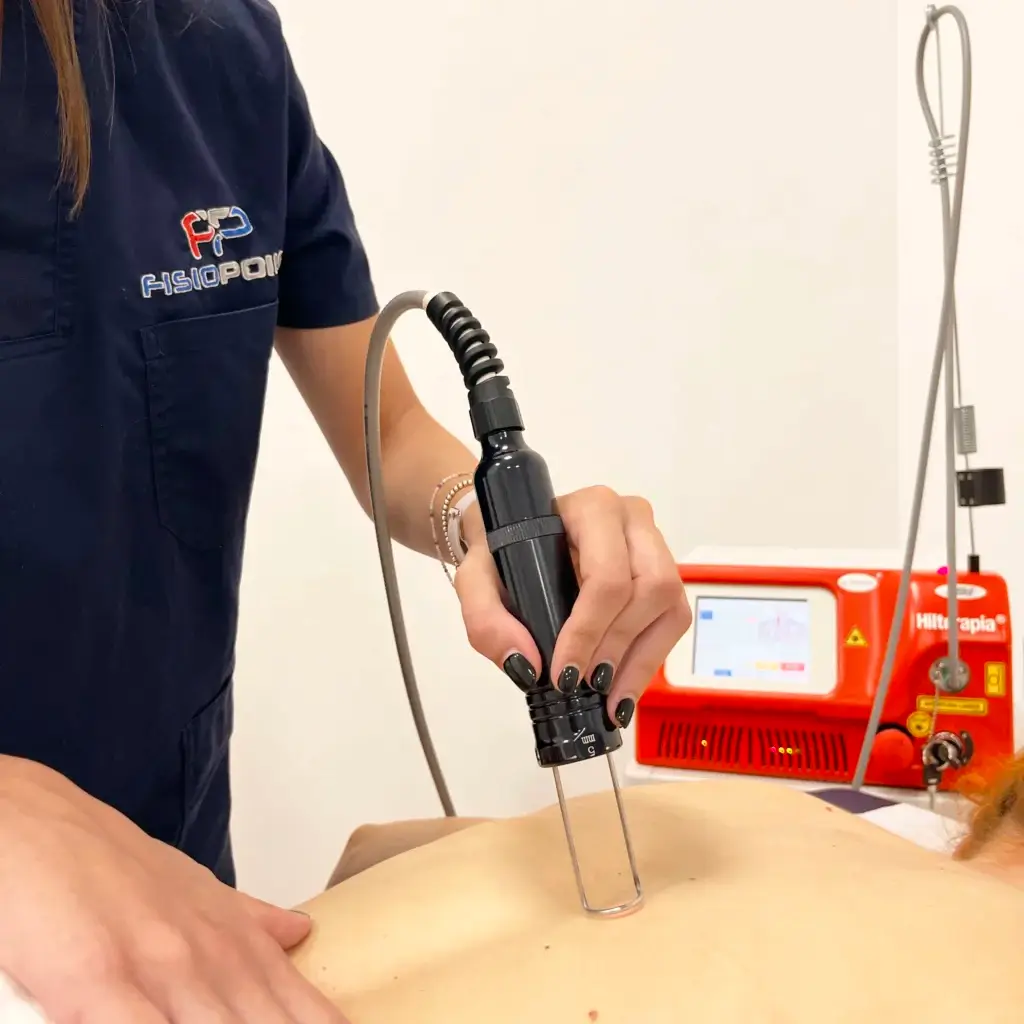
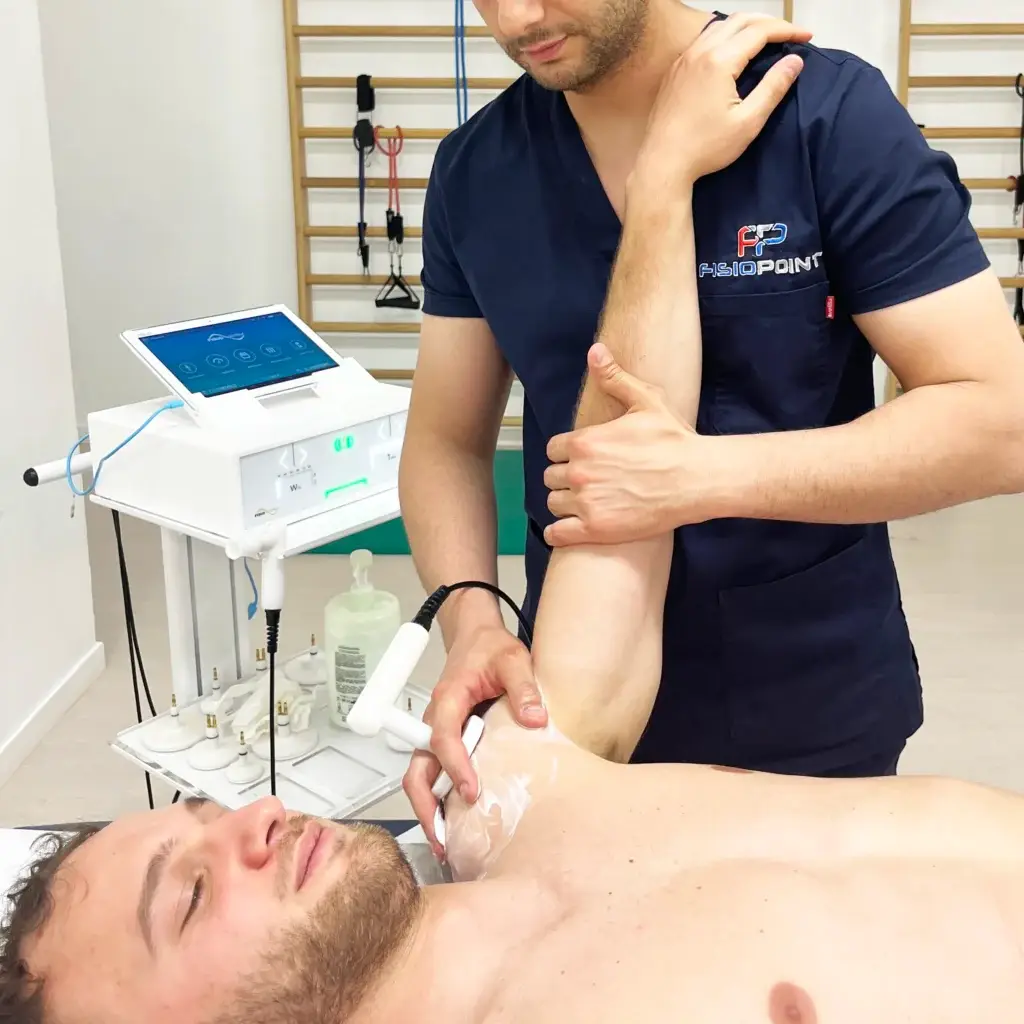
Dopo la dimissione dall’ospedale si inizierà un percorso con il fisioterapista. In base alle condizioni post-operatorie, si possono svolgere i seguenti trattamenti:
The goals to be achieved as a team with the physiotherapist will be set according to certain key aspects of the patient:
- age
- physical condition
- type of knee implant
Once the goals have been set, therapy will be divided into two phases:
Initial phase of post-surgical rehabilitation
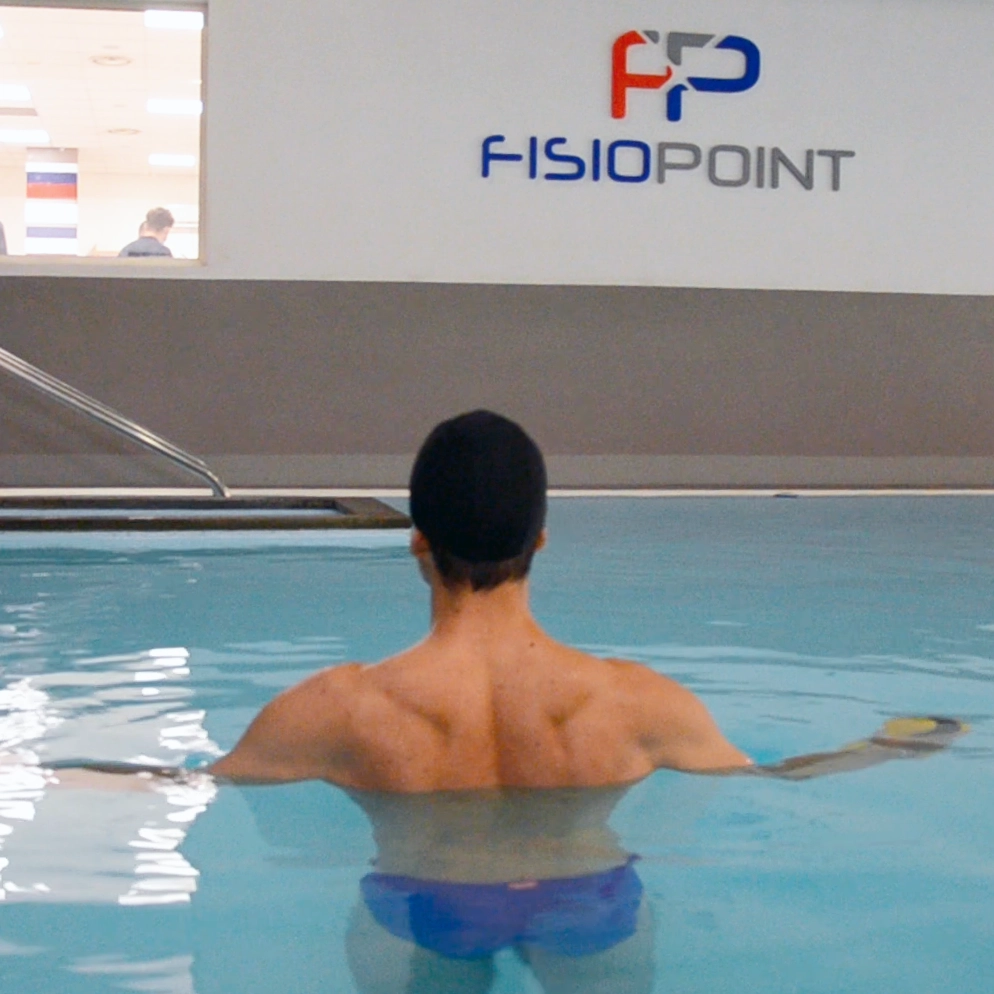
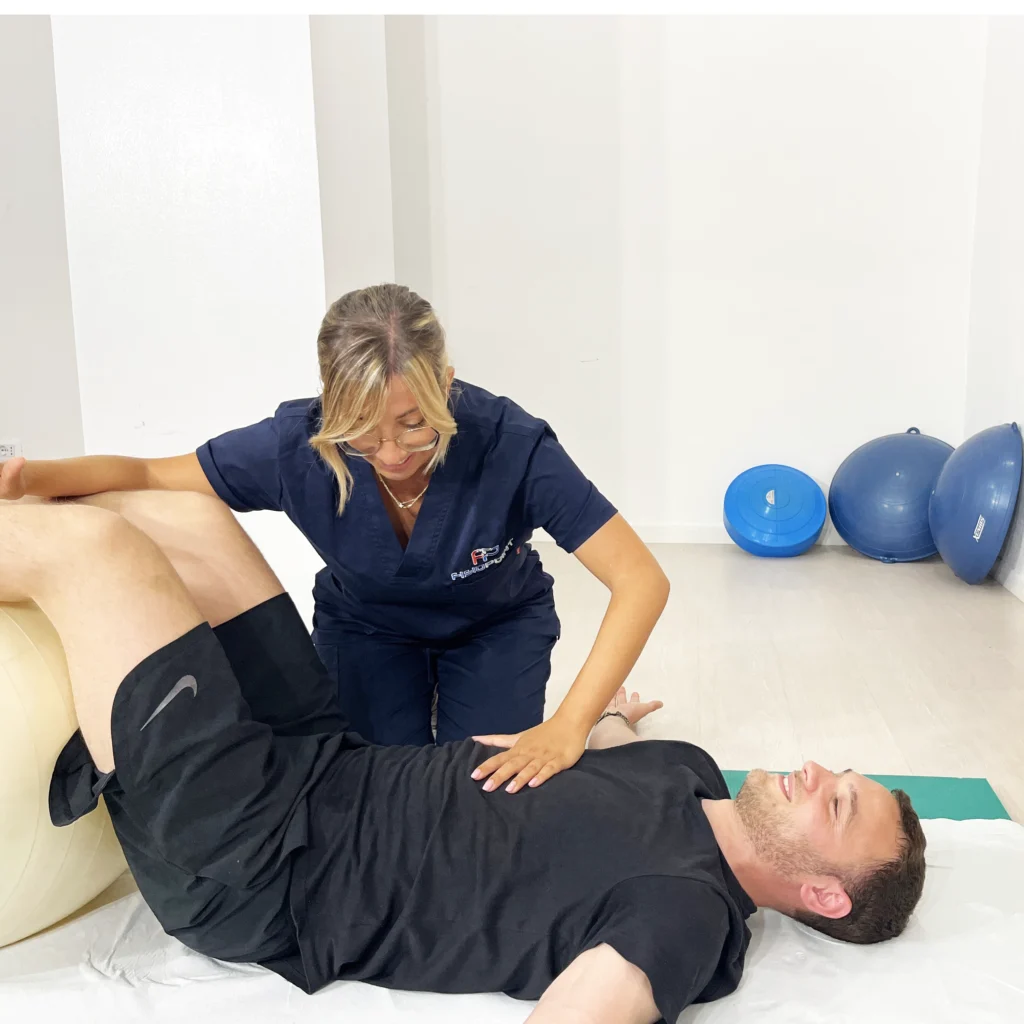
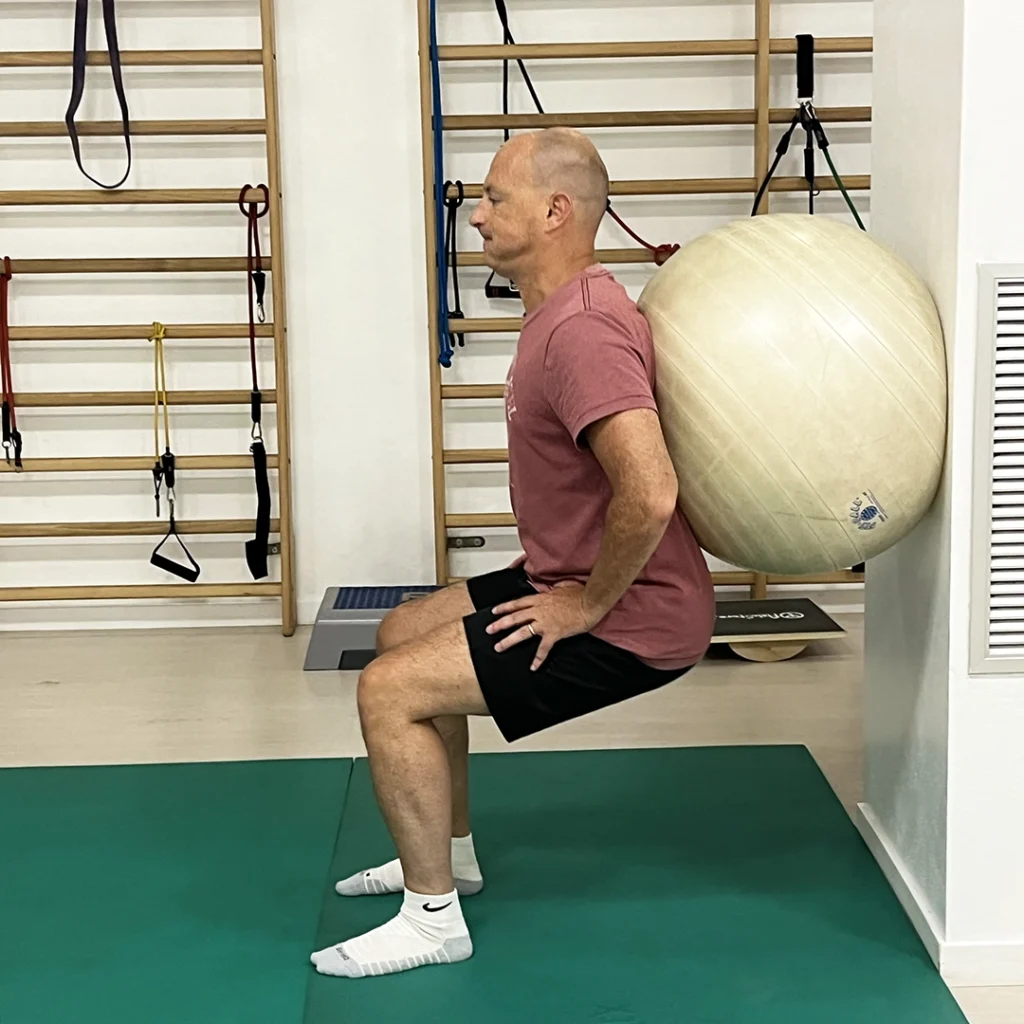
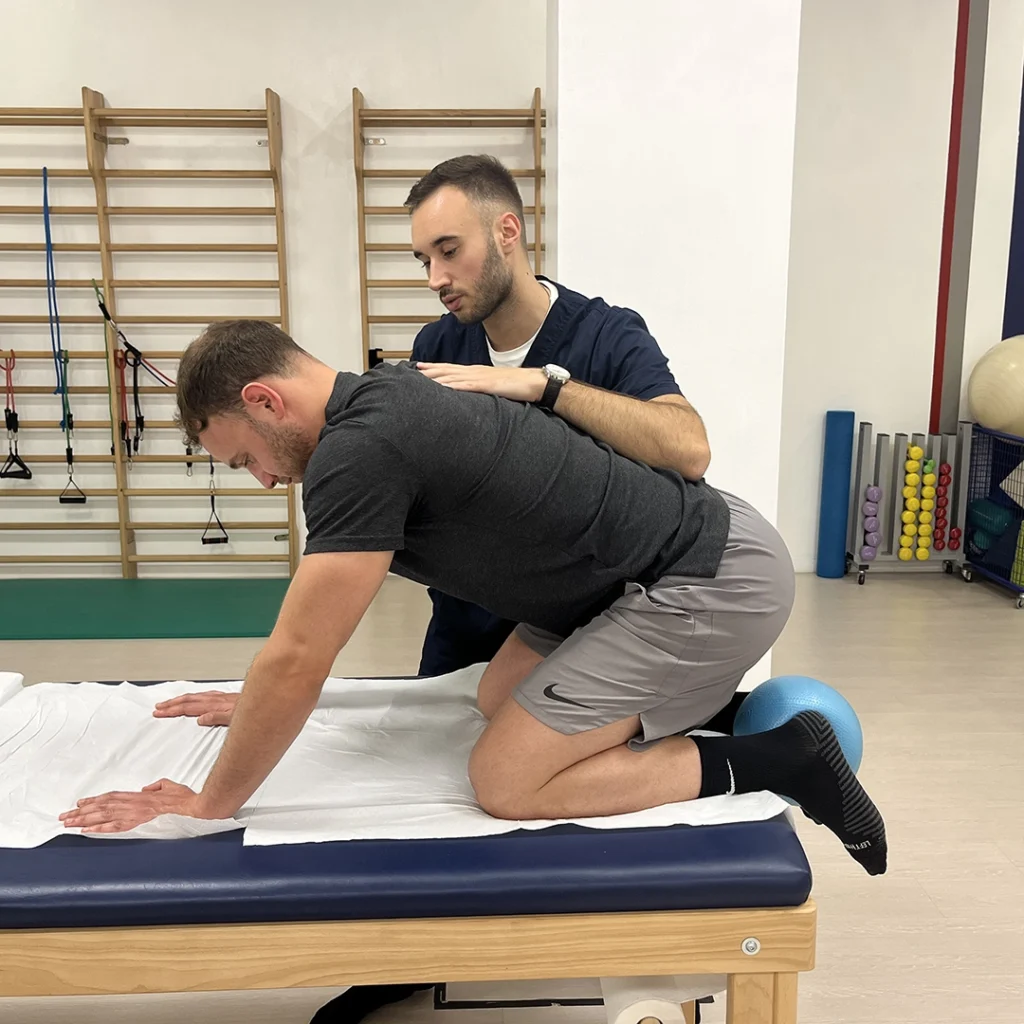
The therapist's main objective will be to manage any pain post-surgery, swelling and joint recovery (especially in extension). Active exercises involving not only the muscular apparatus of the knee, but also all muscles involved in trunk and foot stability and ankle.
Gli esercizi di recupero del passo verranno proposti, soprattutto all’inizio, con l’ausilio dei bastoni canadesi. Con il miglioramento delle condizioni fisiche post-operatorie, si procede a un graduale abbondono delle stampelle, passando prima a una e poi a nessuna.
Advanced phase of post-surgical rehabilitation
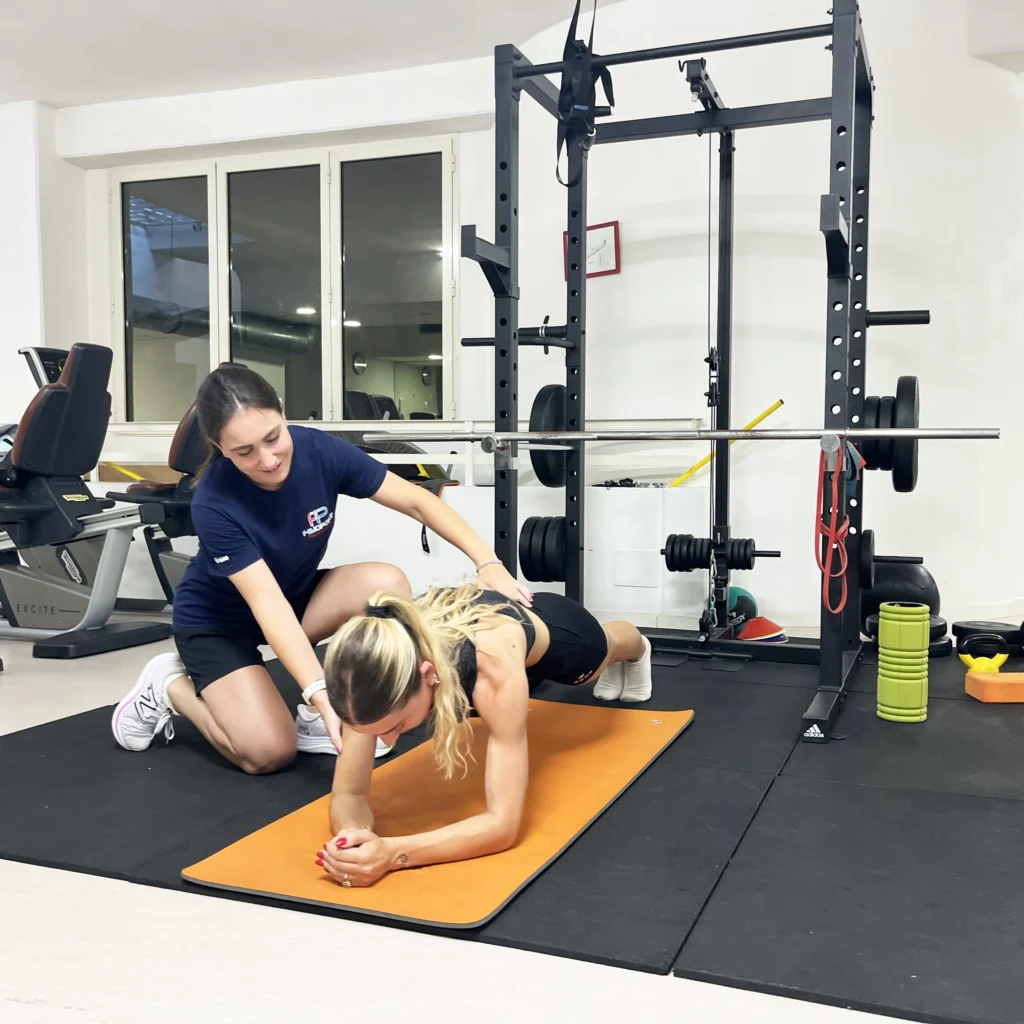
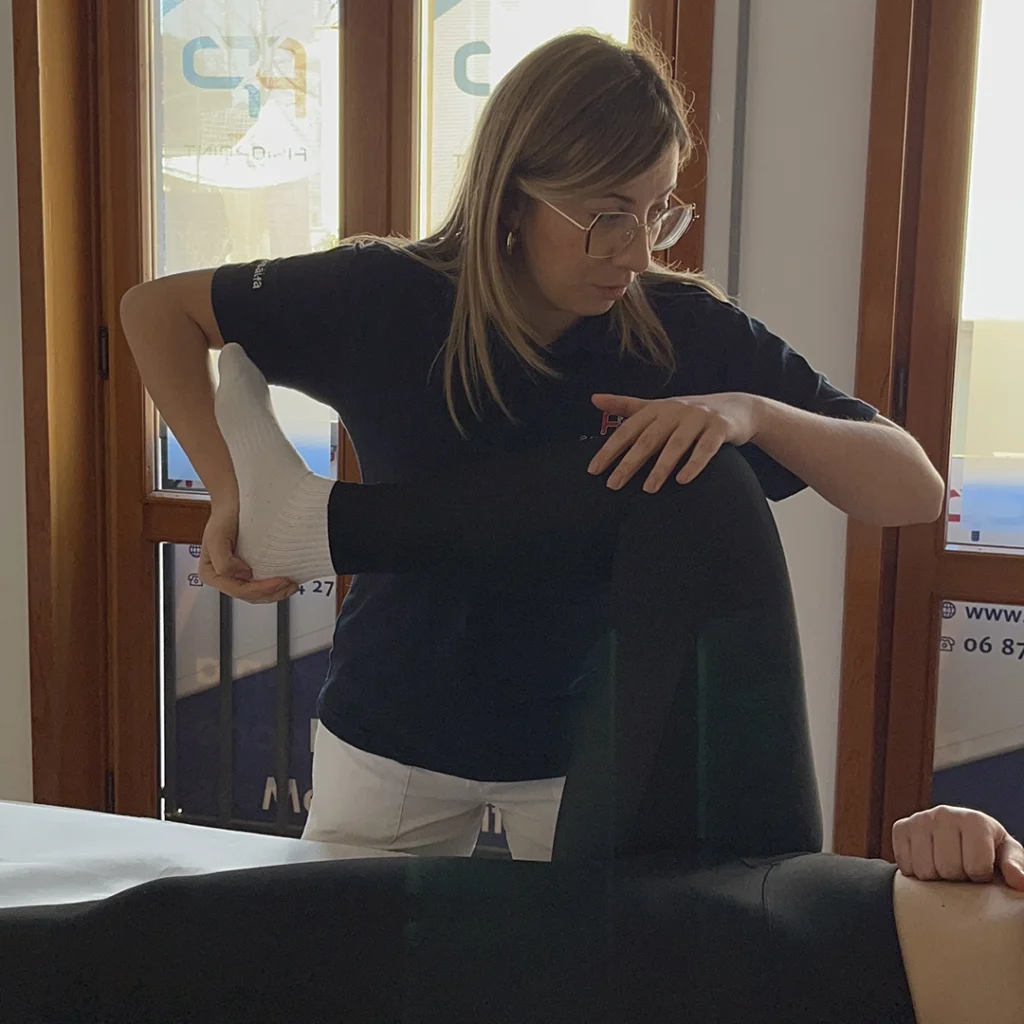
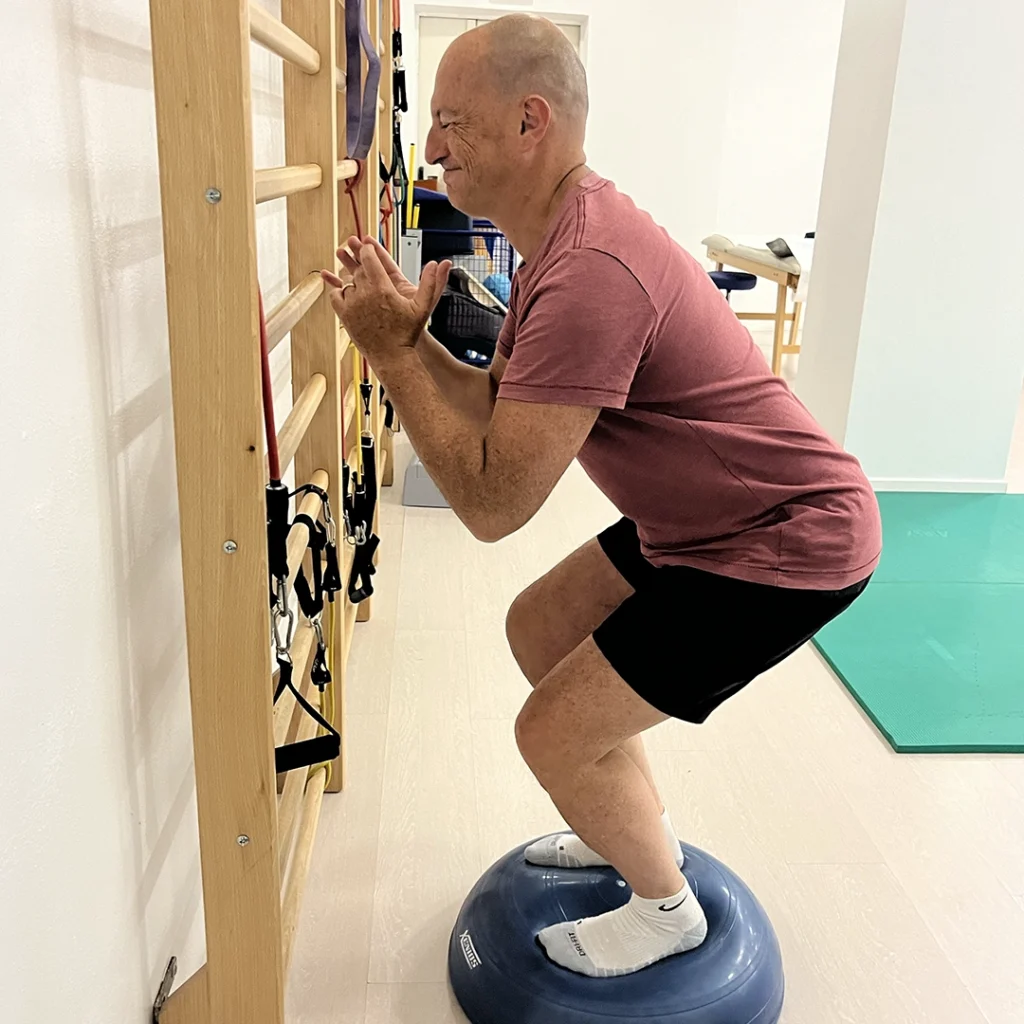
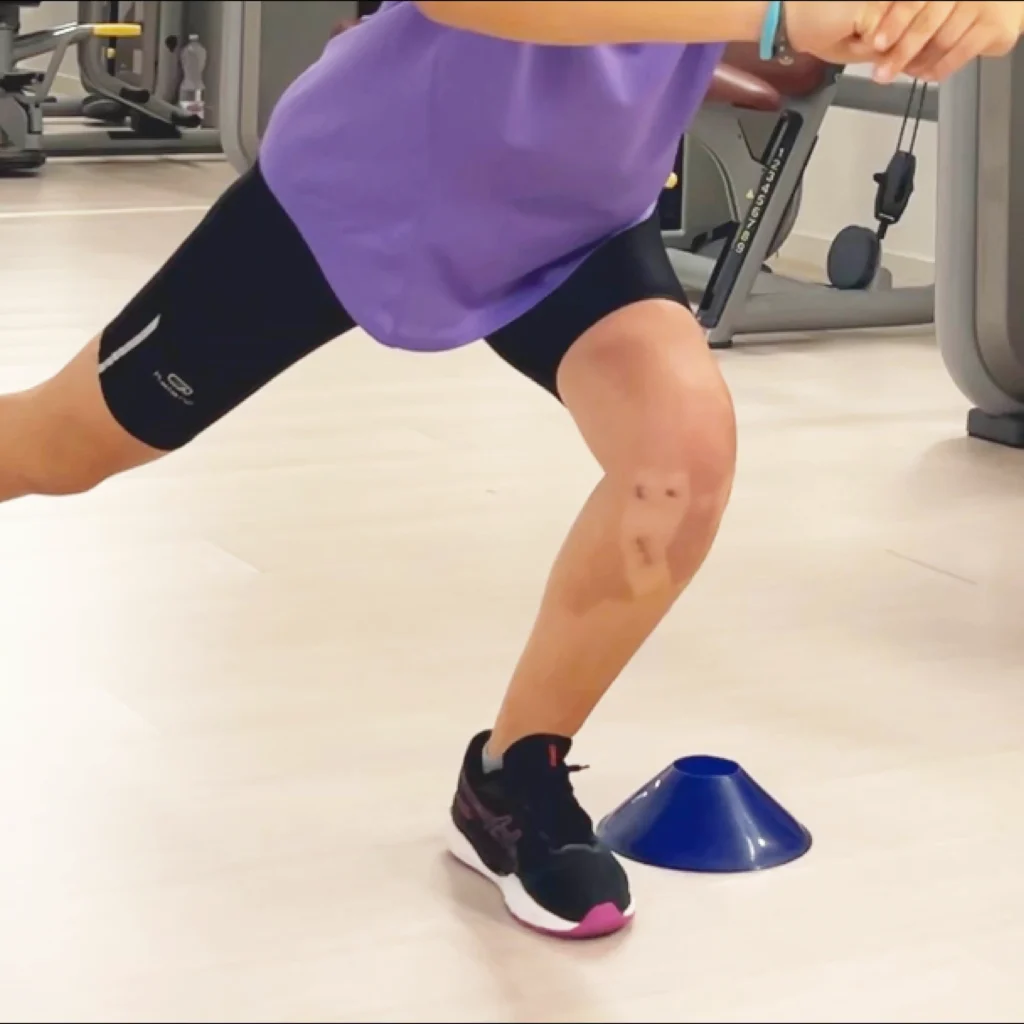
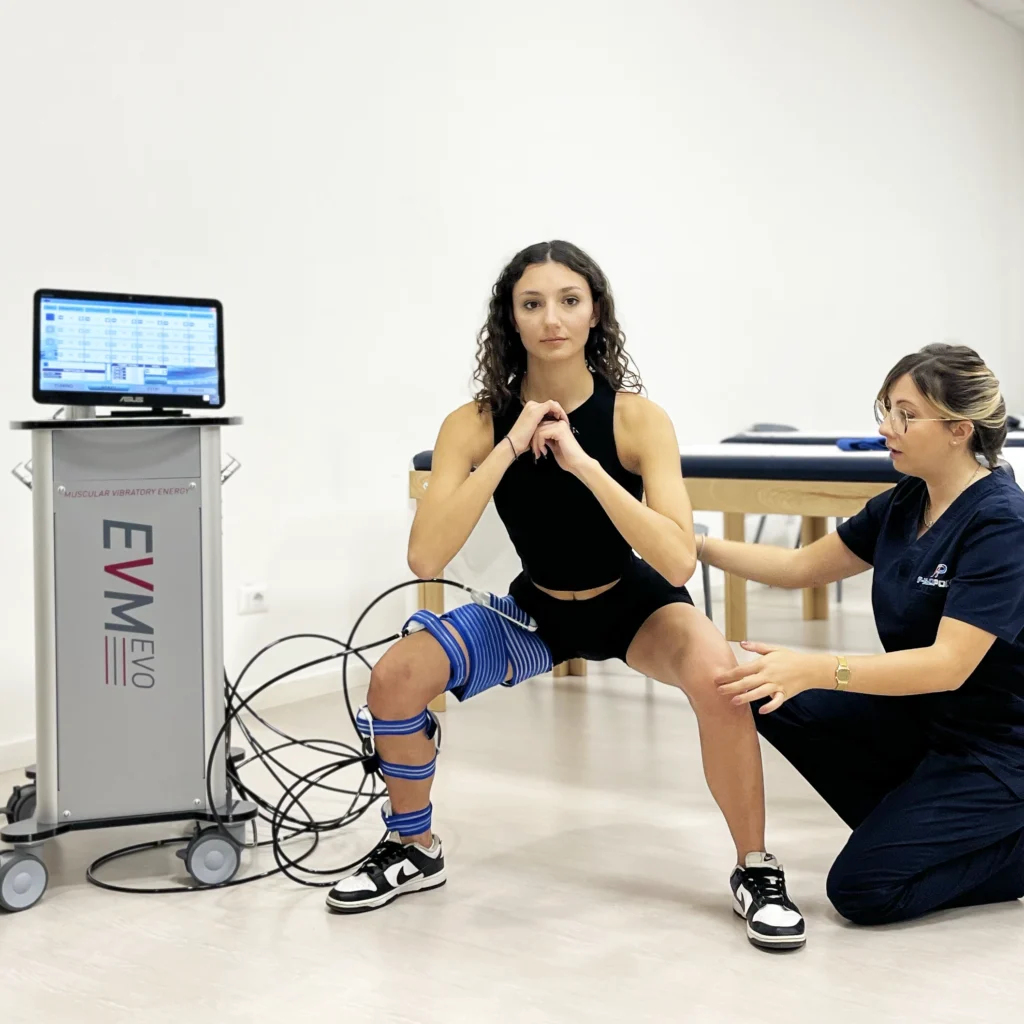
Recuperato lo schema del passo, l’estensione e un tono muscolare generale, insieme al fisioterapista si procede verso un incremento della richiesta funzionale. Esercizi più impegnativi, che coinvolgono maggiormente la componente di propriocezione e totalmente sicuri per l’impianto protesico, saranno fondamentali per rendere la protesi di ginocchio parte integrante dello schema motorio.
Se indicato dall’ortopedico è possibile iniziare anche una fase di riatletizzazione che permetta di tornare alla pratica di sports low-impact. Of course, one always tends to point out that knee replacement materials are not eternal, so they have a lifespan of around 15 to 20 years depending on the functional demands placed on the implant.
Text by Alessio Fioretti
Learn more by watching the videos on our channel YouTube





 English
 Italian