What is patellar hyperpressure?
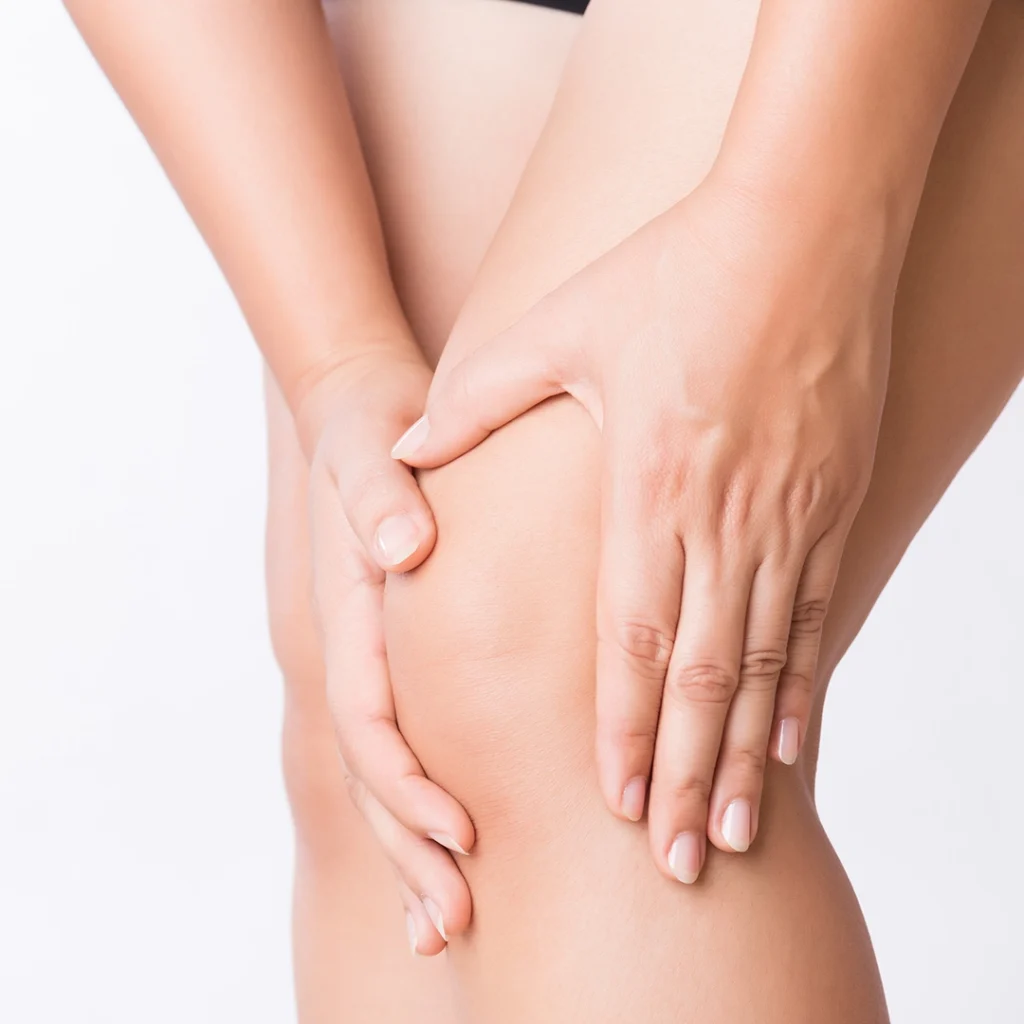
Patellar hyperpressure is a knee syndrome involving the patellofemoral joint. It is often caused by misalignment of the patella on the femoral condyles (the part of the femur that makes up the knee). Usually, when this happens, the kneecap is positioned more externally and this increases the pressure exerted by the kneecap on the femur, triggering an inflammatory process in the knee.
This can lead to early wear of the knee cartilage and consequently to a state of
arthrosis.
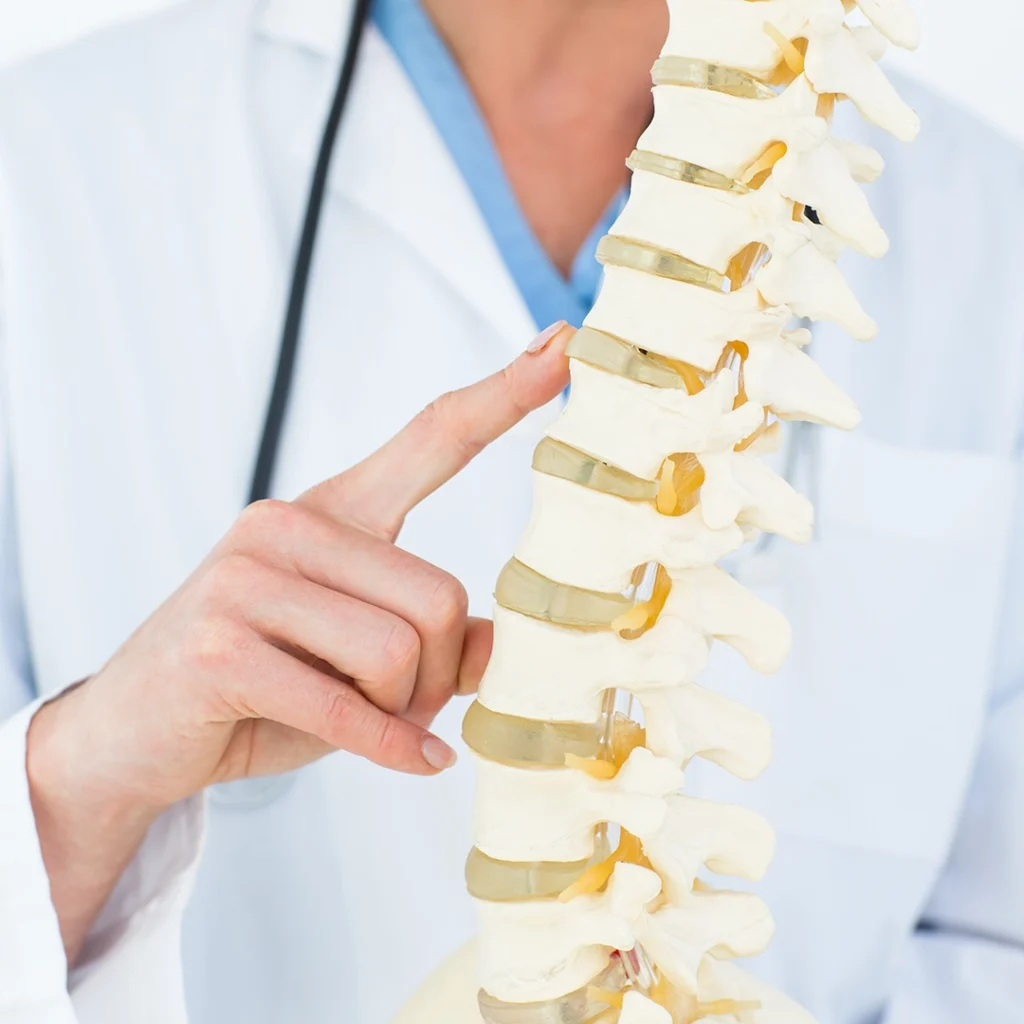
The knee: anatomical outline
Patellar hyperpressure is a syndrome involving the knee. The knee is a joint formed by three bones:
- Femur (femoral condyles)
- Tibia (tibial plateau)
- Rotula
This joint complex is held together by:
The end part of the muscle is called the tendon. The tendon, compared to the muscle, has quite different characteristics: it is less elastic, more resistant to pulling and cannot contract.
The patella, unlike the other two knee bones, is held in place within the joint exclusively by the quadriceps muscle and other ligaments and tendons. The quadriceps with its distal tendon engulfs the kneecap and uses it to develop more power despite the disadvantageous leverage. In addition to exploiting the kneecap to increase knee strength, the quadriceps muscle has the task of keeping the kneecap in place inside the knee. When this task fails, the kneecap is subjected to the vector forces of the other ligaments and tendons, changing its biomechanical position.
Why does patellar hyperpressure syndrome occur?
The underlying causes of patellar hyperpressure are:
- Posture (valgus knee, flat foot)
- Patella trauma (dislocation/subluxation)
- Quadriceps muscle weakness
- Weakness of the stabilising muscles of the trunk
All these causes lead to mechanical misalignment of the knee. As a result, the force vectors that are applied to the knee will not be in balance with each other.
Associated with these causes that alter the biomechanics of the knee, there are also predisposing factors, such as the type of sport practised.
Sports activities that involve jumping (such as volleyball, basketball) or loads during the bending phase of the knee (gymnastics) can lead to the onset of patellar hyperpressure syndrome.
What are the symptoms of patellar hyperpressure?
The knee affected by patellar hyperpressure syndrome will manifest the following symptoms:
- Noises during bending and extension movements of the knee
- Pain during bending movements of the knee (especially under load)
- Swelling, in more advanced inflammatory states
Initially, one begins to experience knee pain when descending stairs and when sitting with bent knees for a prolonged time.
Patellar hyperpressure syndrome: what to do?
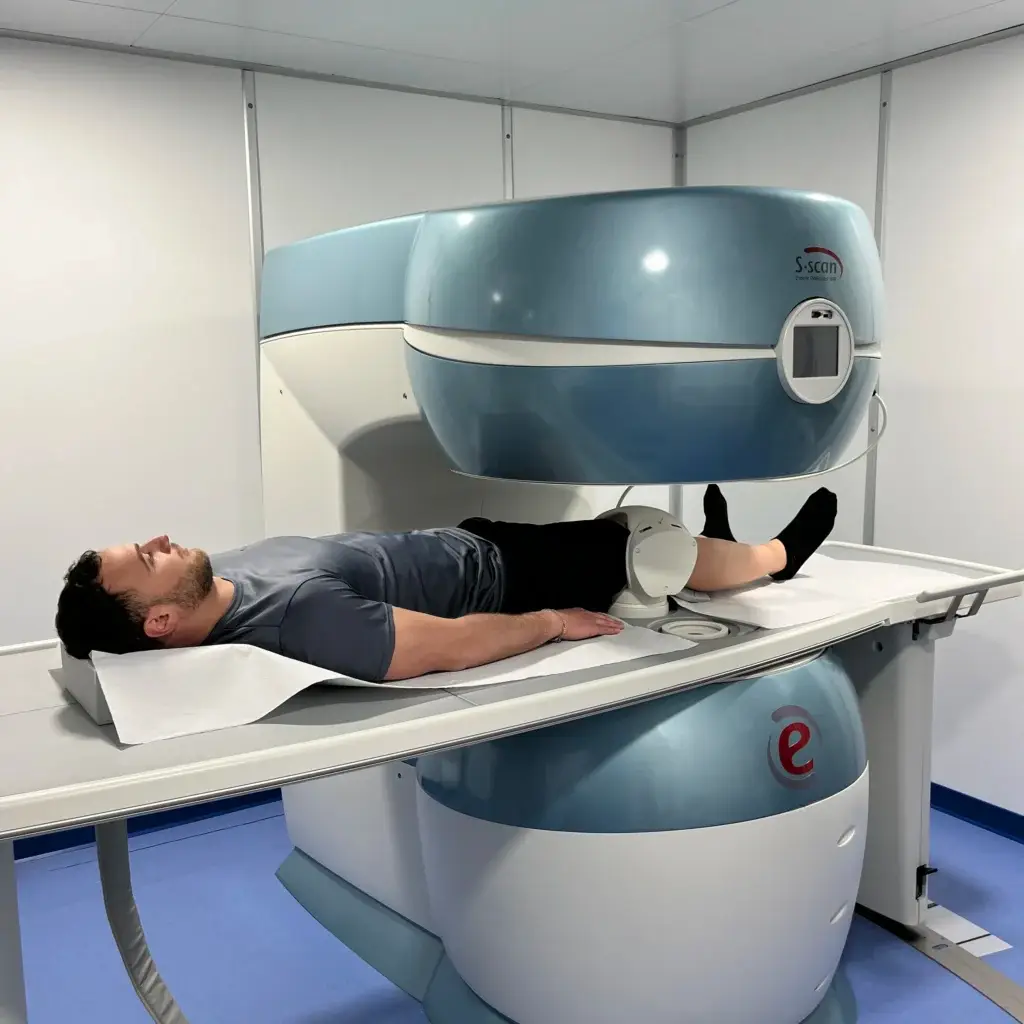
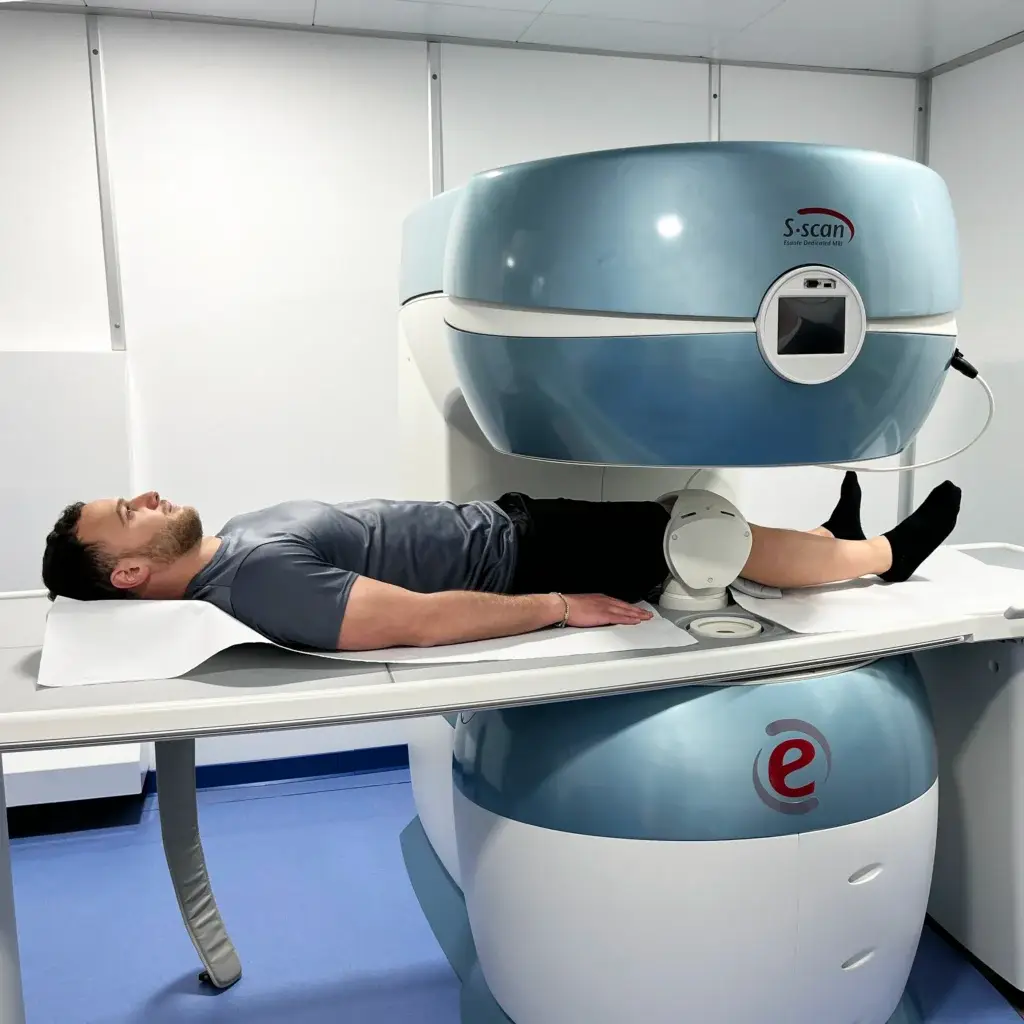
A visit with an orthopaedist specialising in knee pathologies or a physiotherapy evaluation with a specialised physiotherapist is the first step towards identifying the problem and creating a targeted pathway.
The pathway usually involves a conservative approach. If the orthopaedist deems it necessary, either because of specific components of the knee or because conservative therapy has had no effect, surgery may be proposed to reduce the vector forces that take the patella out of alignment.
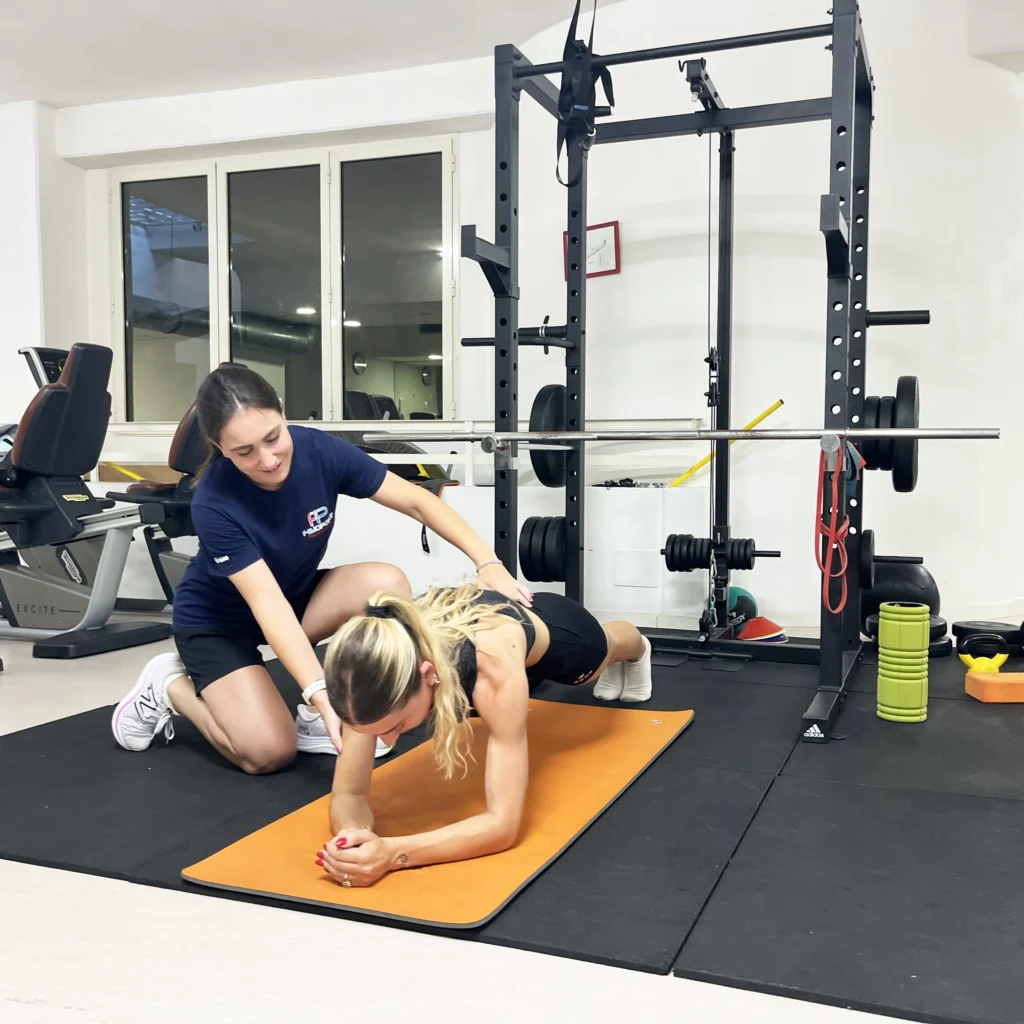
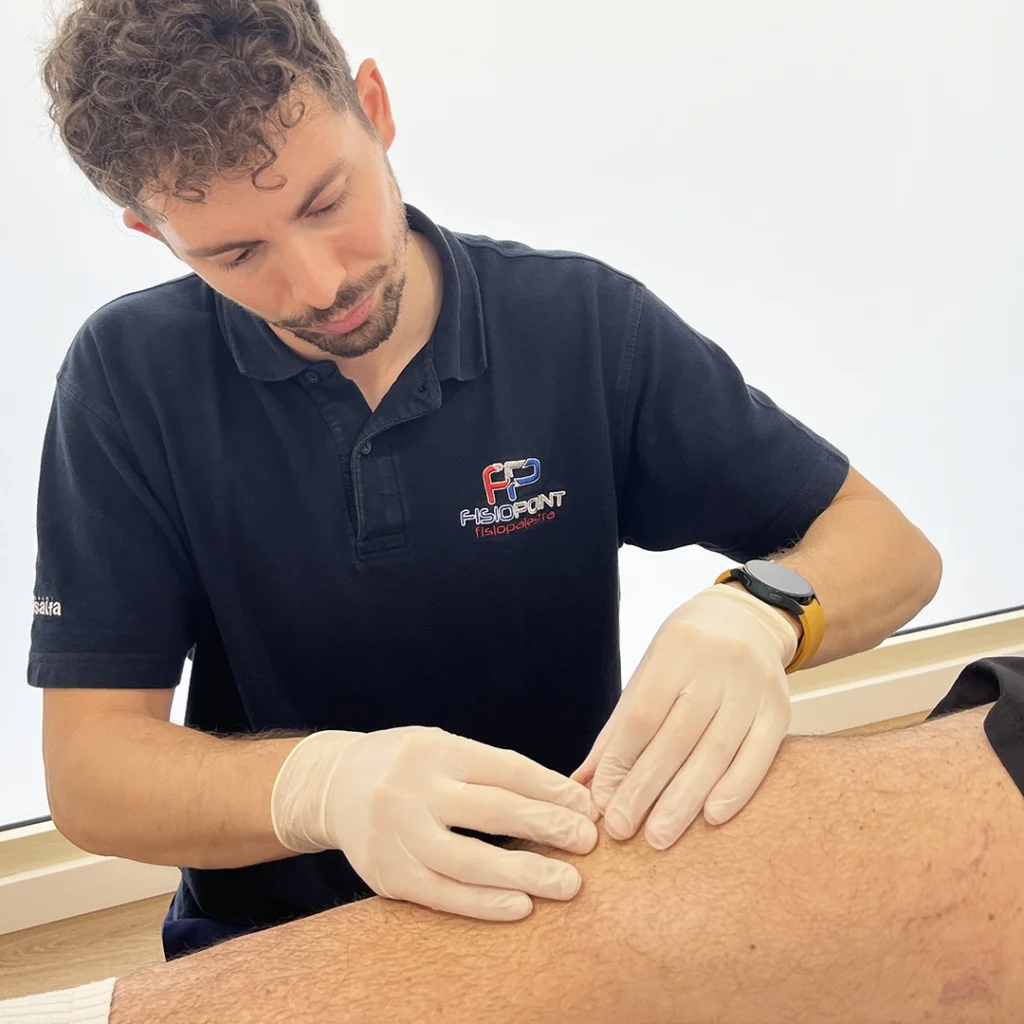
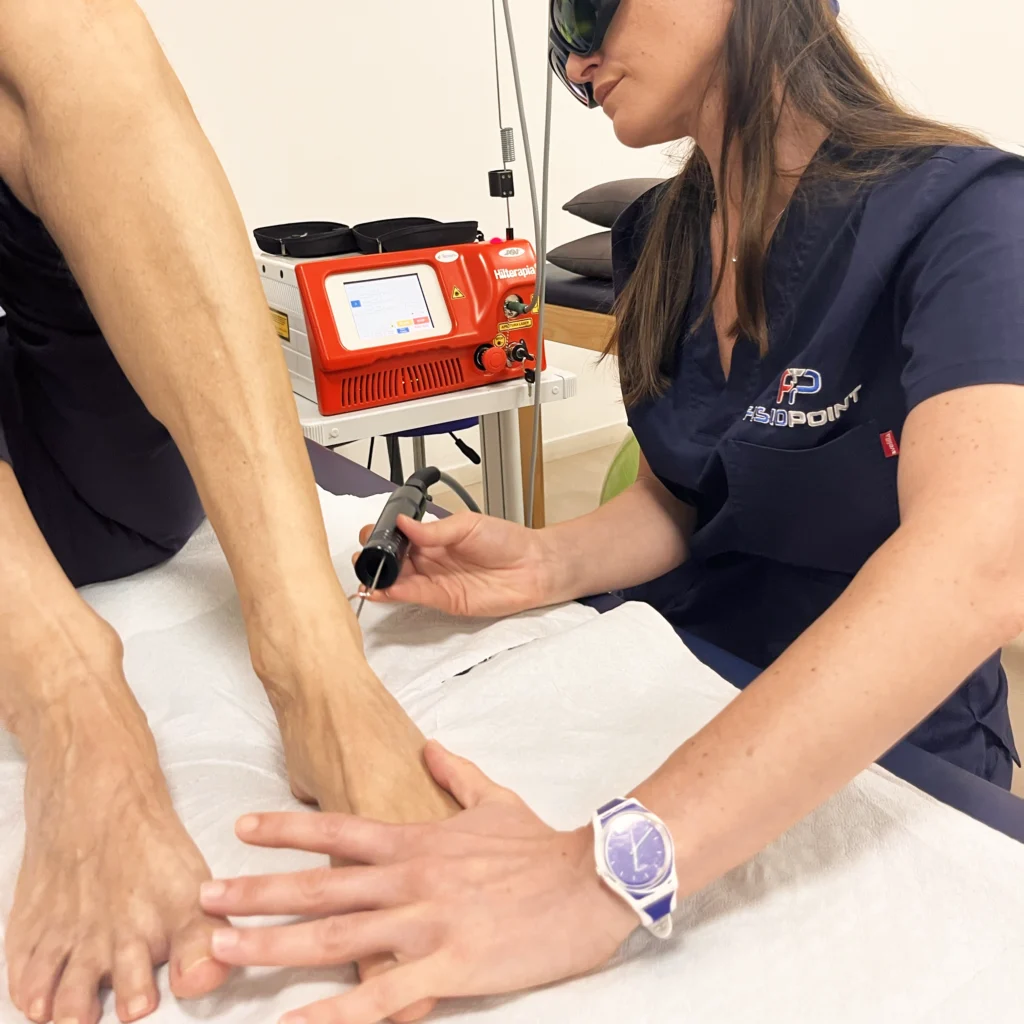
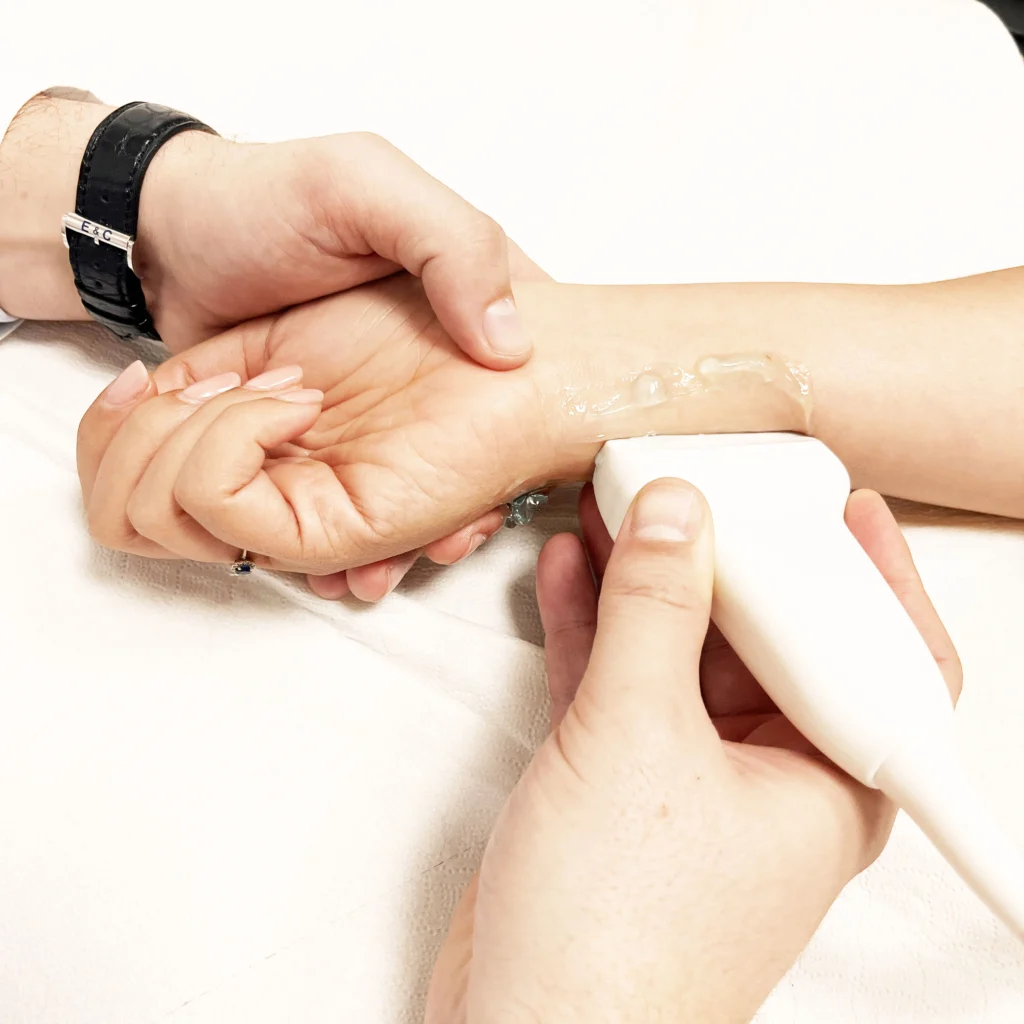
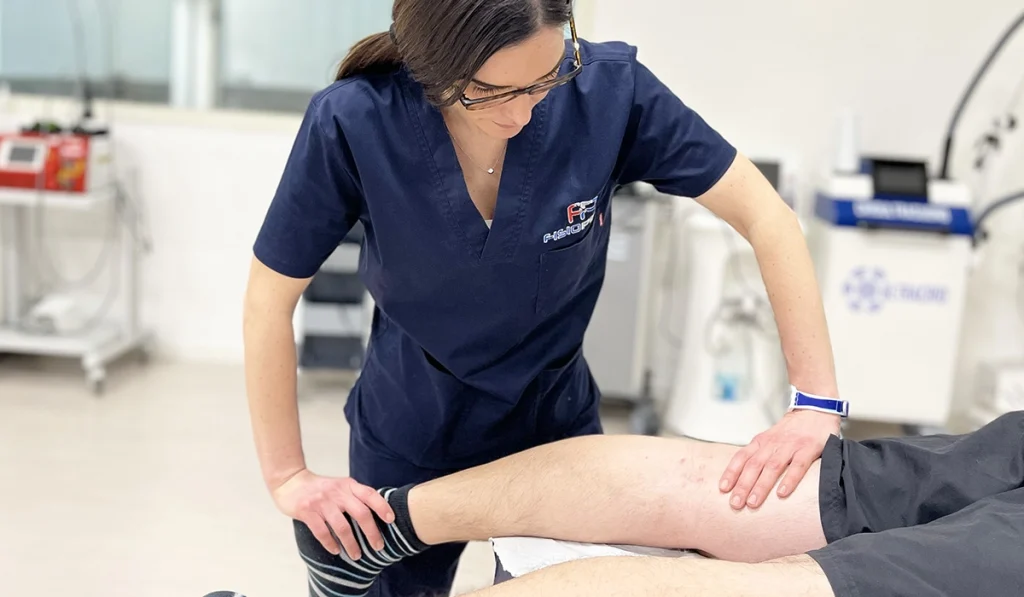
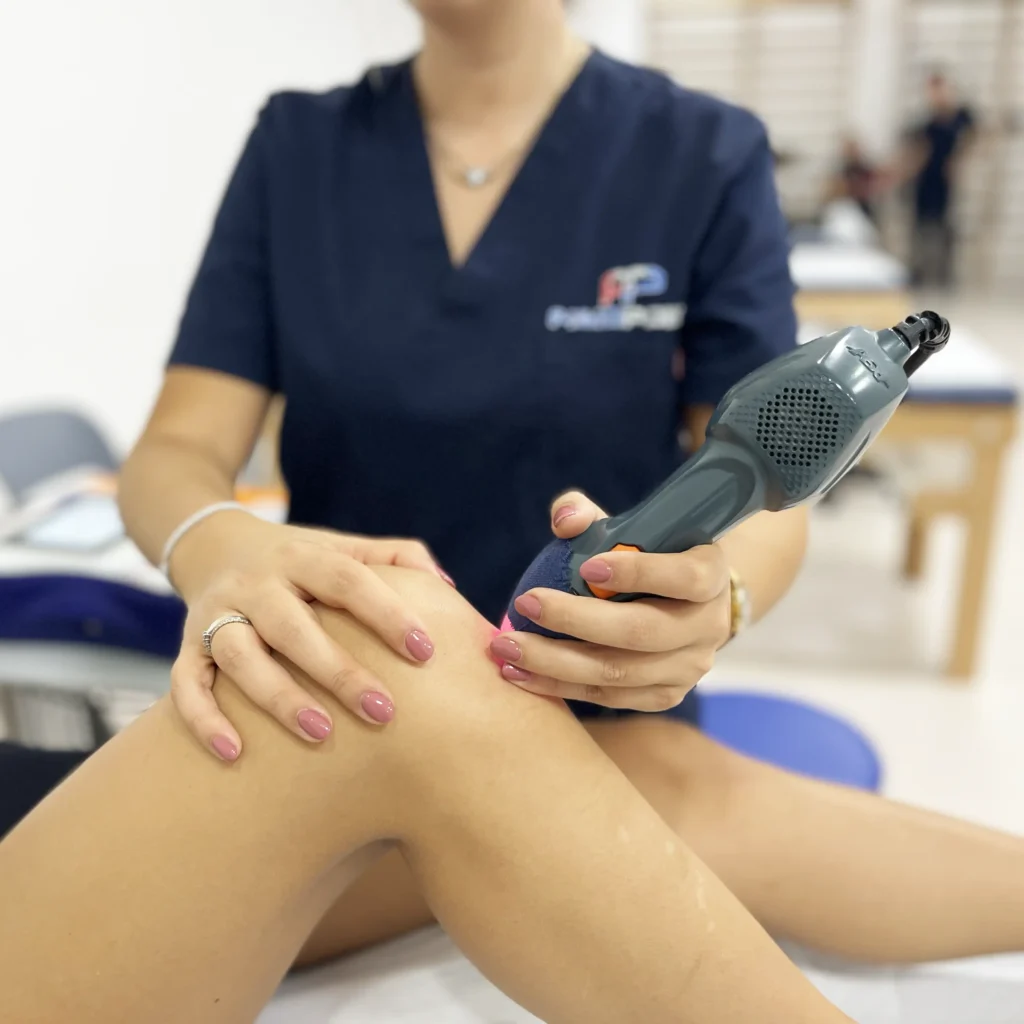
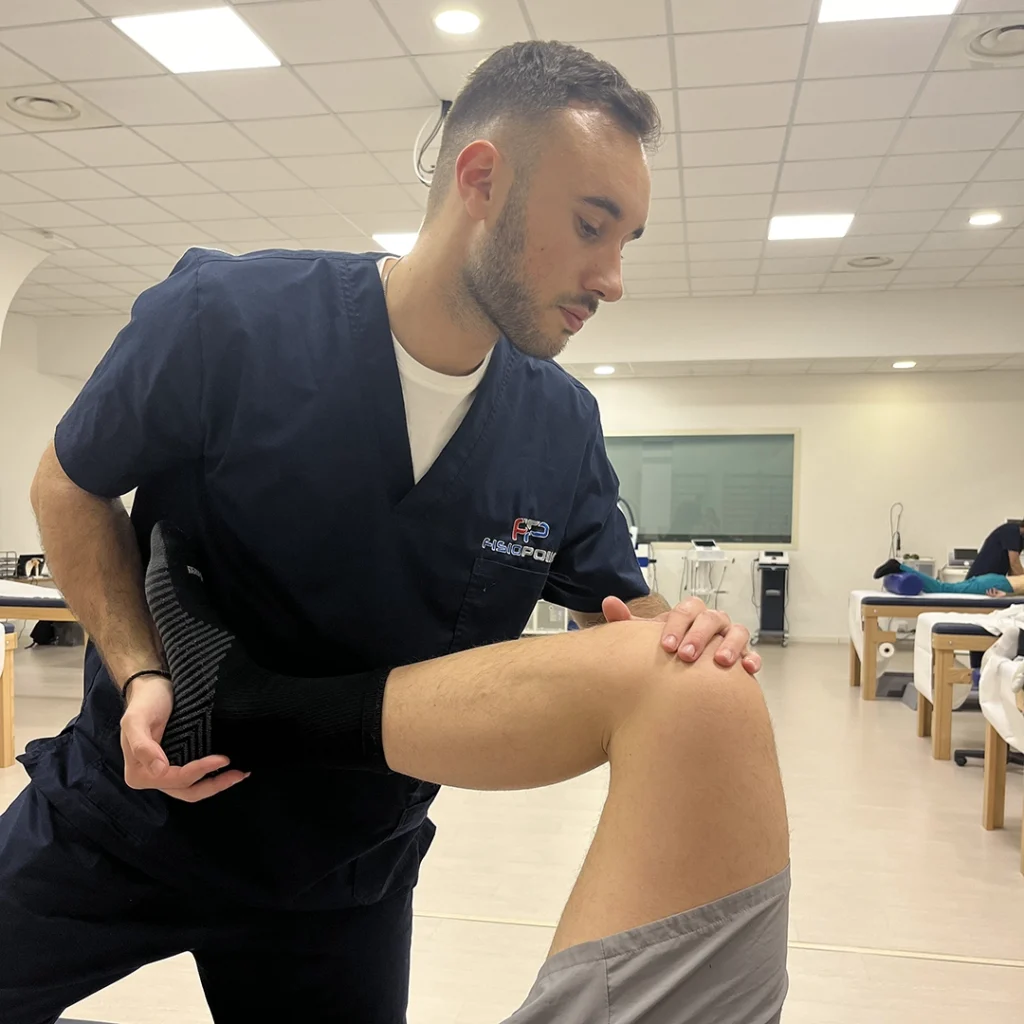
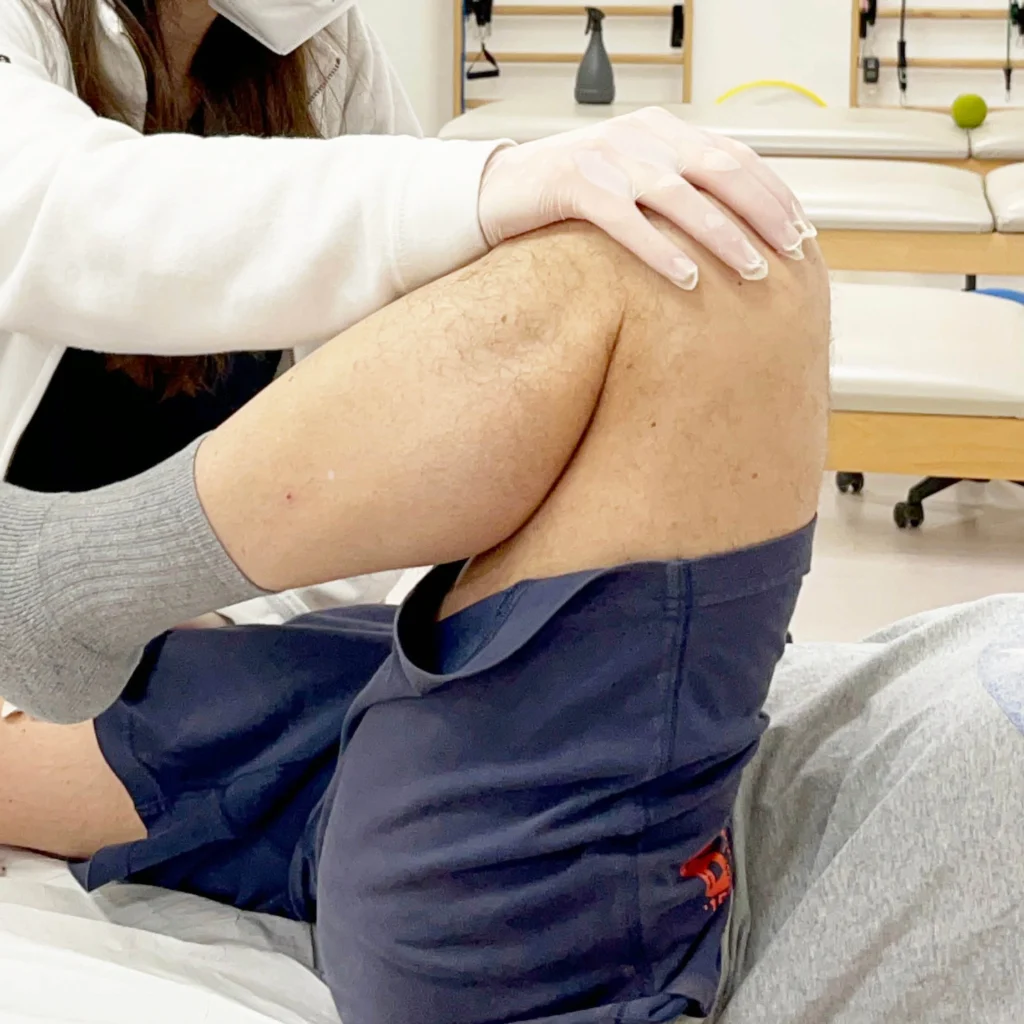
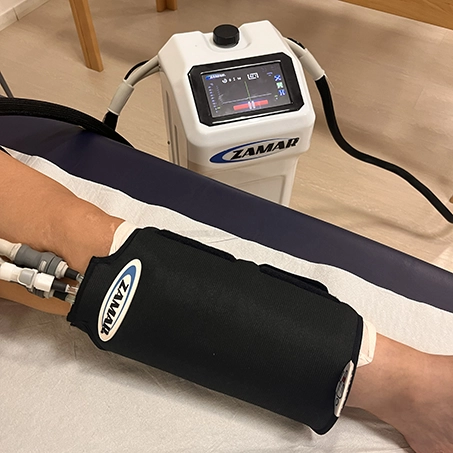
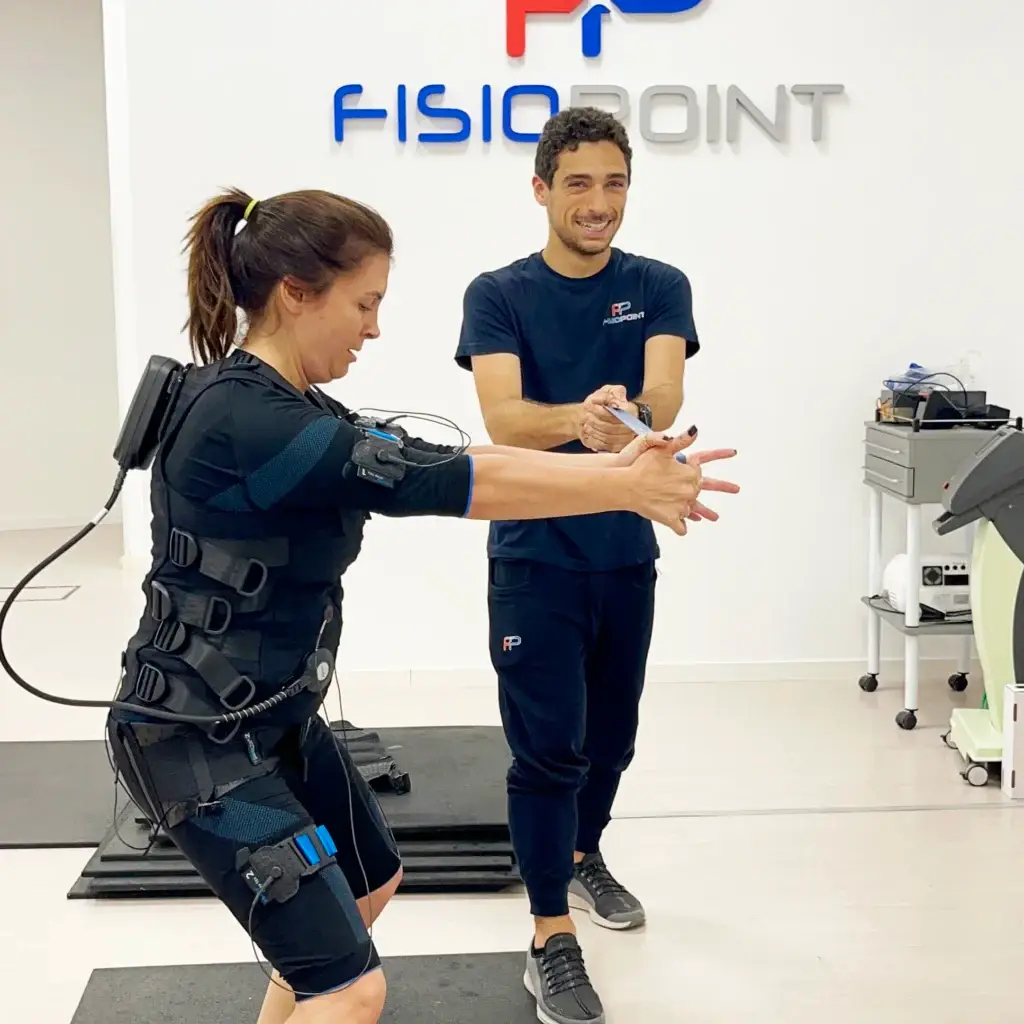
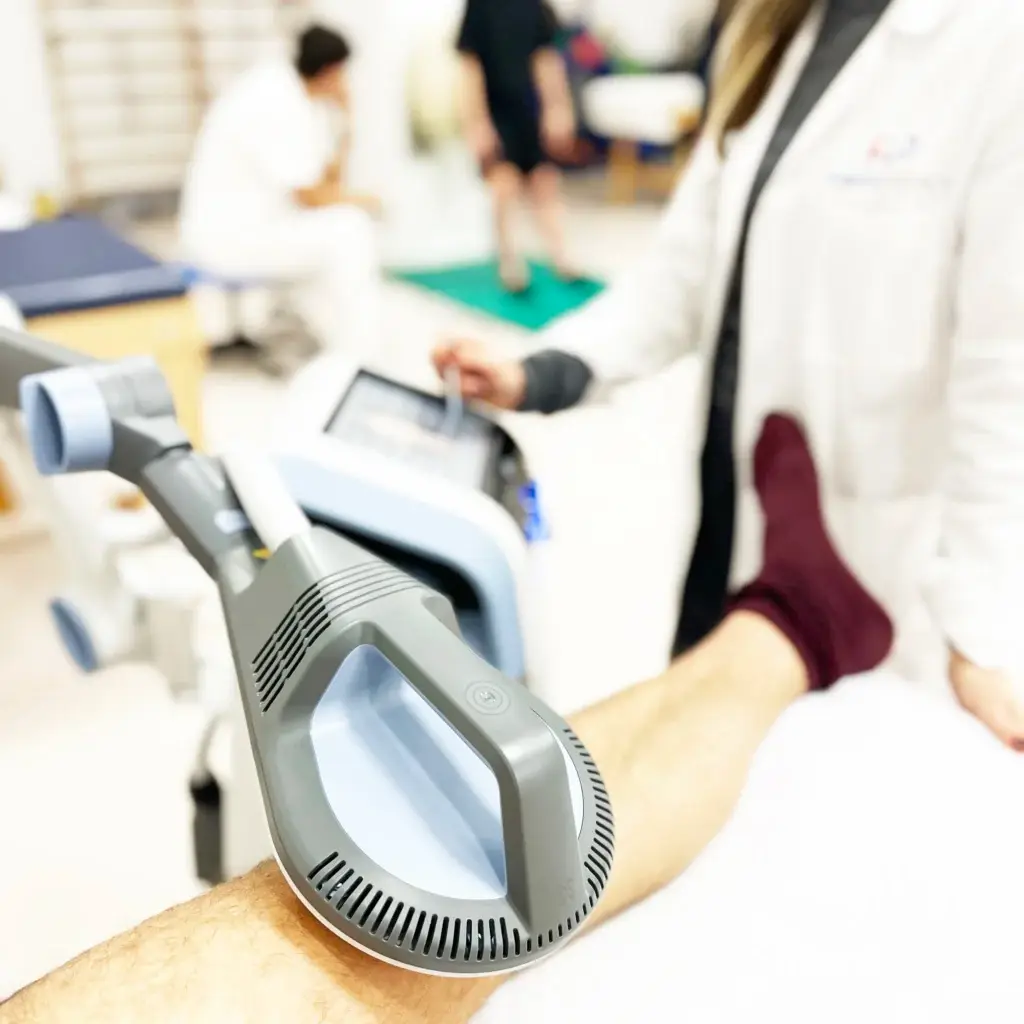
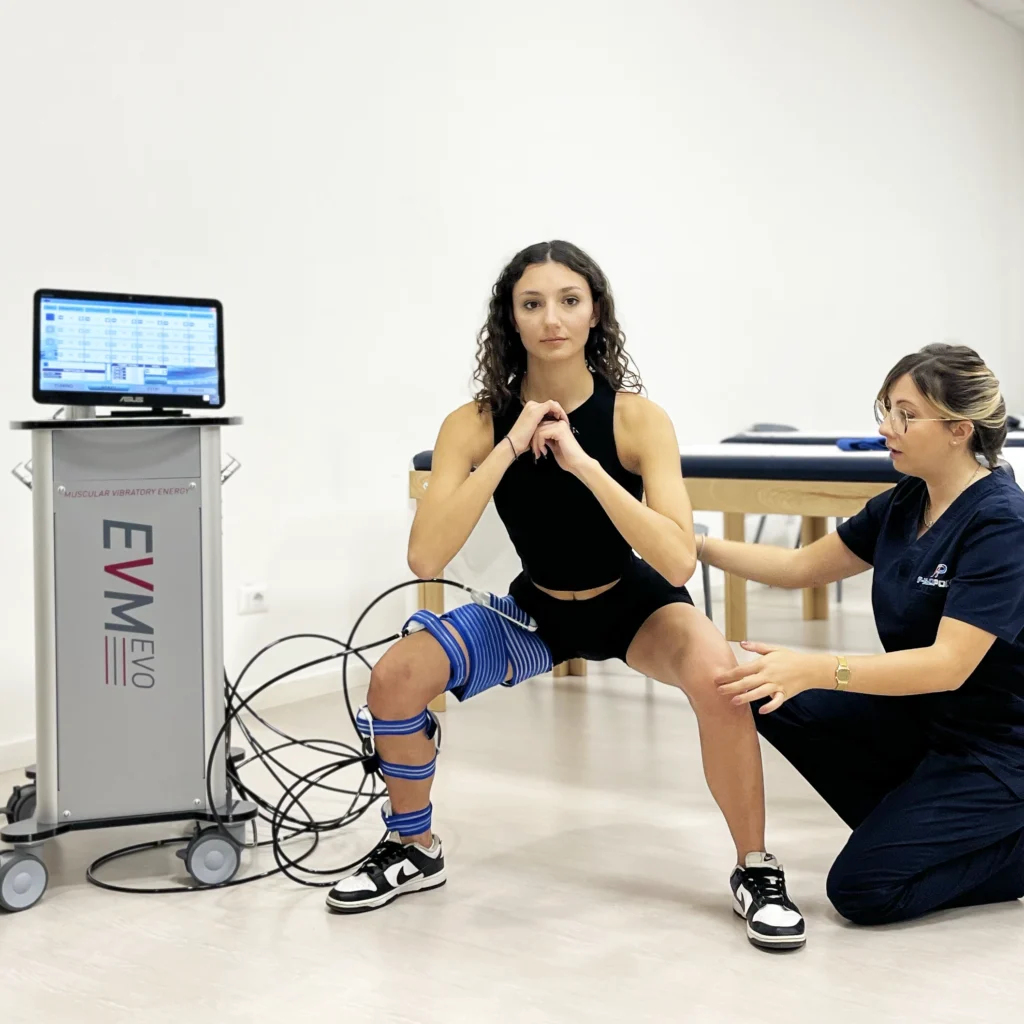
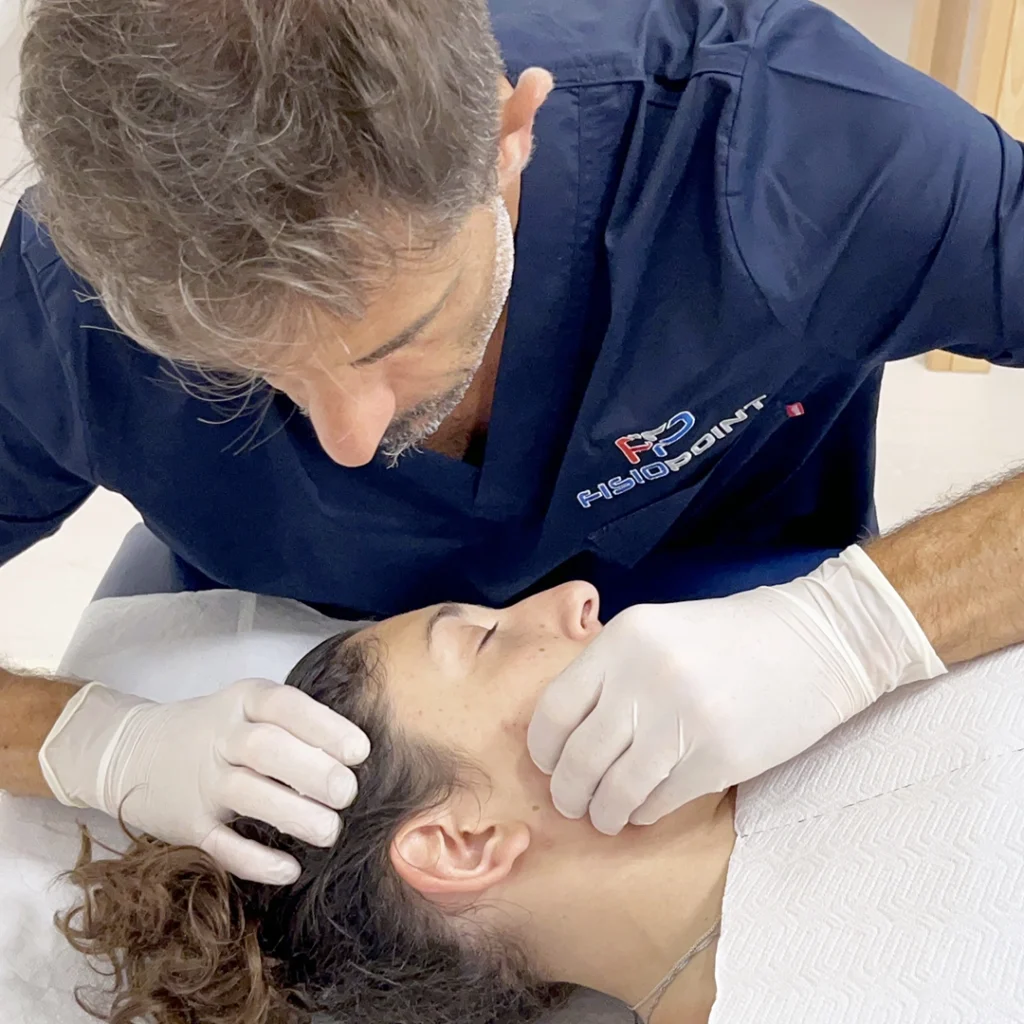
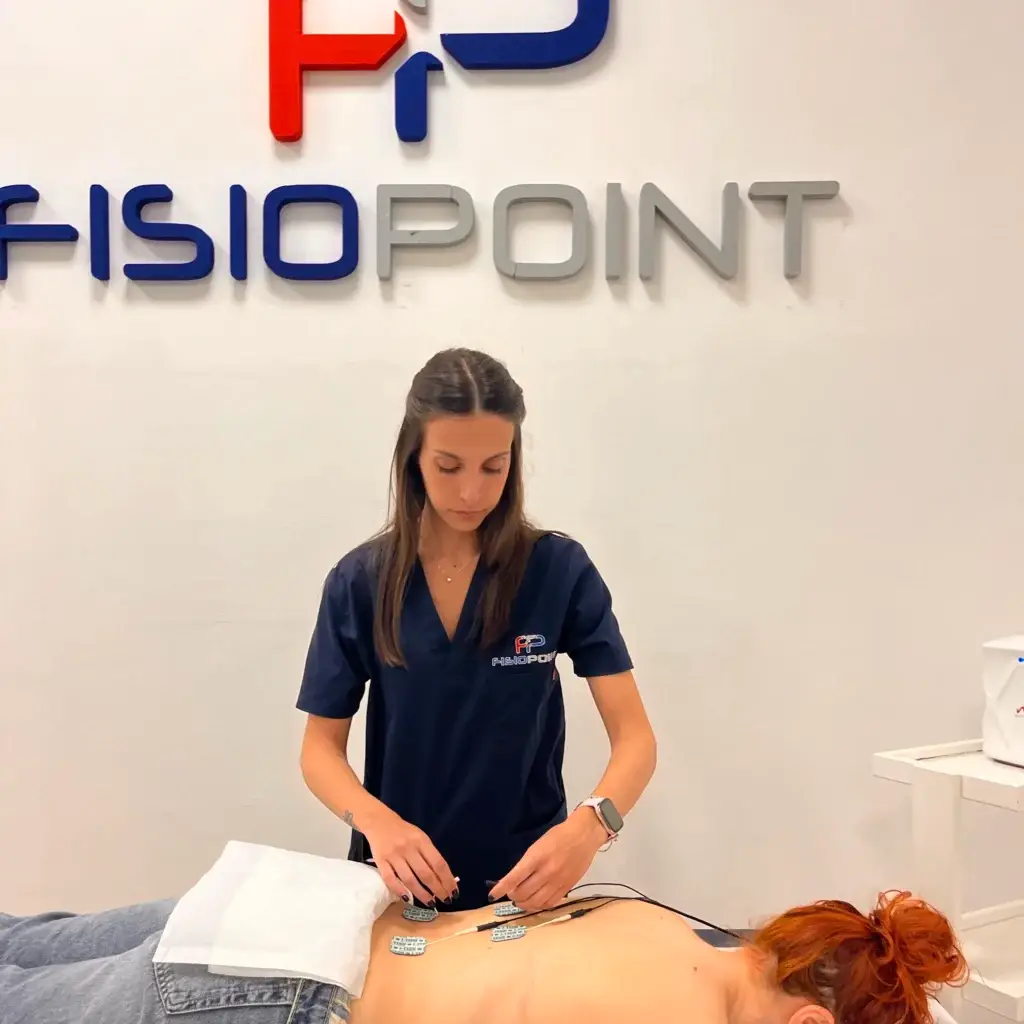
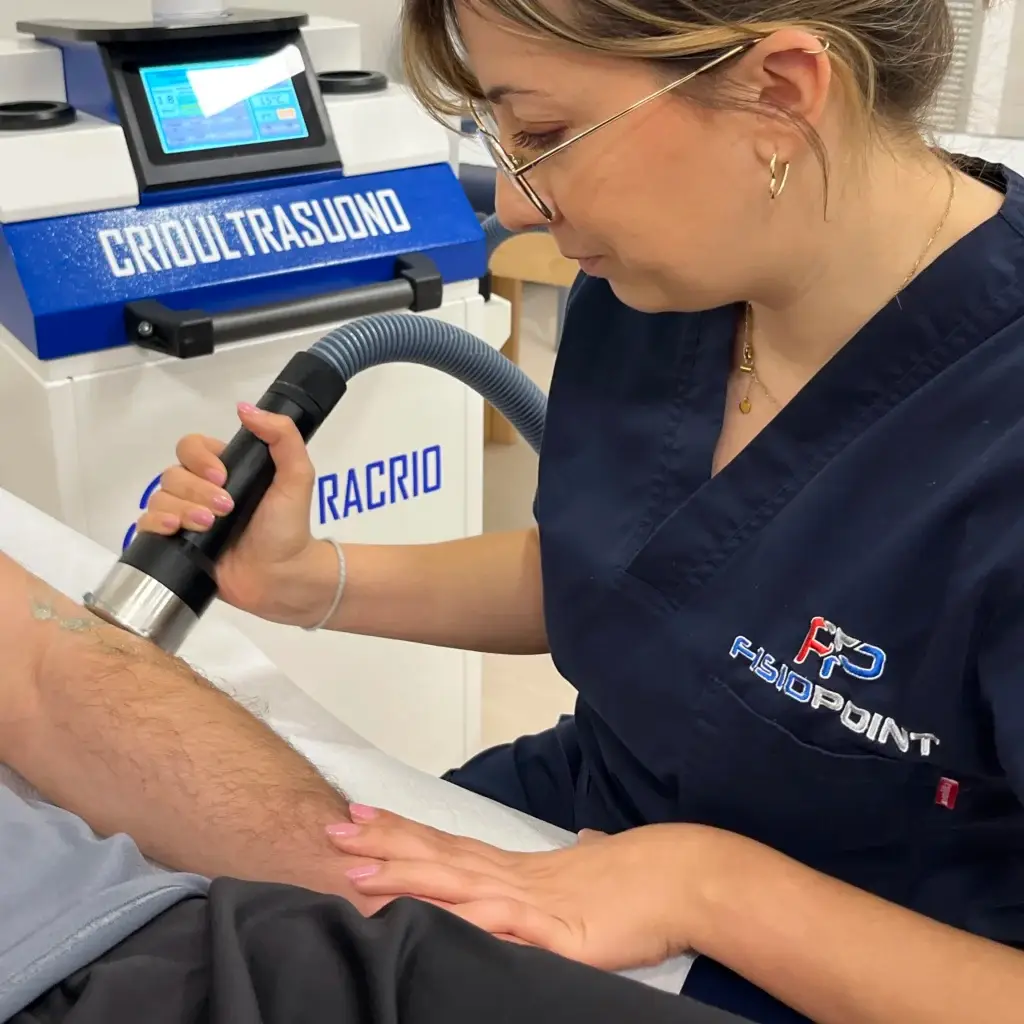
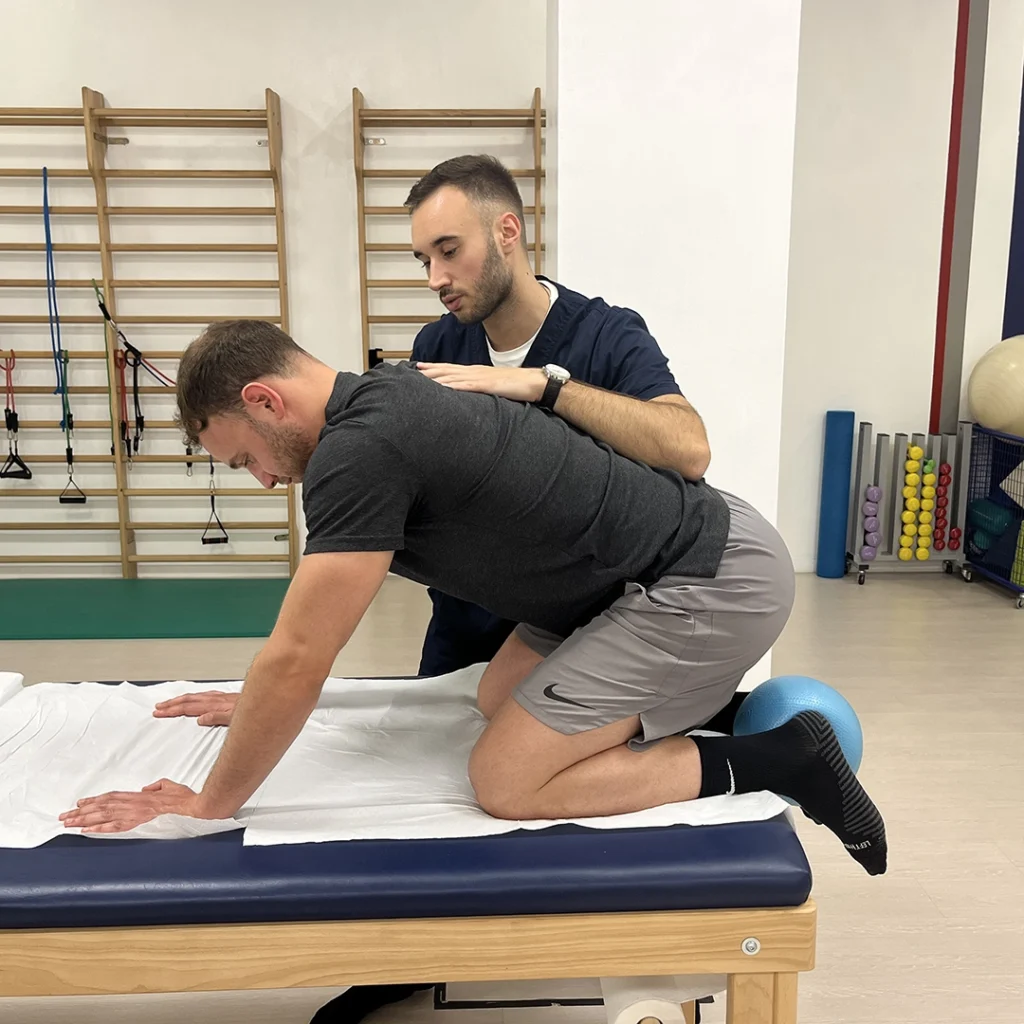
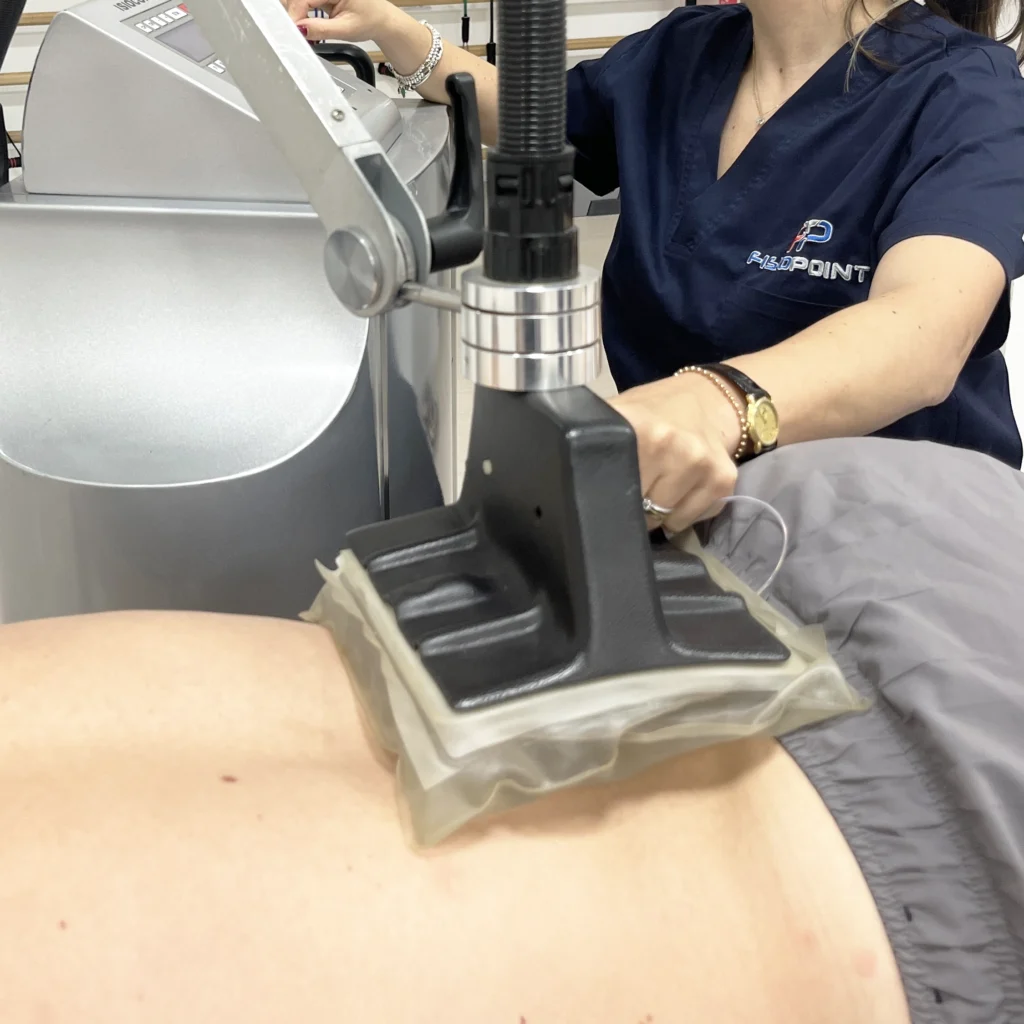
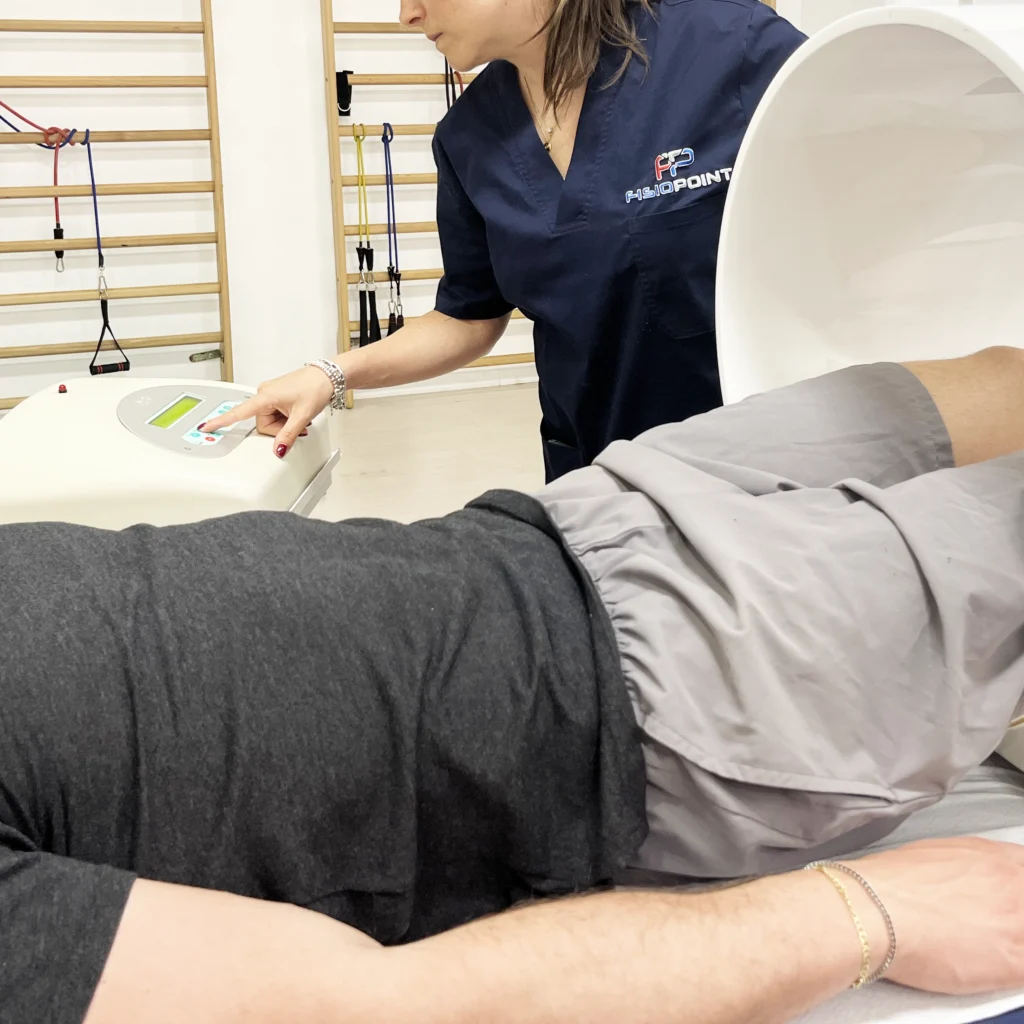
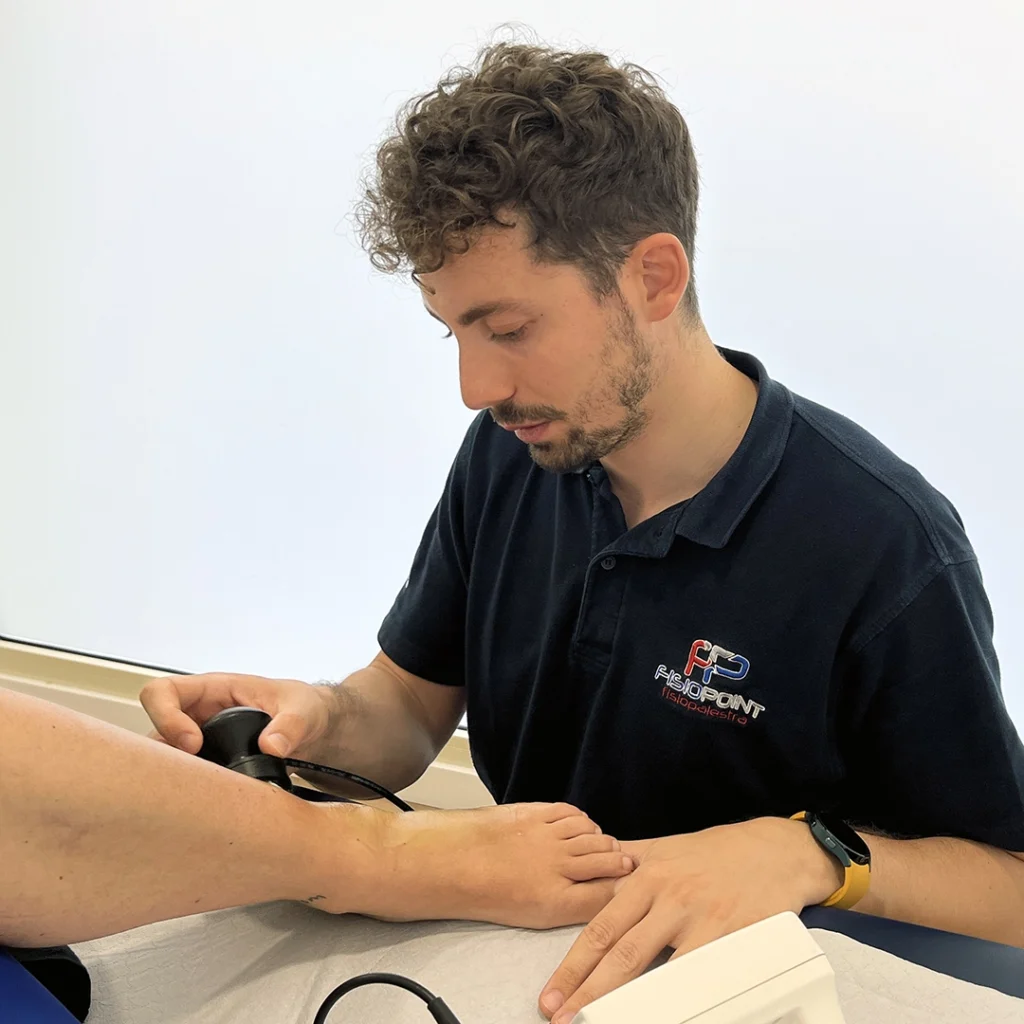
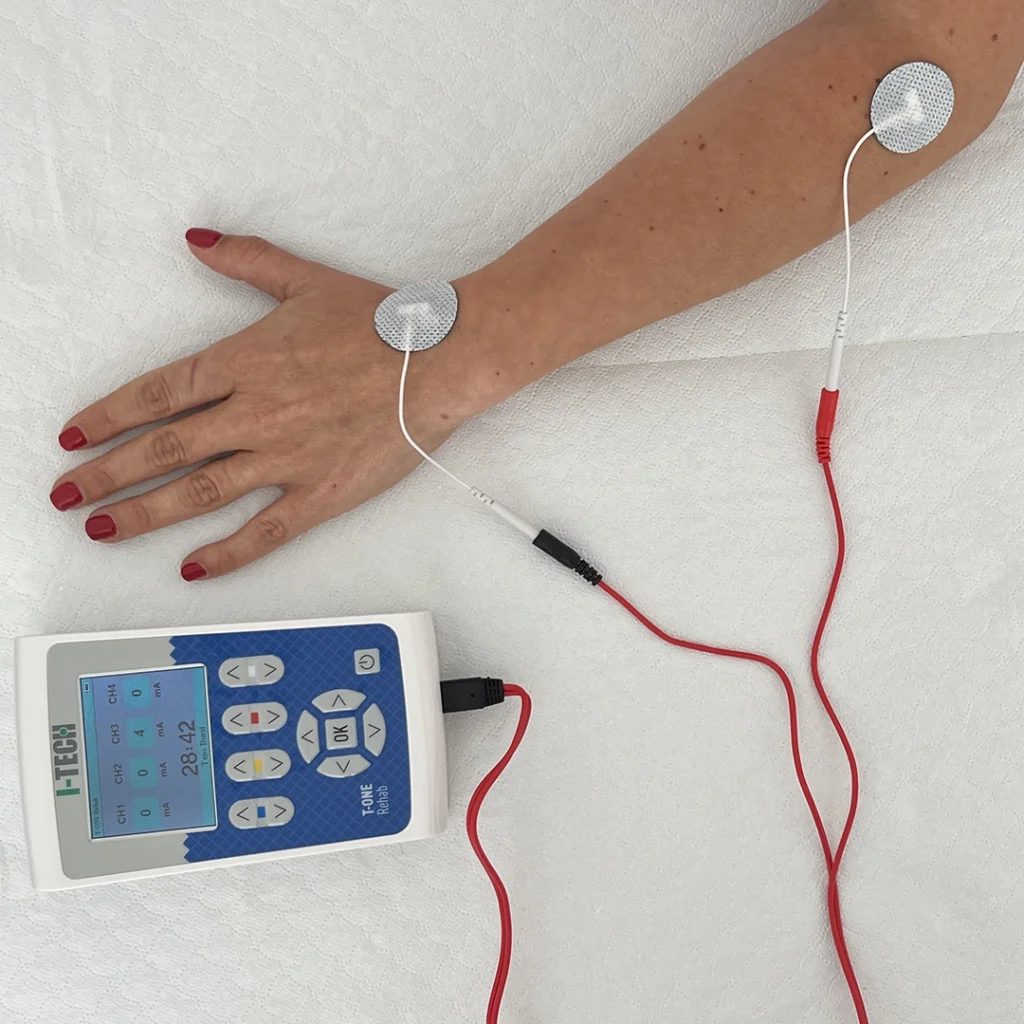
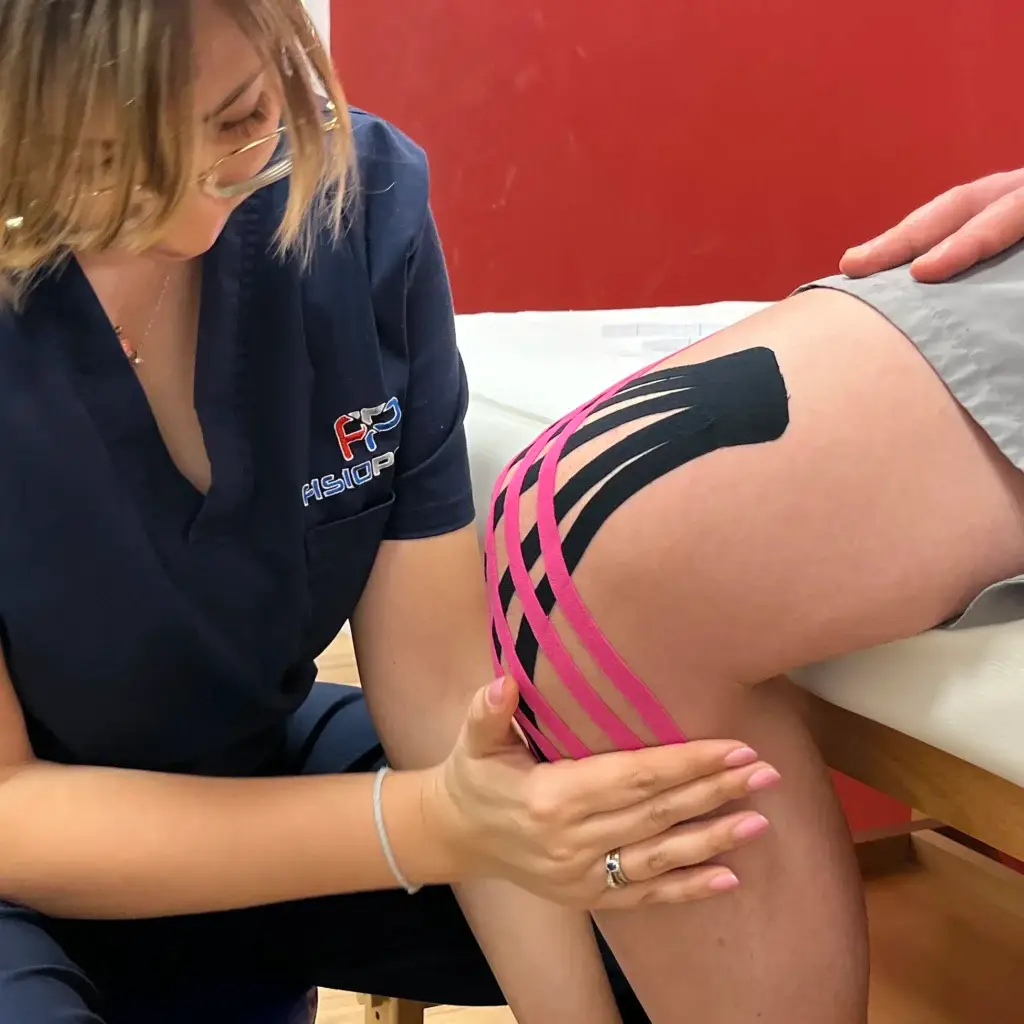
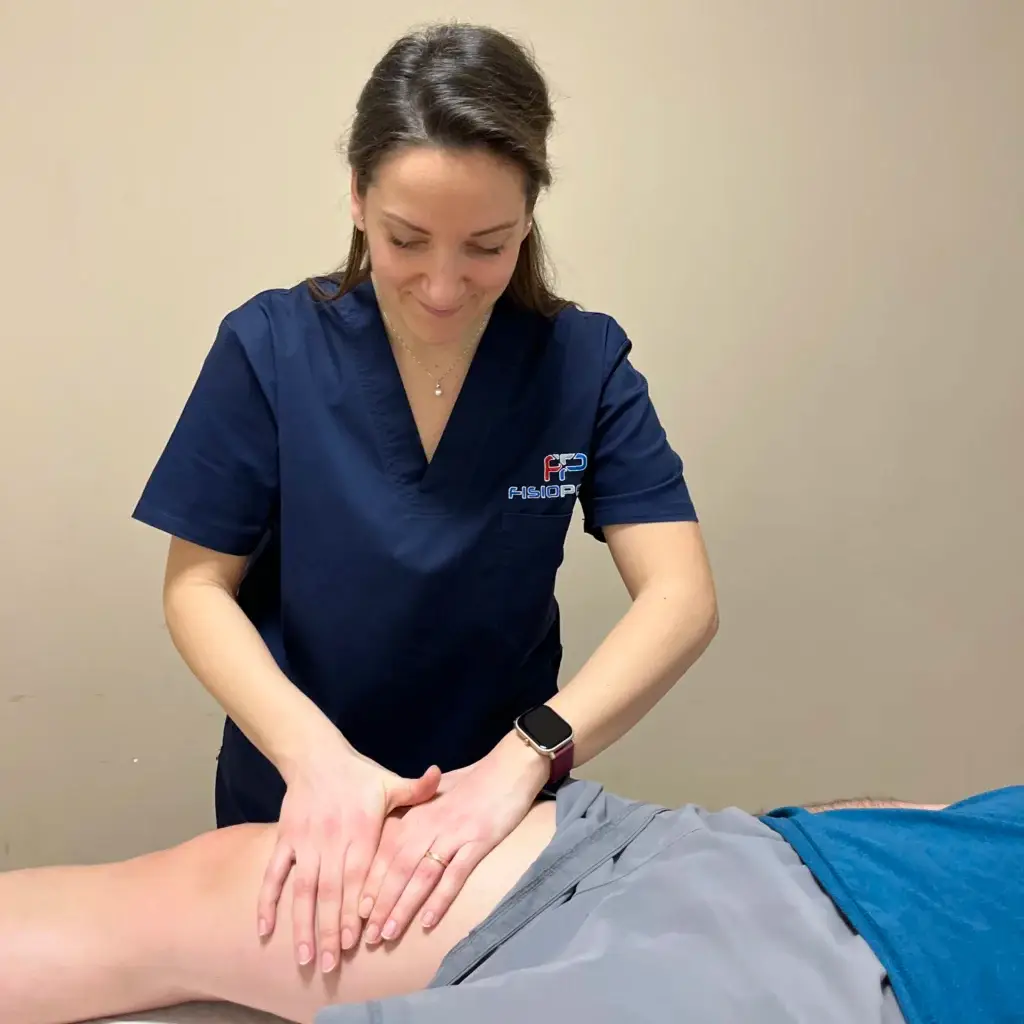
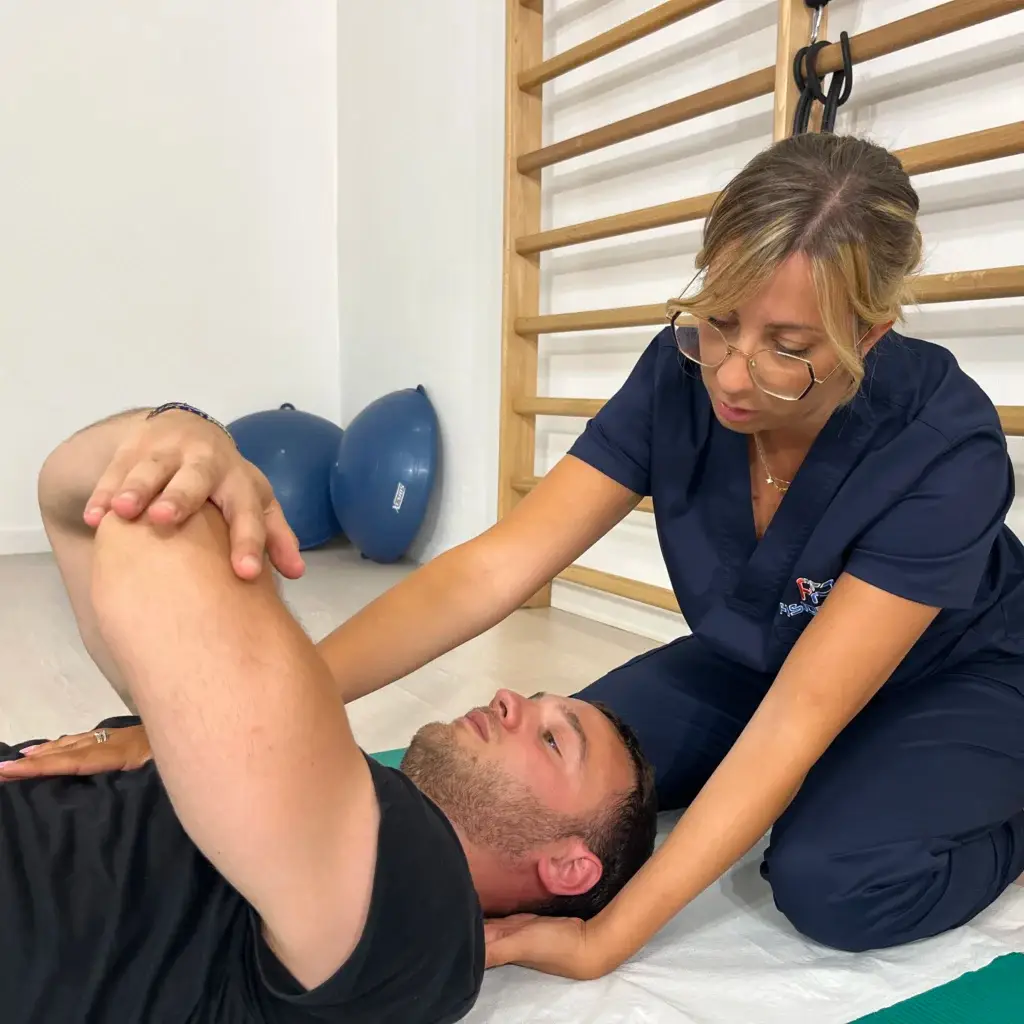
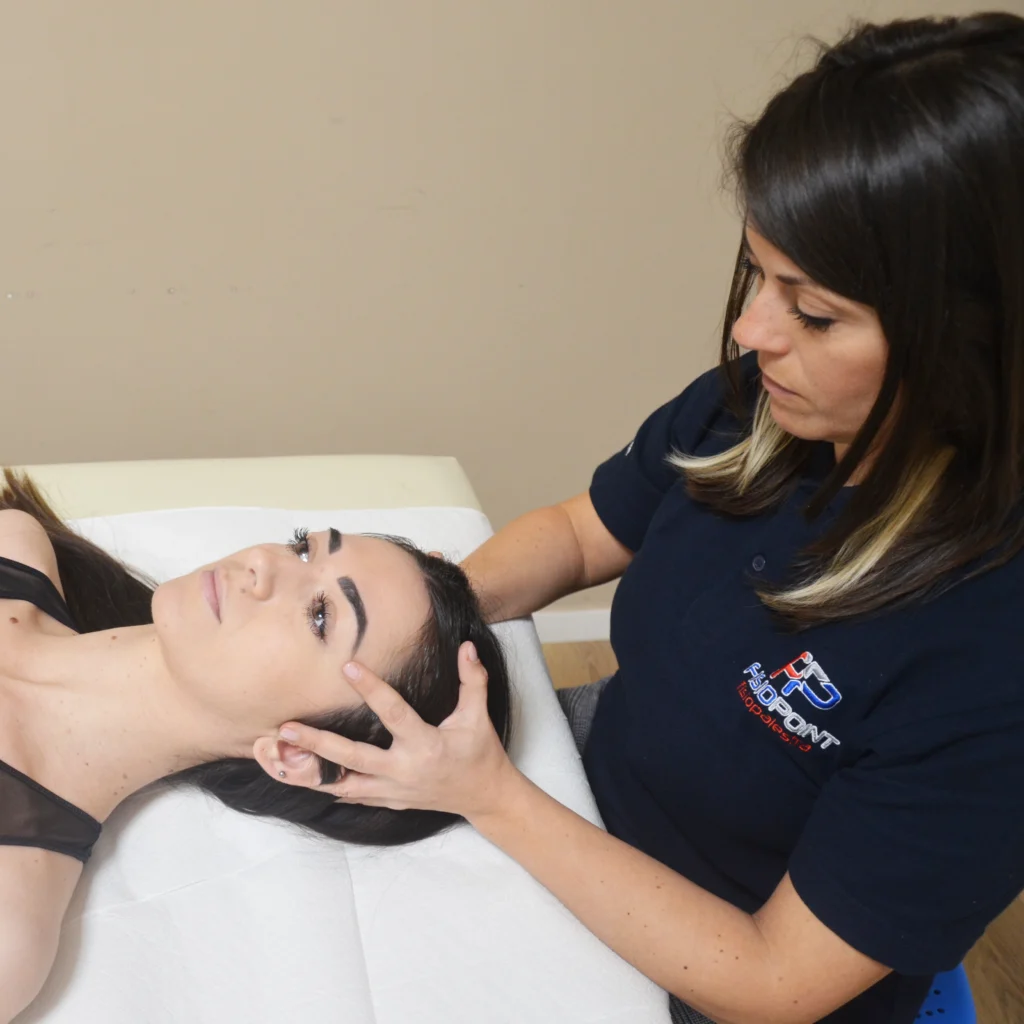
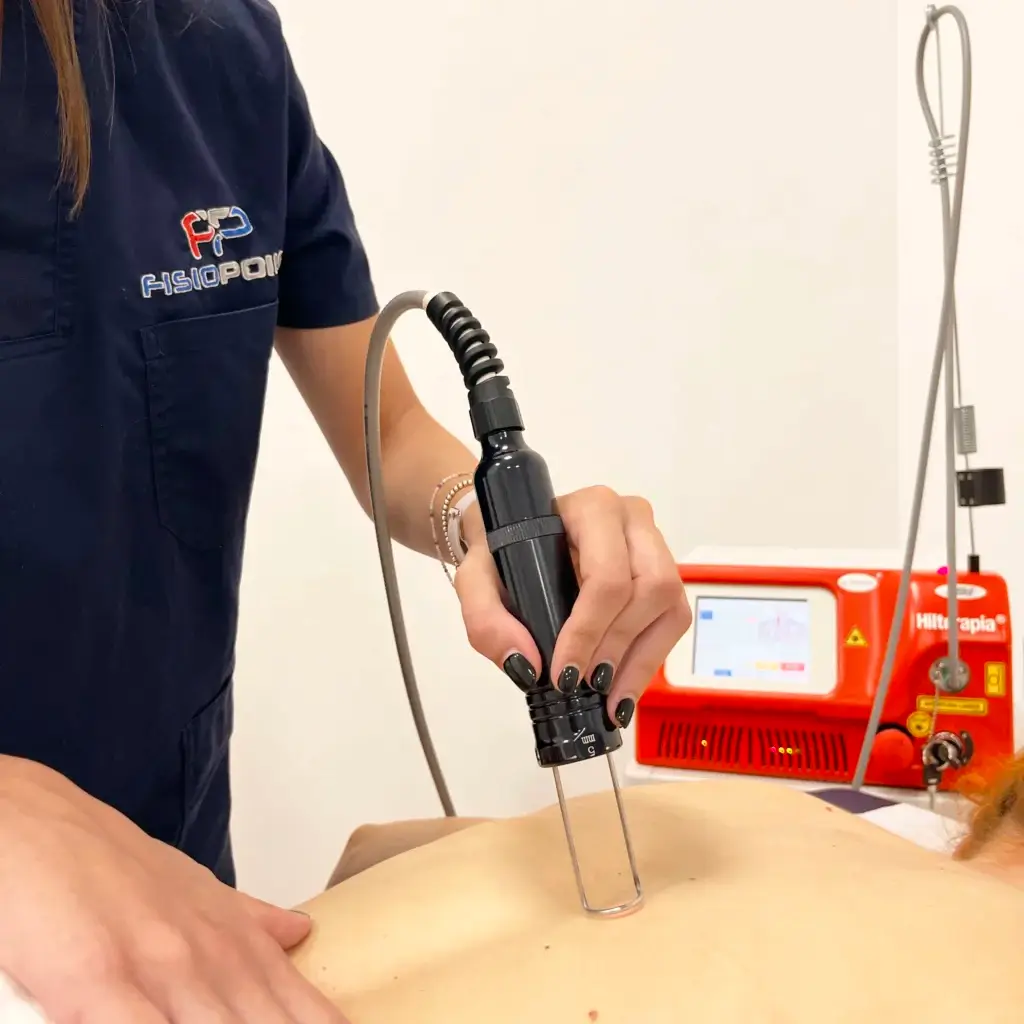
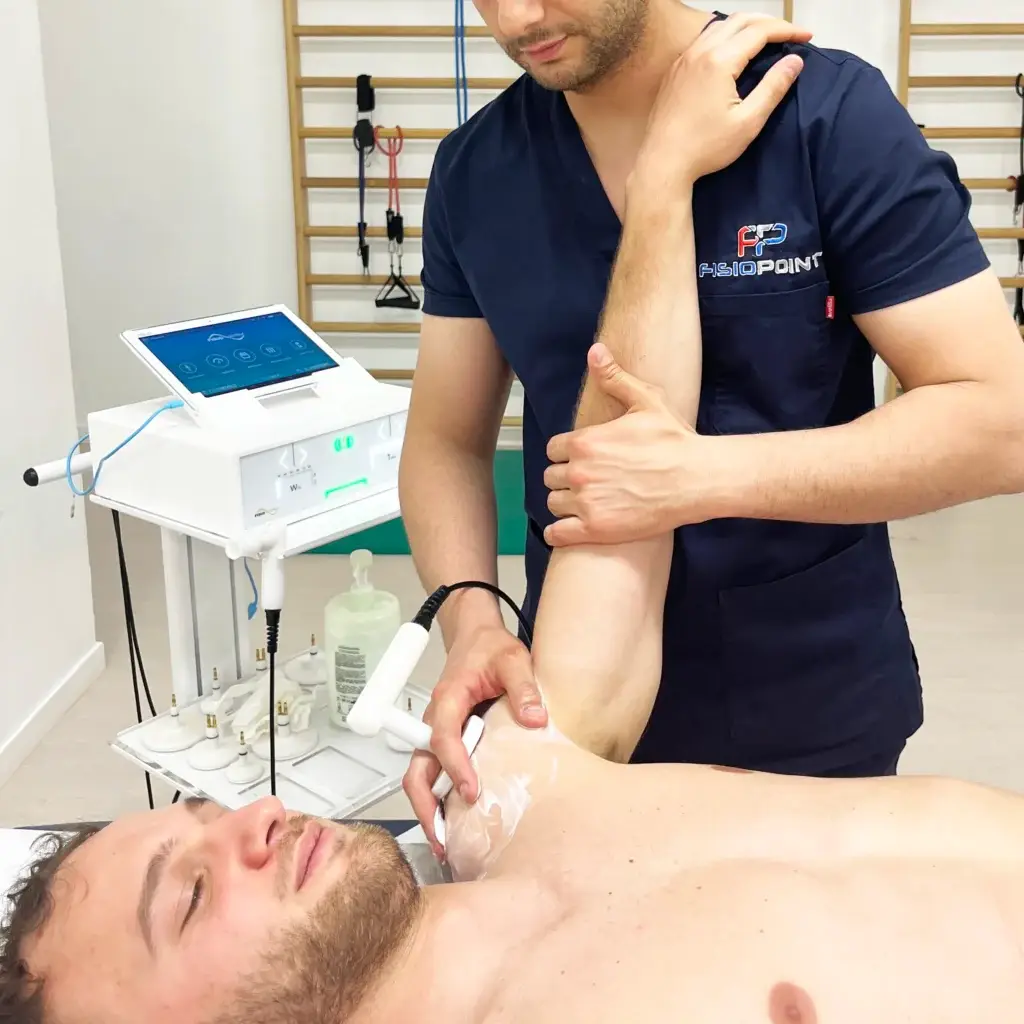
The conservative approach is carried out together with the physiotherapist. Depending on the severity of the patellar hyperpressure syndrome, the physiotherapist may use the following treatments:
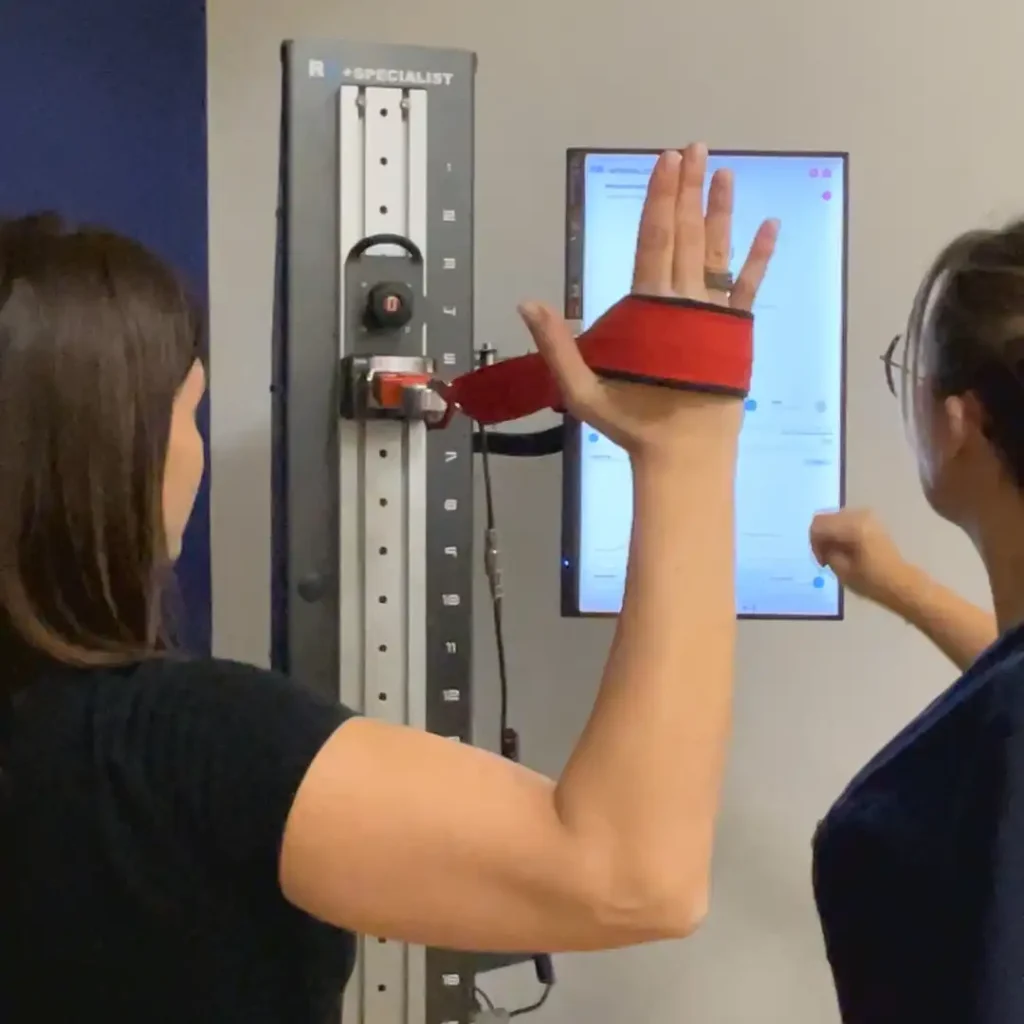
In this syndrome, the physical machines perform the task of decreasing the inflammation quota of the knee, making the dynamic part of the treatment path easier.
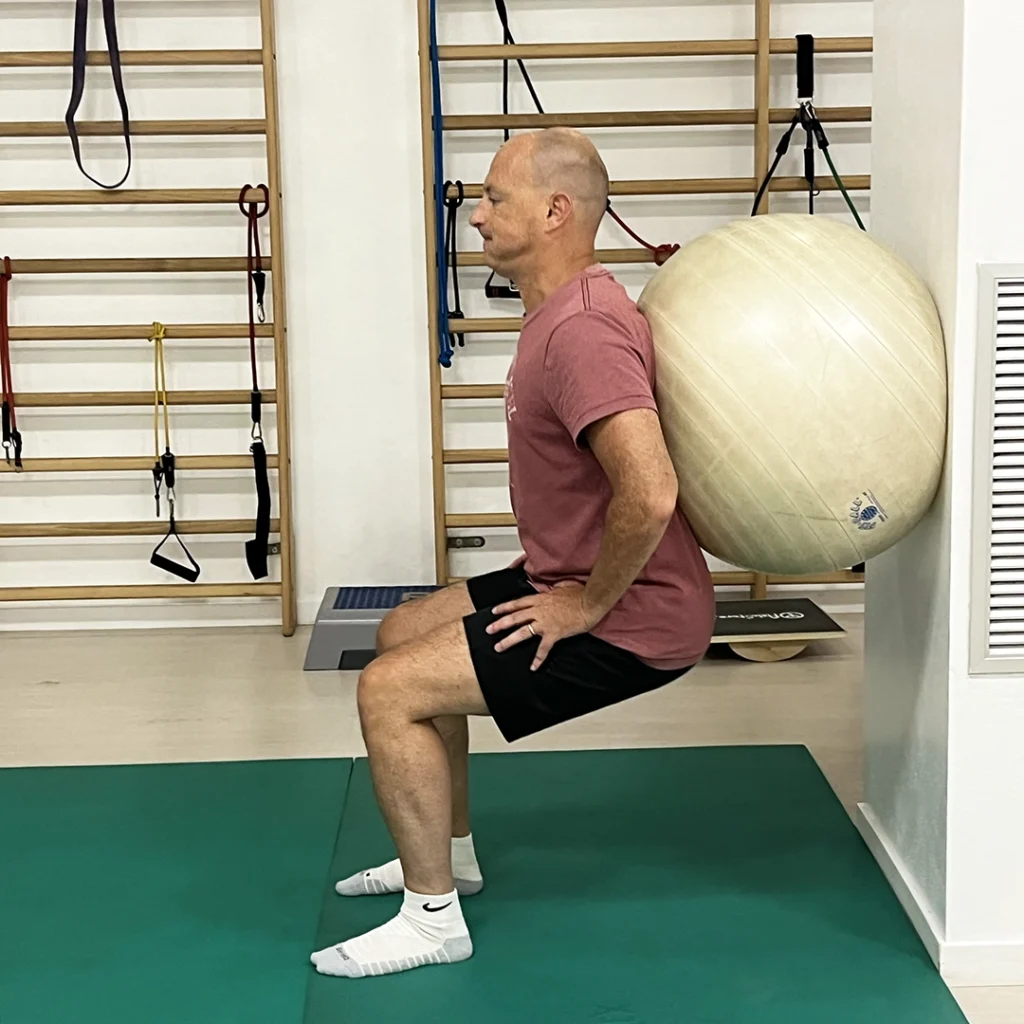
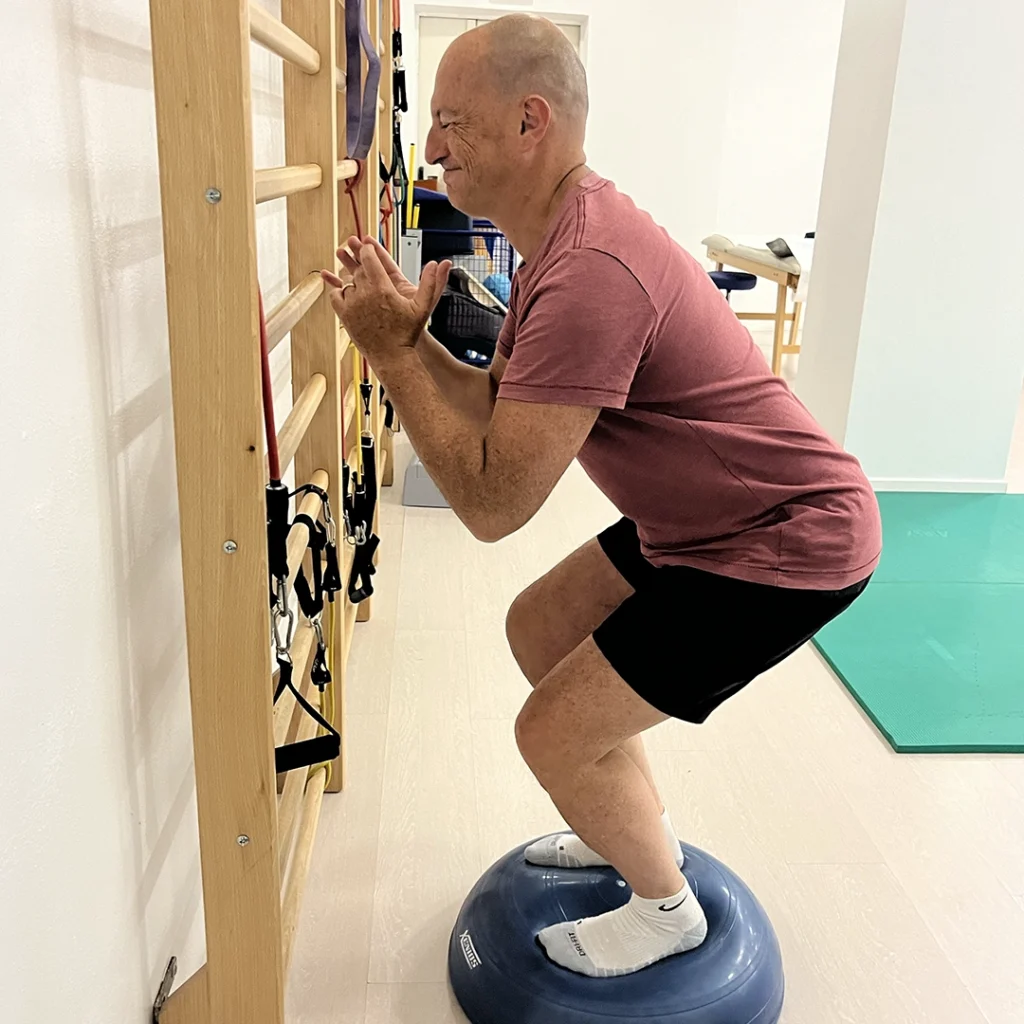
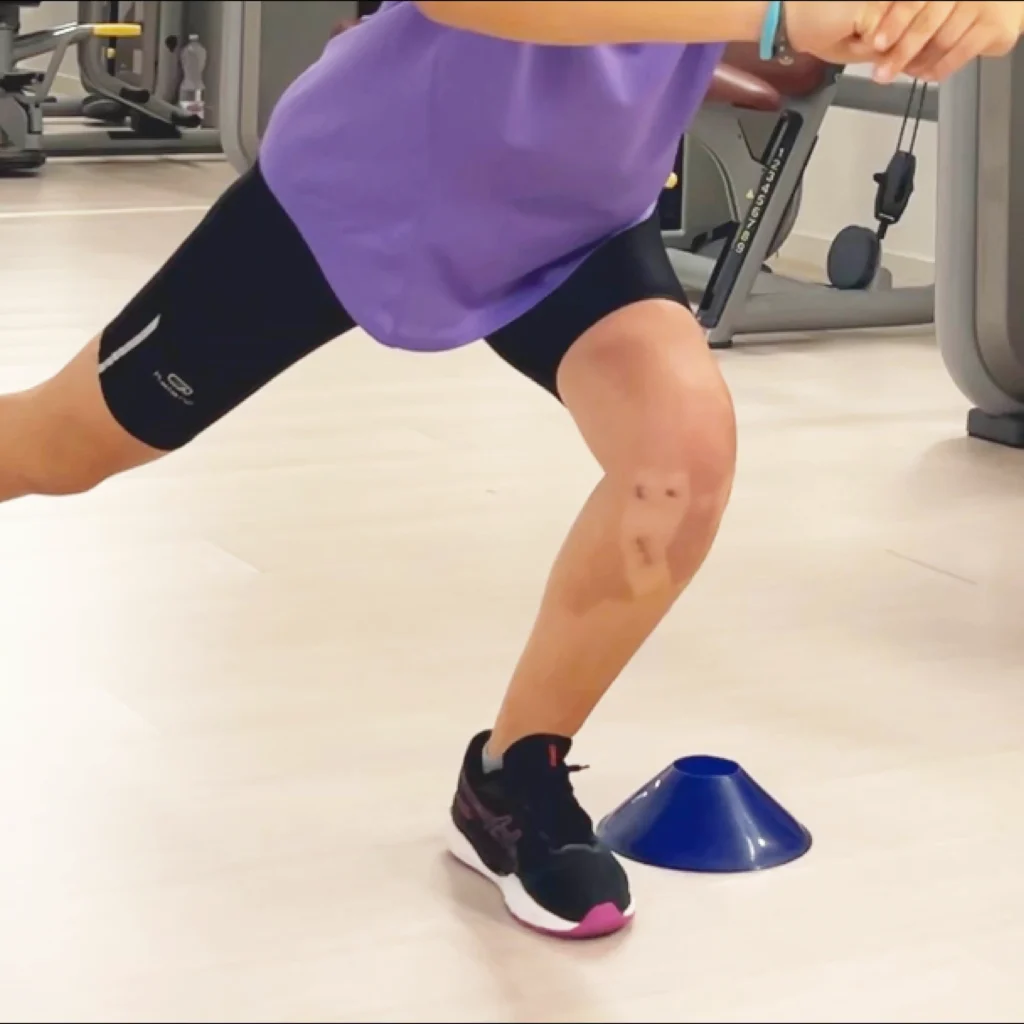
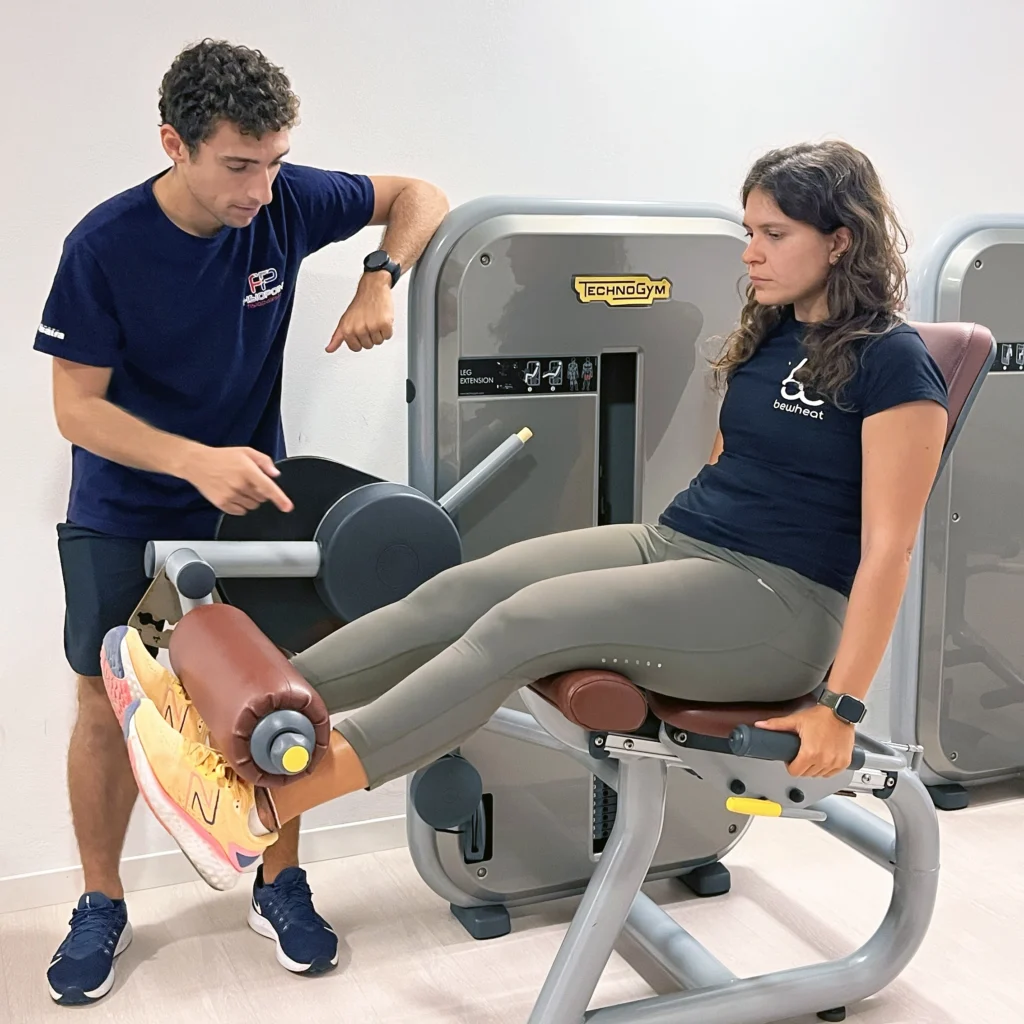
The other types of treatment aim to bring the knee as close as possible to a correct biomechanical alignment. Muscle reinforcement work, combined with proprioceptive exercises, can in fact improve the alignment of the patella by decreasing the pressure between the joint ends. The decrease in patellar hyperpressure results in a reduction of the symptomatology itself.
Once the symptomatology is resolved, it is useful to continue with a course of
postural in order to maintain the results obtained.
In the event of a return to sporting activity, a targeted reathletisation path is agreed upon with the physiotherapist, which will begin with the last physiotherapy sessions and continue with a professional with a degree in motor sciences and specialised in preventive and adapted motor activity.
Accidents
During the recovery phase through the targeted rehabilitation course, it is important to implement small measures:
- Avoid long walks, so as not to overload the joint
- Avoid crouching
- If a flat foot is present, carry out an examination baropodometric to assess the possible use of orthotics
- Use 10 minutes of ice, with a cloth placed between the skin and the cold source, to decrease the pain component
- Temporarily avoiding sports that increase the load on the knee joint
- Descending the stairs with the knee that hurts the most
Text by Alessio Fioretti
Learn more by watching the videos on our channel YouTube






 English
 Italian