Artistic gymnastics is the sport that many children choose to practise, at least for a few days, in their lives. It is one sports which allows those who practise it to develop all the basic motor and conditional skills typical of the developmental age, from an early age.
However, due to the difficulty of the technical elements of this sport, athletes in this discipline are subject to early specialisation before adolescence, only to end their sporting careers around the age of 25 for women and 30 for men, respectively.
Moreover, being a high-impact discipline with a highly traumatic and wearing nature, athletes are used to suffering injuries from an early age. Many times, in fact, it is injuries that cause athletes to retire early from the sporting scene.
What are the most common injuries in artistic gymnastics?
The disciplines of this sports are performed on large apparatus (beam, parallel bars, vault, free body), which can facilitate and involve some body districts rather than others. Usually, however, athletes are more likely to suffer injuries in the final phase of the exercises, in the so-called 'exits' or in the jumping or landing phases of aerial acrobatics, which are almost always unpredictable.
Furthermore, many of the injuries are caused by one of the basic gymnastics techniques, namely the handstand, which is particularly important as it is the starting point for many technical elements.
The joint districts most prone to trauma are: the shoulderthe elbowthe wristthe lumbar spine, the knee and the ankle. He used to attend:
However, the previously listed traumas in most cases result in worse and more complex outcomes.
Injuries of the upper limb
Among the most common upper limb injuries are dislocations, shoulder tendinopathieselbow and wrist fractures. While dislocations and fractures usually occur as a result of direct trauma during exercise, tendinopathies are mostly of a wear-and-tear nature.
Moreover, the upper limb is subject to direct and repetitive trauma, precisely because the arms assume a basic function for all apparatus and all acrobatic and artistic elements. The wrist, in fact, must support a load that it tends to hardly ever support in nature, precisely because almost all the sporting gestures of artistic gymnastics are vertical, and therefore 'upside down'.
Back injuries
The kneeis perhaps the joint that is most stressed due to repeated jumps and landings, even on soft, unstable surfaces. For this very reason, a very high rate of knee sprain injuries can easily be observed.
In cases where the landing generates an extremely violent and uncontrolled twisting motion, the athlete may suffer a rupture of the cruciate ligamentseither anterior or posterior, or a strain on the collateral ligaments.
Other compartments significantly subject to trauma are the menisci, for which, in most cases, surgery is required.
Similarly to the knee, ankle injuries almost always occur during jumping and landing. Common injuries include: ankle sprain, with or without involvement of the anterior peroneal-astragalic ligament and the fracture of the fifth metatarsal.
In addition, another injury that is extremely easy to incur, due to incorrect landings and repeated stress, is a ruptured Achilles tendon.
Knee and ankle injuries for these athletes are almost always very violent and require surgical and rehabilitation therapy, which keeps them away from the competition field for a long time.
Physiotherapy as a preventive and curative treatment in artistic gymnastics
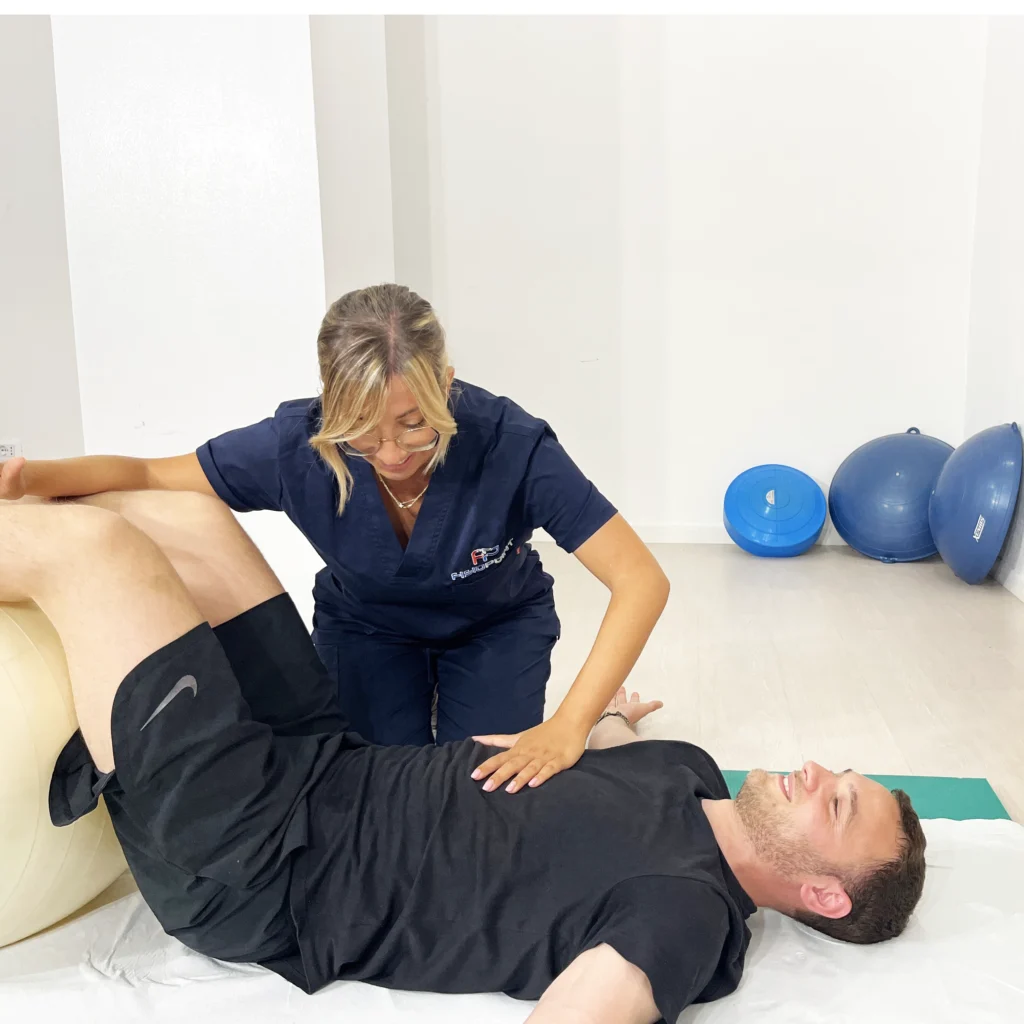
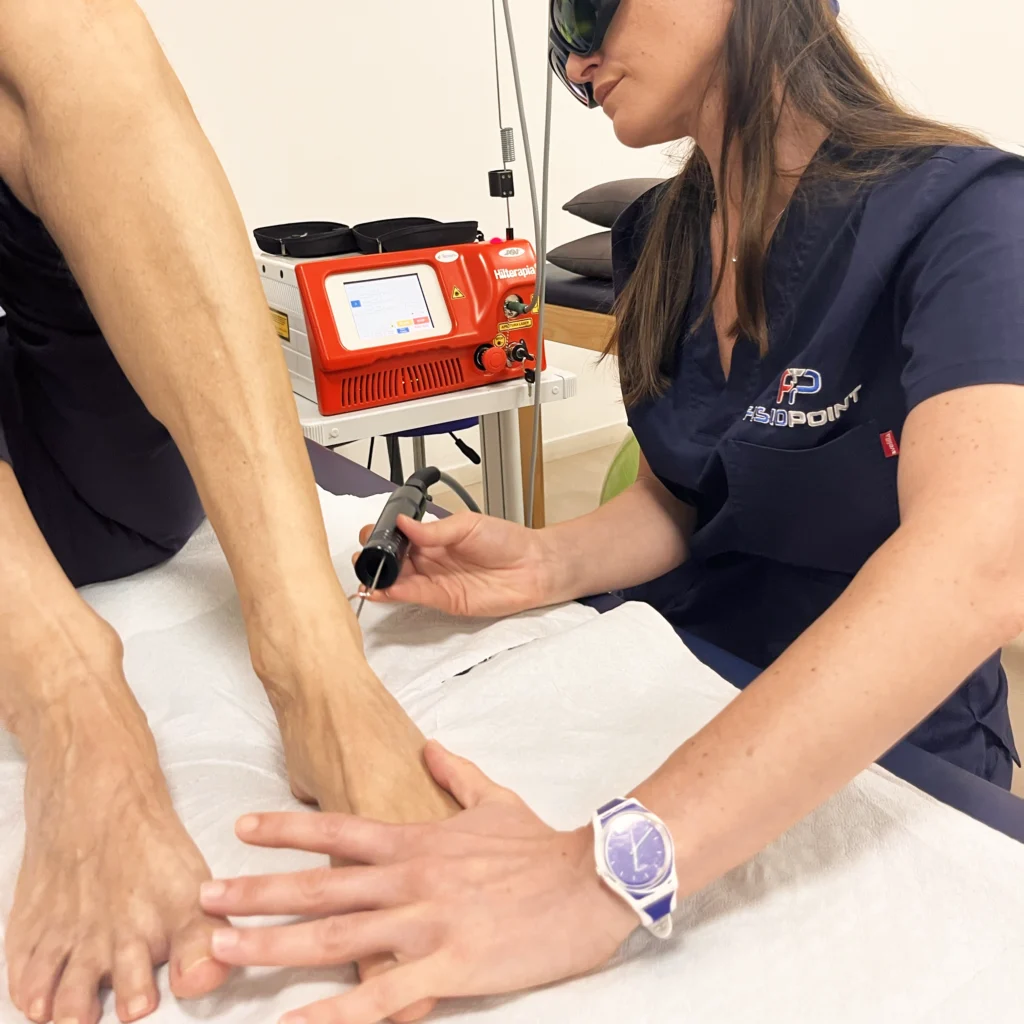
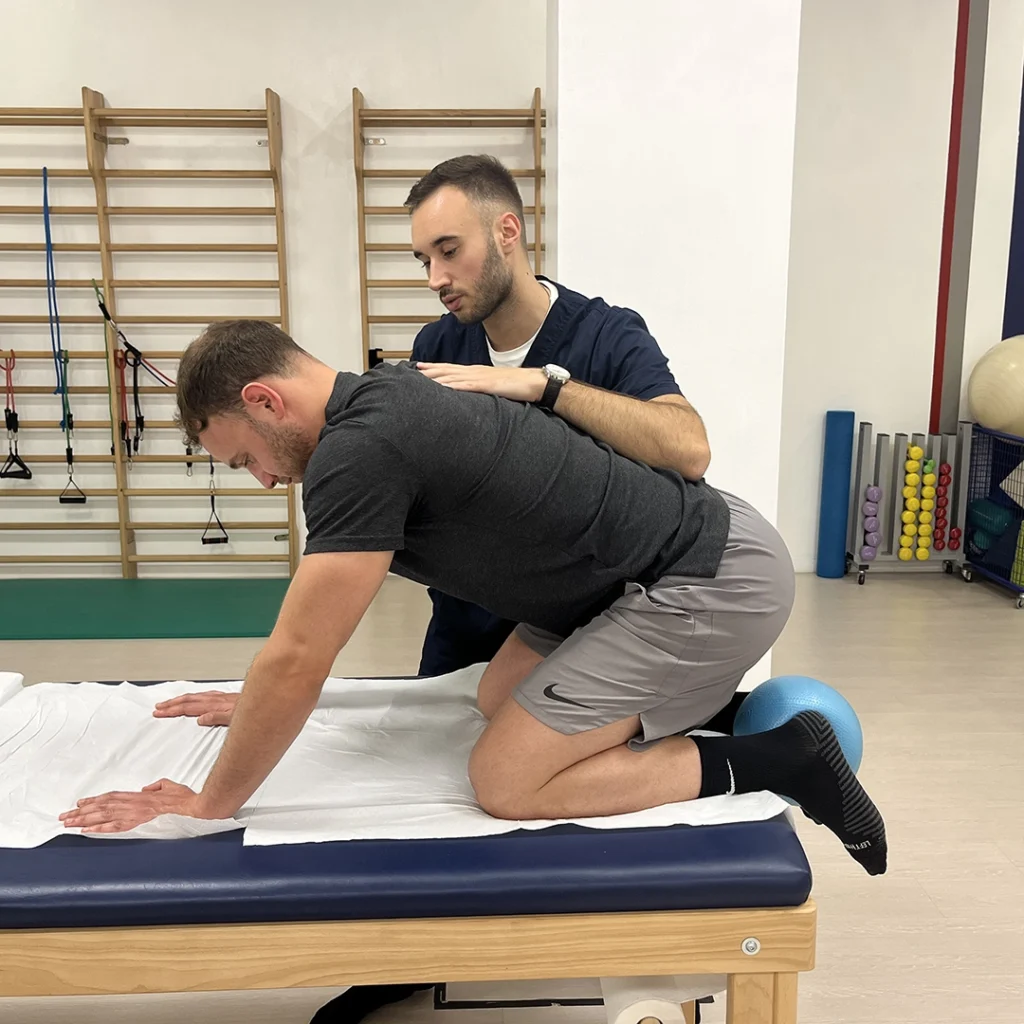
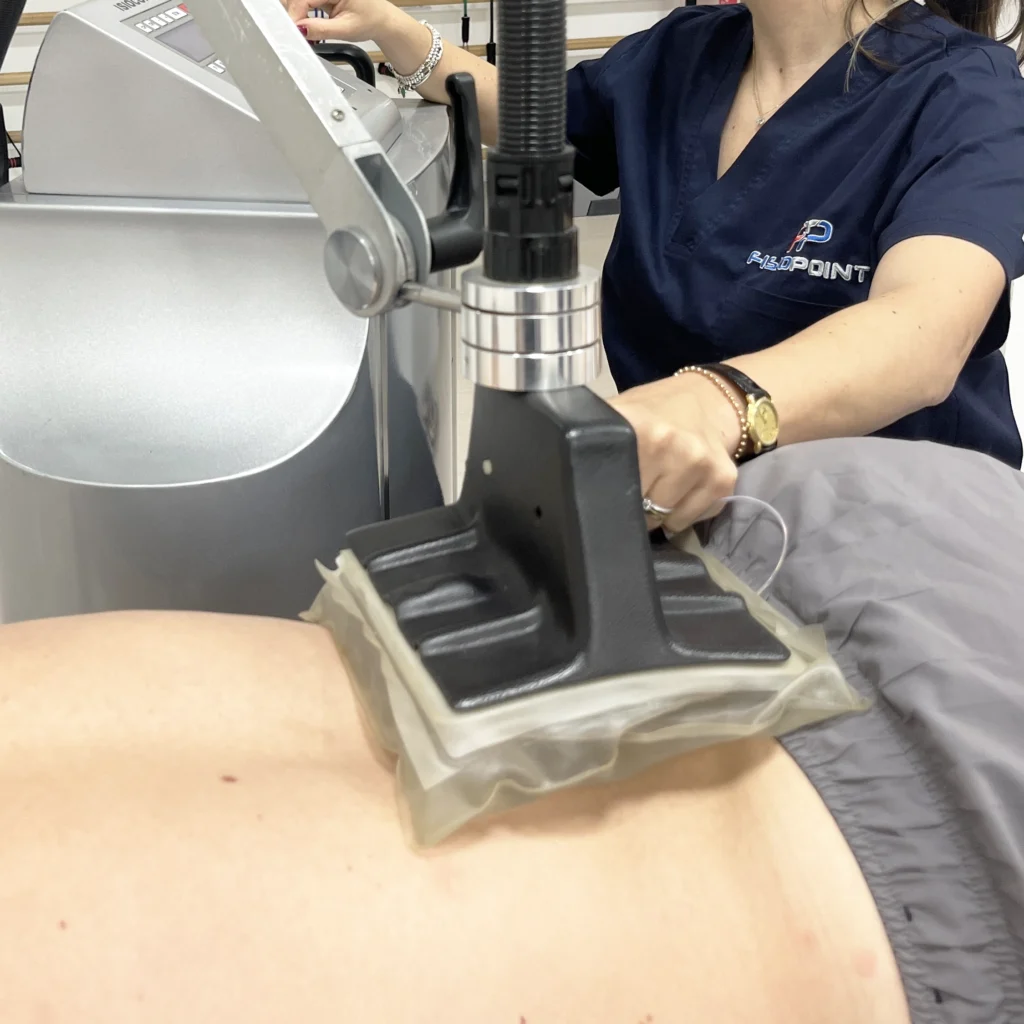
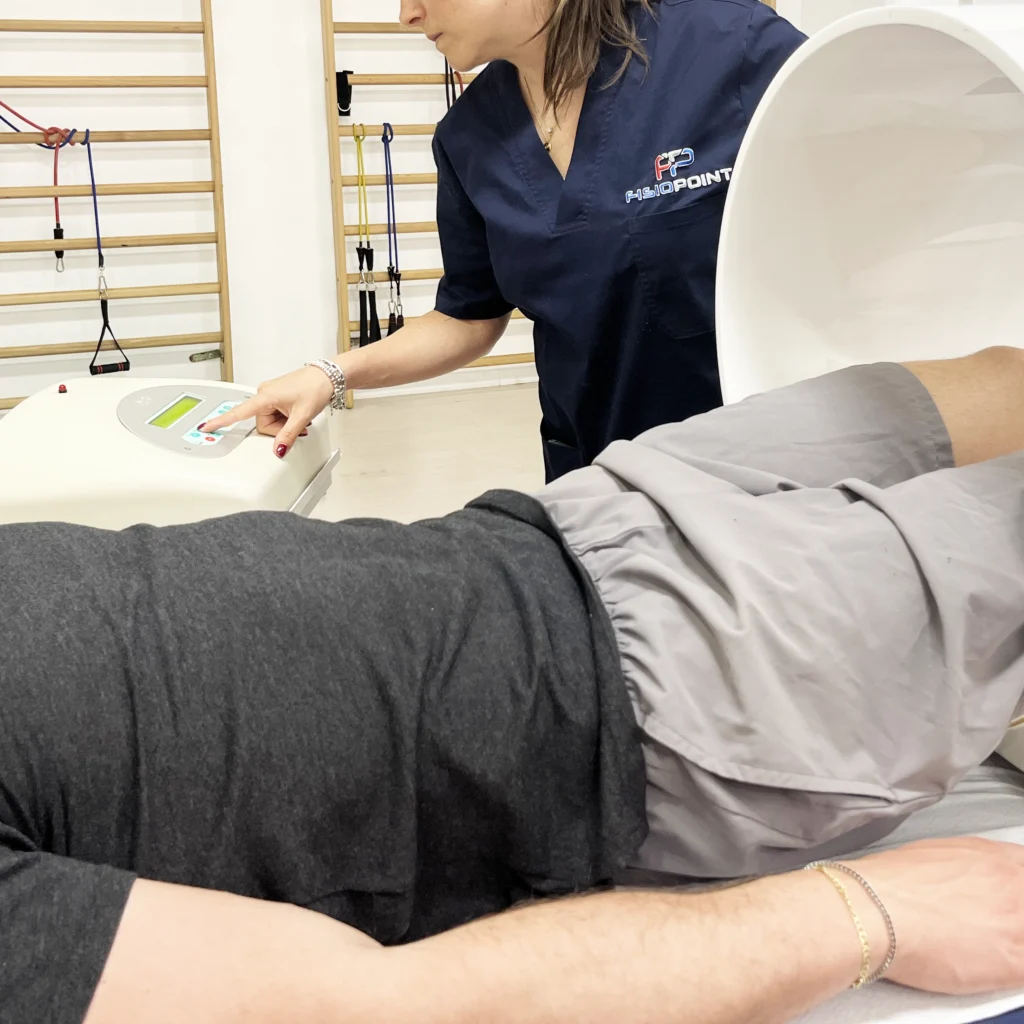
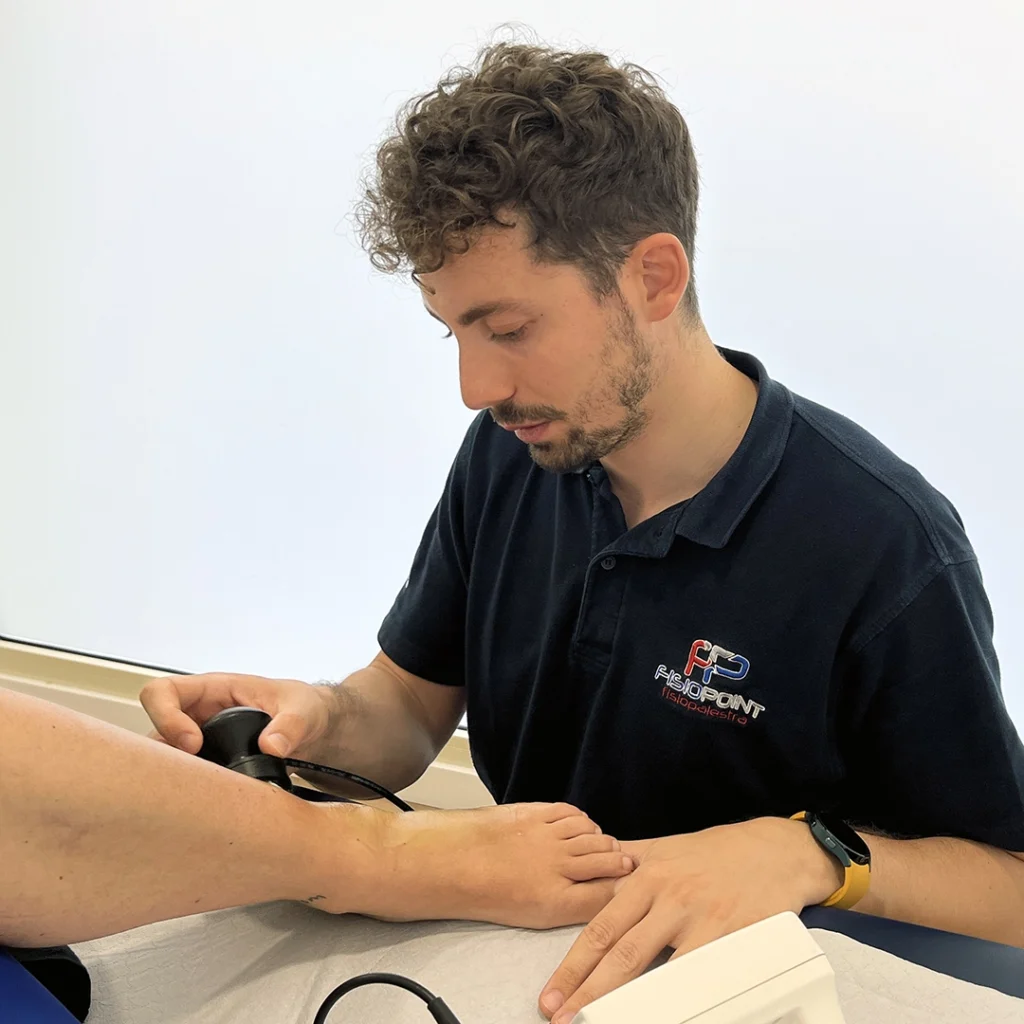
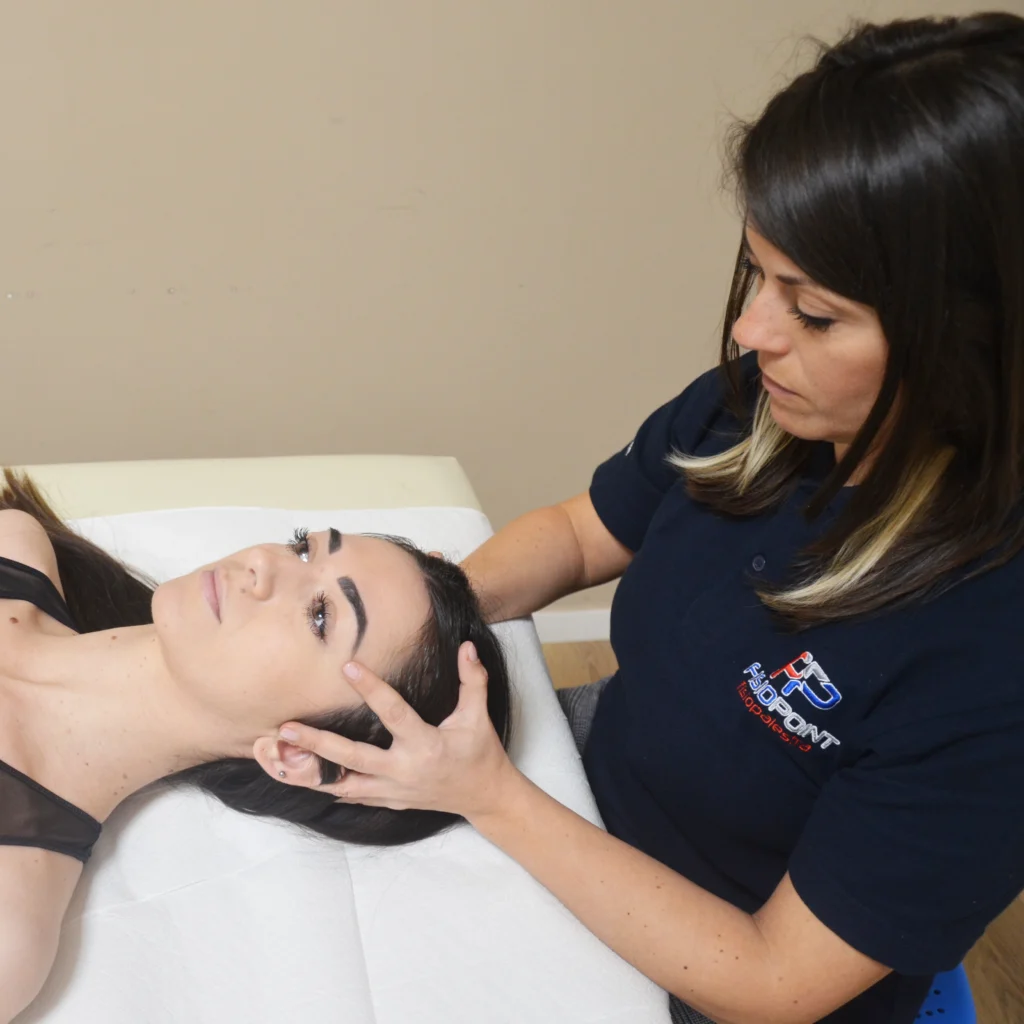
The physiotherapy treatment plays a very important role for gymnasts since, in both preventive and therapeutic terms, it is very effective in treating pain, muscle overloads and more specific injuries.
In fact, high-level gymnasts constantly, if not daily, undergo physiotherapy sessions, both to avoid the exacerbation of certain pathologies, and to try to avoid painful, overloading conditions that may prevent the proper conduct of training and, consequently, competitions.
The constantly increasing difficulty of gymnastics' athletic gestures, both artistic and technical, requires the athlete to adapt his or her physical abilities to the demands of the sport.
Thus, the excessive demands on flexibility and joint mobility, but also the demand for marked expressions of strength and power, cause a high number of injuries. In fact, many injuries are the concomitant cause of muscle fatigue, generated by gruelling training sessions and sustained rhythms.
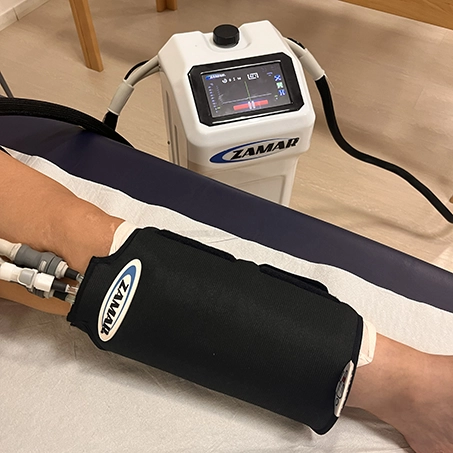
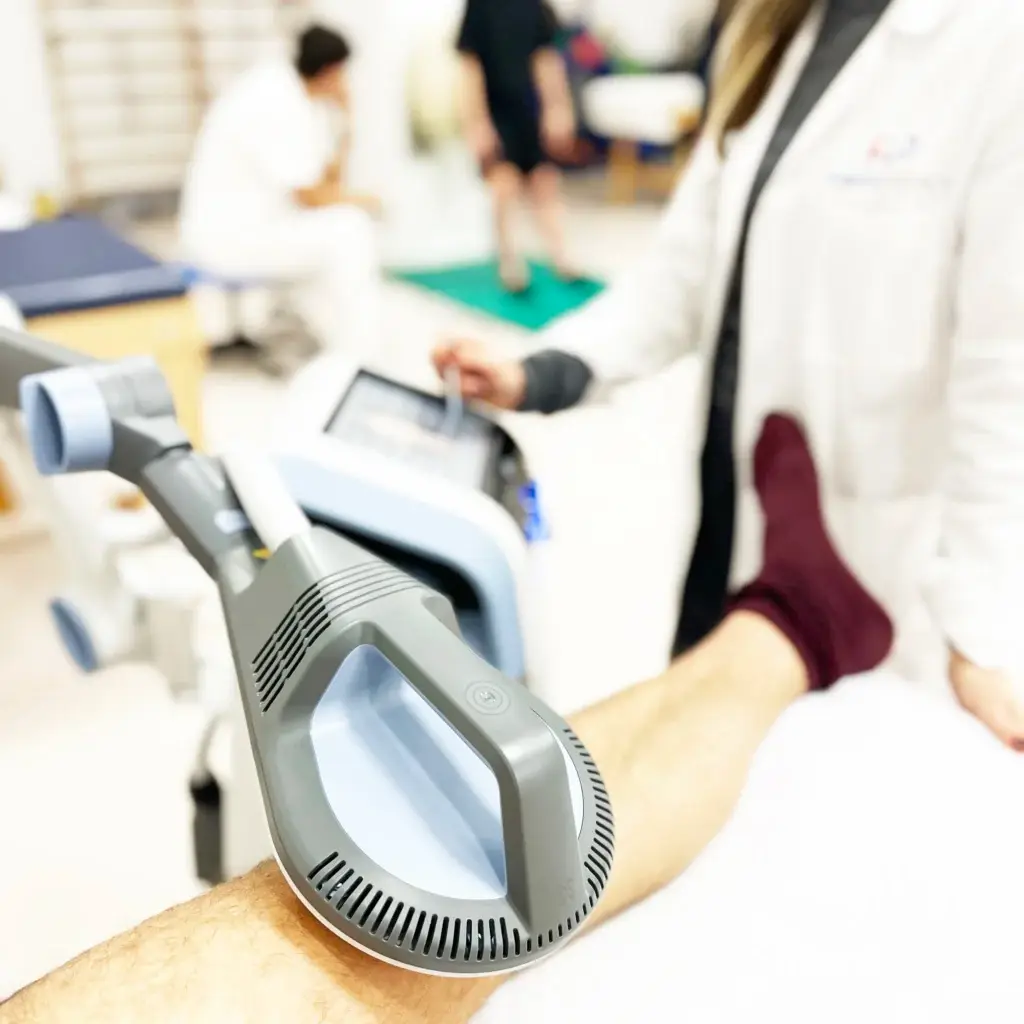
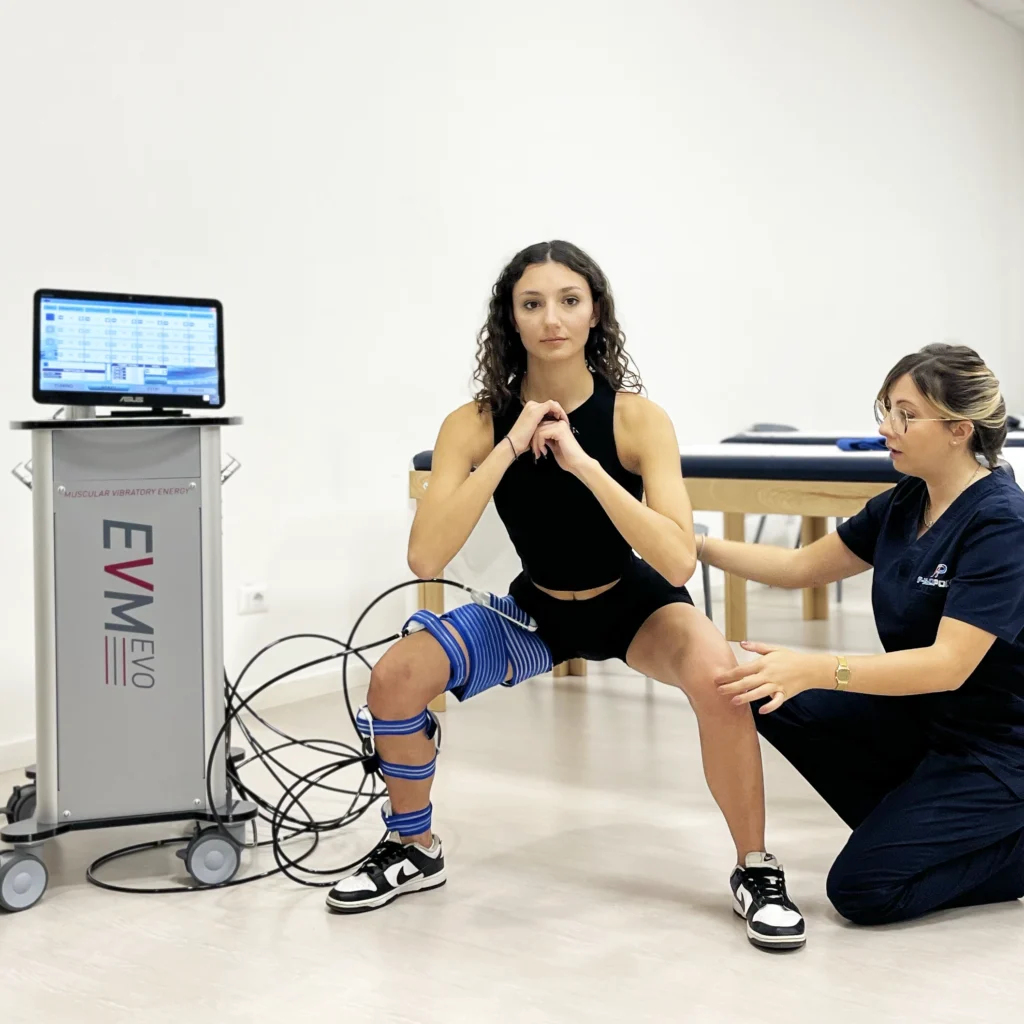
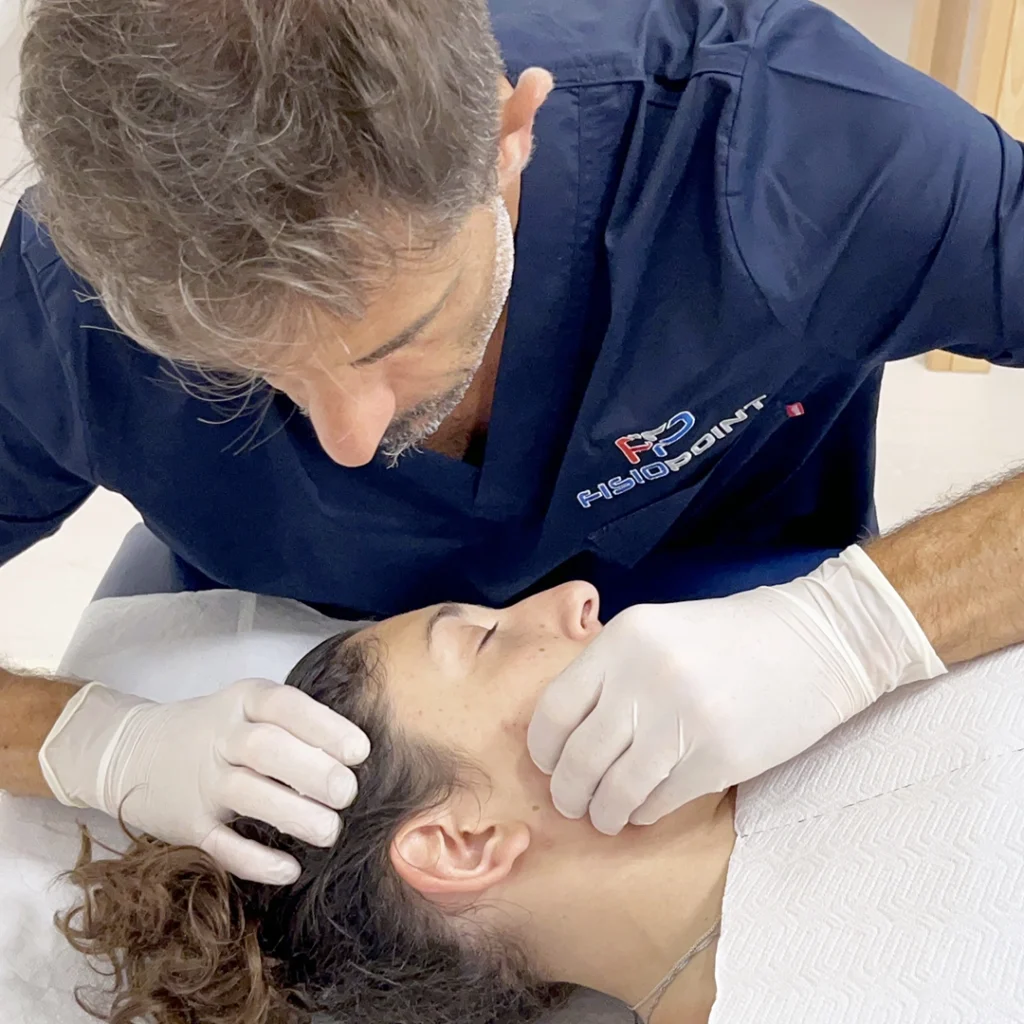
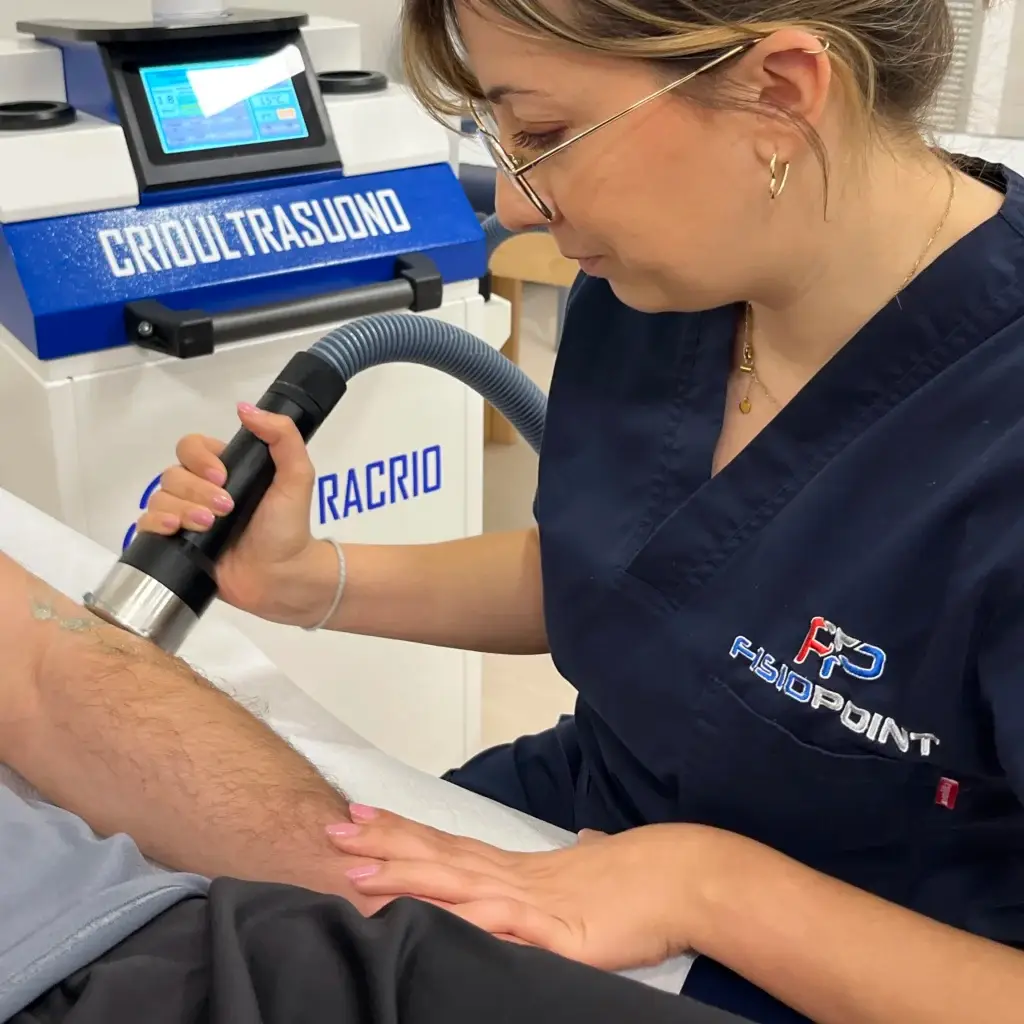
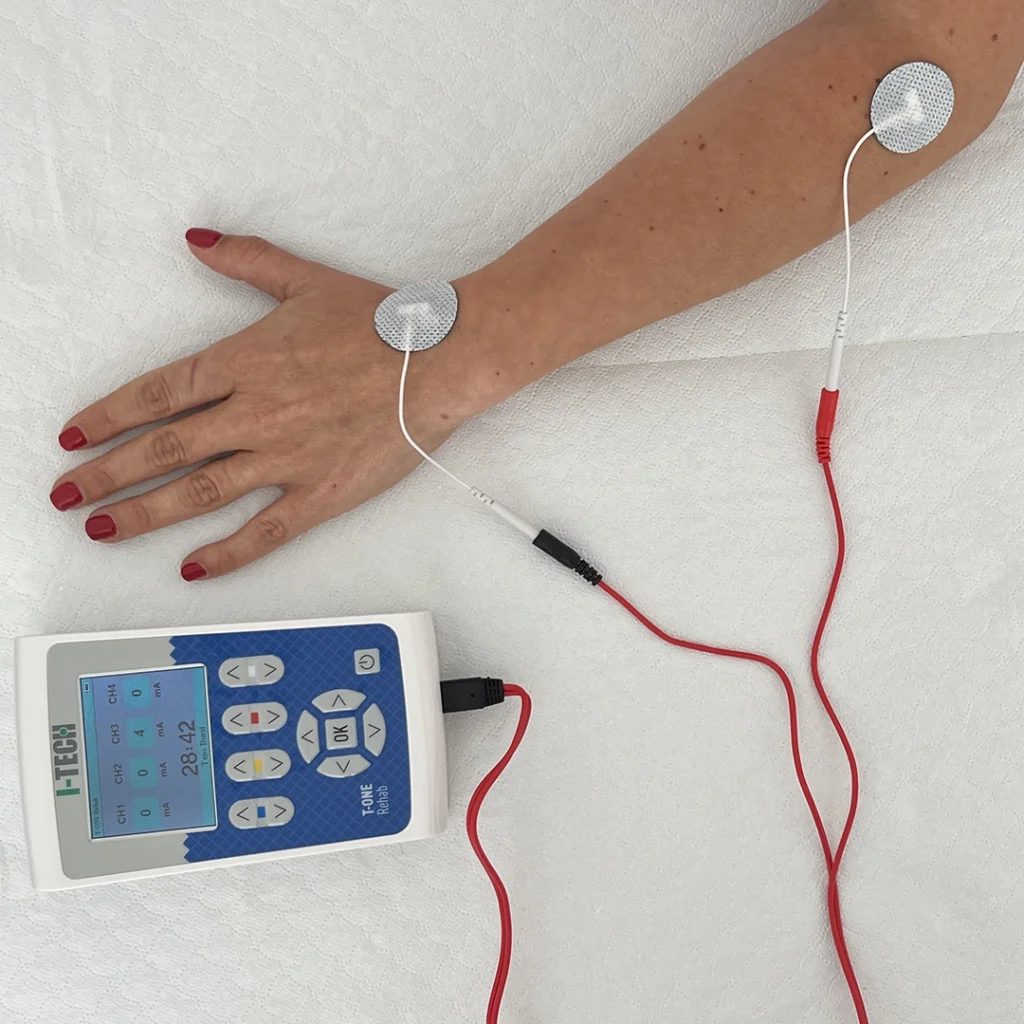
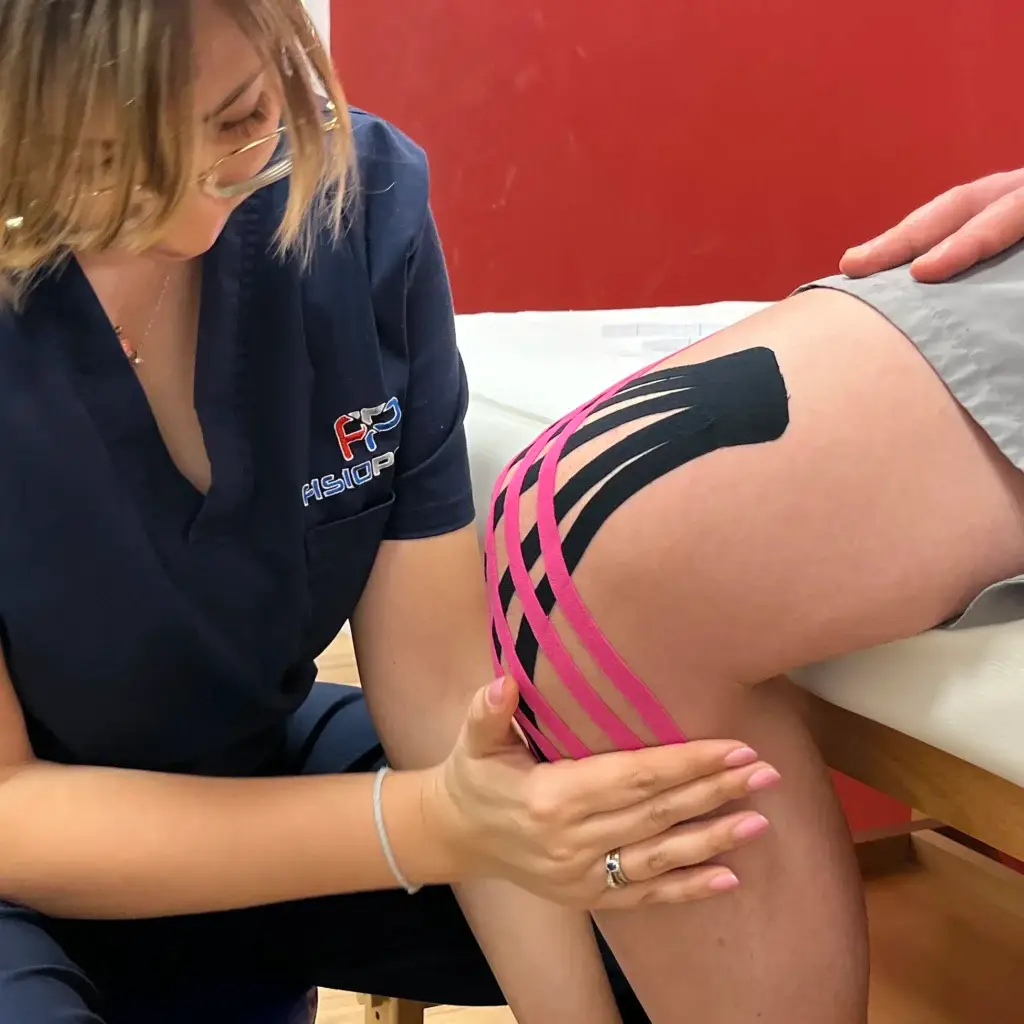
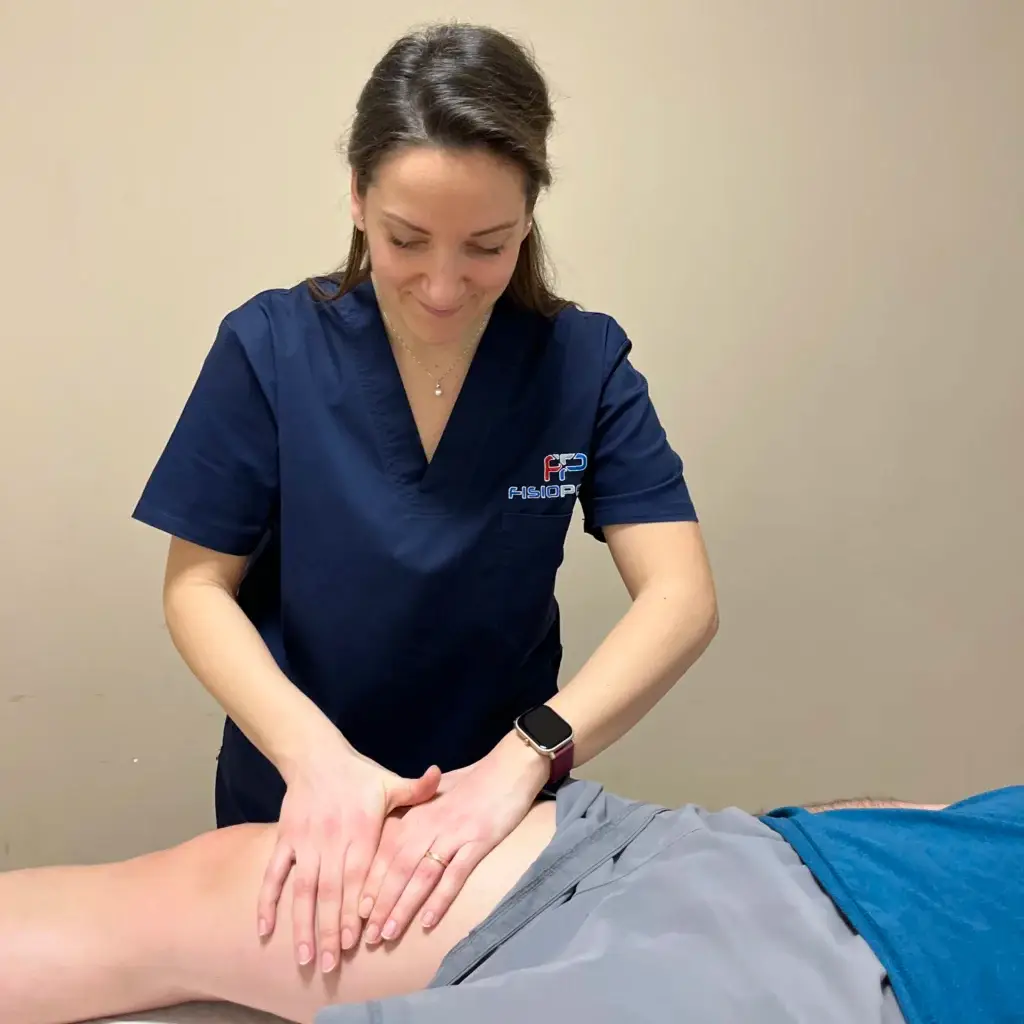
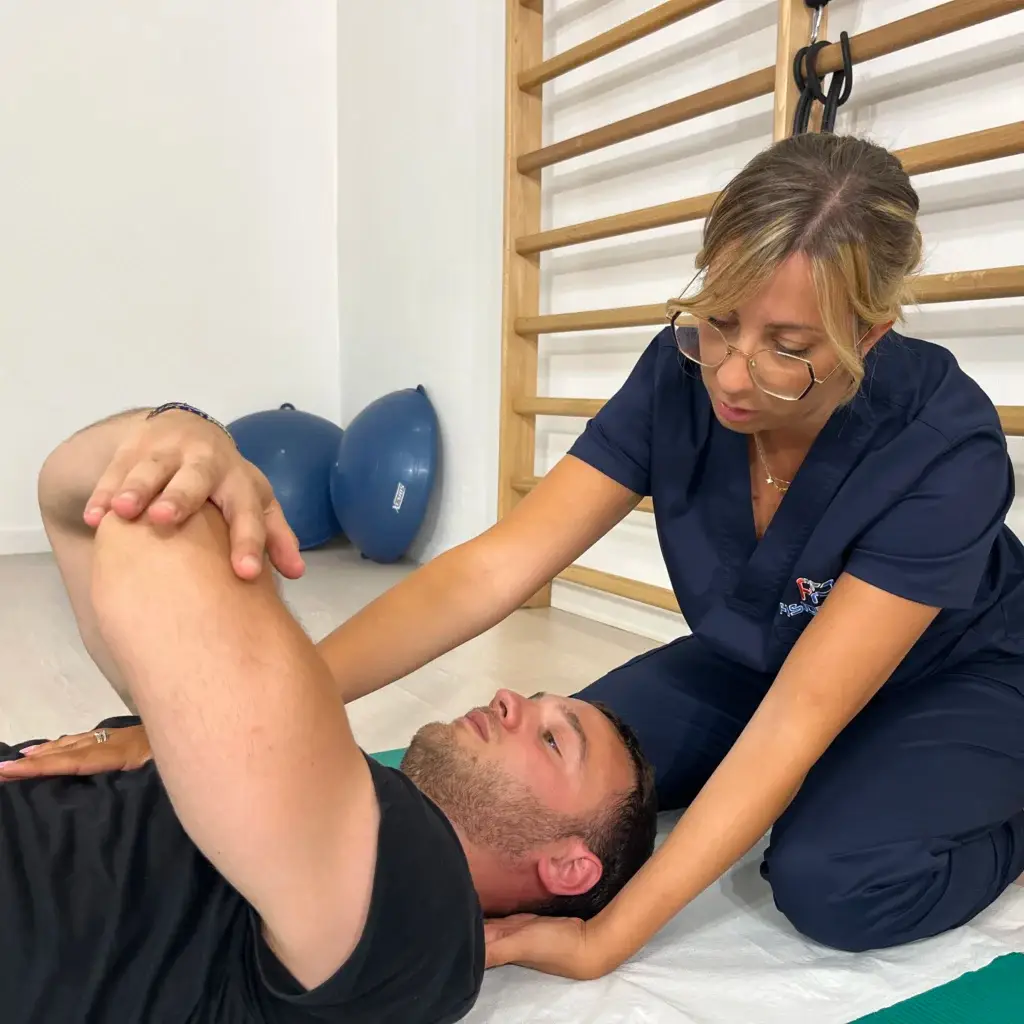
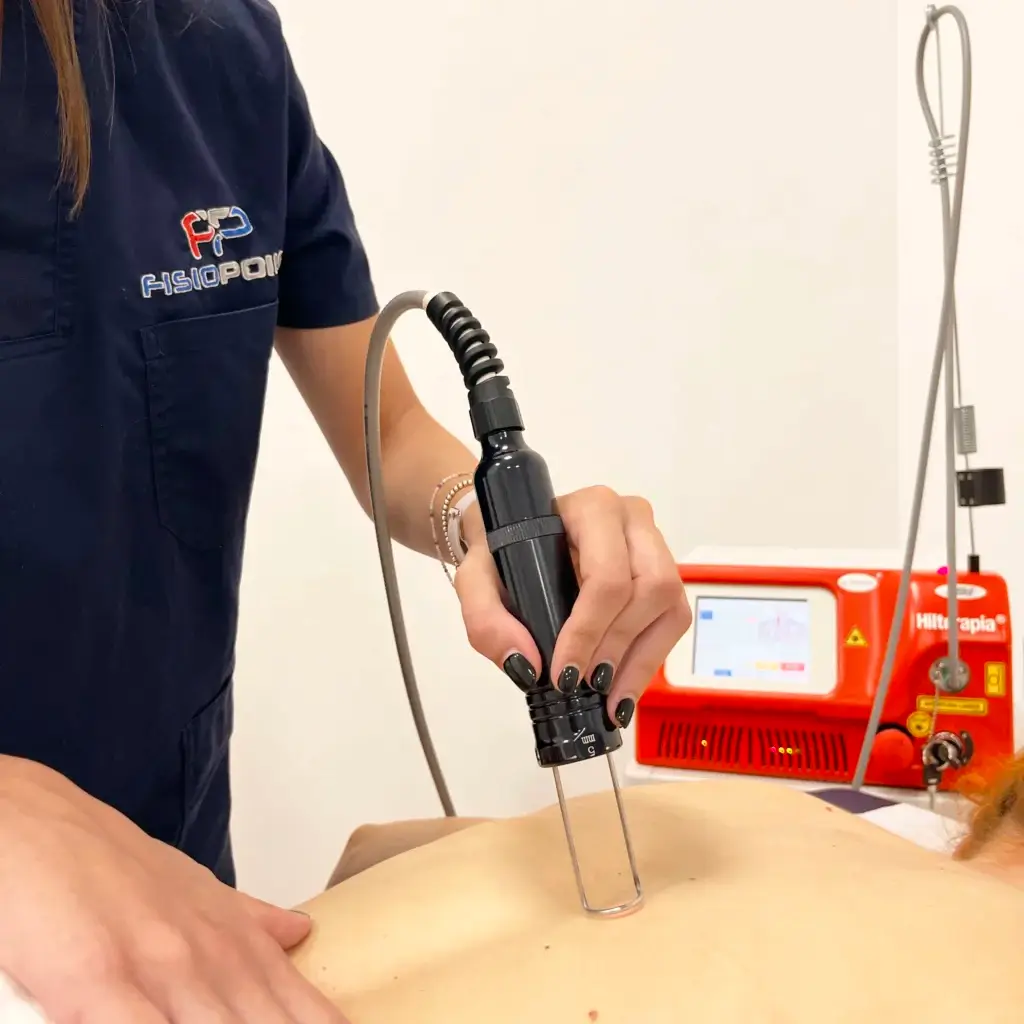
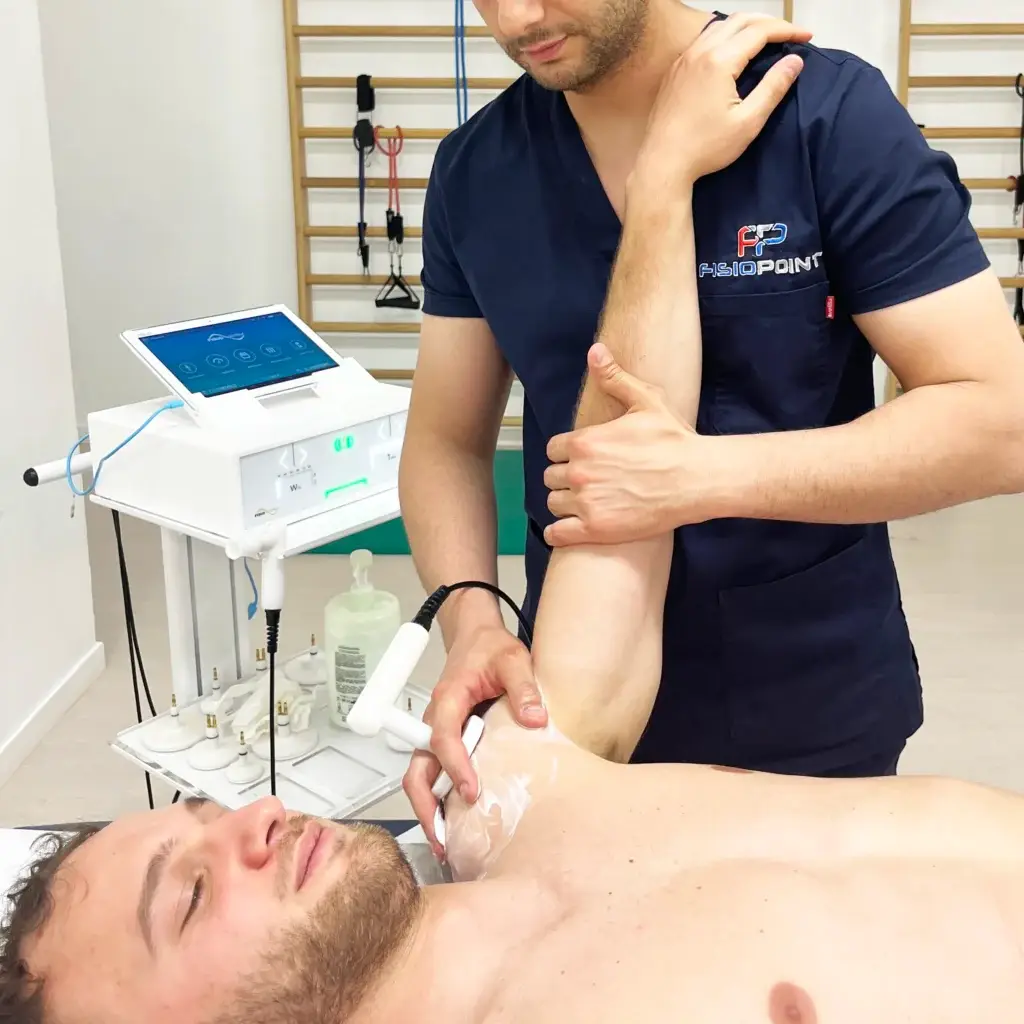
Thus, sports physiotherapy for gymnasts shows remarkable results with both instrumental and manual techniques.
However, in these cases, physiotherapeutic techniques alone do not fully meet the physical demands of athletes, for whom the figure of a kinesiologist and a sports trainer are essential.
Physiotherapeutic treatment plays a very important role for gymnasts because, in both preventive and therapeutic terms, it is very effective in treating pain, muscle overloads and more specific injuries.
In fact, high-level gymnasts constantly, if not daily, undergo physiotherapy sessions, both to avoid the exacerbation of certain pathologies, and to try to avoid painful, overloading conditions that may prevent the proper conduct of training and, consequently, competitions.
The constantly increasing difficulty of gymnastics' athletic gestures, both artistic and technical, requires the athlete to adapt his or her physical abilities to the demands of the sport.
Thus, the excessive demands on flexibility and joint mobility, but also the demand for marked expressions of strength and power, cause a high number of injuries. In fact, many injuries are the concomitant cause of muscle fatigue, generated by gruelling training sessions and sustained rhythms.
Thus, sports physiotherapy for gymnasts shows remarkable results with both instrumental and manual techniques.
However, in these cases, physiotherapeutic techniques alone do not fully meet the physical demands of athletes, for whom the figure of a kinesiologist and a sports trainer are essential.
Specific athletic training could slow down the onset of injuries
The two professional figures named above assume extremely important roles.
A sport that demands such intense stimulation from its athletes implies that the latter must be physically and psychologically prepared for the competition exercises.
Often, however, in an attempt to improve athletes' technical abilities, all the fundamental phases within training are neglected: flexibility training, strength training and neuro-motor training. A professional figure, such as the kinesiologist, seeks to improve these phases of training and could positively influence the reduction of injury rates.
By improving the athletes' expression of strength and the management of neuro-motor training, it might be possible to perfect all those delicate and unpredictable phases of exercises, such as aerial jumps, landings and changes of direction.
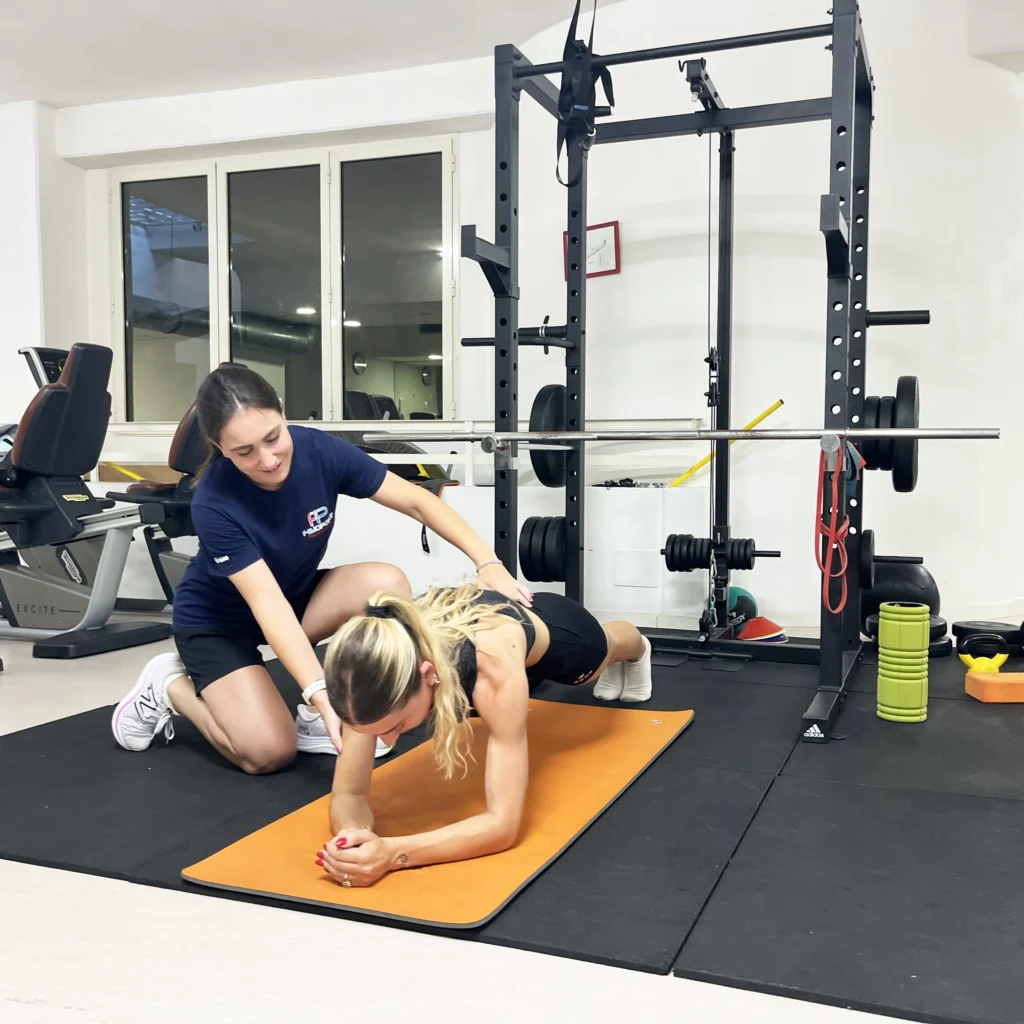
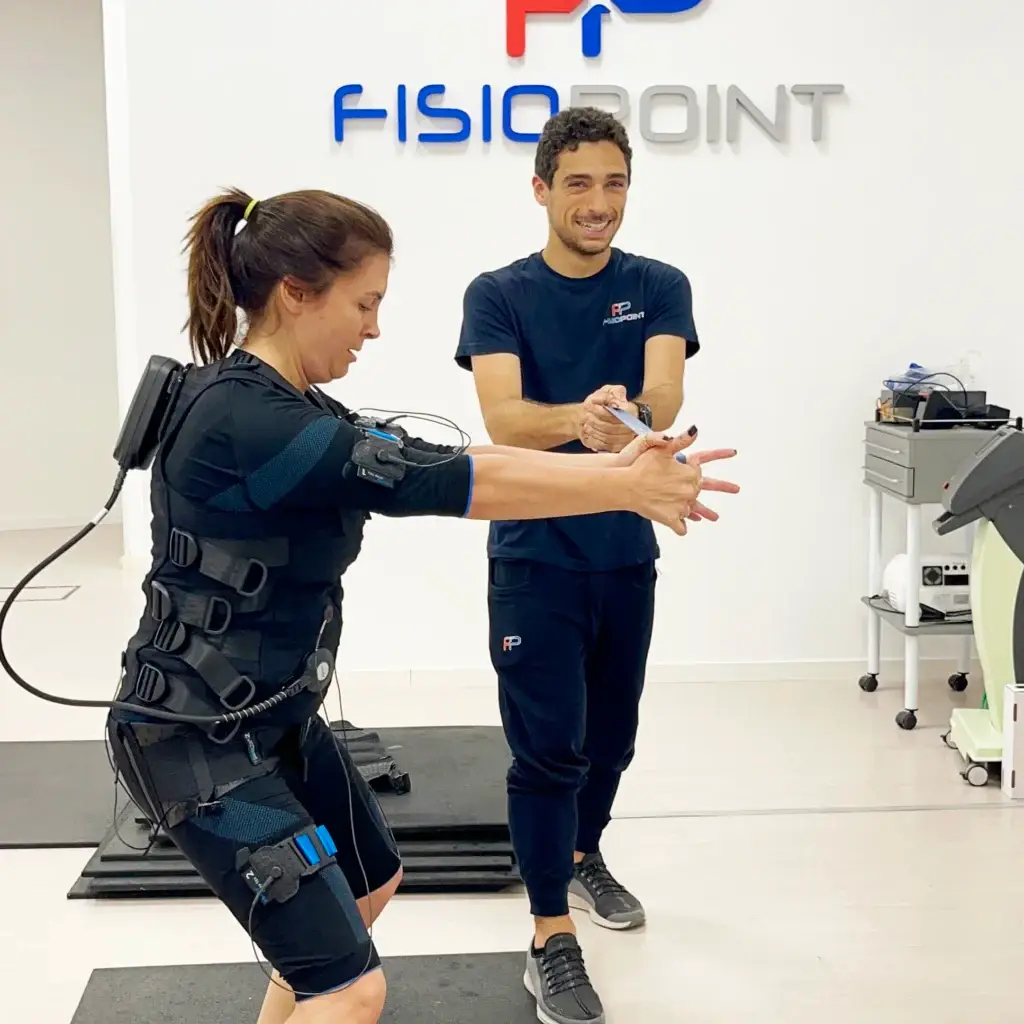
In addition to optimising training management, kinesiologists also play a decisive role in the successful rehabilitation/rehabilitation treatment of all athletes who have suffered a more or less serious injury.
In fact, the work of the kinesiologist should go hand in hand with that of the physiotherapist: it will be the task of both to create an appropriate individualised recovery programme.
Then, in the final phase of the course, it will be the kinesiologist who will identify a specific athletic training programme, which the athlete will have to carry out to complete the re-educational and preventive course, so that no further injuries occur.
In conclusion, in the face of a sport, which in Italy is very successful among young children, it is necessary for sports clubs and individuals to pay attention to the training conditions themselves, trying to prevent and at best treat injuries, which have unfortunately become the daily occurrence of top-level athletes nowadays.
Text by Aurora Proietti
Learn more by watching the videos on our channel YouTube







 English
 Italian