Anatomy of the cervical spine
The trait cervical is the most mobile and delicate of the entire column in fact, in addition to supporting, stabilising and giving mobility to the skull, it also protects the structures it contains, enclosing the spinal cord, nerve roots and vertebral arteries.
To understand the importance of this part of the spine, one only has to think of the fact that an injury to this area, if it affects the spinal cord, can lead to tetraplegia, i.e. paralysis of the four limbs.
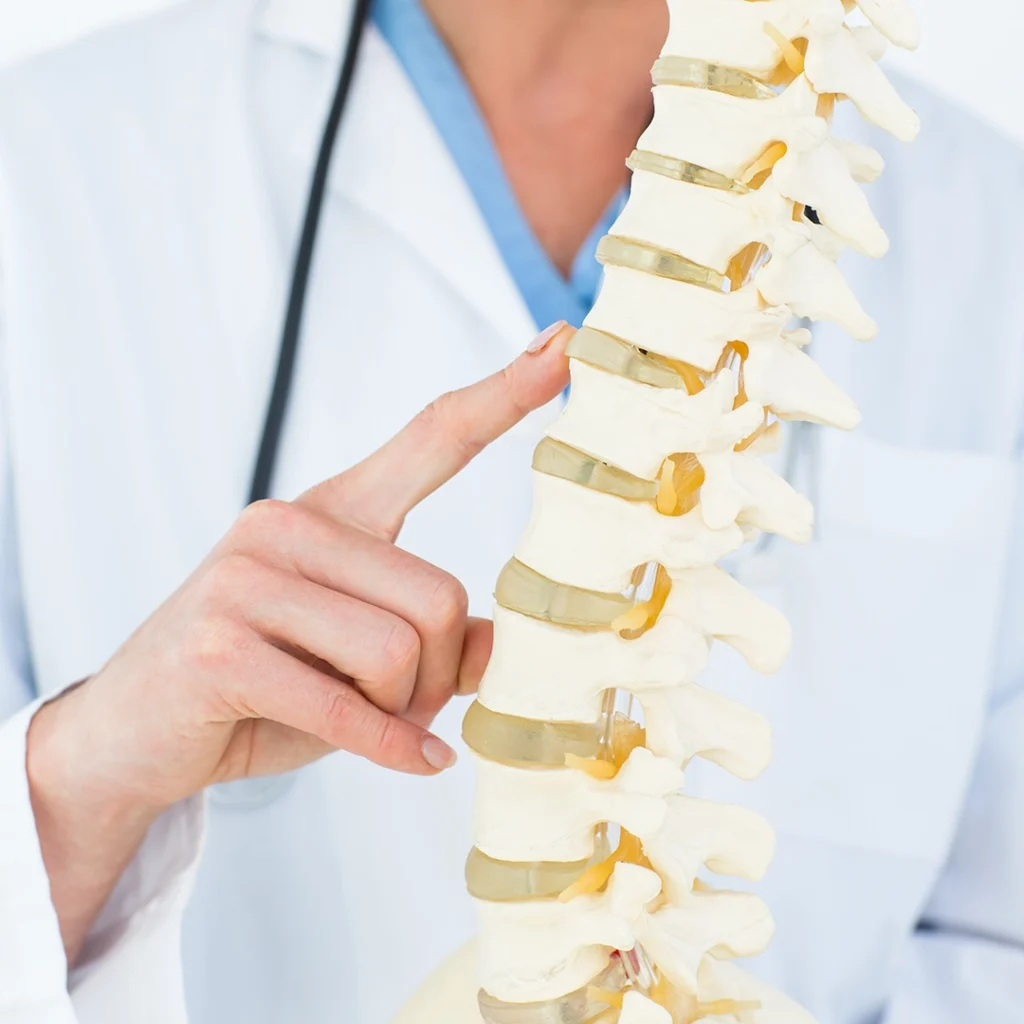
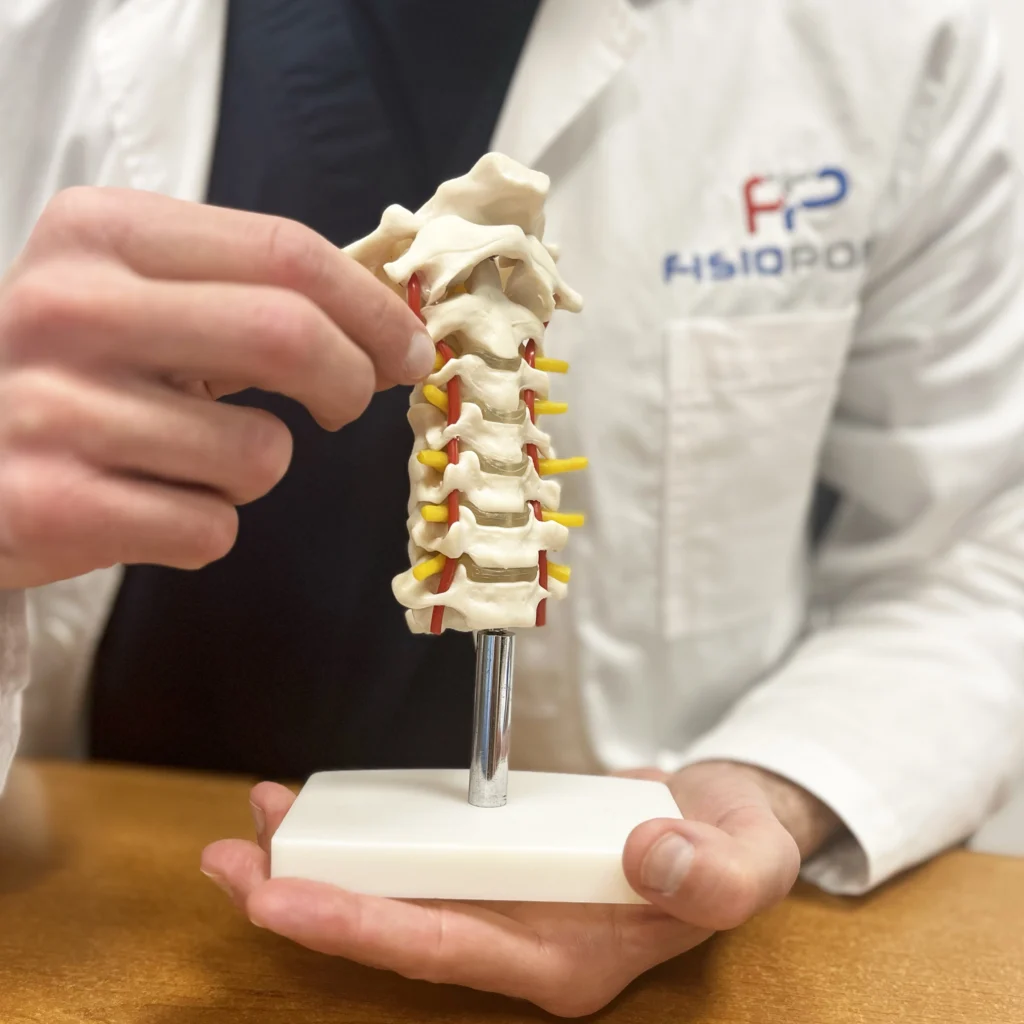
The cervical spine consists of seven vertebrae, divided into an upper region, called the 'upper cervical spine' (C1-C2) and a lower region (C3-C7), called the 'lower cervical spine'.
The upper cervical spine, as mentioned, comprises the first two cervical vertebrae, C1 and C2, called atlas and epistrophe, respectively. These two vertebrae are distinguished from the rest by their particular shape:
- The atlas is a bony ring composed of an anterior arch, a posterior arch and two lateral masses; it therefore lacks a vertebral body and a true spinous process. The two bony masses have an upper facet joint, which articulates with the condyles of the occiput, and a lower facet joint, which articulates with the epistrophe.
- The epistrophe is formed by a vertebral body and a bifid spinous process, like the vertebrae below, from which it differs by the large bony apophysis, called the 'odontoid process' or 'odontoid', which articulates with the anterior arch of the atlas, forming the axis around which C1 can rotate and thus allow the rotational movements of the head.
The occipito-atlantoid joint (between the occiput and atlas) allows the movements of inclination, flexion and extension of the head, a few degrees in these directions are also allowed by the joint between C1 and C2.
It should be noted, however, that the atlas and epistrophe provide the main contribution to the rotation of the cervical spine (about 45° in both directions).
Tract mobility cervical upper is essential to keep the sense organs located in the cranial part (sight and hearing) in balance.
The muscles that allow movement of the upper cervical spine are divided into:
- Muscles of the anterior region, including the long neck muscle, small anterior rectus, lateral rectus and, more laterally, the scalenes and the sternocleidomastoid
- Muscles of the posterior region, including the multifidus, intertransverse and epispinous; superiorly the splenius of the head and neck, transverse of the neck, angular of the scapula, long dorsal; more superficially the trapezius
The lower cervical spine consists of the remaining five vertebrae (C3-C7), which are more similar in shape and function.
The anatomical characteristics of these vertebrae are:
- The vertebral body is smaller than the vertebrae below it
- Bifurcated spinous processes (bifid) C3 to C6
- The seventh cervical vertebra (C7), also called 'prominent', has a long spinous process that is easily palpable on objective examination in most individuals
- The hook apophyses, located laterally in the upper and lower vertebral bodies, articulate with each other to form the unco-vertebral (or Luschka's) joints through two cartilaginous facets.
Comparing it with the portion cervical superior, this region is no longer responsible for rotational movements, but for flexion, extension and inclination of the column. The latter movement is mainly carried out at the upper tract (C3-C4 and C4-C5), while flexion, about 10 degrees per segment, is more expressed at C4-C5 and C5-C6.
Other pathologies of the cervical spine
In addition to traumatic situations such as whiplash, the cervical spine can also suffer from phenomena such as:
- L'cervical arthrosis, a degenerative pathology where the articular cartilage in the joint formed by two contiguous vertebrae is 'eroded', mainly present in elderly individuals but often also in young ones as a result of strenuous work or particular pathological verticalisation of the spine
- L'herniated disc, an acute situation in which the intervertebral disc comes out of its physiological seat, often compressing the nerve root that passes through the conjugation foramen between the two vertebrae, can give paresthesias (tingling) and pain along the arm of the affected side as well as lack of strength at the cervical level. In severe cases, the need for surgery should be considered.
- Muscle contracture can be due to a mechanical blockage of the cervical spine, the so-called 'torticollis', due to an abrupt movement or a wrong position assumed during sleep. It presents with muscle pain and stiffness in neck movements.
The causes of whiplash
The traumatic mechanism involving the cervical spine is typical of car accidents, especially rear-end collisions, where the driver (and therefore also the column) is thrown forward due to the sudden and abrupt acceleration caused by the impact. This dynamic represents a real 'shock' not only to the vertebrae, ligaments and muscles of the cervical tract, but also to the membranes inside the skull, which undergo a torsional phenomenon and adapt to it. In addition, there is also the trauma created by the blow that the head, going into hyperextension, gives to the seat when the car stops.
Thus, damage is created due to hyperflexion and hyperextension of the head that stresses all the structures mentioned above.
Whiplash can also be related to particular sporting gestures or falls that usually affect the lateral bending movements of the neck, creating significant vertebral injuries.
Symptoms and consequences of whiplash
The consequences of whiplash can be different, depending of course on the extent of the trauma and the age of the subject, among the main ones:
- Neck painalso widespread and a feeling of not being able to move
- Cervical blockage due to spasm and stretching of muscle fibres following trauma
- In the long term, episodes of vertigo, tinnitus, difficulty in concentrating/maintaining attention, headaches, sense of confusion, balance problems and problems with the rest of the spine
If the impact is particularly violent, injuries may affect not only the musculo-ligamentous system but also the intervertebral disc and lead to tingling or brachialgia (pain along the arm). Obviously, distant involvement of the entire spine will be even more likely and evident over time.
Whiplash treatment and rehabilitation
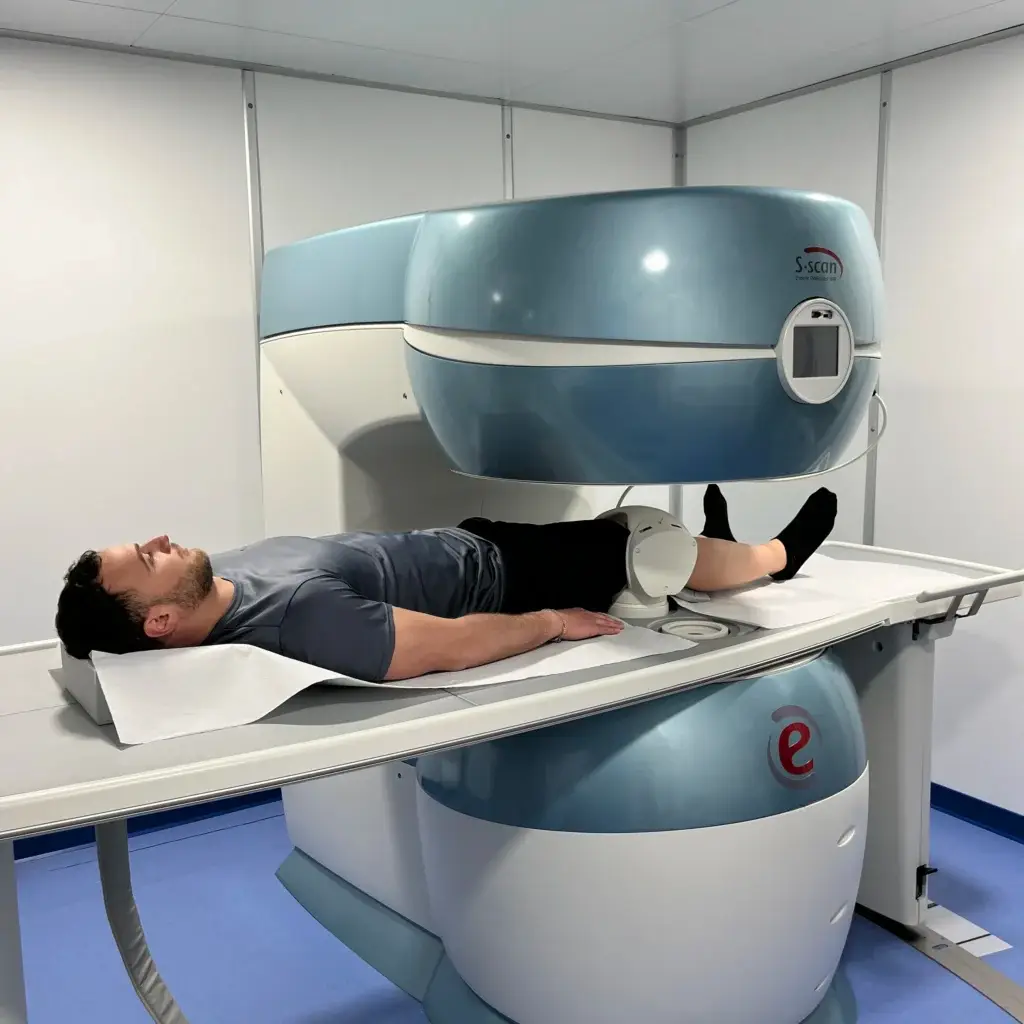
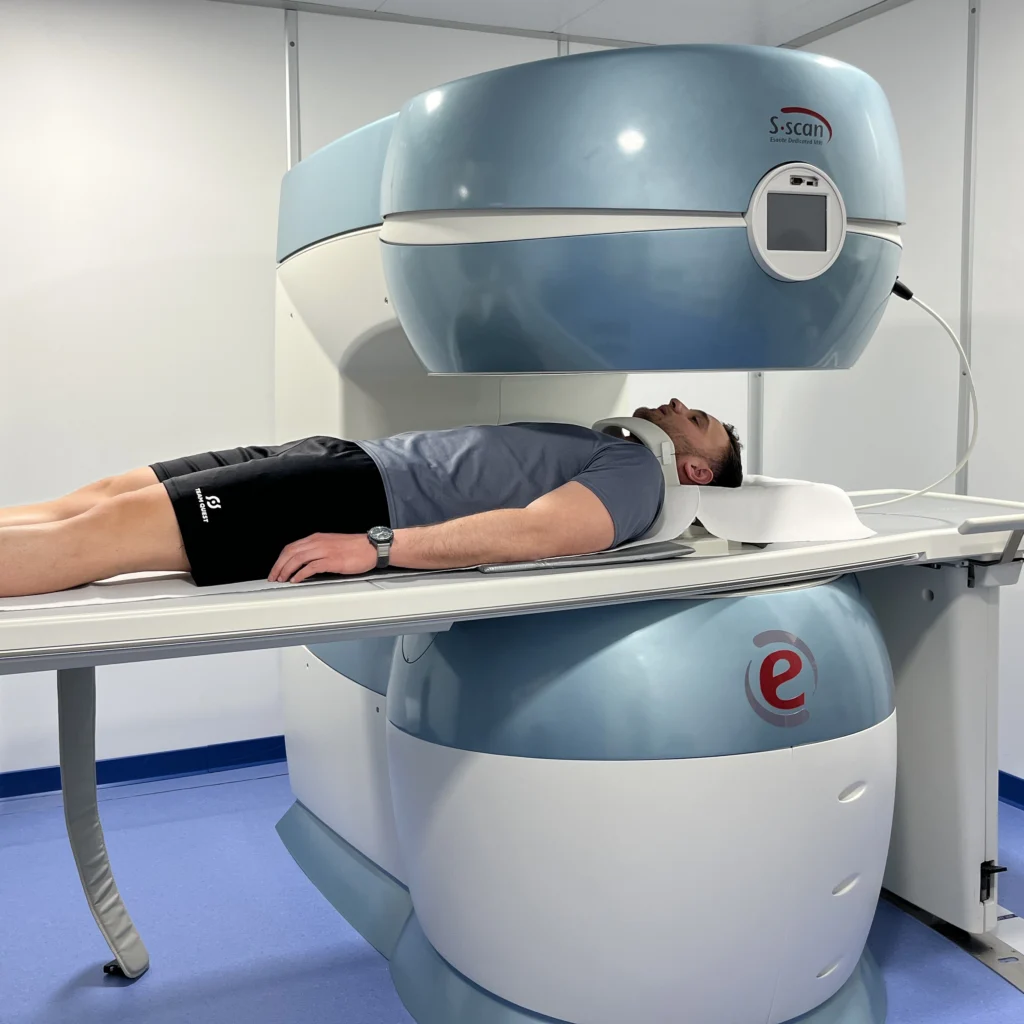
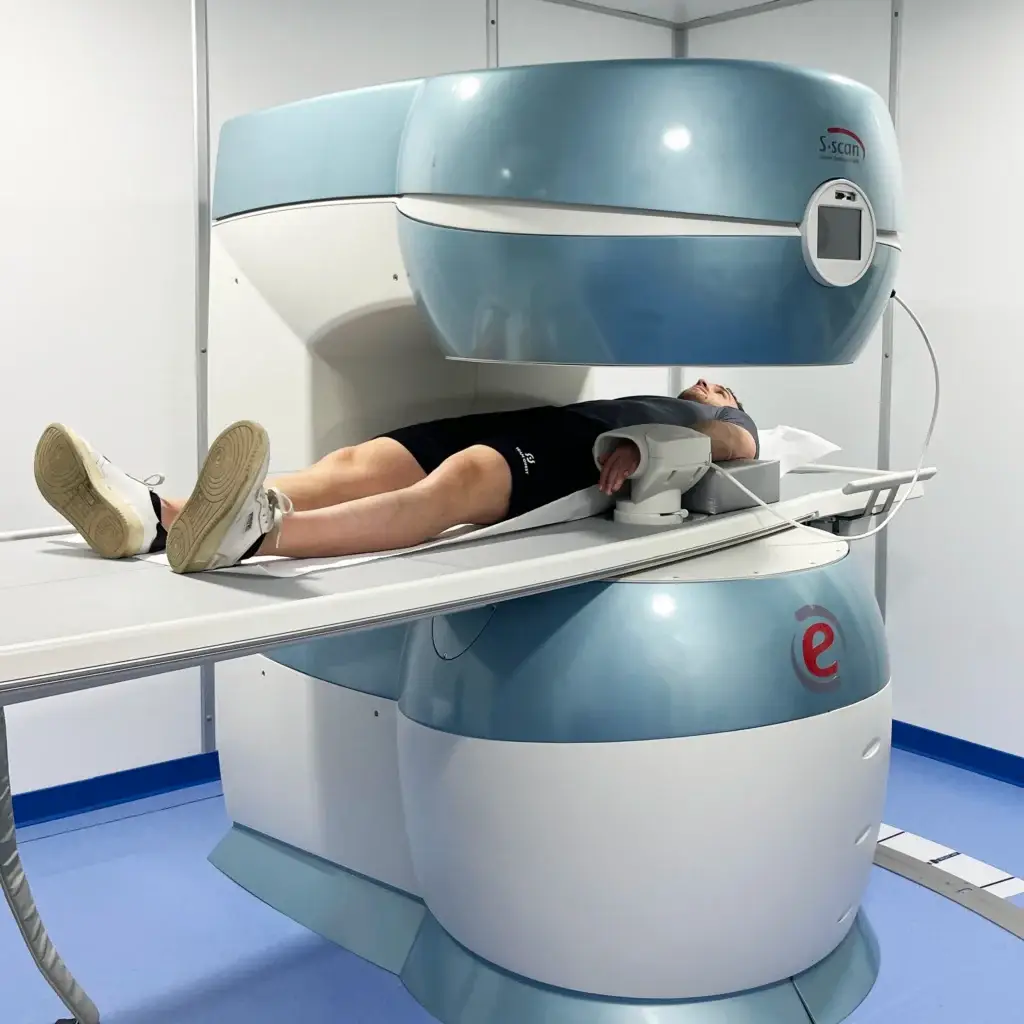
After suffering a whiplash injury, it is essential, especially if the impact was violent, to go to the emergency room where an X-ray and, if necessary, a CT scan will be performed to rule out injuries to nerve structures or vertebral fractures.
However, it must be borne in mind that many symptoms appear several hours after the injury, so it is necessary to seek medical advice even when whiplash appears to be mild and negligible in order to keep an eye on the evolution of the clinical picture and any emergencies that may arise. The doctor may prescribe the use of a neck brace to stabilise the cervical spine and protect it from any sudden movements that may worsen the situation.
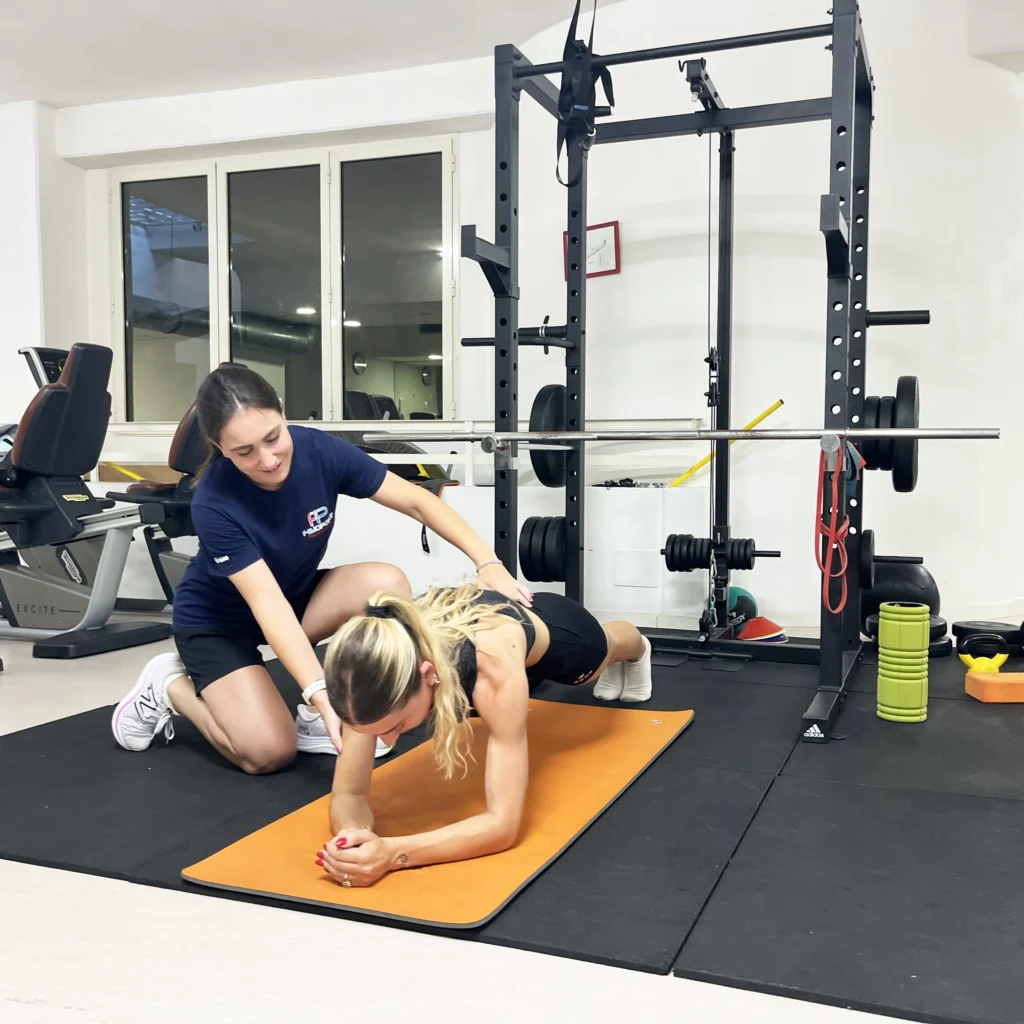
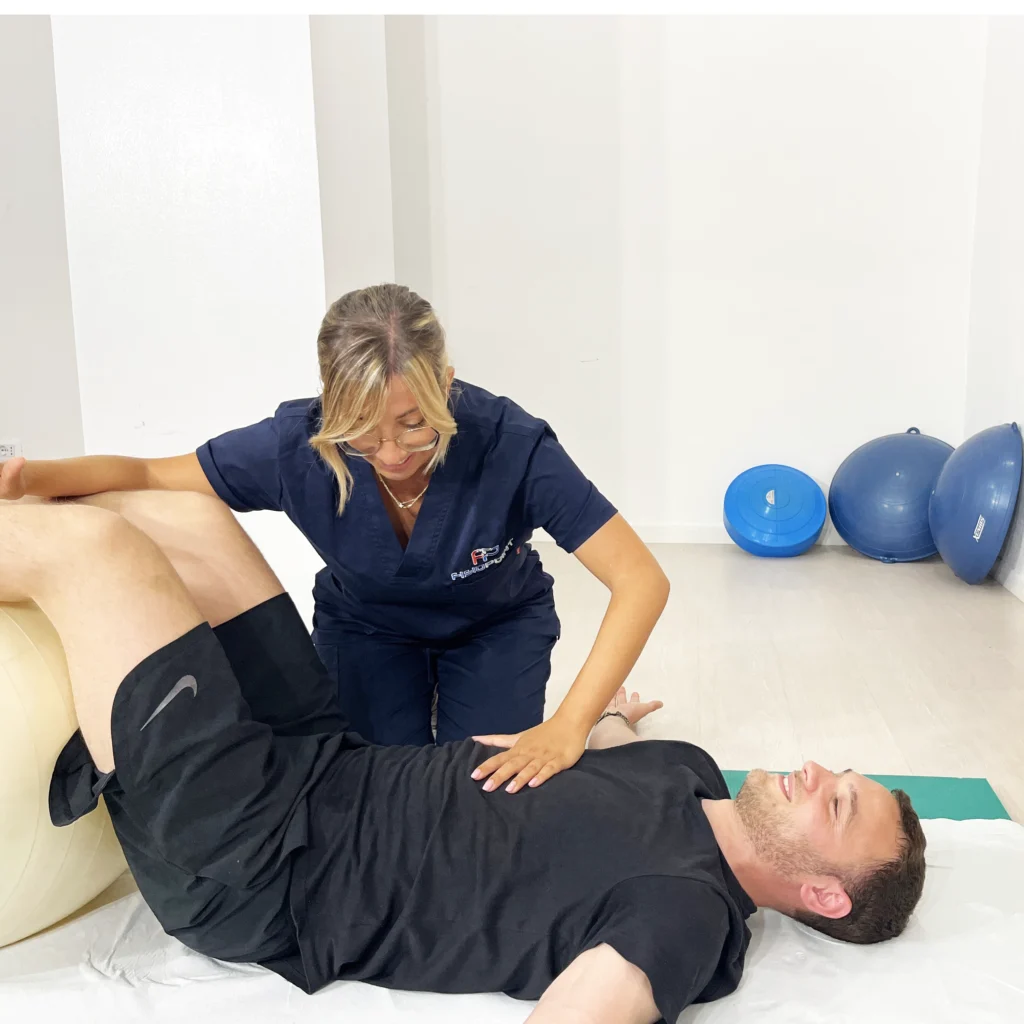
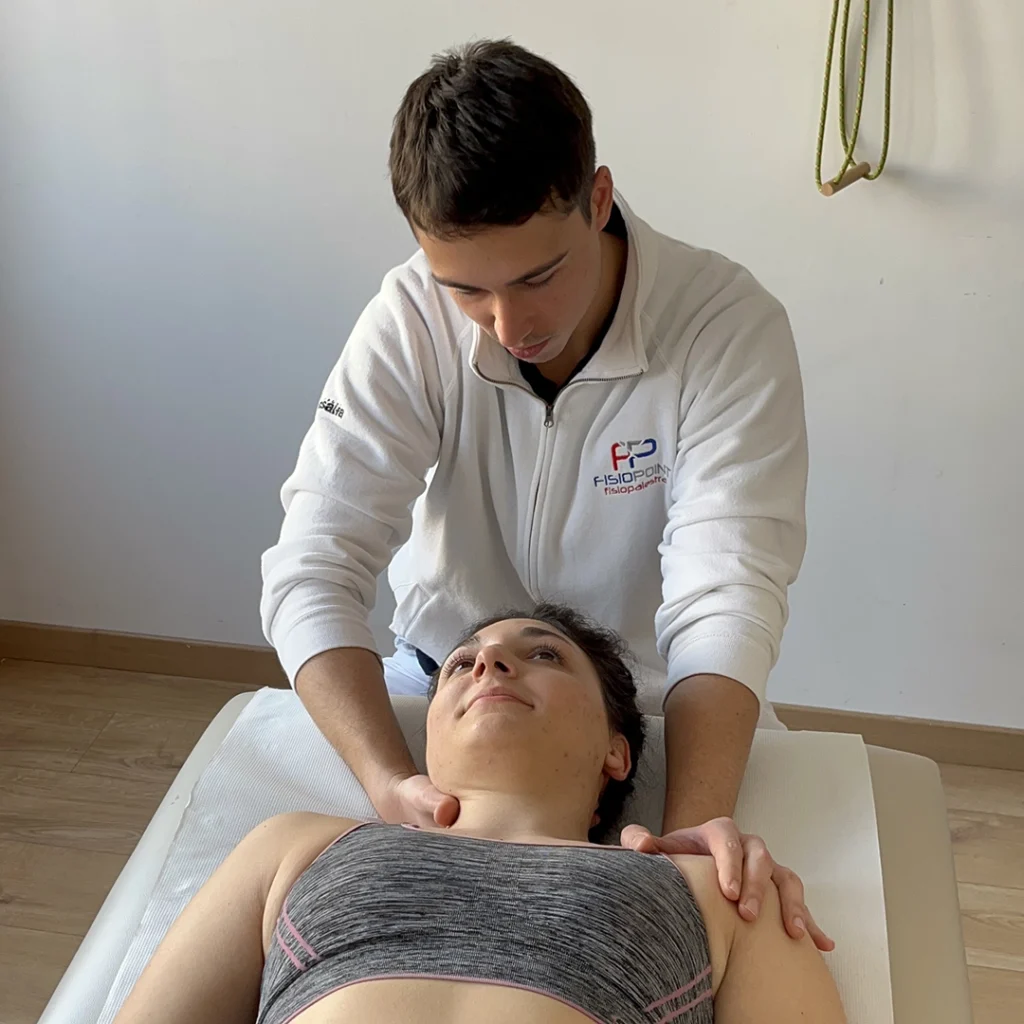
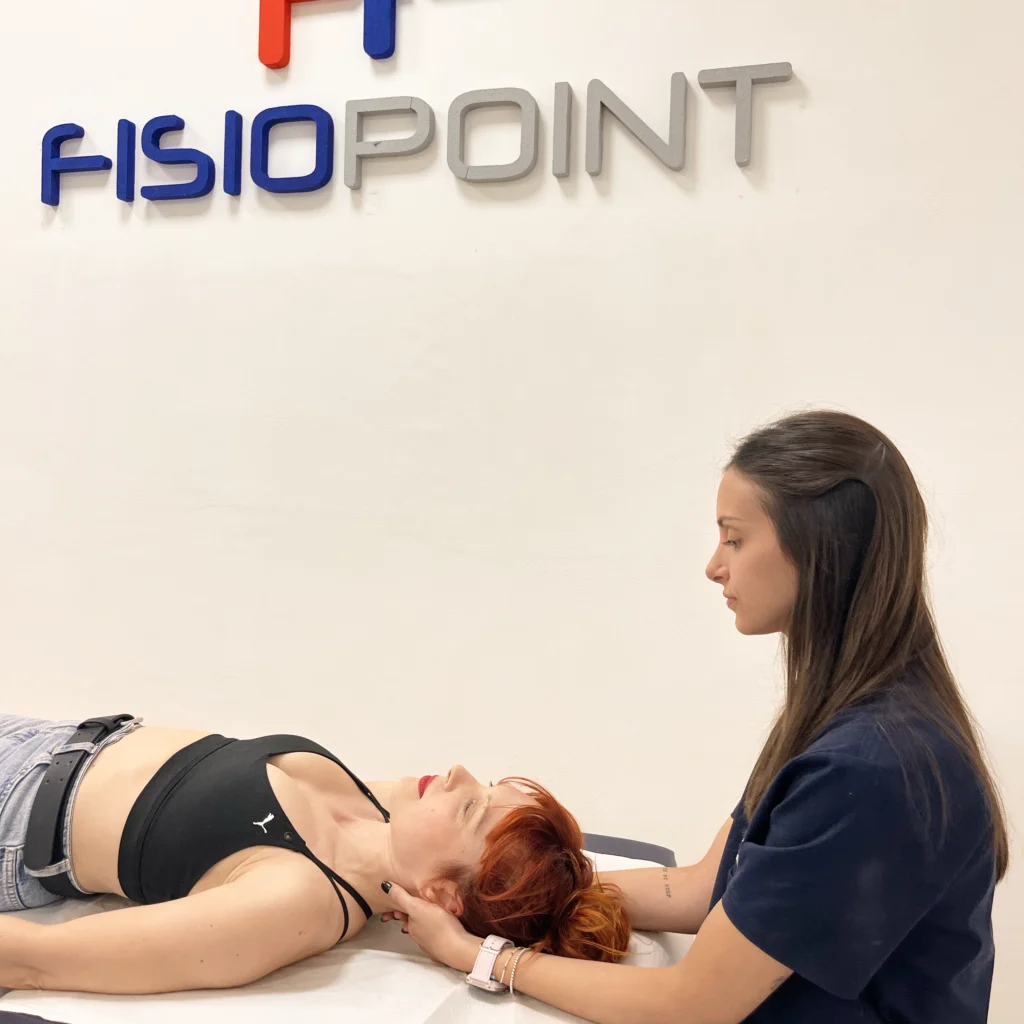
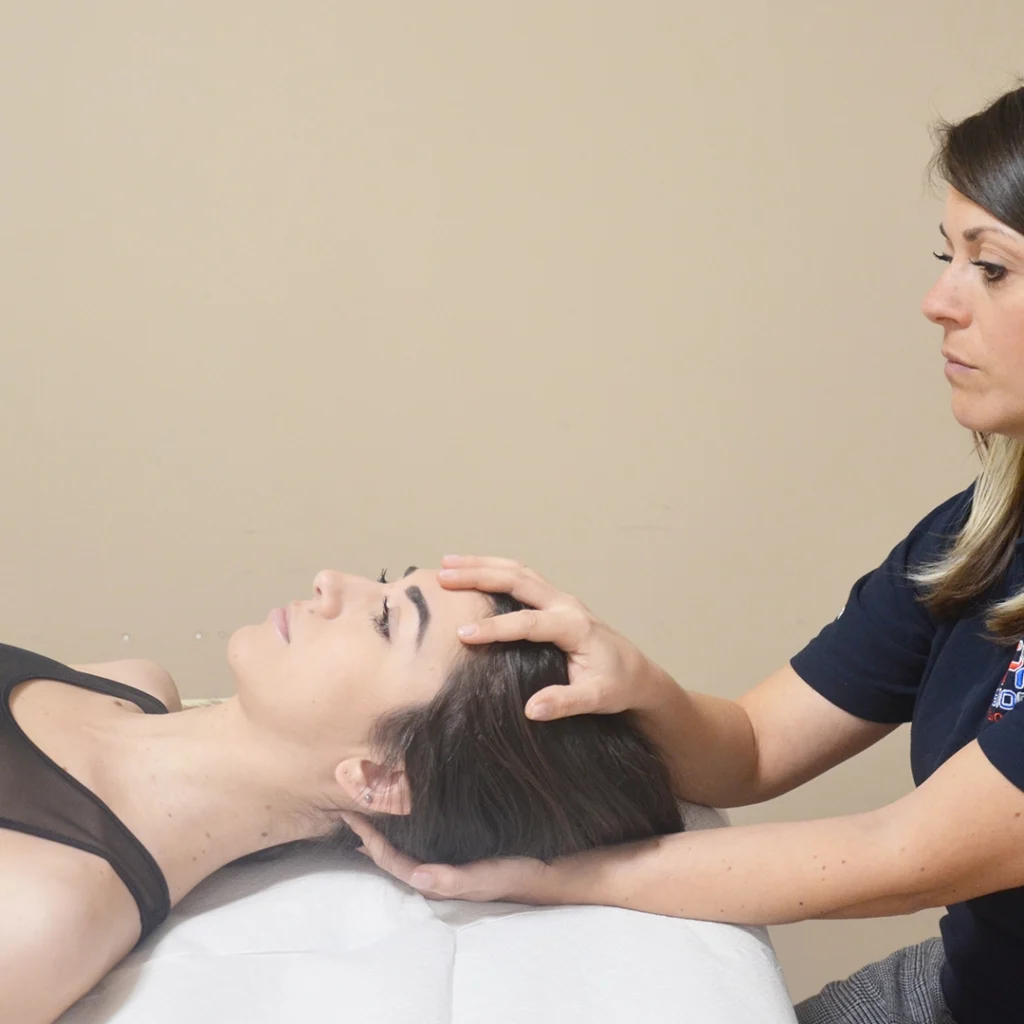
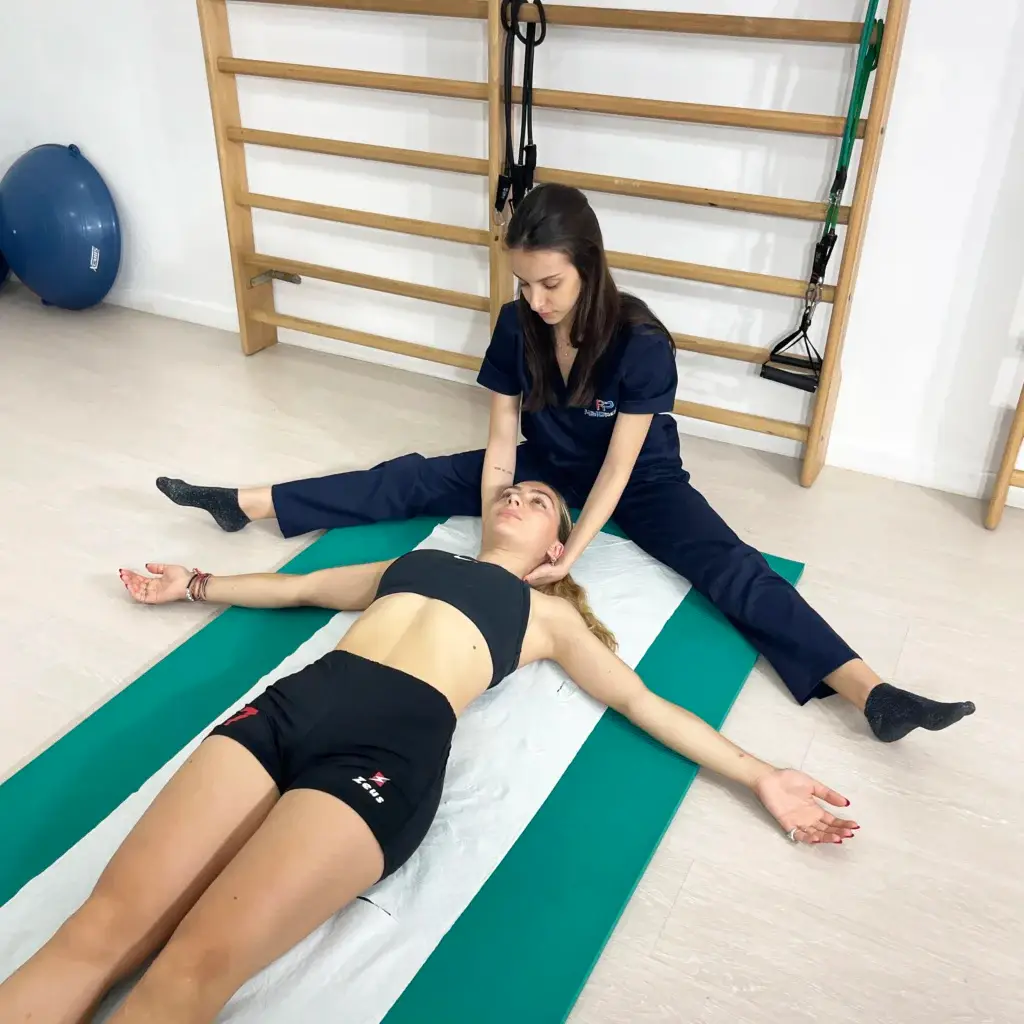
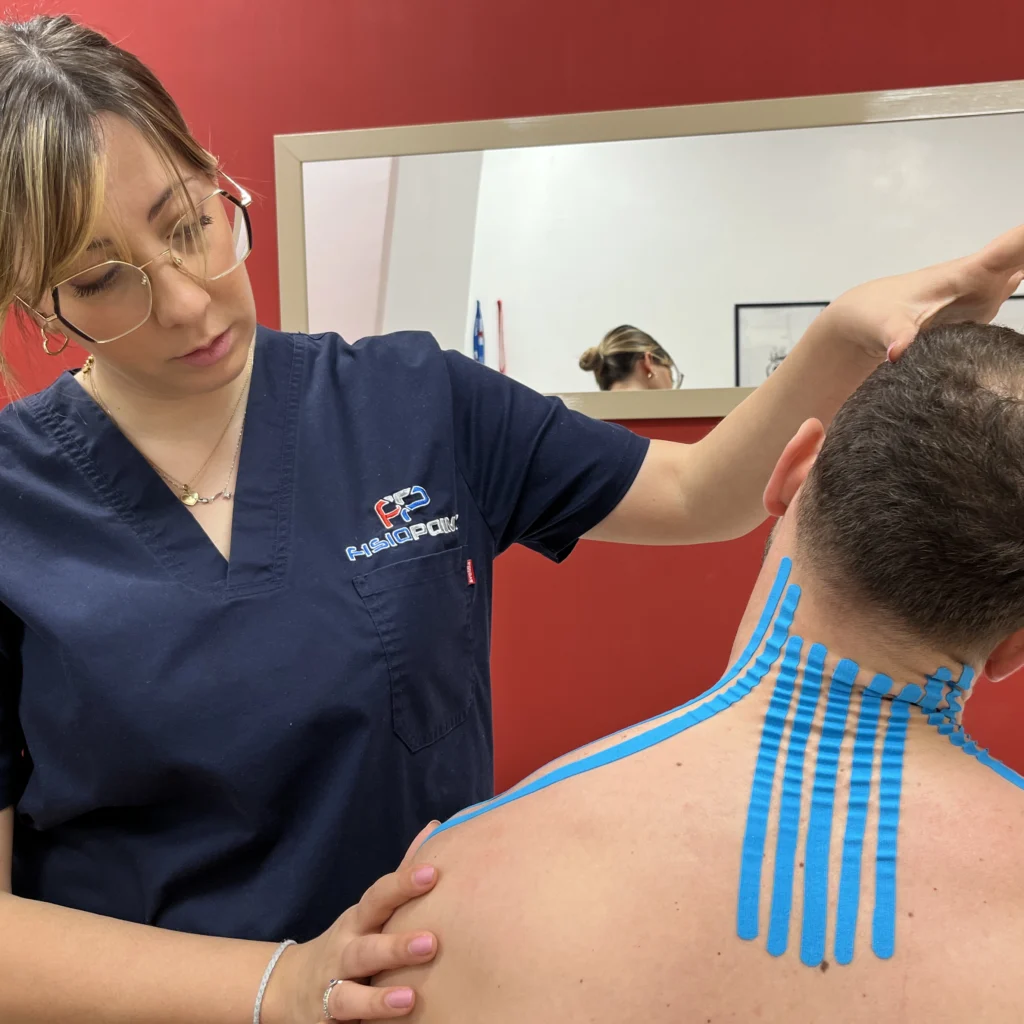
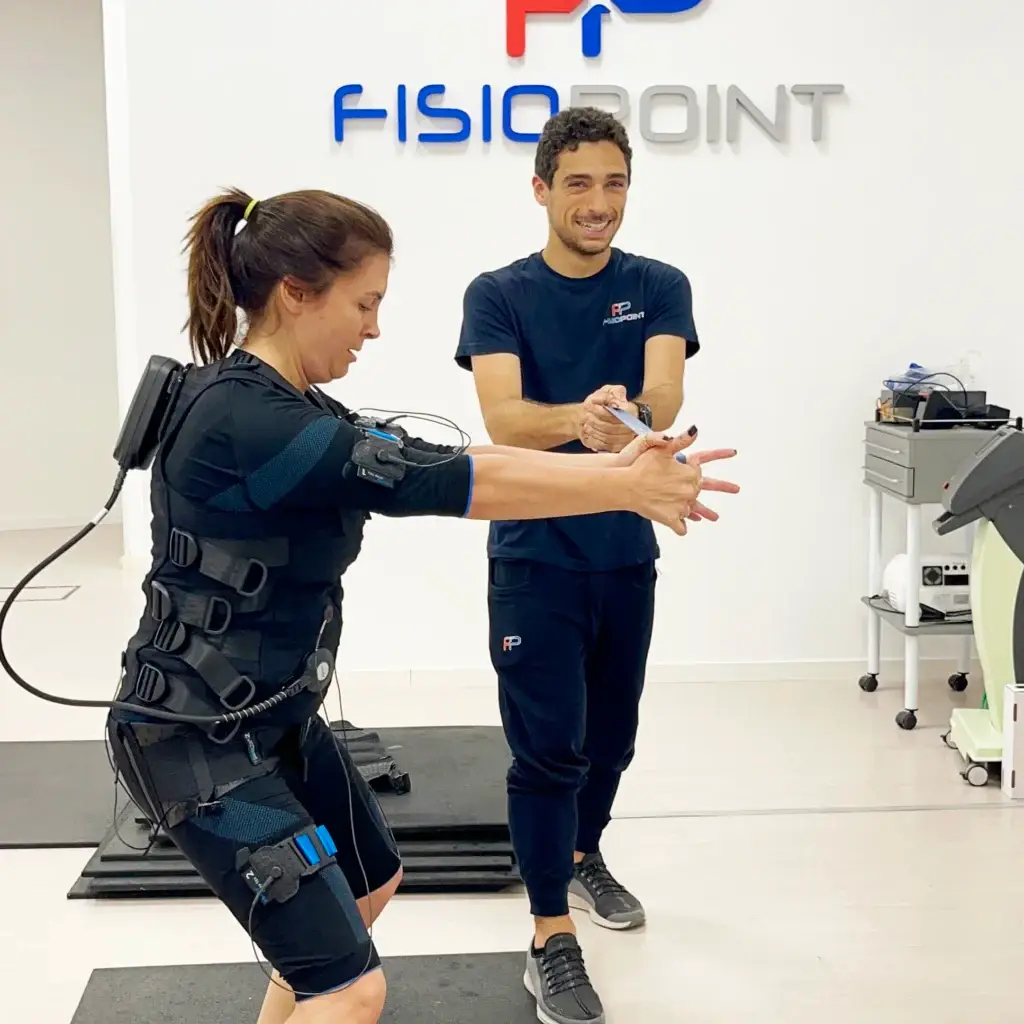
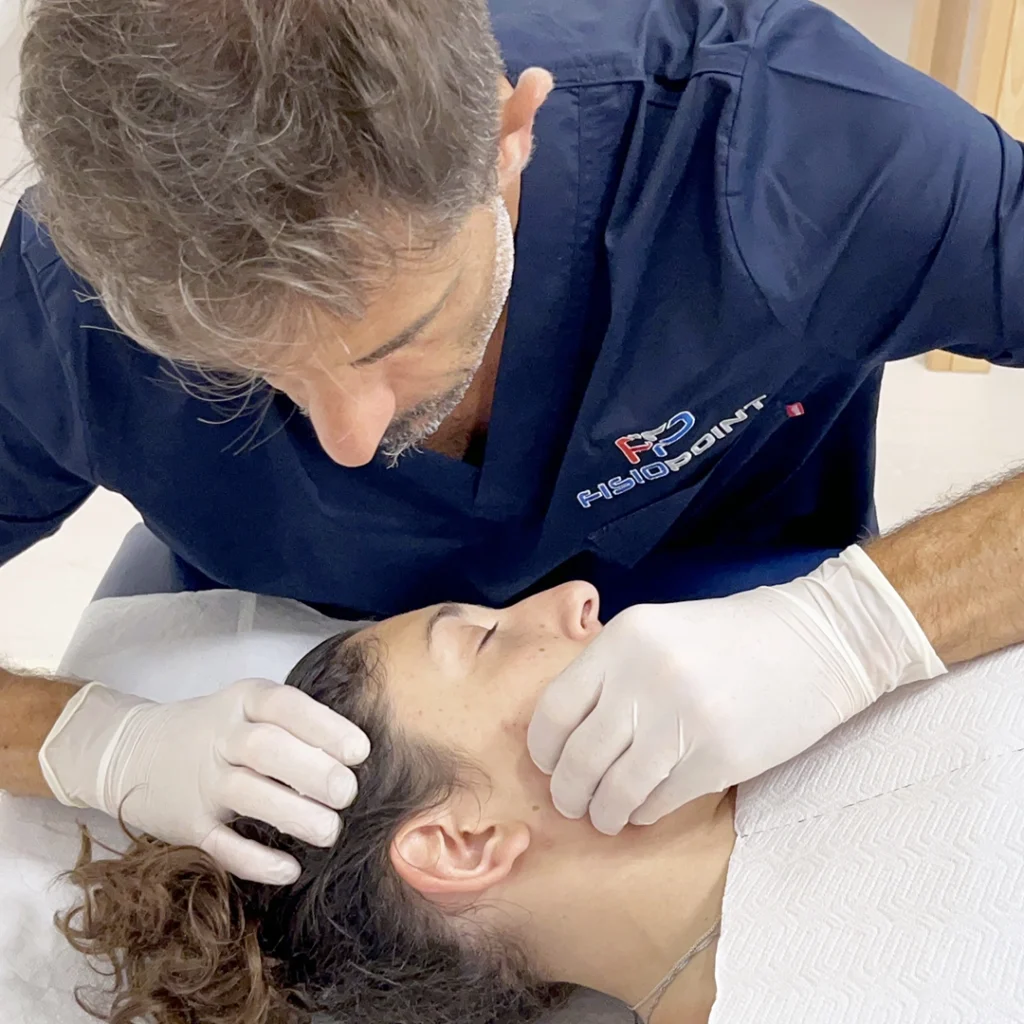
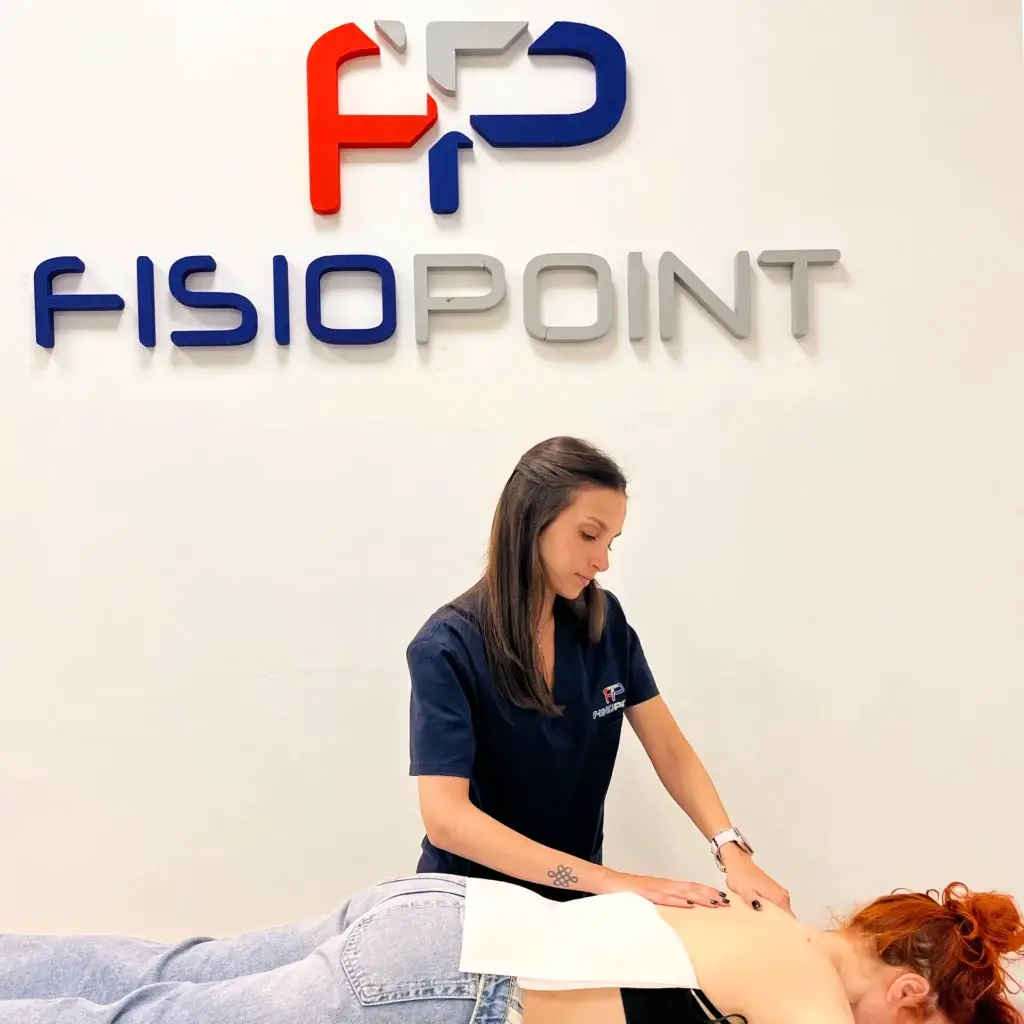
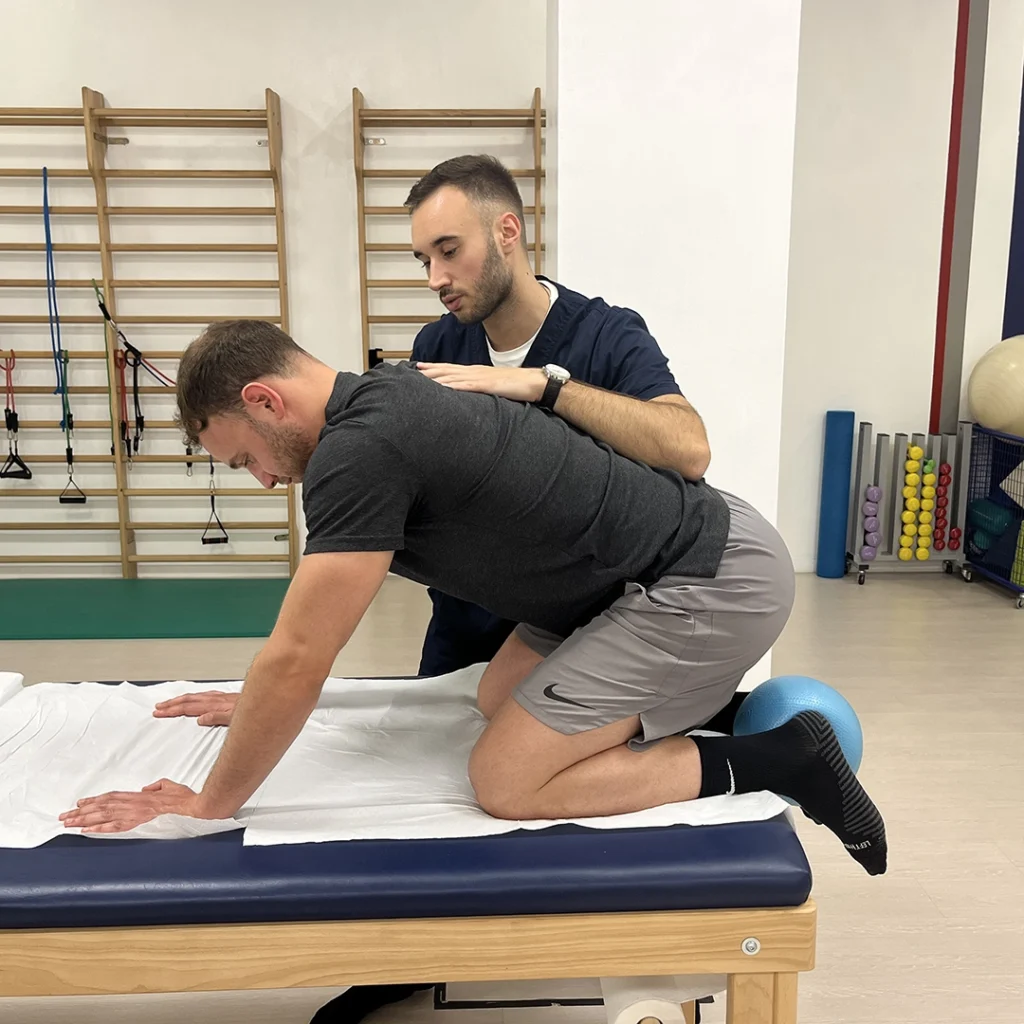
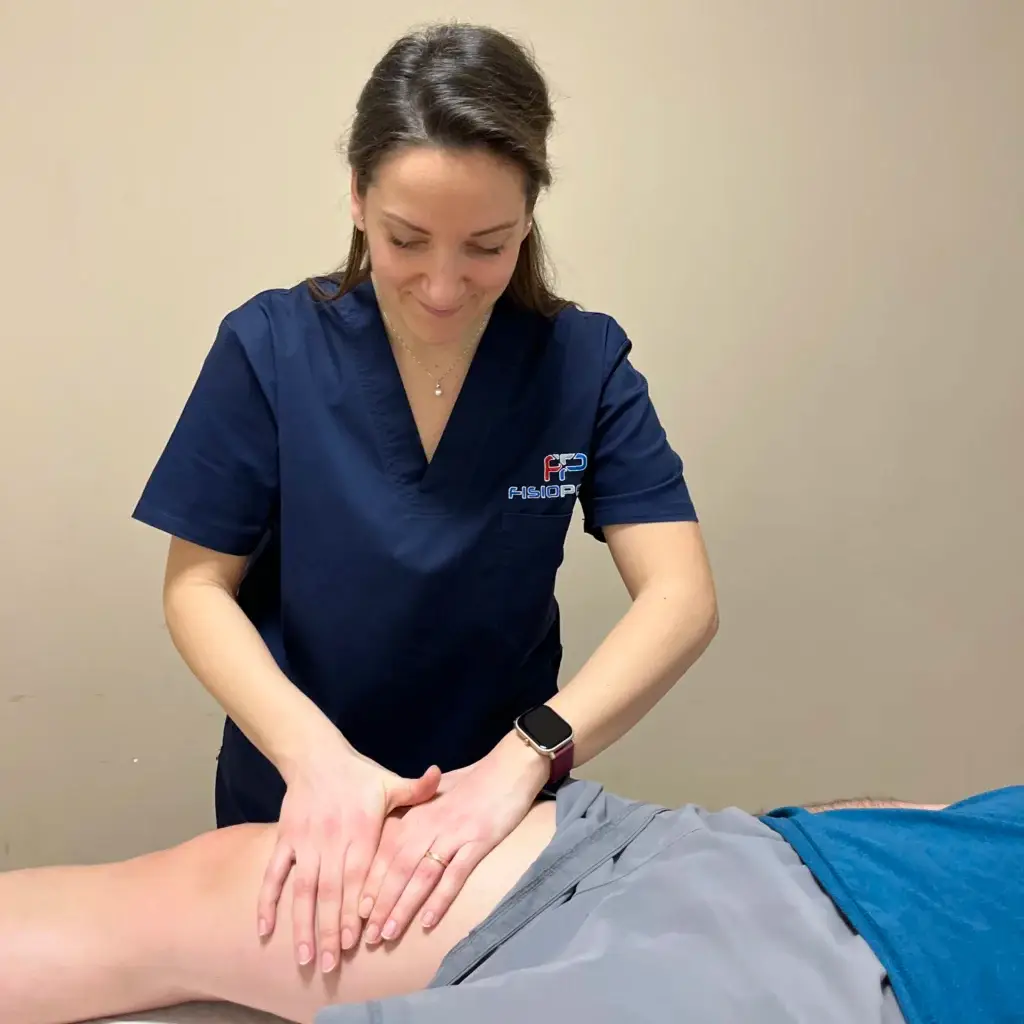
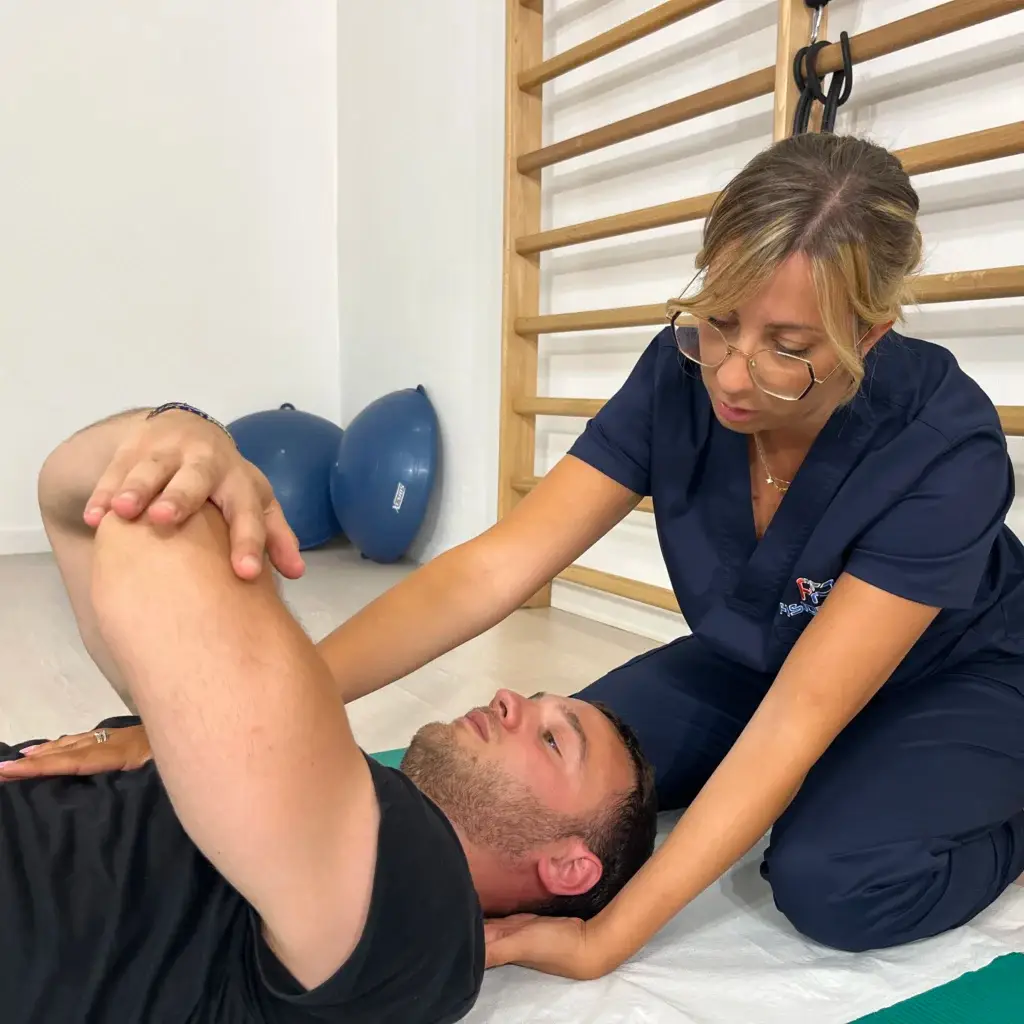
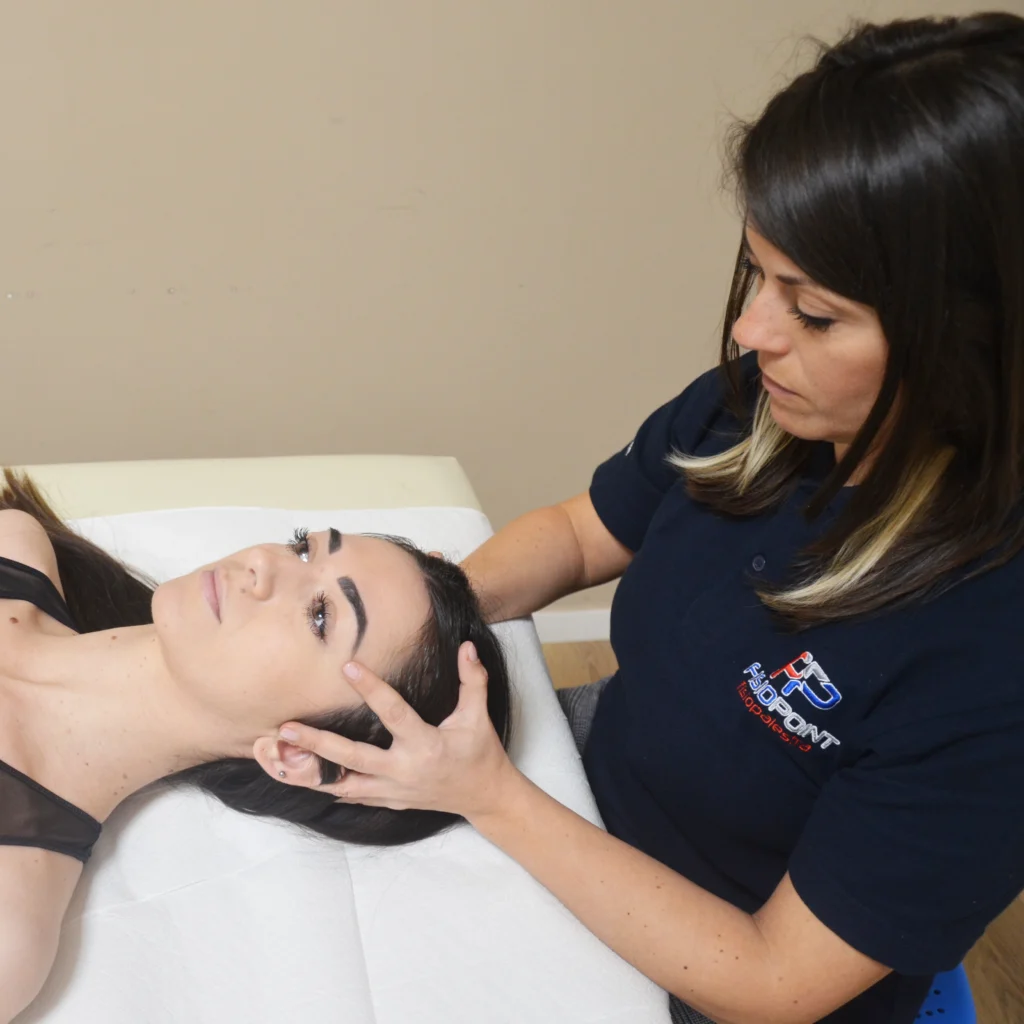
Excluding medical emergencies, physiotherapy sessions can begin immediately, which will serve to recover lost mobility, lengthen dysfunctional muscle chains, and restore general balance to the entire column.
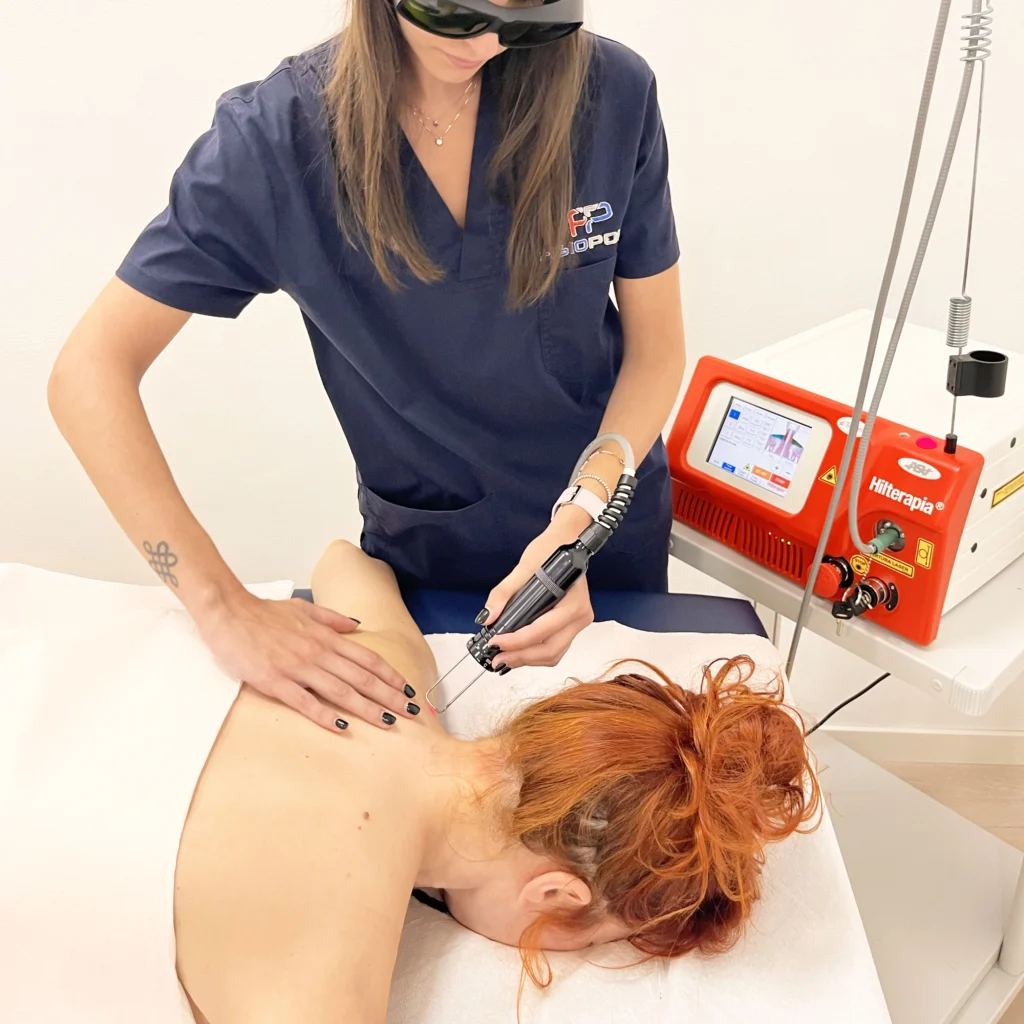
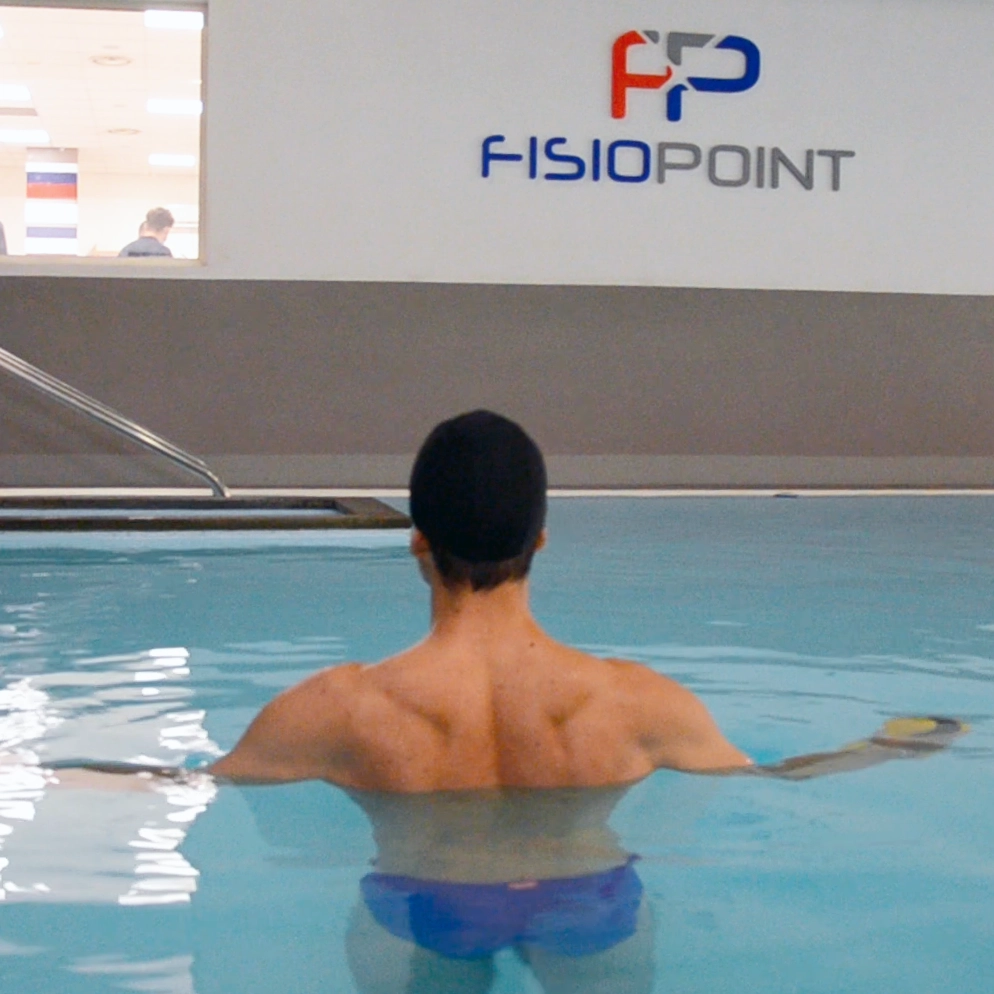
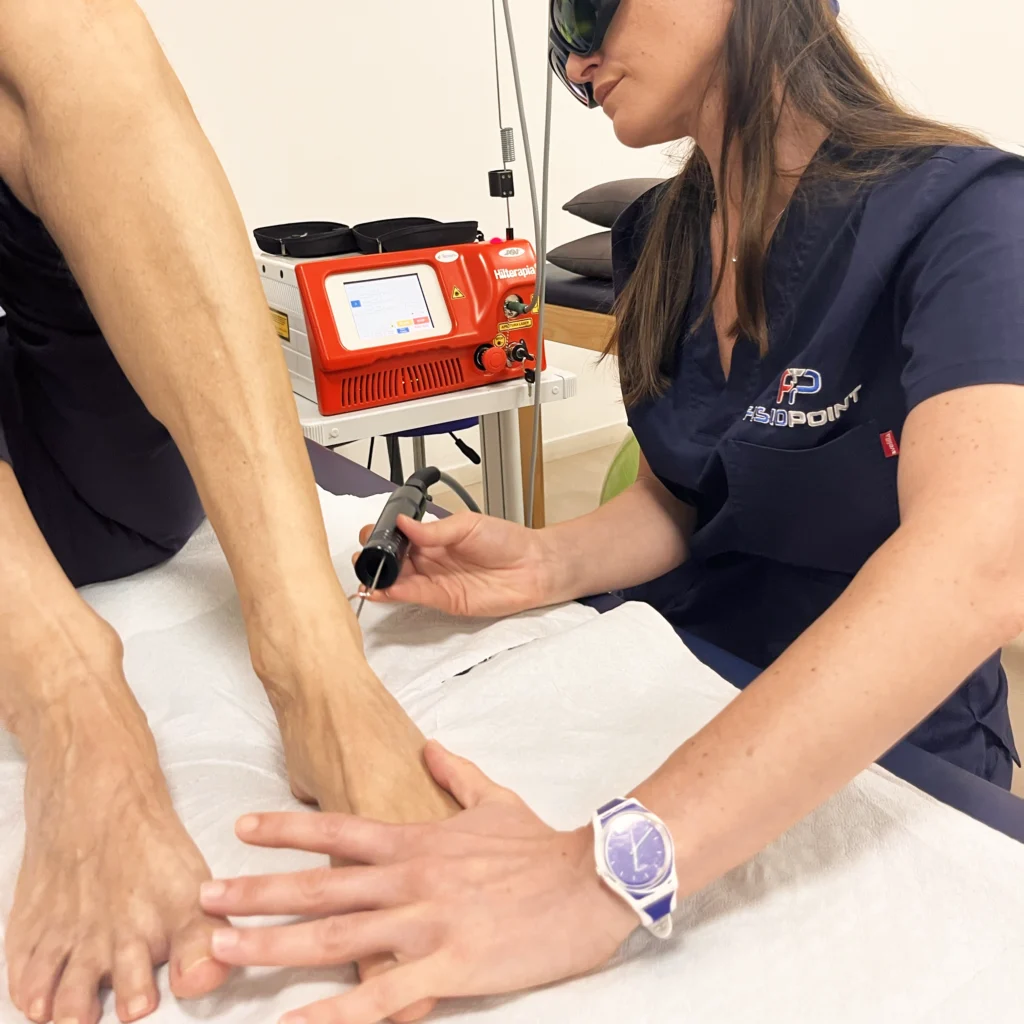
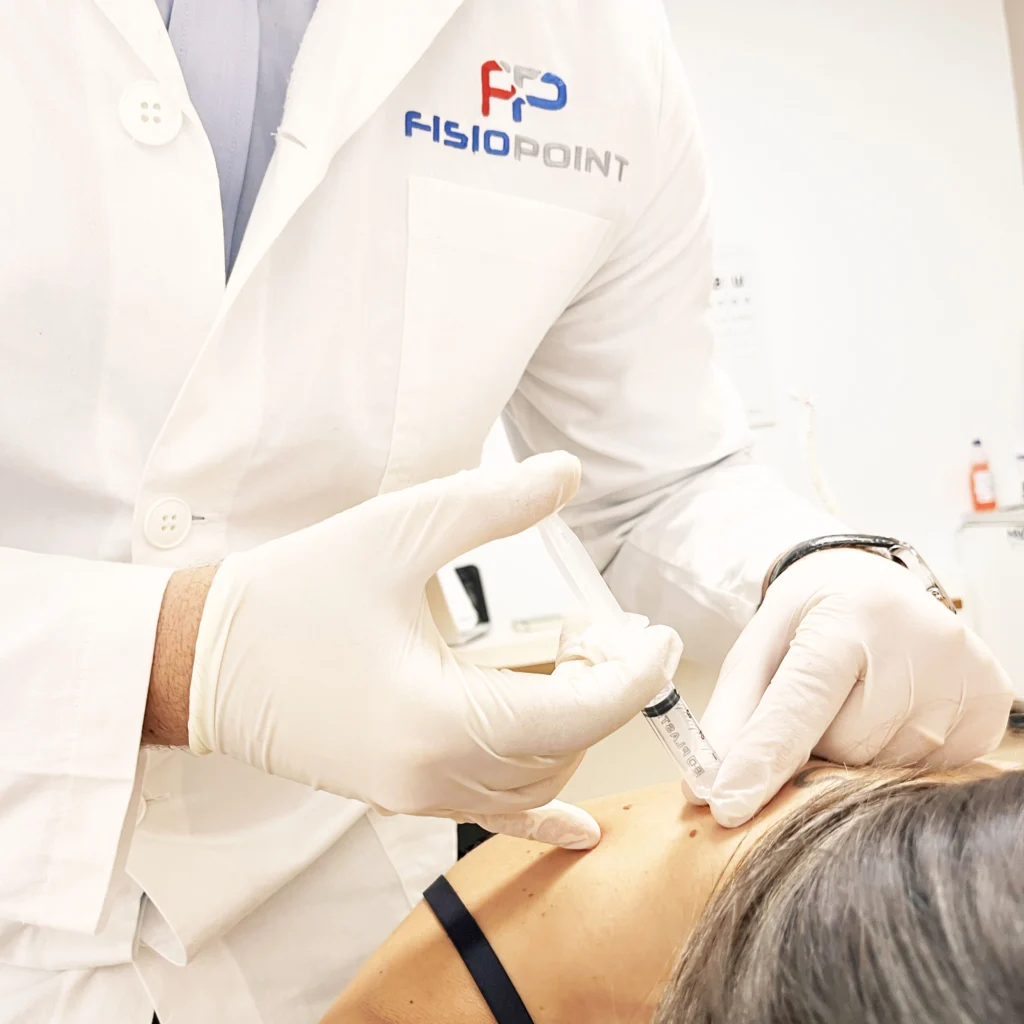
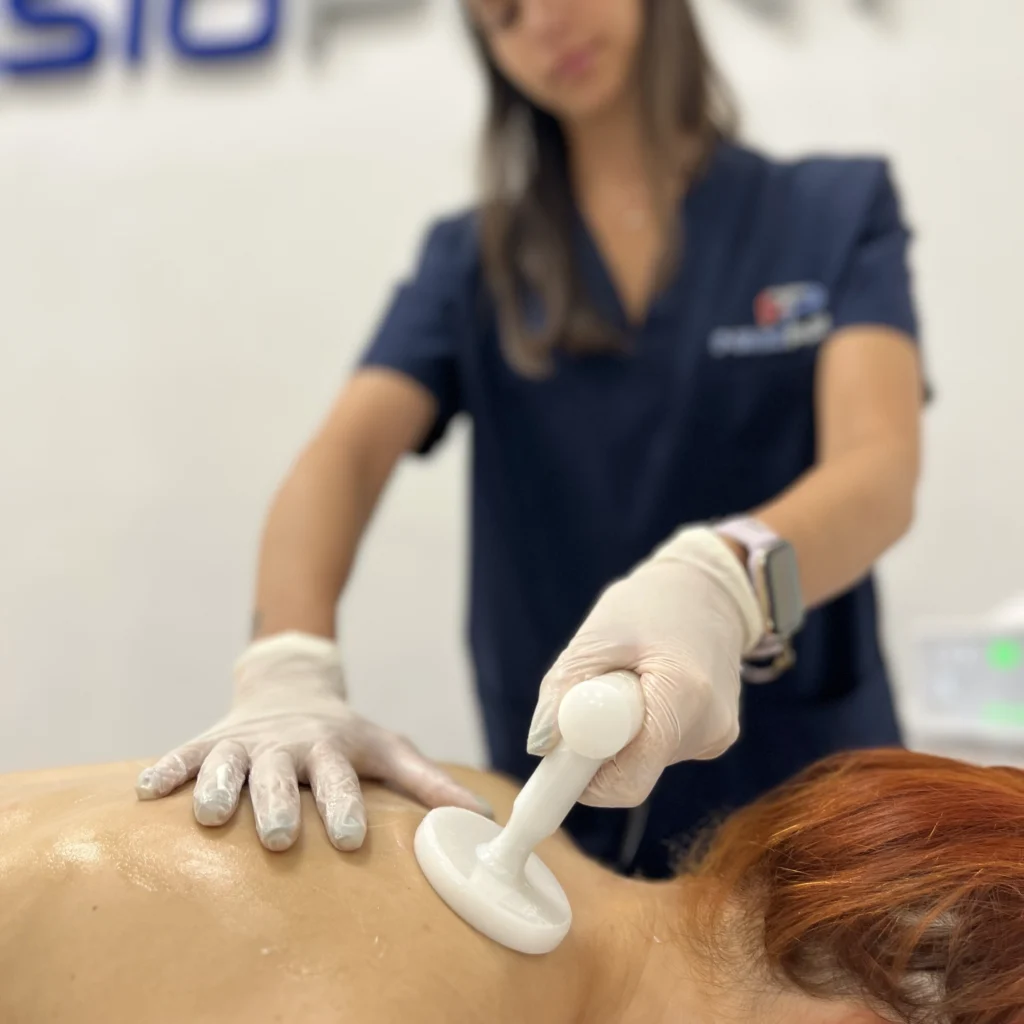
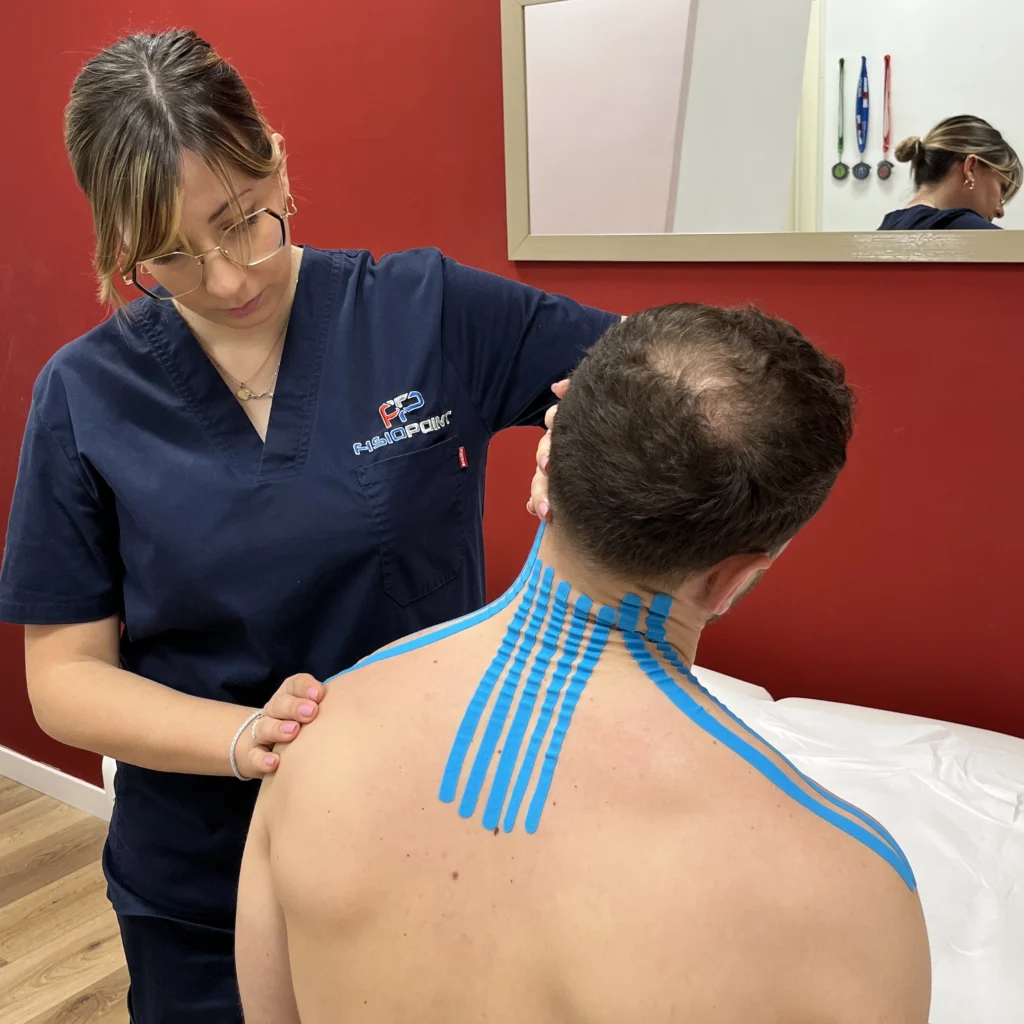
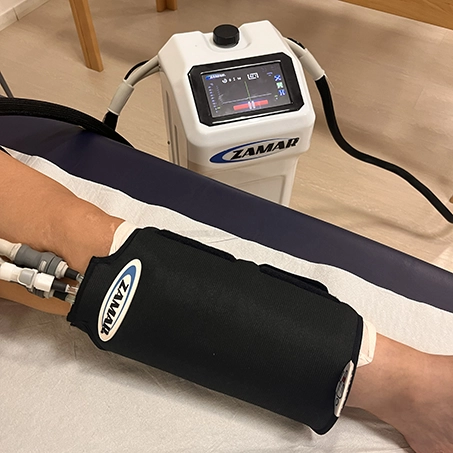
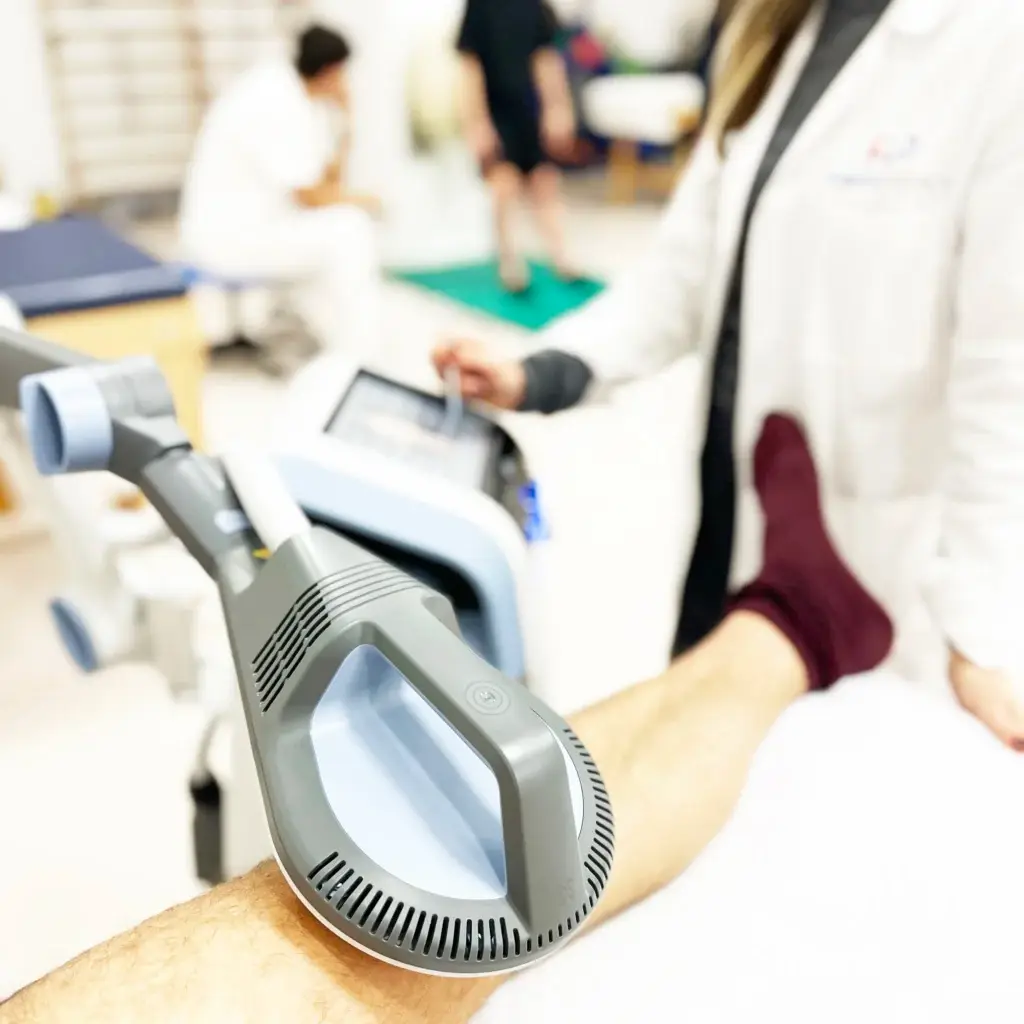
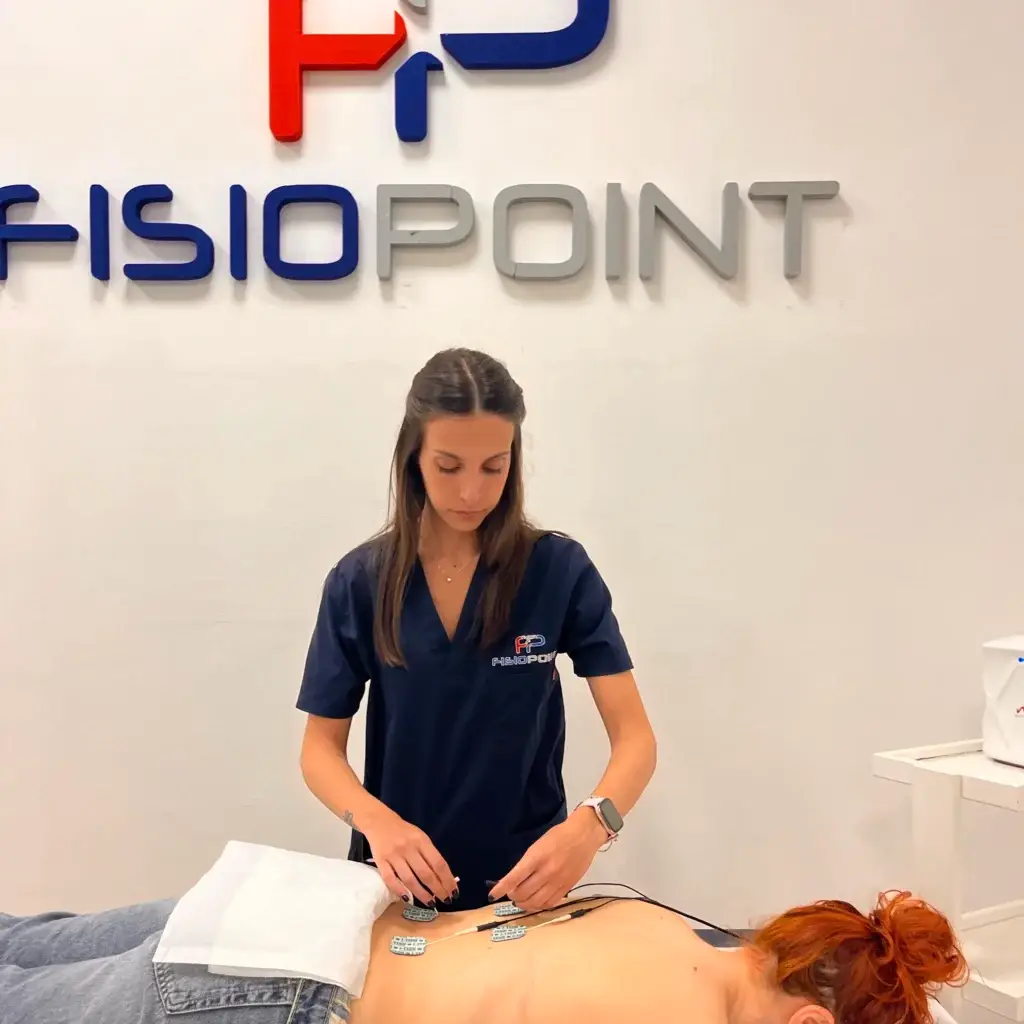
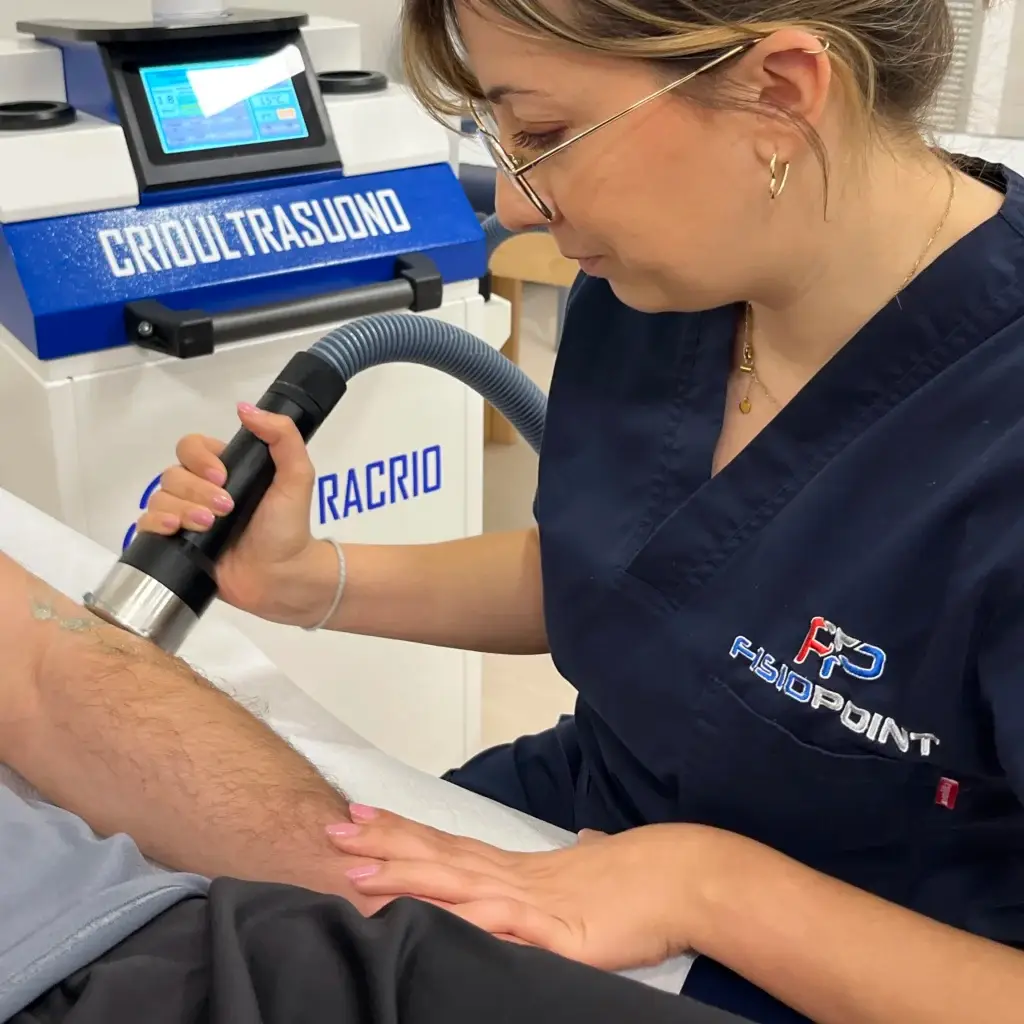
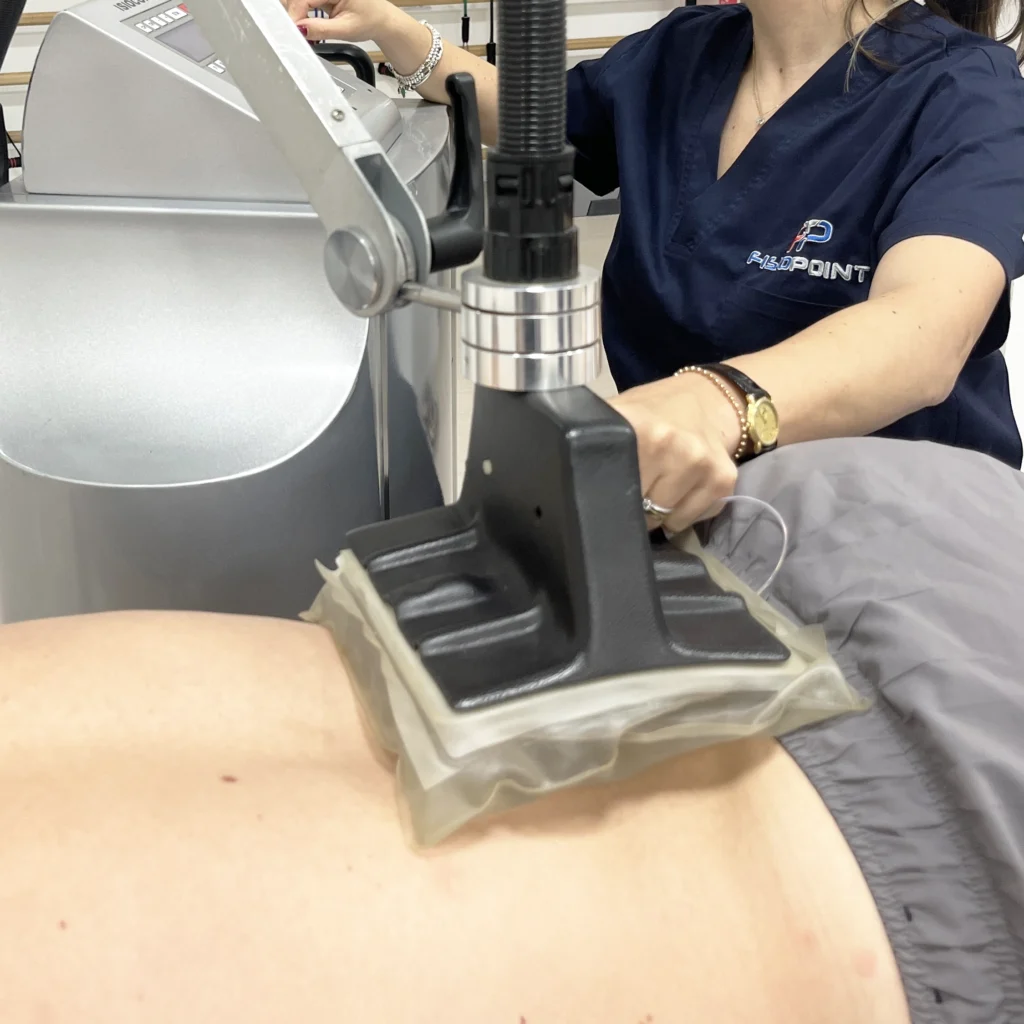
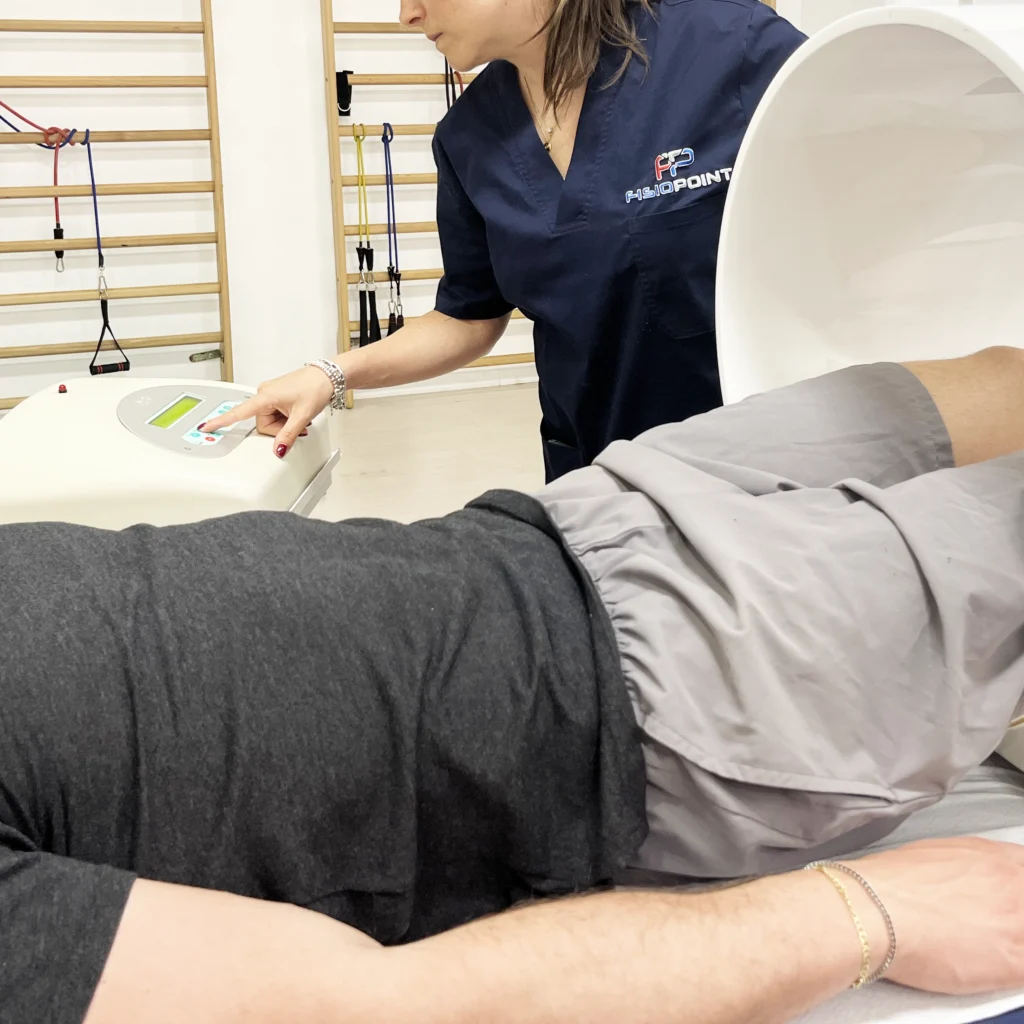
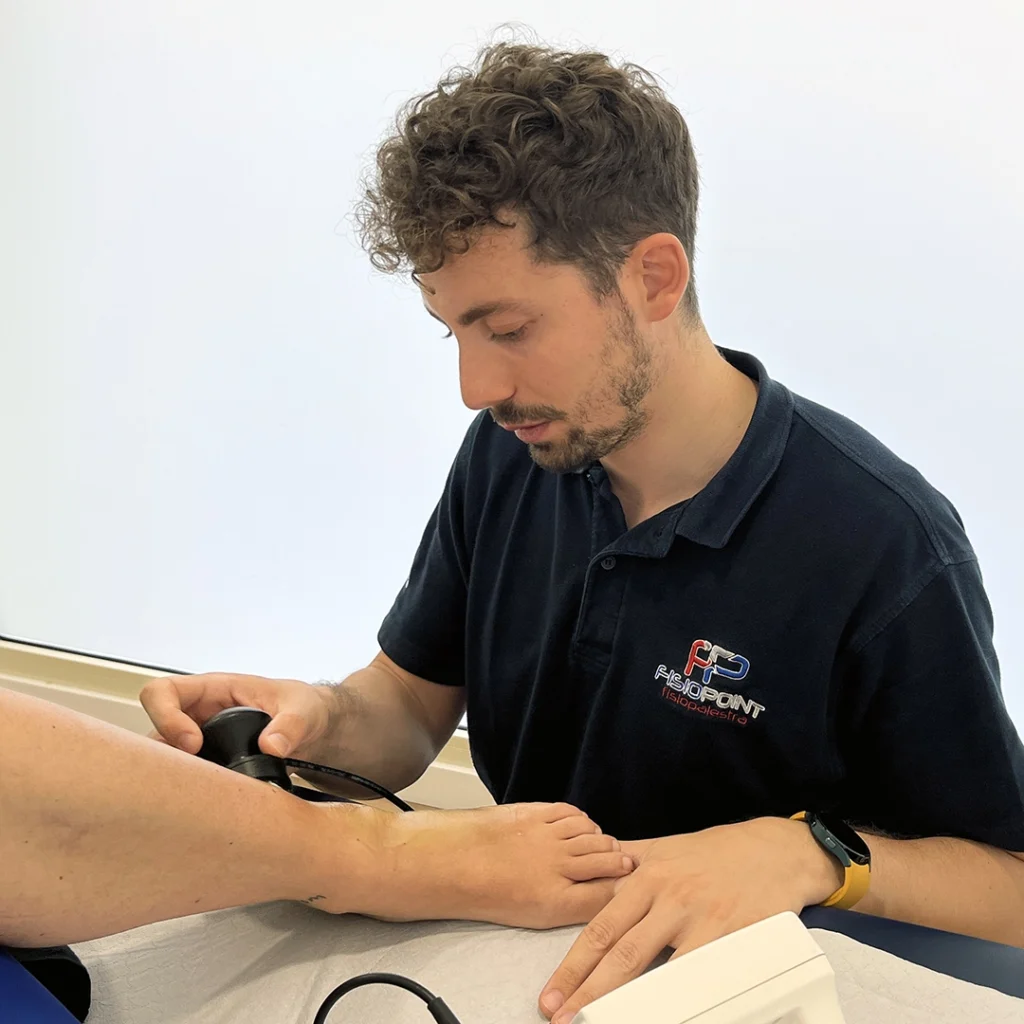
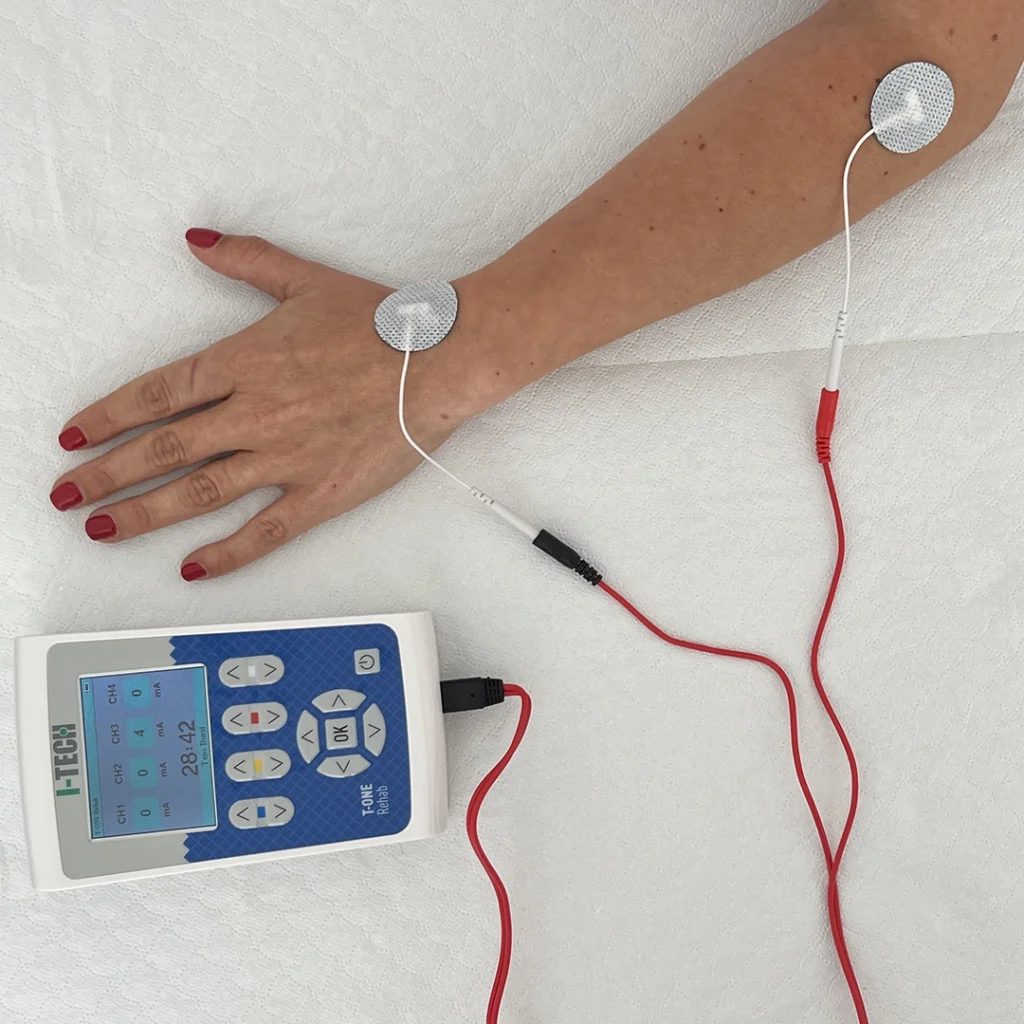
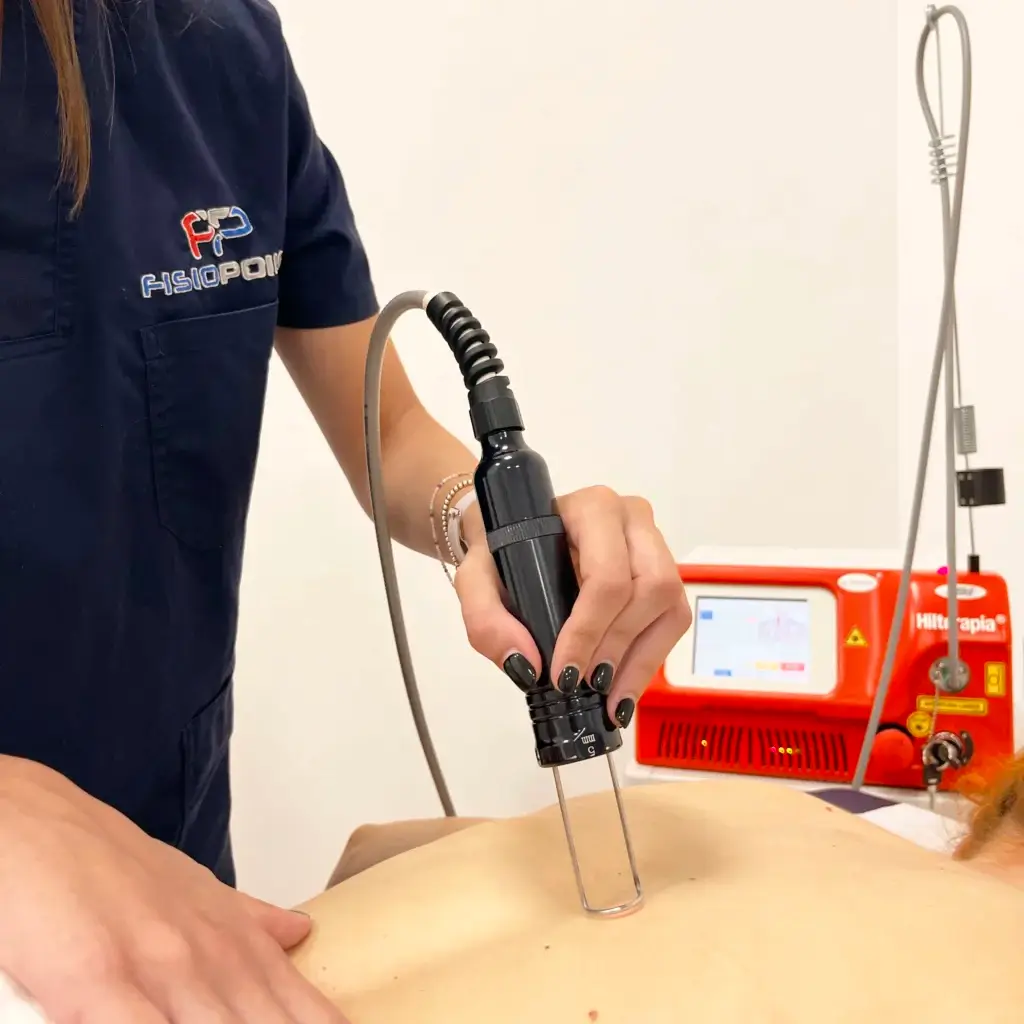
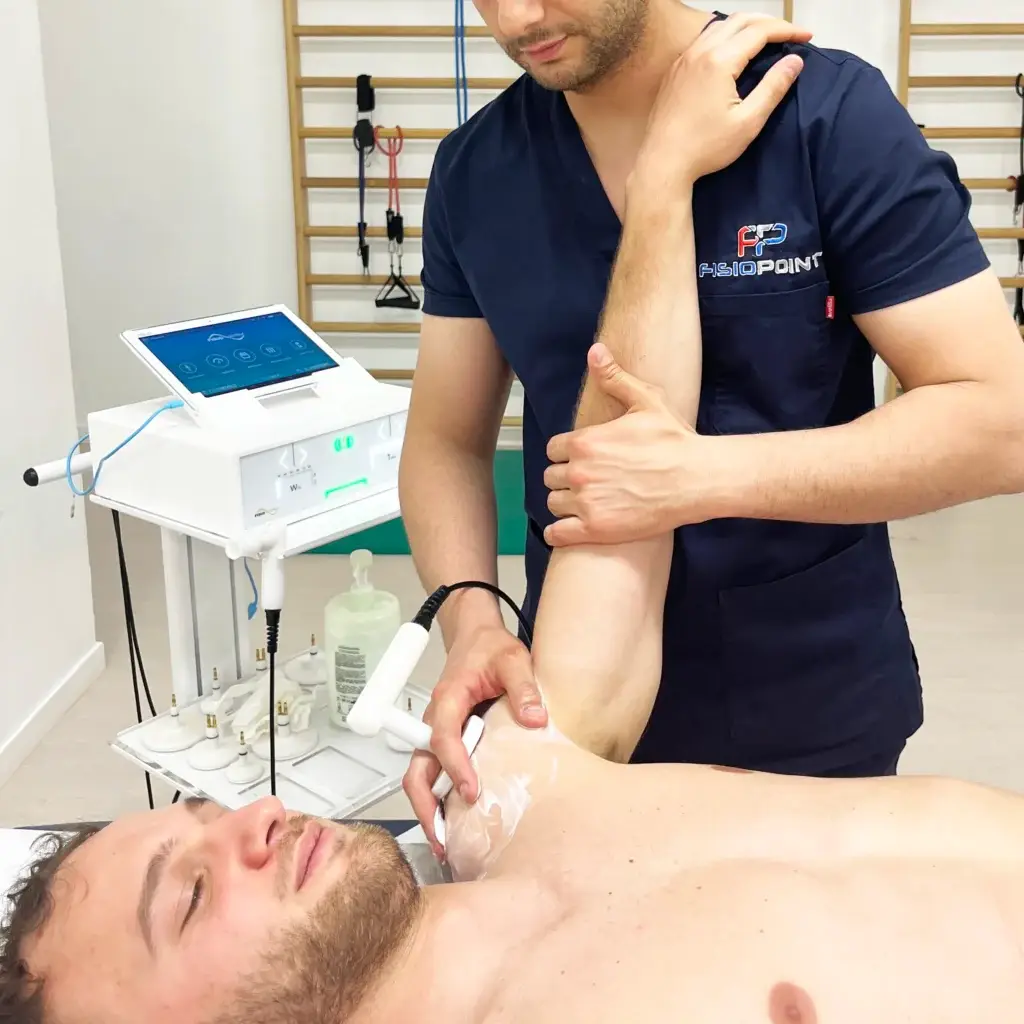
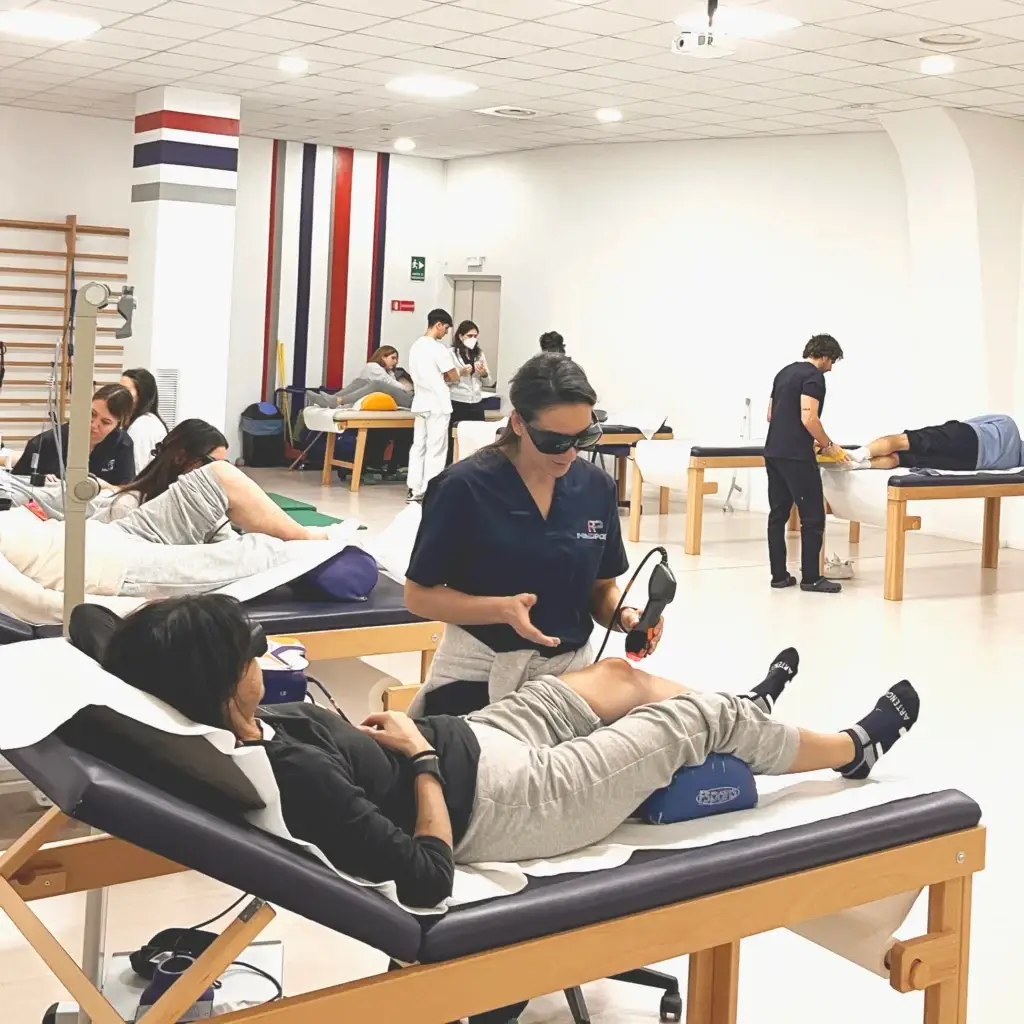
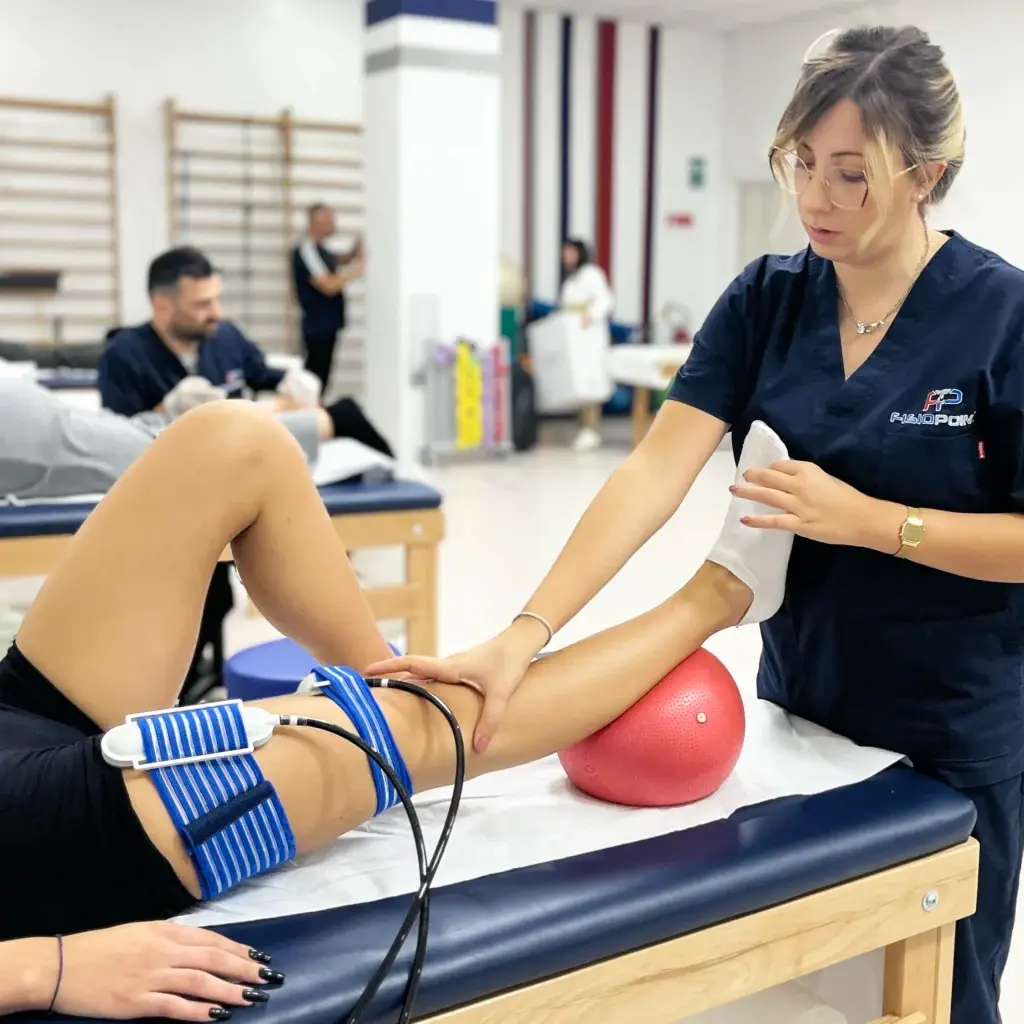
Manual therapy may be accompanied by the use of physical therapies, especially in the acute phase of pain, including laser e tecarto promote tissue healing processes. Once the course has been completed, sessions of postural re-education once a week for general rebalancing of the body. Another useful tool, especially in the acute phase when the patient is afraid to move and feel pain, is thehydrokinesiotherapywhich combines mobilisation, stretching and muscle strengthening exercises for the complete recovery of function in the (almost) absence of gravity and therefore overload.
Undertaking rehabilitation after a whiplash injury is of paramount importance to avoid all the aforementioned side effects that, let us remember, can develop even years after the injury and even lead to neurodegenerative diseases such as Parkinson's or alzhaimer's.
Text by Alessandra Del Vecchio
Learn more by watching the videos on our channel YouTube





 English
 Italian