
A herniated disc is caused by a degenerative process that causes total or partial leakage of the nucleus pulposus from the fibrous ring that forms the outer wall of the disc.
Generally, the rupture occurs in the posterior portion of the disc and the leakage of the nucleus pulposus creates pressure on the nerve structures contained in the spinal canal.
Anatomy and physiology of the spine
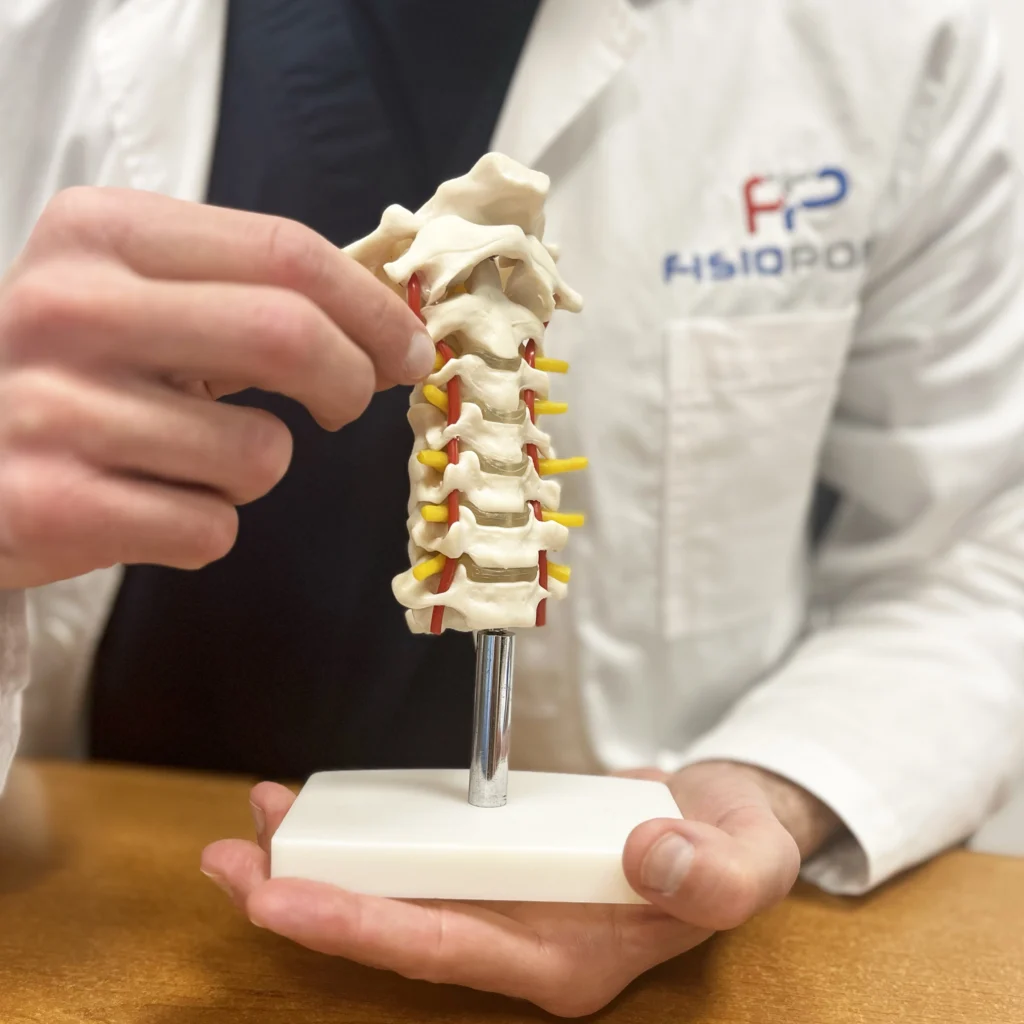
The intervertebral disc is 88% composed of water. It consists of a central nucleus pulposus surrounded externally by a set of fibrous bundles called a fibrous ring.
In front we find an important restraining structure: the posterior longitudinal ligament. This spherical and deformable conformation allows the disc to change and the column to make flexion/extension and tilt movements without friction between the vertebrae.
Another function of the disc is to cushion the load, but under the action of high pressure (e.g. after lifting an excessive weight), the substance of the nucleus pulposus can migrate in various directions and leak out of the ring causing the disc to herniate.
The disc during the day, due to the continuous load, dehydrates and decreases in thickness, while during the night, when we are lying down, it rehydrates and even recovers a few centimetres in height.Like all structures in our body, the disc will tend to age and reduce its thickness, losing its function as a shock absorber.
How common is a herniated disc?
The spine tracts most affected by herniated discs are the cervical and that lumbarwhile a dorsal hernia is more difficult to detect. The areas of the spine with the greatest mobility and most subject to pressure and disc adaptation are the most affected.
Specifically, lumbar hernia occurs almost 15 times more often than cervical hernia. Studies show that as a percentage, the incidence is higher in men than in women.
Types of herniated discs
We can classify herniated discs according to the area of herniation into:
- Median: when the herniation is towards the midline
- Paramedian: when slightly deviated from the centre line
- Lateral: when distant from the centre line
- Intraforaminal: when it affects the foramen of conjugation
- Extraforaminal: when the rupture of the fibrous ring occurs at a point more lateral than the conjugation foramen
According to the degree of core leakage, we classify them into:
- contained hernia: the fibrous ring is broken but the hernia is contained by the posterior longitudinal ligament
- protruded hernia (not to be confused with protrusion): this is a true hernia with rupture of both the ring and the posterior longitudinal ligament. The nucleus pulposus makes direct contact with the nerve structures
- Ejected hernia: the nucleus pulposus completely loses contact with the disc
- Migrated hernia: The disc fragment, free in the canal, may migrate upwards, downwards or posteriorly.
Causes of herniated discs
The rupture of the fibrous ring is due to increased pressures on the disc, which, having to organise itself in space, continues to press on the fibres of the outer wall, eventually breaking them partially (protrusion) or completely (herniation).
Risk factors include:
- Sedentariness
- Extreme sports (weightlifting, parkour...)
- Overweight
- Continuous microtrauma (driving on unsuitable roads or vehicles)
- Incorrect posture
- Congenital factors
The nerve roots most affected by compression by a hernia are:
- in the lumbar spine, L4-L5 and L5-S1, because they are the only two 'tension relief' pathways that do not have a muscular insertion
- in cervical C5-C6 and C6-C7 for the same reasons.
Involvement of other roots is often due to disc degeneration or repeated and constant micro-trauma.
Herniated disc symptoms
An important characteristic of hernias is that they are often asymptomatic.
In symptomatic ones, the main sign is pain accompanied by temporary tingling, which occurs at the vertebral level involved and follows the course of the affected nerve.
If prolonged and neglected, this condition can lead to other associated symptoms such as loss of reflexes and subsequently of strength, again in the territory of the affected root.
A lumbosciaticafor example, is manifested by tingling and pain in the buttock area, radiating along the entire course of the sciatic nerve, i.e. from the posterior portion of the thigh and leg, up to the fifth toe.
Cervicobrachialgia, on the other hand, has a herniated cervical spine at its base, with symptoms that can radiate throughout the upper limb as far as the fingers.
Intraforaminal hernias generally affect only one haemilateral and are the most annoying precisely because they immediately compress the root nerve. Median ones, on the other hand, may have symptoms involving both sides.
Diagnosis of herniated disc
The diagnosis is made through an objective examination by the specialist who examines the patient and administers a series of orthopaedic tests. The most common are:
- Lasegue (L5-S1 roots)
- Wasserman (L3-L4 roots)
- Spurling for the cervical spine
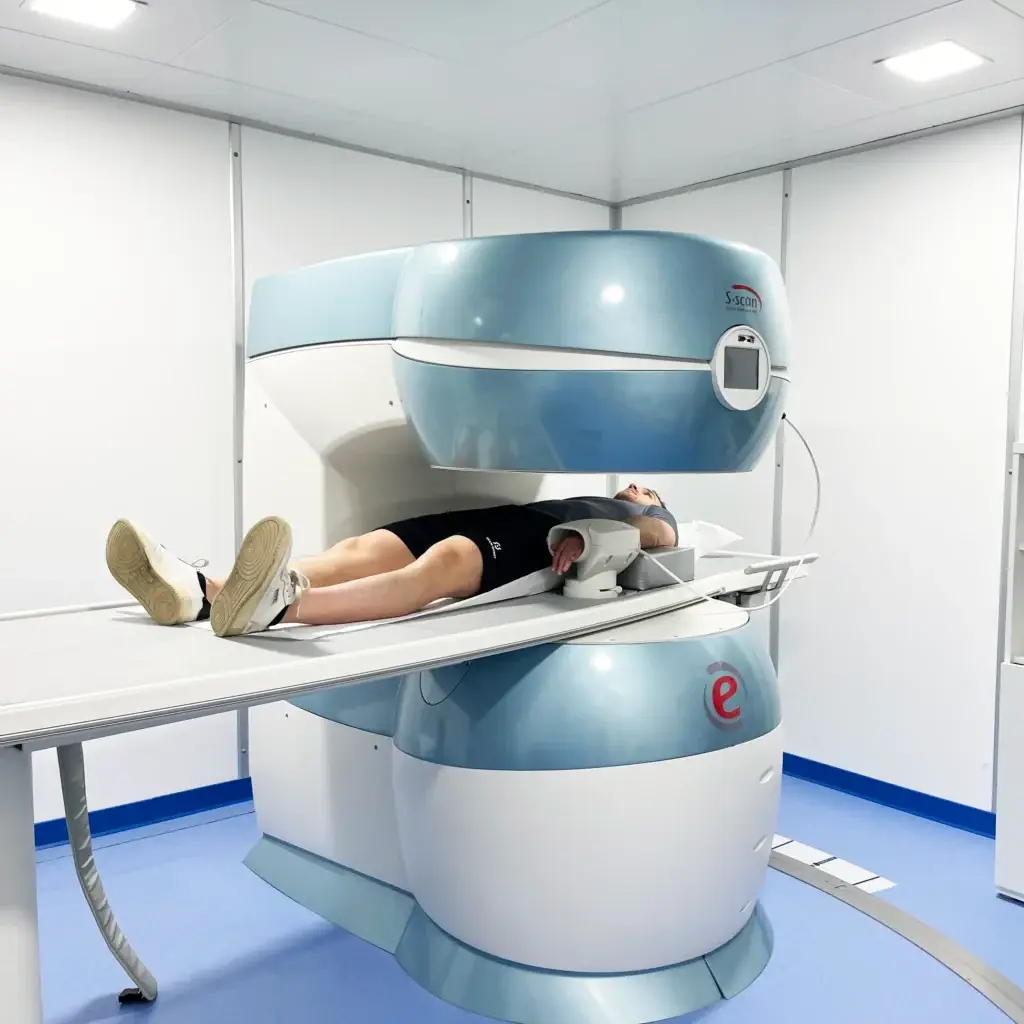
This diagnosis must be confirmed with instrumental examinations such as MRI, which shows the location of the hernia, the degree of tissue inflammation and the hernia's relationship with the nerve roots.
When a strength deficit is revealed, the specialist will consider whether to also recommend an electromyography to study the electrical conduction of the nerve and thus possible neurological suffering.
Herniated disc treatment
Depending on the type of hernia, treatment can be conservative or surgical.
Conservative treatment is the most commonly used in the first instance and in the acute phase of pain, and involves rest, physiotherapy and medication.
Physiotherapy is one of the most effective weapons for reducing the symptoms of herniated discs in the acute phase and includes:
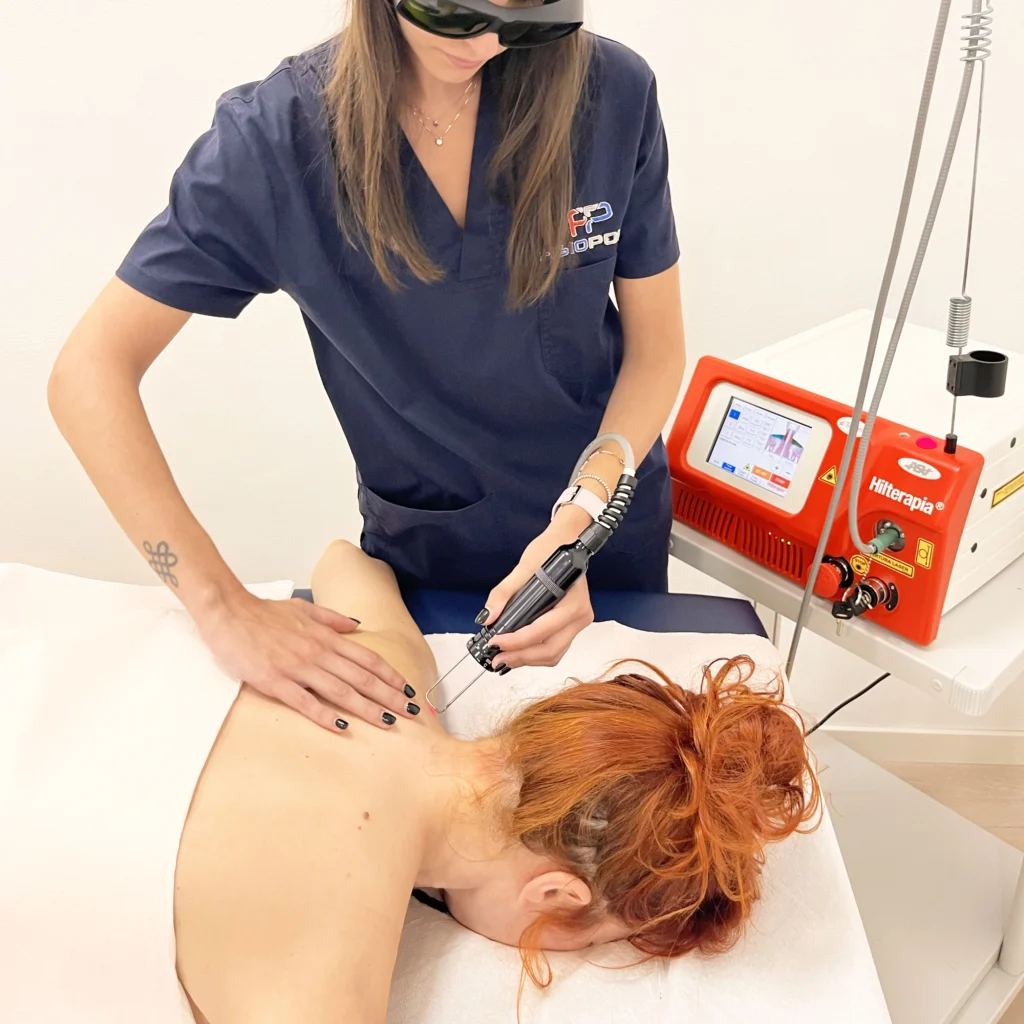
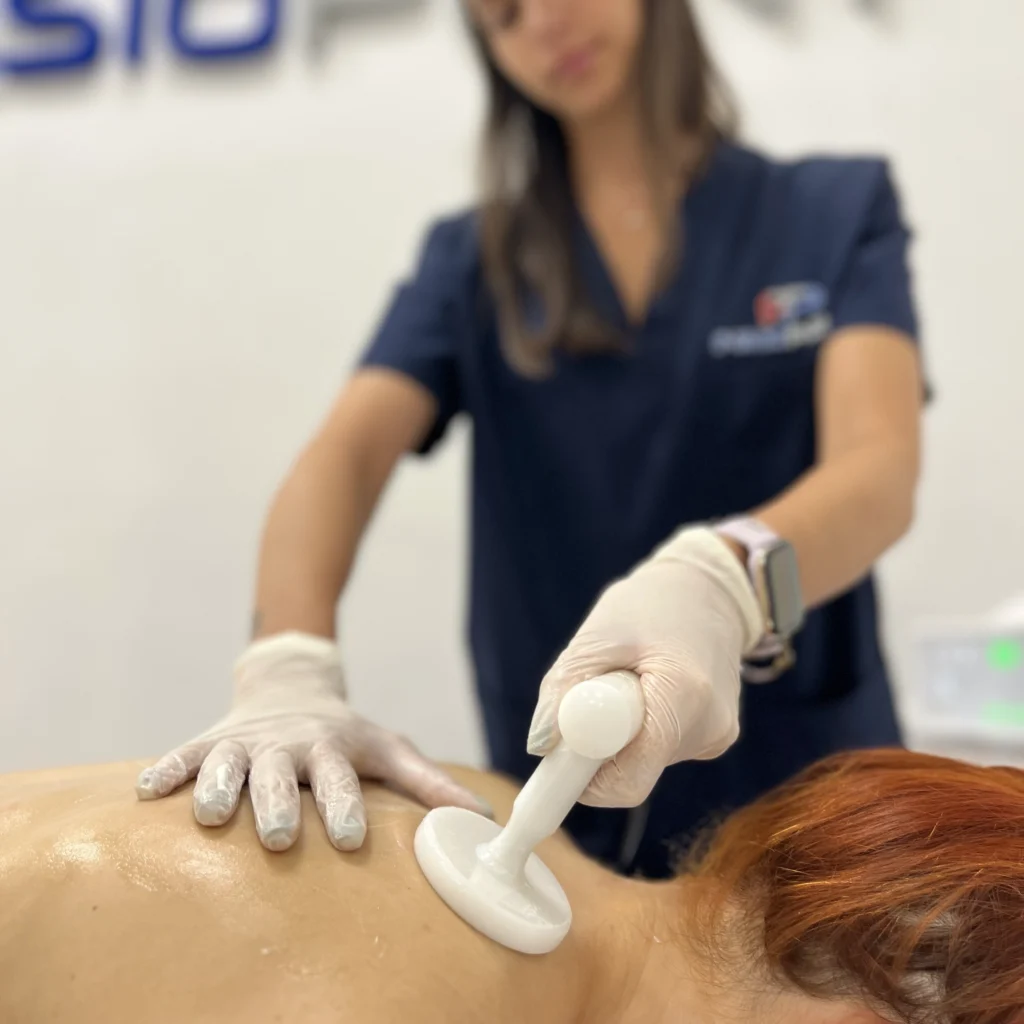
- instrumental therapy (tecar ,laser etc.) for the reduction of pain and inflammation
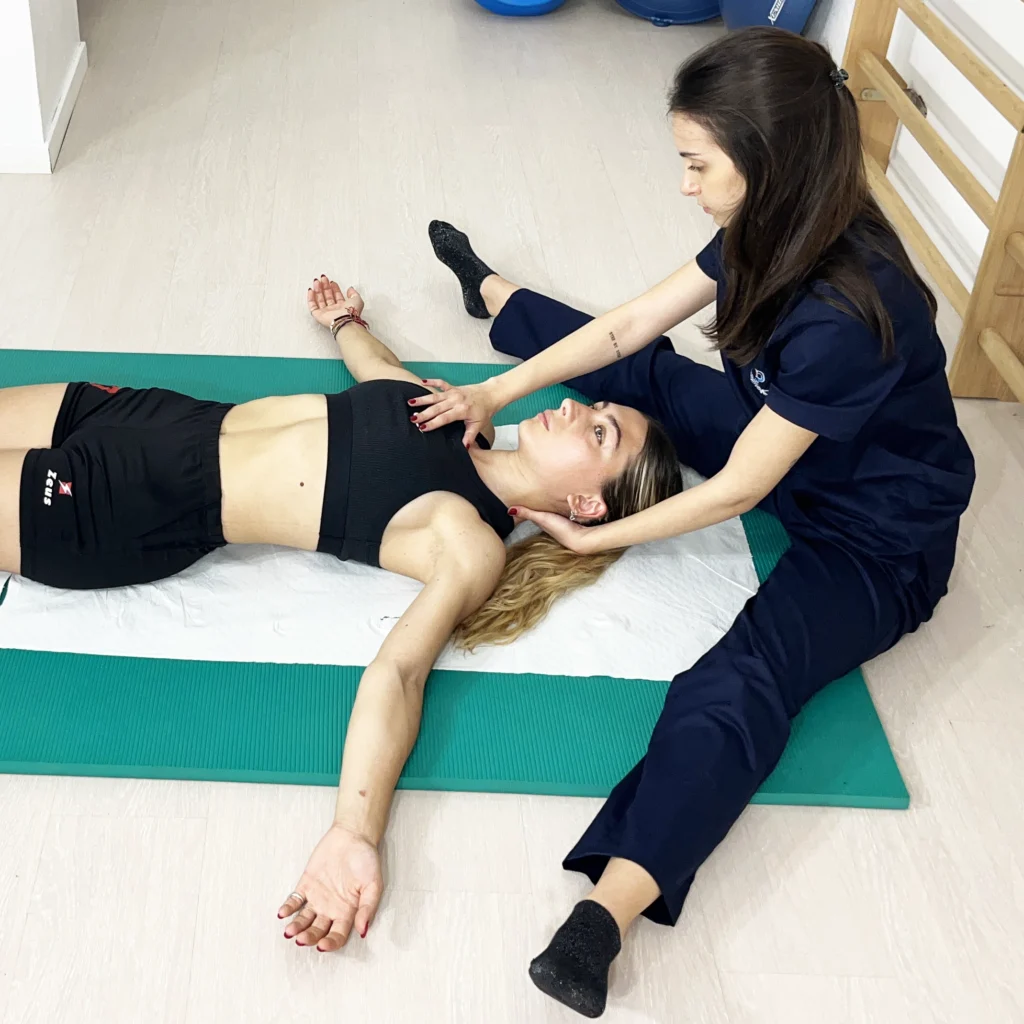
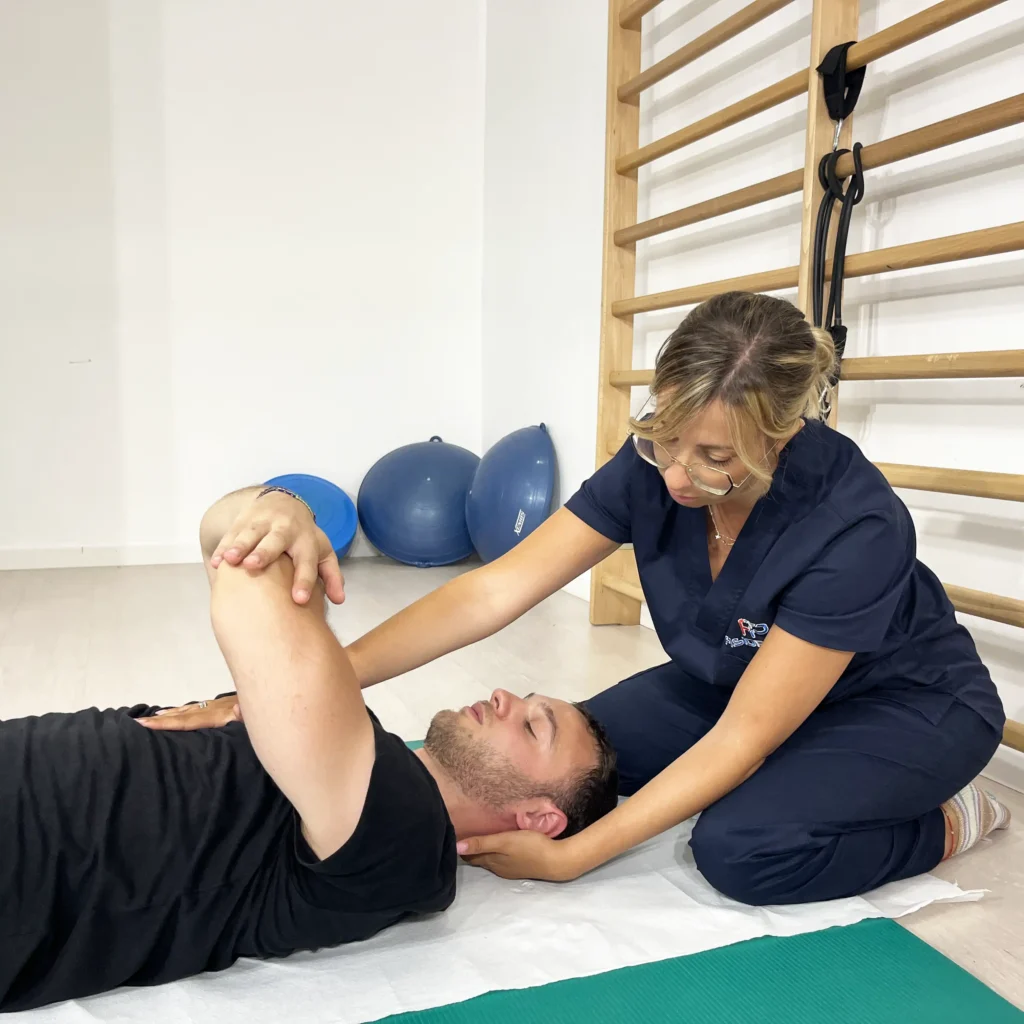
- manual therapy
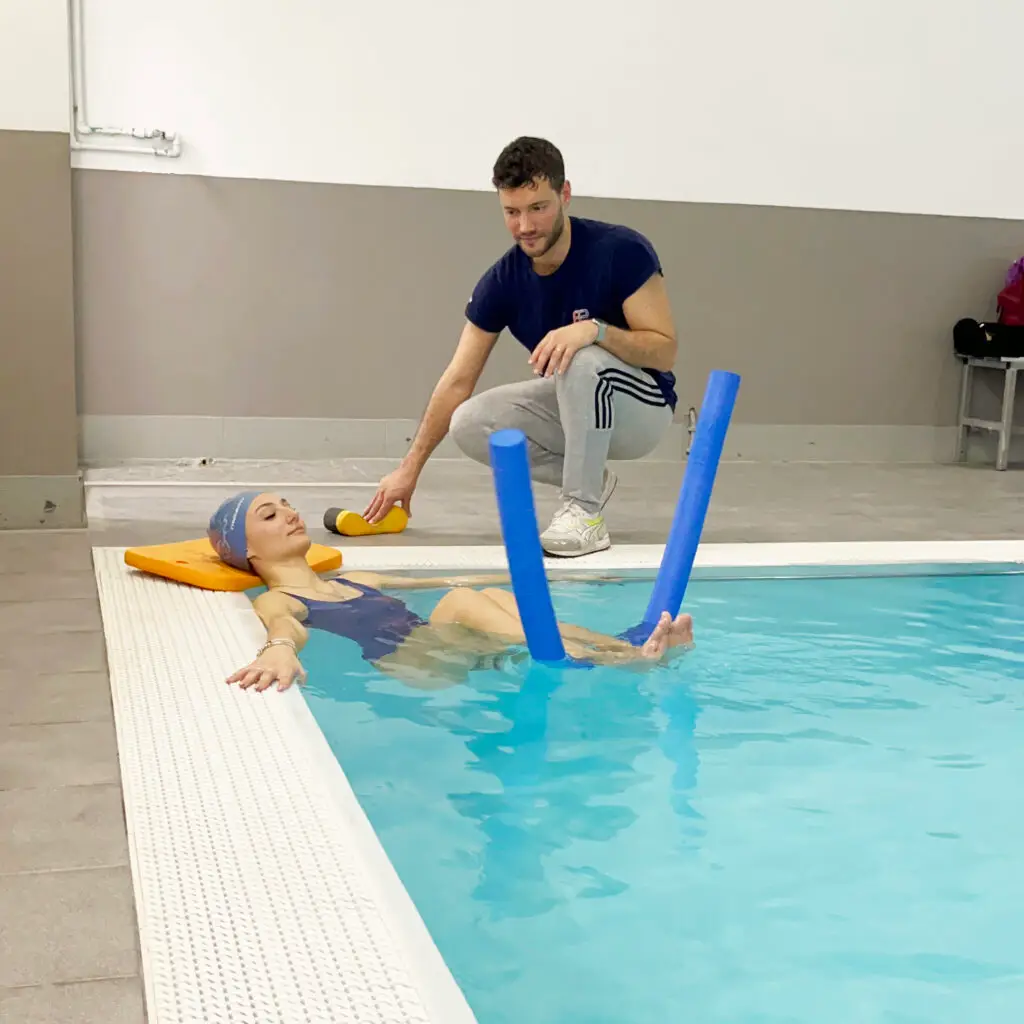
- passive and active mobilisation
- stretching
- re-education posturalto reduce vertebral compression.
Once the acute phase is over, the advice is to limit risk factors that can trigger the flare-up of inflammation, but above all to exercise with qualified personnel.
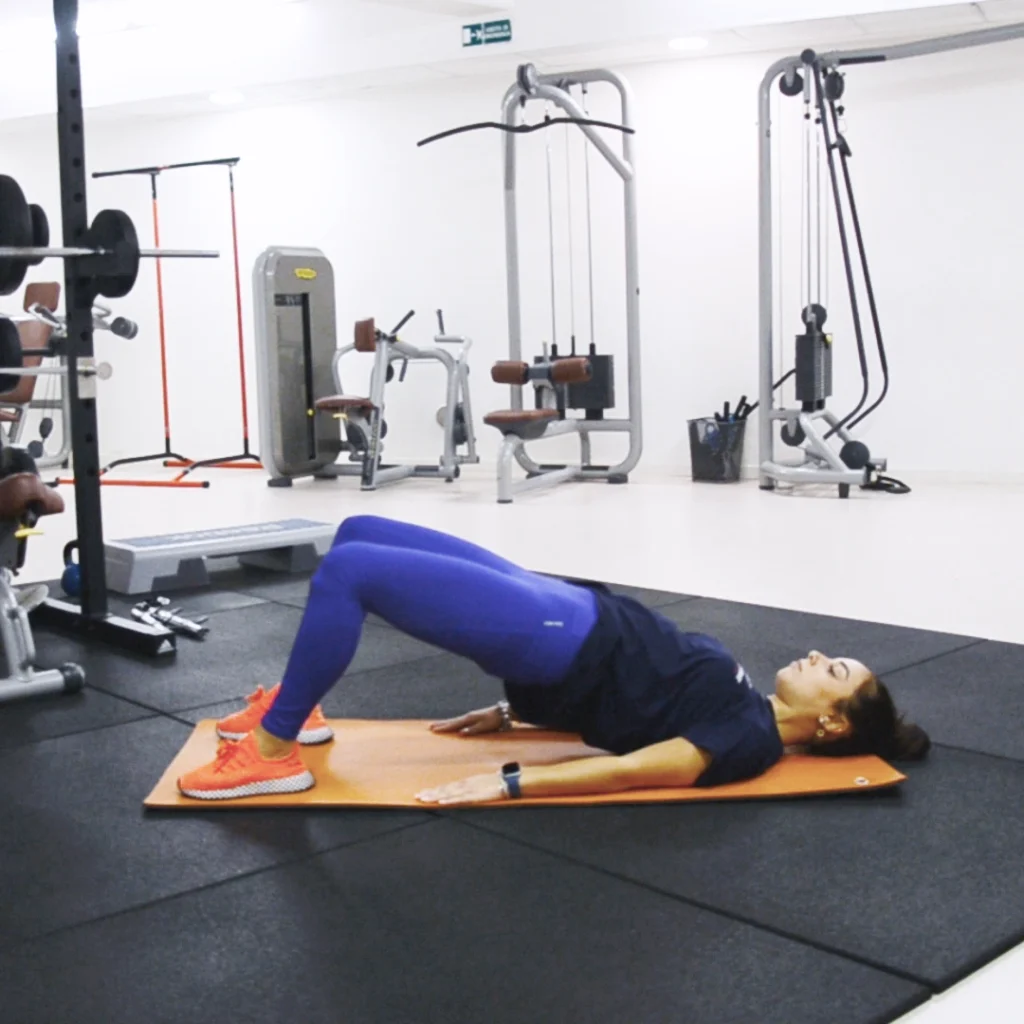
Rebalancing our body and strengthening the muscles, especially the core stability and lower limbs, will certainly give less 'work' to the column in managing load and pressure.
Hernias that do not respond to conservative treatment may require surgery such as discectomy, decompression or even spinal stabilisation.
Prevention of herniated discs
As mentioned earlier, prevention is based on the concept of preserve the correct mobility of the column. Specifically:
- The CORE, the buttocks, and the entire lower limb musculature must be re-educated to be functional to the needs of our body, whether the patient is an athlete or a housewife.
- Stretching and joint mobility especially of the posterior thigh muscles will be crucial.
- Any work programme must preserve the flexibility of the column.
- One must learn to lift weights in the correct way and avoid fast movements even when twisting the torso.
- Conducting a healthy diet.
Text by Claudio Paolacci
Learn more by watching the videos on our channel YouTube
Book a Free Visit
You want to understand theorigin of your problem and structure the best physiotherapy pathway for solve it once and for all?
Bring us medical prescriptions, MRIs and X-rays. This way we can assess the situation together and determine the best route to deal with your problem and solve it quickly.
 English
 Italian