L'
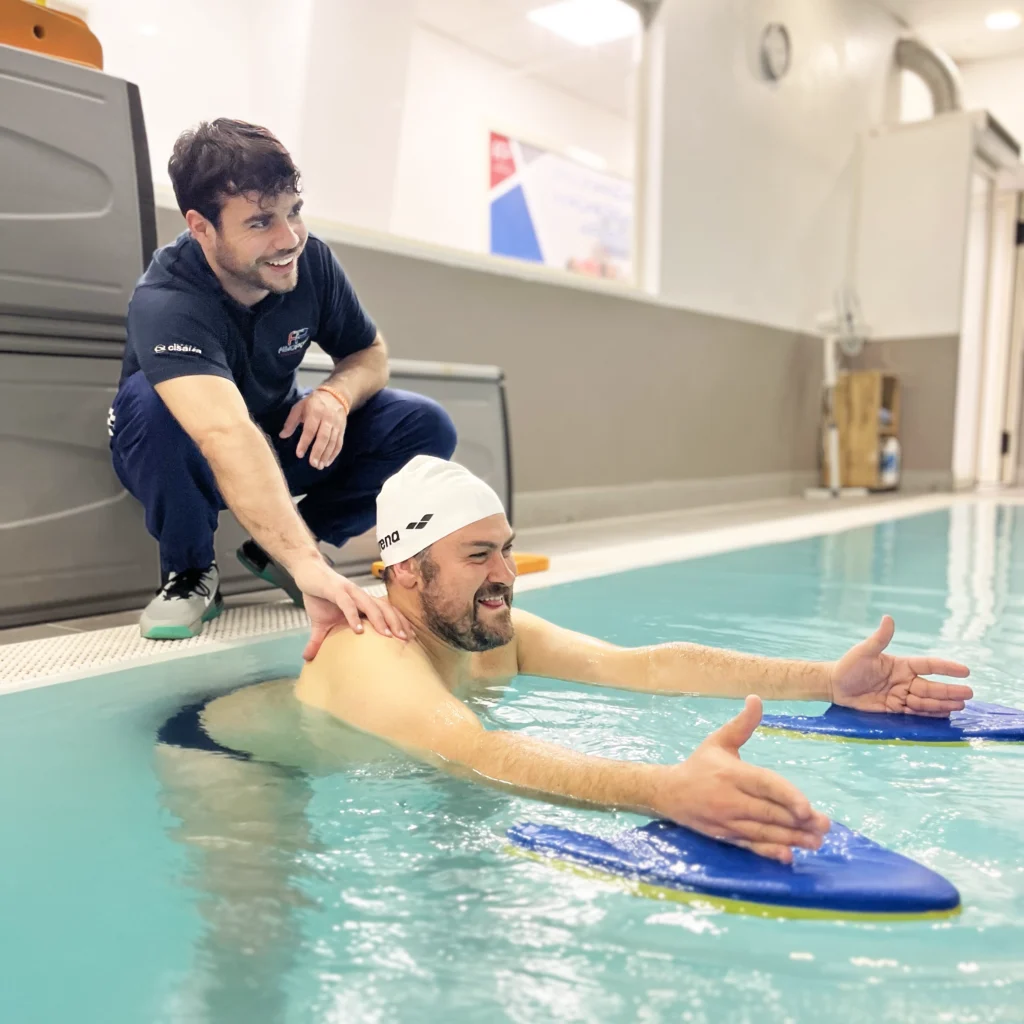
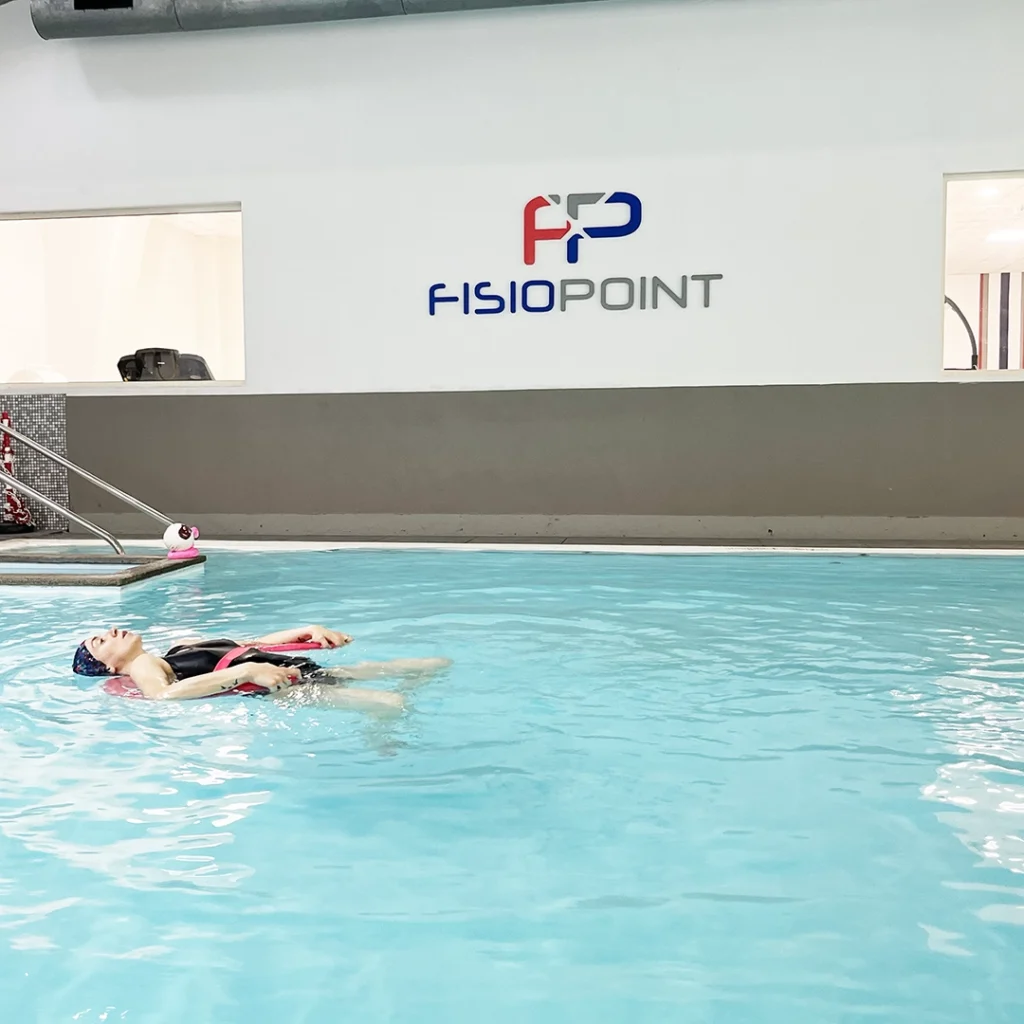
hydrokinesiotherapyas its name suggests, is a medical therapy centred on movement in water that was also used in antiquity for the treatment of certain diseases. The aid of water allows the performance of active or passive exercises, carried out free-body or with the aid of special floating devices, in a condition where the body weight is effectively reduced compared to dry therapies.
Historical background on hydrokinesiotherapy
The historical origins of hydrokinesiotherapy date back to the mists of time. The earliest historical sources can be found in the ancient Egyptian civilisation, particularly in icons depicting people immersed in therapeutic hot baths. In ancient Greece, both Hippocrates (460 B.C.) and Pythagoras (570 B.C.) passed on in their treatises the beneficial effects of cold and hot water for the treatment of musculoskeletal disorders. Thermal contrast was used to fortify the body and spirit. Later, in Roman times, the use of the tepidarium and frigidarium was commonplace for all those who went to the baths to seek curative effects.
Many other scholars reported the healing effects of water such as Floyer, Currie, Hahn, Priessntiz and Kneipp. The latter, in the 19th century, became the father of hydrotherapy, describing, on the basis of the aforementioned authors, numerous treatises in which he listed the benefits of water following studies, observations and actual applications in the treatment of his patients.
Water and movement recovery
The properties of water, such as heat, density, viscosity, surface tension, hydrostatic pressure and buoyancy, are able to minimise muscular and joint strain, maximising range of motion. The density of water creates a condition whereby our body, in total or partial immersion, takes on a much lower specific weight than when exposed to the force of gravity.
What is hydrokinesiotherapy used for?
The therapeutic effect of this technique guarantees a real improvement in joint mobility, functional recovery, reduction of pain, blood flow, strengthening of muscle tone, balance and neuromotor control, significantly affecting the recovery time of any pathology and reducing potential setbacks in the early stages of rehabilitation (inflammation, oedema and micro-injuries).
For which pathologies is hydrokinesiotherapy indicated or recommended?
The rehabilitation and re-educational aspect of this technique plays a key role in the prevention, cure and re-educational/rehabilitation treatment of many pathological conditions of the musculoskeletal system (traumatic, atraumatic, wear-and-tear), vascular and neurodegenerative diseases. Regardless of the patient's age, hydrokinesiotherapy is an ideal treatment technique for injuries that restrict movement and whose course
orthopaedist requires conservative or surgical therapy. In the latter condition, water therapy is useful both in an initial pre-operative phase and in the post-surgical course to create better balance and joint and, above all, muscle strengthening.
All the conditions described above include:
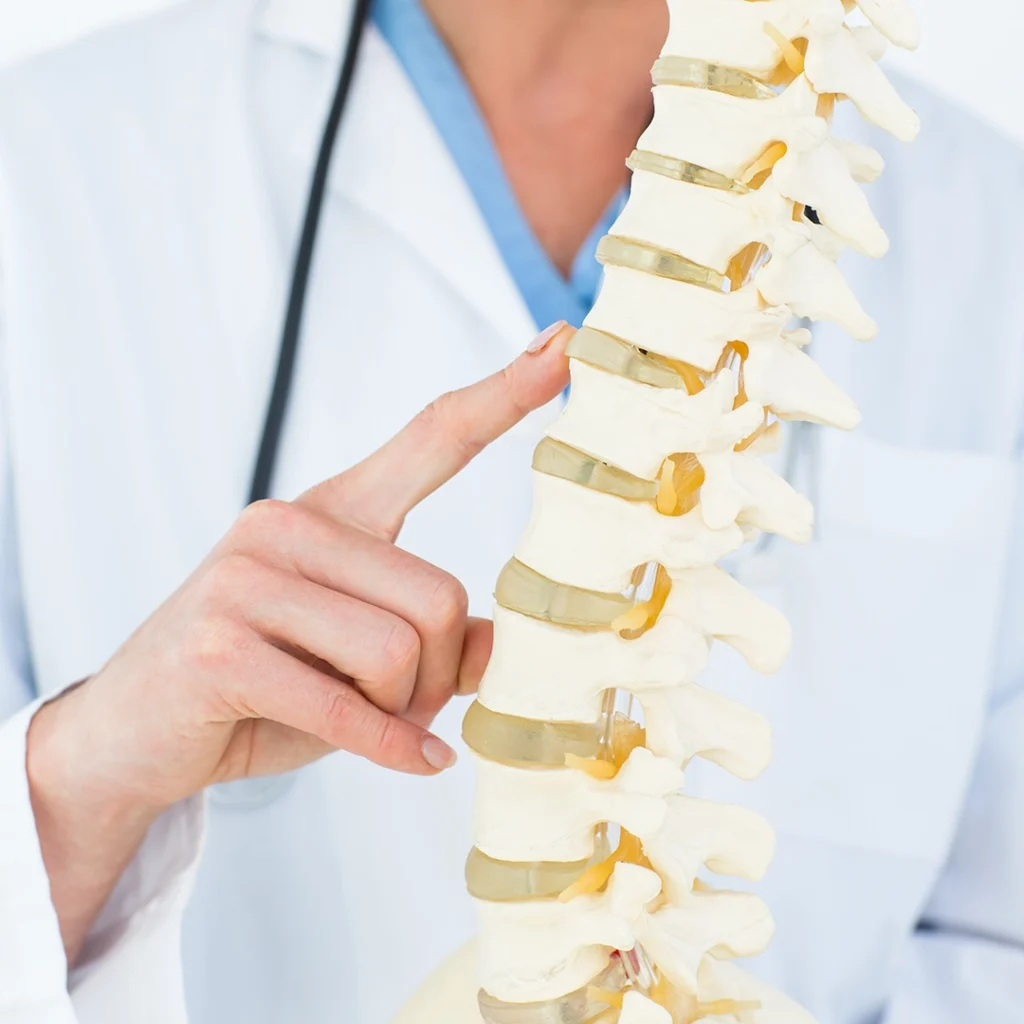
We can therefore show that hydrokinesiotherapy is effective for the pathological treatment of most of the joint districts involved, such as the spine, shoulder, elbow, hip, knee and ankle.
Physiotherapy and hydrokinetic pathway
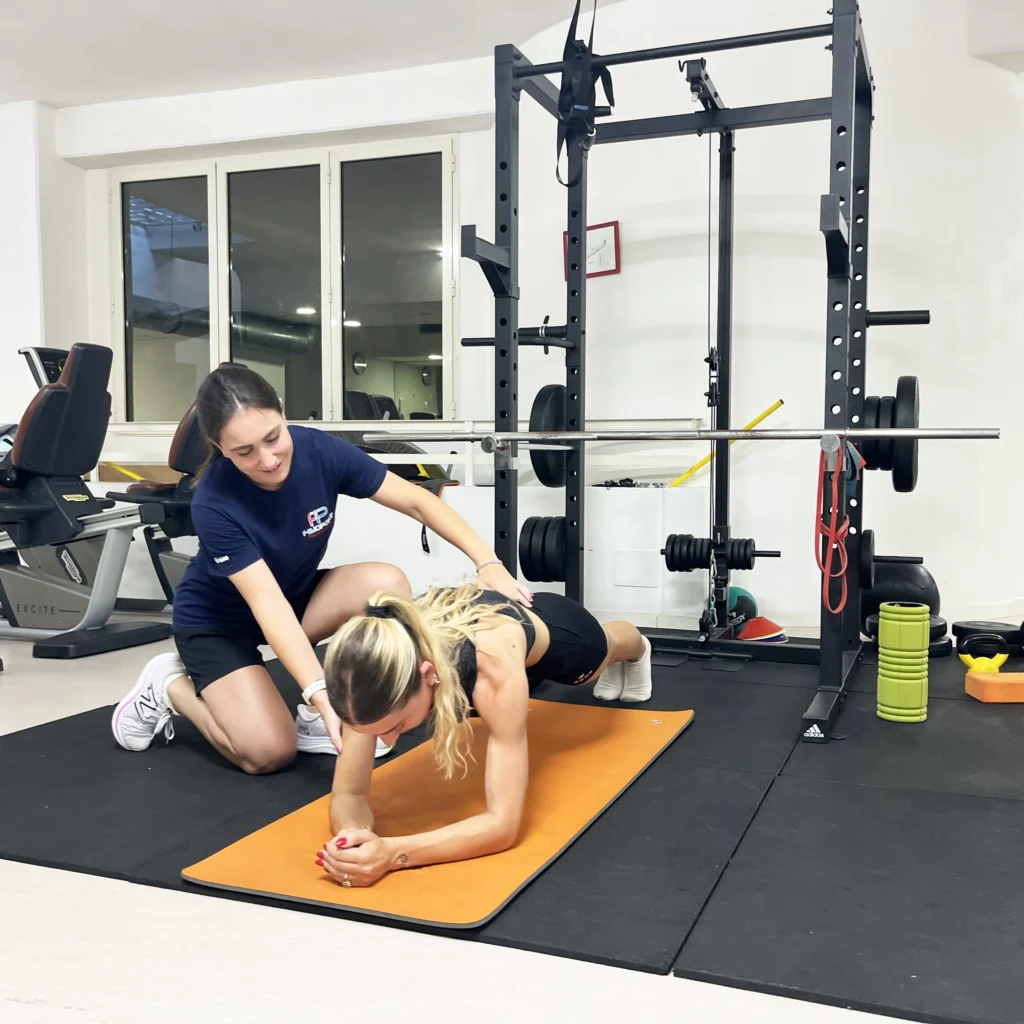
In the case of sports traumatology, re-educational work carried out in water, especially following surgery, could easily be associated with re-education carried out in a gymnasium, in order to guarantee global motor rehabilitation necessary for a safe return to the field; schemes that in the presence of a motor deficit given by the pathology at first are impossible to carry out outside water.
Similarly,
hydrokinesiotherapy is a fundamental strategy for people with disabilities, as it can be easily integrated into the rehabilitation plan and is necessary for them to be able to perform movements that, due to their deficit, they are unable to perform and that are completely 'forgotten' in their everyday life.
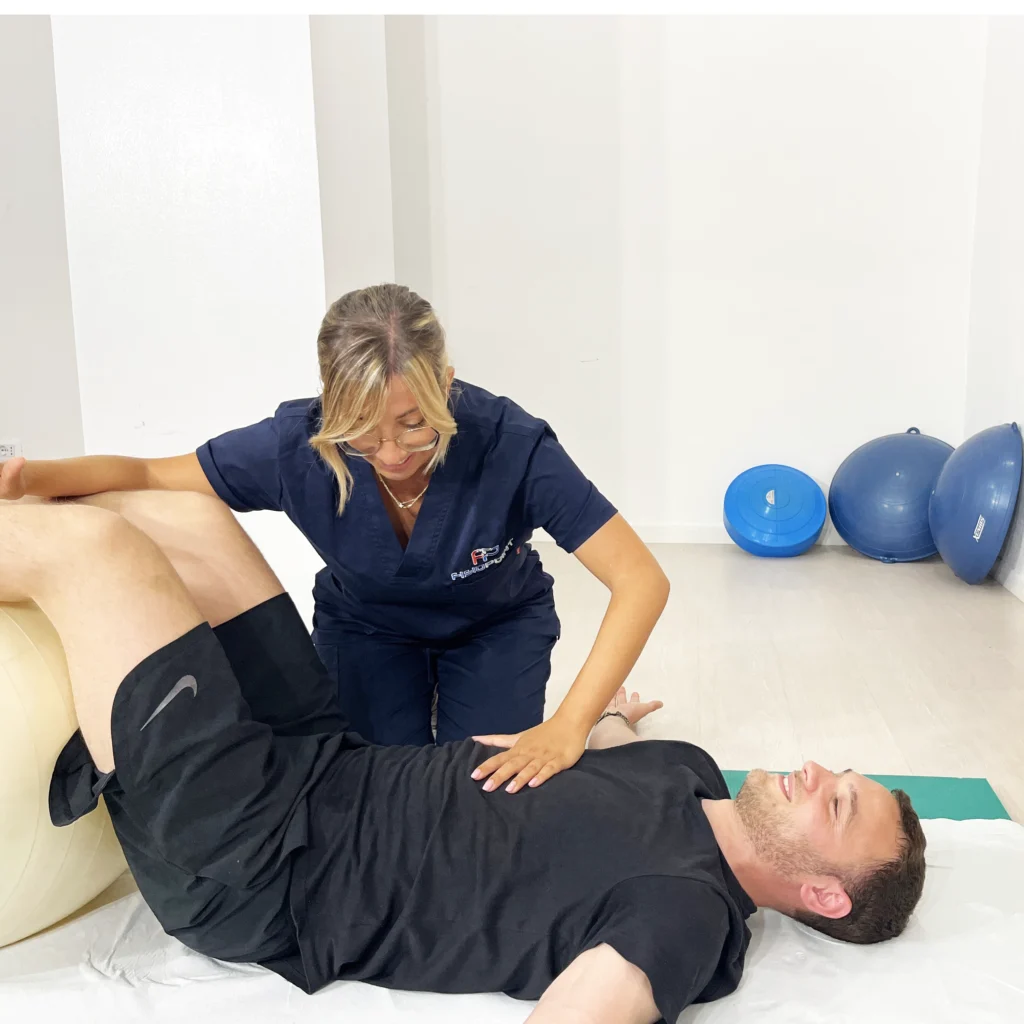
Generally, the therapeutic strategy customised on the basis of the pathology and the patient requires the combination of a hydrokinesitherapy cycle with a physiotherapy one carried out in parallel, precisely to ensure a timely and functional recovery. In most cases, in fact, early motor improvement, previously impaired by the pathological condition, stimulates patients psychologically and motivationally to continue therapy.
Characteristics of the hydrotherapy pool
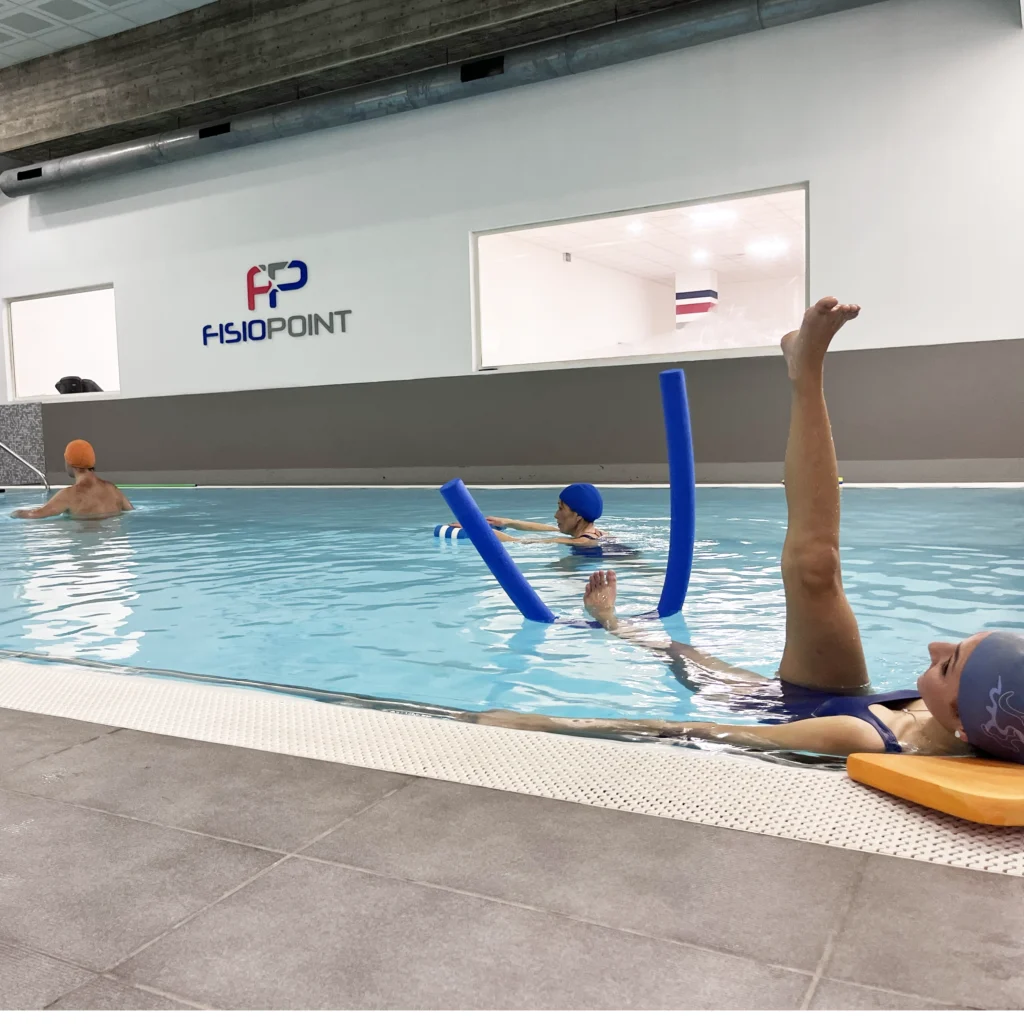
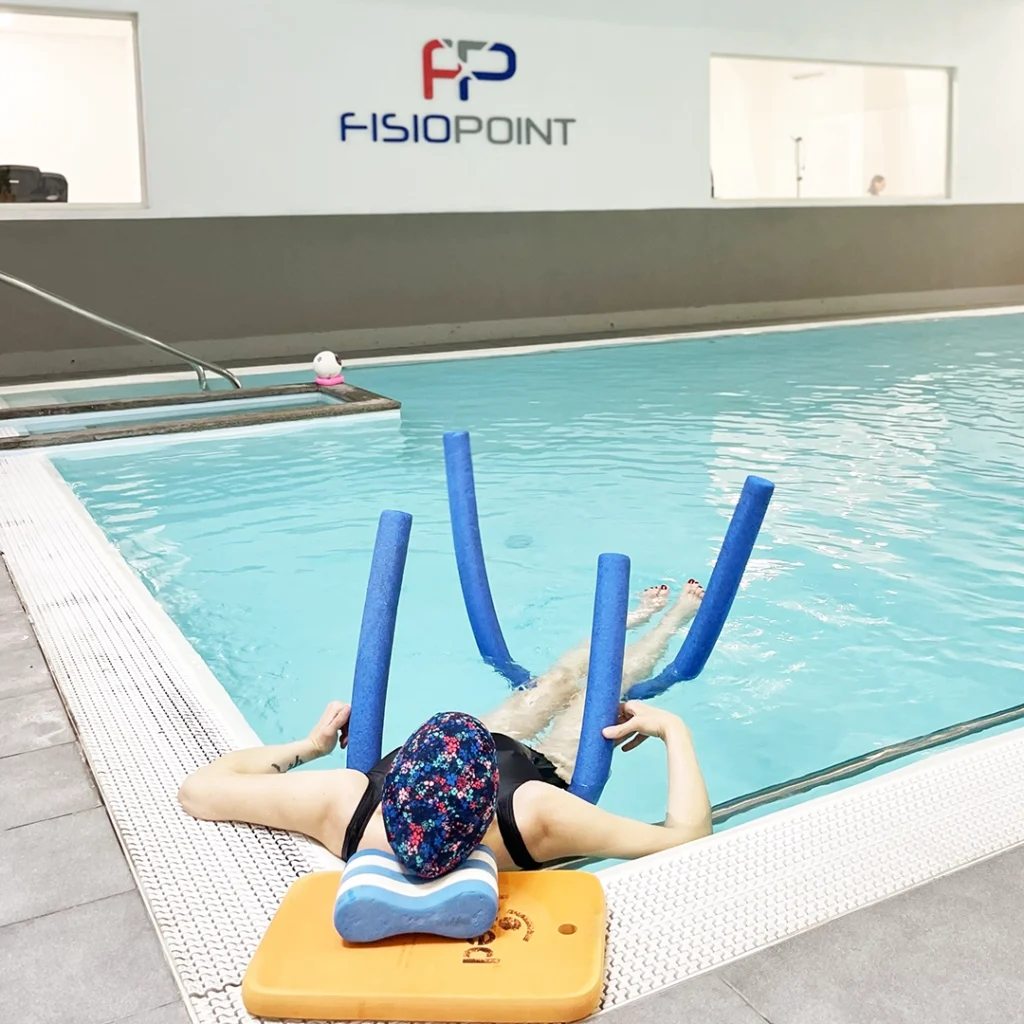
The hydrotherapy pool has a structure and characteristics that differentiate it from an ordinary pool. The basic structure ideally requires an overflow pool, i.e. a pool whose water is drained into a filtering system, which runs along the edge of the pool on the same level as the pool. This latter architectural solution is preferable to skimmer pools both for hygienic reasons of the circulating water and the walkable perimeter surface. Moreover, this type of tub guarantees less movement of the water surface, making it easier for the patient to perform movements. In addition, these tubs require additional structural elements such as steps, handrails and areas of different depths, which allow for a better therapeutic individualisation of the patient, based on his characteristics and needs.
Hydrokinesis tools
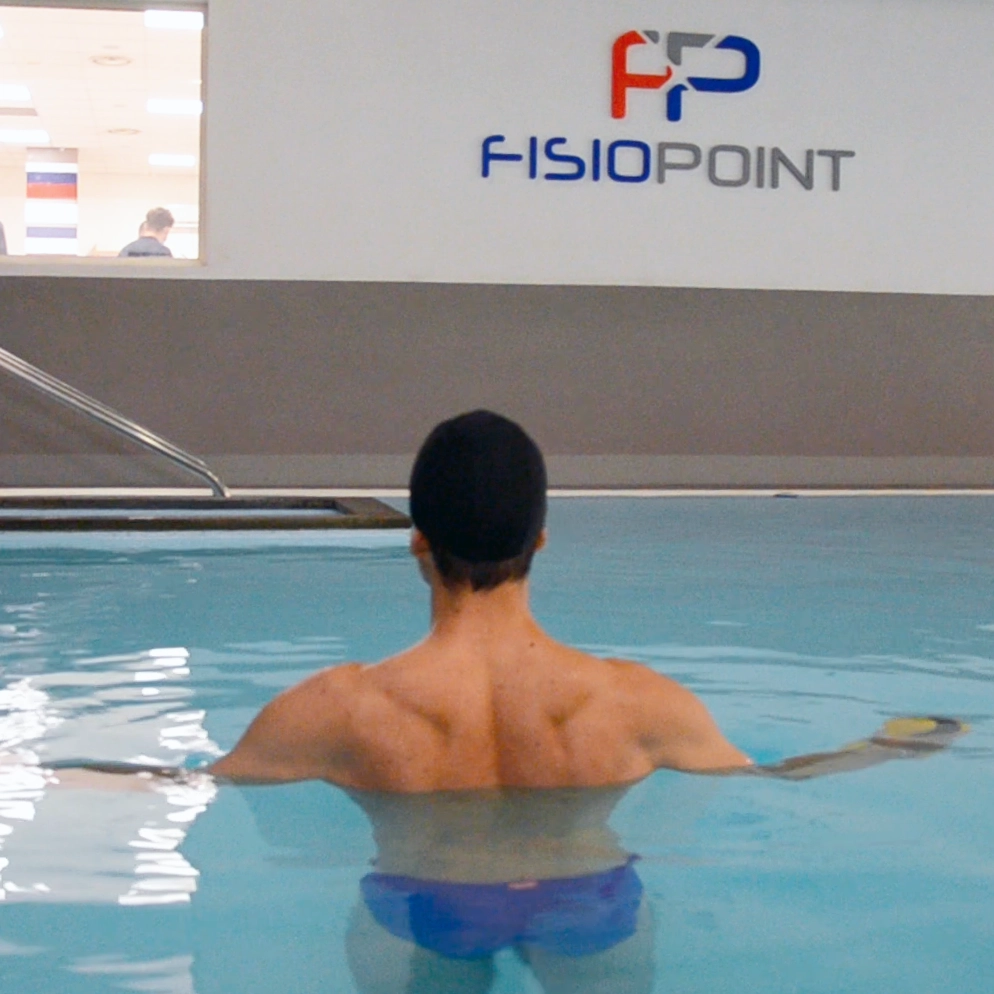
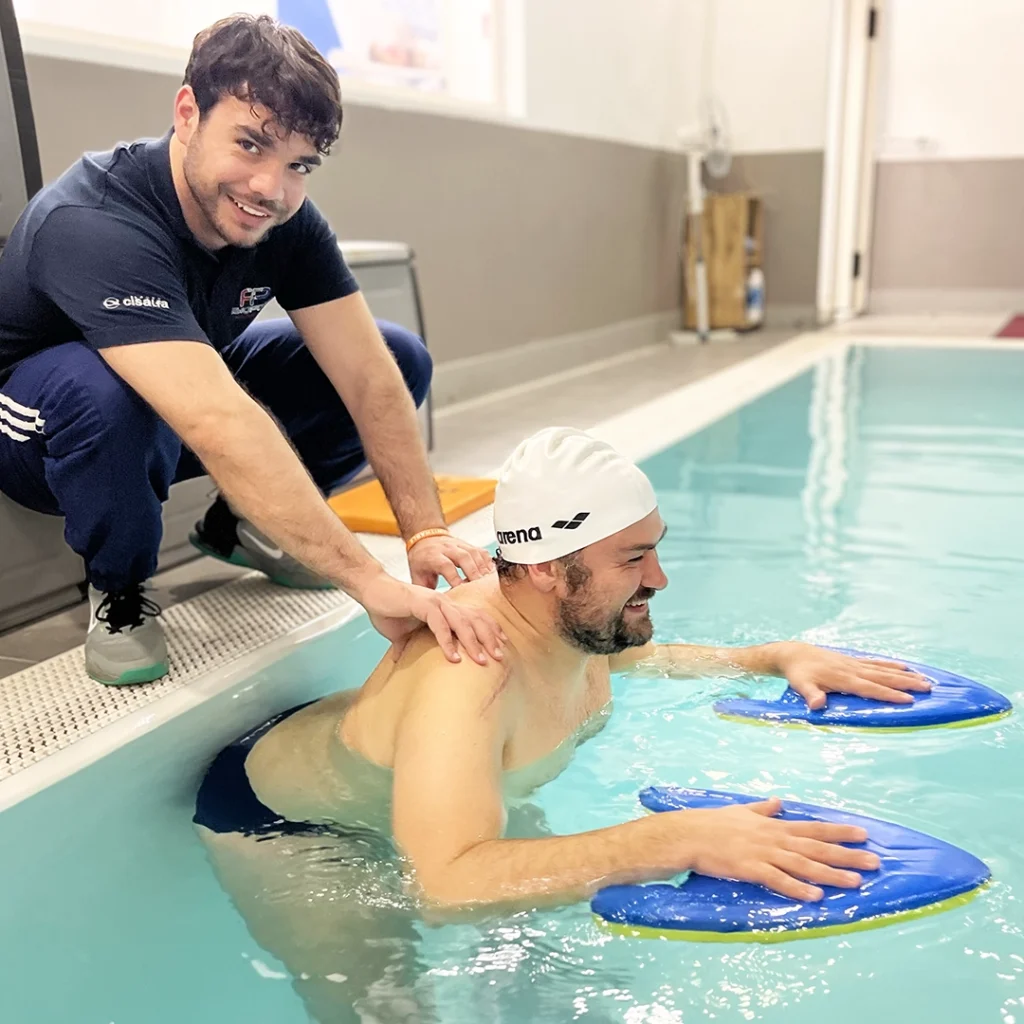
The therapist, in order to better manage the patient, will also make use of some floating equipment such as boards, pull buoys, elastics, swimming tubes, rods, etc... that, according to the patient's needs, will be used to create resistance, loads or to facilitate some more complex movements. In fact, the viscosity of the water manages the buoyancy of this equipment, slowing down the speed at which movements are performed, allowing for better re-learning and motor control.
Water temperature
A fundamental element is the temperature of the water, between 31-34° C for a better therapeutic effect that does not physiologically alter vasodilation and body pressure.
What the hydrotherapy session consists of
Therapy usually lasts about 45-50 minutes and the frequency is determined on the basis of the doctor's prescription. The session is managed by a therapist from outside the pool, who monitors the correct execution of the required movements/exercises.
Practical advice: what to bring to the pool
The hydrokinesiotherapy session requires on the basis of the location in which it is carried out the help of some objects from everyday life from the patients or easily available that are able to facilitate its performance such as: swimming costume, cap, slippers and bathrobe.
Text by Aurora Proietti
Learn more by watching the videos on our channel YouTube





 English
 Italian