Rotator cuff repair: first phase of recovery
After the surgery, the first phase of approximately four weeks begins, during which the patient must wear a restraining brace according to the surgeon's instructions.
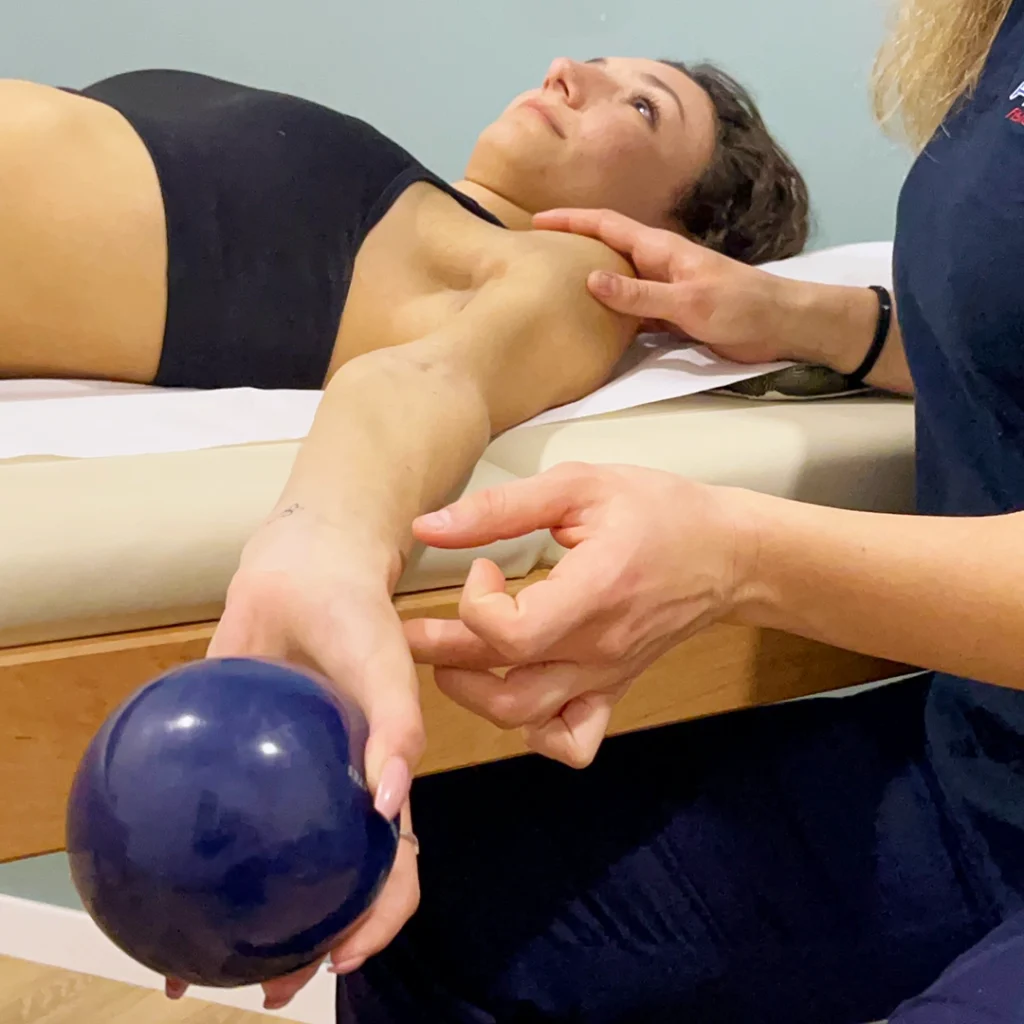
It is essential already at this early stage to do some light exercises by moving the hand and elbow in order to reduce stiffness and maintain muscle strength.
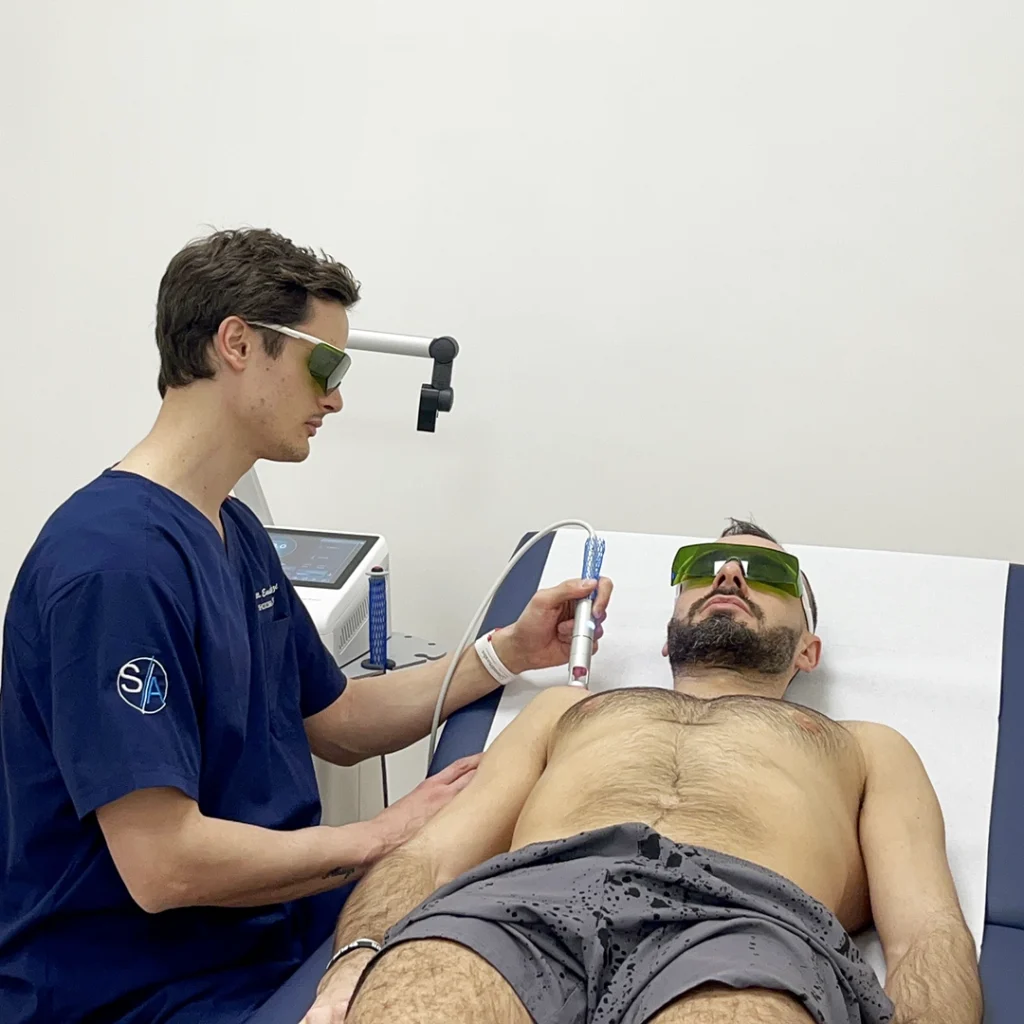
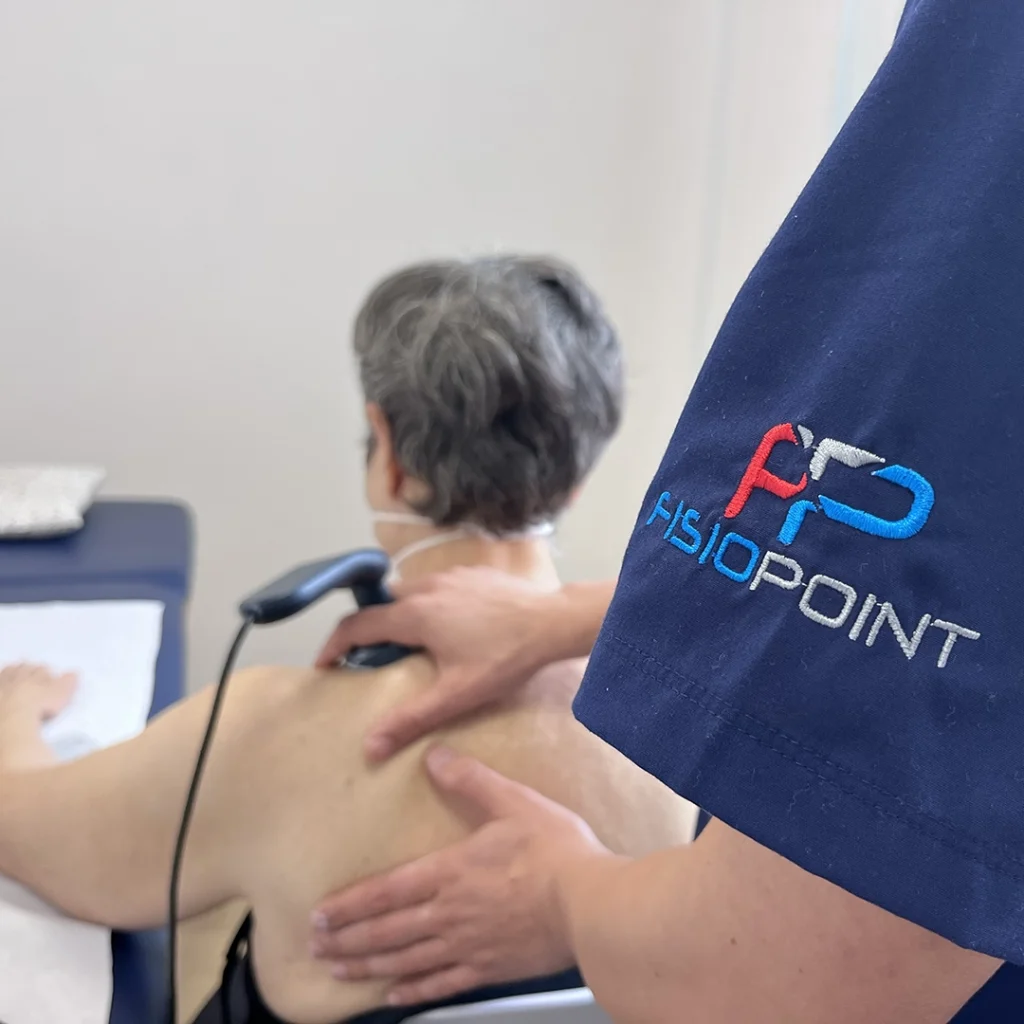
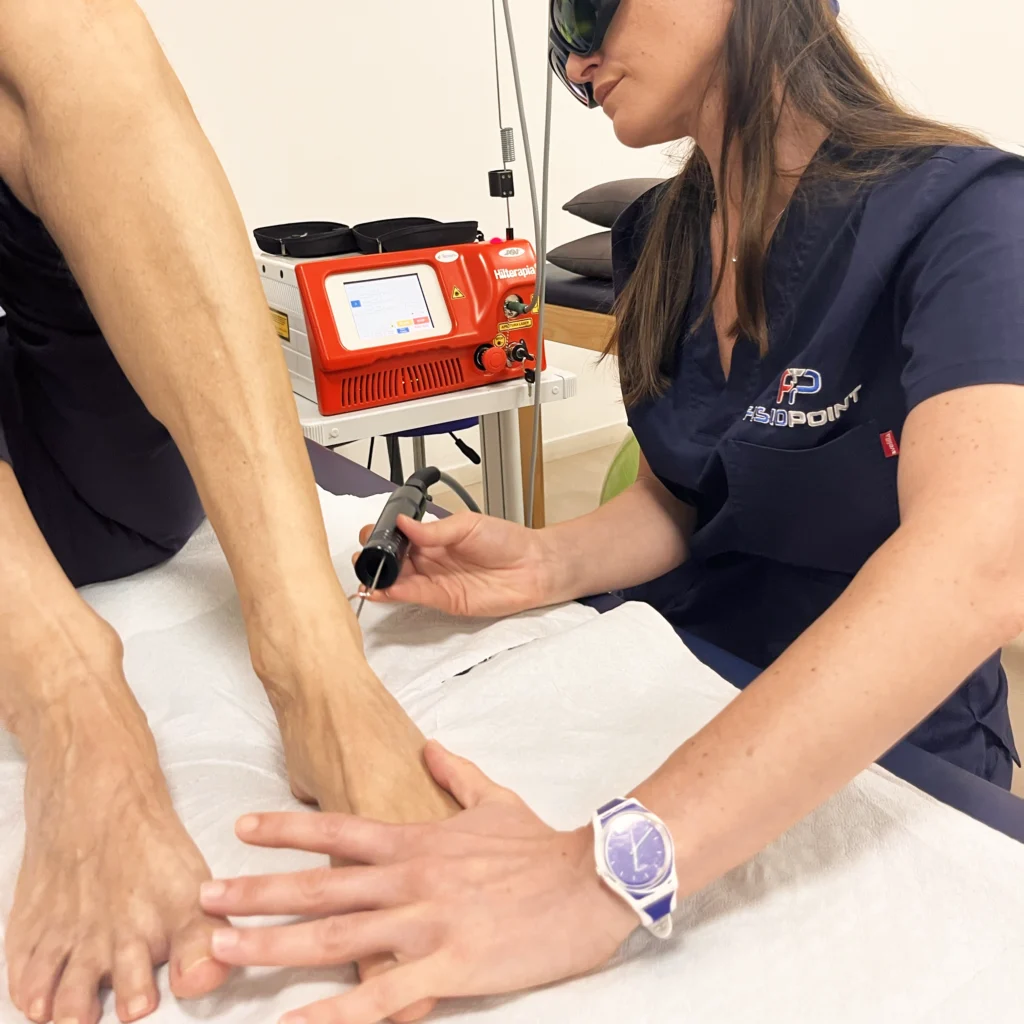
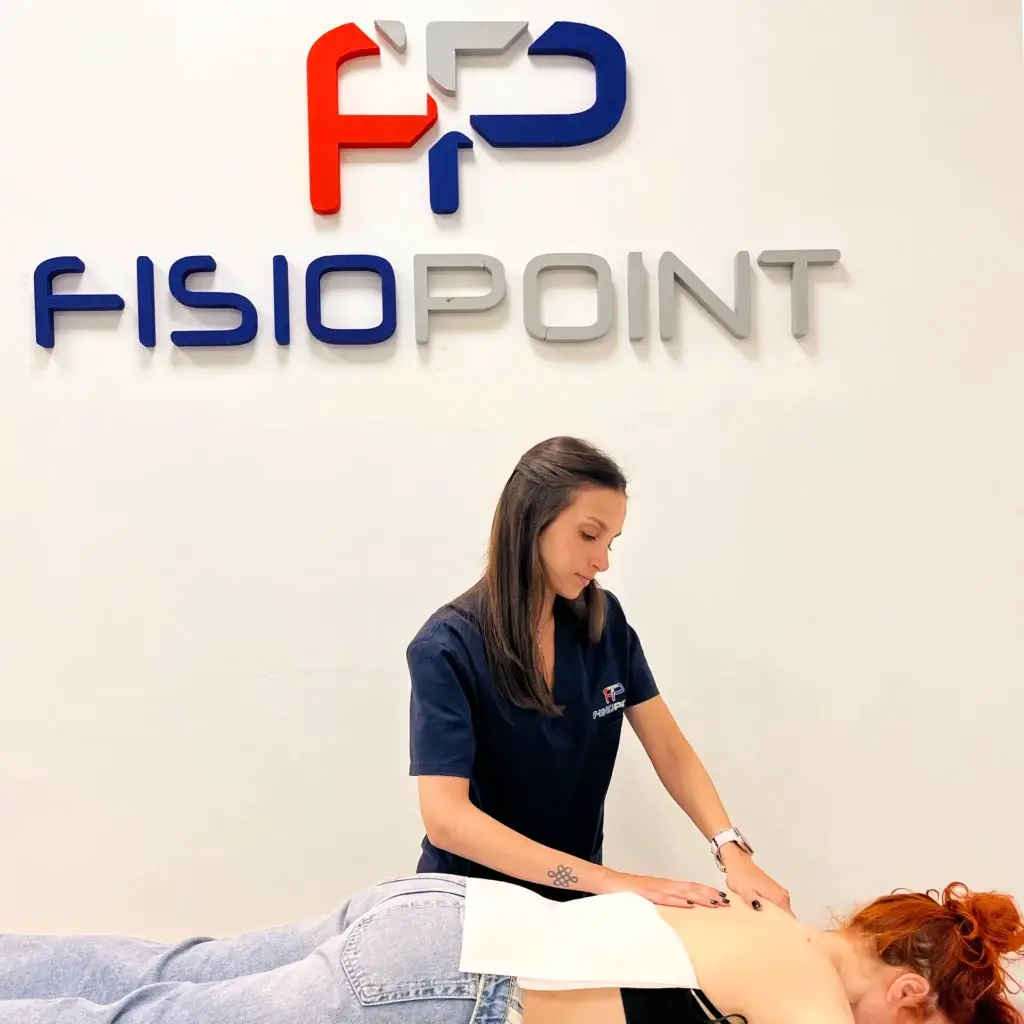
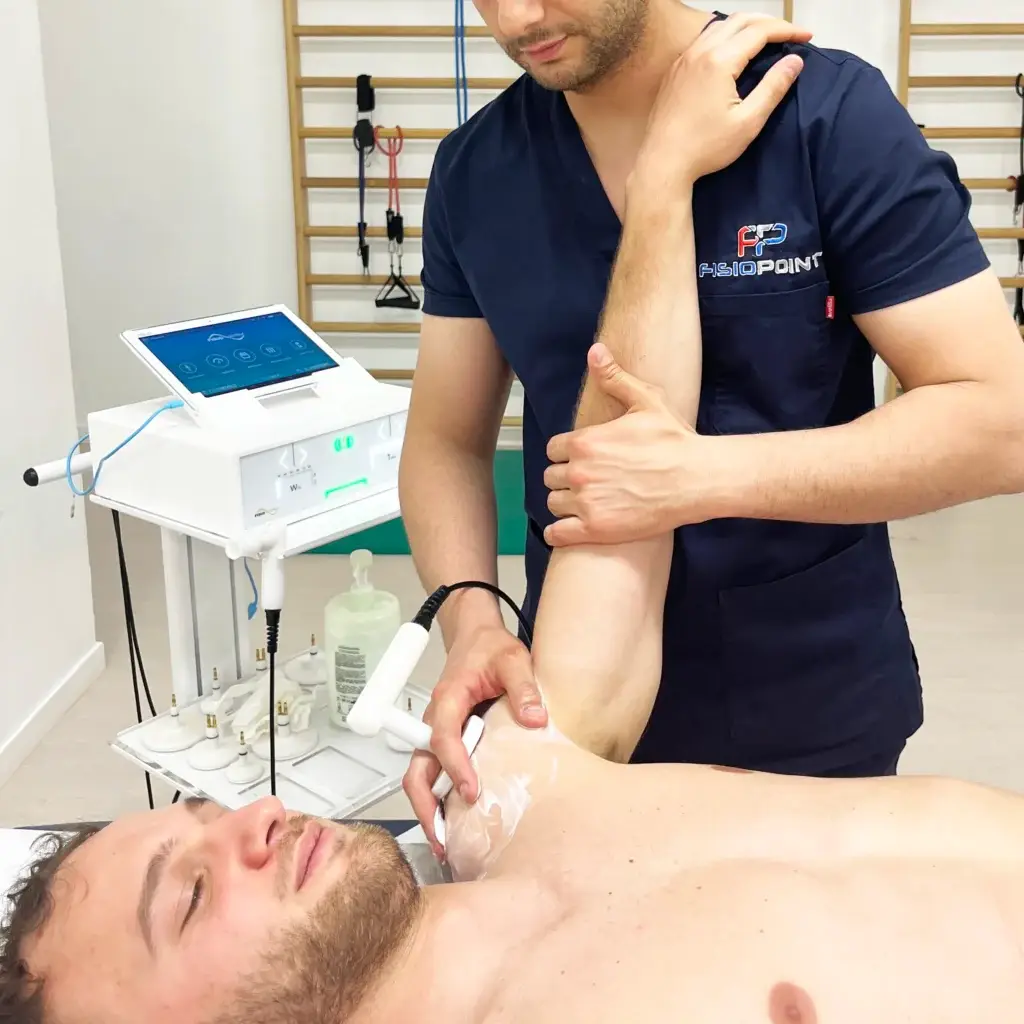
After these first four weeks, the brace is removed and physiotherapy begins, which will have three main objectives:
- Control of pain present after surgery
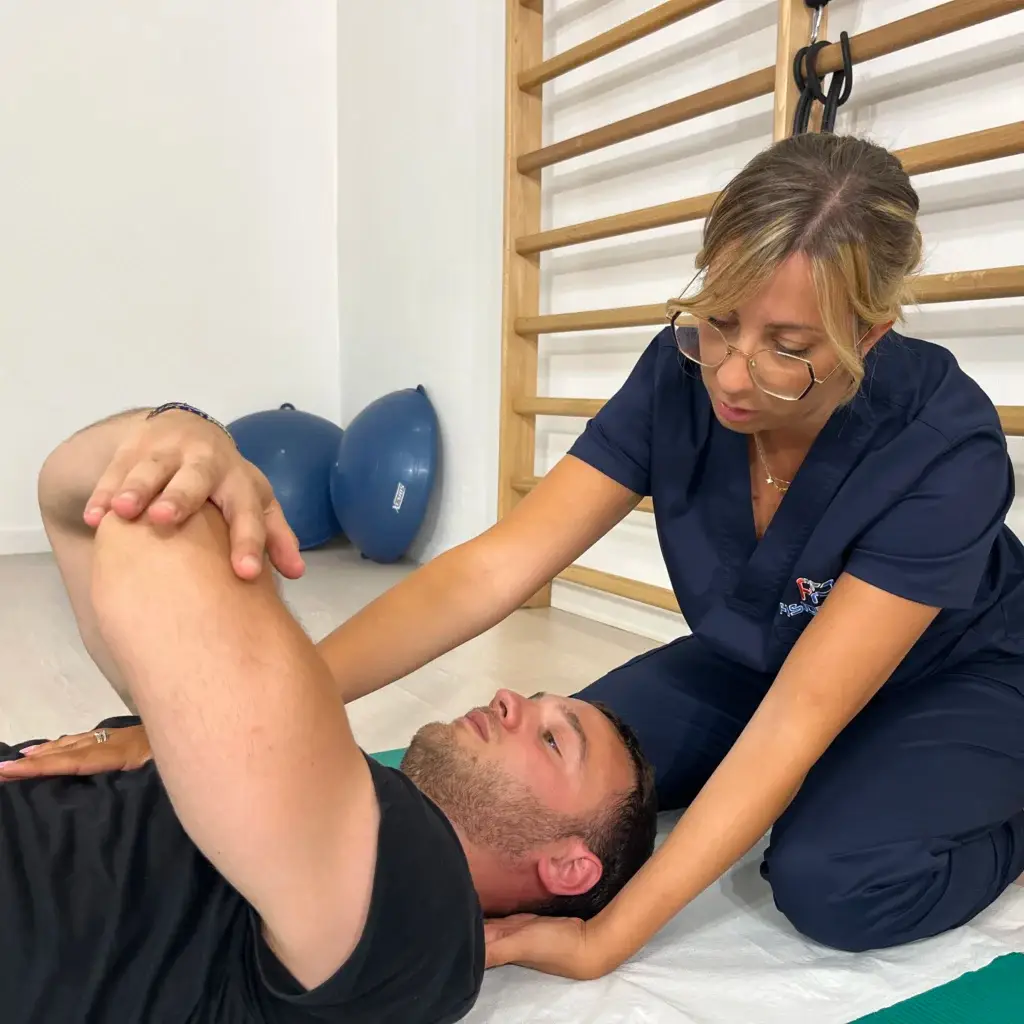
- Recovery of active and passive mobility between 0-90° arm elevation
- Reinforcement of the scapulothoracic muscles, which are essential for proper shoulder function.
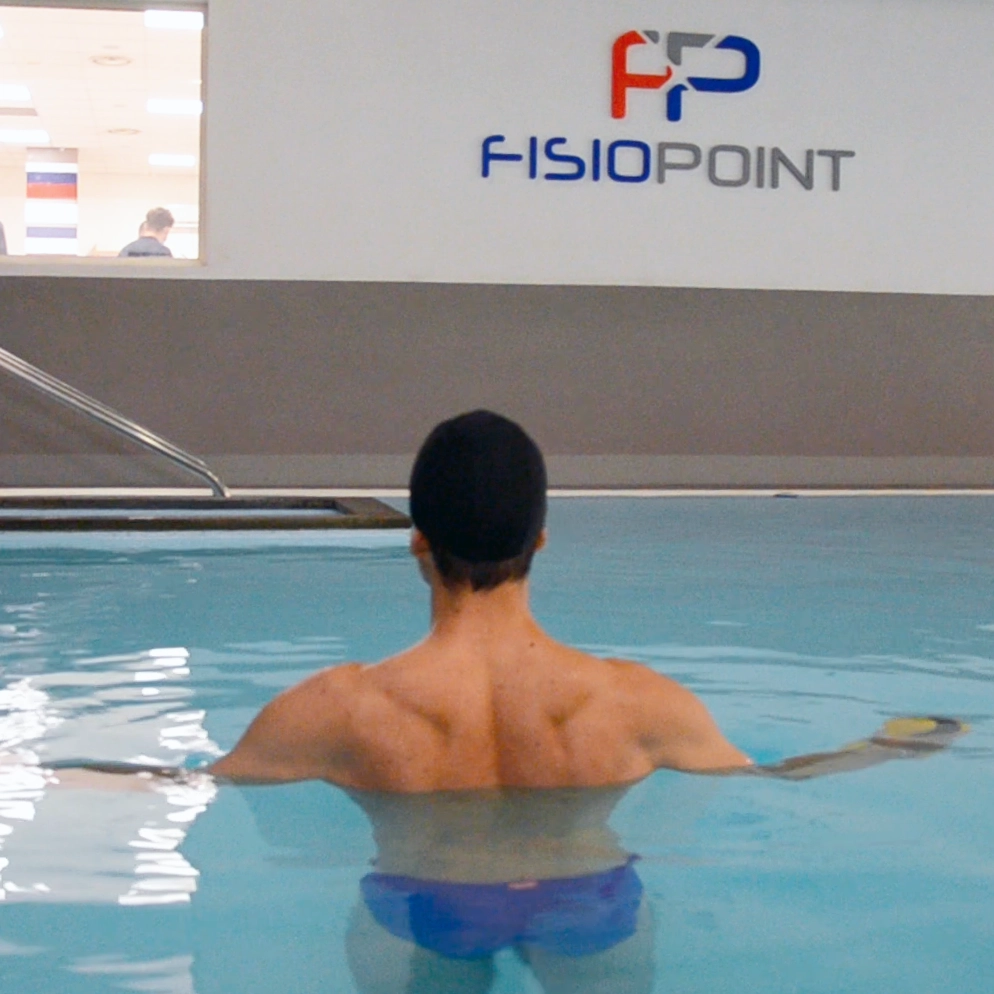
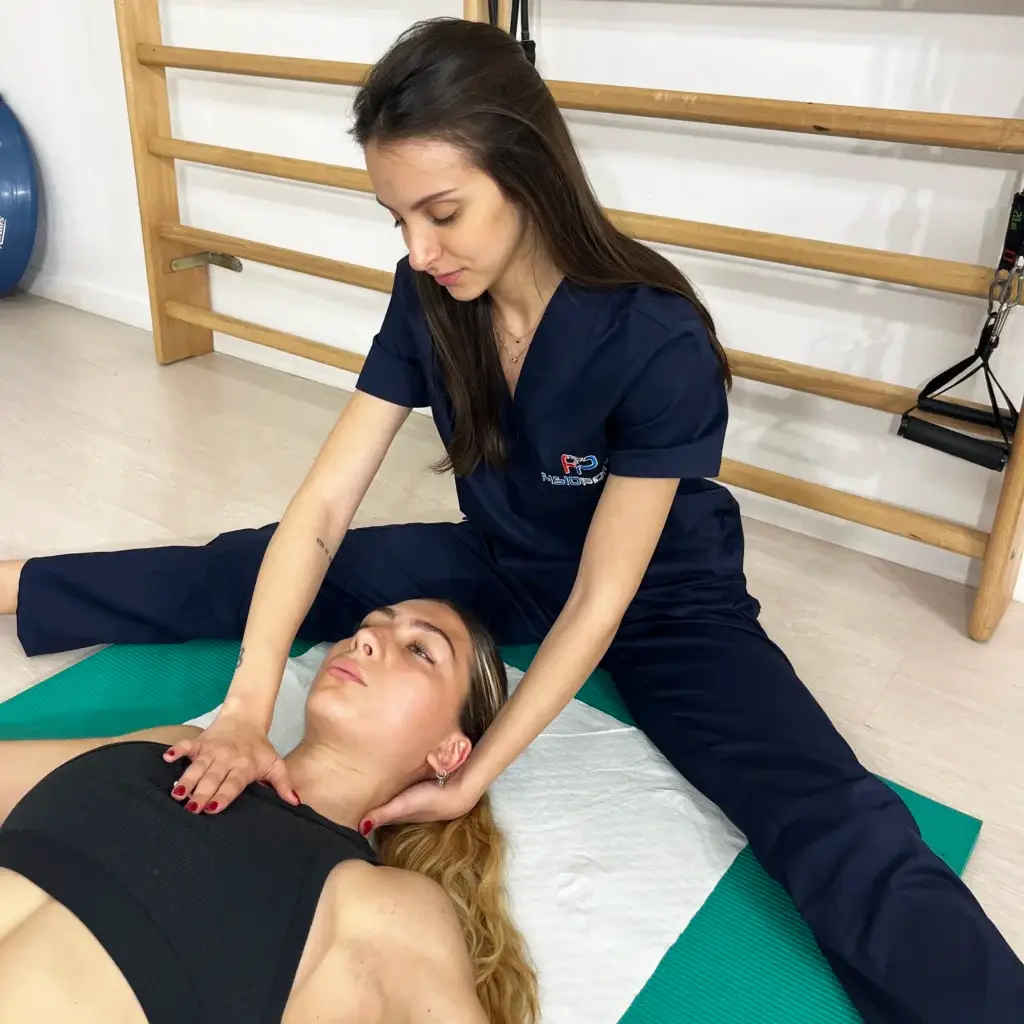
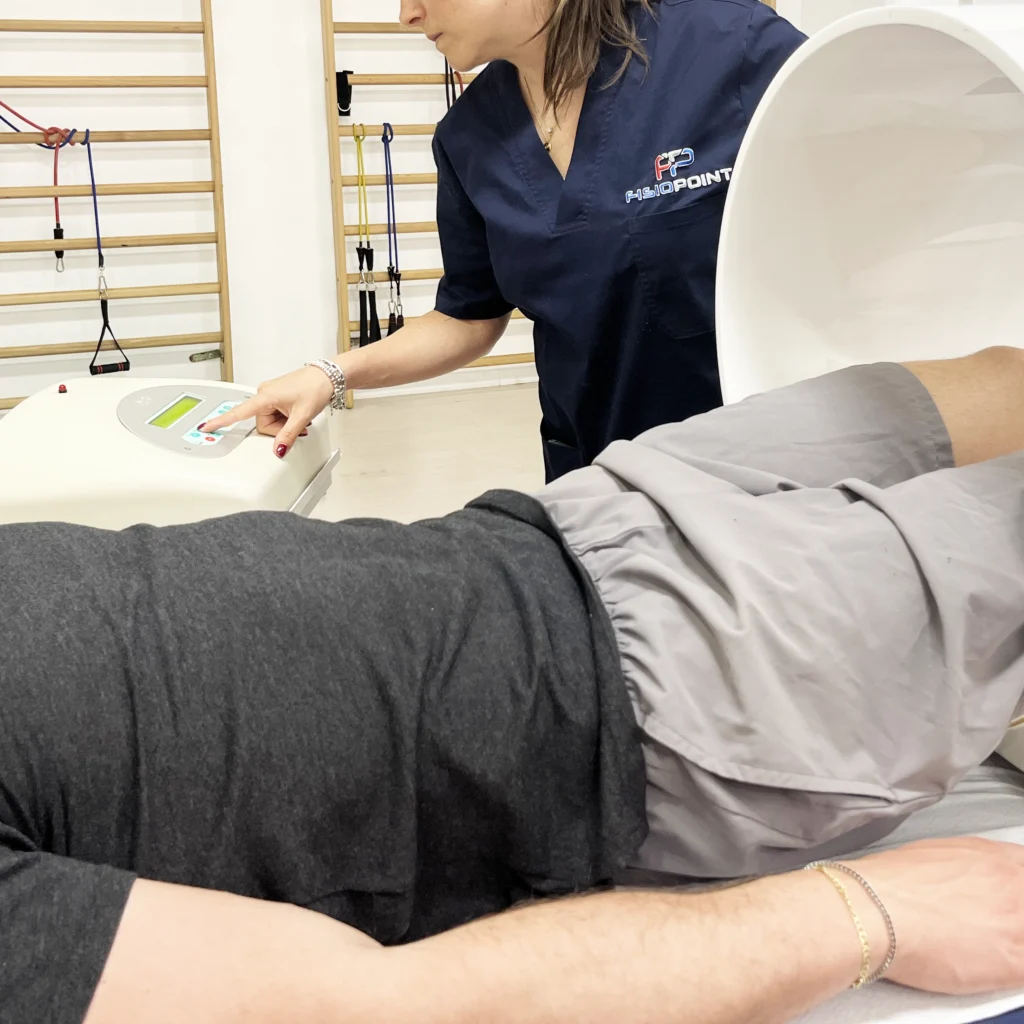
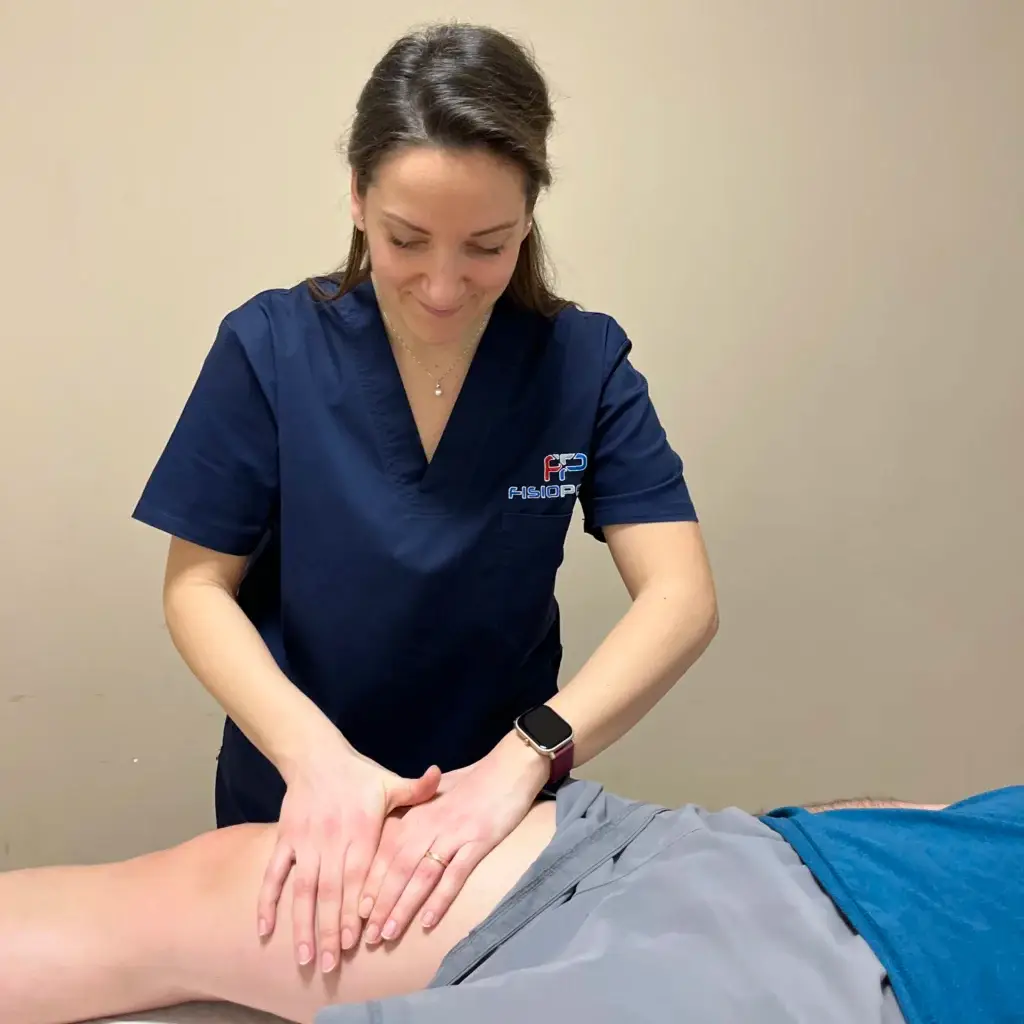
In this first phase, l'hydrokinesis is an essential recovery tool in combination with dry therapy as it allows the arm to move in weightlessness without burdening the tendons in recovery after surgery.
In the first 6-8 weeks after surgery, the patient should avoid exertion by raising the arm above 90° and generally avoid movements that cause pain.
Rotator cuff repair: intermediate phase
At Fisio Point the intermediate phase starts with the first objective evaluation testwhich are usually performed between the sixth and eighth week after surgery.
The duration of this phase depends on the functional demands of the patient, the goal being a full return to activities of daily living and at least 80% recovery of shoulder function.
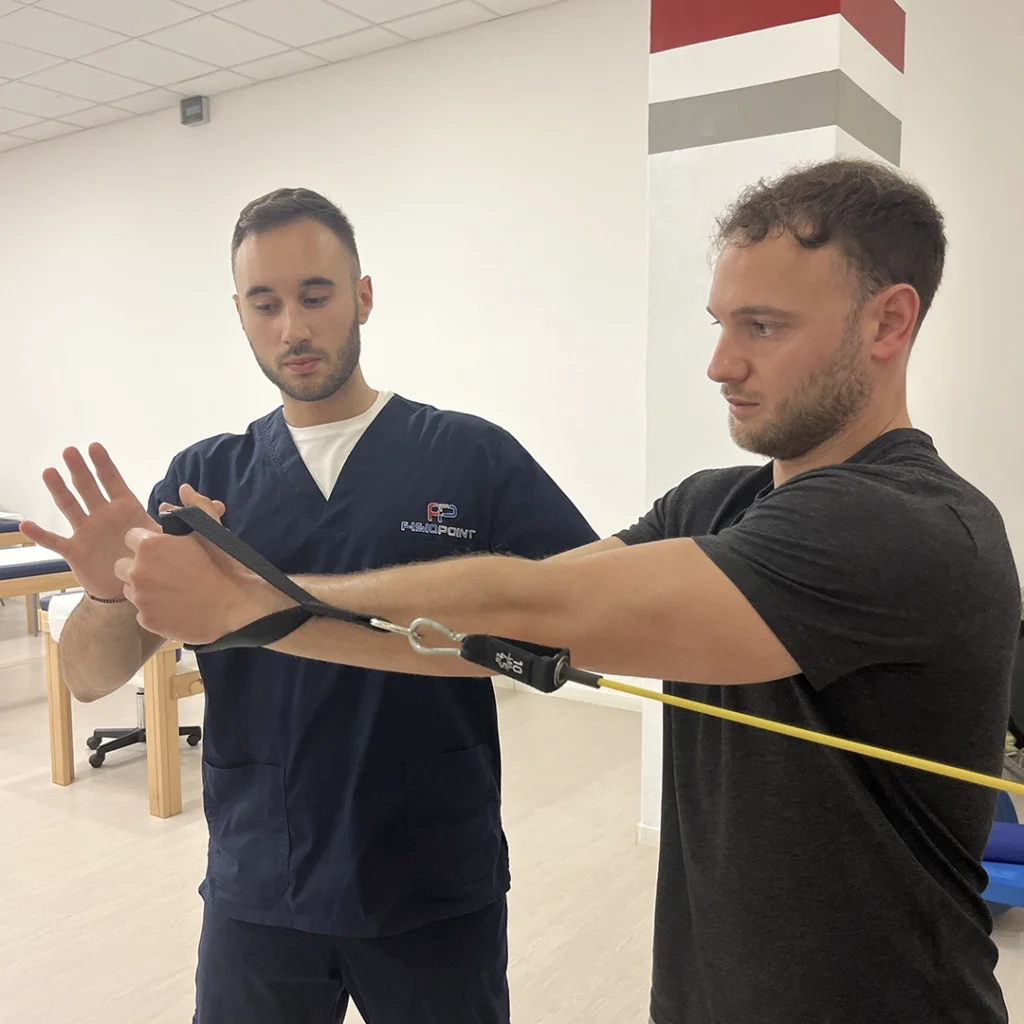
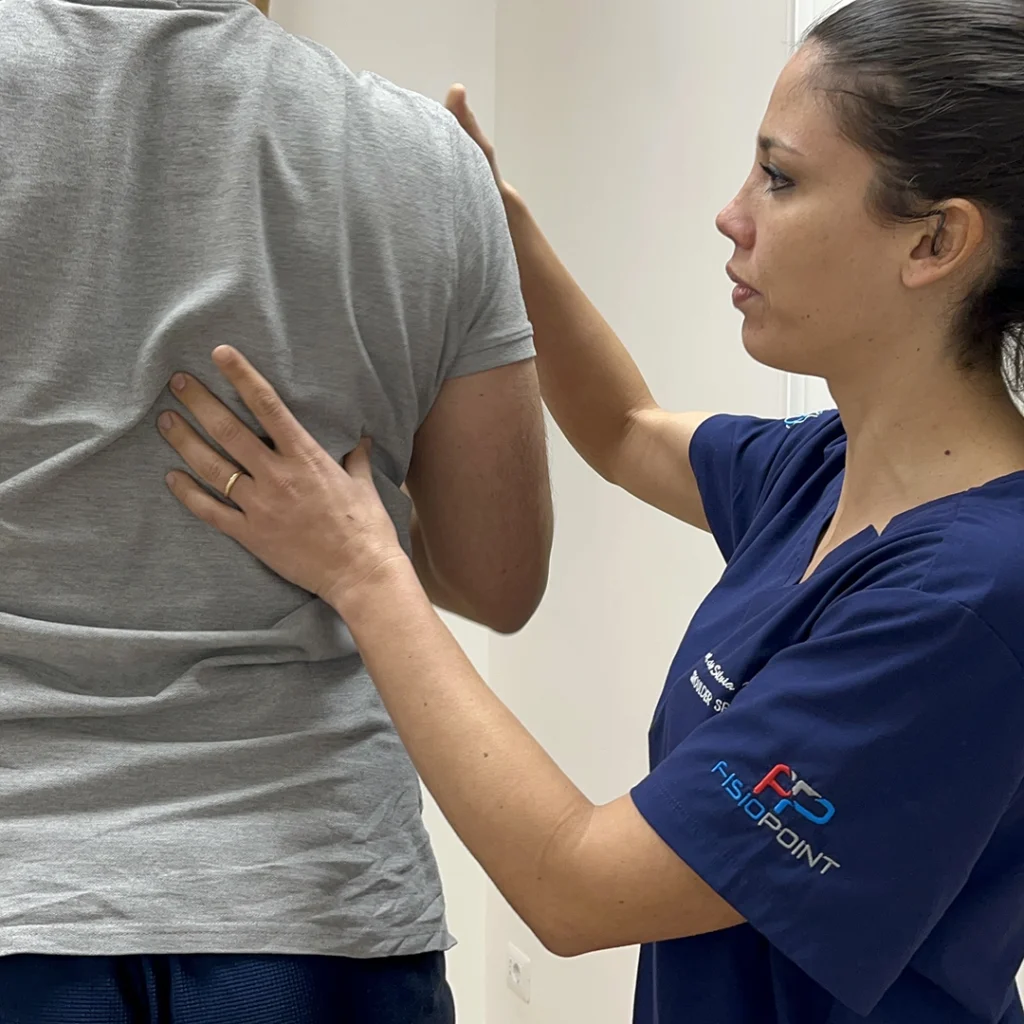
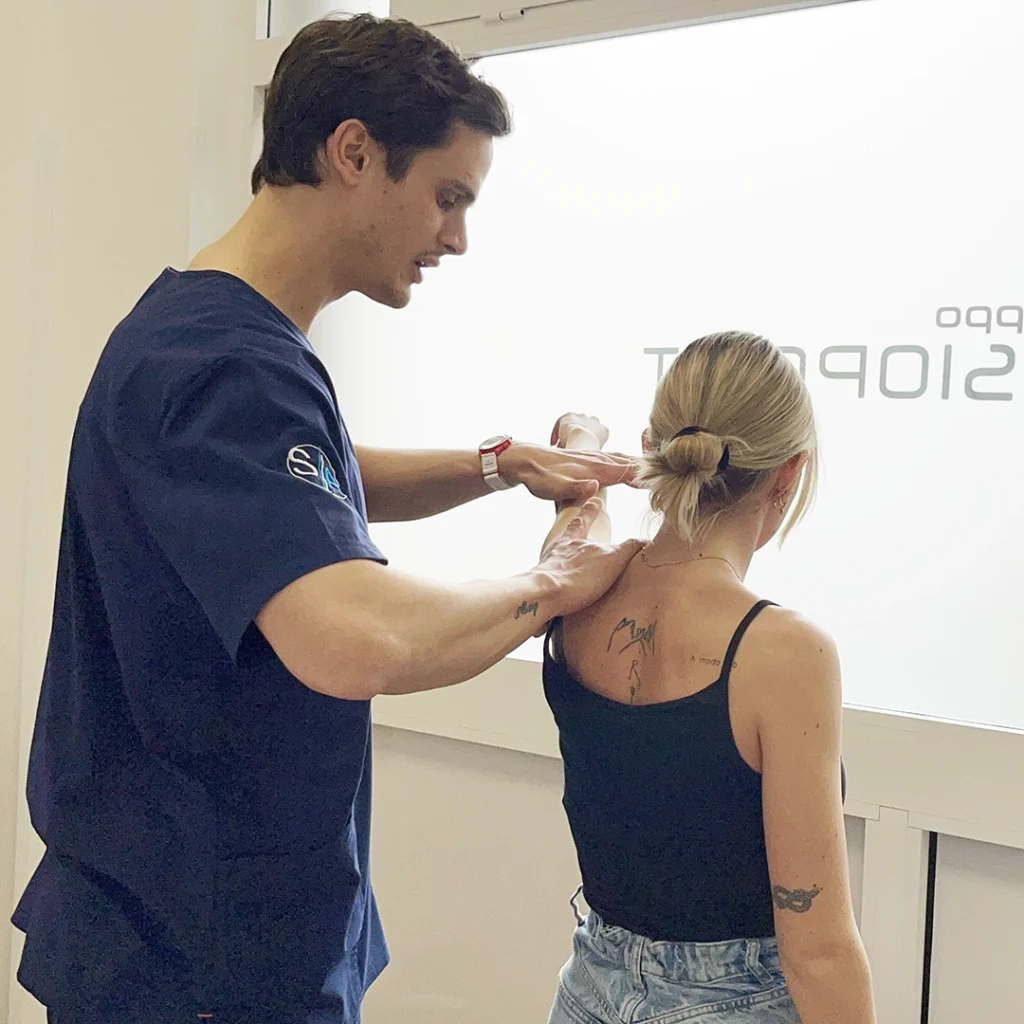
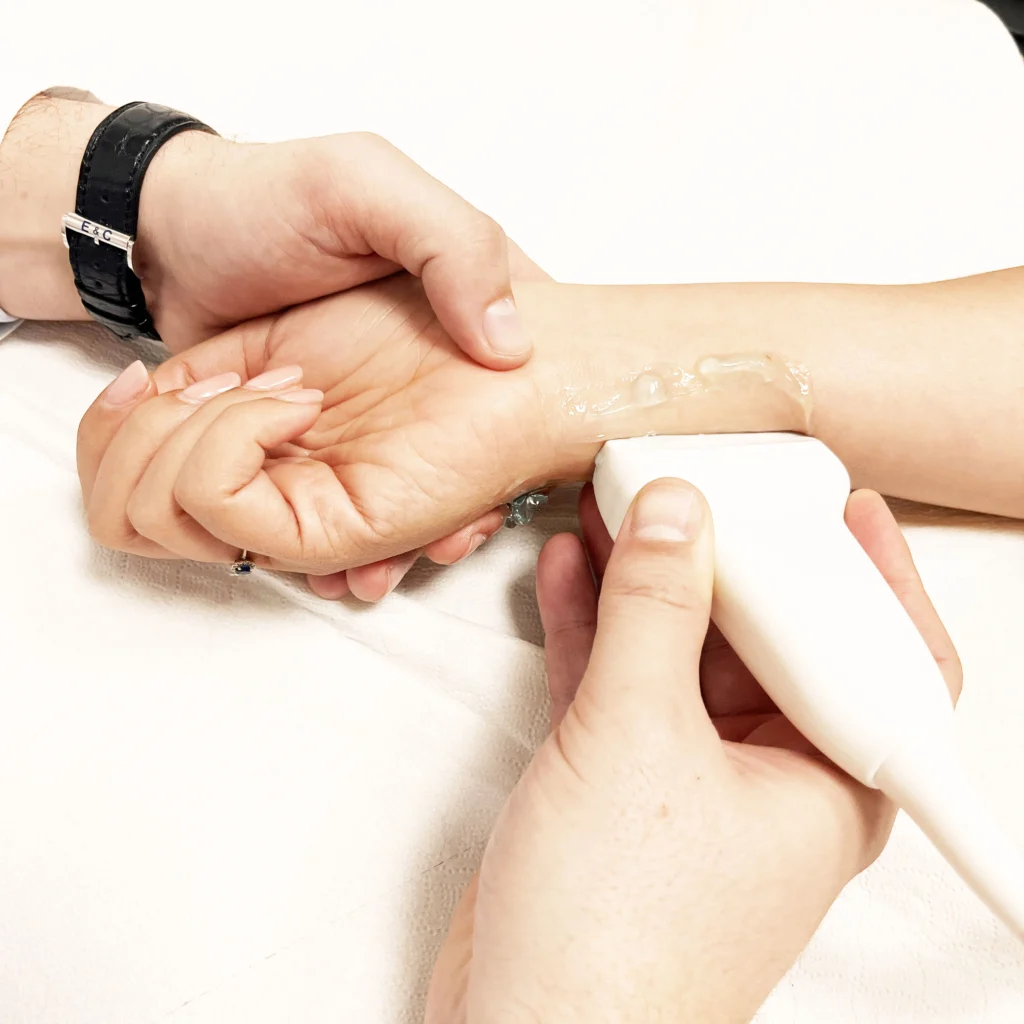
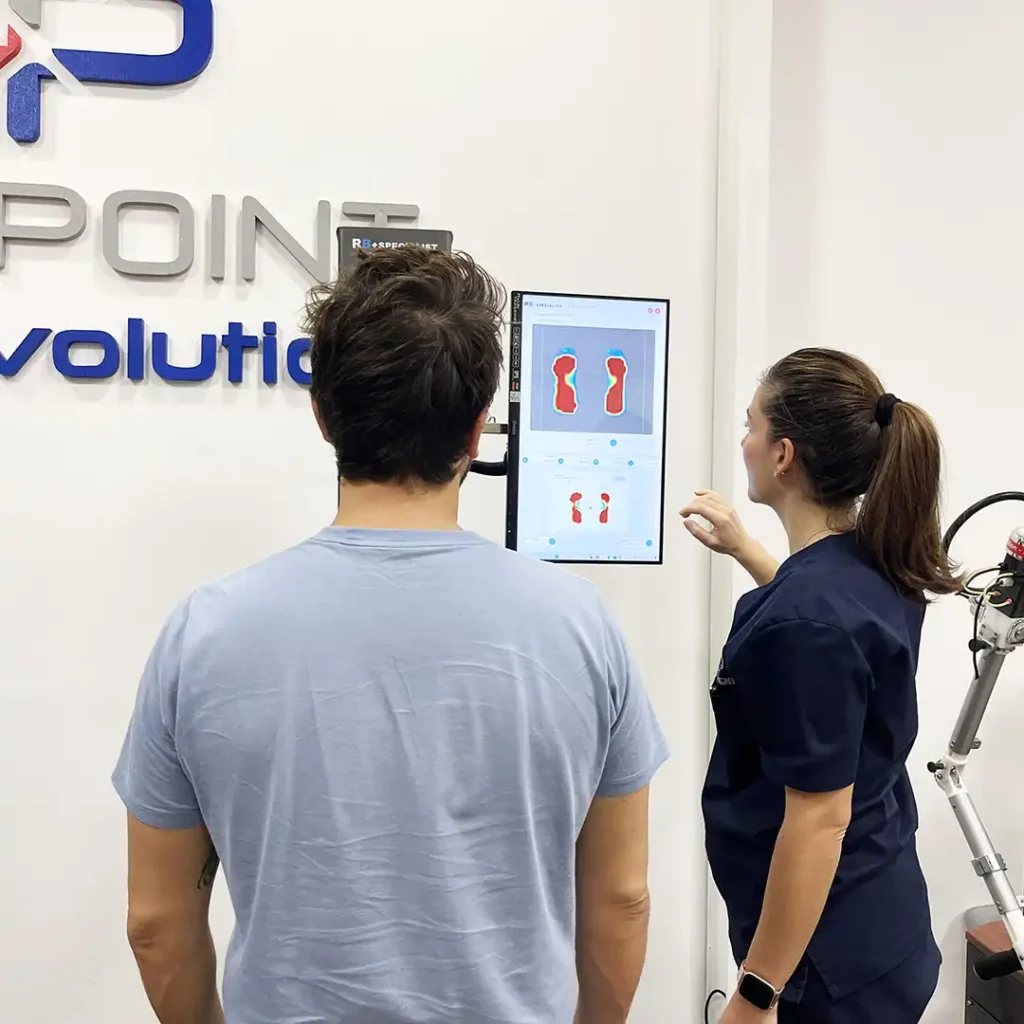
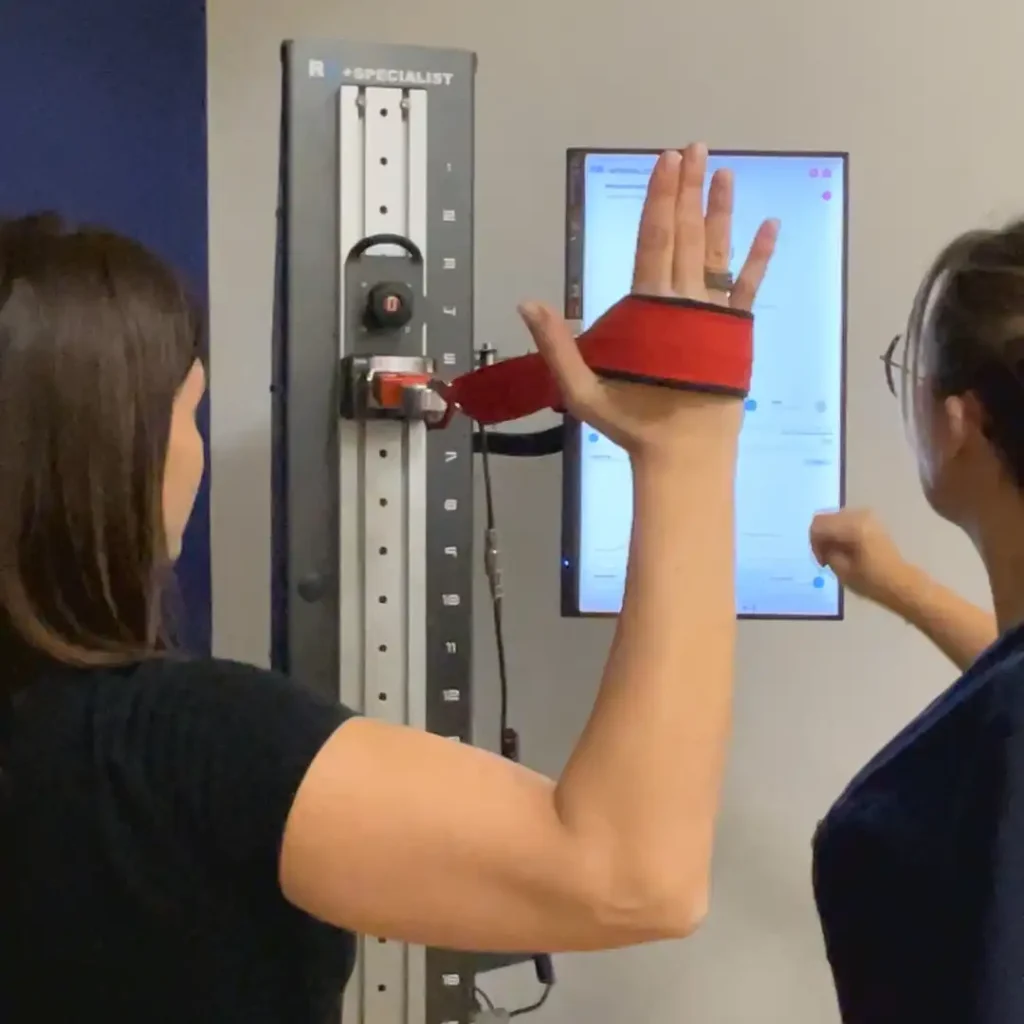
The physiotherapist, using devices such as the inclinometer and digital dynamometer, will collect data on active and passive mobility and the strength the patient is able to express.
Data collection is crucial for three factors:
- Establish the starting point to be used as a reference for subsequent evaluations
- Detect any weak points on which to focus manual treatment and exercises
- Informing and sharing with the patient and the surgeon the progress made and the work still to be done
Rehabilitation in this phase will be based on three elements:
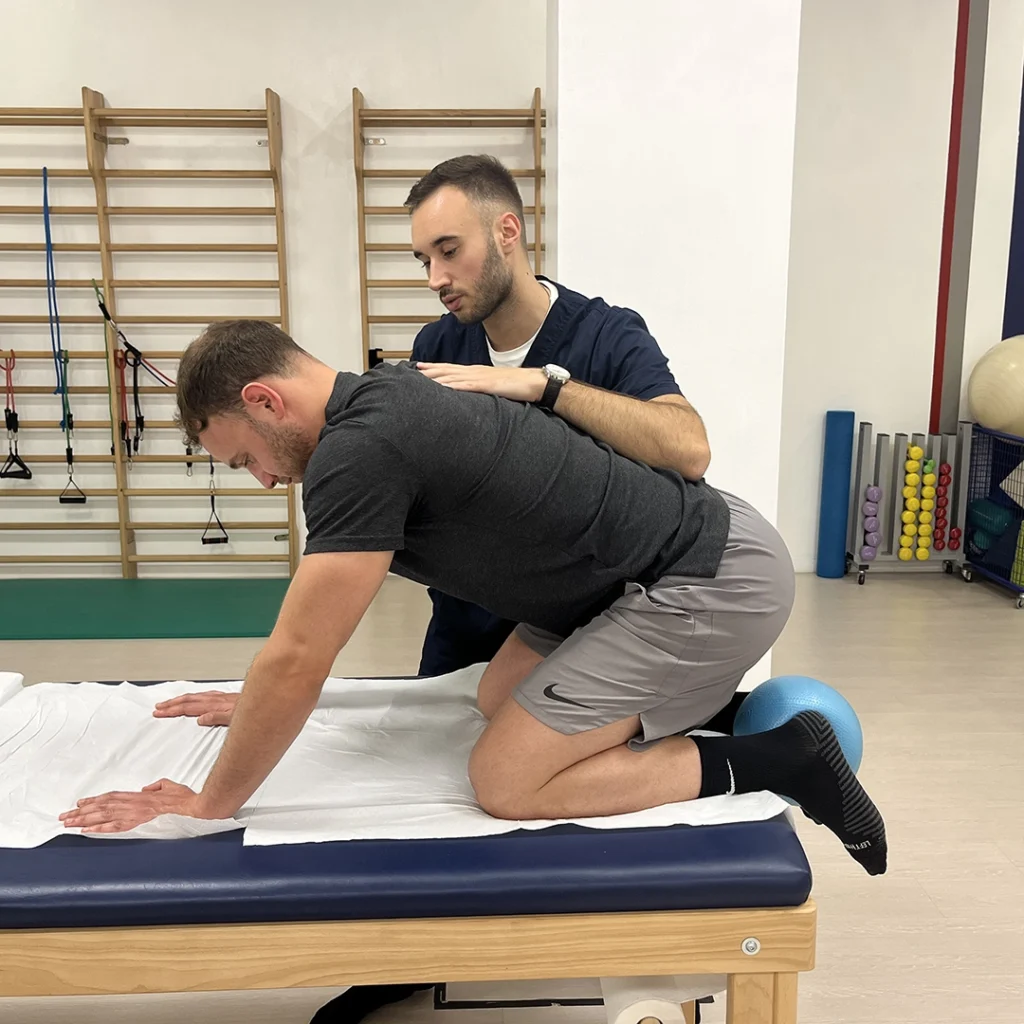
- Exercises to improve posture and scapular control during shoulder movements
- Strengthening the muscles of the headphone rotatorsrespecting the correct balance between these
- Recovery of mobility through mobilisation and stretching of muscles and joint capsule
The intermediate phase therefore ends with the complete absence of pain and an almost complete recovery of shoulder function for everyday life.
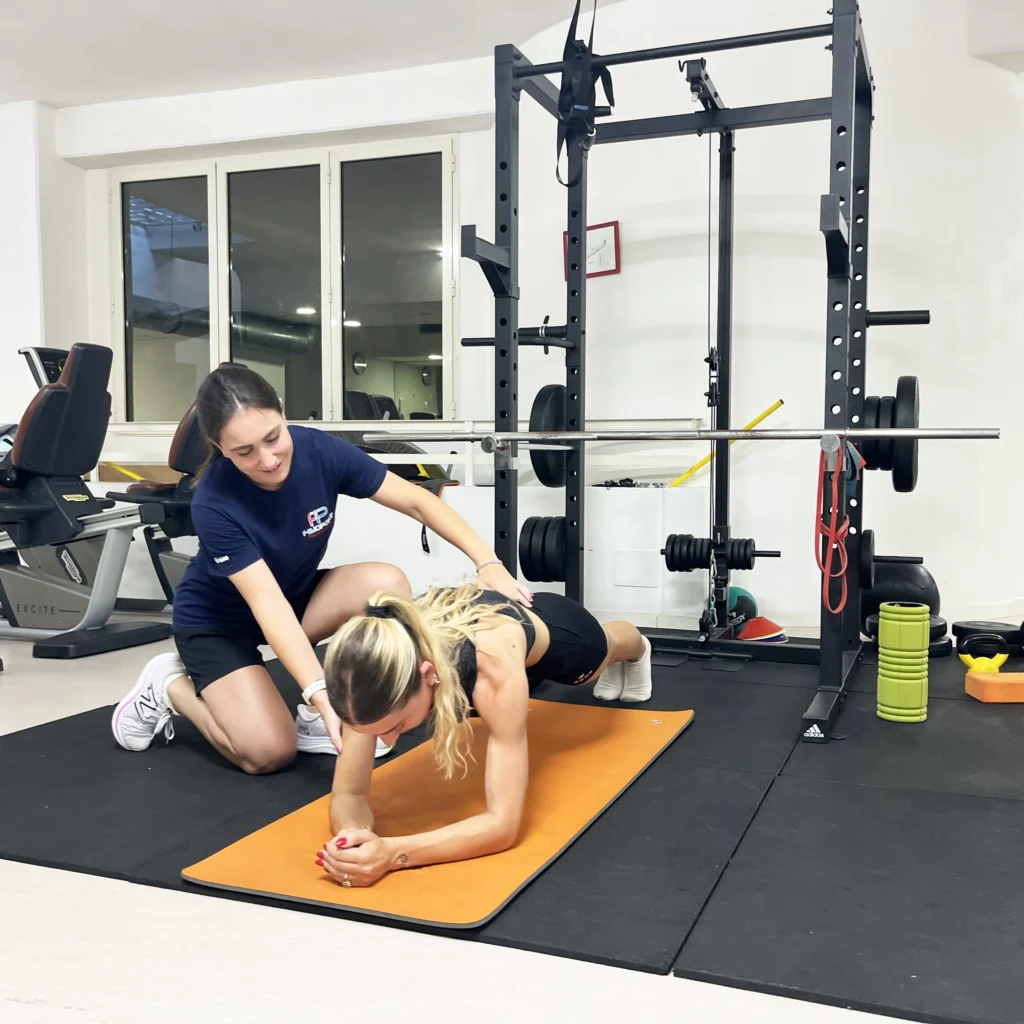
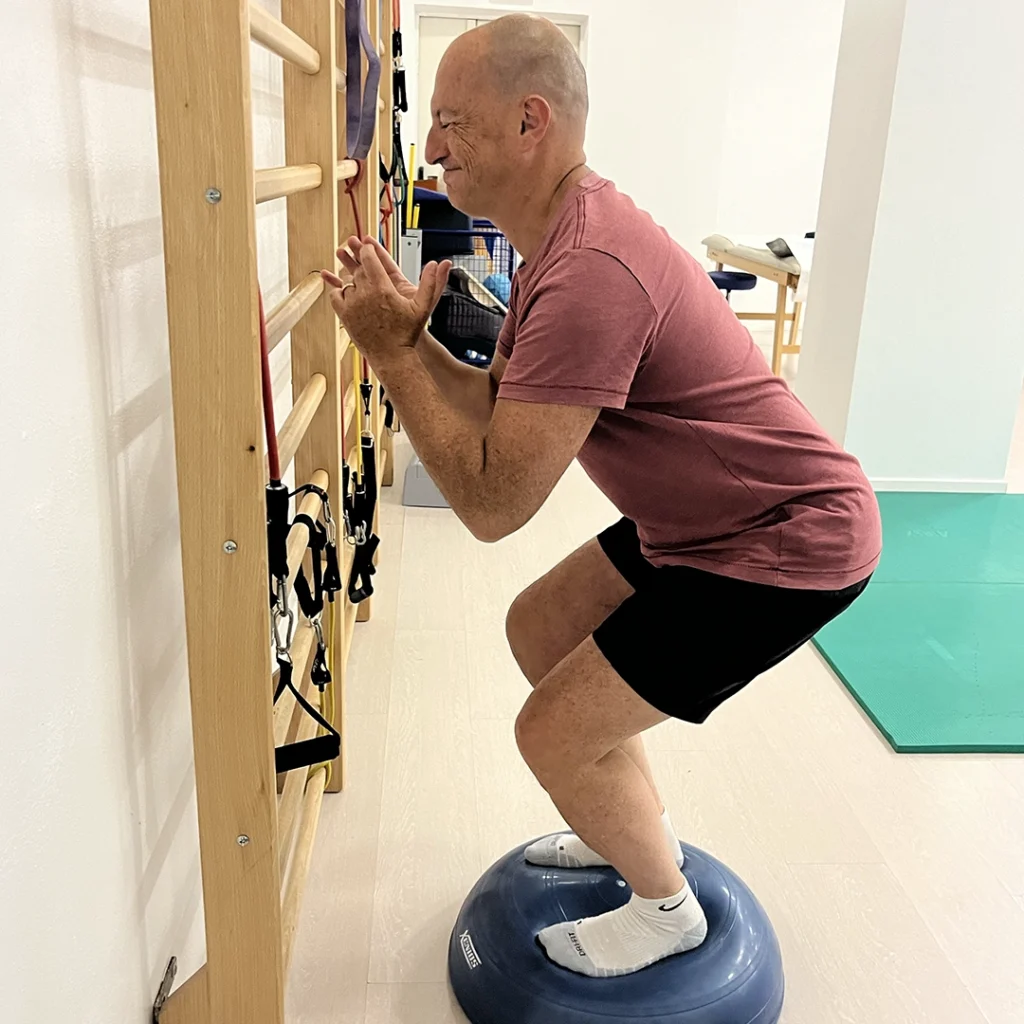
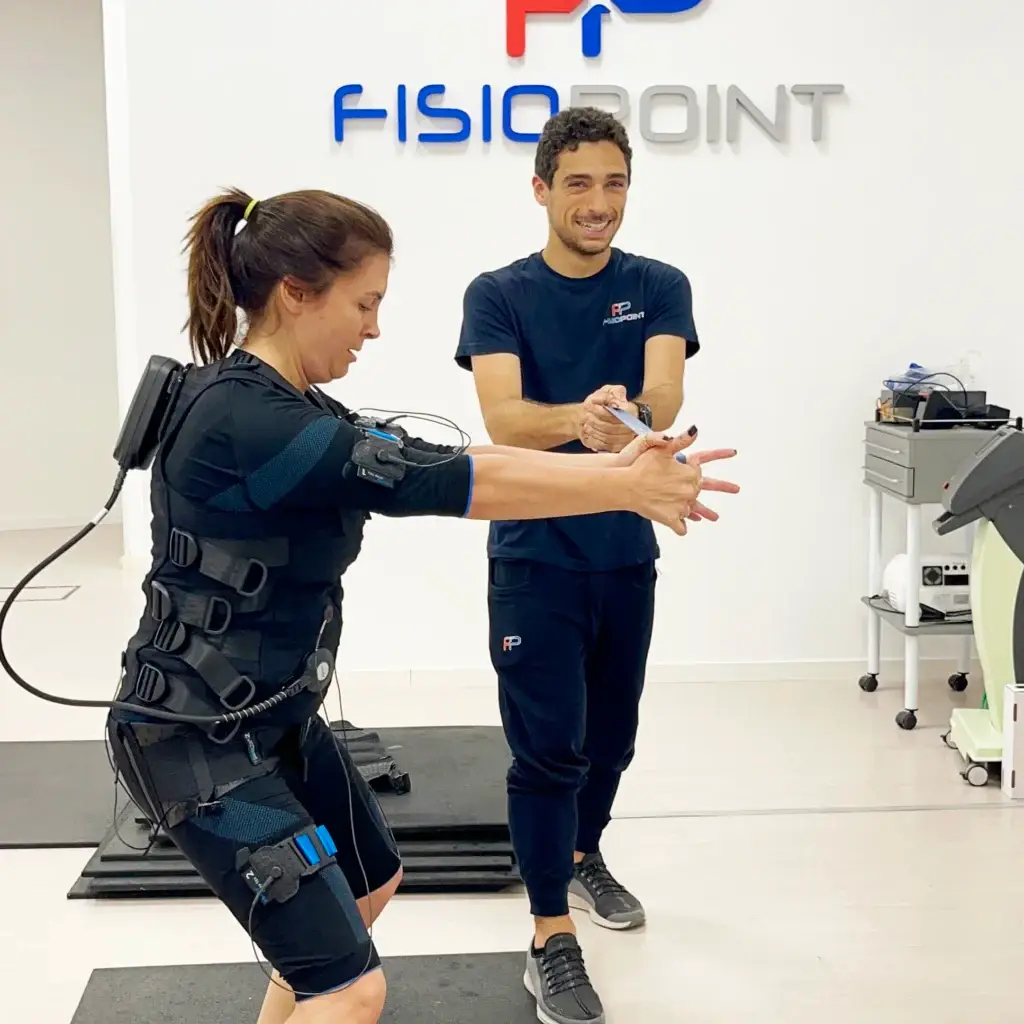
If the patient has the ambition to return to sporting activity, a final phase of treatment with a step in FisioPalestra.
Rotator cuff repair: final phase and return to sport
Many patients resort to rotator cuff surgery in order to be able to return to sporting activities that have a high utilisation of the shoulder joint, e.g., tennis. padel or the volleyball.
In the final phase of treatment, the physiotherapist will guide the patient through exercises involving three factors:
- The strength of the muscles most involved in the patient's sport
- The endurance required to perform repeated gestures typical of sport
- Coordination and control of complex movements
When the patient exceeds objective evaluation test, the physiotherapist will make a gradual handover to the personal trainer who will guide the patient back to the sports.
In this last phase the personal trainer will prepare a customised programme adapted to the patient, pursuing 3 objectives:
- Recovery of the patient's general fitness, including cardiovascular activities
- Increased strength and stability of muscles involved in sport
- Performance of sport-specific exercises, with the aim of restoring the execution of technical gestures.
The route in FisioPalestra ends, then, with the patient's return to sporting activity, who will be taught maintenance and stretching exercises to be supplemented to training.
Text by Lawrence German
Learn more by watching the videos on our channel YouTube


 English
 Italian