Anatomy of the Knee
Nel ginocchio sono comprese due articolazioni: femoro-tibiale e femoro- rotulea.
Il complesso di queste due articolazioni permette al knee di muoversi in flessione/estensione, abduzione/adduzione, scivolamenti esterno/interno e rotazione interna/esterna.
Ci sono, inoltre, strutture di sostegno come:
- the joint capsule: i.e. a sleeve of dense tissue, which protects the entire joint complex in dynamics
- the collateral ligaments (inner and outer): which stabilise the knee especially during rotations
- i cruciate ligamentsstabilising the knee in anterior and posterior slides
- i tendons: which wrap around the joint capsule giving support, both in static and dynamic articulation
- synovial bursae: i.e. small sacs of synovial fluid that promote the sliding of tendons and ligaments
- i menisci: ossia dischi fibrocartilaginei che ampliano le superfici di appoggio delle due ossa (tibia-femore)
What is the fluid in the knee effusion made of?
The accumulation of fluid is a process following an inflammatory state. When it is serous in nature, it is called a 'hydrartrum' in medical jargon, while if it contains blood, following an injury, it is called a 'haemarthrum'.
Diseases or pathological conditions
The accumulation of fluid may be due to pathologies affecting the entire system such as:
- arthritis/arthrosisdegenerative process that establishes a condition of chronic joint inflammation
- rheumatoid arthritis
- metabolic disorders (such as gout)
- diseases affecting the coagulation process
- tuberculosis
Or from pathologies of a local nature:
- bursitis
- synovial cyst (of Bakerwhich generally occurs at the popliteal cavity)
- local infection
- tumours or metastases
Symptoms of Knee Effusion
The main symptoms are those of inflammation: swelling, pain, heat and functional impotence.
The pain does not necessarily always appear, as it is subjective and relative to the degree of tolerance of the same.
Functional impotence è data proprio dal liquido in eccesso, che letteralmente “blocca” l’articolazione come a volerla proteggere dal movimento.
Il grado di swelling aiuterà a capire il grado dell’infiammazione: il ginocchio può essere paragonato con il ginocchio sano, per vedere quanto è gonfio, oppure tenerlo come riferimento per valutare l’andamento della tumefazione (se tende a diminuire entro qualche giorno).
Si consiglia di usare un antinfiammatorio naturale come il ghiaccio con impacchi della durata di 15/20 minuti per tre o quattro volte al giorno. Rivolgersi al medico quando il gonfiore è stazionario e soprattutto quando anche al tatto la zona risulta essere più warm of the contralateral.
Diagnosis
The diagnosis is made by the doctor, based on recent and remote medical history. In addition, various examinations may be used:
- arthrocentesis: a quantity of fluid is aspirated from the joint with a syringe for examination in the laboratory. If blood is present, it is called a 'haemarthrosis' and the diagnosis is probably a rupture (bone, ligament, tendon); if, on the other hand, no blood is present, it is called a 'hydrarthrosis' and the diagnosis is overload inflammation. If it presents bacteria instead, the patient has a local infection, or in the presence of monosodium urate crystals or calcium pyrophosphate dihydrate, gout is diagnosed.
- instrumental examinations: first an X-ray is requested to diagnose any bone fractures or degenerative diseases such as arthritis.
Subsequently, they can be requested:
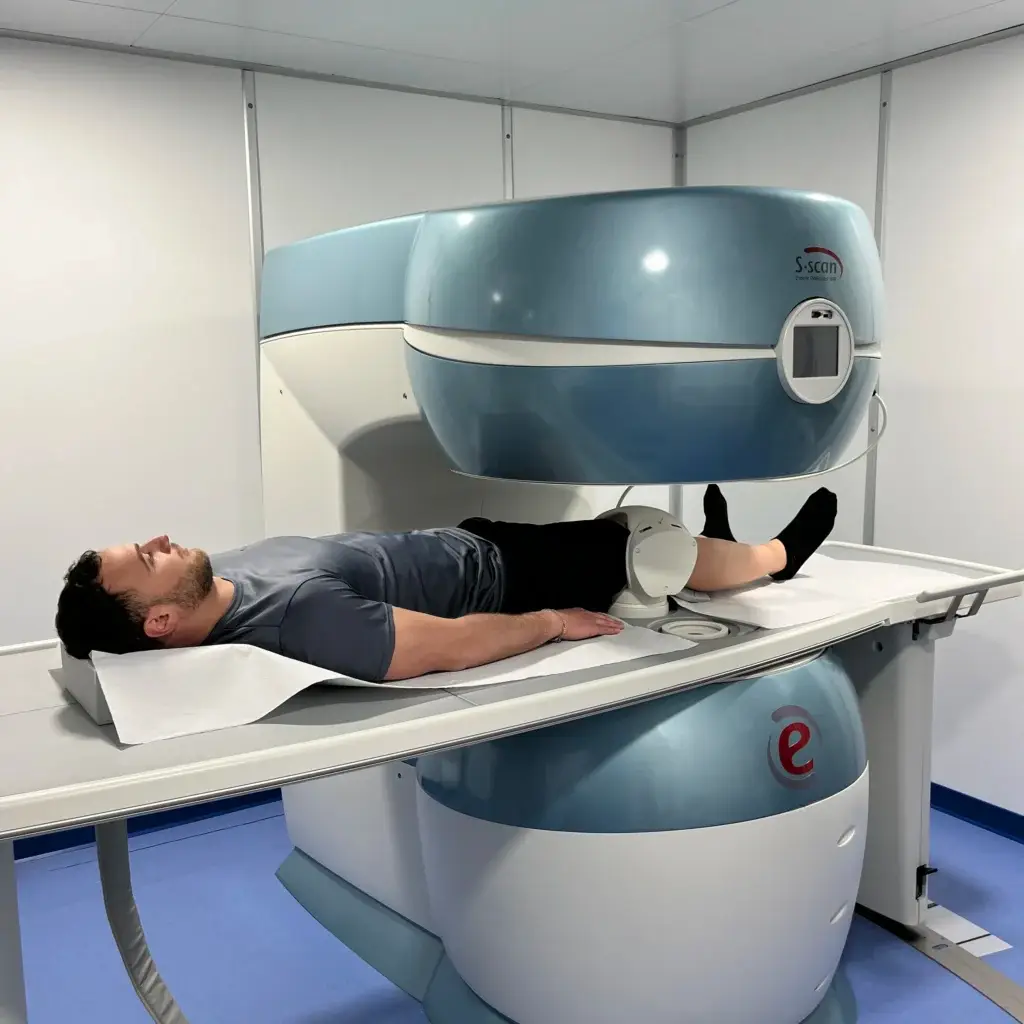
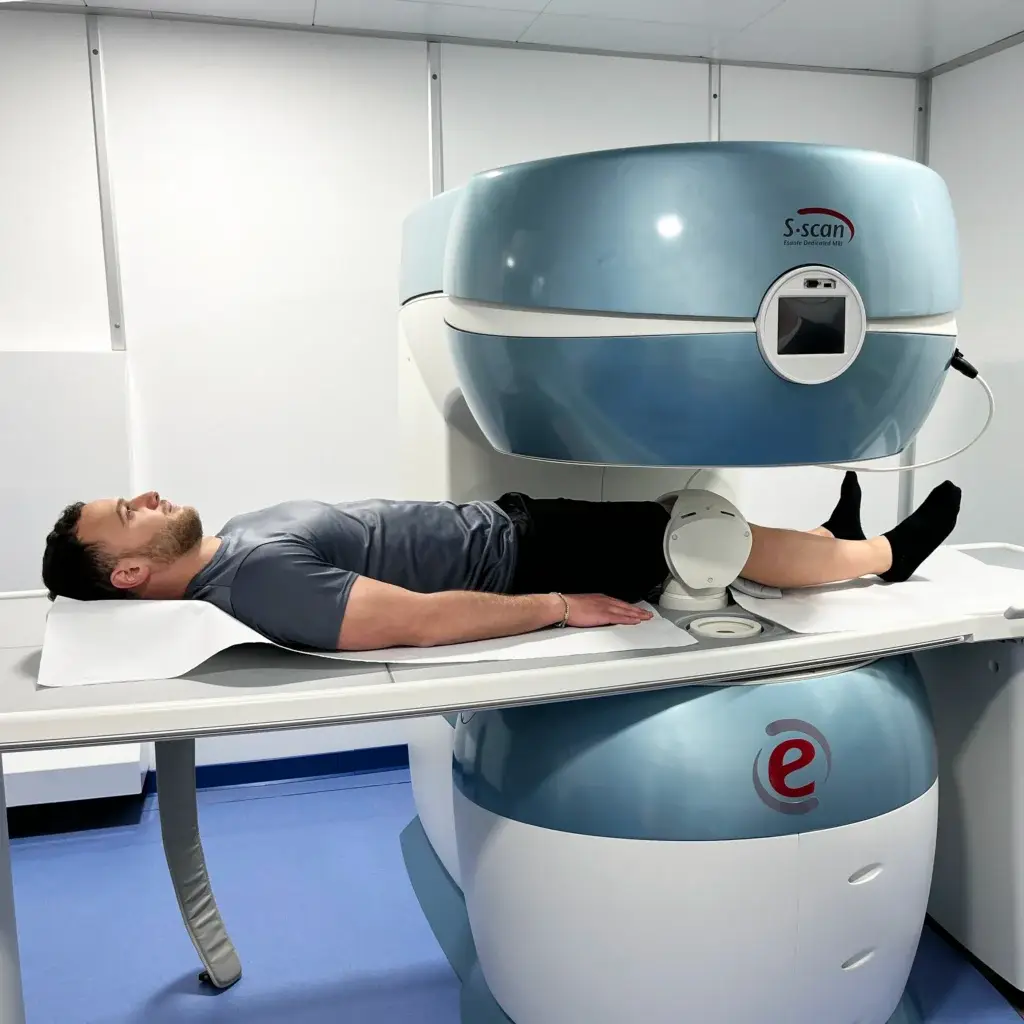
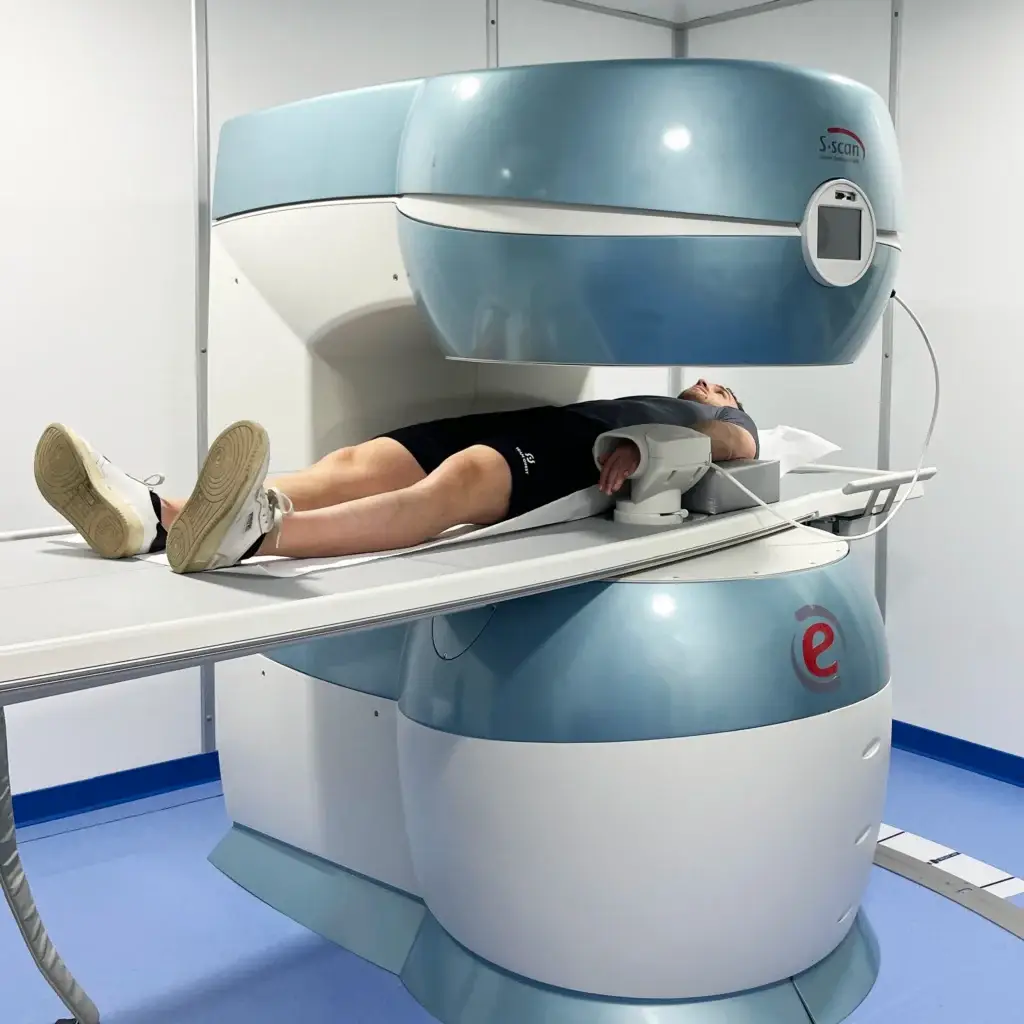
- magnetic resonance imagingwhich is ideal for analysing tendons and ligaments and especially the integrity of the menisci
- ultrasound scanning: esame meno invasivo e più economico per analizzare tessuti tendinei e legamenti
- blood tests: used to diagnose inflammation by monitoring ESR and CRP values, or to diagnose rheumatic diseases such as rheumatoid arthritis, gout, or clotting defects (haemophilia)
Treatment of knee effusion
The course of treatment is chosen after diagnosis and may be pharmacological or surgical.
Farmaci per il ginocchio
The drugs that are administered are, depending on the case:
- painkillers with anti-inflammatory power (NSAIDs or paracetamol) that relieve pain and attempt to reduce inflammatory symptoms
- antibiotics if there is an ongoing bacterial infection
- corticosteroids: these are administered after NSAIDs and paracetamol have had poor results. They are very powerful and also present some side effects.
Knee surgery
- Therapeutic arthrocentesis: as in the diagnostic one, fluid is taken to 'free' the joint. In addition, the doctor may inject corticosteroids or hyaluronic acid at the end of the sampling.
- Therapeutic arthroscopy: in contrast to diagnostic arthroscopy, it is also accessed with precision instruments with which the surgeon performs the operation. It is often used to treat injuries or 'clean' menisci and to reconstruct cruciate ligaments.
- Prostheticswhen none of the previous treatments have any effect. Prosthesis surgery is very invasive, but necessary to improve the quality of life.
Prevention of knee effusion
Ultima, non per importanza, la prevenzione.
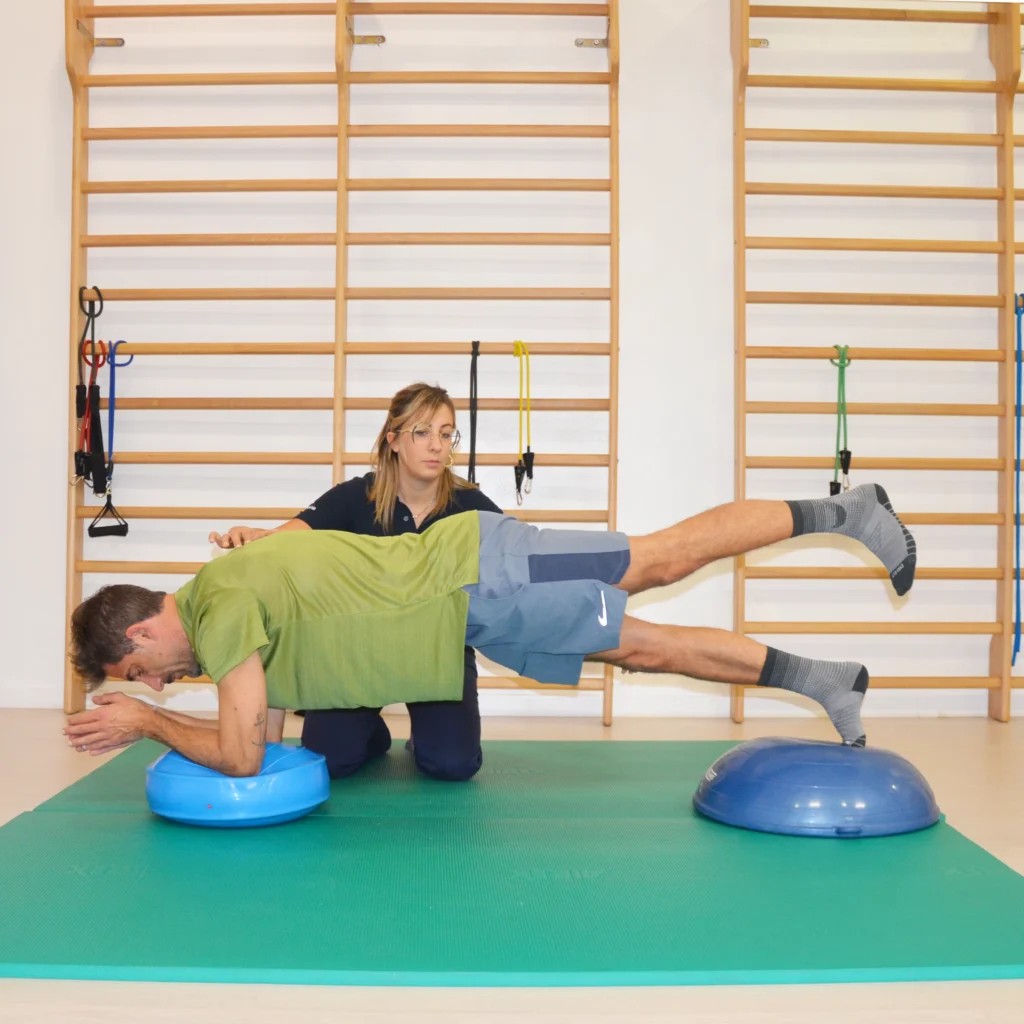
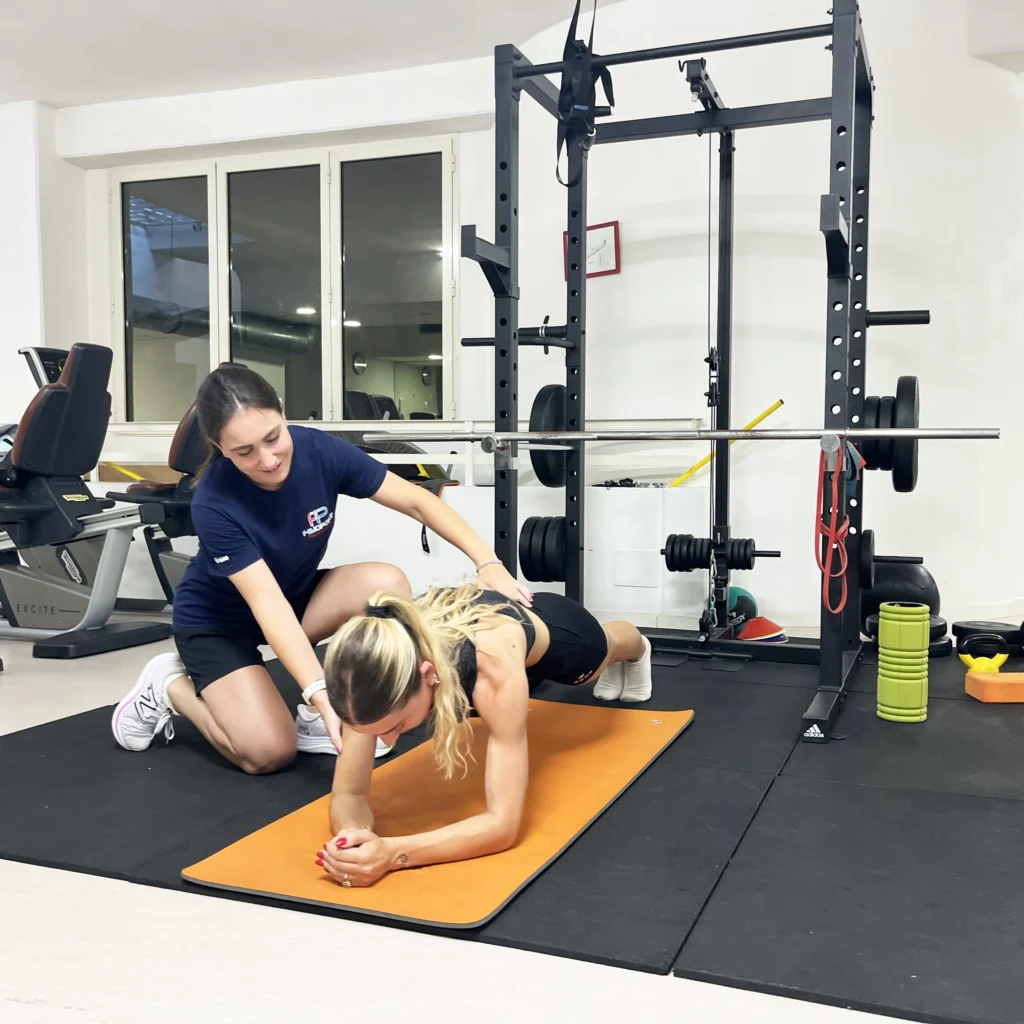
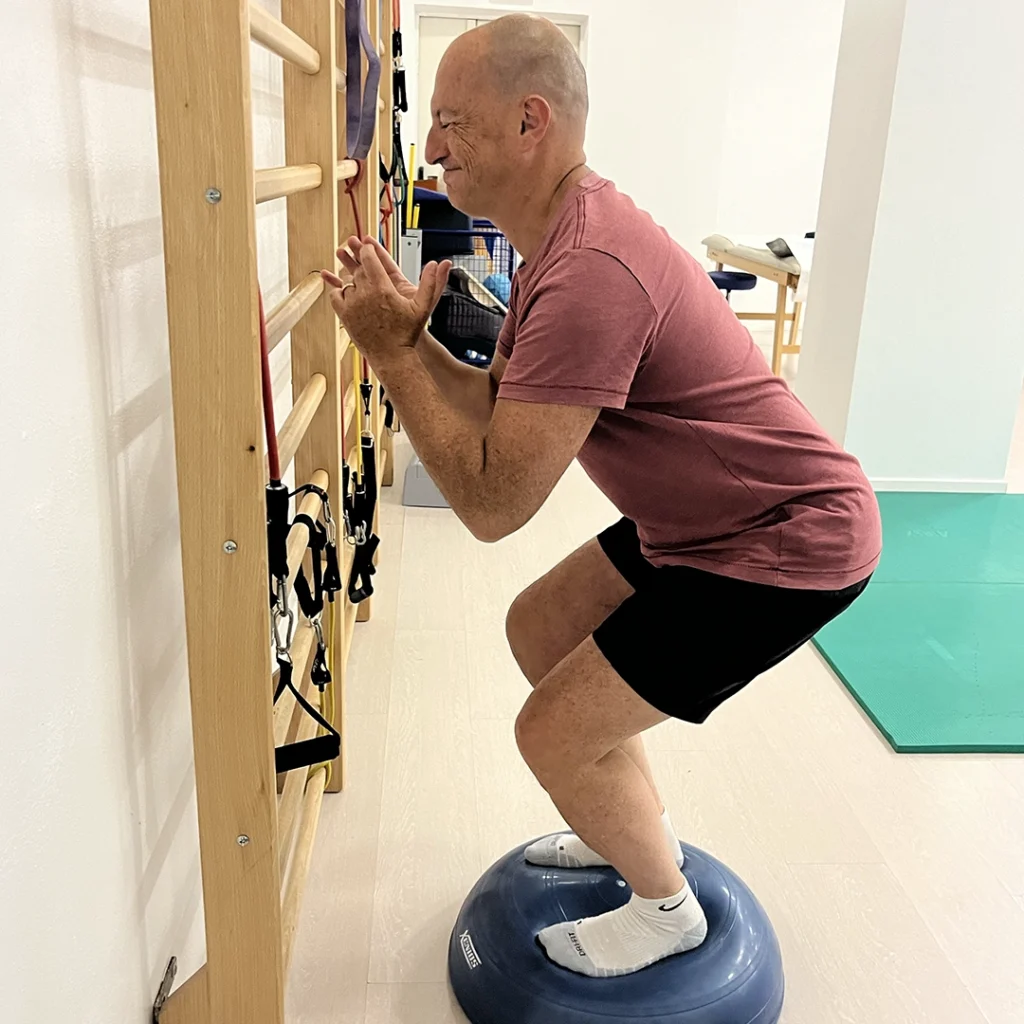
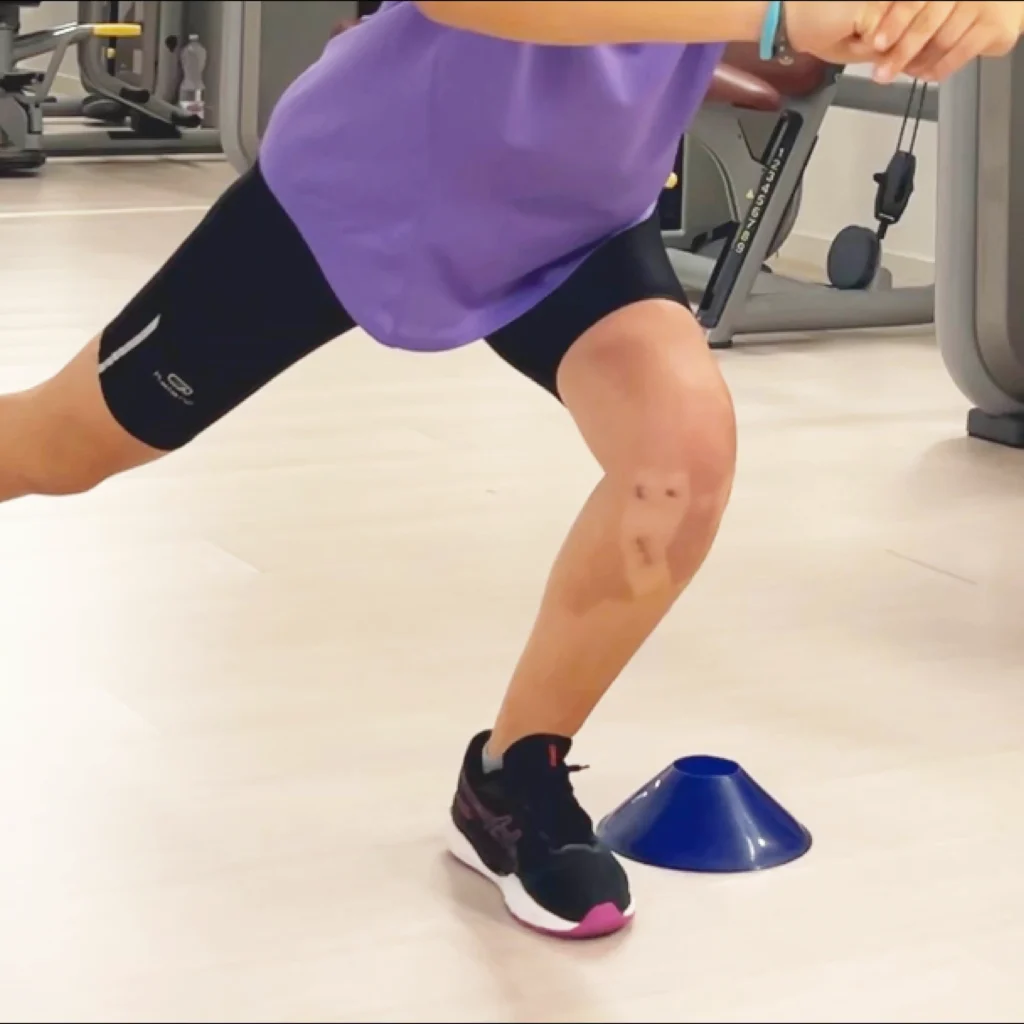
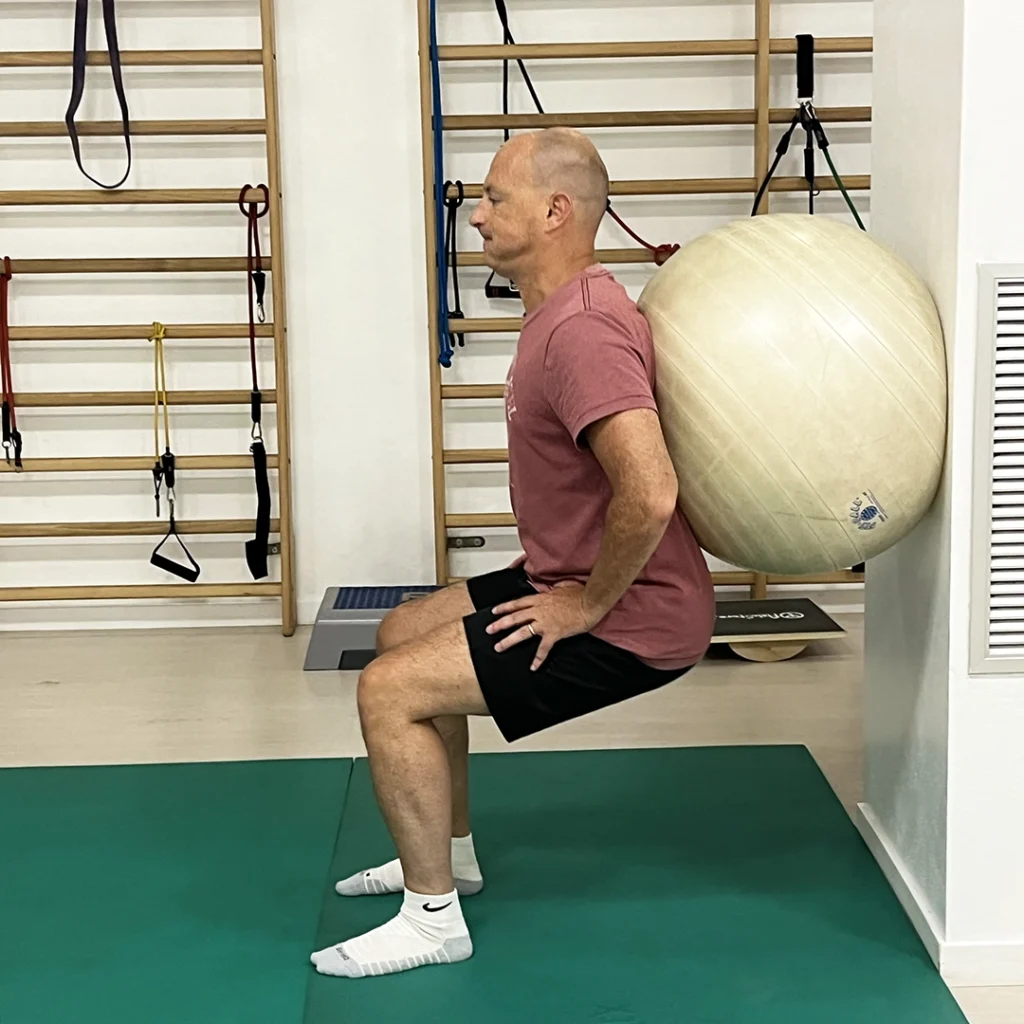
Sarebbe riduttivo consigliare semplicemente di seguire una buona dieta. È importante fare un’preventive motor activity that makes the patient 'functional and responsive', especially if he/she plays contact sports, or aadapted motor activity if the patient is obese (so that he preserves his joints and tries to drop a few kilograms), or if he suffers from arthrosis, in order to develop muscles that can make up for the degenerated cartilage.
Text by Claudio Paolacci
Learn more by watching the videos on our channel YouTube






 English
 Italian