Generalities, causes and diagnosis of humerus fractures
Fracture of the proximal third of the humerus represents a traumatic event that can involve:
- the head of the humerus
- tuberosities (trochitis or trochine)
- the diaphysis
It affects more people over 65; women are more affected than men in a ratio of 4:1.
In elderly patients, or with osteoporosis, a slight trauma is sufficient to incur a fracture (mostly domestic trauma), whereas in young subjects, due to their higher calcium tone, a high-impact trauma is necessary and the resulting fracture is often more serious.
The diagnosis is made through instrumental examinations, such as:
- X-ray (real AP projection)/TAC to assess the number of bone fragments, their breakdown and vascular risks
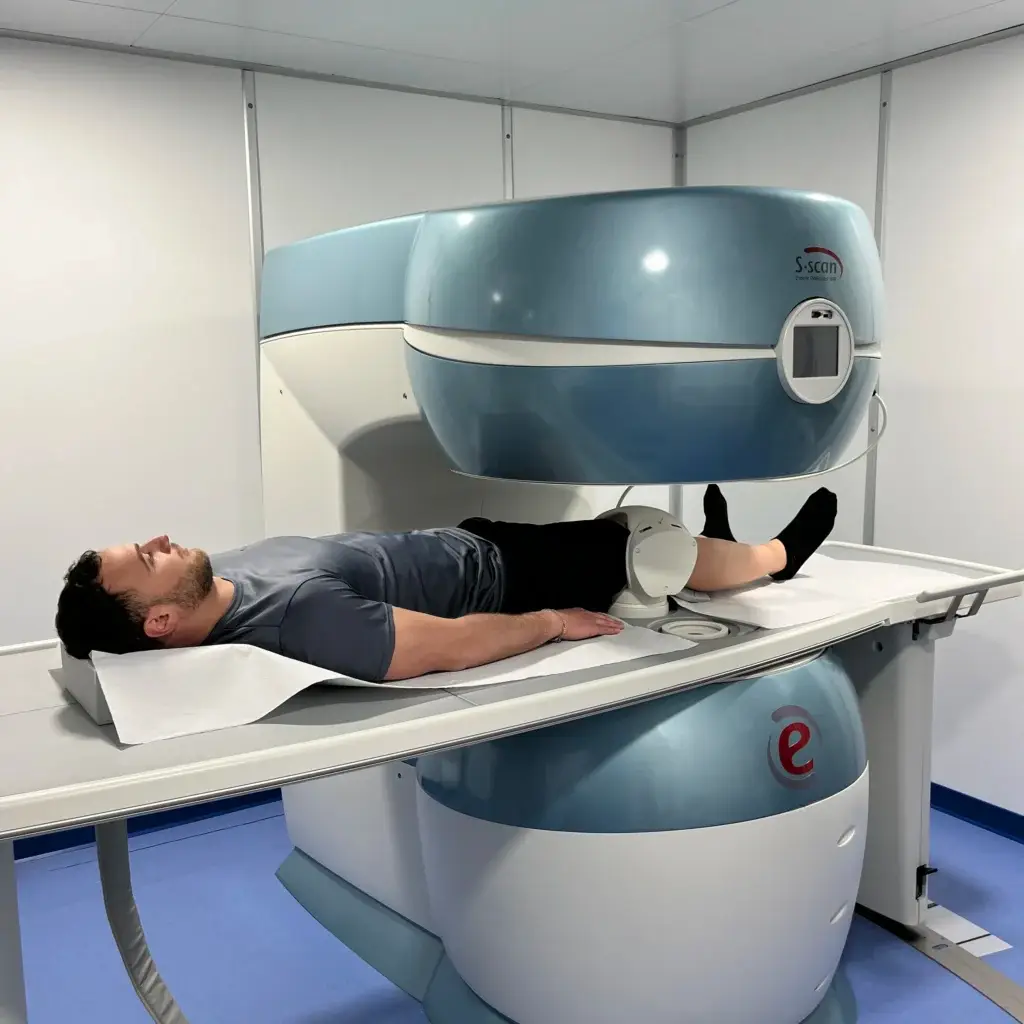
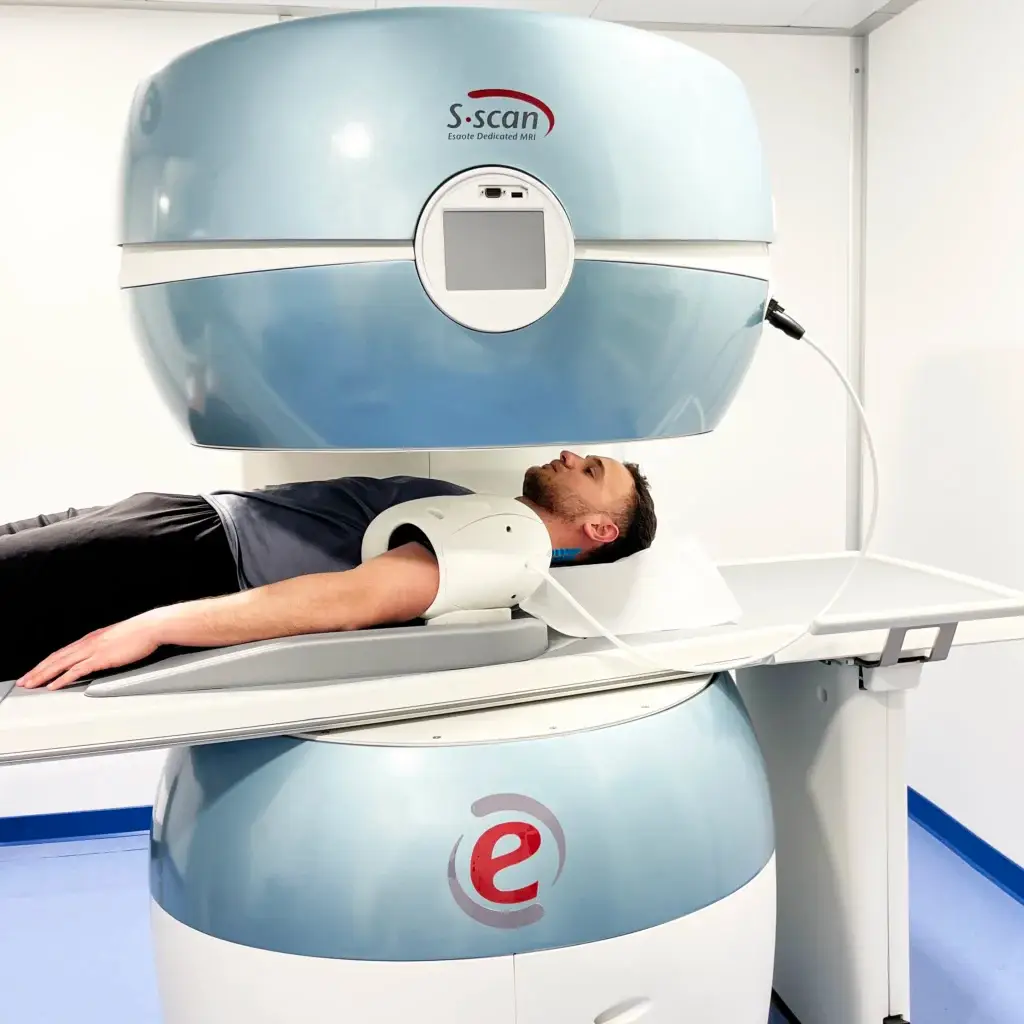
- MRI to assess the state of soft tissue
Treatment of fractures of the proximal third of the humerus
The treatment aims to achieve bone consolidation and restore the anatomy and functionality of the injured part.
Depending on the characteristics of the fracture it can be:
- Conservative: Compound or, minimally decomposed fractures are candidates for this type of approach; a brace is used as a means of immobilisation, which will promote the formation of bone callus and a physiotherapeutic course.
- Surgical: decomposed fractures are candidates for this approach; in this case surgery consists of the application of plates, screws, wires, or prosthetic replacement followed by a period of immobilisation and then physiotherapy.
Conservative treatment of humerus fractures
The conservative treatment consists of closed reduction of the fracture and subsequent stabilisation to reduce the mobility of the fragments. Candidates for this treatment are fractures that have minimal fragment decomposition; therefore, a stable configuration and no vascular risks.
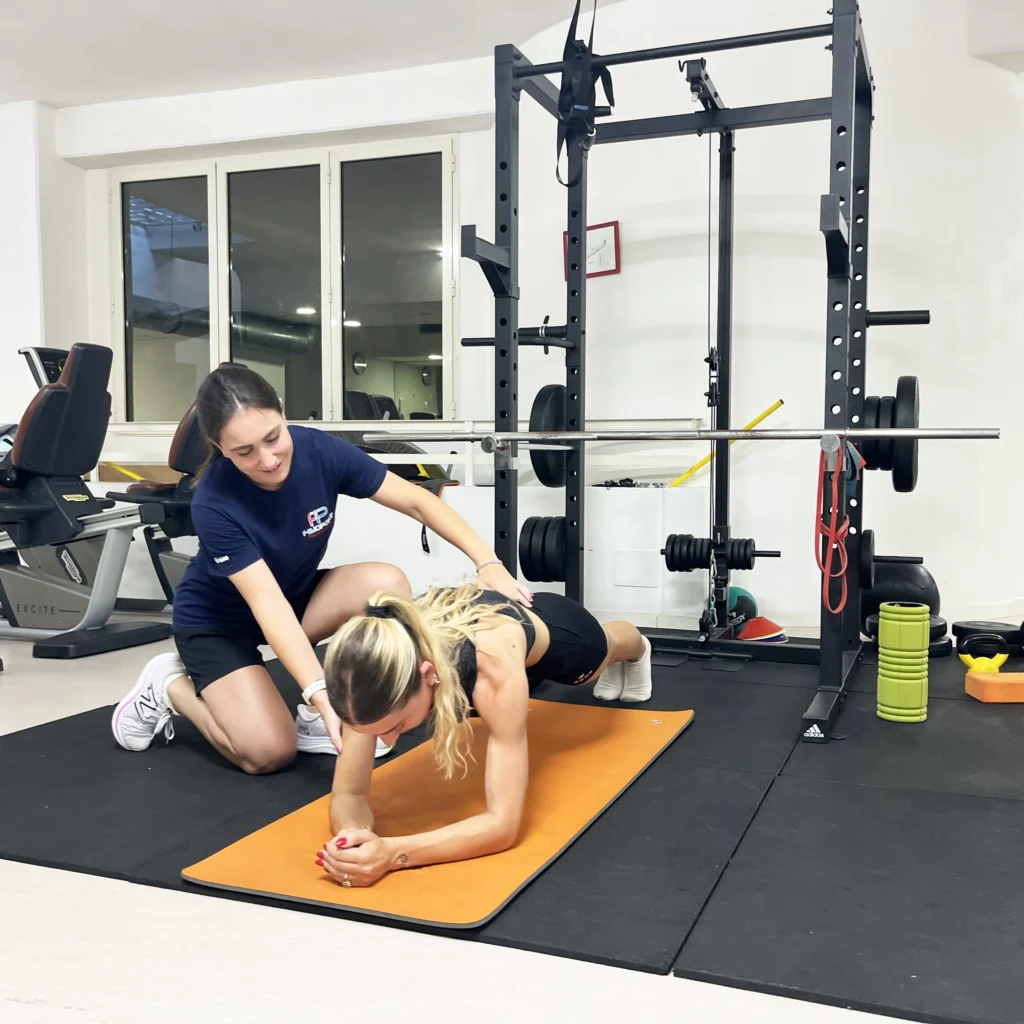
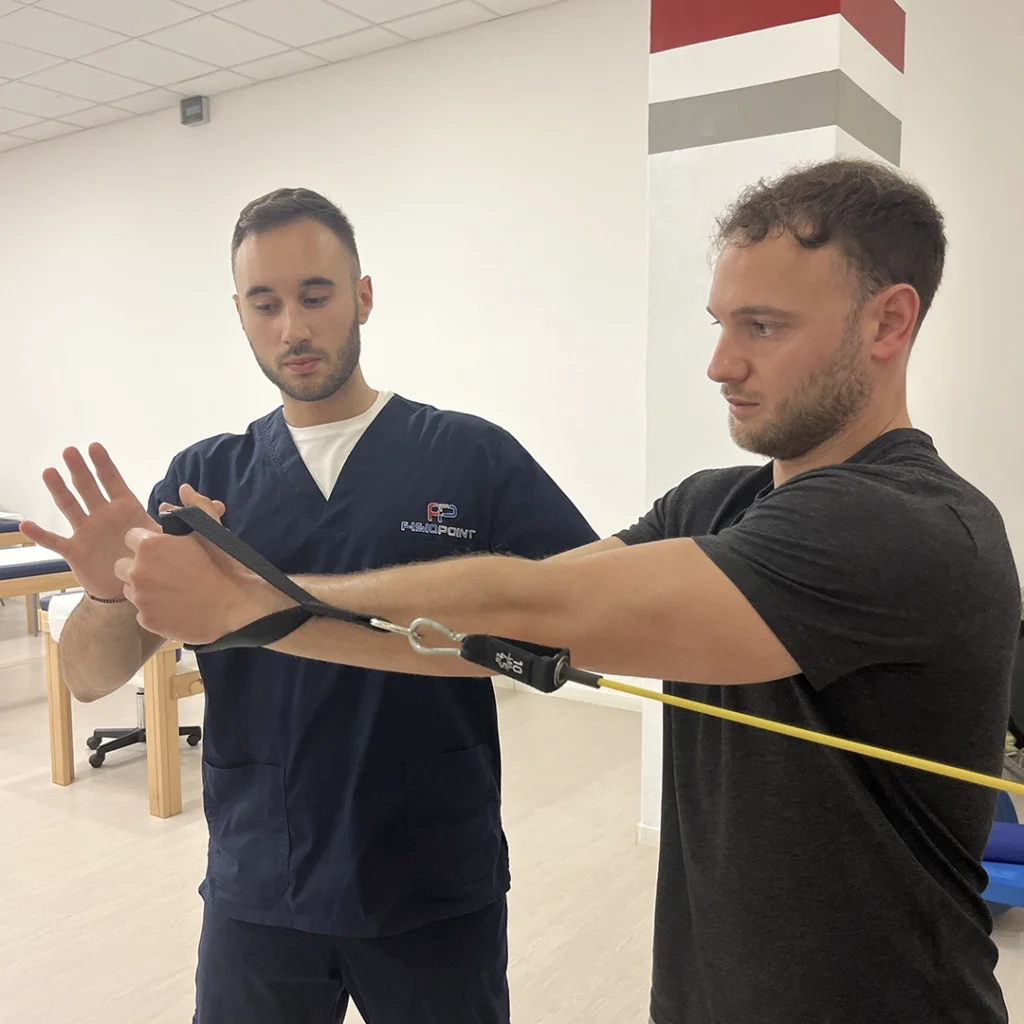
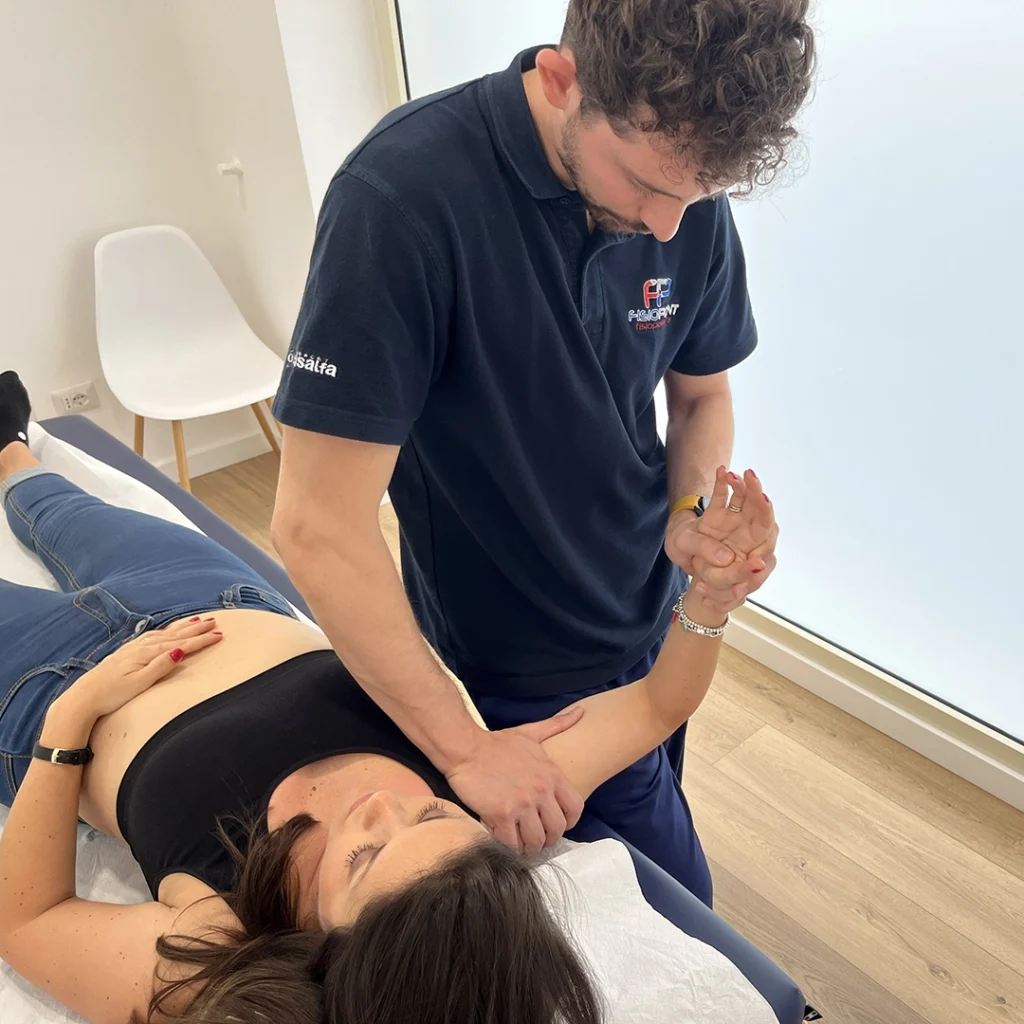
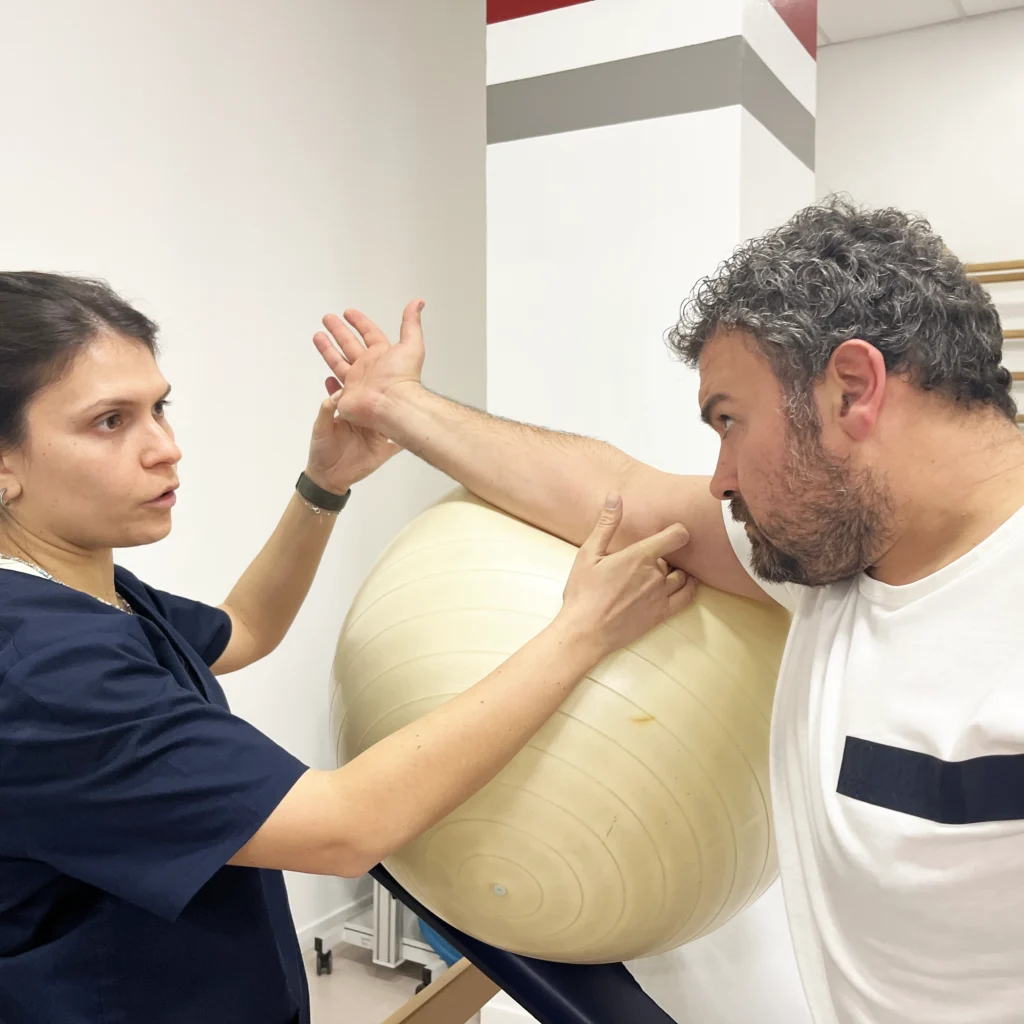
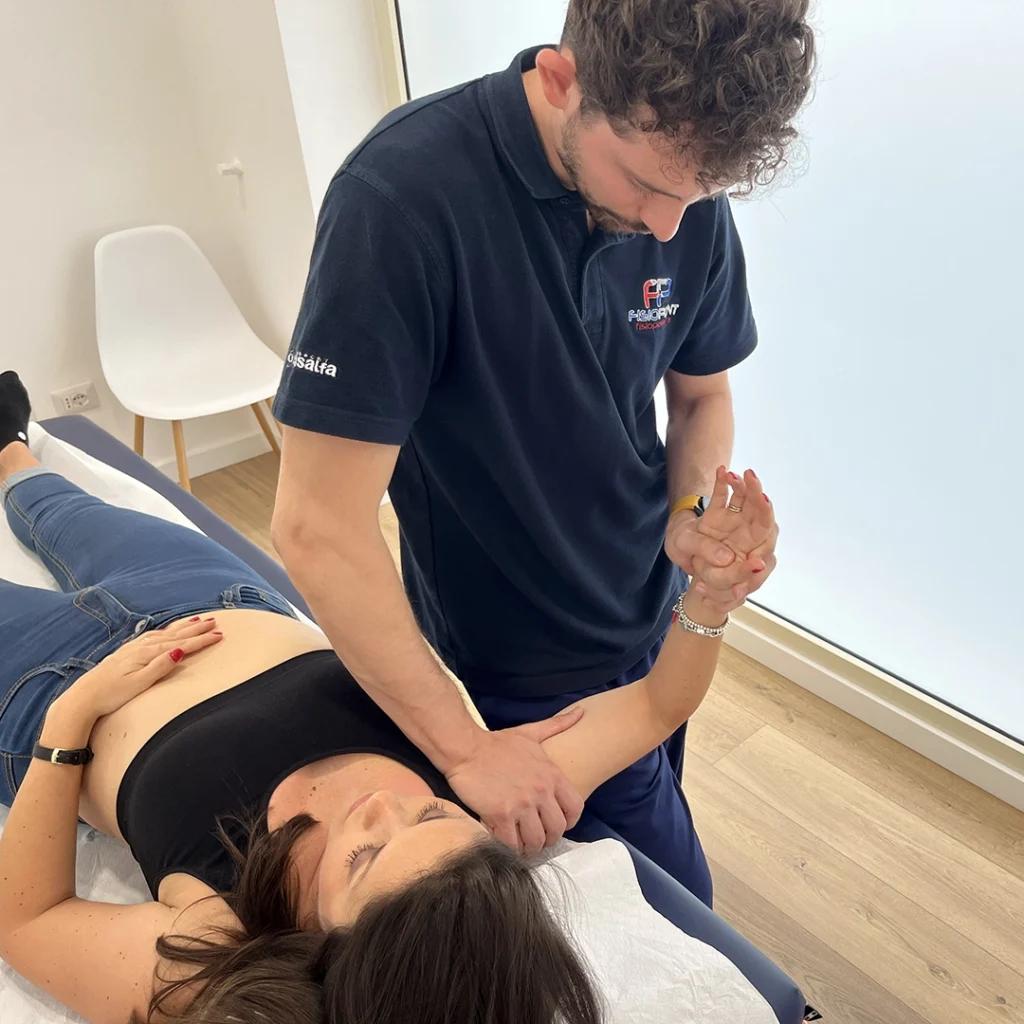
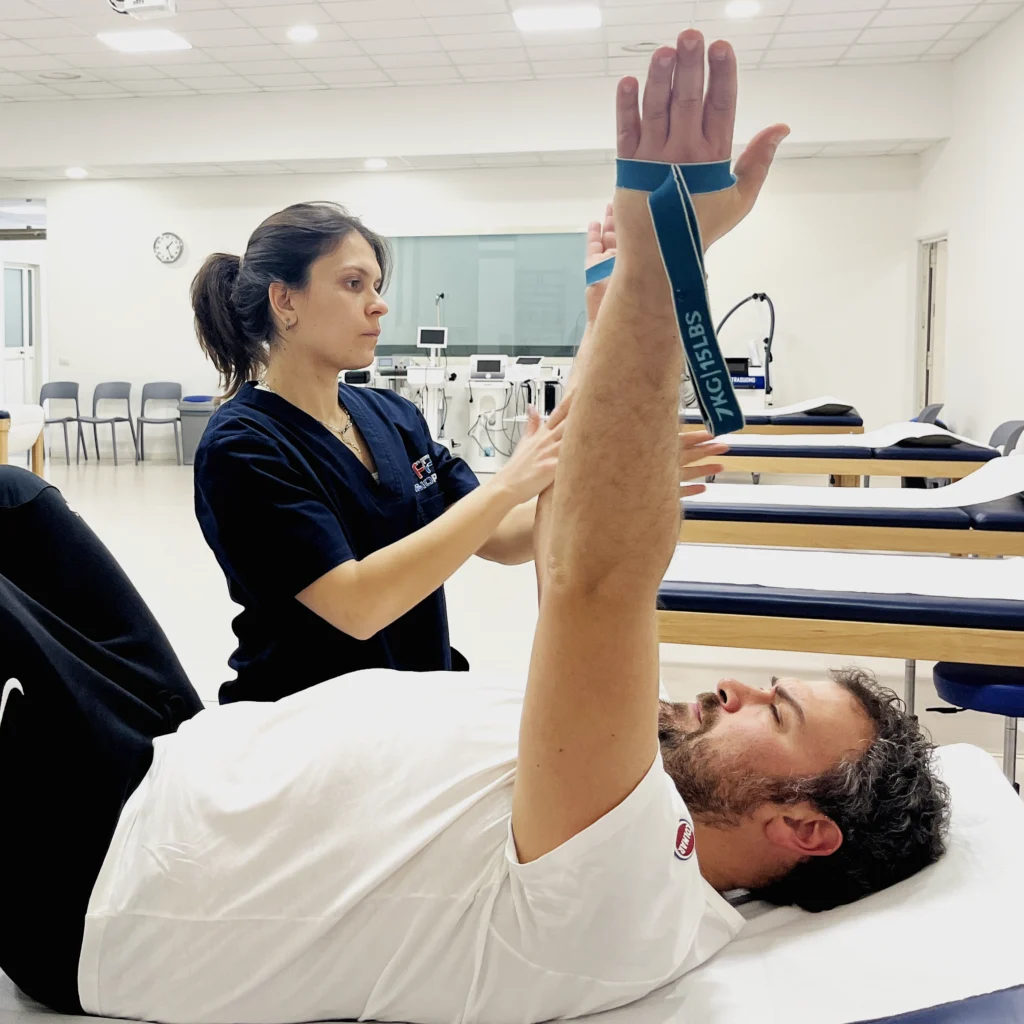
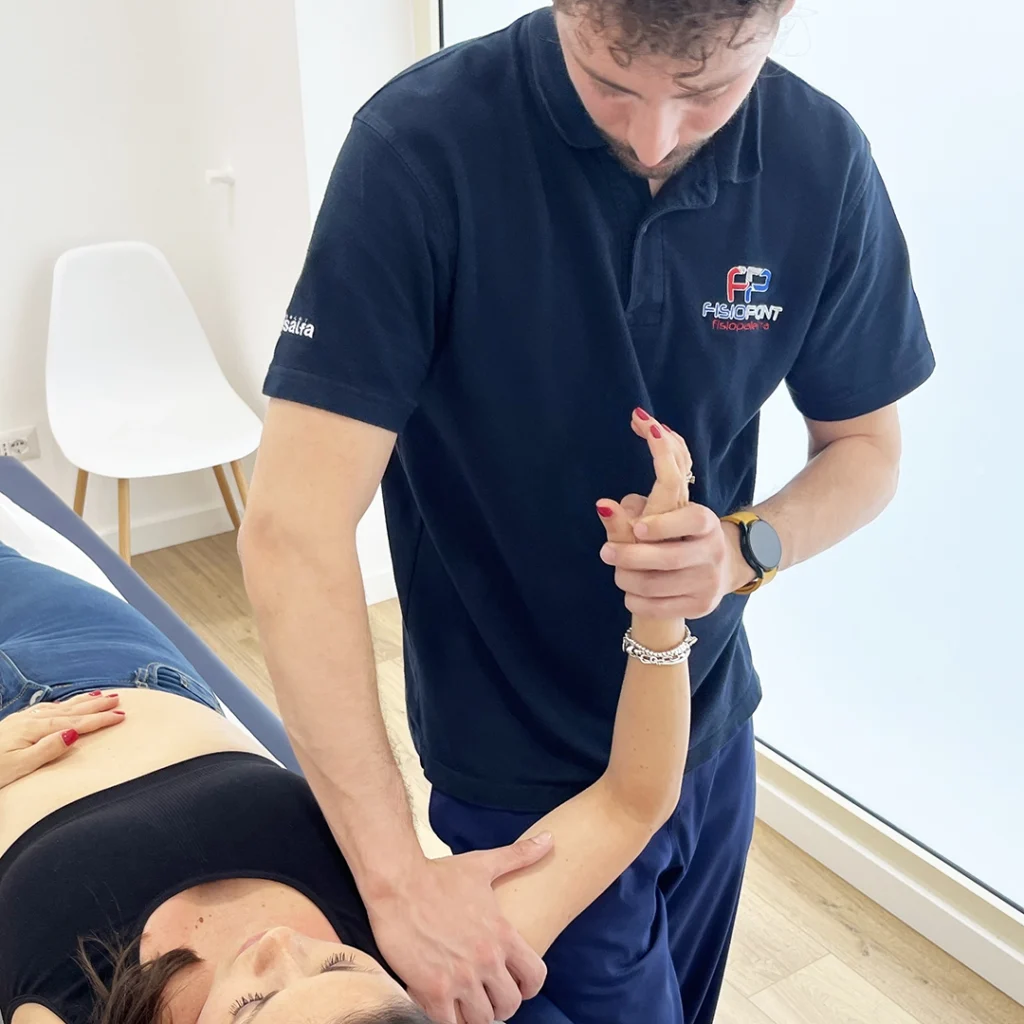
In this type of fracture, the rehabilitation must take place within the time required for a natural stabilisation of the fracture. Therefore, following an initial period of immobilisation in a brace for three to four weeks, the surgeon, having ascertained the clinical stability, will allow the start of passive mobilisation which, in the first period, must in any case take place within a protected range of movement, progressing then to increase the joint range.
Surgical treatment of humerus fractures
The surgical treatment consists of reconstructing or replacing the segments involved by means of synthesis: intramedullary nail, screws, plates, or prosthesis (anatomical or inverse). Candidates for this treatment are fractures with vascular risks and high fragment decomposition (more than 10 mm).
The rehabilitation of this type of fracture varies depending on the type of surgery:
- ORIF (Open Reduction Internal Fixation): consists of the fixation of fracture segments by means of metal plates and screws. Rehabilitation in these cases will begin in a period following immobilisation in a brace that may vary from 10 days to 3 to 4 weeks, the latter being the case for elderly, osteoporotic patients or those with very complex fractures. The aim is to gradually recover the articularity and functionality of the involved limb.
- HEMIARTROPLASTICS: consists of replacing only the humeral component, the glenoid component is preserved. It is a less common operation, to which the surgeon resorts if there are certain requirements, such as non-involvement of the tuberosities (trochitis, trochine) and age (young patients). In this case, given the reinsertion of the tuberosities on the implant and the fundamental role of their vascularisation, it is necessary to delay the start of rehabilitation until two to three weeks post-surgery, proceeding with cautious mobilisation.
- PROSTHESIS: consists of replacing the glenohumeral joint with synthetic means. It can be of two types, anatomical or inverse.
Shoulder prosthesis
Anatomical prosthesis consists of joint replacement with synthetic means that reconstruct the anatomy of the shoulder, can be total (arthroplasty) or partial (endoprosthesis). The rehabilitation will begin after 3 to 4 weeks of the brace, with an initial phase of approximately 6 weeks in which the objective will be to recover articularity from 0 to 90°, with the painful arch excluded, followed by progressive activation of the cuff muscles and total recovery of articularity
The reverse prosthesis, as the name suggests, inverts the anatomical surfaces of the shoulder joint, i.e.: the convex bony head, the humerus, is replaced by a stem with a concave end that articulates with a spherical surface inserted in place of the glenoid cavity. In this case, there are many elements that can influence post-operative rehabilitation, such as the pre-operative state of the joint, muscles and tendons; the bone quality; the integrity of the remaining part of the rotator cuff; and the reason for needing the prosthesis. Rehabilitation, also in this type of prosthetic implant, will begin after immobilisation in a brace over a period of 2 to 4 weeks, depending on the health of the muscles and tendons: when the cuff is surgically repaired the quality of its tendons is poor, when it retains residual function it allows a more rapid rehabilitation progression.
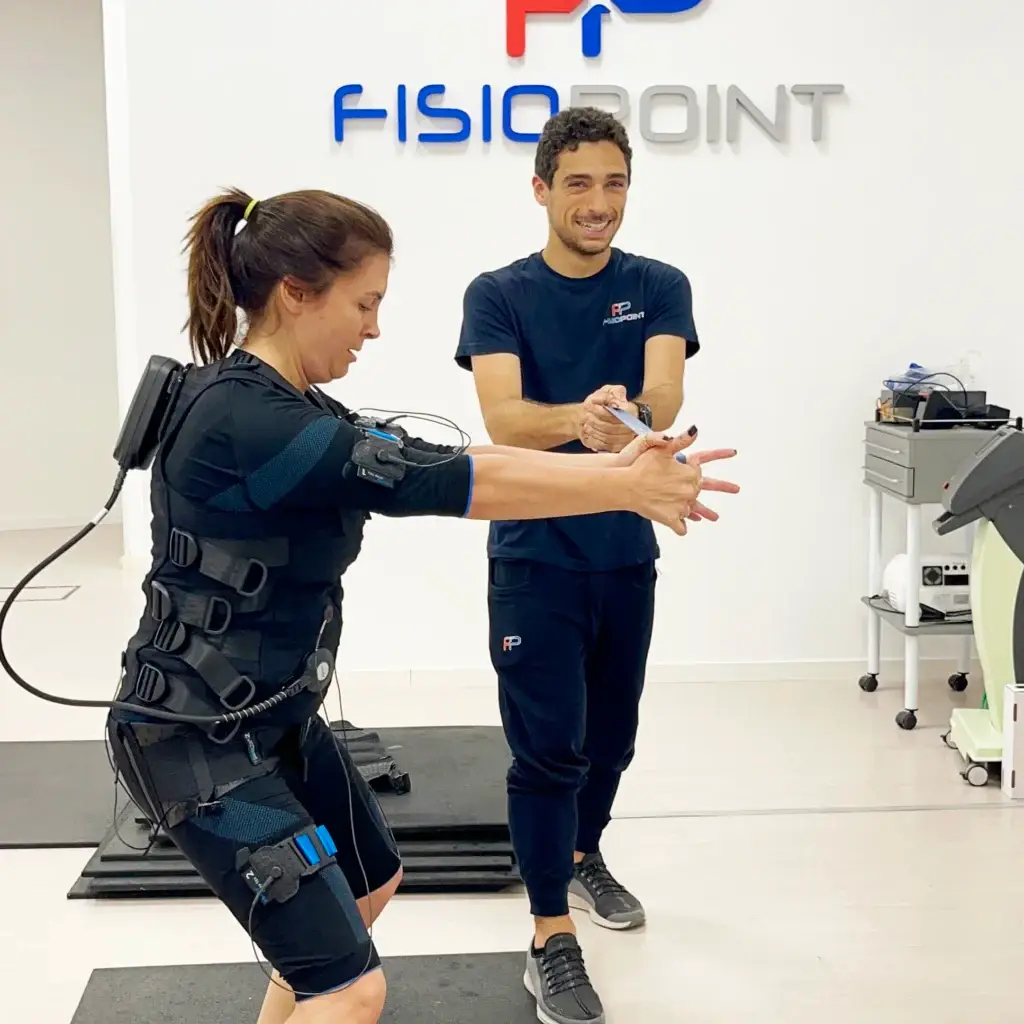
In order to enable the resumption of activities of daily living, it is useful from the earliest stages to perform exercises that stimulate the scapulohumeral musculature. On the other hand, in the case of relatively young patients who require a return to sporting activity, specific reinforcement work will be necessary, introducing exercises that progressively simulate athletic gestures in the last phase of rehabilitation. The return to sports is an achievable goal even after reverse prosthesis surgery, depending on the type of sport and the athletic gesture specifically involving the affected limb.
Text by Rosita La Terza
Learn more by watching the videos on our channel YouTube







 English
 Italian